Shanghai Travel Guide 2026–27: 7 Amazing Things to See and Do
Shanghai is a city of contrasts. One moment, you’re standing beside traditional Chinese pavilions and centuries-old gardens. The next, you’re looking up at futuristic skyscrapers, watching river cruises glide past a glittering skyline, or exploring lively streets filled with restaurants, boutiques, and local food stalls.
Located on China’s central eastern coast, Shanghai is one of the country’s most exciting destinations for first-time visitors. It combines history, architecture, shopping, modern attractions, and an extraordinary food scene in one sprawling metropolis. Whether you’re planning a short stopover or a longer China vacation, the city offers plenty of memorable experiences.
If you’re planning Shanghai travel in 2026–27, you might wonder which attractions deserve your limited time. With so many neighborhoods and landmarks to explore, choosing a few highlights can make your trip much easier.
This guide covers seven amazing things to see in Shanghai, along with practical advice on when to visit, how to get around, where to eat, and how to plan your itinerary.
Recommended Travel Items for Your Trip
Why Visit Shanghai in 2026–27?
Shanghai offers a different experience from many other Chinese destinations. Its historic waterfront, international architecture, traditional gardens, modern skyline, and contemporary cultural spaces tell different parts of the city’s story.
It’s also a convenient starting point for exploring other parts of eastern China. High-speed rail connections make it possible to visit nearby cities and traditional water towns, while the city’s metro network helps travelers move between major attractions.
Here are a few reasons to put Shanghai on your travel list:
- Architecture: See historic waterfront buildings alongside some of China’s tallest skyscrapers.
- Chinese culture: Explore traditional gardens, temples, museums, and markets.
- Food: Try Shanghai-style soup dumplings, noodles, local specialties, and regional Chinese dishes.
- Shopping: Browse everything from traditional markets to modern shopping streets.
- Photography: Capture river views, illuminated towers, traditional rooftops, and charming neighborhoods.
- Day trips: Visit nearby water towns for canals, stone bridges, and traditional architecture.
Shanghai works well for couples, solo travelers, families, and culture lovers. The secret is to organize your sightseeing by neighborhood rather than trying to cross the entire city several times a day.
1. Walk Along the Bund for Shanghai’s Iconic Skyline
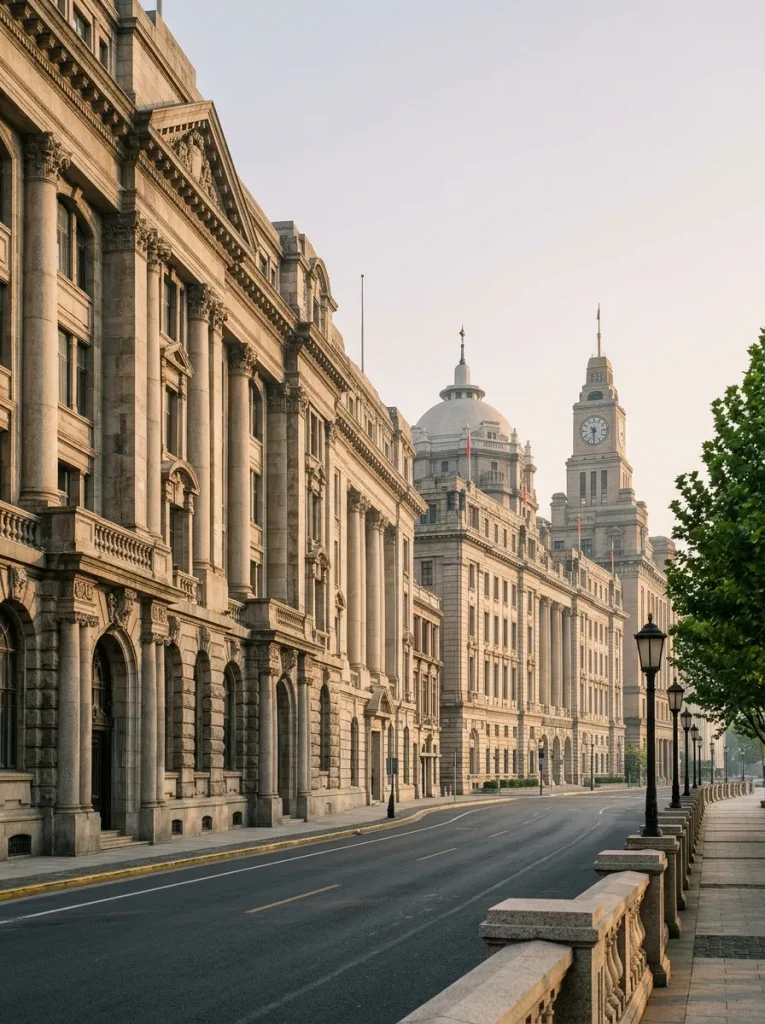
The Bund is one of the most recognizable places in Shanghai and an excellent starting point for your visit. This historic waterfront promenade runs alongside the Huangpu River, with a remarkable collection of heritage buildings on one side and the futuristic Pudong skyline across the water.
The contrast is what makes the experience so memorable. Historic towers, grand facades, and early twentieth-century architecture face a modern landscape dominated by glass skyscrapers and illuminated landmarks.
What to See at the Bund
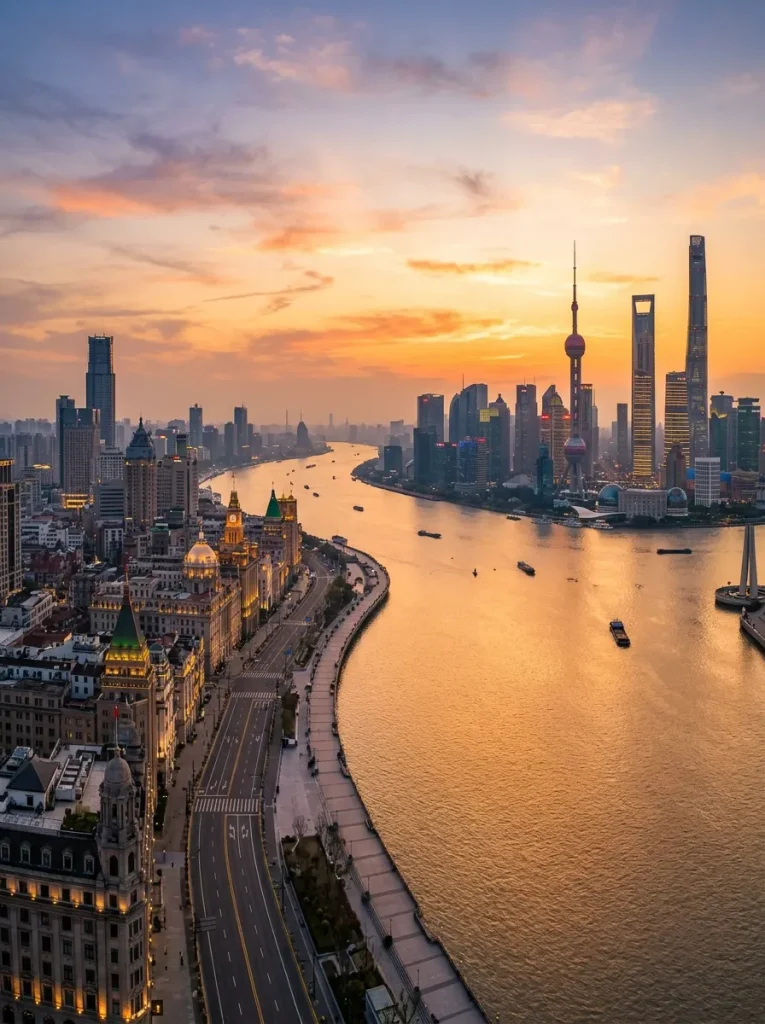
Start with a leisurely walk along the riverfront. Take time to notice the architectural details of the historic buildings, many of which once housed financial institutions, trading companies, and other businesses.
Across the river, look for the Oriental Pearl Tower, Shanghai Tower, and the other high-rises that define Pudong.
The Bund is particularly attractive around sunset. Arrive before dusk, find a comfortable spot along the promenade, and watch the skyline change as the city lights come on. The reflections on the river create excellent photography opportunities.
Early morning is another option if you prefer a quieter atmosphere. You’ll see locals exercising and walking along the waterfront before the main crowds arrive.
Should You Take a Huangpu River Cruise?
A river cruise is a worthwhile addition if you want to see both sides of Shanghai from the water. Evening departures can provide impressive views of the illuminated skyline and historic waterfront.
Check current departure times, ticket prices, and boarding locations before booking. The schedule and lighting arrangements can vary by season and special event.
Travel tip: Allow around one to two hours for the Bund itself, or longer if you add a river cruise and stop for photographs.
2. Visit Yu Garden for Traditional Chinese Architecture
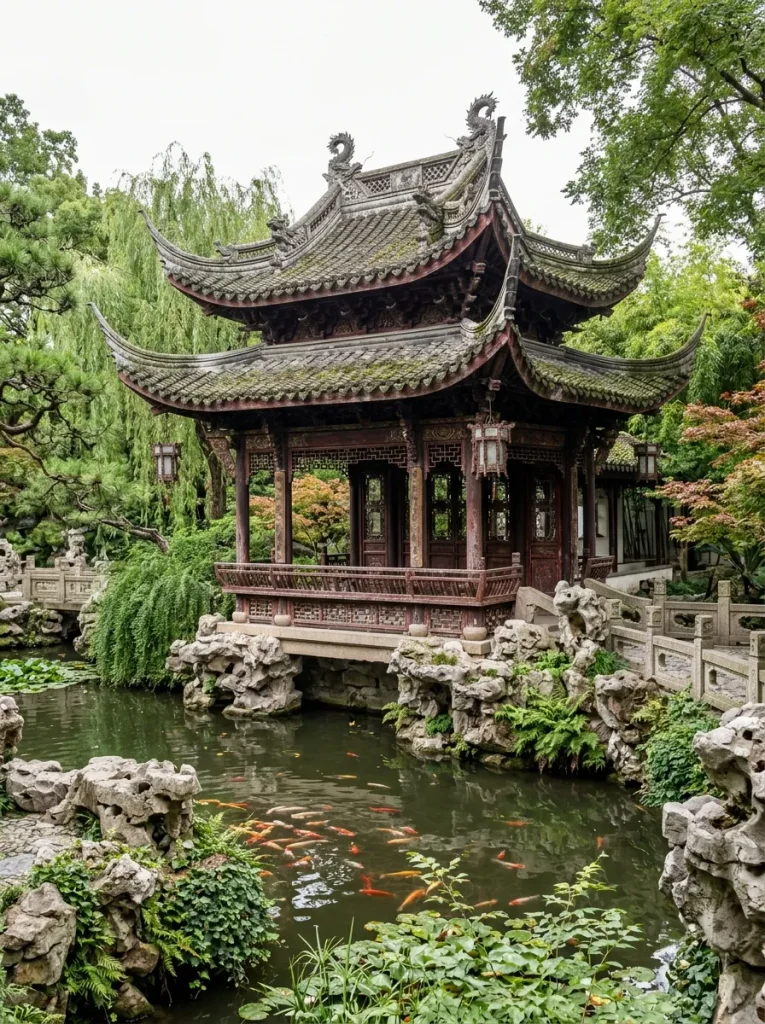
If the modern skyline is Shanghai’s futuristic face, Yu Garden offers a glimpse into its traditional side.
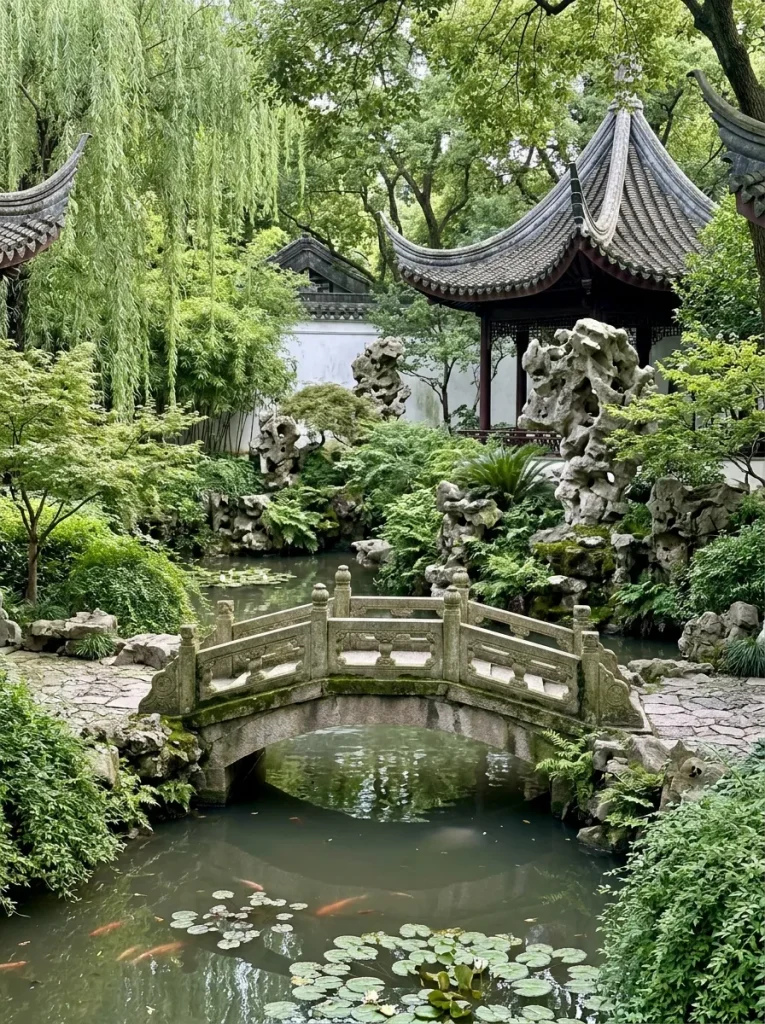
Located in the Old City, Yu Garden is a classical Chinese garden with decorative pavilions, rockeries, ponds, winding paths, and carefully framed views. Its history dates to the Ming Dynasty, and its design emphasizes the balance between buildings, water, plants, and stone.
Walking through the garden feels very different from exploring Shanghai’s busy commercial streets.
What Makes Yu Garden Special?
The garden rewards visitors who slow down. Instead of rushing from one attraction to another, look for the intricate roof decorations, carved details, bridges, and reflections in the ponds.
Different sections reveal new views, making it an enjoyable place for photography. The traditional architecture also provides a fascinating contrast with the skyscrapers elsewhere in Shanghai.
Next to the garden, Yuyuan Bazaar offers shops, food stalls, and traditional-style buildings. It’s a convenient place to browse souvenirs or try local snacks.
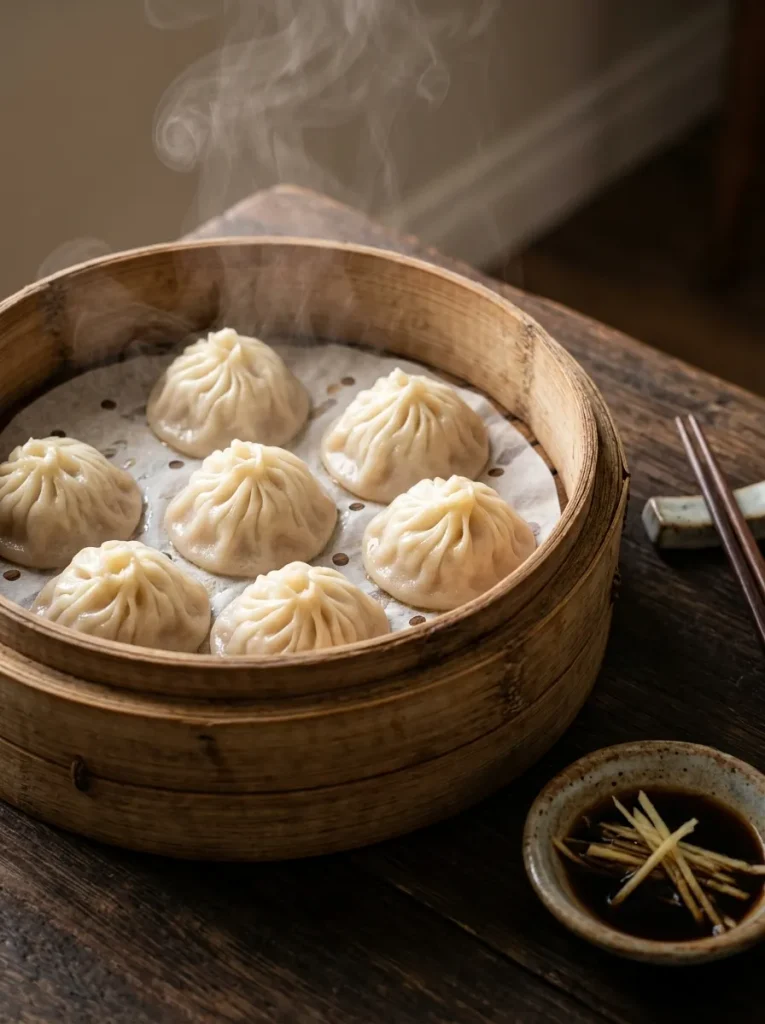
Try xiaolongbao, the famous soup dumplings associated with Shanghai. These delicate dumplings contain a savory filling and hot broth, so eat them carefully to avoid burning your mouth.
Practical Tips for Visiting Yu Garden
Visit early if you want to enjoy the garden before it becomes crowded. Check current opening hours and ticket arrangements before your visit, as access can change on public holidays or during special events.
Allow two to three hours for the garden and surrounding bazaar. If you enjoy traditional architecture and food, you may want to stay longer.
Travel tip: Combine Yu Garden with nearby Old City sights rather than scheduling it on the same day as several attractions on the opposite side of Shanghai.
3. Head Up Shanghai Tower for Incredible City Views
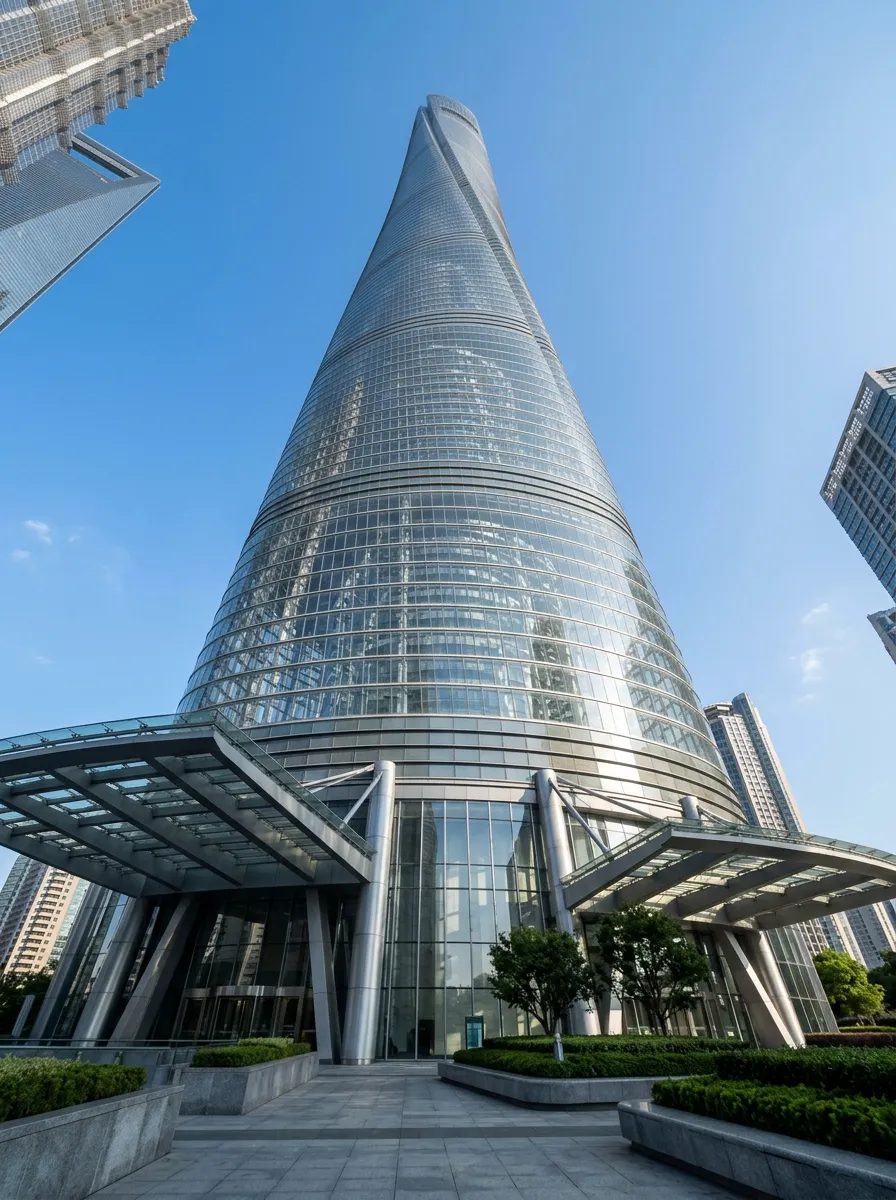
Shanghai’s skyline is one of the city’s biggest attractions, and viewing it from above gives you a completely different perspective.
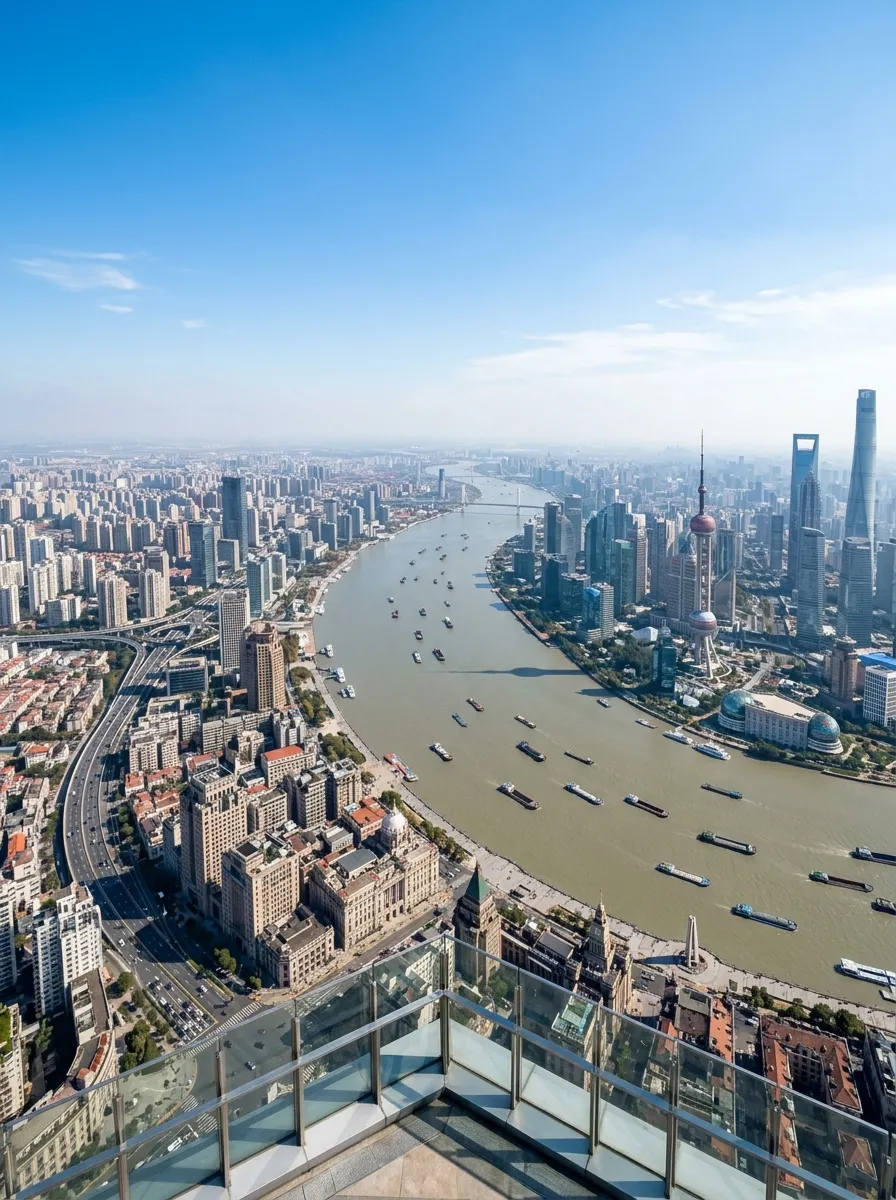
Shanghai Tower rises 632 meters above Pudong and is one of the world’s tallest buildings. Its observation deck, known as Top of Shanghai, offers panoramic views across the city from a remarkable height.
On a clear day, you can see the Huangpu River, the dense urban landscape, and the contrast between the historic city center and the modern financial district.
What to Expect at Shanghai Tower
The journey begins in Pudong’s Lujiazui financial district, where several of Shanghai’s most famous skyscrapers stand close together.
After reaching the observation deck, take your time looking across the skyline. The scale of the city becomes easier to appreciate when you can see its neighborhoods, river bends, bridges, and clusters of towers from above.
The experience is especially rewarding for photographers and travelers who enjoy modern architecture.
Is Shanghai Tower Worth Visiting?
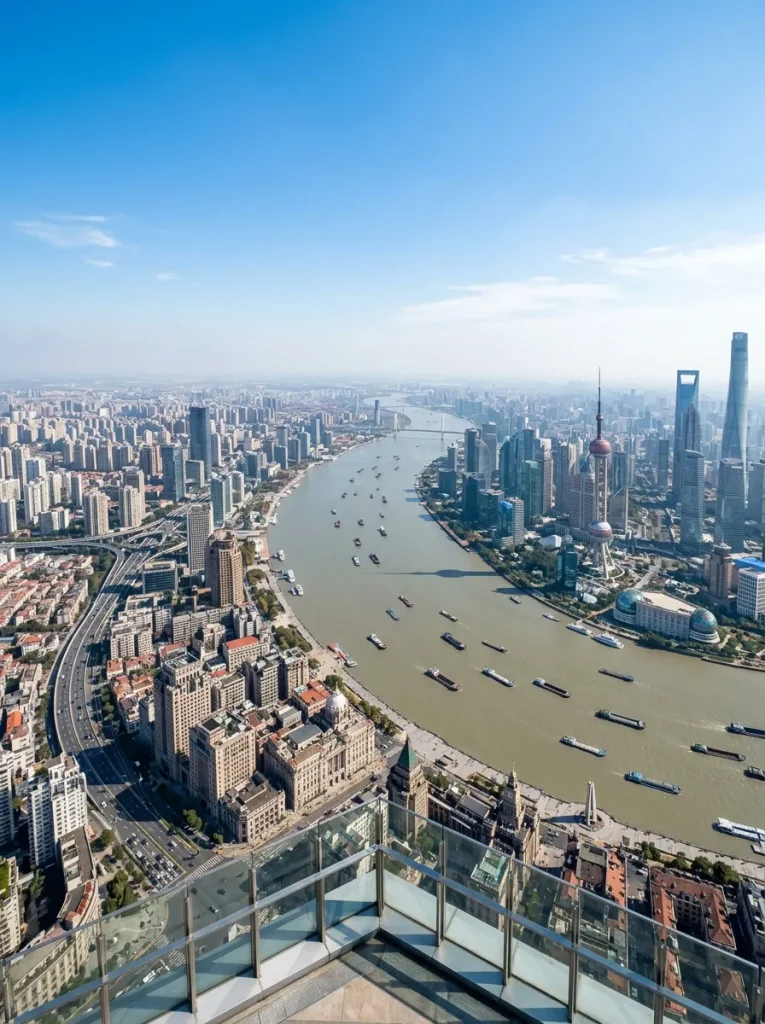
It can be, particularly if panoramic city views are high on your list. However, visibility matters. Haze, clouds, and poor weather can reduce the experience, so check the forecast before choosing your visit time.
Book tickets through the official attraction channels when possible, and confirm current prices, operating hours, and entry requirements.
If you prefer a different perspective, consider the Oriental Pearl Tower, another iconic Shanghai landmark with its distinctive spherical design and observation areas.
Travel tip: Plan your skyscraper visit around the weather and allow enough time for security checks, queues, and the observation deck itself.
4. Explore the Former French Concession
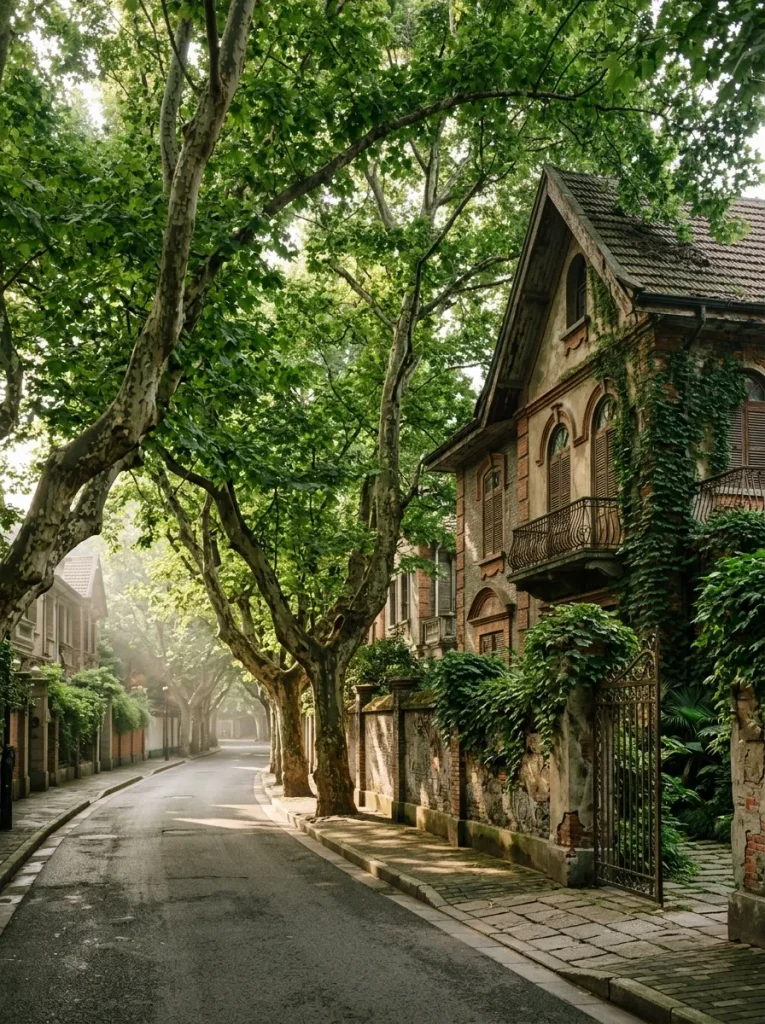
For a slower and more atmospheric side of Shanghai, spend a few hours exploring the former French Concession.
This historic area is known for tree-lined streets, older residential buildings, independent boutiques, cafes, bakeries, and small restaurants. It offers a different pace from the city’s busiest shopping districts.
Rather than visiting a single landmark, the best way to experience the area is often on foot.
What to Do in the French Concession
Choose a walkable stretch and explore without rushing. You’ll find streets shaded by plane trees, architecture from different periods, and shops tucked into converted houses and low-rise buildings.
Wukang Road is a popular starting point, known for its historic architecture and attractive streetscape. Nearby areas offer cafes, small design shops, and places to stop for a meal.
You can also explore Tianzifang, a maze of narrow lanes with small shops, studios, and food businesses. It can be crowded, but it provides an interesting contrast with Shanghai’s wide boulevards and high-rise developments.
Why Visit This Part of Shanghai?
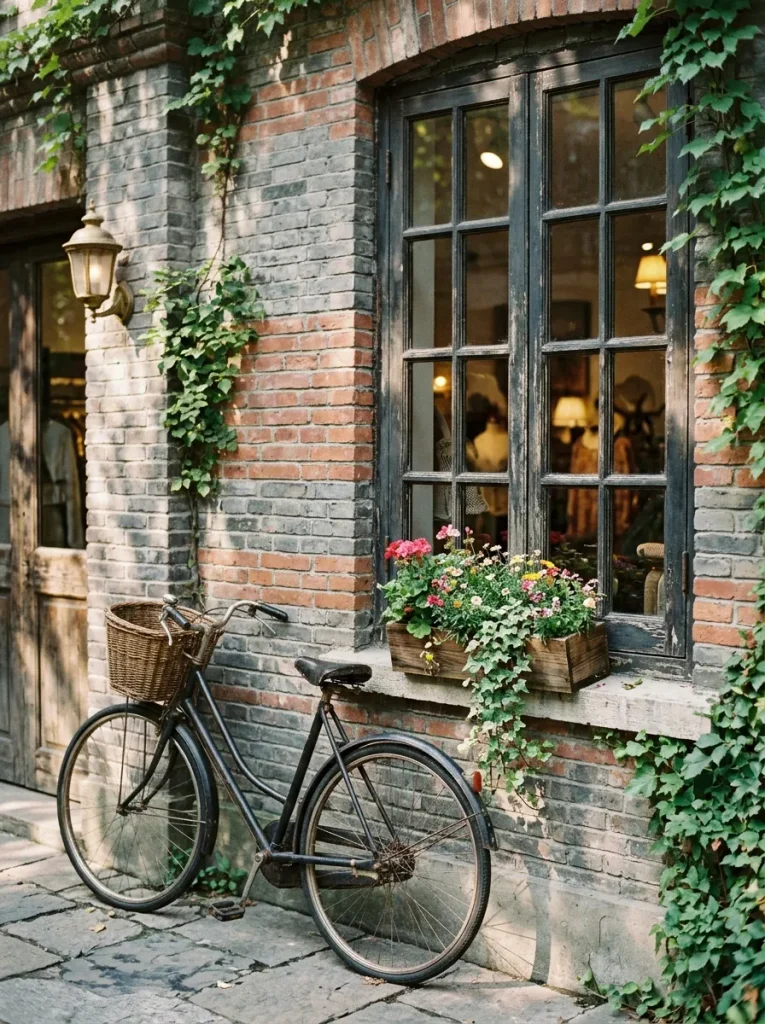
The former French Concession is ideal for travelers who want to experience everyday urban life alongside the city’s major attractions.
It’s also a good place to take a break from museums and observation decks. Find a cafe, try a local dessert, or spend an hour browsing shops.
Travel tip: Wear comfortable walking shoes and allow half a day if you want to explore several streets at a relaxed pace.
5. Discover Shanghai’s History at the Shanghai Museum
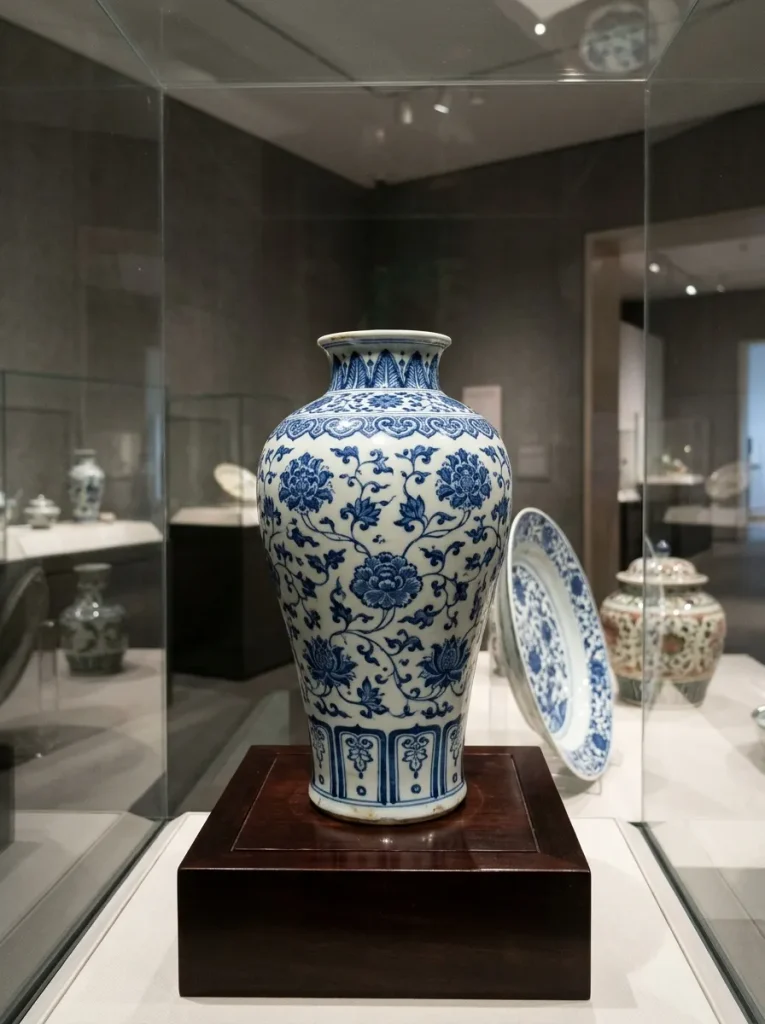
Shanghai’s modern skyline can make the city appear relatively new, but its cultural history stretches back centuries. The Shanghai Museum is an excellent place to explore that deeper story through Chinese art and historical objects.
Its collections include traditional ceramics, bronze objects, calligraphy, paintings, sculptures, and other examples of China’s artistic heritage.
What Can You See at the Museum?
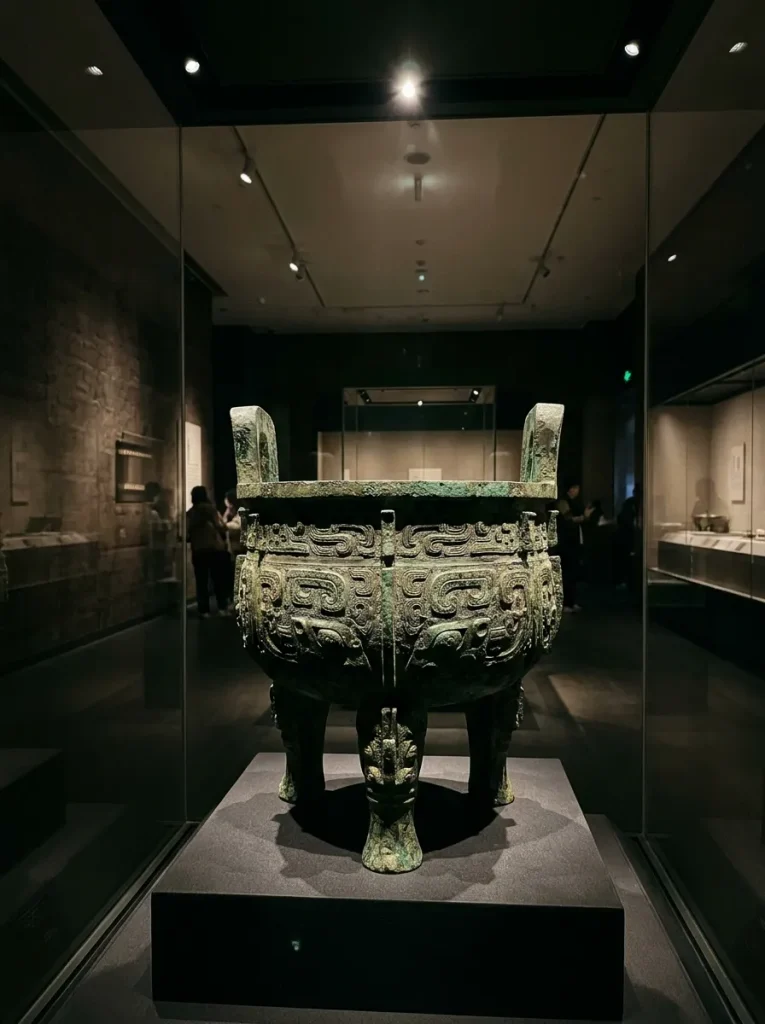
The museum’s collections provide an introduction to different periods of Chinese history and artistic development. Ancient bronzes are particularly notable, while ceramics and calligraphy offer insights into changing styles, techniques, and cultural traditions.
The museum is also useful for travelers who want a deeper understanding of Chinese culture before visiting temples, gardens, and historic towns elsewhere in the country.
Shanghai Museum has more than one location, including its East building in Pudong and its historic People’s Square site. Exhibition arrangements, opening days, and admission policies may differ between locations.
Check the official museum website for current exhibitions, booking requirements, identification documents, and opening hours before visiting.
How Much Time Should You Allow?
Plan for two to three hours if you want to explore several galleries. Art enthusiasts may want to stay longer.
If you’re short on time, choose a few collections that interest you rather than attempting to see everything.
Travel tip: Pair a museum visit with nearby attractions in the same part of the city to minimize travel time.
6. Experience Shanghai’s Food Scene

You can learn a lot about Shanghai through its food. The city’s dining scene ranges from traditional noodle shops and dumpling counters to contemporary restaurants serving regional Chinese cuisine.
Food is also one of the easiest ways to experience different parts of the city. A quick breakfast at a neighborhood shop, lunch near a historic attraction, and dinner in a lively commercial district can each offer a different perspective.
Foods to Try in Shanghai
Xiaolongbao: These soup dumplings are among Shanghai’s best-known foods. They are usually served hot in bamboo steamers and contain a savory filling with broth.
Shengjianbao: These pan-fried buns have a crisp base and a juicy filling. Let them cool slightly before eating.
Scallion pancakes: A flaky, savory snack made with dough and scallions. They’re a convenient option when you want something quick.
Shanghai-style noodles: Noodle dishes vary by restaurant, but they can be an easy and satisfying meal between sightseeing stops.
Red-braised dishes: Shanghai cuisine is known for some rich, savory-sweet preparations made with soy sauce, sugar, and other seasonings.
Menus and ingredients vary, so ask about ingredients if you have allergies or dietary restrictions.
Where Should You Eat?
Yuyuan Bazaar is convenient for trying popular snacks while exploring the Old City. The former French Concession has cafes and restaurants, while neighborhood streets across Shanghai offer local noodle shops, bakeries, and casual dining options.
For a more authentic experience, don’t limit yourself to restaurants inside major tourist attractions. Look for busy local establishments, check recent reviews, and choose places with menus you can understand or translate.
Useful Food Tips for Visitors
- Carry a translation app to help read menus.
- Check whether a restaurant accepts your preferred payment method.
- Ask about ingredients if you avoid particular foods.
- Follow local food safety advice and choose establishments with good hygiene.
- Remember that traditional dishes may contain meat, seafood, or animal-based broths even when they appear simple.
Travel tip: Try one unfamiliar local dish each day. It’s an easy way to make your trip more memorable without needing to plan an elaborate food tour.
7. Take a Day Trip to Zhujiajiao Water Town
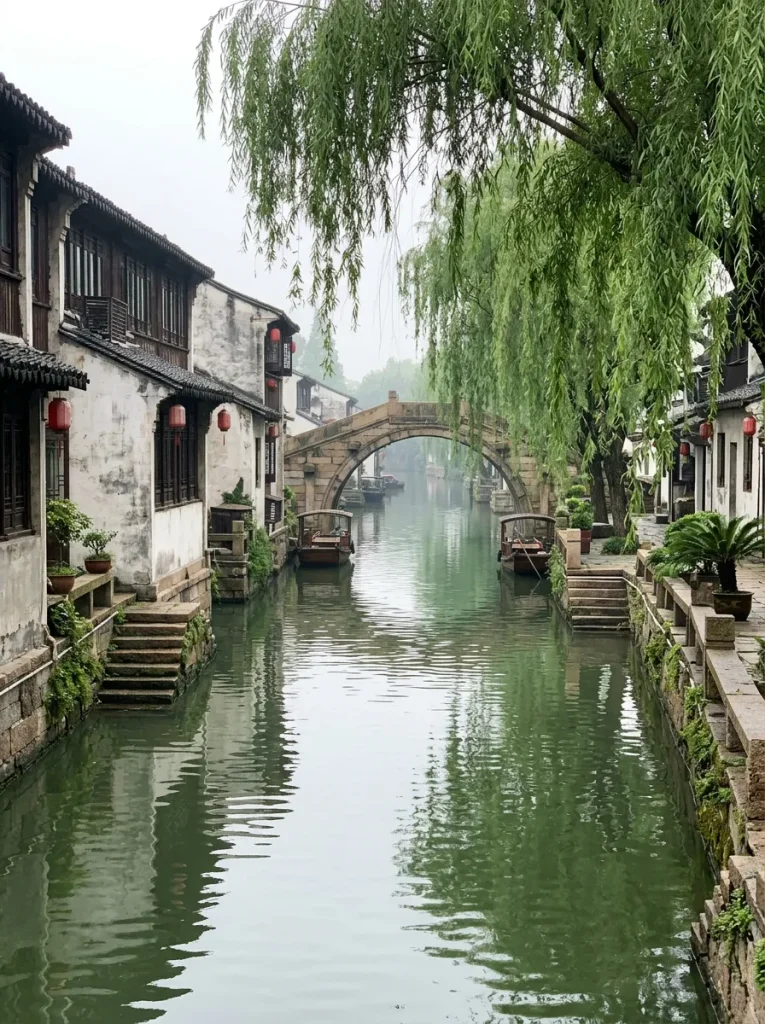
If you have extra time in Shanghai, consider visiting Zhujiajiao, a historic water town on the city’s outskirts.
The town is known for its canals, stone bridges, traditional-style buildings, and narrow lanes. It offers a different atmosphere from Shanghai’s skyscraper districts and can make a relaxing change of pace.
What to See in Zhujiajiao
Walk along the canal-side streets and look at the old buildings that line the waterways. The stone bridges provide attractive viewpoints, while small shops and food businesses offer opportunities to sample local snacks.
Boat rides may be available, depending on operating schedules and conditions. They can provide a different view of the town’s canals and traditional architecture.
Some historic houses, gardens, and cultural sites charge separate admission, so check which attractions you want to visit before arriving.
Is Zhujiajiao Worth a Day Trip?
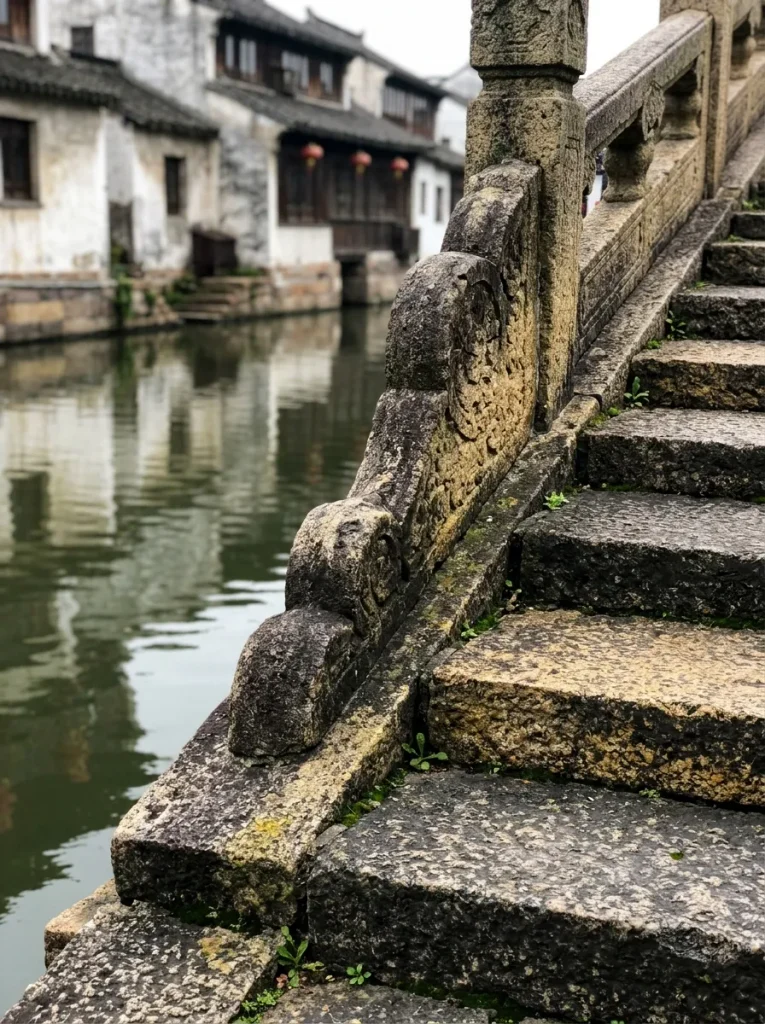
It’s a good option if you enjoy historic neighborhoods, water views, and slower-paced sightseeing. It also provides a useful contrast with Shanghai’s fast-moving commercial center.
However, it isn’t the only water town in the region. If you’re planning a longer trip through eastern China, you could compare Zhujiajiao with other historic canal towns before deciding which fits your route.
Travel tip: Allow half a day or more, depending on how you travel and whether you want to visit paid attractions or take a boat ride.
When Is the Best Time to Visit Shanghai?
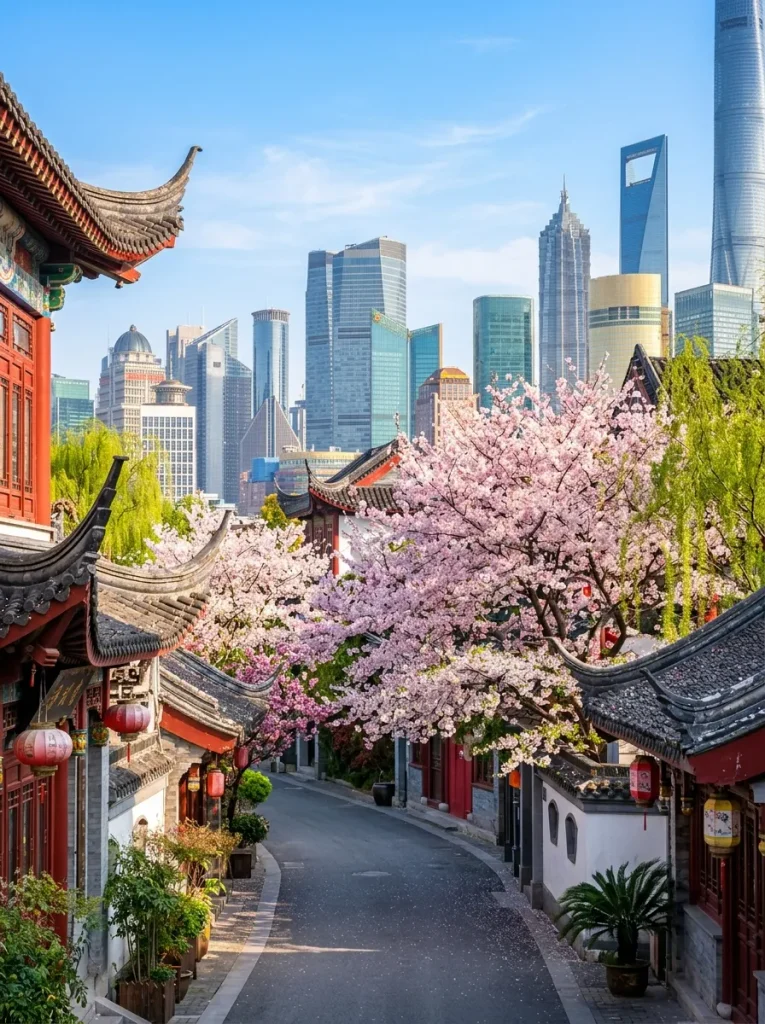
Shanghai has four distinct seasons, and the best time to visit depends on your preferred weather, budget, and sightseeing plans.
Spring: March to May
Spring generally brings milder temperatures and greener parks. It’s a pleasant season for walking through historic neighborhoods, visiting gardens, and exploring outdoor attractions.
Rain can occur, so bring a compact umbrella and comfortable shoes.
Summer: June to August
Summer can be hot, humid, and rainy. Outdoor sightseeing may be tiring during the warmest part of the day, while indoor attractions provide a welcome break.
If you visit in summer, plan major walks for mornings and evenings, drink water regularly, and check forecasts during periods of heavy rain.
Autumn: September to November
Autumn is often a comfortable season for exploring Shanghai. Temperatures can be pleasant for walking, sightseeing, and photography, although weather varies from year to year.
September can still feel warm and humid, while later autumn may bring cooler conditions.
Winter: December to February
Winter in Shanghai is generally cold and damp compared with the warmer months. Snow is possible but not a reliable feature of a winter visit.
The season can work well for museums, shopping, restaurants, and city sightseeing, provided you bring suitable layers. Lunar New Year can affect transport, business hours, and visitor numbers, so check dates and make reservations carefully.
For broader seasonal inspiration, see Best Places to Travel in the US! and Best Things to Do in California: 24 Unforgettable Places and Experiences if you’re comparing Shanghai with other destinations for a future trip.
How Many Days Do You Need in Shanghai?
Three days is a reasonable starting point for first-time visitors who want to see the major highlights without rushing through every attraction.
Suggested Three-Day Shanghai Itinerary
| Day | Morning | Afternoon | Evening |
| Day 1 | Yu Garden and Old City | Explore nearby markets and historic streets | Walk the Bund and enjoy the skyline |
| Day 2 | Shanghai Tower or another Pudong landmark | Visit a museum or explore Lujiazui | Dinner and an optional river cruise |
| Day 3 | Former French Concession | Explore Wukang Road or Tianzifang | Try local food and enjoy a relaxed evening |
This itinerary groups attractions by location, but you should adjust it to suit opening hours, ticket availability, weather, and your interests.
With four or five days, you can add Zhujiajiao, Shanghai Disneyland, more museums, or additional neighborhood walks.
If you’re visiting China for the first time, avoid packing too many major attractions into each day. Shanghai is enormous, and even a well-connected metro journey takes time once transfers and walking are included.
Getting Around Shanghai
Shanghai’s transportation network makes sightseeing relatively straightforward once you understand the main options.
Use the Metro
The metro is one of the most practical ways to move between major attractions. It connects many popular districts, shopping areas, museums, and transport hubs.
Before traveling, download a reliable map and check the latest operating hours and fare information. Some attractions still require a walk from the nearest station.
Use Taxis and Ride-Hailing Services
Taxis and ride-hailing services can be useful when you’re traveling with luggage, returning late, or visiting places that are less convenient by metro.
Use reputable services and confirm the destination in the app. Keep your hotel address available in Chinese characters in case you need help communicating with a driver.
Consider Walking Tours
Some areas are best explored on foot, especially the Bund, the former French Concession, and parts of the Old City.
Wear comfortable shoes and allow time for breaks. Distances between neighborhoods can be much larger than they appear on a city map.
Essential Travel Tips for Shanghai in 2026–27
A little preparation can make your first visit to Shanghai significantly easier.
Prepare Your Payments
China has a highly developed mobile payment system. International visitors may be able to link supported foreign bank cards to major payment apps, but compatibility can vary.
Set up payment options before departure, follow the current app instructions, and carry a backup payment method. Do not assume that every small business will accept international cards directly.
Check Internet and App Access
Some international websites and services may be restricted or work differently in mainland China. Research which navigation, translation, communication, and travel apps will function on your devices.
Download offline maps, save hotel details, and keep important reservation information available without an internet connection.
Understand Entry Requirements
Visa and entry requirements depend on your passport, travel dates, and circumstances. China’s policies can change, including visa-free arrangements for eligible nationalities.
Check the official Chinese immigration or embassy information relevant to your nationality before booking. Confirm passport validity and any required documentation well in advance.
Reserve Popular Attractions
Major attractions, special exhibitions, and Shanghai Disneyland may require advance reservations or date-specific tickets.
Check official booking channels for current availability and entry rules. Avoid buying tickets from unofficial sellers unless you have verified their reliability.
Watch for Tourist Scams
Be cautious if strangers approach you with unsolicited offers to attend a tea ceremony, visit an art exhibition, or join a paid activity. Some such approaches have been associated with tourist scams.
Use reputable businesses, confirm prices before accepting services, and decline politely if something feels uncomfortable.
Plan Around Major Chinese Holidays
National Day in early October and Lunar New Year can bring heavy domestic travel, crowded attractions, and changes to business hours.
If your trip falls during a major holiday, book transport and accommodation early and allow extra time for popular attractions.
Frequently Asked Questions About Shanghai Travel
Is Shanghai worth visiting for the first time in China?
Yes. Shanghai offers a mix of historic landmarks, modern architecture, museums, traditional gardens, shopping, and food. It’s also a practical base for exploring nearby destinations in eastern China.
However, if your main interest is China’s ancient imperial history or dramatic mountain scenery, consider combining Shanghai with other destinations rather than treating it as a complete overview of the country.
What are the seven best things to see in Shanghai?
Seven excellent starting points are the Bund, Yu Garden, Shanghai Tower, the former French Concession, Shanghai Museum, Shanghai’s local food scene, and Zhujiajiao Water Town.
Your ideal list may differ depending on whether you prefer architecture, culture, shopping, food, or family attractions.
Is three days enough for Shanghai?
Three days can cover several major attractions, including the Bund, Yu Garden, Pudong’s skyline, a museum, and the former French Concession.
Four or five days provides more breathing room and makes it easier to add a water-town visit or a full day at Shanghai Disneyland.
Is Shanghai expensive for tourists?
Costs vary depending on accommodation, dining, transport, and attractions. Travelers can control expenses by using the metro, choosing local restaurants, and mixing paid attractions with free experiences such as walking the Bund and exploring historic neighborhoods.
Premium hotels, observation decks, private tours, and theme parks can increase the budget.
Is Shanghai safe for solo travelers?
Shanghai is a major city with extensive public transportation and many busy tourist areas. Solo travelers should still take normal precautions: protect valuables, use reputable transport, be cautious about unsolicited offers, and follow local laws.
Check your government’s current travel advice before departure.
Do I need cash in Shanghai?
Mobile payments are widely used, but your options depend on your bank, card, and the payment service. Set up a supported payment app if possible and carry a backup payment method. Confirm current options before traveling.
What should I eat in Shanghai?
Start with xiaolongbao, shengjianbao, scallion pancakes, and local noodle dishes. You can also explore regional Chinese cuisines represented throughout the city.
Ask about ingredients if you have food allergies or dietary restrictions.
When should I book my Shanghai trip?
For popular travel dates, book accommodation and major attraction tickets early. If you plan to travel during National Day or Lunar New Year, make arrangements well in advance and check holiday schedules.
For quieter sightseeing, consider dates outside the busiest holiday periods.
Final Thoughts: Make the Most of Shanghai
Shanghai brings together historic Chinese culture and an ambitious modern skyline in a way few cities can match. You can walk along the Bund, explore the traditional lanes around Yu Garden, look down on the city from Shanghai Tower, discover the character of the former French Concession, and enjoy a food scene that deserves a place on your itinerary all by itself.
The best approach is to balance famous landmarks with slower experiences. Leave time for a neighborhood walk, a relaxed meal, or an unplanned stop that catches your attention.
For a first visit in 2026–27, three days can provide a rewarding introduction, while a longer stay allows you to explore the city’s museums, water towns, and quieter corners.
Plan around geography, confirm current entry and ticket requirements, and prepare your payment and navigation apps before departure. With a little organization, Shanghai can be much more than a skyline photo. It can become the starting point for a deeper exploration of China.