Oman Travel Guide 2026–27: Best Places to Visit, Things to Do, Weather and Travel Tips
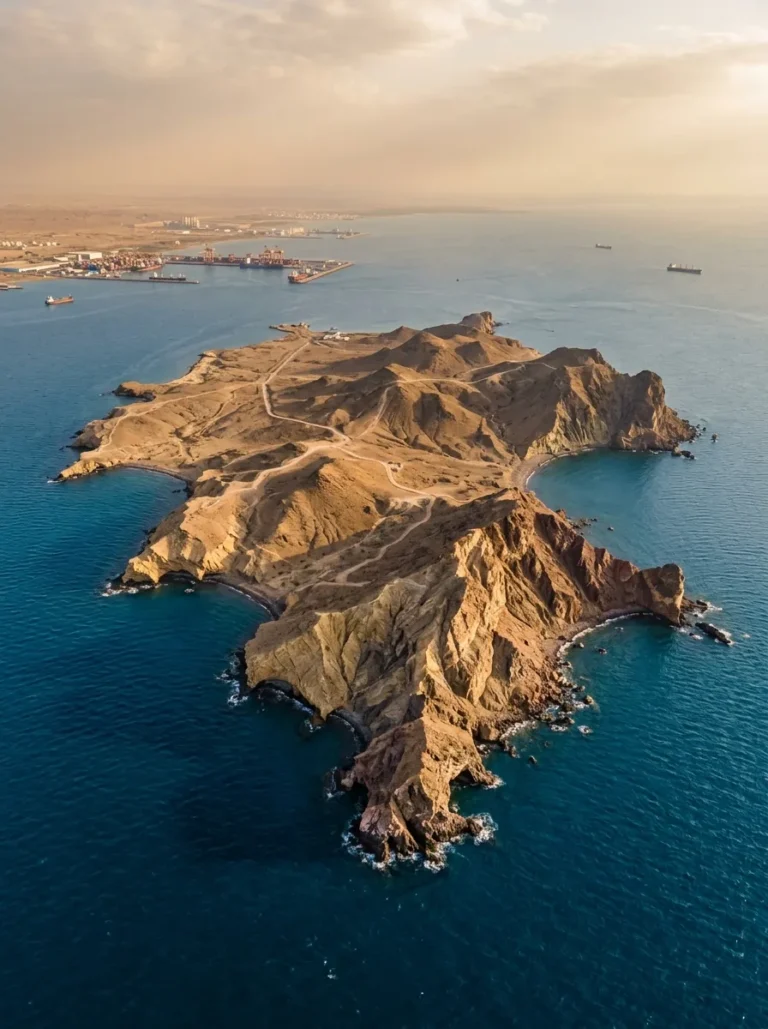
Oman is a destination where golden desert dunes meet turquoise coastlines, ancient forts overlook traditional towns, and rugged mountains hide villages that seem far removed from modern city life. Located on the southeastern edge of the Arabian Peninsula, this beautiful country offers a different kind of Middle Eastern adventure, one built around nature, culture, scenic road trips, and warm Omani hospitality.
If you’re planning Oman travel in 2026–27, you can explore the traditional souqs of Muscat, watch the sunset over the Wahiba Sands, swim in natural pools at spectacular wadis, hike through the Hajar Mountains, or spend a few peaceful days along the coast. The country offers plenty of variety without requiring you to move between destinations every day.
The key is knowing when to visit, which places deserve your time, how to get around, and what to prepare before you arrive. This guide covers the best places to visit in Oman, seasonal weather, suggested itineraries, transportation, accommodation, costs, cultural etiquette, and practical planning tips for your trip.
Recommended Travel Items for Your Trip
Why Visit Oman in 2026–27?
Oman is an appealing choice for travelers who want natural scenery and cultural experiences without building an entire vacation around shopping malls or large resorts.
The country combines traditional architecture, historic trading towns, mountain landscapes, desert adventures, wildlife experiences, and a long coastline along the Arabian Sea and Gulf of Oman.
Here are some of the experiences that make Oman worth considering:
- Explore historic forts and traditional markets.
- Watch the sunset across desert dunes.
- Swim in clear natural pools when conditions are safe.
- Visit mountain villages and terraced farms.
- Enjoy beaches, boat trips, and coastal scenery.
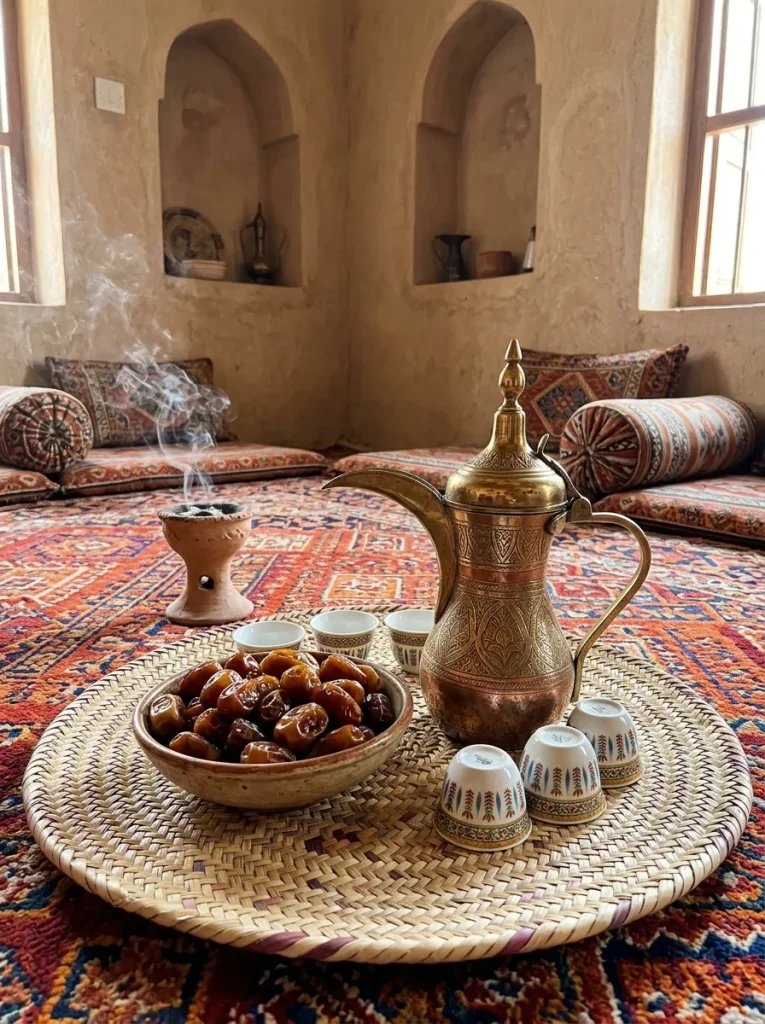
- Discover Omani cuisine and traditional coffee.
- Take a road trip through landscapes that change dramatically from one region to another.
Oman also works for different travel styles. You can plan a short city break based in Muscat, a family vacation with a mix of beaches and cultural attractions, or a longer self-drive trip through the mountains and desert.
Before booking, check current travel advisories, airline operations, and local conditions. Regional security situations can change, so review official advice close to your departure date rather than relying on older travel articles.
Best Time to Visit Oman in 2026–27
The best time to visit Oman depends on the region and the activities you want to enjoy. For Muscat and much of northern Oman, the cooler months are generally the most comfortable for sightseeing and outdoor adventures.
October to March: Best for General Sightseeing
For many travelers, October through March is the most practical period for exploring Muscat, historic towns, mountain landscapes, and desert destinations.
Days are generally more comfortable than during the intense summer heat, making it easier to explore outdoor attractions. Winter evenings can be cool, particularly in the mountains and desert, so bring layers even if the daytime forecast looks warm.
This period is popular for camping and outdoor activities. Reserve accommodation and specialist excursions ahead of time if your visit falls during busy holiday periods.
November to February: Best for Winter Sun
If you’re escaping cold weather elsewhere, November through February can offer sunny days, coastal activities, and pleasant conditions for exploring northern Oman.
Muscat, Nizwa, coastal towns, and the desert can fit into a varied winter itinerary. Mountain temperatures, however, may drop sharply after sunset, and higher elevations can experience very cold conditions.
Oman is worth considering if you’re comparing warm-weather escapes for the winter season. You may also enjoy exploring 12 Best Places to Travel in February 2027 for Winter Sun, Snow and Festivals when planning a broader seasonal trip.
April and May: Warmer Days and Fewer Crowds
Spring can be a useful shoulder season for visitors who prefer fewer crowds, but temperatures rise as summer approaches.
Plan outdoor activities for early morning, carry enough drinking water, and avoid long hikes during the hottest part of the day. Mountain destinations may offer more comfortable conditions than lowland cities, depending on the weather.
June to September: Summer Heat and the Dhofar Khareef
Summer brings very high temperatures to many parts of Oman. For travelers visiting Muscat or the northern lowlands, heat can make midday sightseeing uncomfortable.
The Dhofar region in southern Oman offers a different seasonal experience. During the Khareef monsoon, particularly around Salalah, mist, rain, and greener landscapes transform the scenery. This is a distinctive time to visit southern Oman, although conditions differ significantly from those in the north.
If you want a traditional desert and mountain road trip, the cooler months are generally more convenient. If you specifically want to experience Salalah’s seasonal greenery, research the Khareef period instead.
Best Places to Visit in Oman
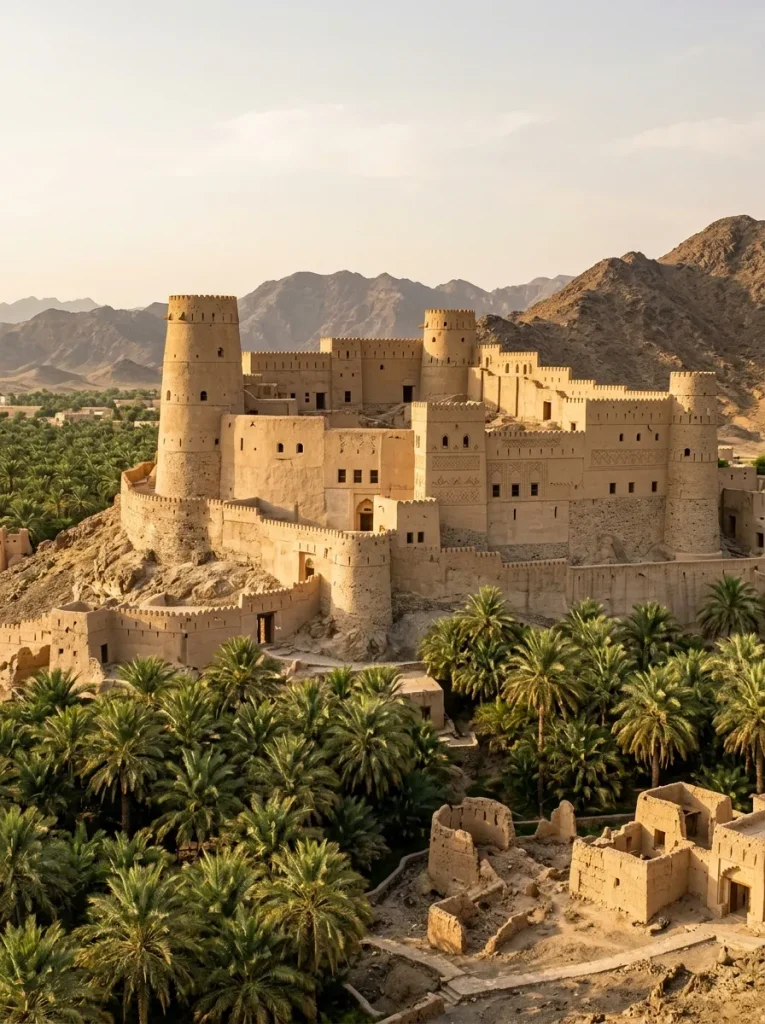
Oman rewards travelers who look beyond its capital. Each region has a different character, from lively waterfront neighborhoods and historic forts to mountain trails, desert camps, and quiet coastal villages.
1. Muscat: The Best Starting Point for First-Time Visitors
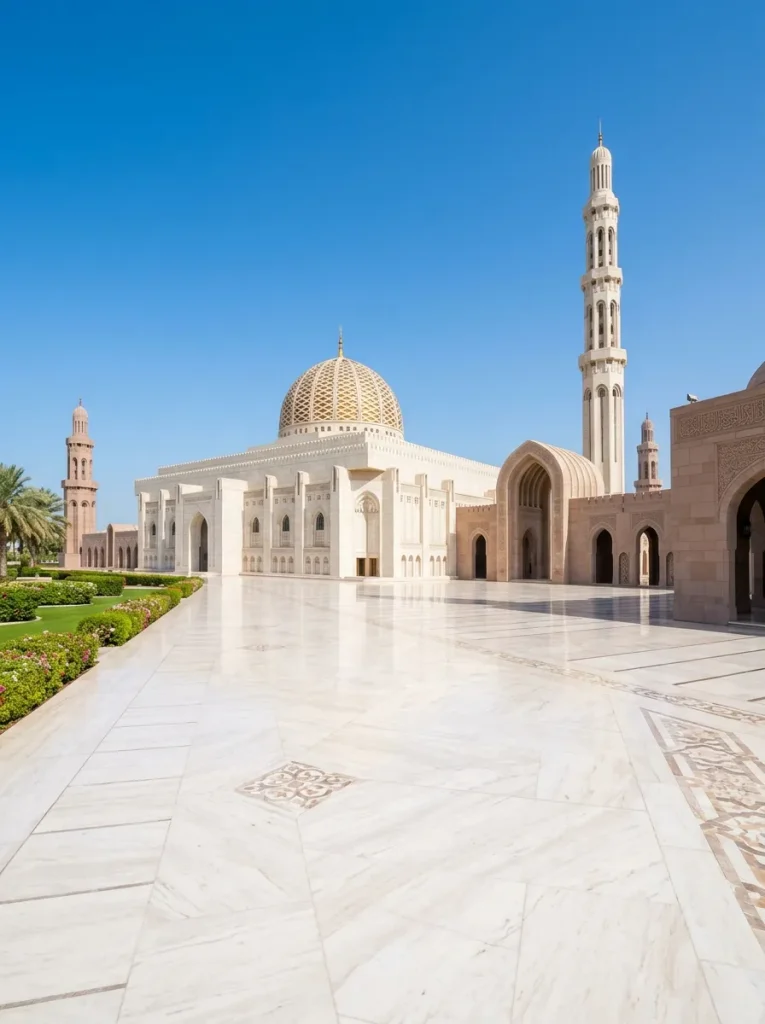
Muscat is the natural starting point for many trips to Oman. The capital combines modern conveniences with traditional markets, historic architecture, waterfront views, and access to nearby beaches and mountains.
Start with Sultan Qaboos Grand Mosque, one of the city’s most important landmarks. Visitors should check visiting hours and dress requirements before arriving.
Next, explore Mutrah Souq, where narrow lanes lead past shops selling textiles, traditional crafts, frankincense, jewelry, and souvenirs. The nearby Mutrah Corniche is a pleasant place to walk and enjoy views of the harbor.
Other attractions worth considering include the National Museum, the Royal Opera House Muscat, and the city’s historic forts viewed from permitted public areas.
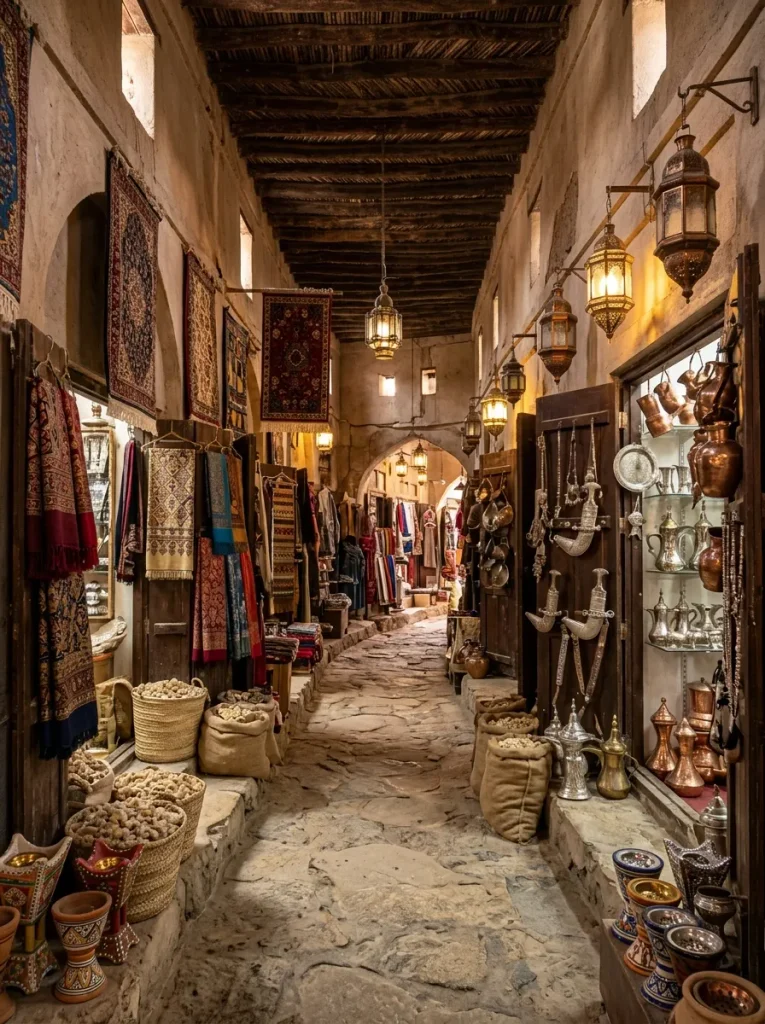
Muscat also makes a convenient base for boat excursions, coastal drives, and day trips into the surrounding countryside.
How long to stay: Two to three days is a useful starting point for a first visit.
2. Nizwa: Historic Forts and Traditional Markets
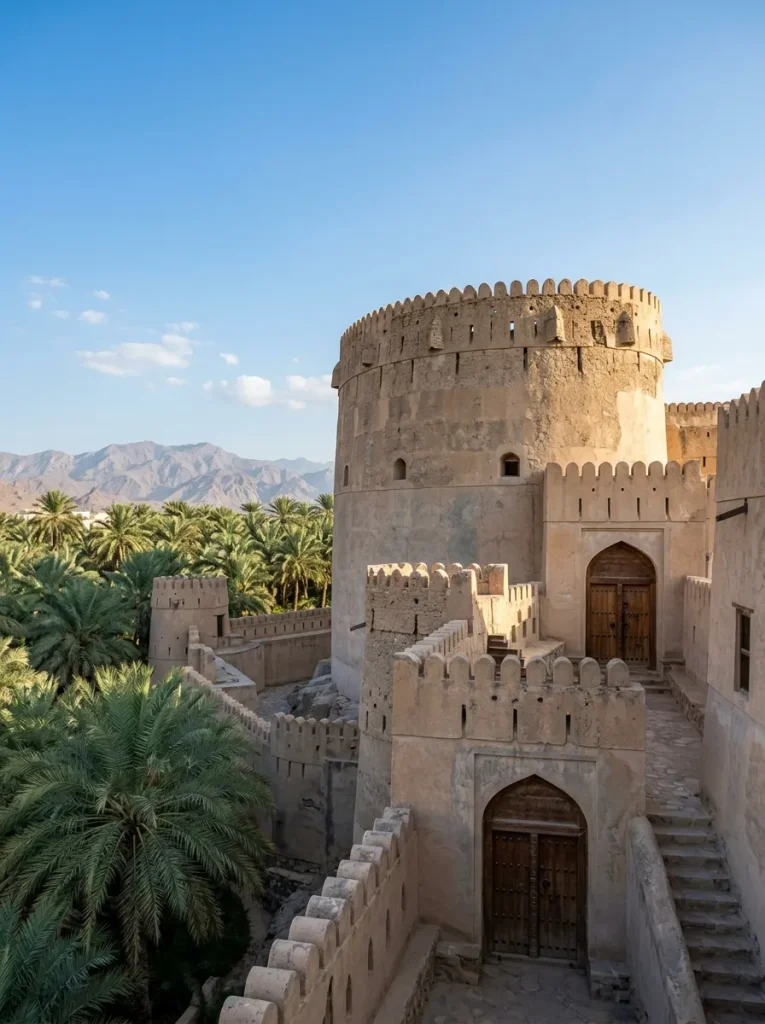
Nizwa offers a glimpse into Oman’s history and traditional town life. Once an important center of learning and trade, it remains a popular destination for travelers interested in architecture, crafts, and local culture.
Nizwa Fort is the main attraction, with its imposing circular tower and views across the surrounding town. Nearby, Nizwa Souq offers traditional goods, pottery, silverware, dates, and other local products.
If your visit coincides with the weekly livestock market, check its current schedule and local arrangements before planning your morning around it.
Nizwa is also a useful base for exploring nearby mountain landscapes and historic settlements. You can combine it with Bahla Fort or the villages around Jabal Akhdar, provided you have enough time and suitable transportation.
How long to stay: One full day works for the main attractions, while two days allow for nearby excursions.
3. Wahiba Sands: A Night in the Omani Desert
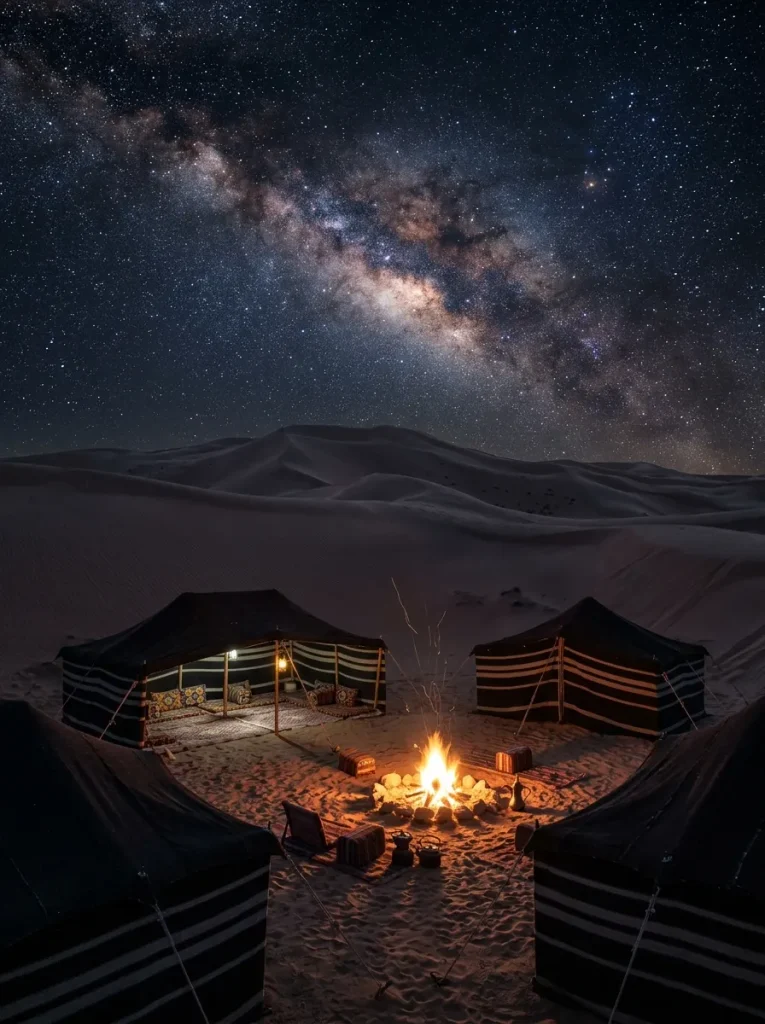
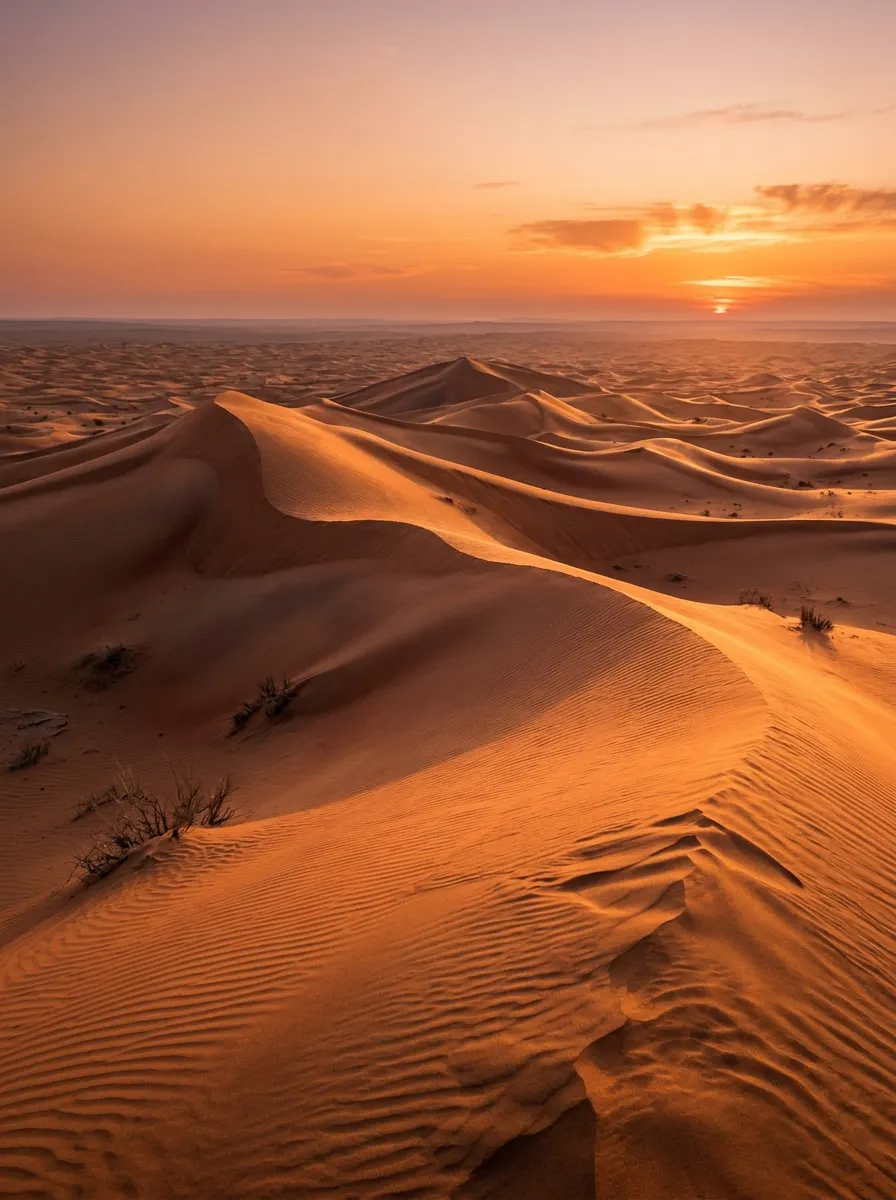
The Wahiba Sands, also known as Sharqiyah Sands, offer one of Oman’s most memorable landscape experiences. Rolling dunes stretch across the desert, changing color as sunlight moves across their slopes.
Many travelers visit for a desert camp, a sunset excursion, or a night beneath the stars. Some camps offer traditional meals, cultural activities, and guided drives over the dunes.
A desert overnight stay can be a highlight of a winter trip, but it requires a little preparation. Temperatures may fall significantly after sunset, and the desert can be cold even when the afternoon feels warm.
Use an experienced operator for dune driving. If you’re renting a vehicle, don’t attempt to drive into deep sand without the appropriate vehicle, equipment, experience, and local knowledge.
How long to stay: One night is enough for a first experience; two nights allow for a more relaxed visit.
4. Wadi Shab: Turquoise Water and Dramatic Cliffs
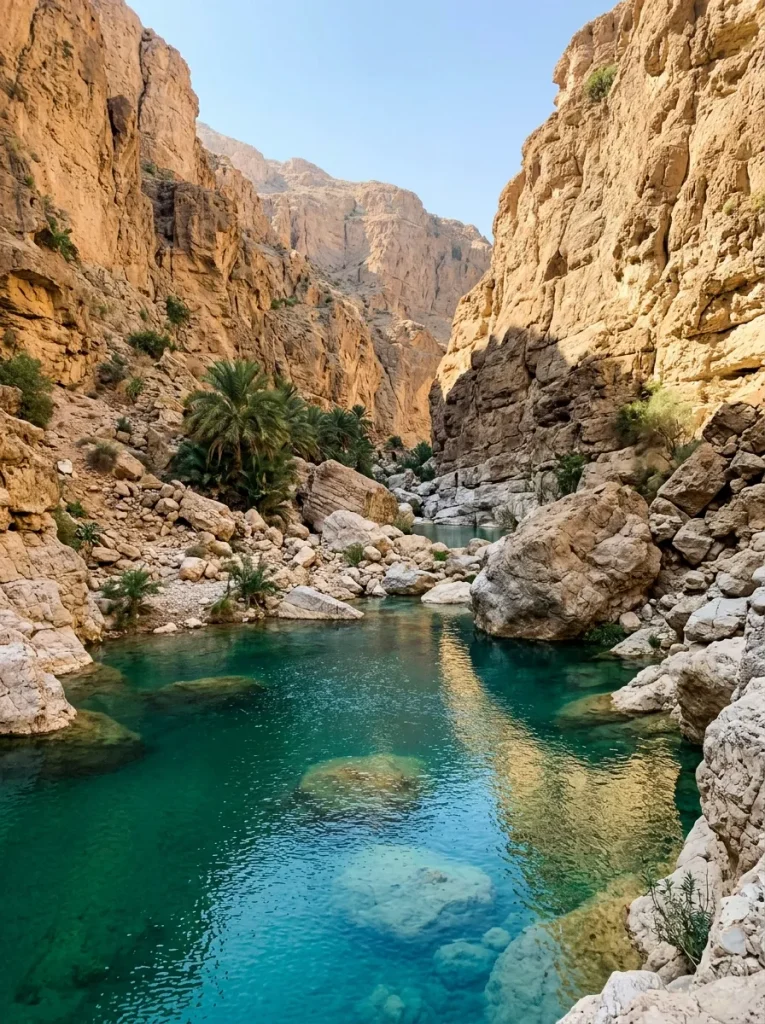
Wadi Shab is one of Oman’s best-known natural attractions. The route passes through rocky scenery toward pools of clear water surrounded by steep cliffs.
Visiting generally involves walking along a trail and crossing water during parts of the journey. Conditions can change after rainfall, and flash floods are a serious risk in wadis.
Check the weather forecast and local advice before visiting. Avoid entering the wadi when rain is forecast in the surrounding mountains, even if the sky above the entrance looks clear.
Bring suitable footwear, drinking water, sun protection, and a waterproof bag for valuables. Do not assume that every pool is safe for swimming, and never enter water if conditions are uncertain.
How long to stay: Allow half a day, including travel and time to explore.
5. Jabal Akhdar: Mountain Views and Cool Air
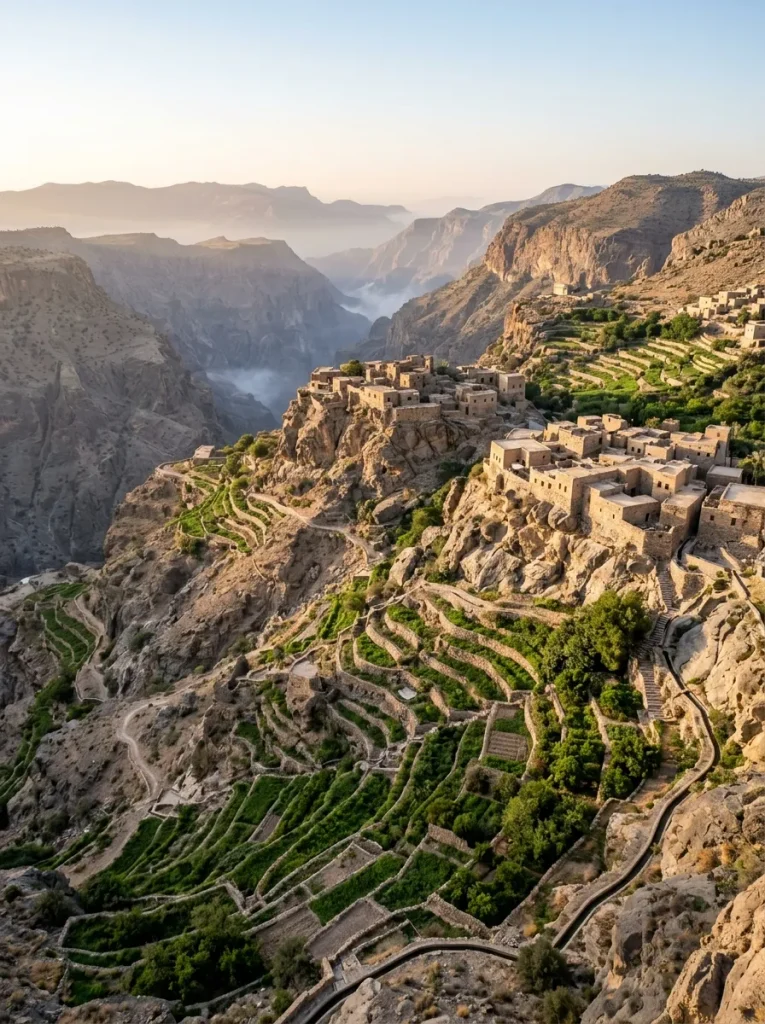
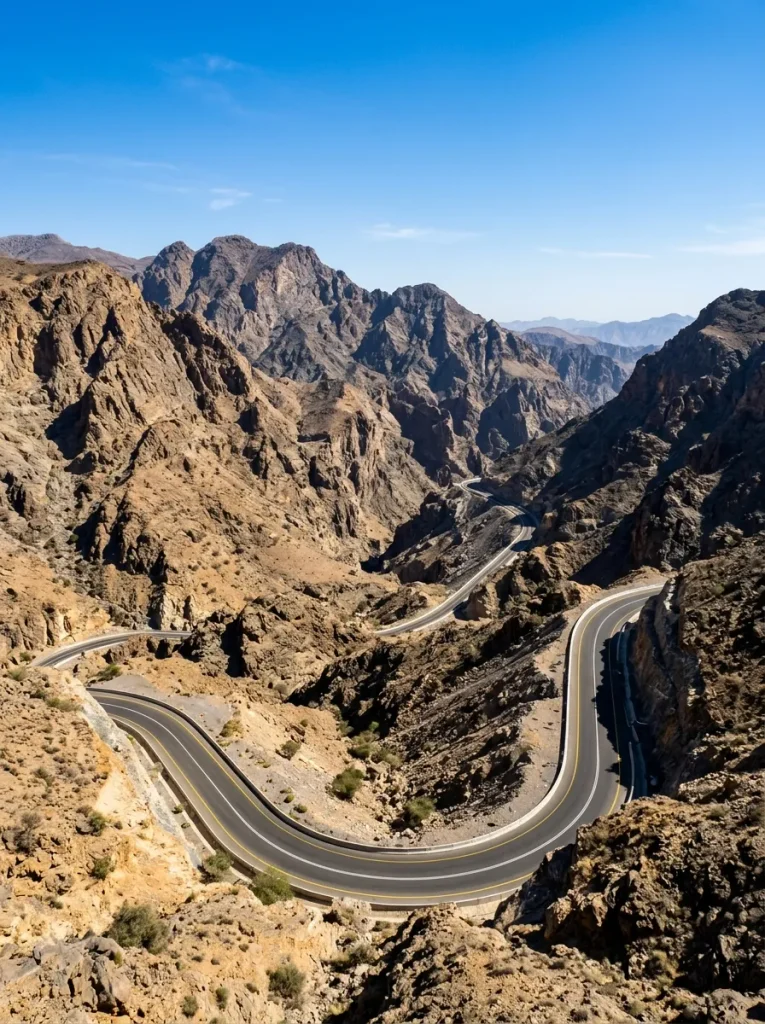
Jabal Akhdar, meaning Green Mountain, is part of the Al Hajar mountain range. Its elevated terrain offers dramatic views, terraced settlements, and walking routes through landscapes that feel very different from the surrounding lowlands.
The region is particularly attractive during the cooler months, when outdoor exploration is more comfortable. Depending on the season, visitors may see mountain farms, traditional villages, and cultivated terraces.
Some access roads require a suitable four-wheel-drive vehicle, and vehicle checks may apply. Confirm current entry requirements and road conditions before setting out.
Pack warm clothing if you’re visiting in winter. Temperatures can fall considerably at altitude, particularly after sunset.
How long to stay: One or two nights is ideal for travelers who want to explore without rushing.
6. Jabal Shams: Oman’s Grand Canyon
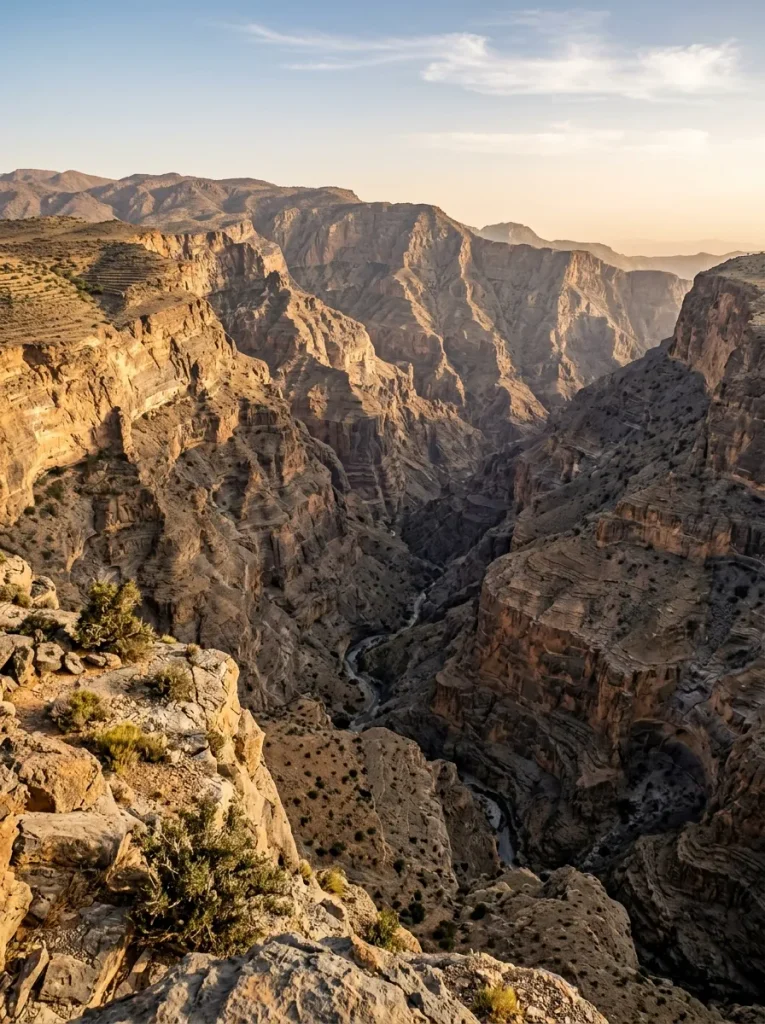
Jabal Shams is famous for its vast canyon scenery and rugged mountain landscape. The viewpoints provide striking panoramas across deep ravines and rocky cliffs.
The Balcony Walk is a well-known hiking route, but it should not be treated as a casual stroll. Check trail conditions, daylight hours, and your own fitness level before starting. Wear appropriate shoes, carry sufficient water, and avoid walking near exposed edges.
Mountain weather can change quickly. Winter mornings and evenings can be cold, and strong winds or poor visibility may affect hiking conditions.
For visitors who prefer not to hike, scenic viewpoints and nearby villages can still make the region worthwhile.
How long to stay: One night allows for a more relaxed visit and an early start for outdoor activities.
7. Sur: A Coastal Town With Maritime Heritage
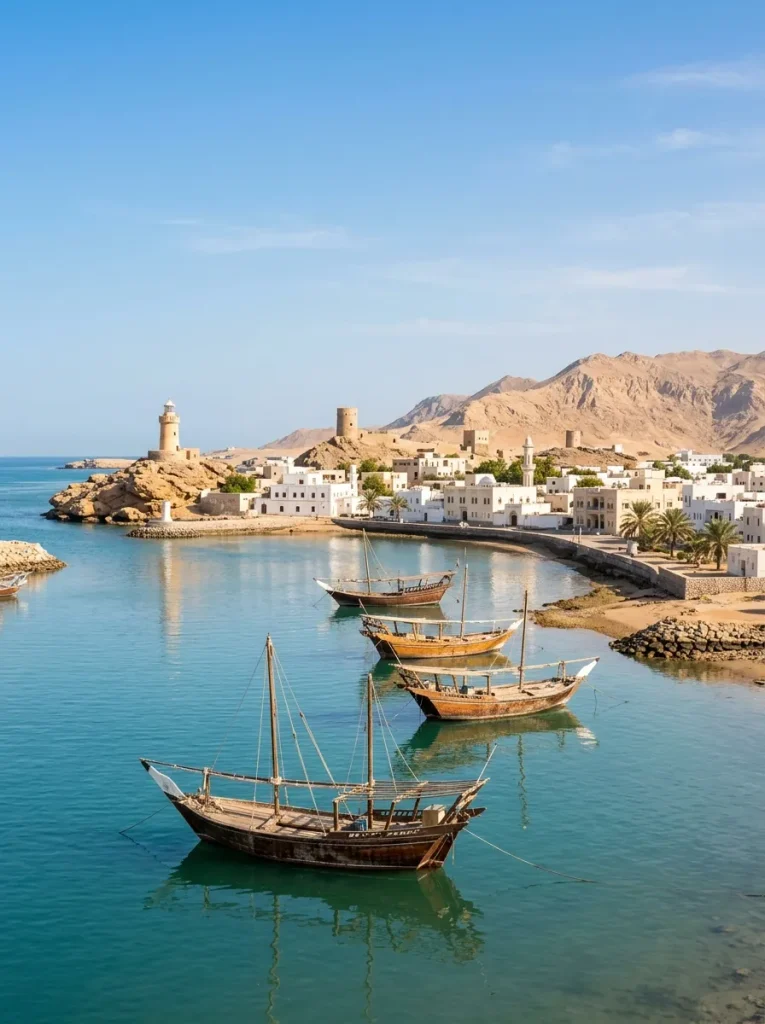
Sur is a coastal town with a long connection to seafaring and traditional wooden boat building. It offers a quieter atmosphere than Muscat and works well as part of a road trip along Oman’s northeastern coast.
Visitors can explore waterfront areas, enjoy coastal views, and learn about the country’s maritime heritage. Nearby attractions include Ras Al Jinz, known for its turtle conservation experiences, subject to seasonal conditions and reserve arrangements.
If you plan to see turtles, book through an authorized reserve or responsible operator. Sightings are not guaranteed, and visitors must follow rules designed to protect wildlife.
Sur also pairs well with visits to coastal villages and nearby natural attractions.
How long to stay: One night is sufficient for a relaxed stop.
8. Ras Al Jinz: Turtle Conservation and Coastal Nature
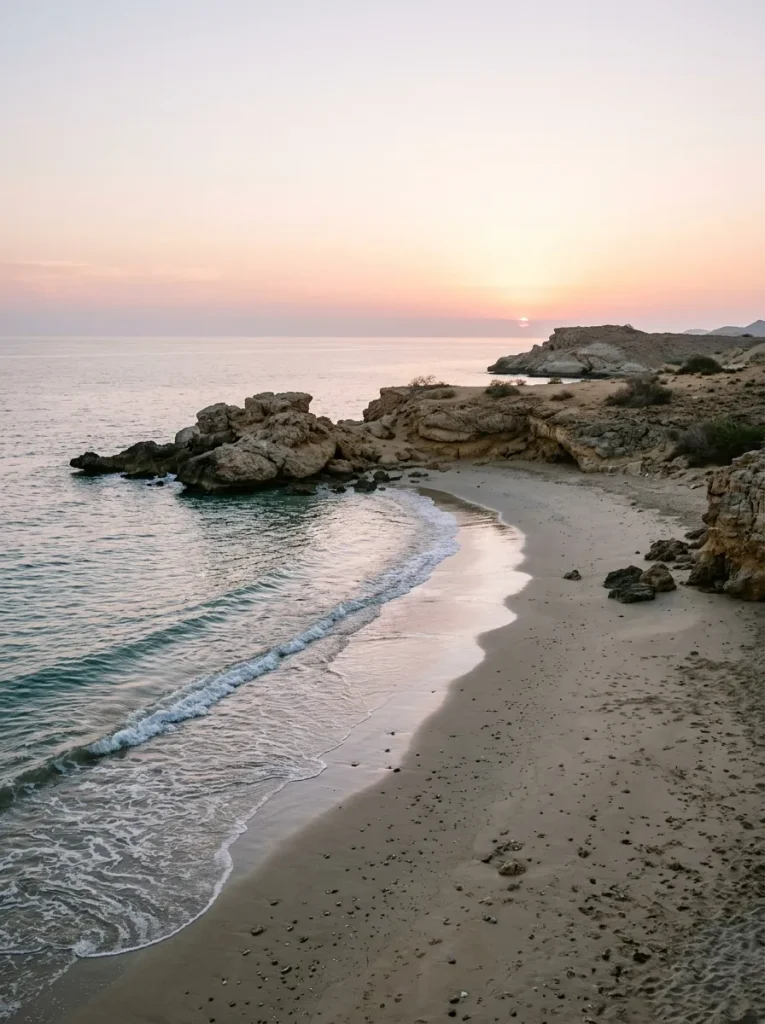
Ras Al Jinz is known for its turtle nesting and conservation area. Depending on the season and conditions, guided visits may provide opportunities to learn about sea turtle behavior and conservation.
Wildlife viewing should always be conducted under the rules of the reserve or authorized operator. Do not touch turtles, use unauthorized lights, or disturb nesting sites.
Check current tour schedules and seasonal information before booking. A visit is most rewarding when expectations are realistic and wildlife protection comes first.
How long to stay: One night is useful if you want to join an evening or early-morning guided experience.
9. Musandam: Fjord-Like Coastlines and Boat Trips
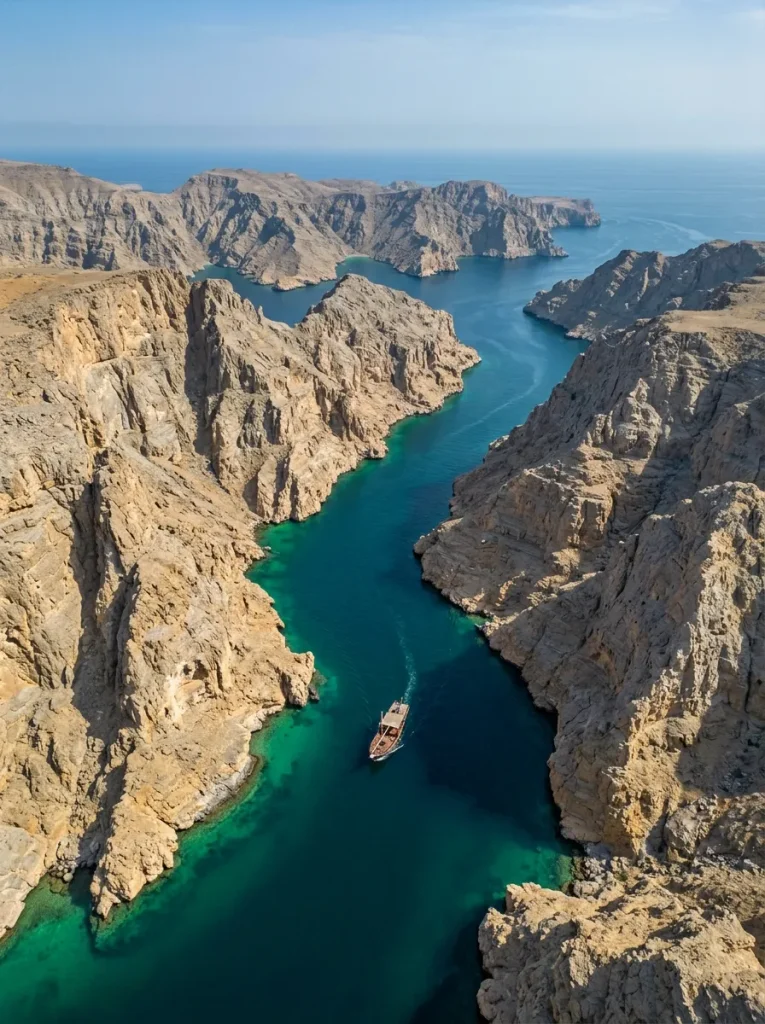
Musandam, in Oman’s northernmost region, is known for its dramatic cliffs, clear waters, and narrow inlets that resemble fjords.
Khasab is a common base for exploring the region. Boat trips can take visitors through scenic waterways, with opportunities to spot marine wildlife depending on conditions.
Musandam is geographically separated from much of mainland Oman, so plan transport carefully. Depending on your route, you may need to consider domestic flights, road travel through neighboring territory, or border formalities.
Check the current rules for your nationality and intended route before booking, particularly if crossing an international land border.
How long to stay: Two days gives you time for a boat trip and relaxed exploration.
10. Salalah: Green Landscapes During the Khareef
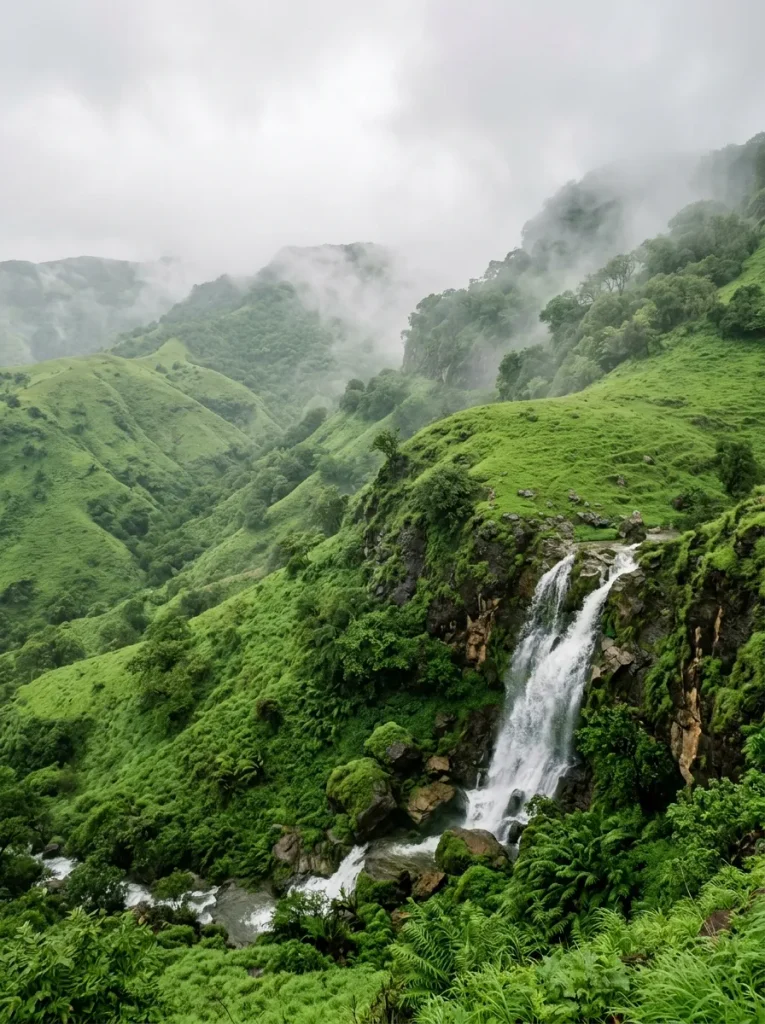
Salalah, in southern Oman, offers a different experience from the desert and mountain landscapes of the north.
During the Khareef season, monsoon conditions can bring mist, rain, and green hills to the Dhofar region. Waterfalls and seasonal streams may appear, although their strength depends on rainfall.
Outside the Khareef period, visitors can still explore beaches, archaeological sites, frankincense heritage, and coastal scenery.
If you are planning a winter trip, remember that Salalah’s winter climate and landscapes differ from its summer monsoon season. Choose your dates according to the experience you want.
How long to stay: Three to four days works well for exploring the city and nearby attractions.
A Practical Seven-Day Oman Itinerary
If you have one week in Oman, a combination of Muscat, historic towns, mountains, and desert scenery offers a balanced introduction to the country.
| Day | Destination | Suggested activities |
| Day 1 | Muscat | Visit the Grand Mosque, explore the city, and walk along Mutrah Corniche |
| Day 2 | Muscat and the coast | Explore museums, traditional markets, or arrange a coastal excursion |
| Day 3 | Nizwa | Visit Nizwa Fort and the souq, then explore the historic town |
| Day 4 | Jabal Akhdar or Jabal Shams | Enjoy mountain viewpoints and accessible walks |
| Day 5 | Wahiba Sands | Travel to the desert and stay at a reputable camp |
| Day 6 | Sur | Explore the coastal town and arrange a responsible wildlife experience if available |
| Day 7 | Return toward Muscat | Allow time for the journey and your departure arrangements |
This route is a suggested framework, not a promise that every attraction or road will be accessible. Driving times can vary, and some mountain routes require a suitable four-wheel-drive vehicle.
If you prefer a slower pace, skip one or two destinations. Oman is more enjoyable when you have time to appreciate each landscape instead of spending most of the holiday in a car.
For a shorter trip, stay in Muscat and choose one or two day excursions. For a longer vacation, add Musandam or spend several days exploring Dhofar.
Getting Around Oman
Transportation is an important part of planning your trip because many of Oman’s most impressive landscapes lie outside the main cities.
Renting a Car
A rental car gives you flexibility, particularly if you want to explore mountains, desert camps, wadis, and smaller coastal towns.
A standard car may be sufficient for major paved roads, but some mountain roads and desert routes require a suitable four-wheel-drive vehicle. Check the rental company’s terms and local access rules before booking.
Before driving, confirm your insurance coverage, international driving permit requirements if applicable, fuel options, and roadside assistance arrangements.
Never drive into desert sand or a flooded wadi without appropriate training and conditions. Even a capable vehicle cannot make every route safe.
Hiring a Driver or Joining a Tour
If you don’t want to drive, consider a reputable local driver or organized excursion.
This can be particularly useful for desert trips, mountain roads, and destinations where local knowledge improves safety. Ask what the price includes, how long the excursion lasts, and whether the vehicle is suitable for the planned route.
For adventure activities, verify that the operator provides appropriate safety equipment and follows local regulations.
Public Transportation
Buses and other public transport options can connect major towns, but services may not reach every natural attraction or remote village.
If you plan to rely on public transport, build your itinerary around confirmed routes and schedules. For more remote destinations, you may need to arrange a taxi, driver, or guided excursion.
Oman Travel Costs in 2026–27
Your budget will depend on your accommodation choices, transport, activities, and travel dates. Oman can be explored in different ways, but remote adventures and premium resorts can increase costs quickly.
The main expenses to plan for include:
- International flights.
- Accommodation and meals.
- Rental car, fuel, or private transfers.
- Guided desert and mountain excursions.
- Entrance fees and wildlife experiences.
- Travel insurance.
- Visa costs, if applicable.
- Emergency funds for unexpected changes.
For a more affordable trip, book accommodation in advance, compare rental car costs with guided transport, and avoid paying for activities you don’t intend to use.
Desert camps and popular mountain accommodation can fill up during cooler months. If you have a specific camp or excursion in mind, reserve it early and confirm its cancellation terms.
Where Should You Stay?
Muscat offers the widest choice of accommodation, from budget hotels to luxury waterfront properties. Nizwa and Sur have practical options for travelers exploring historic towns and the coast, while mountain areas and desert regions offer a mix of guesthouses, lodges, and specialist camps.
When comparing accommodation, consider location as well as price. A lower room rate may not save money if you need expensive transfers to reach the places you want to visit.
If you’re comparing accommodation across the Gulf region, you may also find Hotels in the UAE: From Ultra-Luxury Icons to Smart Budget Stays (2026 Travel Guide) useful for planning a separate or combined trip.
Oman Visa Requirements for Tourists
Visa requirements depend on your nationality, passport, length of stay, and travel circumstances. Some nationalities qualify for visa-free entry for short visits, while others need to apply for an electronic visa or another appropriate entry permission.
Do not assume that the rules for one passport apply to another, even if travelers are visiting for the same length of time.
Before booking, check the official Royal Oman Police eVisa portal and Oman’s official visitor information. Confirm the following:
- Whether your nationality is eligible for visa-free entry.
- Whether you need an electronic visa.
- Passport validity requirements.
- Permitted length of stay.
- Any requirements for return tickets, accommodation, or travel insurance.
- Whether your planned land-border route requires additional arrangements.
Some short-stay visa exemptions have specific conditions and cannot be extended. Verify your eligibility before departure and allow enough time for any required application.
What to Pack for Oman
Oman combines hot lowland conditions, sunny coastlines, cool mountain air, and cold desert nights. Your packing list should reflect the places you plan to visit rather than the country’s overall climate.
Clothing
Bring lightweight, breathable clothing for daytime sightseeing. Pack modest clothing that covers your shoulders and knees for cultural sites, and carry an extra layer for air-conditioned interiors.
For winter travel, include a fleece or warm jacket if you plan to camp in the desert or stay in the mountains. Even when Muscat feels warm, higher elevations can be cold after sunset.
Outdoor Essentials
Consider packing:
- Comfortable walking shoes with good grip.
- Hiking footwear for longer trails.
- Sun hat and sunglasses.
- Sunscreen.
- Reusable water bottle.
- Small daypack.
- Swimwear for permitted swimming areas.
- Waterproof bag for wadi or boat excursions.
- Headlamp if staying at a remote camp.
- Portable power bank and charging cables.
For hikes, carry more water than you expect to need and start early. Never rely on mobile coverage being available throughout remote areas.
Omani Culture and Travel Etiquette
Oman is known for its cultural traditions and hospitality. A little awareness of local customs can make your visit more comfortable and respectful.
Dress Considerately
Modest clothing is appreciated, especially at religious sites and in traditional neighborhoods. Visitors should check the dress requirements for specific attractions and carry suitable clothing for mosque visits.
Beachwear is appropriate in designated beach and resort settings, but it should not be assumed suitable for every public space.
Ask Before Photographing People
Always ask permission before taking close-up photographs of local residents. Some government buildings, military facilities, and other sensitive locations may not be photographed.
Drone use is regulated, and operating a drone without the required permission or license can be illegal. Check the current rules before bringing one.
Respect Religious Practices
If your trip overlaps with Ramadan, research local expectations around eating, drinking, public behavior, and opening hours. Practices and regulations may affect daytime dining and tourist services.
Be polite in markets, dress appropriately, and follow instructions at religious and heritage sites.
Learn a Few Arabic Phrases
Arabic is the official language, and English is commonly used in many tourism settings. Learning a few simple expressions is still a thoughtful way to engage with local culture.
- Marhaba: Hello.
- Shukran: Thank you.
- Min fadlak: Please, when speaking to a man.
- Min fadlik: Please, when speaking to a woman.
- Kam hatha?: How much is this?
You don’t need to speak Arabic fluently to enjoy Oman, but a few polite phrases can make everyday interactions warmer.
Is Oman Safe for Tourists in 2026–27?
Safety planning should be part of every international trip. Oman has a reputation for low levels of ordinary crime, but no destination is risk-free, and current regional security conditions can affect travel.
Before booking and again before departure, consult your government’s latest travel advisory. Monitor local news, airline updates, and official instructions, particularly if there are developments affecting the wider Middle East.
Practical precautions include:
- Keep passports and valuables secure.
- Use reputable transport and tour operators.
- Check road and weather conditions before long drives.
- Avoid remote outdoor activities without appropriate equipment.
- Carry sufficient water in hot weather.
- Avoid entering wadis when heavy rain or flash flooding is possible.
- Follow local rules and emergency instructions.
- Confirm that your travel insurance covers your itinerary and planned activities.
For mountain and desert trips, share your route with someone you trust and avoid driving into unfamiliar terrain after dark.
Oman should not be treated as automatically safe simply because a destination has a strong tourism reputation. Make the final decision using current official advice for your nationality and the exact areas you intend to visit.
Frequently Asked Questions About Oman Travel
Is Oman worth visiting in 2026–27?
Oman is worth considering if you enjoy desert landscapes, historic towns, coastal scenery, mountain hiking, and cultural experiences. It offers a different kind of Gulf holiday from a trip focused primarily on shopping and large resorts.
Your experience will depend on your itinerary, the season, and current travel conditions.
How many days do you need in Oman?
Three or four days can work for Muscat and nearby attractions. A week allows you to combine the capital with Nizwa, mountain scenery, and a desert stay. Ten days or longer gives you more flexibility to explore distant regions such as Musandam or Dhofar.
What is the best month to visit Oman?
November, December, January, and February are popular choices for exploring northern Oman because temperatures are generally more comfortable for outdoor activities. October and March can also be suitable, depending on conditions.
For Salalah’s green Khareef landscapes, plan around the summer monsoon season instead.
Is Oman expensive for tourists?
Costs vary considerably. Budget-conscious travelers can choose simpler accommodation, local dining, and carefully planned transport. Luxury resorts, private excursions, and remote desert experiences can increase the total budget.
Plan transport and accommodation together because distances between attractions can make transfers a significant expense.
Can you visit Oman without renting a car?
Yes, particularly if you stay in Muscat and arrange tours or transfers for selected excursions. However, reaching remote wadis, mountain villages, and desert camps can be more complicated without private transport.
Confirm routes and schedules before choosing an itinerary based on public transportation.
What should I wear in Oman?
Lightweight clothing works well in warm weather, while modest clothing is recommended for cultural and religious settings. Bring suitable walking shoes, sun protection, and a warm layer for winter evenings in the desert or mountains.
Check specific attraction rules before visiting.
Can you swim in Oman’s wadis?
Swimming is possible at some wadis when conditions are safe and access is permitted. However, water levels can rise rapidly after rainfall, and natural pools may contain hazards.
Check local conditions, avoid wadis during rain or flood warnings, and never enter water if you are unsure about the current.
Do US citizens need a visa for Oman?
US citizens may qualify for short visa-free visits under Oman’s entry rules, subject to applicable conditions. Requirements can change, so verify current eligibility, permitted stay, passport validity, and documentation through official Omani immigration sources before traveling.
Do not use another traveler’s visa experience as proof that you qualify.
Final Thoughts: Plan Your Oman Adventure
Oman offers a rewarding mix of desert sunsets, mountain scenery, historic forts, traditional markets, and beautiful coastlines. Whether you spend a few days exploring Muscat or plan a longer journey through Nizwa, the Hajar Mountains, Wahiba Sands, and the coast, the country provides plenty of opportunities to experience a different side of the Arabian Peninsula.
For a first visit, build your itinerary around a few destinations rather than trying to see the entire country in one week. Choose the season carefully, check visa requirements, arrange suitable transport, and leave enough time to enjoy the landscapes without rushing.
Most importantly, check current travel advisories and local conditions before booking and again before departure. With thoughtful planning and realistic expectations, Oman can be a memorable addition to your 2026–27 travel plans.