How to Plan a Winter Trip to Lapland in 2026-27: Snow, Cold Weather and What to Pack
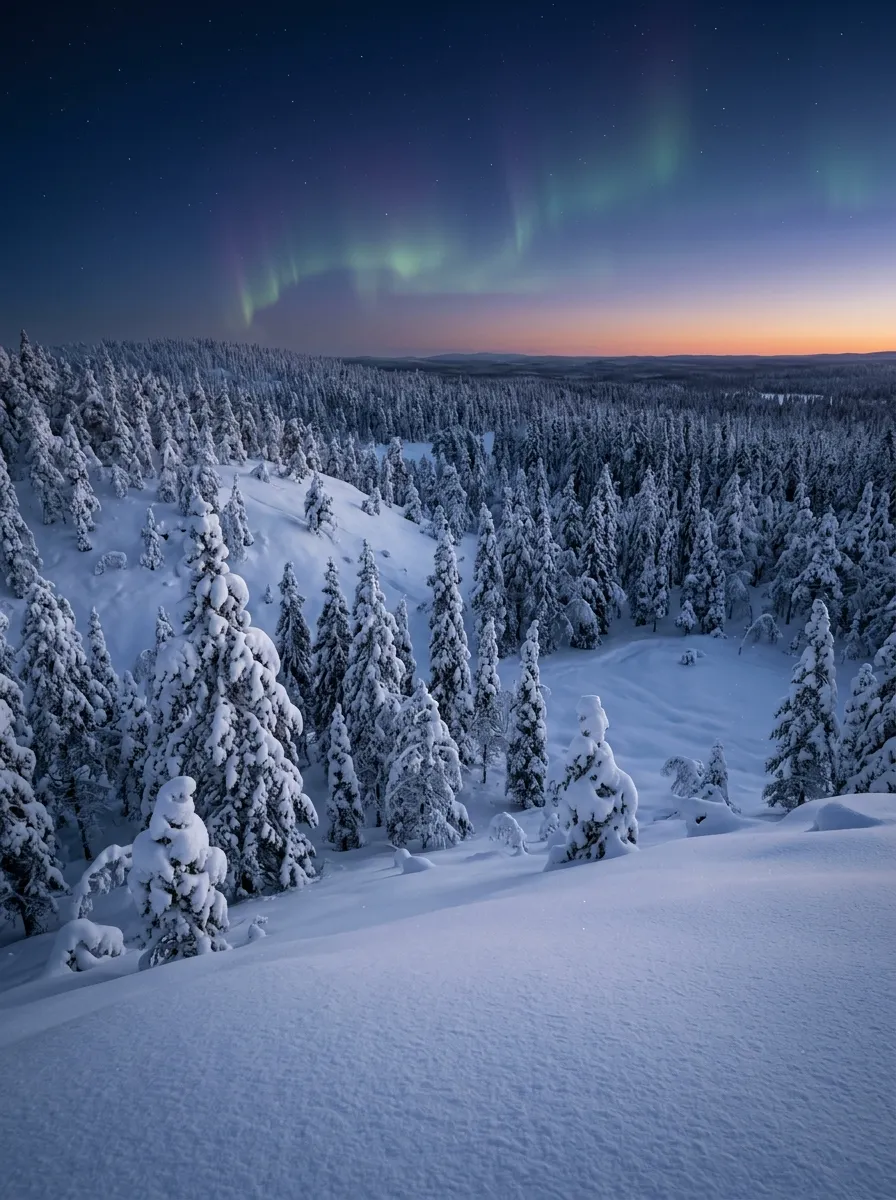
Imagine stepping into a snow-covered forest, watching reindeer move across the white landscape, and looking up at a dark Arctic sky in search of the Northern Lights. Winter in Lapland can feel like entering another world, especially if you’ve never traveled this far north before.
But a winter holiday in Lapland takes more planning than an ordinary cold-weather getaway. Temperatures can plunge well below freezing, daylight is limited around the winter solstice, and outdoor activities often require advance reservations. The right clothing, accommodation, and transportation plans can make the difference between a magical adventure and a trip spent feeling cold, tired, and unprepared.
The good news is that you don’t need to be an experienced Arctic traveler to enjoy it. With a sensible itinerary and the right expectations, you can experience snowy landscapes, husky sledding, reindeer encounters, cozy cabins, and possibly the Northern Lights without trying to do everything at once.
This guide explains how to plan a winter trip to Lapland for the 2026-27 season, including the best time to visit, where to stay, what to do, how to dress for the cold, and what to pack before leaving home.
Recommended Travel Items for Your Trip
Where Is Lapland, and Which Part Should You Visit?
Lapland is a large northern region that extends across parts of Finland, Sweden, Norway, and Russia. When travelers talk about a winter holiday in Lapland, they often mean Finnish Lapland, which is known for snowy forests, Arctic activities, reindeer, ski resorts, and opportunities to see the Northern Lights.
Your choice of destination matters because Lapland is vast. Two places that look close on a map may require several hours of travel between them, especially in winter conditions.
Here are four popular bases to consider for your first trip.
Rovaniemi: Best for First-Time Visitors
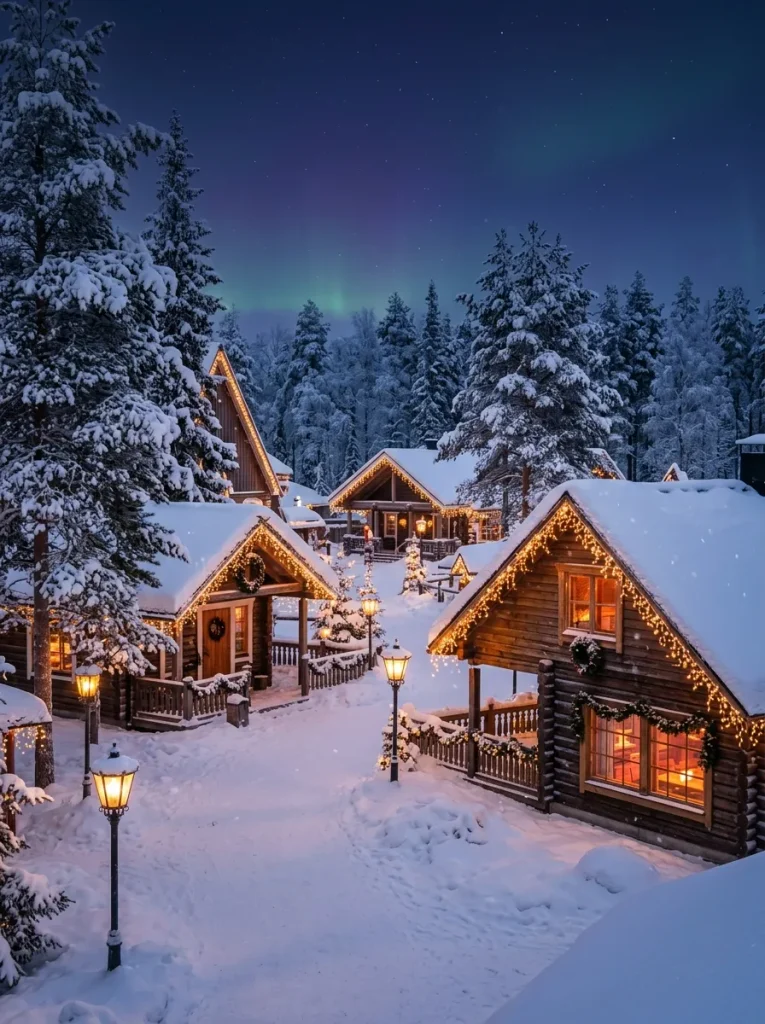
Rovaniemi is one of the most popular entry points to Finnish Lapland. It is home to Santa Claus Village, winter activity providers, restaurants, hotels, and transport connections.
It’s a practical choice if you want a mix of classic Lapland experiences without organizing every detail yourself. You can arrange husky rides, reindeer experiences, snowmobile excursions, and Northern Lights tours through local operators.
The main drawback is popularity. Christmas and New Year are especially busy, and accommodation and activities can be expensive during peak dates.
Best for: Families, first-time visitors, Christmas trips, and travelers who want convenient access to organized activities.
Levi: Best for Snow Activities and Resort Comfort
Levi is a well-known winter resort in Finnish Lapland. It offers downhill skiing, snowboarding, cross-country skiing, restaurants, accommodation, and a range of guided Arctic experiences.
It suits travelers who want outdoor activities during the day and comfortable resort facilities in the evening. You can build a trip around skiing or combine it with husky excursions, snowmobile tours, and Northern Lights outings.
Levi is not the cheapest option during busy holiday periods, so compare accommodation and activity prices before choosing your dates.
Best for: Skiers, couples, groups of friends, and travelers who enjoy having several activities close together.
Saariselkä: Best for a Quieter Arctic Atmosphere
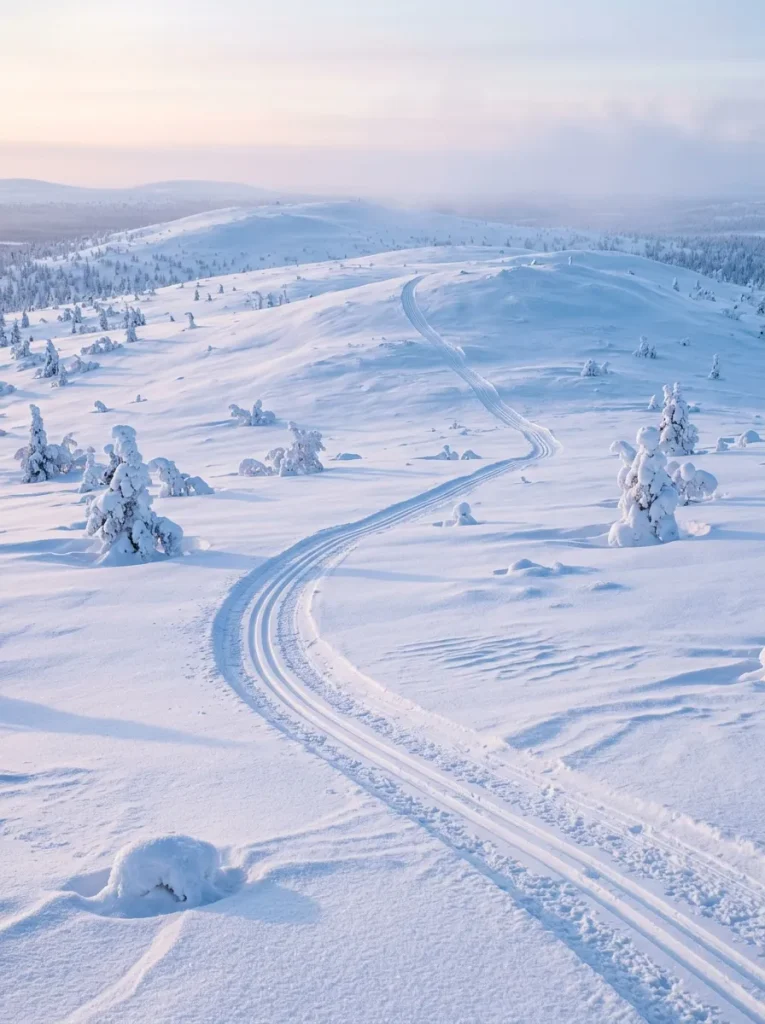
Saariselkä, in northern Finnish Lapland, offers access to snowy forests, winter trails, cross-country skiing, and the wider wilderness around Urho Kekkonen National Park.
It can be a good choice if you want a quieter setting than a large resort while still having access to organized winter activities and places to stay.
Its northern location can be appealing for aurora watching, although no location can guarantee a Northern Lights display. Clouds, solar activity, and local conditions all affect what you see.
Best for: Nature lovers, snowshoeing, cross-country skiing, and travelers who prefer a quieter base.
Ylläs: Best for Outdoor Enthusiasts
Ylläs is known for skiing, extensive cross-country ski trails, and snowy fell scenery. It is a strong option for travelers who want to spend much of their trip outdoors rather than focusing mainly on Christmas attractions.
Accommodation options range from cabins to hotels, allowing you to choose between a self-catering stay and a more service-oriented holiday.
Check transportation carefully before booking. Depending on your arrival airport or train station, you may need a transfer to reach your accommodation.
Best for: Skiing, cross-country trails, cabin stays, and active winter holidays.
When Is the Best Time to Visit Lapland in Winter?
The best time to visit depends on what you want to experience. December offers the festive atmosphere many travelers dream about, while February and March can provide a useful balance of snowy landscapes, outdoor activities, and increasing daylight.
For the 2026-27 winter season, consider these general differences.
| Travel period | What to expect | Best for |
| Late November | Early winter atmosphere, with snow conditions varying by location | Travelers with flexible plans |
| December | Christmas activities, long nights, festive decorations, and high demand | Christmas trips and families |
| January | Deep winter conditions, long nights, and potentially very cold weather | Snowy scenery and winter activities |
| February | Winter sports, snow-covered landscapes, and gradually increasing daylight | Active holidays and families |
| March | More daylight, winter activities, and continued opportunities for aurora watching | Travelers wanting more time outdoors |
| Early April | Spring-like changes in daylight, with snow and activity access depending on location | Flexible travelers seeking a later-season visit |
Snowfall and ground conditions vary from year to year. Booking a December trip does not guarantee that every outdoor activity will have ideal snow conditions, and spring does not mean that the snow will have disappeared.
Is December Worth It?
December is particularly appealing if your dream trip includes Christmas lights, festive markets, Santa Claus Village, and snow-covered cabins.
It is also one of the busiest periods. Christmas week and New Year can sell out well in advance, especially for family accommodation and popular activities.
Daylight is limited around the winter solstice in late December. The amount of daylight varies by latitude, and northern parts of Lapland experience polar night, when the sun does not rise above the horizon for a period of time. Even then, there can be a few hours of dim twilight rather than complete darkness throughout the day.
If you’re planning a festive getaway, start with this guide to Christmas Travel Destinations: The 10 Best Places to Go (And Where to Avoid) for more seasonal trip inspiration.
Should You Visit in February or March?
February and March are excellent months to consider if you want winter scenery and outdoor activities without making Christmas the central theme of your trip.
Daylight gradually increases, which can make it easier to fit in skiing, snowshoeing, scenic excursions, and village visits. Cold conditions can still be severe, particularly at night, so proper clothing remains essential.
The Northern Lights season in Finnish Lapland generally runs from late August to early April. February and March offer dark skies alongside winter landscapes, but aurora sightings remain weather-dependent.
For more ideas about destinations suited to the late-winter season, see 12 Best Places to Travel in February 2027 for Winter Sun, Snow and Festivals.
How Many Days Do You Need in Lapland?
For a first winter visit, five to seven days is a comfortable starting point. It gives you time to settle in, experience a few Arctic activities, and leave more than one opportunity for Northern Lights watching.
A three-day trip can work if you focus on one destination and book activities in advance. However, it may feel rushed if you want to combine several towns, skiing, husky sledding, and aurora tours.
A trip of eight to ten days allows you to explore more than one area, but remember that distances are substantial and winter transfers take time.
A Suggested 6-Day Lapland Itinerary
This example uses Rovaniemi as a base and is designed for a first-time visitor. You can adapt the activities to another destination.
Day 1: Arrive and settle in
Arrive in Rovaniemi, transfer to your accommodation, and explore the immediate area. Keep the schedule light so you can rest after your journey and get used to the cold.
If you arrive early and the weather cooperates, take a short walk or enjoy a relaxed dinner. Avoid booking a major outdoor excursion immediately after a long international flight.
Day 2: Visit Santa Claus Village
Spend part of the day exploring Santa Claus Village, browsing seasonal shops, enjoying the winter atmosphere, and arranging any experiences you have booked.
The village is a major attraction, particularly during the Christmas season. Check opening times for individual businesses and attractions before visiting.
Day 3: Choose a husky or reindeer experience
Book a guided husky sledding or reindeer experience with a reputable operator. These activities offer different experiences, so choose according to your interests, mobility, budget, and comfort with cold weather.
Check what is included in the booking, whether thermal clothing is supplied, how long you will spend outdoors, and any age or health restrictions.
Day 4: Explore the snowy landscape
Use the day for snowshoeing, a guided forest excursion, cross-country skiing, or another activity suitable for your fitness level.
If you prefer a slower pace, visit a local museum or enjoy time at a sauna. You do not need to fill every hour with an organized tour.
Day 5: Go Northern Lights hunting
Keep the evening flexible for a guided aurora tour or a visit to a dark location away from artificial lights.
A guided excursion can be particularly helpful if you’re unfamiliar with the area or don’t want to drive on snowy roads at night. Choose an operator that prioritizes safe transportation and adjusts the route according to conditions.
Remember that no tour can guarantee the Northern Lights. If the sky is cloudy, the display may remain hidden.
Day 6: Enjoy a relaxed morning and depart
Allow time for breakfast, packing, and your airport transfer. If your departure is late, choose a low-effort activity close to your accommodation.
This schedule gives you several different experiences without making every day a race against the clock.
What to Book Before Your Lapland Trip
Winter travel in Lapland rewards early planning, especially around Christmas and New Year.
Book Accommodation First
Start by choosing your base and checking the location of your accommodation. A cabin outside town may offer a peaceful setting and darker skies, but you will need to think about transfers, meals, and access to activities.
A central hotel may be more convenient if you plan to join several guided tours. Read the cancellation terms carefully, particularly if weather or transport disruptions could affect your plans.
If you want to stay in a glass-roofed cabin, compare the total price with ordinary accommodation. These stays can be memorable, but the view depends on cloud cover, light pollution, and aurora activity.
Reserve Popular Activities
Husky sledding, reindeer experiences, snowmobile excursions, and specialist Northern Lights tours can be popular during peak dates.
Book the experiences that matter most to you before departure, but avoid scheduling every activity back-to-back. Weather may lead to changes, and you will appreciate having time to rest.
Ask providers what clothing is supplied, whether transfers are included, and what happens if an activity is canceled because of unsafe conditions.
Plan Airport Transfers
Rovaniemi, Kittilä, and Ivalo are useful arrival points for different parts of Finnish Lapland. The best airport depends on where you plan to stay and which flights are available for your dates.
Compare the total journey, including connecting flights, airport transfers, and the final distance to your accommodation. A flight that looks convenient on paper may involve a long transfer at the other end.
If you plan to use trains or buses, check the current winter timetable and reserve seats where appropriate. Don’t assume a late arrival will connect easily with a remote accommodation transfer.
What to Pack for a Winter Trip to Lapland
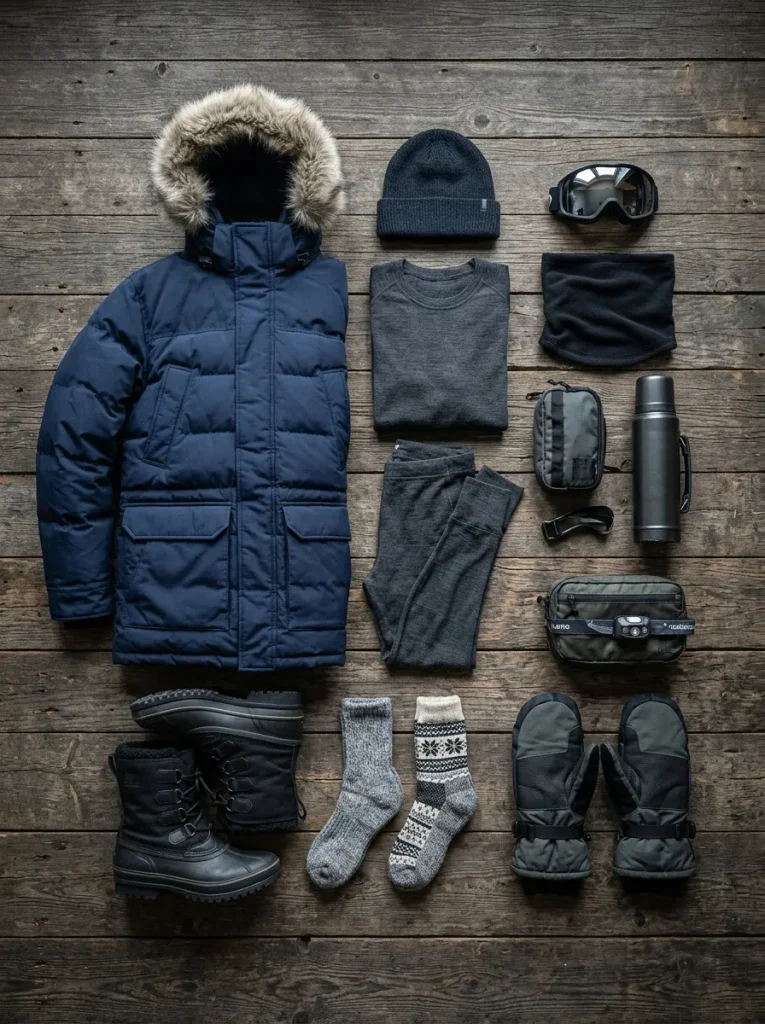
Packing for Lapland is not about bringing the thickest coat you can find. The goal is to build a clothing system that keeps you warm, dry, and comfortable while allowing you to adjust your layers as your activity changes.
A short walk through town requires different clothing from a two-hour excursion in a snowy forest. Standing still to watch the Northern Lights can also feel much colder than walking briskly during the day.
Use a Three-Layer Clothing System
1. Base layer
Wear a moisture-managing base layer next to your skin. Merino wool and synthetic fabrics are common choices because they can help manage perspiration during outdoor activity.
Avoid relying on cotton as your main base layer for demanding cold-weather excursions. Once damp, it can become uncomfortable and slow to dry.
2. Insulating layer
Add a fleece, wool sweater, or insulated midlayer to trap warm air. The amount of insulation you need depends on the temperature and how active you will be.
For very cold excursions, you may need more than one insulating layer.
3. Outer layer
Your outer layer should protect you from wind, snow, and moisture. A suitable insulated winter jacket or a waterproof shell worn over warm layers can work, depending on the activity and conditions.
Ask your tour operator whether specialist thermal clothing is provided. Some Arctic excursions include insulated outerwear and boots, which can reduce the amount of bulky gear you need to bring.
Essential Lapland Packing Checklist
- Thermal base-layer tops and bottoms.
- Fleece or warm midlayers.
- Insulated winter jacket or suitable parka.
- Waterproof or weather-resistant outer layer if needed.
- Insulated winter trousers for extended outdoor activities.
- Warm socks, including wool or synthetic options.
- Insulated winter boots with good grip.
- Warm hat that covers your ears.
- Insulated gloves or mittens.
- Thin glove liners for extra flexibility.
- Neck warmer or scarf.
- Hand and foot warmers, if suitable for your needs.
- Sunglasses for bright snow conditions.
- Moisturizer and lip balm for cold, dry air.
- Personal medication and a small first-aid kit.
- Phone charger, power bank, and charging cables.
- Camera equipment or a tripod if you plan to photograph the Northern Lights.
- Swimsuit if you plan to use a sauna or spa.
- Passport, travel documents, and booking confirmations.
You may not need every item if your accommodation or activity provider supplies some equipment. Confirm this before packing.
Choose Proper Winter Boots
Your footwear is just as important as your coat. Cold feet can quickly make an otherwise enjoyable excursion miserable.
Look for boots that offer insulation, water resistance or waterproofing appropriate to the conditions, and good traction. Make sure there is enough room for warm socks without squeezing your toes. Tight footwear can reduce comfort in cold weather.
For icy paths, traction aids may be useful when appropriate, but choose equipment suited to the surface and follow local guidance. Some guided activities supply specialist boots or other winter equipment.
Protect Your Hands, Head, and Face
Gloves alone may not be enough during prolonged exposure to very low temperatures. Insulated mittens often provide more warmth than individual-finger gloves, while thin liners can help with small tasks.
Cover your ears and protect exposed skin from wind. A neck warmer can be pulled up over the lower face when conditions require it.
Be particularly careful during long outdoor activities. If your fingers or toes become numb, painful, or unusually pale, get somewhere warm and seek appropriate assistance if symptoms persist.
How Cold Is Lapland in Winter?
Lapland covers a large area, so temperatures vary by location, elevation, and weather system. Winter conditions can range from manageable subfreezing days to periods of severe cold well below freezing.
Rather than planning around one average temperature, prepare for a range of conditions and check the forecast shortly before departure.
| Condition | What it means for your trip |
| Temperatures below freezing | Warm layers, suitable boots, and gloves are essential |
| Strong wind | Exposed skin can cool rapidly, making wind protection important |
| Heavy snowfall | Roads, transfers, and outdoor activities may be affected |
| Very low temperatures | Some activities may change or be canceled for safety |
| Limited daylight | Plan sightseeing around available daylight and keep evening activities flexible |
| Icy surfaces | Walk carefully and use suitable footwear or traction equipment where appropriate |
The biggest mistake is dressing for the temperature shown on a weather app without considering wind, activity level, and how long you will remain outdoors.
A guided husky excursion or Northern Lights tour may involve long periods outside. Dress for the entire activity, not just the short walk from your hotel to the vehicle.
How to See the Northern Lights in Lapland
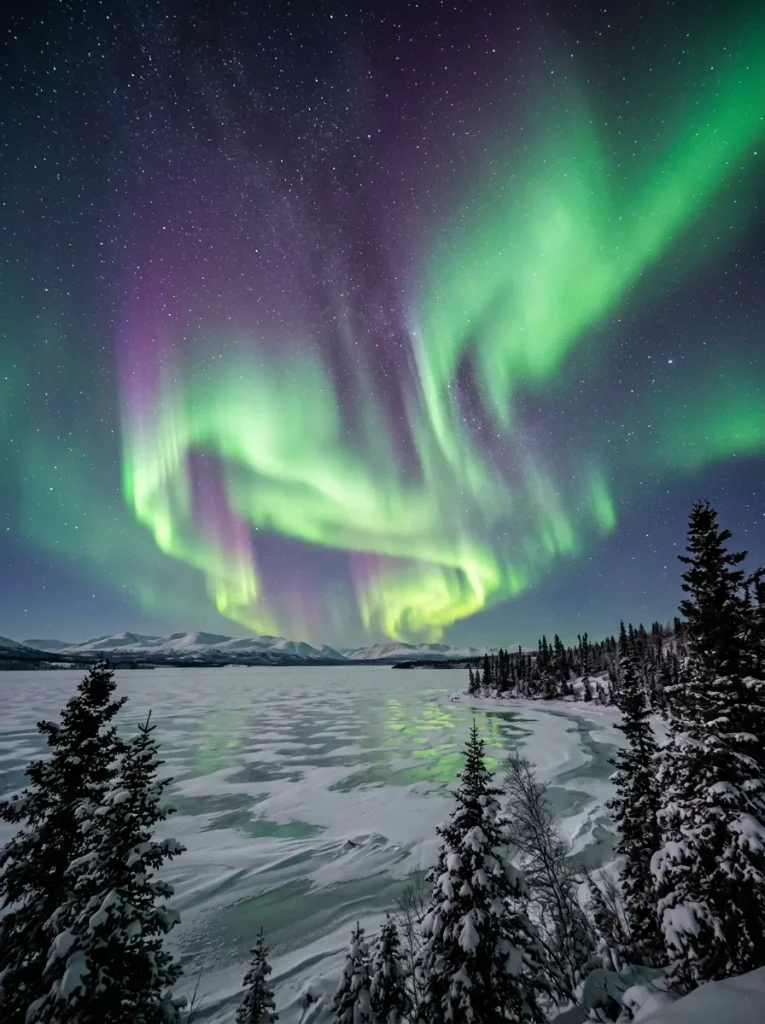
Seeing the Northern Lights is one of the main reasons travelers visit Lapland, but it is important to understand that an aurora display is a natural phenomenon, not a scheduled show.
Finnish Lapland’s aurora season generally runs from late August to early April, when the nights are dark enough for the lights to be visible. Winter provides long hours of darkness, while September, October, February, and March can also offer favorable opportunities.
Choose a Dark Location
Artificial light can make a faint display harder to see. If conditions allow, head to a location away from bright town lights with an unobstructed view of the sky.
A lakeshore, open clearing, or elevated viewpoint may offer a good perspective, but only visit places that are safe and accessible under current conditions.
Check Both Weather and Aurora Forecasts
Cloud cover is one of the main obstacles to viewing the Northern Lights. Check local weather forecasts alongside aurora predictions, and be prepared to try again on another night.
The Finnish Meteorological Institute provides space-weather information that can help you understand aurora activity. Local guides may also monitor conditions and adjust tour locations.
Consider a Guided Tour
A guided Northern Lights tour can be useful if you’re unfamiliar with the area, don’t want to drive in winter darkness, or would prefer help interpreting the forecast.
Compare group sizes, transfer arrangements, cancellation policies, and the time spent outdoors. Some tours include thermal clothing or photography assistance, while others charge separately for these extras.
Give Yourself More Than One Night
If seeing the aurora is a major priority, avoid booking just one night in Lapland and expecting a guaranteed display.
Clouds may obscure the sky throughout your visit. Staying several nights gives you more opportunities to try, although it still cannot guarantee a sighting.
The Best Winter Activities in Lapland
Lapland offers much more than Northern Lights watching. You can spend the day exploring snow-covered forests, learning about local traditions, enjoying winter sports, or relaxing in a sauna.
Husky Sledding
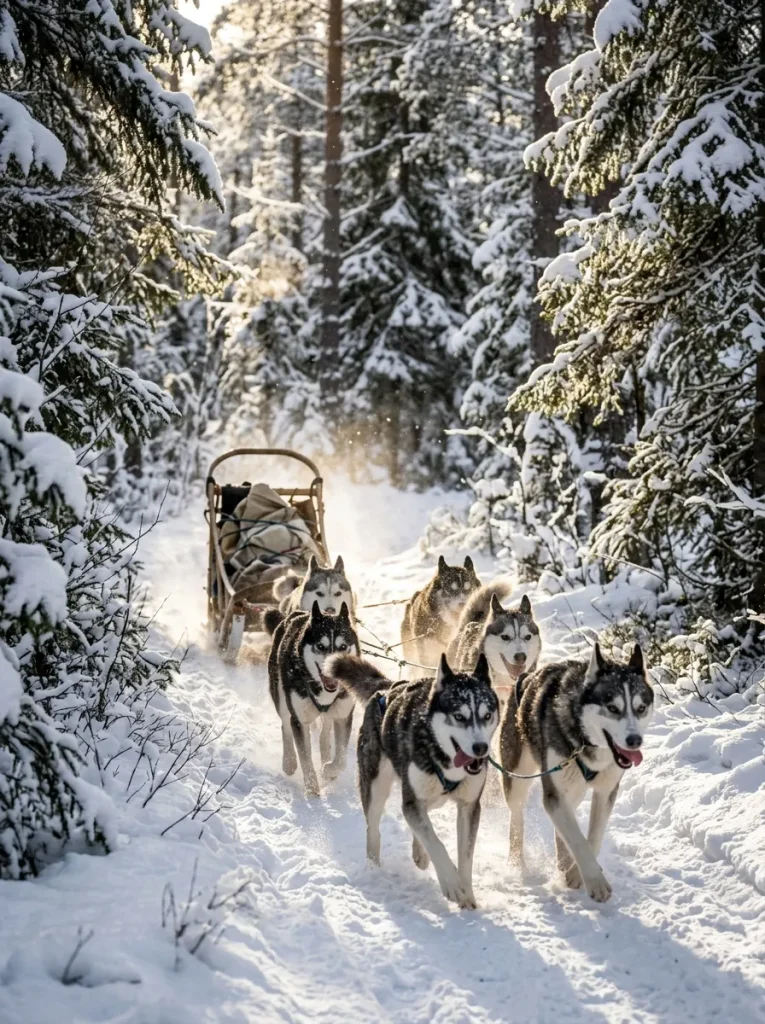
Husky sledding is a popular Arctic experience that takes visitors across snowy landscapes with a team of sled dogs.
Tours vary in duration and intensity. Some offer short introductory rides, while others involve longer journeys with more participation from guests.
Before booking, ask about the route, group size, clothing provided, age restrictions, and whether you will be driving the sled or riding as a passenger. Choose a responsible operator that prioritizes animal welfare and explains how the dogs are cared for.
Reindeer Experiences
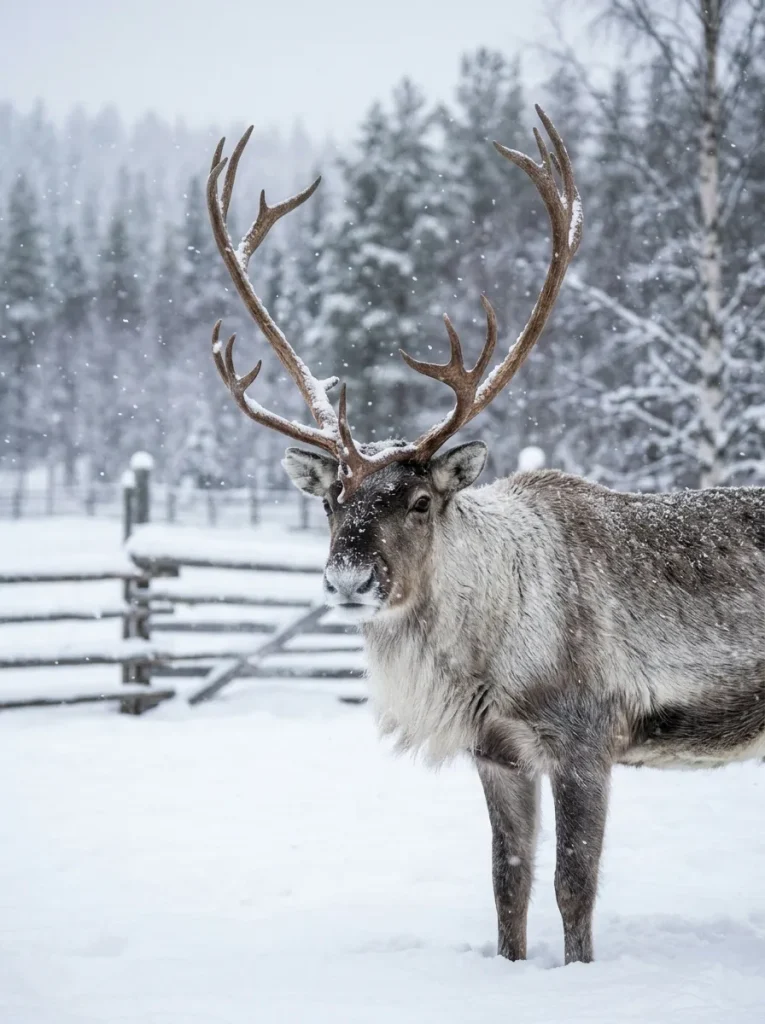
Reindeer are closely connected with northern Finnish culture and livelihoods. A guided visit can provide an opportunity to learn about reindeer husbandry and the animals’ place in the region.
Some experiences include short sleigh rides, while others focus more on cultural interpretation and meeting the animals.
Look for operators that explain local traditions respectfully rather than presenting every experience as identical. Sámi culture is diverse and living, and visitors should approach cultural activities with curiosity and respect.
Snowmobiling
Snowmobiling can be an exciting way to travel through winter landscapes, but it requires attention to safety.
Choose a guided excursion if you’re inexperienced, and follow instructions regarding speed, spacing, clothing, and route restrictions. Confirm the operator’s licensing, insurance requirements, and rules for drivers and passengers.
Never assume you can operate a snowmobile simply because it is offered as a tourist activity. Age, license, and other requirements can apply.
Skiing and Snowshoeing
If you want to spend more time outdoors, consider downhill skiing, cross-country skiing, or snowshoeing.
Levi and Ylläs are well-known options for skiing, while several Lapland destinations offer marked trails and guided excursions. Choose routes that match your fitness level and experience.
Weather, trail conditions, and daylight can affect your plans. If you’re unfamiliar with the terrain, use designated routes or book a guide rather than venturing into remote areas alone.
Sauna and Relaxation
A sauna is a wonderful way to slow down after a cold day outside. Many accommodations offer sauna facilities, and some resorts combine them with spa services.
Follow the property’s safety guidance, drink water, and avoid treating extreme heat and cold exposure as a challenge to push through. You can enjoy a relaxing sauna session without adding risky activities to your itinerary.
Experience a Glass-Roofed Cabin
A glass-roofed cabin or aurora accommodation can be a memorable addition to your trip. It allows you to enjoy the winter setting from a warm indoor space, and some properties offer views of the night sky from the bed.
However, a glass roof cannot guarantee a Northern Lights sighting. Clouds, aurora activity, and the position of your cabin all matter.
Compare the total price with conventional accommodation and check the property’s location, meal options, transfer arrangements, and cancellation policy before booking.
Getting Around Lapland in Winter
How you travel between destinations can shape the entire trip. For a first visit, staying in one base and booking guided excursions may be easier than renting a car and driving long distances in snow and darkness.
Use Transfers and Public Transport Where Practical
Rovaniemi and other major Lapland destinations have transport connections, but services vary by location and season.
Check the current timetable for trains, buses, airport transfers, and local connections. If your accommodation is outside town, confirm how you will reach restaurants and activity meeting points.
A remote cabin may look appealing online, but it can become inconvenient if you need to arrange a taxi every time you leave the property.
Should You Rent a Car?
A rental car can provide flexibility, especially if you want to explore several destinations or stay outside town. However, winter driving requires preparation and confidence.
Snow, ice, darkness, and wildlife can make roads challenging. If you rent a car, check the winter tires, understand the vehicle’s controls, and review local driving guidance. Allow extra time and avoid rushing to meet a tightly scheduled activity.
If you’re uncomfortable driving on snowy roads, organized transfers and guided tours are often the more relaxing option.
Be Careful Around Reindeer and Frozen Water
Reindeer may appear on or near roads in Lapland. Drive cautiously, especially in low light, and never stop in an unsafe place to photograph animals or the Northern Lights.
Frozen lakes and rivers can also be dangerous. Ice that looks solid may not be strong enough to support a person. Do not walk onto frozen water unless you are following an officially marked route or are with a qualified local guide who confirms the conditions.
How Much Does a Winter Trip to Lapland Cost?
Lapland can be an expensive winter destination, particularly during Christmas and New Year. Your total budget depends on the travel dates, accommodation type, transport, and number of guided activities.
Rather than relying on a single estimated trip price, build your budget around the following categories.
| Expense | What to include |
| Flights | Return airfare, connecting flights, and baggage fees |
| Accommodation | Hotel, cabin, resort, or glass-roofed stay |
| Transfers | Airport transfers, local transport, and intercity journeys |
| Food | Restaurants, groceries, snacks, and drinks |
| Activities | Husky sledding, reindeer experiences, skiing, and guided tours |
| Clothing | Thermal layers, boots, gloves, and any missing equipment |
| Insurance | Appropriate travel insurance and relevant activity coverage |
| Extra funds | Weather-related changes, unexpected transport, and other expenses |
Accommodation and activities should be priced early, particularly if you want to travel during peak Christmas dates. Some packages include clothing, transfers, and meals, while others charge for each separately.
Compare the total cost rather than choosing an activity based only on its advertised starting price. A more expensive tour may include transfers and winter gear that you would otherwise need to arrange yourself.
You can manage costs by traveling outside the busiest holiday dates, staying in a regular hotel instead of a premium glass cabin, and choosing a smaller number of activities that matter most to you.
Important Safety Tips for a Lapland Winter Holiday
Cold-weather safety deserves serious attention. Even a well-planned vacation can become uncomfortable or risky if you underestimate the environment.
Dress for the Full Duration of Each Activity
Do not dress only for the walk from your hotel to a vehicle. An excursion may involve standing outdoors for a long time, especially during Northern Lights watching.
Bring sufficient layers, protect exposed skin, and ask your guide what equipment is recommended for the planned activity.
Follow Local Advice
Listen to guides and activity providers, particularly when conditions change. They may shorten or cancel an excursion if weather, visibility, or temperature makes it unsafe.
Do not pressure an operator to continue an activity in dangerous conditions.
Keep Your Phone Charged
Cold weather can reduce battery performance. Keep your phone warm when possible, carry a power bank, and download useful maps and booking information before leaving areas with reliable connectivity.
For remote excursions, follow your guide’s instructions about communication and emergency procedures.
Leave Extra Time for Travel
Snowfall and icy roads can delay transfers. Avoid booking an activity immediately after a long journey if missing it would create a problem.
Keep departure days simple and allow a buffer for weather-related disruptions.
Protect Children and Other Travelers Who Feel the Cold Quickly
Children can become cold without recognizing or explaining the early signs clearly. Check their clothing regularly, schedule warm indoor breaks, and follow the guide’s instructions.
Everyone in your group should have suitable gloves, footwear, and insulation rather than relying on another person’s spare items.
Frequently Asked Questions About Visiting Lapland in Winter
Is Lapland worth visiting in winter?
Yes. Winter offers snowy forests, Arctic activities, reindeer experiences, skiing, and opportunities to see the Northern Lights. It is especially rewarding for travelers who enjoy outdoor experiences and are prepared for cold temperatures and limited daylight.
How many days should I spend in Lapland?
Five to seven days is a useful starting point for a first visit. It gives you time to explore one main destination, try several activities, and leave multiple evenings for aurora watching. Three days can work for a shorter trip if you keep your plans focused.
What is the best month to visit Lapland in 2026-27?
December is popular for Christmas activities and festive scenery. January offers a deep-winter atmosphere, while February and March provide more daylight alongside winter sports and continued opportunities to see the Northern Lights. The best month depends on your priorities and tolerance for cold and crowds.
Can I see the Northern Lights every night?
No. The Northern Lights depend on solar activity, darkness, and clear skies. Clouds can block the display even when aurora activity is strong. Staying several nights gives you more opportunities, but sightings can never be guaranteed.
Do I need special winter clothing for Lapland?
You need clothing suitable for subfreezing temperatures, wind, snow, and extended outdoor exposure. A base layer, insulating midlayer, suitable outerwear, warm boots, gloves, and a hat are essential starting points. Some tour operators provide specialist thermal suits and boots, so confirm what is included before packing.
Is Lapland suitable for families with children?
Yes, many families visit Lapland for Santa Claus Village, reindeer experiences, snow activities, and winter scenery. Choose activities that match the children’s ages and comfort levels, plan warm indoor breaks, and avoid overloading the itinerary.
Is it better to stay in Rovaniemi or a remote cabin?
Rovaniemi is convenient for transport, restaurants, and organized activities. A remote cabin can offer more privacy and a quieter setting, but you may need to arrange transfers and meals. Choose based on your budget, preferred atmosphere, and willingness to manage transport.
Can I drive in Lapland during winter?
Yes, but winter driving requires care and preparation. Snow, ice, low light, and reindeer can make conditions challenging. If you’re inexperienced or uncomfortable driving in snow, public transport, transfers, and guided tours may be a better choice.
What should I pack for Northern Lights watching?
Wear a warm base layer, substantial insulation, a suitable outer jacket, insulated trousers if needed, warm boots, gloves or mittens, and a hat. Bring a charged phone or camera, but prioritize warmth over photography equipment. Standing still in the cold can feel much harsher than walking.
Final Thoughts: Plan for the Cold, Then Enjoy the Magic
A winter trip to Lapland can be an unforgettable experience, but the best trips are built on realistic expectations and thoughtful preparation.
Choose a base that suits your interests, book important activities early, and allow enough time to enjoy the landscape without rushing between destinations. Pack in layers, invest in warm footwear, and check what your tour operators provide before filling your suitcase with bulky winter gear.
Most importantly, treat the Northern Lights as a wonderful possibility rather than a guaranteed event. Lapland has plenty to offer even when clouds cover the sky, from husky sledding and snowy forests to reindeer encounters, winter sports, and cozy sauna evenings.
For more seasonal inspiration, explore 17 Good Travel Places in December 2026 for Snowy Magic, Winter Sun and Unforgettable Adventures. If you’re looking to add something more adventurous to your trip, 15 Thrilling Travel Experiences You Have to Try may help you discover another experience worth planning around.
With the right preparation, a flexible itinerary, and respect for the Arctic conditions, you can enjoy the best of Lapland in the 2026-27 winter season while staying warm, comfortable, and ready for the adventure.