Winter in Pakistan 2026–27: Best Places to Visit, Snowfall, Weather and Travel Tips
Winter in Pakistan transforms the country into a destination of striking contrasts. Snow settles over the mountains of Gilgit-Baltistan, pine forests turn into winter wonderlands, historic cities become pleasant places to explore, and cozy hill stations attract travelers looking for a cold-weather escape. From the snow-covered landscapes of Skardu to the lively streets of Lahore, winter offers many different ways to experience Pakistan.
But planning a winter trip here requires more than choosing a beautiful destination. Mountain roads can close after heavy snowfall, flights to northern airports may be delayed, and temperatures can vary dramatically between coastal cities and high-altitude valleys. Some places are ideal for a snowy holiday, while others are better for cultural sightseeing and comfortable outdoor exploration.
If you’re planning a trip between November 2026 and February 2027, this guide covers the best places to visit, what weather to expect, what to pack, and how to plan a safer winter adventure in Pakistan.
Recommended Travel Items for Your Trip
What Is Winter Like in Pakistan?
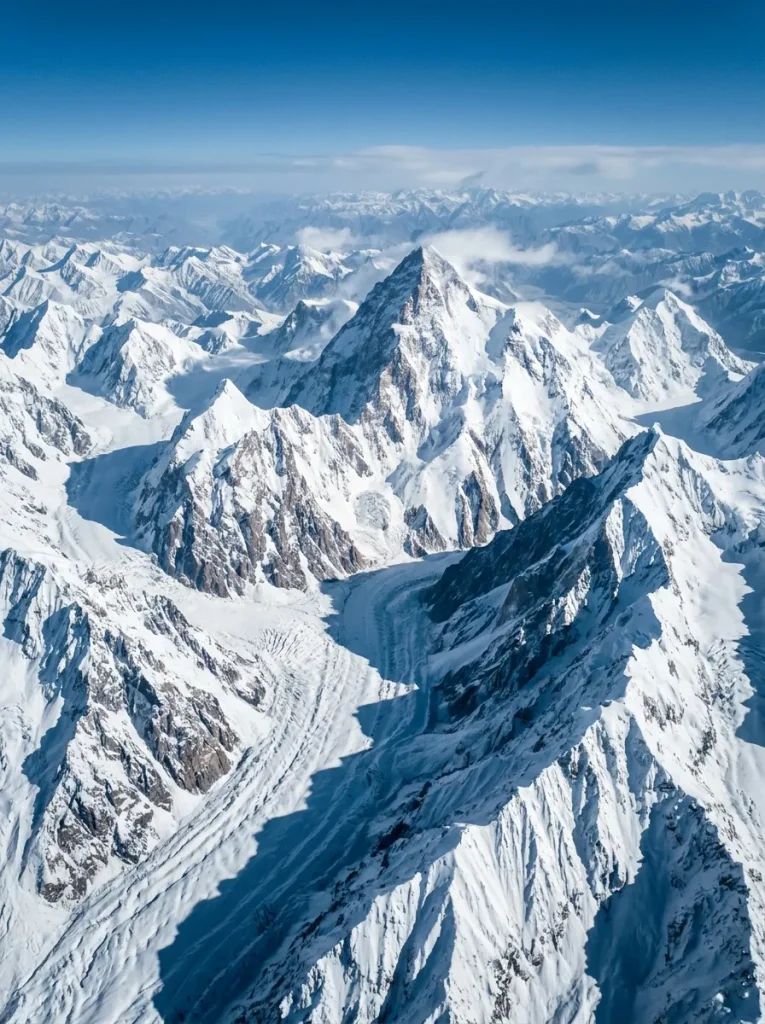
Winter in Pakistan generally extends from November through February, although colder conditions can begin earlier in the northern mountains and continue into March at higher elevations.
The country’s varied geography creates several different winter experiences. Northern Pakistan can receive heavy snowfall, while central Punjab often experiences cool days, cold nights, and periods of fog. Sindh usually has milder winter temperatures, making it appealing for travelers who prefer to avoid extreme cold.
Here is a general overview of what to expect.
| Region | Typical winter experience | Best for |
| Gilgit-Baltistan | Freezing nights, snow in many high-altitude areas | Mountain scenery and winter photography |
| Murree and Galiyat | Cold weather, possible snowfall | Hill-station escapes |
| Swat and Malam Jabba | Cold temperatures and seasonal snow | Mountain views and snow activities |
| Azad Jammu and Kashmir | Cold valleys, snow at higher elevations | Forests, rivers, and mountain scenery |
| Lahore and Islamabad | Cool days, chilly nights, occasional fog or rain | Culture, food, history, and city breaks |
| Quetta and Ziarat | Very cold winter conditions, possible snow | Juniper forests and rugged landscapes |
| Karachi and coastal Sindh | Generally mild, cooler evenings | Beaches, food, and relaxed sightseeing |
These are broad seasonal patterns, not guaranteed forecasts. Conditions change from year to year, so check local weather reports before setting off.
Best Places to Visit in Pakistan in Winter 2026–27
Choosing the right destination depends on what you want from your holiday. Some travelers dream of snow-covered mountains, while others prefer historic landmarks, local food, and comfortable daytime temperatures.
1. Skardu, Gilgit-Baltistan: A Snowy Mountain Escape
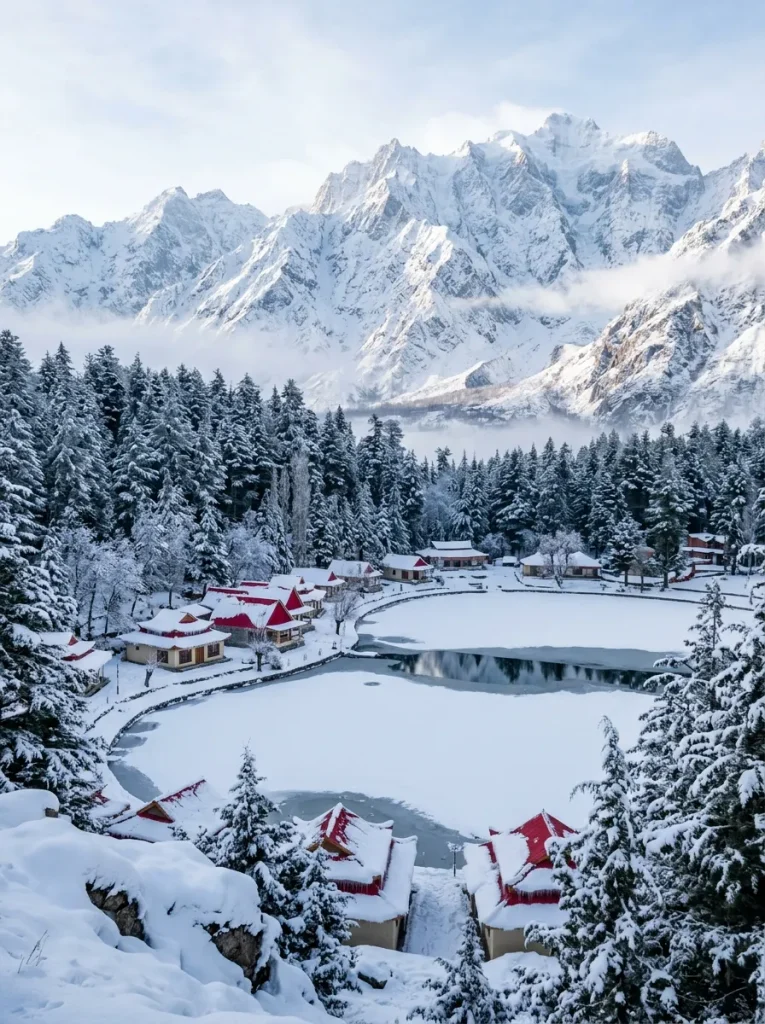
Skardu is one of Pakistan’s most recognizable mountain destinations, surrounded by dramatic peaks, rugged valleys, and the landscapes of the Karakoram range. In winter, the region can become especially striking as snow transforms the surrounding mountains and villages.
The town itself can remain accessible during winter, but road conditions, weather disruptions, and flight cancellations can affect travel plans. Access to surrounding attractions may be more limited than during the warmer months.
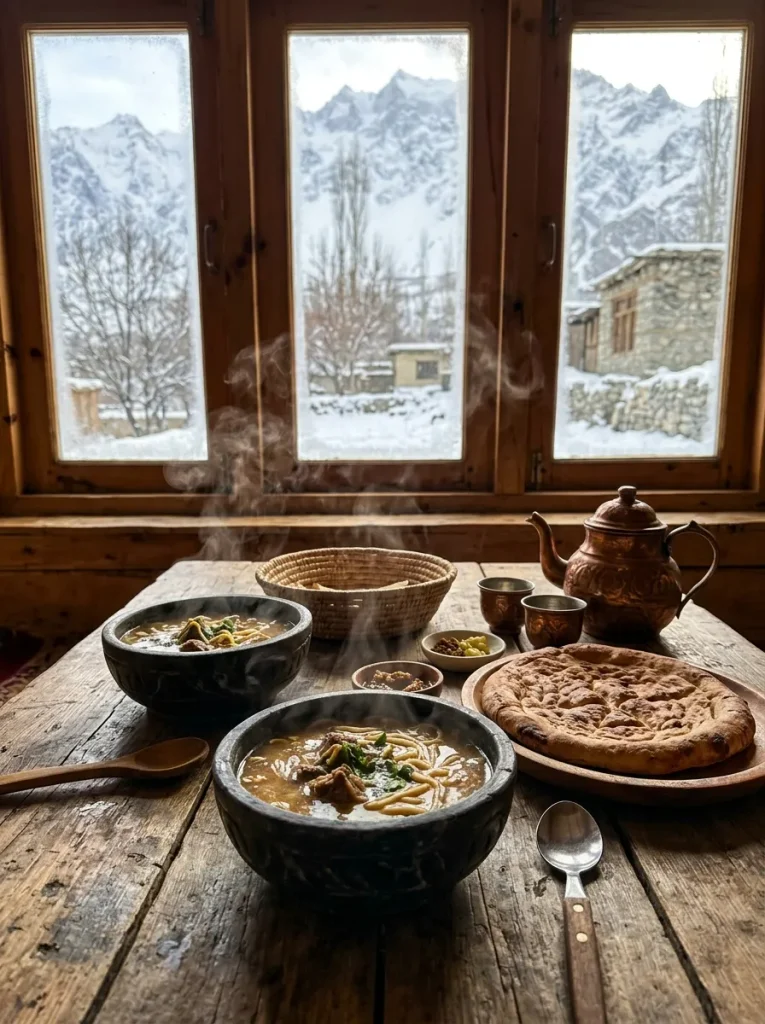
Winter visitors can explore Skardu town when conditions allow, enjoy views of the surrounding mountains, photograph traditional settlements, and experience local Balti food and culture.
Before planning excursions beyond town, confirm which roads and attractions are accessible. High-altitude areas such as Deosai are not suitable for ordinary winter road trips, and routes that operate in summer may be closed or unsafe during winter.
For detailed destination planning, read Skardu and Hunza Valley: The Complete 2026–27 Guide to Pakistan’s Karakoram Wonderland.
Best for: Experienced winter travelers, landscape photographers, and visitors seeking a quieter mountain atmosphere.
2. Hunza Valley: Mountain Views and Traditional Villages
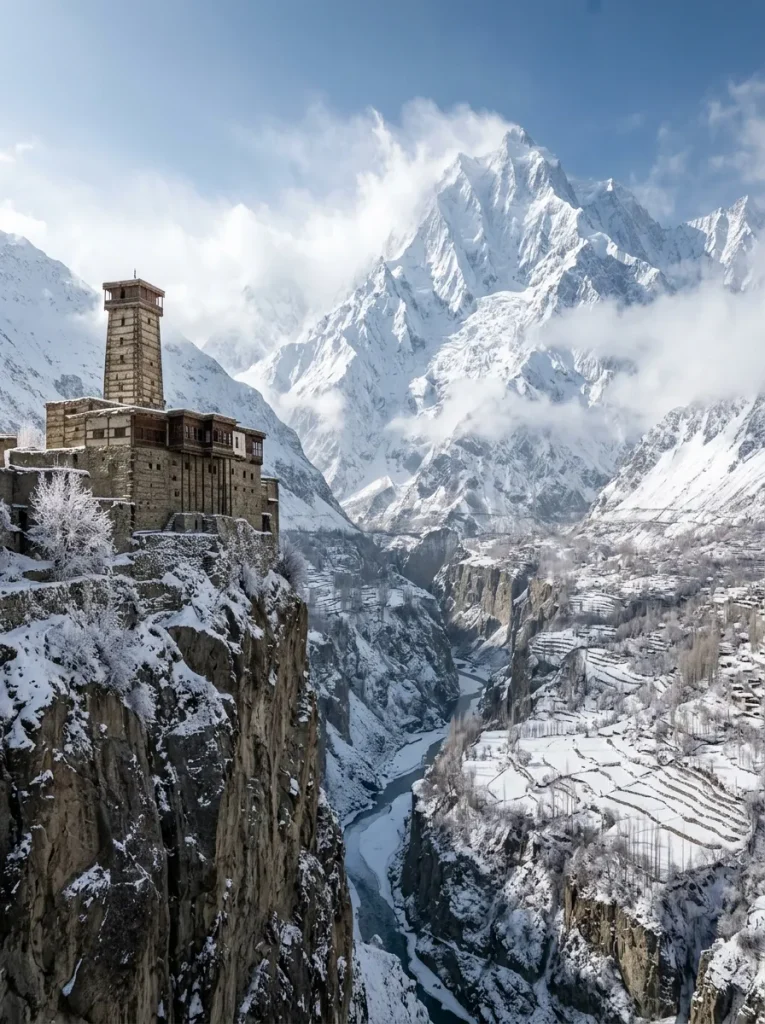
Hunza is known for its mountain scenery, distinctive villages, historic forts, and views of peaks such as Rakaposhi and Ultar Sar. Winter brings a quieter atmosphere to many settlements, and snow can add another layer of beauty to the surrounding landscape.
Karimabad is a useful base for exploring the region when roads and local conditions permit. Travelers may be able to visit historic sites, explore village streets, enjoy local dishes, and photograph the mountain scenery.
However, do not assume that every attraction will be accessible. Conditions along the Karakoram Highway can change, and snow or landslides may interrupt travel. Some upper valleys and remote routes can become difficult to reach.
Allow extra time in your itinerary, book flexible accommodation when possible, and avoid planning a tightly scheduled road journey through the mountains.
Best for: Culture, photography, mountain scenery, and travelers who want to explore northern Pakistan beyond the busiest summer season.
3. Murree: A Classic Winter Hill Station
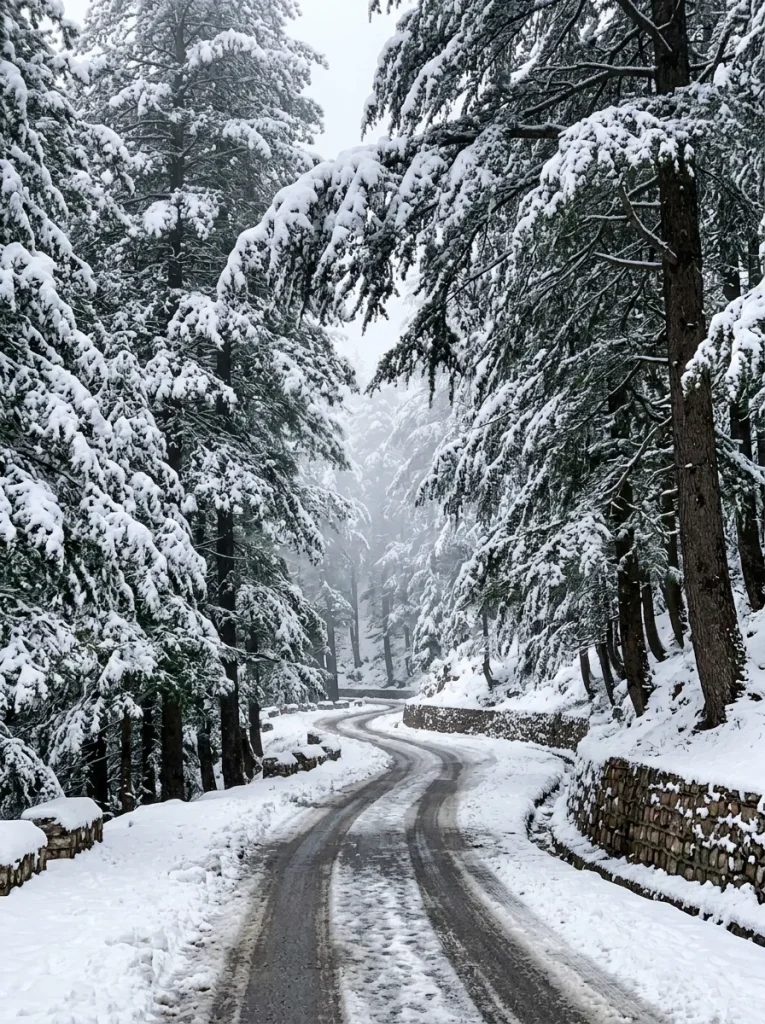
Murree is one of Pakistan’s best-known winter destinations, especially for families and visitors traveling from Islamabad and Rawalpindi.
The hill station offers forested slopes, cool weather, shops, restaurants, and viewpoints overlooking the surrounding hills. When snowfall occurs, the landscape can become particularly attractive to visitors hoping for a traditional winter holiday.
Mall Road is a popular place to walk, browse shops, and enjoy warm drinks. Nearby viewpoints and forested areas can provide scenic stops, depending on weather and access.
The main challenge is visitor congestion. Snowfall weekends and holiday periods can bring heavy traffic, parking problems, crowded accommodation, and long queues.
To make the trip easier, consider traveling on weekdays, booking accommodation in advance, and checking traffic advisories before leaving Islamabad. If snow is forecast, avoid setting off without confirming road conditions.
Best for: Families, couples, first-time winter travelers, and short breaks from Islamabad.
4. Galiyat: Pine Forests and Quiet Mountain Views
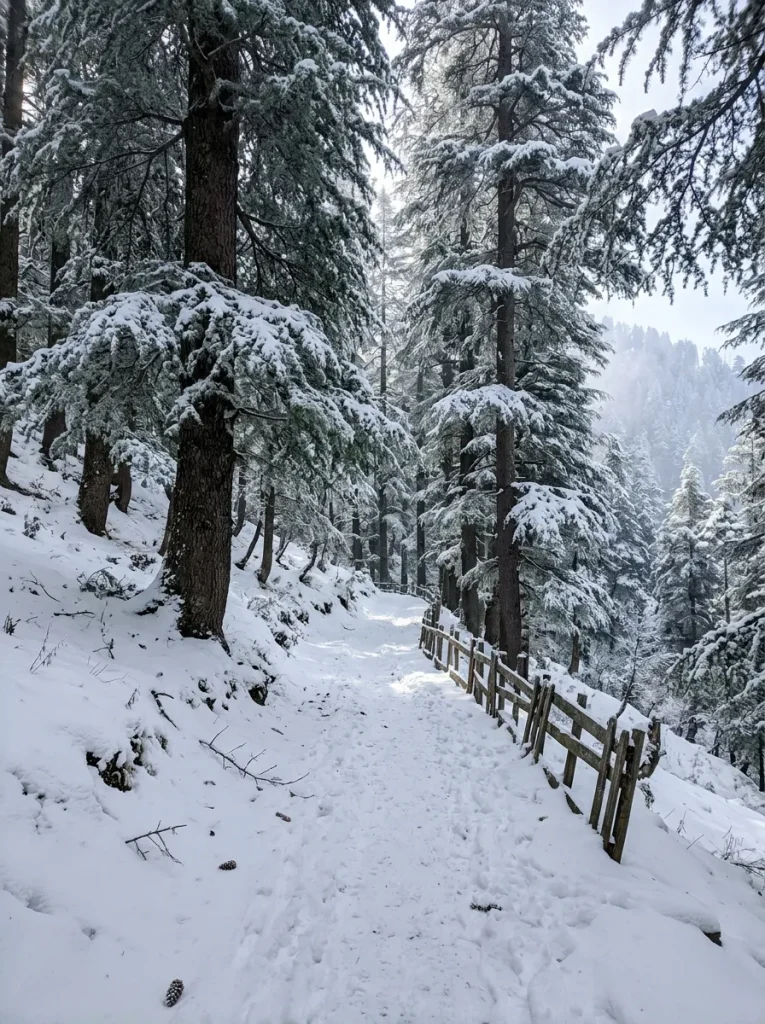
The Galiyat region, including places such as Nathia Gali and Ayubia, offers forested hills, walking routes, and mountain scenery. Winter can bring frosty mornings and occasional snowfall, although conditions differ between locations and elevations.
Nathia Gali is appealing for travelers who want a slower-paced holiday away from busy city streets. Ayubia’s forest setting offers opportunities for scenic walks when paths are safe and accessible.
During snowy periods, trails can become slippery or covered in ice. Do not assume a summer hiking route remains safe in winter. Check local conditions and avoid walking into isolated forest areas without appropriate clothing, footwear, and guidance.
Best for: Nature lovers, couples, photographers, and travelers looking for a peaceful hill-station experience.
5. Malam Jabba, Swat: A Winter Sports Destination
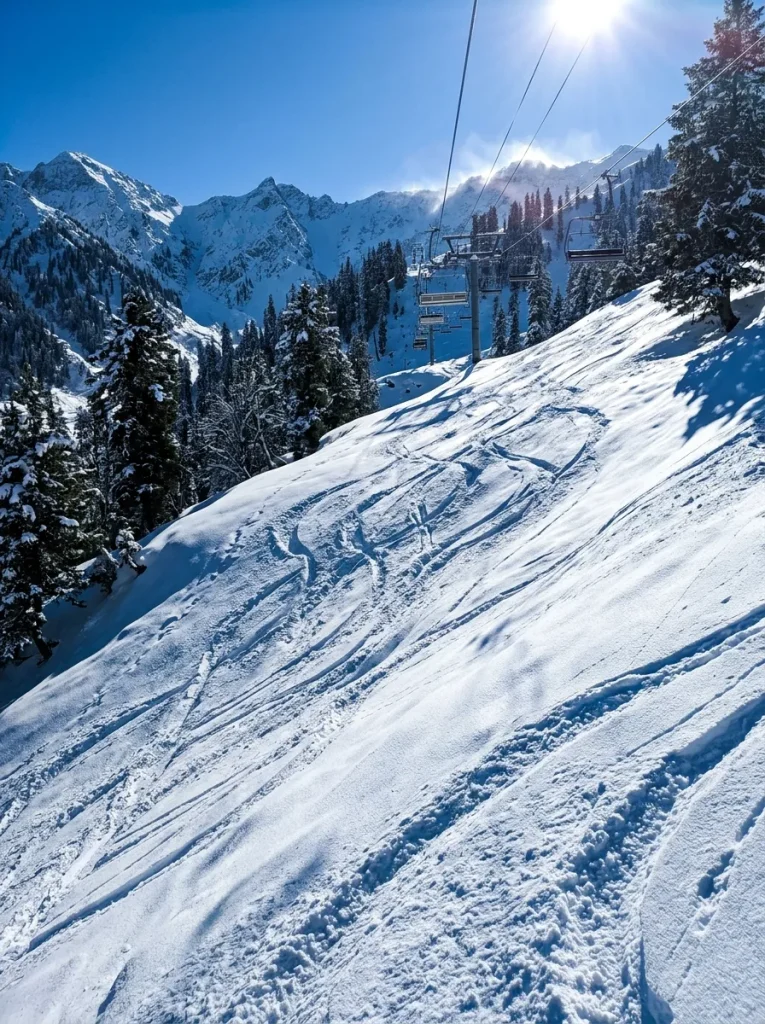
Malam Jabba is among Pakistan’s best-known destinations for seasonal snow activities. Its mountain setting and ski facilities make it an option for travelers who want more than sightseeing.
Depending on snow conditions and resort operations, visitors may find skiing, snowboarding, or other winter recreation opportunities. Beginners should check whether lessons and equipment rentals are available before traveling.
The wider Swat region also offers river valleys, villages, and mountain scenery. However, winter access varies by route and weather, so build flexibility into your plans.
If you are visiting for skiing, confirm operating dates, snow conditions, equipment availability, and road access directly with the resort or a reputable local operator.
Best for: Travelers interested in snow sports, families seeking seasonal activities, and groups planning an active winter holiday.
6. Neelum Valley, Azad Jammu and Kashmir
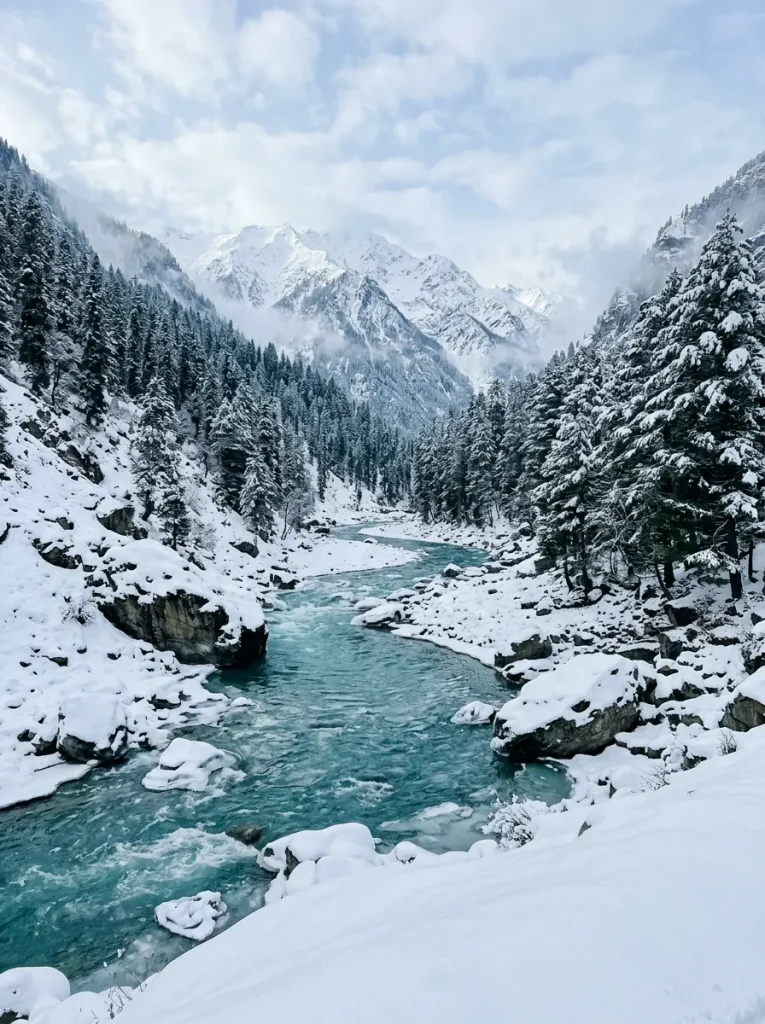
Neelum Valley is known for its forests, river scenery, villages, and mountain landscapes. In winter, some areas can experience substantial snowfall, creating beautiful views but also making travel more complicated.
Muzaffarabad can serve as a starting point for exploring the region, while access to higher settlements depends heavily on weather and road conditions.
Do not plan a winter itinerary around reaching every village. Heavy snow, landslides, and road closures can interrupt travel, and accommodation or transport services may operate differently during the colder months.
Check the latest local advisories and choose destinations that are accessible on your travel dates.
Best for: Travelers who enjoy natural scenery and are comfortable adapting plans to changing conditions.
7. Lahore: History, Food, and Winter City Breaks
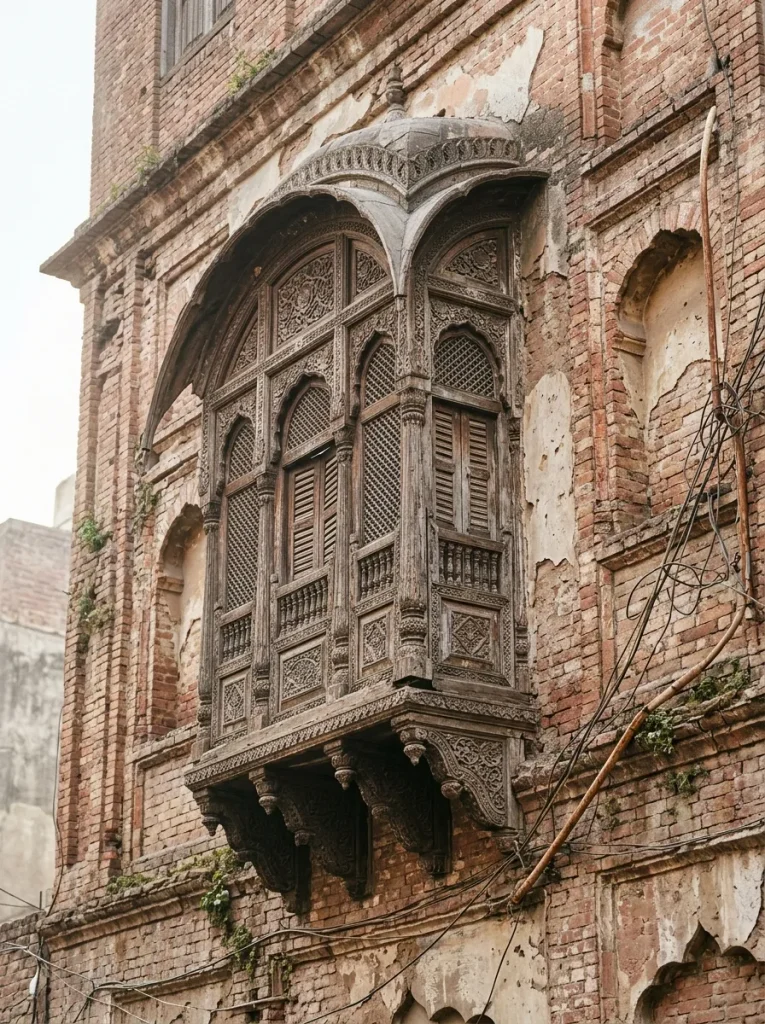
Not every winter trip needs snow. Lahore offers a different experience, with historic architecture, cultural landmarks, traditional markets, and a celebrated food scene.
Winter can be a comfortable season for exploring the city’s outdoor attractions, although mornings may be foggy and air quality can sometimes affect outdoor activities.
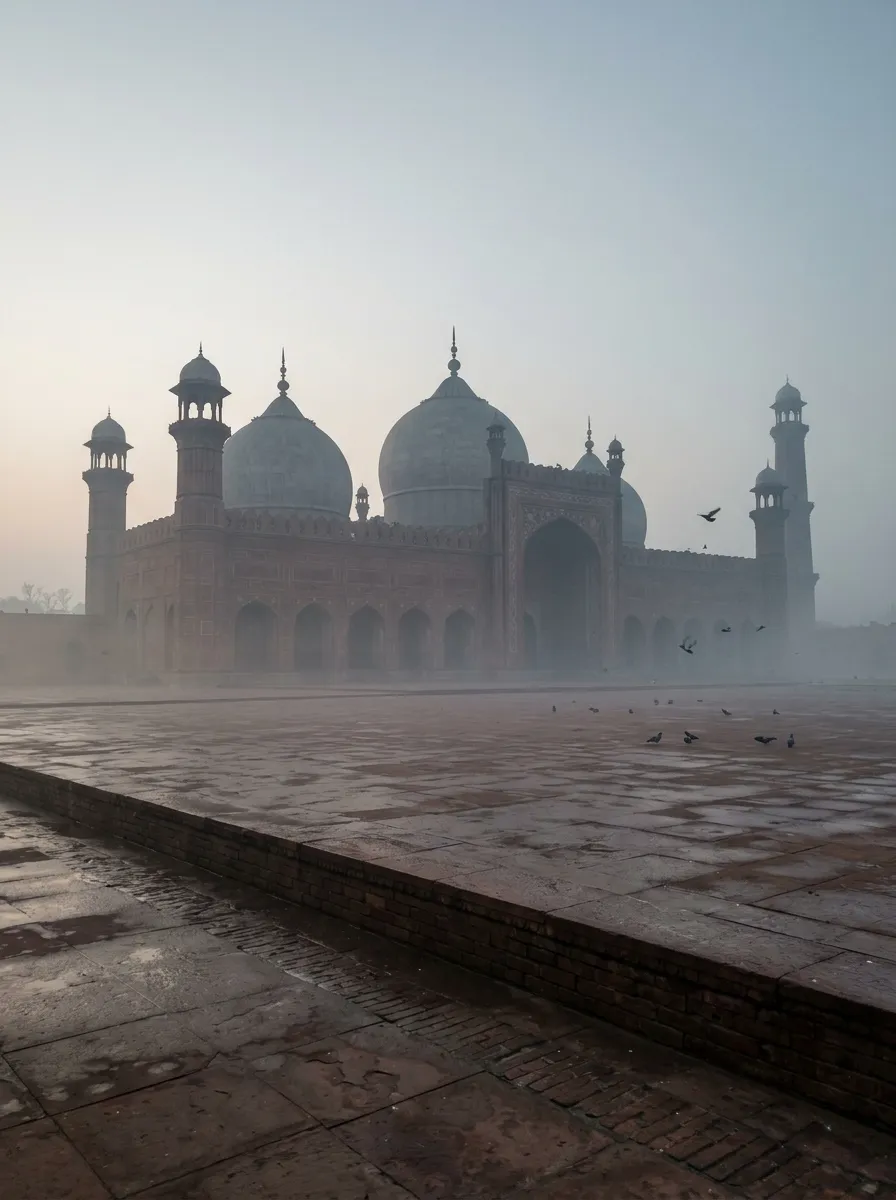
Consider visiting the Lahore Fort, Badshahi Mosque, Walled City, and Shalimar Gardens. Leave time to sample local dishes and explore traditional markets.
Fog can affect road and air travel, particularly during periods of poor visibility. Check conditions before long drives or airport transfers and keep some flexibility in your schedule.
Best for: History lovers, food enthusiasts, cultural travelers, and visitors who prefer cities to snowy mountains.
8. Islamabad: Nature and Culture Without a Long Journey
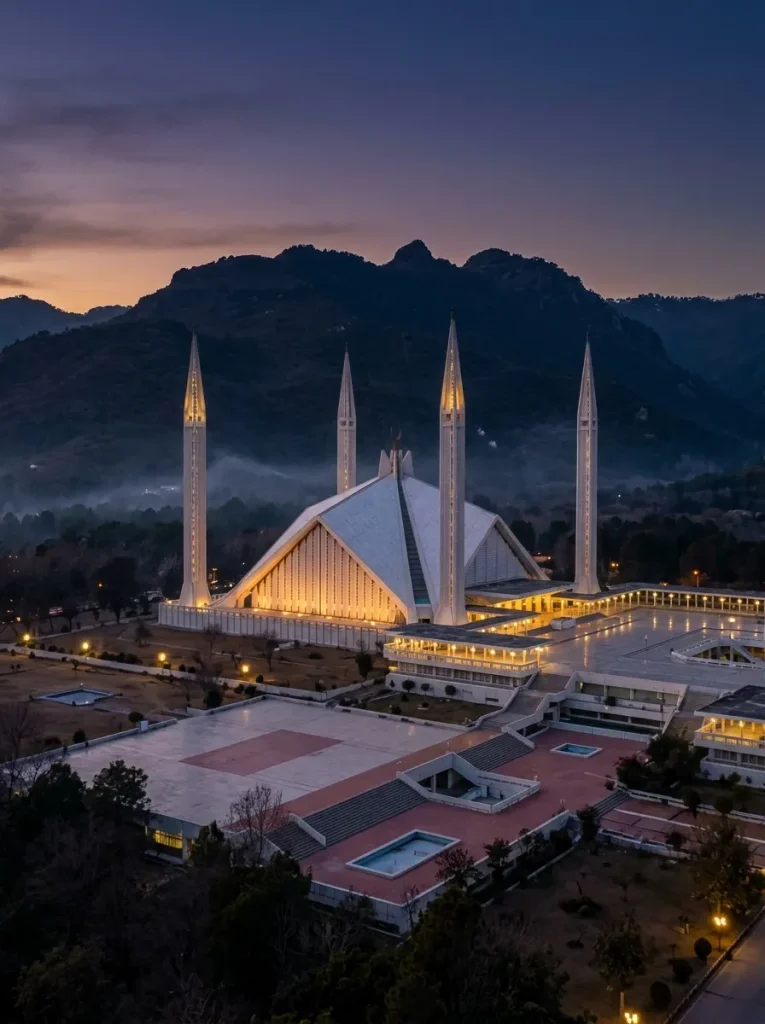
Islamabad is a convenient winter destination for travelers who want access to city attractions and nearby hills.
The Faisal Mosque, Pakistan Monument, and Lok Virsa Museum offer different ways to explore the country’s architecture and cultural heritage. On clear days, the Margalla Hills provide scenic viewpoints and hiking opportunities.
Winter mornings and evenings can be cold, and fog or rain may occasionally affect outdoor plans. If you want to hike, check trail conditions and daylight hours before leaving.
Islamabad also works well as a starting point for trips to Murree and Galiyat, although these routes require extra planning during snowfall.
Best for: Short city breaks, families, cultural sightseeing, and travelers arriving by air.
9. Ziarat, Balochistan: Juniper Forests and Crisp Winter Air
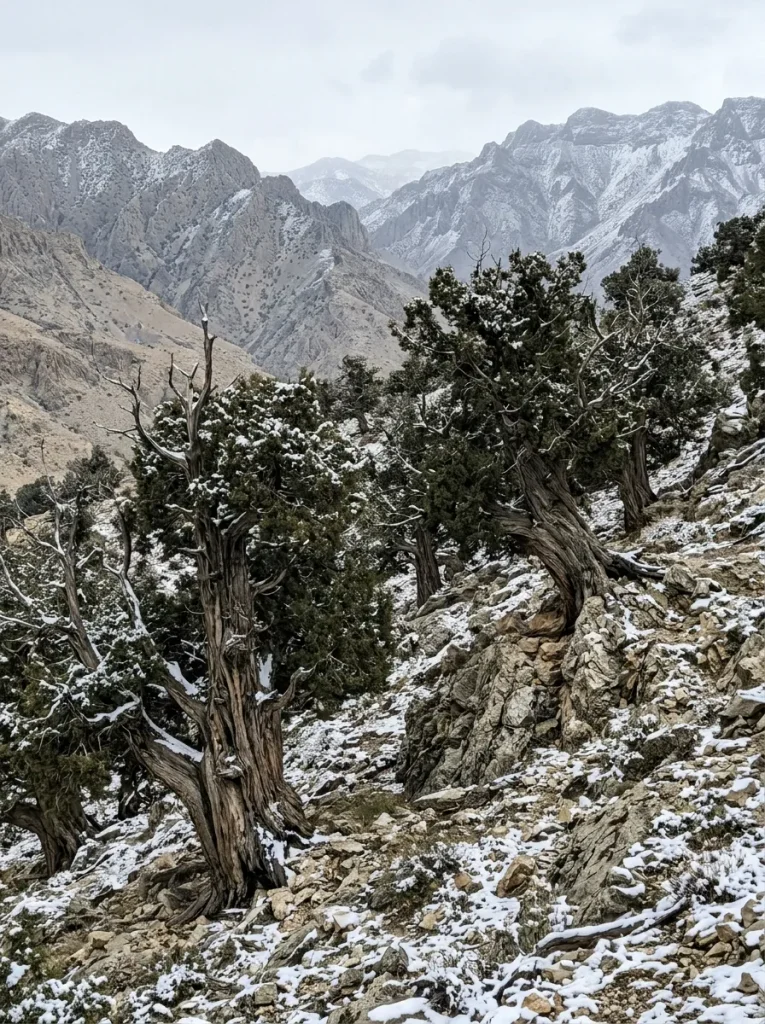
Ziarat is known for its extensive juniper forests and mountainous setting. Winter can bring very cold weather, and snowfall is possible.
The landscape offers a different atmosphere from the more frequently visited destinations in northern Pakistan. Visitors interested in nature and photography may appreciate the region’s rugged scenery and quiet surroundings.
However, winter temperatures can be severe, and road or travel conditions may change quickly. Check local security guidance as well as weather information before planning a visit. Some regions of Balochistan have significant travel advisories, so do not rely on scenic appeal alone when deciding where to go.
Best for: Travelers seeking distinctive landscapes who have verified that their intended route and destination are appropriate for travel.
10. Karachi: A Mild Winter Escape
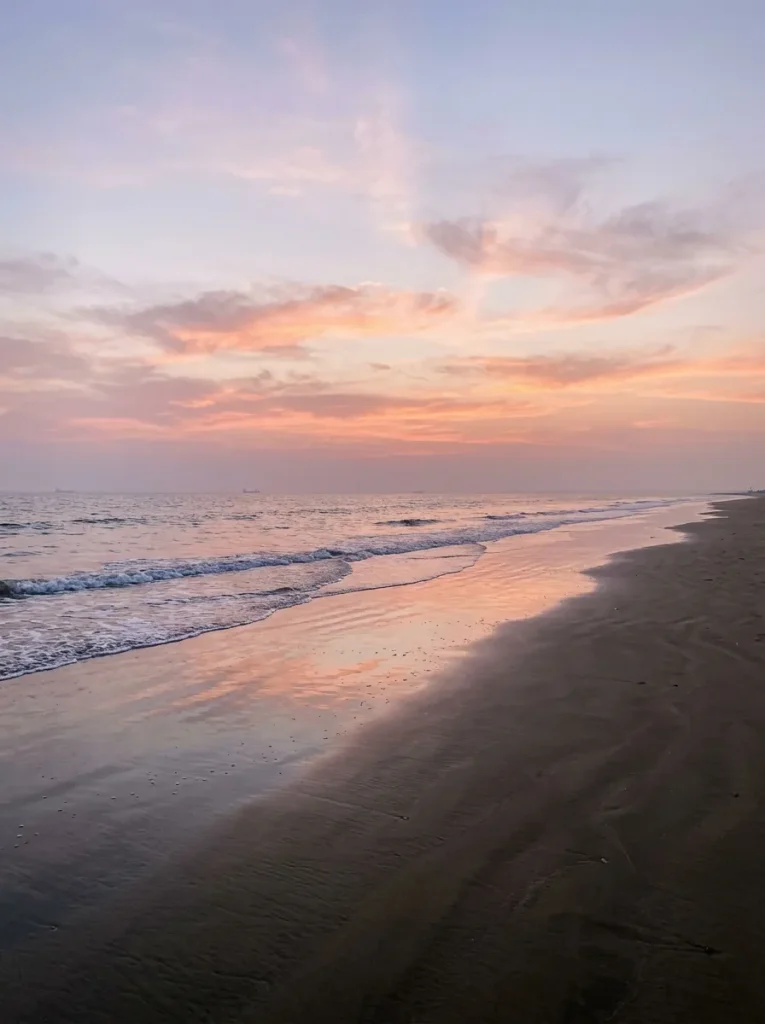
For travelers who would rather avoid snow and freezing temperatures, Karachi offers a milder alternative.
Winter is a good time to explore the city’s food scene, visit museums and historic landmarks, and enjoy coastal areas when conditions permit. Clifton Beach and the city’s waterfront areas are popular for outings, while local restaurants provide plenty of opportunities to try regional cuisine.
Karachi’s winter weather is generally more comfortable than that of the northern mountains, although evenings can still be breezy.
Best for: Food lovers, urban explorers, coastal outings, and travelers seeking milder winter weather.
When Is the Best Time to Visit Pakistan in Winter?
The ideal month depends on your destination and the kind of trip you want.
November 2026: The Start of the Winter Travel Season
November can be a useful month for travelers who want cooler weather without committing to the coldest part of winter.
Lower-elevation cities and many cultural destinations are good choices. Northern valleys may experience increasingly cold nights, and snowfall can begin at higher elevations.
If you are planning a mountain trip, confirm the seasonal status of your preferred routes and attractions.
December 2026: Christmas and Holiday Travel
December brings a festive atmosphere to many cities, while hill stations and mountain destinations attract travelers hoping to experience winter scenery.
Murree and Galiyat can become especially busy during holiday periods. Book accommodation early and avoid assuming that a room will be available at a reasonable price when you arrive.
In the north, snow and freezing conditions can disrupt transport. Keep extra days available if your itinerary depends on flights or long road journeys.
January 2027: The Coldest Part of Winter in Many Areas
January is a strong option for travelers hoping to experience deep winter conditions in the mountains. Snowfall is possible in many northern and elevated regions, although the exact timing and amount vary.
This is also when travelers need to be particularly careful about road access, icy surfaces, and severe cold.
Choose destinations according to current conditions rather than relying on photographs or old itineraries. A valley that is easy to visit in summer may require a different approach in January.
February 2027: Winter Scenery and Changing Conditions
February can still bring cold weather and snowfall, particularly at higher elevations. Lower areas may begin to experience milder daytime temperatures, but mountain conditions remain unpredictable.
It can be a good month for flexible itineraries that combine cultural sightseeing with accessible mountain destinations.
For more seasonal inspiration, explore 12 Best Places to Travel in February 2027 and 17 Good Travel Places in December 2026.
What to Pack for Winter in Pakistan
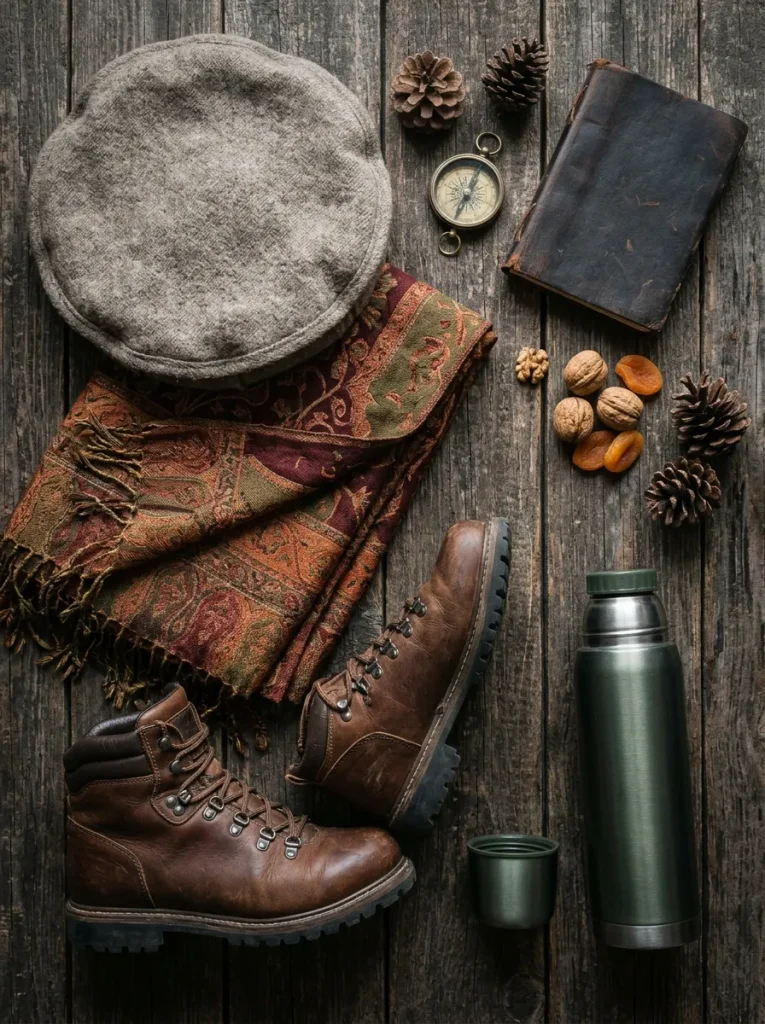
Packing depends on whether you are visiting a mild coastal city or spending time in the mountains. If your itinerary includes both Karachi and Skardu, you will need clothing for very different conditions.
Essential Winter Clothing
Bring the following items for a cold-weather trip:
- A warm insulated jacket suitable for your destination’s temperatures.
- Thermal base layers for cold mountain days.
- Fleece or wool mid-layers.
- Comfortable trousers and warm socks.
- Waterproof or water-resistant outerwear where snow and rain are possible.
- Insulated gloves, a warm hat, and a neck warmer.
- Waterproof shoes or boots with good traction.
- Sunglasses and sunscreen for bright conditions, particularly around snow.
For mountain destinations, ordinary city sneakers may not provide sufficient grip or warmth. Choose footwear according to the terrain and expected weather.
Travel and Safety Essentials
Include these practical items in your luggage:
- A power bank and charging cables.
- An offline map of your destination.
- A basic first-aid kit and personal medications.
- Reusable water bottles.
- Copies of your reservations and identification documents.
- A flashlight or headlamp for remote stays.
- Snacks and drinking water for long road journeys.
- Any required winter driving equipment if you are traveling by car.
If you plan to drive through snowy areas, make sure your vehicle is appropriate for the route and that the driver understands winter road conditions.
How to Plan a Winter Trip to Pakistan
A successful winter holiday starts with a realistic itinerary. The country is large, and mountainous travel can take considerably longer than a map suggests.
1. Choose One Main Region
Avoid trying to cover every major destination in a short trip.
For a five- to seven-day holiday, focus on one area, such as Islamabad and Murree, Lahore and nearby historic sites, or a carefully planned trip to Hunza or Skardu.
This gives you more time at each destination and reduces the risk of missing flights or activities because of transport delays.
2. Check Road and Flight Access
Winter road conditions can change quickly, especially in the north. Some high mountain passes close seasonally, and other routes may experience temporary closures after snow or landslides.
Flights to northern destinations can also be delayed or canceled because of weather.
Before departure, check the Pakistan Meteorological Department’s tourist forecast, local road updates, and airline notifications. Build buffer days into trips that depend on northern flights.
3. Book Accommodation Carefully
Choose accommodation with reliable heating, access to food, and clear cancellation policies.
Ask the property whether heating is available throughout the night, whether hot water is dependable, and whether the access road is normally usable during your travel dates.
In remote locations, do not assume that every hotel or restaurant operates at full capacity throughout winter.
4. Use Experienced Local Drivers in Mountain Areas
Mountain roads can be narrow, steep, icy, or vulnerable to landslides. Winter driving requires more than a standard navigation app.
For unfamiliar routes, consider a reputable local driver who understands the area and knows how to respond to changing weather. Avoid unnecessary night driving in remote mountain regions.
Never continue toward a closed road or ignore instructions from local authorities.
5. Keep Your Itinerary Flexible
A flexible itinerary is one of the most valuable things you can pack.
Leave room for delays, choose backup activities, and avoid booking tightly connected transfers when weather disruptions are possible. If a road becomes unsafe, change your plan rather than trying to reach a destination at any cost.
Is Pakistan Safe to Visit in Winter?
Pakistan offers a wide range of travel experiences, but safety depends on the destination, current local conditions, and the way you travel.
Winter adds specific risks, including icy roads, heavy snowfall, landslides, avalanches, low visibility, and transport disruptions. Remote areas may also have limited emergency services and unreliable communications.
Before booking, check official travel advisories for your nationality and review the security situation for each region. Some areas have restrictions or advisories that can change, and certain destinations may require advance permission.
For mountain travel:
- Check weather and road conditions before departure and each morning.
- Avoid driving through heavy snowfall or on roads that authorities have closed.
- Use experienced drivers for challenging routes.
- Carry warm clothing, water, food, and essential medication.
- Share your itinerary with someone you trust.
- Purchase travel insurance that explicitly covers your planned activities and destinations.
- Keep alternative plans for flights and road transfers.
The Pakistan Meteorological Department provides tourist weather forecasts, while the National Disaster Management Authority publishes weather and hazard advisories. Consult these official sources before heading into the mountains.
Travelers should also understand that a destination being popular does not automatically mean it is appropriate to visit on every date. Make decisions using current local information rather than relying solely on social media posts.
Sample Seven-Day Winter Itinerary for Pakistan
If this is your first winter trip to Pakistan, consider a focused itinerary that combines a major city with a nearby mountain destination. This sample is flexible and should be adjusted according to weather, access, and current travel guidance.
| Day | Suggested plan |
| Day 1 | Arrive in Islamabad, settle in, and explore nearby city attractions |
| Day 2 | Visit the Faisal Mosque, Pakistan Monument, and Lok Virsa Museum |
| Day 3 | Travel toward Murree or Galiyat if roads and weather permit |
| Day 4 | Explore accessible viewpoints and local attractions |
| Day 5 | Enjoy a relaxed day in the hills or return to Islamabad if conditions deteriorate |
| Day 6 | Spend time exploring Islamabad or arrange a day trip based on current conditions |
| Day 7 | Depart, allowing extra time for airport transfers |
This itinerary prioritizes flexibility rather than promising a particular snowfall experience. If your main goal is Skardu or Hunza, plan a separate northern Pakistan itinerary and allow additional days for weather-related changes.
Winter Travel Costs in Pakistan
The cost of a winter trip depends on your travel style, accommodation, transport, and destination.
City breaks can be relatively straightforward to plan, while trips to remote mountain regions may require private transport, domestic flights, specialized clothing, or additional nights in case of delays.
Your budget should include:
- Accommodation and meals.
- Intercity transport or domestic flights.
- Local drivers and transfers.
- Winter clothing or equipment rentals.
- Entrance fees and guided activities.
- Travel insurance.
- A reserve for unexpected overnight stays or transport changes.
Prices vary by date and demand. Holiday weekends and periods of heavy snowfall can increase demand for rooms and transport in popular hill stations.
Compare recent prices before booking, and avoid choosing the cheapest option if it means traveling with an unreliable operator or staying somewhere without suitable heating.
Winter Festivals, Food, and Cultural Experiences
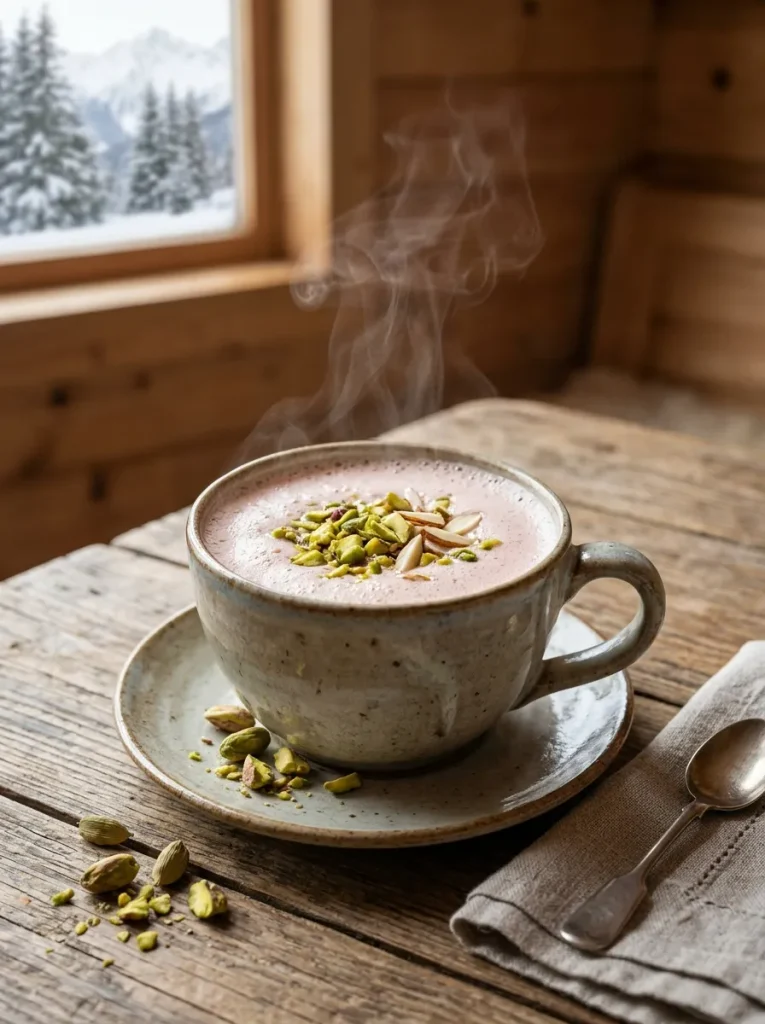
Winter is not only about snow. It can also be a rewarding time to explore Pakistan’s regional cultures and food traditions.
In Lahore, visitors can discover historic neighborhoods, traditional markets, and regional dishes. Islamabad offers museums and cultural landmarks alongside nearby nature. In northern areas, local cuisine and village life provide a glimpse into the distinct traditions of mountain communities.
Food choices vary by region, but winter menus often include warming dishes, soups, tea, and hearty meals. Try regional specialties from reputable local restaurants and ask about ingredients if you have dietary requirements.
If you are interested in the wider region’s traditions, The Ultimate Guide to Experiencing India’s Rich Culture: Must-Visit Places and Traditions offers another perspective on South Asian cultural travel. You can also explore How to Experience the Heart of Asia: The Ultimate Guide to Must-Visit Cities for ideas beyond a single country.
Frequently Asked Questions
Where is the best place to visit in Pakistan in winter 2026–27?
It depends on what you want to experience. Murree and Galiyat are popular for hill-station scenery, Malam Jabba is an option for seasonal snow activities, and Hunza and Skardu offer dramatic mountain landscapes. Lahore and Karachi are better suited to travelers interested in culture, food, and milder winter conditions.
Always check current access and safety information before choosing a destination.
Does it snow in Pakistan in December and January?
Yes, snowfall occurs in many mountainous and elevated areas, including parts of Gilgit-Baltistan, upper Khyber Pakhtunkhwa, Murree, Galiyat, and Azad Jammu and Kashmir. However, snowfall is not guaranteed at a specific destination on a particular date.
Check current forecasts before planning a snow-focused holiday.
Can you visit Hunza and Skardu in winter?
Both destinations can be visited in winter, but travel is more weather-dependent than during the main summer season. Roads may be affected by snowfall or landslides, and flights can be disrupted by poor weather.
Plan flexible dates, confirm access with local operators, and avoid assuming that every nearby attraction will be open.
Is December a good time to visit Pakistan?
December can be a good time for city sightseeing, cultural trips, and winter scenery in accessible mountain areas. It is also a busy period at some popular hill stations.
The best choice depends on your interests, tolerance for cold weather, and willingness to adapt to travel delays.
What should I wear in Pakistan during winter?
For cities, bring warm layers, a jacket, and comfortable shoes. For snowy or high-altitude destinations, add thermal clothing, insulated outerwear, waterproof footwear, gloves, and a warm hat.
Pack according to the coldest place on your itinerary rather than the weather in your arrival city.
Are northern Pakistan roads open in winter?
Some roads remain open, while others close seasonally or temporarily because of snow, ice, or landslides. Access can change with little notice.
Check current official road updates and local advice before traveling. Do not rely on an old itinerary or assume that a route used in summer will remain accessible in winter.
How many days do you need for a winter trip to Pakistan?
A short city break may take three to five days, while a mountain-focused trip needs more time and flexibility. A week can work well for a focused itinerary, but trips involving northern flights or long mountain drives should include extra time for disruptions.
Final Thoughts
Winter in Pakistan offers a remarkable mix of snowy mountains, forested hill stations, historic cities, and milder coastal escapes. Whether you’re hoping to photograph Hunza’s dramatic peaks, enjoy a snowy break in Murree, explore Lahore’s cultural landmarks, or relax in Karachi’s milder weather, there is a destination to match your travel style.
The key is to plan around the season rather than fight it. Choose a manageable route, pack for the coldest conditions you may encounter, check weather and safety updates, and leave room for unexpected changes.
With realistic expectations and careful preparation, a winter trip to Pakistan in 2026–27 can become a memorable way to experience the country’s varied landscapes and rich cultural heritage.