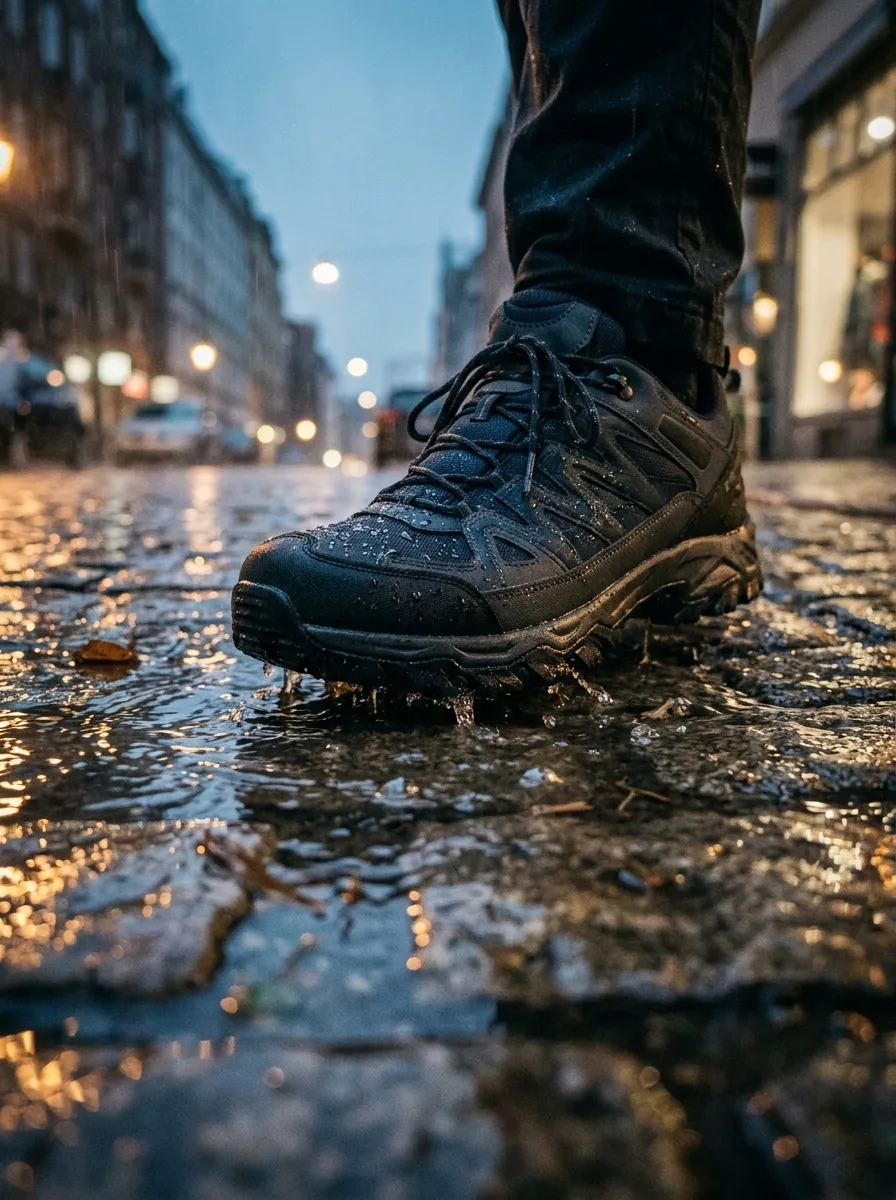
Best Waterproof Travel Shoes for Rain and Snow: Comfortable Picks for Your Next Trip
Rain can turn a beautiful travel day into a soggy mess. One minute, you are exploring charming streets, taking photos, and heading toward your next attraction. The next, you are stepping through puddles with wet socks, slippery shoes, and several hours of sightseeing still ahead.
Snow creates a different challenge. Ordinary sneakers may become soaked, smooth soles can struggle on icy sidewalks, and lightweight summer shoes offer little protection against freezing temperatures.
That is why choosing the best waterproof travel shoes for rain and snow deserves a place on your trip-planning checklist. The right pair should keep moisture out, provide reliable traction, feel comfortable during long walking days, and work with the clothes you already plan to pack.
But not every waterproof shoe is suitable for every winter destination. A lightweight waterproof sneaker may be perfect for rainy European cities, while a snowy mountain town may call for an insulated boot with deeper tread.
In this guide, we will look at the features that matter most, the best types of waterproof travel shoes for different trips, how to choose the right pair, and what to know before spending your money.
Recommended Travel Items for Your Trip
Quick Answer: What Are the Best Waterproof Travel Shoes?
The best choice depends on your destination, planned activities, and the weather you expect to encounter.
For travelers who want one versatile shoe for rainy streets, light trails, and everyday sightseeing, the Merrell Moab 3 Waterproof Hiking Shoes are a strong option to consider. Their hiking-oriented design makes them more suitable for uneven paths and outdoor adventures than many ordinary casual sneakers.
However, they are not the right solution for every trip. If you expect deep snow, freezing temperatures, or long periods outdoors, insulated waterproof winter boots will usually provide better warmth and protection.
Here is a quick comparison of the main options.
| Type of shoe | Best for | Main advantage | Main limitation |
| Waterproof hiking shoes | Rainy trips and light trails | Traction and outdoor versatility | Limited warmth in freezing weather |
| Waterproof walking sneakers | City sightseeing and everyday travel | Lightweight comfort | Often less capable on snow and rough trails |
| Insulated winter boots | Snowy destinations and cold weather | Warmth and weather protection | Heavier and bulkier to pack |
| Waterproof ankle boots | Rainy cities and casual outfits | Practical coverage with a versatile style | Performance varies by outsole and insulation |
| Waterproof trail runners | Active travel and wet paths | Lightweight design and flexible movement | Usually not warm enough for prolonged snow exposure |
For most travelers, the smartest purchase is not necessarily the most expensive shoe. It is the pair designed for the conditions you will actually encounter.
Best Waterproof Travel Shoes for Rain and Snow
1. Merrell Moab 3 Waterproof Hiking Shoes: Best Overall for Versatile Outdoor Travel
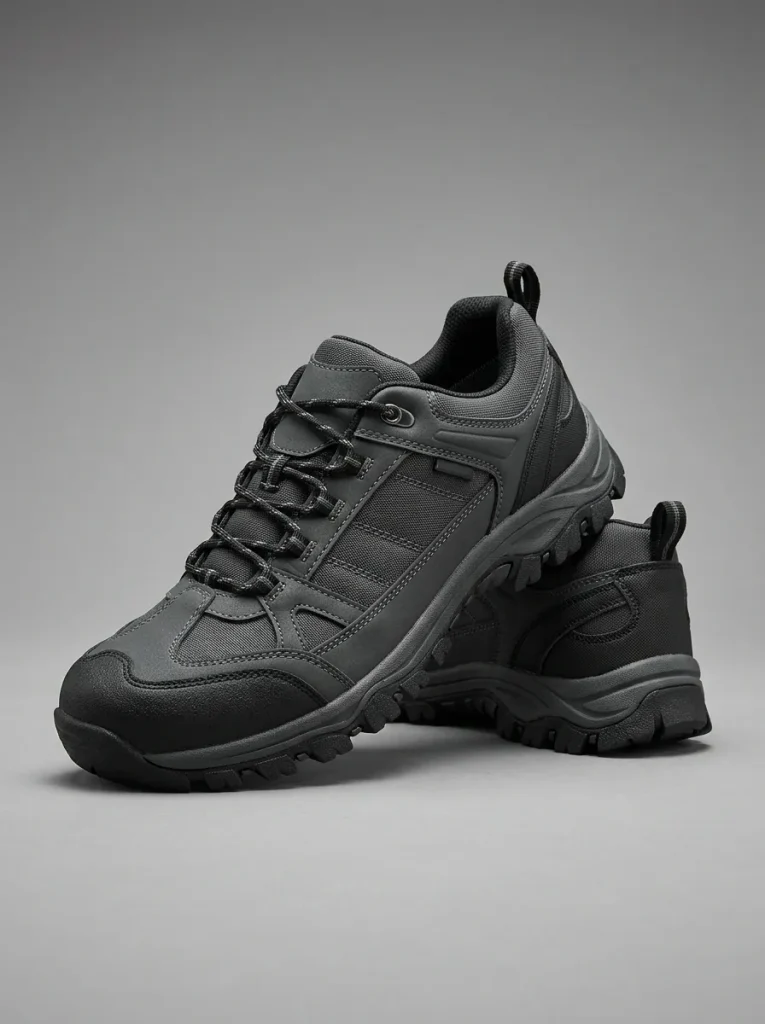
If your itinerary includes rainy city walks, forest trails, uneven paths, and occasional wet-weather adventures, the Merrell Moab 3 Waterproof Hiking Shoes are worth considering.
The Moab line is designed for hiking rather than purely casual wear. That makes this type of shoe appealing to travelers who want something more capable than an ordinary sneaker without moving all the way up to a heavy winter boot.
The waterproof version is intended to help keep water out during wet-weather activities. Its hiking-focused outsole and supportive construction also make it a practical candidate for mixed-terrain trips.
Why consider these shoes?
- Waterproof protection for wet-weather outings
- Hiking-oriented traction for trails and uneven surfaces
- A supportive design for outdoor walking
- A useful option for trips that combine towns, parks, and nature
- A versatile alternative to carrying separate casual and light-hiking shoes
What to consider before buying
These are hiking shoes, so they may look bulkier than minimalist travel sneakers. They also should not be treated as fully insulated winter boots.
If your trip involves snow-covered streets, freezing temperatures, or extended time outdoors, you may need warmer footwear. Traction also depends on the actual surface, and no ordinary hiking shoe can guarantee a safe grip on smooth ice.
Best for: Travelers who expect rain, wet trails, and a mixture of urban sightseeing and outdoor activities.
Check on Amazon: Merrell Moab 3 Waterproof Hiking Shoes.
2. Waterproof Walking Sneakers: Best for Rainy City Breaks
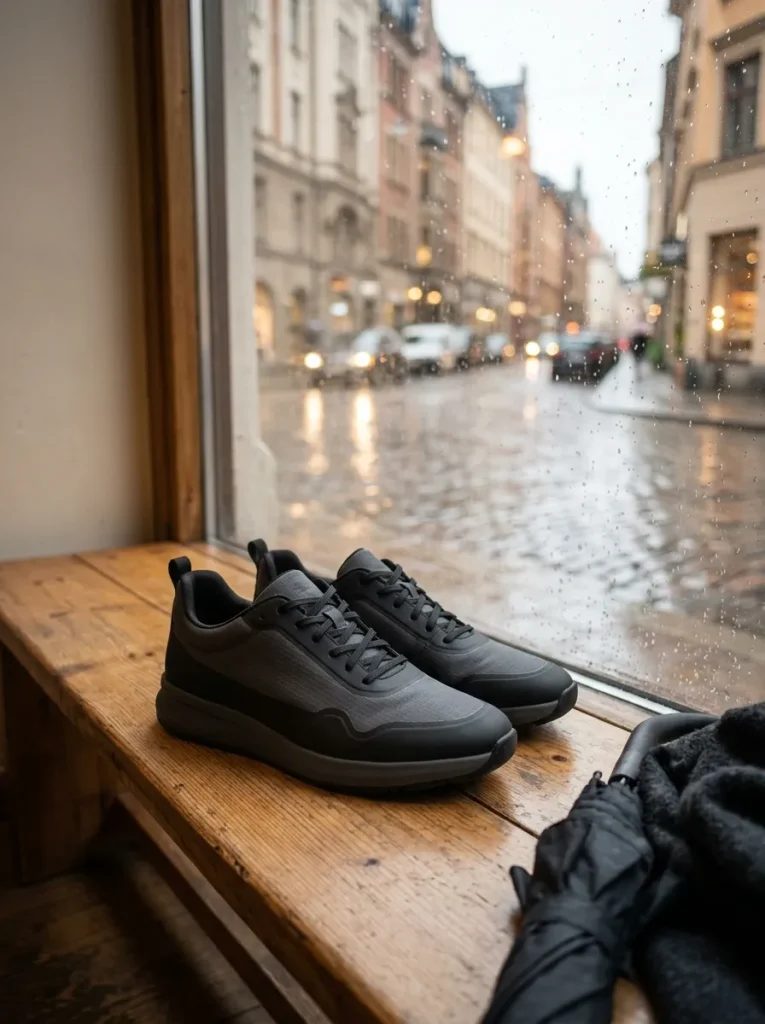
Waterproof walking sneakers are a good choice for travelers who spend most of their time exploring cities.
Imagine walking through London, Amsterdam, Edinburgh, or Seattle when the forecast promises intermittent showers. You want shoes that look appropriate with jeans or casual travel clothing, feel comfortable during long sightseeing days, and protect your feet from wet pavement.
A waterproof walking sneaker can offer that combination without the bulk of a hiking shoe.
Look for a model with a genuine waterproof membrane or waterproof construction, a cushioned midsole, and a rubber outsole designed for wet surfaces.
The main trade-off is warmth. Many waterproof sneakers are built for rain rather than freezing temperatures. They may also lack the deeper tread needed for snowy paths.
Best for: City sightseeing, public transportation, shopping, museums, and everyday travel in rainy weather.
Avoid if: Your itinerary includes deep snow, icy mountain roads, or long winter hikes.
3. Insulated Waterproof Winter Boots: Best for Snow and Freezing Temperatures
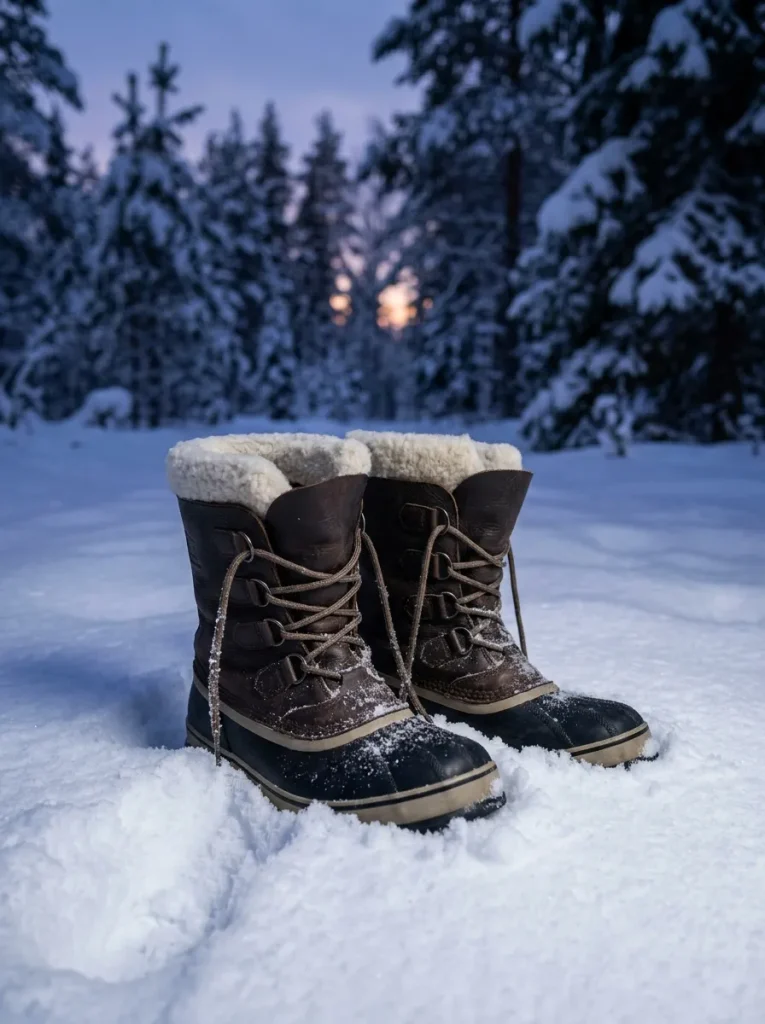
If snow is a major part of your trip, prioritize insulated winter boots rather than relying on waterproof sneakers alone.
Winter boots typically combine water-resistant or waterproof construction with insulation, a higher upper, and a sole designed for cold-weather conditions.
That combination helps keep feet warmer when temperatures drop and snow accumulates around sidewalks or trails.
Look for a pair with a secure fit, adequate room for winter socks, a waterproof construction method, and an outsole designed for snow. Some boots also include protective toe areas and adjustable closures that help keep snow from entering.
Why they are useful
- Better warmth in cold conditions
- More coverage around the ankle
- Protection against snow and slush
- Suitable options for winter sightseeing and snow-covered paths
What to consider
Winter boots can be heavy, bulky, and uncomfortable if they do not fit properly. They may also be too warm for mild rainy weather or long days inside heated buildings.
For a trip with both rainy city sightseeing and snowy outdoor activities, you may prefer one versatile waterproof shoe plus a separate insulated boot.
Best for: Snowy cities, winter resorts, cold-weather road trips, and destinations where temperatures remain below freezing.
4. Waterproof Ankle Boots: Best for Style and Everyday Travel
Waterproof ankle boots offer a useful middle ground between casual sneakers and technical outdoor footwear.
Depending on the design, they can work with jeans, trousers, dresses, and other travel outfits. They are especially useful for travelers who want weather protection without wearing shoes that look overtly sporty.
However, appearance should not be your only consideration.
A stylish boot may be waterproof but have a smooth sole that struggles on wet pavement. Another may have excellent traction but be too stiff for a full day of sightseeing.
Check the construction, outsole, fit, and weight before choosing a pair.
Best for: Rainy urban destinations, casual evenings, everyday walking, and trips where style matters alongside weather protection.
Avoid if: You need technical hiking performance or dependable traction for icy mountain terrain.
5. Waterproof Trail Runners: Best for Lightweight Adventure Travel
Waterproof trail runners are designed for active travelers who prefer lightweight footwear.
They can work well for walking paths, light hikes, and mixed outdoor itineraries. Their flexible construction may also make them more comfortable for people who dislike heavier hiking shoes.
The limitation is warmth and coverage. Many trail runners have low-cut uppers, which means snow can enter over the top. Waterproof membranes can also reduce breathability, potentially making feet feel sweaty during strenuous activities.
Best for: Active travel, light hiking, wet paths, and trips where weight matters.
Avoid if: You expect deep snow, prolonged freezing conditions, or technical winter hiking.
How to Choose Waterproof Travel Shoes
A product can carry the word “waterproof” and still be the wrong choice for your trip. Before purchasing, consider these six factors.
1. Waterproofing Versus Water Resistance
This is one of the most important distinctions.
Water-resistant shoes may handle light drizzle, brief splashes, or damp pavement. However, they can allow water to enter during prolonged rain or when you step into deeper puddles.
Waterproof shoes are designed to provide a stronger barrier against moisture. Depending on the model, this may involve a waterproof membrane, sealed seams, or other construction features.
Still, waterproofing has limits. Water can enter through the opening around your ankle, especially if you walk through deep snow or standing water. Worn materials and damaged seams can also reduce performance over time.
For rainy travel, look for clearly specified waterproof construction rather than relying on vague marketing language.
2. Traction on Wet Pavement and Snow
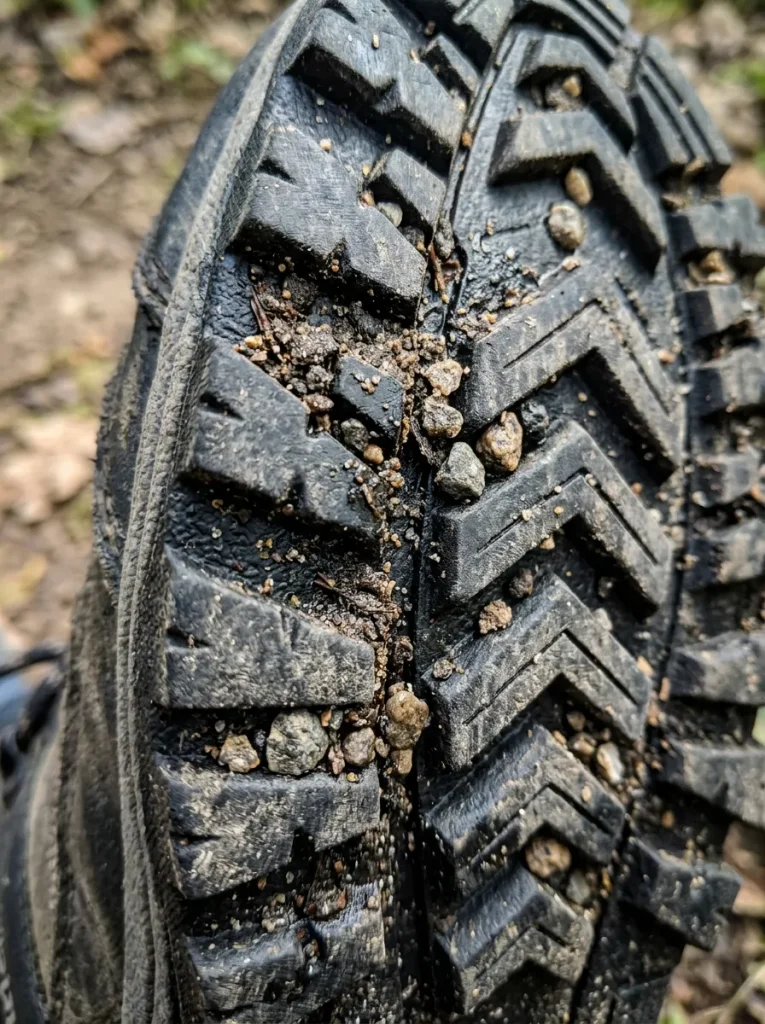
Waterproofing keeps moisture out, but traction helps you stay on your feet.
Look for a rubber outsole with a tread pattern suitable for your planned terrain. Hiking shoes often have deeper lugs than casual sneakers, making them more suitable for uneven paths and loose surfaces.
However, deeper tread does not automatically mean excellent grip on ice. Smooth, compacted ice can be dangerous even in sturdy winter footwear.
If your destination regularly experiences icy sidewalks, consider footwear specifically designed for winter conditions. Removable traction devices may also help in suitable circumstances, provided they are compatible with your shoes and used according to their instructions.
3. Comfort for Long Walking Days
A shoe can be waterproof and still ruin your trip if it causes blisters.
Pay attention to cushioning, arch support, heel stability, toe room, and overall fit. Your toes should have enough space to move without your heel slipping excessively.
Try shoes with the socks you expect to wear during your trip. Thick winter socks can change the fit considerably.
Walk around in the shoes before your departure. Test them on stairs, inclines, and the kinds of surfaces you expect to encounter.
Do not assume that an expensive pair will automatically suit your feet.
4. Insulation and Warmth
Rain protection and warmth are different features.
A waterproof shoe may keep water out while doing very little to retain heat. This is fine for a mild rainy day but may be uncomfortable in freezing temperatures.
For cold destinations, look for insulated footwear with enough room for appropriate socks. Remember that overly tight shoes can restrict comfortable movement and make it harder to stay warm.
If you plan to spend hours outside in deep snow, choose winter boots appropriate for the expected temperatures and activity.
5. Weight and Packability
Travel shoes should fit your itinerary and luggage limits.
Lightweight shoes are easier to wear through airports and more convenient for walking-intensive city trips. Hiking shoes offer additional support and traction but may take up more room.
Winter boots provide extra protection but can be bulky in a carry-on bag.
If you need two pairs, consider wearing the heavier pair while traveling and packing the lighter one. Use a shoe bag to keep dirt and moisture away from your clothing.
6. Breathability
A waterproof membrane can limit airflow compared with an ordinary breathable sneaker.
That does not mean waterproof shoes are always uncomfortable, but your feet may become warm during long walks or strenuous activity.
Look for a balance between moisture protection and ventilation. Use moisture-wicking socks and allow shoes to dry thoroughly between outings.
For warm, humid destinations, waterproof footwear may not be the best everyday option unless rain protection is essential.
Are Waterproof Hiking Shoes Good for Snow?
Sometimes, but it depends on the snow conditions.
Waterproof hiking shoes can work well for light snow, slushy sidewalks, and short outdoor walks when temperatures are not extremely low. Their tread may provide better grip on uneven ground than many ordinary sneakers.
However, low-cut hiking shoes have a major limitation: snow can enter through the opening around the ankle.
They may also lack the insulation needed for long periods outdoors in freezing weather.
For occasional snow in a city, waterproof hiking shoes may be enough when paired with suitable socks and sensible route choices. For deep snow, prolonged exposure, or winter hiking, insulated boots with higher coverage are usually the better choice.
Do not use an ordinary waterproof hiking shoe as a substitute for specialized mountaineering footwear when a route requires technical winter equipment.
What Socks Should You Wear With Waterproof Travel Shoes?
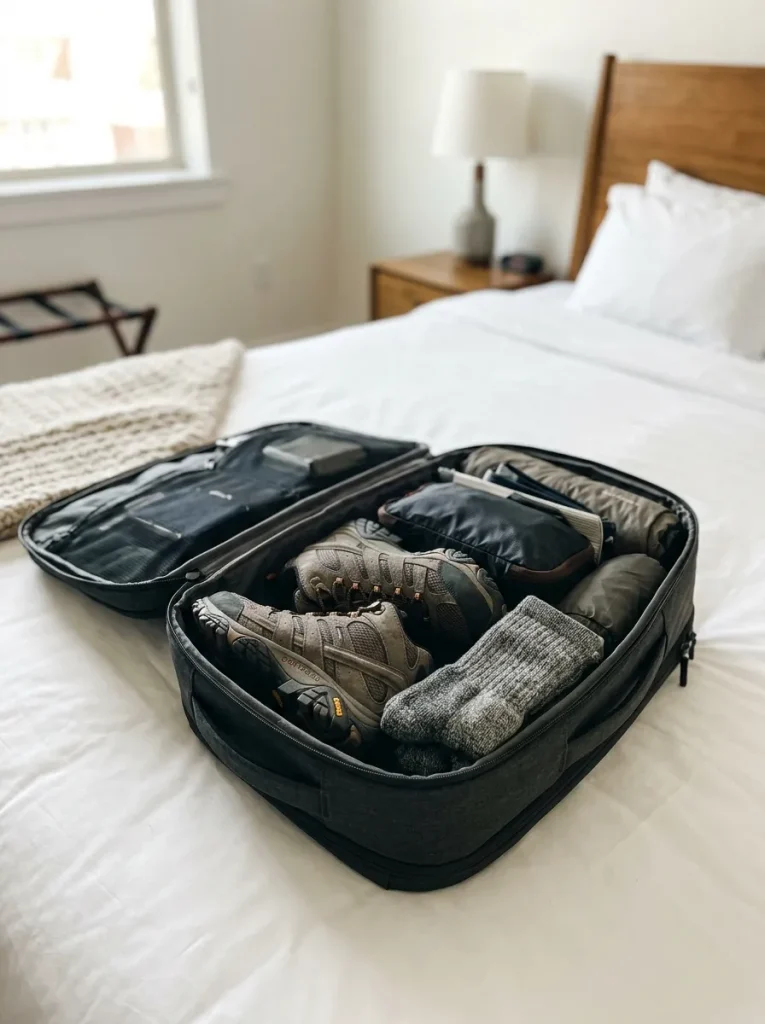
The right socks can make a noticeable difference to comfort and warmth.
For rainy city trips, moisture-wicking synthetic or merino wool socks are useful because they help manage sweat during long walking days.
For cold weather, merino wool or suitable thermal socks can add warmth without necessarily creating excessive bulk.
Avoid choosing socks that make your shoes too tight. Restricted space can reduce comfort and may contribute to cold feet.
Carry at least one spare pair in your daypack when rain or snow is likely. If your socks become damp, changing them can make the rest of the day much more comfortable.
How to Keep Your Feet Dry During a Rainy Trip
Even good waterproof shoes work best when you use them correctly.
Treat Your Shoes According to the Manufacturer’s Instructions
Some footwear benefits from periodic cleaning or treatment, while other waterproof constructions require specific care. Follow the manufacturer’s recommendations rather than applying random waterproofing sprays.
Using the wrong product may damage certain materials or affect their performance.
Avoid Water Deeper Than Your Shoes Can Handle
A waterproof shoe is not necessarily designed for standing water above the ankle or prolonged submersion.
When heavy rain creates deep puddles, choose a safer route instead of assuming your footwear can handle every depth.
Let Shoes Dry Properly
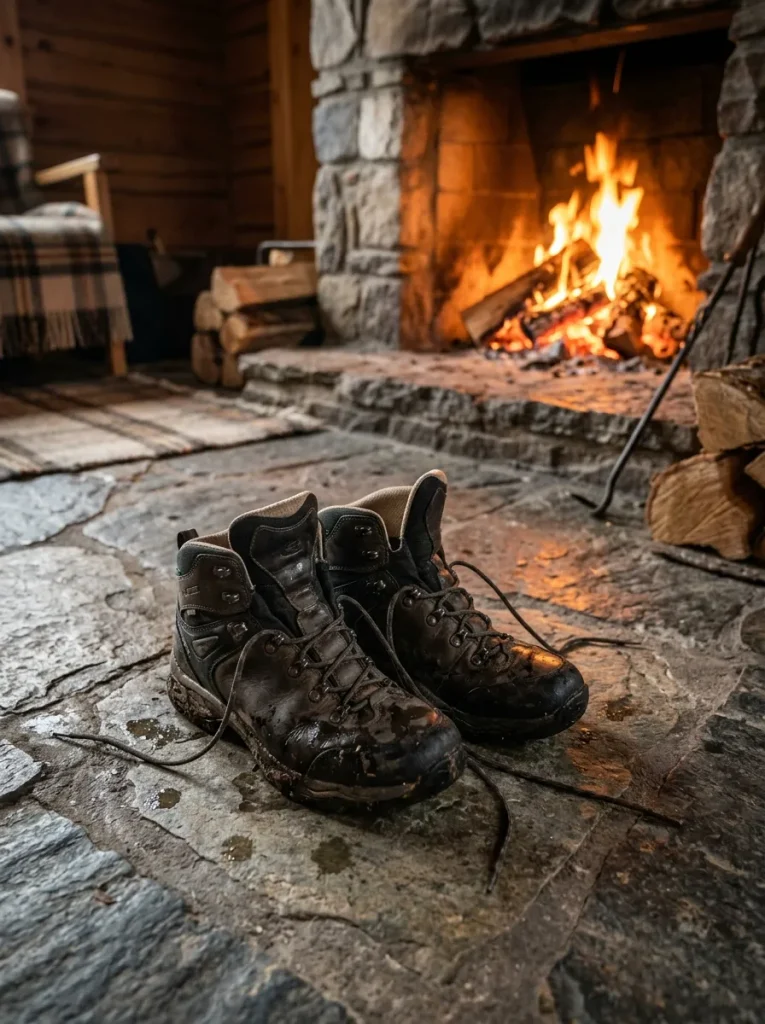
After a wet day, remove the insoles if the manufacturer permits it and allow the shoes to air-dry in a ventilated area.
Avoid placing them directly against a heater or using excessive heat, which can damage adhesives and materials.
Stuffing shoes with absorbent paper can help manage moisture, but replace the paper as it becomes wet.
Carry a Backup Pair When Practical
For longer trips, a second pair can be useful if your primary shoes become soaked or need time to dry.
You do not necessarily need two heavy pairs. A lightweight casual shoe may be enough as a backup for indoor activities or dry-weather sightseeing.
How to Choose Shoes for Different Winter Destinations
The right footwear depends on what you expect to encounter.
Rainy European Cities
For cities with frequent rain, wet sidewalks, and lots of walking, choose waterproof walking sneakers or lightweight waterproof hiking shoes.
Comfort matters because you may spend hours exploring museums, markets, historic streets, and public transportation networks.
If the temperature remains mild, heavily insulated boots may be unnecessary.
Snowy Mountain Towns
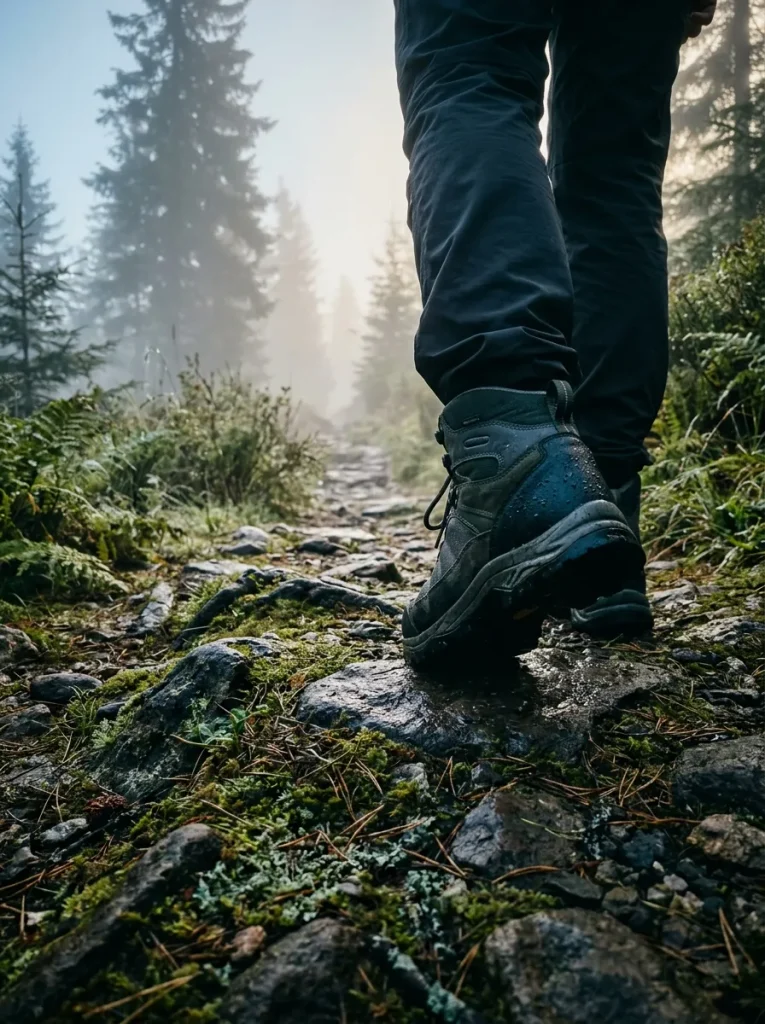
For winter resorts and mountain destinations, warmth and traction become more important.
Insulated waterproof boots are often the safest practical choice for walking through snow and slush. If you plan to hike, snowshoe, or explore backcountry terrain, choose footwear suitable for the specific activity and conditions.
Always check local trail guidance before setting out.
Winter Road Trips
Road trips often involve a mixture of driving, roadside stops, short walks, and time in heated indoor spaces.
A versatile waterproof hiking shoe may work well for mild conditions. If your route includes substantial snowfall or freezing temperatures, pack warmer boots as well.
Keep footwear accessible rather than buried under luggage, especially if weather conditions change during the journey.
Mild Winter Destinations
If winter mostly means rain and cool temperatures, a waterproof walking sneaker or ankle boot may provide enough protection.
Focus on comfort, waterproof construction, and wet-surface traction instead of buying the warmest boot available.
Common Mistakes to Avoid When Buying Waterproof Travel Shoes
Buying shoes too close to departure. You need time to check the fit and discover pressure points before a long trip.
Choosing appearance over traction. A stylish shoe is not helpful if its sole becomes slippery on wet surfaces.
Assuming waterproof means warm. Waterproof membranes and insulation serve different purposes.
Ignoring the fit with winter socks. A shoe that fits well with thin socks may become uncomfortable with thick ones.
Expecting one shoe to handle every condition. A lightweight walking sneaker is unlikely to be ideal for deep snow and technical winter hiking.
Ignoring care instructions. Dirt, wear, and unsuitable treatments can affect footwear performance.
Trusting the product name alone. Read the exact product specifications and confirm that you are buying the waterproof version, not a similar-looking model with different construction.
Frequently Asked Questions
What are the best waterproof travel shoes for rain?
The best shoes depend on your activities. Waterproof walking sneakers work well for rainy city sightseeing, while waterproof hiking shoes are more suitable for mixed urban and outdoor trips. Choose a model with genuine waterproof construction, a comfortable fit, and traction suited to wet surfaces.
Can I wear waterproof sneakers in snow?
You can wear some waterproof sneakers in light snow or slushy conditions, but many lack insulation and ankle coverage. For deeper snow or freezing temperatures, insulated winter boots are generally a better choice.
Are waterproof hiking shoes comfortable for all-day travel?
Many people find hiking shoes comfortable for long walking days, but fit varies by model and foot shape. Try them with your intended socks and walk in them before traveling. Consider weight, cushioning, toe room, and support rather than relying on waterproofing alone.
Are expensive waterproof shoes worth buying?
Not necessarily. A higher price may reflect materials, construction, support, or brand positioning, but it does not guarantee a better fit for your feet. Choose footwear that matches your destination and activities, and compare the features that matter to you.
Do waterproof shoes need special care?
Some do. Follow the manufacturer’s cleaning and maintenance instructions, allow wet shoes to dry naturally, and use only treatments approved for their materials. Regularly inspect the outsole, seams, and upper for signs of wear.
Should I pack two pairs of shoes for winter travel?
If your luggage allows, two pairs can be useful. A waterproof outdoor shoe and a lighter casual shoe offer flexibility if one pair gets wet or you want something more comfortable indoors. For trips involving deep snow, make sure at least one pair is appropriate for cold conditions.
Final Verdict: Which Waterproof Travel Shoes Should You Buy?
The best waterproof travel shoes are the ones that match your destination, keep your feet comfortable, and provide suitable protection for the weather you expect.
For a trip that combines rainy city streets, light hiking, and outdoor sightseeing, the Merrell Moab 3 Waterproof Hiking Shoes are a worthwhile option to consider. Their hiking-focused design makes them a practical choice for travelers who want more traction and support than many ordinary sneakers provide.
If your trip involves mostly urban walking, a lightweight waterproof walking sneaker may be more comfortable and easier to pack. If you expect deep snow and freezing temperatures, prioritize insulated winter boots with suitable traction.
Before buying, check the exact model, fit, waterproof construction, and outsole. Wear the shoes before your departure, pack appropriate socks, and remember that no footwear makes every icy surface safe.
A little planning can help you avoid soggy socks, uncomfortable walking days, and unnecessary luggage. Choose the right pair, and rain or snow will be much less likely to dictate your entire travel itinerary.