How to Plan a Winter Trip to the Dolomites: Snow, Driving, Packing and Where to Stay
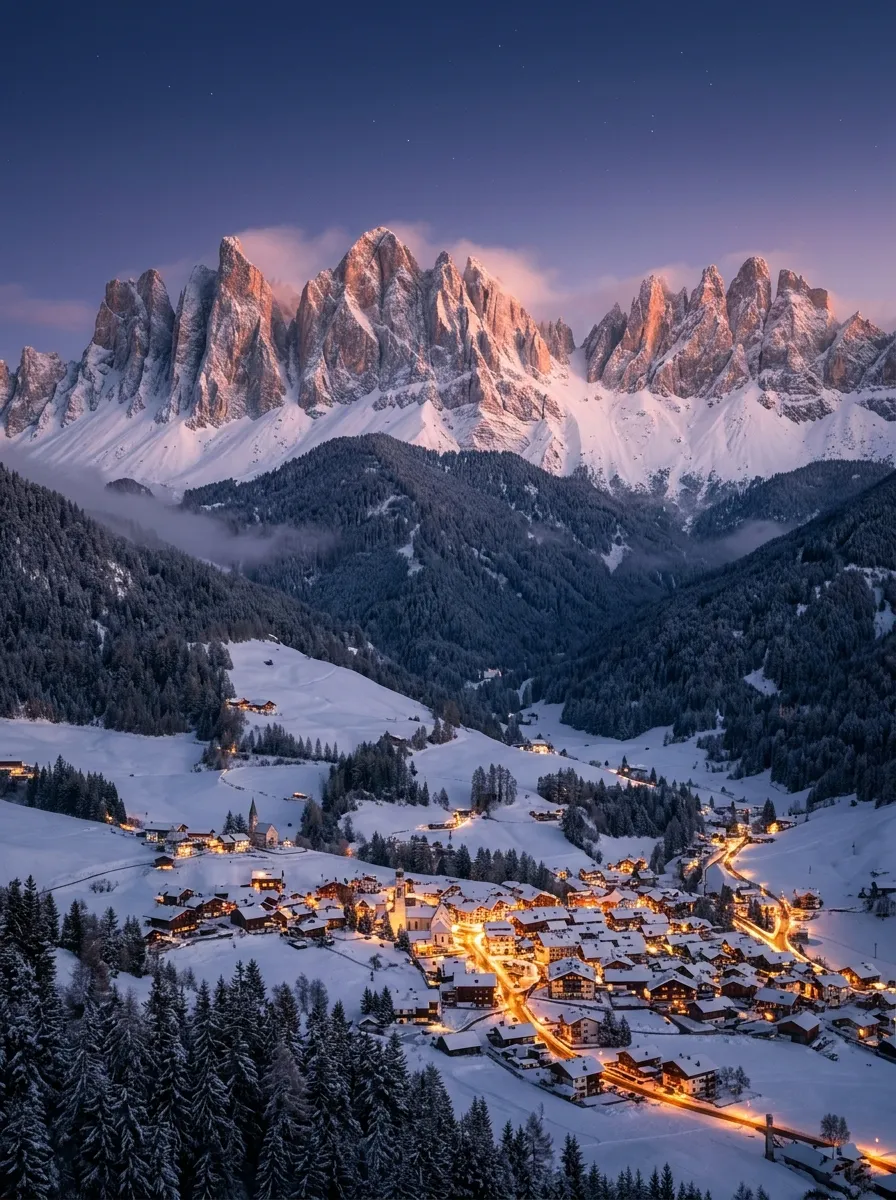
The Dolomites in winter look like a different world. Jagged limestone peaks rise above snowy forests, mountain villages glow with warm lights, and cable cars carry visitors toward panoramic slopes and breathtaking alpine views. After a day outdoors, you can settle into a cozy mountain hotel, enjoy a hearty Italian meal, and watch the last light fade across the mountains.
But planning a winter trip to the Dolomites takes more preparation than booking a hotel and packing a warm coat. Snow can affect driving conditions, some mountain roads close seasonally, and not every scenic viewpoint is accessible during winter. Choosing the right village also matters because the region is spread across several valleys, each with its own character and transportation options.
The good news is that you do not need to be an expert skier or an experienced winter driver to enjoy the Dolomites. With the right base, realistic travel plans, and suitable clothing, you can build a memorable trip around skiing, snowshoeing, winter walks, scenic cable cars, mountain food, and beautiful alpine towns.
This guide explains when to visit, how to plan your itinerary, what to know about snow and driving, what to pack, and where to stay for the best winter experience.
Is Winter a Good Time to Visit the Dolomites?
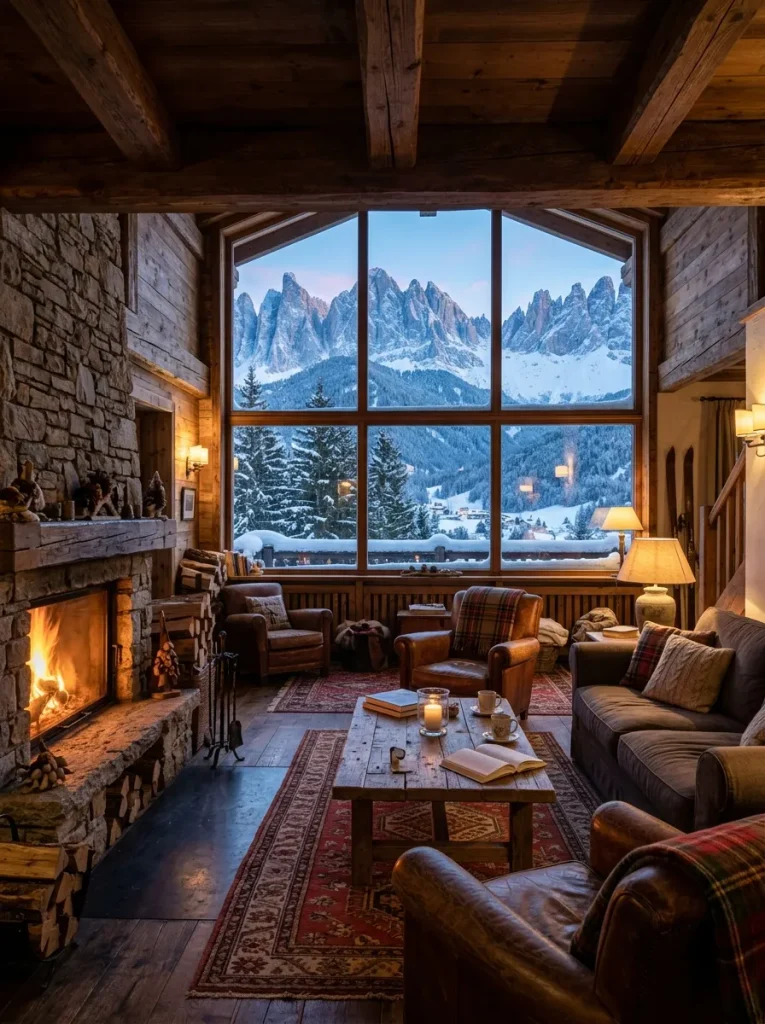
Absolutely. Winter is one of the most popular seasons in the Dolomites, especially for skiing and snowboarding. However, the region offers much more than ski slopes.
You can explore snowy villages, walk along designated winter trails, ride mountain lifts where pedestrian access is available, try cross-country skiing, or spend an afternoon enjoying a spa. Even if you never put on a pair of skis, the scenery can make the trip worthwhile.
The key is understanding that the Dolomites are not one continuous resort. They include multiple valleys, towns, and ski areas spread across northeastern Italy. A hotel in one valley may be convenient for one group of attractions but impractical for another.
Before booking, decide what matters most to you:
- Skiing or snowboarding every day
- Snowy mountain views without skiing
- Winter hiking and snowshoeing
- A romantic getaway with cozy hotels and mountain restaurants
- A family holiday with beginner-friendly activities
- A road trip through several villages and valleys
Your priorities will determine where to stay, whether you need a rental car, and how many days you should allow.
When Is the Best Time to Visit the Dolomites in Winter?
Winter conditions vary from year to year, so no particular month guarantees perfect snow everywhere. Your ideal travel dates depend on whether you want reliable ski operations, festive village scenery, quieter trails, or longer daylight hours.
December: Christmas Markets and Festive Villages
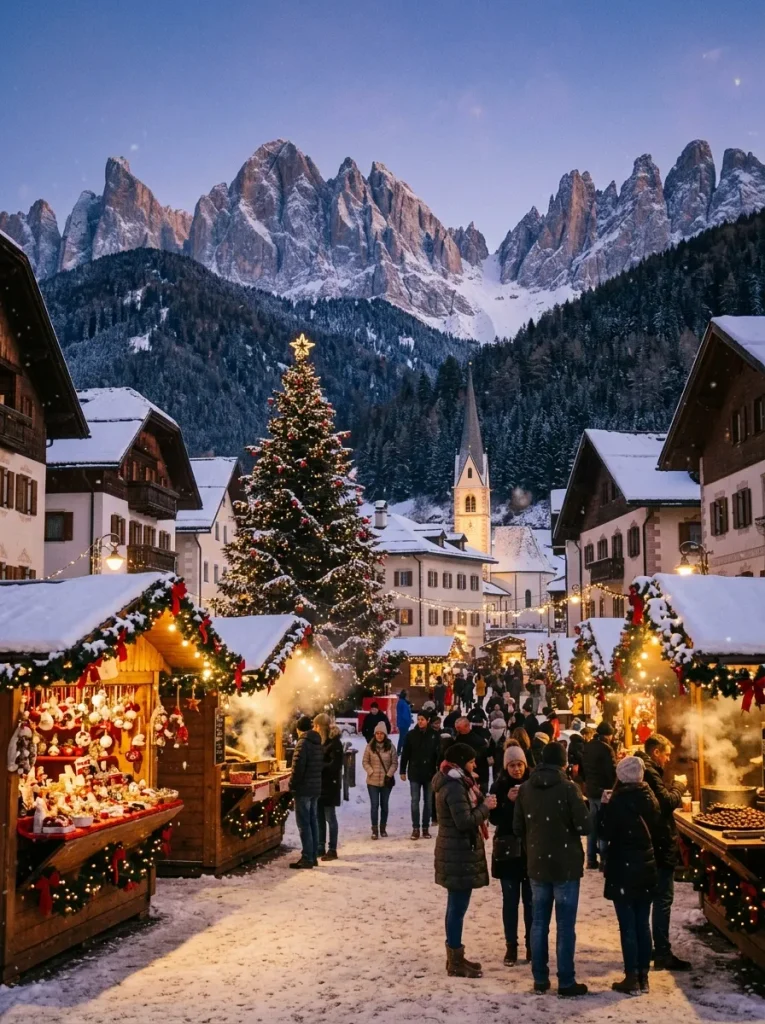
December brings a special atmosphere to many Dolomites towns. Seasonal decorations, Christmas markets, illuminated streets, and snow-covered mountain scenery can create a memorable holiday setting.
Early December can be unpredictable at lower elevations, and natural snowfall varies. Ski areas may rely on a combination of natural snow and snowmaking, depending on conditions.
The period around Christmas and New Year’s Eve is particularly popular. Accommodation prices can rise, and desirable hotels may book out well in advance.
Best for: Festive markets, romantic getaways, winter village experiences, and travelers who enjoy the holiday atmosphere.
January: A Classic Winter Escape
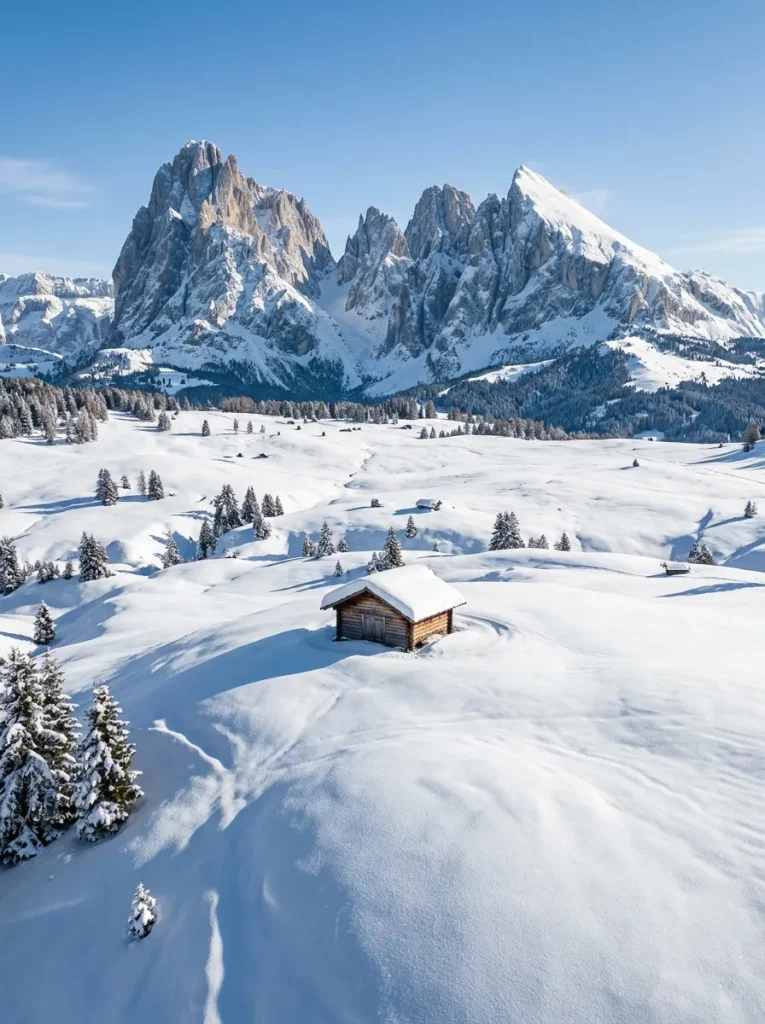
January is often a strong choice for travelers who want a traditional winter holiday. The festive rush has usually passed after the New Year period, although popular ski resorts can still be busy.
Days are relatively short, and temperatures can be very cold, particularly at higher elevations. You will need warm layers and enough daylight for outdoor activities.
Best for: Skiing, snowboarding, snowy scenery, and a winter-focused trip.
February: Peak Ski Season
February is one of the busiest months for skiing, especially during school holidays. The ski areas are in full winter mode when conditions permit, and many visitors plan their trips around the extensive lift and slope networks.
The main disadvantage is demand. Accommodation, ski lessons, and equipment rentals can be expensive or difficult to secure at short notice.
Best for: Skiers, families, and travelers who want a lively alpine atmosphere.
March: Longer Days and More Sunshine
March can be an excellent compromise between winter scenery and longer daylight hours. Higher-elevation ski areas may continue operating well into the month, although snow conditions change with temperature and elevation.
Sunny afternoons can feel pleasant, but mornings and evenings may still be freezing. Lower slopes may experience softer snow as the day progresses.
Best for: Skiing with longer days, photography, and travelers who prefer a little more flexibility outdoors.
How Many Days Do You Need?
For a first visit, four to seven days is a useful target. A long weekend can work if you choose one base and limit your activities, while a week gives you more room for skiing, sightseeing, and weather changes.
| Trip length | What you can realistically do |
| 2 to 3 days | Explore one village, enjoy winter walks, and try a few local activities |
| 4 to 5 days | Combine a ski day or snowshoe excursion with village visits and scenic lifts |
| 6 to 7 days | Enjoy a relaxed trip with several activities and a weather backup day |
| 8 days or more | Explore multiple valleys or combine two carefully chosen bases |
Avoid planning a new hotel every night. Winter roads, parking, and luggage transfers can make frequent moves tiring. A well-chosen base often makes the trip more enjoyable.
Where to Stay in the Dolomites in Winter
Choosing the right base is one of the most important decisions you will make. Each town offers a different balance of scenery, skiing, restaurants, transport, and accommodation costs.
1. Ortisei: Best for First-Time Visitors and Non-Skiers
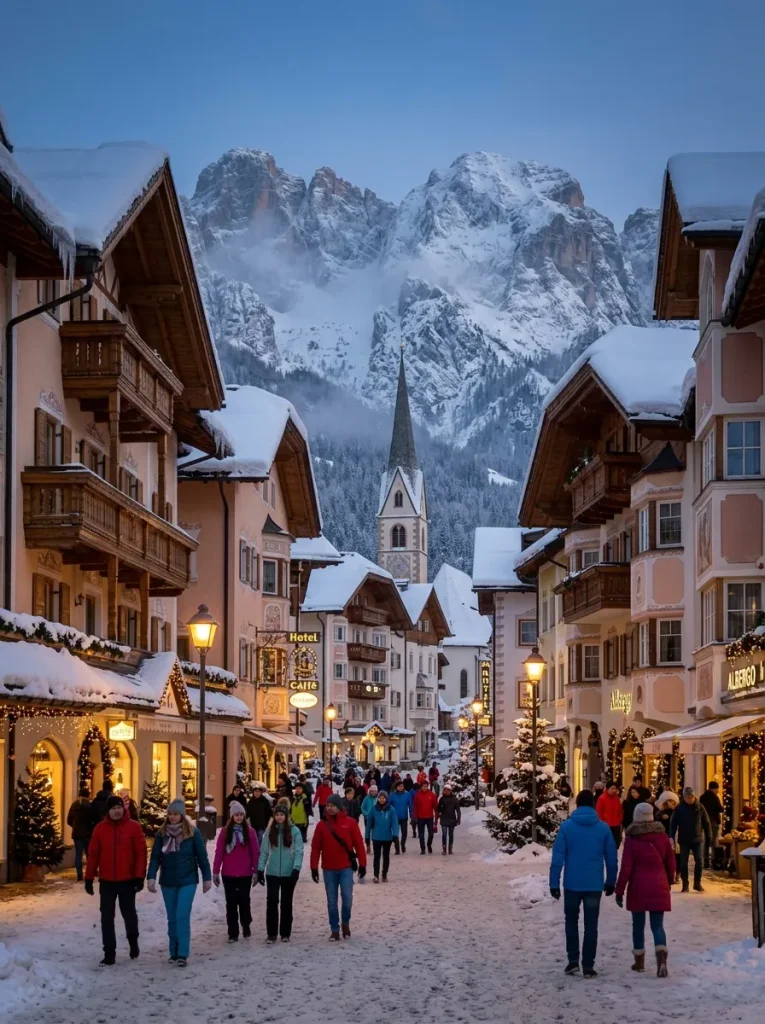
Ortisei, also known as St. Ulrich, is a charming village in Val Gardena. It combines alpine scenery with a walkable town center, restaurants, shops, and access to mountain lifts when operating.
It is a particularly good choice if you want a winter holiday that includes more than skiing. You can spend time exploring the village, enjoying local food, or taking a lift toward Alpe di Siusi or Seceda when seasonal services are running.
Ortisei also works well for couples and families who want a comfortable base with activities close at hand.
Choose Ortisei if you want:
- A picturesque village with restaurants and shops
- Access to mountain scenery without skiing every day
- A good balance of relaxation and outdoor activities
- A convenient base for exploring Val Gardena
Things to consider: Ortisei is not the same as staying directly beside every ski circuit. If your main goal is to ski the Sellaronda, compare lift access, shuttle services, and your accommodation’s location before booking.
2. Cortina d’Ampezzo: Best for Scenery and a Stylish Mountain Town
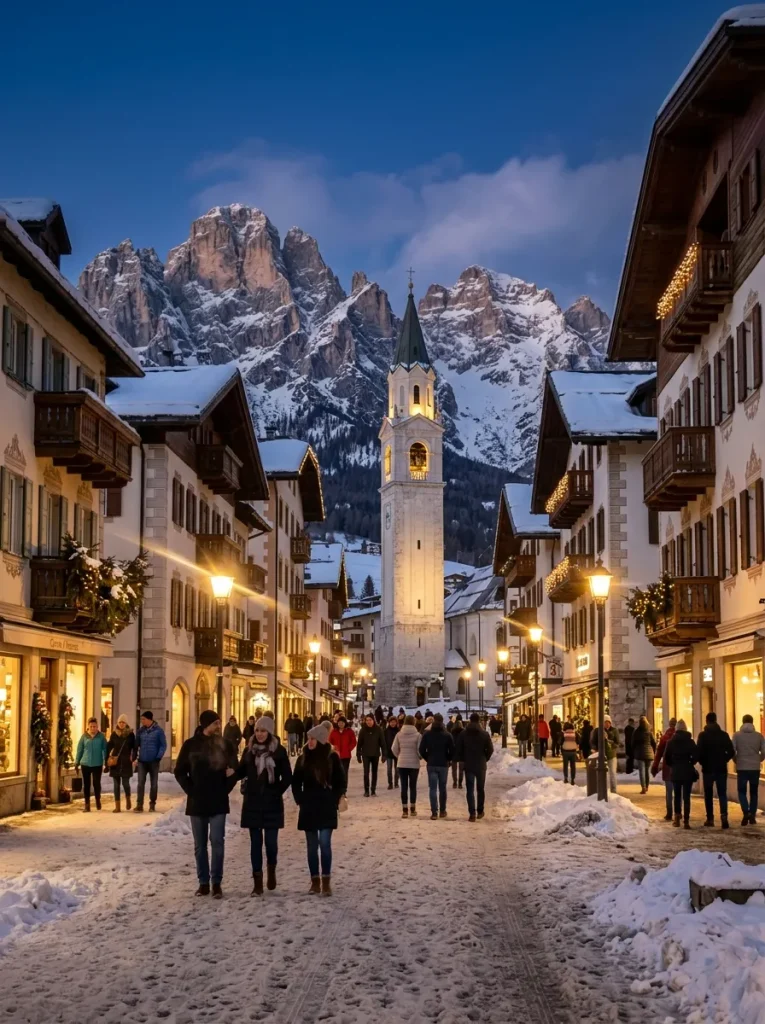
Cortina d’Ampezzo is one of the best-known destinations in the Dolomites. Surrounded by dramatic peaks, it offers a lively town center, mountain restaurants, boutique shopping, and access to several ski sectors.
It is a good choice for travelers who want a mixture of skiing and town life. You can spend part of the day outdoors and return to cafés, restaurants, or wellness facilities in the afternoon.
Cortina can also appeal to non-skiers, although individual mountain lifts and pedestrian routes operate according to their own seasonal schedules.
Choose Cortina if you want:
- A lively alpine town
- Dramatic mountain scenery
- A range of accommodation options
- Skiing combined with shopping, dining, and relaxation
Things to consider: Cortina can be expensive during peak winter dates. It is also not a convenient base for every destination in the Dolomites, so avoid assuming you can easily visit several distant valleys in one day.
3. Selva di Val Gardena: Best for Dedicated Skiers
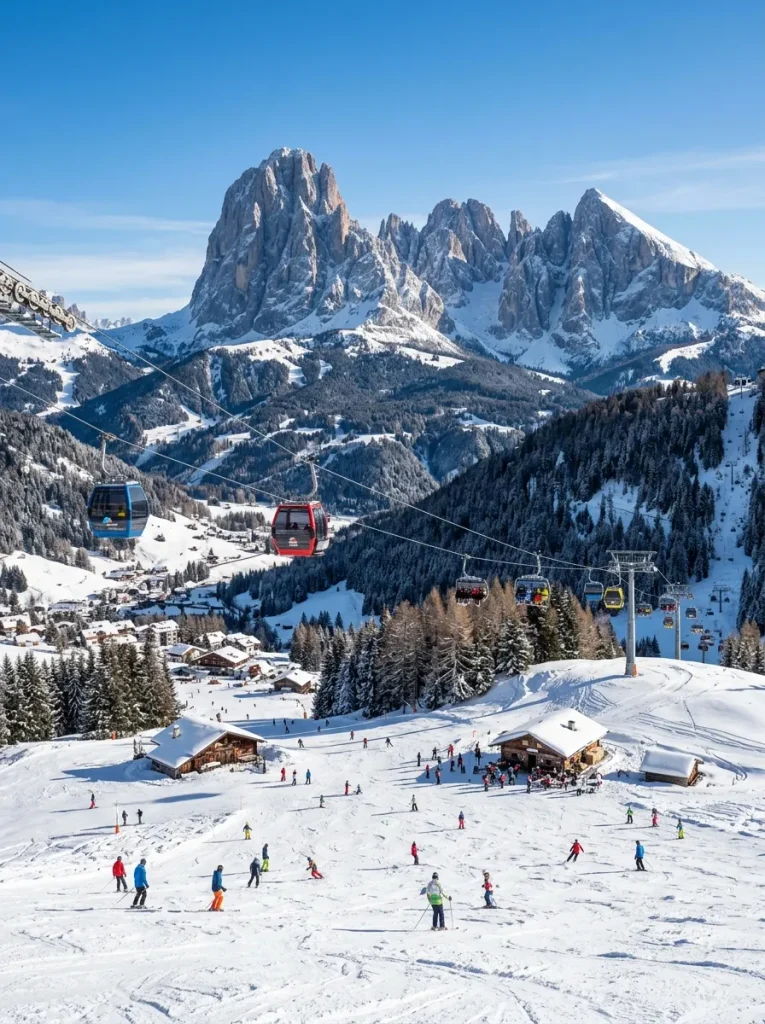
Selva di Val Gardena is a strong option for travelers who want to prioritize skiing. Its location provides convenient access to the Val Gardena ski area and connections to the Sellaronda circuit when the relevant lifts and slopes are open.
The village has a classic alpine setting, with mountain views, ski services, hotels, and restaurants. It suits travelers who want to spend much of the day on the slopes rather than driving between attractions.
Choose Selva if you want:
- Easy access to a major ski network
- A ski-focused holiday
- Mountain restaurants and traditional alpine scenery
- A convenient starting point for the Sellaronda
Things to consider: If you are not skiing, another town may offer a more varied selection of activities close to the center. Check the exact location of your hotel and the walking distance to lifts.
4. Corvara: Best for Skiing and Mountain Dining
Corvara sits in Alta Badia and is a popular base for skiers who want access to a large connected ski network. The village combines mountain views, hotels, restaurants, and convenient connections to surrounding areas.
Alta Badia is known for its food culture as well as its slopes. A winter trip here can include relaxed mountain lunches, scenic skiing, and evenings spent enjoying regional cuisine.
Choose Corvara if you want:
- Access to the Alta Badia ski area
- Connections to the Sellaronda when operating
- A balance of skiing and excellent dining
- A traditional alpine village atmosphere
Things to consider: Lift connections and slope conditions determine how much terrain you can explore in one day. Start early if you plan to complete a long ski circuit.
5. Canazei: Best for an Active Ski Holiday
Canazei, in Val di Fassa, is another practical base for visitors who want to ski and explore the surrounding mountains. It has accommodation, restaurants, shops, and access to the wider ski network through operating lifts and connections.
The town has an energetic winter atmosphere and can be a good fit for groups with several days of skiing planned.
Choose Canazei if you want:
- A lively mountain town
- Access to skiing and snowboarding
- Restaurants and accommodation across different price levels
- A base for exploring Val di Fassa
Things to consider: Some activities depend on lift connections and weather. If you plan to visit another valley, check actual journey times rather than relying only on straight-line distances.
6. San Candido: Best for a Quieter Winter Atmosphere
San Candido, also known as Innichen, lies in the eastern Dolomites near the Austrian border. It offers a pleasant village center, mountain scenery, and access to winter activities in the surrounding area.
It is a good option for travelers who want a calmer atmosphere and a mix of outdoor activities rather than focusing exclusively on a large ski circuit.
Choose San Candido if you want:
- A charming town with a relaxed feel
- Winter walks and outdoor activities
- Access to the eastern Dolomites
- A base for exploring the Three Peaks region when conditions permit
Things to consider: If you plan to visit the most famous mountain viewpoints, check whether the access roads, lifts, and trails are open in winter. Summer routes do not automatically remain accessible during the colder months.
Quick Comparison: Which Town Should You Choose?
| Destination | Best for | General atmosphere |
| Ortisei | First-time visitors and mixed activity trips | Picturesque and walkable |
| Cortina d’Ampezzo | Scenery, dining, shopping, and skiing | Lively and upscale |
| Selva di Val Gardena | Skiers and the Sellaronda | Sporty and mountain-focused |
| Corvara | Skiing and food lovers | Traditional and well connected |
| Canazei | Active ski holidays | Energetic and practical |
| San Candido | Quieter stays and winter activities | Relaxed and scenic |
If you are visiting for the first time and do not plan to ski every day, Ortisei is a strong starting point. If skiing is the main reason for your trip, compare Selva and Corvara. Choose Cortina if you want a recognizable mountain town with plenty to do off the slopes.
How to Get to the Dolomites in Winter
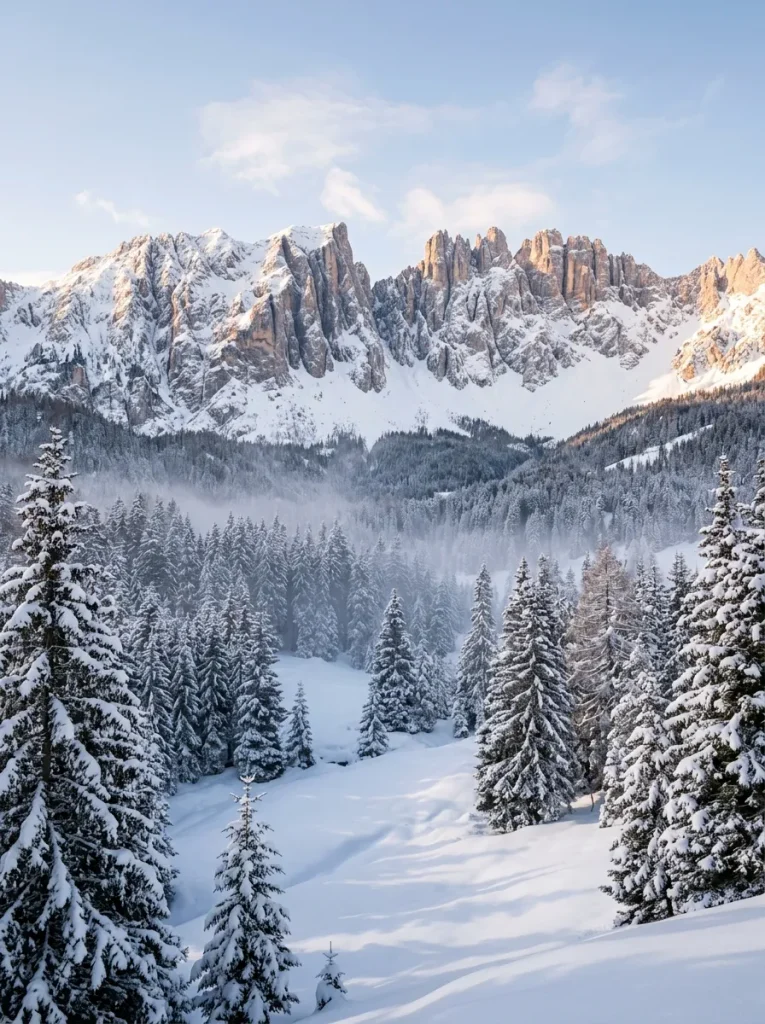
The Dolomites are located in northeastern Italy, and the best arrival point depends on where you plan to stay. You can reach the region by plane, train, bus, or car, but winter conditions make the final part of the journey especially important.
Flying to the Dolomites
There is no single airport that works best for every destination. Common options include Venice Marco Polo, Innsbruck in Austria, Verona, and Milan, depending on your flight connections and chosen base.
For many international travelers, Venice is a convenient starting point for destinations such as Cortina d’Ampezzo. Innsbruck can work well for some northern valleys, while Verona may suit travelers heading toward parts of Trentino.
Before booking flights, compare the complete journey rather than just the airfare. A cheaper flight can become less attractive if it requires several transfers or a long winter drive.
Traveling by Train and Bus
You can visit parts of the Dolomites without renting a car. Train services connect larger towns and cities in the region, while local buses serve many mountain communities and ski destinations.
For example, travelers can use rail connections toward Bolzano or Bressanone and continue by bus to selected valleys. Other routes connect towns around the eastern Dolomites.
Public transportation can be a smart choice if you plan to stay in one village and ski or explore nearby attractions. It also removes the stress of driving on snowy roads.
However, schedules may be less frequent in the evening or outside peak periods. Check the last bus back to your accommodation, especially if you plan to have dinner in another village.
Renting a Car
A rental car provides flexibility, particularly if you want to visit several villages or stay somewhere with limited public transportation.
The trade-off is winter driving. Snow, ice, limited daylight, and temporary road closures can make mountain journeys slower than expected. You should feel comfortable driving in winter conditions before choosing this option.
If you rent a car, confirm that it is properly equipped for winter travel. Do not assume that every rental vehicle includes winter tires or snow chains simply because you collect it in northern Italy.
Driving in the Dolomites During Winter
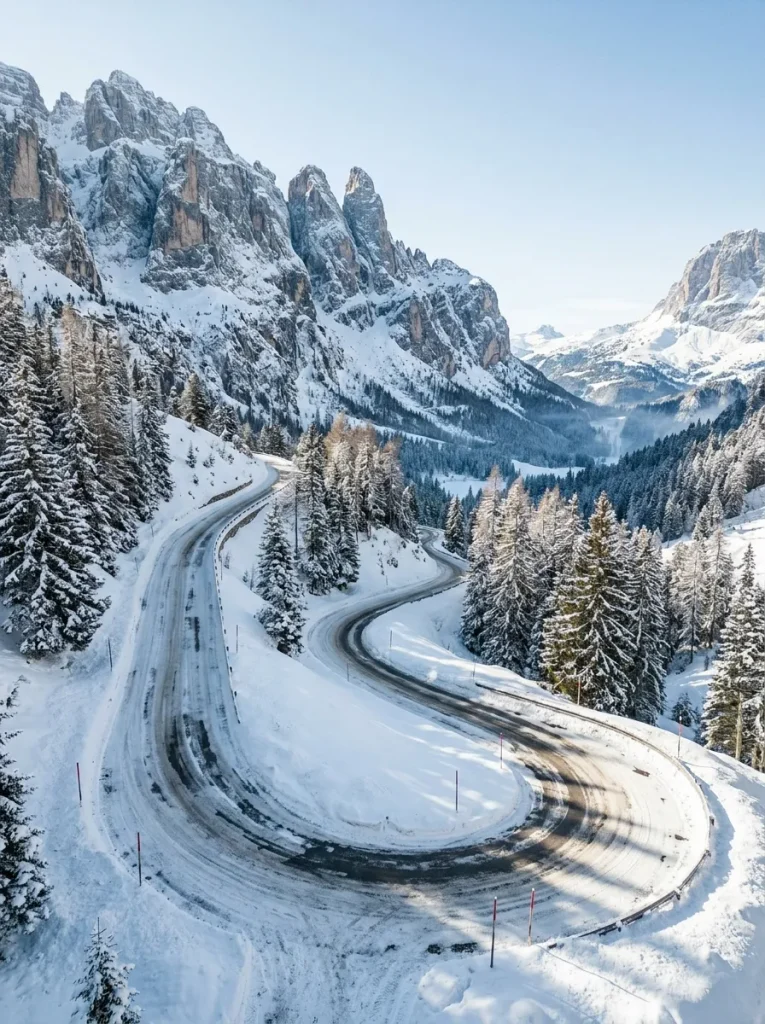
Winter driving deserves its own section because it can make or break your trip. The mountain roads are beautiful, but they require more care than ordinary city driving.
Do You Need Winter Tires or Snow Chains?
You must follow the winter equipment requirements that apply to the roads you use. In parts of Italy, winter tires or approved snow chains are required during specified dates or whenever winter road conditions demand them.
In South Tyrol, for example, winter equipment requirements apply on roads when there is snow, slush, or ice. The Brenner motorway and the municipality of Bolzano also have a specific winter equipment period from November 15 through April 15.
Rules can differ between provinces and road authorities, so check the regulations for your route and travel dates.
When booking a rental car, ask the company directly:
- Are winter tires fitted?
- Are approved snow chains supplied?
- Are the chains compatible with the vehicle?
- Will someone show me how to fit them?
- Are there restrictions on driving the vehicle across regional or national borders?
Snow chains are not useful if you cannot fit them safely when needed. If you expect to drive on mountain roads in winter, learn how to install them before your trip.
Are Mountain Passes Open in Winter?
Not all mountain passes remain open throughout winter. Some close seasonally, while others may close temporarily during heavy snowfall, avalanche danger, or road maintenance.
Do not plan a route based on a summer driving itinerary without checking current conditions.
A mountain pass may look like the most direct route on a map but turn out to be closed. Your navigation app may also suggest a route that is unsuitable for current conditions.
Check official road information before leaving, then review it again on the morning of your journey. If authorities advise against travel, change your plans rather than trying to push through.
Is It Safe to Drive in the Dolomites in Winter?
It can be safe for a properly equipped vehicle and a confident winter driver when conditions are suitable. However, winter driving is not something to approach casually.
Follow these precautions:
- Drive more slowly when roads are snowy or icy.
- Leave more distance between your vehicle and the car ahead.
- Avoid sudden braking, sharp steering, and rapid acceleration.
- Use lower gears where appropriate on steep descents.
- Keep your headlights on when visibility is poor.
- Never stop in the middle of a narrow road to take photographs.
- Allow extra time for parking, traffic, and weather delays.
- Avoid driving into the mountains late at night if you are unfamiliar with the roads.
If you are uncomfortable with winter driving, choose a village with good public transportation and arrange transfers from the airport or train station.
What About Parking?
Parking can become difficult near popular ski lifts, village centers, and winter attractions. Some hotels provide parking, while others have limited spaces or charge an additional fee.
Confirm parking arrangements before booking your accommodation. If you plan to drive to a ski area, check whether parking is available at your preferred lift station and whether shuttle services operate.
Do not assume that every scenic roadside stopping point is safe or permitted. Snowbanks can reduce the available road width, and stopping in the wrong place can obstruct traffic or snow-clearing equipment.
What to Do in the Dolomites in Winter Besides Skiing
You do not have to ski to enjoy a winter trip here. In fact, some visitors find that mixing outdoor activities with village visits and relaxed afternoons makes for a more enjoyable holiday.
Take a Winter Walk
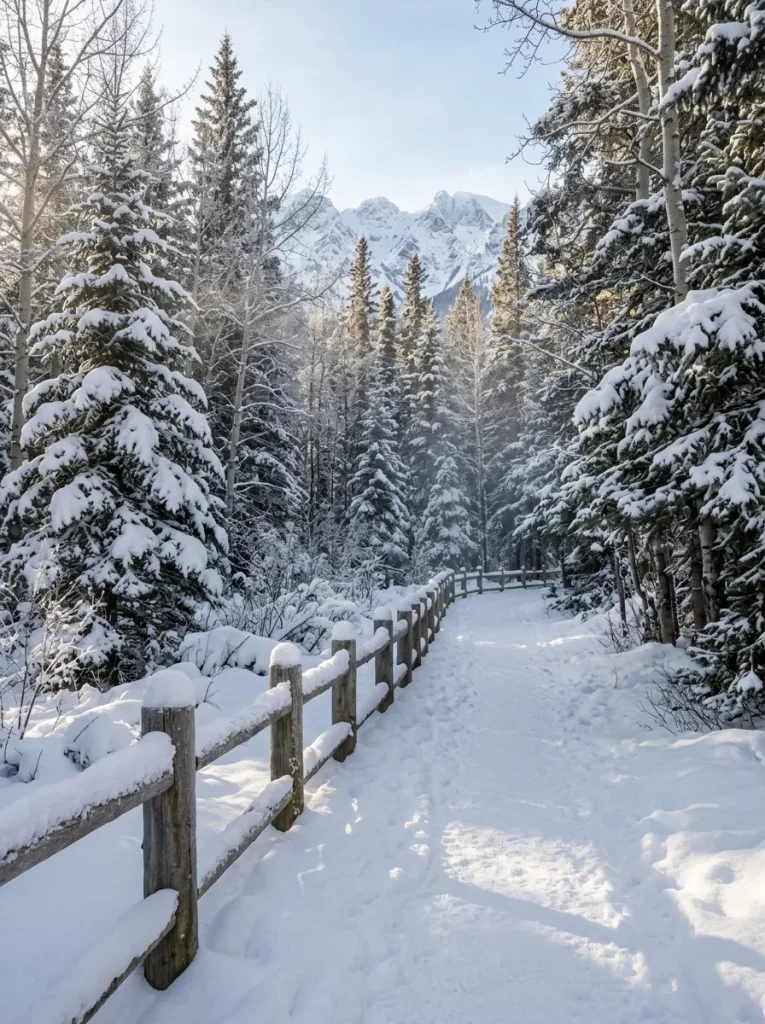
Many Dolomites communities maintain designated winter walking paths. These routes allow you to enjoy snow-covered forests, meadows, and mountain scenery without committing to a full day of skiing.
Choose a route that matches your experience and the current conditions. A path that looks gentle on a map can be slippery or difficult when covered in snow.
Wear waterproof footwear with good traction, and carry extra layers. If the route crosses avalanche-prone terrain or requires specialist equipment, choose a safer alternative or go with a qualified local guide.
Try Snowshoeing
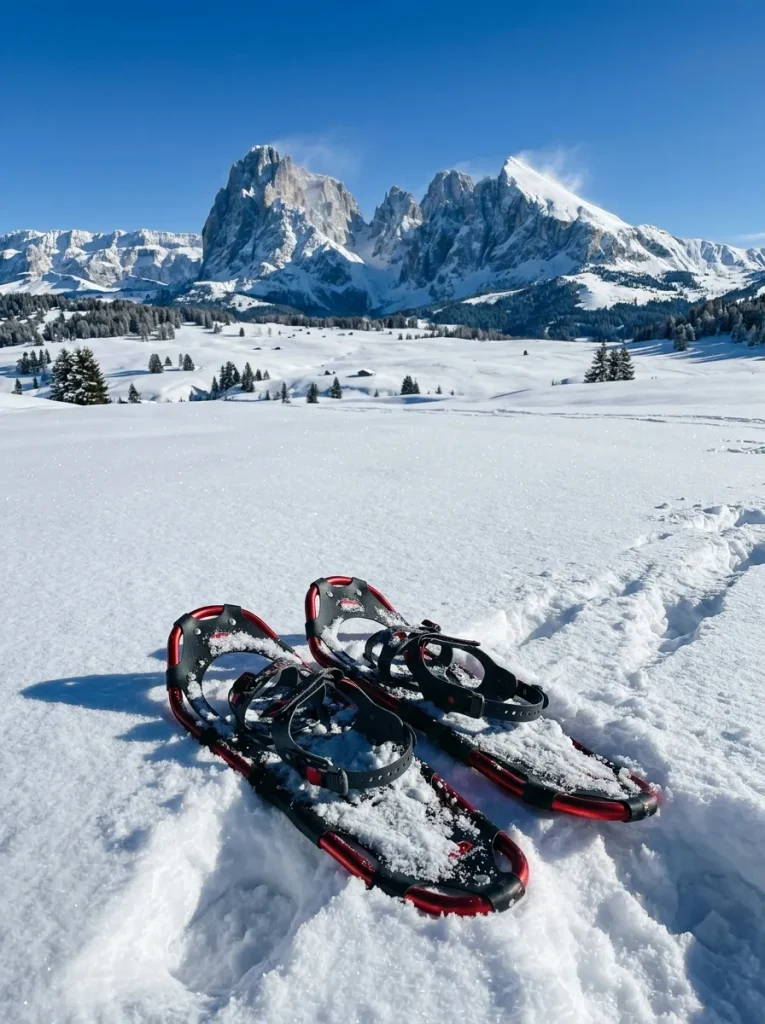
Snowshoeing allows you to explore snowy landscapes beyond groomed paths. Snowshoes distribute your weight over a wider area, helping you walk across suitable snow without sinking as deeply.
Guided snowshoe excursions are available in various parts of the Dolomites, depending on snow conditions and the season. A guide can help you select a suitable route and understand local hazards.
Do not assume snowshoeing makes every mountain slope safe. Avalanche terrain remains dangerous, and winter navigation can be difficult when visibility drops.
Ride a Cable Car for the Views
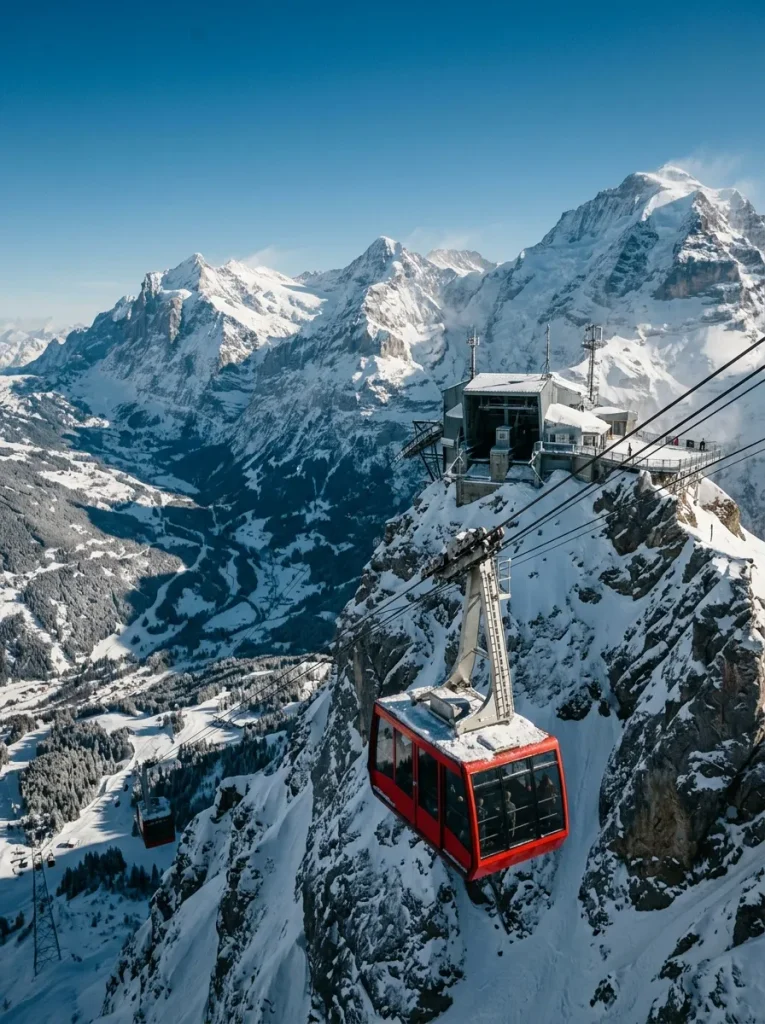
Some mountain lifts carry pedestrians as well as skiers. When operating, they can provide access to panoramic viewpoints, mountain restaurants, and snowy landscapes without requiring a strenuous uphill hike.
Alpe di Siusi near Ortisei is particularly appealing for travelers who want wide-open scenery and gentle winter walks. Other lift-accessible areas can be found around Val Gardena, Cortina, and Alta Badia.
Before heading out, check whether the lift accepts pedestrians, its operating hours, the weather forecast, and the last descent time. Not every lift operates every day or serves non-skiers.
Explore the Mountain Villages
Make time for the villages themselves. Ortisei, Cortina d’Ampezzo, Corvara, and San Candido each offer a different atmosphere, from lively shopping streets to quieter historic centers.
Walk around the village, stop at a café, browse local shops, and enjoy the mountain architecture. Even a few hours away from the slopes can provide a welcome break.
If you plan to visit more than one town, choose destinations that are reasonably close to your base rather than trying to cross the entire region in a day.
Enjoy a Traditional Mountain Lunch
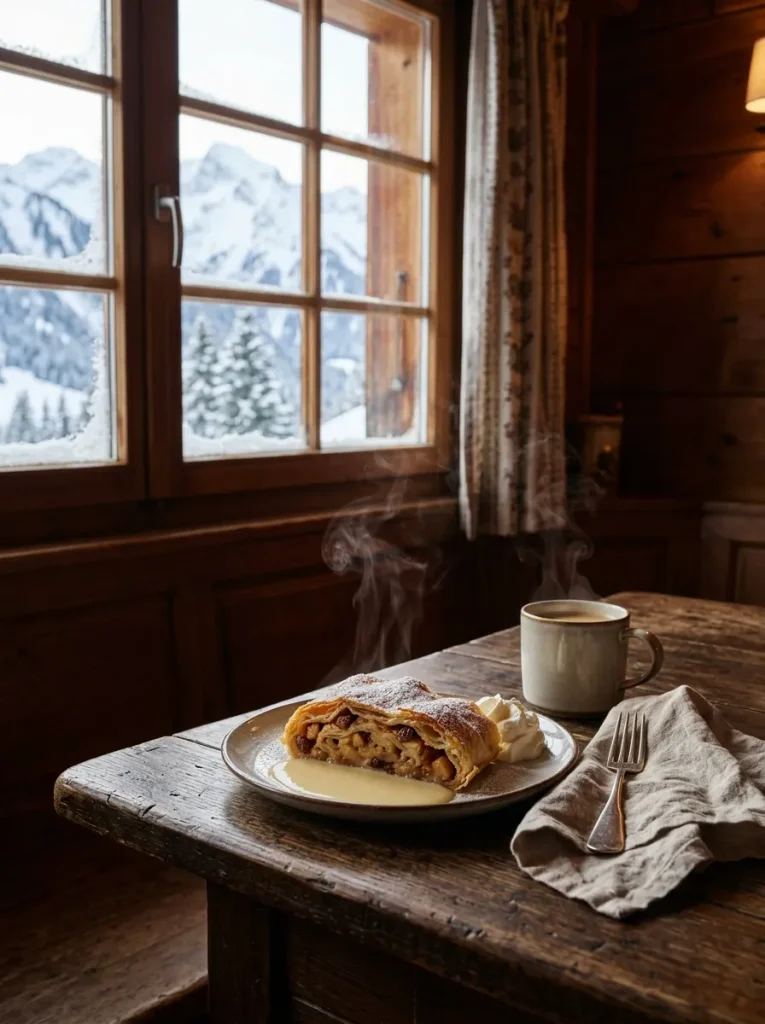
Mountain huts and restaurants are part of the Dolomites experience. Depending on the location and menu, you may find dishes influenced by both Italian and Austrian traditions.
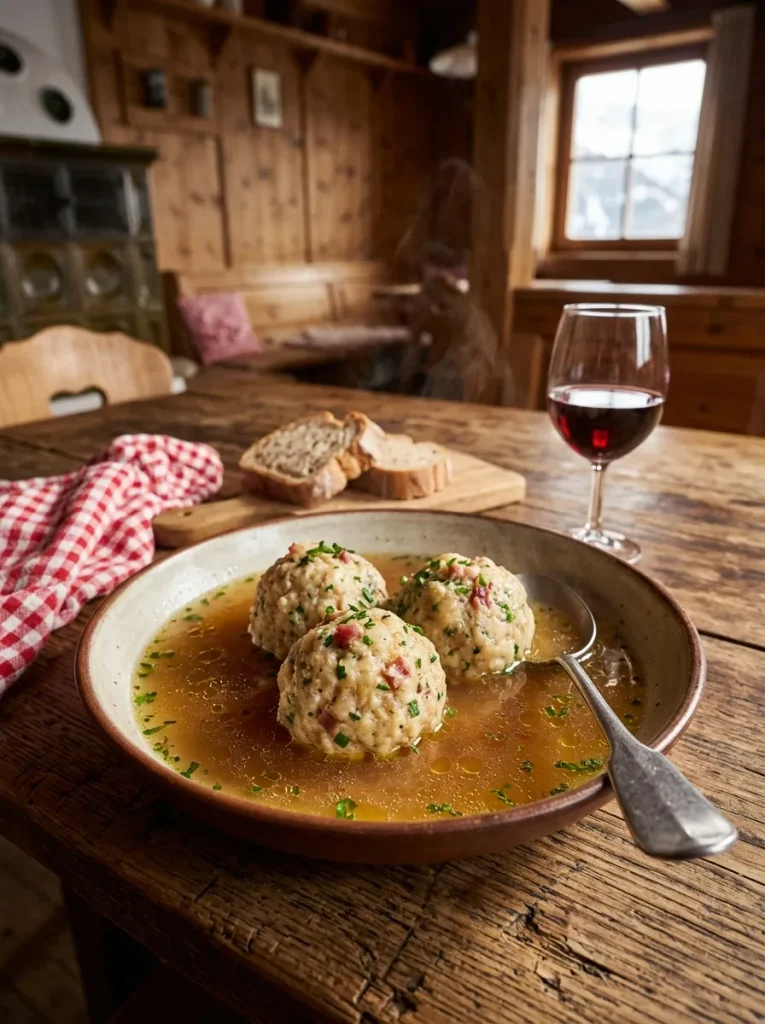
Look for regional specialties such as canederli, hearty soups, polenta, dumplings, and apple strudel. A long lunch in a mountain setting can be a highlight of the trip.
Check whether the restaurant is accessible on foot, by lift, or only via the ski area. Some establishments have seasonal opening schedules, and reservations may be useful during busy periods.
Spend an Afternoon at a Spa
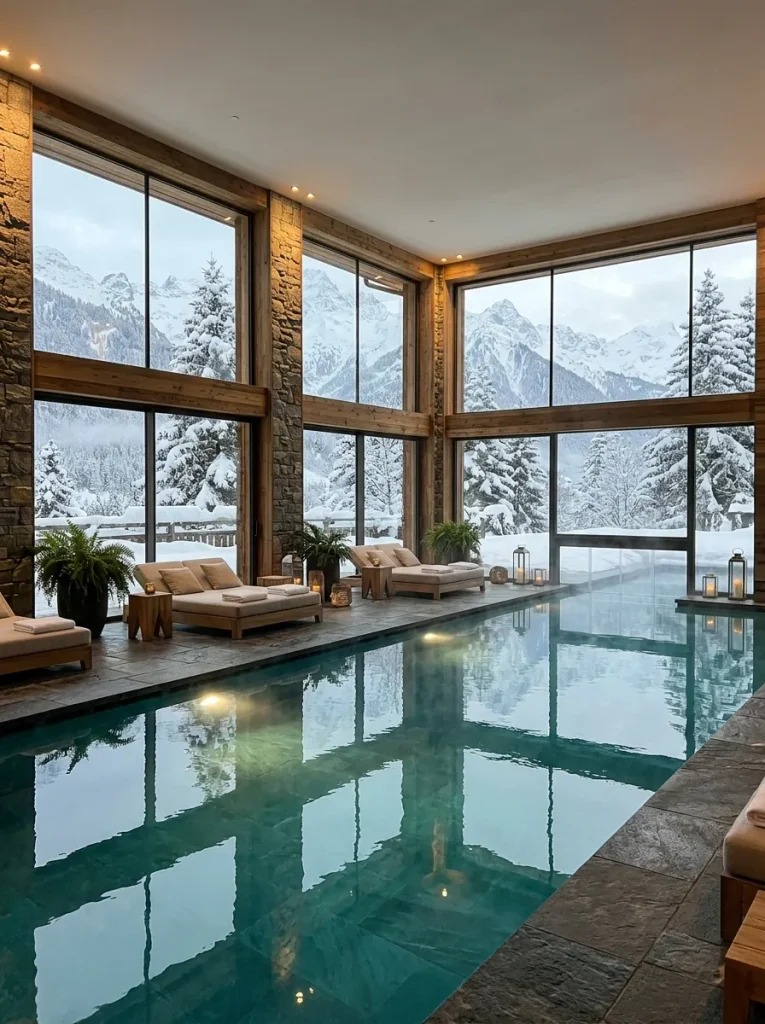
After a cold morning outdoors, a spa or wellness afternoon can be an excellent way to slow down. Some hotels have saunas, pools, and relaxation areas, while nearby wellness facilities may welcome day visitors.
If a spa is important to your trip, choose accommodation with suitable facilities or check the location of a public wellness center before booking.
Visit a Christmas Market
If you travel in December, consider a Christmas market in a nearby town. Markets in the wider South Tyrol region often feature seasonal decorations, local crafts, food stalls, and festive events.
Opening dates vary by town and year, so verify the schedule for your travel dates. A market that operates during the main holiday season may not be open in January or February.
A Practical Five-Day Winter Dolomites Itinerary
For a first visit, I recommend choosing one base and exploring nearby activities rather than changing hotels every day. The following plan uses Ortisei as an example, but you can adapt it to Cortina, Selva, or another suitable town.
This is a flexible itinerary, not a promise that every lift or attraction will be open. Adjust the order to suit weather, transport, and current operating schedules.
Day 1: Arrive and Settle Into Ortisei
Travel to your accommodation and give yourself time to settle in. If you arrive early, take a gentle walk through the village and find a restaurant for dinner.
Avoid planning a demanding activity immediately after a long international flight. Winter travel can take longer than expected, especially if you need to transfer between airports, trains, and buses.
Use the evening to confirm the next day’s weather, lift schedules, and transport arrangements.
Day 2: Explore Alpe di Siusi
If access and lift operations permit, spend the day exploring the Alpe di Siusi area. Its broad alpine landscape offers beautiful views and opportunities for winter walking, skiing, or other snow activities.
Non-skiers should check the available pedestrian routes and lift tickets before leaving. Skiers should review the trail map and plan their return carefully.
Dress for wind and cold, even if the village feels mild. Conditions on an exposed plateau can be very different from those below.
Day 3: Choose Skiing or Snowshoeing
Use the third day for your main outdoor activity.
If you ski, book lessons or equipment in advance when traveling during busy periods. Beginners should choose appropriate slopes and avoid following experienced friends onto routes beyond their ability.
If you do not ski, consider a guided snowshoe excursion or a designated winter walking trail. Leave enough time to return before dark and keep a backup plan in case weather affects your chosen route.
Day 4: Visit a Nearby Village or Mountain Viewpoint
Choose a destination that is practical from your base. Depending on transport and operating conditions, you might explore another Val Gardena village or visit a mountain area accessible by lift.
Do not attempt a long drive across multiple valleys simply to collect photographs. Winter roads, parking, and lift schedules can turn a short-looking excursion into a full day.
If the weather is cloudy, make this your village, museum, shopping, or wellness day instead.
Day 5: Enjoy a Slow Morning and Depart
Enjoy breakfast, take a final stroll, or visit a nearby viewpoint if time allows. Leave enough time to reach your airport or train station, especially if your journey involves a mountain road.
If snow is forecast, allow additional time and check road conditions before departing.
For a week-long trip, add another ski day, a second guided winter walk, or a short stay in a different valley. Only change accommodation if the second base offers enough value to justify the transfer.
What to Pack for a Winter Trip to the Dolomites
Packing for the Dolomites is about staying warm while managing changes in temperature and activity. You may feel comfortable in a sunny village, then encounter wind and freezing temperatures at a mountain viewpoint.
The best strategy is to wear layers that you can add or remove as needed.
Clothing Essentials
- Thermal base layers
- Fleece or insulated mid-layer
- Waterproof and windproof winter jacket
- Insulated winter trousers or suitable snow pants
- Warm hat that covers your ears
- Gloves or mittens
- Neck warmer or scarf
- Warm socks, preferably designed for winter activities
- Comfortable evening clothing
- Sleepwear suitable for your accommodation
If you plan to ski, add appropriate ski clothing and consider renting bulky equipment at your destination. Check whether your rental package includes a helmet and other necessary items.
Footwear
- Waterproof winter boots with good grip
- Comfortable shoes for indoor use
- Hiking poles or traction aids when appropriate for your planned routes
Ordinary fashion sneakers are rarely a good choice for snowy paths. Wet feet can quickly make an otherwise pleasant walk miserable.
If you expect to walk on ice, consider suitable traction aids and learn how to use them safely. They do not replace appropriate footwear or good judgment.
Daypack Essentials
- Reusable water bottle
- Snacks
- Sunglasses
- Sunscreen and lip balm
- Small first-aid kit
- Fully charged phone
- Portable power bank
- Offline maps or another navigation option
- Headlamp for unexpected delays
- Tissues and personal medication
- Small waterproof bag for electronics
Cold temperatures can reduce battery performance. Keep your phone in an inner pocket when possible and avoid relying on it as your only navigation or emergency tool.
If You Are Driving
- Confirmed winter tires or approved snow equipment
- Snow chains compatible with the vehicle
- High-visibility vest and warning triangle, as required
- Ice scraper
- Gloves for handling snow equipment
- Water and snacks for delays
- Offline navigation
- A charging cable for your phone
Confirm legal requirements and equipment with your rental provider before collecting the car. If you are traveling across Austria or another neighboring country, check that country’s rules as well.
How Much Does a Winter Trip to the Dolomites Cost?
The cost depends on your dates, accommodation, transport, and whether skiing is part of the trip. February holidays, Christmas, and New Year’s Eve can be particularly expensive in popular resorts.
Your main expenses will usually include flights, transfers or rental car, accommodation, meals, lift passes or activities, and winter clothing or equipment.
| Expense | Ways to manage the cost |
| Flights | Compare nearby airports and include transfer costs |
| Accommodation | Stay outside the most expensive resort centers or travel outside peak dates |
| Transport | Compare a rental car with trains, buses, and hotel shuttles |
| Skiing | Book lessons and equipment ahead when possible |
| Meals | Mix mountain restaurants with cafés, local eateries, and accommodation breakfasts |
| Activities | Combine paid experiences with free village walks and suitable public viewpoints |
| Winter clothing | Borrow or rent specialized equipment rather than buying everything for one trip |
Travelers who do not ski can often reduce costs by avoiding lift passes and equipment rentals. However, lift tickets may still be necessary if you want to reach certain viewpoints or high-altitude walking routes.
Build a small contingency into your budget for weather-related changes, extra transport, or an additional night if conditions disrupt your journey.
Common Mistakes to Avoid When Planning a Winter Trip
Trying to Visit Every Famous Viewpoint
The Dolomites cover a large area, and winter makes travel slower. Choosing a few destinations near your accommodation will usually provide a more enjoyable experience than driving for hours every day.
Assuming Every Road Is Open
Some mountain passes close seasonally, and others can close temporarily because of snow or avalanche danger. Check current road information instead of trusting a summer itinerary or an unverified map route.
Booking a Hotel Without Checking Its Location
A hotel may advertise mountain views while being far from the activities you want to enjoy. Check walking distances, lift access, shuttle services, parking, and public transportation before booking.
Underestimating the Cold
A warm afternoon in town does not mean conditions will be comfortable at altitude. Pack layers, waterproof footwear, and protection against wind.
Leaving Activity Bookings Until the Last Minute
Popular ski lessons, equipment rentals, and accommodation can sell out during peak periods. Reserve important services early, especially if you are traveling with children or need specialized equipment.
Planning Too Much for One Day
A winter holiday should leave room for weather changes and relaxed meals. Avoid scheduling several distant attractions on the same day, particularly if you are unfamiliar with the roads.
Forgetting That Snow Can Affect Non-Ski Activities
A scenic walking route or summer trail may be unsuitable in winter. Check whether your intended path is open, maintained, and appropriate for your experience.
Is a Rental Car Necessary in the Dolomites?
Not always. A car is useful for exploring multiple valleys and visiting destinations that have limited public transport, but it also adds winter driving responsibilities.
If you plan to stay in Ortisei, Selva, Corvara, or another well-connected village, you may be able to manage much of your trip using local buses, lifts, and walking routes.
A car becomes more useful when your accommodation is outside a village center or your itinerary includes several places that are difficult to connect by public transport.
Before deciding, compare the full costs of both options. Include rental fees, insurance, winter equipment, fuel, parking, and the possibility of needing a different route because of road closures.
For a first winter visit, choosing a well-connected base and skipping the car can be a sensible option, particularly if you are not confident driving on snow.
Final Tips for a Smooth Winter Trip
A successful winter holiday in the Dolomites starts with a realistic plan. Pick a base that matches your interests, allow enough time for transport, and build flexibility into your daily schedule.
Check weather forecasts, road conditions, lift operations, and trail access before heading out. Reserve important services during busy periods, pack for freezing temperatures, and avoid treating summer travel times as reliable winter estimates.
If you are driving, understand the applicable winter equipment rules and carry the necessary gear. If you prefer not to drive, choose accommodation with convenient transport links and confirm service schedules before booking.
Most importantly, leave room to enjoy the experience. Spend an unhurried morning in a mountain village, stop for a long lunch, or take a peaceful walk when conditions are suitable. The Dolomites are not simply a checklist of viewpoints. They are a place to enjoy the mountains at a slower pace.
With the right preparation, a winter trip here can be rewarding whether you spend your days skiing, exploring snowy villages, taking cable cars, or simply enjoying the scenery from a cozy mountain retreat.