15 Hidden Gems in Upstate NY You Have to See
Upstate New York is full of places that deserve far more attention than they receive. Beyond the famous attractions, crowded summer resorts, and well-known mountain towns, you will find quiet waterfalls, historic villages, unusual natural formations, peaceful lakes, and small communities with plenty of character.
The best part? You do not need to travel across the country to discover somewhere that feels completely different from your everyday surroundings. A winding country road can lead to a spectacular gorge, a forgotten industrial site, or a lakeside village where the pace of life seems to slow down.
Whether you are planning a weekend getaway, a fall foliage road trip, or a longer outdoor adventure, these hidden gems offer a fresh way to experience New York State.
This guide covers 15 lesser-known destinations and underappreciated places across Upstate New York, along with ideas for what to do, when to visit, and how to plan your trip.
Recommended Travel Items for Your Trip
1. Eternal Flame Falls, Orchard Park
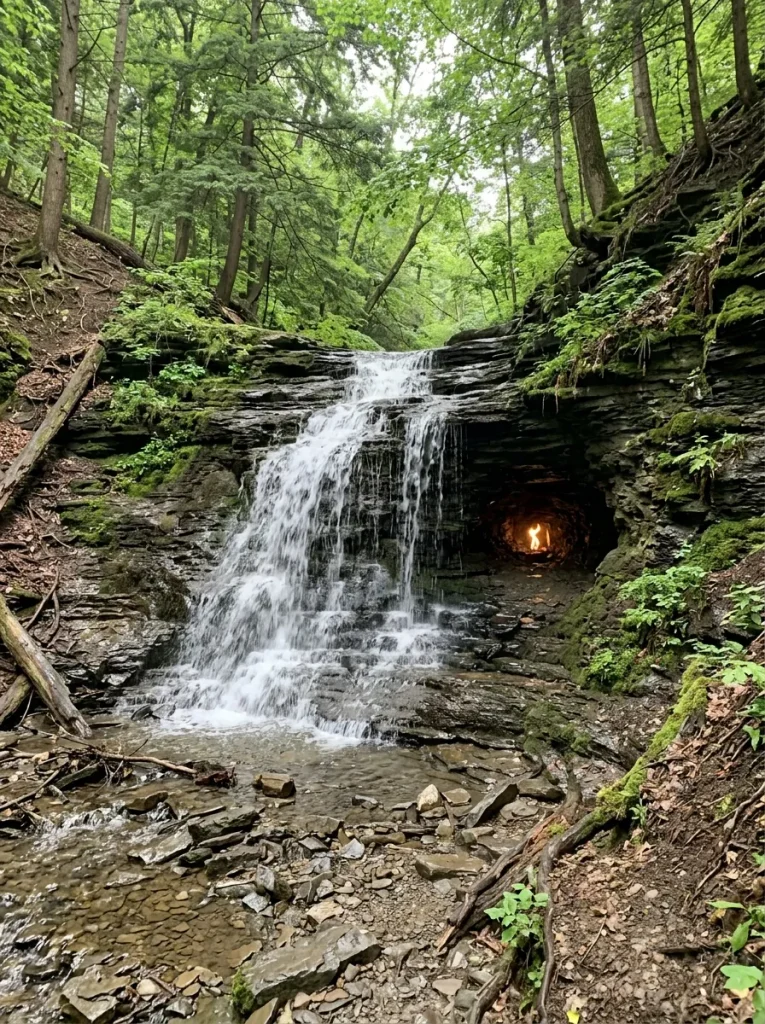
Imagine walking through a wooded ravine and discovering a small natural flame flickering behind a waterfall. That is the unusual experience waiting at Eternal Flame Falls in Chestnut Ridge Park, near Buffalo.
The waterfall itself is modest compared with some of New York’s larger cascades, but the combination of flowing water and a naturally occurring flame makes this destination memorable. The flame is fueled by natural gas escaping from a rock crevice behind the falls.
Reaching the site requires a hike through woodland and a creek-side ravine. The route can be muddy, slippery, and uneven, especially after rain or during spring snowmelt.
What to do: Follow the designated trail, enjoy the surrounding forest, and photograph the waterfall if conditions allow. The flame can occasionally go out, so do not assume it will always be burning.
Best time to visit: Late spring through autumn generally offers easier hiking conditions. Early mornings and weekdays can be quieter.
Travel tip: Wear shoes with good traction and bring a change of socks if the trail is wet. Avoid climbing on slick rocks to get a closer photograph.
2. Letchworth State Park’s Quieter Corners
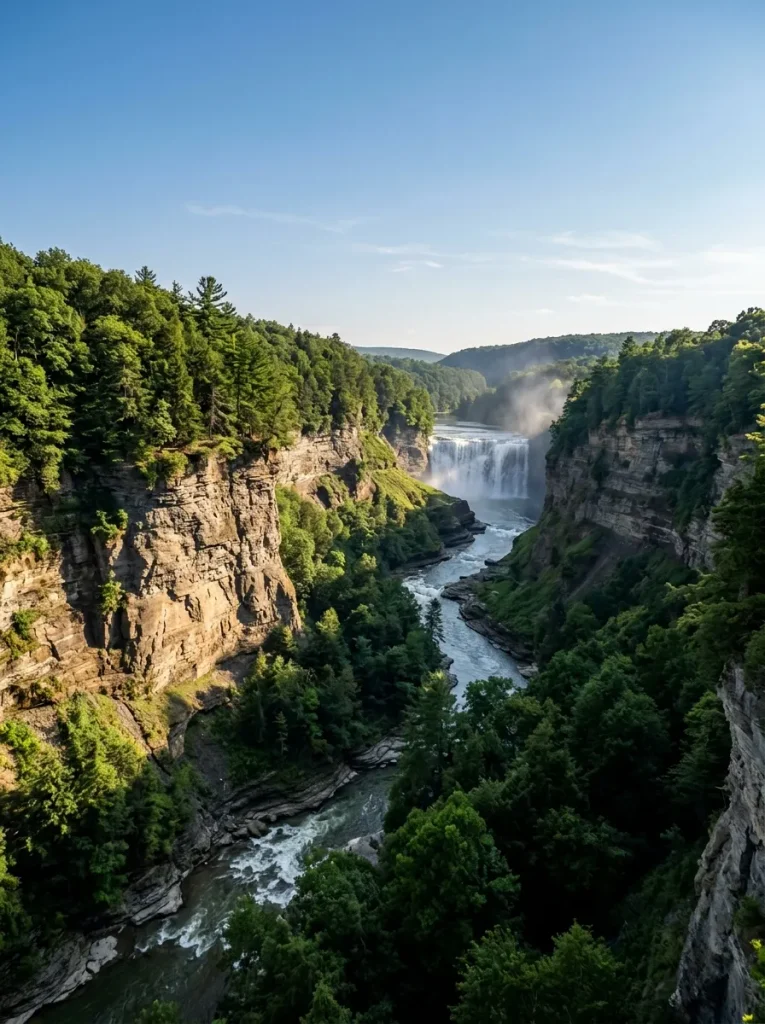
Letchworth State Park is often called the Grand Canyon of the East, but many visitors concentrate on its famous overlooks and major waterfalls. Explore beyond the busiest viewpoints, and you can discover a more peaceful side of this impressive landscape.
The Genesee River cuts through a deep gorge surrounded by forested cliffs. Three major waterfalls, scenic overlooks, and miles of trails make the park an excellent destination for a full day outdoors.
Instead of rushing between the most popular photo stops, spend time exploring less crowded sections of the park’s trail network and scenic picnic areas. The atmosphere changes with the seasons, from fresh spring greenery to spectacular autumn colors.
What to do: Walk a trail that suits your fitness level, look for viewpoints along the gorge, and leave time to appreciate the river and surrounding forest. The park also offers opportunities for cycling, horseback riding, and seasonal outdoor activities.
Best time to visit: September and October are popular for fall foliage, while late spring and summer offer lush greenery and flowing water.
Travel tip: Check current park alerts before visiting. Some trails and roads can close because of damage or maintenance, and camping availability may be reduced during construction projects in 2026.
3. Chittenango Falls State Park, Cazenovia
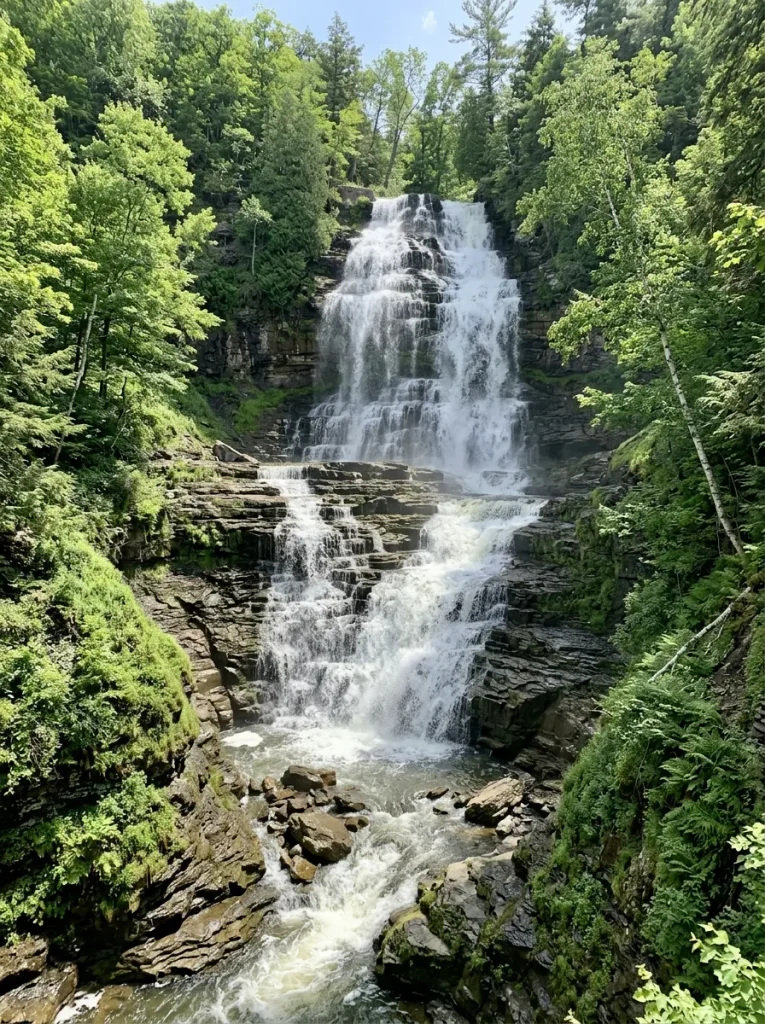
Chittenango Falls is one of Central New York’s most impressive waterfall destinations, yet it can be overlooked by travelers who head straight for the Finger Lakes.
The waterfall drops approximately 167 feet over layers of exposed rock, creating a dramatic scene surrounded by trees and steep terrain. Its height and distinctive geological setting make it an excellent stop for nature lovers and photographers.
The park is relatively compact, so you do not need an entire day to enjoy the main attraction. A short visit can work well as part of a road trip around Cazenovia and the surrounding countryside.
What to do: Visit the designated viewing areas, take photographs of the falls, and explore the park’s permitted walking routes. The changing foliage makes the surrounding landscape especially attractive in autumn.
Best time to visit: Spring often brings strong water flow, while summer offers green woodland and comfortable conditions. Fall provides colorful scenery.
Travel tip: Follow posted trail restrictions and stay away from the waterfall’s edge. Wet rocks can be dangerous, and access to particular viewpoints may vary with conditions.
4. Taughannock Falls State Park, Near Ithaca
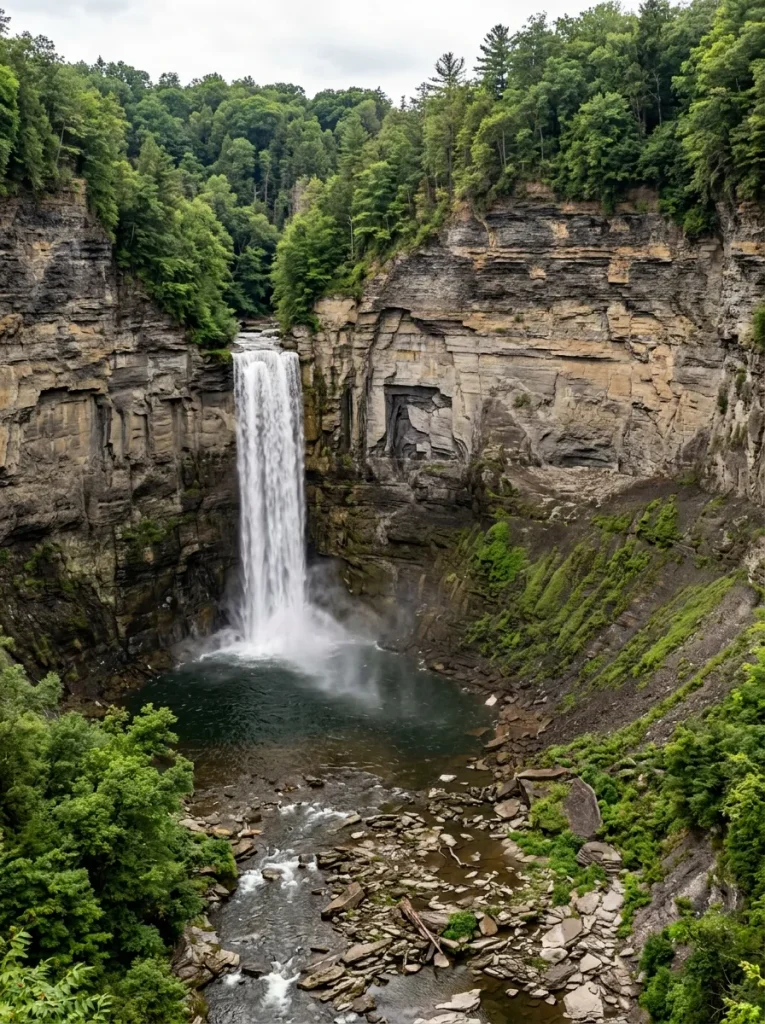
Taughannock Falls may not be completely unknown, but it remains an excellent alternative for travelers who want dramatic scenery without spending their entire trip at the region’s busiest attractions.
The main waterfall plunges approximately 215 feet, making it taller than Niagara Falls. It drops into a steep-sided gorge carved through rock over thousands of years.
The park offers several ways to experience the landscape. Visitors can view the waterfall from an accessible overlook or explore designated trails when they are open.
The surrounding Finger Lakes countryside adds to the appeal. You can combine the falls with a scenic drive, a visit to a nearby small town, or a relaxing afternoon beside Cayuga Lake.
What to do: Start at the main overlook, then consider a gorge walk if the trail is open and conditions are suitable. Bring a camera and allow time to appreciate the scale of the cliffs.
Best time to visit: Spring and early summer can offer impressive water flow, while autumn brings colorful foliage.
Travel tip: Check trail conditions before planning a gorge hike. Water levels, weather, and seasonal maintenance can affect access.
5. Kaaterskill Falls, Catskill Mountains
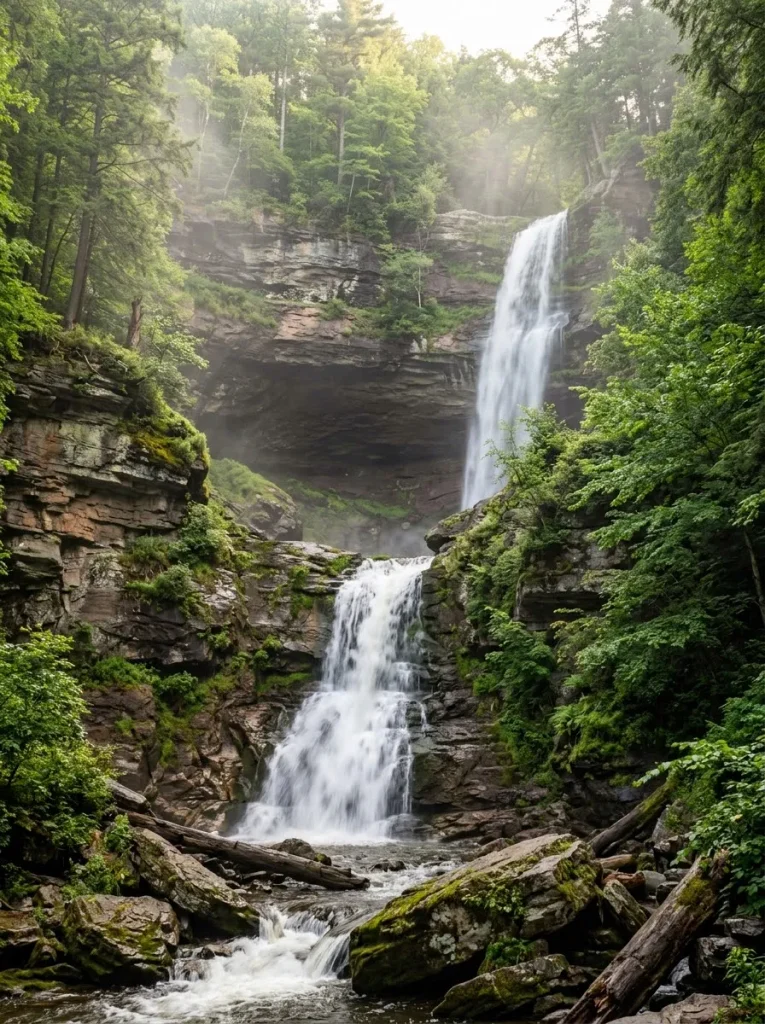
Kaaterskill Falls is a spectacular two-tier waterfall in the Catskill Mountains. Surrounded by forest and rocky cliffs, it has inspired artists and travelers for generations.
Although the falls are becoming better known, they still feel like a rewarding discovery for visitors who explore the surrounding mountain landscape. The waterfall’s total drop is approximately 260 feet, making it one of New York’s tallest waterfalls.
The experience depends heavily on the weather and the route you choose. Trails can become muddy after rain, and icy conditions can make the area hazardous in winter.
What to do: Visit designated viewpoints, explore permitted trails, and take time to enjoy the forest surrounding the waterfall. Nearby Catskill communities also make good stops for food and accommodation.
Best time to visit: Late spring and early summer often provide strong water flow. Autumn is beautiful, although the area can be busy during peak foliage weekends.
Travel tip: Stay on marked trails and respect barriers. Do not climb around the waterfall or approach steep edges for photographs. Use official parking areas rather than stopping along narrow roads.
6. Chittenango Landing Canal Boat Museum, Chittenango
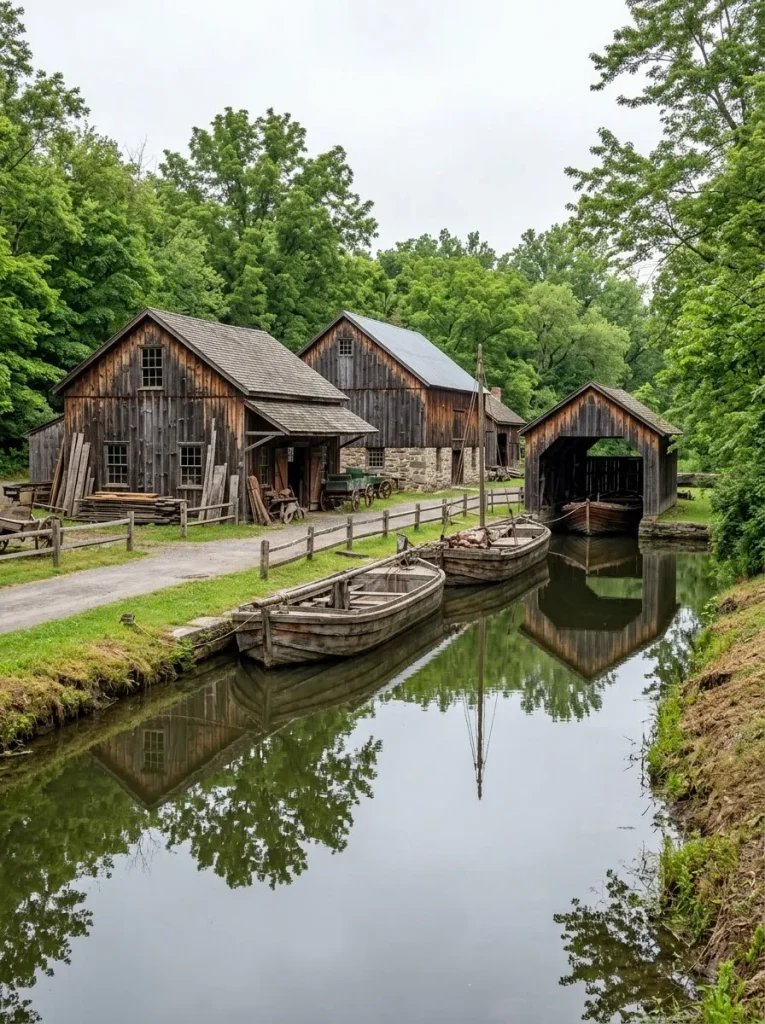
For something different from waterfalls and hiking trails, visit Chittenango Landing Canal Boat Museum. This historic site explores the engineering, craftsmanship, and everyday life connected with New York’s canal era.
The Erie Canal helped transform transportation and commerce across the state. Canal boats carried goods and passengers, while boatyards, workshops, and supporting businesses grew around the waterways.
At Chittenango Landing, visitors can learn about boat construction and the people who worked in this once-important industry. It is a useful stop for history enthusiasts and families looking for an educational activity outside the usual outdoor attractions.
What to do: Explore the historic site and its exhibits when open, learn how canal boats were built, and look for information about the region’s transportation history.
Best time to visit: Warmer months are generally best for planning a visit, but check the site’s current opening schedule before traveling.
Travel tip: Allow extra time if you are combining the museum with Chittenango Falls or other nearby attractions. Small historic sites may have limited operating hours or seasonal programming.
7. Sackets Harbor, Lake Ontario
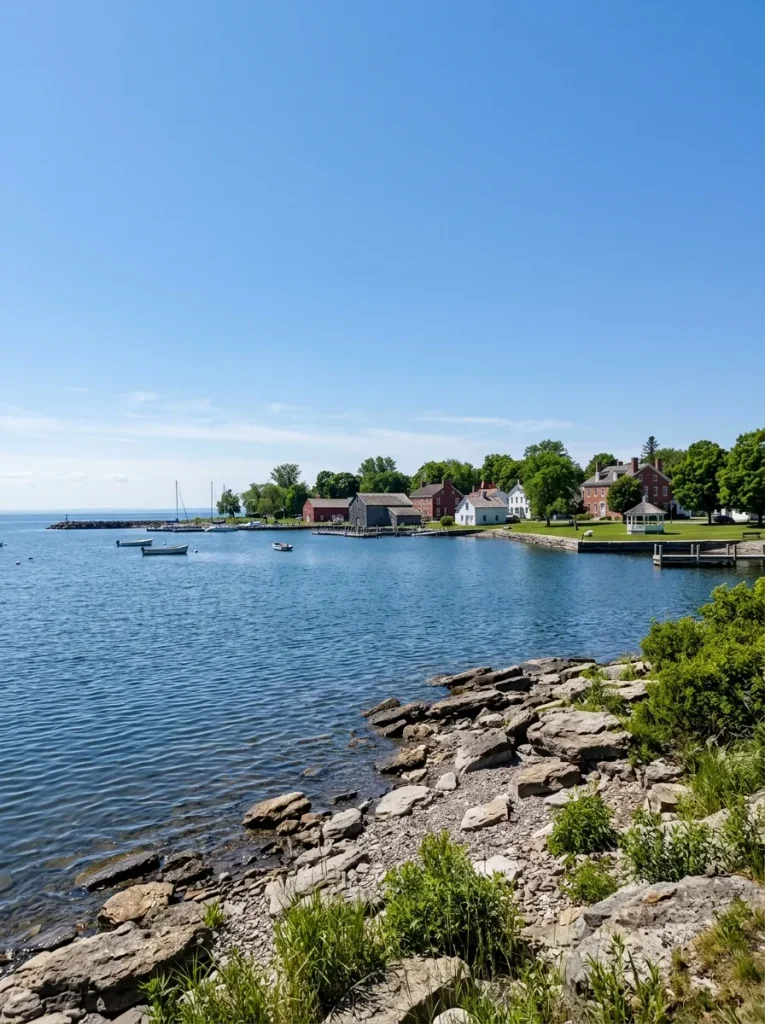
Sackets Harbor is a small waterfront community with a fascinating history and attractive views across Lake Ontario. Located in northern New York, it is a worthwhile detour for travelers exploring the Thousand Islands region.
The village played an important role during the War of 1812, when the United States and Britain fought for control of strategic locations around the Great Lakes. Today, historic sites help visitors understand the area’s military and maritime past.
Beyond the history, Sackets Harbor offers a relaxed lakeside atmosphere. Its waterfront is a pleasant place for a walk, and the surrounding region provides opportunities for boating, fishing, and scenic drives.
What to do: Explore the battlefield historic site, walk through the village, and spend time near the water. Seasonal events can add extra interest to a visit.
Best time to visit: Late spring through early autumn offers comfortable conditions for outdoor exploration.
Travel tip: Lake Ontario weather can change quickly, and the shoreline can be windy even on sunny days. Bring a light jacket if you plan to spend time by the water.
8. Chimney Bluffs State Park, Wolcott
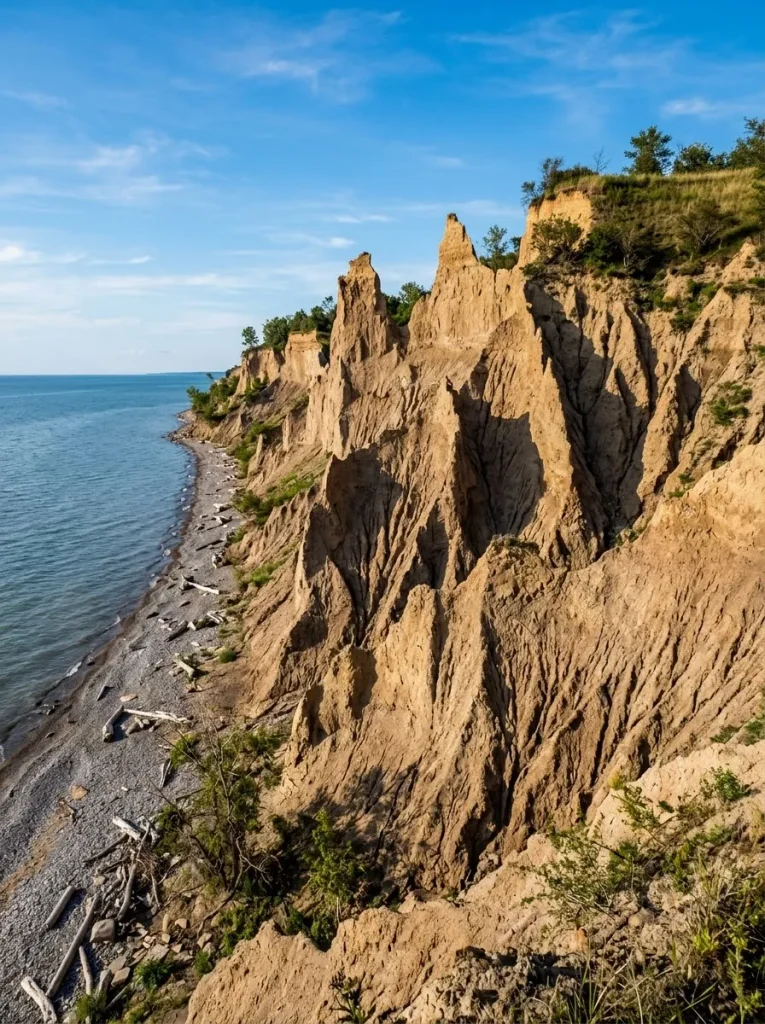
Chimney Bluffs State Park looks almost otherworldly. Along the southern shore of Lake Ontario, wind and water have sculpted tall, jagged clay formations that rise above the shoreline.
The formations resemble irregular towers and spires, creating a landscape that feels different from the region’s familiar forests and rolling farmland. It is an excellent destination for photographers and anyone who enjoys unusual geological scenery.
Walking trails pass through wooded areas and lead toward viewpoints overlooking the bluffs and lake. The colors and shapes change with the light, making early morning and late afternoon especially appealing for photography.
What to do: Follow the marked trails to the designated viewpoints, enjoy the lake views, and look for interesting patterns in the eroded formations.
Best time to visit: Late spring through autumn is generally best for hiking. Autumn combines colorful foliage with dramatic shoreline scenery.
Travel tip: The bluffs are unstable and vulnerable to erosion. Stay behind barriers and away from the edges, even when the view looks tempting. Never climb the formations or walk directly beneath unstable sections.
9. Secret Caverns, Howes Cave
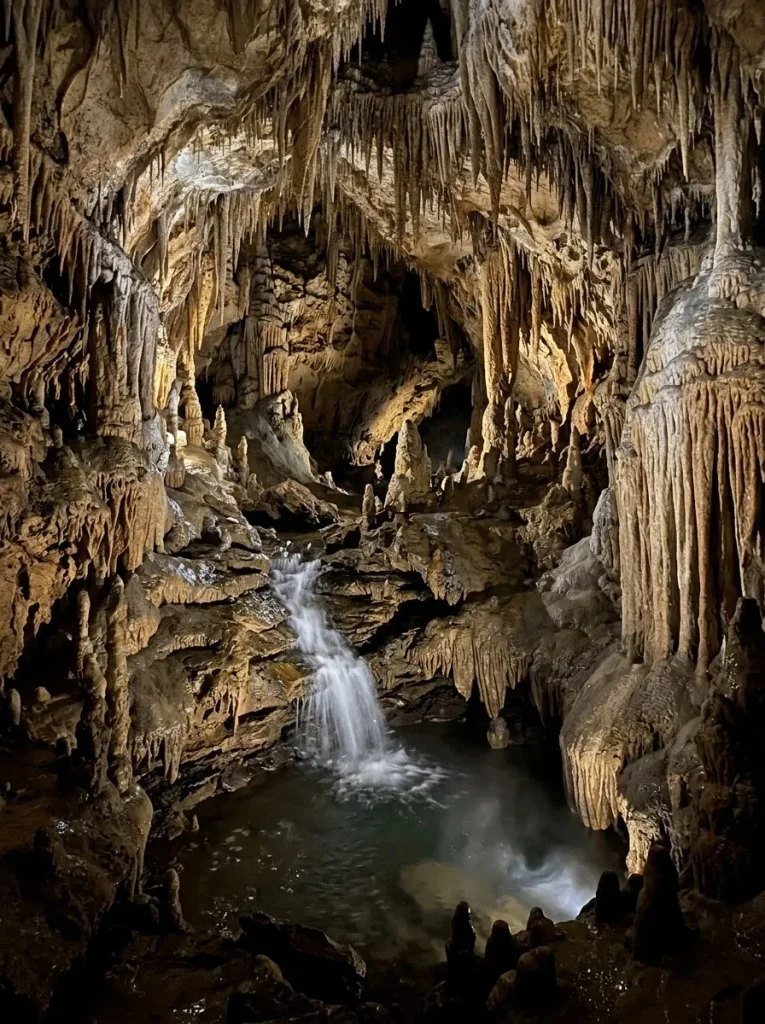
Secret Caverns offers a different kind of adventure beneath the surface of Upstate New York. Located near Howes Cave, this privately operated attraction is known for its underground formations and a waterfall inside the cavern.
The experience provides a glimpse into the region’s limestone geology. As water moves through cracks in the rock over long periods, it gradually creates underground passages and distinctive formations.
Unlike a typical scenic overlook, a cavern visit combines natural history with an unusual setting. It can be a fun addition to a road trip through the Schoharie Valley.
What to do: Join an available cave tour, learn about the cavern’s geology, and enjoy the unusual underground scenery.
Best time to visit: A cavern can be a good option during warmer months or on a rainy day, although opening schedules vary.
Travel tip: Cave interiors can be cool, damp, and slippery. Wear sturdy footwear and check accessibility, age restrictions, tour schedules, and current operating conditions before visiting.
10. Howe Caverns’ Surrounding Schoharie Valley
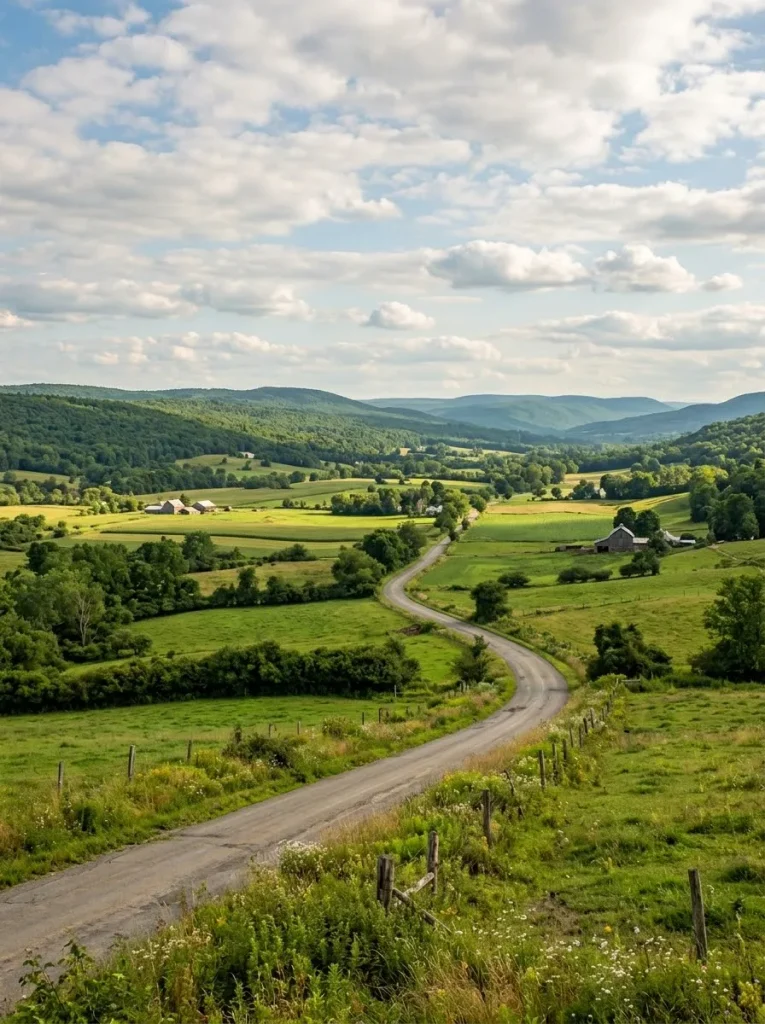
Howe Caverns is more established than a true hidden gem, but many visitors leave immediately after the underground tour and miss the surrounding Schoharie Valley.
The valley offers a quieter side of Upstate New York, with farmland, wooded hills, historic communities, and scenic country roads. It is a good region for travelers who prefer a flexible road trip over a tightly packed sightseeing schedule.
You can combine a cave tour with a drive through nearby villages, a stop at a local farm stand when open, or a visit to another historic attraction.
What to do: Explore Howe Caverns if you have not visited before, then leave time for the surrounding countryside. Look for local museums, small-town shops, and seasonal agricultural events.
Best time to visit: Summer and autumn are particularly pleasant for exploring the valley, while harvest season can bring farm stands and local produce.
Travel tip: Rural businesses may operate on limited schedules, particularly outside peak travel months. Check opening times rather than assuming every stop will be open when you arrive.
11. Ausable Chasm, Near Keeseville
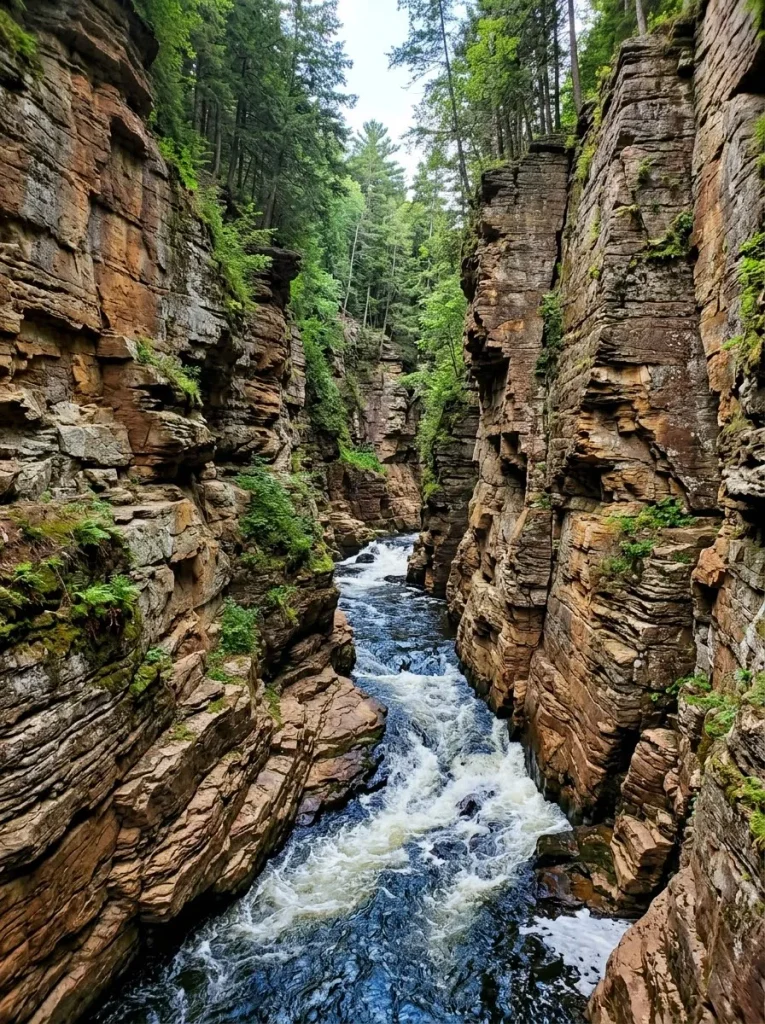
Ausable Chasm is a dramatic sandstone gorge in northeastern New York. Carved by the Ausable River, the chasm features steep walls, flowing water, and narrow passages that reveal the power of erosion over time.
The landscape is sometimes described as the Grand Canyon of the Adirondacks. Although it is a developed visitor attraction, it offers a different experience from the region’s mountain summits and lakes.
Depending on the season and available activities, visitors may explore designated walking routes or take part in guided experiences. Some activities require advance planning and may not operate year-round.
What to do: Walk along permitted paths, admire the rock formations, and choose an activity that matches your comfort level and budget.
Best time to visit: Late spring through autumn is generally the most convenient period for outdoor activities.
Travel tip: Check the operator’s current schedule, ticket options, and age or height requirements before visiting. Wear footwear suitable for uneven surfaces and follow all safety instructions near the water.
12. Rock Island Lighthouse State Park, St. Lawrence River
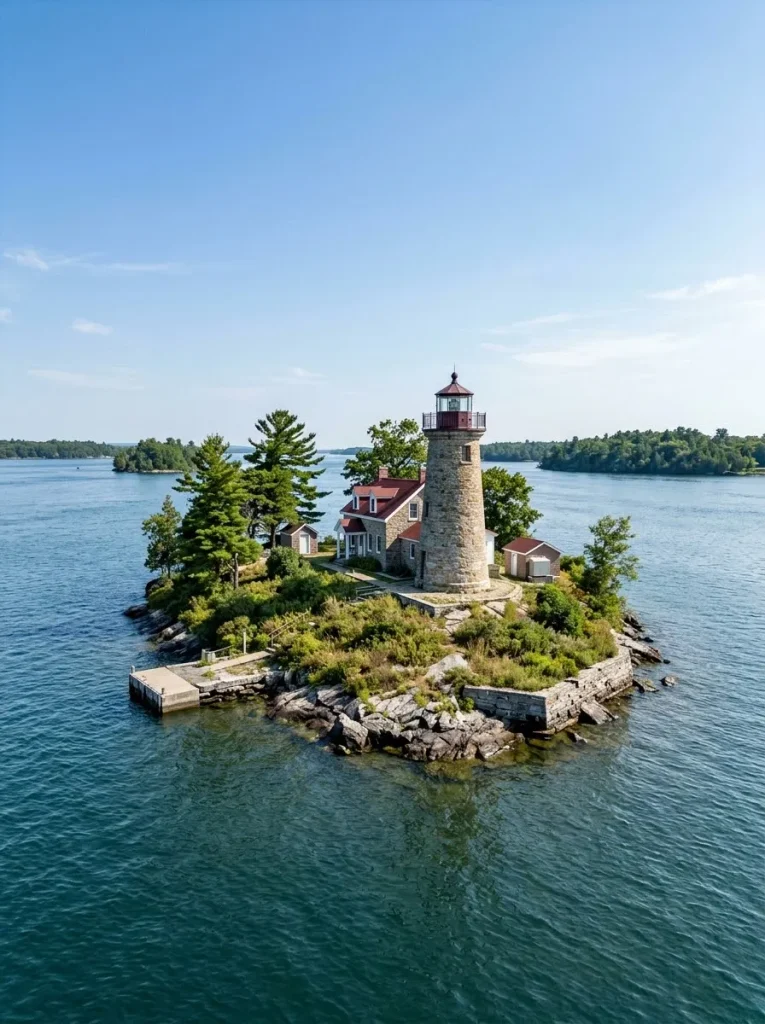
For a hidden gem with a little maritime history, head toward Rock Island Lighthouse State Park in the Thousand Islands region.
Situated on an island in the St. Lawrence River, this destination offers a glimpse into the area’s navigation history and a chance to experience the river from a different perspective. The surrounding water, rocky shoreline, and passing boats create a peaceful setting for a summer outing.
Getting there requires planning because access depends on boat transportation and seasonal operating arrangements. It is not the kind of place where you can simply pull into a roadside parking lot.
What to do: Explore the island when access is available, learn about its lighthouse history, and enjoy the surrounding river scenery. You can also build a wider trip around the Thousand Islands’ waterfront communities and other island attractions.
Best time to visit: Summer is generally the most practical season for an island excursion.
Travel tip: Confirm boat access, landing arrangements, opening hours, and any admission requirements before setting out. Weather and river conditions can affect transportation.
13. Split Rock Falls, Elizabethtown
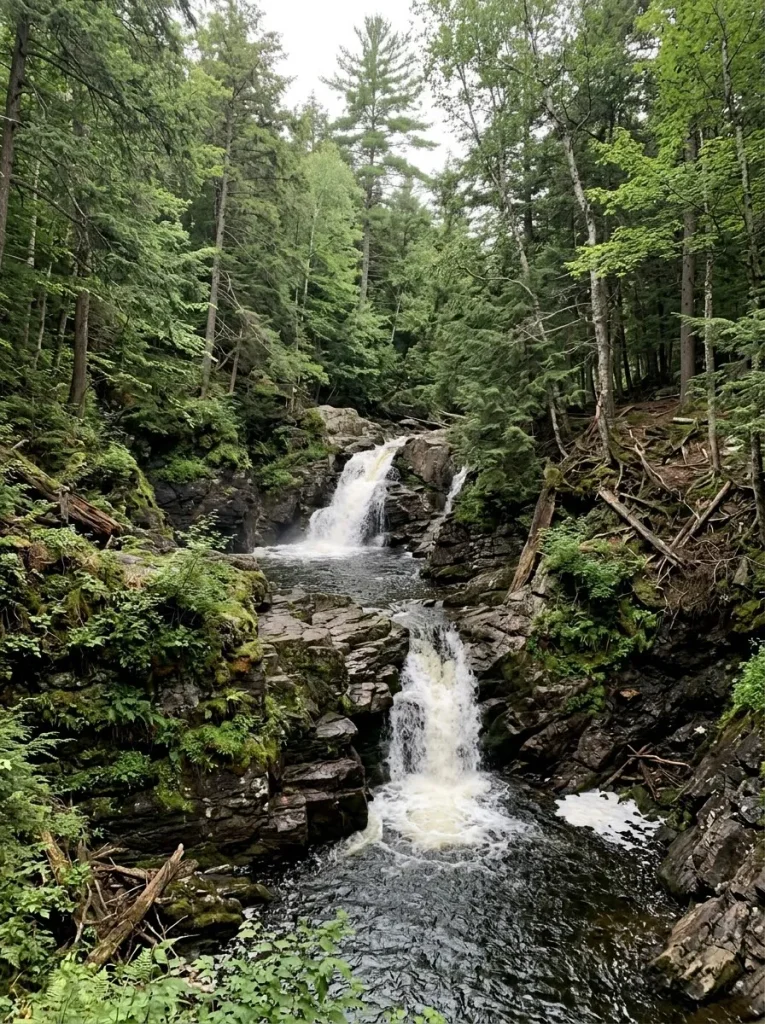
The Adirondacks are known for their mountains and lakes, but some of their most appealing discoveries are smaller waterfalls hidden along forested roads. Split Rock Falls, near Elizabethtown, is one such destination.
The cascade tumbles over rocky ledges into pools surrounded by woodland. Its rugged setting makes it attractive to photographers and visitors who enjoy discovering natural features away from large tourist centers.
However, the area is not a manicured swimming destination. Water can move quickly over slippery rock, and conditions may change following heavy rain or snowmelt.
What to do: Enjoy the waterfall from safe, permitted viewing areas, take photographs, and explore the wider Adirondack region if you have additional time.
Best time to visit: Late spring and early summer can bring strong water flow, while autumn adds color to the surrounding forest.
Travel tip: Avoid climbing on wet rocks or entering fast-moving water. Check parking and access conditions before visiting, and do not block narrow roads or private entrances.
14. Olana State Historic Site, Hudson
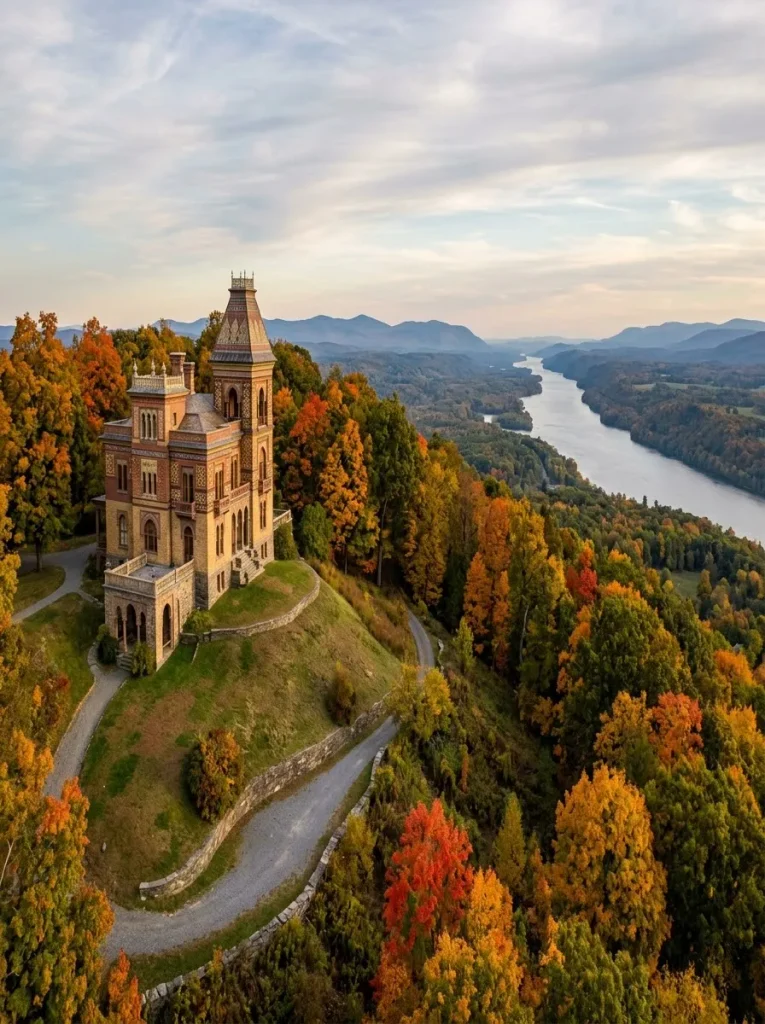
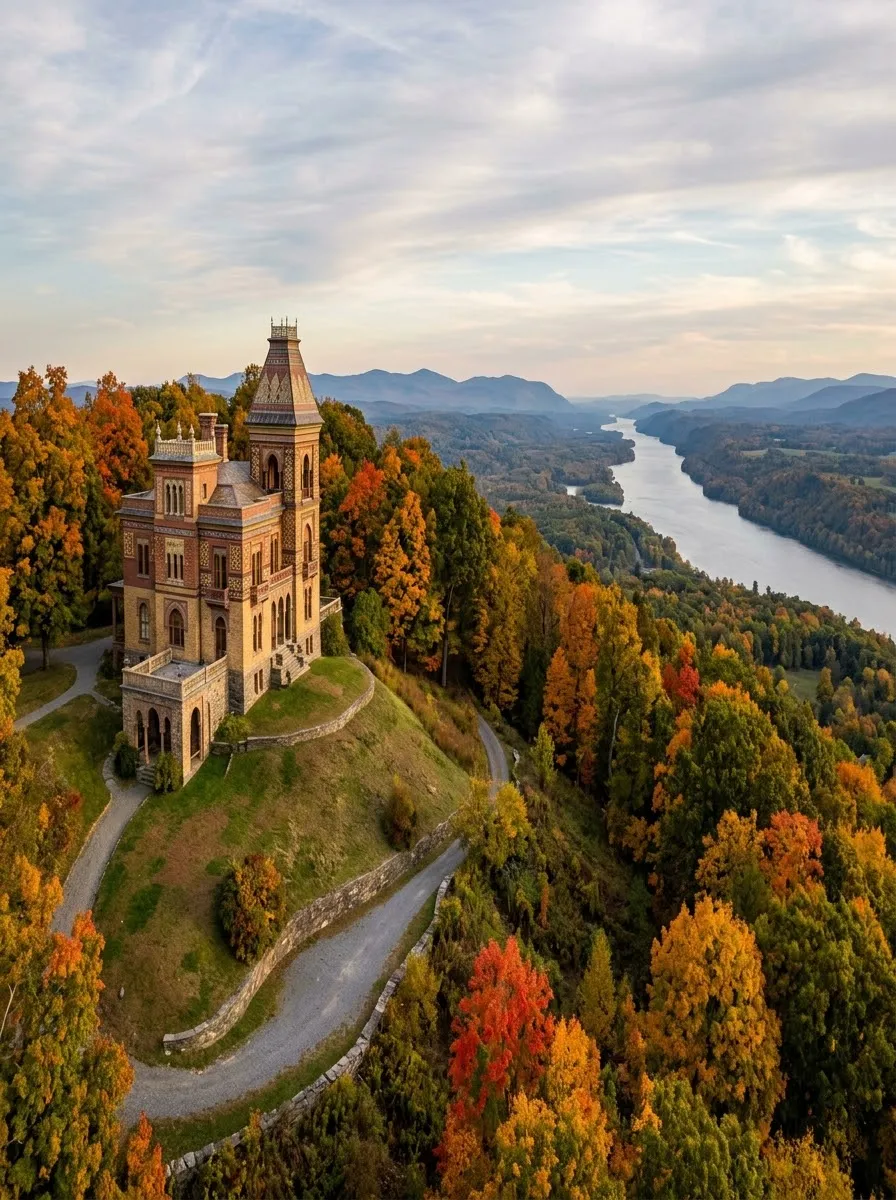
Olana is a beautiful destination for travelers who appreciate architecture, landscape design, and history. Located on a hill overlooking the Hudson River Valley, the historic estate was the home of artist Frederic Edwin Church, one of the leading figures of the Hudson River School of landscape painting.
The property combines an architecturally distinctive house with carefully designed grounds and expansive views across the surrounding countryside. Church shaped the landscape to create a series of changing viewpoints, making the setting part of the artistic experience.
You do not need to be an art historian to appreciate the site. The architecture, open landscape, and river views make it a worthwhile stop on a Hudson Valley getaway.
What to do: Explore the grounds, enjoy the panoramic views, and take a guided house tour if available. The wider Hudson area also has historic streets, independent shops, and scenic drives.
Best time to visit: Spring through autumn offers attractive grounds and comfortable walking conditions. Fall foliage can make the views particularly memorable.
Travel tip: House tours and other programs may require reservations and operate on seasonal schedules. Check current visitor information before your trip.
15. The Lost Villages and Quiet Waterfronts of the Finger Lakes
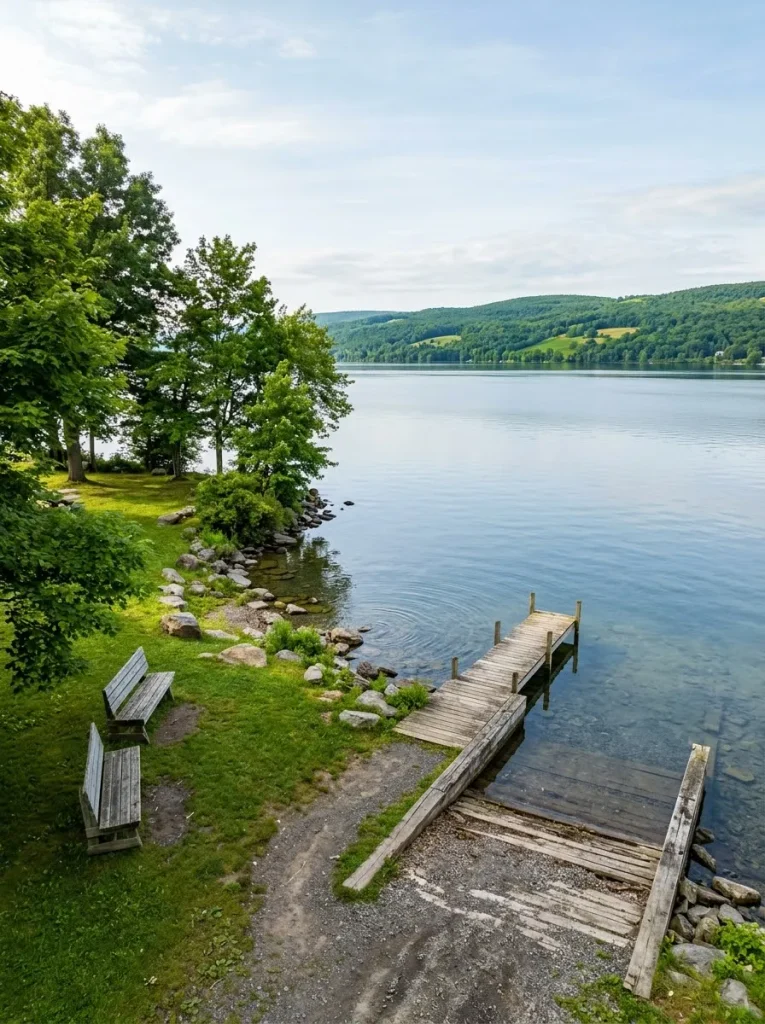
The Finger Lakes region is famous for its long lakes, waterfalls, rolling hills, and charming communities. Yet some of its most rewarding experiences come from exploring the quieter waterfronts and small settlements beyond the main tourist centers.
Rather than rushing between major attractions, choose a less-traveled stretch of shoreline and explore the nearby countryside. You might find a small public park, a peaceful boat launch, a historic building, or a village main street with locally owned businesses.
This is not a single attraction with a ticket booth. It is a way to experience the region more slowly, leaving room for discoveries that are not always highlighted in guidebooks.
What to do: Pick a lake, explore its surrounding communities, visit local museums or historic sites, and look for designated public access points along the water.
Best time to visit: Late spring through autumn offers the broadest range of outdoor activities. Autumn is especially appealing for colorful hillsides and scenic drives.
Travel tip: Respect private property and shoreline access rules. Not every attractive waterfront is public, so use designated parks, trails, and boat launches.
How to Plan a Hidden-Gem Road Trip Through Upstate New York
Upstate New York covers a large area, so visiting all 15 destinations in one trip would involve a lot of driving. A better strategy is to group places by region and build an itinerary around a manageable cluster.
Choose One Region at a Time
The following regional groupings can help you plan a more efficient trip.
| Region | Places to consider | Ideal trip length |
| Western New York | Eternal Flame Falls, Letchworth State Park | 1 to 2 days |
| Central New York and the Finger Lakes | Chittenango Falls, Taughannock Falls, Chittenango Landing | 2 to 3 days |
| Catskills and Hudson Valley | Kaaterskill Falls, Olana | 2 to 3 days |
| Lake Ontario shoreline | Chimney Bluffs, Sackets Harbor | 2 days |
| Adirondacks and Lake Champlain area | Split Rock Falls, Ausable Chasm | 2 to 3 days |
| Thousand Islands | Rock Island Lighthouse State Park and nearby waterfront communities | 2 to 3 days |
| Schoharie Valley | Secret Caverns, Howe Caverns and surrounding communities | 1 to 2 days |
These are suggested planning windows rather than fixed itineraries. Your actual driving time will depend on where you stay, traffic, weather, and how long you spend at each stop.
Sample Three-Day Finger Lakes and Central New York Itinerary
If you want a manageable introduction to Upstate New York’s waterfalls and historic sites, consider this three-day plan.
Day 1: Chittenango and Cazenovia
Begin with Chittenango Falls State Park, allowing time to enjoy the waterfall and surrounding landscape. Continue to Chittenango Landing Canal Boat Museum if it is open, then explore Cazenovia or another nearby community.
Day 2: Ithaca and Taughannock Falls
Spend the day around Taughannock Falls and the Cayuga Lake area. Start with the main waterfall overlook, then explore suitable open trails or visit nearby communities.
Leave time for a scenic drive rather than trying to fit too many stops into the day.
Day 3: Explore a Quieter Corner
Use the final day for a slower experience. Choose a small town, historic site, or less crowded lakeside park that fits your route. Check seasonal opening hours before committing to a specific attraction.
This itinerary works best when you have a car and are willing to adjust plans based on weather and access conditions.
Best Time to Discover Hidden Gems in Upstate New York
There is no single best season for every destination. Waterfalls, mountain trails, lakeside communities, and historic sites each have their own ideal visiting periods.
Spring
Spring brings fresh greenery and strong water flow at many waterfalls. It can be a rewarding season for photographers, but trails may be muddy, and some attractions may not yet be operating on their full summer schedules.
If you are visiting a gorge or waterfall, check for seasonal trail closures and restrictions before setting out.
Summer
Summer is the easiest season for a road trip that includes outdoor activities, island excursions, and longer days of sightseeing.
It is also a popular period for camping and waterfront destinations. Reserve accommodation in advance if you plan to visit during weekends or holiday periods.
Autumn
Fall is one of the most attractive times to explore Upstate New York. Forested hills turn shades of red, orange, and gold, making even an ordinary country drive feel special.
The Catskills, Adirondacks, Finger Lakes, and Hudson Valley are especially appealing during foliage season. However, popular waterfalls and scenic overlooks can become busy on peak weekends.
Winter
Winter brings snow-covered landscapes, quiet villages, and opportunities for snowshoeing or other cold-weather activities where permitted.
Not every destination is suitable for winter travel. Seasonal facilities may be closed, paths can become icy, and remote roads may be difficult to navigate. Check local conditions and avoid exposed waterfall edges or steep trails when they are frozen.
Where to Stay During Your Upstate New York Adventure
Your accommodation should match the region you plan to explore. Staying in one central location for a trip that covers widely separated destinations can mean spending too much time behind the wheel.
Stay in a Small Town
Smaller towns can provide a relaxed base for exploring nearby attractions. Look for locally owned inns, bed-and-breakfast properties, motels, and vacation rentals.
Choose a town that places you within a reasonable drive of the destinations on your itinerary, rather than selecting accommodation based only on appearance or price.
Choose a Lakeside Stay
If your trip centers on the Finger Lakes or the Thousand Islands, a waterfront stay can make the journey feel like a proper escape. Depending on the season, you may find cabins, cottages, small inns, and vacation rentals.
Waterfront accommodation often books up during summer, so reserve early if you have specific dates in mind.
Consider Camping
Camping is a good option for travelers who want to spend more time outdoors. New York has state parks and other campgrounds offering a range of facilities.
Availability, fees, and opening dates vary. Confirm campground operations and reserve a site where required. Do not assume that every park offers camping or that facilities remain open all year.
Practical Tips for Visiting Upstate New York’s Hidden Gems
A little preparation can make a road trip more comfortable and help you avoid unnecessary detours.
- Rent a car or use your own vehicle. Many small towns, trailheads, waterfalls, and rural attractions are difficult to reach by public transportation.
- Download offline maps. Mobile coverage can be unreliable in rural areas, deep gorges, and mountainous regions.
- Check opening hours. Small museums, historic sites, and privately operated attractions may have limited schedules.
- Bring suitable footwear. Hiking shoes or sturdy walking shoes are useful for muddy paths, rocky terrain, and uneven surfaces.
- Pack layers. Temperatures can differ between lakeshores, valleys, and higher elevations.
- Carry water and snacks. Not every trailhead or scenic stop has a nearby store or restaurant.
- Respect private property. A destination being described as a hidden gem does not mean all surrounding land is open to visitors.
- Follow trail rules. Stay on designated routes and obey closures, barriers, and posted warnings.
- Leave natural areas as you found them. Carry out rubbish, avoid disturbing wildlife, and do not remove plants or rocks.
- Keep your schedule flexible. A waterfall might be closed to visitors, a tour may be canceled, or bad weather may make a different stop the better choice.
Are These Hidden Gems Worth Visiting?
Absolutely. Upstate New York offers far more than its most famous lakes, mountain resorts, and waterfalls. Its smaller attractions reveal a rich mix of natural beauty, local history, and distinctive landscapes.
For outdoor lovers, places such as Eternal Flame Falls, Chimney Bluffs, and Split Rock Falls provide memorable scenery. History enthusiasts can explore Sackets Harbor, Chittenango Landing, and Olana. Travelers who enjoy unusual experiences can descend into a cavern or take a boat to a historic island lighthouse.
The secret to enjoying these destinations is not trying to see everything. Choose a region, allow enough time for the drive, and leave space for an unexpected stop along the way.
Whether you have a long weekend or a full week, these 15 hidden gems can help you see a different side of New York State. Plan thoughtfully, check current access information, and let the quieter roads lead you toward your next memorable adventure.