The Prettiest Places in Torres del Paine National Park, Chile
Some landscapes make you stop talking for a moment. Torres del Paine National Park in Chilean Patagonia is full of them: towering granite peaks, brilliant turquoise lakes, enormous glaciers, rushing waterfalls, and open grasslands where guanacos wander beneath dramatic mountain skies.
Located in southern Chile, this remarkable national park is one of Patagonia’s most celebrated destinations. Its scenery changes constantly as clouds move across the mountains, sunlight catches the water, and the famous granite towers shift from gray to pink in the early morning light.
But the prettiest places in Torres del Paine are not limited to the iconic peaks you see in photographs. Some of the park’s most memorable views appear beside a lake, along a quiet road, at the edge of a glacier, or after a rewarding hike through the mountains.
Whether you are planning a day trip, a multi-day trekking adventure, or a wider journey through Chilean Patagonia, these are the places worth adding to your itinerary.
1. Base Torres: The Park’s Most Iconic View
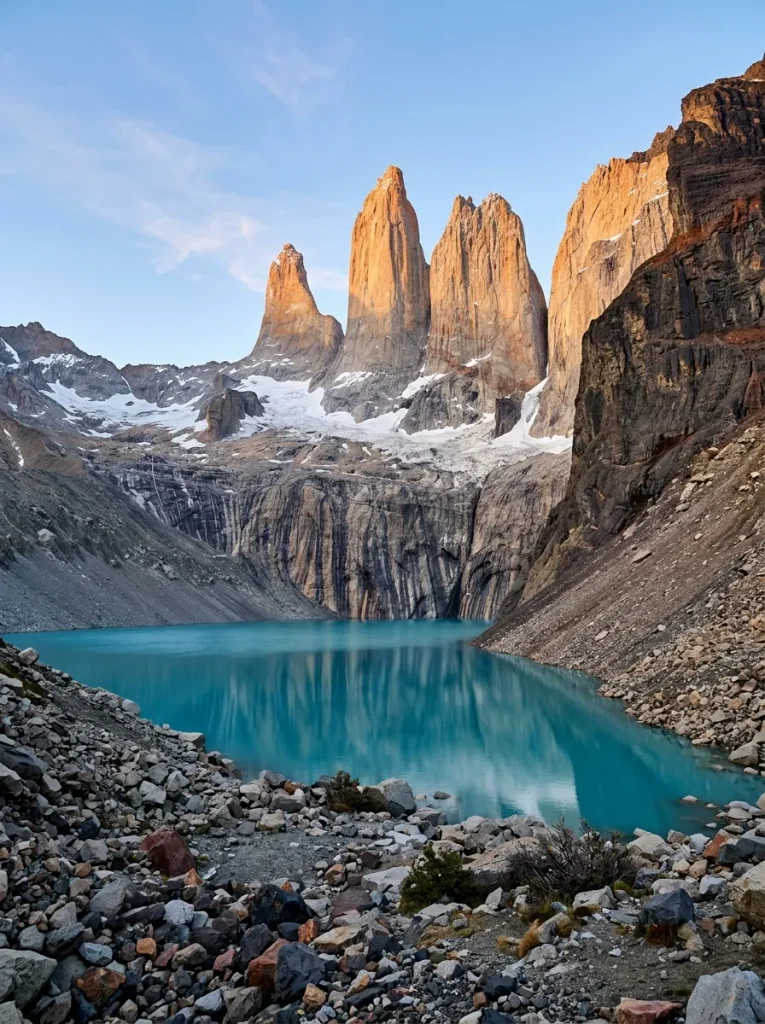
If you have seen a photograph of three enormous granite towers rising above a turquoise lagoon, chances are you have already encountered Base Torres. This is the signature landscape of Torres del Paine National Park and one of the most recognizable views in South America.
The three granite spires rise dramatically above the surrounding mountains, creating a scene that feels almost unreal when the weather is clear. The lagoon below adds another layer of color, while the surrounding rock walls and mountain slopes make the entire landscape feel enormous.
Why it is worth visiting
Base Torres offers the classic Torres del Paine experience: dramatic mountain scenery earned through a demanding hike. The popular route passes through the Ascencio Valley, lenga forests, and steep rocky terrain before reaching the final viewpoint.
The round-trip hike commonly takes around eight hours, although timing varies with fitness, trail conditions, weather, and breaks. The final climb is steep and rocky, so this is not a casual sightseeing walk.
For the most dramatic light, some hikers aim to reach the viewpoint around sunrise, when the first sunlight can turn the granite towers warm shades of red and orange. This requires careful planning, an appropriate start time, and awareness of park rules and trail conditions.
Best for: Hikers, landscape photographers, and travelers who want to see the park’s most famous landmark.
Practical tip: Check the official trail status before setting out. Weather in Patagonia can change quickly, and a hike that looks manageable on a map can become challenging in strong wind, rain, snow, or ice.
2. Lake Pehoé: Turquoise Water and Mountain Reflections
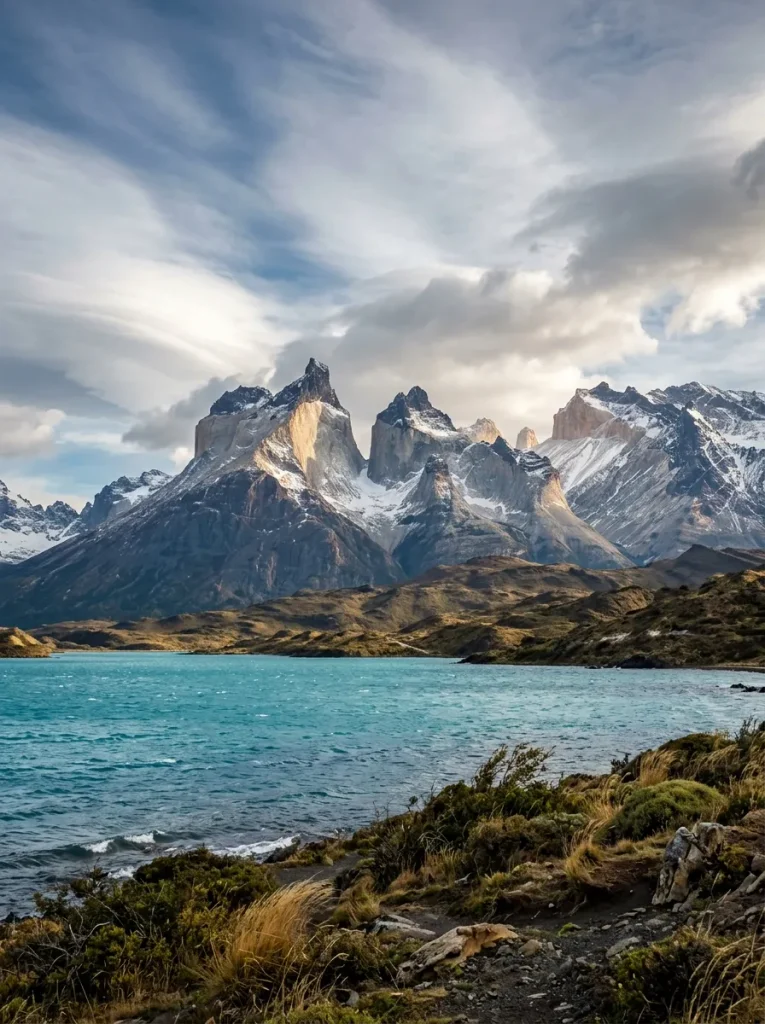
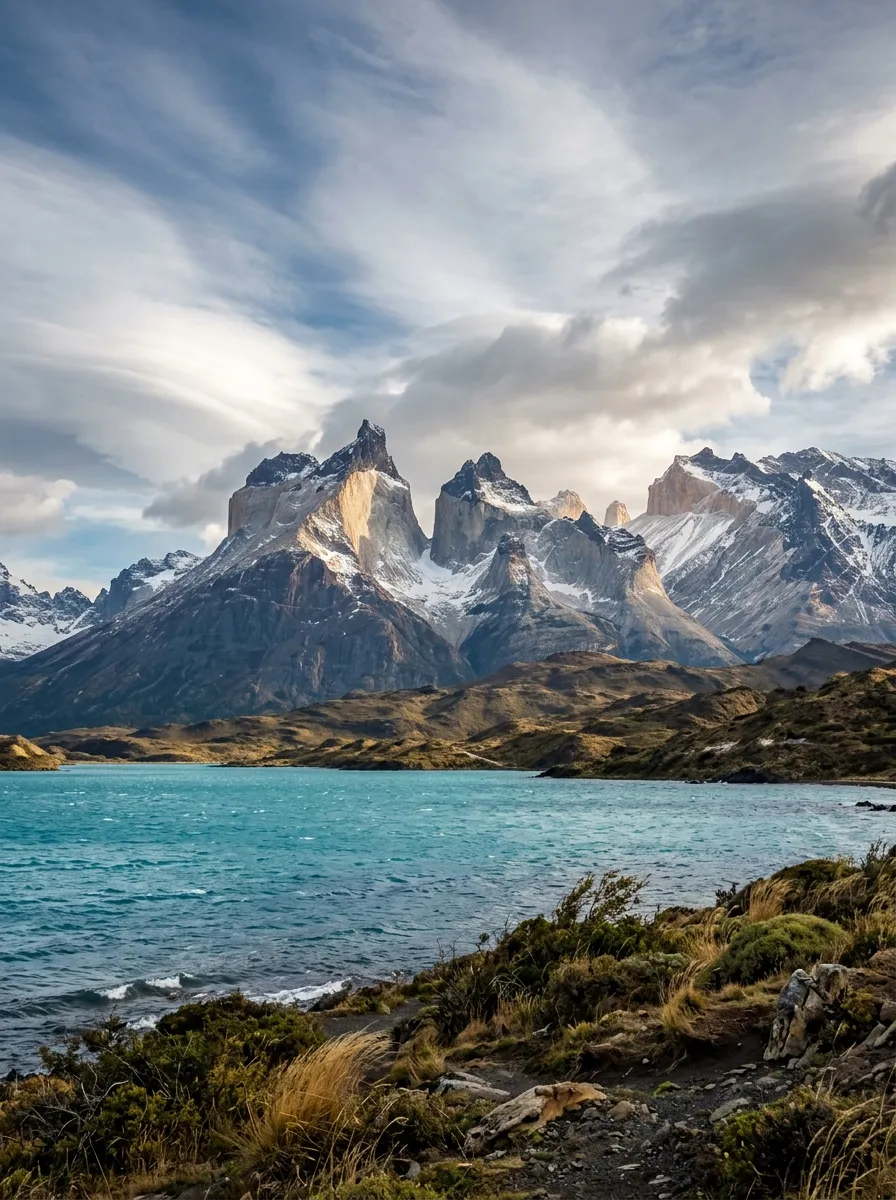
Lake Pehoé is one of the most photogenic places in Torres del Paine. Its striking turquoise water contrasts beautifully with the rugged peaks of the Paine massif, creating the kind of landscape that looks ready for a travel magazine cover.
The lake’s color is a major part of its appeal. Depending on the light and weather, the water can appear vivid blue, milky turquoise, or a deeper shade of green-blue. When the wind settles, reflections of the surrounding mountains make the scene even more beautiful.
What to do at Lake Pehoé
You do not need to complete a long hike to appreciate this landscape. Viewpoints and accessible areas near the lake provide excellent opportunities to stop, take photographs, and enjoy the mountain scenery.
It is also a useful place to pause while exploring the park by vehicle. If you are planning a multi-day visit, consider spending time in this area at different times of day because the changing light can transform the view.
Best for: First-time visitors, photographers, and travelers who want spectacular scenery without a demanding hike.
Practical tip: Do not judge the lake by its appearance on a cloudy day. Conditions can change rapidly, and a short wait may bring a completely different view.
3. Grey Glacier: An Immense River of Ice
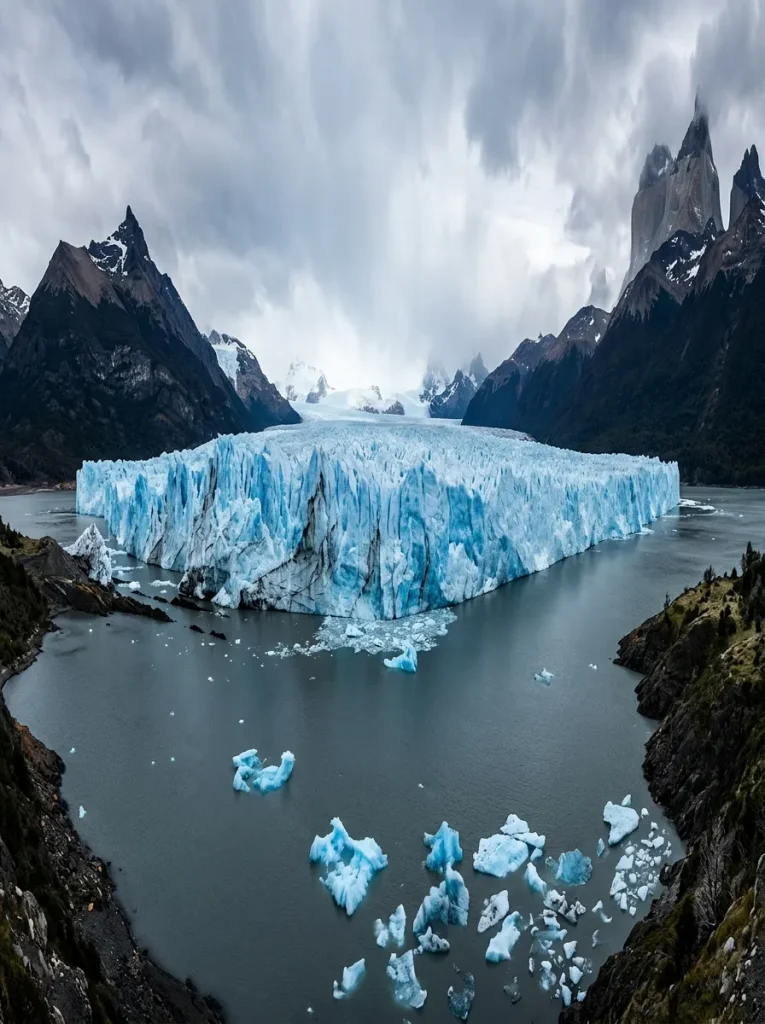
Grey Glacier is one of the park’s most impressive natural wonders. This enormous glacier extends from the Southern Patagonian Ice Field into Grey Lake, where chunks of ice break away and drift across the water.
The glacier’s blue-white ice, deep crevasses, and towering front create a dramatic contrast with the dark mountains around it. Floating icebergs add smaller splashes of blue to the lake, making the landscape look different every time you see it.
How to experience Grey Glacier
There are several ways to appreciate the glacier, depending on your schedule and budget.
- Visit designated viewpoints along the western side of the park.
- Hike to viewpoints overlooking Grey Lake and the glacier.
- Consider a boat excursion when operating and weather conditions allow.
- Book a guided ice experience if you want to explore the glacier itself through an authorized operator.
A boat trip can bring you closer to the glacier’s immense ice face, but tours depend on local conditions and availability. Walking on the glacier requires a specialist guided experience and appropriate equipment.
Best for: Glacier lovers, photographers, and travelers interested in Patagonia’s powerful natural landscapes.
Practical tip: Leave enough time for this area. Reaching Grey Glacier viewpoints or joining a boat excursion can take a substantial part of the day.
4. French Valley: A Dramatic Mountain Amphitheater
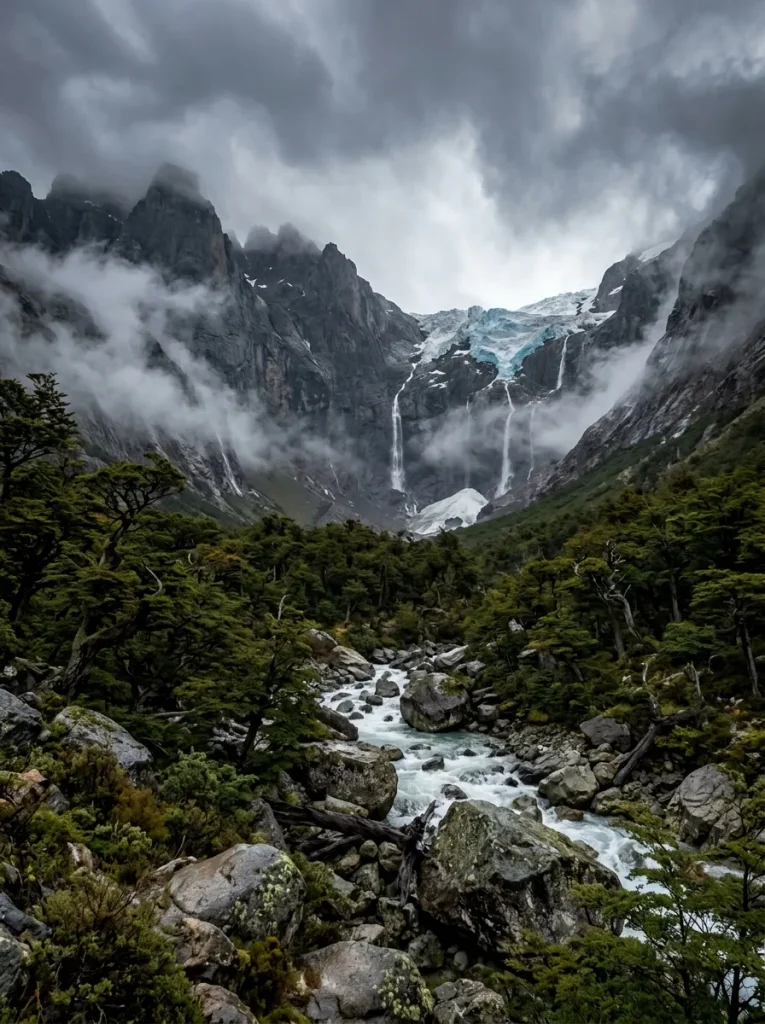
French Valley, or Valle Francés, is one of the most spectacular hiking areas in Torres del Paine. Surrounded by enormous granite walls, jagged peaks, and steep mountain slopes, the valley creates the feeling of standing inside a natural amphitheater.
As you move through the area, the scenery changes from forested trails and open viewpoints to increasingly dramatic views of the surrounding mountains. Depending on conditions, you may see hanging glaciers high on the cliffs, with occasional distant sounds of ice breaking away.
Why hikers love French Valley
The valley offers a different experience from Base Torres. Instead of focusing on a single lagoon and three peaks, the views unfold across a broad mountain landscape.
The hike requires time and preparation, and the distance depends on your starting point and how far you choose to go. The route to higher viewpoints can be strenuous, particularly in strong winds or difficult weather.
Best for: Experienced walkers, multi-day trekkers, and travelers who enjoy dramatic mountain scenery.
Practical tip: If you are planning to hike French Valley as part of the W Trek, reserve enough time for the route and check the latest trail restrictions. Do not assume every section will be open in every season.
5. Salto Grande: A Powerful Waterfall Between Lakes
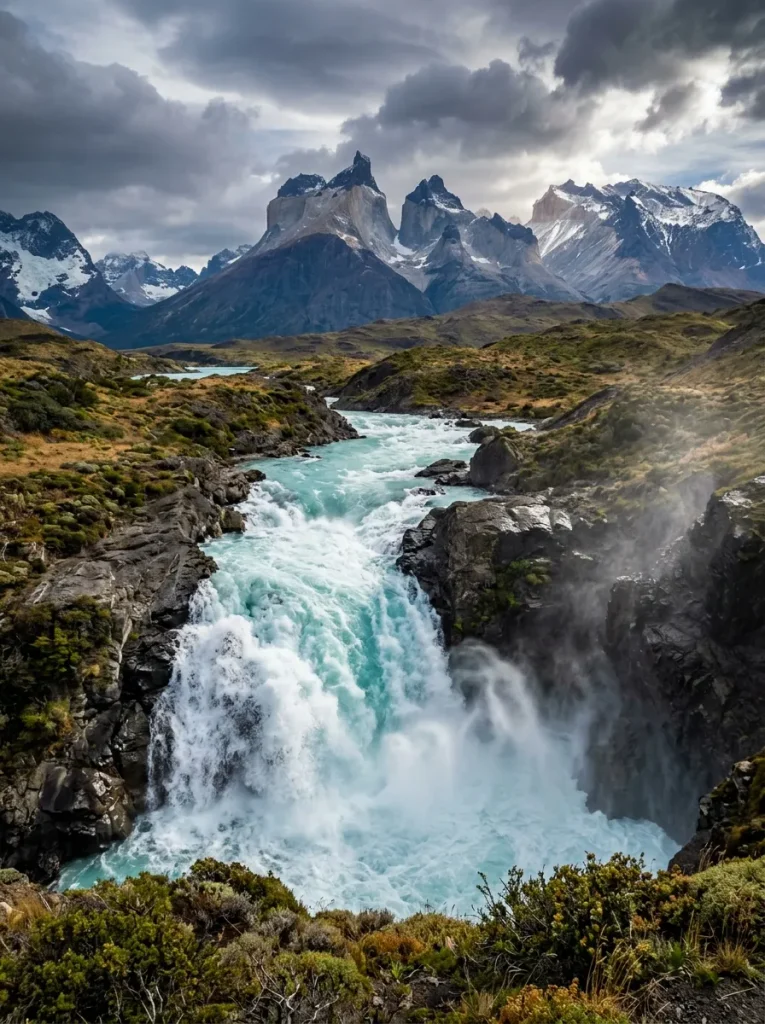
Not every beautiful place in Torres del Paine requires hours of hiking. Salto Grande is a powerful waterfall where water rushes between lakes, creating a striking contrast between white foam, dark rocks, and blue-green water.
The surrounding mountain scenery makes the waterfall especially attractive. On a clear day, you can combine the sound and movement of the water with views toward the Paine massif.
The walk to the designated viewpoint is relatively short compared with the park’s major trekking routes, making Salto Grande a useful stop for visitors who have limited time or prefer easier walks.
Best for: Families, casual walkers, photographers, and travelers exploring the park by car.
Practical tip: Strong winds are common in Patagonia, and exposed areas near the water can feel colder than expected. Wear a wind-resistant layer and stay on the designated path.
6. Mirador Cuernos: A Classic View of the Horns of Paine
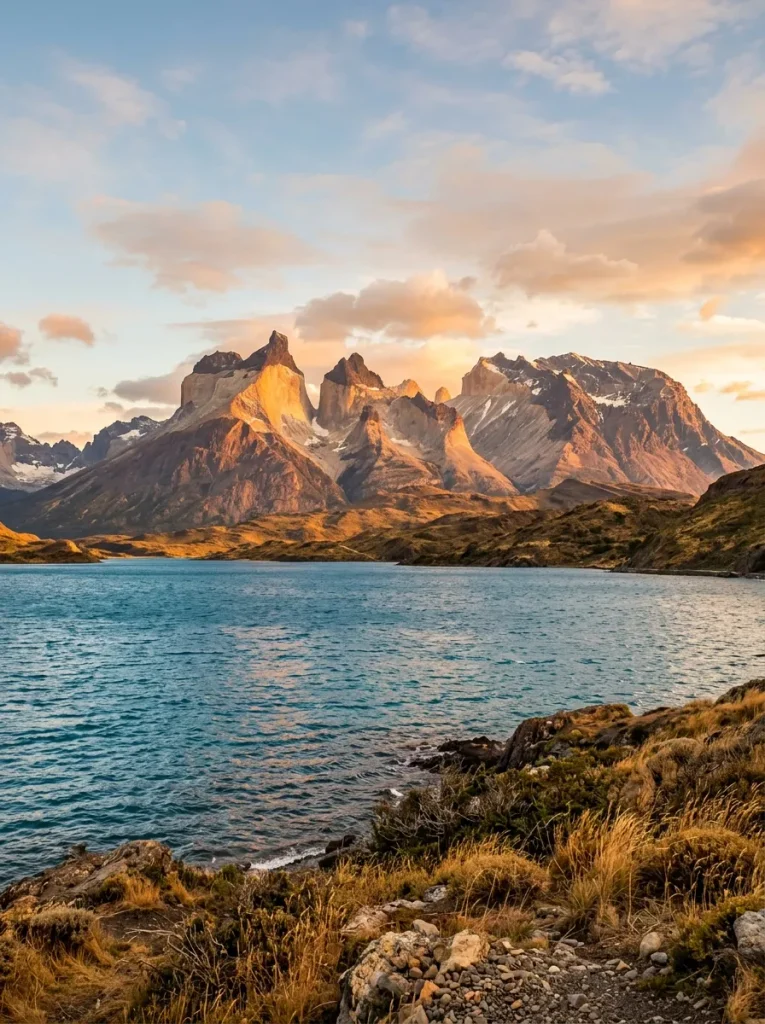
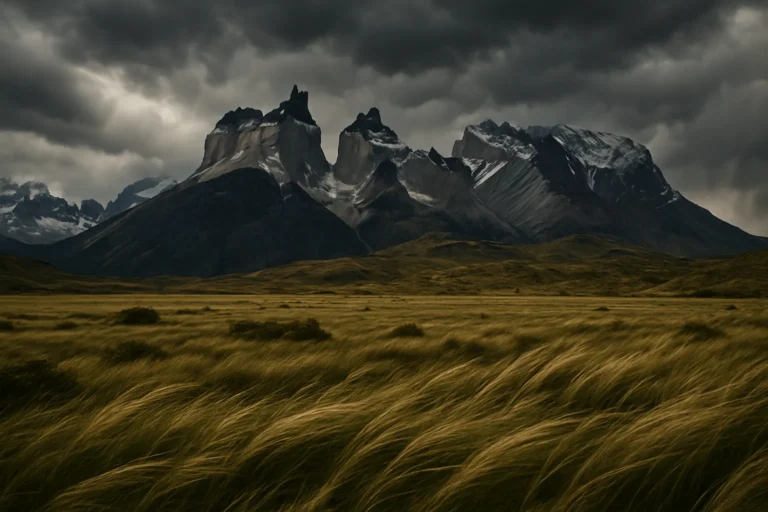
The Cuernos del Paine, often called the Horns of Paine, are among the park’s most distinctive mountain formations. Their dark, rugged upper rock layers contrast with lighter granite beneath, creating the horn-like shapes that gave them their name.
Mirador Cuernos provides a memorable view of these peaks, often with Lake Nordenskjöld in the foreground. The combination of water, mountain walls, and open sky makes this one of the best places to appreciate the park’s dramatic geology.
The viewpoint is particularly attractive when the lake catches the light and the mountain ridges emerge from the clouds. Even when the peaks are partly hidden, the changing weather can create a striking atmosphere.
Best for: Scenic walks, photography, and travelers who want a rewarding viewpoint without tackling the Base Torres hike.
Practical tip: Check the walking distance and current trail conditions before leaving your vehicle or accommodation. Wind and uneven ground can make even a short route more demanding than expected.
7. Lake Nordenskjöld: A Beautiful Blue Lake Beneath the Peaks
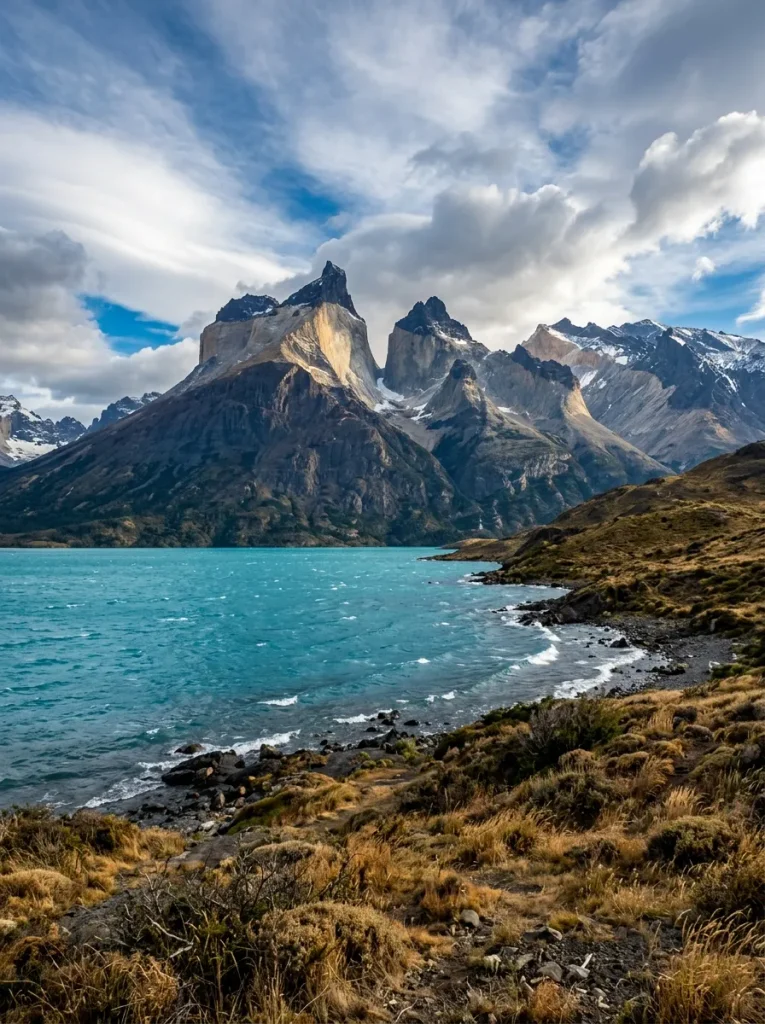
Lake Nordenskjöld stretches beneath some of the park’s most recognizable mountain formations. Its vivid water and rugged shoreline make it one of the prettiest places to stop while exploring Torres del Paine.
The landscape is particularly striking because it combines several elements of Patagonia in one view: a large glacial lake, open grassland, steep mountains, and a sky that seems to change by the minute.
The lake is also a useful visual companion to several hiking routes. From different viewpoints, the mountains appear at different angles, allowing you to appreciate the scale of the Paine massif.
Best for: Scenic drives, landscape photography, and hikers following sections of the W Trek.
Practical tip: Wind can create waves and change the lake’s appearance dramatically. Keep loose items secure and use a camera strap if you are photographing near exposed viewpoints.
8. Mirador Cóndor: Wide-Open Views Across Patagonia
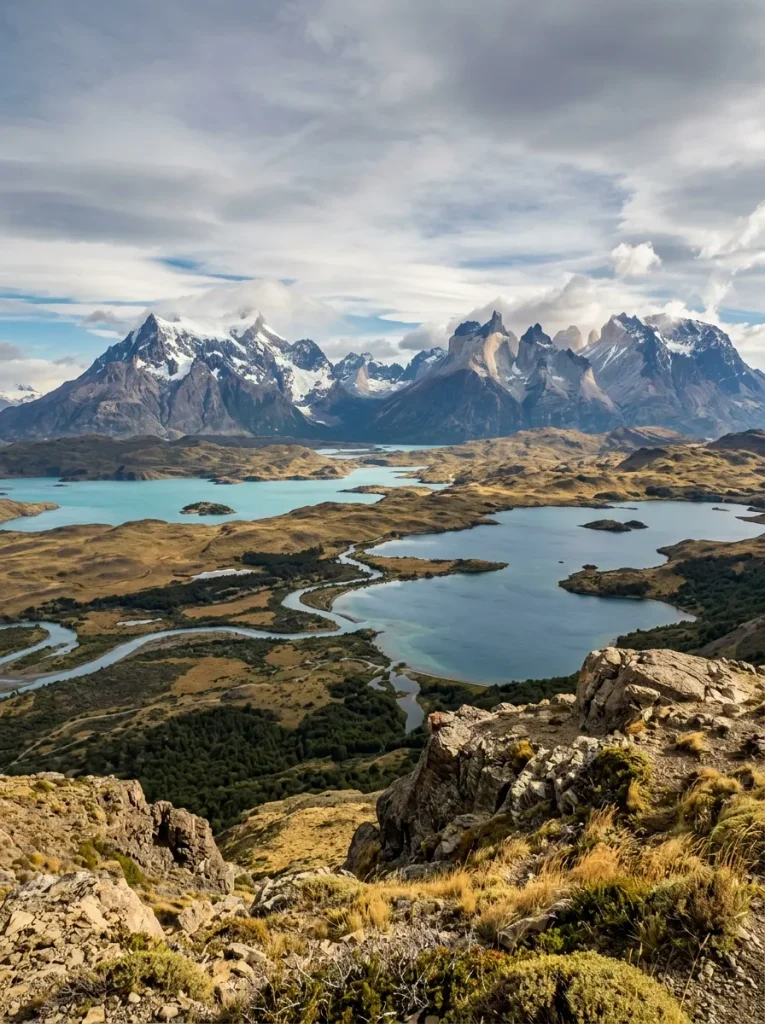
For a broad view of the surrounding landscape, Mirador Cóndor is an excellent place to consider. The viewpoint looks across the lakes, mountains, and open terrain that make Torres del Paine so distinctive.
The route involves a climb, so it requires more effort than simply stopping beside the road. However, the elevated perspective rewards hikers with a wider panorama of the park.
On clear days, the view can reveal several layers of mountain ridges and lakes. If you are lucky, you may also spot condors riding the air currents above the cliffs, although wildlife sightings are never guaranteed.
Best for: Travelers who enjoy shorter uphill hikes and panoramic viewpoints.
Practical tip: Check the trail length, estimated walking time, and wind conditions before setting out. A short distance does not necessarily mean an easy hike in Patagonia.
9. Grey Lake Beach: Icebergs on the Shore
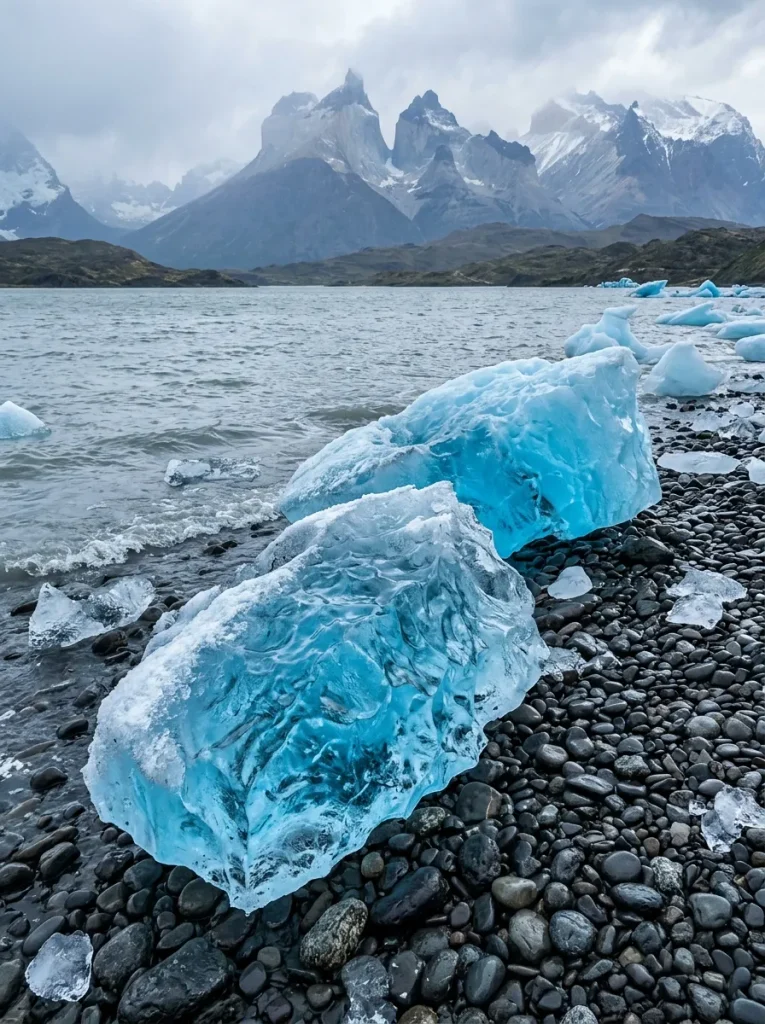
Grey Lake Beach offers one of the park’s most unusual sights: glacial icebergs resting against a rocky or pebbled shoreline.
These pieces of ice break away from Grey Glacier and travel across the lake before reaching the shore. Their shapes and colors vary, ranging from cloudy white to brilliant blue, depending on the ice and the light.
The beach also provides an impressive view across the water toward the distant glacier. It is a good place to appreciate the relationship between the lake, the ice, and the larger Patagonian landscape.
Best for: Photographers, glacier enthusiasts, and travelers who want a memorable stop without a major mountain hike.
Practical tip: Keep a safe distance from the water and ice. Do not climb on icebergs or assume that pieces resting on the shore are stable.
10. Laguna Amarga: A Striking Entrance to the Park
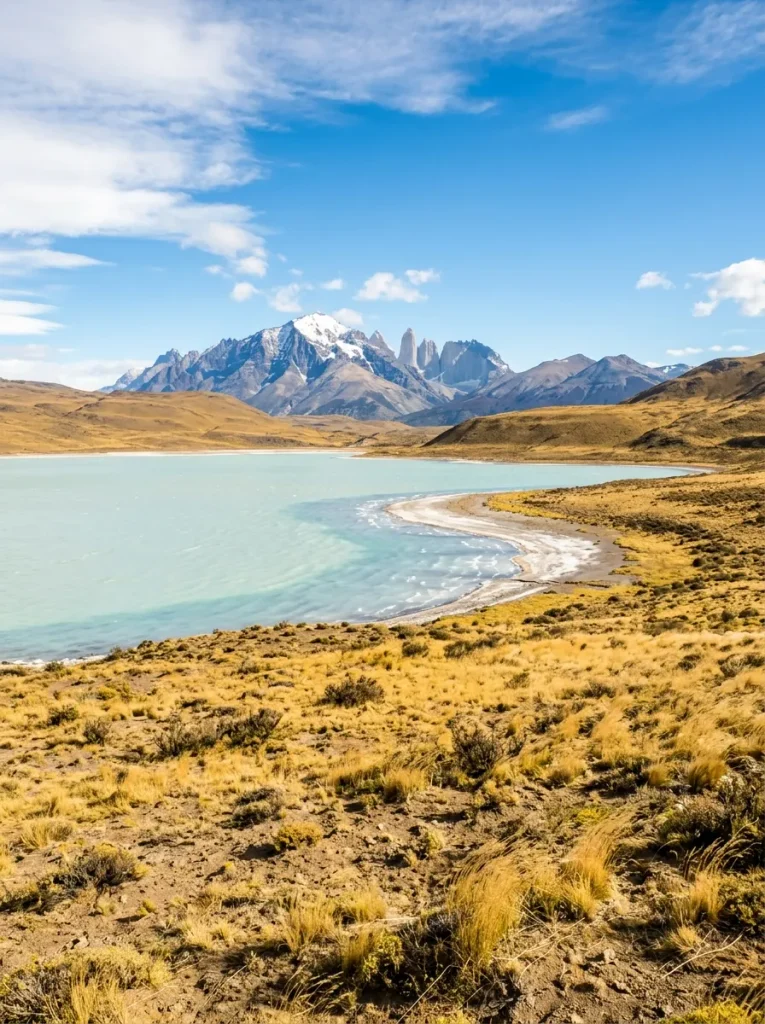
Laguna Amarga is a beautiful lagoon in the eastern part of Torres del Paine National Park. Its pale blue water and open surroundings offer a different visual experience from the deep turquoise lakes and glacier-fed waters elsewhere in the park.
The landscape around the lagoon can be especially attractive when the mountains are visible in the distance. The contrast between the open steppe, the water, and the rugged peaks captures the wide-open character of southern Patagonia.
The area is also associated with one of the park’s main access points, making it a useful part of a driving itinerary.
Best for: Scenic stops, wide landscape photography, and visitors entering or exploring the eastern side of the park.
Practical tip: Respect access restrictions and any instructions from park staff. Do not approach wildlife or leave designated routes to get a closer photograph.
11. Paine Waterfall: A Scenic Stop With Mountain Backdrop
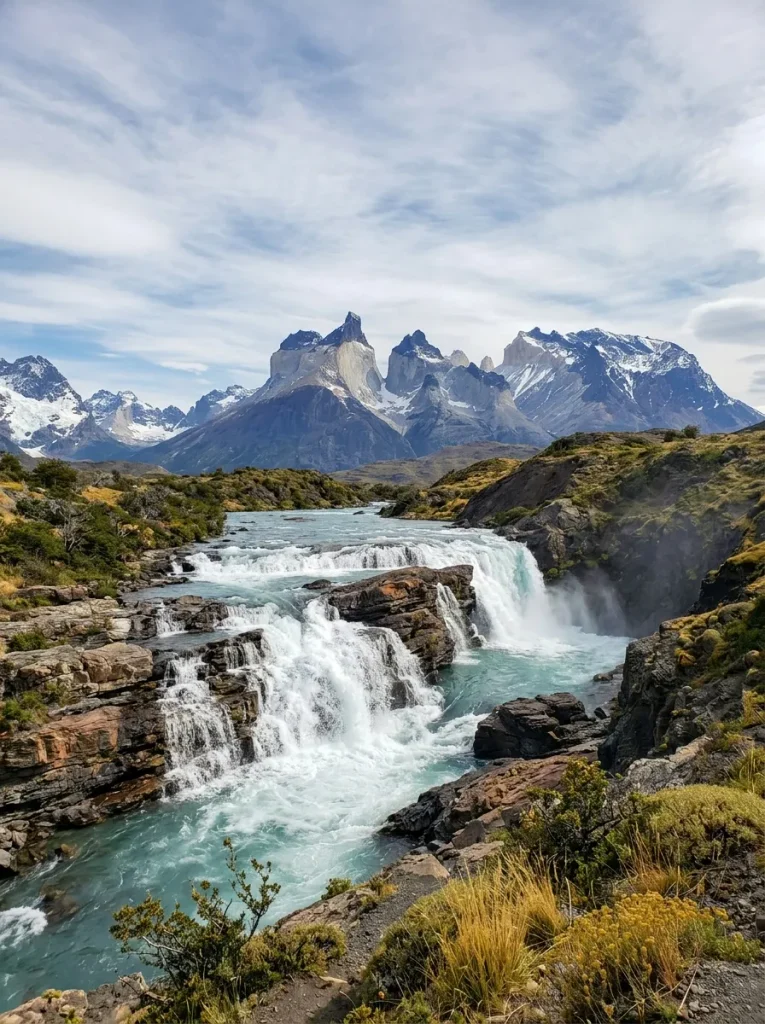
Paine Waterfall, also known as Cascada Paine, offers another opportunity to enjoy the park’s moving water and mountain scenery. The waterfall lies along the Paine River system, where water flows through a rugged landscape beneath the surrounding peaks.
It is a worthwhile addition for travelers who enjoy photographing rivers and waterfalls as much as mountains and lakes. Depending on the light and weather, the surrounding landscape can look bright and open or moody and dramatic.
As with other waterfall viewpoints, take care around wet rocks and moving water. Stay on authorized paths and follow posted signs.
Best for: Waterfall lovers, photographers, and travelers exploring the park’s road-accessible highlights.
Practical tip: Combine this stop with other nearby viewpoints rather than planning a separate long excursion solely around the waterfall.
12. The Patagonian Steppe: Guanacos, Open Horizons, and Wild Landscapes
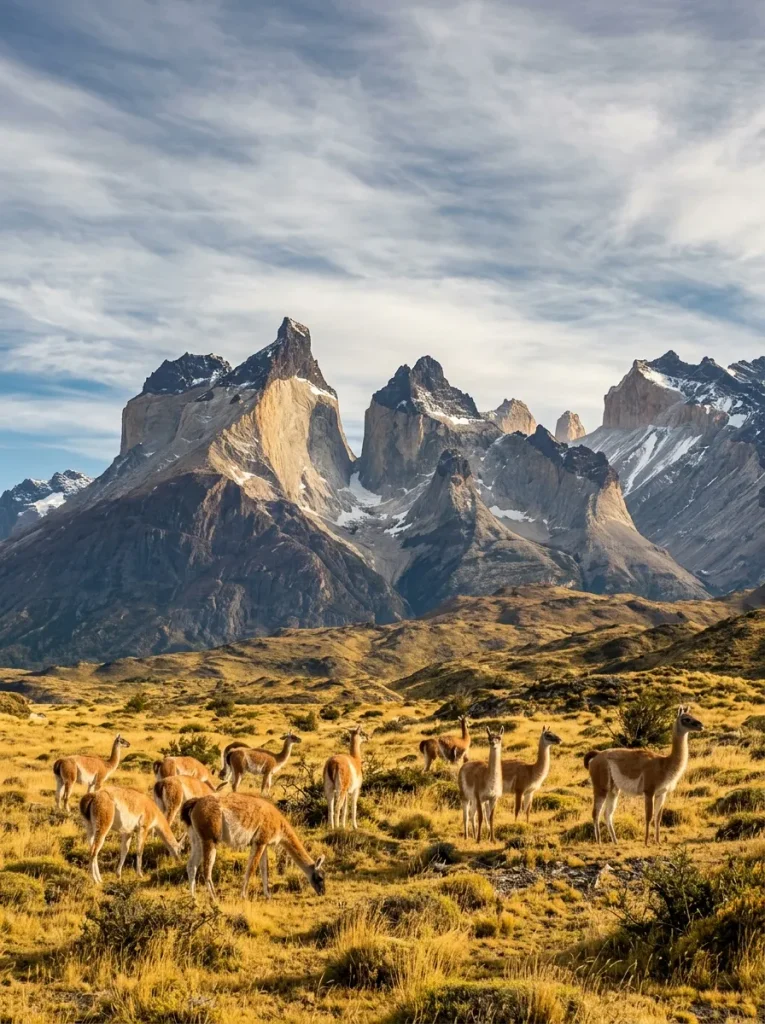
The prettiest places in Torres del Paine are not all lakes, glaciers, and high peaks. The open Patagonian steppe offers a different kind of beauty, with golden grasses, distant mountains, broad skies, and wildlife moving through the landscape.
Guanacos are among the animals visitors may encounter in the park. These wild relatives of llamas are often seen grazing in open areas, sometimes with the Paine massif rising behind them. The park is also home to other wildlife, including Andean condors and pumas, although sightings vary and should never be expected on demand.
The steppe is particularly beautiful when the grasses catch the late-afternoon light. The landscape feels expansive and quiet, providing a welcome contrast to the park’s more dramatic mountain viewpoints.
Best for: Wildlife watchers, nature photographers, and travelers who want to experience Patagonia beyond its famous peaks.
Practical tip: Observe wildlife from a respectful distance. Never feed animals, approach them for photographs, or block their movement.
13. The Roadside Viewpoints: Beautiful Scenery Without a Long Hike
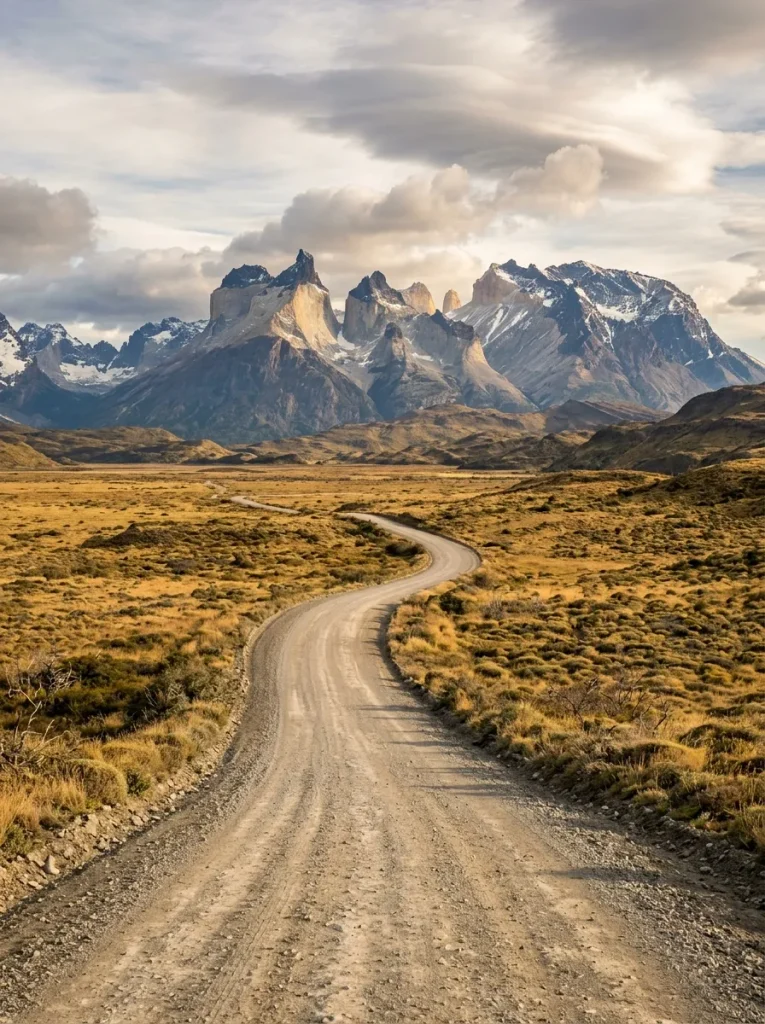
One of the best things about Torres del Paine is that you can enjoy remarkable scenery without spending every day on a challenging trail.
Roadside viewpoints reveal changing perspectives of the Paine massif, open plains, lakes, and mountain valleys. For travelers with limited mobility, tight schedules, or a preference for driving, these stops can make the park more accessible.
They also provide flexibility. You can stop when the light is beautiful, spend a few minutes enjoying the view, and continue when the weather changes.
Best for: Road-trippers, families, travelers with limited hiking time, and anyone building a relaxed itinerary.
Practical tip: Stop only in designated parking areas. Do not stop on narrow roads or unsafe shoulders, even when the view looks irresistible.
Which Places Should You Prioritize?
If you have only one or two days in Torres del Paine, you will not be able to explore every viewpoint and complete the park’s major hikes. Choosing stops according to your interests will help you make the most of your visit.
| Place | Best reason to visit | Physical effort |
| Base Torres | Iconic granite towers and lagoon | High |
| Lake Pehoé | Turquoise water and mountain scenery | Low at accessible viewpoints |
| Grey Glacier | Massive glacier and floating icebergs | Varies by viewpoint or excursion |
| French Valley | Dramatic mountain amphitheater | Moderate to high |
| Salto Grande | Waterfall and lake scenery | Low to moderate |
| Mirador Cuernos | Views of the Horns of Paine | Moderate, depending on route |
| Lake Nordenskjöld | Blue water and mountain backdrop | Low at roadside viewpoints |
| Mirador Cóndor | Panoramic elevated views | Moderate |
| Grey Lake Beach | Icebergs on the shoreline | Varies by access point |
| Laguna Amarga | Open landscapes and lagoon scenery | Low at accessible stops |
| Paine Waterfall | River and waterfall views | Low to moderate |
| Patagonian steppe | Wildlife and wide-open landscapes | Low |
| Roadside viewpoints | Scenic stops without long hikes | Usually low |
These effort levels are general guides, not guarantees. Weather, trail closures, wind, snow, ice, and the exact route you choose can change how challenging an outing feels.
If your main goal is photography, prioritize Lake Pehoé, Mirador Cuernos, Grey Lake, and roadside viewpoints. If you want a more active trip, consider Base Torres and French Valley, provided you have enough time and the conditions are suitable.
The Best Time to Visit Torres del Paine
Torres del Paine is beautiful throughout the year, but the season you choose affects the scenery, weather, trail access, and overall experience.
Spring: September to November
Spring brings longer days, fresh vegetation, and the possibility of snow remaining on higher peaks. Wildflowers begin appearing in some areas, and the landscape gradually shifts toward warmer colors.
This can be an attractive season for photographers and travelers who enjoy changing weather. However, spring conditions can still be cold and unpredictable, and some trails may have snow or ice.
Summer: December to February
Summer is generally the most popular period for trekking. Days are longer, and many visitors come to complete the W Trek, hike to Base Torres, or explore the park’s lakes and glaciers.
The trade-off is greater demand for accommodation, campsites, and guided activities. Strong winds can occur even in summer, so do not plan your trip around warm temperatures alone.
If you are considering a broader South American trip in February, our guide to the best places to travel in February can help you compare Patagonia with other seasonal destinations.
Autumn: March to May
Autumn brings changing foliage, quieter periods in some parts of the park, and beautiful golden tones across sections of the landscape. It can be especially rewarding for photographers who prefer softer colors and fewer crowds.
However, daylight hours shorten, temperatures fall, and some accommodation providers or tour operators may reduce their seasonal services.
Winter: June to August
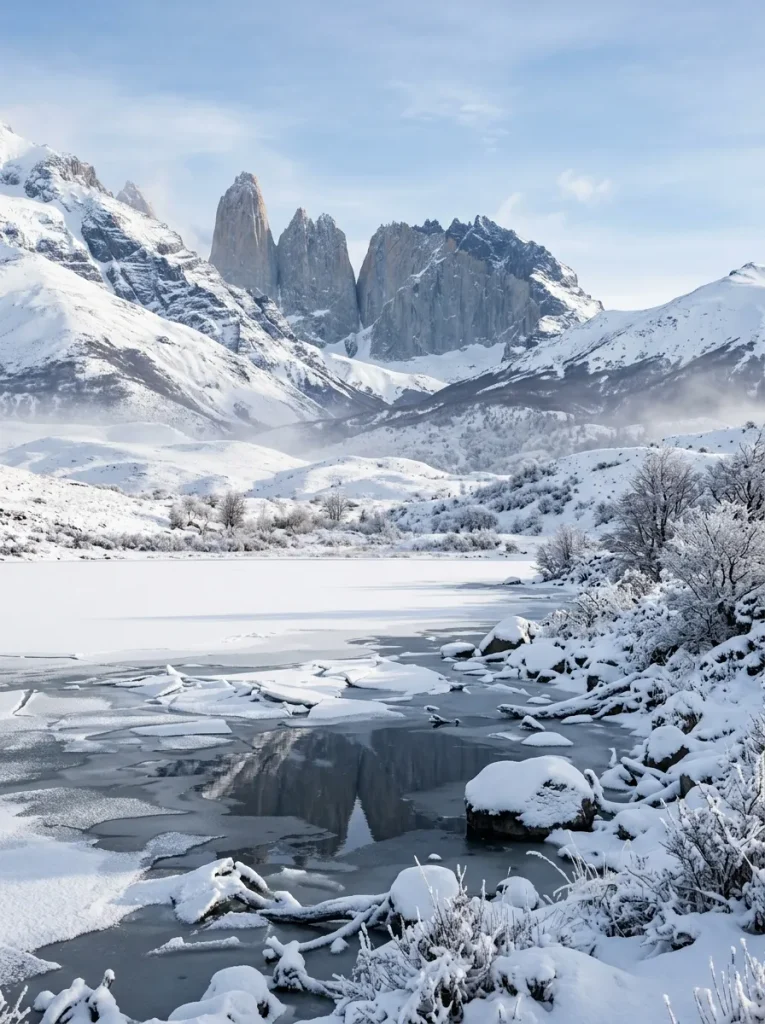
Winter transforms Torres del Paine into a colder, more challenging destination. Snow-covered peaks and quiet landscapes can be beautiful, but conditions may restrict access to hiking routes and other activities.
Winter visitors must pay particular attention to official restrictions, equipment requirements, and guide rules. The park authority, CONAF, publishes current trail conditions and seasonal safety guidance.
The best overall time to visit: For a classic hiking trip, many travelers favor the warmer months from late spring through summer. For any season, check the current forecast, trail conditions, and official park notices before finalizing your plans.
How to Plan a Visit to Torres del Paine
Torres del Paine is remote enough that a little advance planning can make your visit considerably easier.
How to get there
Most visitors travel through Puerto Natales, the main gateway to the national park. Depending on your itinerary, you can reach the region through Punta Arenas or other connections in Chile, then continue overland toward Puerto Natales and the park.
From Puerto Natales, travelers commonly use buses, rental cars, or organized tours. The best option depends on how much flexibility you want and whether you plan to visit several trailheads in one day.
A rental car offers greater freedom for roadside viewpoints, but you will need to account for driving distances, road conditions, fuel, and the time required to reach individual attractions. Organized tours can simplify logistics if you prefer not to drive.
How many days should you spend there?
Your ideal visit depends on whether you want scenic viewpoints or demanding hikes.
- One day: Focus on road-accessible highlights, selected viewpoints, and a waterfall or short walk.
- Two to three days: Explore different sections of the park and allow time for shorter hikes, lakes, and glacier viewpoints.
- Four to five days or longer: Consider a more extensive hiking itinerary, potentially including sections of the W Trek.
- A week or more: You may have time for a longer trekking circuit or a broader exploration of Chilean Patagonia, depending on seasonal access and reservations.
The major hiking routes require more time and planning than a scenic driving visit. Avoid squeezing a long trek into a schedule that leaves no room for poor weather or delays.
Do you need to book in advance?
For popular trekking routes, campsites, mountain refuges, and guided excursions, advance planning is strongly recommended. Availability can be limited during busy periods.
Check the official CONAF Torres del Paine page and the official Pases Parques ticketing website for current entry requirements, fees, and access information.
Park regulations and trail access can change with the season or weather. Confirm the latest requirements before departure rather than relying solely on an older travel itinerary.
Essential Tips for Enjoying the Park Safely
Patagonia’s scenery is spectacular, but its weather and terrain deserve respect. Conditions can change rapidly, and a sunny morning does not guarantee a calm afternoon.
Keep these practical tips in mind:
- Dress in layers. Bring moisture-managing base layers, insulating clothing, and a windproof, waterproof outer layer.
- Prepare for strong winds. Secure hats, loose items, and camera equipment.
- Wear suitable hiking footwear. Rocky, muddy, snowy, or icy trails may require footwear with reliable traction.
- Carry water and food. Do not assume refreshments will be available near every viewpoint or trailhead.
- Check daylight hours. Start hikes early enough to finish within permitted trail hours.
- Stay on marked trails. Leaving designated paths can damage fragile habitats and expose you to dangerous terrain.
- Respect wildlife. Never feed, approach, or chase guanacos, pumas, or other animals.
- Follow park instructions. Closures and restrictions exist to protect visitors and the environment.
CONAF prohibits activities such as lighting unauthorized fires, leaving rubbish, camping outside designated areas, and walking on unauthorized routes. Always follow current park rules and instructions from rangers.
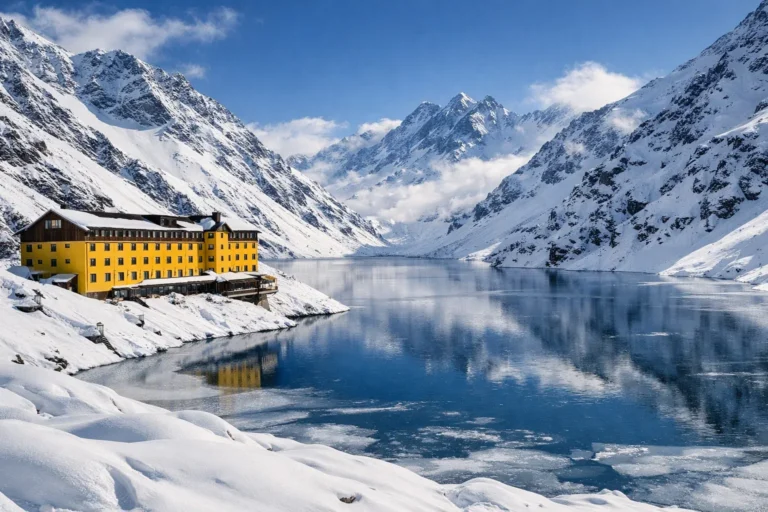
If you want to experience more of the country after Patagonia, consider combining your trip with the Andean scenery around Portillo, Chile. It offers a different mountain experience, with a focus on high-altitude landscapes and winter recreation.
For more inspiration before building your itinerary, explore these beautiful places to visit. You could also read our guide to a week in Chilean Patagonia for ideas on extending your trip beyond the national park.
Frequently Asked Questions
What is the prettiest place in Torres del Paine?
Base Torres is often considered the park’s signature viewpoint because of its three towering granite spires and turquoise lagoon. However, Lake Pehoé, Grey Glacier, French Valley, and Mirador Cuernos are also exceptional. The prettiest place for you will depend on whether you prefer dramatic mountain peaks, glaciers, lakes, or wildlife.
Can you visit Torres del Paine without hiking?
Yes. Several scenic viewpoints, lakes, and landscapes can be enjoyed from designated roadside stops or through relatively short walks. You will not reach every major attraction without hiking, but you can still experience much of the park’s beauty on a driving itinerary or guided day tour.
How many days do you need in Torres del Paine National Park?
One day can provide an introduction to the park’s accessible highlights. Two or three days allow more time for different areas and short hikes. If you want to complete the W Trek or another multi-day route, plan additional days and arrange accommodation and trail access in advance.
Is Torres del Paine worth visiting in summer?
Yes. Summer generally offers longer daylight hours and access to many popular hiking routes, making it a favored season for trekking. It is also a busy period, so book essential accommodation and excursions ahead of time and prepare for strong winds and changing weather.
Can you see Grey Glacier without hiking for hours?
There are designated viewpoints and boat excursions that may allow you to appreciate Grey Glacier without completing a long trek. Access and tour availability vary, so confirm the current options before your visit.
Is Torres del Paine suitable for families?
Families can enjoy selected viewpoints, scenic drives, and shorter walks, provided the routes match everyone’s abilities and the weather is suitable. The park’s longer mountain hikes can be demanding, so check distances, elevation changes, and conditions carefully before choosing a route with children.
Are there pumas in Torres del Paine?
Yes. The park is known for its puma population, although sightings are never guaranteed. Observe wildlife from a safe distance, never approach or feed animals, and follow the guidance of authorized guides and park staff.
What should I pack for Torres del Paine?
Pack layered clothing, a waterproof and windproof jacket, hiking trousers, sturdy footwear, warm accessories, sun protection, water, snacks, and a small first-aid kit. For longer hikes, bring navigation equipment and any additional safety gear required by the route and current conditions.
Final Thoughts
Torres del Paine National Park is one of those destinations where every section of the landscape offers something different. One moment, you might be looking across a turquoise lake toward the Cuernos del Paine. Later, you could be standing beside a glacier, watching water rush over rocks, or spotting guanacos across the open Patagonian steppe.
Base Torres may be the most iconic sight, but Lake Pehoé, Grey Glacier, French Valley, Salto Grande, and the park’s quieter viewpoints each deserve a place on your list.
You do not need to complete the longest hike to appreciate Torres del Paine. Choose the places that match your time, fitness, and interests, then leave enough room to enjoy the scenery without rushing from one stop to another.
Check seasonal conditions, book essential services early, and prepare for Patagonia’s unpredictable weather. With thoughtful planning, a visit to Torres del Paine can become one of the most memorable experiences of your journey through Chile.