What to Pack for a Winter Trip to Alaska: The Complete Cold-Weather Checklist
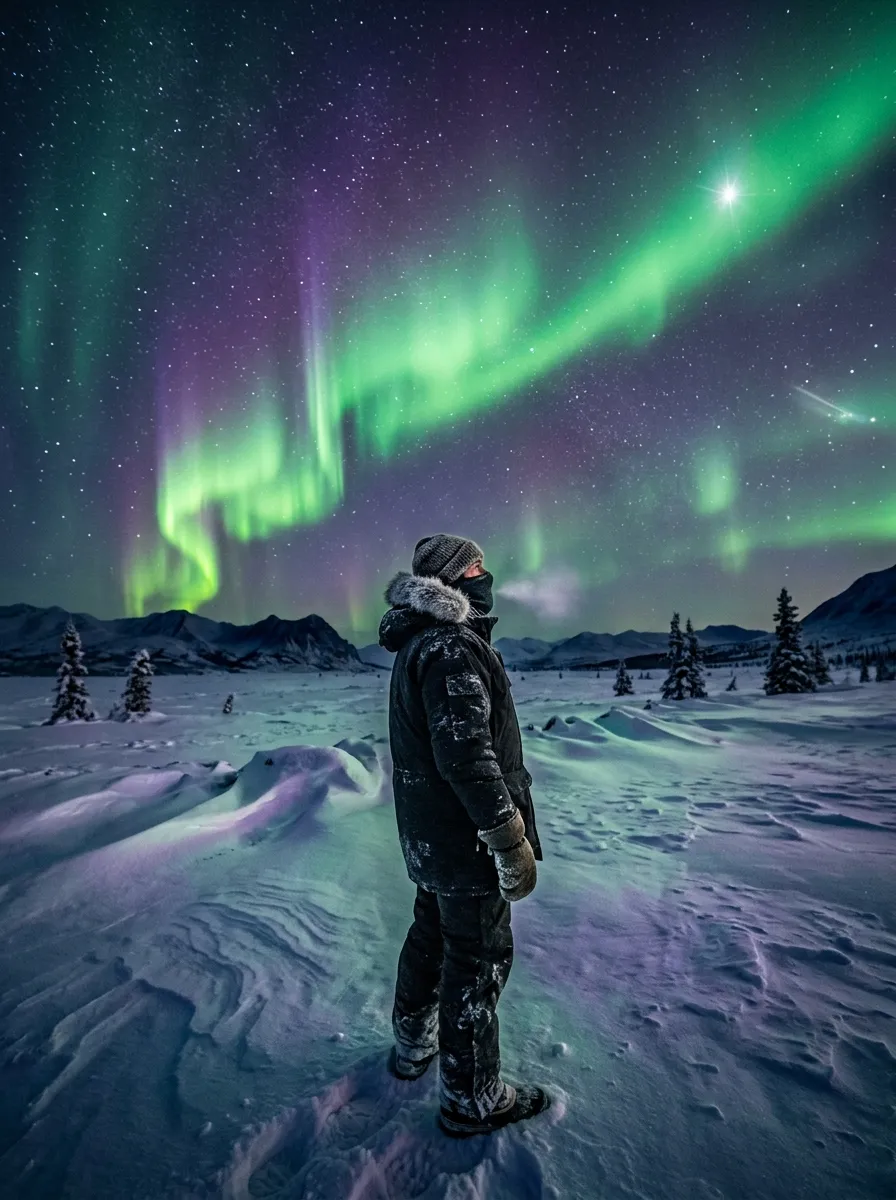
A winter trip to Alaska can bring some extraordinary experiences: watching the northern lights dance across the sky, exploring snow-covered landscapes, visiting quiet coastal towns, and discovering a side of America that feels completely different from the rest of the country.
But Alaska in winter is not a destination where you want to discover that your jacket is too thin or your shoes cannot handle snow. Temperatures can plunge well below freezing, daylight hours are limited, and conditions can change quickly. The right clothing and equipment can make the difference between enjoying your adventure and spending it trying to get warm.
The good news is that you do not need to pack your entire wardrobe. You need a carefully chosen combination of thermal layers, insulation, weather protection, suitable footwear, and a few important safety essentials.
This guide explains what to pack for a winter trip to Alaska, what to wear for different activities, which items you can leave at home, and how to adjust your packing list for your destination.
Recommended Travel Items for Your Trip
1. Understand Alaska’s Winter Weather Before Packing
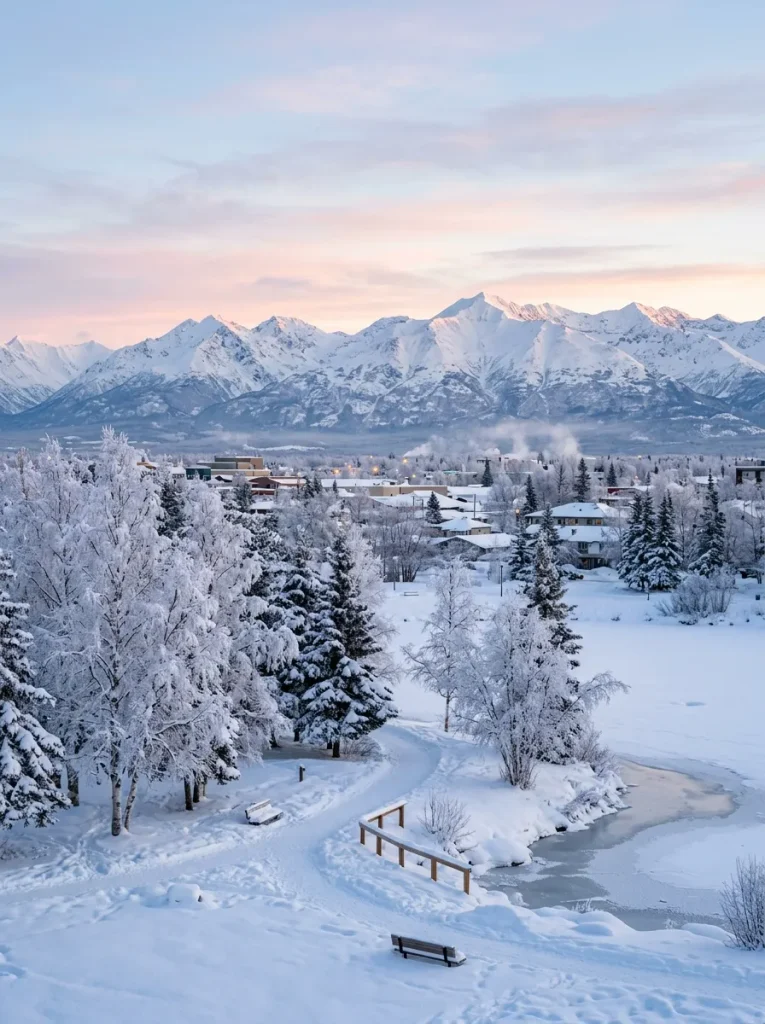
Alaska is enormous, and winter conditions vary significantly across the state. The weather you experience in Anchorage may be different from conditions in Fairbanks, coastal communities, or remote mountain areas.
Interior Alaska can experience exceptionally cold temperatures, while coastal locations may have more moisture, wind, and changing weather. Higher elevations and exposed areas introduce additional challenges.
Your packing list should reflect where you are going, when you are visiting, and how much time you will spend outdoors.
What should you expect in different parts of Alaska?
| Destination or region | Winter conditions to prepare for | Packing priority |
| Anchorage | Cold weather, snow, ice, and periods of wind | Insulated coat, warm boots, and layers |
| Fairbanks | Potentially extreme cold and long periods outdoors for aurora viewing | Heavy parka, insulated boots, mittens, and face protection |
| Coastal Alaska | Cold, wind, rain, wet snow, and changing conditions | Waterproof outerwear and moisture-resistant layers |
| Mountain and backcountry areas | Snow, wind, limited access, and serious outdoor hazards | Activity-specific equipment and appropriate safety gear |
These are general planning guidelines, not a forecast for any particular destination.
Before traveling, check the National Weather Service for your destination and review any winter weather alerts. If you are joining a guided excursion, ask the operator what equipment is provided and what you must bring yourself.
The most important rule: Pack for the coldest activity on your itinerary, not just the average temperature you expect to encounter in town.
2. Use the Three-Layer System
Layering is the foundation of comfortable winter clothing in Alaska. Instead of relying on one thick sweater, use layers that trap warmth while allowing you to regulate your temperature.
This matters because standing outside to photograph the northern lights requires different clothing from walking briskly through town. You can become sweaty if you overdress during activity, then feel much colder when you stop moving.
Base layer: Thermal underwear
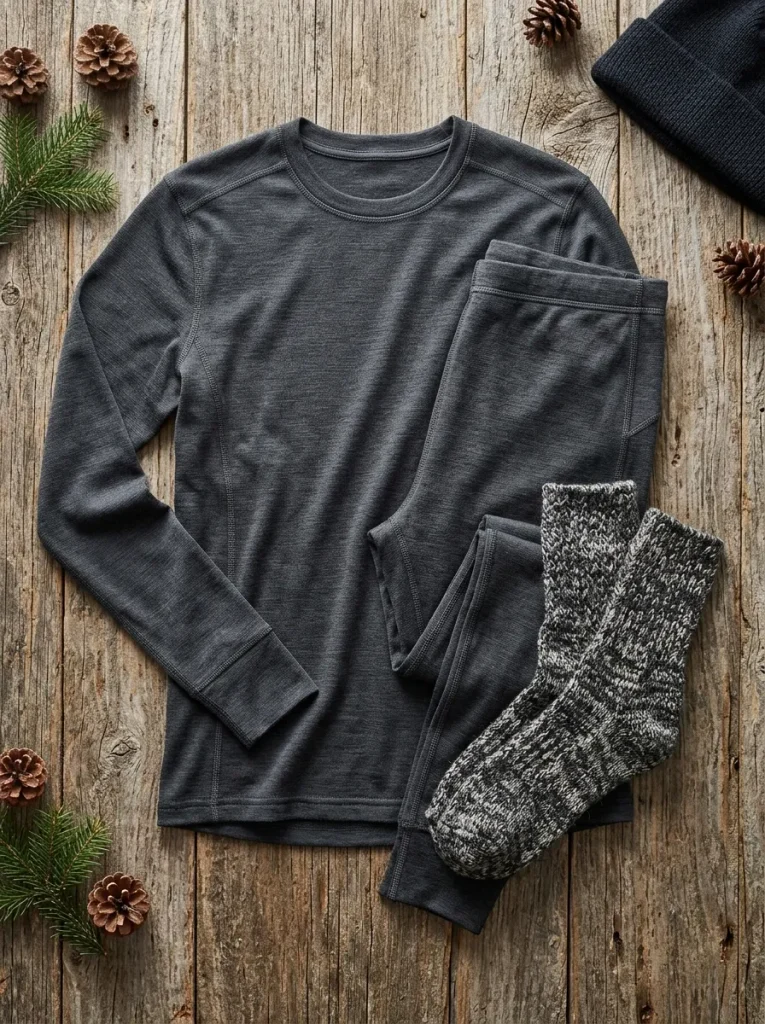
Your base layer sits next to your skin and helps manage moisture.
Pack:
- One or more thermal tops.
- Thermal leggings or long underwear.
- Lightweight or medium-weight wool or synthetic base layers.
Merino wool and synthetic materials are popular choices because they manage moisture better than ordinary cotton. Avoid relying on cotton as your primary base layer for extended cold-weather activities. When cotton gets wet, it can lose much of its insulating usefulness.
Choose the thickness according to your activities. Lightweight thermals may work for active sightseeing in milder conditions, while heavier base layers can be useful for long periods outdoors in extreme cold.
Middle layer: Insulation
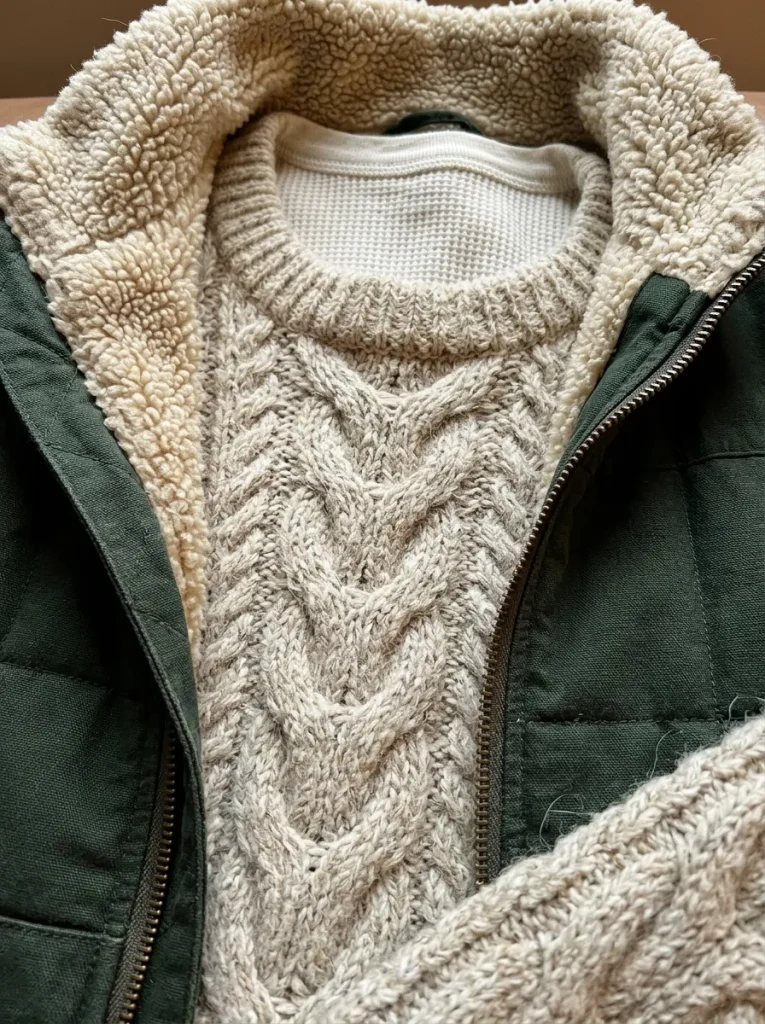
The middle layer traps warm air around your body. Good choices include fleece jackets, wool sweaters, insulated vests, and packable down or synthetic insulated jackets.
You may want more than one insulating layer if your itinerary includes very cold destinations.
For example, you could wear a thermal top, a fleece, and an insulated jacket beneath your outer parka. If the temperature rises or you become warm while walking, remove a layer before you start sweating.
Outer layer: A winter parka
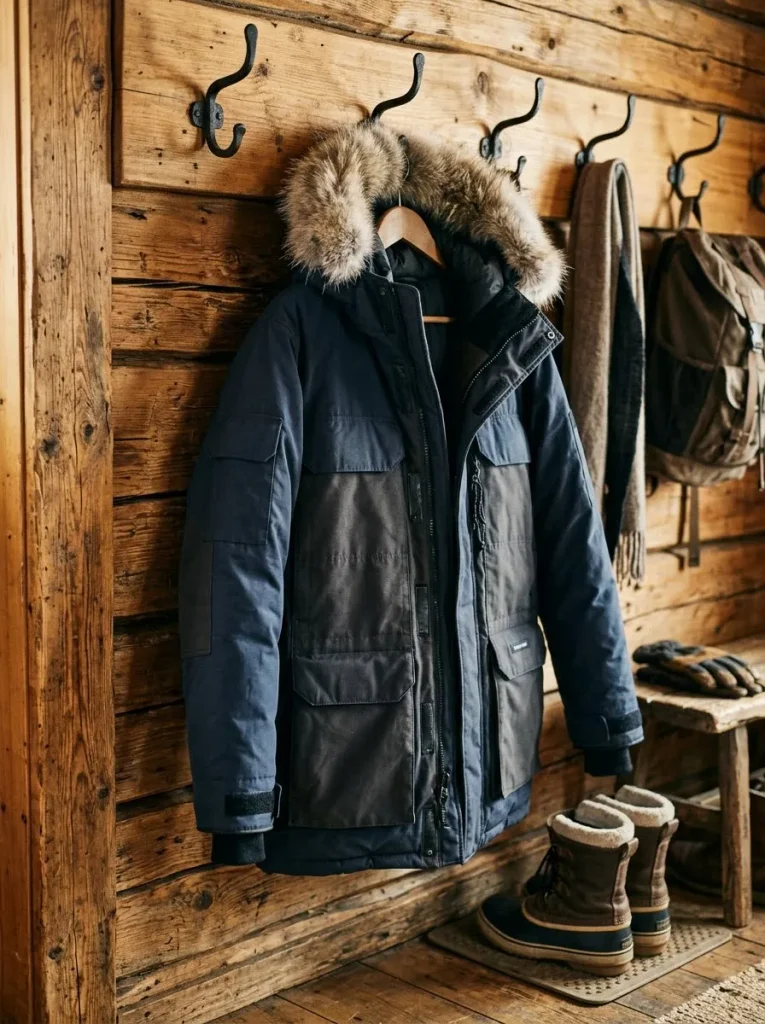
Your outer layer protects you from wind, snow, and moisture while helping retain body heat.
For general winter sightseeing, choose a warm insulated coat with a hood and weather-resistant outer fabric. If you expect prolonged exposure to extreme cold, especially while waiting outdoors for the northern lights, a heavy winter parka can be a worthwhile investment.
Look for:
- Reliable insulation.
- A hood that fits comfortably over a warm hat.
- Wind-resistant construction.
- Weather protection suitable for snow or rain.
- Pockets that are easy to access while wearing gloves.
- Enough room for your base and middle layers.
A parka is only part of the system. Your hands, feet, face, and legs need suitable protection too.
3. Pack Warm Pants and Waterproof Outerwear
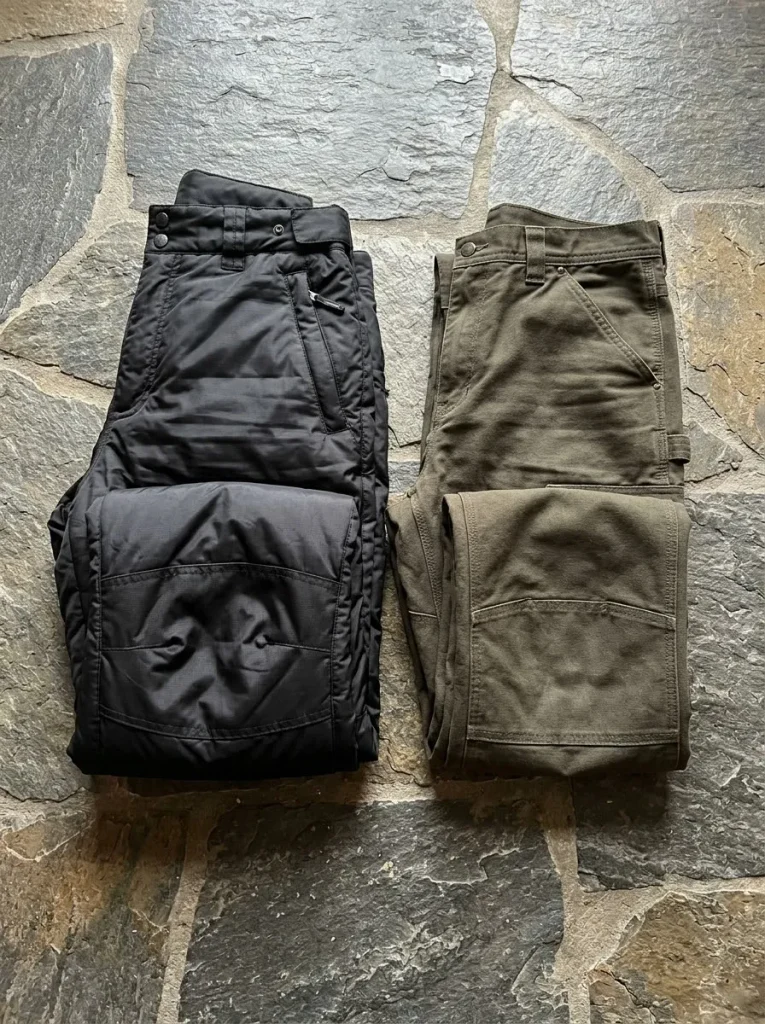
Travelers often focus on jackets and forget that their legs need protection during long outdoor activities.
For ordinary town sightseeing, warm trousers worn over thermal leggings may be sufficient, depending on the weather. For northern lights viewing, snowmobiling, snowshoeing, or other activities that involve prolonged exposure, insulated or waterproof snow pants can make a major difference.
What pants should you bring?
Consider packing:
- Comfortable everyday trousers.
- Thermal leggings or long underwear.
- Fleece-lined or insulated pants if needed.
- Waterproof or snow-resistant outer pants for outdoor activities.
If you plan to spend time sitting or standing in snow, waterproof outer pants help prevent moisture from soaking through your clothing.
For active excursions, make sure your pants allow comfortable movement and fit properly over your base layers.
Do you need rain gear in winter?
A waterproof or water-resistant shell can be useful in areas where rain, wet snow, or coastal weather is possible. Some insulated parkas provide sufficient protection on their own, while others benefit from an additional shell.
Check the climate of your destination rather than assuming all Alaska winter weather is dry and powdery.
4. Choose the Right Winter Boots and Socks
Cold feet can ruin an otherwise excellent day outdoors. In Alaska, ordinary sneakers and thin fashion boots may be unsuitable for snow, ice, and extended exposure to freezing temperatures.
Your footwear should match the coldest conditions and the activities you have planned.
What to look for in winter boots
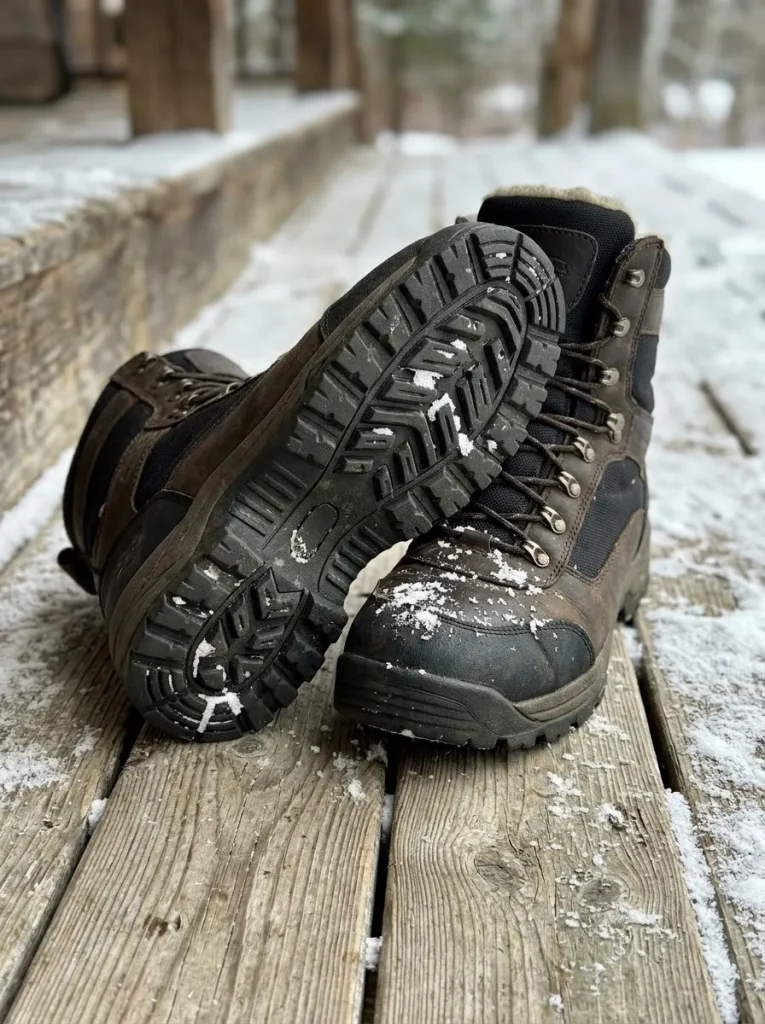
Choose boots with:
- Insulation appropriate for the expected temperatures.
- Waterproof construction or effective moisture protection.
- A sole with good traction.
- Enough room for warm socks without squeezing your toes.
- A design that works with your planned activities.
For extremely cold conditions, consider boots specifically designed for severe winter temperatures. Product temperature ratings can be useful for comparison, but actual comfort depends on activity, fit, socks, exposure time, and individual sensitivity to cold.
If you are visiting Fairbanks during a very cold period or plan to spend hours outdoors, footwear designed for deep cold is especially important.
Pack the right socks
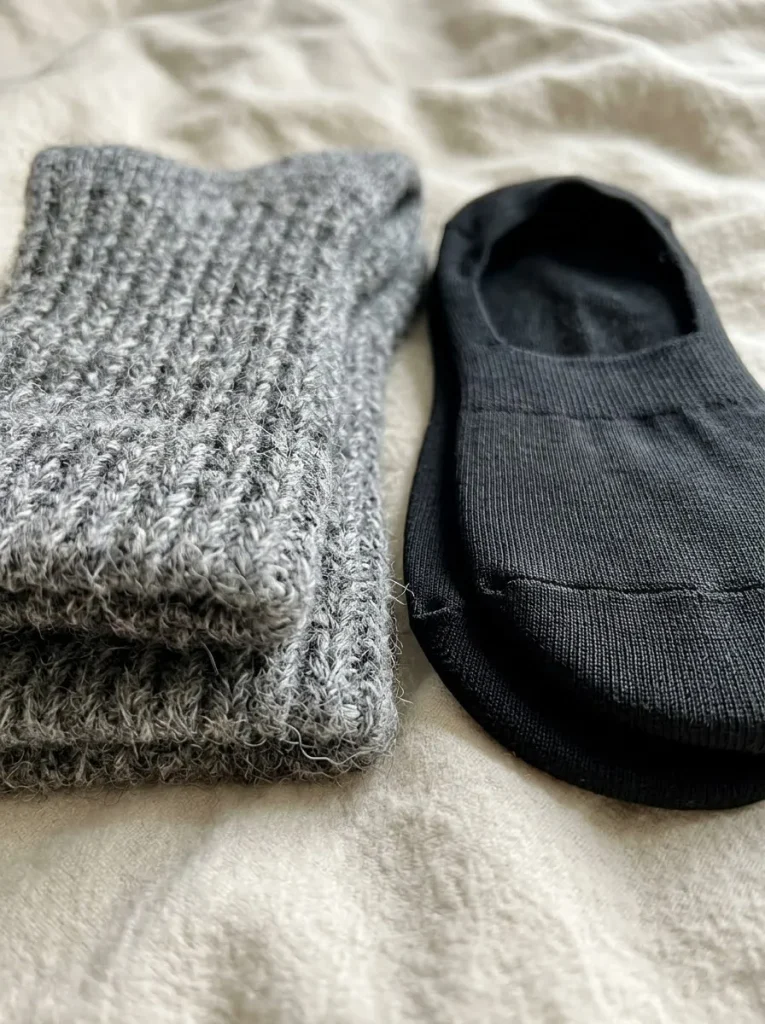
Wool and synthetic winter socks are useful because they help manage moisture while providing insulation.
Bring several pairs so you can change into dry socks when needed. If you use liner socks under thicker socks, make sure your boots still fit comfortably.
Avoid making your footwear so tight that your toes cannot move freely. Tight boots can restrict circulation and make your feet feel colder.
Should you bring traction aids?
Removable traction devices can help on icy walking surfaces when they are appropriate for your footwear and the conditions. They are useful for some town walks and maintained trails, but they do not replace careful movement or proper winter footwear.
For remote winter hiking, ask an experienced local guide which equipment is suitable for your planned route.
5. Protect Your Hands, Head, and Face
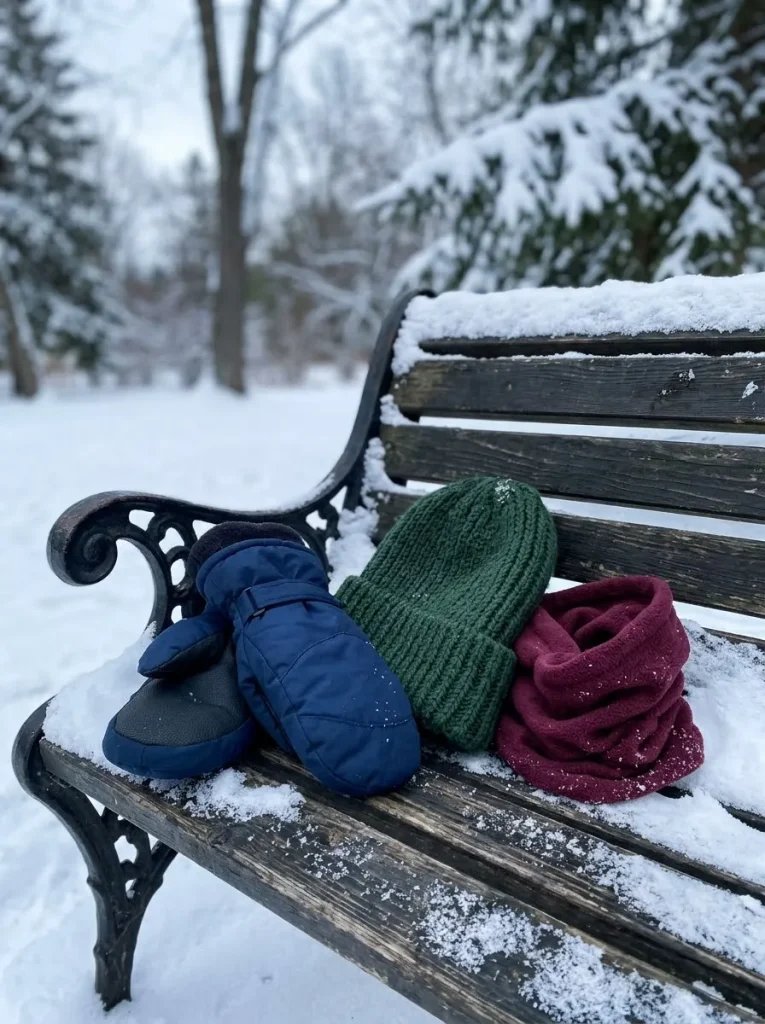
A warm parka will not keep you comfortable if your fingers become painfully cold or your face is exposed to bitter wind.
These smaller items deserve a place near the top of your packing list.
Mittens and liner gloves
Mittens generally retain warmth better than ordinary gloves because your fingers share heat. However, gloves make it easier to operate a camera, adjust equipment, and use your phone.
A practical combination is:
- Thin liner gloves.
- Thick insulated mittens.
- Hand warmers for additional comfort when appropriate.
You can remove your mittens briefly to take photographs while keeping the liner gloves on.
Follow hand-warmer instructions carefully and avoid direct prolonged contact with bare skin, particularly in very cold conditions when you may not notice excessive heat immediately.
A warm hat and face covering
Pack a hat that covers your ears, along with a neck gaiter, balaclava, or scarf suitable for your activities.
A balaclava can be especially useful during long outdoor sessions or activities involving wind and blowing snow. Make sure your face covering does not interfere with comfortable breathing or your ability to see clearly.
For extremely cold conditions, protect exposed skin and avoid leaving your face uncovered for extended periods.
Sunglasses and goggles
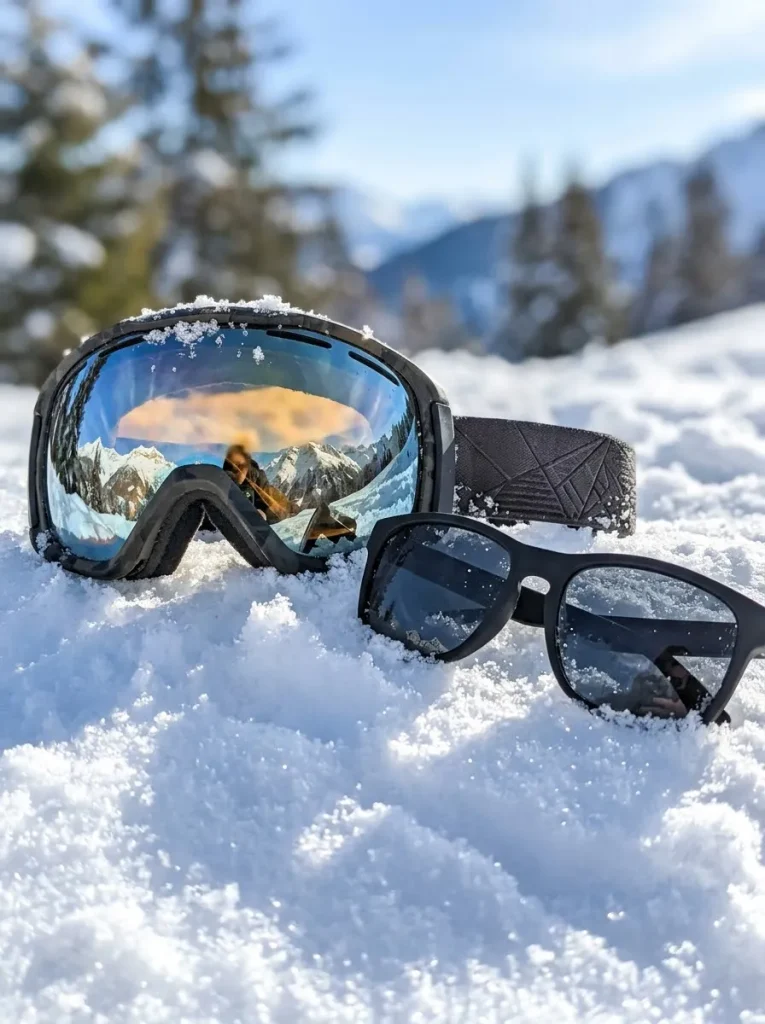
Snow can reflect bright sunlight, while wind and blowing snow can make outdoor activities uncomfortable.
Bring sunglasses for bright daytime conditions. Ski goggles may be useful for snowmobiling, skiing, or other activities where wind and blowing snow are expected.
6. Your Complete Alaska Winter Packing Checklist
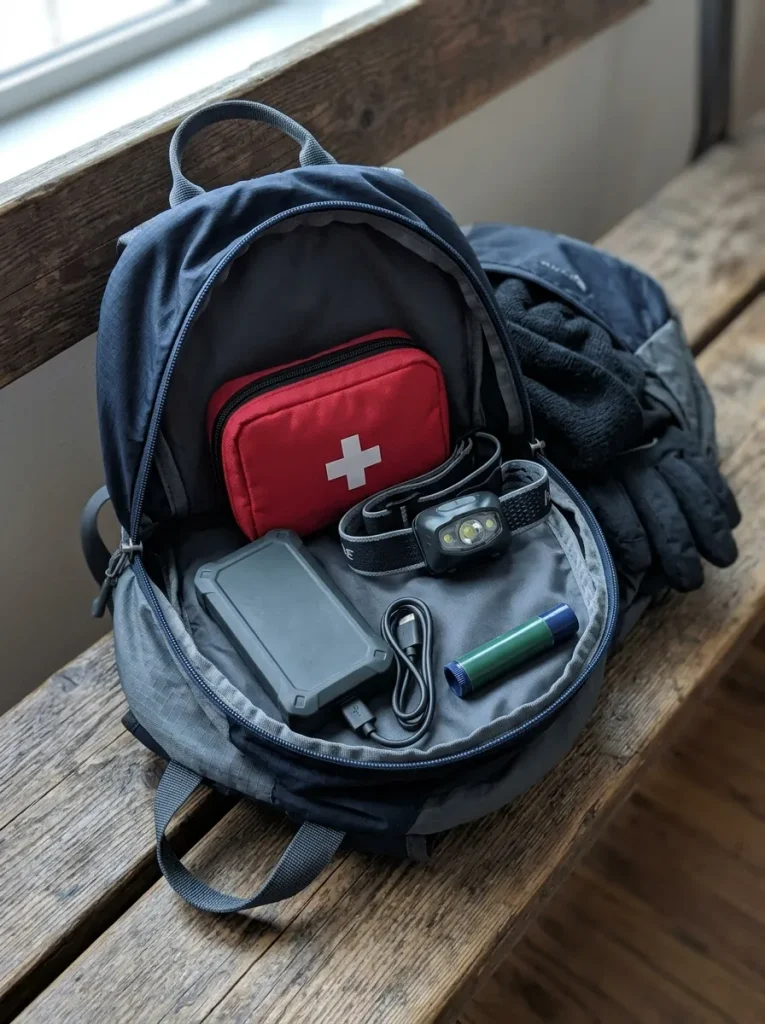
Use this checklist as a starting point and adjust it according to your destination, travel dates, and planned activities. A trip to Anchorage may require different gear than a winter adventure in Fairbanks or the remote Aleutian Islands.
Clothing and Layers
- Thermal tops and bottoms
- Fleece or wool mid-layers
- Heavy insulated winter parka
- Warm trousers
- Waterproof or insulated snow pants, if needed
- Warm wool or synthetic socks
- Waterproof, insulated winter boots
- Warm hat that covers your ears
- Insulated mittens
- Thin liner gloves
- Neck gaiter or balaclava
- Waterproof outer shell, if needed
Cold-Weather Accessories
- Hand warmers
- Sunglasses
- Ski goggles for suitable outdoor activities
- Lip balm
- Moisturizer
- Spare dry socks
- Small daypack
- Water-resistant backpack cover
Travel and Daily Essentials
- Phone and portable charger
- Travel documents and reservation details
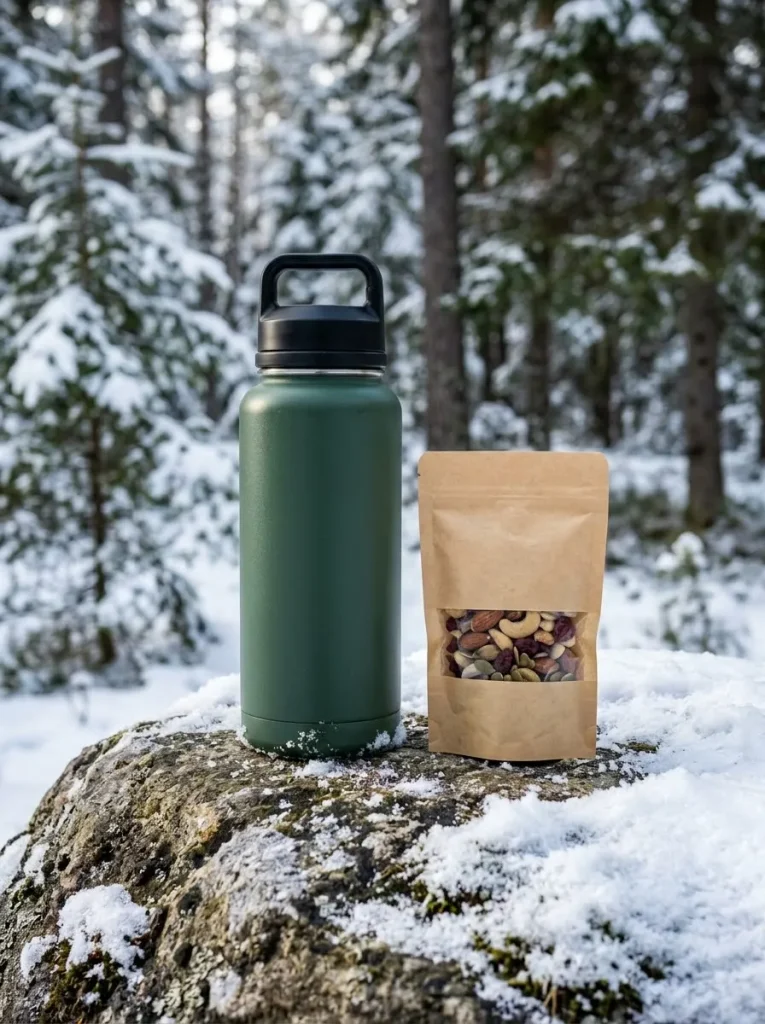
- Reusable or insulated water bottle
- Snacks for excursions
- Personal medications
- Basic first-aid supplies
- Headlamp or flashlight
- Offline maps or downloaded directions
Outdoor Adventure and Safety
- Activity-specific equipment confirmed with your tour operator
- Traction devices for icy paths, when appropriate
- Navigation equipment for remote trips
- Emergency blanket for suitable backcountry excursions
- Extra food and water for remote outings
- Emergency communication device when needed
- Extra dry clothing stored in a waterproof bag
Before leaving, check the forecast for each destination and confirm whether your tour operator provides equipment such as snow pants, helmets, or specialized boots. Pack the essentials first, then add activity-specific gear rather than filling your suitcase with items you may never use.
7. What to Pack for the Northern Lights
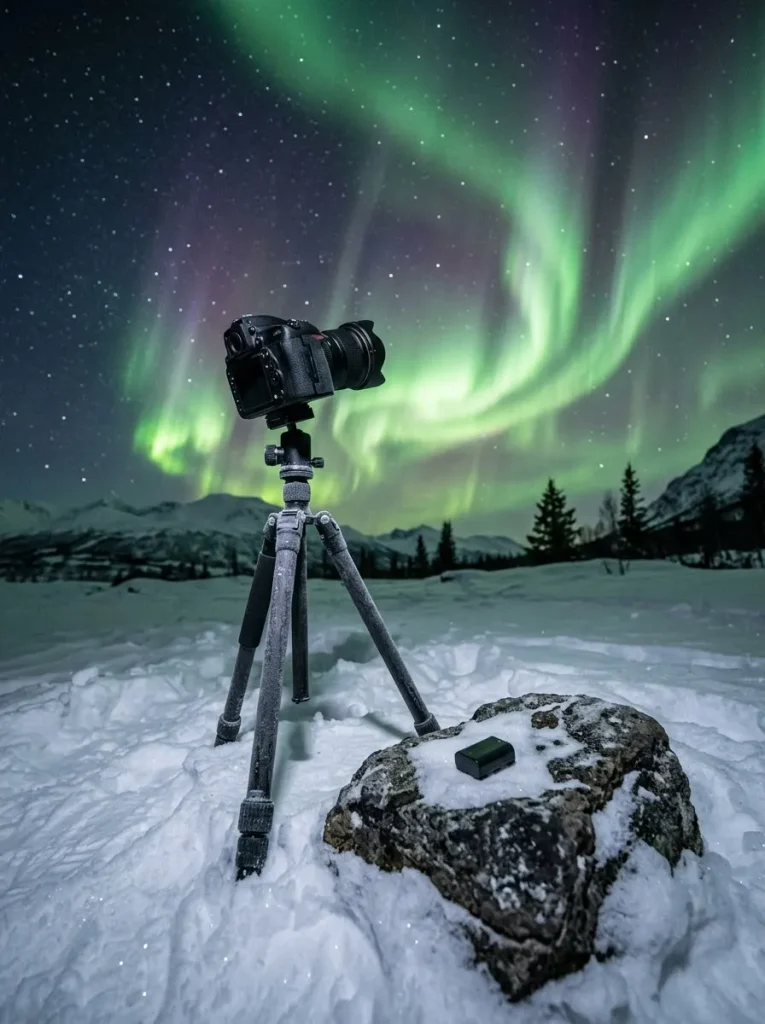
Seeing the aurora borealis is one of the biggest reasons travelers visit Alaska during winter. The experience can involve waiting outside in darkness for extended periods, sometimes far from heated buildings.
That changes your clothing needs. You may be comfortable while walking around town but become cold quickly when standing still to watch the sky.
For a northern lights outing, consider bringing:
- A heavy insulated parka.
- Thermal base layers.
- An additional fleece or insulated layer.
- Insulated snow pants.
- Winter boots suitable for the forecast temperatures.
- Warm mittens and liner gloves.
- A hat and face covering.
- Hand and toe warmers, used as directed.
- A camera, spare batteries, and a suitable camera bag if photographing the aurora.
Batteries can lose power more quickly in cold conditions. Keep spare batteries protected from the cold when practical and follow your equipment manufacturer’s guidance.
Ask your tour operator whether transportation, heated shelter, and specialized outerwear are provided. Some excursions offer gear, while others expect guests to arrive fully equipped.
Remember that aurora sightings depend on factors such as solar activity, cloud cover, darkness, and location. Packing correctly will make the wait more comfortable, but it cannot guarantee a sighting.
8. Adjust Your Packing List for Outdoor Adventures
Alaska offers far more than sightseeing. You may be planning a snowmobile tour, a snowshoe walk, winter photography, or a guided excursion into remote terrain.
Each activity comes with different clothing and equipment requirements.
Snowmobiling
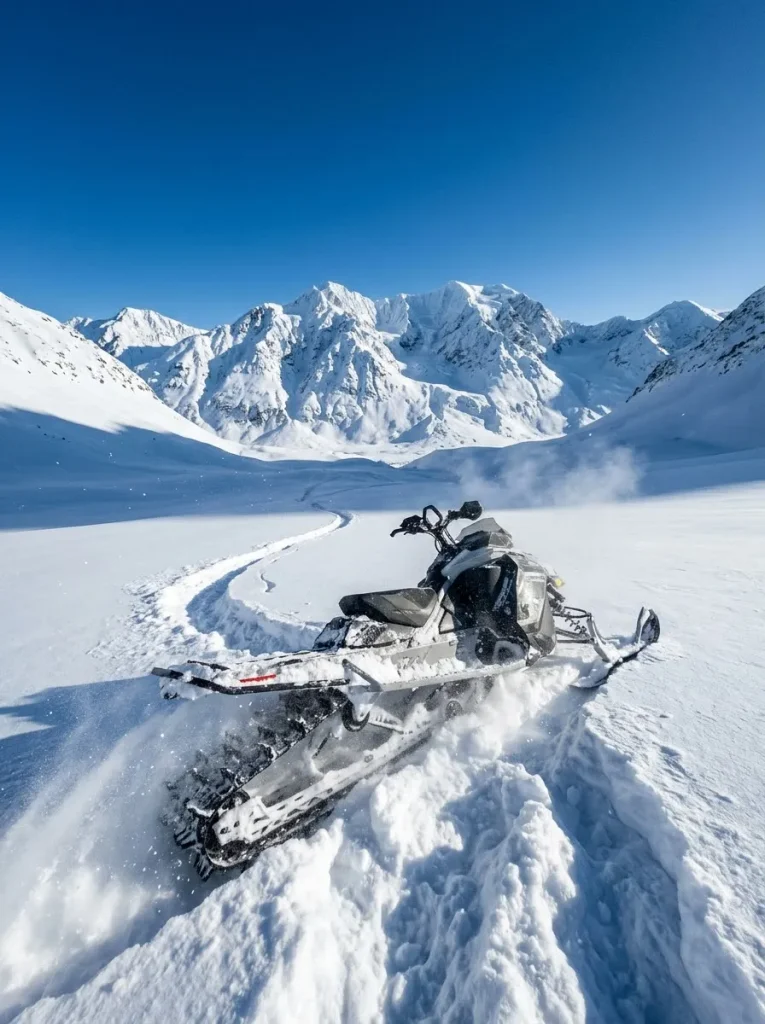
A snowmobile ride can expose you to wind and cold air, even when you are not traveling at high speed.
Ask the operator whether a helmet, insulated suit, boots, gloves, and other protective equipment are provided. Do not assume ordinary winter clothing is sufficient for the conditions or the activity.
Bring suitable base layers and warm socks, and make sure your outer clothing allows you to move comfortably.
Snowshoeing and winter hiking
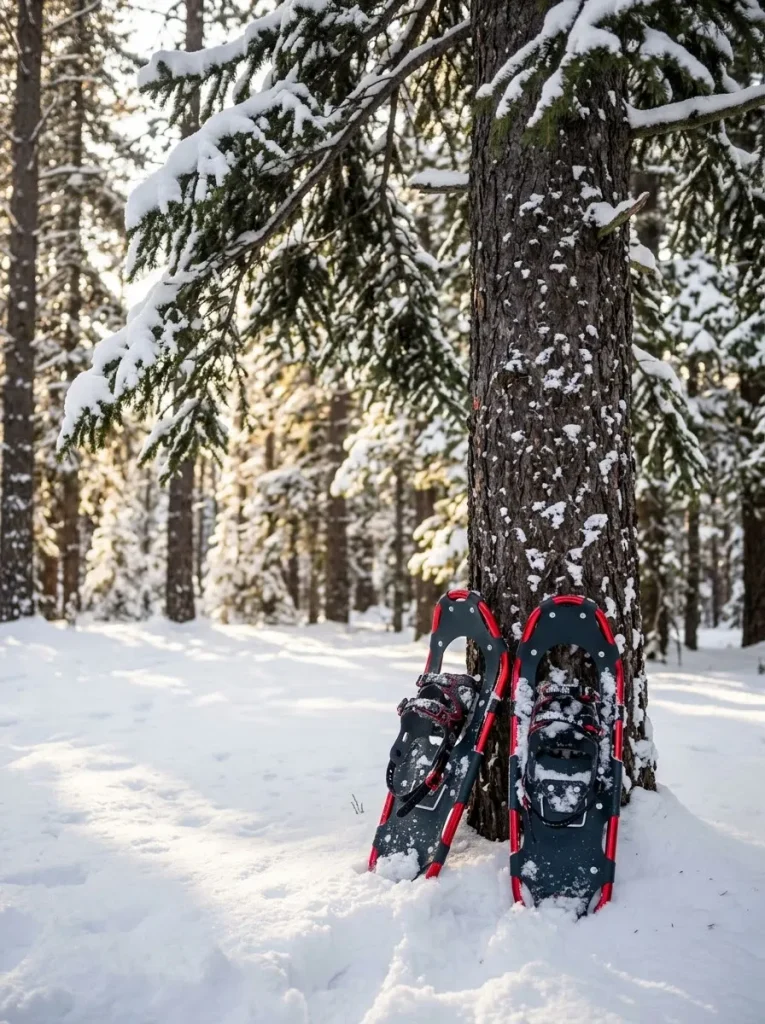
For a short, maintained winter walk, waterproof boots, warm layers, traction, food, and water may be appropriate.
Remote winter hikes require more preparation. Depending on the route, you may need navigation tools, emergency supplies, a headlamp, and specialized equipment. Daylight is limited during Alaska’s winter, and mobile phone coverage may be unreliable in remote areas.
The National Park Service recommends checking local conditions, preparing for changing weather, carrying appropriate gear, and turning back when a route becomes unsafe. Read its Alaska gear guidance before planning a backcountry adventure.
Do not venture into avalanche terrain without the necessary training, equipment, and current local information.
Coastal excursions and island visits
Coastal Alaska can bring a different combination of cold, wind, rain, and wet snow. Waterproof outerwear becomes particularly useful in damp conditions.
If your plans include remote destinations, such as those covered in our Aleutian Islands travel guide, investigate transport schedules, local services, and seasonal access carefully. Do not assume that a remote island destination will offer the same winter facilities as Anchorage or Fairbanks.
9. Prepare for Short Daylight Hours and Winter Travel Delays
Packing warm clothing is only one part of getting ready for Alaska. Winter also affects how much you can do in a day and how easily you can travel between destinations.
Daylight varies significantly with latitude and date. Some locations have only a few hours of daylight during the darkest part of winter, while others have longer days.
Bring a headlamp or flashlight if you expect to be outside after dark. Keep your phone charged, download maps before leaving areas with reliable service, and allow extra time for transfers and road journeys.
If you are driving, check road conditions before departure and confirm that your rental vehicle has suitable winter equipment. Carry emergency supplies appropriate to your route, including warm clothing, water, food, and a way to clear snow or ice when necessary.
For remote journeys, tell someone your plans and expected return time. Do not rely exclusively on a mobile phone for navigation or emergency communication.
10. Avoid These Common Alaska Winter Packing Mistakes
Bringing only one heavy coat
A thick parka is useful, but layers underneath help you adapt to changing temperatures and activity levels. A single coat without suitable base and middle layers may not provide enough flexibility.
Wearing cotton for extended outdoor activities
Cotton can hold moisture and become uncomfortable in cold weather. Wool and synthetic materials are generally better choices for base layers and winter socks.
Buying boots that are too tight
Tight boots can restrict circulation and leave little room for insulating socks. Try your boots with the socks you plan to wear before leaving home.
Forgetting to protect your face
Your hands and feet are not the only areas that need attention. Pack a warm hat and face covering, particularly if you plan to spend hours outside.
Overdressing during active excursions
Too many layers can cause sweating. Once clothing becomes damp, you may feel colder when you stop moving. Adjust your layers before you become overheated.
Assuming equipment will be available to rent
Some tour operators provide specialized gear, but others do not. Confirm what is included before you travel, especially for winter sports and remote excursions.
Packing without checking your itinerary
A weekend in Anchorage requires a different equipment list from a multi-day winter adventure in the interior. Match your clothing and safety gear to the activities you have actually booked.
11. Stay Safe in Extreme Cold
Extreme cold is more than an inconvenience. Frostbite can damage skin and underlying tissue, while hypothermia occurs when your body loses heat faster than it can produce it.
Warning signs can include numbness, pale or unusually firm skin, persistent shivering, confusion, slurred speech, and unusual drowsiness.
If you suspect a cold-related emergency, move to a warm place and seek medical assistance. Follow official guidance and do not ignore symptoms because you are close to the end of an excursion.
For safer winter travel:
- Check forecasts and warnings before heading out.
- Cover exposed skin in extreme cold.
- Keep clothing dry.
- Eat regularly and drink fluids.
- Carry extra layers and emergency supplies on remote trips.
- Follow the instructions of local guides and authorities.
- Cancel or change plans when conditions become dangerous.
The National Weather Service’s cold-weather safety guidance explains how to reduce exposure and recognize cold-related illness.
Frequently Asked Questions
What clothes should I pack for Alaska in winter?
Pack thermal base layers, insulating mid-layers, a warm winter parka, suitable trousers, insulated winter boots, wool or synthetic socks, mittens, a warm hat, and a face covering. Add waterproof outerwear and snow pants when your destination or activities require them.
How many layers should I wear in Alaska?
A useful starting point is three layers: a moisture-wicking base layer, an insulating middle layer, and a protective outer layer. Add or remove insulation according to the temperature, wind, and activity. Very cold conditions or prolonged outdoor exposure may require additional layers.
Do I need special boots for Alaska in winter?
For ordinary sightseeing, insulated waterproof winter boots with good traction may be sufficient. If you are visiting a particularly cold area or spending hours outside, choose footwear designed for those temperatures. Specialist activities may require specific boots or other equipment.
What should I wear to see the northern lights in Alaska?
Wear thermal layers, a heavy insulated parka, warm pants or snow pants, insulated boots, mittens, a hat, and a face covering. Because you may stand still for a long time, bring more insulation than you would for a short walk around town.
Can I rent winter clothing in Alaska?
Some local outfitters and tour operators offer rental clothing or gear packages, but availability and included items vary. Contact your operator before traveling and confirm the sizes, equipment, and reservation requirements. Do not assume that all specialized clothing will be available when you arrive.
Should I bring hand warmers?
They can be useful during long outdoor activities, especially when you are standing still. Use them according to the manufacturer’s instructions and avoid prolonged direct skin contact. They are an extra comfort item, not a replacement for proper mittens and warm clothing.
Is Alaska safe to visit in winter?
Winter travel can be safe with appropriate planning, but conditions can be severe. Check local weather, understand the risks of your activities, use qualified guides when appropriate, and carry the gear you need. Remote travel requires more preparation than ordinary town sightseeing.
What is the biggest packing mistake for an Alaska winter trip?
Underestimating how long you will spend outside is a common mistake. A quick walk in town and a two-hour northern lights excursion require different levels of insulation. Plan around your longest and coldest activities, and always bring enough clothing to stay warm if your return is delayed.
Final Thoughts
Packing for an Alaska winter trip is about more than throwing a thick coat into your suitcase. You need a complete system that keeps you warm, dry, and comfortable while allowing you to adjust to changing conditions.
Start with thermal layers, add reliable insulation, protect yourself from wind and moisture, and invest in suitable winter footwear. Then build your checklist around your destination and activities, whether you are exploring Anchorage, waiting for the northern lights, or joining a guided snow adventure.
Before departure, check the forecast, confirm which equipment your tour operator provides, and test your clothing and boots at home. Add extra supplies for remote journeys and be ready to change plans if conditions become unsafe.
Alaska’s winter landscapes are extraordinary, but the best adventure is one where you can enjoy them without being distracted by freezing hands, wet socks, or gear that was never suited to the conditions.