Portland Head Light: The Complete 2026–27 Guide to Maine’s Most Iconic Coastal View
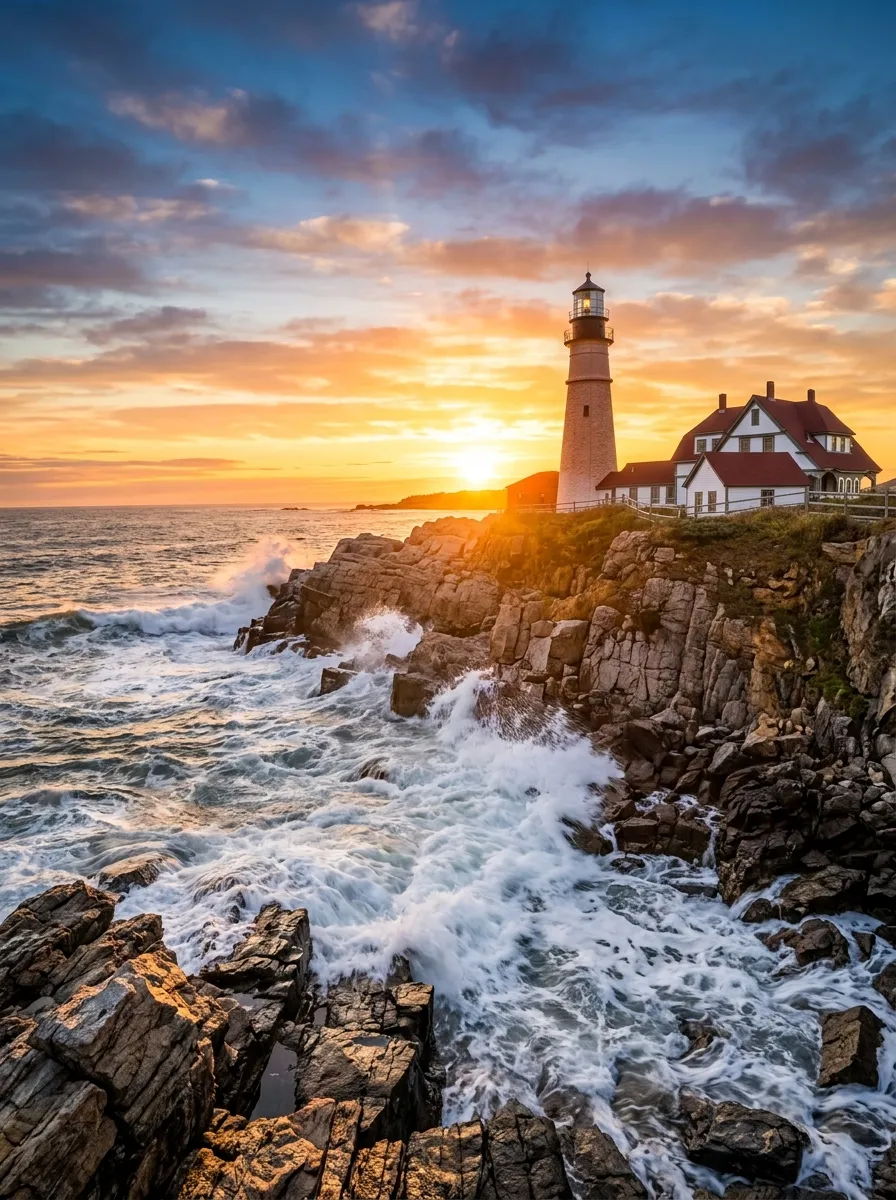
Some landmarks earn their fame through marketing. Portland Head Light earned it through sheer staying power — George Washington personally authorized its construction, it was first lit on January 10, 1791, and it has stood watch over the entrance to Portland Harbor every single day since, making it both the oldest lighthouse in Maine and, by wide consensus, the most photographed lighthouse in America. What sets it apart from a dozen other picturesque New England lighthouses isn’t just the tower itself, but the 90-acre park wrapped around it — cliff walks, crumbling World War II gun batteries, the stone shell of a Gilded Age mansion, and views across Casco Bay that shift completely depending on the hour and the season.
This guide covers Portland Head Light and the surrounding Fort Williams Park for the rest of 2026 and into 2027, and the practical details matter more here than the postcard image suggests. The lighthouse tower itself is closed to the public every day of the year except one — Maine Open Lighthouse Day, typically in September — a detail that catches visitors who assume they can simply climb it. The rest of the park, though, delivers a genuinely full half-day or full-day outing: a small museum in the old keeper’s quarters, a mile of dramatic cliff-top trail, and enough history layered into 90 acres to satisfy visitors who came only for a five-minute photo and end up staying for hours.
Whether you’re planning a quick stop on a Portland day trip, a full afternoon exploring Fort Williams Park’s ruins and cliff walk, or timing a visit around Maine Open Lighthouse Day for the one chance each year to climb the tower itself, this guide breaks down what’s actually worth your time, current 2026 pricing and hours, and how to pair Portland Head Light with the rest of Cape Elizabeth’s rugged, lighthouse-dotted coastline.
Recommended Travel Items for Your Trip
AT A GLANCE: PORTLAND HEAD LIGHT
- Best overall time to visit: Early morning or late afternoon for the best photography light, year-round
- What it’s known for: The oldest lighthouse in Maine and the most photographed lighthouse in America
- Distance from Portland: About 15 minutes south, in Cape Elizabeth
- Museum hours: Daily, Memorial Day through October 31; weekends only in May and November
- Museum admission: $2 for adults, $1 for children 6–18, free under 6
- Park access: Free, open dawn to dusk year-round; paid parking in season
- One chance to climb the tower: Maine Open Lighthouse Day, typically in September
- Ideal visit length: 30–60 minutes for a quick stop; 2–3 hours to properly explore Fort Williams Park
Portland Head Light and Cape Elizabeth at a Glance
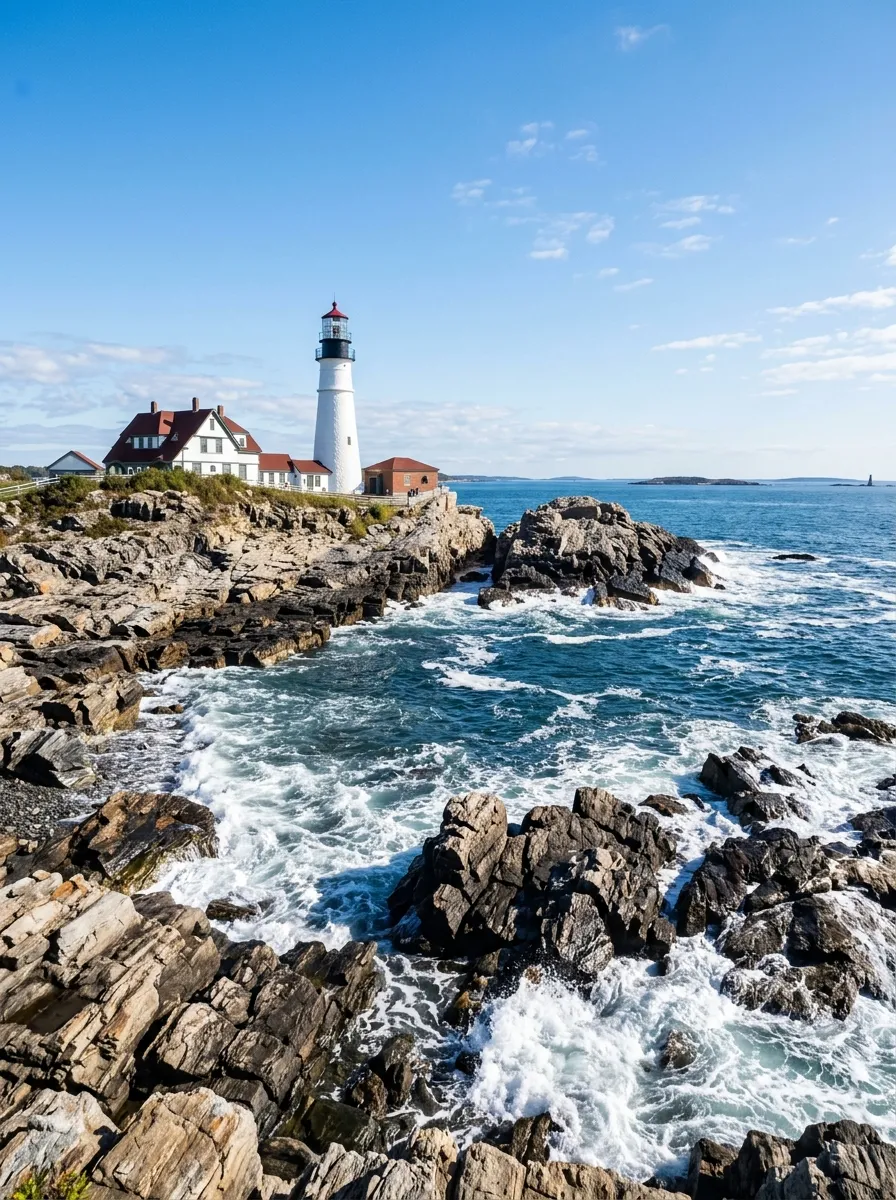
Portland Head Light anchors a small cluster of coastal attractions in Cape Elizabeth, each worth knowing about if you’re building out a fuller day along this stretch of shoreline.
| Area | Best For | Best Upcoming Time | Suggested Time | Main Consideration |
| Fort Williams Park (Portland Head Light) | The lighthouse, cliff walk, fort ruins, museum | Year-round | 2–3 hours | Paid parking in season; museum closed in winter |
| Two Lights State Park | Quieter lighthouse views, storm watching | Year-round | 1–2 hours | Less crowded than Fort Williams |
| Crescent Beach State Park | Sandy beach, swimming | May–Sep | 1–2 hours | Seasonal entrance fee |
| Downtown Portland (Old Port) | Dining, shopping, harbor atmosphere | Year-round | Half-day to full day | About 15 minutes north of the lighthouse |
Why Portland Head Light Is America’s Most Photographed Lighthouse
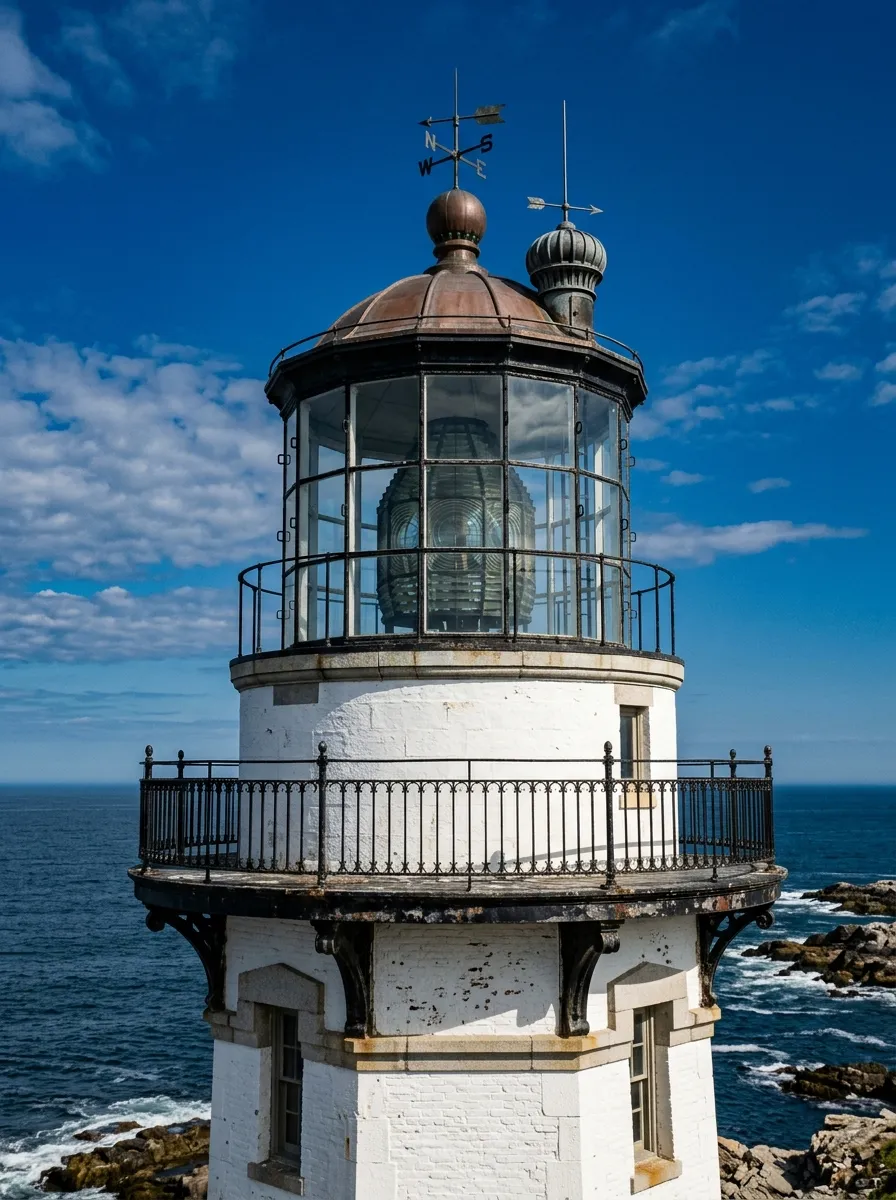
The numbers behind Portland Head Light’s fame are genuinely rare for a structure this old: construction began in 1787 after Portland businessmen petitioned the Massachusetts government, worried about shipwrecks damaging their trade as the port grew into one of the busiest in America. Funding ran out, construction stalled, and it took George Washington’s direct authorization to see the project through to completion, with the light first shining on January 10, 1791 — just two years into Washington’s presidency. Two and a half centuries later, it’s still an active aid to navigation, and the combination of that continuous history with a genuinely dramatic clifftop setting is why photographers, painters and postcard companies have kept returning to this exact spot for generations.
When to Visit Portland Head Light: Seasons and Timing
Late 2026: What’s Left on the Season
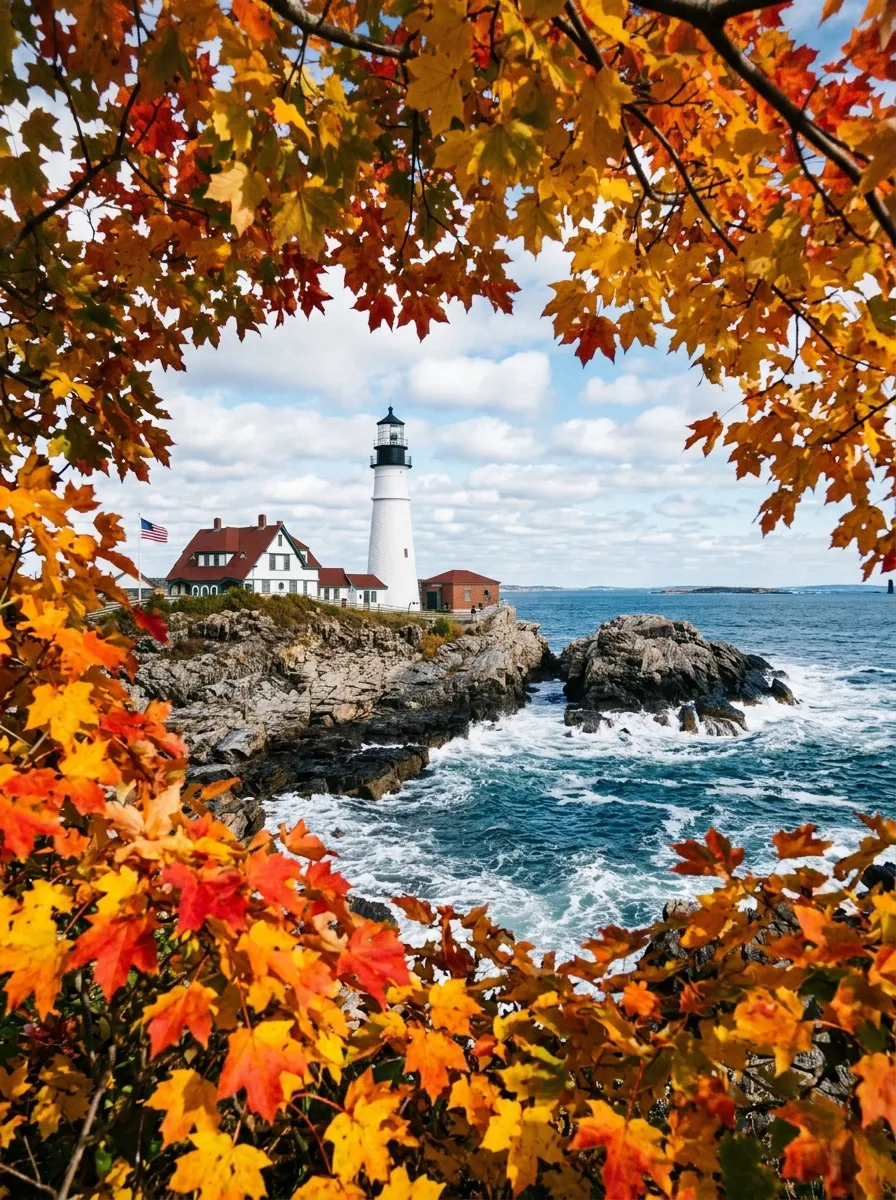
If you’re visiting for the remainder of 2026, September and October bring some of the best conditions of the year — golden fall light, foliage framing the lighthouse against the cliffs, and noticeably thinner crowds than summer. This window also typically includes Maine Open Lighthouse Day, the single day each year when the tower itself opens for climbing (exact date varies annually, so check the Maine Open Lighthouse Days website as the date approaches if that’s a priority). By November, the museum shifts to weekends-only hours before closing entirely for winter.
Winter
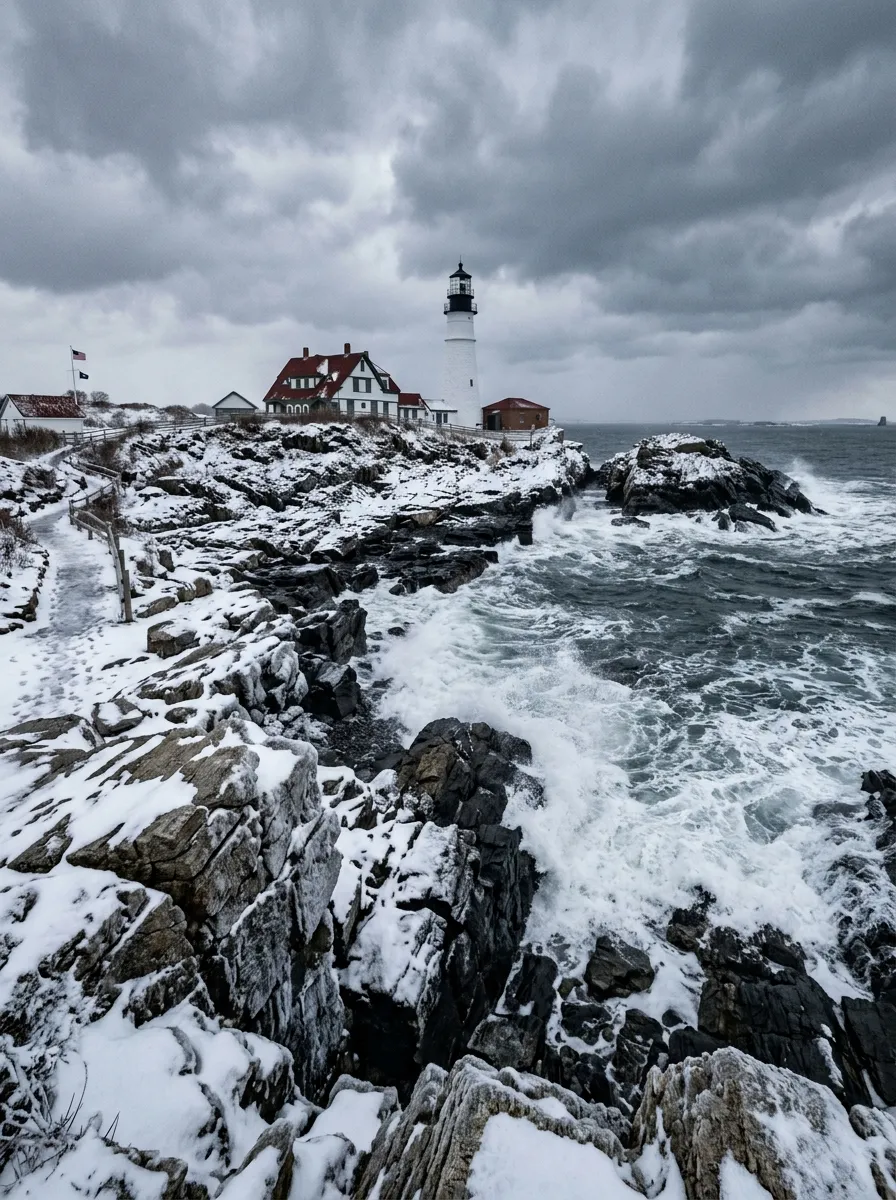
December through March brings a genuinely different, starker beauty to the park — dramatic snow-dusted scenes and storm-watching potential, though paths can turn icy and temperatures can drop to around 20°F. The museum is closed for the season, but the grounds themselves remain open, and a clear winter day can deliver some of the most striking, uncrowded photography conditions of the entire year.
Spring and Summer 2027
Spring (April–May) brings mild 50–70°F temperatures, wildflowers and strong birdwatching as migratory species return, along with the museum’s weekends-only May schedule before shifting to daily hours around Memorial Day. Summer (June–August) is peak season — long days, warm weather and the park at its busiest, especially on weekends, when arriving before 9 a.m. meaningfully improves both parking odds and photography light.
WEATHER NOTE
Maine’s coastal weather is genuinely unpredictable regardless of season — check the forecast for fog or sudden storms before you go, and know that the best light for photography is consistently early morning or late afternoon rather than midday.
Fort Williams Park
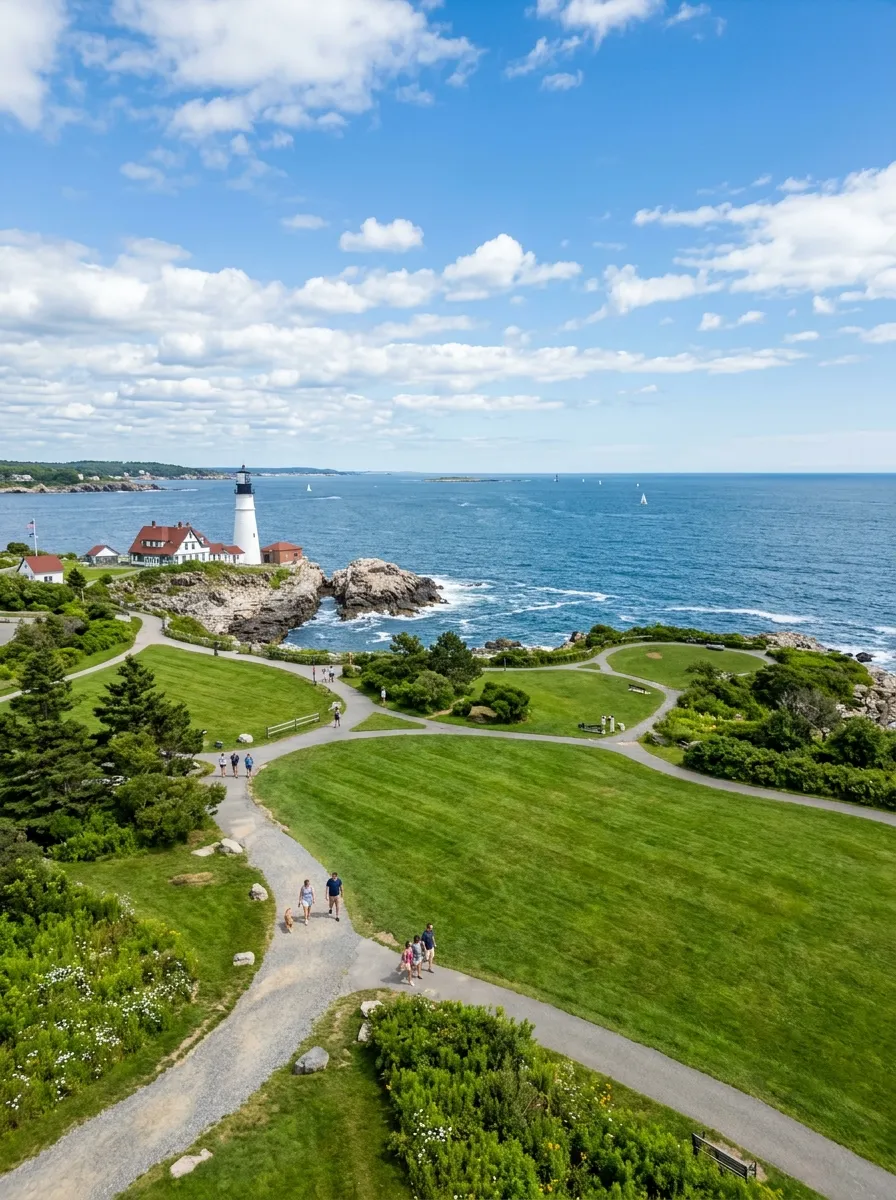
Portland Head Light sits inside Fort Williams Park, a 90-acre public park in Cape Elizabeth managed by the town, about 15 minutes south of downtown Portland. The park sits on the grounds of the former Fort Williams, a US Army coastal defense post active through both World War I and World War II, and today it functions as Cape Elizabeth’s premier public space — families come for picnics, dog walkers circle the trails on leash, photographers set up at the lighthouse for sunrise and sunset, and visitors from around the world make the short drive from Portland specifically for this view. The park itself is free and open year-round from dawn to dusk (roughly 6 a.m. to 9 p.m. in summer, shorter hours in winter), with donations appreciated but not required.
The Cliff Walk
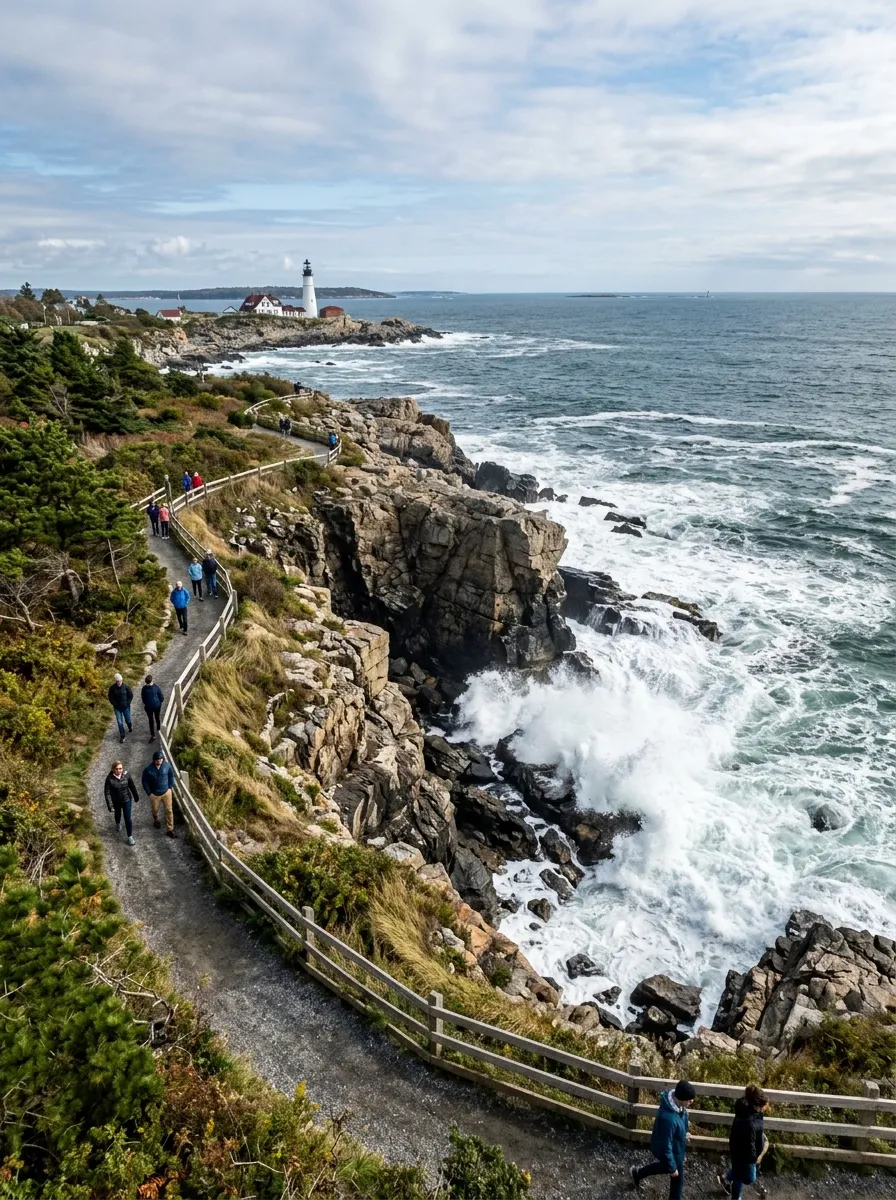
The park’s roughly 1-mile Cliff Walk follows the shoreline south of the lighthouse, delivering the rugged, rockbound coast views most people picture when they think of the Maine coastline — crashing waves, exposed granite, and open Atlantic views that shift dramatically with the tide and the weather. It’s an easy, rewarding walk that pairs naturally with the lighthouse photo stop, and it’s one of the best reasons to budget more than a quick 20-minute visit here.
If dramatic clifftop coastal views are what you’re chasing, Portland Head Light’s Cliff Walk has some serious company worth knowing about for a future trip — this list of 10 jaw-dropping viewpoints in Scotland rounds up an entirely different continent’s take on the same rugged, ocean-meets-cliff drama.
The Museum at Portland Head Light
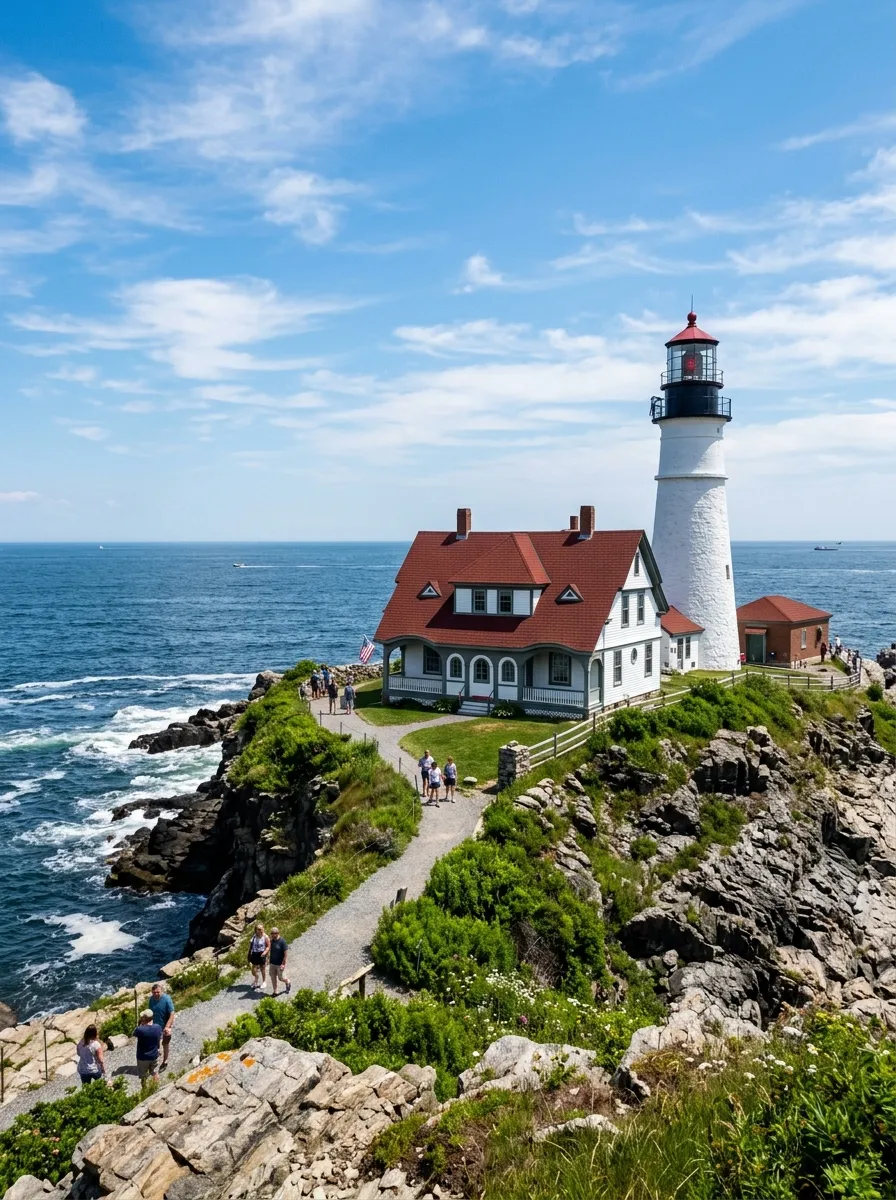
Housed in the former lighthouse keeper’s residence, the museum covers the site’s full history — lighthouse keepers, shipwrecks, maritime artifacts and the broader story of navigation along this stretch of coast. As of 2026, the museum is open daily from Memorial Day through October 31, generally 10 a.m. to 4 p.m., with weekends-only hours in May and November before closing for winter. Admission runs $2 for adults, $1 for children ages 6–18, and free for children under 6 — a genuinely modest fee for the amount of history packed into a compact space. A gift shop operates alongside it, and visitors collecting lighthouse passbook stamps can get theirs here for a $1 donation.
Goddard Mansion Ruins
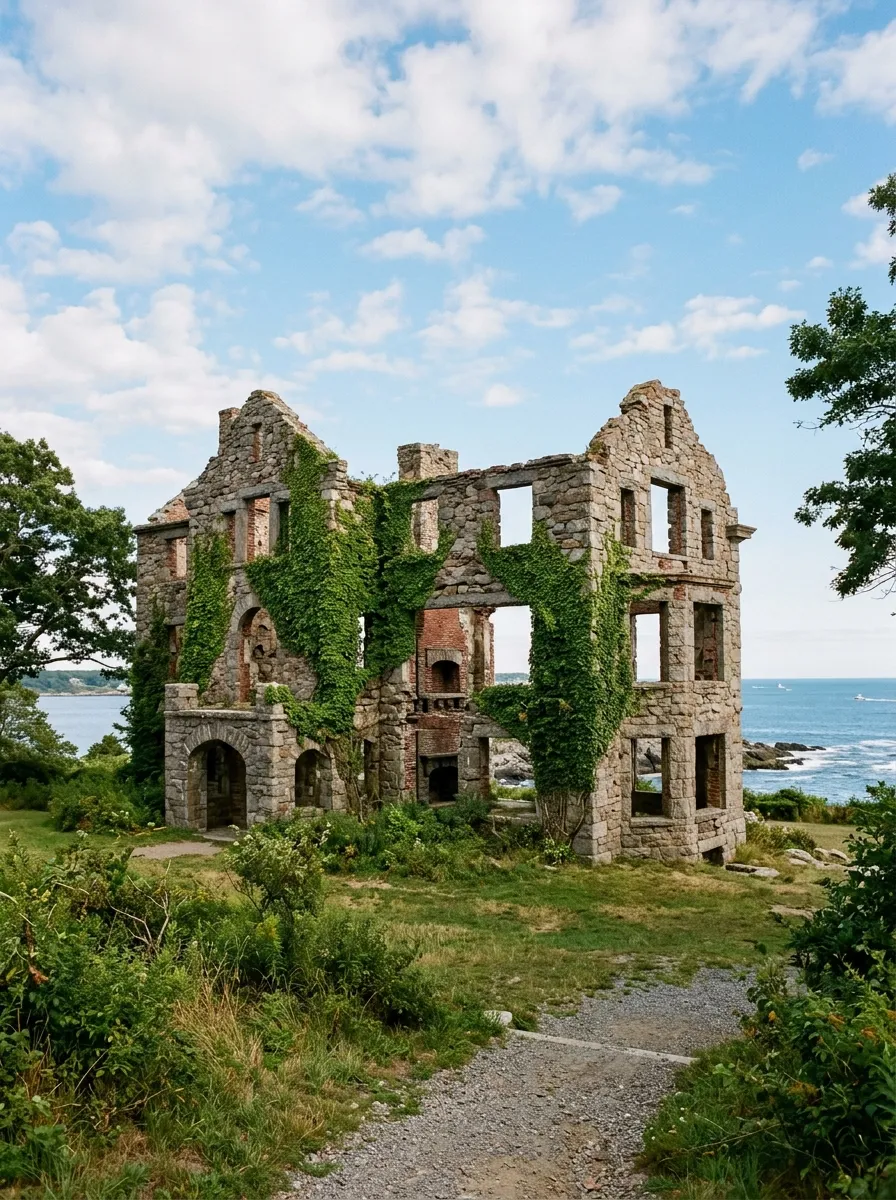
Scattered across the park’s grounds are reminders of a very different era of use — most strikingly the stone ruins of Goddard Mansion, a grand 19th-century home that now stands as an open, roofless shell. It’s one of the more atmospheric, slightly haunting stops in the park, and a favorite for photographers looking for something beyond the standard lighthouse shot.
Fort Williams’ Military History
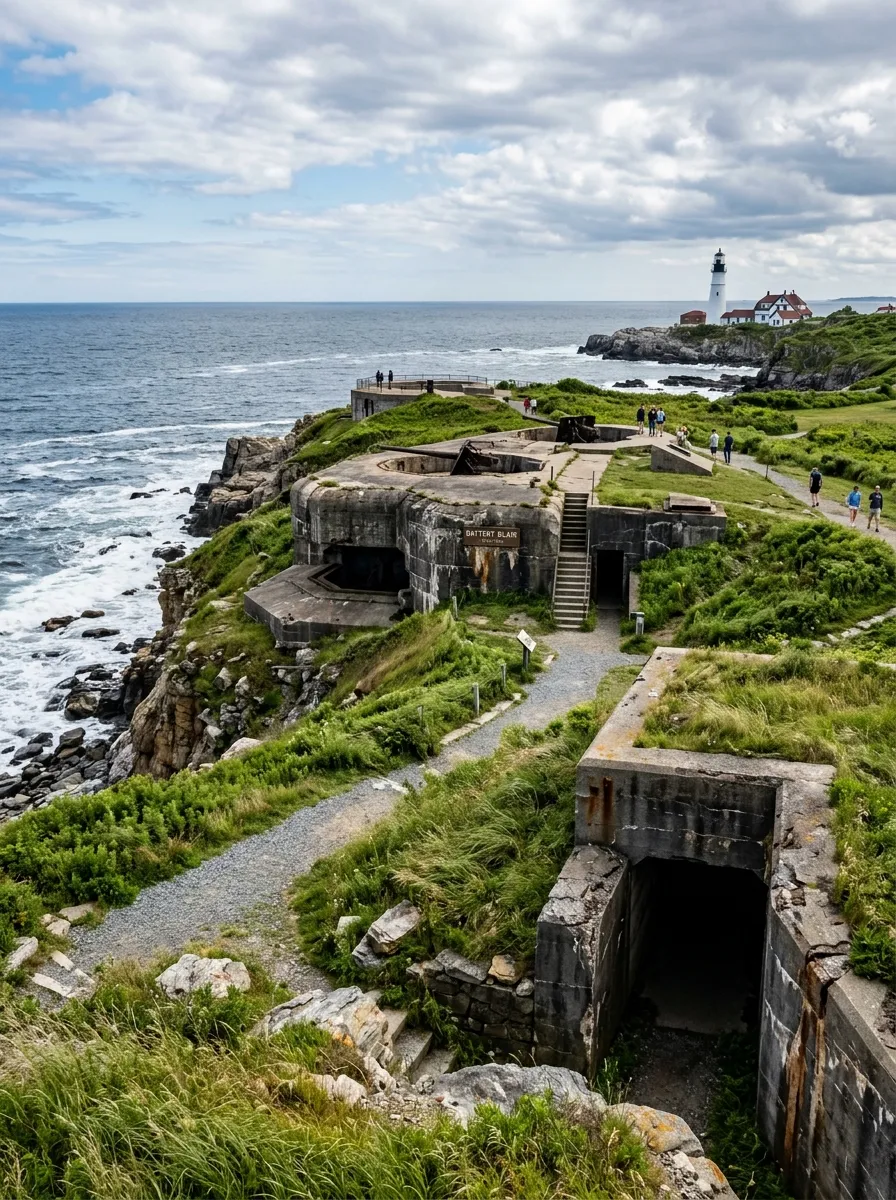
Beyond Goddard Mansion, the park holds a genuine cluster of coastal defense history from its active military era — concrete gun batteries (including Battery Blair and Battery Keyes) that visitors can walk right up to, along with the remains of a powerhouse and bunker structures. It’s a compact, self-guided way to trace the site’s shift from private estate to active military post to public park, all within the same 90 acres.
Ship Cove
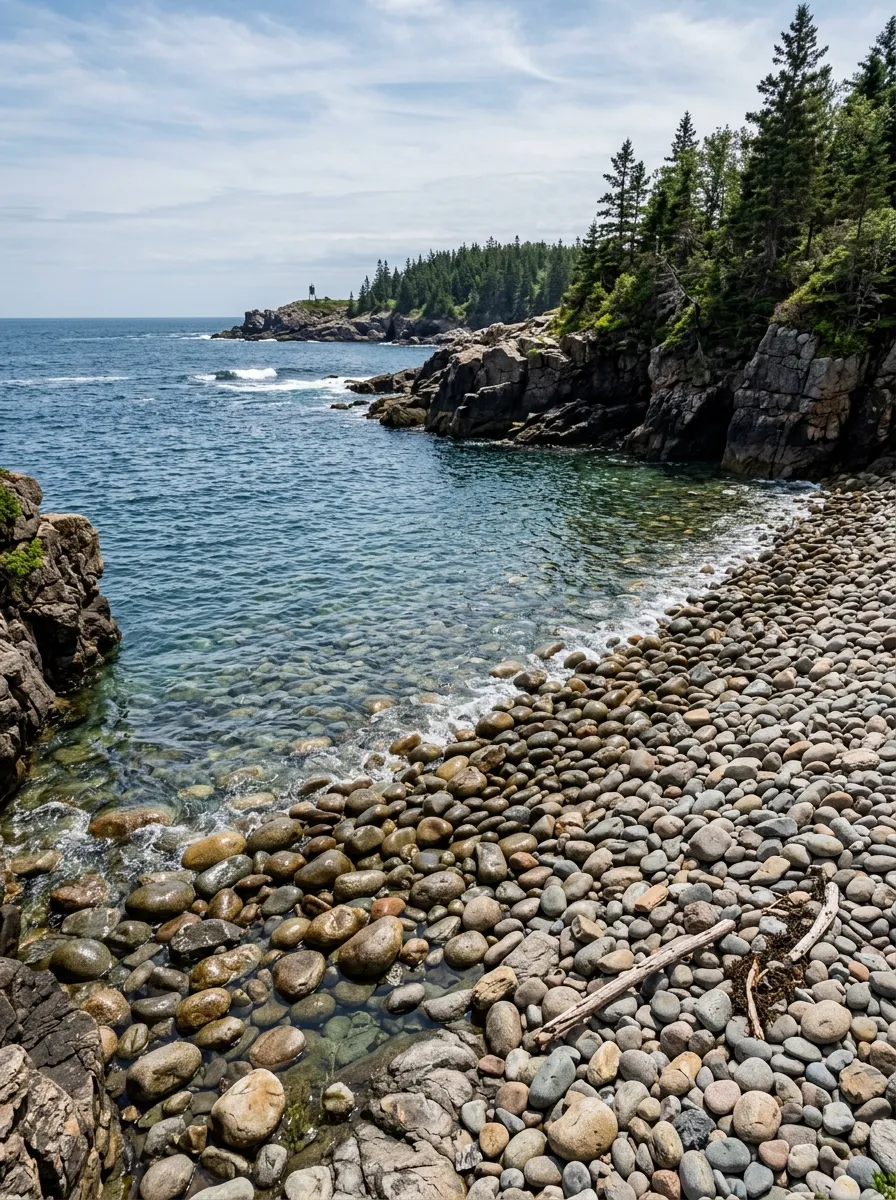
At the edge of the park, Ship Cove offers a small stretch of rocky beach where visitors can get down close to the water, along with fishing access at nearby Goddard Wharf. More adventurous visitors also use Ship Cove for snorkeling and scuba diving, a genuinely unexpected activity option for a site best known for lighthouse photography.
Climbing the Tower: Maine Open Lighthouse Day
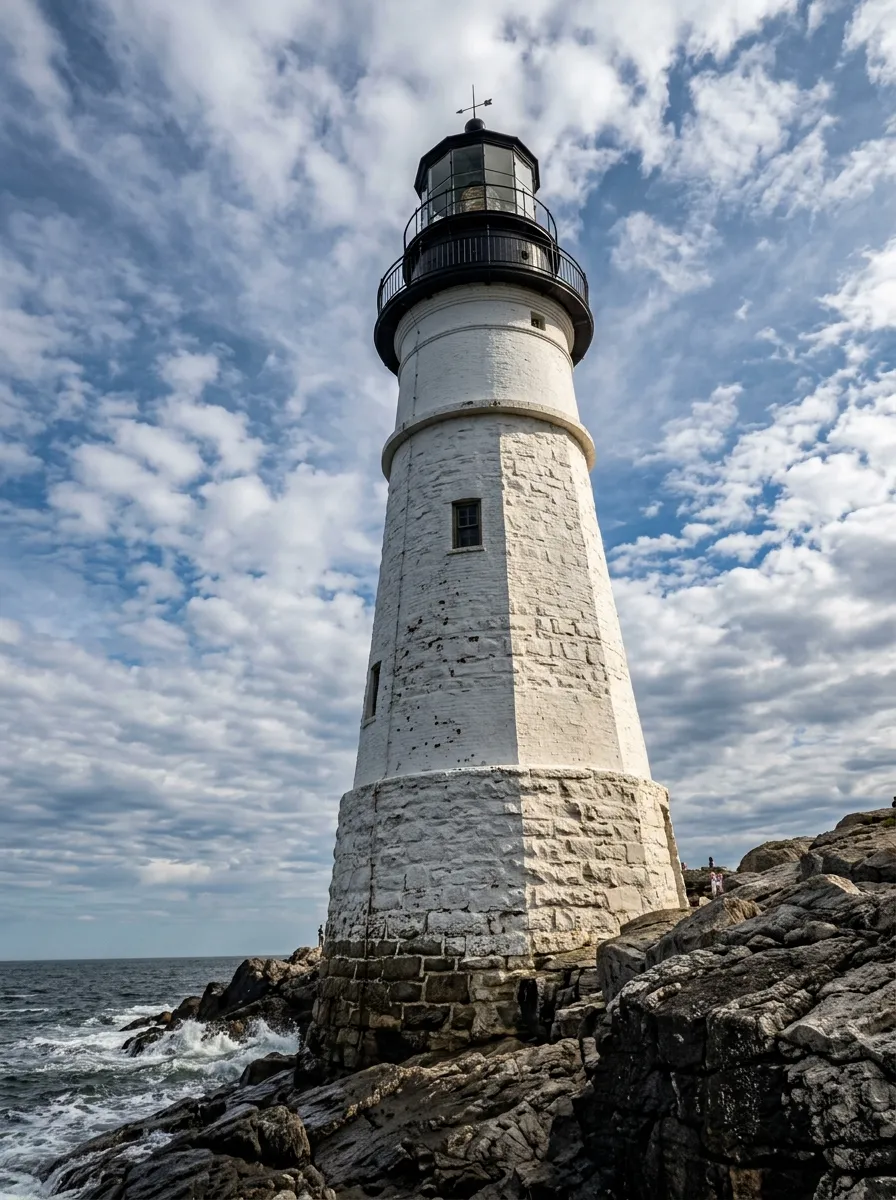
Here’s the detail that surprises a lot of first-time visitors: Portland Head Light’s tower is closed to the public 364 days of the year. The one exception is Maine Open Lighthouse Day, an annual statewide event (typically held in September) when a number of Maine’s lighthouses, including this one, open their towers for public climbing — the only chance most visitors will get to go inside. If climbing the tower itself is a priority rather than simply seeing it, this is the date to plan around; check the Maine Open Lighthouse Days website for the current year’s confirmed schedule as it approaches, since the exact date shifts annually.
Photography Tips
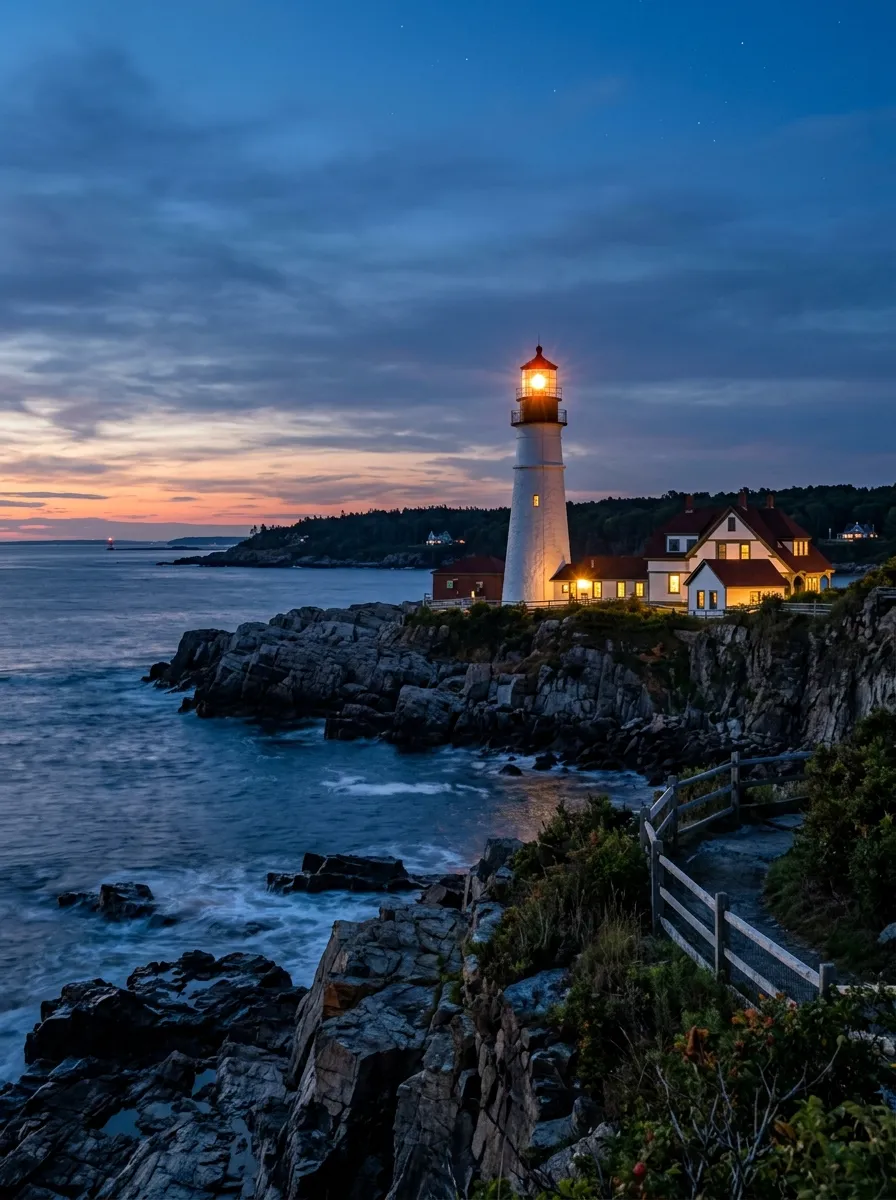
Early morning before 9 a.m. and late afternoon both deliver the best light for photographing the lighthouse against the cliffs, with noticeably fewer people in frame than a midday summer visit. Fall brings the added bonus of foliage framing the tower, while winter’s stark, snow-dusted scenes offer a completely different, less-crowded version of the same iconic shot.
Nearby Lighthouses: Two Lights and Cape Elizabeth Light
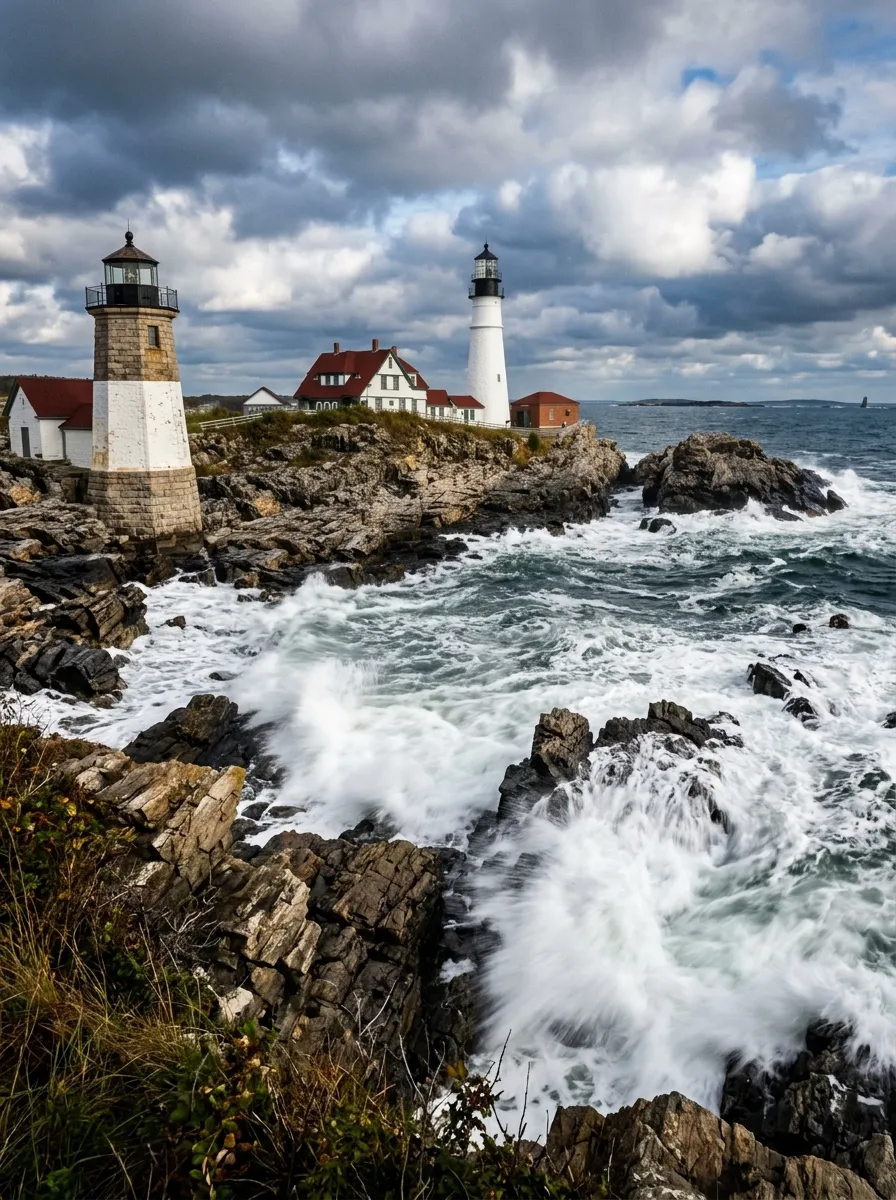
Cape Elizabeth holds more than one lighthouse worth a stop. Two Lights State Park, a short drive from Fort Williams, offers a quieter, less crowded lighthouse-viewing experience, particularly excellent for storm watching when conditions allow. Nearby Cape Elizabeth Light adds another photogenic stop for visitors wanting to build a fuller lighthouse-hopping day along this stretch of coast.
Nearby Beaches: Crescent Beach and Kettle Cove
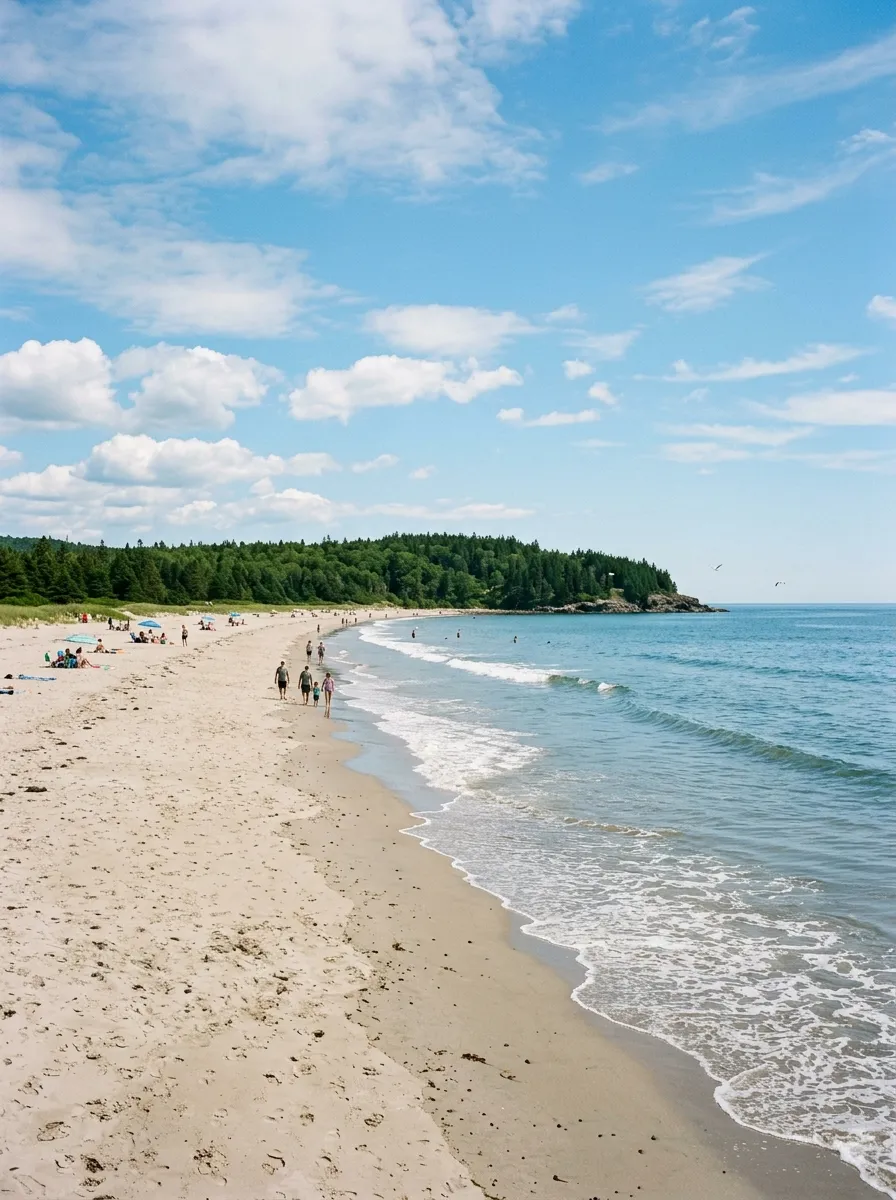
For visitors wanting to add swimming or a longer sandy beach walk to a Portland Head Light day, Crescent Beach State Park offers a proper stretch of sand about 5 miles south, while the smaller Kettle Cove nearby suits a quicker dip. Both pair naturally with a half-day built around the lighthouse and Fort Williams Park.
Pairing Portland Head Light with Downtown Portland
Given its roughly 15-minute proximity to downtown Portland, Portland Head Light works well as either a morning or afternoon add-on to a Portland-based trip — the Old Port district’s dining and shopping scene makes a natural bookend to a lighthouse-and-cliff-walk morning, and many visitors treat the two as a single, easy day.
If Portland Head Light has you thinking about where else in North America deserves a spot on your travel list, it’s worth stepping back and looking at the bigger picture — this guide to choosing the top cities to explore in North America offers a useful framework for deciding what comes next after a Maine coastal trip.
Whale Watching and Fall Foliage
Fall (September through November) brings peak whale-watching season to the waters off this stretch of Maine coast, alongside crisp air and the foliage color that makes autumn many repeat visitors’ favorite season here. Spring’s migratory bird return also makes April and May a strong window for birdwatchers exploring the park’s grounds.
Where to Stay Near Portland Head Light
Cape Elizabeth: The closest, quietest option, with a handful of inns and vacation rentals within a short drive of Fort Williams Park itself.
Downtown Portland (Old Port): The most practical base for most visitors, offering the widest range of hotels, restaurants and nightlife, about 15 minutes north.
South Portland: A useful middle-ground option between Cape Elizabeth’s quiet and downtown Portland’s fuller amenities.
For visitors weighing a completely different kind of coastal stay on a future trip — one built around resort luxury rather than rugged New England charm — this guide to the most luxurious resorts in Saudi Arabia covers about as different a coastal lodging experience as travel offers.
How to Get to Portland Head Light
By car: The most practical way to reach Fort Williams Park — from Portland, take Route 77 south to South Portland, then Broadway to Cottage Road (which becomes Shore Road at the Cape Elizabeth town line), continuing to the park entrance. From the south, take Route 1 to Route 207, then Route 77 north into Cape Elizabeth.
Parking: A pay-and-display system covers the Picnic Shelter, Parade Ground, Ship Cove and Central Parking lots, generally running a $6 two-hour minimum with $2 per additional hour (card only); a free overflow lot is also available for visitors willing to walk a bit farther.
Without a car: Guided tours and shuttle services from downtown Portland are available seasonally for visitors without their own transportation, though a car offers considerably more flexibility for combining Fort Williams Park with nearby beaches and lighthouses.
How Much Time Do You Need at Portland Head Light?
A quick visit (30–60 minutes) covers the essentials: walk to the lighthouse, photograph it from the cliff walk, and grab a lobster roll if the food truck line isn’t too long. A half day (2–3 hours) allows time to add the museum, explore Goddard Mansion and the Battery Keyes ruins, let kids run on the parade ground, and find Ship Cove’s small beach. A full experience means coming for sunrise or sunset photography, packing a picnic, and exploring every corner of the park’s 90 acres.
A Half-Day Portland Head Light Itinerary
Morning: Arrive early (before 9 a.m. in peak season) for the best light and lightest crowds, walk the Cliff Walk, photograph the lighthouse.
Midday: Museum visit in the keeper’s quarters, Goddard Mansion ruins, lunch from one of the park’s seasonal food trucks.
Afternoon: Ship Cove beach time or a drive to nearby Two Lights State Park or Crescent Beach for a change of pace.
A Full-Day Cape Elizabeth Itinerary
Morning: Sunrise photography at Portland Head Light, full Fort Williams Park exploration including the fort ruins and Goddard Mansion.
Midday: Lobster roll lunch at the park, drive to Two Lights State Park for a quieter lighthouse stop.
Afternoon: Crescent Beach State Park for swimming, or continue north into downtown Portland’s Old Port for dinner and evening exploring.
Budget Travel at Portland Head Light
This is a genuinely affordable outing regardless of budget — Fort Williams Park itself is free to enter, the museum charges only a modest 2/1 admission, and the park’s biggest cost for most visitors is simply the parking fee. Packing a picnic rather than relying on the seasonal food trucks cuts costs further, and the free overflow parking lot avoids the metered lots entirely for visitors willing to walk a short distance.
Family Travel at Portland Head Light
Fort Williams Park works well for families — wide lawns for kids to run on, a children’s playground, picnic shelters, and Ship Cove’s shallow, accessible beach area all make for an easy family outing. The paved paths to the main lighthouse viewing area are wheelchair accessible, though the cliffs, fort ruins and beach areas involve uneven terrain worth knowing about in advance.
Safety and Practical Tips
Standard coastal safety applies at the Cliff Walk and Ship Cove — stay on marked paths near the cliff edges, and be aware that Maine’s weather can shift quickly enough to catch visitors off guard, especially fog rolling in off the water. The fort ruins and gun batteries are safe to explore from marked paths, but exercise normal caution around uneven, weathered concrete structures that are, after all, more than a century old in places.
A little safety awareness goes a long way on any trip, whether it’s a straightforward coastal park or somewhere with more complex planning considerations — this step-by-step guide on travel safety to Russia is a useful read for anyone applying that same careful-planning mindset to a considerably more involved international trip.
Portland Head Light Packing Checklist
- [ ] A camera or phone with a full battery for lighthouse photography
- [ ] Comfortable walking shoes for the Cliff Walk and fort ruins’ uneven terrain
- [ ] A light jacket or windbreaker, even in summer, given how quickly coastal weather shifts
- [ ] Cash or card for museum admission and parking
- [ ] A picnic if you’d rather skip the seasonal food truck lines
- [ ] Binoculars for fall whale watching or spring birdwatching
- [ ] Sunscreen for exposed clifftop walking
- [ ] A swimsuit if pairing the visit with Crescent Beach or Kettle Cove
Frequently Asked Questions About Visiting Portland Head Light
Can I go inside Portland Head Light?
Only one day a year — Maine Open Lighthouse Day, typically in September — when the tower opens for public climbing. The rest of the year, the tower itself is closed, though the grounds and museum remain accessible.
What is the best time of year to visit Portland Head Light?
Fall (September–October) offers the best combination of pleasant weather, foliage and thinner crowds; summer is busiest, and winter offers a starker, quieter, snow-dusted alternative.
How much does it cost to visit Portland Head Light?
The park itself is free; the museum charges $2 for adults and $1 for children 6–18 (free under 6); parking runs a $6 two-hour minimum in metered lots, with a free overflow lot available.
How far is Portland Head Light from downtown Portland?
About 15 minutes by car, making it an easy half-day add-on to a Portland-based trip.
How long should I spend at Portland Head Light?
A quick photo stop takes 30–60 minutes; a fuller visit with the museum, fort ruins and cliff walk runs 2–3 hours.
Is Portland Head Light wheelchair accessible?
The main paths to the lighthouse viewing area are paved and accessible; the cliffs, fort ruins and beach areas involve uneven terrain.
When is the museum open?
Daily from Memorial Day through October 31, generally 10 a.m. to 4 p.m.; weekends only in May and November; closed for the winter season.
Is Portland Head Light good for families?
Yes — wide lawns, a children’s playground, picnic shelters and Ship Cove’s accessible beach area all work well for a family outing.
Are dogs allowed at Fort Williams Park?
Yes, on a leash, except in the park’s designated off-leash area.
What else is there to see besides the lighthouse?
Goddard Mansion’s ruins, Fort Williams’ World War II gun batteries and bunkers, the Cliff Walk, Ship Cove beach, and a small museum in the former keeper’s quarters.
Is there food available at the park?
Seasonal food trucks operate during peak visitation, including lobster roll, sandwich, hot dog and gelato vendors; there are no permanent restaurants on site.
What’s the biggest mistake first-time visitors make?
Assuming they can climb the lighthouse tower on a regular visit — it’s closed to the public every day except Maine Open Lighthouse Day.
Are there other lighthouses nearby worth visiting?
Yes — Two Lights State Park and Cape Elizabeth Light both sit a short drive away and offer quieter alternatives to Fort Williams Park’s crowds.
Is Crescent Beach close to Portland Head Light?
Yes, about 5 miles south, making it an easy pairing for a fuller Cape Elizabeth day.
What’s the best time of day for photography?
Early morning before 9 a.m. or late afternoon, both for the quality of light and for avoiding the biggest crowds.
Final Thoughts on Visiting Portland Head Light
Portland Head Light earns its reputation as America’s most photographed lighthouse honestly — more than two centuries of continuous service, a George Washington-authorized origin story, and a genuinely dramatic clifftop setting that changes character with every hour and season. But the lighthouse alone is really just the entry point into Fort Williams Park’s fuller 90 acres: Goddard Mansion’s haunting stone ruins, a mile of rugged Cliff Walk, and enough coastal defense history to turn a quick photo stop into a genuine half-day outing.
If you’re building a Portland Head Light visit, budget more time than the postcard image suggests — the lighthouse itself takes five minutes to photograph, but the park around it rewards a proper couple of hours. And if climbing the tower is genuinely important to you, mark Maine Open Lighthouse Day on your calendar well ahead of time, since it’s the only chance most visitors will ever get. However you build the visit, Portland Head Light delivers exactly what people picture when they imagine the Maine coast: rugged granite, crashing surf, and a lighthouse that’s been standing watch over this exact harbor entrance since before most of the country’s other landmarks even existed.
For a future trip that trades Maine’s rugged, quiet coastline for an entirely different kind of historic depth and atmosphere, this guide to experiencing the most cultural cities in the Middle East is worth bookmarking — proof that centuries-old maritime history isn’t the only kind of deep, layered history worth traveling for.