How to Prepare for a Winter Trip to Lake Tahoe: What First-Time Visitors Should Know
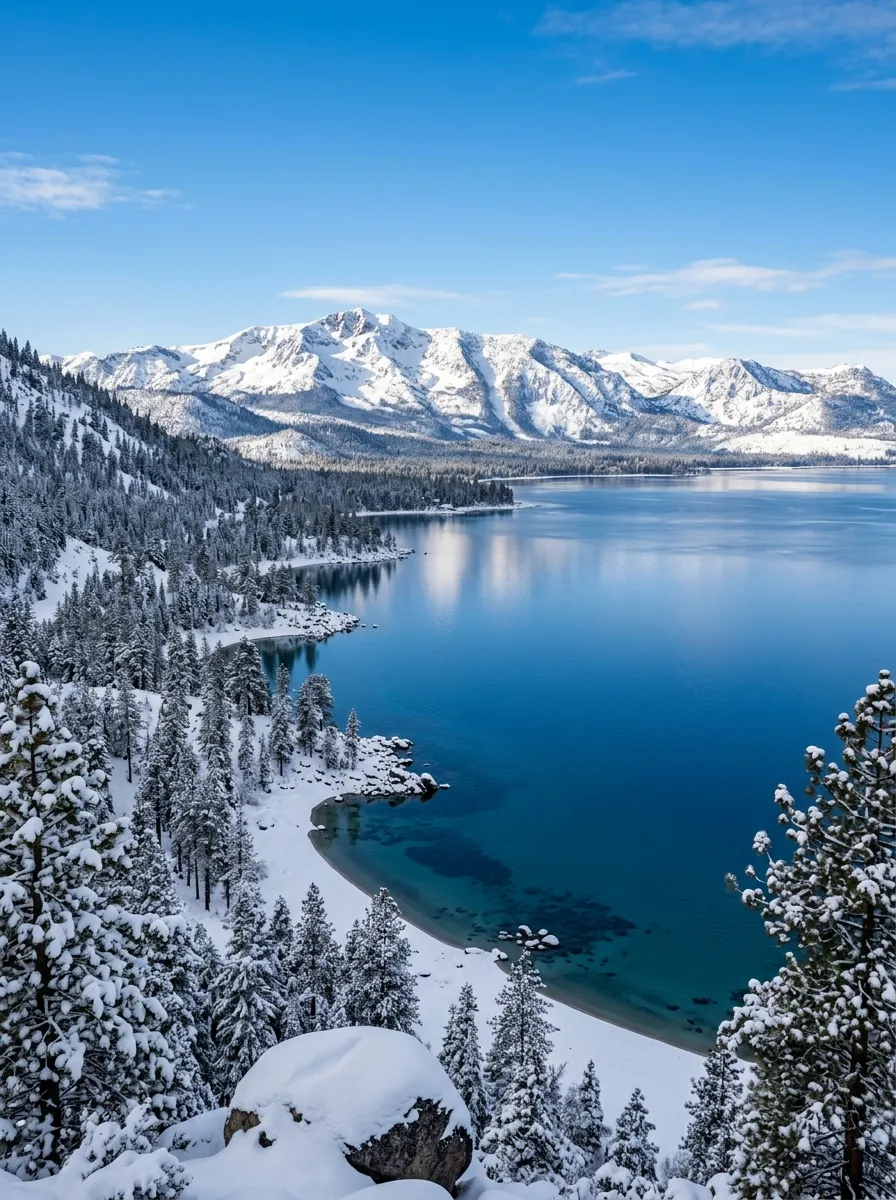
Lake Tahoe in winter can look almost unreal.
The lake stays intensely blue while the mountains around it turn white. Pine forests disappear under snow, ski resorts fill with powder, and small towns around the shoreline become cozy bases for everything from skiing and snowshoeing to simply drinking something warm while watching a snowstorm roll across the mountains.
But if this is your first winter trip to Lake Tahoe, there is something you should know before you start packing.
Tahoe is beautiful in winter, but winter conditions are serious here.
The lake sits more than a mile above sea level, and the Tahoe Basin straddles California and Nevada. Snow, ice, rapidly changing road conditions and chain controls can all become part of the trip.
That doesn’t mean you should avoid a winter visit.
Quite the opposite.
It simply means you should prepare differently from a summer trip.
Here’s what first-time visitors need to know before traveling to Lake Tahoe in winter.
Recommended Travel Items for Your Trip
Why Visit Lake Tahoe in Winter?
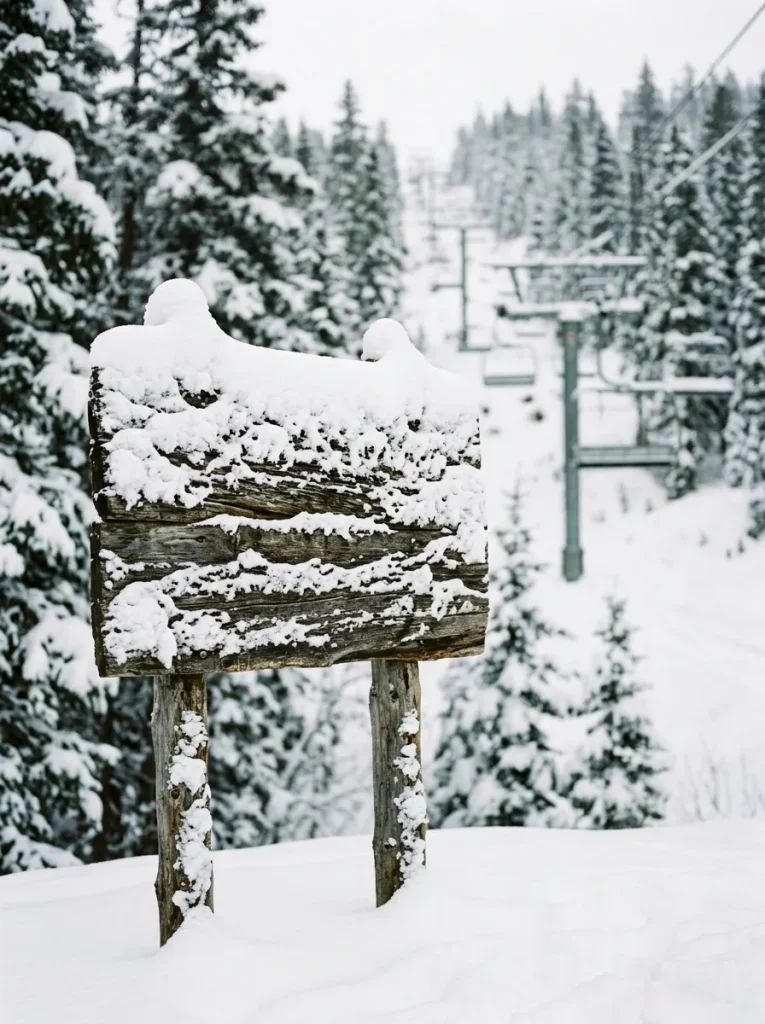
Winter transforms Tahoe into one of the most popular snow destinations in the western United States.
The region offers skiing and snowboarding, snowshoeing, tubing, ice skating, scenic drives, winter hiking and plenty of opportunities to enjoy the lake without ever stepping onto a ski slope. Visit Lake Tahoe lists skiing, snowboarding, tubing and snowshoeing among its major winter activities.
And you don’t have to be an expert skier.
You can build an entire Tahoe vacation around:
- Snowy scenery
- Cozy cafés
- Scenic viewpoints
- Snowshoeing
- Sledding and tubing
- Ski resorts
- Winter photography
- Restaurants and après-ski
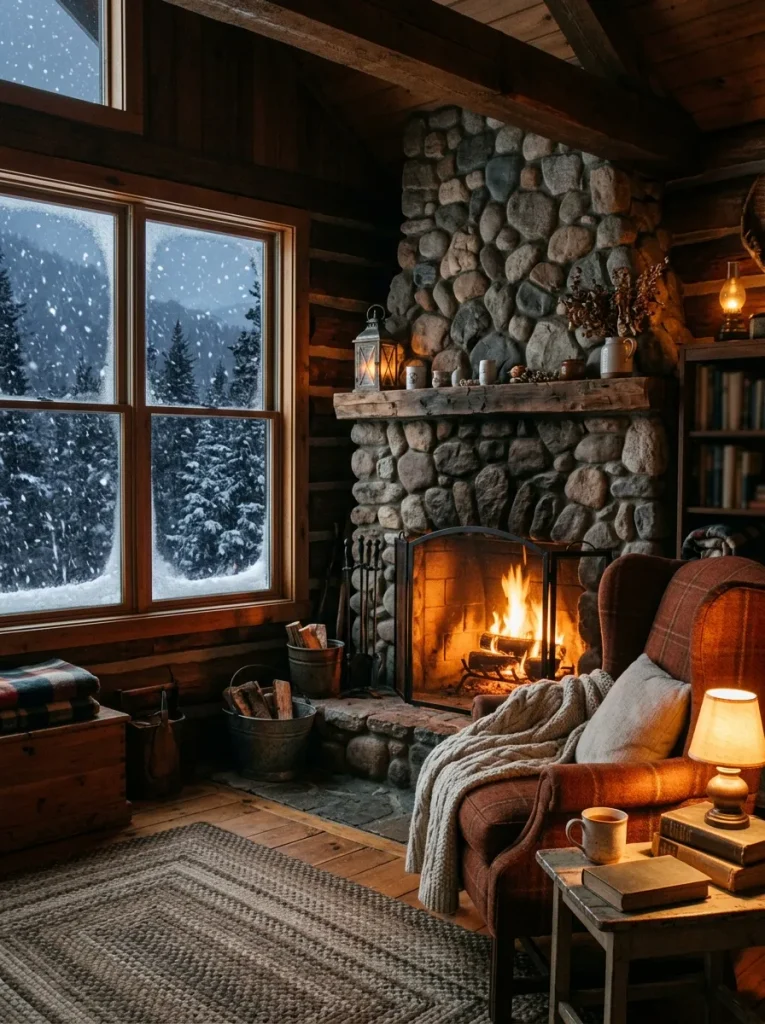
- Relaxing by the fireplace
- Exploring the towns around the lake
That variety is one of Tahoe’s biggest advantages.
When Is Winter in Lake Tahoe?
Winter conditions can begin well before the official start of winter and continue well into spring.
December, January and February are classic choices for a snowy trip, while March can still offer substantial snow and winter activities depending on conditions.
Tahoe’s ski resorts can receive significant snowfall. Nevada’s tourism authority notes that Tahoe ski resorts can receive roughly 250 to 350 inches of annual snowfall.
However, don’t plan your trip around a specific amount of snow arriving on a specific date.
Weather can change quickly.
A storm can bring heavy snow one day and clear blue skies the next.
Decide What Kind of Tahoe Trip You Want
Before choosing your hotel, decide what you’re actually going to do.
This sounds obvious, but Tahoe is spread around a large lake and different areas suit different travelers.
For skiing and snowboarding
Choose your base based on the ski resort you plan to use.
If you are spending most of your time at one resort, staying relatively close can save you a lot of driving.
For sightseeing and a first Tahoe experience
South Lake Tahoe is a convenient choice because it offers a large concentration of hotels, restaurants, entertainment and access to winter activities.
For a quieter mountain escape
Look toward areas such as Tahoe City, Incline Village or smaller communities around the lake.
For a luxury winter getaway
Consider upscale lodging around the north and east shores.
The important thing is not to choose a hotel simply because it looks close to something on a map.
Winter driving can make short distances take much longer.
How Much Snow Should You Expect?
This is where first-time visitors sometimes get caught out.
A weather forecast for “snow” doesn’t necessarily mean the entire trip will be buried under several feet.
Snowfall varies by elevation, location and storm.
The higher mountain areas can receive dramatically more snow than lower areas around the lake.
And conditions can change quickly.
Emerald Bay State Park, for example, notes that winter temperatures there average roughly 40°F during the day and 20°F at night, while the High Sierra weather can change abruptly. The park specifically recommends layered clothing and checking weather updates.
So don’t pack based on one weather app’s average temperature.
Check the forecast shortly before your trip.
The Most Important Thing: Prepare for Winter Driving
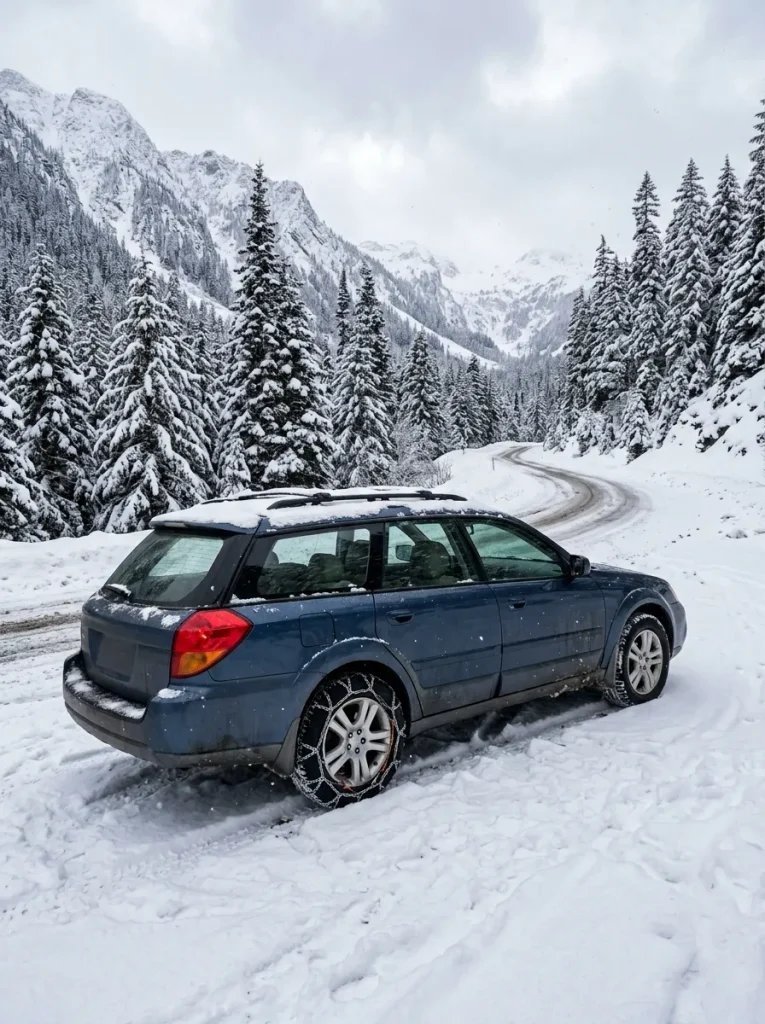
If you’re driving to Tahoe, this is the section you should actually read twice.
Mountain roads can become snowy and icy, and chain controls may be imposed as conditions change.
Caltrans recommends checking road conditions, chain controls and closures before leaving, and emphasizes that conditions can change rapidly.
California also has specific chain-control requirements.
You may be required to carry chains or other approved traction devices even if you’re driving a four-wheel-drive or all-wheel-drive vehicle.
So don’t make this assumption:
“I have AWD, so I don’t need chains.”
You may still need to carry them.
Learn How Chain Controls Work
California uses different levels of chain requirements depending on conditions.
Under some restrictions, certain vehicles with appropriate snow tires may be exempt from installing chains, while more severe restrictions can require chains or traction devices on all vehicles.
If signs say chains are required, you must follow the posted instructions.
Don’t wait until your car starts sliding.
And don’t pull over randomly in an active traffic lane to install them.
Caltrans advises drivers to wait until they can pull completely off the roadway before installing chains.
Practice before your trip
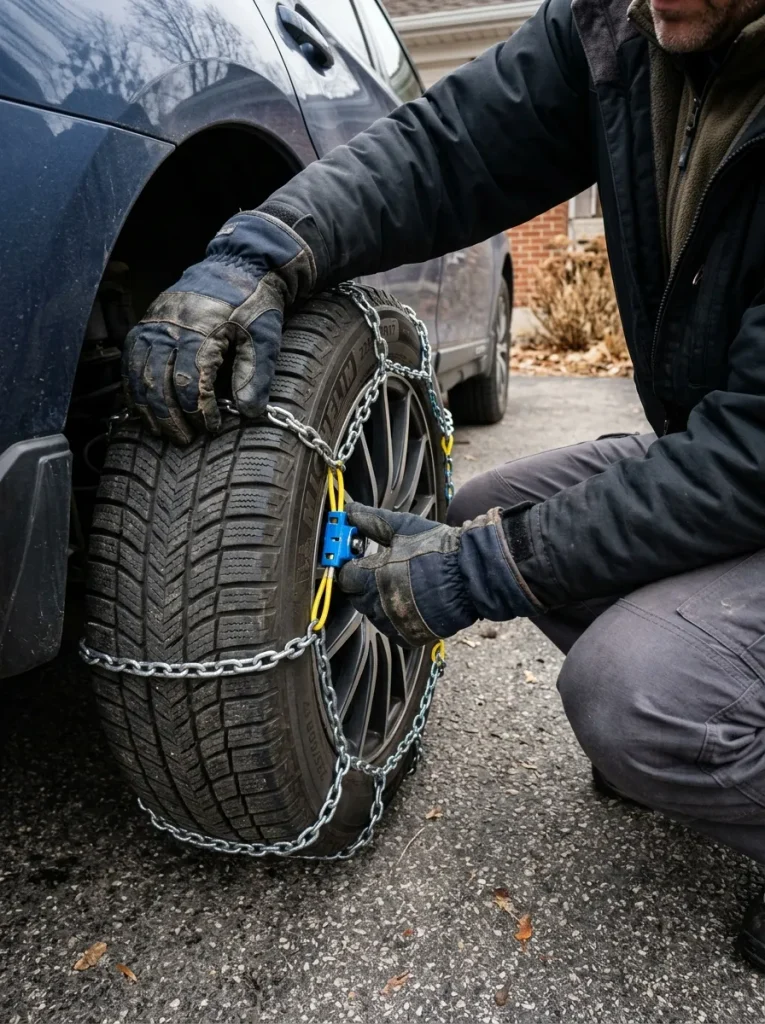
This is one of the best first-time Tahoe tips.
If you’ve never installed chains before, practice at home.
Do it once when you’re warm, dry and standing on a driveway.
You really don’t want your first attempt to happen at 7,000 feet during a snowstorm while wearing wet gloves.
Check Your Rental Car Carefully
If you’re flying into the region and renting a vehicle, don’t assume the rental car automatically has everything you need.
Before driving away, ask:
- Does it have AWD or 4WD?
- What type of tires are installed?
- Are the tires winter-rated?
- Are chains or traction devices supplied?
- What does the rental company allow?
- Does the vehicle have a spare tire?
- Where is the jack?
- Does the car have a snow brush?
- What should you do if chain controls are imposed?
Take a few minutes to understand the vehicle.
That’s much easier than learning about it on a snowy mountain road.
Pack a Real Winter Car Kit
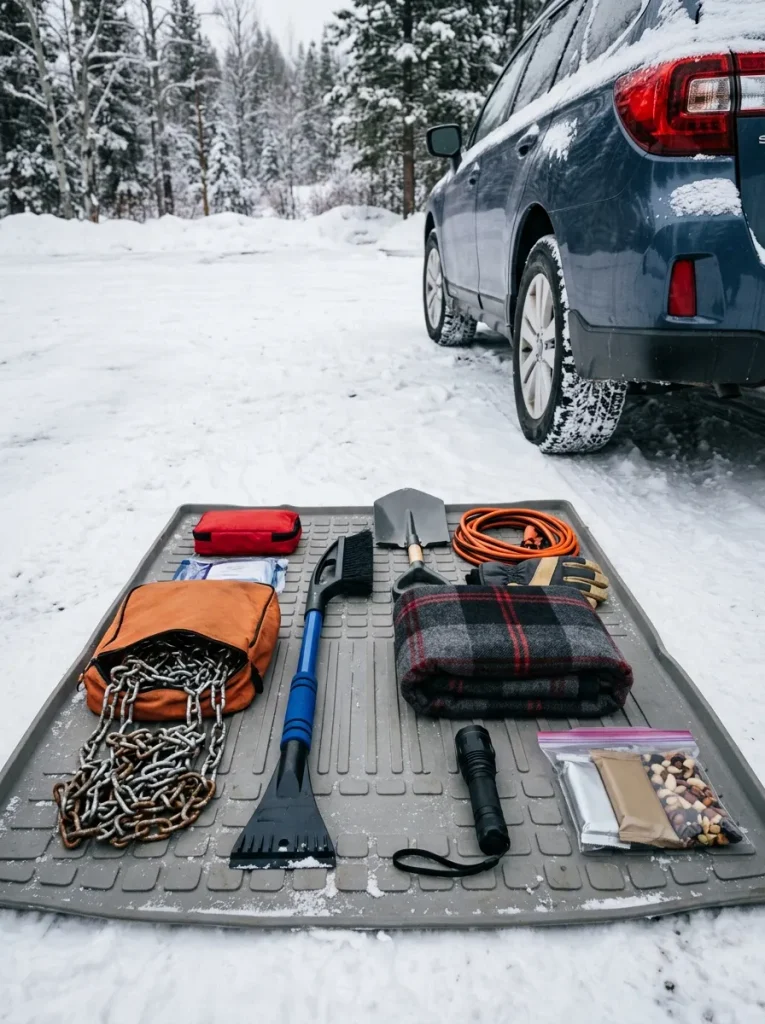
Your Tahoe winter car kit should include:
- Tire chains or approved traction devices
- Ice scraper
- Snow brush
- Small shovel
- Gloves
- Warm blanket
- Extra clothing
- Water
- Snacks
- Flashlight
- Phone charger
- Portable power bank
- First-aid kit
- Paper map or offline maps
Visit Lake Tahoe’s winter safety guidance similarly recommends chains, emergency clothing, blankets, water, snacks, gloves and basic snow-removal equipment.
Caltrans also recommends checking tires, brakes, windshield wipers, defroster, heater and exhaust system before heading into snow country.
Don’t Forget to Fill the Gas Tank
This is another easy thing to underestimate.
Winter traffic delays can be much longer than expected.
A storm can slow traffic dramatically or cause temporary road closures.
Caltrans recommends keeping the fuel tank full when heading into mountain areas because drivers may need to change routes, turn around or wait in delays.
If you drive an EV, the same basic principle applies.
Start with plenty of charge and know where backup charging options are located.
Don’t plan to arrive at a mountain destination with just enough range to reach the hotel.
Give Yourself Extra Driving Time
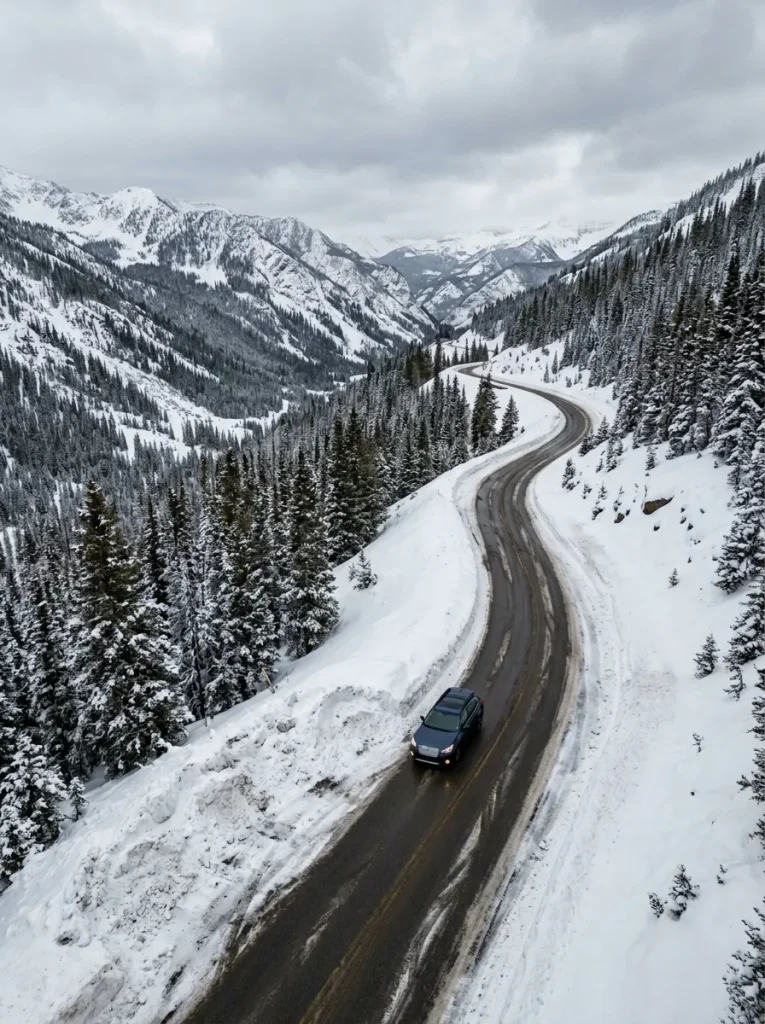
A summer route that takes two hours may take much longer during a winter storm.
Snowplows may be working.
Traffic may move slowly.
Chain controls can create delays.
Visibility can deteriorate.
And accidents or spinouts can temporarily block roads.
Caltrans specifically advises travelers to allow extra time when driving through mountain areas during winter.
So don’t schedule a ski lesson 20 minutes after your GPS says you’ll arrive.
Give yourself breathing room.
Choose the Right Winter Clothing
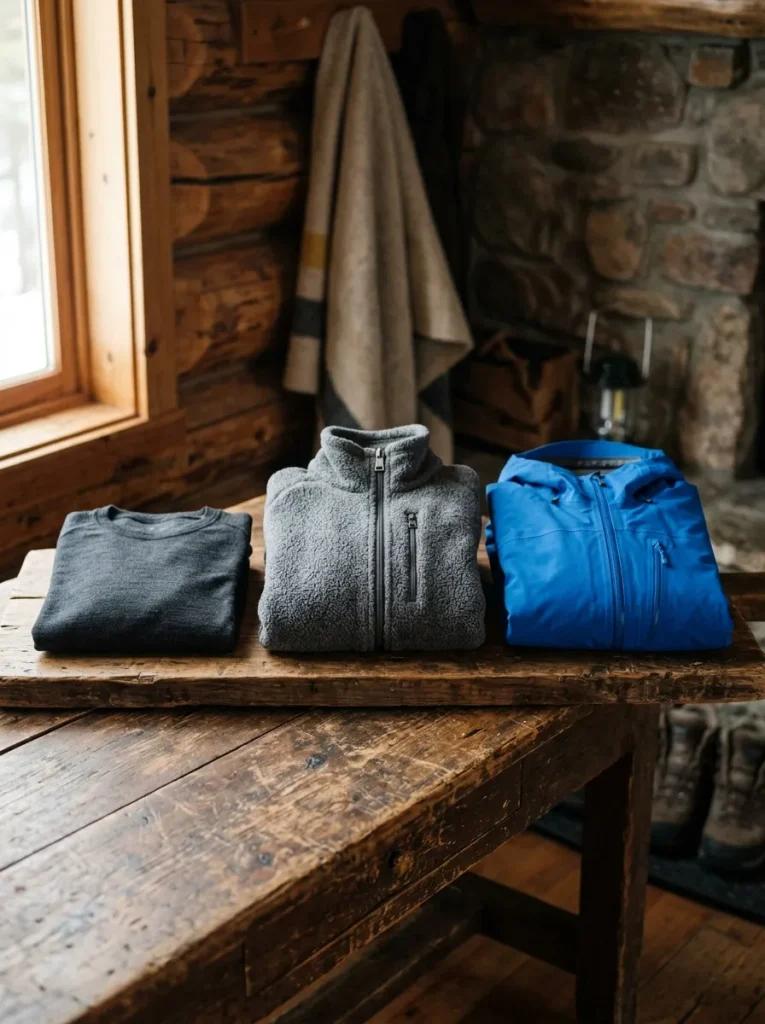
Lake Tahoe isn’t the place for a fashion-only winter wardrobe.
You’ll want clothing that actually works.
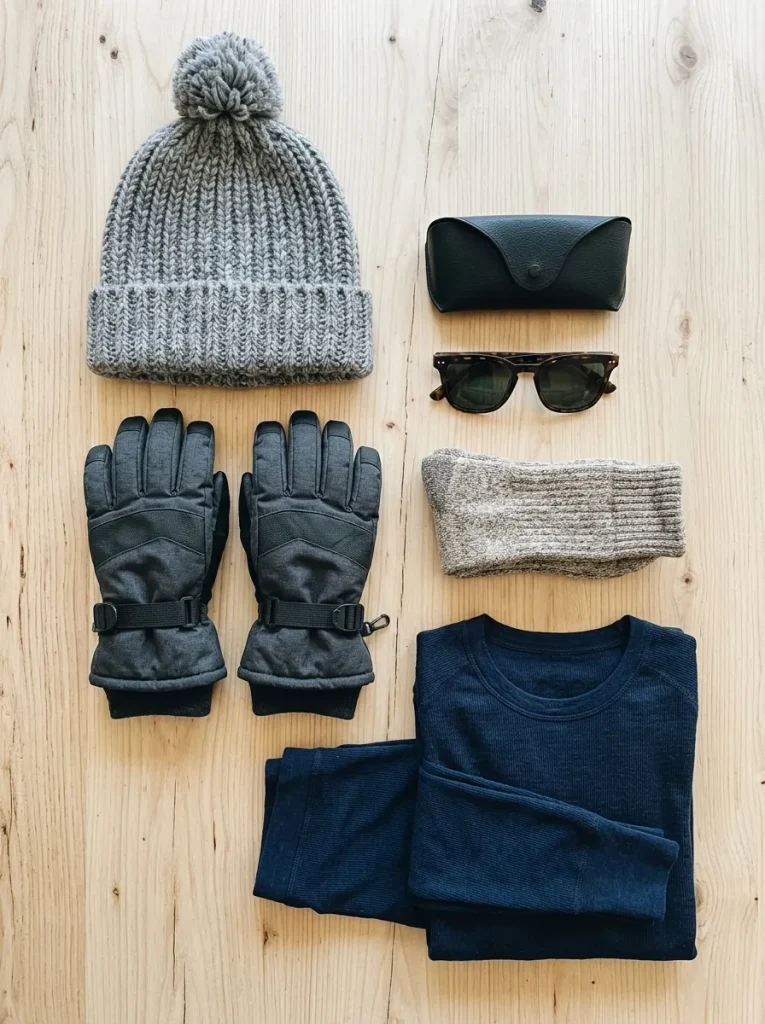
Start with layers:
Base layer: Thermal or moisture-wicking shirt
Middle layer: Fleece, wool or insulated layer
Outer layer: Waterproof and wind-resistant jacket
Then add:
- Warm hat
- Gloves or mittens
- Thermal socks
- Waterproof boots
- Neck gaiter or scarf
The key is staying dry.
Snow melting into your shoes can ruin an otherwise excellent day very quickly.
Bring Proper Winter Boots
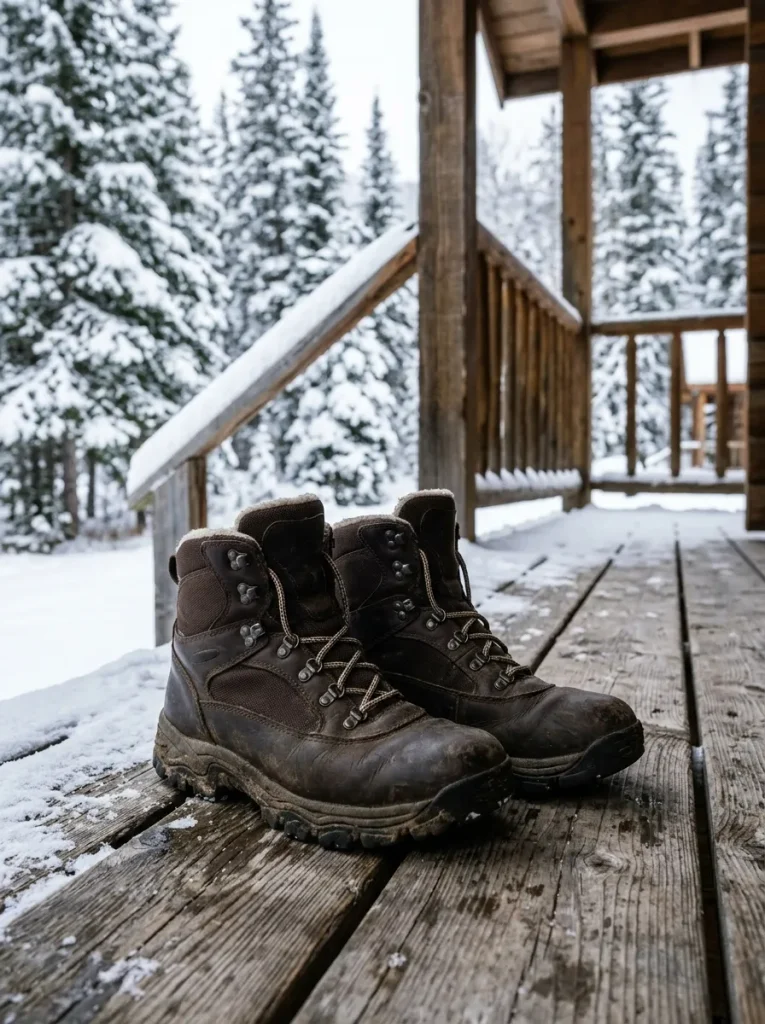
Regular sneakers are a poor choice for snowy Tahoe sidewalks and trails.
Choose boots with:
- Waterproof construction
- Insulation
- Good traction
- Enough room for warm socks
You don’t necessarily need huge mountaineering boots.
But you do need footwear that can handle snow, slush and ice.
If you’re planning winter hikes, consider microspikes or other traction equipment where appropriate and check current trail conditions before heading out.
Don’t Assume Every Trail Is Easy in Winter
A trail that is manageable in summer can become a completely different experience under snow and ice.
You may encounter:
- Hidden rocks
- Icy sections
- Deep snow
- Slippery descents
- Limited trail visibility
- Reduced daylight
- Closed facilities
- Poor cell reception
Emerald Bay State Park specifically warns that snow and ice can make the hike to Vikingsholm hazardous in winter and advises visitors to consider their footwear, clothing, food, water and stamina. The park also notes that cell reception may be unavailable and services are limited during the colder months.
That’s a good general rule for Tahoe:
Don’t judge a winter trail by its summer photos.
Be Careful Around Emerald Bay
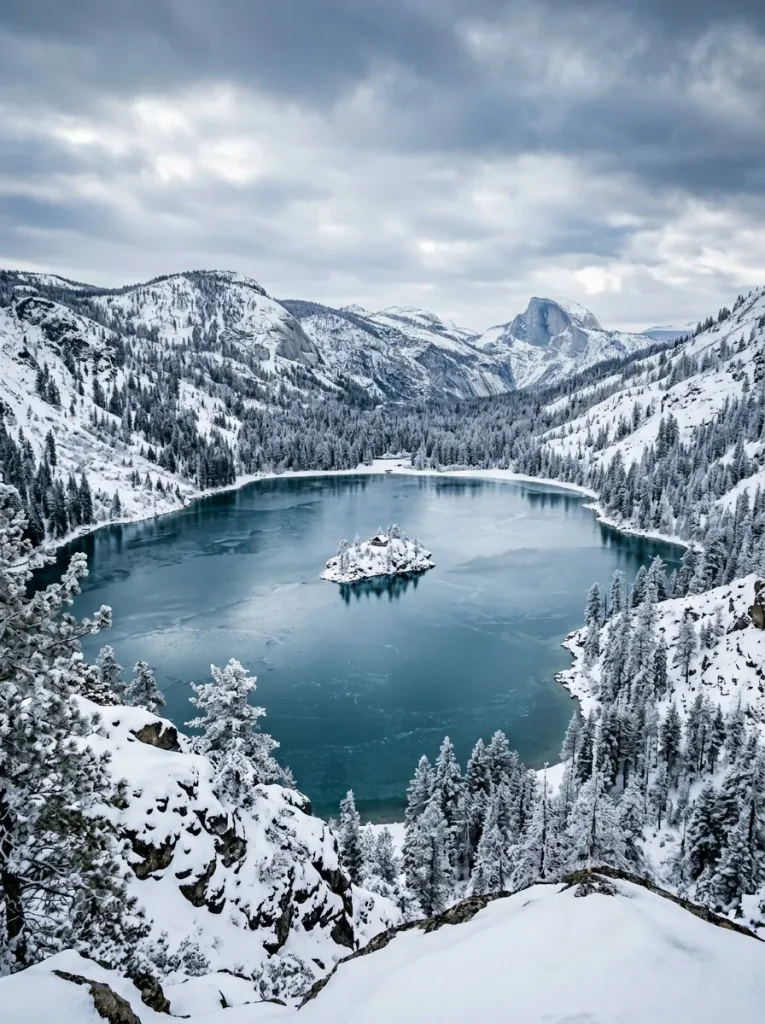
Emerald Bay is one of Tahoe’s most photographed areas, and it’s absolutely worth considering for a first visit.
But winter requires more planning.
The state park is open sunrise to sunset, and the Vikingsholm area involves a steep hike. The park currently advises visitors that parking in the Emerald Bay area is limited and recommends arriving early or later in the afternoon, while also warning against parking along Highway 89.
Winter can add snow and ice to the equation.
If conditions are poor, don’t force the hike just because it was on your itinerary.
The lake will still be there.
Understand That Some Services Close for Winter
One of the biggest first-time mistakes is assuming every summer attraction remains fully operational during winter.
They don’t.
Some Forest Service roads close seasonally, and facilities such as restrooms, water services and parking can become limited. Visit Lake Tahoe notes that some national forest roads begin closing in mid-November and that winter conditions can limit parking and services.
Some facilities remain open year-round, while others operate seasonally.
Always check the specific attraction before driving there.
You Don’t Have to Ski
This deserves its own section because many first-time visitors think Lake Tahoe winter equals skiing.
It doesn’t.
You can spend several days here without putting on skis.
Try:
- Snowshoeing
- Tubing
- Scenic drives
- Winter photography
- Ice skating
- Spa days
- Snow play
- Cozy cafés
- Restaurants
- Scenic viewpoints
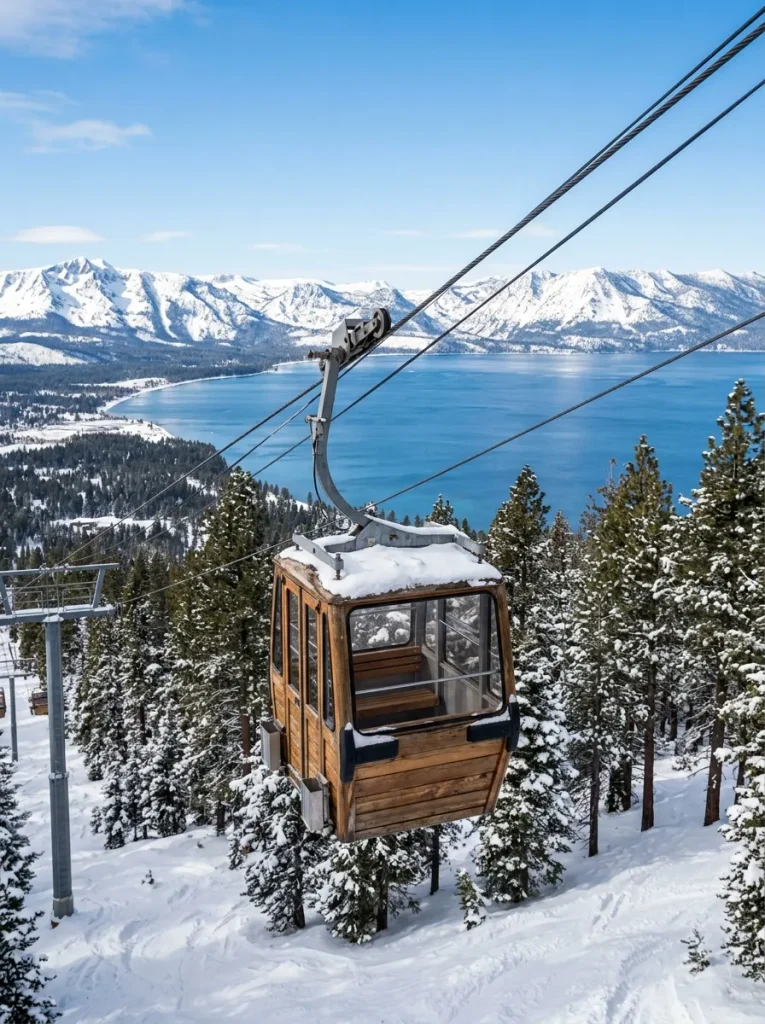
- Gondola rides where operating
- Winter hiking when conditions permit
Visit Lake Tahoe specifically promotes a range of winter activities beyond skiing and snowboarding.
This makes Tahoe a surprisingly good destination for mixed groups where one person wants fresh powder and another would rather admire the powder from somewhere warm.
Plan One Flexible Day
Don’t make every day dependent on perfect weather.
Build at least one flexible day into your itinerary.
For example:
Day 1: Arrive and explore South Lake Tahoe
Day 2: Ski or snowboard
Day 3: Scenic sightseeing and winter activities
Day 4: Flexible weather day
If a snowstorm ruins your planned scenic drive on Day 3, you can move it to Day 4.
This is much better than trying to cram every attraction into a rigid schedule.
A Simple 4-Day Lake Tahoe Winter Itinerary
Day 1: Arrive and Settle In
Check into your hotel.
Don’t immediately try to circle the entire lake.
Get familiar with your area, buy any missing supplies and check the next day’s weather.
If you’re arriving during a storm, give yourself permission to have a slow evening.
Day 2: Snow Day
Choose your main winter activity.
That could be:
- Skiing
- Snowboarding
- Snowshoeing
- Tubing
- Snow play
Don’t try to do everything.
One good winter activity can easily fill most of the day.
Day 3: Scenic Tahoe
If road conditions are good, explore more of the shoreline.
Emerald Bay is an obvious candidate, but check current road conditions and parking before leaving.
Take your time.
Stop at viewpoints where parking is legal and safe.
Day 4: Flexible Adventure
Use your final day according to conditions.
If the weather is clear, explore more.
If snow is falling heavily, enjoy a slower day with indoor activities, restaurants, cafés or resort experiences.
A flexible day can save the entire trip.
What First-Time Visitors Often Get Wrong
They underestimate the altitude
Tahoe sits high above sea level.
If you’re coming from a low-elevation destination, you may notice the altitude more than expected.
Take it easy on your first day and stay hydrated.
They assume AWD solves everything
It doesn’t.
AWD helps with traction when moving, but it doesn’t magically give you shorter braking distances on ice.
Caltrans specifically warns that four-wheel drive and all-wheel drive improve climbing traction but do not help a vehicle stop.
They don’t check road conditions
This is probably the biggest mistake.
Check before you leave.
Then check again before heading into the mountains.
Conditions can change rapidly.
They pack for the hotel, not the outdoors
A fashionable coat may look fantastic in a restaurant.
It won’t necessarily keep you comfortable during a snowy viewpoint stop.
They plan too much
Winter travel is slower.
Leave room for delays.
How to Enjoy Tahoe Without Spending a Fortune
Lake Tahoe can become expensive quickly, especially during peak ski periods and holidays.
You can reduce costs by:
- Booking accommodation early
- Staying slightly away from the most expensive resort areas
- Traveling midweek
- Bringing breakfast supplies
- Renting equipment strategically
- Choosing some free outdoor activities
- Avoiding unnecessary resort fees where possible
- Comparing lodging on both sides of the state line
Don’t forget that transportation costs can rise if you constantly drive between distant parts of the lake.
Sometimes paying slightly more for a convenient hotel saves both time and fuel.
Should You Stay on the California or Nevada Side?
Both sides have advantages.
California side
Good for travelers interested in:
- South Lake Tahoe
- Emerald Bay
- Heavenly
- More California-side outdoor attractions
- Easy access from Sacramento and the Bay Area
Nevada side
Good for travelers interested in:
- Incline Village
- Stateline
- Lake views
- Casino resorts
- Access to Nevada ski areas
The right choice depends more on your itinerary than on which state sounds more exciting.
Bring a Backup Plan for Bad Weather
Winter weather can completely change your plans.
Your backup plan could be:
- Museum or indoor attraction
- Spa
- Restaurant crawl
- Café hopping
- Shopping
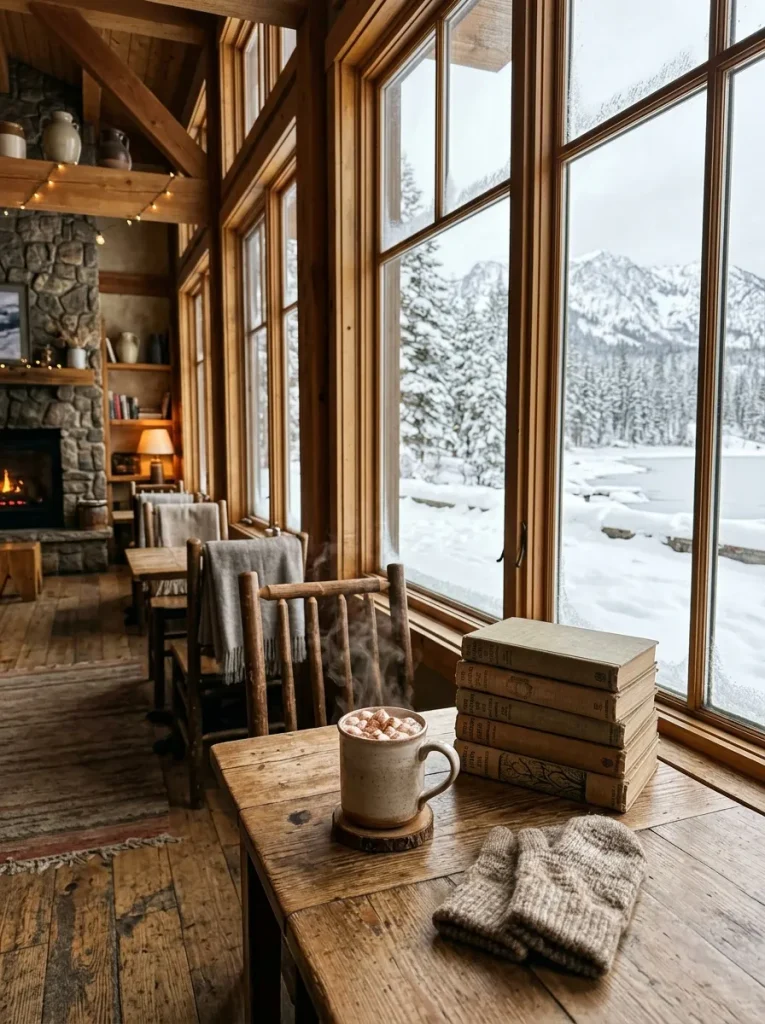
- Hotel fireplace day
- Indoor entertainment
- Scenic drive only if roads are safe
You don’t lose points for canceling a snowy hike.
You gain common sense points.
Don’t Forget the Lake Itself
One strange thing about Tahoe is that winter visitors can become so focused on snow that they forget the giant blue lake sitting in front of them.
Make time to simply look at it.
The lake is about 22 miles long and 11 miles wide, according to the Lake Tahoe Visitors Authority.
Winter light can make the water and mountains look completely different from summer.
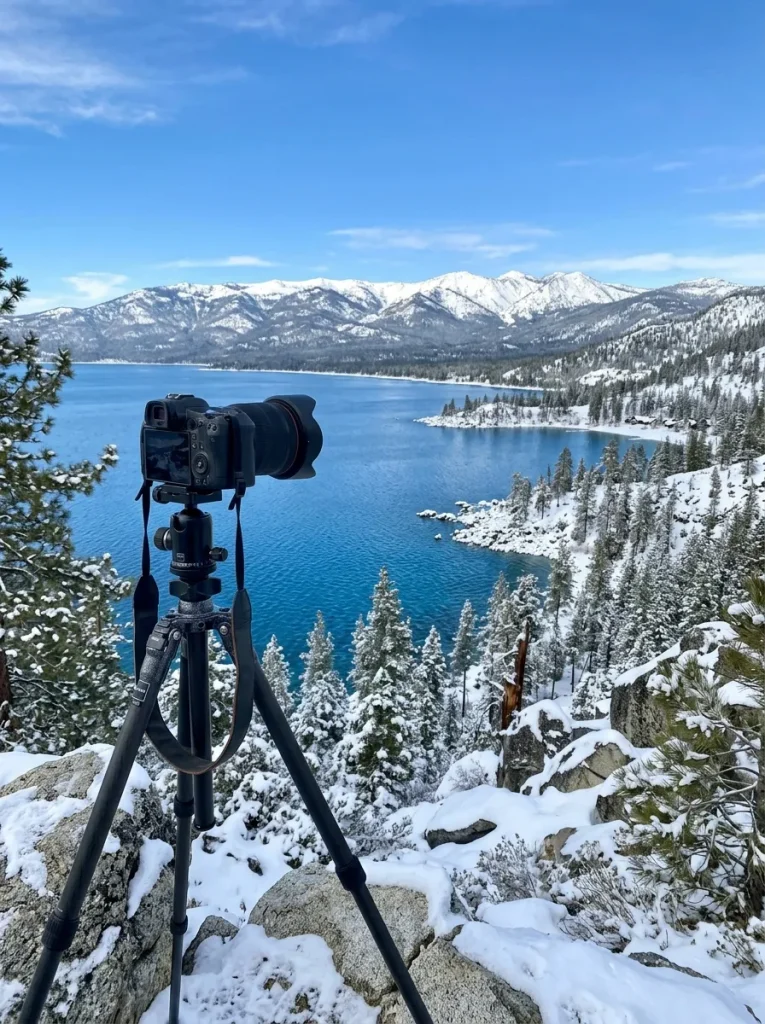
Bring a camera.
And keep your hands warm enough to actually use it.
Lake Tahoe Compared With Other Famous Lakes
If you’re drawn to Tahoe because of its dramatic combination of mountains and water, you’re not alone.
Travelers who love unusual lakes and striking scenery might also enjoy destinations such as Paisu Pok Lake, where incredibly clear water meets the forested landscape of Banggai.
For a completely different lake experience, Croatia’s Plitvice Lakes combine turquoise water, waterfalls and forest trails.
explore Plitvice National Park
And if you’re collecting beautiful lake destinations around Europe, Lake Garda offers a very different mix of mountains, villages and Italian scenery.
Hallstatt is another classic example of a destination where mountains and a lake create an almost storybook setting.
These destinations aren’t substitutes for Tahoe, but they make an interesting comparison if lakes are becoming a theme in your travel plans.
What to Pack for Lake Tahoe in Winter
Here’s a practical first-timer packing list.
Clothing
- Waterproof winter jacket
- Thermal base layers
- Fleece or sweater
- Warm pants
- Thermal leggings
- Waterproof boots
- Wool socks
- Gloves or mittens
- Warm hat
- Scarf or neck gaiter
Car supplies
- Tire chains
- Ice scraper
- Snow brush
- Small shovel
- Blanket
- Water
- Snacks
- Flashlight
- Portable charger
- Extra gloves
- Emergency clothing
Daypack
- Water bottle
- Snacks
- Sunglasses
- Sunscreen
- Lip balm
- Phone
- Power bank
- Small first-aid kit
- Extra socks
Lake Tahoe Winter Safety Checklist
Before leaving your hotel each morning:
- Check the weather
- Check road conditions
- Check chain controls
- Charge your phone
- Fill your fuel tank or charge your EV
- Carry warm clothing
- Check attraction opening status
- Check parking availability
- Tell someone your plans for remote activities
- Leave extra time for driving
Caltrans provides current highway information through its QuickMap system and advises travelers to check road conditions and chain controls before entering mountain areas.
FAQs About a Winter Trip to Lake Tahoe
Is Lake Tahoe worth visiting in winter?
Absolutely. Winter is one of Tahoe’s signature seasons, with skiing, snowboarding, snowshoeing, tubing and other snow activities. You can also visit without skiing and build your trip around scenery, restaurants, viewpoints and relaxing.
Do I need a 4WD or AWD vehicle for Lake Tahoe in winter?
Not necessarily, but your vehicle must be properly equipped for conditions. AWD or 4WD can provide useful traction, but it does not eliminate the need to carry chains or other approved traction devices where required.
Do I need snow chains in Lake Tahoe?
You should carry the appropriate chains or approved traction devices if you’re driving into the mountains. Whether you actually have to install them depends on posted chain controls and your vehicle’s tires and drivetrain. California requires drivers to follow posted chain-control instructions.
Is Lake Tahoe too cold for a first-time winter visitor?
Not if you pack correctly. Layers, waterproof footwear, gloves, a warm hat and a weather-resistant outer jacket make a major difference.
Can I drive around Lake Tahoe in winter?
Yes, when roads are open and conditions allow. But don’t assume the entire loop will always be easy to drive. Snowstorms, chain controls, accidents and closures can affect mountain roads.
Can I visit Emerald Bay in winter?
Yes, but winter conditions can make access and hiking more difficult. Emerald Bay State Park warns that snow and ice can create hazardous conditions on the Vikingsholm trail and advises visitors to prepare accordingly.
What is the best month for a snowy Lake Tahoe trip?
January and February are strong choices for a classic snow-focused trip, but conditions vary from year to year. December and March can also be excellent depending on snowfall and temperatures.
Do I need to book Lake Tahoe hotels early?
Yes, especially if you want to visit around Christmas, New Year’s, holiday weekends or peak ski periods. Popular lodging can become expensive and limited during high-demand dates.
Final Thoughts
Your first winter trip to Lake Tahoe doesn’t need to be complicated.
The formula is actually pretty simple:
Choose your base carefully. Check the weather. Prepare your car. Carry chains. Pack real winter clothing. Leave extra driving time. Keep your itinerary flexible.
Then enjoy the snow.
Tahoe is one of those destinations where the journey and the scenery can be just as memorable as the activity you came to do. One morning you might be standing beside a frozen-looking forest, and a few hours later you’re sitting somewhere warm with a view of the lake.
Just remember that winter Tahoe rewards preparation.
The mountains don’t care about your itinerary.
Snowstorms certainly don’t.
Build some flexibility into the trip, respect road conditions, and you’ll have a much better chance of experiencing the magical version of Tahoe that brought you there in the first place.