Montana Travel Guide 2026–27: Best Places, Road Trips and Outdoor Adventures
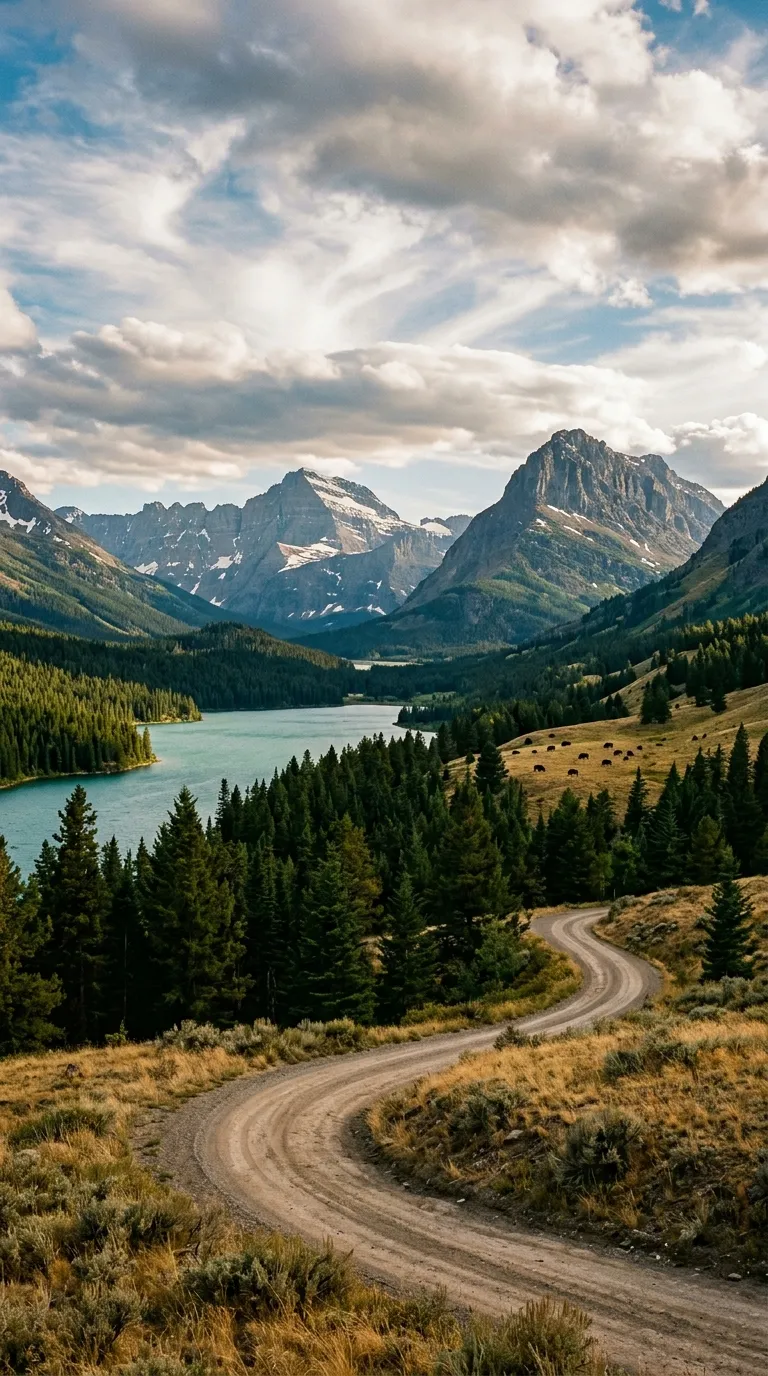
Montana is difficult to summarize without sounding as though someone has tampered with the scale settings. Roads cross broad valleys beneath mountains that seem to begin at the windshield. Glacier-fed lakes glow in improbable shades of blue, bison move across Yellowstone’s northern landscape, and small towns sit between ranchland, rivers and forests with enough breathing room to make a crowded calendar feel faintly ridiculous.
Yet Montana is not one enormous national park. Glacier and Yellowstone may headline the trip, but the state’s character also lives in Missoula’s riverfront, Bozeman’s energetic downtown, Helena’s history, Whitefish’s mountain-town comfort, Butte’s mining heritage, Flathead Lake’s shoreline and the quieter roads of central and eastern Montana. The official state tourism guide highlights national parks, waterways, small towns, Indigenous lands, historic sites, fishing, camping and road trips as distinct parts of the Montana experience.
This Montana travel guide is designed for travelers planning a first visit in late 2026 or 2027. It covers where to go, when to visit, how long to stay, road-trip planning, costs, wildlife safety and the practical realities behind the scenery.
Montana rewards travelers who leave room in the itinerary. Distances are large, summer parking fills early and mountain weather has little respect for carefully formatted spreadsheets. A trip that includes Glacier, Yellowstone, Missoula and every photogenic town in between may look efficient on a map, but it can turn into a vacation narrated mainly by highway signs.
For most first-time visitors, the strongest plan is to choose either western Montana and Glacier National Park or southwestern Montana and Yellowstone. With 10 to 14 days, the two parks can be connected through a broader road trip that includes several of the state’s most interesting towns and landscapes.
Recommended Travel Items for Your Trip
MONTANA AT A GLANCE
Best first-time destination: Glacier National Park
Best wildlife destination: Yellowstone National Park
Best mountain town: Whitefish
Best city for food and outdoor access: Bozeman
Best artsy city: Missoula
Best scenic lake: Flathead Lake
Best historic city: Butte or Helena
Best trip length: 7–10 days for one region; 12–14 days for Glacier and Yellowstone
Best broad season: Late June through September
Best quieter period: September after Labor Day
Main planning challenge: Long distances and seasonal road access
Is Montana Worth Visiting?
Montana is worth visiting when landscapes and outdoor experiences matter more than tightly packed attractions.
The state works especially well for:
- National park trips
- Scenic road journeys
- Wildlife watching
- Hiking and camping
- Fishing and rafting
- Mountain-town stays
- Photography
- Family outdoor vacations
- Ski and winter trips
It is less convenient for travelers who prefer public transportation, dense city sightseeing or short transfers between every stop. Outside a few urban areas, a rental car is close to essential.
The state tourism office describes Montana as a place where Glacier and Yellowstone frame a much broader region of mountain ranges, rivers, historic communities and wide-open country.
Best Places to Visit in Montana
| Destination | Best For | Suggested Stay | Main Consideration |
| Glacier National Park | Alpine scenery and hiking | 3–5 days | Seasonal roads and congestion |
| Whitefish | Mountain-town base | 2–4 days | Higher summer prices |
| Flathead Lake | Water activities and scenic drives | 1–3 days | A car is essential |
| Missoula | Food, arts and river recreation | 2–3 days | Not a substitute for the parks |
| Bozeman | Restaurants, museums and Yellowstone access | 2–4 days | Busy and increasingly expensive |
| Yellowstone’s Montana entrances | Wildlife and geothermal landscapes | 3–5 days | Long driving days inside the park |
| Big Sky | Skiing and mountain resorts | 2–5 days | Resort pricing |
| Helena | History and central location | 1–2 days | Fewer headline attractions |
| Butte | Mining history and architecture | 1–2 days | Spread-out sights |
| Great Falls | Lewis and Clark history | 1–2 days | Best as part of a road trip |
| Eastern Montana | Badlands, history and quiet roads | 3–6 days | Very long distances |
1. Glacier National Park: Montana’s Essential First Stop
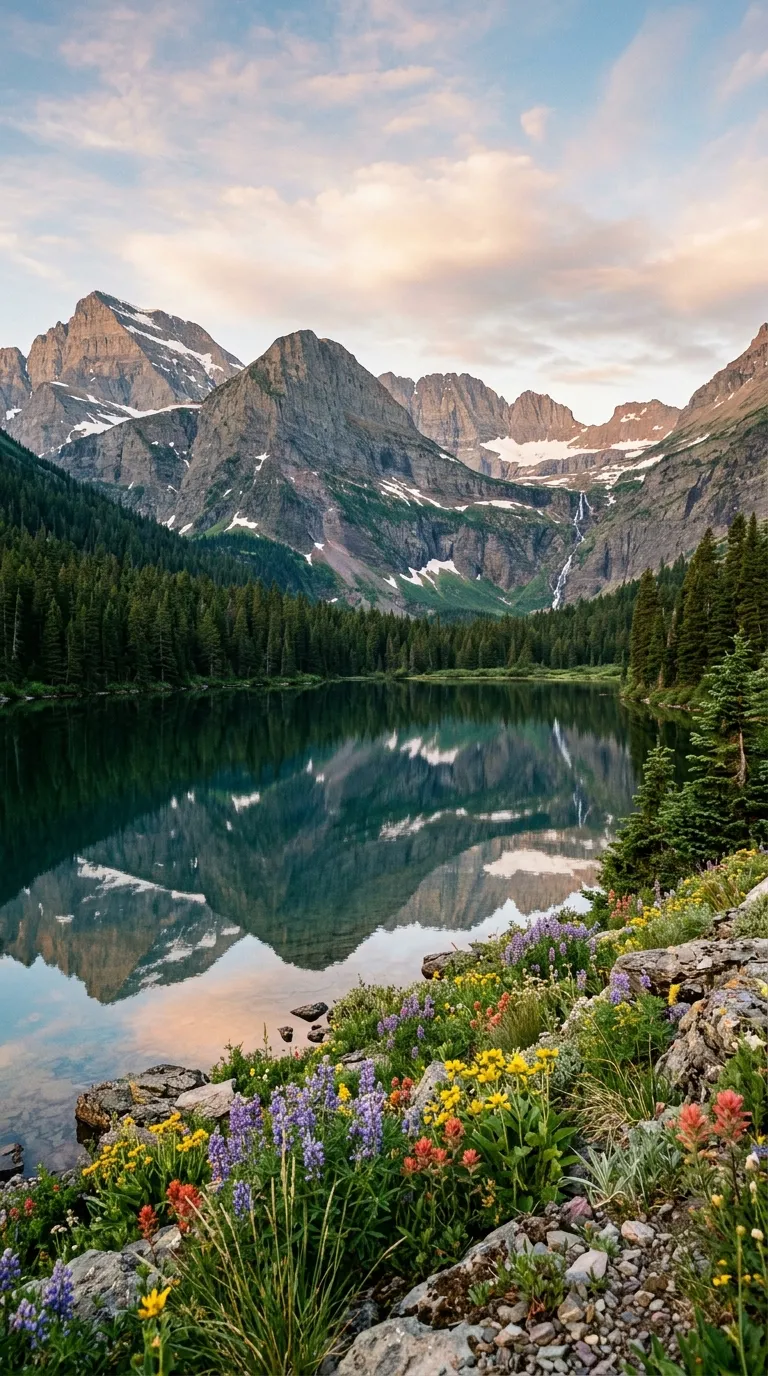
Glacier National Park is the destination most travelers picture when they imagine Montana: steep mountains, alpine meadows, lakes, waterfalls and wildlife stitched together by one of America’s most celebrated scenic roads.
The park deserves at least three full days. Five days is better when hiking is a priority or when you want to explore both the western and eastern sides.
Going-to-the-Sun Road
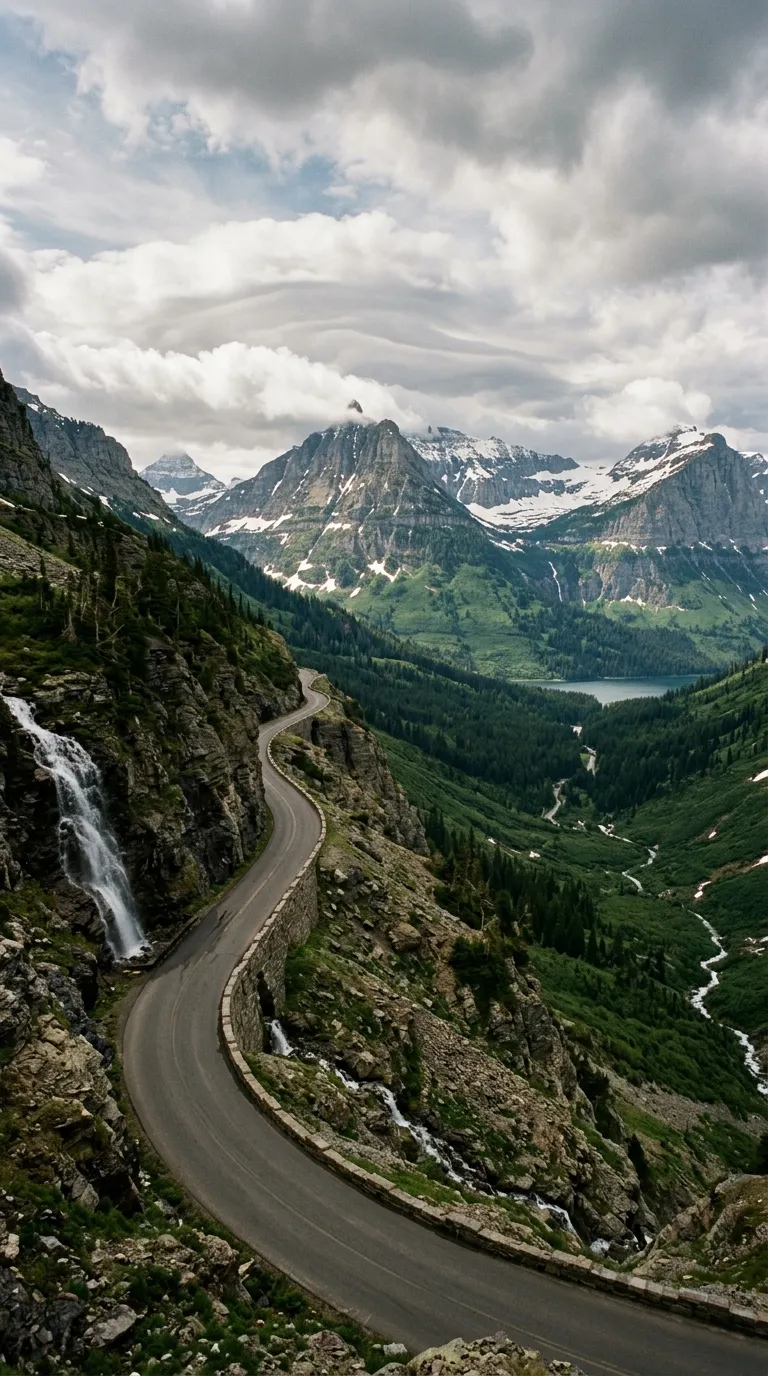
Going-to-the-Sun Road crosses the park between West Glacier and St. Mary, climbing through the mountains toward Logan Pass. It is seasonal and does not fully open until snow removal and road conditions permit. The opening date changes annually.
In 2026, Glacier did not require vehicle reservations for Going-to-the-Sun Road, Many Glacier, Two Medicine or the North Fork. However, areas could temporarily restrict vehicle entry when parking and roads became congested.
The park introduced a ticketed Logan Pass shuttle and limited parking at Logan Pass to three hours during the 2026 pilot system. Shuttle arrangements and access procedures may change again for 2027, so travelers should verify the new season’s rules directly with the National Park Service before booking.
GLACIER PLANNING TIP
Do not assume that the absence of a reservation requirement means unlimited access. Parking can fill, entrances may temporarily restrict traffic and the highest section of Going-to-the-Sun Road may still be closed early in summer.
Best areas of Glacier
West Glacier and Apgar provide easy access to Lake McDonald and the western park entrance.
Many Glacier is excellent for hiking and wildlife scenery but requires additional driving and advance lodging planning.
St. Mary works well for the eastern entrance and the eastern section of Going-to-the-Sun Road. The town sits near St. Mary Lake and provides a practical base outside the park.
Two Medicine often feels quieter than the most famous corridors and offers lake scenery and trail access.
Best things to do
Popular experiences include:
- Driving Going-to-the-Sun Road
- Visiting Lake McDonald
- Hiking near Logan Pass
- Exploring Many Glacier
- Walking the Trail of the Cedars
- Visiting Avalanche Lake
- Taking a boat tour
- Wildlife watching
- Exploring Two Medicine
Trail and wildlife conditions can change rapidly. Carry bear spray where recommended, know how to use it and follow park instructions.
2. Whitefish: Best Mountain-Town Base
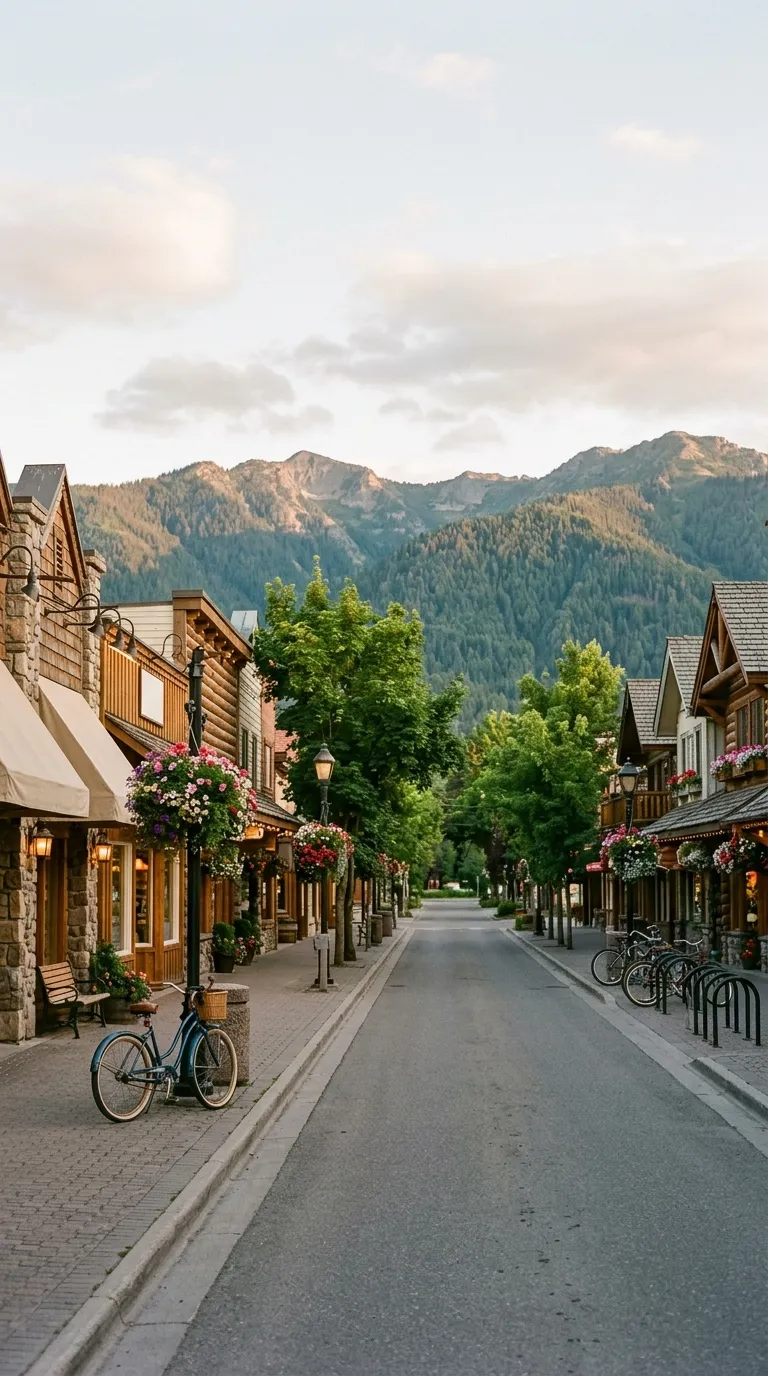
Whitefish combines restaurants, shops, lodging and access to both Glacier National Park and Whitefish Mountain Resort.
It is a good choice for travelers who want evenings with more dining options than they would find beside the park entrances. Downtown is compact and pleasant for an after-hike meal, while nearby lakes and mountain activities provide non-park alternatives.
Whitefish works particularly well for:
- Couples
- Families
- Ski trips
- Travelers seeking boutique lodging
- Visitors combining town time with Glacier
- Travelers arriving by train
The drawback is cost. Summer lodging can be expensive, particularly during popular park dates and events.
Stay two or three nights when using Whitefish as part of a Glacier trip. It should not replace staying near the park’s eastern side if Many Glacier and St. Mary are major priorities. Driving back and forth across or around the park consumes more time than the map politely suggests.
3. Flathead Lake: Best for a Relaxed Water-Based Stop
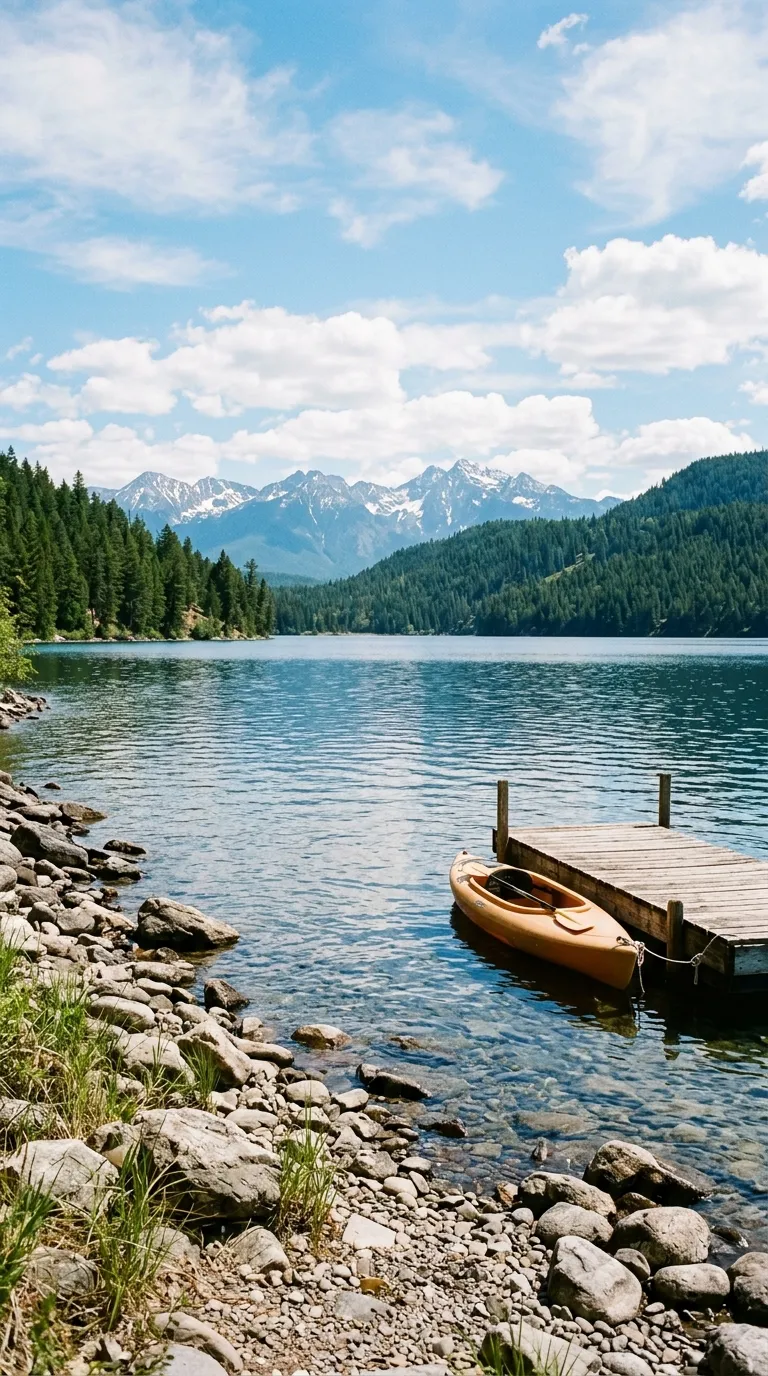
Flathead Lake lies south of Kalispell and is one of western Montana’s defining landscapes.
A road trip around parts of the shoreline can include small communities, lake viewpoints, swimming, boating and access toward the Flathead Valley. The lake works best in summer, although water temperatures can remain cold.
Popular bases include:
- Polson
- Bigfork
- Lakeside
- Somers
- Kalispell
Bigfork offers restaurants, galleries and a polished small-town atmosphere. Polson is practical for the lake’s southern end and journeys continuing toward Missoula.
Spend one night during a fast road trip or two to three nights for boating and a slower break between Glacier and Missoula.
Water conditions can shift quickly with wind. Wear life jackets, use experienced operators and do not underestimate cold-water exposure.
4. Missoula: Best for Culture, Food and River Life
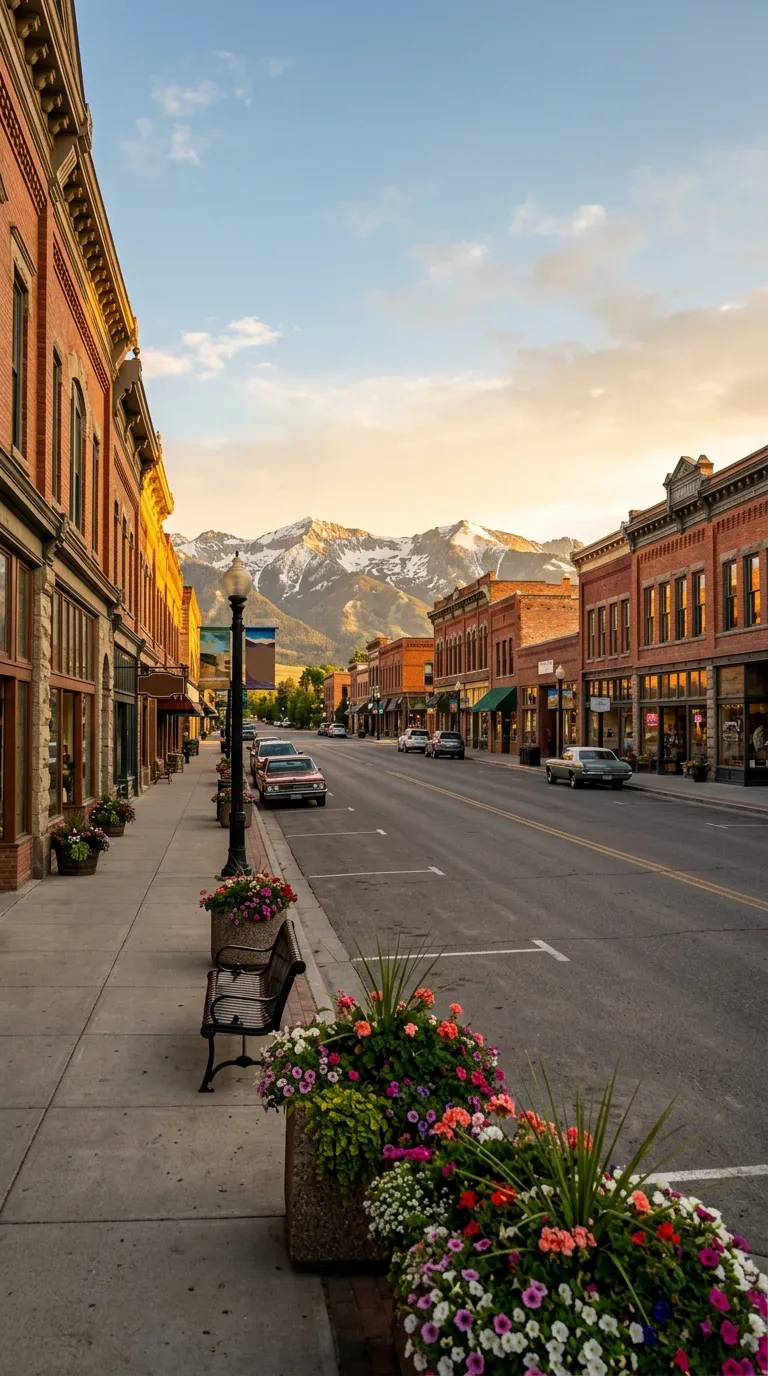
Missoula provides one of Montana’s most enjoyable urban stops. The city blends university energy, local restaurants, arts, breweries, riverfront paths and quick access to outdoor recreation.
It is large enough to support museums, events and a varied food scene but small enough to explore without a city-break battle plan.
Good ways to spend a day include:
- Walking along the Clark Fork River
- Exploring downtown
- Visiting local museums or galleries
- Hiking Mount Sentinel
- Browsing markets
- Cycling river paths
- Joining a rafting or fishing trip
Missoula is a natural stop between Glacier and southwestern Montana. Two nights is usually enough, while three nights works for travelers adding a nearby excursion.
It is also a useful reset point in a long road trip. Laundry, a real grocery store and a quiet café can become major attractions after several days of trail snacks and scenic pullouts.
5. Bozeman: Best Montana City for First-Time Visitors
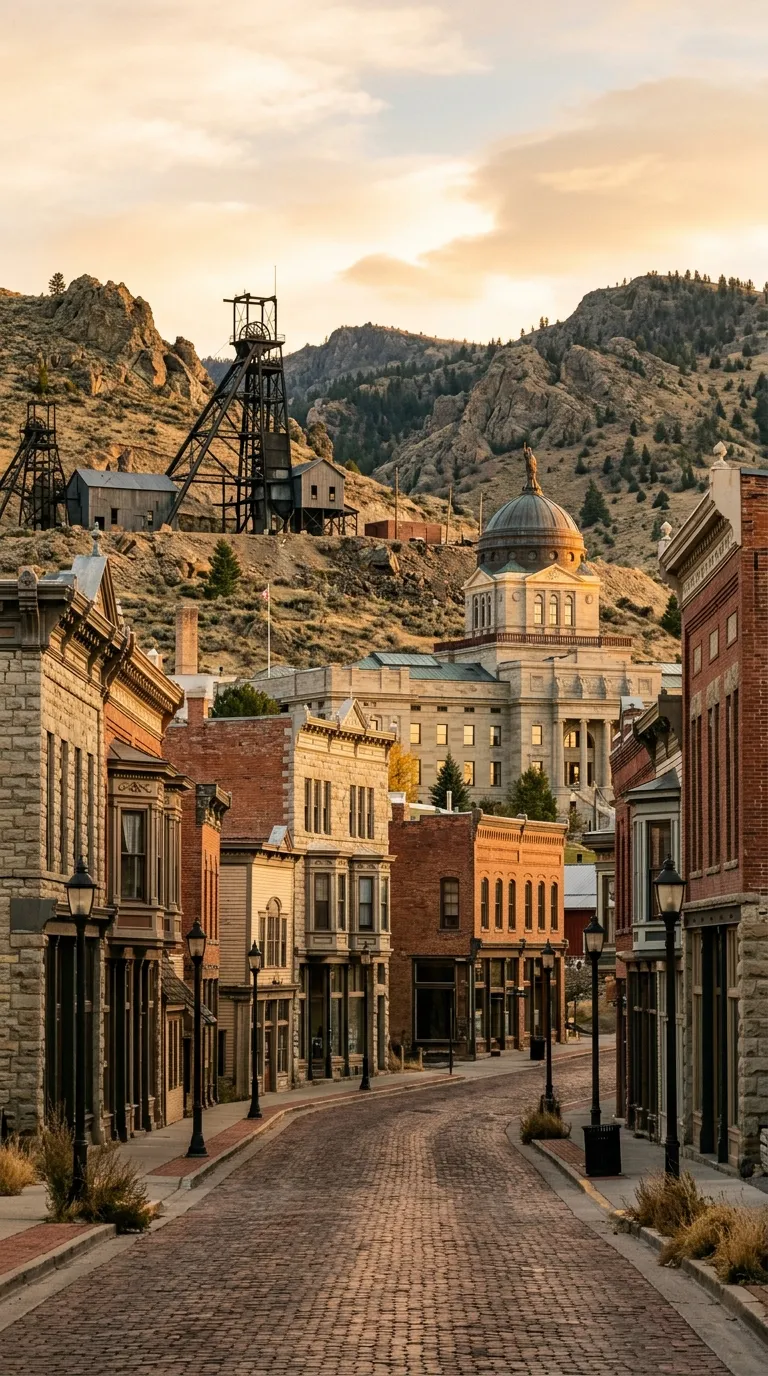
Bozeman has become one of Montana’s most popular bases because it combines a lively downtown, outdoor access, a major airport and proximity to Yellowstone.
The city offers restaurants, shops, breweries, museums and trails, while the surrounding Gallatin Valley leads toward Big Sky and Yellowstone’s northern and western approaches.
Best things to do in Bozeman
Consider:
- Museum of the Rockies
- Downtown dining and shopping
- Local hiking trails
- Hot springs
- Gallatin Canyon drives
- Day trips toward Livingston
- Fishing or rafting excursions
Bozeman is convenient, but it is not particularly cheap. Summer demand, university events and Yellowstone traffic can push hotel rates upward.
Stay two nights for the city and one nearby activity. Use three or four nights if Bozeman is your base for multiple excursions.
6. Yellowstone National Park From Montana
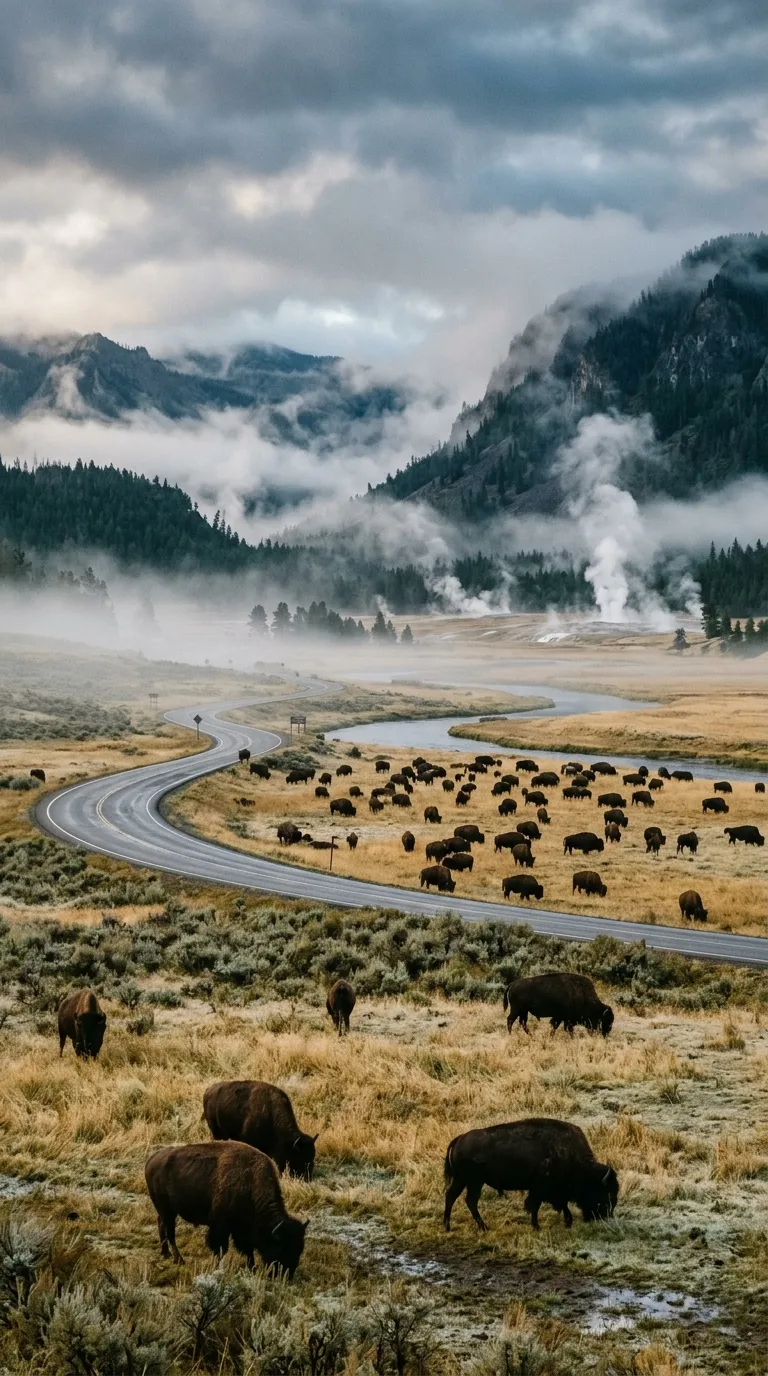
Although most of Yellowstone lies in Wyoming, Montana provides two important gateways: Gardiner at the North Entrance and West Yellowstone at the West Entrance.
Gardiner leads directly toward Mammoth Hot Springs and the park’s northern wildlife corridor. West Yellowstone provides access toward Madison Junction, Old Faithful and several geothermal basins.
Yellowstone’s road system is seasonal. In 2026, the road between the North and Northeast entrances remained open year-round, while many other park roads opened between April and May and were scheduled to close on October 31. Weather can delay openings or force temporary closures.
The standard Yellowstone private-vehicle entrance pass cost $35 in 2026.
Wildlife safety
Yellowstone requires visitors to remain at least 100 yards from bears, wolves and cougars, and at least 25 yards from bison, elk and other wildlife.
These are minimum distances, not photography challenges.
WILDLIFE WARNING
Never approach a bison because it appears calm. Do not block traffic, leave your vehicle in unsafe places or surround animals with other visitors. Wildlife can change direction faster than a tourist can unlock a car door.
How many days are needed?
Allow at least three full days for Yellowstone. Four or five are better because the park is enormous and traffic, wildlife jams and construction slow travel.
Do not plan Old Faithful, Lamar Valley, Grand Canyon of the Yellowstone and every major basin in one day. That itinerary is less a park visit and more a windshield documentary.
7. Big Sky: Best for Skiing and Resort Adventures
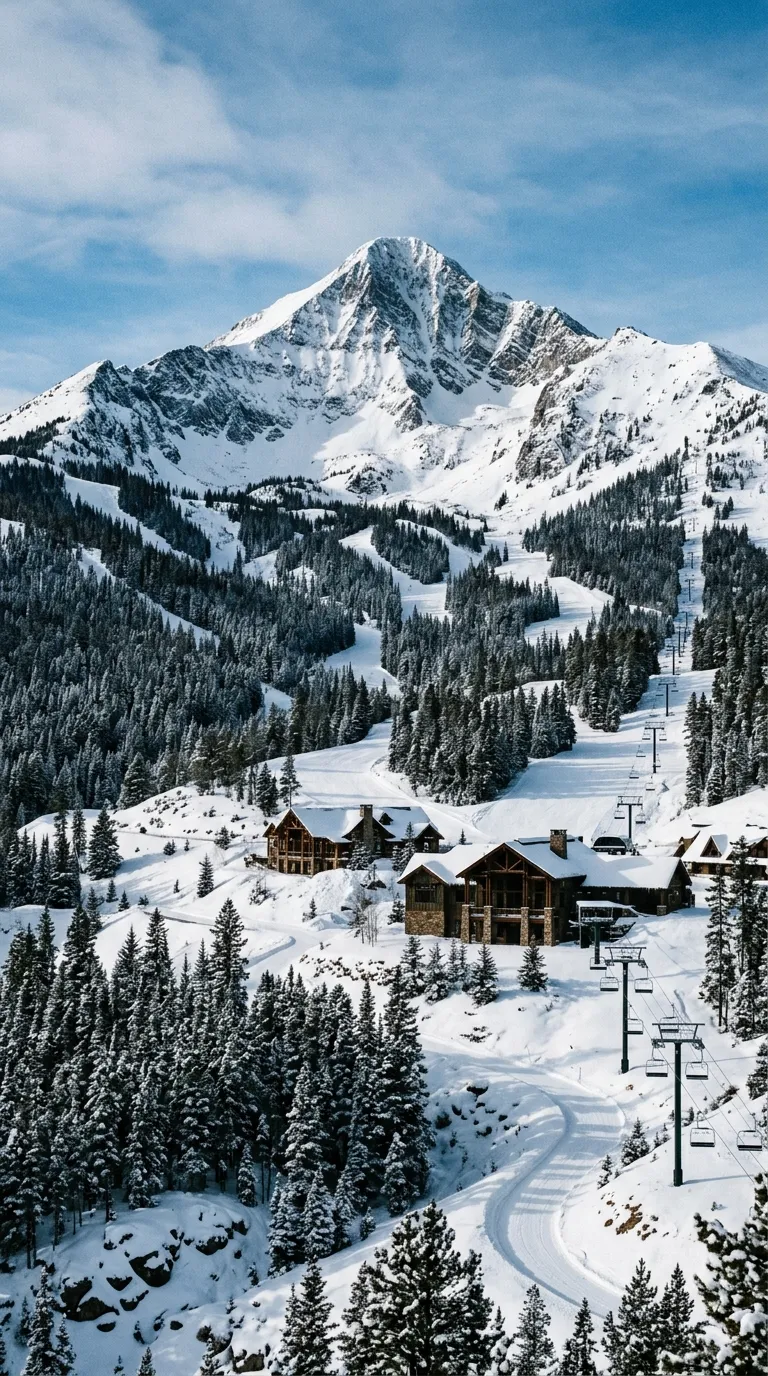
Big Sky sits between Bozeman and West Yellowstone and is best known for skiing, mountain lodging and year-round outdoor recreation.
Winter visitors come for snow sports. Summer brings hiking, mountain biking, scenic lifts and access to the Gallatin region.
Big Sky is suitable for:
- Ski vacations
- Couples seeking resort lodging
- Families wanting organized activities
- Travelers combining Bozeman and Yellowstone
It is less attractive for strict budget travelers. Accommodation, restaurants and activities often reflect resort-area pricing.
Two or three nights works during a summer road trip. Winter ski stays usually require four or more nights to justify travel and equipment logistics.
8. Helena: Best for Montana History
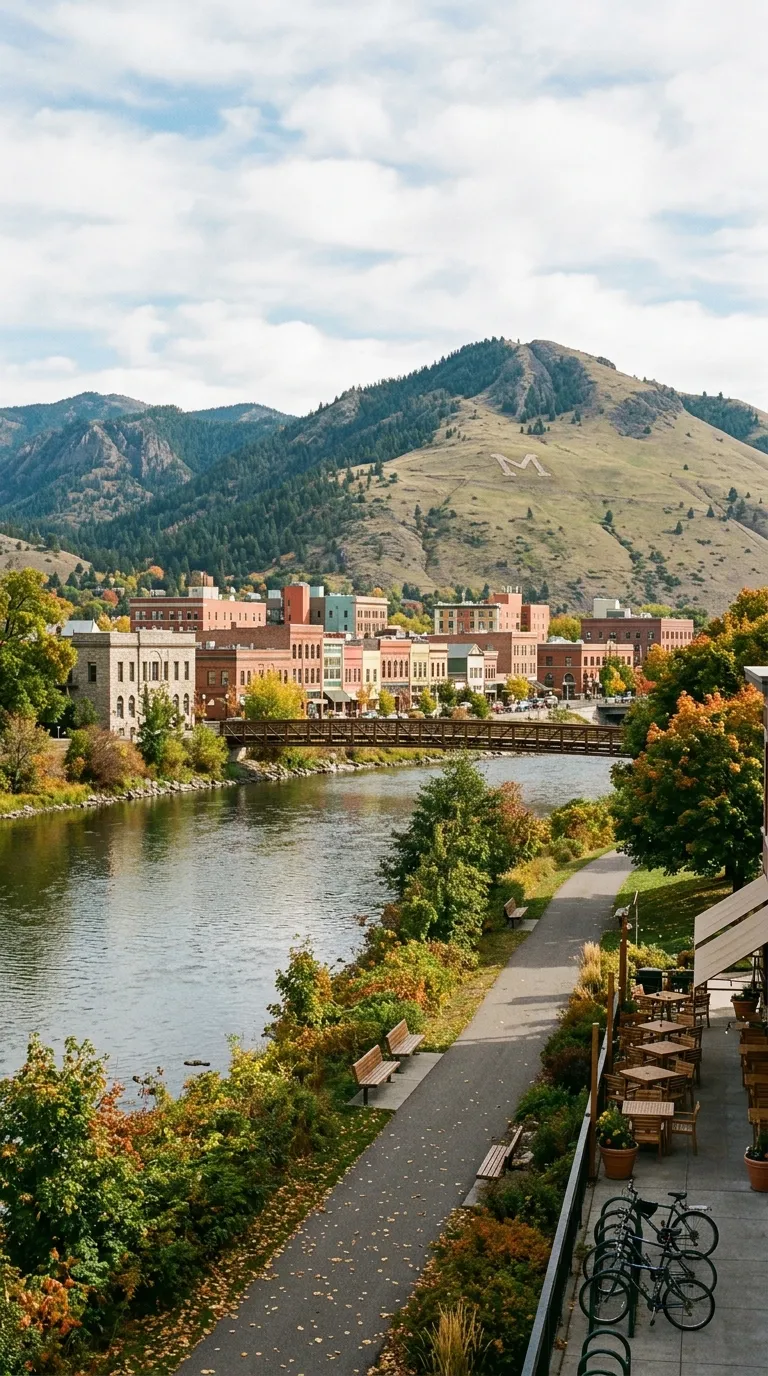
Helena is the state capital and an appealing stop for travelers interested in history, architecture and a less tourist-heavy city.
The city developed during Montana’s gold-rush era, and its historic buildings, museums and civic landmarks provide a different perspective from mountain-resort towns.
Spend time exploring:
- The state capitol area
- Historic downtown
- Last Chance Gulch
- Local museums
- Nearby trails
- Cathedral architecture
One night is enough during a road trip, while two nights allows a more relaxed visit.
Helena is also strategically placed between Glacier, Great Falls, Butte and Bozeman. It works especially well when the itinerary needs an overnight stop that offers more than a highway motel and an argument with a vending machine.
9. Butte: Best for Mining History and Unusual Architecture
Butte was shaped by mining, immigration and industry, creating one of Montana’s most distinctive historic cities.
Its old neighborhoods, industrial remnants and mining-related attractions reveal a side of Montana that national park itineraries often overlook.
Visit for:
- Historic Uptown
- Mining history
- Architectural walks
- Museums
- Regional food and cultural history
Butte is not polished like Whitefish or resort-oriented like Big Sky. Its appeal is grittier, more historical and more specific.
Allow one full day or one overnight stop. It pairs naturally with Helena, Anaconda and the journey between Missoula and Bozeman.
10. Great Falls and Central Montana
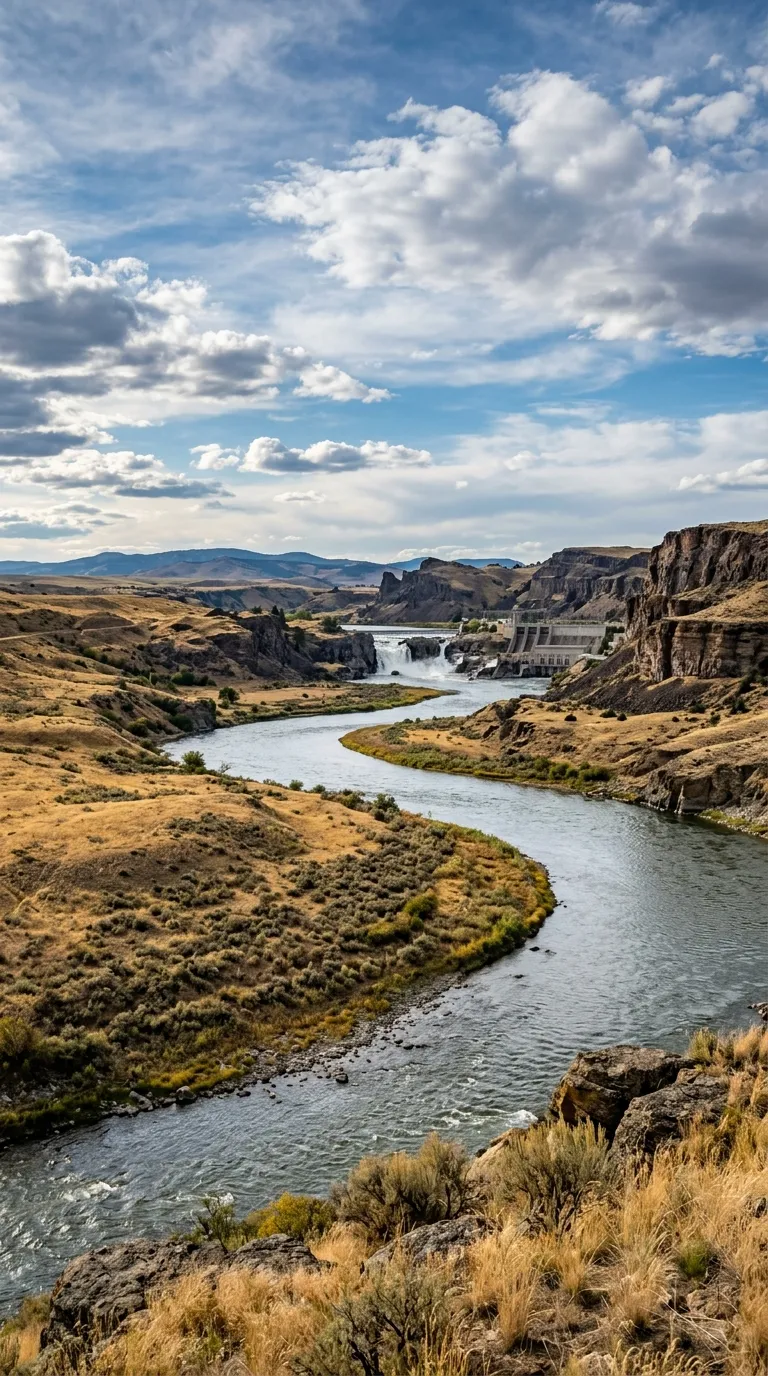
Great Falls sits along the Missouri River and provides access to Lewis and Clark history, museums and central Montana road routes.
The city can be included on the Highway 89 journey between Glacier and Yellowstone. Visit Montana describes this route as approximately 360 miles between the St. Mary area and Gardiner, passing through Great Falls and several central Montana communities.
Great Falls works well for:
- History
- River scenery
- Museums
- An overnight road-trip break
- Travelers continuing through central Montana
One or two nights is sufficient for most visitors.
11. Eastern Montana: Best for Quiet Roads and Open Landscapes
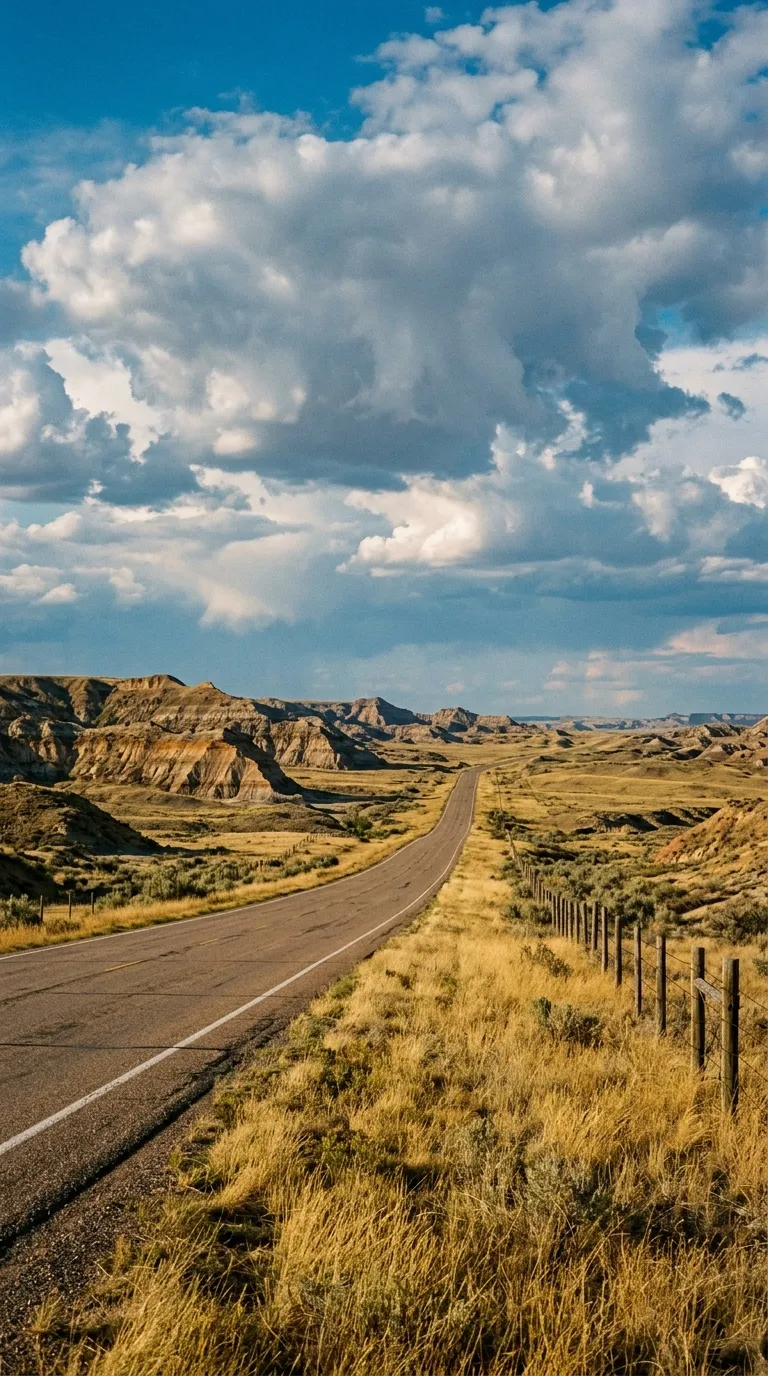
Eastern Montana receives far fewer visitors than Glacier or Yellowstone, but it offers badlands, historic sites, prairie landscapes and a stronger feeling of scale.
This region suits travelers who:
- Prefer uncrowded destinations
- Enjoy history
- Are comfortable with long drives
- Want photography and open skies
- Have already visited western Montana
Fuel stations and services can be widely spaced. Keep the tank above half full, carry water and download maps.
Eastern Montana is not a casual detour from Glacier. It is a destination requiring its own route and several days.
Best Time to Visit Montana
June
June brings long daylight and green valleys, but high mountain roads and trails may still be closed by snow.
Going-to-the-Sun Road’s alpine section does not have a fixed annual opening date. In 2026, it was projected to fully open on June 22.
June is better for lower-elevation activities than for travelers whose entire trip depends on Logan Pass.
July and August
These are the warmest, busiest and most dependable months for mountain access.
They are also the most crowded and expensive. Reserve lodging, campsites, rental cars and popular tours early.
Afternoon thunderstorms, wildfire smoke and road construction can still affect plans.
September
September is arguably Montana’s strongest overall month. Crowds decline after Labor Day, daytime temperatures can remain pleasant and many summer roads and services continue operating.
Nights become colder, and snow is possible at elevation. Some seasonal facilities begin closing.
October
October offers fall color, quiet towns and lower prices, but road closures and winter weather become increasingly likely.
Yellowstone’s interior roads were scheduled to close to regular vehicles on October 31 in 2026, with many services ending earlier.
Winter
Winter transforms Montana into a ski, snowmobile and cold-weather destination.
Big Sky, Whitefish and several smaller ski areas become primary draws. Yellowstone access is limited, and most interior park roads require authorized snowcoach or snowmobile travel.
Winter driving demands flexibility and proper vehicle preparation.
A Realistic 10-Day Montana Road Trip
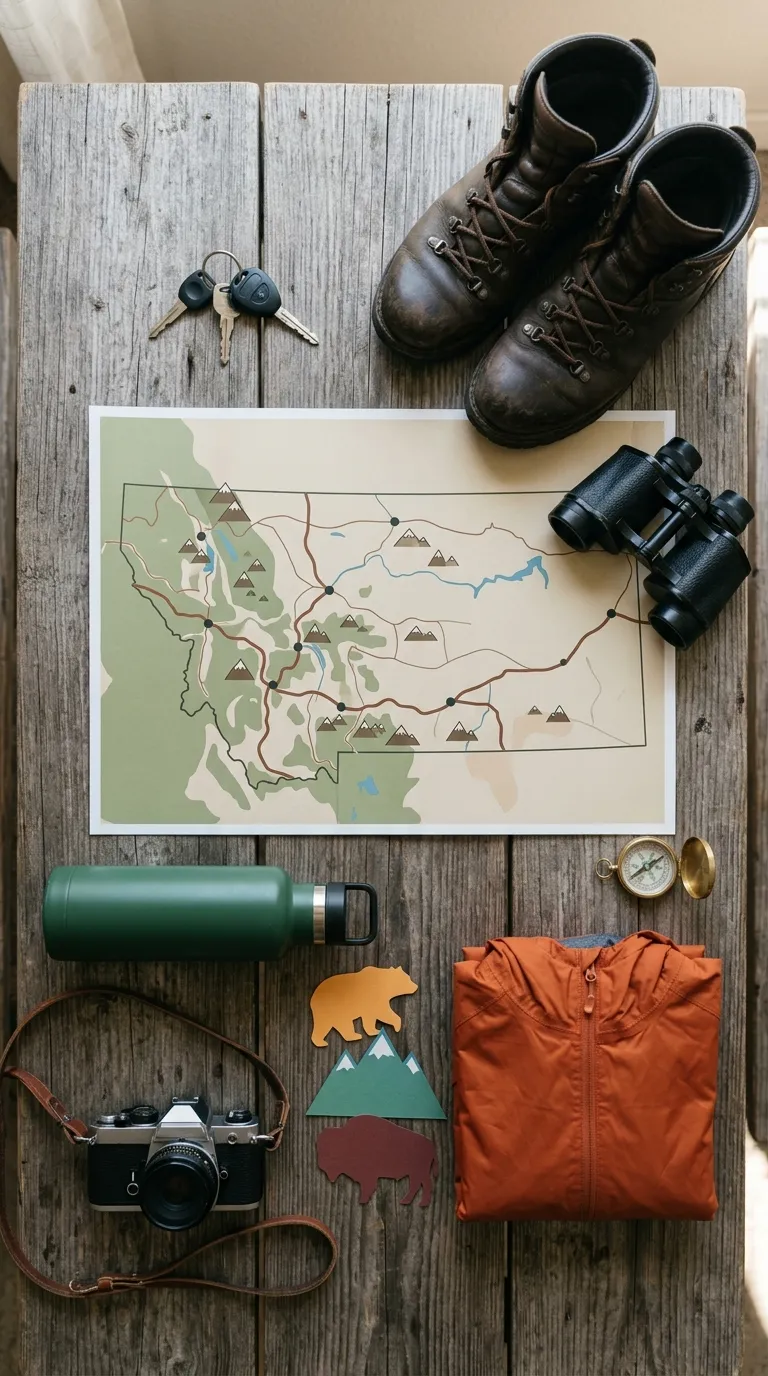
This itinerary focuses on western and southwestern Montana without changing hotels every night.
| Day | Base | Plan |
| 1 | Whitefish | Arrive and explore town |
| 2 | Whitefish or West Glacier | Lake McDonald and western Glacier |
| 3 | Glacier area | Going-to-the-Sun Road |
| 4 | East Glacier or St. Mary | Eastern Glacier or Many Glacier |
| 5 | Missoula | Drive south with selected stops |
| 6 | Missoula | Riverfront, downtown and local trails |
| 7 | Bozeman | Travel through Butte or Helena |
| 8 | Bozeman | Museum, downtown or Gallatin excursion |
| 9 | Gardiner | Enter northern Yellowstone |
| 10 | Yellowstone area | Wildlife and geothermal sights |
| 11 | Departure | Return through Bozeman or continue onward |
Adding Glacier and Yellowstone makes this an ambitious route. With only seven days, choose one national park.
Visit Montana also publishes road-trip ideas connecting Glacier and Yellowstone through highways, historic communities and scenic routes.
How to Get to Montana
The most useful airports include:
- Bozeman Yellowstone International Airport
- Glacier Park International Airport near Kalispell
- Missoula Montana Airport
- Billings Logan International Airport
- Great Falls International Airport
- Helena Regional Airport
For a Glacier-focused trip, Kalispell is usually the most convenient.
For Yellowstone, Big Sky and southwestern Montana, Bozeman is the strongest gateway.
An open-jaw flight, arriving near Glacier and departing from Bozeman, can reduce backtracking. Compare rental-car one-way charges before booking.
Travelers accustomed to searching complex international routes can apply many of the same fare-comparison principles used in this guide to cheap NYC–London flights, particularly when comparing alternate airports, baggage rules and flexible dates.
Getting Around Montana
A rental car is the practical default for most Montana trips.
Public transportation exists within selected cities, and shuttles operate in some tourism areas, but it is not sufficient for a broad national park itinerary.
Before driving:
- Download offline maps
- Check fuel availability
- Keep water in the vehicle
- Monitor road conditions
- Avoid wildlife-heavy roads after dark
- Allow time for construction
- Do not trust estimated mountain driving times blindly
Montana’s Department of Transportation provides road conditions, closures, construction information, restrictions, cameras and weather through its 511 system. Travelers can dial 511 within Montana or use the state’s online tools and app.
Montana Travel Costs
Montana can be moderately priced outside peak tourism areas, but Glacier, Yellowstone gateways, Whitefish and Big Sky become expensive in summer.
| Expense | Budget Range | Mid-Range Range |
| Hotel room | $100–$170 | $180–$350+ |
| National park gateway lodging | $160–$250 | $300–$500+ |
| Casual meal | $12–$22 | $25–$50 |
| Rental car | $60–$110 daily | $110–$180+ |
| Fuel | Route dependent | Significant on long trips |
| Guided activity | $70–$150 | $150–$350+ |
| Campsite | $20–$50 | Varies by facility |
| Park vehicle entrance | Around $35 | Park-specific |
These are broad planning estimates, not guaranteed prices.
In 2026, Glacier and Yellowstone were among the parks subject to an additional $100-per-person fee for non-U.S. residents aged 16 and older unless covered by an eligible pass. The 2026 America the Beautiful annual pass cost $80 for U.S. residents and $250 for nonresidents. Future pricing should be reconfirmed.
Save money by:
- Staying outside park boundaries
- Traveling in September
- Booking a car early
- Preparing picnic lunches
- Combining free hikes with selected paid tours
- Avoiding unnecessary hotel changes
- Comparing park passes when visiting several federal sites
Where to Stay in Montana
Choose accommodation based on the next morning’s activity, not simply the town with the largest hotel inventory.
For Glacier:
- West Glacier or Apgar for Lake McDonald
- St. Mary for the east side
- Many Glacier for hiking access
- Whitefish for restaurants and town atmosphere
For Yellowstone:
- Gardiner for the North Entrance
- West Yellowstone for the West Entrance
- Bozeman for flights and city services
For a statewide road trip:
- Missoula, Helena, Butte and Great Falls make practical intermediate stops
Families should compare drive times carefully. A lower-cost room two hours from the trailhead can create a very expensive day in patience.
The same neighborhood-first logic applies to international city stays. This guide to London hotels for families illustrates why convenient location can matter more than a hotel’s decorative bells and whistles.
Wildlife Safety in Montana
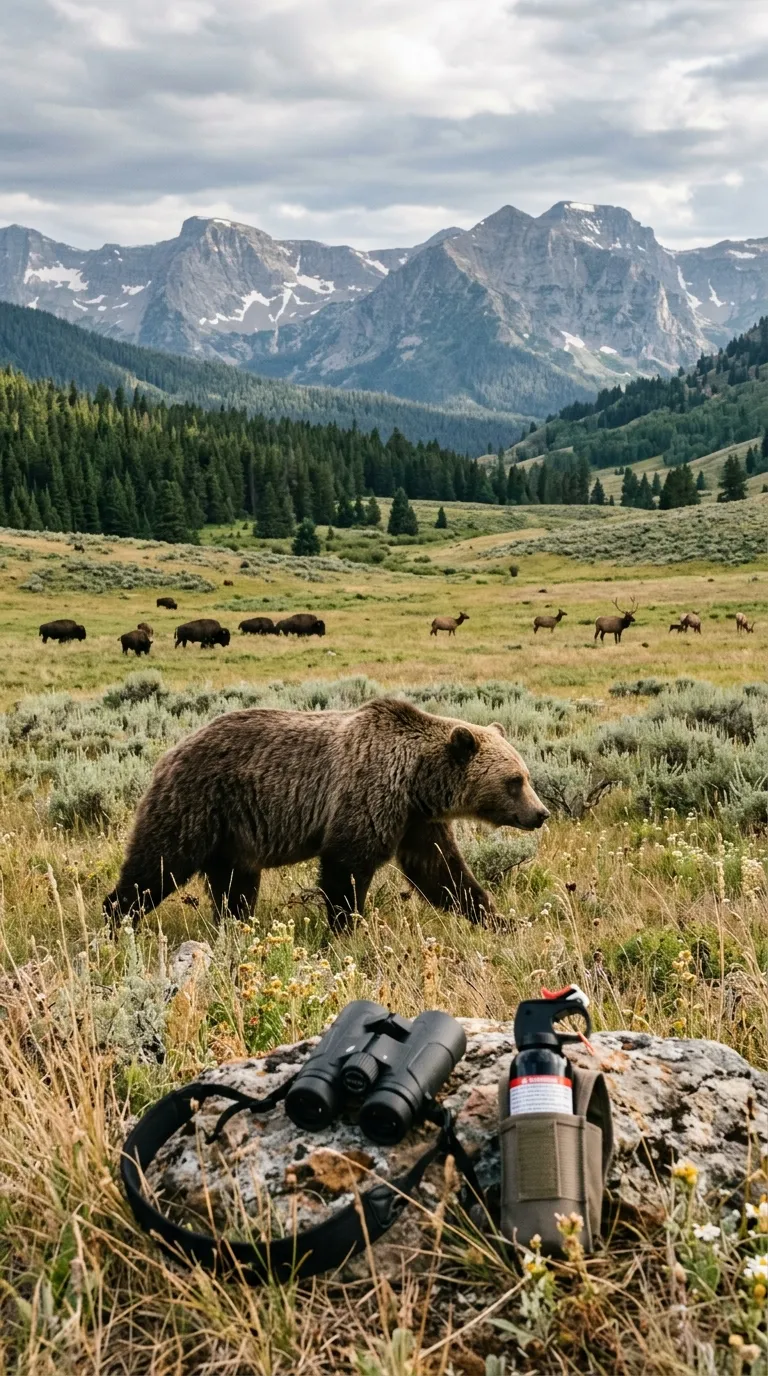
Montana is home to bears, bison, elk, moose and other large wildlife.
Carry bear spray in appropriate hiking areas and keep it accessible, not buried beneath snacks and rain jackets. Learn how to use it before entering the trail.
General precautions include:
- Hike in groups
- Make noise in dense vegetation
- Store food properly
- Never feed wildlife
- Keep dogs controlled
- Avoid animal carcasses
- Give wildlife escape space
- Follow ranger guidance
- Remain inside vehicles when appropriate
In Yellowstone, follow the official minimum distances of 100 yards from bears, wolves and cougars and 25 yards from other large animals.
Wildfires, Smoke and Weather
Wildfire smoke can affect Montana during summer and early fall, even when fires are located far from the traveler’s route.
Check:
- Air-quality forecasts
- Park alerts
- Local evacuation notices
- Highway closures
- Campfire restrictions
Do not enter closed areas or fly drones near wildfire operations.
Mountain weather can change quickly. Pack:
- Rain protection
- Warm layers
- Sun protection
- Extra water
- Emergency food
Snow can fall at high elevations outside winter. A warm afternoon in Bozeman does not guarantee friendly conditions at Logan Pass.
Family Travel in Montana
Montana can be outstanding for families when driving days remain reasonable.
Good family choices include:
- Lake McDonald
- Short Glacier walks
- Flathead Lake
- Museum of the Rockies
- Yellowstone boardwalks
- Whitefish
- Easy riverfront trails
- Wildlife viewing from safe distances
Families should avoid scheduling a dawn wildlife drive, five-hour hike and evening transfer on the same day. Children are unlikely to appreciate that the suffering is occurring in a nationally significant landscape.
Parents traveling internationally at another time may enjoy the slower pace of these photogenic Spanish villages, where compact streets replace Montana’s epic road distances.
Montana Packing Checklist
- Comfortable hiking shoes
- Warm layers
- Rain jacket
- Sun hat and sunglasses
- High-SPF sunscreen
- Refillable water bottle
- Bear spray purchased locally
- Small first-aid kit
- Offline maps
- Portable battery pack
- Binoculars
- Insect repellent
- Cooler or picnic supplies
- Emergency food and water
- Park passes and reservations
- Road-condition app
- Swimwear for lakes or hot springs
- Gloves and warm hat outside midsummer
- Camera protection from rain and dust
A refined packing list can keep a road trip from expanding into a rolling storage unit. These 2026 carry-on essentials include useful ideas for organizing chargers, clothing and everyday travel equipment.
Frequently Asked Questions About Montana Travel
How many days do you need in Montana?
Seven days is enough for Glacier or Yellowstone and nearby towns. Ten to fourteen days is better for combining both parks.
What is the best month to visit Montana?
September offers a strong balance of accessible roads, lighter crowds and pleasant conditions. July and August provide the most dependable high-mountain access but are busier.
Can you visit Glacier and Yellowstone in one trip?
Yes, but allow at least ten days. Twelve to fourteen days creates a more comfortable route.
Is Going-to-the-Sun Road open year-round?
No. Its alpine section closes seasonally and opens only after snow removal and safety work.
Do you need a reservation for Glacier National Park?
Vehicle reservations were not required in 2026, but Logan Pass used timed parking and a ticketed shuttle system. Rules for 2027 must be checked when announced.
Is Montana expensive?
It can be expensive around Glacier, Yellowstone, Whitefish and Big Sky during summer. Smaller cities and shoulder-season travel offer better value.
Can you visit Montana without a car?
A limited city trip is possible, but a car is strongly recommended for national parks, scenic routes and rural areas.
Is Montana safe for solo travelers?
Generally yes, but solo hikers should share plans, understand bear safety and avoid remote routes beyond their experience.
What is the most beautiful part of Montana?
Glacier National Park is the classic answer. Flathead Lake, the Beartooth region, Yellowstone’s northern landscape and the western valleys also offer exceptional scenery.
Is Bozeman or Missoula better?
Bozeman is better for Yellowstone access and a polished mountain-city trip. Missoula feels more artsy and river-focused and is better positioned for western Montana.
Should I stay in Whitefish for Glacier?
Whitefish is excellent for restaurants and lodging but can be inconvenient for repeated trips to the park’s eastern side.
Are bears a serious concern?
Bears are present in several Montana regions. Encounters are uncommon when travelers follow food-storage rules, make noise and carry accessible bear spray.
Can I see northern lights in Montana?
Aurora displays are occasionally visible during strong solar activity, particularly under dark northern skies, but they should never be treated as guaranteed.
What should I not miss on a first Montana trip?
Do not miss Glacier’s alpine landscapes, one Montana town, a scenic driving route and time outside the car. Yellowstone can be added when the trip is long enough.
Conclusion: Planning the Right Montana Trip
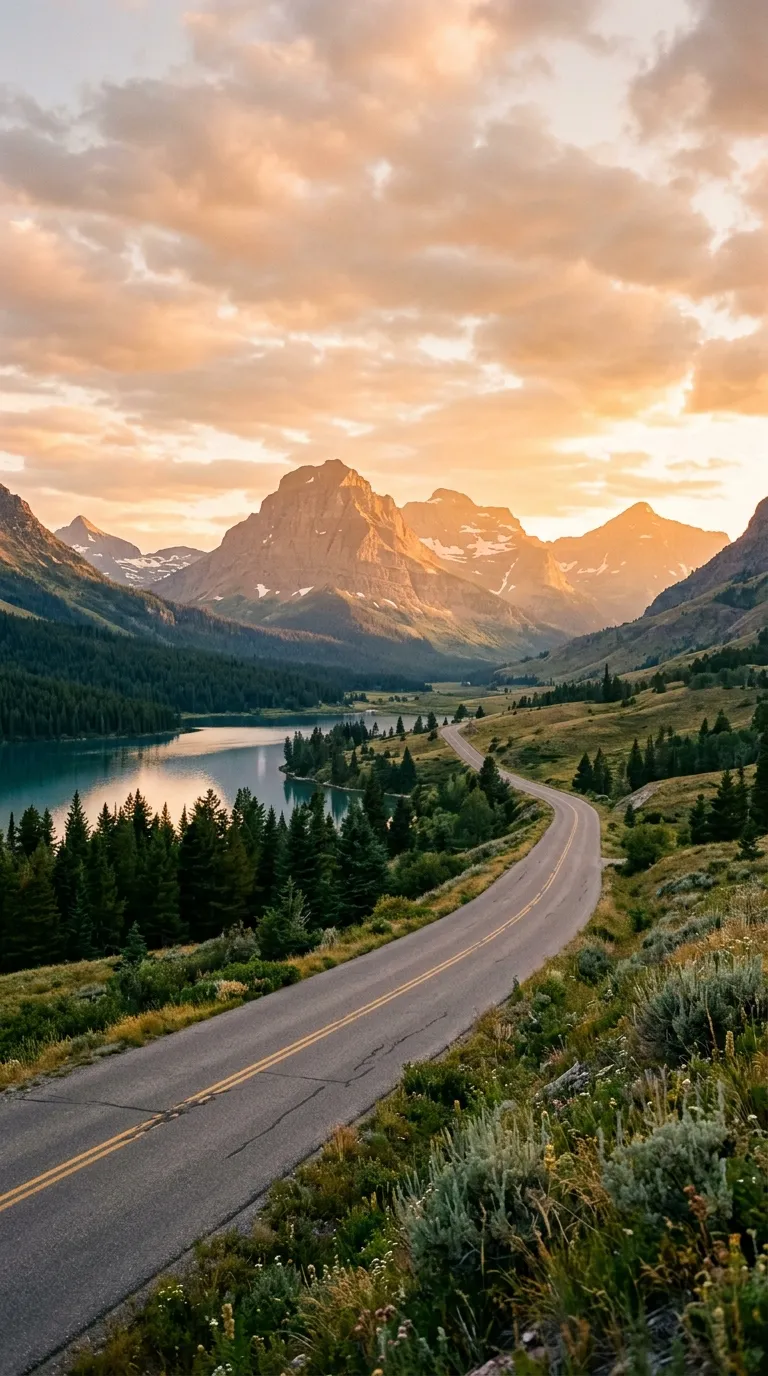
The strongest Montana travel guide is not the one that includes the most destinations. It is the one that respects the state’s size.
Choose Glacier National Park for a first trip centered on alpine scenery, hiking and Going-to-the-Sun Road. Add Whitefish and Flathead Lake for restaurants, water activities and a gentler pace outside the park.
Choose Bozeman and Yellowstone when wildlife, geysers and geothermal landscapes are the priority. Stay near Gardiner or West Yellowstone rather than treating Bozeman as a convenient base for every park day.
With ten to fourteen days, connect the two regions through Missoula, Helena, Butte or Great Falls. Montana’s official road-trip routes demonstrate that the country between the national parks is not empty space. It contains rivers, historic communities, mountains, ranchland and some of the state’s most satisfying unplanned stops.
Summer provides the broadest access but requires early reservations and patience. September offers fewer crowds and crisp weather, while winter belongs to skiers and travelers prepared for serious road conditions.
Check park procedures, seasonal roads and Montana 511 before departure. Carry layers, water and realistic driving plans. Most importantly, leave one afternoon unscheduled. Montana’s best moments often begin when the itinerary stops talking: an elk crossing a distant meadow, sunlight drifting across a lake or a road running toward mountains with no apparent interest in ending.
For travelers deciding between very different European city experiences after a wilderness trip, this Paris versus Rome guide offers a useful contrast. Montana gives you distance, silence and sky; those cities return you to architecture, cafés and the grand theatre of human proximity.