Netherlands Travel Guide 2026–27: Best Cities, Day Trips and a Perfect 7-Day Itinerary
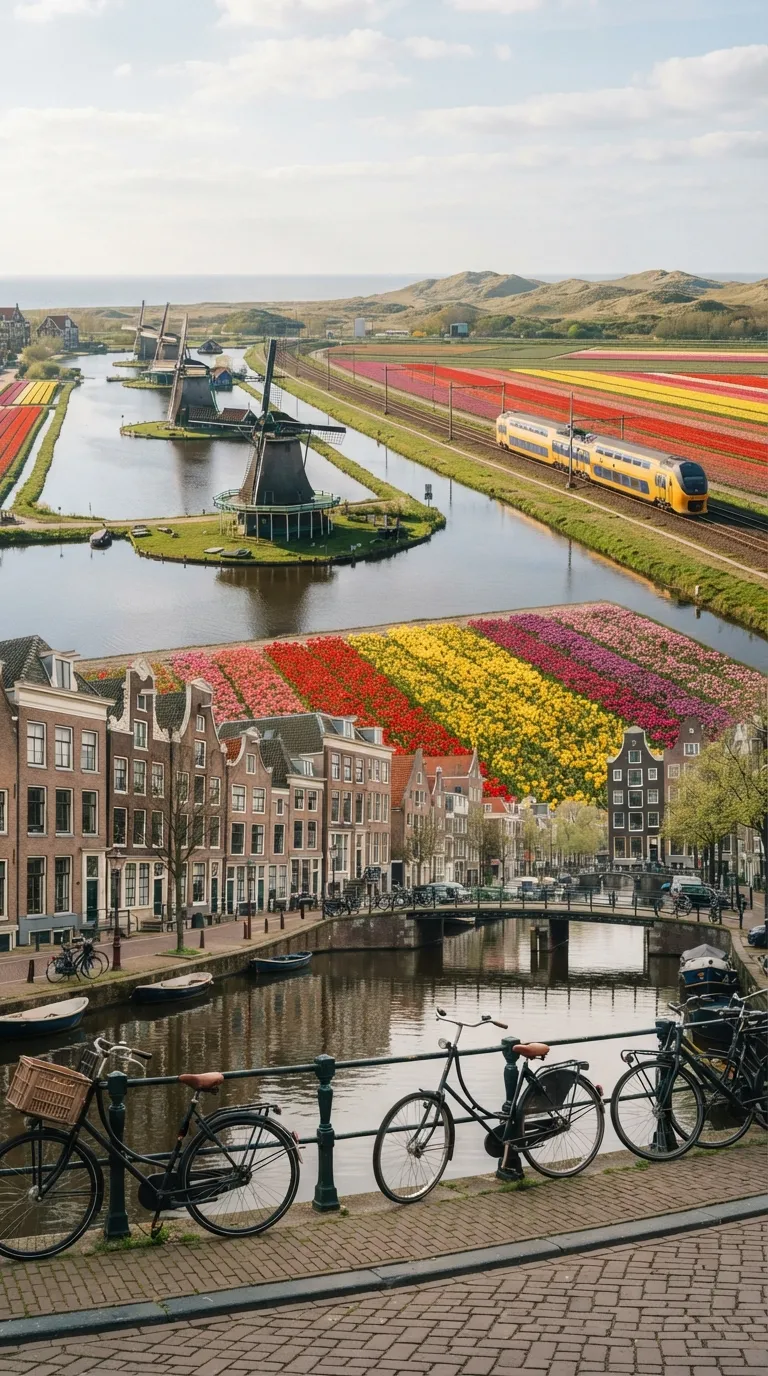
The Netherlands may be compact, but it has an extraordinary talent for fitting entire worlds into short train rides. Amsterdam’s canal houses and major museums sit less than an hour from medieval Utrecht, modern Rotterdam, elegant The Hague and Delft’s blue-and-white heritage. Travel a little farther and the scenery shifts into windmills, dunes, fishing towns, flower fields and islands shaped by tides.
That compact geography makes the Netherlands one of Europe’s easiest countries to explore without renting a car. Intercity trains connect major destinations frequently, local buses reach smaller towns, and visitors can use contactless bank cards or mobile devices to check in and out across much of the public transportation network.
Convenience does not mean every trip should be based entirely in Amsterdam. The capital deserves several days, but it is also the country’s most expensive and crowded destination. Utrecht offers canals with waterfront terraces below street level. Rotterdam provides bold architecture and a working-port atmosphere. The Hague combines museums, royal institutions and the North Sea, while Maastricht feels almost Belgian in its cuisine and architecture.
This Netherlands travel guide covers the best cities, countryside excursions, transportation, seasonal planning, costs, cycling, safety and a realistic seven-day itinerary. It is written primarily for first-time American visitors planning travel during the remainder of 2026 or in 2027.
One important update concerns European entry systems. The official Netherlands travel portal says ETIAS applications are not yet available. Travelers should wait for a formal launch announcement and avoid unofficial websites claiming they can process applications early.
Recommended Travel Items for Your Trip
THE NETHERLANDS AT A GLANCE
Best first-time city: Amsterdam
Best alternative city base: Utrecht
Best modern architecture: Rotterdam
Best combination of city and beach: The Hague
Best historic small city: Delft
Best windmill experience: Kinderdijk
Best spring experience: Tulip country
Ideal first trip: 7–10 days
Best without a car: Almost the entire classic route
Best broad season: April through October
Currency: Euro
Main international airport: Amsterdam Airport Schiphol
Is the Netherlands Worth Visiting?
The Netherlands is especially rewarding for travelers who enjoy cities, museums, architecture, public transportation and trips that do not require constant hotel changes.
Its greatest strengths include:
- Short travel times between cities
- Extensive rail and local transit networks
- World-class art museums
- Walkable historic centers
- Strong cycling infrastructure
- Coastal scenery and dunes
- Windmills and water-management history
- English widely understood in tourism settings
- Easy connections with Belgium, Germany and France
The principal disadvantages are cost, unpredictable weather and heavy tourism in Amsterdam. Hotel prices can be uncomfortable, particularly during spring flower season, major holidays and summer weekends. Beginning in 2026, the Dutch VAT rate on most overnight accommodation increased from 9% to 21%, adding further pressure to lodging prices. Campsites retained the lower rate.
Travelers who enjoy hearing how professionals sustain long-term travel may also appreciate this full-time travel writer interview when planning future European journeys.
Best Places to Visit in the Netherlands
| Destination | Best For | Suggested Stay | Main Consideration |
| Amsterdam | Museums, canals and first visits | 3–4 days | High prices and heavy crowds |
| Utrecht | Canals and relaxed city life | 1–2 days | Fewer major headline attractions |
| Rotterdam | Architecture and contemporary culture | 1–2 days | Less traditional in appearance |
| The Hague | Art, government and beach access | 1–2 days | Attractions are spread out |
| Delft | Historic streets and ceramics | Half or full day | Compact enough to feel busy midday |
| Haarlem | Easy Amsterdam alternative | 1–2 days | Can be visited too quickly |
| Leiden | Museums and university atmosphere | 1 day | Quieter evenings |
| Kinderdijk | Windmills and water engineering | Half day | Requires local transportation |
| Giethoorn | Canals and village scenery | 1 day | Crowded during popular hours |
| Maastricht | Food, history and southern culture | 2 days | Far from the Amsterdam region |
| Wadden Islands | Nature, beaches and cycling | 2–4 days | Ferry and weather planning |
| Keukenhof and flower region | Spring flowers | 1 day | Short, extremely popular season |
1. Amsterdam: Best First Stop for Art and Canals
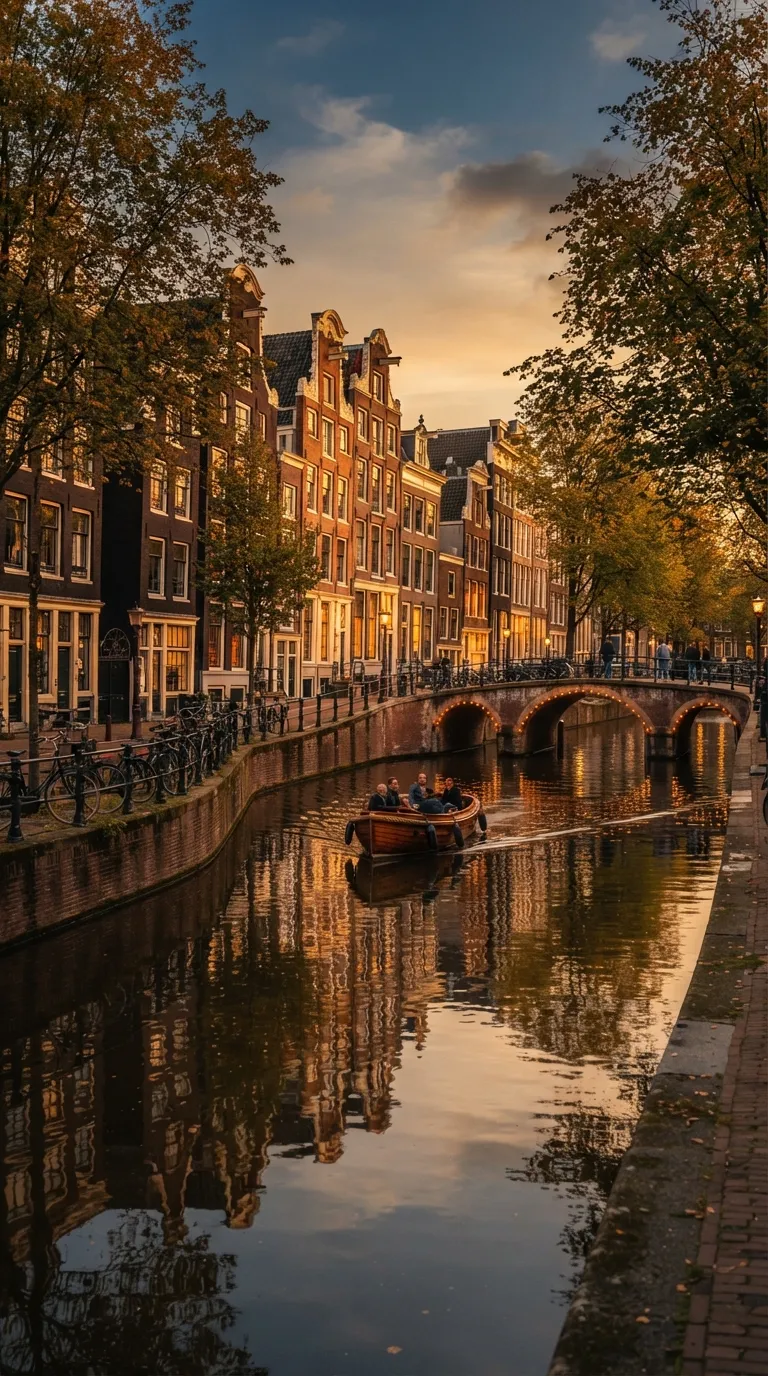
Amsterdam is the logical entry point for most international visitors. It combines historic canals, major museums, residential neighborhoods, markets and nightlife within a city compact enough to explore by tram and on foot.
The strongest first-time sights include:
- Rijksmuseum
- Van Gogh Museum
- Anne Frank House
- Canal Belt
- Jordaan
- Vondelpark
- Museum Van Loon or another canal-house museum
- De Pijp
- Amsterdam Noord
- A canal cruise
Do not schedule the Rijksmuseum, Van Gogh Museum and Anne Frank House on the same day. Museum fatigue is real, and by late afternoon even a Rembrandt masterpiece may begin to resemble an elaborate bench.
Reserve limited-entry attractions well ahead, particularly the Anne Frank House and Van Gogh Museum. Build one day around major art, another around canals and neighborhoods, and a third around a day trip or smaller museums.
Where to stay in Amsterdam
Canal Belt: Beautiful and central, but costly.
Jordaan: Atmospheric streets, restaurants and residential character.
De Pijp: Food, markets and nightlife south of the center.
Oud-West: Good restaurants and access to Vondelpark.
Amsterdam Noord: Modern properties and creative spaces across the IJ, though you must use ferries or metro connections.
Near Centraal Station: Convenient for day trips but busy and less peaceful.
Amsterdam is highly walkable, yet visitors must remain alert around bicycle lanes. Never treat a red cycling path as an expanded sidewalk. The country has more bicycles than residents, and cycling is an everyday transportation system rather than a recreational backdrop.
CYCLING-LANE WARNING
Look both ways before crossing and respond quickly to bicycle bells. A bell usually means “move predictably,” not “pause in the lane and photograph the cyclist.”
2. Utrecht: Best Alternative to Amsterdam
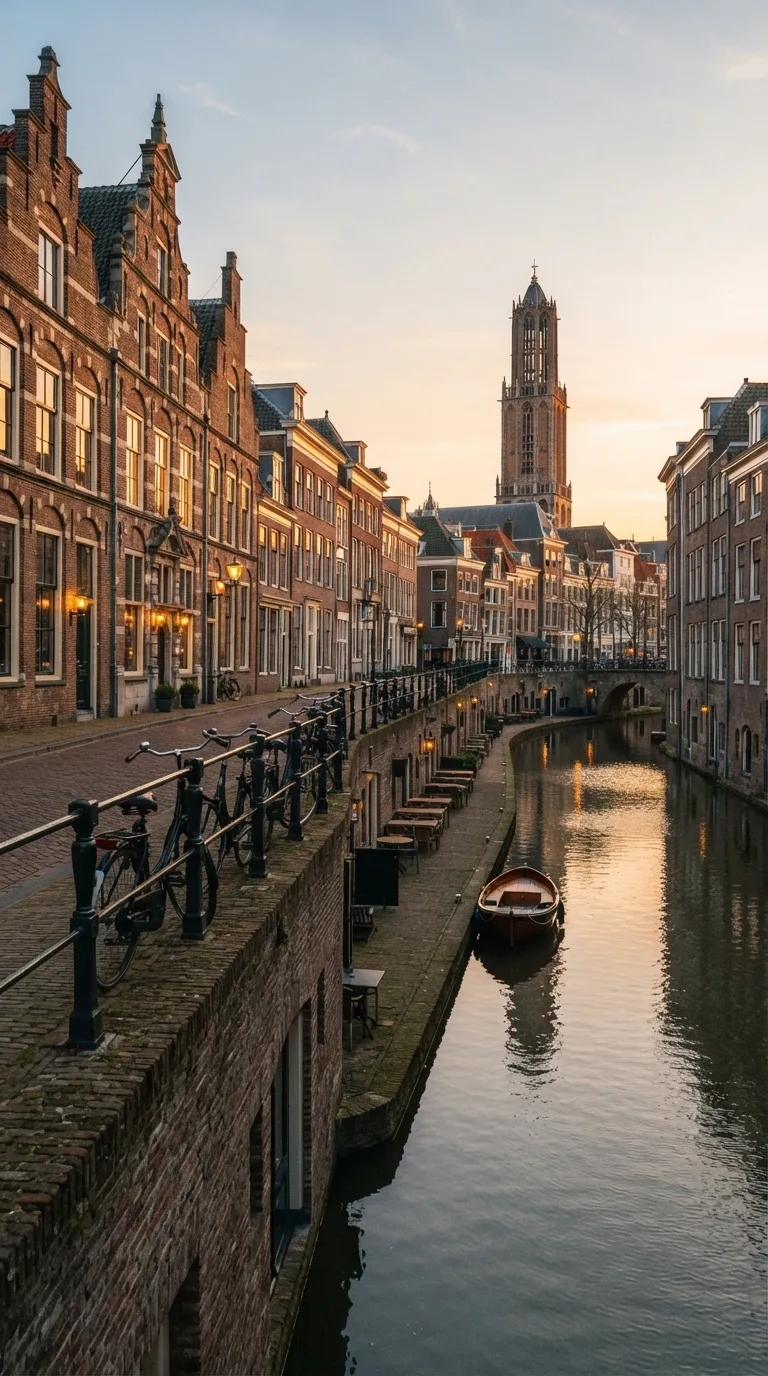
Utrecht offers many of the qualities visitors seek in Amsterdam, including canals, historic buildings, cafés and cycling culture, but in a more compact and less internationally dominated setting.
Its defining feature is the two-level canal system. Along parts of the Oudegracht, former storage cellars sit beside lower waterfront paths, now occupied by restaurants and terraces.
Spend a day exploring:
- Dom Tower area
- Oudegracht
- Museum Quarter
- Railway Museum
- Centraal Museum
- Canal-side cafés
- Residential streets beyond the center
Utrecht works exceptionally well as a base. Direct trains connect it with Amsterdam, Rotterdam, The Hague and other cities, allowing travelers to avoid Amsterdam hotel prices while remaining at the center of the national rail network.
Stay one night for a slower experience or visit as an easy day trip. Couples and repeat visitors may prefer Utrecht’s evening atmosphere once day visitors leave.
3. Rotterdam: Best for Modern Architecture
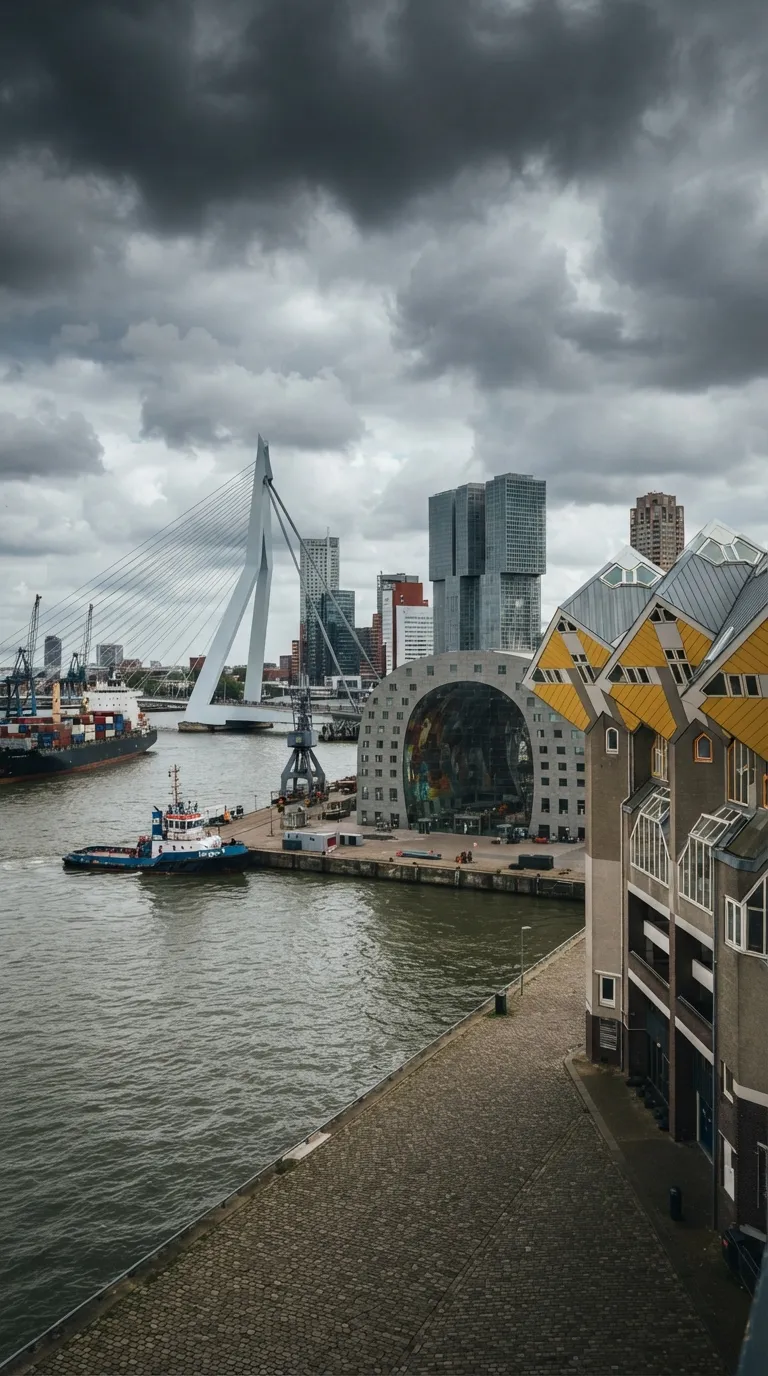
Rotterdam looks unlike the postcard version of the Netherlands because much of its historic center was destroyed during World War II. The rebuilt city embraced architecture, experimentation and a skyline more commonly associated with a much larger metropolis.
Major experiences include:
- Markthal
- Cube Houses
- Erasmus Bridge
- Depot Boijmans Van Beuningen exterior and cultural district
- Rotterdam Centraal
- Historic Delfshaven
- Harbor tours
- Rooftop and architectural walks
Rotterdam rewards travelers who enjoy design, photography, maritime history and contemporary food scenes. It may disappoint visitors who expect every Dutch city to consist of narrow canal houses leaning photogenically toward the water.
Stay overnight to experience its restaurants and evening skyline. Rotterdam also pairs naturally with Delft and Kinderdijk.
4. The Hague and Scheveningen: Best City-and-Coast Combination
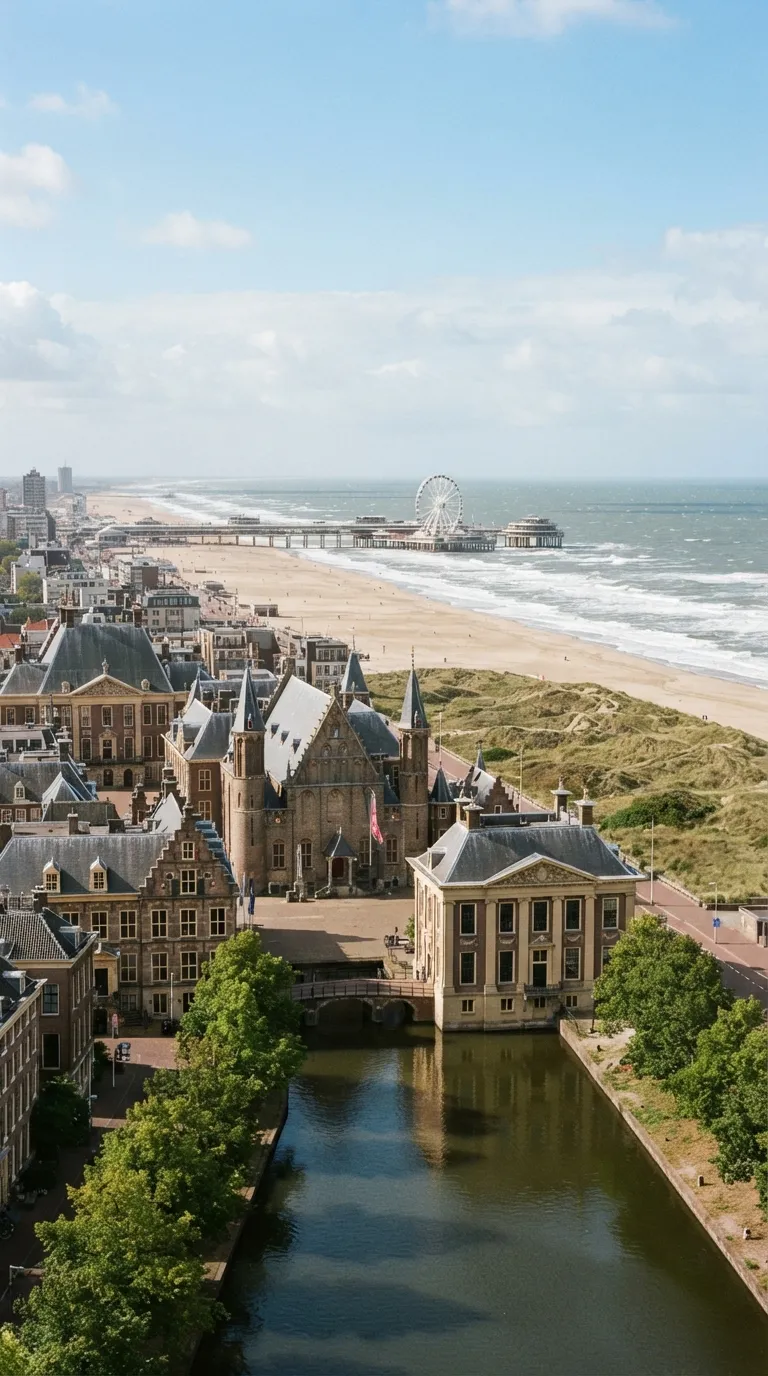
The Hague is the seat of the Dutch government and home to international legal institutions, royal landmarks, distinguished museums and broad avenues.
Its strongest attractions include:
- Mauritshuis
- Binnenhof area
- Peace Palace surroundings
- Escher in the Palace
- Royal streets and gardens
- Panorama Mesdag
- Scheveningen Beach
The Mauritshuis is small enough to enjoy without surrendering an entire day and includes celebrated Dutch Golden Age paintings.
Scheveningen is connected to the city by tram and provides a wide beach, pier, restaurants and seaside walking. It is breezy and changeable rather than reliably tropical. Pack an additional layer even when central The Hague feels warm.
Families can combine a museum morning with an afternoon beside the sea. Readers comparing destinations for different age groups may find this guide to the best family vacation spots useful for a future trip.
5. Delft: Best Small Historic City
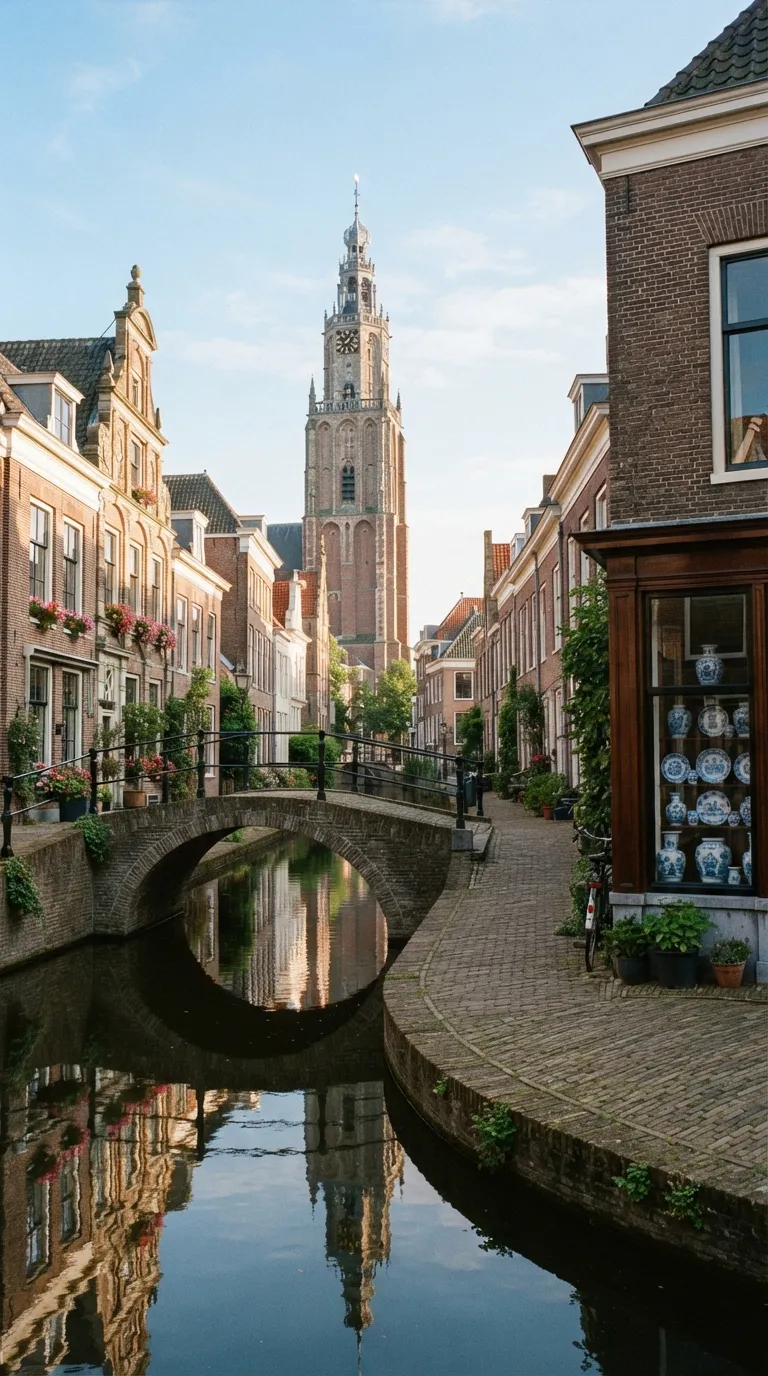
Delft is compact, graceful and easy to combine with Rotterdam or The Hague.
It is associated with Delftware ceramics, painter Johannes Vermeer and the House of Orange. The historic center contains canals, churches, courtyards and handsome market squares without Amsterdam’s scale.
Visit:
- Markt square
- Nieuwe Kerk
- Oude Kerk
- Museum Prinsenhof Delft
- Delftware workshops or museums
- Canal-side streets
A half-day covers the principal center, but a full day allows lunch, museums and quieter wandering after group tours depart.
Delft is ideal for travelers interested in architecture and photography. It also makes a gentle overnight stop for anyone who prefers small cities to metropolitan energy.
6. Haarlem and Leiden: Two Easy Amsterdam Alternatives
Haarlem
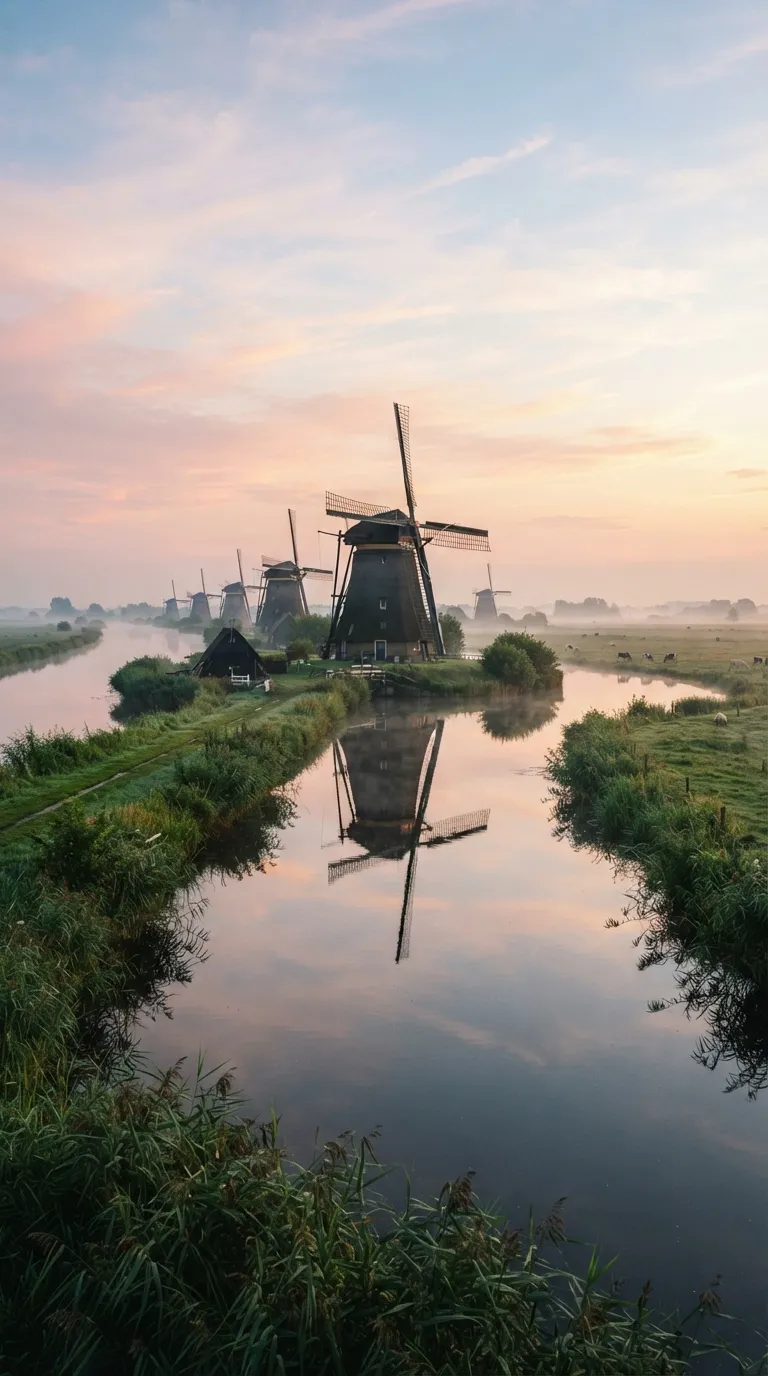
Haarlem lies a short train ride from Amsterdam and offers a handsome central square, museums, shopping streets and access toward the coast.
Highlights include:
- Grote Markt
- Frans Hals Museum
- Teylers Museum
- Grote or St. Bavokerk
- Courtyards and historic streets
- Nearby dunes and beaches
It works as a day trip or as a calmer hotel base for Amsterdam excursions.
Leiden
Leiden has a strong university identity, picturesque canals and a remarkable concentration of museums.
Consider:
- National Museum of Antiquities
- Museum De Lakenhal
- Hortus Botanicus
- Windmill museum
- Canal walks
- University buildings
Leiden is particularly good for history lovers and families wanting educational attractions without a giant-city schedule.
7. Kinderdijk: Best Place to See Historic Windmills
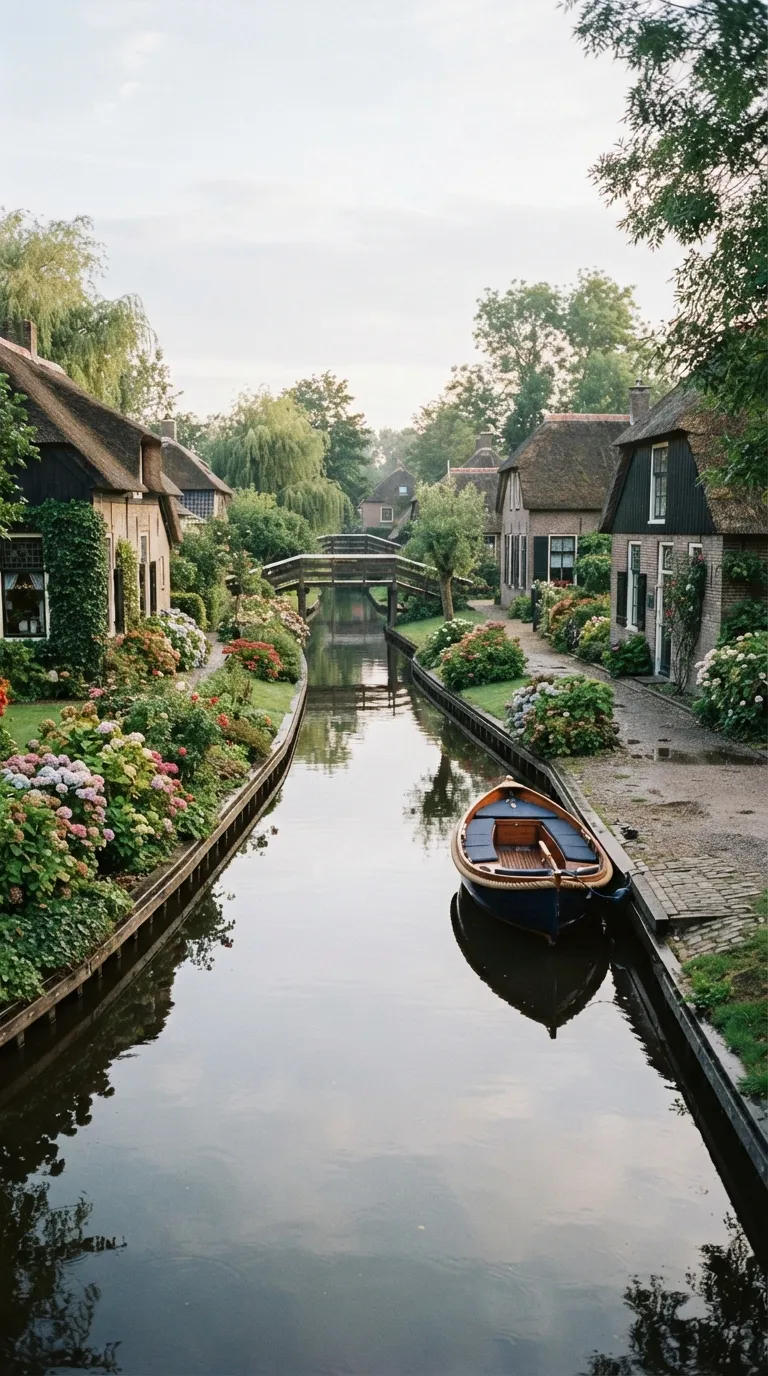
Kinderdijk is not simply a collection of decorative windmills. It is a historic water-management landscape demonstrating how Dutch communities controlled water in low-lying land.
Visitors can walk or cycle through the area, enter museum mills, tour a pumping station and take a boat past the windmills. The official site emphasizes more than 750 years of Dutch water management.
Current standard ticket prices are listed at €21 for adults and €9 for children aged 4–12, with children aged 0–3 admitted free. Online purchases receive a 10% discount. Prices should be reconfirmed for your exact travel date.
For 2026, the main visitor season runs from March 6 through November 1, generally from 9:00 a.m. until 5:30 p.m. Reduced winter hours follow.
Public transportation or a combination of train, bus and waterbus is preferable to driving. High-season car visitors must use the designated transfer parking in Alblasserdam, which carries a parking charge and includes a shuttle.
8. Giethoorn: Beautiful but Heavily Promoted
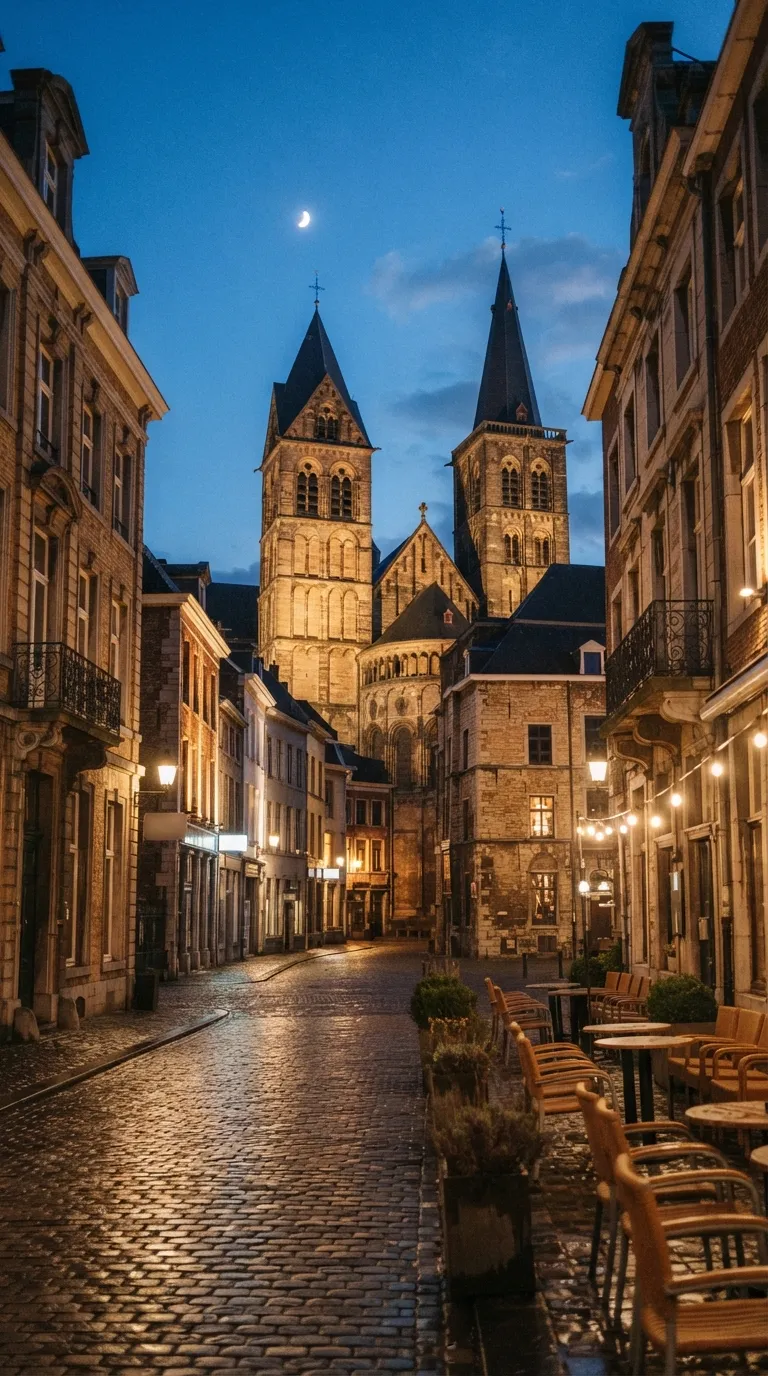
Giethoorn is known for canals, footbridges and thatched houses. Cars are absent from parts of the historic village, so visitors travel on foot or by boat.
It is undeniably pretty, but its nickname as the “Venice of the North” has turned it into a major day-trip destination. Narrow paths and waterways can become crowded, particularly between late morning and mid-afternoon.
To improve the experience:
- Arrive early
- Stay overnight
- Visit outside summer weekends
- Rent a quiet electric boat responsibly
- Explore beyond the central canal
- Keep noise low near homes
Giethoorn is best for couples, photographers and travelers comfortable with a journey that takes longer than the village’s compact size suggests.
9. Maastricht: Best for a Different Side of the Netherlands
Maastricht lies in the far south, near Belgium and Germany, and feels distinct from the canal cities of western Holland.
Its architecture, food culture, terrain and limestone surroundings provide a more continental atmosphere. Spend time around:
- Vrijthof
- Basilica of Saint Servatius
- Onze Lieve Vrouweplein
- Historic fortifications
- Bookstore inside the Dominican church
- Caves and underground sites
- Riverside neighborhoods
Maastricht deserves two nights because the train journey from Amsterdam makes it a poor choice for a hurried half-day.
It pairs naturally with Belgium or Germany. Travelers who enjoy crossing European cultural regions may also appreciate this complete Poland travel guide when planning a future Central European route.
10. The Wadden Islands: Best for Nature and Slow Travel
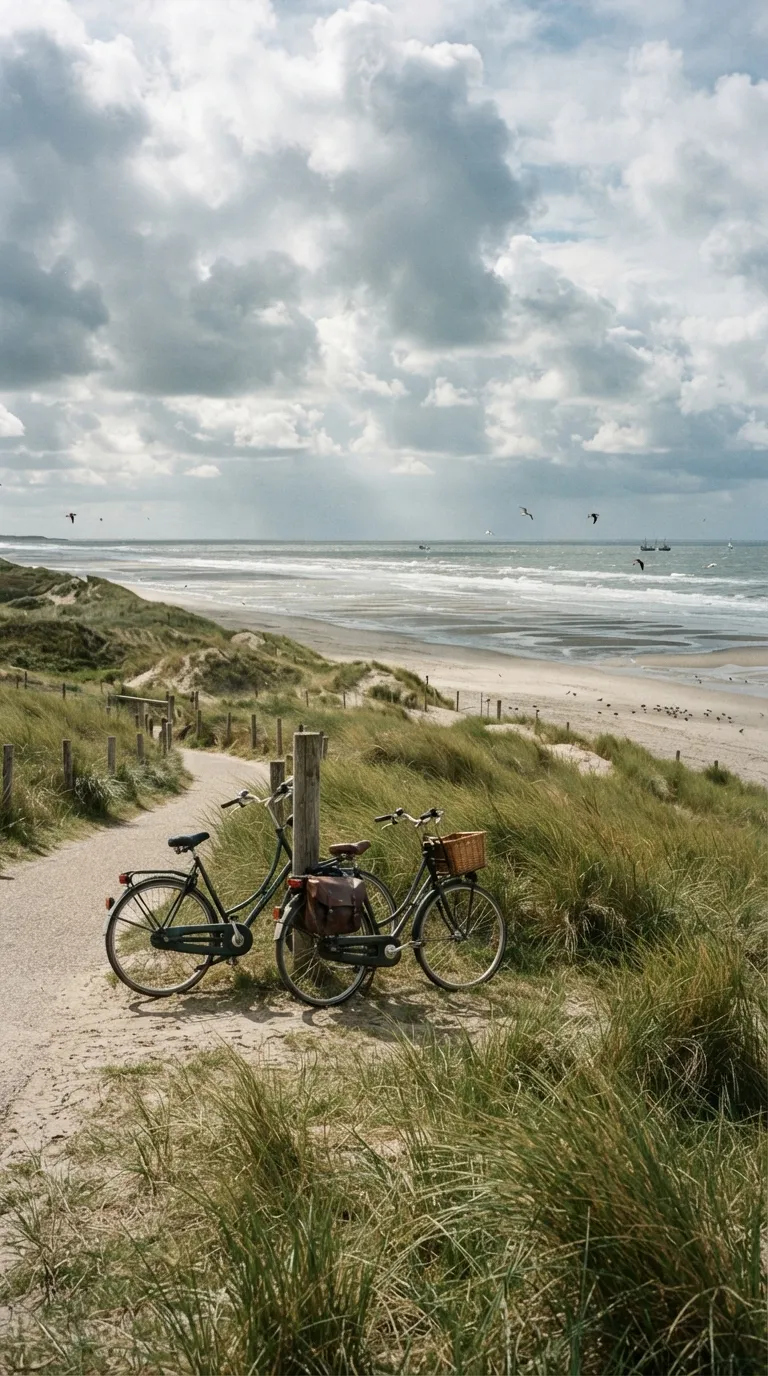
The Wadden Islands stretch along the northern coast and offer beaches, dunes, cycling, birdlife and broad tidal landscapes.
Popular islands include:
- Texel
- Vlieland
- Terschelling
- Ameland
- Schiermonnikoog
Texel is the easiest introduction because it has frequent ferry access and enough activities for several days. Smaller islands feel quieter and more removed from mainland routines.
The islands suit cyclists, families, birders and travelers wanting a slower second half of the trip.
Weather changes quickly. Ferry crossings, wind and rain can reshape plans, so avoid booking a tightly connected international departure immediately after an island stay.
When Is the Best Time to Visit the Netherlands?
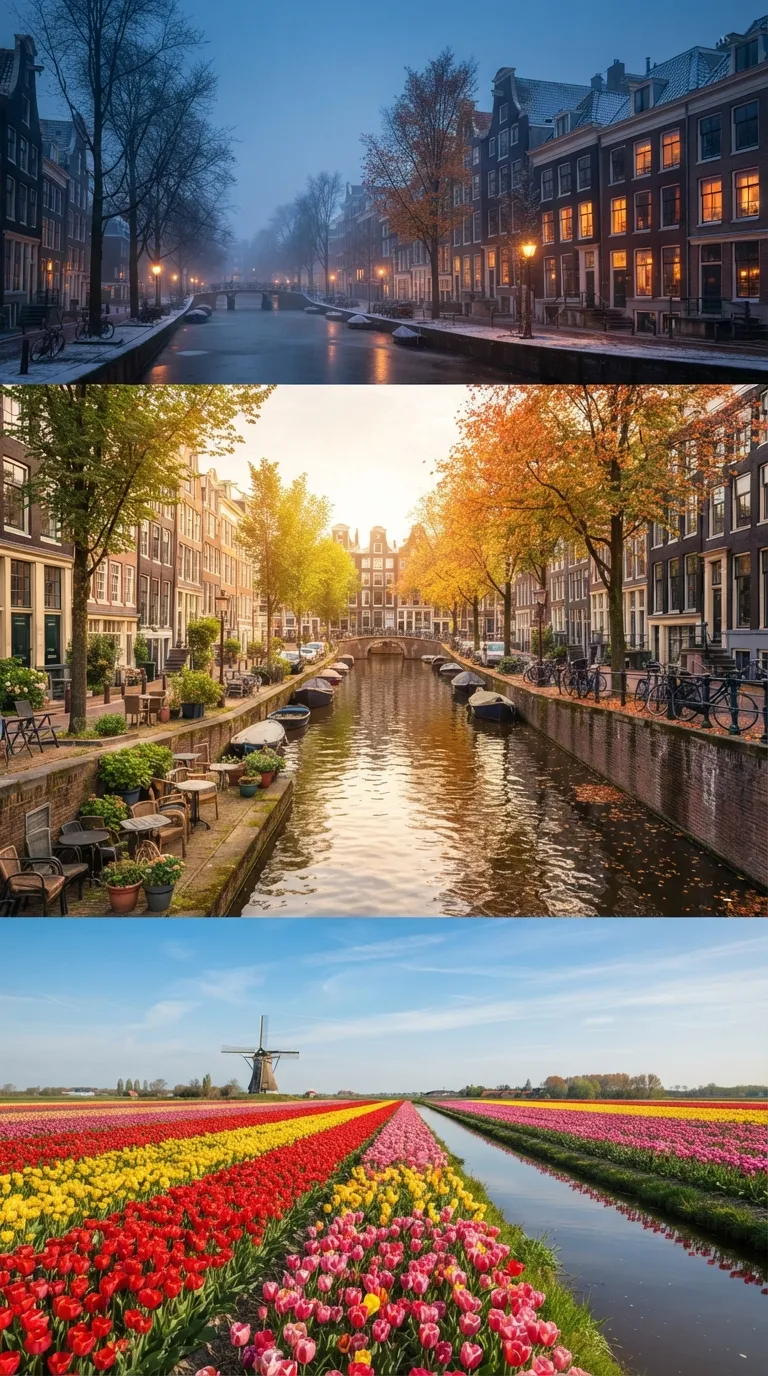
Spring: March through May
Spring is famous for tulips, gardens and lengthening days.
The main flower period is generally concentrated between late March and early May, but bloom timing depends on winter and spring weather. Keukenhof’s exact 2027 operating dates should be confirmed once officially published.
April is highly popular because of flowers and King’s Day. Accommodation prices rise, and transportation around major celebrations becomes crowded.
Summer: June through August
Summer offers the longest daylight, outdoor terraces, beach trips and island travel.
It is also peak tourism season. Amsterdam, Giethoorn and famous coastal destinations become crowded. Heatwaves are possible, although cool and rainy periods can still interrupt plans.
Fall: September through October
September is one of the best broad months. Weather can remain mild, school-holiday crowds ease and outdoor travel remains practical.
October brings cooler temperatures, wind and increasing rain, but cities and museums remain enjoyable.
Winter: November through February
Winter is gray, damp and atmospheric. Daylight is limited, but crowds are lower outside Christmas and New Year.
Museums, cafés and canal-side city breaks work well. The official national tourism site highlights Christmas markets, lights, seasonal food and Sinterklaas traditions during the festive period.
Snow and frozen canals are possible but not dependable. Do not book a winter trip expecting skating scenes from an old Dutch painting.
A Realistic 7-Day Netherlands Itinerary
This route uses trains and avoids changing hotels every night.
| Day | Overnight Base | Plan |
| 1 | Amsterdam | Arrive, canal walk and relaxed dinner |
| 2 | Amsterdam | Rijksmuseum, Museum Quarter and canal cruise |
| 3 | Amsterdam | Jordaan, Anne Frank House area and neighborhoods |
| 4 | Utrecht | Travel to Utrecht and explore the canals |
| 5 | Rotterdam | Rotterdam architecture and waterfront |
| 6 | Rotterdam | Delft or Kinderdijk day trip |
| 7 | The Hague | Mauritshuis and Scheveningen |
| 8 | Departure | Travel to Schiphol or continue onward |
Travelers who dislike changing hotels can remain in Amsterdam or Utrecht and take every destination as a day trip. The compromise is spending more time repeating train journeys.
Getting Around the Netherlands
Trains
Nederlandse Spoorwegen, usually shortened to NS, operates the principal domestic passenger rail network.
Ticket prices depend on the route and can be checked in the official journey planner. Buying an e-ticket avoids the €1.60 surcharge associated with some disposable tickets.
Travelers can also check in and out using supported contactless debit cards, credit cards, smartphones or wearables through OVpay. This is generally the simplest arrangement for visitors making ordinary second-class journeys.
Use the same card or device to check out that you used to check in. Each traveler needs a separate payment method.
Trams, buses and metros
Local transportation works on the same check-in and check-out principle in many areas.
Always check out, including when transferring according to the operator’s instructions. Missing a check-out can trigger an incorrect default fare.
Off-peak travel
NS defines off-peak hours on weekdays as 9:00 a.m.–4:00 p.m. and 6:30 p.m.–6:30 a.m. Weekends and public holidays are off-peak all day. Discounts require an eligible product rather than applying automatically to every bank-card trip.
Rental cars
A car is unnecessary for the classic Amsterdam–Utrecht–Rotterdam–The Hague route.
Rent one only for rural regions, selected national parks or a broader countryside itinerary. Parking is expensive and inconvenient in historic centers.
Cycling in the Netherlands
Cycling can be a highlight, but beginners should not rent a bike in central Amsterdam simply because cycling appears easy.
Dutch bicycle traffic is fast, rule-based and integrated with cars, trams and pedestrians. Practice in a quieter city, park or countryside area first.
Basic rules include:
- Use cycle lanes where provided
- Keep right
- Signal turns
- Obey traffic lights
- Do not stop unexpectedly
- Use lights after dark
- Avoid holding a phone
- Lock the frame and wheel
- Watch tram tracks
- Never ride after excessive drinking
Official government resources provide English guidance on Dutch traffic rules and road signs.
Where to Stay
Amsterdam
Best for first-time visitors, nightlife and major museums. Most expensive option.
Utrecht
Best central base for train travel and a calmer atmosphere.
Rotterdam
Best for architecture, nightlife and modern hotels.
Haarlem
Best for Amsterdam access with a smaller-city environment.
The Hague
Best for art, government landmarks and coastal access.
Maastricht
Best for food, history and a separate southern Netherlands trip.
Choose accommodation near a railway station when planning several day trips. A hotel that appears cheaper but requires two buses before every train may collect its savings back in fragments.
Netherlands Travel Costs
The Netherlands is a relatively expensive European destination.
| Expense | Budget Range | Mid-Range Range |
| Hotel room | €90–€160 | €170–€320+ |
| Hostel bed | €35–€75 | Varies by season |
| Casual meal | €12–€22 | €25–€50 |
| Coffee and pastry | €5–€10 | €10–€16 |
| Short intercity train | €8–€20 | Route dependent |
| Major museum | €15–€25+ | Attraction dependent |
| Bicycle rental | €12–€25 daily | Type and location |
| Canal cruise | €18–€35+ | Route and operator |
These are planning ranges rather than fixed prices.
Reduce costs by:
- Staying in Utrecht, Haarlem or Rotterdam
- Booking museums directly
- Using supermarkets and bakeries for some meals
- Traveling by contactless public transit
- Avoiding peak tulip weekends
- Visiting free parks and neighborhoods
- Carrying a refillable bottle
- Reserving accommodation early
Food to Try in the Netherlands
Dutch food is often discussed as though the country survives entirely on cheese and optimism. The reality is broader, particularly in cities shaped by Indonesian, Surinamese, Turkish, Moroccan and Caribbean communities.
Try:
- Stroopwafels
- Poffertjes
- Bitterballen
- Herring when seasonally available
- Dutch cheeses
- Appeltaart
- Fries with sauces
- Indonesian rijsttafel
- Surinamese sandwiches and roti
- Pancakes
- Oliebollen in winter
Avoid judging Dutch cuisine through restaurants around Amsterdam’s busiest squares. Neighborhood cafés, markets and multicultural districts provide far more interesting meals.
Travelers interested in culturally rich destinations beyond Europe may also enjoy this guide to India’s cultural traditions.
Safety and Common Travel Mistakes
The Netherlands is generally straightforward for visitors, but theft and scams occur in crowded areas.
Protect yourself by:
- Keeping bags closed on trains and trams
- Watching phones near vehicle doors
- Using official ticket websites
- Avoiding unlicensed taxis
- Locking bicycles properly
- Ignoring fake ticket helpers
- Watching for traffic in cycle lanes
- Keeping passport copies separate
- Carrying identification when required
Dutch officials, transport inspectors and certain other authorities may ask people to provide proof of identity.
The most common mistakes are practical rather than dramatic:
- Spending the entire trip in central Amsterdam
- Walking in bicycle lanes
- Forgetting to check out of transit
- Booking tulip travel too late
- Assuming every windmill is near Amsterdam
- Renting a car for city travel
- Visiting too many cities in one day
- Expecting warm, dry weather
- Buying attraction tickets from unofficial sellers
This travel mistakes and scams guide covers additional tactics for avoiding preventable problems.
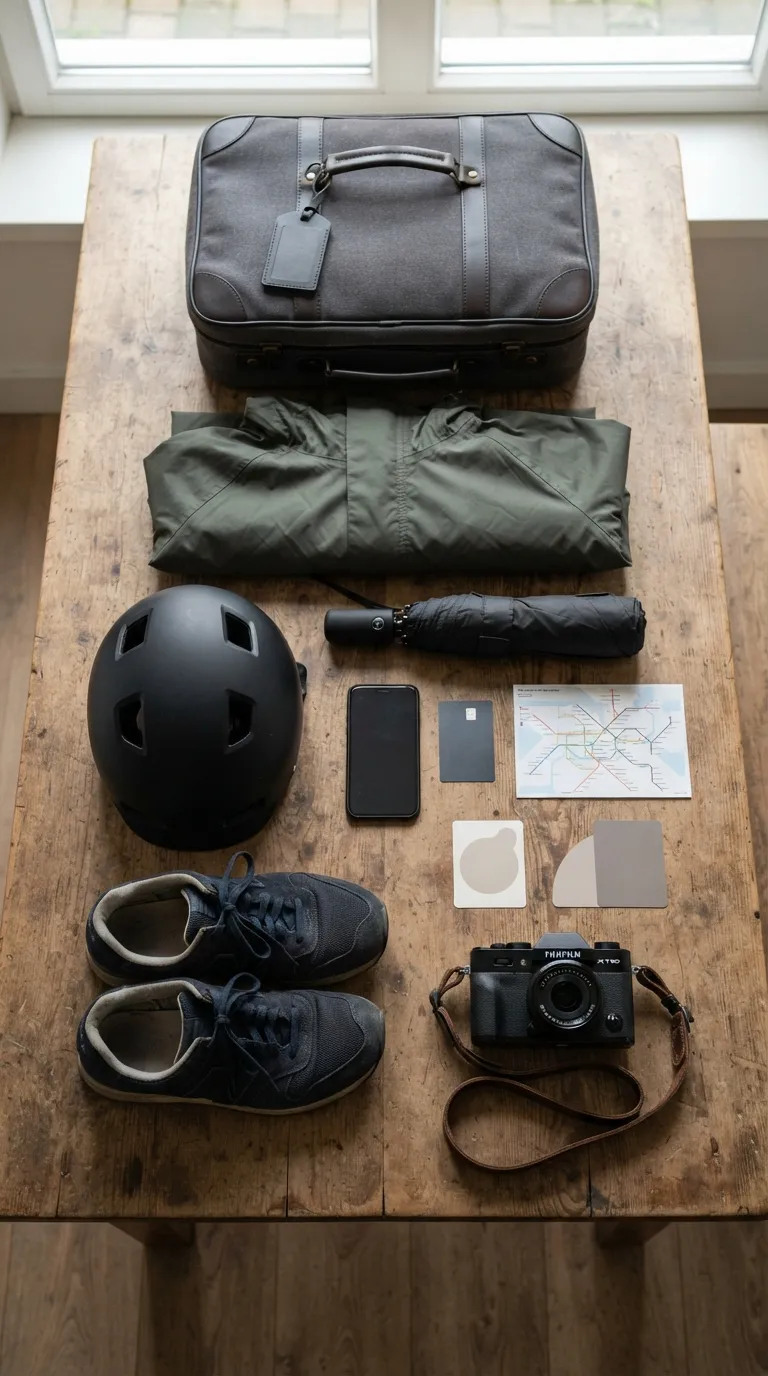
Netherlands Packing Checklist
- Passport and secure copy
- Entry and accommodation details
- Travel insurance
- Contactless payment cards
- Waterproof jacket
- Compact umbrella
- Comfortable walking shoes
- Light layers
- Warm layer outside summer
- Portable battery pack
- Offline maps
- Museum reservations
- Refillable water bottle
- Small secure day bag
- Bicycle-friendly clothing when cycling
- Medication in original packaging
- Plug adapter
- Ferry or island confirmations
Frequently Asked Questions About the Netherlands
How many days do you need in the Netherlands?
Seven days is enough for Amsterdam and three or four additional destinations. Ten days allows slower travel or the inclusion of Maastricht or an island.
Is Amsterdam enough for a first trip?
Amsterdam is an excellent starting point, but adding Utrecht, Delft, Rotterdam or The Hague provides a more balanced view of the country.
What is the best month to visit?
May and September provide a strong balance of daylight, manageable temperatures and outdoor activities. April is best for flowers but can be expensive and crowded.
Can you travel around without a car?
Yes. The classic destinations are well connected by trains, trams and buses. A car is usually more burden than benefit in major cities.
Can tourists use contactless cards on trains?
Yes. Visitors can generally use OVpay to check in and out with supported contactless cards or mobile devices. Each passenger needs a separate method.
Is the Netherlands expensive?
Yes, particularly for hotels in Amsterdam. Staying in nearby cities and booking early can reduce costs.
Is Utrecht a good base?
Utrecht is one of the best bases because it has a charming center and excellent railway connections across the country.
Is Rotterdam worth visiting?
Yes, particularly for architecture, contemporary culture, food and maritime history. It provides a useful contrast to historic canal cities.
Is Kinderdijk free?
Walking and cycling access conditions may differ from entry to visitor facilities. Museum mills, boat tours and exhibitions require a paid ticket.
When should I visit for tulips?
Late March through early May is the broad flower-season window, but exact bloom conditions vary. Mid-April often offers strong potential but also the largest crowds.
Is cycling safe for tourists?
It can be safe for confident riders who understand the rules. Beginners should practice outside central Amsterdam before entering busy urban cycle lanes.
Do Americans need ETIAS?
ETIAS is expected to apply after its official launch, but applications were not yet open at the time of writing. Check the official Dutch or EU portal before departure.
Is English widely spoken?
English is commonly understood in tourism, transportation and hospitality settings. Learning basic Dutch greetings is still courteous.
What is the biggest travel mistake?
Remaining exclusively in Amsterdam. Several of the country’s most rewarding cities are less than an hour away by train.
Conclusion: Planning the Right Netherlands Trip
The best Netherlands travel guide is one that treats the country as more than Amsterdam with a few windmills attached.
Begin with three days in Amsterdam for museums, canal neighborhoods and the city’s distinctive rhythm. Then move outward. Choose Utrecht for intimate canals and an excellent rail base, Rotterdam for modern architecture, The Hague for art and the coast, and Delft for a compact historic day.
Add Kinderdijk when Dutch water engineering and traditional windmills are priorities. Choose Maastricht for food and southern culture, or spend several nights on a Wadden Island when beaches, cycling and quiet landscapes matter more than another museum.
Seven days is enough for a satisfying first visit because trains make short journeys remarkably easy. Ten days is better when you want to slow down, stay overnight outside Amsterdam and avoid converting the country into a procession of station platforms.
Spring delivers flowers but also premium prices. Summer provides long days and crowds. September offers one of the best overall balances, while winter exchanges outdoor certainty for quieter museums and glowing canal streets.
Use trains instead of driving between cities, reserve major Amsterdam attractions early and treat bicycle lanes with the respect normally given to a small but determined motorway. Most importantly, allow one city to surprise you. Amsterdam may be the opening chapter, but the Netherlands becomes far more interesting once the train doors close and the next set of canals slides into view.