New Mexico Travel Guide 2026–27: Best Places, Road Trips and Desert Adventures
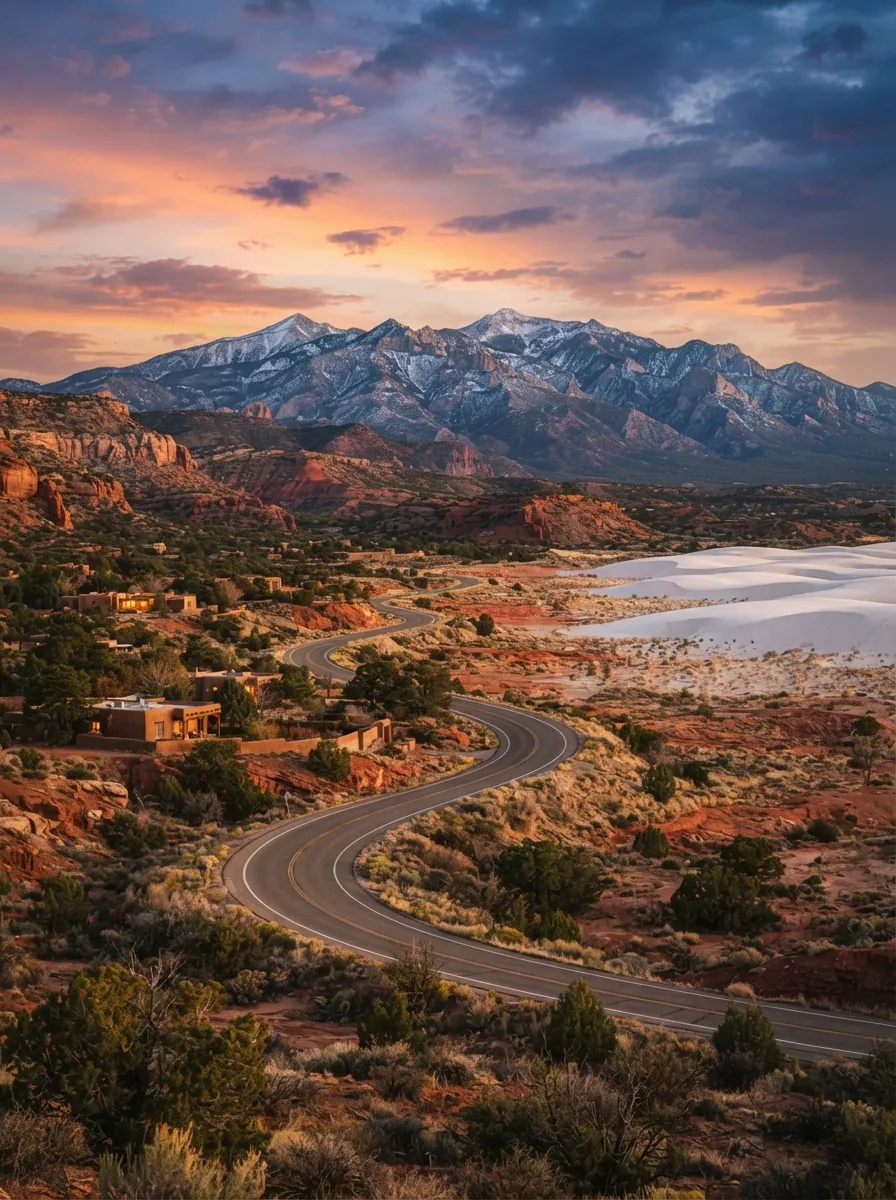
New Mexico rarely behaves like the destination first-time visitors expect. The map suggests desert, but the reality includes snow-covered mountains, cool pine forests, vast gypsum dunes, volcanic landscapes, subterranean caverns and high-altitude cities where the evening air can feel surprisingly sharp.
Its cultural landscape is even more layered. Indigenous communities have lived here for thousands of years. Spanish colonial history remains visible in churches, plazas and place names, while Route 66, Atomic Age history, contemporary art and frontier mythology add further chapters. Santa Fe feels elegant and deeply rooted. Albuquerque is larger, livelier and more urban. Taos balances mountain scenery with art and Indigenous heritage. Farther south, White Sands and Carlsbad Caverns seem to belong to different planets, let alone the same road trip.
This New Mexico travel guide is designed for travelers planning a visit during the remainder of 2026 or in 2027. It covers the best places to visit, realistic driving routes, national park procedures, seasonal weather, costs, cultural etiquette and a practical seven-day itinerary.
New Mexico rewards travelers who resist overpacking the schedule. Distances are larger than they appear, elevation changes affect both weather and energy, and some of the most compelling destinations sit hours from the nearest major city. A trip that attempts Santa Fe, Taos, White Sands, Carlsbad Caverns and Chaco Canyon in four days will contain many miles and very little enchantment.
Recommended Travel Items for Your Trip
NEW MEXICO AT A GLANCE
Best first-time city: Santa Fe
Best city for food and festivals: Albuquerque
Best mountain destination: Taos
Best surreal landscape: White Sands National Park
Best underground adventure: Carlsbad Caverns
Best archaeological landscape: Chaco Culture
Best road-trip length: 7–10 days
Best broad seasons: April–May and September–October
Best 2026 event: Albuquerque International Balloon Fiesta, October 3–11
Main planning challenge: Long distances and dramatic temperature changes
Is New Mexico Worth Visiting?
New Mexico is ideal for travelers who enjoy landscapes, history, regional food, art and road trips that feel meaningfully different from one stop to the next.
Its strongest attractions include:
- Adobe architecture and historic plazas
- Indigenous art, communities and cultural sites
- National parks and monuments
- Desert and mountain hiking
- Scenic highways
- Dark-sky stargazing
- Chile-based regional cuisine
- Route 66 history
- Hot springs and mountain towns
- Art museums and galleries
The state’s official tourism site emphasizes this variety, grouping itineraries around Santa Fe, Taos, the Enchanted Circle, White Sands, Carlsbad Caverns and regional road trips rather than presenting New Mexico as a single desert experience.
New Mexico is less convenient for travelers who do not drive. Albuquerque and Santa Fe can be visited without a car, but White Sands, Chaco Canyon, mountain regions and many scenic routes require private transportation or organized tours.
Travelers comparing cities across the continent may also find this guide to choosing North American cities useful when deciding whether New Mexico’s slower, landscape-focused style suits their trip.
Best Places to Visit in New Mexico
| Destination | Best For | Suggested Stay | Main Consideration |
| Santa Fe | Art, architecture and food | 2–3 days | High altitude and costly lodging |
| Albuquerque | Festivals, museums and Route 66 | 2–3 days | Spread-out attractions |
| Taos | Mountains, art and culture | 2–3 days | Winter and holiday closures |
| White Sands | Dunes, photography and sunsets | Half to full day | Heat and missile-range closures |
| Carlsbad Caverns | Cave exploration | 1–2 days | Timed entry and remote location |
| Bandelier | Cliff dwellings and hiking | Half to full day | Seasonal shuttle arrangements |
| Chaco Culture | Archaeology and dark skies | 1–2 days | Rough dirt-road access |
| Las Cruces | Food and southern landscapes | 1–2 days | Very hot summers |
| Ruidoso | Forests and mountain recreation | 2–3 days | Fire and winter-weather risk |
| Roswell | Pop culture and road-trip fun | Half to full day | Limited appeal beyond the theme |
| Silver City | Historic center and Gila access | 2–3 days | Long drive from major airports |
| Truth or Consequences | Hot springs and relaxation | 1–2 days | Small-town pace |
1. Santa Fe: Best First Stop for Art, History and Food
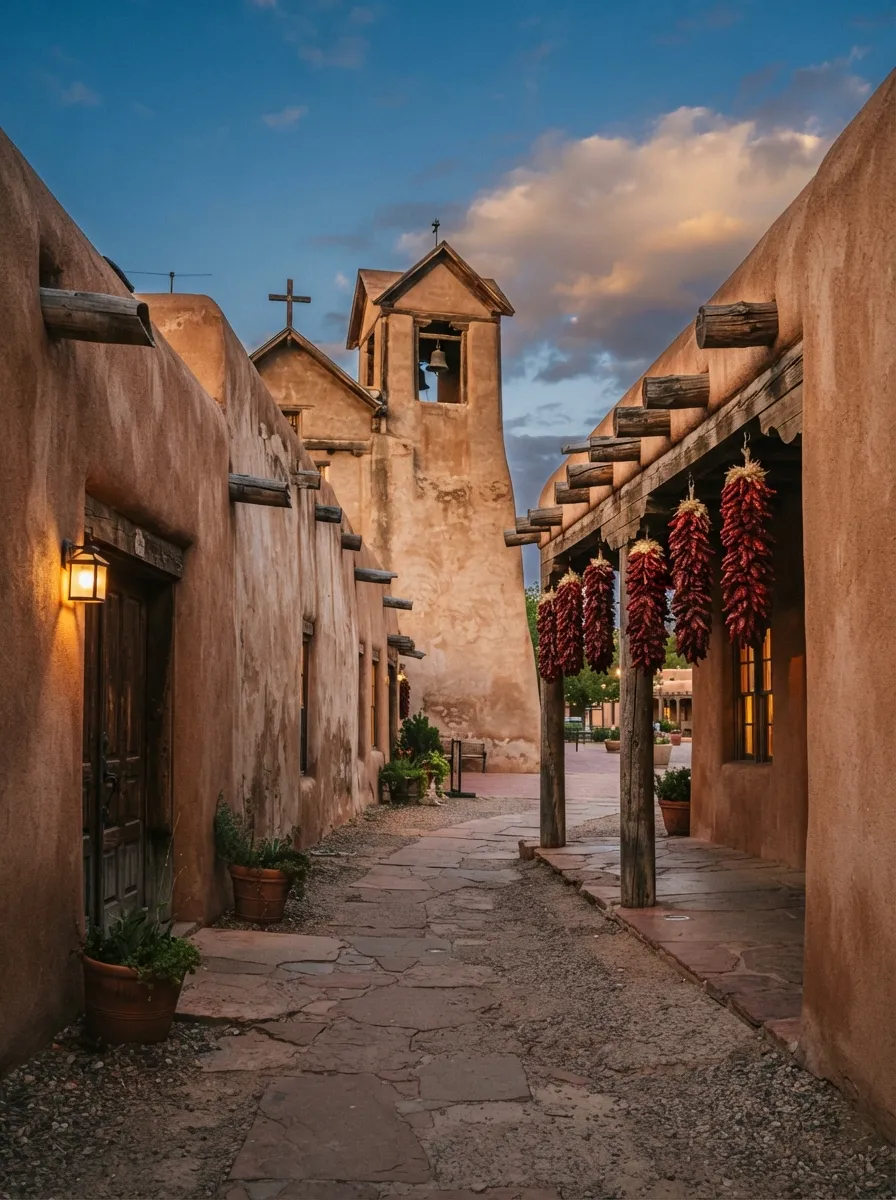
Santa Fe is New Mexico’s most polished destination and the best introduction for first-time visitors. Its adobe architecture, galleries, historic churches, regional food and high-desert light create a city that feels culturally dense without becoming overwhelming.
Begin around the Plaza, then explore:
- Palace of the Governors
- New Mexico History Museum
- Georgia O’Keeffe Museum
- Cathedral Basilica of St. Francis of Assisi
- Canyon Road galleries
- Museum Hill
- Railyard District
- Local markets and restaurants
The historic center is walkable, but attractions beyond it are spread across several districts. Two full days provide enough time for major museums and neighborhoods. Three days allows a day trip to Bandelier, Los Alamos or the Turquoise Trail.
Santa Fe sits above 7,000 feet, so some visitors notice headaches, fatigue or shortness of breath. Keep the arrival day light, drink water and moderate alcohol.
Hotel rates can be high, particularly around festivals and holiday periods. Staying slightly outside the Plaza area can reduce costs while preserving reasonable access.
Santa Fe is especially strong for couples, solo travelers, food-focused visitors and travelers interested in cultural cities. Readers planning future heritage-rich trips may also enjoy this guide to cultural cities in the Middle East, where etiquette and local context matter just as much as monuments.
2. Albuquerque: Best for Festivals, Route 66 and Urban Variety
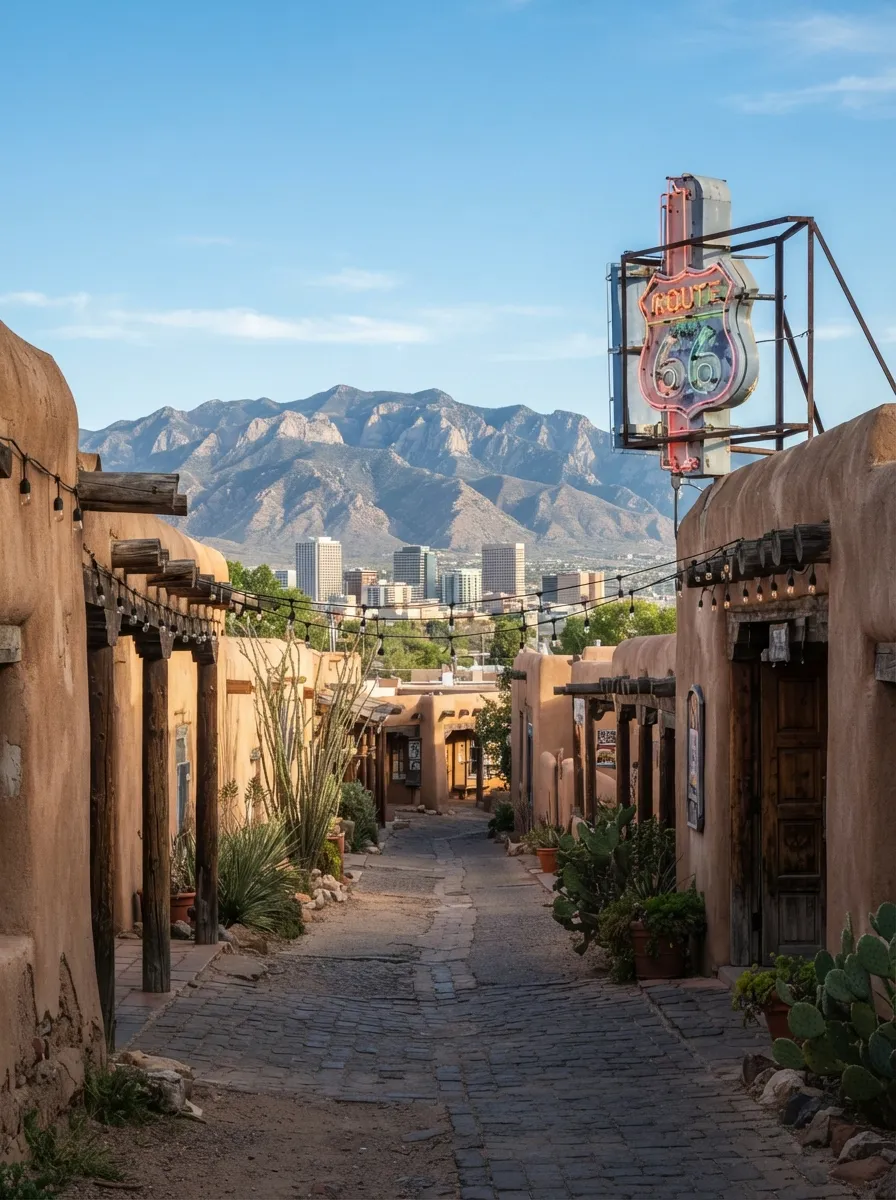
Albuquerque is larger, less curated and more varied than Santa Fe. It combines historic districts, mountain views, museums, breweries, Route 66 landmarks and easy access to the Sandia Mountains.
Popular experiences include:
- Old Town Albuquerque
- Indian Pueblo Cultural Center
- National Museum of Nuclear Science and History
- Sandia Peak Tramway
- Nob Hill
- Historic Route 66
- Petroglyph National Monument
- Local chile-focused restaurants
Albuquerque works well as an arrival airport, a two-night city stay and a base for regional trips.
Albuquerque International Balloon Fiesta
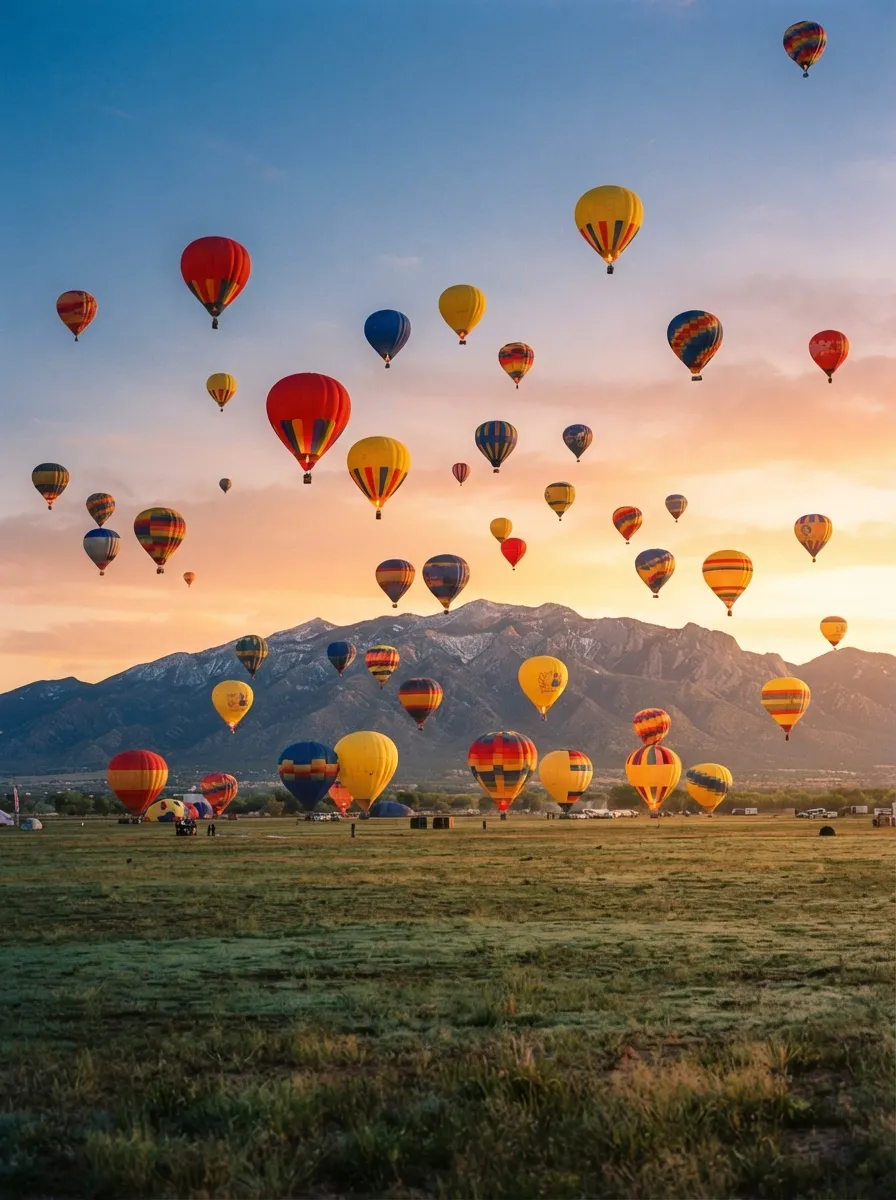
The 2026 Albuquerque International Balloon Fiesta is scheduled for October 3–11, while the 2027 event is scheduled for October 2–10. These dates are confirmed by the official event organization.
The festival includes morning ascensions, evening glows and special events, but balloon operations depend on wind and weather. No launch is guaranteed.
Book lodging and transportation months ahead. Early-morning traffic is considerable, and visitors should follow official parking or shuttle guidance rather than assuming they can arrive shortly before sunrise.
BALLOON FIESTA TIP
Plan at least two event sessions. Wind can cancel an ascension even under an otherwise beautiful sky, and one dawn should not carry the emotional weight of the entire trip.
3. Taos: Best for Mountains, Art and Indigenous Heritage
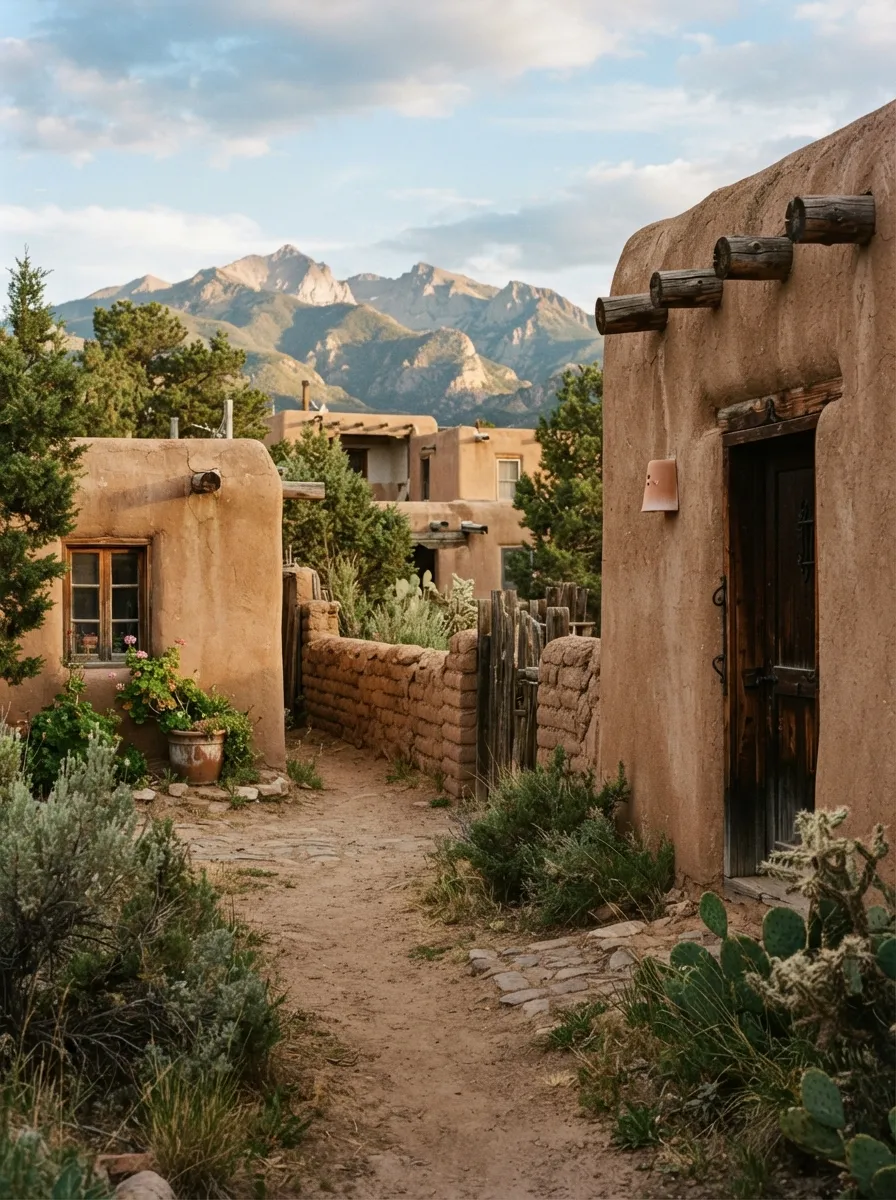
Taos sits between the Rio Grande Gorge and the Sangre de Cristo Mountains. Its appeal comes from the combination of landscape, art, adobe architecture and living Indigenous culture.
Spend time exploring:
- Taos Plaza
- Harwood Museum of Art
- Millicent Rogers Museum
- Rio Grande Gorge Bridge
- Taos Ski Valley
- High Road to Taos
- Enchanted Circle Scenic Byway
- Taos Pueblo, when open
Visiting Taos Pueblo respectfully
Taos Pueblo is a living Indigenous community, not an open-air museum. It is generally open from 9 a.m. to 4 p.m., but unexpected closures occur for religious observances, community events or deaths. A roughly ten-week closure may also occur between late winter and early spring, so visitors should check directly before traveling. Current adult admission is listed at $25.
Visitors must obey restricted-area signs, avoid entering private homes, ask before photographing residents, remain outside the cemetery and avoid photographing inside San Geronimo Chapel. The river is the community’s drinking-water source and must not be entered.
Allow two nights in Taos. Add a third for mountain drives, hiking or skiing.
4. White Sands National Park: New Mexico’s Most Surreal Landscape
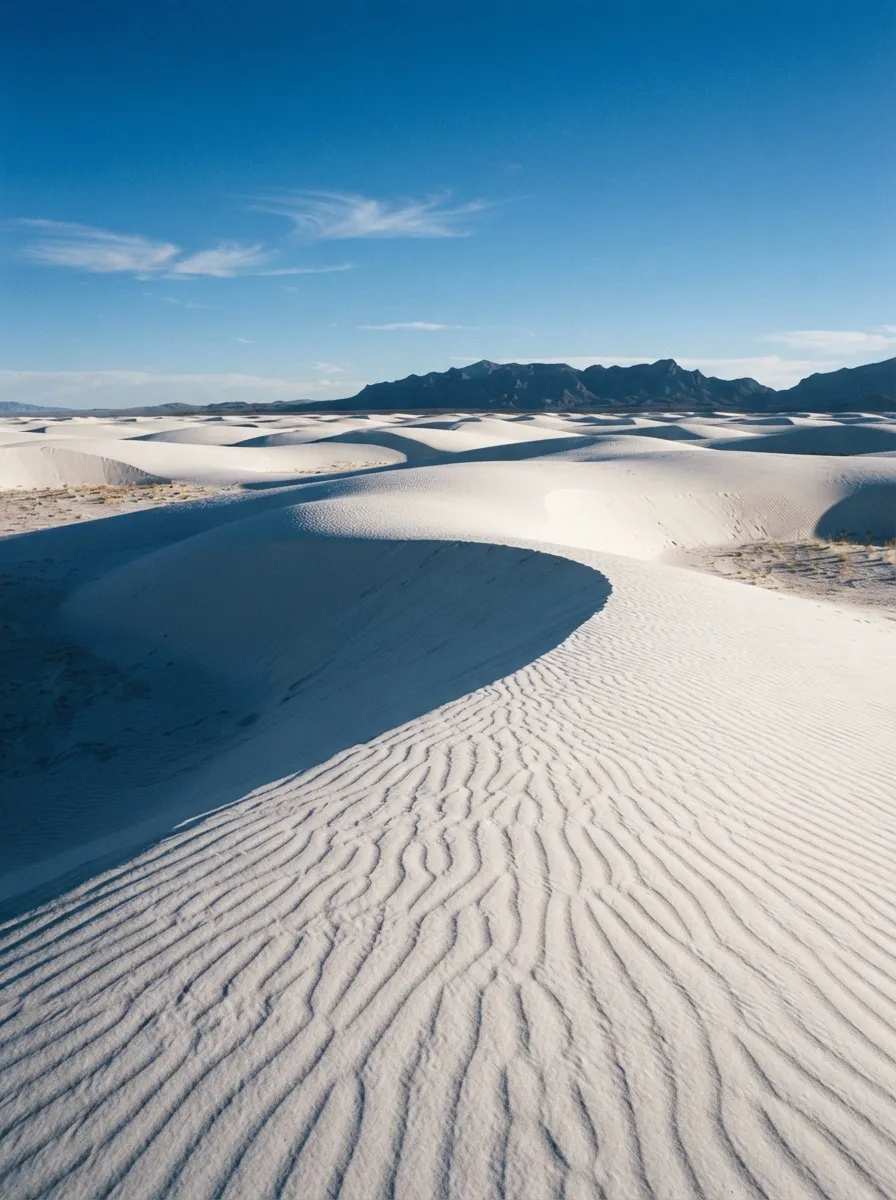
White Sands protects an immense field of bright gypsum dunes surrounded by dark mountains. The contrast creates one of the most striking landscapes in the United States.
The park’s eight-mile Dunes Drive leads into the dunefield, with opportunities for short walks, longer hikes, photography and dune sledding.
The private-vehicle entrance fee is currently $25 and remains valid for seven consecutive days. Individual entry is $15.
Park hours change with sunset. During the 2026 summer schedule, the park opens at 7 a.m. and remains open until one hour after sunset through September 7. Standard schedules close the park roughly 30 minutes after sunset, while the visitor center operates from 9 a.m. to 5 p.m.
Missile-range closures
White Sands Missile Range regularly conducts military tests. Dunes Drive may close for up to three hours, and Highway 70 between Las Cruces and Alamogordo can also close. Some notifications arrive only about 24 hours in advance.
Check the official closure page the day before visiting.
Heat and hiking safety
There is almost no shade on the dunes. Summer temperatures can become dangerous, and trail markers can be difficult to follow when wind reshapes the sand.
Carry more water than expected, avoid long midday hikes and turn around early if markers become difficult to see.
Sunset is often the best time for photography, but confirm the closing hour and allow enough time to return to your vehicle.
DESERT WARNING
White gypsum reflects sunlight from below as well as above. Sunscreen, sunglasses and a hat are not decorative accessories here.
5. Carlsbad Caverns National Park: Best Underground Experience
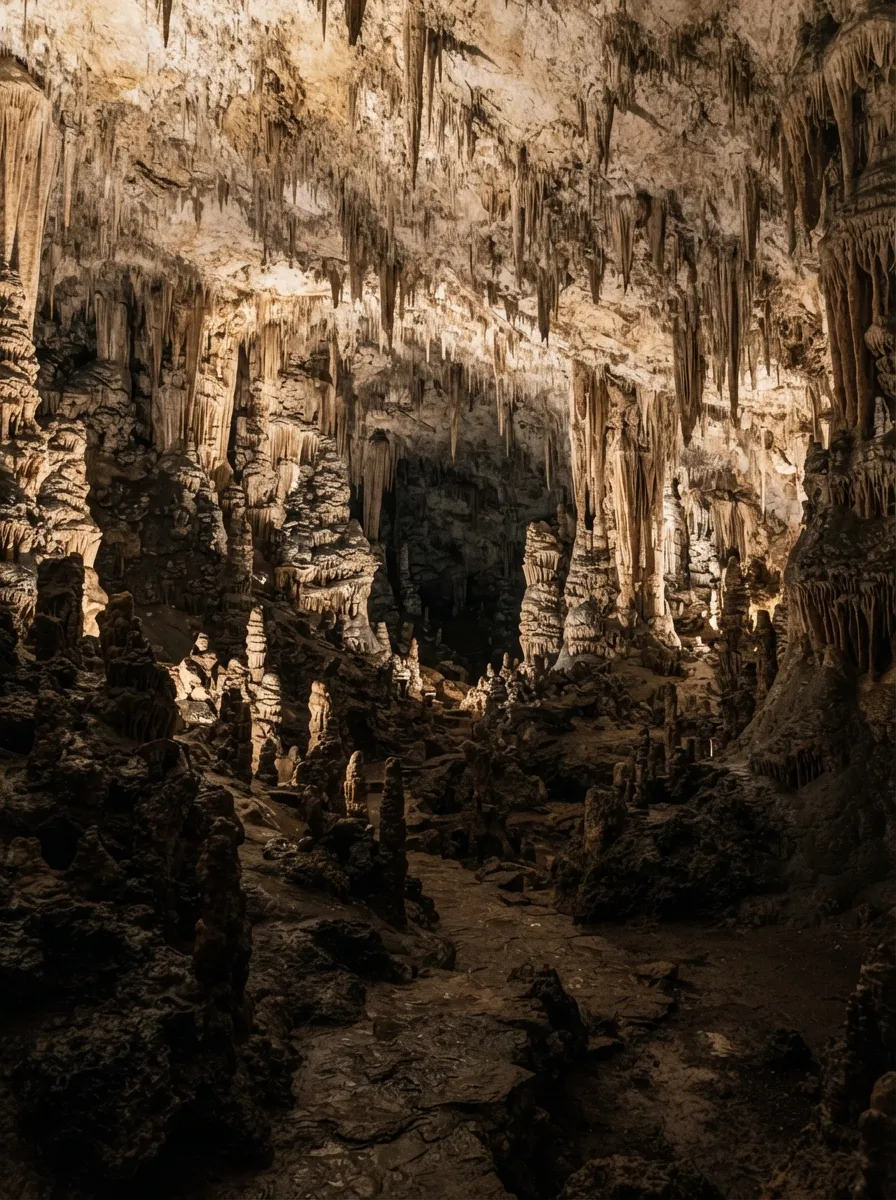
Carlsbad Caverns feels almost theatrical, with enormous limestone chambers, formations, winding paths and deep darkness beyond the developed route.
Visitors can enter through the Natural Entrance Trail or use the elevator, depending on mobility, time and operating conditions. The Natural Entrance is steep and requires a substantial descent.
Timed entry is required to enter the cavern, and reservations are strongly recommended. The reservation costs $1, while the entrance fee is purchased separately upon arrival. Current entrance fees are $15 for adults aged 16 and older, with children 15 and younger admitted free.
Current cavern entry hours are listed as 9:30 a.m. to 2:30 p.m., with the last ticket sold at 2:15 p.m. Verify the schedule before traveling because operating hours can change.
Carlsbad Caverns is remote. Stay in Carlsbad or Whites City and allow a full day. The park is too far from Santa Fe or Albuquerque for a sensible day trip.
During warmer months, evening bat flights may be visible, but timing and programs are seasonal. Wildlife events are never guaranteed.
6. Bandelier National Monument: Best Day Trip From Santa Fe
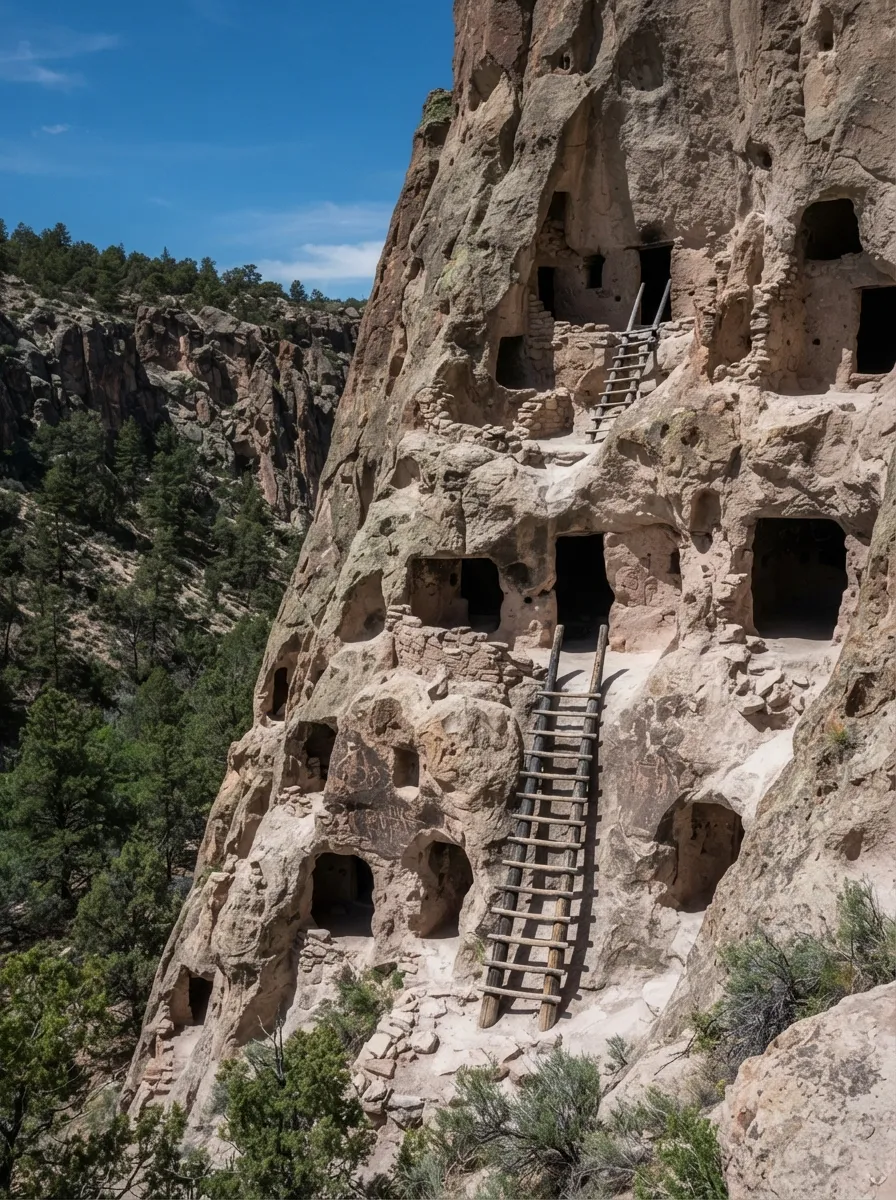
Bandelier protects archaeological sites, cliff dwellings, canyon landscapes and evidence of long-established Ancestral Pueblo communities.
The main Frijoles Canyon area includes accessible archaeological sites and trails leading past structures carved into volcanic rock.
In 2026, a seasonal free shuttle operates intermittently from March 19 through October 14, beginning at 10:30 a.m. Unlike some previous systems, the shuttle is not always mandatory, but parking and access procedures can change.
The monument is generally open from dawn to dusk, with visitor-center schedules varying by date.
Wear sturdy shoes, bring water and expect ladders or uneven terrain on selected routes. Do not climb into closed structures or touch fragile walls.
Bandelier pairs naturally with Los Alamos or a scenic drive back to Santa Fe.
7. Chaco Culture National Historical Park: Best for Archaeology and Dark Skies
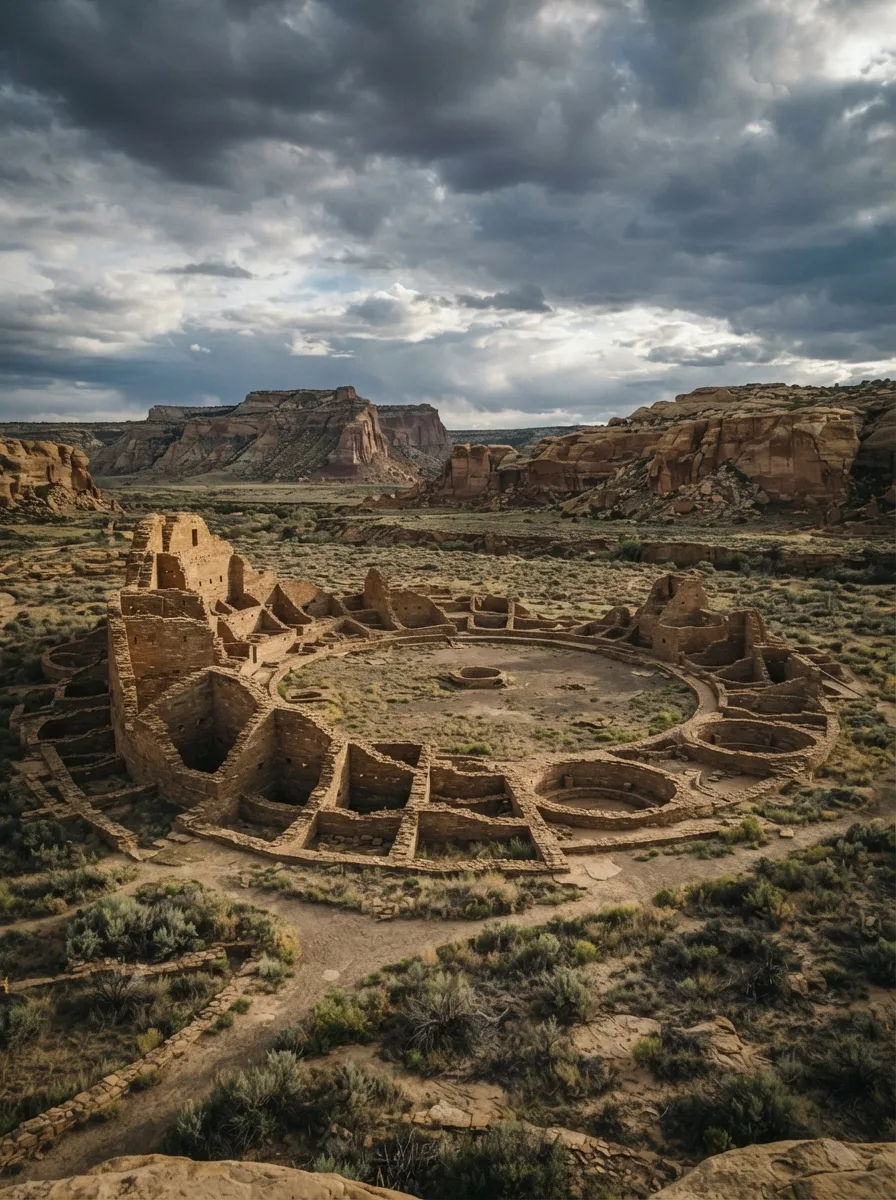
Chaco Canyon preserves one of the most important ancestral cultural landscapes in the Southwest. Massive great houses, ceremonial structures and roads reveal a sophisticated regional center that flourished centuries ago.
The reward comes with difficult access.
All approach routes include dirt roads, and conditions can become rough or impassable after storms. The National Park Service advises calling ahead and notes that visitors travel through private tribal lands, where respectful behavior and leave-no-trace practices are essential.
From May through October, the archaeological sites and trails generally operate from 7 a.m. to 9 p.m., with the entrance to the loop road closing at 8:30 p.m. Winter hours are shorter. The private-vehicle fee is currently $25.
Cell service is limited, and services are sparse. Carry:
- A full fuel tank
- Water and food
- A spare tire
- Offline directions
- Weather protection
- Emergency supplies
Do not attempt Chaco in an unsuitable rental vehicle immediately after heavy rain.
8. Las Cruces and Southern New Mexico
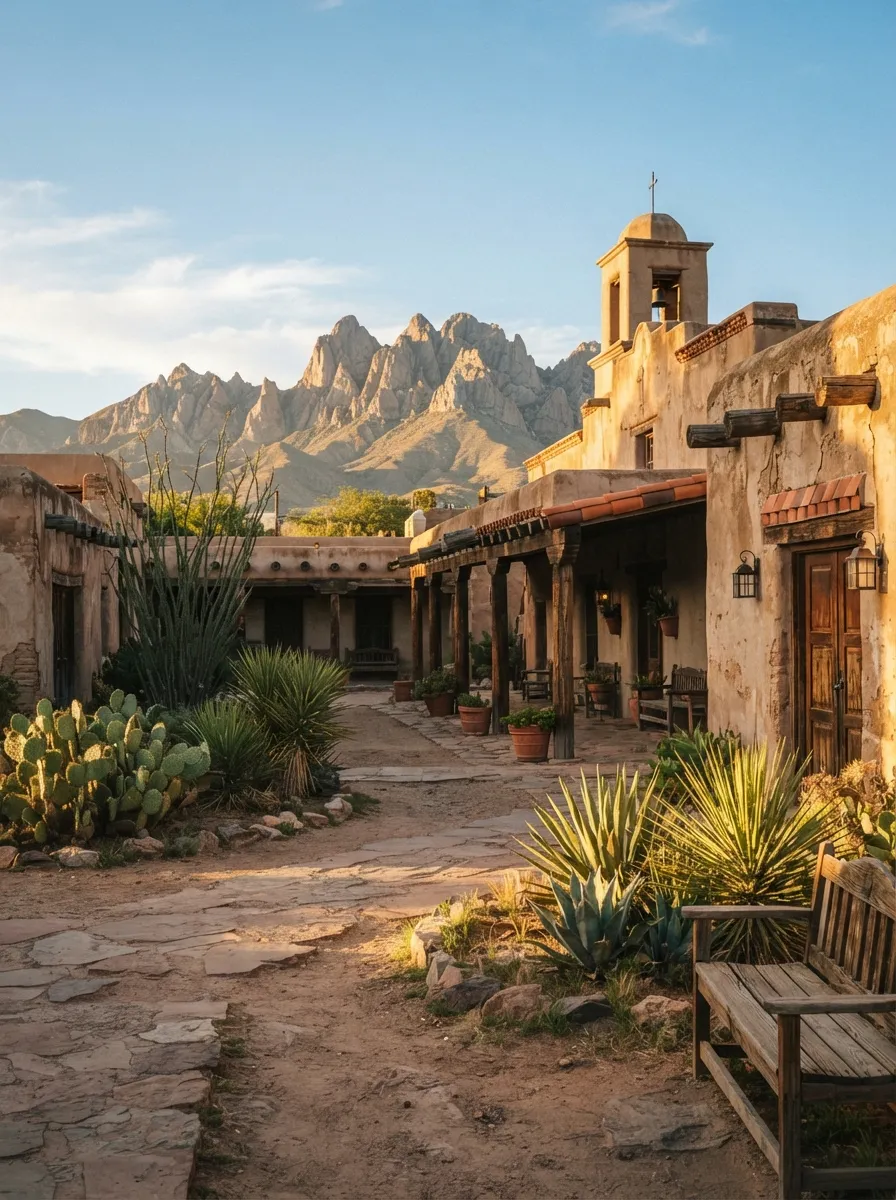
Las Cruces is the most practical base for exploring southern New Mexico beyond the national parks.
The city offers:
- Historic Mesilla
- New Mexican restaurants
- Organ Mountains views
- Farm and chile culture
- Access to White Sands
- Scenic drives
- Local museums and markets
Mesilla’s plaza and adobe buildings create a relaxed half-day outing, while the Organ Mountains provide a dramatic backdrop and hiking opportunities.
Summer is intensely hot. Spring, fall and winter are generally more comfortable for outdoor exploration.
Las Cruces works well for two nights, especially when linking White Sands with a longer southern New Mexico road trip.
9. Ruidoso and the Sacramento Mountains
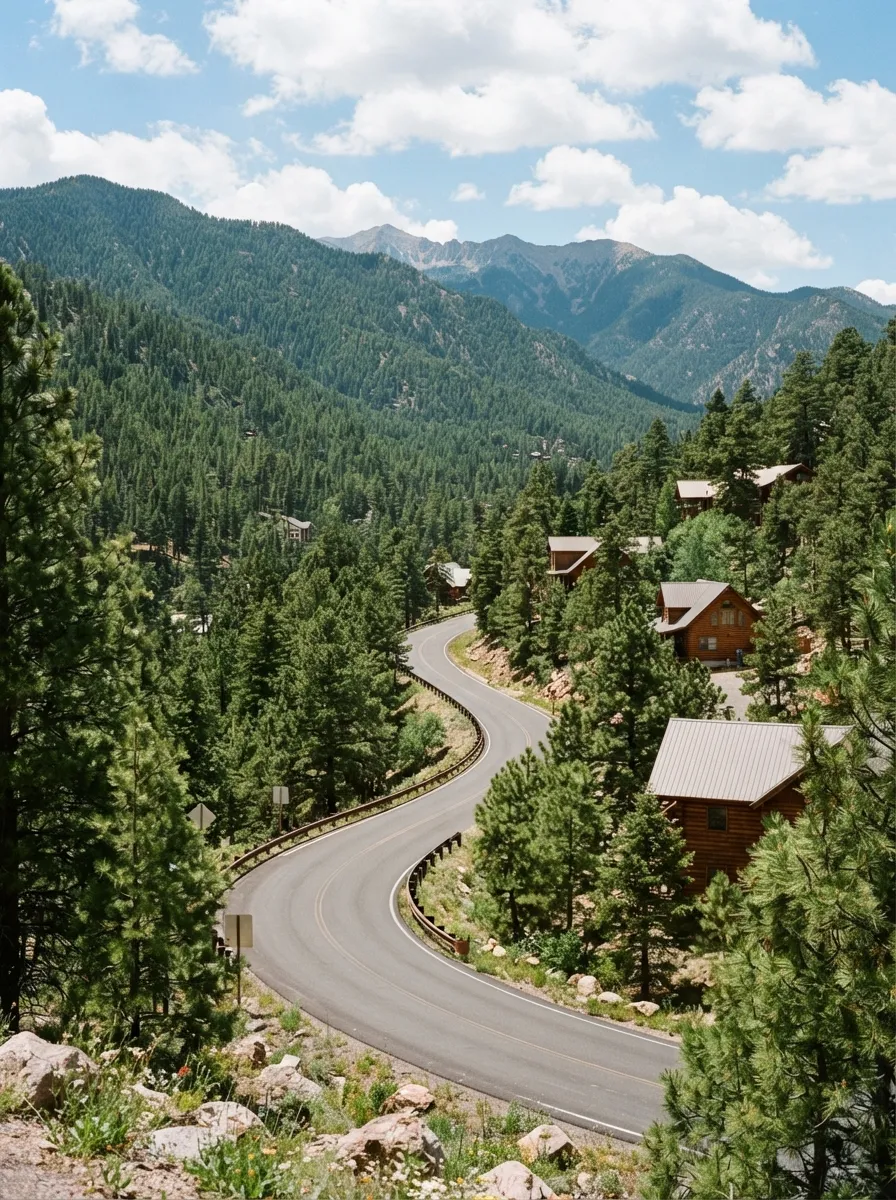
Ruidoso provides forests, mountain air, winter recreation and a striking contrast to the desert floor around Alamogordo.
Visitors come for:
- Hiking
- Skiing
- Scenic drives
- Cabins
- Horse racing
- Mountain lakes
- Nearby Lincoln County history
The region can be affected by wildfire, flooding and winter storms. Check road, fire and evacuation information shortly before travel.
Ruidoso is best for two or three nights and pairs naturally with White Sands or Roswell.
10. Roswell: Fun Road-Trip Stop With an Alien Theme
Roswell has turned its UFO history into a full visitor identity. Alien murals, museums, shops and roadside humor make it an entertaining stop, particularly for families or anyone willing to enjoy the joke.
The International UFO Museum is the main attraction, but Roswell also has regional history, art and outdoor areas nearby.
A half-day is enough for most visitors. Stay overnight only when the city fits naturally between Carlsbad, Ruidoso or eastern New Mexico.
Travelers drawn to unusual destinations may enjoy comparing Roswell’s mythology with places requiring more serious security preparation, such as this guide asking whether Russia is safe. The two trips differ in every practical way, but both demonstrate why traveler expectations should be separated from current reality.
11. Silver City and the Gila Region
Silver City offers a walkable historic center, galleries and access to the rugged landscapes of southwestern New Mexico.
It is a useful base for exploring:
- Gila National Forest
- Gila Cliff Dwellings
- Scenic mountain roads
- Hot springs
- Birding and hiking
The region is remote, and driving times are long. Roads may be narrow or winding, while fuel and food services become less frequent outside towns.
Allow two or three nights. This is not a practical add-on to a short Santa Fe weekend.
12. Truth or Consequences: Best for Hot Springs
Truth or Consequences, often shortened to T or C, is known for hot-spring properties and its position near Elephant Butte Lake.
The town works best as a relaxed overnight break between Albuquerque and Las Cruces.
Choose accommodation based on whether soaking access is private, shared or separately charged. Some properties are simple and historic, while others emphasize spa-style stays.
One or two nights is sufficient. It is ideal for couples, road-trippers and travelers who need a recovery day between longer drives.
Those considering a radically different spa-oriented vacation may enjoy reading about luxury resorts in Saudi Arabia, where resort design and budgets occupy another universe from New Mexico’s modest mineral baths.
Best Time to Visit New Mexico
Spring: March Through May
Spring brings mild conditions in southern New Mexico and improving hiking weather around Santa Fe and Albuquerque.
Mountain regions may still have snow, and spring winds can be strong. Late winter and early spring may also coincide with Taos Pueblo’s extended seasonal closure, so verify access before traveling.
April and May are excellent broad travel months.
Summer: June Through August
Summer is hot in Albuquerque, Las Cruces, White Sands and Carlsbad. High-elevation locations such as Santa Fe, Taos and Ruidoso are cooler.
Monsoon thunderstorms become common during summer, producing lightning, flash flooding and sudden temperature changes.
Avoid exposed desert hiking during midday and never enter slot canyons or low crossings when storms are nearby.
Fall: September Through October
Fall is arguably New Mexico’s strongest season. Temperatures become comfortable, mountain foliage appears and major events create an energetic atmosphere.
The Albuquerque Balloon Fiesta makes October 3–11, 2026 exceptionally busy. Reserve lodging and rental cars early.
Winter: November Through February
Winter is excellent for museums, Santa Fe dining, hot springs and skiing around Taos.
Mountain roads may be icy, while White Sands and Carlsbad remain cooler and more comfortable than in summer. Nighttime desert temperatures can fall below freezing.
A Realistic 7-Day New Mexico Road Trip
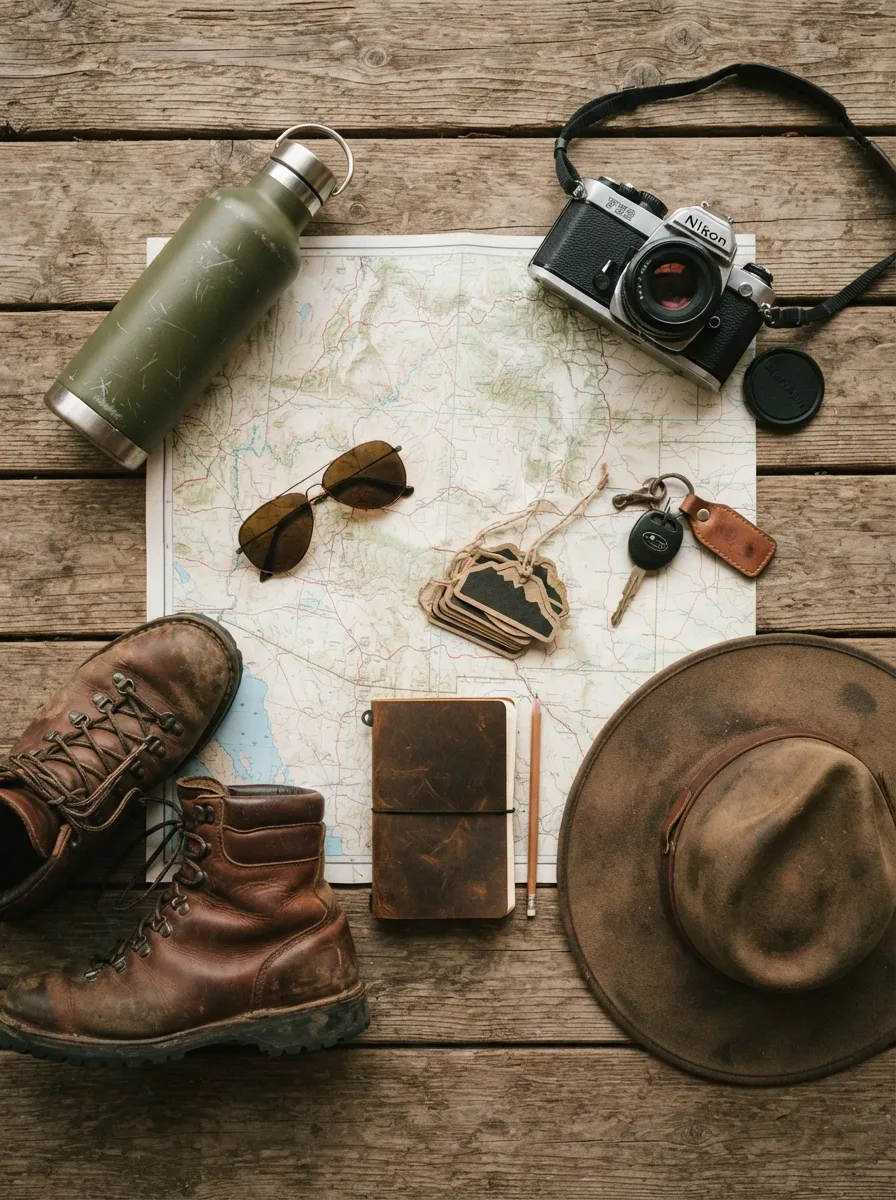
This route focuses on northern and central New Mexico. White Sands and Carlsbad require a separate southern extension.
| Day | Overnight Base | Plan |
| 1 | Albuquerque | Old Town, museums and Route 66 |
| 2 | Santa Fe | Drive the Turquoise Trail through Madrid |
| 3 | Santa Fe | Plaza, museums and Canyon Road |
| 4 | Santa Fe | Bandelier and Los Alamos day trip |
| 5 | Taos | Drive the High Road to Taos |
| 6 | Taos | Taos Pueblo when open and Rio Grande Gorge |
| 7 | Albuquerque | Return via scenic route and depart next day |
For a southern route, combine Las Cruces, White Sands, Ruidoso, Roswell and Carlsbad Caverns over five to seven additional days.
The state tourism office suggests regional itineraries rather than forcing every major attraction into one circuit, which is the most sensible way to plan New Mexico.
How to Get to New Mexico
Albuquerque International Sunport is the state’s main airport and the most useful gateway for northern and central New Mexico.
Santa Fe Regional Airport has more limited service but can be convenient for short city trips.
El Paso International Airport is often practical for Las Cruces and southern New Mexico.
A one-way rental between Albuquerque and El Paso may reduce backtracking, but compare drop fees before booking.
Getting Around New Mexico
A rental car is strongly recommended for most itineraries.
Albuquerque and Santa Fe have local transportation, while the Rail Runner Express links the two cities and selected communities along the Rio Grande corridor. However, national parks, Taos, Chaco Canyon and scenic drives remain much easier by car.
Before driving:
- Download offline maps
- Keep fuel above half a tank
- Carry water
- Check New Mexico road conditions
- Avoid unplanned dirt roads
- Watch for wildlife
- Do not drive through floodwater
- Prepare for snow at elevation
New Mexico scenery can encourage spontaneous detours. Ensure that the “scenic road” is suitable for your vehicle before the pavement disappears with theatrical timing.
New Mexico Travel Costs
New Mexico can be moderately priced, although Santa Fe and major event periods are expensive.
| Expense | Budget Range | Mid-Range Range |
| Hotel room | $80–$140 | $150–$280+ |
| Santa Fe hotel | $130–$220 | $250–$450+ |
| Casual meal | $10–$20 | $25–$50 |
| Rental car | $45–$90 daily | $90–$150+ |
| National park entrance | $15–$25 | Park dependent |
| Museum ticket | Free–$15 | $15–$30 |
| Guided activity | $50–$100 | $100–$250+ |
| Fuel | Route dependent | Significant on long trips |
Save money by:
- Staying outside Santa Fe’s Plaza area
- Avoiding Balloon Fiesta week unless attending
- Combining several federal sites with an annual pass
- Preparing picnic lunches
- Booking rental cars early
- Traveling in April, May or late October
- Limiting hotel changes
What to Eat in New Mexico
New Mexican cuisine is distinct from generic Tex-Mex or Mexican-American food.
Look for:
- Red chile
- Green chile
- “Christmas” chile, meaning both red and green
- Blue-corn enchiladas
- Carne adovada
- Posole
- Sopaipillas
- Breakfast burritos
- Green chile cheeseburgers
- Calabacitas
- Biscochitos
Chile heat varies considerably. Ask before ordering rather than assuming green means mild.
Support Indigenous-owned restaurants, artists and tour operators where possible, and avoid purchasing objects marketed vaguely as “Native-inspired” when authenticity and origin matter.
Cultural Respect and Responsible Travel
New Mexico’s Pueblo communities are sovereign living nations with their own rules, traditions and schedules.
When visiting tribal lands:
- Check whether visitors are currently welcome
- Follow photography rules
- Do not enter restricted areas
- Avoid interrupting ceremonies
- Dress respectfully
- Never remove pottery fragments or stones
- Purchase art directly from makers
- Do not fly drones without explicit permission
- Accept closures without complaint
- Avoid treating homes as attractions
Cultural travel is strongest when visitors arrive as guests rather than collectors. The same principle applies across culturally complex destinations, including those discussed in this guide to Middle Eastern cultural cities.
Safety in New Mexico
The primary risks for visitors are environmental and road-related.
- Carry water in desert regions
- Monitor wildfire and smoke conditions
- Avoid hiking during lightning storms
- Check for flash-flood warnings
- Keep valuables out of parked cars
- Avoid isolated road stops after dark
- Tell someone before remote hikes
- Use sunscreen at high elevation
- Acclimatize in Santa Fe and Taos
- Follow national park closures
At scenic viewpoints, remain behind barriers and stay away from unstable cliff edges. For additional landscape inspiration with the same need for cautious footing, these Scottish viewpoints show why the finest view rarely requires stepping beyond the safe path.
New Mexico Packing Checklist
- Comfortable walking shoes
- Trail shoes for hiking
- High-SPF sunscreen
- Sun hat and sunglasses
- Refillable water bottle
- Warm evening layer
- Rain jacket
- Portable battery pack
- Offline maps
- First-aid supplies
- National park passes
- Car-charging cable
- Emergency food and water
- Swimwear for hot springs
- Camera protection from dust
- Respectful clothing for cultural sites
- Winter equipment when visiting mountains
- Copies of reservations and timed-entry tickets
Frequently Asked Questions About New Mexico Travel
How many days do you need in New Mexico?
Seven days is enough for Albuquerque, Santa Fe and Taos. Ten to fourteen days is better when adding White Sands, Carlsbad Caverns or the Gila region.
What is the best month to visit New Mexico?
May, September and October offer the strongest balance of weather and outdoor access. October becomes expensive around the Balloon Fiesta.
Is Santa Fe or Albuquerque better?
Santa Fe is better for art, architecture and a compact first visit. Albuquerque offers more urban variety, festivals and generally lower prices.
Can you visit White Sands and Carlsbad Caverns together?
Yes, but they are several hours apart. Allow at least three nights in southern New Mexico rather than treating both as a rushed day trip.
Do you need reservations for Carlsbad Caverns?
Timed entry is required, and reservations are strongly recommended.
Does White Sands close for missile testing?
Yes. Dunes Drive and sometimes Highway 70 can close temporarily during testing. Check the official closure page before visiting.
Is New Mexico safe for solo travelers?
Generally yes, but remote drives and hikes require additional preparation. Share plans, carry water and avoid isolated dirt roads beyond your vehicle’s capability.
Is Taos Pueblo always open?
No. It may close unexpectedly for community or religious reasons and typically closes for a period in late winter or early spring.
Can you visit New Mexico without a car?
Santa Fe and Albuquerque are possible without one. A wider state itinerary is difficult because many attractions lack practical public transportation.
Is Chaco Canyon difficult to reach?
Yes. All approach routes include dirt roads, and conditions can be rough or impassable after storms.
Is New Mexico extremely hot?
Southern and lower-elevation areas become very hot in summer. Santa Fe, Taos and mountain regions are cooler because of elevation.
What is New Mexico best known for?
It is known for Pueblo cultures, adobe architecture, chile cuisine, Santa Fe art, White Sands, Carlsbad Caverns, desert landscapes and the Balloon Fiesta.
Is New Mexico good for families?
Yes. White Sands, Albuquerque museums, Carlsbad Caverns and shorter Bandelier trails are particularly family-friendly when heat and driving distances are managed carefully.
What is the biggest travel mistake?
Trying to cover the entire state in one week. New Mexico is better divided into northern and southern road trips.
Conclusion: Planning the Right New Mexico Trip
The best New Mexico travel guide does not treat the state as a collection of desert photo stops. It recognizes that New Mexico is several journeys folded together.
Choose Santa Fe, Albuquerque and Taos for a first seven-day route. This northern circuit provides museums, regional food, mountain scenery, Indigenous heritage and manageable driving distances. Add Bandelier for archaeology and the High Road to Taos for one of the state’s most satisfying scenic drives.
Choose Las Cruces, White Sands and Carlsbad Caverns for a southern journey focused on dramatic landscapes. Add Ruidoso or Roswell when time allows, but resist turning every town into a single hurried night.
Chaco Canyon and the Gila region deserve separate attention. Both reward preparation and patience, while punishing casual assumptions about road quality, fuel and travel times.
Spring and fall offer the most comfortable broad conditions. Summer works best at higher elevations but requires heat, monsoon and wildfire awareness. Winter can be beautiful in Santa Fe and Taos, although snow and seasonal closures complicate mountain routes.
Most importantly, approach New Mexico’s living cultures with respect. Check community rules, ask before photographing people and accept that some places may close for reasons more important than a visitor’s itinerary.
New Mexico’s landscapes may be immense, but its finest experiences are often precise: evening light on an adobe wall, red chile warming a cold morning, silence inside a cavern or white dunes turning blue as the sun leaves the basin.