
How to Travel With Kids in 2026: The Complete Family Guide for Stress-Free Adventures
Family travel changes the moment children become part of the journey. Trips that once revolved around ticking attractions off a list suddenly depend on nap schedules, snack supplies, bathroom breaks, and whether someone decides their socks are unacceptable halfway through airport security.
Yet traveling with kids doesn’t have to be stressful. In many ways, it becomes more rewarding. Children notice details adults often overlook, celebrate simple discoveries, and turn ordinary places into unforgettable memories.
Whether you’re planning a weekend road trip, a beach vacation, an international adventure, or your child’s very first flight, this guide explains how to travel with kids successfully in 2026. You’ll learn how to prepare, pack, choose destinations, survive airports, manage flights, entertain children, stay healthy, and create trips that everyone genuinely enjoys.
The Centers for Disease Control and Prevention (CDC) recommends planning ahead for children’s medical needs, checking destination-specific health guidance, packing medications, and ensuring routine vaccinations are up to date before international travel.
Recommended Travel Items for Your Trip
FAMILY TRAVEL AT A GLANCE
Best ages to start traveling: Any age with proper planning
Best tip: Slow down your itinerary
Most important item: Snacks and water
Biggest mistake: Trying to do too much each day
Best family transportation: Depends on destination and children’s ages
Golden rule: Happy kids usually mean flexible parents
Is Traveling With Kids Worth It?
Absolutely.
Children may not remember every museum or monument, but they remember experiences.
Family travel helps children:
- Experience different cultures
- Develop confidence
- Learn flexibility
- Improve communication
- Build curiosity
- Create lifelong family memories
- Become more adaptable
- Gain appreciation for nature and history
Parents also benefit by seeing familiar destinations through fresh eyes.
The secret isn’t making children travel like adults.
It’s designing vacations that work for the entire family.
Planning a Kid-Friendly Trip
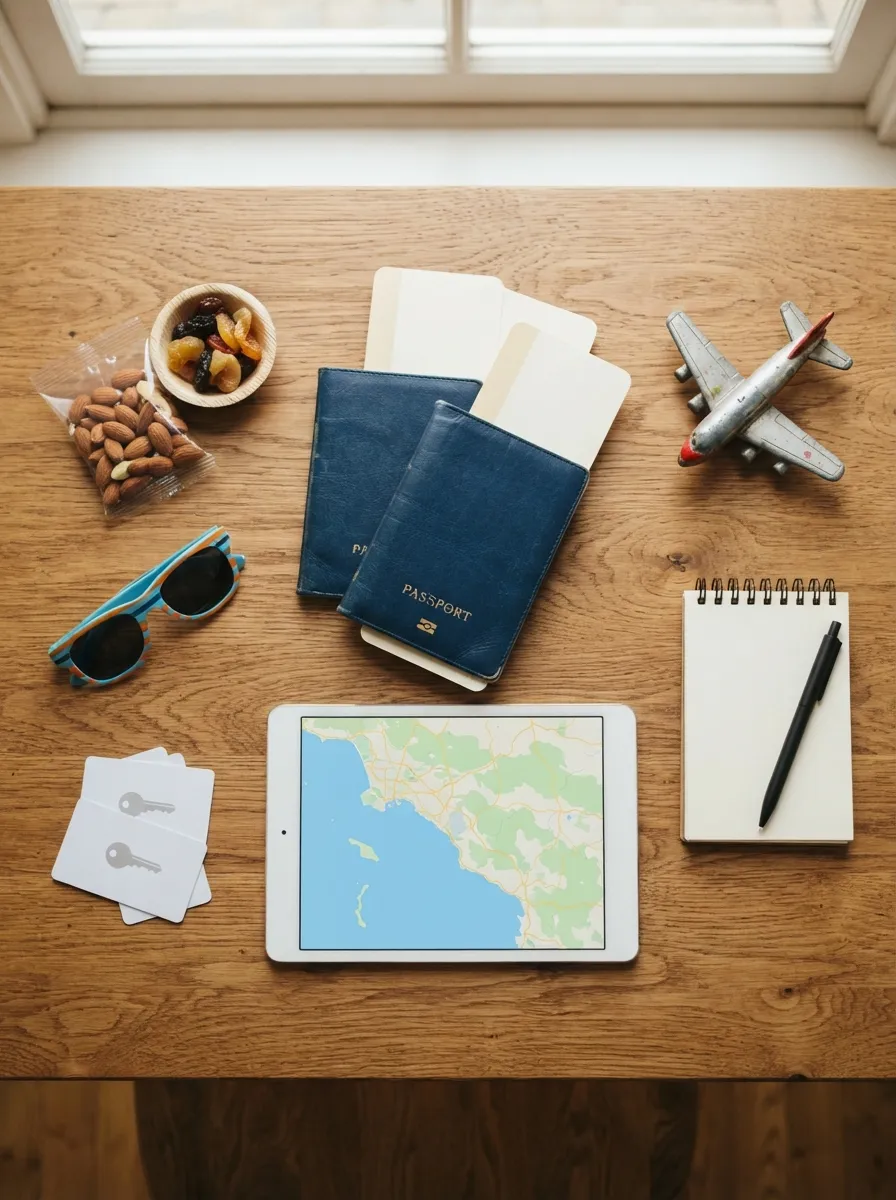
Successful family vacations begin long before departure.
Before booking, consider:
- Flight length
- Driving distance
- Climate
- Walking requirements
- Child-friendly accommodation
- Medical facilities
- Transportation options
- Meal availability
- Laundry facilities
- Weather
A destination with fewer attractions but easier logistics often produces a happier vacation than an ambitious itinerary packed with constant movement.
Choose Accommodation Carefully

The hotel becomes part of the vacation.
Look for:
- Family rooms
- Kitchenettes
- Refrigerators
- Laundry facilities
- Swimming pools
- Breakfast included
- Elevators
- Nearby grocery stores
- Quiet neighborhoods
- Easy transportation
Saving a little money on accommodation isn’t worthwhile if everyone sleeps badly.
Families planning a New York vacation can compare sightseeing passes in this guide to the New York CityPASS before deciding where to stay.
Create a Flexible Itinerary

Children rarely enjoy rushing from attraction to attraction.
A better daily rhythm is:
Morning:
- Major attraction
Lunch:
- Long break
Afternoon:
- Park, beach or pool
Evening:
- Casual dinner and early bedtime
Leave room for unexpected discoveries.
Sometimes the playground outside the museum becomes the day’s favorite attraction.
FAMILY TIP
Plan one major activity each day. Everything else should feel like a bonus rather than an obligation.
Packing for Kids
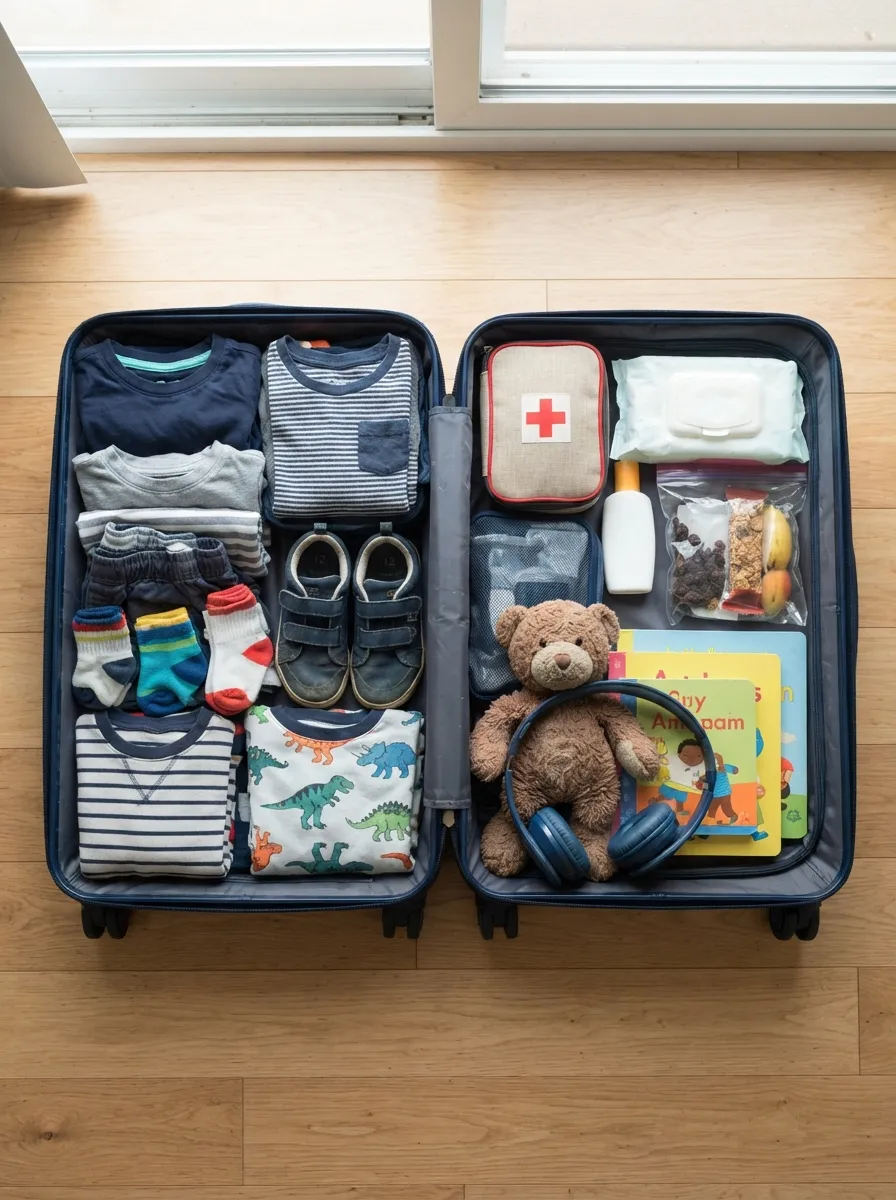
Packing efficiently reduces stress throughout the trip.
Essentials include:
- Passports or identification
- Tickets
- Medications
- Extra clothes
- Comfortable shoes
- Reusable water bottles
- Snacks
- Wet wipes
- Hand sanitizer
- Sunscreen
- Hats
- Small first-aid kit
- Chargers
- Power bank
- Favorite comfort toy
- Blanket if needed
Pack one complete change of clothes in your carry-on for younger children.
Parents who are traveling with infants should also read this detailed guide about travelling with a baby for age-specific packing advice.
How to Survive Airports
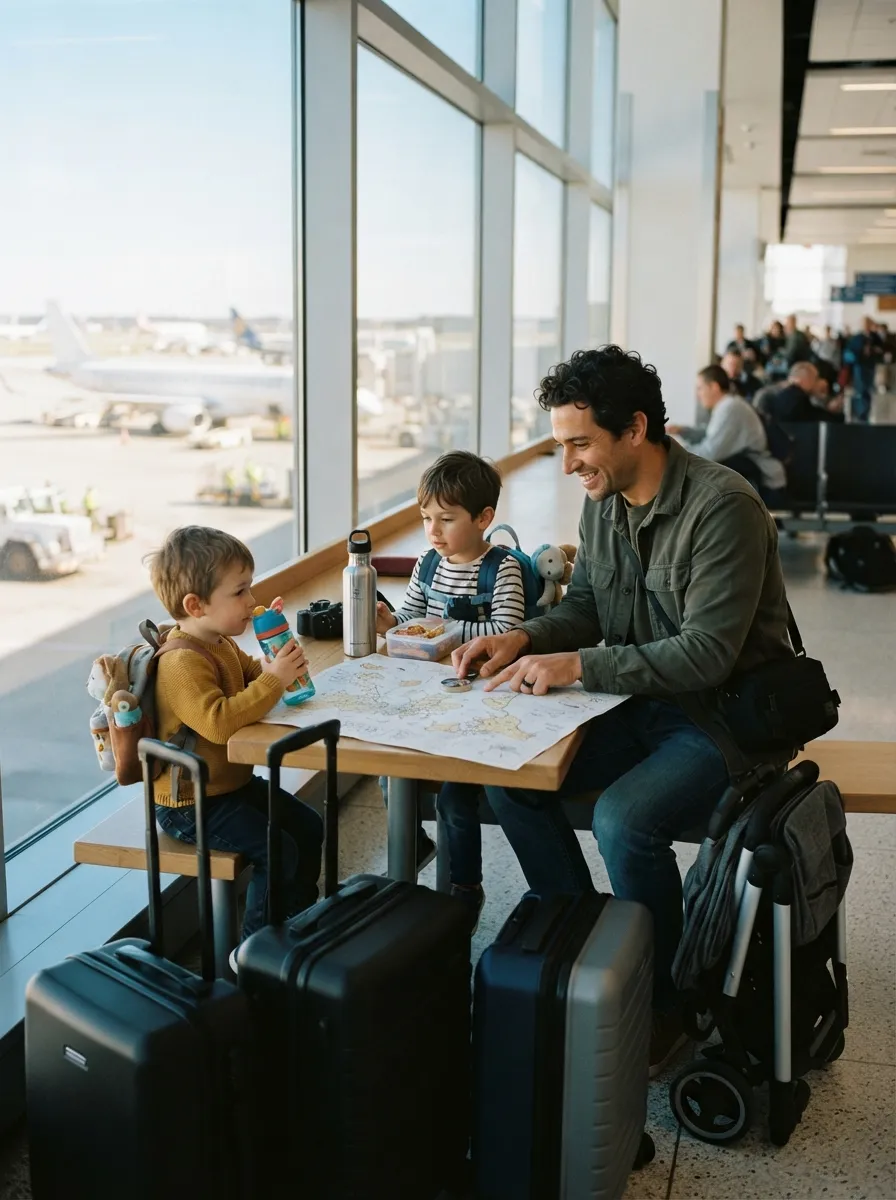
Airports are exciting but overstimulating.
Arrive early enough to avoid rushing.
Before security:
- Use the restroom
- Refill water bottles afterward
- Organize documents
- Explain the screening process
- Wear easy-to-remove shoes
Allow children to walk whenever possible instead of sitting for hours before boarding.
Movement before the flight often results in calmer behavior later.
Flying With Kids
Flights become easier when expectations are realistic.
Bring:
- Downloaded movies
- Coloring books
- Headphones
- Small toys
- Puzzle books
- Healthy snacks
- Empty water bottle
- Gum or a drink during takeoff (age appropriate)
For long-haul flights:
- Encourage stretching
- Walk the aisle when allowed
- Dress in layers
- Avoid excessive sugar
- Maintain familiar sleep routines when possible
The Federal Aviation Administration recommends that young children travel in an approved child restraint system rather than being held on an adult’s lap whenever possible.
Road Trips With Kids
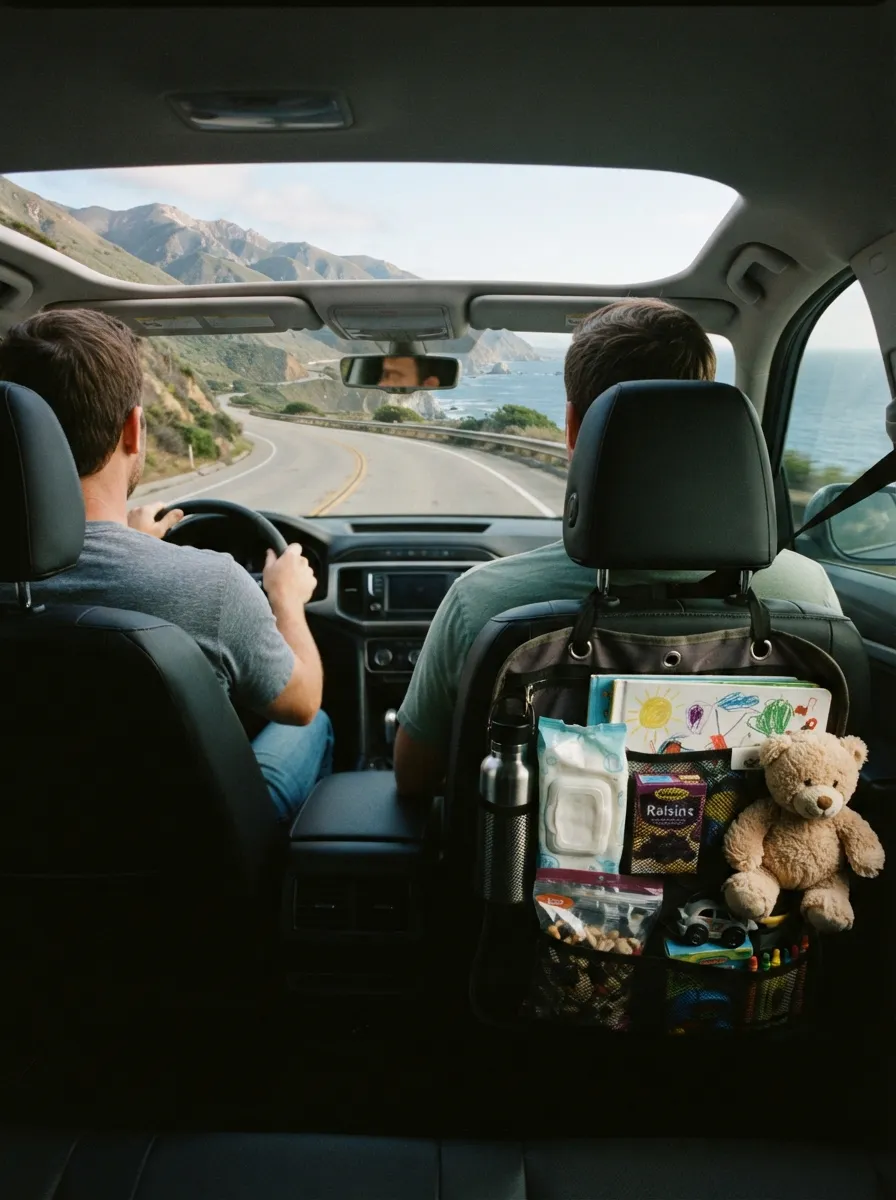
Road trips give families greater flexibility than flying.
Plan stops every two to three hours.
Good stops include:
- Playgrounds
- Scenic viewpoints
- Visitor centers
- Picnic areas
- Beaches
- Short walking trails
- Small museums
Keep a separate bag within easy reach containing:
- Snacks
- Toys
- Chargers
- Wipes
- Water
- Tissues
Never leave children alone inside a parked vehicle, even briefly.
Keep Kids Entertained
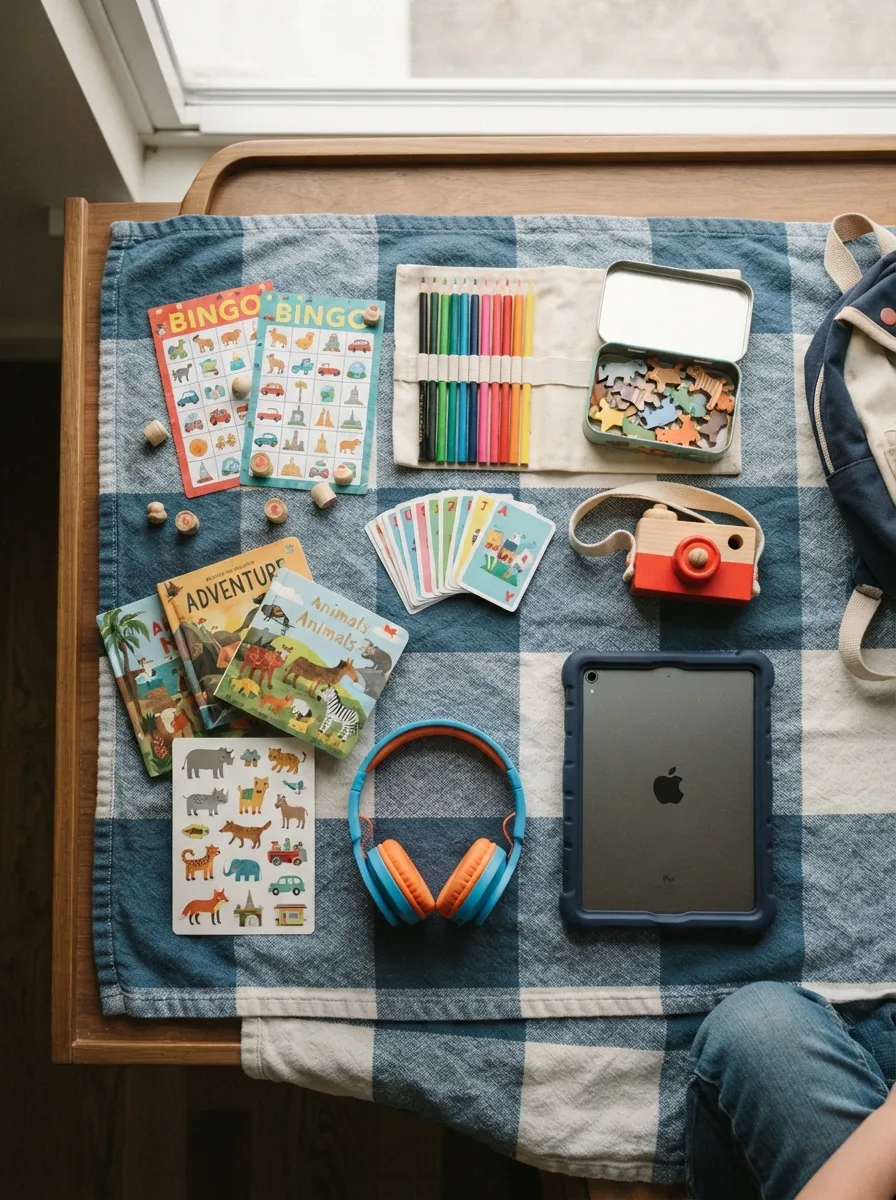
Entertainment doesn’t need to rely entirely on screens.
Ideas include:
- Travel bingo
- Audiobooks
- Family playlists
- Storytelling
- Scavenger hunts
- Card games
- Coloring books
- Photography challenges
- Journals
- Window spotting games
Rotate activities rather than giving everything at once.
A new surprise every hour feels much more exciting than opening every toy during the first thirty minutes.
Let Kids Help Plan
Children become more excited when they help make decisions.
Ask them to choose:
- One attraction
- One restaurant
- One dessert
- One souvenir
- One playground
- One activity
Even small choices create a sense of ownership.
Make Learning Fun
Travel naturally becomes an educational experience.
Encourage children to notice:
- Languages
- Food
- Architecture
- Wildlife
- Transportation
- Geography
- Local traditions
- Currency
Museums become more interesting when children search for specific objects instead of reading every information panel.
Budgeting for Family Travel
Children don’t always make travel dramatically more expensive.
Save money by:
- Booking apartments
- Preparing breakfasts
- Using public transportation
- Visiting free parks
- Traveling during shoulder seasons
- Booking attractions online
- Sharing meals where appropriate
City sightseeing passes can also reduce costs.
Families visiting New York should compare this Explorer Pass guide to determine whether bundled attraction admission fits their itinerary.
Safety Tips
Teach children:
- Parent phone numbers
- Hotel name
- Emergency meeting points
- Stranger awareness
- Basic local emergency numbers
Consider:
- ID bracelets
- GPS trackers for younger children
- Recent family photos
- Offline maps
- Travel insurance
The U.S. Department of State recommends reviewing destination-specific travel information before departure and enrolling in the Smart Traveler Enrollment Program (STEP) for international travel.
SAFETY REMINDER
Take a quick photo of your child each morning during the trip. It provides an up-to-date record of clothing if you ever need to describe them quickly.
Visiting Big Cities With Kids

Large cities become much easier when sightseeing is paced properly.
Alternate:
- Museums
- Parks
- Food stops
- Boat rides
- Interactive attractions
- Playground breaks
For example, a New York itinerary might combine Central Park, museums and observation decks rather than spending an entire day indoors.
Children fascinated by New York landmarks may also enjoy this guide on seeing yourself in Times Square as a memorable family activity.
Family-Friendly Destinations
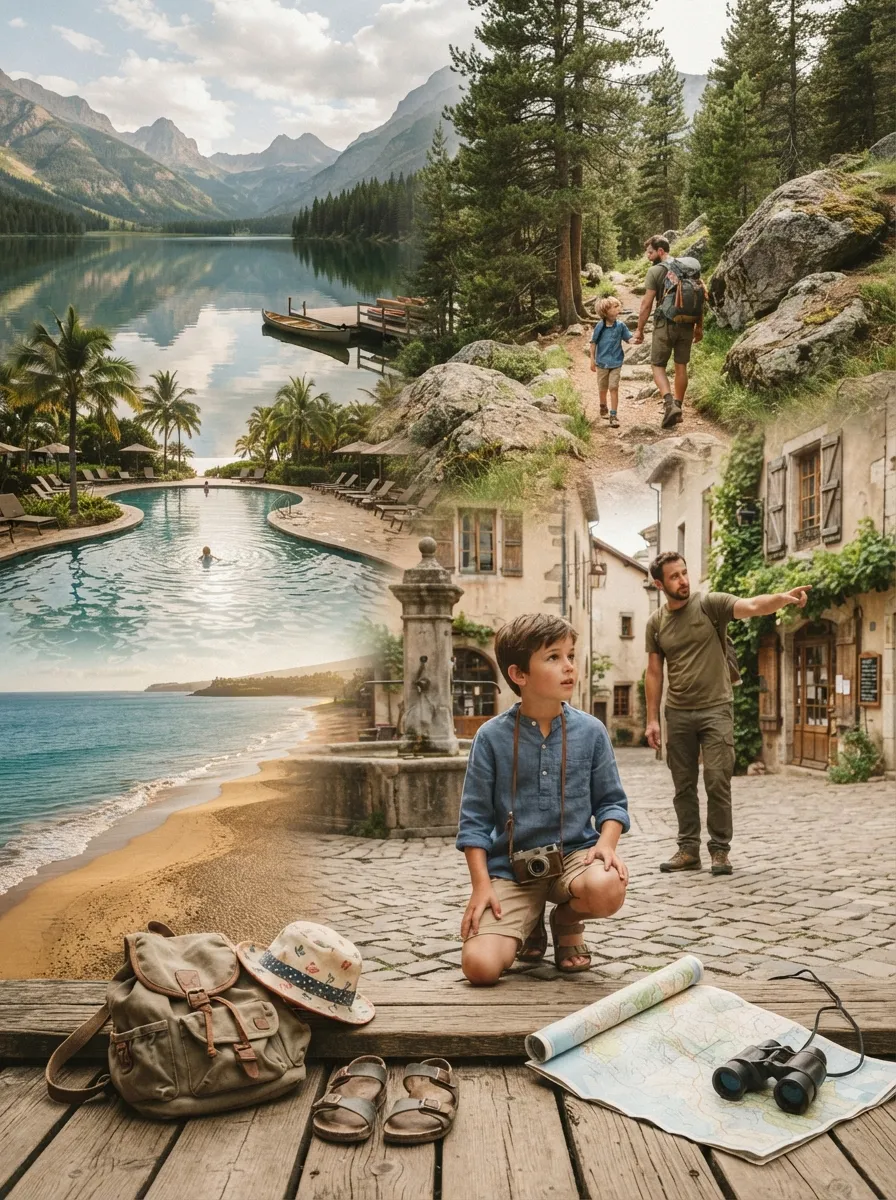
Excellent destinations include:
- National parks
- Beach resorts
- Theme parks
- Wildlife parks
- Historic towns
- Mountain resorts
- Lake destinations
- Cruise itineraries designed for families
If you’re still deciding where to go, explore these best family vacation spots for additional inspiration.
Traveling With Toddlers
Toddlers require slower travel.
Focus on:
- Short sightseeing sessions
- Frequent snacks
- Predictable naps
- Playground visits
- Simple activities
- Familiar bedtime routines
Parents traveling with children aged two to five can find more detailed advice in this guide to travelling with toddlers.
Common Mistakes Parents Make
Avoid these common mistakes:
- Overpacking the itinerary
- Skipping nap times
- Forgetting snacks
- Booking very late flights
- Expecting children to enjoy every attraction
- Ignoring weather
- Carrying too much luggage
- Not planning rest days
- Underestimating walking distances
- Forgetting entertainment backups
Children generally remember how the vacation felt, not how many attractions they visited.
Family Travel Checklist
- ✅ Passports and documents
- ✅ Travel insurance
- ✅ Medications
- ✅ Snacks
- ✅ Water bottles
- ✅ Entertainment
- ✅ Chargers
- ✅ Extra clothes
- ✅ First-aid kit
- ✅ Sunscreen
- ✅ Hats
- ✅ Comfortable shoes
- ✅ Hotel confirmations
- ✅ Emergency contacts
- ✅ Offline maps
- ✅ Favorite comfort item
Frequently Asked Questions
What is the best age to start traveling with kids?
There is no perfect age. Even babies can travel successfully with good planning, although destinations and pacing should match their needs.
How do you keep kids entertained during long trips?
Rotate games, books, snacks, music, audiobooks and short movement breaks instead of relying on a single activity.
Should children have their own backpack?
Yes, older children can carry lightweight essentials such as a water bottle, snacks and small toys.
How often should you stop during a road trip?
Every two to three hours is a practical goal, although younger children may need more frequent breaks.
Is flying or driving better with kids?
It depends on distance. Short trips are often easier by car, while long-distance vacations may be more practical by air.
How many activities should families plan each day?
One major attraction and one or two smaller activities usually create a relaxed schedule without overwhelming children.
What’s the biggest mistake when traveling with kids?
Trying to follow an adult-style itinerary with constant sightseeing and very little downtime.
Conclusion
Traveling with kids isn’t about creating a perfect vacation.
It’s about creating a family adventure where everyone has space to enjoy the journey.
Choose accommodations that make life easier, slow your itinerary, pack thoughtfully, build in plenty of breaks, and let children become active participants rather than passengers following an adult schedule.
The best family trips rarely happen because every plan worked perfectly. They happen because parents stayed flexible when plans changed, children discovered something unexpected, and the journey became just as memorable as the destination itself.