Sony a7 IV Review After Two Years of Full-Time Travel: The Camera I Stopped Second-Guessing
There’s a specific kind of exhaustion that comes from doubting your gear.
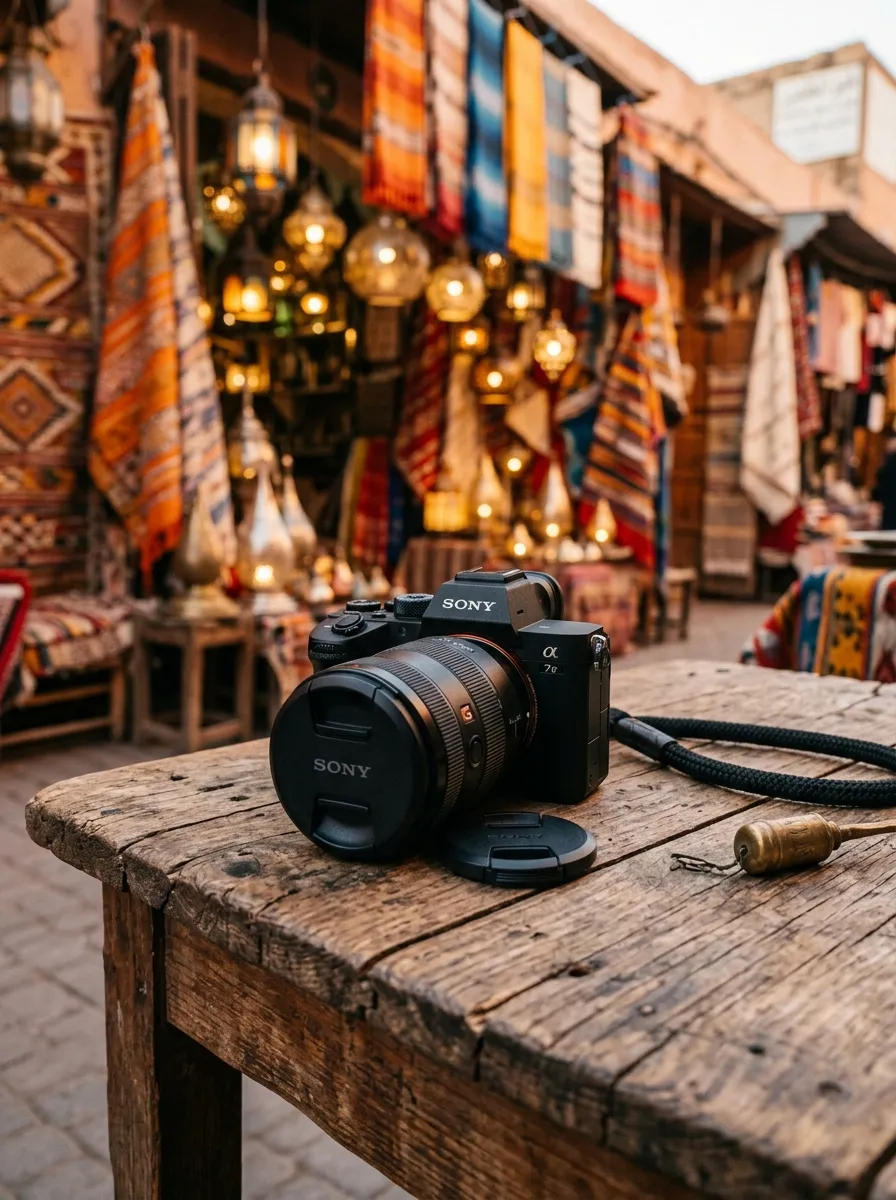
You’re standing in a market in Marrakech at golden hour, the light is doing something extraordinary, and instead of shooting, you’re thinking: will this be too noisy? Is the autofocus going to hunt? Should I have brought the other lens?
I spent years in that headspace with cameras that were almost good enough. Then I bought the Sony a7 IV, and somewhere around month three, I noticed I’d stopped thinking about the camera entirely. I was just shooting.
That’s the highest compliment I can pay a piece of equipment, and it’s the honest summary of this review. But “I like it” isn’t useful to you if you’re weighing a two-thousand-dollar purchase, so let me break down exactly what works, what doesn’t, and who should actually buy this.
Available on Amazon:
The Core Proposition: It Does Both Things Well
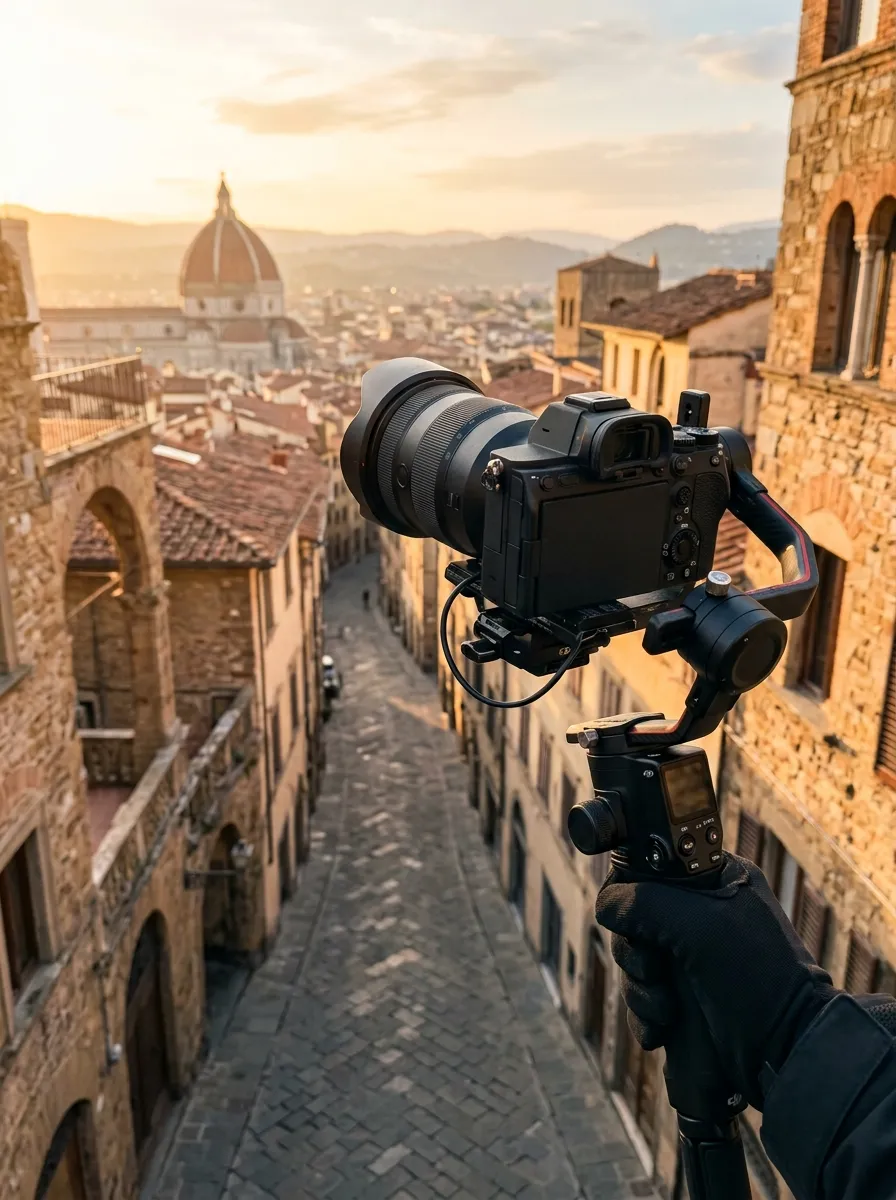
The a7 IV’s defining trait is that it’s a genuine hybrid camera. It shoots excellent stills and excellent video, and it doesn’t feel like one was bolted onto the other as an afterthought.
This matters enormously for travel creators, because the reality of documenting a trip is that you’re constantly switching modes. You photograph a street scene, then immediately film a walking clip, then shoot a static interview, then grab a portrait. Carrying two bodies isn’t practical when you’re moving between cities every few days. One camera that handles all of it is the whole ballgame.
The 33-megapixel full-frame sensor gives you meaningful cropping room — I’ve cropped shots to roughly half their original frame and still had files large enough for print and for full-resolution web use. On the video side, you get 4K at up to 60p with 10-bit 4:2:2 color, plus S-Cinetone and S-Log3 profiles if you grade your footage.
That S-Cinetone profile deserves a specific mention. It’s Sony’s color science borrowed from their cinema line, and it produces footage that looks pleasant straight out of camera with no grading. On travel days when I’m exhausted and want to post something quickly, I shoot S-Cinetone and barely touch it in post. On days when I have time, I shoot S-Log3 and grade properly. Having both options is genuinely useful.
Autofocus: The Feature That Changed My Hit Rate

I want to be direct about this because it’s the single biggest practical upgrade over older bodies: Sony’s Real-time Eye AF is the closest thing to a cheat code in modern photography.
It tracks human eyes, animal eyes, and bird eyes, and it does so in both stills and video. In practice, this means:
- Street portraits in low light where I would previously have missed focus now land consistently.
- Wildlife shots — I photographed macaques in Sri Lanka and street dogs in Georgia — lock onto the eye and stay there.
- Self-filmed video clips where I walk into frame stay sharp without me touching anything.
That last point matters more than it sounds. If you’re a solo travel creator filming yourself, reliable autofocus is the difference between usable content and a folder of soft, unusable clips. I’ve had entire shooting days rescued by this system.
The 759-point AF coverage spans most of the frame, so off-center compositions don’t force you to focus-and-recompose.
Available on Amazon:
Build, Handling, and Real-World Durability
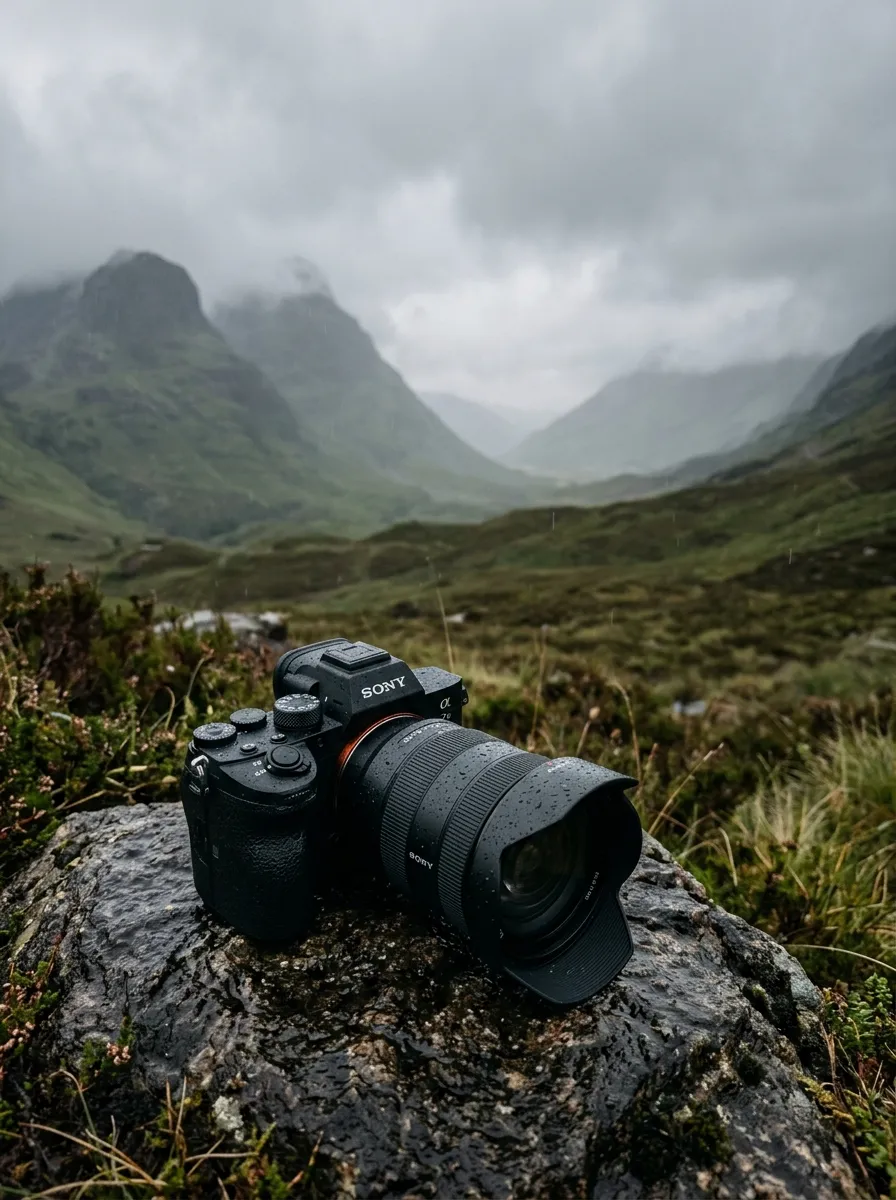
The body is weather-sealed, and I’ve tested that more than I intended. It’s been rained on in Scotland, covered in fine dust in Jordan, and exposed to sea spray on a ferry in Greece. No failures.
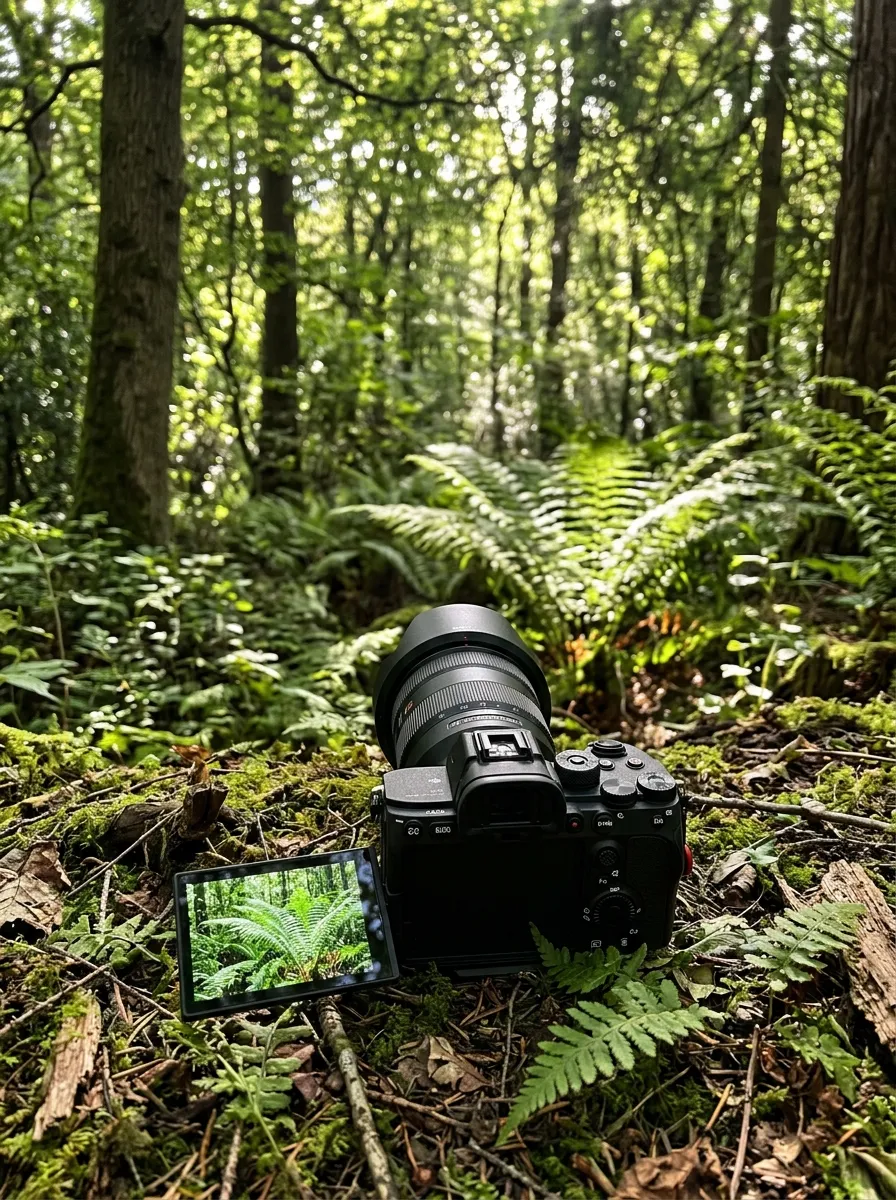
Sony improved the grip depth over previous generations, which matters if you shoot with heavier lenses for long periods. The vari-angle LCD flips out fully, which is essential for two things: filming yourself, and shooting from awkward low or high angles without contorting your body. Older Sony bodies only tilted, and the switch to fully articulating was overdue.
Dual card slots are included — one supports CFexpress Type A, both support SD. For anyone shooting paid work, redundant backup while shooting is close to non-negotiable, and having it in a body at this price point is meaningful.
The Cons: Where It Falls Short
1. The kit lens is the weak link. The 28-70mm f/3.5–5.6 kit lens that comes with the bundle is adequate but uninspiring. It’s soft at the edges wide open, the variable aperture limits you in low light, and it doesn’t produce the background separation people buy full-frame for. If your budget allows, buying the body only and putting the difference toward a better lens — a 24-70mm f/2.8 or a fast prime — will improve your images far more than any body upgrade would. Be honest with yourself about whether the kit price is actually saving you money or just delaying a purchase.
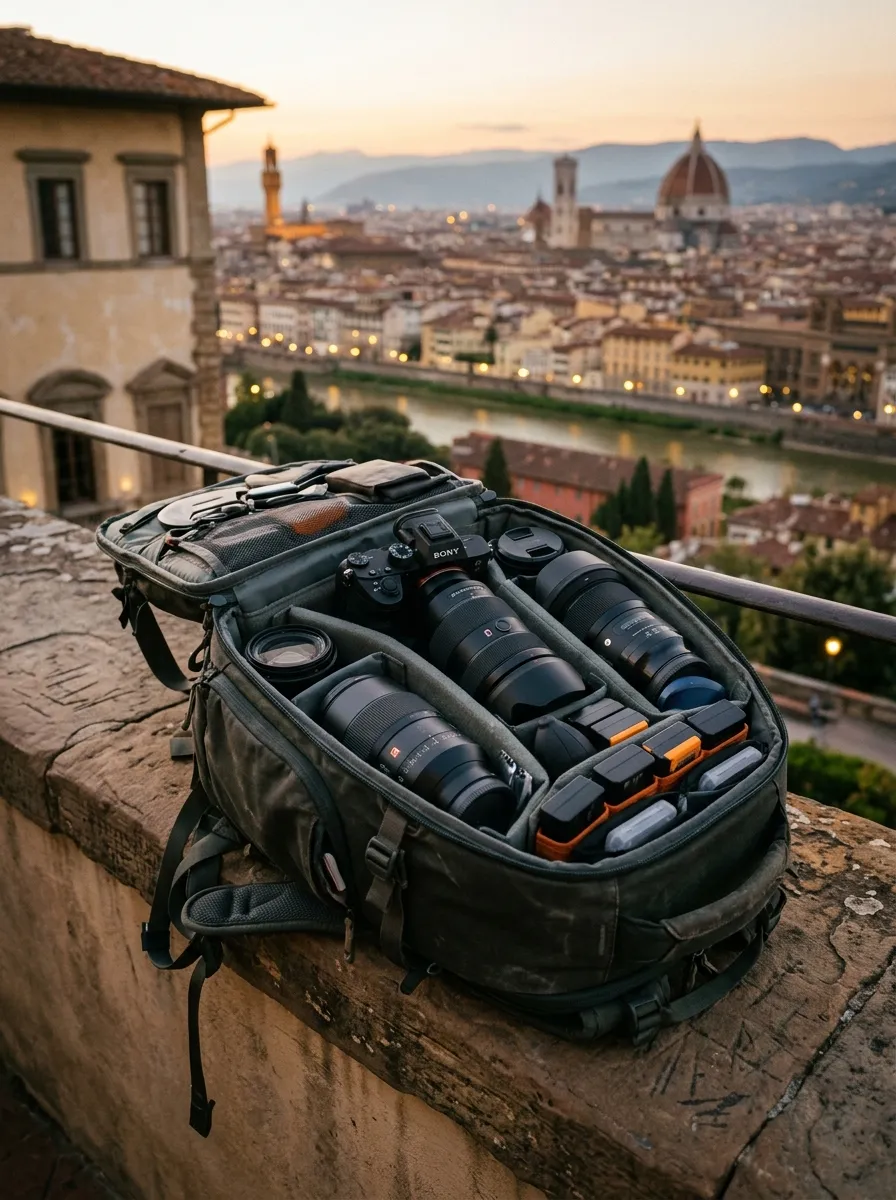
2. It’s heavy once you’re kitted out. The body alone is manageable. The body plus two quality lenses, spare batteries, and filters is a serious daypack load. I feel it on long hiking days and on cities where I’m walking fifteen kilometers. If ultralight travel is your priority, an APS-C or Micro Four Thirds system will serve you better.
3. The 4K/60p crop. Shooting 4K at 60fps applies a crop to the sensor, meaning your wide lens becomes less wide. If you shoot a lot of 60p for slow motion with wide framing, plan your lens choices around this. 4K/30p uses the full sensor with oversampling and looks excellent.
4. Rolling shutter in video. Fast whip pans and rapid handheld movement can produce visible skew. It’s not severe, but it’s present, and if your style involves a lot of quick motion, it’s worth knowing.
5. Menu system and learning curve. Sony’s menus have improved substantially, but there is still a lot to configure. Getting the camera set up the way you want takes real time upfront. Budget a weekend of learning before an important trip, not the night before your flight.
6. Ecosystem cost. The body is the entry fee. Lenses, batteries, cards, and filters add up quickly. Realistically, plan for meaningfully more than the camera’s price to have a complete, travel-ready kit.
Who Should Buy the a7 IV
Buy it if: you create travel content that you monetize or intend to, you need both strong stills and strong video from one body, you shoot in varied and unpredictable lighting, or you’re upgrading from an older full-frame or a crop-sensor body and feel limited.
Skip it if: you shoot mainly for personal memories and social media, you prioritize packing light above image quality, you’re on a tight budget where lens money doesn’t exist, or a modern smartphone already meets your needs honestly.
That last point deserves emphasis. Phone cameras have gotten remarkably good. If you’ve never felt frustrated by your phone’s limitations, this camera will solve a problem you don’t have.
Final Verdict

The Sony a7 IV isn’t the newest camera on the market anymore, and that’s partly why it’s worth recommending — it’s mature, thoroughly supported, widely reviewed, and now frequently available at prices below its original launch figure.
What it delivers is reliability. The autofocus works. The files hold up. The video looks professional. The weather sealing survives real travel. After two years and a lot of countries, it has never been the reason a shot failed. That was always me.
If you’re at the point where your gear is limiting your work rather than your skill, this is a camera that will stop being the bottleneck. Just budget for a better lens than the kit, and give yourself time to learn it before it matters.
What camera are you traveling with right now, and what’s the one thing you wish it did better? Drop it in the comments — I read all of them.
Disclosure: This post contains affiliate links. If you purchase through them, I may earn a small commission at no additional cost to you. All opinions are based on my own extended use of this equipment.
Available on Amazon: