Before You Spend $1,200 on a TUMI Carry-On, Read This Honest Review
I resisted buying a TUMI for almost a decade.
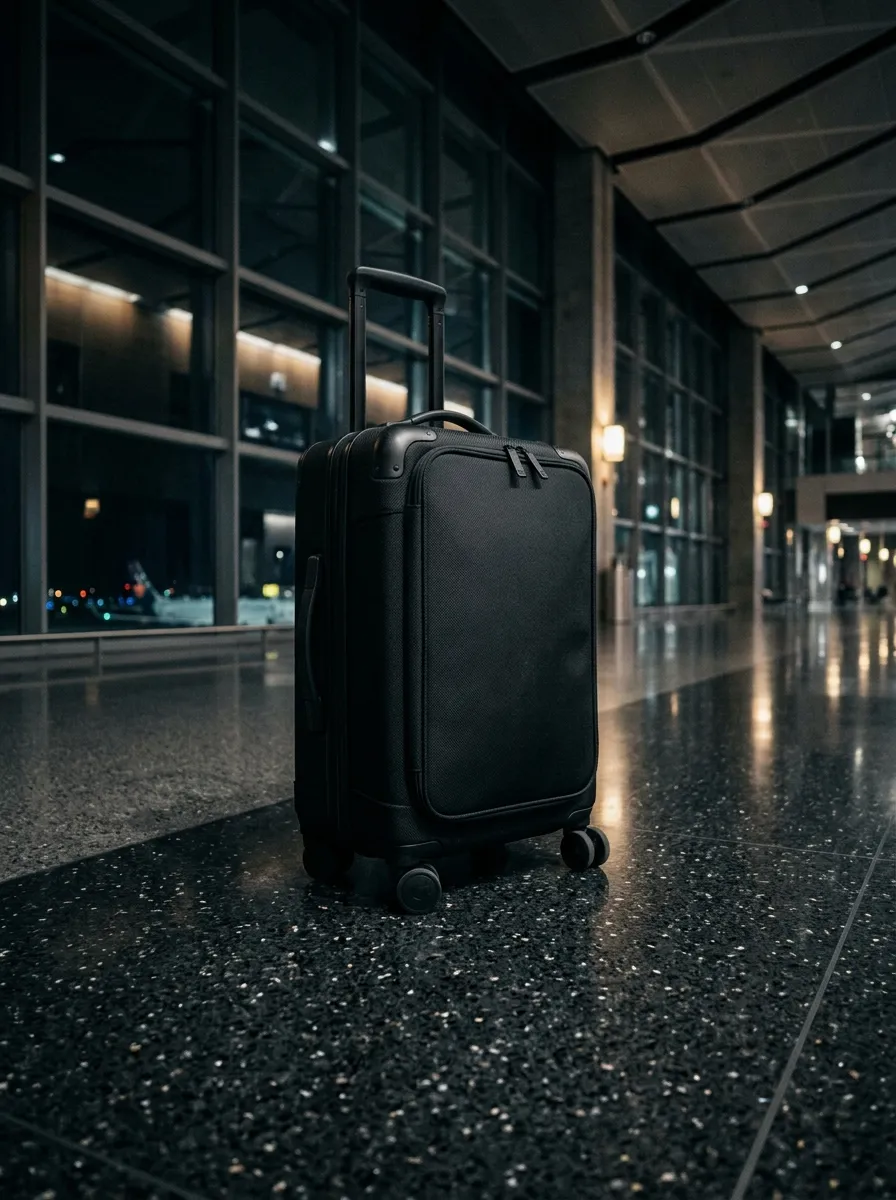
Every time I stood in an airport lounge watching a consultant glide past with that unmistakable matte-black ballistic nylon case, a small voice in my head said the same thing: it’s a suitcase. It holds clothes. You can buy three good ones for that price.
Then, over roughly four years, I destroyed four suitcases. A wheel sheared off in Istanbul. A telescoping handle jammed permanently in the extended position in Lisbon — I carried it sideways through two connections. A zipper split open on a baggage carousel in Denver, which is exactly as fun as it sounds. A hard-shell case cracked at the corner after one rough handoff in Bangkok.
So last year I finally bought the TUMI Alpha International Expandable 4-Wheeled Carry-On, and I’ve now put it through about forty flights across two continents. This review is my honest answer to the question I asked myself for ten years: is a $1,200 suitcase actually worth it, or is it just an expensive status symbol?
The answer is more nuanced than either camp will tell you.
Available on Amazon:
What You’re Actually Paying For: The Material
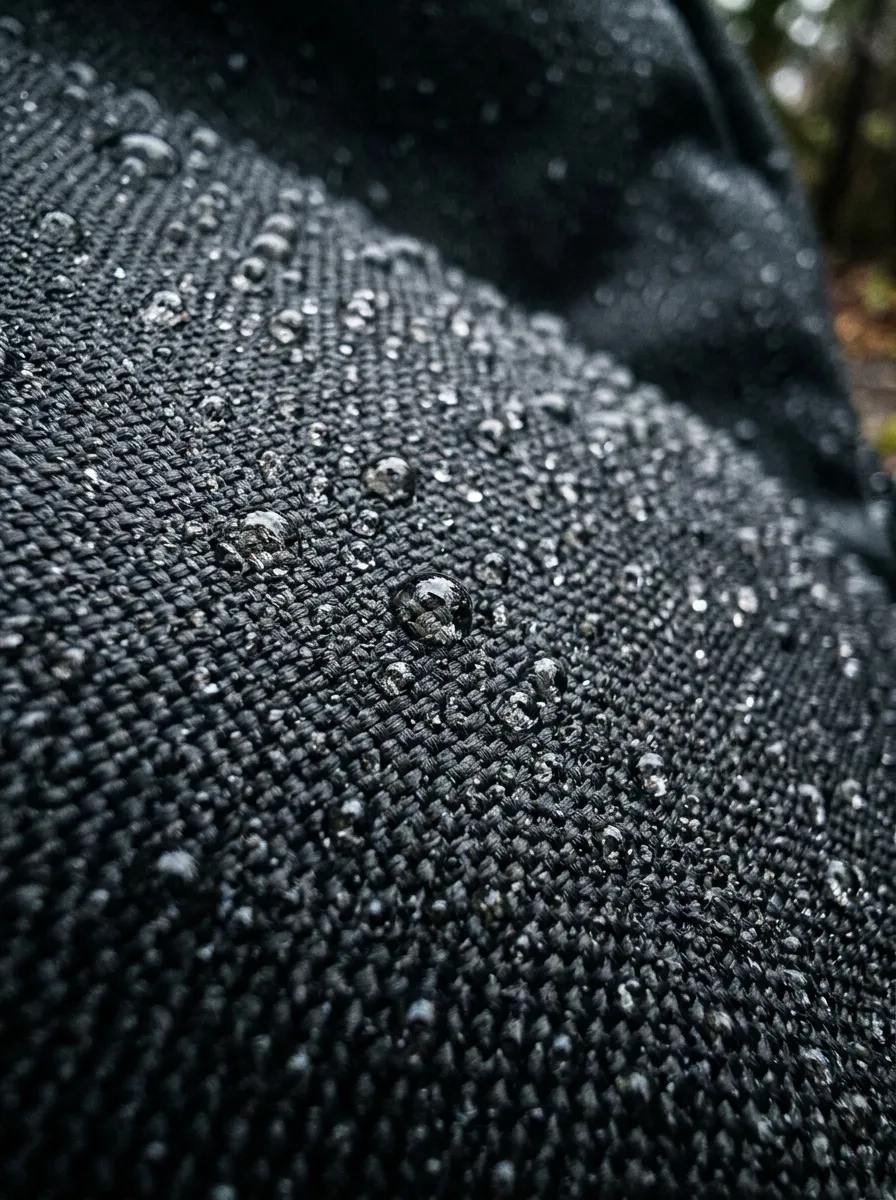
Almost everything about this bag comes back to one thing — FXT ballistic nylon. This is TUMI’s signature fabric, originally developed for military applications, and it’s the single biggest reason the Alpha line has the reputation it does.
In practice, this means the bag simply does not look beaten up. After forty flights, mine has scuff marks on the bumpers and some wear on the corner guards, but the fabric body itself looks close to new. No fraying, no thinning, no pilling. I’ve had it rained on in Amsterdam, dragged across gravel in Portugal, and shoved into overhead bins by strangers who clearly had no interest in being gentle with it.
Compare this to the soft-sided bags I owned previously, which started looking tired within six months. There’s a genuine material difference here, not just marketing.
The trade-off is weight. Ballistic nylon is dense, and this bag is noticeably heavier empty than budget alternatives. More on that in the cons section.
The Expansion Feature Is the Underrated Hero
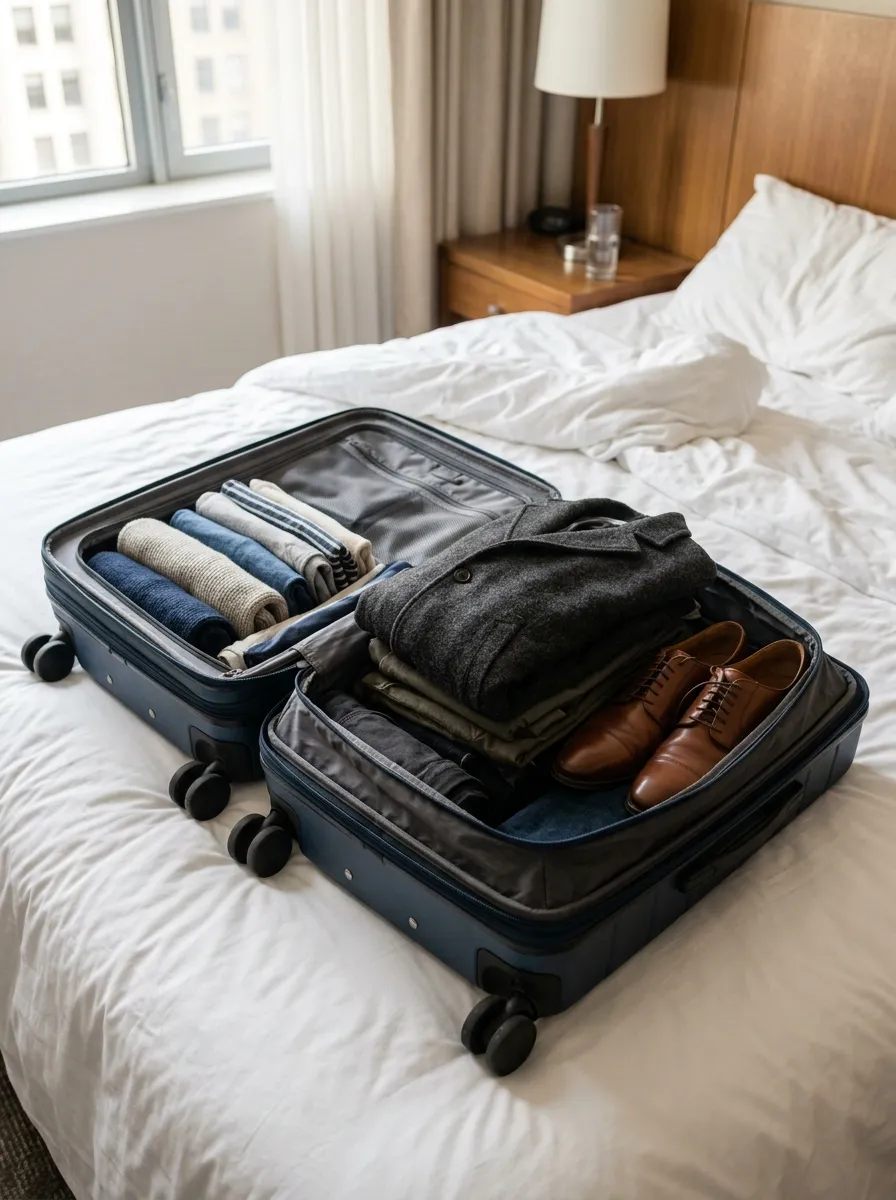
The “expandable” part of the name sounds like a minor spec. It isn’t. It’s the feature I use most.
The zip expansion adds roughly two extra inches of depth to the main compartment. On the outbound leg of a trip, I keep it zipped tight so it slides easily into international overhead bins, which are often stricter than US carriers. On the return leg — after I’ve inevitably bought things — I unzip the expansion and suddenly have meaningful additional capacity without checking a bag.
I used this exact pattern on a two-week trip through Italy last spring. Flew out compressed and compliant. Flew home expanded, carrying an extra pair of shoes, two bottles of olive oil (wrapped carefully), and a wool coat I hadn’t packed. No checked bag fees, no waiting at the carousel.
One important caveat: expanded, this bag exceeds some airlines’ carry-on dimensions. It’s designed to be compliant when compressed. If you fly budget European carriers with aggressive sizers, know that the expansion is for checked-bag situations or generous carriers only.
Organization: Genuinely Thoughtful, Not Gimmicky
A lot of premium luggage adds pockets for the sake of a spec sheet. TUMI’s organization is actually useful.
The front U-zip pocket is the standout. It’s large enough for a 13-inch laptop or tablet, plus documents, and it’s accessible without opening the main compartment. This matters enormously at security checkpoints — I can pull out my laptop and liquids bag while the case is standing upright, without unpacking half my clothes onto the conveyor belt tray.
There’s a built-in garment sleeve that holds one suit or dress shirt. I’m not a business traveler, but I’ve used it for a blazer on trips where I needed one decent outfit, and it does reduce wrinkling meaningfully compared to rolling.
The main compartment has tie-down straps on one side and a zippered divider on the other, which keeps packing organized without requiring packing cubes (though I still use them).
Newer configurations in the Alpha line also include an AirTag pocket and USB-C charging port integration. Check the specific listing you’re buying, as features vary slightly across the Alpha generations and configurations on Amazon.
Wheels and Handle: Where Premium Actually Shows
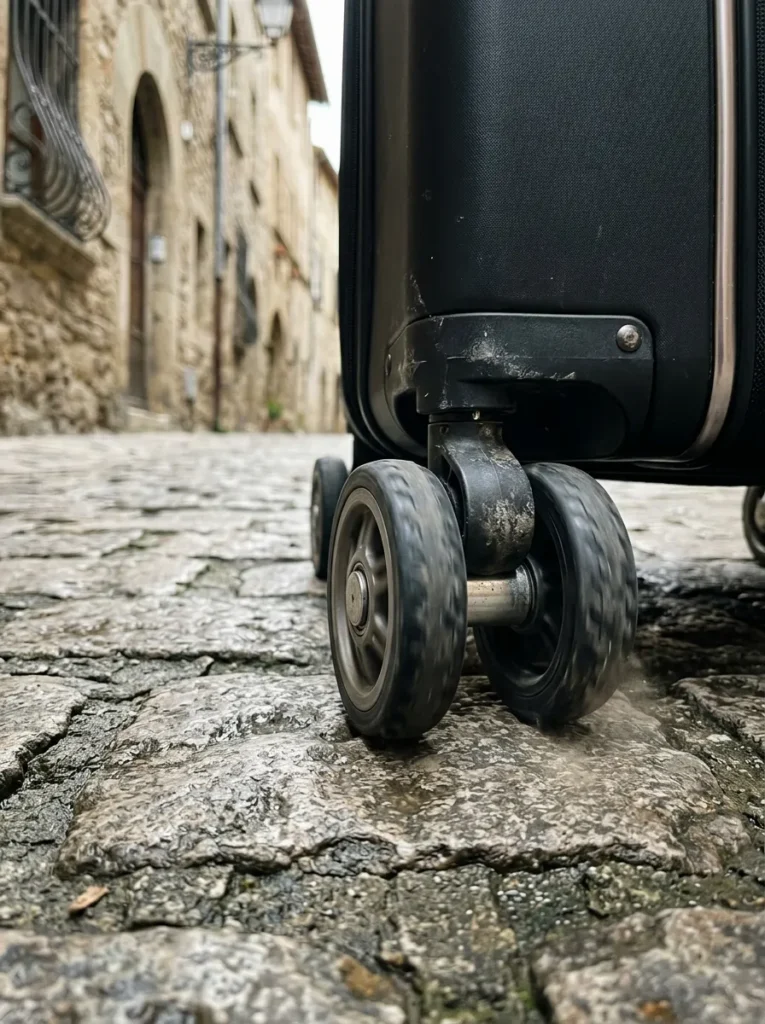
The four-wheel spinner system is smooth and quiet in a way that’s hard to describe until you’ve used a bad one. The wheels glide on polished airport floors with almost no resistance, and — critically — they hold up on rough surfaces. Cobblestones are the true test of any suitcase, and while no spinner is pleasant on cobblestones, these haven’t developed wobble or play after heavy use.
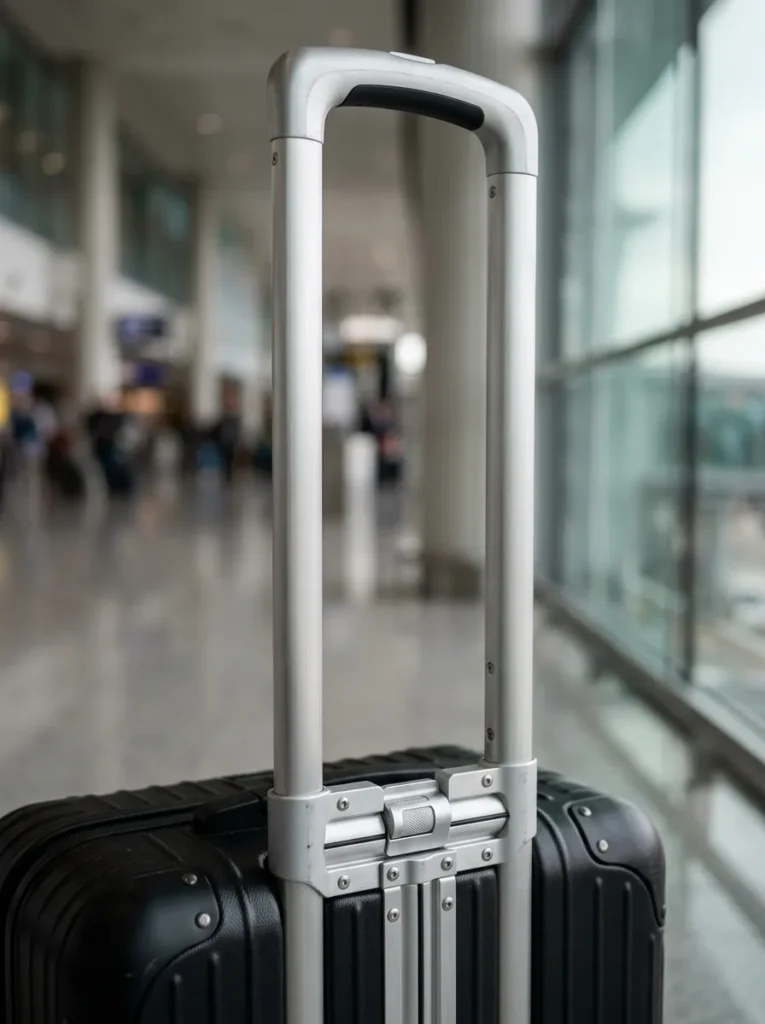
The X-Brace telescoping handle is aircraft-grade aluminum and three-stage adjustable. There’s essentially zero rattle or side-to-side wiggle, which is the first thing to fail on cheaper luggage. This is the component I was most worried about, given my history of handle failures, and it’s been flawless.
Available on Amazon:
The Warranty Is Part of the Product
TUMI backs travel and business collection products with a five-year warranty. There’s also the TUMI Tracer program, a registered ID number built into the bag that helps reunite lost luggage with owners.
This matters when evaluating the price. You’re not just buying a suitcase — you’re buying a repairable, serviceable product with a support system behind it. Cheap luggage is disposable by design. This isn’t.
The Cons: Let’s Be Honest
1. The price is genuinely hard to justify for infrequent travelers. If you fly two or three times a year, a $250 suitcase will serve you for a decade. The math only works if you travel often enough to destroy cheaper bags. Be honest with yourself about your actual travel frequency.
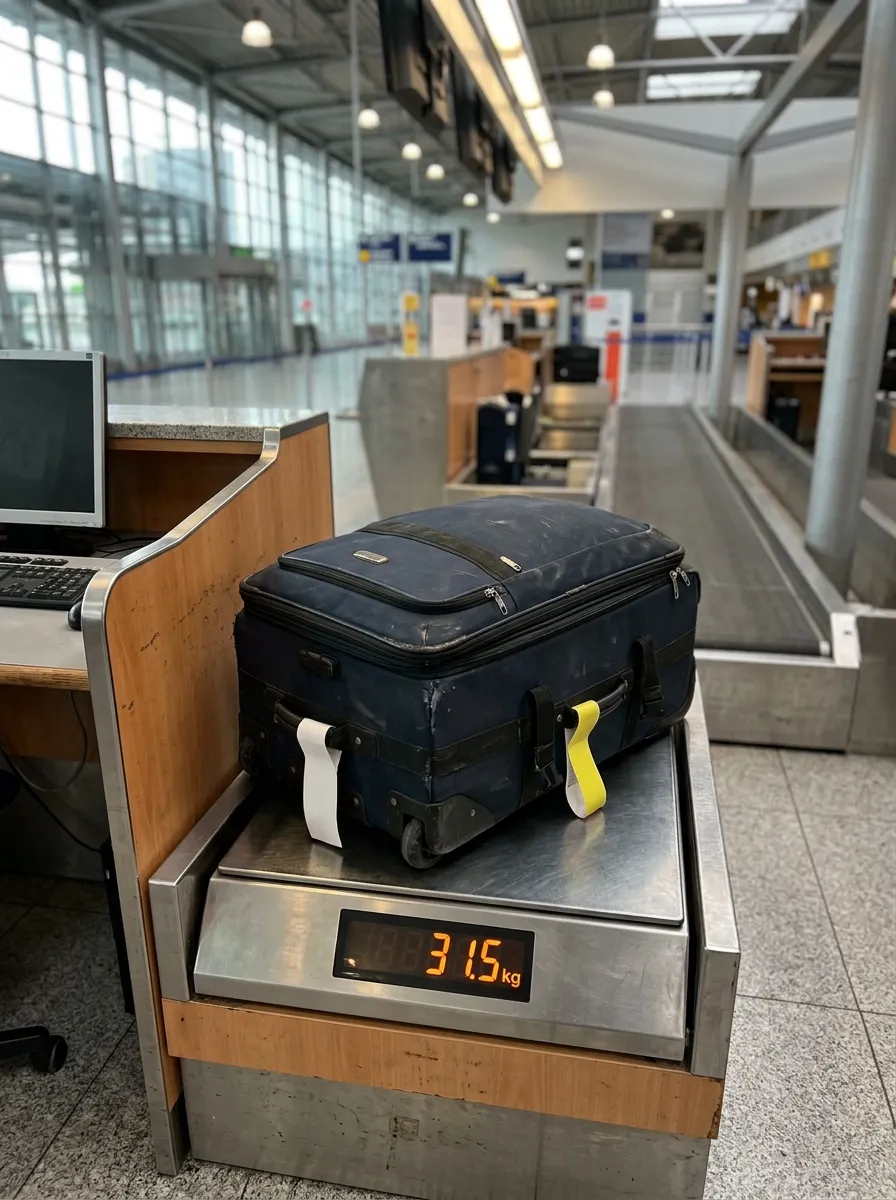
2. It’s heavy. Ballistic nylon and a reinforced frame add real weight before you pack anything. On airlines with strict carry-on weight limits — common on Asian and European carriers — that empty weight eats into your allowance. If you fly weight-restricted carriers frequently, a lightweight polycarbonate case may serve you better.
3. Soft-sided doesn’t protect fragile items. This is a fabric bag with a frame, not a hard shell. Camera gear, glassware, and electronics need their own protective cases inside. If your primary concern is crush protection, a hard-shell is the better tool.
4. It’s a theft magnet in some contexts. The TUMI branding is recognizable and signals value. In certain cities and situations, that’s an unwanted signal. I’ve been more conscious of where I leave this bag than I ever was with an anonymous black suitcase.
5. Pricing on Amazon fluctuates significantly. Different colors, configurations, and sellers show different prices, sometimes with substantial spreads. It’s worth checking the specific listing carefully and comparing configurations before buying.
Who Should Buy This
Buy it if: you fly more than roughly fifteen times a year, you’ve already replaced luggage multiple times, you primarily do carry-on-only travel, or you need something that looks professional arriving at a client meeting.
Skip it if: you’re an occasional vacationer, you fly weight-restricted budget carriers, you routinely pack fragile equipment, or the price represents a genuine financial stretch. There are excellent suitcases in the $200–400 range that will serve casual travelers perfectly well.
Final Verdict
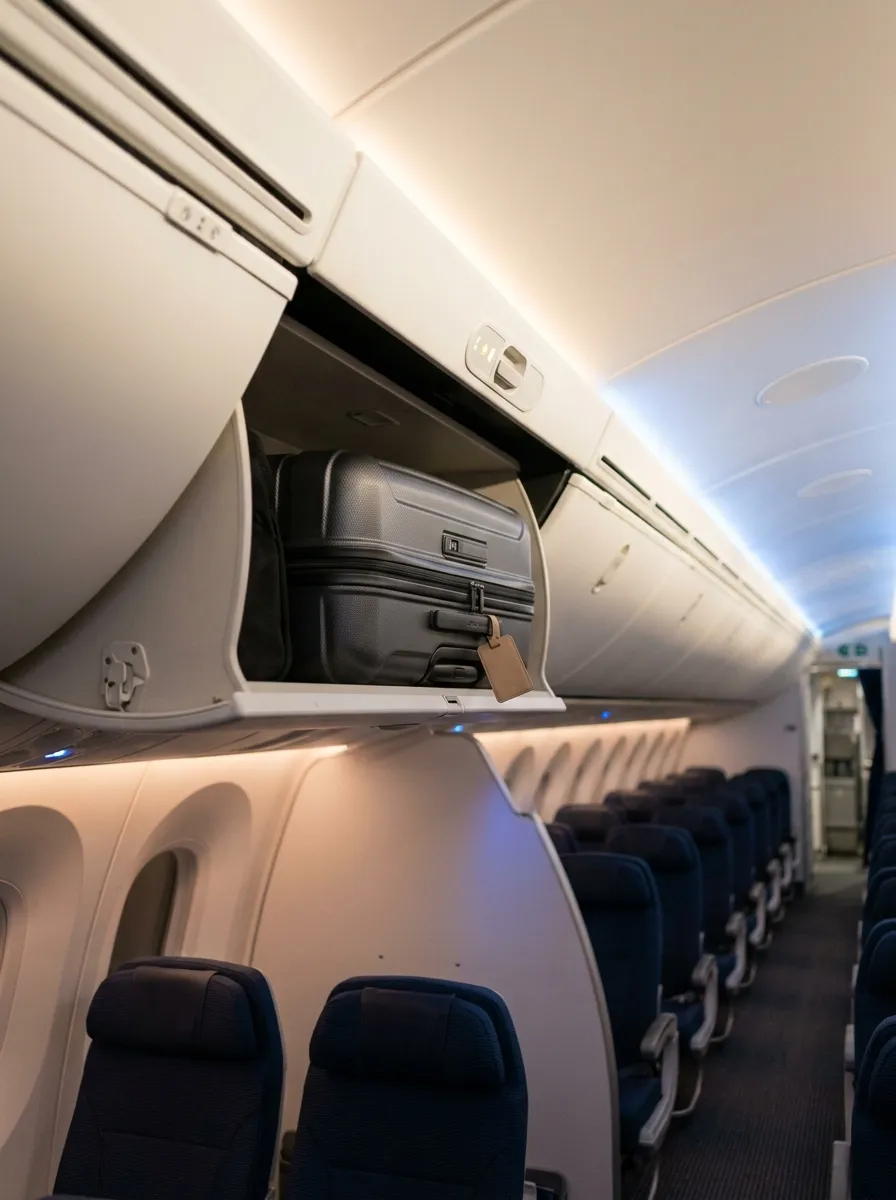
The TUMI Alpha International Expandable Carry-On is not magic, and it won’t make you a better traveler. What it does is remove an entire category of travel friction from your life. I no longer think about whether my bag will survive a trip. I no longer budget mentally for replacing luggage. I no longer arrive somewhere with a broken handle and a bad mood.
For someone who travels constantly, that reliability compounds into real value over years. For someone who travels occasionally, it’s an expensive solution to a problem they don’t have.
I’m firmly in the first camp now, and after ten years of resisting, I’d buy it again. But I’d have bought it five years and four destroyed suitcases sooner.
What’s your longest-surviving piece of luggage? Tell me in the comments — I’m always curious what actually holds up.
Disclosure: This post contains an affiliate link. If you purchase through it, I may earn a small commission at no additional cost to you. All opinions reflect my genuine experience with this product.