Things to Bring on a Road Trip: 15 Essentials for a Smoother, More Comfortable Journey
There’s something wonderfully freeing about a road trip. You choose the playlist, decide when to stop, take the scenic route, and have the freedom to change plans whenever the road starts looking more interesting than the itinerary.
But even the most spontaneous road trip needs a little preparation.
Forget one important item and suddenly your dreamy drive can turn into a hunt for a charging cable, a convenience-store snack emergency, or an awkward roadside improvisation. The trick is not to pack your entire house into the trunk. It’s to bring the things that make long hours in the car safer, easier, cleaner, and more enjoyable.
If you’re wondering what to bring on a road trip, these 15 essentials cover the practical basics while leaving plenty of room for luggage, snacks, and souvenirs.
Recommended Travel Items for Your Trip
1. A Reliable Navigation Setup
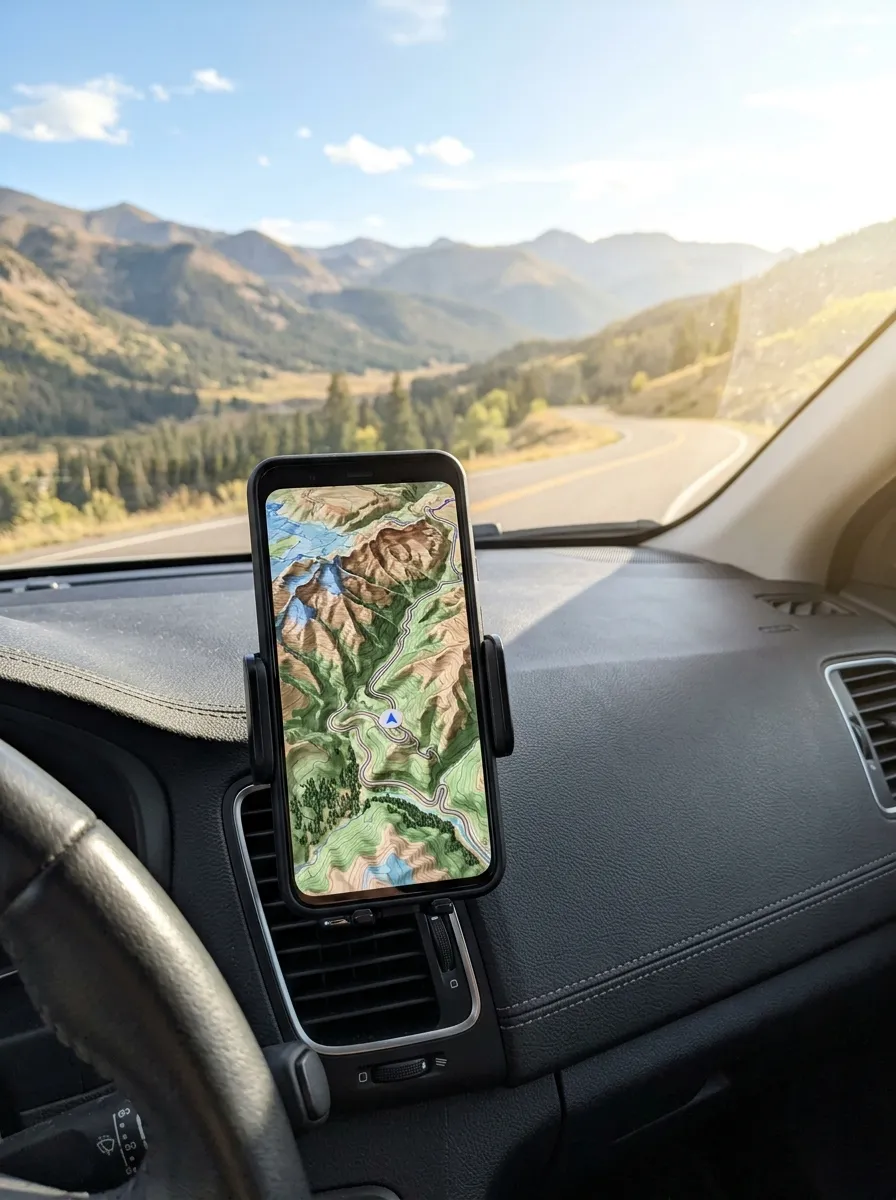
A road trip is much more fun when you know roughly where you’re going.
Your phone’s navigation app will usually be enough, but don’t rely entirely on cellular service. Remote highways, mountain roads, national parks, and rural areas can have unreliable coverage.
Before leaving, download offline maps for the areas you’ll be visiting.
It’s also useful to keep:
- Your phone charged
- Offline maps available
- Important addresses saved
- Hotel reservations accessible offline
- Emergency contacts stored
- A physical map as a backup if you’re traveling somewhere particularly remote
Navigation should help you explore, not become the reason you’re staring at a screen for six hours.
2. Portable Phone Chargers and Charging Cables
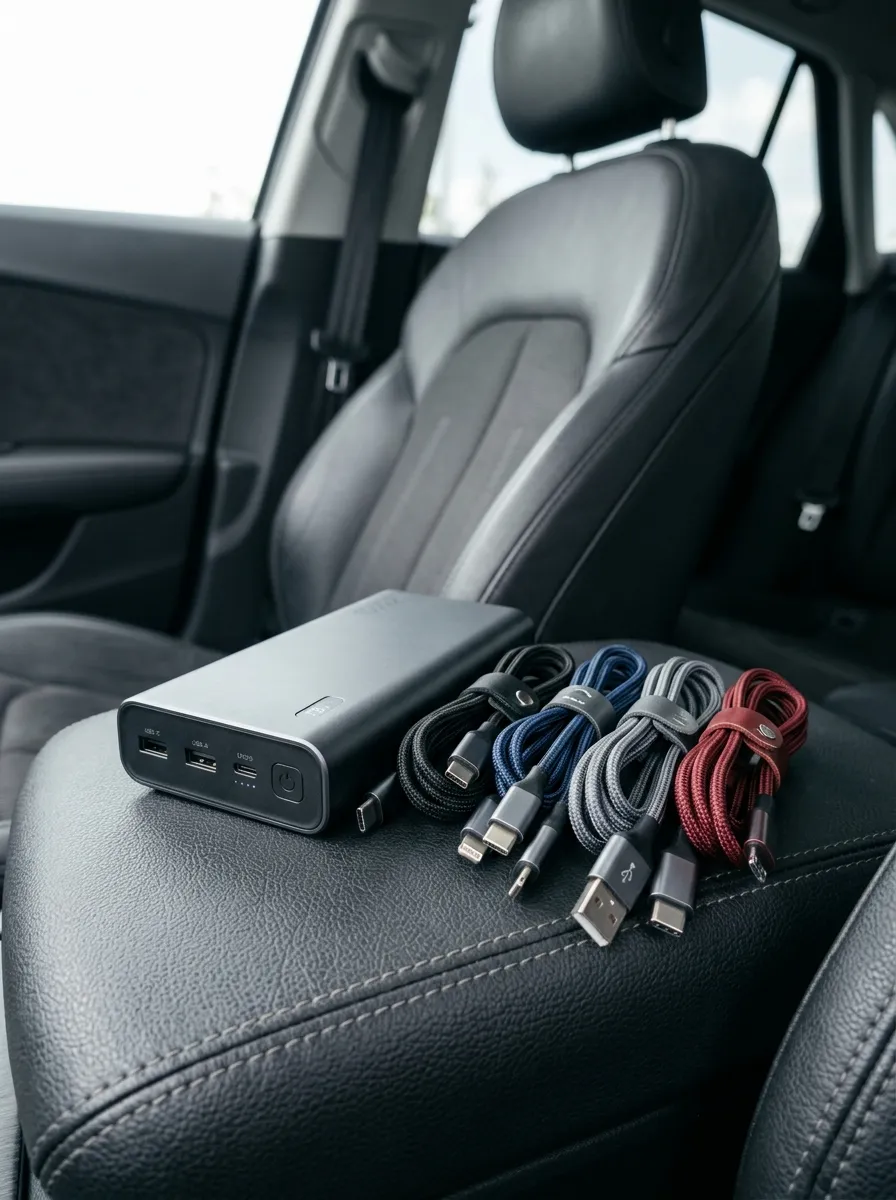
Your smartphone is likely to become your map, camera, entertainment system, reservation desk, communication device, and emergency lifeline during a road trip.
That makes a dead battery particularly inconvenient.
Bring a quality power bank along with the appropriate charging cables. A car charger with multiple ports is also useful when more than one person needs to charge a device.
Pack the cables where they’re easy to reach rather than buried beneath your luggage.
Road-trip rule: If the charging cable is somewhere in the trunk, it may as well be on another continent.
Available on Amazon:
3. A Road Trip Cooler
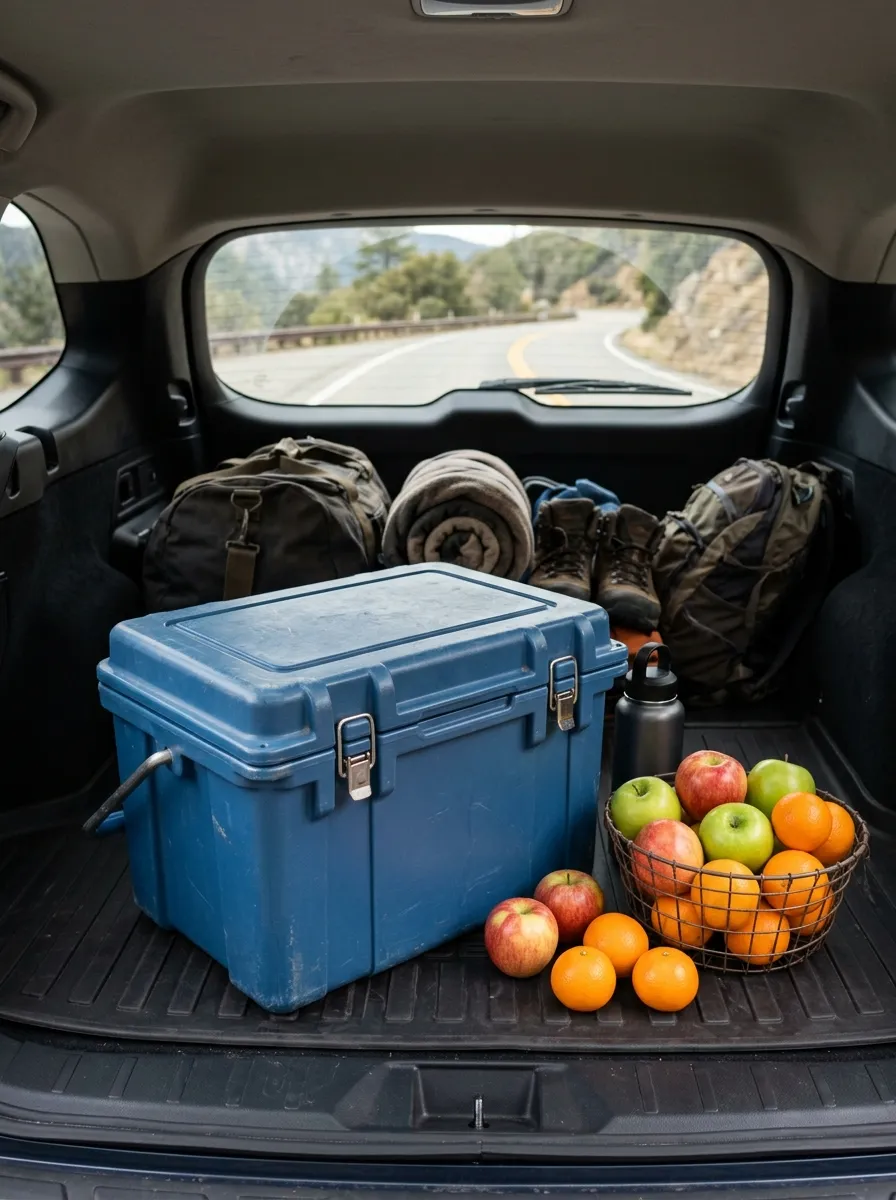
A cooler can save both money and time.
Instead of stopping at every convenience store, you can keep drinks, fruit, sandwiches, yogurt, and other road-friendly foods chilled and ready to grab.
Choose a cooler that fits comfortably in your vehicle without blocking access to everything else.
For longer journeys, consider bringing:
- Reusable ice packs
- Insulated bottles
- Reusable containers
- Napkins
- Small food-storage bags
A cooler also gives you more flexibility when traveling through areas where restaurants or grocery stores aren’t always nearby.
Available on Amazon:
4. Reusable Water Bottles
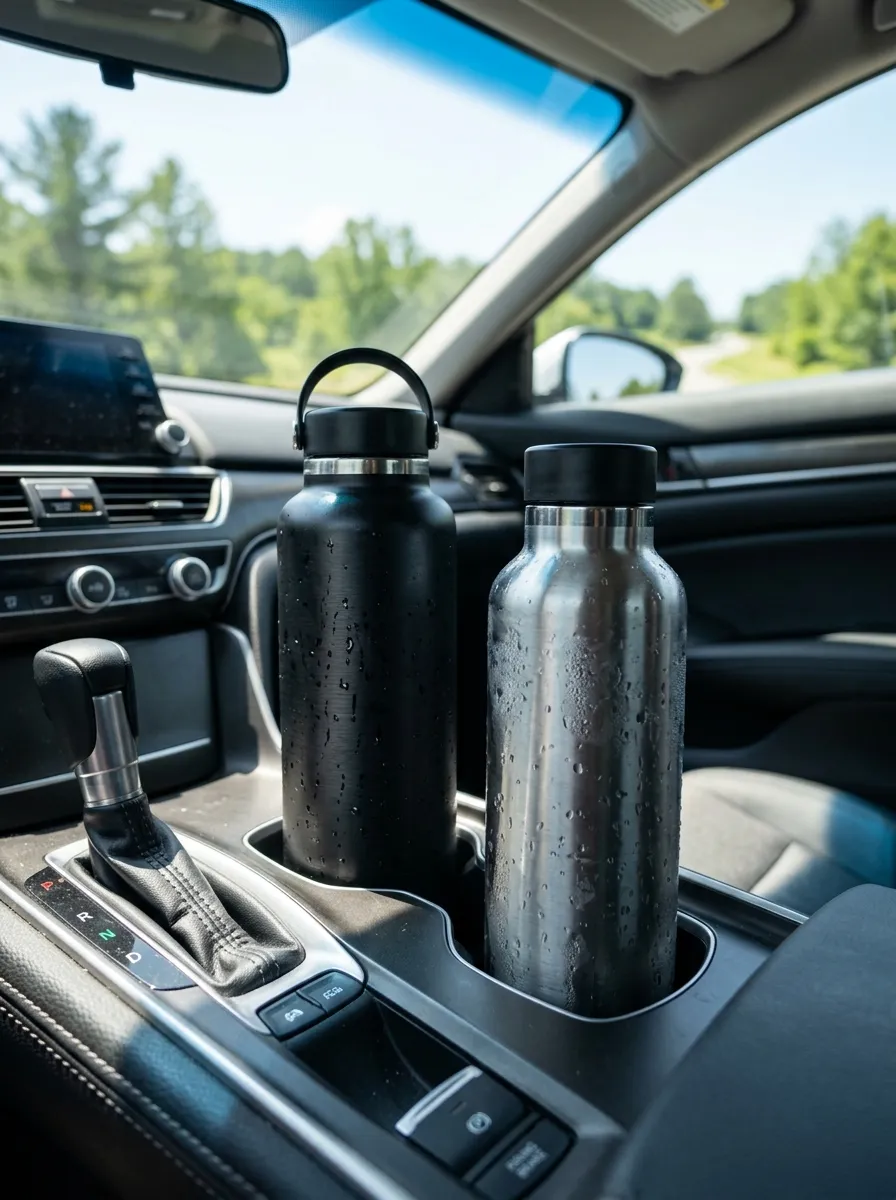
Staying hydrated during long drives is easy to overlook.
Bring a reusable water bottle for each traveler and refill them whenever you have access to clean drinking water.
Insulated bottles are particularly useful because they can keep drinks cold for hours.
Look for bottles that:
- Fit your vehicle’s cup holders
- Don’t leak
- Are easy to clean
- Have secure lids
- Are large enough for longer stretches between stops
It sounds simple, but having water within reach is one of those little conveniences that makes a surprisingly big difference.
Available on Amazon:
5. A Basic First-Aid Kit
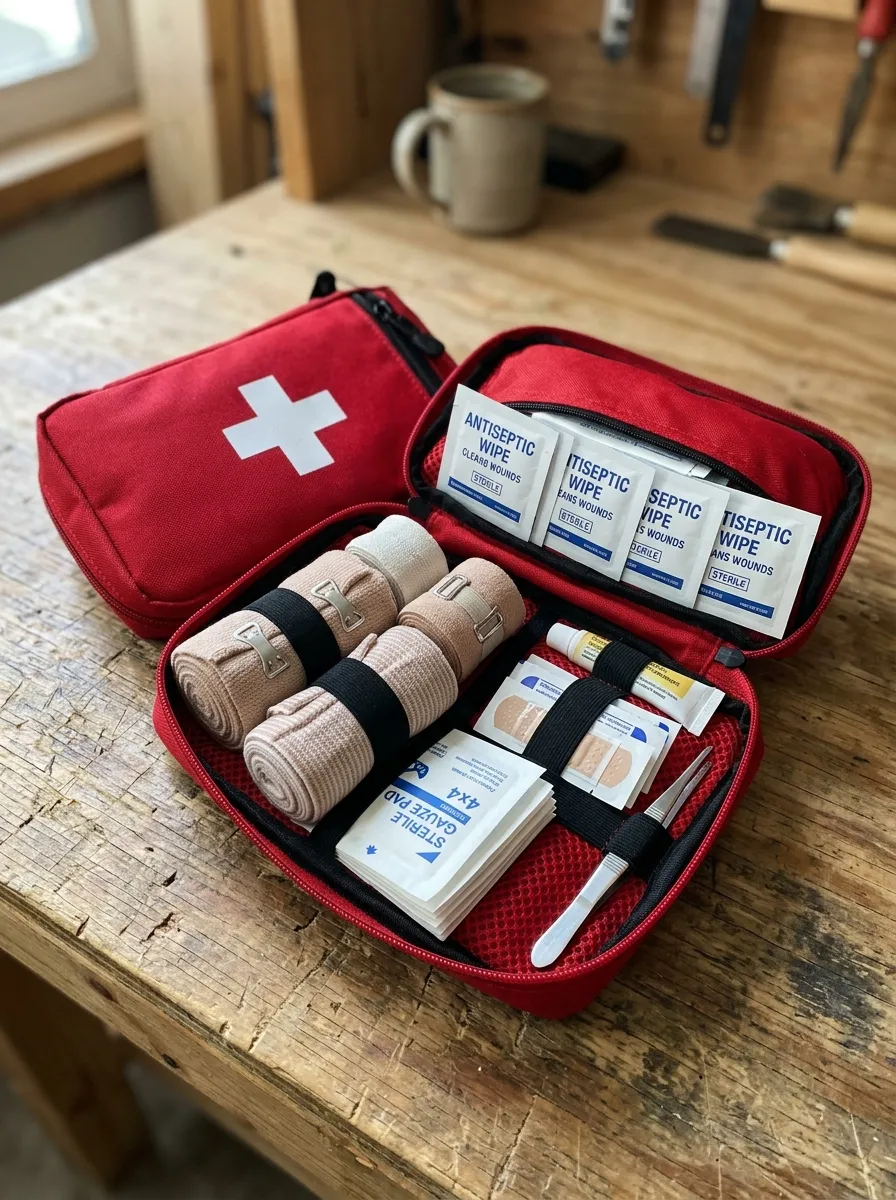
Nobody plans a road trip expecting to need a first-aid kit.
That’s precisely why you should have one.
A compact travel first-aid kit can be useful for minor cuts, scrapes, blisters, headaches, and other small problems that can happen while traveling.
Your kit can include basics such as:
- Adhesive bandages
- Antiseptic wipes
- Gauze
- Medical tape
- Tweezers
- Disposable gloves
- Basic over-the-counter medicines you normally use
For longer or more remote journeys, consider expanding your emergency supplies appropriately.
Available on Amazon:
6. A Car Emergency Kit
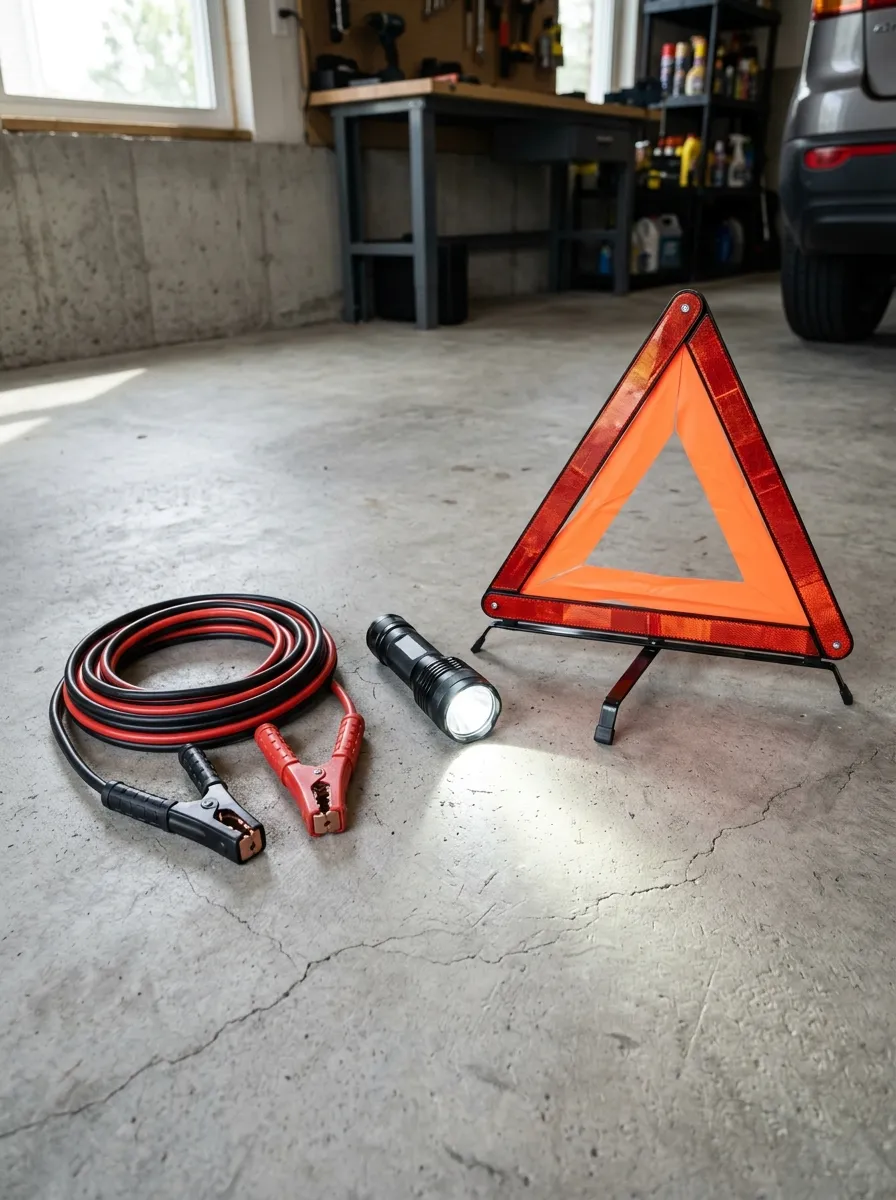
A road trip involves a lot of miles, which means there are more opportunities for something mechanical or unexpected to happen.
A car emergency kit is one of those things you hope never to use.
Depending on your vehicle and route, useful items can include:
- Jumper cables
- Flashlight
- Reflective warning equipment
- Work gloves
- Tire-pressure gauge
- Basic roadside supplies
- Emergency blanket
- Extra batteries
Before leaving, check your vehicle’s spare tire, jack, and other required equipment too.
If you’re traveling through remote areas, preparation becomes even more important.
Available on Amazon:
7. Comfortable Clothing and Layers

Road-trip fashion has one overriding rule: comfort wins.
You might leave one climate in the morning and arrive somewhere completely different by evening. Layers make it easier to adapt.
Pack clothing that works for both the car and your destination, including:
- Comfortable tops
- Lightweight layers
- Comfortable pants or shorts
- A sweater or jacket
- Socks
- Comfortable walking shoes
Don’t forget that your trip might involve considerably more walking than you initially expect.
For inspiration on practical travel packing, check out this one-bag travel packing guide with outfit ideas.
8. A Blanket or Travel Pillow
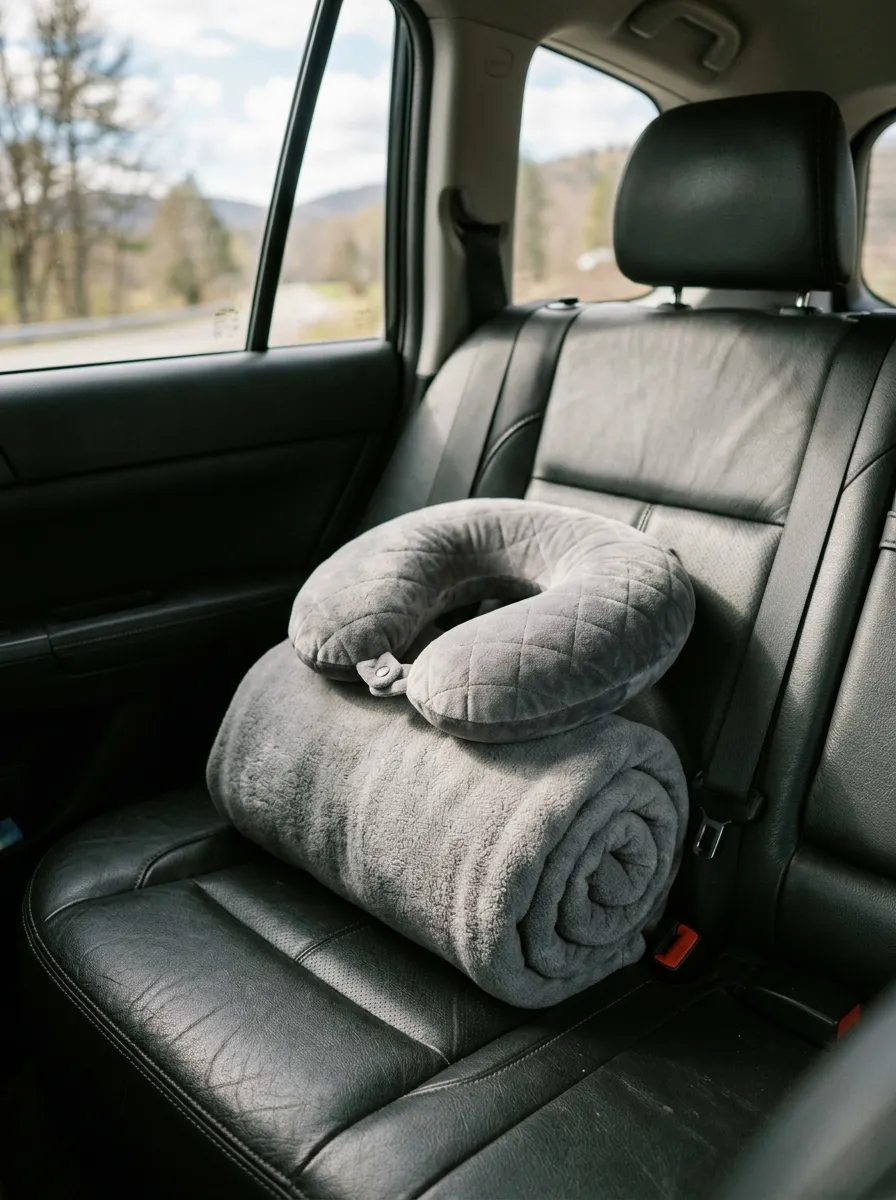
Long stretches in a car can become uncomfortable surprisingly quickly.
A compact travel pillow can make a huge difference for passengers, while a lightweight blanket is useful when the air conditioning becomes a little too enthusiastic.
Choose items that can be folded or compressed easily.
If you have multiple passengers, assigning each person their own small comfort kit can prevent the classic road-trip argument over who gets the blanket.
Available on Amazon:
9. Sunglasses and Sun Protection
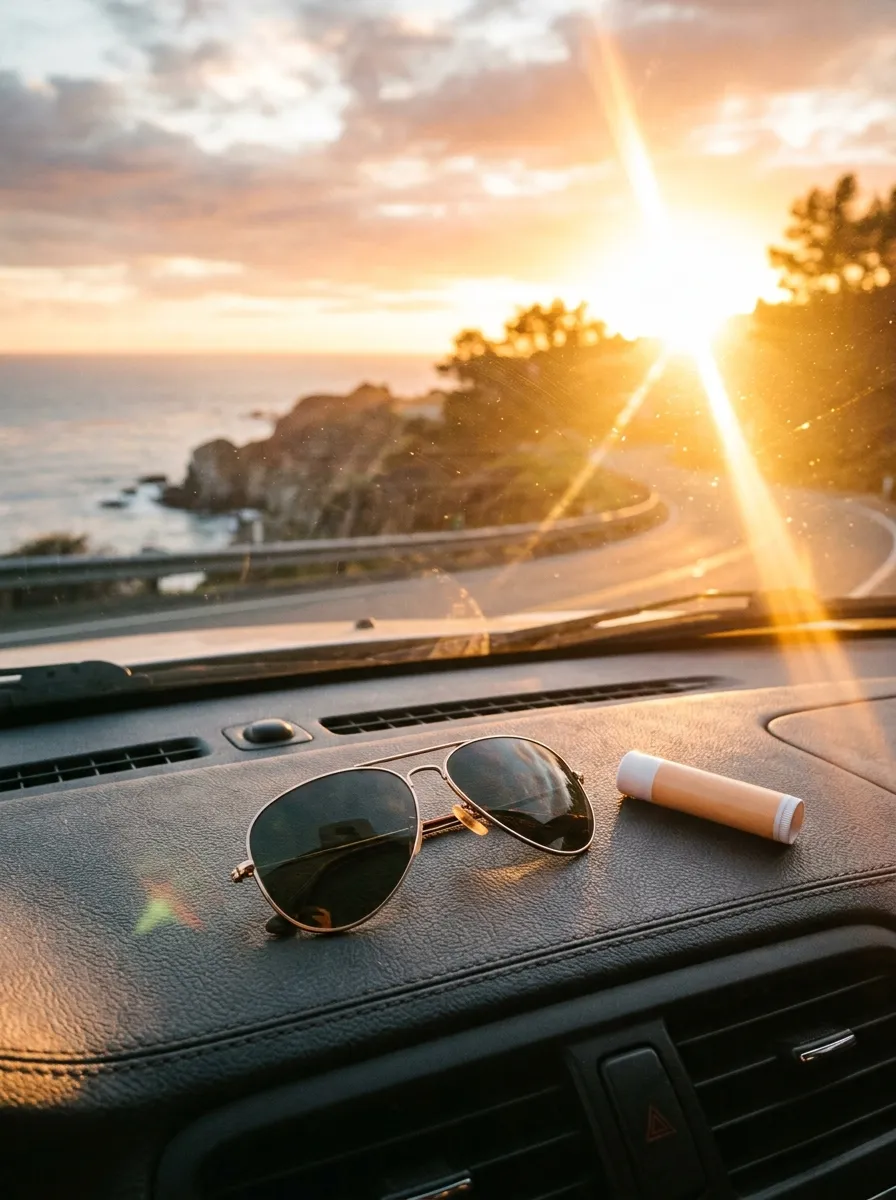
Sun glare can make driving uncomfortable, particularly during early morning or late afternoon.
Bring good-quality sunglasses and keep them somewhere accessible.
Depending on your destination, you may also want:
Don’t leave sunscreen or other temperature-sensitive products baking inside a hot vehicle for extended periods.
10. Offline Entertainment
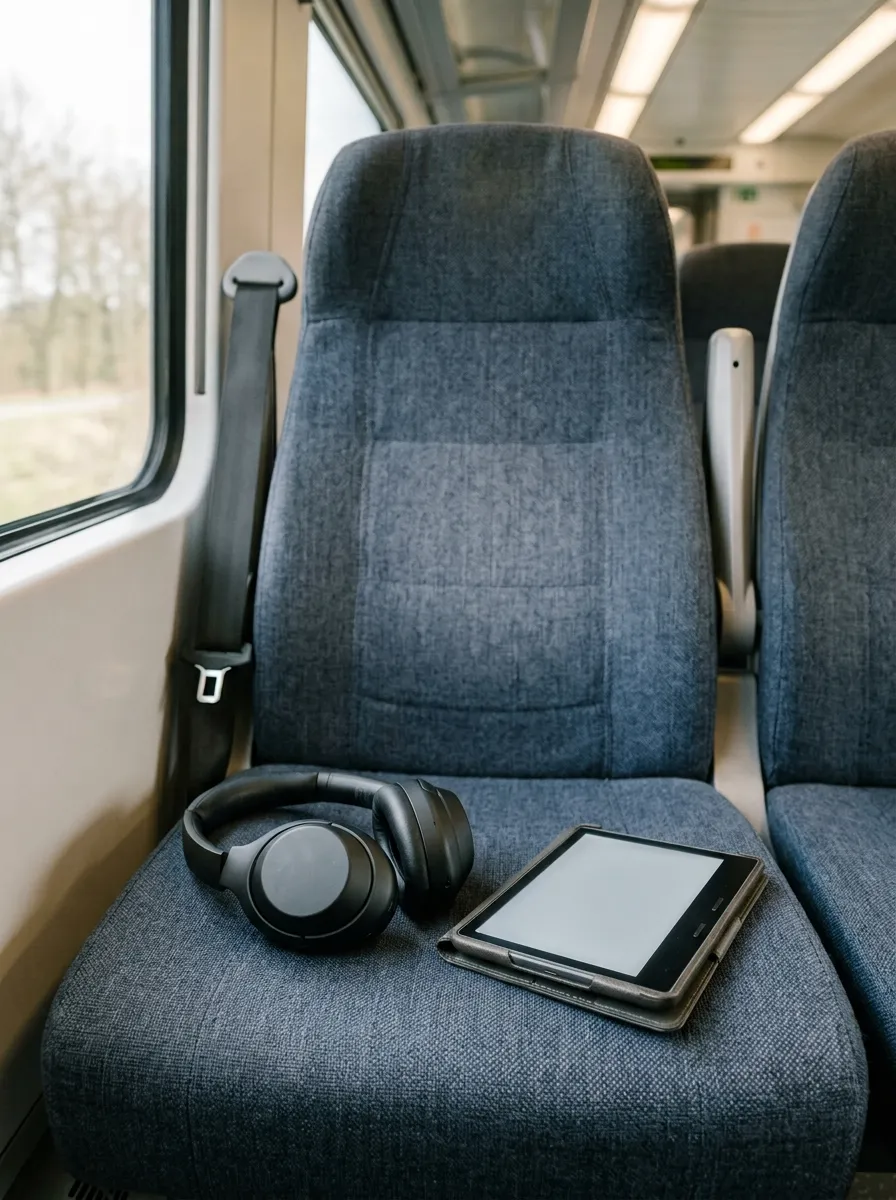
Even the world’s greatest playlist eventually runs out of magic.
Download music, podcasts, audiobooks, or shows before leaving so you’re not dependent on mobile service.
Passengers can also bring:
- Books
- E-readers
- Travel journals
- Card games
- Downloaded podcasts
- Offline playlists
For families, simple travel games can keep younger passengers occupied without requiring another glowing screen.
Just make sure anything distracting is for passengers, not the person driving.
11. Toiletries and Personal Hygiene Supplies
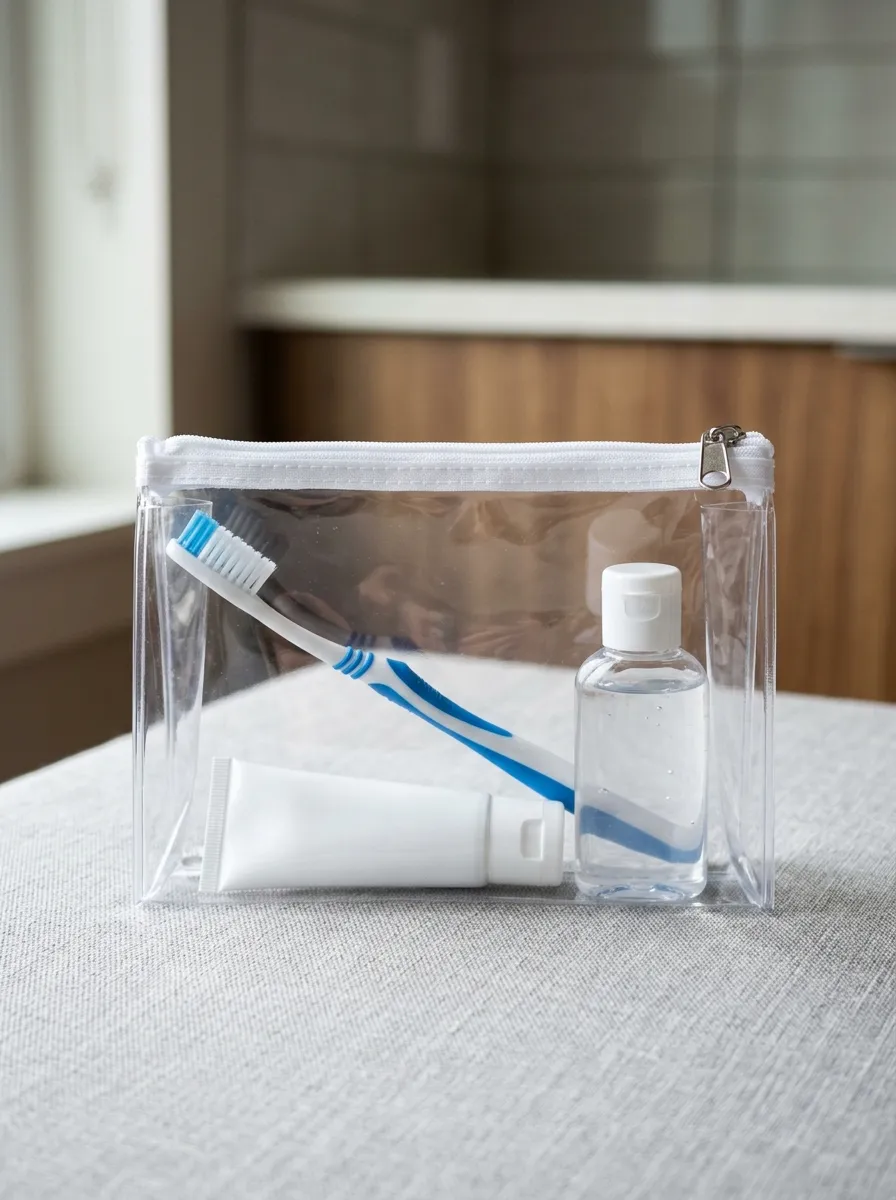
After several hours on the road, you’ll appreciate having a small personal-care kit nearby.
Keep basic toiletries in an easily accessible bag rather than packing everything into your main suitcase.
Consider bringing:
- Toothbrush and toothpaste
- Hand sanitizer
- Tissues
- Wet wipes
- Deodorant
- Hairbrush or comb
- Moisturizer
- Any personal essentials you regularly need
Wet wipes deserve special recognition here. They’re the unofficial multitool of road travel.
12. Trash Bags and Cleaning Supplies
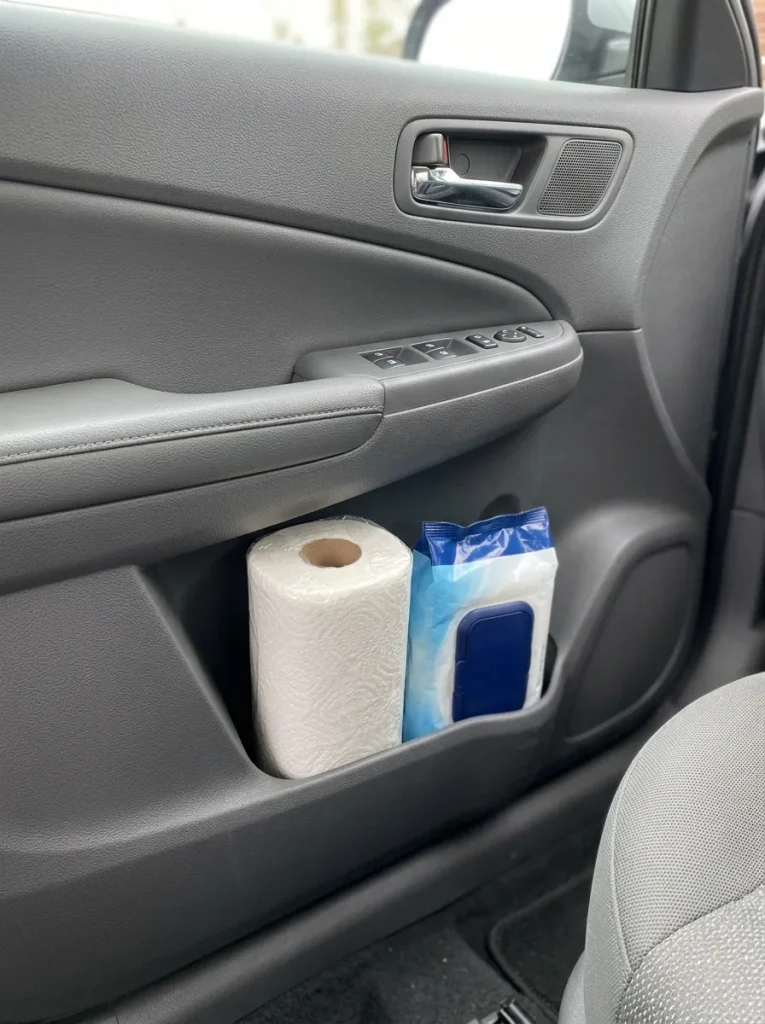
A clean car feels considerably better after six hours of driving.
Bring a few small trash bags and designate one place for waste. You can empty the bag whenever you stop for fuel or food.
A few cleaning supplies can also help:
- Microfiber cloth
- Small pack of tissues
- Disinfecting wipes
- Paper towels
- Reusable storage bags
This becomes particularly valuable if you’re traveling with children, eating meals in the car, or spending several days on the road.
Available on Amazon:
13. A Small Daypack
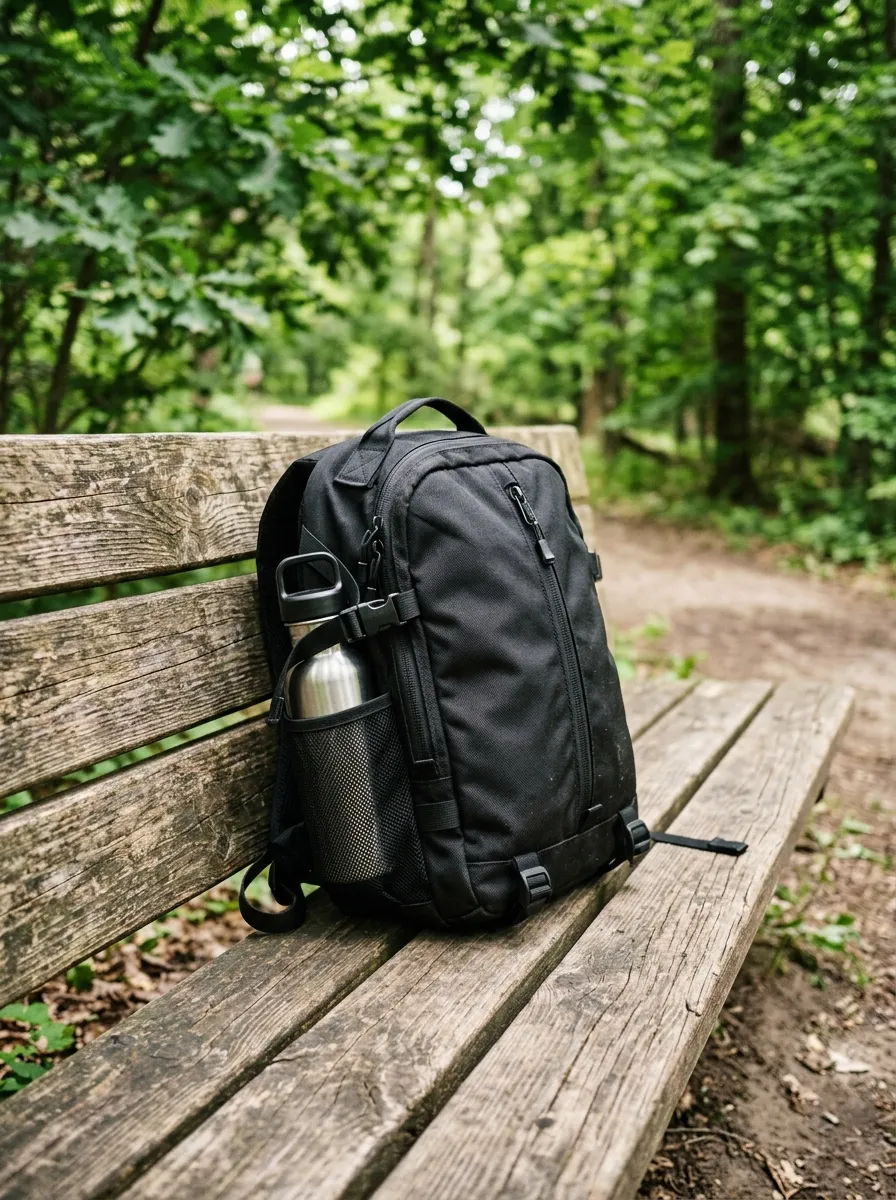
Your main suitcase doesn’t need to come with you every time you leave the car.
A small daypack is useful for short hikes, sightseeing stops, beaches, viewpoints, and spontaneous detours.
Pack it with the things you need for a few hours away from the vehicle:
- Water
- Snacks
- Sunscreen
- Camera
- Phone
- Light jacket
- Small first-aid supplies
This is especially useful if your road trip includes destinations such as national parks or outdoor attractions.
For example, if your itinerary includes Baxter State Park, a proper daypack is much more practical than repeatedly carrying your full luggage around.
Available on Amazon:
14. A Camera or Reliable Travel Photography Setup
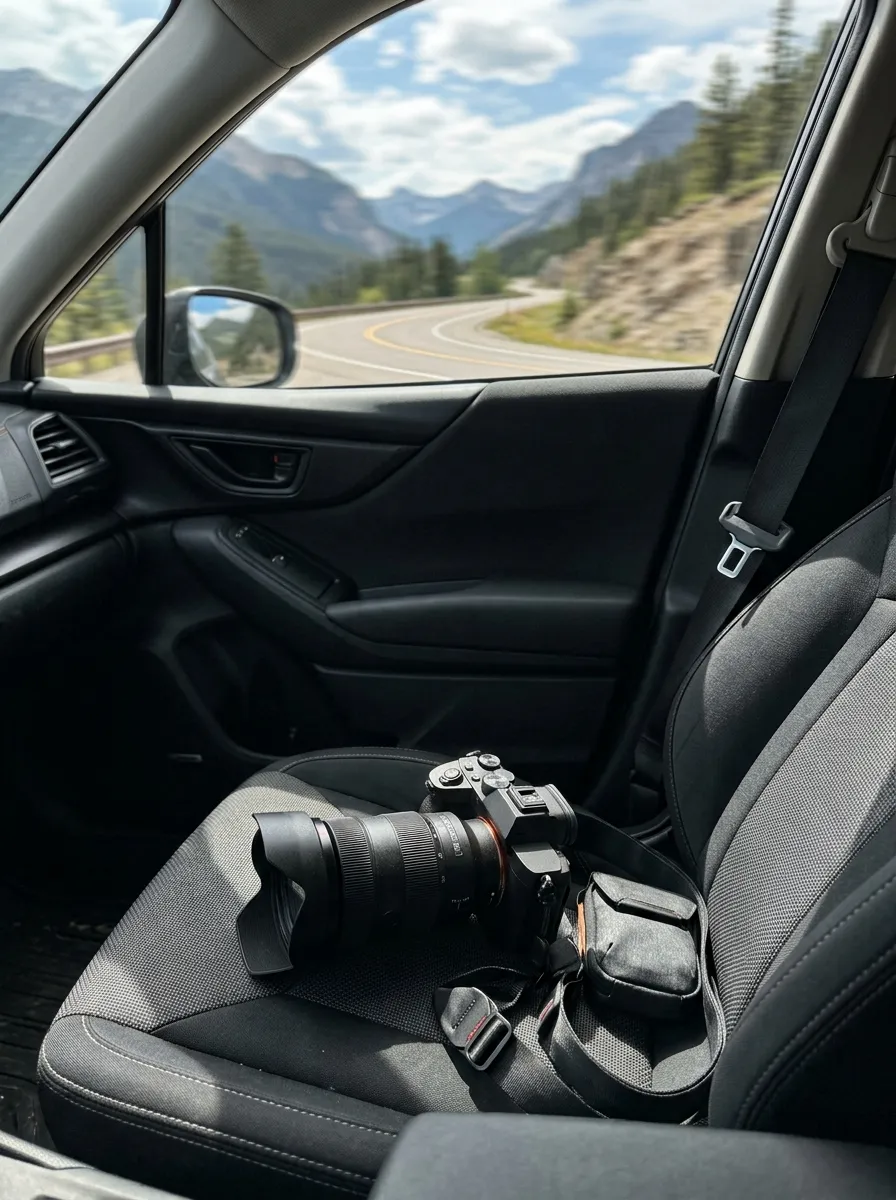
Road trips tend to produce moments you didn’t plan to photograph.
A mountain appearing through the trees. A strange roadside attraction. A tiny coastal town. A spectacular sunset that wasn’t anywhere on the itinerary.
Your phone may be perfectly adequate, but travelers who care about photography may want a dedicated camera.
Whatever you use, keep it accessible and protect it from heat, dust, and accidental drops.
If you’re thinking about upgrading your photography setup, this ultimate guide to the best travel cameras of 2026 covers what to look for in a travel-friendly camera.
Available on Amazon:
15. A Flexible Road Trip Checklist
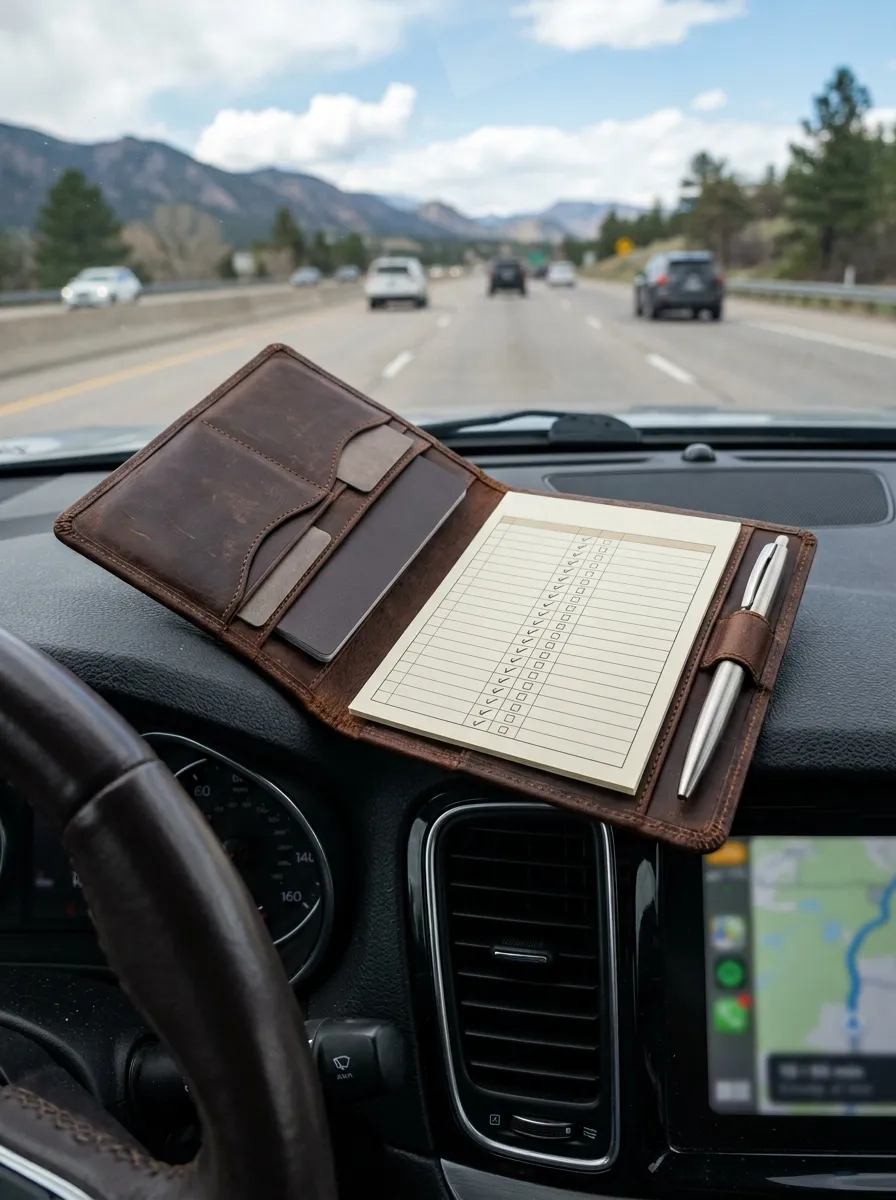
The final thing to bring is arguably the least exciting and one of the most useful: a checklist.
Before leaving, create a simple list covering:
Vehicle
- Fuel
- Tires
- Oil and basic fluids
- Spare tire
- Emergency equipment
Travel
- Identification
- Wallet
- Reservations
- Navigation
- Important contact information
Personal
- Clothing
- Toiletries
- Medication
- Water
- Snacks
Technology
- Phone
- Chargers
- Power bank
- Camera
- Headphones
A good checklist prevents the classic “I knew I forgot something” moment somewhere three states away.
You can also use this ultimate road trip checklist before departure for additional planning inspiration.
What Should You Pack in the Car vs. the Trunk?
Where you put things matters almost as much as what you bring.
Keep frequently used items within easy reach:
| Keep in the cabin | Keep in the trunk |
| Water bottle | Main luggage |
| Snacks | Extra clothing |
| Sunglasses | Larger cooler |
| Phone charger | Spare supplies |
| Travel pillow | Extra toiletries |
| Small daypack | Bulky equipment |
| Tissues/wipes | Backup gear |
The goal is to avoid unloading half the vehicle every time someone wants a charging cable.
How to Pack a Car for a Road Trip
Start with the items you’ll need least often and place those toward the back or bottom.
Then put frequently accessed luggage and supplies where they can be reached without dismantling the entire trunk.
A few simple rules help:
Keep Heavy Items Low
Heavy bags and equipment should be positioned securely and as low as practical.
Don’t Block Your View
Don’t pile luggage high enough to interfere with the driver’s visibility.
Secure Loose Items
A water bottle, camera, or suitcase can become a hazard if it moves around during sudden braking.
Keep Emergency Equipment Accessible
Your emergency kit shouldn’t be buried underneath every piece of luggage.
Things You Shouldn’t Forget Before Leaving
Packing isn’t the only preparation a road trip requires.
Before you pull out of the driveway, check:
- Tire pressure
- Fuel level
- Vehicle fluids
- Weather conditions
- Road closures
- Navigation route
- Accommodation details
- Phone battery
- Charging cables
- Emergency supplies
If you’re heading somewhere outdoorsy, check the conditions at your destination rather than assuming the weather will cooperate simply because the forecast looked lovely three days ago.
Road Trip Packing for Different Types of Travelers
Not every road trip requires exactly the same packing list.
For Couples
Focus on comfort, snacks, entertainment, and a little extra space for spontaneous stops.
You might also want to plan romantic destinations along the route. If you’re looking for inspiration, our guide to 15 couple vacation ideas can help you build a trip around shared experiences.
For Families
Bring extra snacks, entertainment, wipes, water, and spare clothing. Kids have an almost supernatural ability to need the one thing you left at home.
For Solo Travelers
Prioritize navigation, emergency supplies, reliable communication, and vehicle preparation. Someone should also know your general route and expected arrival times.
For Outdoor Adventures
Add hiking shoes, weather-appropriate layers, a daypack, appropriate outdoor equipment, and extra food and water depending on the destination.
Final Thoughts
The best things to bring on a road trip are the items that quietly solve problems before those problems become annoying.
A cooler keeps you fed. A power bank keeps you connected. A first-aid kit handles little emergencies. A daypack makes spontaneous adventures easier. A checklist keeps your brain from becoming the packing system.
But don’t overpack.
The beauty of a road trip is having room to improvise. Leave space for the unexpected roadside café, the local market you weren’t planning to visit, the extra jacket you inevitably buy, and the souvenirs that somehow seemed absolutely necessary at the time.
Pack smart, prepare your car, download your maps, charge your devices, and then leave some room for the road to surprise you.
That’s where the good stories usually begin.