The Ultimate Oregon Road Trip 2026-27: A Complete Guide to the Best Stops, Scenic Drives and Hidden Gems
Oregon is one of those states where a single road trip can feel like several different vacations. You can begin among Portland’s lively neighborhoods, follow a river through towering cliffs, drive beneath snow-capped mountains, explore a high-desert town, and finish beside the Pacific Ocean. Add waterfalls, volcanic landscapes, forest trails, coastal villages, and a few wonderfully unexpected stops, and you have the ingredients for an unforgettable adventure.
The challenge is deciding where to go. Oregon has so much to offer that trying to fit everything into a few days can turn a scenic vacation into a long series of hurried photo stops.
This guide to the ultimate Oregon road trip for 2026-27 brings the major highlights together in one practical route. You will find a suggested itinerary, the best places to stop, seasonal planning advice, accommodation tips, and ways to adapt the journey to your available time.
Whether you have one week to explore the state’s most famous landscapes or two weeks to venture farther off the beaten path, the goal is the same: enjoy Oregon at a pace that leaves room for discoveries along the way.
Recommended Travel Items for Your Trip
Oregon Road Trip at a Glance
| Trip detail | Recommendation |
| Best starting point | Portland |
| Suggested route | Portland, Columbia River Gorge, Mount Hood, Bend, Eugene, Oregon Coast, Portland |
| Ideal duration | 10 days |
| Shorter option | 7 days |
| Extended adventure | 12 to 14 days |
| Best overall season | Late spring through early fall |
| Best months for a balanced trip | June, September, and early October, depending on the route |
| Main driving roads | Interstate 84, US 26, US 97, US 20, OR 126, and US 101 |
| Best vehicle | A regular car for the main route; an SUV is optional, not essential |
| Best for | Scenic drives, beaches, waterfalls, hiking, small towns, photography, and outdoor adventures |
The route below is designed as a loop, so you can begin and finish in Portland. It includes mountains, waterfalls, high desert, a welcoming college town, and a generous stretch of coastline without requiring you to drive the same roads in both directions.
Actual driving times depend on traffic, weather, roadwork, and the number of stops you make. Treat the daily plans as flexible outlines rather than strict schedules.
The Best Time to Take an Oregon Road Trip in 2026-27
Oregon changes dramatically with the seasons. The coast can be cool and misty while inland areas are warm and sunny, and mountain roads may remain closed even when lower elevations are enjoying spring weather.
Summer: June Through August
Summer is a popular time to explore Oregon because many mountain roads, hiking trails, and outdoor attractions are accessible. Days are long, conditions are often favorable for hiking, and the coast offers plenty of opportunities for beach walks and scenic stops.
However, summer also brings more visitors. Popular places such as Cannon Beach, the Columbia River Gorge, and Bend can become crowded, especially on weekends and holidays. Accommodation prices may rise, and parking can take longer than expected.
Book lodging early if you plan to travel in July or August. Start popular hikes in the morning and leave some flexibility in your schedule for traffic and parking.
Fall: September Through October
Early fall is one of the most appealing times for an Oregon road trip. Summer crowds begin to ease, the weather can remain pleasant, and forests and small towns take on autumn colors.
September is particularly attractive for exploring the coast, where you can enjoy beach walks and dramatic ocean views without the peak-summer rush. Inland, crisp mornings and changing leaves add another layer to the scenery.
By October, rain becomes more likely, and higher mountain routes can experience early snow or temporary closures. If you are traveling during the 2026 fall season, check the forecast and road conditions before setting out each day.
October is also a fun month for seasonal attractions. If your trip includes a Halloween stop, St. Helens is known for its connection to the movie Halloweentown and its seasonal celebrations. Event dates, tickets, parking arrangements, and opening details can vary from year to year, so confirm the current schedule before visiting.
Winter: November Through March
Winter offers a completely different Oregon experience. The coast becomes dramatic, waterfalls can be impressive after rainfall, and the mountains offer snow sports when conditions permit.
It also requires more preparation. Snow, ice, rain, reduced daylight, and temporary road closures can affect travel, particularly through the Cascades. Mountain passes may require chains or traction tires, and some scenic roads and facilities may close seasonally.
For a winter trip, consider focusing on Portland, the accessible Columbia River Gorge viewpoints, selected coastal towns, and destinations with reliable winter access. Keep the high mountain and remote backcountry portions flexible.
Spring: April and May
Spring brings waterfalls, fresh greenery, wildflowers, and fewer crowds at many destinations. The Columbia River Gorge is especially attractive during the waterfall season, although popular trailheads can still fill quickly.
The trade-off is unpredictable weather. Coastal rain, muddy hiking paths, lingering snow at higher elevations, and seasonal road closures can complicate longer drives.
For spring travel, build your route around lower-elevation attractions first and treat mountain hikes as optional additions.
The Ultimate 10-Day Oregon Road Trip Itinerary
This itinerary combines the Columbia River Gorge, Mount Hood, Central Oregon, Eugene, and the coast. It offers a broad introduction to the state without attempting to cover every corner of Oregon in one trip.
Day 1: Explore Portland
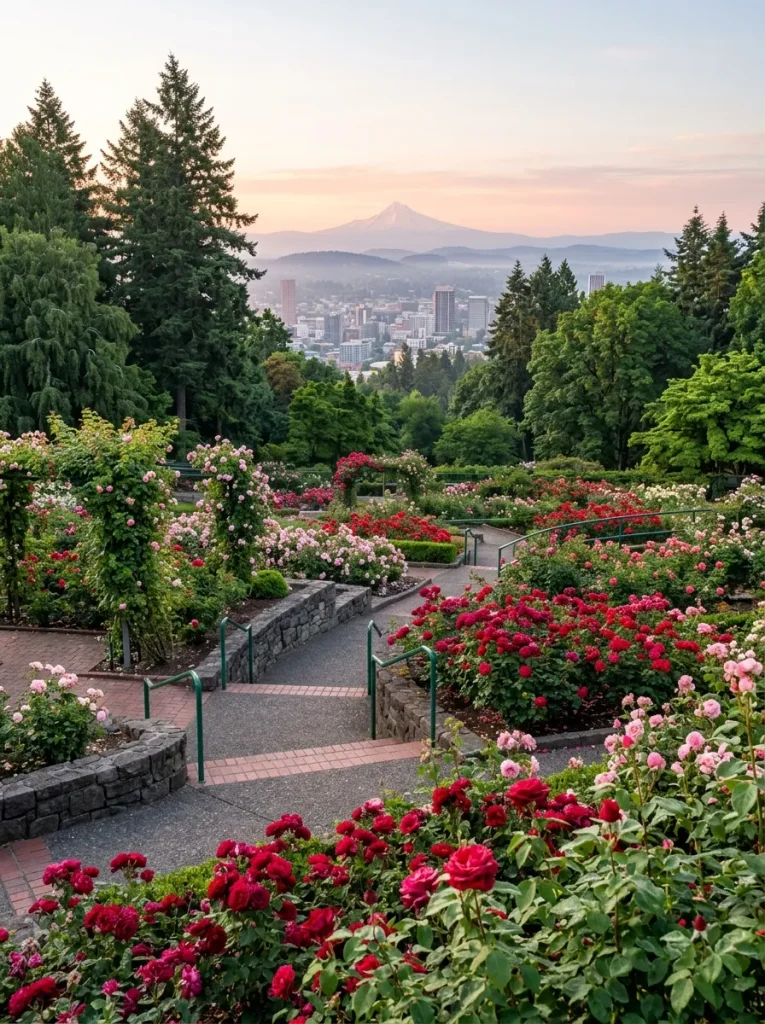
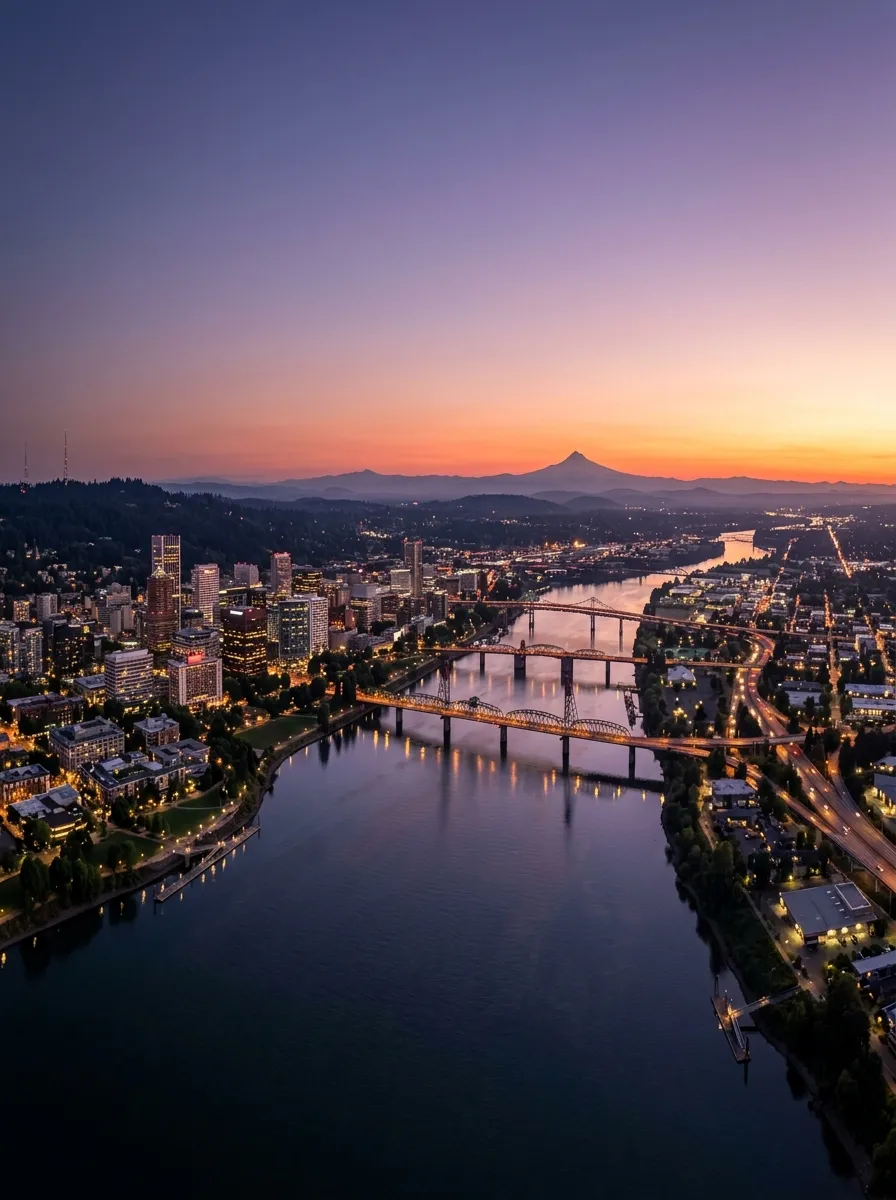
Begin your journey in Portland, Oregon’s largest city. Give yourself time to settle in, pick up a rental car if needed, and explore a few neighborhoods before heading into the countryside.
Start with Washington Park if you enjoy gardens, wooded paths, and viewpoints. The International Rose Test Garden is a seasonal highlight, with the best display generally appearing in late spring and summer.
Next, explore the Pearl District or the Alberta Arts District for independent shops, galleries, cafés, and local restaurants. Portland’s food scene is another reason to avoid rushing straight out of town. You will find everything from food carts and casual eateries to bakeries and restaurants serving regional ingredients.
If you have extra time, visit Powell’s City of Books, browse a neighborhood market, or walk along the Willamette River.
Where to stay: Downtown Portland or a neighborhood with convenient access to your next day’s route.
Road trip tip: Pick up groceries, refill reusable water bottles, and download offline maps before leaving the city. These small tasks become more useful once you reach areas with limited cell service.
Day 2: Drive Through the Columbia River Gorge
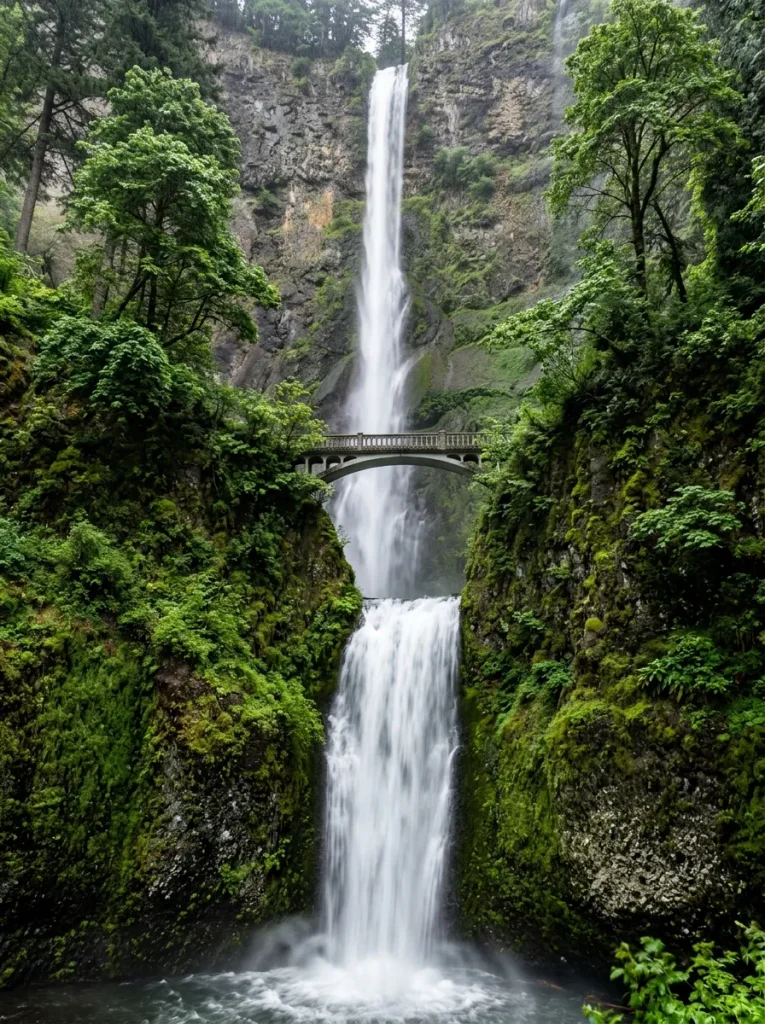
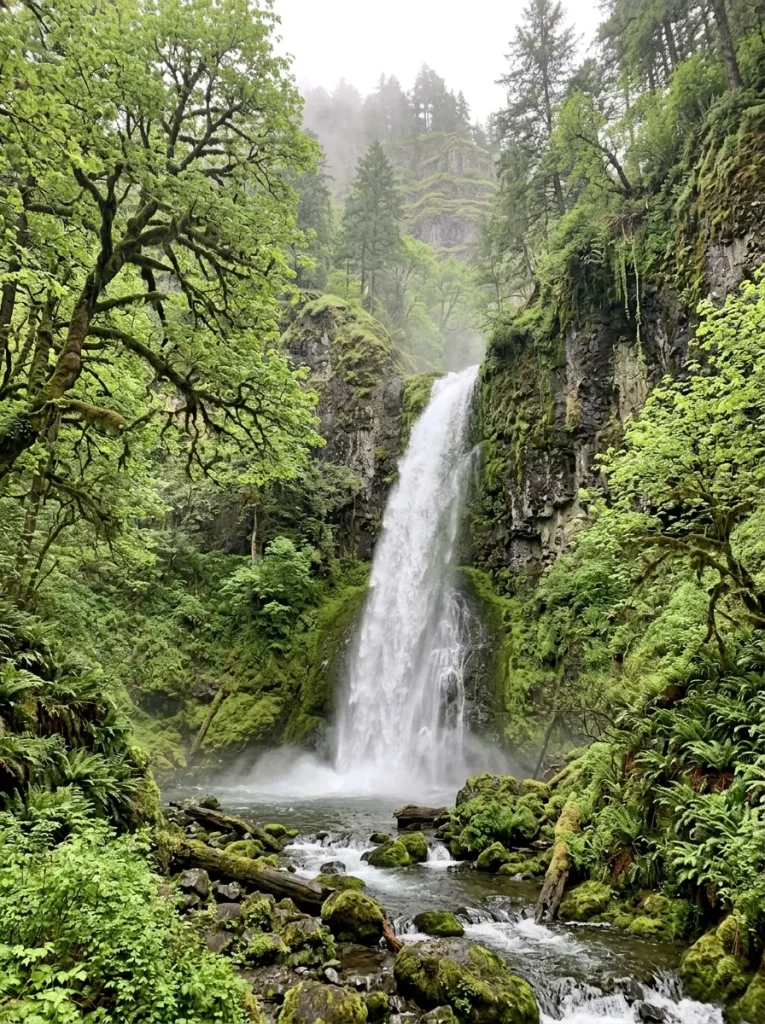
Leave Portland and head east along Interstate 84 into the Columbia River Gorge. This dramatic river corridor is known for steep cliffs, forested slopes, waterfalls, and viewpoints overlooking the Columbia River.
Make Multnomah Falls a priority if access arrangements and conditions allow. Its tall cascade is one of Oregon’s most recognizable natural attractions. Parking and access rules can change by season, so check current requirements before your visit.
You can also explore other waterfall areas and viewpoints along the Historic Columbia River Highway. Latourell Falls and the Vista House at Crown Point are worthwhile additions when open and accessible.
Do not attempt to squeeze every waterfall into one day. Choose a few stops and leave time to enjoy the scenery rather than spending the entire day searching for parking.
Continue toward Hood River, a lively town beside the Columbia River. It is a convenient place for dinner, an overnight stay, and a relaxed evening walk.
Where to stay: Hood River.
What to remember: The Gorge can be windy, and weather conditions may differ from those in Portland. Bring a light waterproof layer and check trail closures before hiking.
Day 3: Discover Mount Hood and Its Surroundings
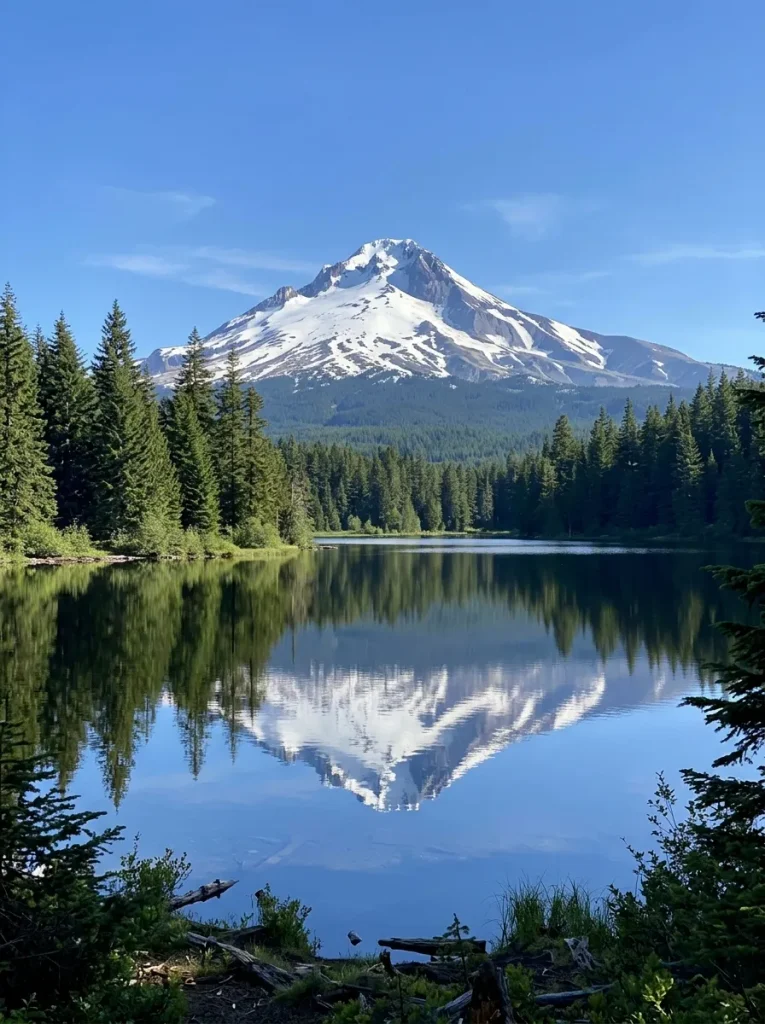
From Hood River, travel toward Mount Hood, one of Oregon’s defining landmarks. The mountain rises above forests, lakes, and small communities, offering a scenic change from the river landscapes of the previous day.
Trillium Lake is a popular stop when accessible. On a clear day, the lake can provide beautiful views of Mount Hood reflected in the water. The area is particularly photogenic in warmer months, although seasonal road access and recreation facilities vary.
You can also visit the Timberline Lodge area for mountain scenery and a look at its historic architecture. Winter visitors may find snow sports available depending on operating schedules and conditions, while summer visitors can explore nearby trails when open.
Do not assume every road around Mount Hood remains accessible throughout the year. Snow can affect higher routes well into spring, and winter weather may require additional driving precautions.
After exploring the area, continue toward Bend. Depending on your chosen stops and road conditions, this can become a substantial driving day, so keep the afternoon schedule flexible.
Where to stay: Bend.
Alternative: If you prefer short hikes and leisurely sightseeing, spend the night around Mount Hood and move the drive to Bend to the following morning.
Day 4: Explore Bend and the High Desert
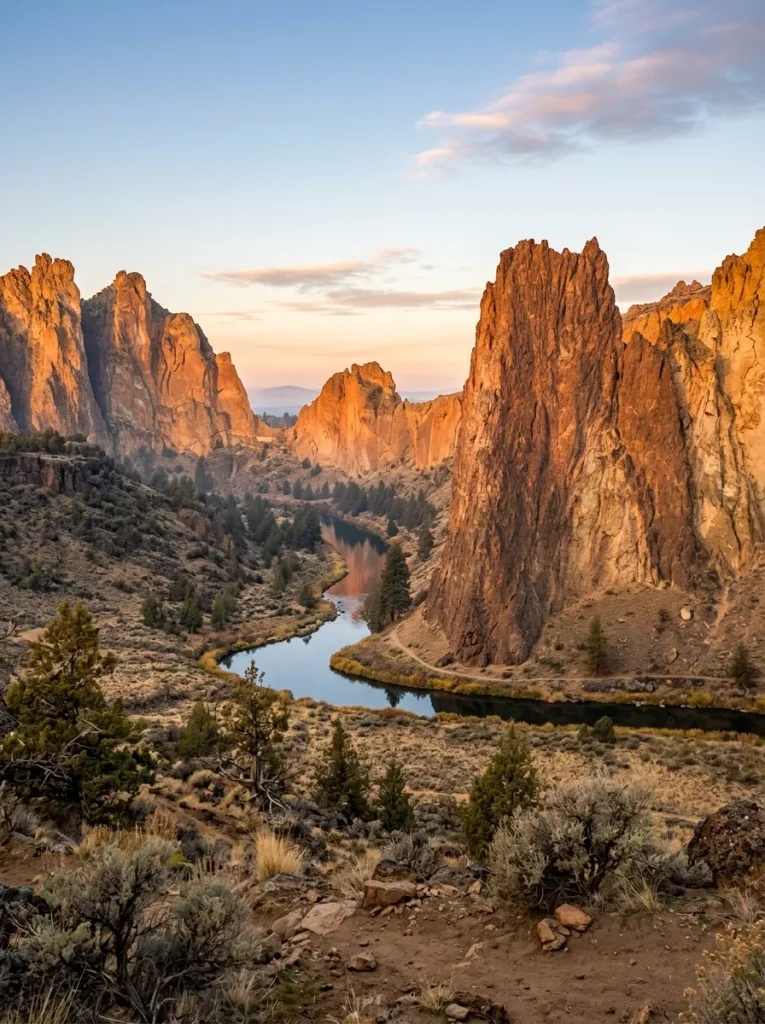
Bend offers a different side of Oregon. Instead of dense coastal forests and ocean cliffs, you will find open skies, volcanic landscapes, pine forests, and high-desert scenery.
Start downtown, where you can browse local shops, cafés, and restaurants. The Deschutes River area is a good place for a relaxed walk, especially if you want a slower morning after several days on the road.
For outdoor scenery, consider the Deschutes National Forest or viewpoints around the Newberry National Volcanic Monument, depending on the season and available access. Lava fields, volcanic formations, and forested trails reveal a fascinating part of Oregon’s geology.
Smith Rock State Park is another excellent option if you have enough time for the drive north of Bend. Its towering rock formations and winding river create a landscape that feels entirely different from the coast. Hiking conditions can be hot in summer, so bring plenty of water and avoid underestimating exposed trails.
Bend deserves more than a quick fuel stop. If outdoor recreation is a major part of your trip, consider staying an extra night and reducing the number of coastal stops later.
Where to stay: Bend.
Planning note: Some high-desert hikes have little shade. In warm weather, begin early and carry more water than you expect to need.
Day 5: Travel to Eugene
Today, head west toward Eugene, a city surrounded by the Willamette Valley’s greenery and the foothills of the Cascade Range.
The drive itself is part of the experience. Depending on your route, you may pass forested stretches, small communities, rivers, and changing mountain views. If you are considering a scenic mountain crossing, verify seasonal access before committing to it. Some routes are closed during winter and may not open until later in spring or summer.
Once in Eugene, spend the afternoon exploring downtown or the riverfront. The city has a relaxed atmosphere, a strong connection to outdoor recreation, and a lively food and arts scene.
If you enjoy gardens and easy walks, choose a local park or a trail near the river. If your arrival is later in the day, keep the plan simple and save more sightseeing for the following morning.
For more ideas, including neighborhood suggestions, places to stay, and a practical city itinerary, use this guide as a planning resource: Eugene Travel Guide 2026-27: Best Things to Do, Where to Stay and a Perfect 3-Day Itinerary.
Where to stay: Eugene.
Day 6: From Eugene to the Oregon Coast
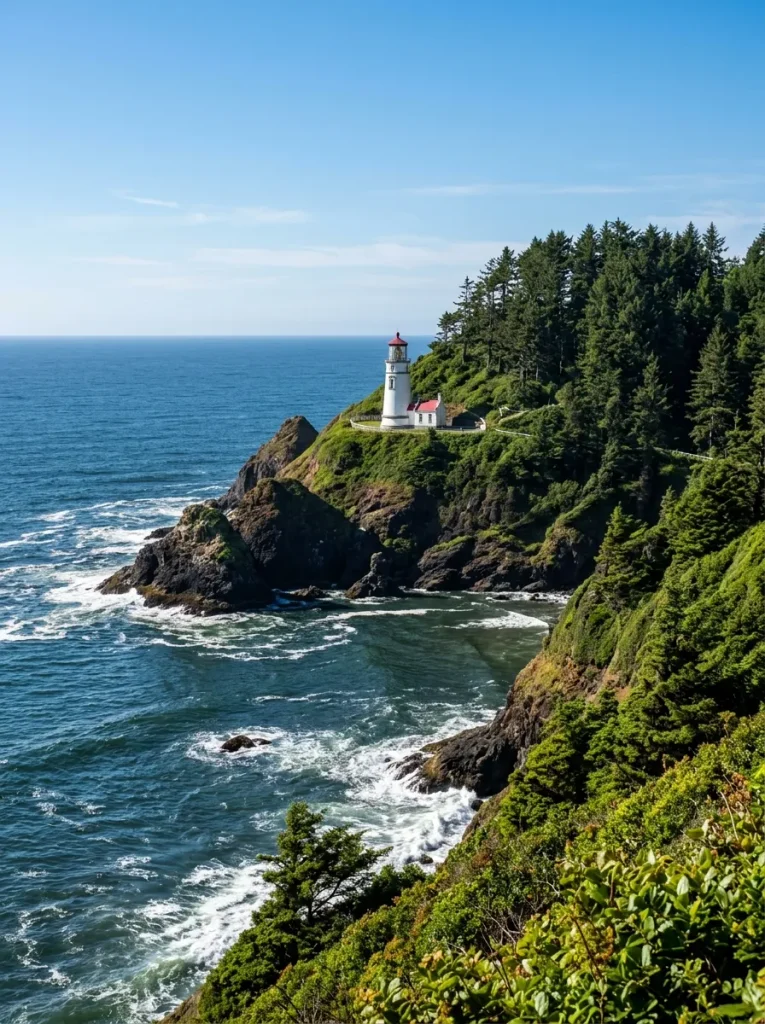
Leave Eugene and travel west toward the Pacific Ocean. The landscape gradually shifts from inland greenery to coastal forest, with cool air and ocean views waiting at the end of the drive.
Depending on your chosen route, you can approach the coast near Florence or continue toward the central coast. Florence is a charming base for exploring beaches, dunes, and nearby natural attractions.
Visit Old Town Florence for waterfront views, small shops, and a meal before exploring the surrounding coastline. If time allows, look into the Oregon Dunes National Recreation Area, where wind-shaped sand dunes stretch across a remarkable section of the coast.
The dunes can be explored in several ways, but choose activities that suit your comfort level and follow local restrictions. Some areas are designated for specific recreation uses, and access rules can differ by location.
If you prefer lighthouses and coastal viewpoints, plan a stop at Heceta Head Lighthouse when access and opening arrangements permit.
Where to stay: Florence or another coastal town that fits the next day’s route.
Road trip tip: Coastal distances can be deceptive. Highway 101 includes curves, slower traffic, and frequent places worth stopping, so allow more time than a basic navigation estimate suggests.
Day 7: Explore the Central Oregon Coast
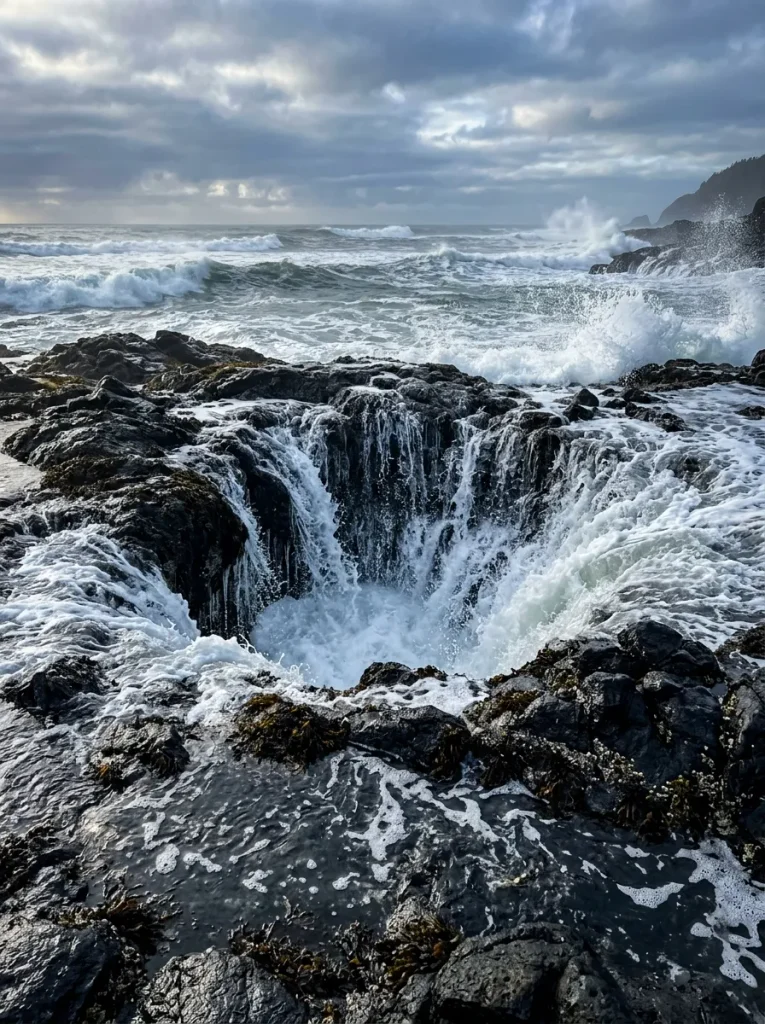
Set aside a full day for the central coast, where sandy beaches, rocky headlands, wildlife viewpoints, and small coastal towns sit along Highway 101.
Cape Perpetua Scenic Area is a highlight for dramatic ocean scenery. Its forested trails and elevated viewpoints provide different perspectives on the coastline. Thor’s Well and Devil’s Churn are well-known nearby features, but ocean conditions can be dangerous. Observe them from a safe distance, pay attention to warning signs, and never approach exposed rocks when waves are strong.
Continue toward Newport if you want a mix of coastal scenery and town attractions. The historic bayfront offers shops, seafood restaurants, and views of the working harbor. The Oregon Coast Aquarium is another option for visitors who want an indoor activity, particularly on a rainy day.
You could also visit Yachats, a small coastal community known for its scenic setting and access to nearby shoreline walks. It makes a pleasant alternative overnight stop if you want a quieter evening.
Where to stay: Newport or Yachats.
What makes this stretch special: You do not need a packed schedule. A short walk, a scenic viewpoint, and an unhurried meal can easily make a memorable coastal day.
Day 8: Drive to the Northern Oregon Coast
Today, continue north along Highway 101. This stretch offers a succession of beaches, headlands, coastal communities, and viewpoints, so resist the temptation to stop at every pullout.
Consider making Tillamook part of your route. The area is known for its dairy heritage, coastal farmland, and access to several scenic drives. If you enjoy food stops, the Tillamook Creamery is a popular place to learn about local cheese production and sample its products.
If you have time for a detour, explore the Three Capes Scenic Route. Cape Kiwanda near Pacific City has dramatic sandstone formations and expansive ocean views. Cape Lookout offers forested trails and coastal scenery, although trail conditions and access should be checked before your visit. Cape Meares is another worthwhile stop when its access roads and facilities are open.
You may not have enough time to explore every cape properly. Choose one or two based on your interests, then continue north toward Cannon Beach.
Where to stay: Cannon Beach, Seaside, or a nearby coastal town.
Day 9: Cannon Beach, Astoria, and the North Coast
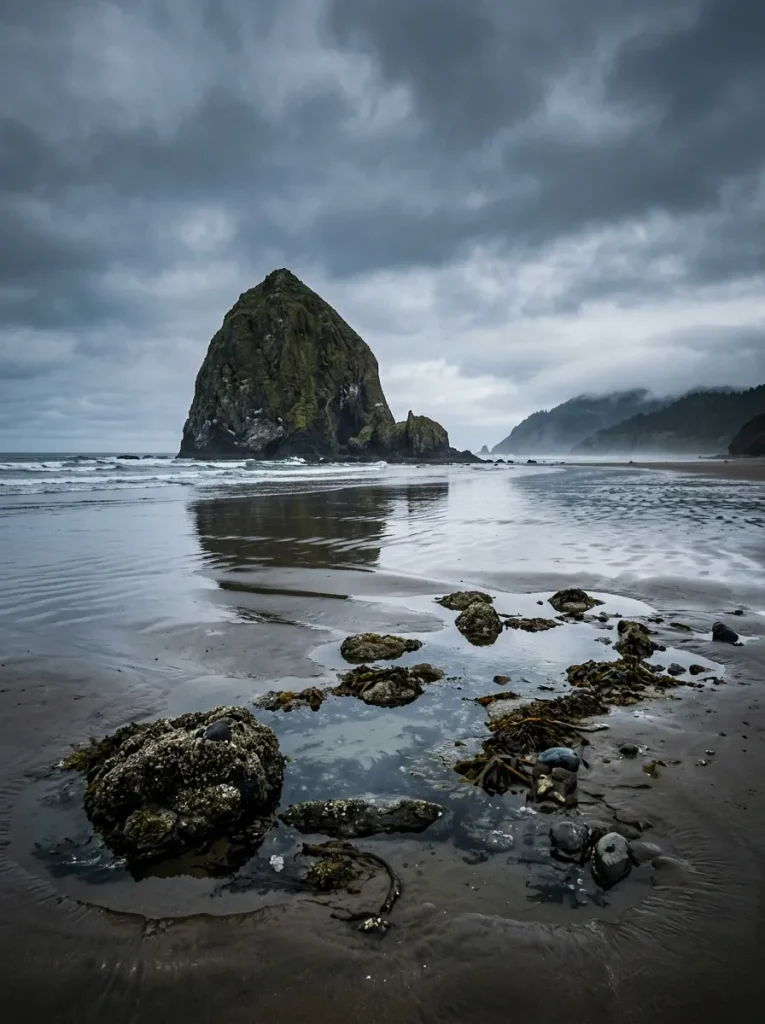
Cannon Beach is one of Oregon’s best-known coastal destinations, and it deserves a place on a first-time road trip.
The main attraction is Haystack Rock, a massive sea stack rising from the beach. Visit during a lower tide if you want to explore the surrounding tidal area, but keep your distance from wildlife and follow posted protection rules. Check tide times before planning your visit, and remember that the ocean can change quickly.
You can also explore the town’s galleries, small shops, cafés, and restaurants. Ecola State Park is another popular stop for coastal views and forested trails, although access and individual trail conditions can change. Check current park notices before setting out.
Continue north to Astoria, near the mouth of the Columbia River. This historic port town has a distinctive waterfront, old buildings, maritime attractions, and sweeping views from the Astoria Column when it is open.
If you are interested in film locations, Astoria is associated with The Goonies. Even if you are not a movie fan, the town’s riverfront and historic character make it worth exploring.
Where to stay: Astoria or Cannon Beach, depending on how much time you want to spend in each place.
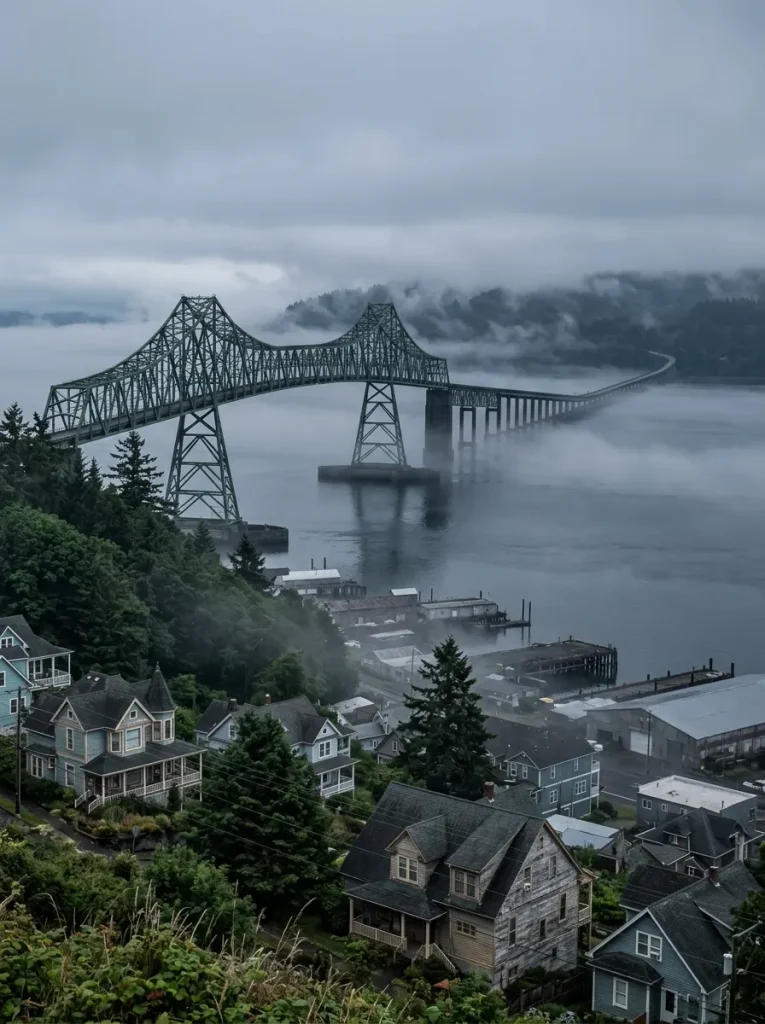
Tip: If your priority is hiking and quiet beaches, spend more time around Cannon Beach and Ecola State Park. If you prefer history, architecture, and museums, give Astoria the larger share of the day.
Day 10: Return to Portland
Finish your loop by driving back to Portland. Depending on your starting point on the northern coast, the return can be relatively straightforward, but allow extra time for traffic, fuel, meals, and any final scenic stops.
If you have a late flight, avoid scheduling a long hike or a major detour on departure day. Returning your rental car, finding parking, and getting through the airport can take longer than expected.
If you have another night available, stay in Portland and enjoy a relaxed final evening instead of squeezing in one last attraction.
Your Oregon road trip now includes city neighborhoods, waterfalls, mountain scenery, volcanic landscapes, an inland college town, coastal forests, beaches, and historic seaside communities. It is a broad introduction to the state, with plenty of reasons to return for a more focused trip.
Best Places to Add to Your Oregon Road Trip
The 10-day itinerary covers many of Oregon’s most recognizable destinations, but it is not the only way to experience the state. If you have extra time, or if one particular landscape appeals to you more than the others, consider adding one of these places.
Crater Lake National Park
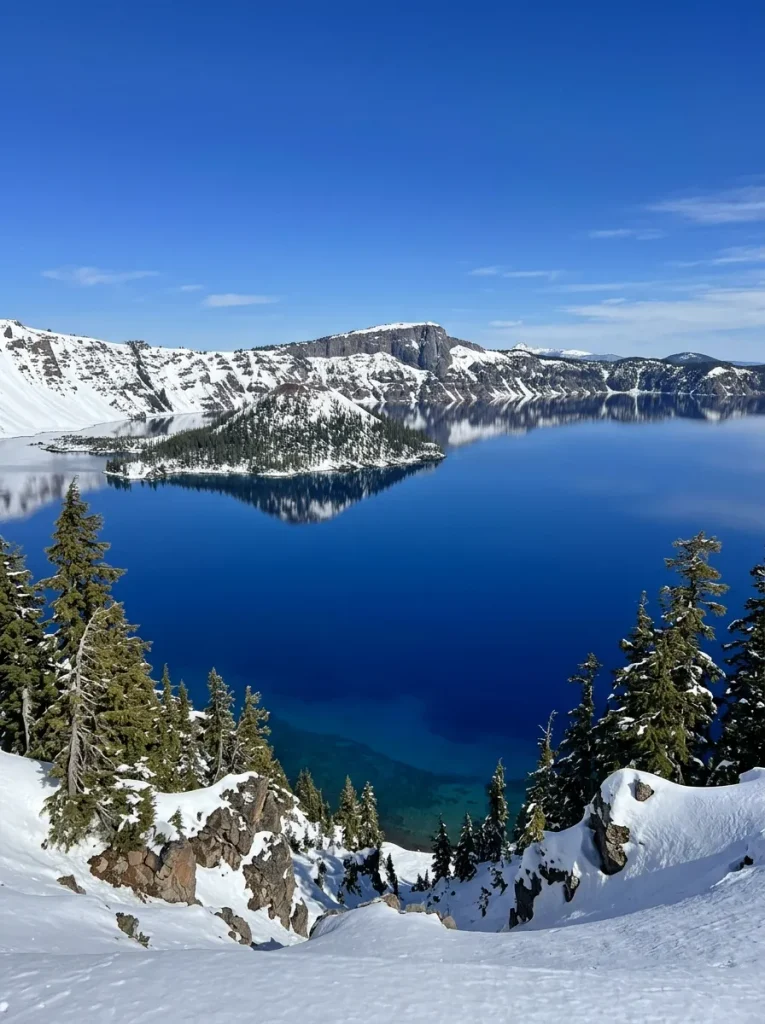
<text>Crater Lake is famous for its deep blue water, steep caldera walls, and dramatic volcanic setting. It is one of Oregon’s most distinctive natural attractions and an excellent addition for travelers who enjoy national parks.</text>
Allow at least one full day if you want time for viewpoints and short hikes. An overnight stay nearby can make the visit more relaxed, especially if you are traveling from Bend or the southern coast.
Access is seasonal. Snow can affect roads and facilities well beyond winter, and not every section of the park is open year-round. For the 2026-27 planning period, check the National Park Service’s current alerts before building your schedule around the lake. Do not assume that every rim road, trail, or lake-access route will be open.
Silver Falls State Park
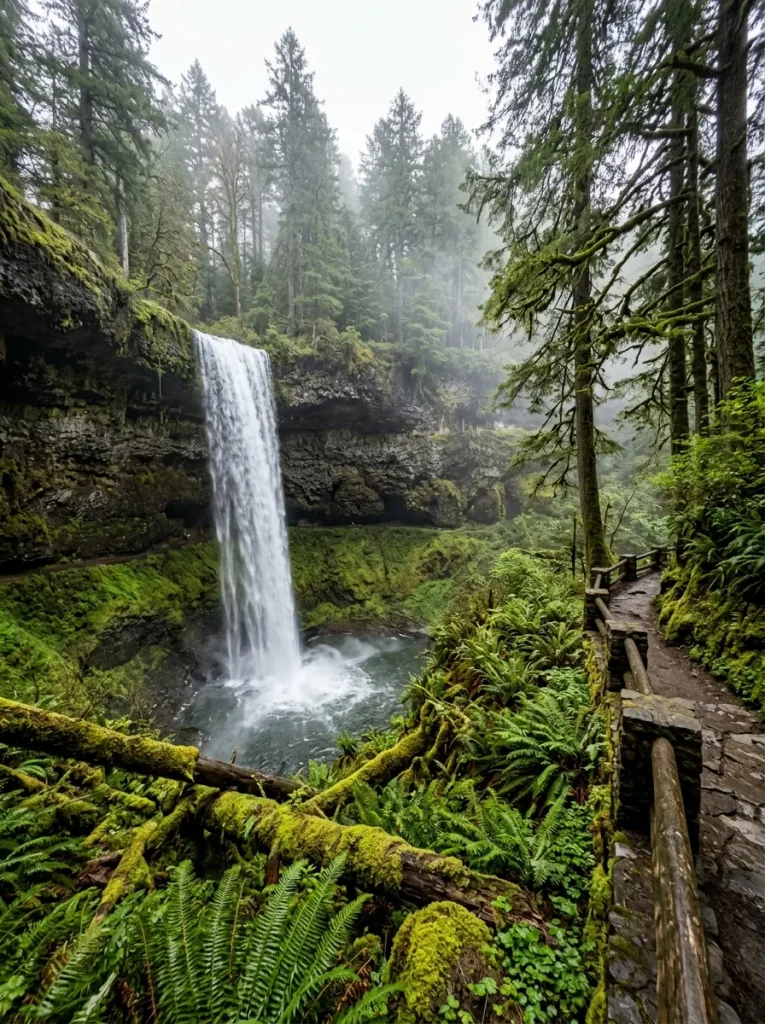
Silver Falls State Park is a strong choice for travelers who want forest scenery and waterfalls without adding a long coastal drive.
The park’s Trail of Ten Falls is its best-known hiking route, with a series of waterfalls along a forested trail. You can choose a shorter walk if you do not want to complete the full loop.
Allow enough time for the hike, and check trail conditions before leaving. Rain can make paths slippery, and temporary closures may affect access to particular sections.
Silver Falls can work well as a detour between the Portland area and other parts of the Willamette Valley, provided you have enough time in your itinerary.
Samuel H. Boardman State Scenic Corridor
Located along the southern Oregon coast, Samuel H. Boardman State Scenic Corridor features rugged headlands, sea arches, forested cliffs, and short trails leading to ocean viewpoints.
It is an excellent addition for photographers and travelers who want a wilder coastal experience. Natural Bridges and other viewpoints are popular stops, but do not approach cliff edges or climb onto unstable rocks for photographs.
This corridor is best added to a longer coastal trip. It sits far south of Cannon Beach and Astoria, so attempting to visit it as a quick detour on the same day as northern-coast attractions would involve a great deal of driving.
Painted Hills
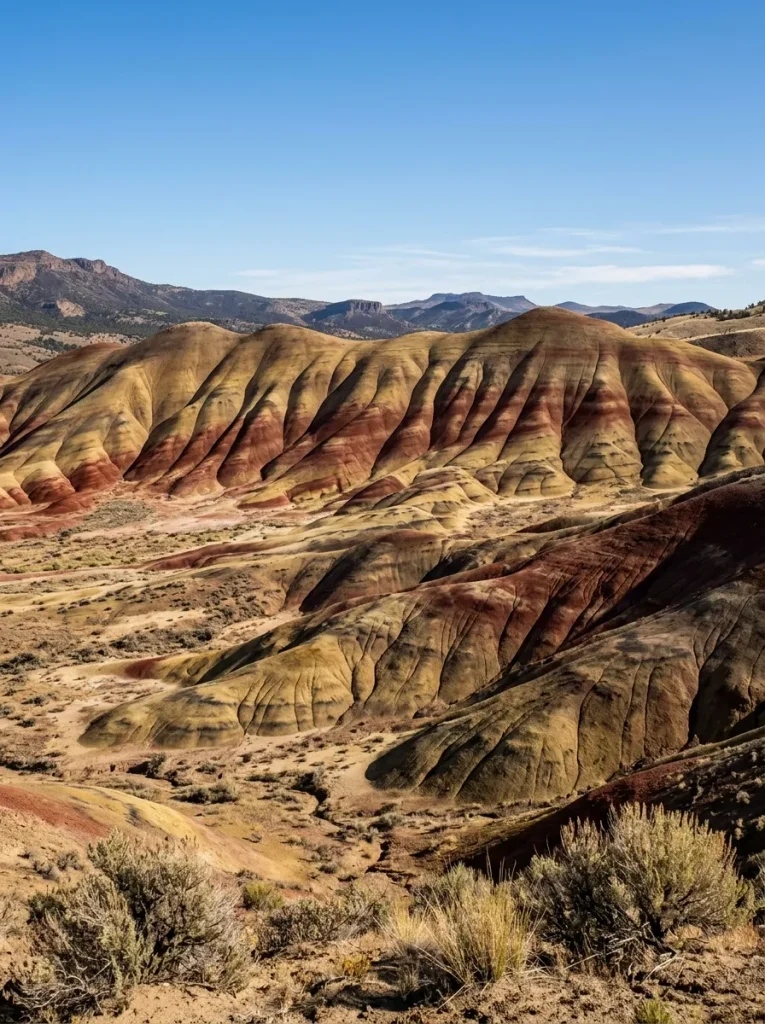
The Painted Hills, part of the John Day Fossil Beds National Monument, reveal colorful layers of geological history in eastern Oregon. Their red, gold, and dark mineral bands create a striking contrast with the surrounding high-desert landscape.
The hills are especially interesting for travelers who want to see a side of Oregon beyond forests and beaches. Short trails and viewpoints allow visitors to appreciate the landscape without a demanding hike.
Because the Painted Hills are well east of the main Portland-to-coast loop, plan them as part of a dedicated eastern Oregon extension. Bring water, sun protection, and enough fuel for the surrounding rural roads. Services are more limited than in major tourist towns.
Wallowa Lake and Joseph
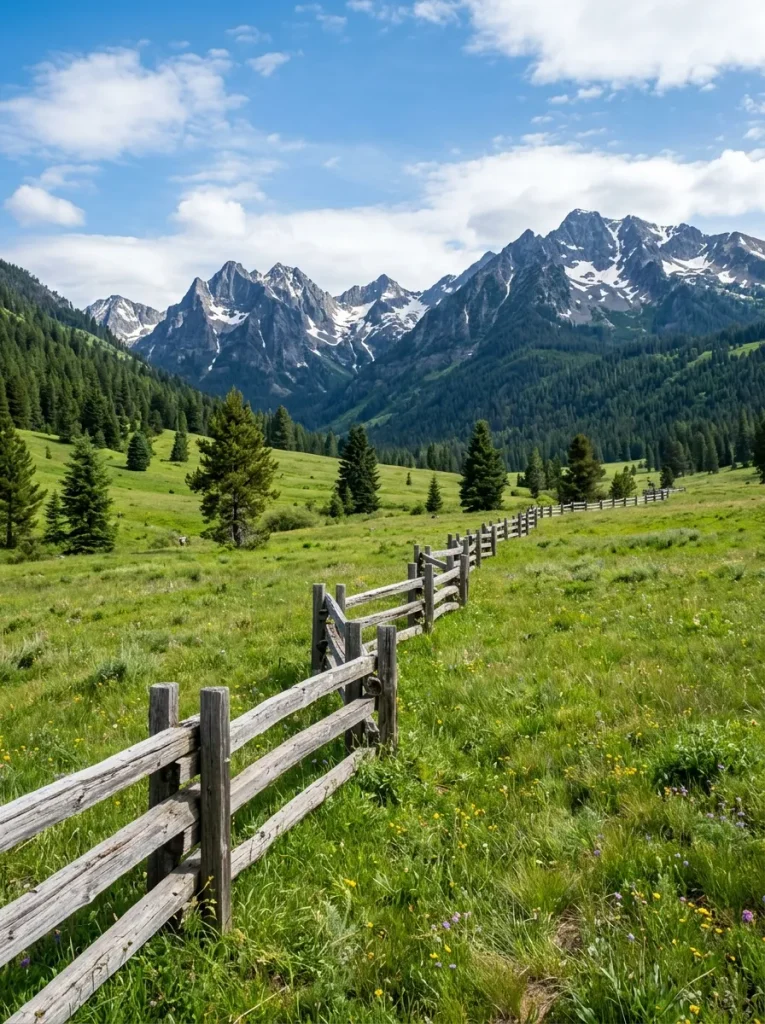
If you have two additional days, consider heading into northeastern Oregon. The Wallowa Mountains rise above the small town of Joseph, creating a dramatic alpine landscape that feels far removed from the coast.
Joseph is known for its public art, bronze galleries, and small-town atmosphere. Nearby Wallowa Lake offers opportunities for lakeside walks and seasonal recreation. The Wallowa Lake Tramway may also be an option when operating, depending on its schedule and conditions.
This region is best suited to travelers who enjoy mountain scenery, small towns, and a slower pace. It requires a significant detour from the main loop, so it is better treated as a separate extension than a stop to squeeze into an already full day.
A Shorter 7-Day Oregon Road Trip
If you have only one week, you can still experience several of Oregon’s best-known landscapes. The key is to choose fewer regions rather than trying to race through the entire state.
| Day | Destination | Main experiences | Overnight |
| 1 | Portland | Neighborhoods, gardens, food, and city walks | Portland |
| 2 | Columbia River Gorge | Waterfalls, viewpoints, and the Columbia River | Hood River |
| 3 | Mount Hood and Bend | Mountain scenery, lakes, and high-desert landscapes | Bend |
| 4 | Bend | Smith Rock or local outdoor attractions | Bend |
| 5 | Eugene to the coast | Inland scenery and the drive to the Pacific | Florence or Newport |
| 6 | Central and northern coast | Coastal viewpoints, beaches, and a selected town | Cannon Beach or nearby |
| 7 | Return to Portland | One final stop if time allows, then departure | Departure |
This itinerary still involves substantial driving, particularly when crossing from Central Oregon to the coast and returning to Portland. If you prefer shorter days, spend the full week in Portland, the Columbia River Gorge, and the northern coast instead.
Another option is to focus exclusively on the Oregon Coast. Highway 101 runs for roughly 363 miles between Astoria and Brookings, and five to seven days can provide a rewarding coastal trip without adding the Cascades or Bend.
Where to Stay During an Oregon Road Trip
Choosing convenient overnight bases makes a significant difference to the pace of your trip. Rather than changing hotels every night, stay for two nights in places where you want time to explore.
Portland
Stay in Portland at the beginning or end of your journey. Downtown is convenient for sightseeing, while other neighborhoods may suit travelers who prefer local cafés, shops, and restaurants.
If you have a rental car, compare accommodation parking fees before booking. A hotel with a higher nightly rate but included parking may offer better value than a cheaper room with expensive parking charges.
Hood River
Hood River is a practical base for the Columbia River Gorge and Mount Hood region. It has restaurants, lodging, and access to scenic drives without requiring you to return to Portland each evening.
Bend
Bend works well for travelers interested in hiking, volcanic landscapes, mountain biking, river activities, and the high desert. Two nights allow you to explore the town and nearby outdoor areas without rushing.
Eugene
Eugene is a useful overnight stop between Central Oregon and the coast, particularly if you want to explore the city or break up a longer drive.
Florence, Newport, and Cannon Beach
Choose your coastal bases according to the section of Highway 101 you want to explore. Florence works well for the dunes and southern central coast. Newport is useful for aquarium visits, the bayfront, and nearby headlands. Cannon Beach provides easy access to the northern coast’s beaches and viewpoints.
During summer, holiday weekends, and popular local events, reserve rooms early. If your travel dates are flexible, compare prices in September and during quieter shoulder-season periods.
How Much Does an Oregon Road Trip Cost?
Your total budget depends on the length of the trip, the type of accommodation you choose, fuel prices, vehicle rental costs, and how many paid attractions you visit.
Use the following categories to estimate your expenses before departure.
| Expense | What to include |
| Rental car | Daily rental rate, taxes, insurance, and any additional driver fees |
| Fuel | Total mileage, the vehicle’s fuel economy, and current fuel prices |
| Accommodation | Nightly rates, parking fees, and taxes |
| Food | Groceries, cafés, restaurants, snacks, and drinks |
| Attractions | Museum admission, tours, seasonal activities, and recreation fees |
| Parks and parking | Applicable entrance fees, day-use charges, and parking |
| Emergency buffer | Unexpected lodging, weather-related changes, or vehicle expenses |
For a practical estimate, price your accommodation first, then calculate your rental car and fuel costs. Those expenses can make up a large share of the budget, especially during peak summer travel.
You can save money by staying in one place for several nights, packing picnic lunches, visiting free viewpoints, and traveling outside the busiest holiday periods. Many beaches and scenic areas can be enjoyed without purchasing a ticket, although some parks and parking areas charge fees.
Do not assume that every attraction is free or that every national park visit is covered by the same pass. Check the current fee rules for each location you plan to visit.
Essential Tips for Driving Around Oregon
A little preparation makes the journey smoother, especially when your route moves between cities, mountains, rural roads, and the coast.
Check Road Conditions Every Day
Oregon’s weather and terrain can change quickly. Before leaving each morning, check current road conditions, construction notices, and closures for your planned route.
The Oregon Department of Transportation’s TripCheck service is particularly useful for checking highways and mountain passes. For national parks and state parks, check the relevant official website for alerts and access restrictions.
A road that is normally open may be affected by snow, landslides, construction, or storm damage. Build flexibility into your schedule rather than assuming a route will be available.
Download Offline Maps
Cell service can become unreliable in forested areas, mountain passes, remote stretches of the coast, and parts of eastern Oregon.
Download maps before leaving towns with reliable internet access. Keep a charging cable or power bank in the car, and make sure your navigation app has saved the relevant areas.
A paper map can also be useful as a backup, particularly if you are venturing into remote regions.
Fill Up Before Remote Stretches
Fuel stations are easy to find in major towns, but services become less frequent in some rural areas. Do not wait until your tank is nearly empty before heading into remote parts of eastern or southern Oregon.
Refuel in larger towns when convenient, especially before long drives through areas where the next station may be some distance away.
Pack for Different Weather
Oregon’s coastal and inland climates can feel very different on the same day. Pack layers that you can add or remove as temperatures change.
Useful items include:
- A waterproof jacket and a warm layer.
- Comfortable walking shoes with good traction.
- Reusable water bottles.
- Sun protection for exposed trails and high-desert stops.
- A small first-aid kit and any personal medications.
- A car phone charger and offline maps.
- Snacks for long driving stretches.
- A flashlight and basic roadside emergency supplies.
For winter travel, add suitable cold-weather clothing and check whether your route requires traction devices or other winter driving equipment.
Respect the Ocean
Oregon’s beaches are beautiful, but the Pacific is not always predictable. Sneaker waves can surge farther up the beach than expected, and logs can move dangerously in the surf.
Stay well back from breaking waves, never turn your back on the ocean, and do not stand on driftwood logs near the waterline. Keep children close, obey warning signs, and avoid exposed rocks when conditions are rough.
Check tides before visiting tide pools, sea caves, or rocky coastal features. If a viewpoint feels unsafe, enjoy the scenery from a safer location.
Do Not Overload Your Daily Schedule
A road trip is more enjoyable when you have time to stop unexpectedly. Oregon’s scenery often invites a longer walk, a scenic picnic, or an extra hour in a small town.
Limit each day to a few priority attractions and treat the rest as optional. If you discover that you love Bend, the coast, or the Columbia River Gorge, consider extending your stay instead of rushing onward just to follow a checklist.
Seasonal Bonus: Visit Halloweentown in Oregon
If your Oregon road trip takes place in late September or October, consider adding St. Helens to your plans. The town is associated with the film Halloweentown and often attracts visitors interested in seasonal Halloween celebrations.
The event experience can vary each year, so confirm the current dates, activities, parking arrangements, and any ticket requirements before visiting. Popular weekends can be busy, and accommodation may be more expensive during major events.
St. Helens is a useful addition for travelers exploring the Portland area and northern Oregon. Depending on your route, it can fit before or after your coastal journey without requiring a trip across the entire state.
For more ideas about visiting this seasonal destination, see Halloweentown in Oregon: The Ultimate Guide to Visiting St. Helens.
If you are building a trip around autumn events, you may also enjoy The Best Small American Towns to Visit This Halloween for inspiration beyond Oregon.
Frequently Asked Questions About an Oregon Road Trip
How many days do you need for an Oregon road trip?
Ten days is a useful starting point for combining Portland, the Columbia River Gorge, Mount Hood, Bend, Eugene, and several coastal destinations. Seven days can work if you focus on the main highlights, while 12 to 14 days gives you more time for hiking, additional coastal towns, and places farther from the main route.
What is the best month for an Oregon road trip?
June through September generally offers good opportunities for a broad road trip, although weather and access vary by region. September can be especially appealing for coastal travel because summer crowds begin to ease. If your trip includes mountain roads, always check seasonal openings before finalizing your itinerary.
Is Oregon good for a road trip in winter?
Yes, but the route needs more careful planning. The coast, Portland, and some lower-elevation attractions can be rewarding in winter, while snow and ice may affect mountain roads and remote areas. Shorter daylight hours and changing conditions mean you should allow more time and keep backup plans available.
Is a four-wheel-drive vehicle necessary?
A regular car is suitable for most major highways and popular tourist destinations during favorable weather. Four-wheel drive is not a substitute for appropriate tires or safe winter driving. If your itinerary includes snow-covered roads, remote areas, or unpaved routes, check the conditions and vehicle requirements before setting out.
Can you drive the entire Oregon Coast in one day?
You can drive the main coastal highway between Astoria and Brookings in a long day under favorable conditions, but that would leave little time for sightseeing. For a more rewarding experience, allow five to seven days for the full coast or select a shorter section if you have only a weekend.
What is the most scenic drive in Oregon?
There is no single answer because the scenery varies so much. The Columbia River Gorge offers waterfalls and dramatic cliffs, the Mount Hood area features mountain views and forest roads, and Highway 101 follows the Pacific coastline. Travelers who enjoy high-desert scenery may prefer the routes around Bend or eastern Oregon.
Is Oregon expensive to visit?
It can be, particularly during summer when coastal lodging and popular outdoor destinations attract many visitors. Costs depend on accommodation, rental car rates, fuel, meals, and paid activities. Traveling during quieter periods, booking early, and staying several nights in one base can help manage the budget.
Is the Oregon Coast worth visiting in winter?
Yes. Winter brings powerful surf, storm-watching opportunities, atmospheric beaches, and a quieter experience in many coastal towns. The trade-off is wetter weather, shorter days, and possible road or trail closures. Dress for rain, check local conditions, and observe the ocean from safe viewpoints.
Can you include Crater Lake in this road trip?
Absolutely. Crater Lake is a worthwhile addition, especially for travelers interested in national parks and volcanic landscapes. However, it requires a detour from the main Portland-to-coast loop. Allow additional time and verify the park’s current road, trail, and facility status before your visit.
Final Thoughts: Make Your Oregon Road Trip Your Own
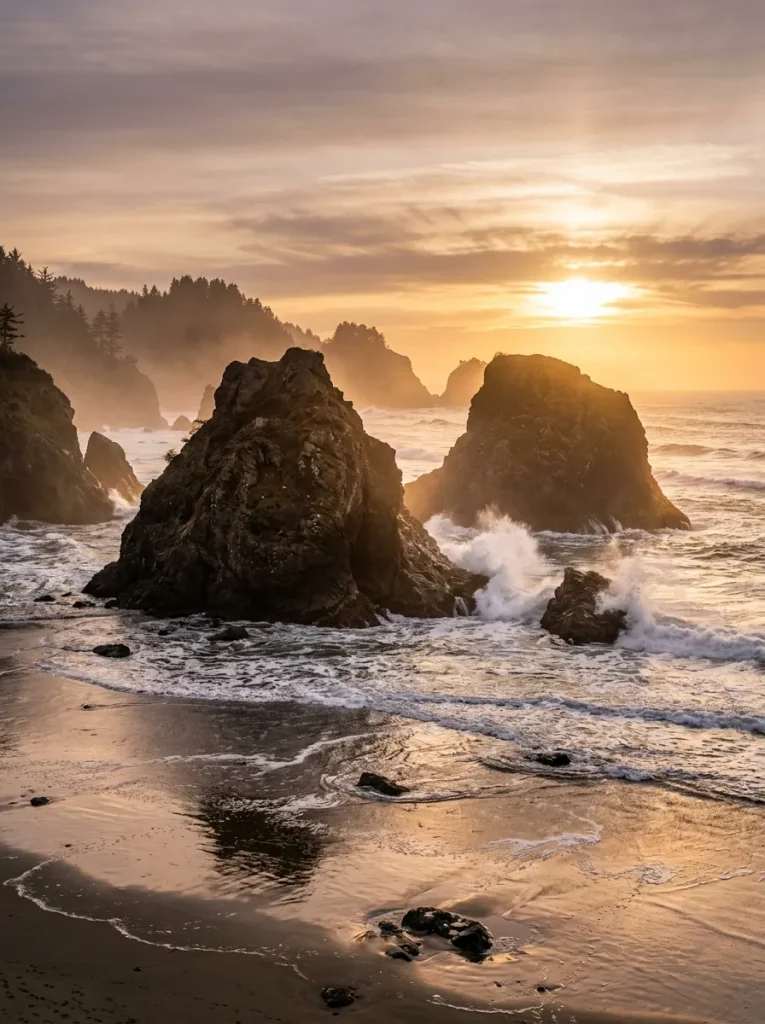
The ultimate Oregon road trip is not about collecting the largest number of destinations. It is about experiencing how dramatically the landscape changes as you travel through the state.
You can begin with city cafés and gardens in Portland, spend the next day watching waterfalls in the Columbia River Gorge, explore the volcanic scenery around Bend, and finish with the sound of waves rolling onto an Oregon beach. Every region brings a different atmosphere, and the journey between them is part of the reward.
For a first visit, the 10-day loop offers a satisfying mix of famous sights and relaxed exploration. With an extra few days, add Crater Lake, the southern coast, or the mountains of northeastern Oregon. If your time is limited, choose one or two regions and explore them properly.
For the 2026-27 travel season, the most important planning step is to check current road conditions, seasonal access, and accommodation availability before departure. Keep your schedule flexible, pack for changing weather, and leave space for the unexpected stops that often become the best memories.
Oregon rewards travelers who slow down. Take the scenic road, stay a little longer when a place captures your attention, and let the journey be as memorable as the destinations themselves.