Things to Do in Phoenix, Arizona: The Complete 2026–27 Travel Guide
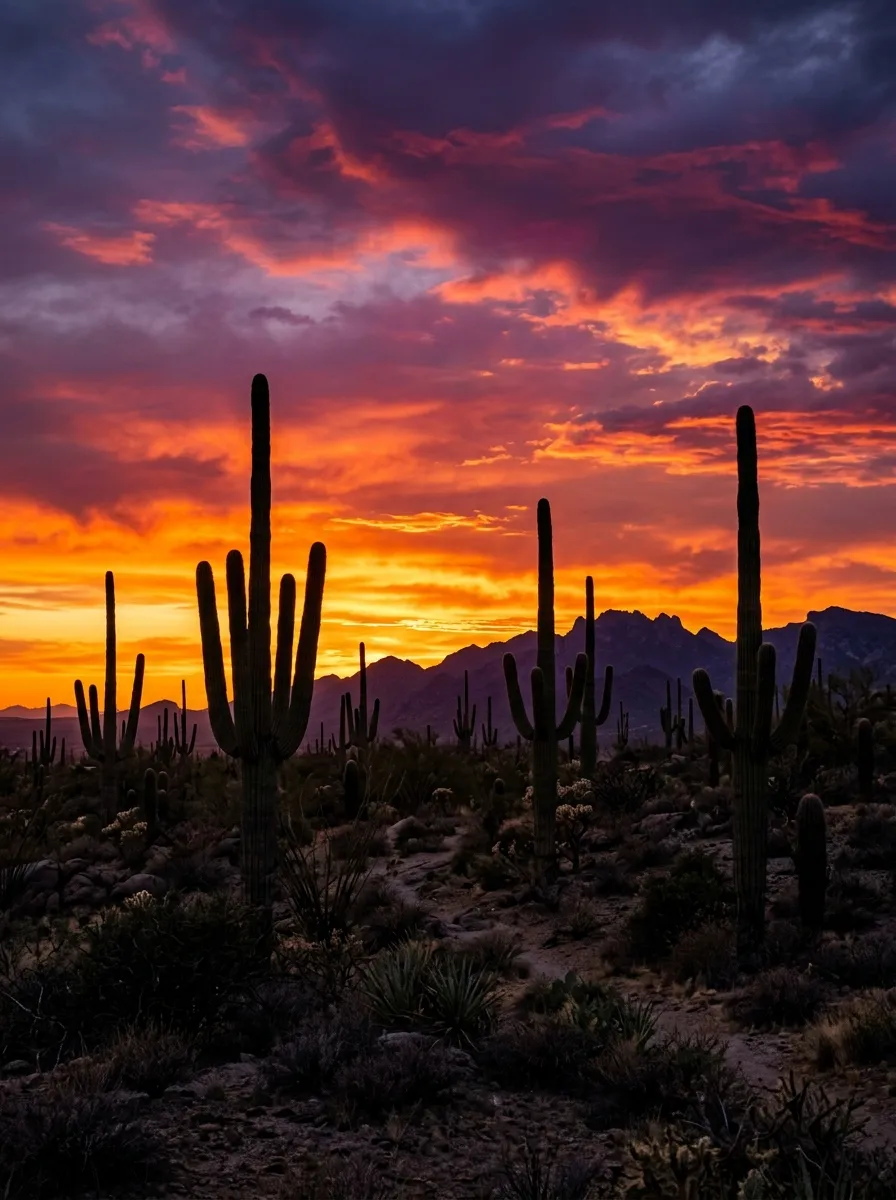
Phoenix has a reputation problem. Say the name and most people picture a flat grid of freeways baking under a 115°F sun, a place you fly into on the way to the Grand Canyon and fly out of as fast as possible. Spend three days here and that picture falls apart. Phoenix is a city ringed by mountains you can climb before breakfast, home to one of the best botanical gardens in the country, a genuinely world-class instrument museum, a Frank Lloyd Wright estate you can tour, and a resort culture that turns “it’s hot outside” into “there’s a lazy river with your name on it.” It’s also enormous — the Phoenix metro area, often called the Valley of the Sun, sprawls across Scottsdale, Tempe, Mesa and a dozen smaller cities, so knowing where to focus your time matters more here than in almost any other American destination.
This guide is built for travelers figuring out things to do in Phoenix Arizona right now, not five years ago. Attraction prices change, trail closures pop up without warning, and the city’s two biggest annual draws — the WM Phoenix Open and Cactus League spring training — happen on a tight winter-into-spring calendar that’s easy to miss if you don’t plan around it. We’ll cover the hikes, the museums, the neighborhoods, the day trips to Sedona and the Grand Canyon, and the unglamorous practical stuff: when the heat becomes genuinely dangerous, how to get around without a rental car, and which season actually delivers the Phoenix everyone raves about.
One thing to settle upfront: Phoenix is a year-round destination, but not in the way a beach town is. Winter and spring here are about as close to weather perfection as the U.S. gets — sunny, dry, 70s and low 80s. Summer is a completely different city, one built around pools, air conditioning and early-morning outdoor windows before 8 a.m. Neither season is wrong, but they require different trip plans, and this guide will tell you which is which.
Recommended Travel Items for Your Trip
AT A GLANCE: PHOENIX, ARIZONA
- Best overall time to visit: October through April
- Best season for hiking: November through March
- Best city base: Downtown Phoenix or Old Town Scottsdale
- Best for families: Tempe or North Phoenix, near the Phoenix Zoo and OdySea Aquarium
- Best for budget travelers: Downtown Phoenix, using the free DASH shuttle and light rail
- Ideal trip length: 3–5 days for the city; 7+ days with Sedona and the Grand Canyon
- Main airport: Phoenix Sky Harbor International Airport (PHX), 3 miles from downtown
- Signature hike: Camelback Mountain (Echo Canyon Trail)
- Biggest annual event: WM Phoenix Open, February 8–14, 2027, at TPC Scottsdale
Phoenix at a Glance: Where to Focus Your Time
Before diving into the full list of things to do in Phoenix, it helps to see how the major areas stack up against each other, since “Phoenix” really means a metro area of more than 20 cities stitched together by freeways.
| Area | Best For | Best Upcoming Time | Suggested Stay | Main Consideration |
| Downtown Phoenix | Museums, sports, walkable core | Oct–Apr | 2–3 nights | Quiet after dark outside event nights |
| Old Town Scottsdale | Nightlife, golf, resorts, shopping | Nov–Apr | 2–4 nights | Pricier hotels, especially during the WM Phoenix Open |
| Arcadia | Boutique hotels, Camelback Mountain access | Nov–Mar | 2 nights | Fewer budget hotel options |
| Tempe | Families, Arizona State University energy, Salt River | Sep–May | 2 nights | Can feel like a college town on weekends |
| North Phoenix / Desert Ridge | Desert hikes, family resorts | Oct–Apr | 2–3 nights | Farther from downtown attractions |
When to Visit Phoenix: Weather, Seasons and Crowds
Phoenix runs on a different seasonal calendar than most of the country, and getting this wrong is the single most common trip-planning mistake. Since we’re picking this up from late summer 2026, here’s how the rest of this year and 2027 line up.
Late 2026: What’s Left on the Calendar
The remaining months of 2026 — September through December — are genuinely good options, especially the back half. September is still deep summer here, with highs commonly in the low 100s and monsoon storms still a possibility through the month. October is the turning point: afternoons cool into the 80s, evenings become genuinely pleasant, and outdoor patios across the city start filling up again. November and December bring the classic desert winter — sunny, dry, daytime highs in the 60s and 70s, with occasional chilly mornings in the 40s. Holiday lighting events and the start of Cactus League ticket sales also land in this window.
2027: Peak Season and Beyond
January through April 2027 is Phoenix at its absolute best and, not coincidentally, its most expensive and crowded. This is peak season: the WM Phoenix Open runs February 8–14, 2027, at TPC Scottsdale, drawing hundreds of thousands of spectators to the Valley and pushing Scottsdale hotel rates sharply higher for that week. The Cactus League’s 2027 spring training schedule hadn’t been officially released as of this writing, but based on the league’s consistent pattern, expect games to begin around February 19–21 and run through late March, with all 15 participating MLB teams playing across ten stadiums in the Phoenix area. Snowbirds — retirees escaping northern winters — also flood into the Valley from January through March, which means resort pools, golf courses and popular trailheads like Camelback Mountain get busy by mid-morning.
May 2027 is an underrated shoulder-season pick: still warm and sunny, hiking trails are quieter, and hotel prices start dropping before the true summer heat sets in. If you’re chasing outdoor time without peak-season crowds, early May is worth a look.
Summer in Phoenix: The Season Nobody Warns You About Enough
June through September is a legitimately different trip. Daytime highs regularly exceed 105°F, and Phoenix has recorded stretches above 115°F in recent summers. This isn’t a season to skip entirely — flights and hotels drop dramatically, resort pool scenes are in full swing, and the city’s excellent indoor attractions (the Musical Instrument Museum, Arizona Science Center, Heard Museum) are perfect for the hottest hours. But outdoor hiking has to happen at sunrise, and afternoon plans should assume you’re indoors or in water.
WEATHER WARNING
Phoenix heat is not the “uncomfortable but manageable” heat many visitors expect. Heat-related illness sends people to Valley emergency rooms every summer, and hikers have died on trails like Camelback Mountain and Piestewa Peak after underestimating conditions. From May through September, plan strenuous outdoor activity before 8 a.m., carry more water than feels necessary, and check trail flag warnings before setting out. The City of Phoenix’s Trail Heat Safety Program posts real-time conditions and closures at its Parks and Recreation trail pages.
Monsoon Season
Late June through September brings Arizona’s monsoon season — short, intense afternoon and evening thunderstorms that can produce dramatic dust storms (locally called haboobs), flash flooding in normally dry washes, and spectacular lightning displays over the mountains. Storms are usually brief, but they can ground flights at Sky Harbor and make desert washes dangerous to cross. If you’re visiting in monsoon season, build a little flexibility into afternoon plans.
Phoenix Neighborhoods and Areas to Know
Downtown Phoenix
Downtown is the city’s civic and cultural core, home to Chase Field, the Footprint Center, the Phoenix Convention Center, the Phoenix Art Museum and Roosevelt Row’s gallery-and-mural scene. It’s the most walkable base if you’re not renting a car, connected to the rest of the Valley by the Valley Metro light rail. Downtown is lively on game nights and during First Fridays art walks, quieter otherwise.
Old Town Scottsdale
Roughly 20 minutes northeast of downtown, Old Town Scottsdale mixes Western-heritage storefronts with high-end resorts, golf courses, art galleries and a nightlife scene that draws bachelorette parties and golf trips alike. This is also the area nearest TPC Scottsdale, so expect premium pricing here during WM Phoenix Open week.
Arcadia
A leafy, low-key residential pocket between Phoenix and Scottsdale, Arcadia has become a boutique-hotel and restaurant hotspot in recent years, and it sits closest to Camelback Mountain’s trailheads — a genuine advantage if hiking is a priority.
Tempe
Home to Arizona State University, Tempe has a younger, more casual energy, plus direct access to Tempe Town Lake and the Salt River tubing and kayaking put-ins. It’s a smart family base thanks to its central location and lower average hotel rates than Scottsdale.
North Phoenix and Desert Ridge
Farther from the urban core but close to desert preserve trailheads and large family resorts, this area suits travelers prioritizing pool time and hiking access over walkability.
Camelback Mountain: Phoenix’s Signature Hike
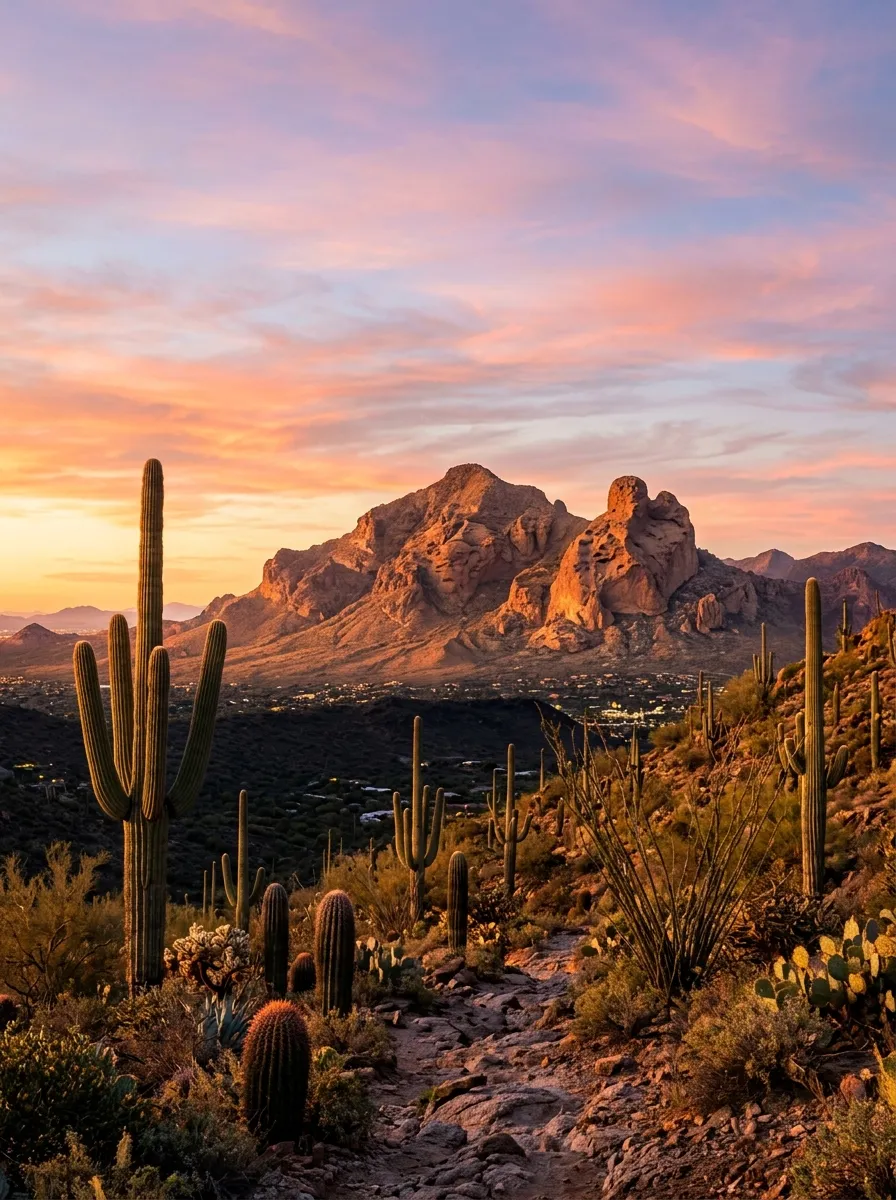
No list of things to do in Phoenix is complete without Camelback Mountain, the reddish sandstone peak that dominates the city’s skyline and is named for its resemblance to a resting camel. Two main trails reach the 2,704-foot summit — Echo Canyon and Cholla — and both are officially rated Extremely Difficult by the City of Phoenix, with steep elevation gains, scrambling sections and no shade.
Echo Canyon Trail is the more popular and more direct route, gaining roughly 1,200 feet over just 1.2 miles. Parking at both trailheads is extremely limited and fills before 7 a.m. on winter weekends; the city tows and tickets vehicles parked illegally along nearby roadways. Dogs are prohibited on all Camelback Mountain trails year-round.
BOOKING TIP
Cholla Trail is closed for a City of Phoenix construction project from August 17–28, 2026. During that window, Echo Canyon Trailhead (4925 E McDonald Dr.) is the only official access point to the summit — check the city’s trail page before you go if your visit falls in that stretch.
Best time to hike: sunrise, year-round, but especially non-negotiable from May through September. Budget 2–3 hours round trip and closed-toe shoes with real grip — this is not a casual stroll.
Desert Botanical Garden
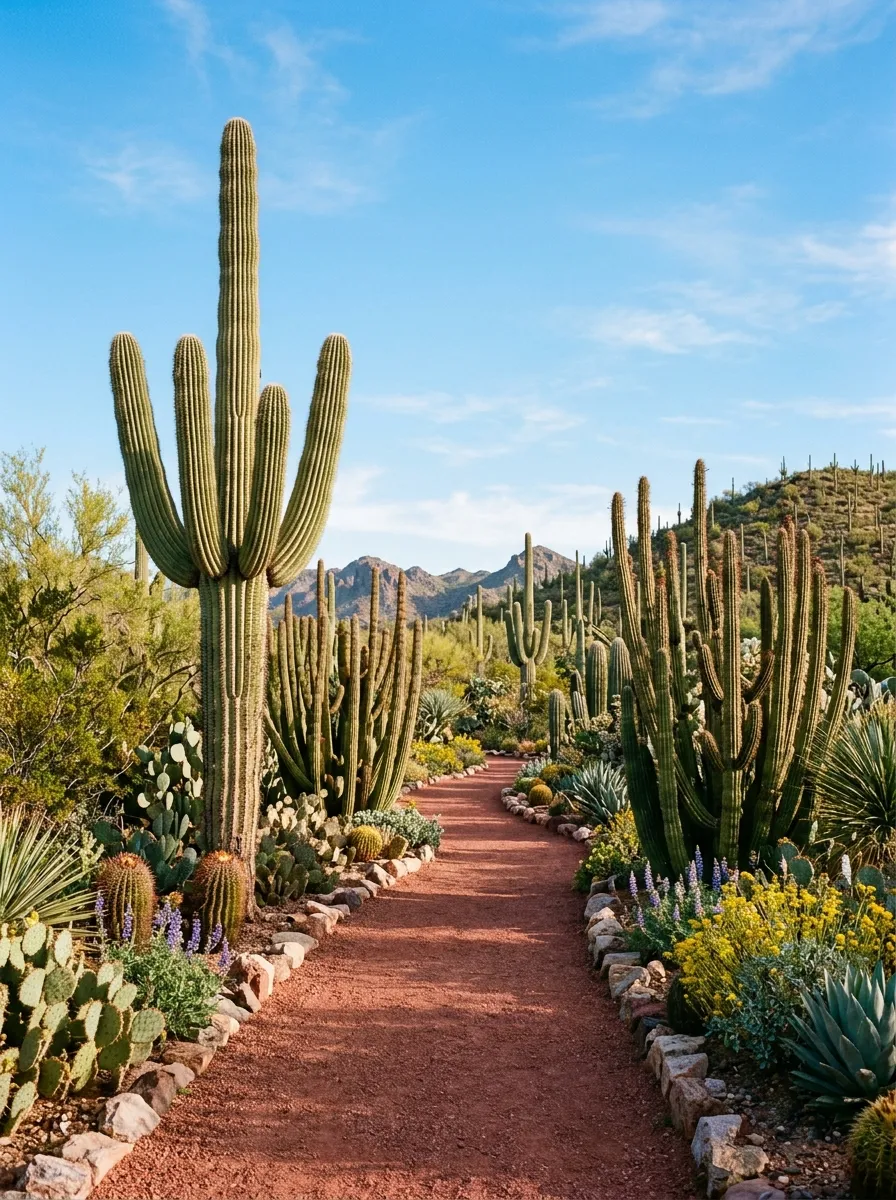
Set inside Papago Park, the Desert Botanical Garden is Phoenix’s most-visited paid attraction and worth the hype. Spread across roughly 140 acres, it holds thousands of desert plants organized into themed trails, including one of the world’s largest cactus collections. Pricing is seasonal: admission runs around $16.95 in the deep summer months (June through Labor Day), rising to roughly $30 for the shoulder season and up to about $40 during the peak October-to-May season, based on the garden’s own published rate structure — always confirm current pricing on the garden’s website before visiting, since rates shift by date range. The second Tuesday of each month is discounted admission.
Go at opening (typically 8 a.m.) to beat both the heat and the crowds, or flip it entirely and visit during one of the evening lighting events, when temperatures drop and the garden takes on a completely different character. Budget two to four hours. Parking is free.
Musical Instrument Museum (MIM)
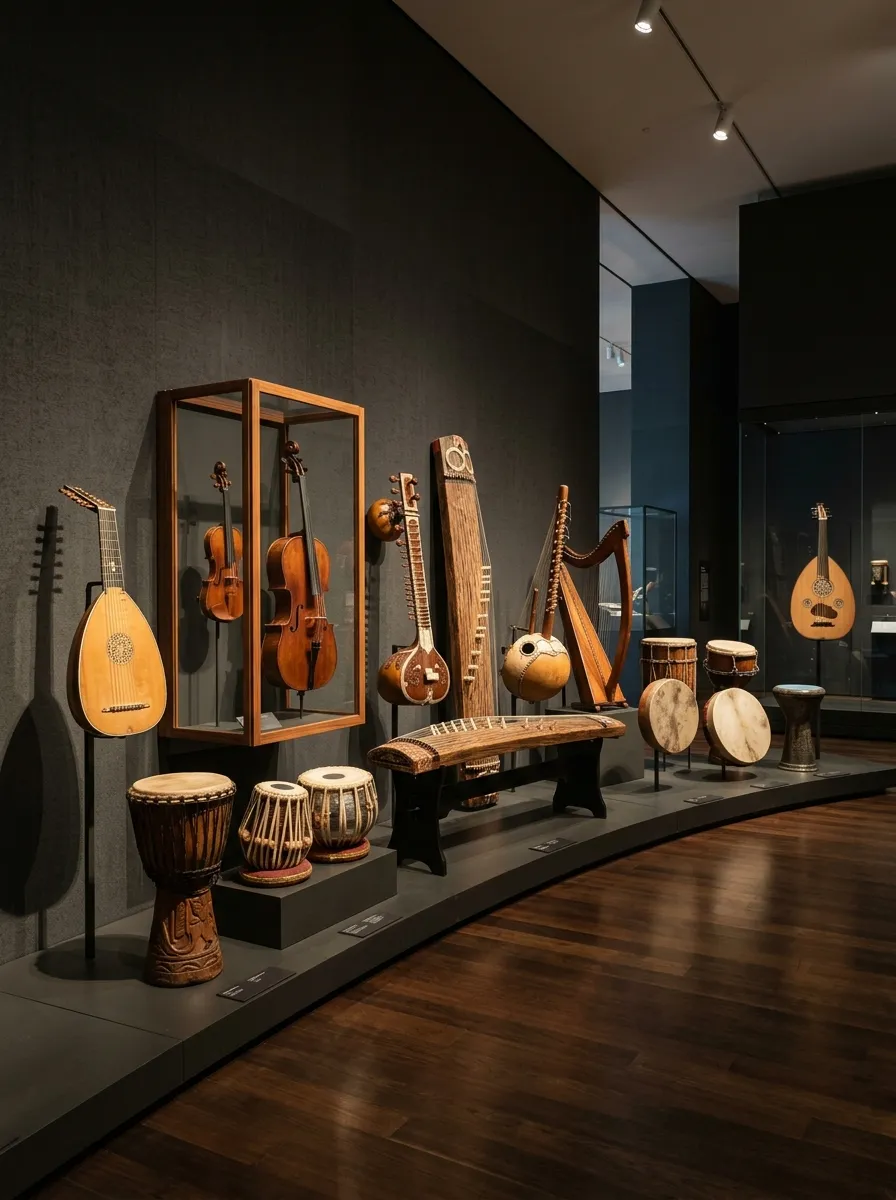
This is the attraction that surprises first-time visitors the most. MIM is the world’s only global musical instrument museum, holding thousands of instruments organized by geographic region, with wireless headsets that automatically play matching music and performance video as you approach each exhibit. General admission runs about $20 for adults, $15 for teens and $10 for kids, with infants under three admitted free. Highlights include an Artist Gallery with instruments once owned by Elvis Presley and other icons, a hands-on Experience Gallery, and live concerts in an intimate 299-seat theater. Plan on three to four hours — reviewers consistently note it takes longer than expected, in a good way. This is also one of the best hot-afternoon options in July and August, since the entire experience is indoors.
Taliesin West
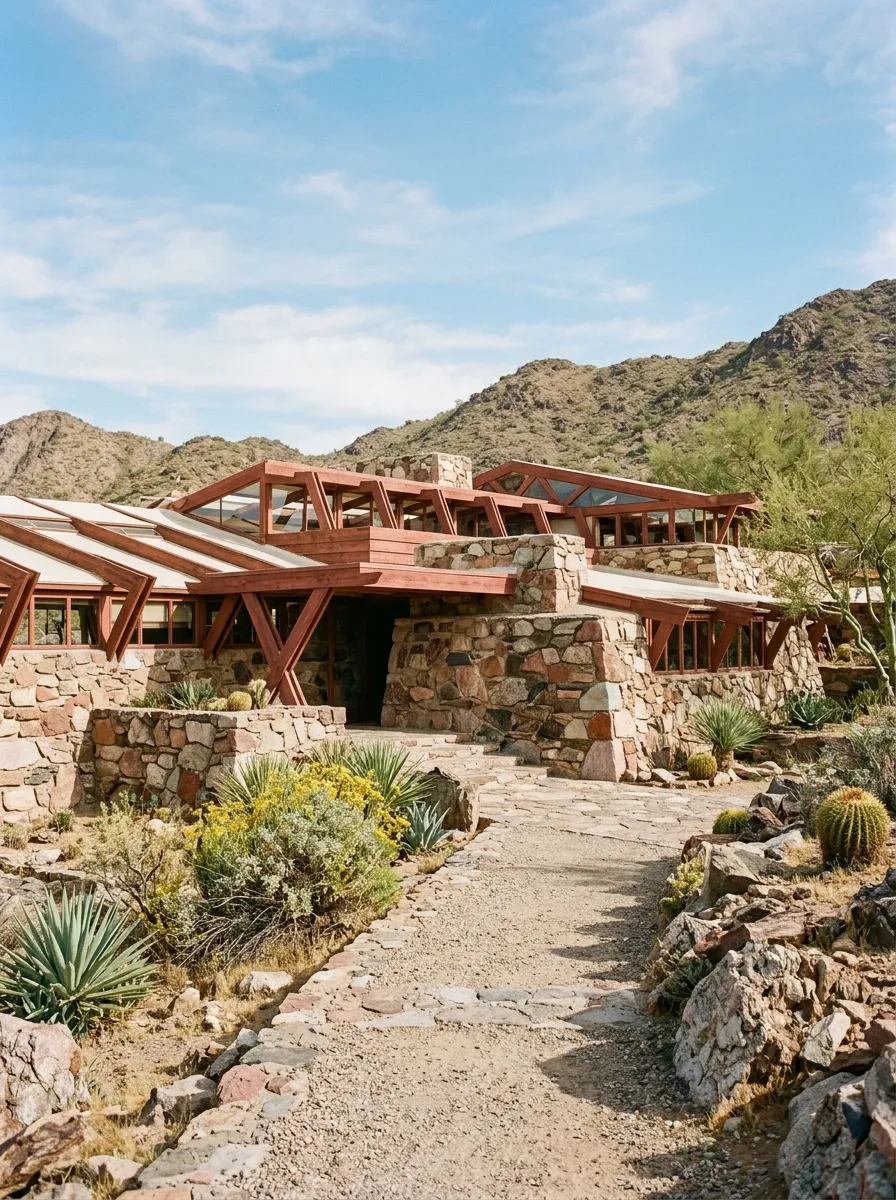
Frank Lloyd Wright’s winter home and desert laboratory sits in the foothills of the McDowell Mountains in Scottsdale, and it remains one of the only places in the country to walk through a Wright residence built specifically to respond to its desert surroundings — low profiles, canvas-topped structures and stone pulled straight from the site. Guided tours range from a compact highlights walk to deeper architectural tours; book ahead in peak winter months, since tour sizes are limited and popular time slots sell out.
Heard Museum
The Heard Museum, near downtown, holds one of the country’s most respected collections of Native American art and history, with a particular focus on the cultures of the Southwest. It’s an essential stop for understanding the region beyond resort-and-cactus imagery, and its annual Guild Indian Fair & Market (typically held in early March) is one of the largest Native art markets in the country. Budget two to three hours.
Phoenix Zoo
Home to more than 3,000 animals across 125 acres in Papago Park, the Phoenix Zoo is organized into themed trails — Africa, Tropics and Desert Discovery among them — plus a children’s petting zoo area. It’s a strong half-day pick for families, with shaded paths and misting stations that make it more bearable than you’d expect even in warmer months, though a sunrise or late-afternoon visit is still the smarter play from May through September.
South Mountain Park and Preserve
One of the largest municipal parks in the country, South Mountain offers more than 50 miles of trails ranging from easy desert strolls to genuinely strenuous climbs, plus Dobbins Lookout, a drive-up viewpoint delivering one of the best panoramic views of the entire Valley — a good option for travelers who want the payoff without the climb. Mountain bikers and trail runners treat South Mountain as a local favorite precisely because it’s big enough to avoid Camelback-level crowding.
Papago Park and Hole-in-the-Rock
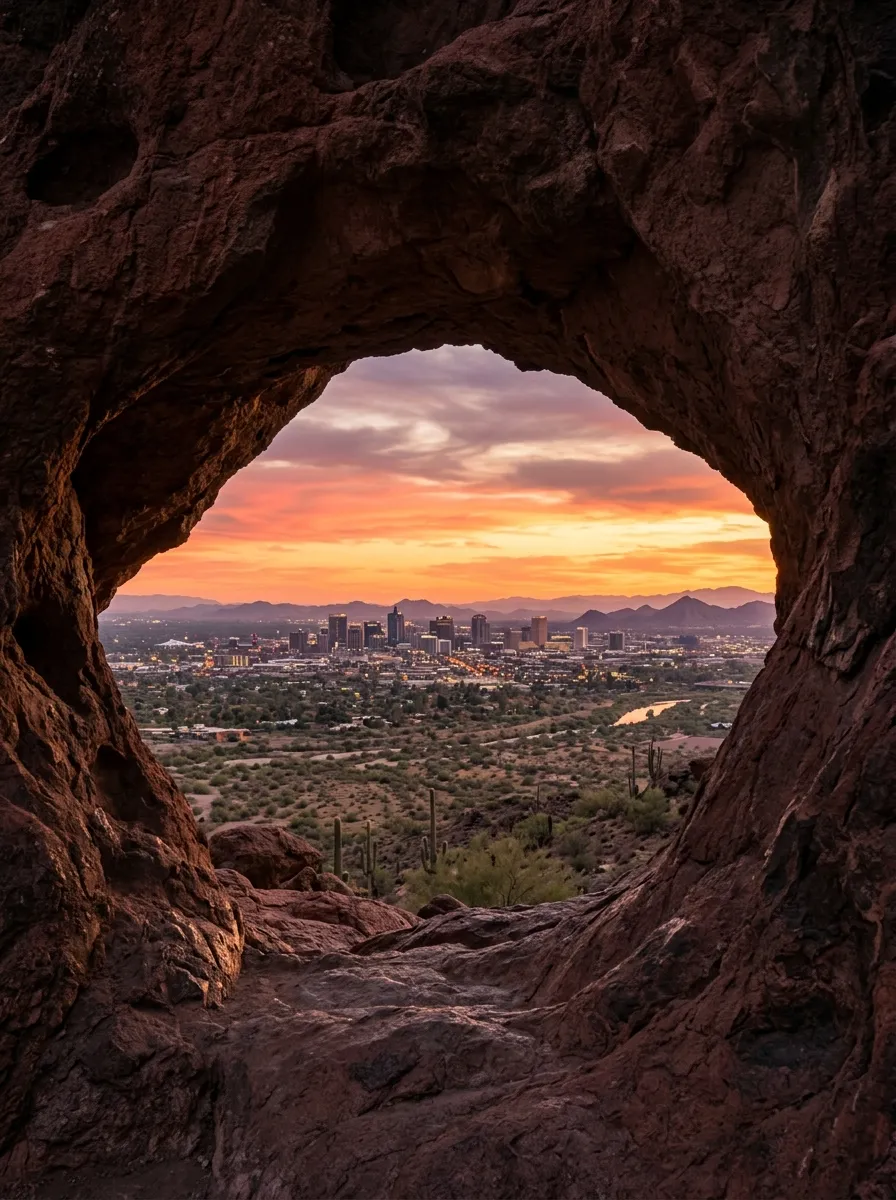
Beyond housing both the zoo and the botanical garden, Papago Park is worth a stop on its own for its distinctive red sandstone buttes, easy trails and the Hole-in-the-Rock formation — a natural opening in a sandstone butte that frames a view of the city and makes for one of the most photographed short hikes in Phoenix. It’s a 15–20 minute round trip, suitable for most fitness levels, and a smart add-on if you’re already visiting the garden or zoo.
Old Town Scottsdale: Galleries, Golf and Nightlife

Old Town Scottsdale earns its own entry beyond the neighborhood overview because it functions as a genuine destination within a destination. By day, it’s a walkable mix of Western-heritage architecture, contemporary art galleries and boutique shopping; by night, it becomes one of the more concentrated nightlife strips in the Southwest. It’s also golf country — dozens of courses ring the area, and the WM Phoenix Open at nearby TPC Scottsdale is the single biggest annual draw to the neighborhood.
Scottsdale’s warm terracotta tones and blue desert pools have their own charm, but if what you’re really craving is whitewashed buildings against blue water, it might be time to start planning a completely different kind of trip — this guide to the whitewashed villages of the Greek islands is a good place to start dreaming.
Downtown Phoenix Arts District and Roosevelt Row
Roosevelt Row, downtown’s arts corridor, is packed with murals, independent galleries and a monthly First Friday art walk that turns several blocks into an open-air gallery crawl with food trucks and live music. Pair it with the Phoenix Art Museum, one of the largest art museums in the Southwest, for a full downtown arts afternoon.
Salt River Tubing, Kayaking and Wild Horses
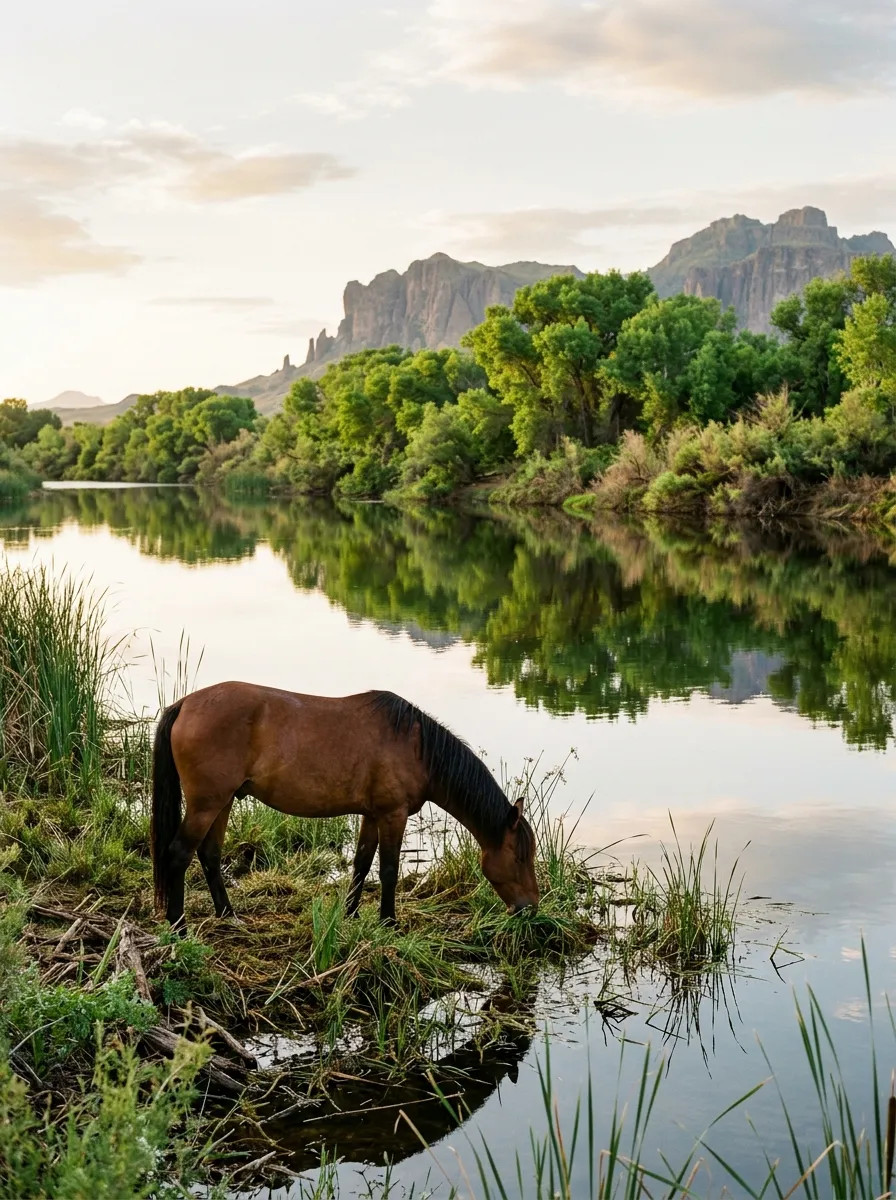
Roughly 45 minutes from downtown, the Lower Salt River offers tubing and kayaking through Tonto National Forest, with a genuine chance — never a guarantee — of spotting the Salt River’s wild horse herd grazing along the banks. Tubing season generally runs May through September, when the water level and air temperature both cooperate; kayaking and paddleboarding are viable across a longer window. Wildlife sightings vary day to day, and outfitters can’t promise the horses will appear, so treat it as a bonus rather than the reason to go.
If watching animals in a genuinely wild setting is part of what draws you to travel, it’s worth putting the Salt River’s low-key wildlife encounters next to something on a completely different scale — this guide to spectacular Uganda travel destinations covers primate treks and safari country that make for one of the most dramatic wildlife trips on the planet.
Chase Field and Cactus League Spring Training
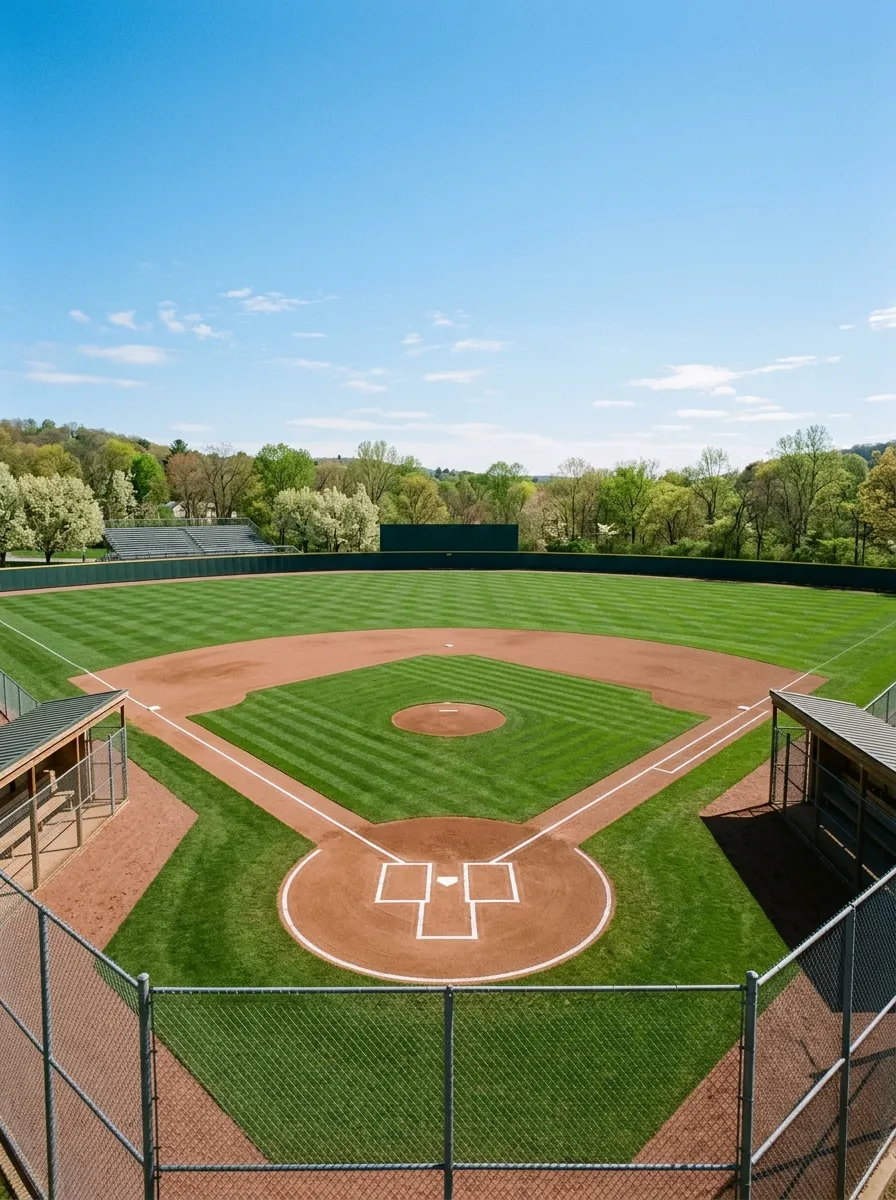
Chase Field, home of the Arizona Diamondbacks, anchors downtown’s sports scene during the MLB regular season. But the real Phoenix baseball experience is Cactus League spring training, held every February and March across ten stadiums throughout the Valley — Salt River Fields at Talking Stick, Scottsdale Stadium, Tempe Diablo Stadium, Camelback Ranch and others among them. Fifteen MLB teams train within roughly an hour’s drive of each other, and tickets are noticeably cheaper and easier to get than regular-season games. The 2026 season ran February 20 through March 24; the 2027 schedule hadn’t been officially released as of this writing, but expect a similar late-February-to-late-March window — confirm exact dates on the Cactus League’s official schedule once it’s posted.
WM Phoenix Open
Golf’s rowdiest, most-attended tournament takes over TPC Scottsdale every February, and the 2027 edition is confirmed for February 8–14, 2027. Known as “The People’s Open,” it regularly draws crowds exceeding half a million fans across tournament week, anchored by the famously raucous 16th hole “Coliseum” and nightly concerts at the Birds Nest. If you’re not specifically coming for the golf, be aware this week pushes Scottsdale hotel rates and traffic sharply upward — plan accordingly either way.
Desert Adventures: Off-Roading, Ballooning and Guided Tours
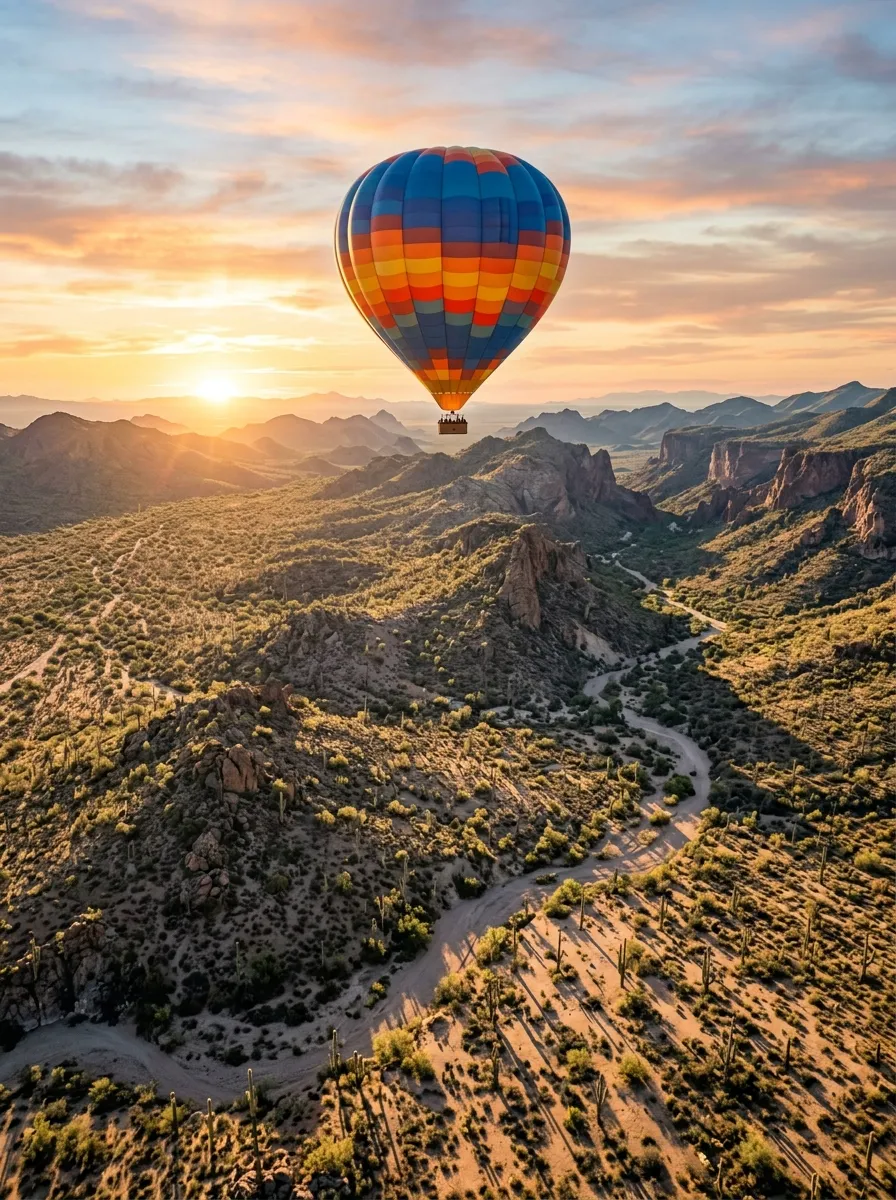
Phoenix’s Sonoran Desert setting supports a genuinely different category of things to do than most U.S. cities: guided UTV and ATV desert tours, sunrise or sunset hot-air balloon flights over the desert floor, and jeep tours into the surrounding mountains. These trips run year-round but are most comfortable — and most popular — from October through April, when daytime and early-evening temperatures make an open-air vehicle or balloon basket genuinely pleasant rather than punishing.
Arizona Science Center and Family Attractions
For families, the Arizona Science Center anchors a strong roster of indoor options: more than 300 interactive exhibits, an IMAX theater and a planetarium make it a reliable rainy-day (or triple-digit-day) pick. Pair it with the Children’s Museum of Phoenix, OdySea Aquarium in Scottsdale — home to more than 5,000 animals across 30 displays, including a 360-degree ocean tunnel — and the LEGOLAND Discovery Center in Tempe for a multi-day family itinerary that barely touches the outdoors.
Day Trips from Phoenix: Grand Canyon, Sedona and Beyond
Phoenix’s central Arizona location makes it a strong base for some of the Southwest’s biggest bucket-list destinations, though distances are real and deserve honest planning.
Grand Canyon National Park
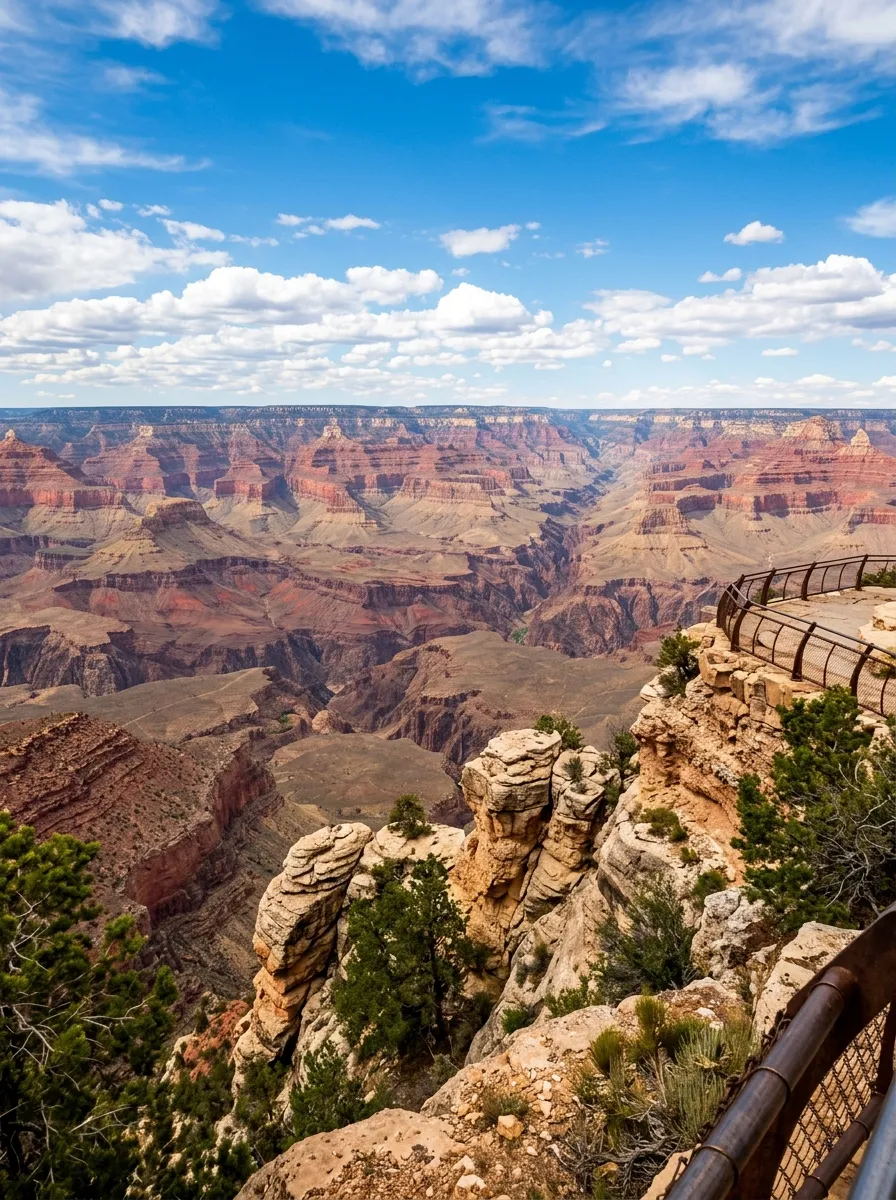
The South Rim sits roughly 3.5 to 4 hours from Phoenix by car — technically doable as a very long day trip, but genuinely better as an overnight if your schedule allows it. Guided day-tour operators run round-trip transportation from Phoenix, which removes the driving fatigue but still means an early departure and a late return.
Sedona and Oak Creek Canyon
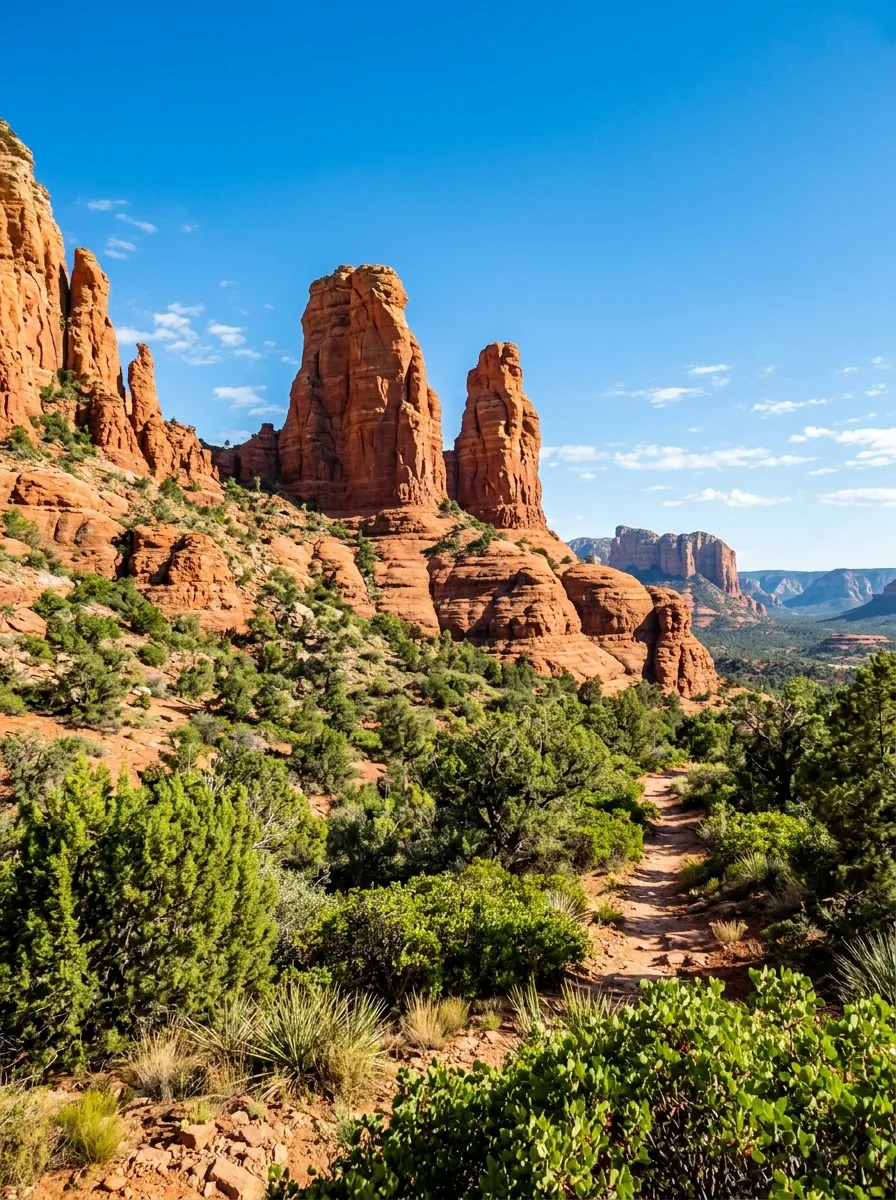
About two hours north, Sedona’s red-rock formations and Oak Creek Canyon make for one of the most rewarding single-day trips from Phoenix — feasible without an overnight, especially if you leave by mid-morning and build in time for a scenic hike or jeep tour.
Antelope Canyon and Horseshoe Bend
These are a stretch as a day trip — closer to 4.5 hours each way near Page, Arizona — and are more realistically paired with an overnight or a guided multi-day tour package than squeezed into a single Phoenix day.
Travelers who love the Southwest’s raw geology sometimes assume nothing else compares — but for a genuinely different kind of dramatic scenery, it’s worth bookmarking this guide to Scotland’s most dramatic landscapes and castles for a future trip built around a completely different kind of rugged beauty.
Where to Stay in Phoenix
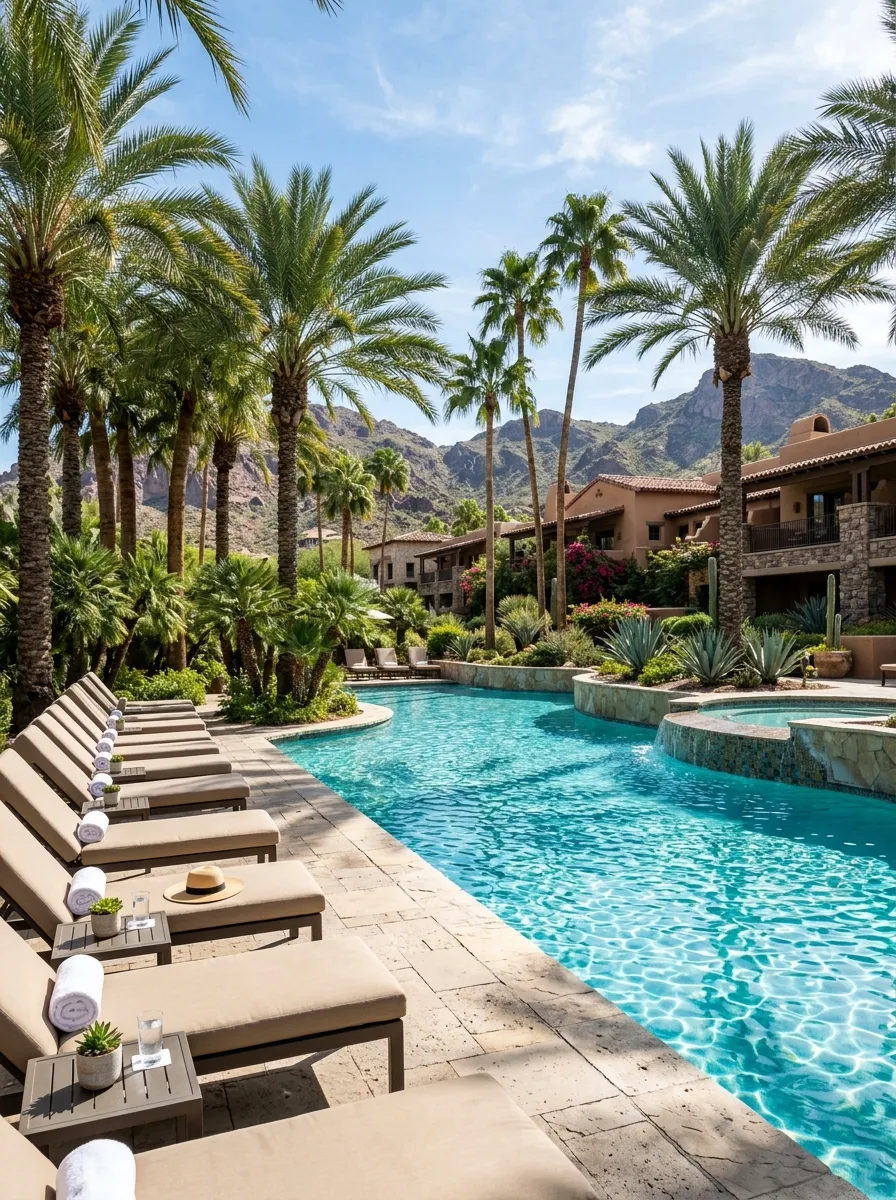
Phoenix’s resort culture is one of its defining features, and choosing where to sleep shapes the whole trip more than in most cities.
Luxury resorts: Properties like the Arizona Biltmore and Mountain Shadows anchor the top end, with sprawling pools, on-site spas and golf access that make an afternoon at the hotel feel like part of the itinerary rather than downtime.
Boutique and mid-range: Arcadia and Old Town Scottsdale both have a growing boutique-hotel scene, generally a notch below full resort pricing while still delivering strong pools and walkable restaurant access.
Budget and downtown: Downtown Phoenix has the city’s best concentration of budget-friendly chain hotels within walking distance of the light rail, museums and Chase Field — the most practical base for travelers without a rental car.
A big part of the Phoenix resort experience is the pool day itself — multi-acre water features, lazy rivers and swim-up bars that rival a tropical escape without the flight time. If that’s the vibe you’re chasing on a future trip too, this roundup of affordable overwater-bungalow-style escapes is worth a look for when you’re ready to take the resort concept somewhere with an ocean attached.
How to Get to Phoenix and Around the City
By air: Phoenix Sky Harbor International Airport (PHX) sits just three miles from downtown and is served by nearly every major U.S. carrier, with a large network of domestic and international routes.
By light rail: The Valley Metro light rail connects Sky Harbor to downtown Phoenix, Tempe and Mesa, making a car-free visit realistic if you’re staying downtown or in Tempe and focusing on urban attractions.
By car: Scottsdale, Camelback Mountain, Papago Park and most day trips essentially require a car or rideshare. If hiking, day-tripping to Sedona, or basing yourself in Scottsdale is on your itinerary, budget for a rental.
Getting around downtown: The free DASH shuttle connects downtown’s core attractions, hotels and the convention center, a genuinely useful budget tool for travelers without wheels.
How Many Days Do You Need in Phoenix?
A weekend (two to three days) covers the essentials: one major hike, one or two museums, and a resort pool afternoon. Three to five days lets you add Old Town Scottsdale, a half-day at the Desert Botanical Garden or zoo, and a single day trip to Sedona. A full week comfortably fits an overnight add-on to the Grand Canyon or a slower, more resort-focused pace with room for spa days between activities.
Seven-Day Phoenix and Central Arizona Itinerary
Day 1 — Downtown Phoenix: Arrive, settle in, evening at Roosevelt Row or a Chase Field game if the schedule lines up.
Day 2 — Hike and museum day: Sunrise hike up Camelback Mountain (Echo Canyon Trail), recover with lunch, afternoon at the Musical Instrument Museum.
Day 3 — Desert Botanical Garden and Papago Park: Morning at the garden, short walk to Hole-in-the-Rock, afternoon at the Phoenix Zoo if traveling with kids.
Day 4 — Old Town Scottsdale: Gallery browsing, lunch on the patio scene, evening exploring Scottsdale’s nightlife or a quieter resort dinner.
Day 5 — Sedona day trip: Early departure north, red-rock hiking or a jeep tour, return to Phoenix by evening.
Day 6 — Taliesin West and Heard Museum: Morning architecture tour, afternoon at the Heard for Native art and history, evening resort pool time to unwind.
Day 7 — Flex day: Salt River tubing or kayaking in warmer months, a hot-air balloon sunrise flight, or simply extra pool time before departure.
Three-Day Phoenix Weekend Itinerary
Day 1: Arrive, downtown museums (Phoenix Art Museum, Roosevelt Row), dinner downtown.
Day 2: Sunrise Camelback Mountain hike, Desert Botanical Garden in the afternoon, evening in Old Town Scottsdale.
Day 3: Musical Instrument Museum or Heard Museum, resort pool afternoon before departure.
Budget Travel in Phoenix
Phoenix can run expensive during peak winter and WM Phoenix Open week, but there’s real flexibility for cost-conscious travelers: summer hotel rates drop dramatically, the light rail and DASH shuttle cut transportation costs to nearly zero downtown, and many hikes — including Camelback Mountain, South Mountain and Papago Park — are free. The Desert Botanical Garden’s second-Tuesday discount and its lower summer pricing are worth building a visit around if budget matters more than comfort.
If stretching a travel budget further is part of your planning style, this list of gorgeous, underrated and surprisingly cheap destinations is a solid companion read for wherever your next trip after Phoenix takes you.
Family Travel in Phoenix
Phoenix is a genuinely strong family destination outside the hottest months, with the Phoenix Zoo, Arizona Science Center, Children’s Museum of Phoenix and OdySea Aquarium covering a full spectrum of ages, plus splash pads and resort pools built specifically for kids. Camelback Mountain is not a family hike given its official Extremely Difficult rating — Papago Park and easier South Mountain trails are the better pick for younger hikers.
Solo Travel and Couples in Phoenix
Solo travelers benefit from the walkable downtown core, the light rail and a genuine resort spa culture built for one. Couples looking for a romantic angle should lean toward Arcadia’s boutique hotel scene or a Scottsdale resort with an adults-leaning pool, paired with a sunset hike or a hot-air balloon flight for the classic desert-sky photo.
Safety and Responsible Travel in the Desert
Beyond the heat safety guidance above, a few desert-specific habits matter here. Stay on marked trails — desert vegetation is slow-growing and easily damaged, and off-trail wandering also increases the risk of encountering rattlesnakes, which are common but rarely aggressive if left alone. Flash flooding in washes during monsoon season can turn a dry crossing dangerous within minutes; never drive or hike through a flooded wash. If hiking with a group, the slowest member’s pace and hydration needs should set the group’s turnaround time, not the fastest hiker’s ambition.
Phoenix Packing Checklist
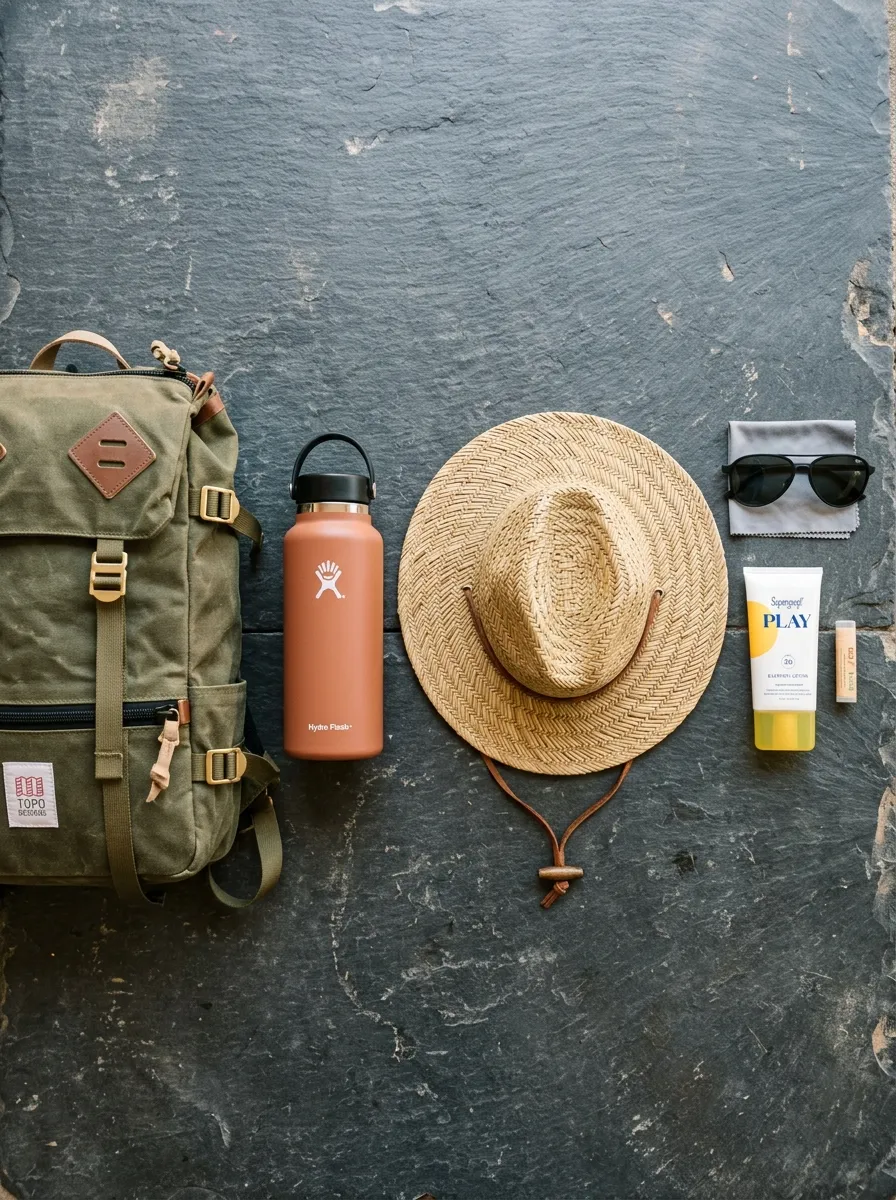
- [ ] Broad-brimmed hat and UV-rated sunglasses
- [ ] High-SPF, sweat-resistant sunscreen (reapply more than feels necessary)
- [ ] A hydration pack or at least two liters of water capacity for any hike
- [ ] Sturdy, closed-toe hiking shoes with real grip for Camelback or South Mountain
- [ ] Lightweight, breathable layers for cold desert mornings in winter
- [ ] A light jacket for December–February evenings, when temperatures can drop into the 40s
- [ ] Swimwear, even in winter — most resort pools are heated
- [ ] A portable phone battery pack for long hikes and day trips with limited signal
- [ ] Reusable water bottle to refill at garden, zoo and museum stations
Frequently Asked Questions About Visiting Phoenix
What is the best time of year to visit Phoenix?
October through April offers the most comfortable weather for outdoor activities, with January through March representing the sunniest, driest stretch — and also the busiest and most expensive.
Is Phoenix too hot to visit in summer?
Summer is genuinely hot, often exceeding 105°F, but it’s not a reason to skip the city entirely — hotel and flight prices drop significantly, resort pools are in full swing, and excellent indoor attractions like the Musical Instrument Museum make the hottest hours manageable.
How many days do I need in Phoenix?
Three to five days covers the major attractions comfortably; a full week allows room for a Sedona or Grand Canyon add-on.
Is Phoenix walkable?
Downtown Phoenix and Old Town Scottsdale each have walkable cores, but the metro area overall is spread out and largely car-dependent, especially for hikes and day trips.
Do I need a rental car in Phoenix?
Not if you’re staying downtown or in Tempe and sticking to urban attractions reachable by light rail. A car becomes close to essential for Camelback Mountain, Scottsdale, and any day trip.
Is Camelback Mountain hard to hike?
Yes — both main routes are officially rated Extremely Difficult by the City of Phoenix, with steep, unshaded terrain. It’s not a casual family walk.
Can I bring my dog on Camelback Mountain?
No. Dogs are prohibited on all Camelback Mountain trails year-round.
When is the WM Phoenix Open in 2027?
February 8–14, 2027, at TPC Scottsdale.
When is Cactus League spring training in 2027?
The official schedule hasn’t been released as of this writing, but based on the league’s consistent pattern, expect games to run from roughly mid-to-late February through late March 2027. Confirm exact dates on the Cactus League’s official site closer to the season.
Is Phoenix expensive?
It varies sharply by season — winter and WM Phoenix Open week are peak pricing, while summer hotel rates drop substantially. Many of the best outdoor activities, including major hikes, are free year-round.
Is Phoenix good for families?
Yes, especially outside peak summer heat, thanks to the zoo, science center, aquarium and family-friendly resort pools.
Is Phoenix good for solo travelers?
Yes — the walkable downtown core, light rail access and resort spa culture all work well for solo trips.
What’s the best neighborhood to stay in?
Downtown Phoenix for walkability and budget options, Old Town Scottsdale for nightlife and golf, Arcadia for boutique hotels near Camelback Mountain.
Is a Grand Canyon day trip from Phoenix worth it?
It’s doable but long — roughly 3.5 to 4 hours each way — so it works better as an overnight if your schedule allows.
Is Sedona a good day trip from Phoenix?
Yes, at about two hours each way, Sedona is one of the most comfortable single-day trips from the city.
What should I pack for a Phoenix hike?
Sturdy closed-toe shoes, more water than seems necessary, sun protection and an early-morning start, especially outside the winter months.
When should I book Taliesin West tickets?
Book ahead during peak winter months (January–March), since popular tour time slots sell out.
Are there wild horses near Phoenix?
Yes — a wild horse herd lives along the Lower Salt River, roughly 45 minutes from downtown, though sightings during tubing or kayaking trips aren’t guaranteed.
What’s the biggest mistake first-time visitors make?
Underestimating the desert heat and the size of the metro area — plan hikes for sunrise and budget real drive time between Phoenix, Scottsdale and Tempe.
Is Phoenix safe for tourists?
Like any major city, Phoenix has areas that warrant normal urban awareness, but the tourist-focused areas covered in this guide are generally safe with standard precautions. The bigger safety concern for visitors is heat, not crime.
Does Phoenix have good public transportation?
The light rail and DASH shuttle cover downtown, Tempe and Mesa well, but Scottsdale, Camelback Mountain and most day trips fall outside easy transit reach.
What’s the best month for photography in the desert?
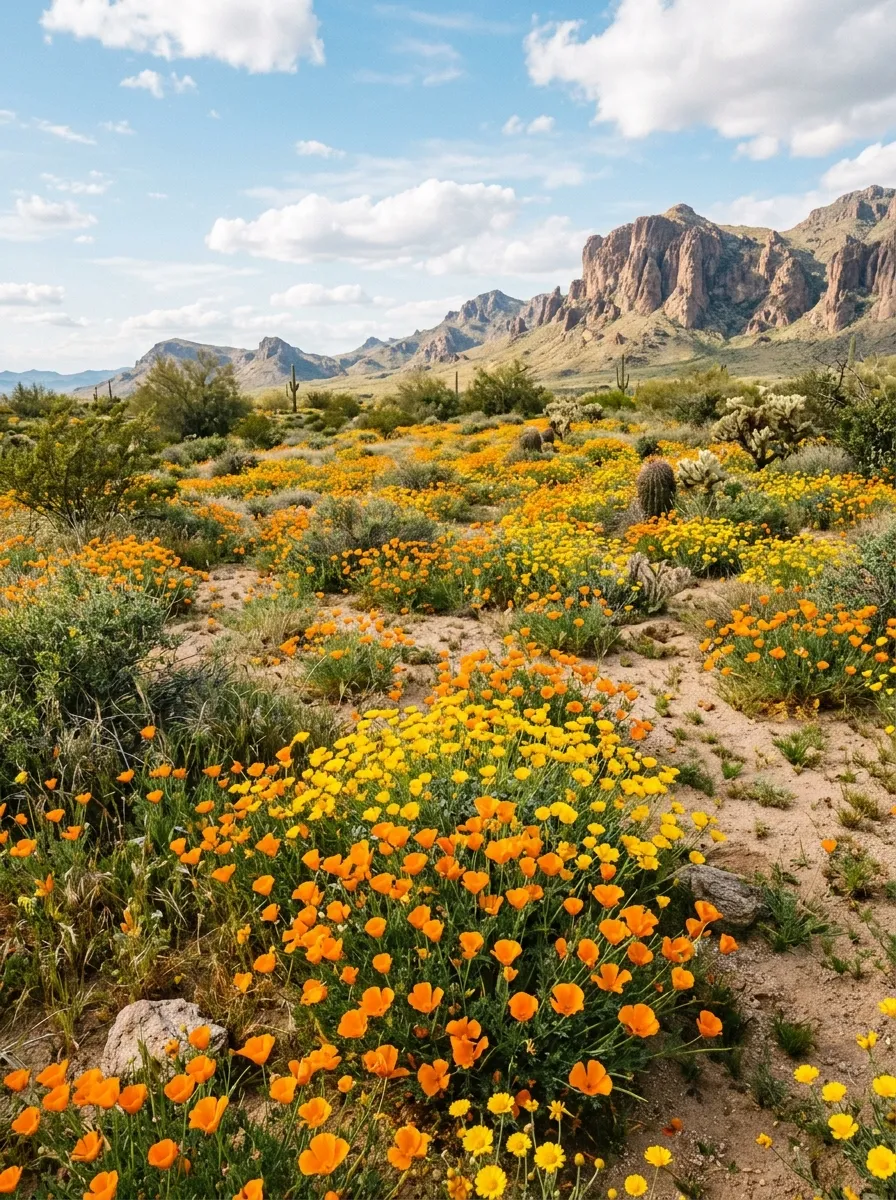
Late winter into spring (February–April) often brings desert wildflower blooms alongside consistently clear skies, though exact bloom timing varies year to year with winter rainfall.
Final Thoughts on Visiting Phoenix
Phoenix rewards travelers who plan around its two personalities rather than fighting them. From October through April, this is a genuinely world-class outdoor city — Camelback Mountain at sunrise, the Desert Botanical Garden in bloom, resort pools that still feel indulgent even in cooler weather, and enough day-trip range to reach Sedona and the Grand Canyon without an overnight. Summer flips the script entirely, trading trail time for pool time and turning museums like the Musical Instrument Museum into the main event rather than a backup plan.
If you’re weighing where to base yourself, downtown Phoenix and the light rail make the most sense for a car-free, budget-conscious trip, while Old Town Scottsdale and Arcadia suit travelers prioritizing resorts, golf and proximity to Camelback Mountain. Either way, build your itinerary around the season you’re actually traveling in rather than the postcard version of Phoenix — check current trail conditions and closures before any hike, confirm attraction pricing before you go, since it shifts seasonally at places like the Desert Botanical Garden, and lock in accommodations early if any part of your trip overlaps with WM Phoenix Open week in February.
Whatever draws you here — the hiking, the resort culture, the desert light at golden hour, or a Cactus League game with a hot dog in hand — things to do in Phoenix add up fast once you look past the highway-drive-through reputation. The Valley of the Sun earns its name honestly, and for travelers willing to work around the heat rather than ignore it, it delivers one of the more distinctive city trips in the American Southwest.