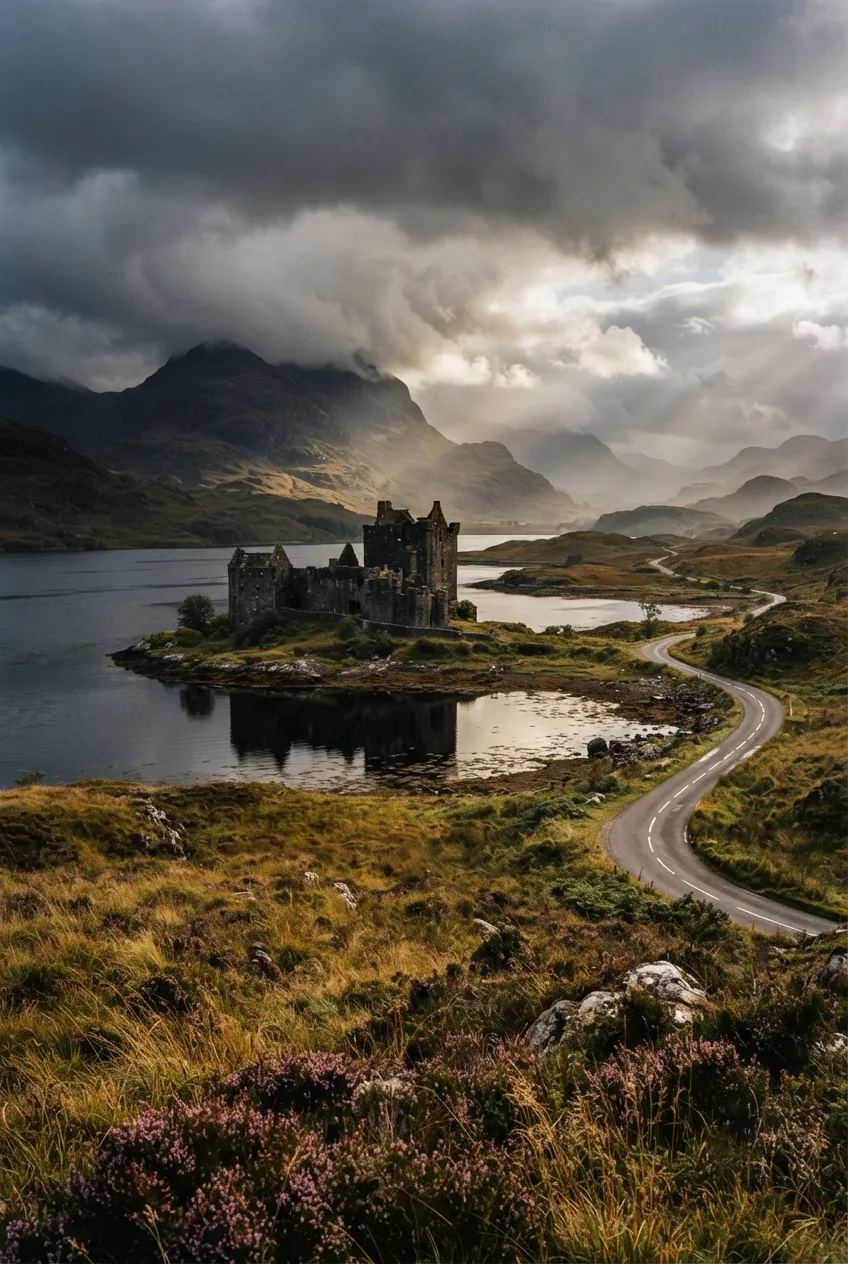
15 Scottish Landscapes and Castles That Look Too Dramatic to Be Real
Scotland does not place its castles politely beside its landscapes. It welds them together.
Stone towers rise above black cliffs. Roofless fortresses lean toward silver lochs. Mountain passes disappear into weather that seems to have been brewed specifically for the occasion. Even the ruins have excellent stage presence.
Traveling through Scotland can feel less like sightseeing and more like entering a long, atmospheric story. One moment, you are standing inside a royal palace in Stirling. A few hours later, you are following a narrow Highland road beneath bare mountains, waterfalls and clouds low enough to touch.
This guide explores the most beautiful Scottish landscapes and castles, from the volcanic skyline of Edinburgh to the lonely beaches of the Outer Hebrides. It also includes a practical route, the best seasons to visit, photography advice and several places where the landscape is every bit as memorable as the fortress.
Recommended Travel Items for Your Trip
SCOTLAND AT A GLANCE
Best overall season: May, June and September
Best for autumn scenery: Late September through October
Best transport: Rental car for rural areas
Ideal trip length: 10 to 14 days
Best bases: Edinburgh, Glencoe, Inverness, Portree and Aberdeen
Essential gear: Waterproof jacket, sturdy shoes and several warm layers
Why Scotland’s Castles Feel So Different
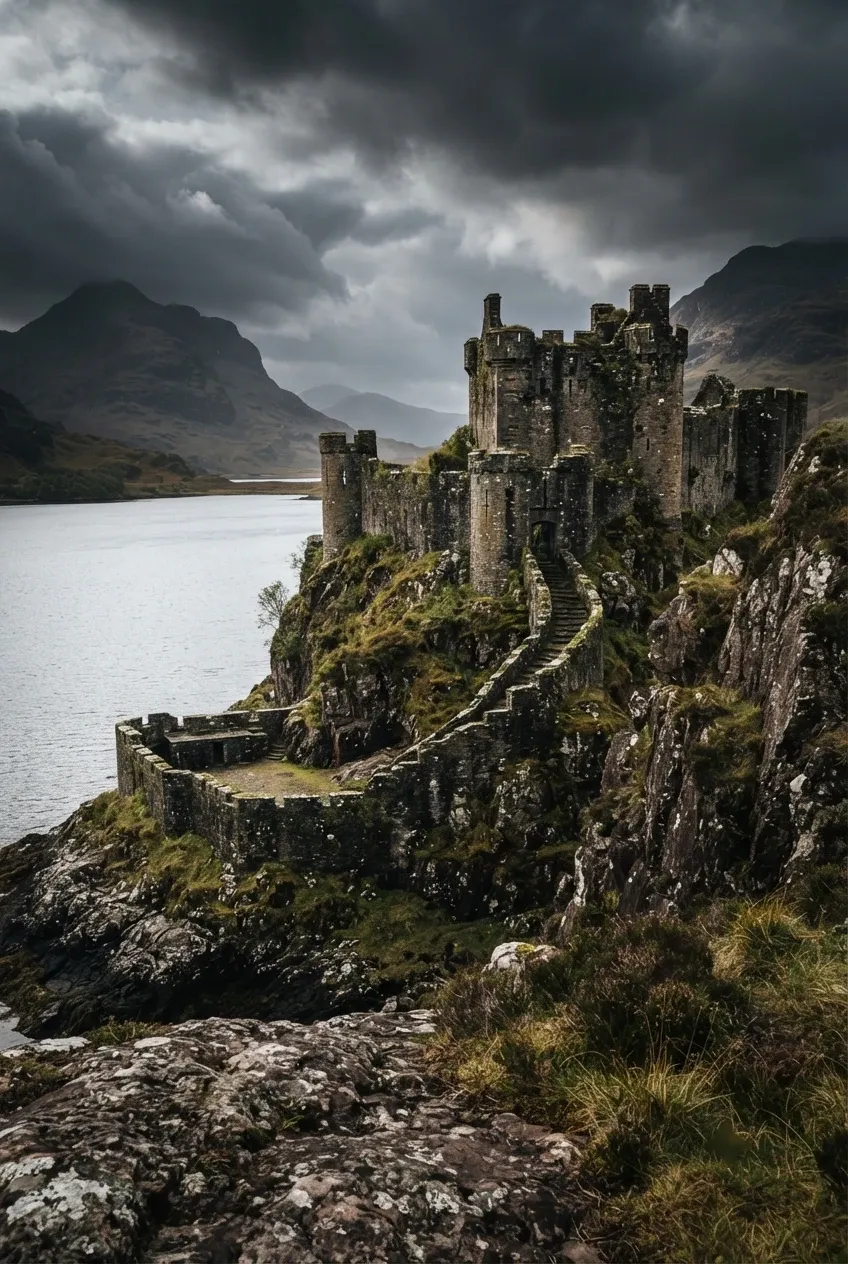
Scotland has grand royal residences, romantic Victorian estates, austere tower houses and fragmented ruins where grass grows through former banquet halls.
What makes them extraordinary, however, is their relationship with the land.
Edinburgh Castle occupies an extinct volcanic rock above the capital. Dunnottar clings to a coastal headland. Urquhart overlooks Loch Ness. Kilchurn stands at the head of Loch Awe, framed by mountains and frequently surrounded by reflections, mist or both.
These locations were not selected merely because they were beautiful. Height, water, cliffs and isolation provided defensive advantages. Centuries later, those strategic choices have given travelers some of Britain’s most cinematic views.
For an even deeper journey through the region, this Scottish Highlands travel guide explores the glens, mountain roads and historic sites that make northern Scotland so addictive.
The Best Scottish Landscapes and Castles
1. Edinburgh Castle and Arthur’s Seat
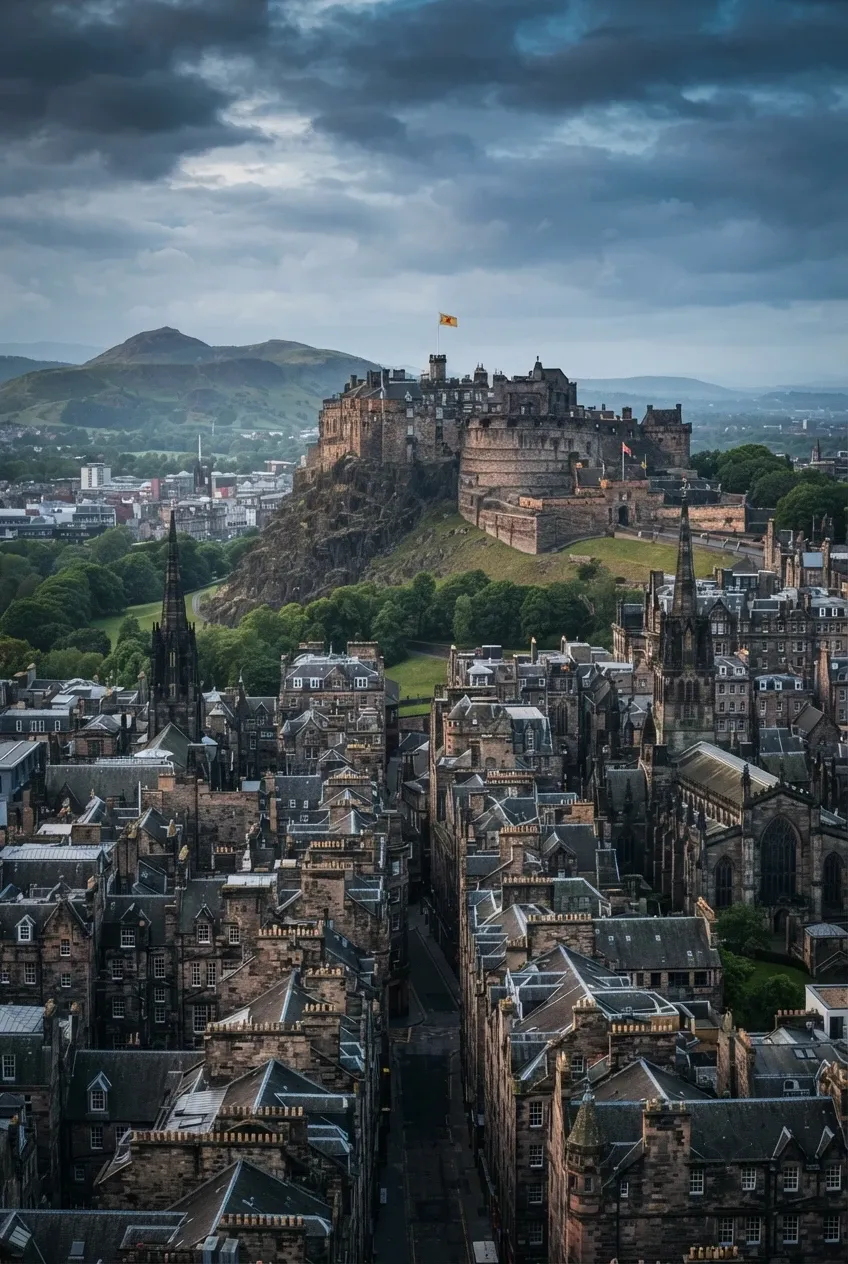
Edinburgh introduces Scotland with theatrical confidence.
The castle rises above the city on Castle Rock, an extinct volcanic formation visible from streets, parks and rooftops across the capital. Below it, the Royal Mile descends through the Old Town in a tangle of stone buildings, narrow closes and church spires.
Inside the castle complex, you can explore royal chambers, military buildings and major national treasures. It is Scotland’s most-visited paid attraction, so advance booking is sensible during busy periods.
The finest wider landscape view comes from Arthur’s Seat, another volcanic landmark on the opposite side of the Old Town. From the summit, Edinburgh Castle appears against a panorama of rooftops, the Firth of Forth and distant hills.
Do not miss:
- The castle esplanade early in the morning
- Views from Princes Street Gardens
- Sunset from Calton Hill
- The walk through Holyrood Park
- The skyline from Arthur’s Seat
PHOTOGRAPHY NOTE
Castle Rock looks especially dramatic from The Vennel, a stepped lane southwest of the Old Town. Arrive early because the viewpoint is compact and popular.
2. Stirling Castle and the Ochil Hills
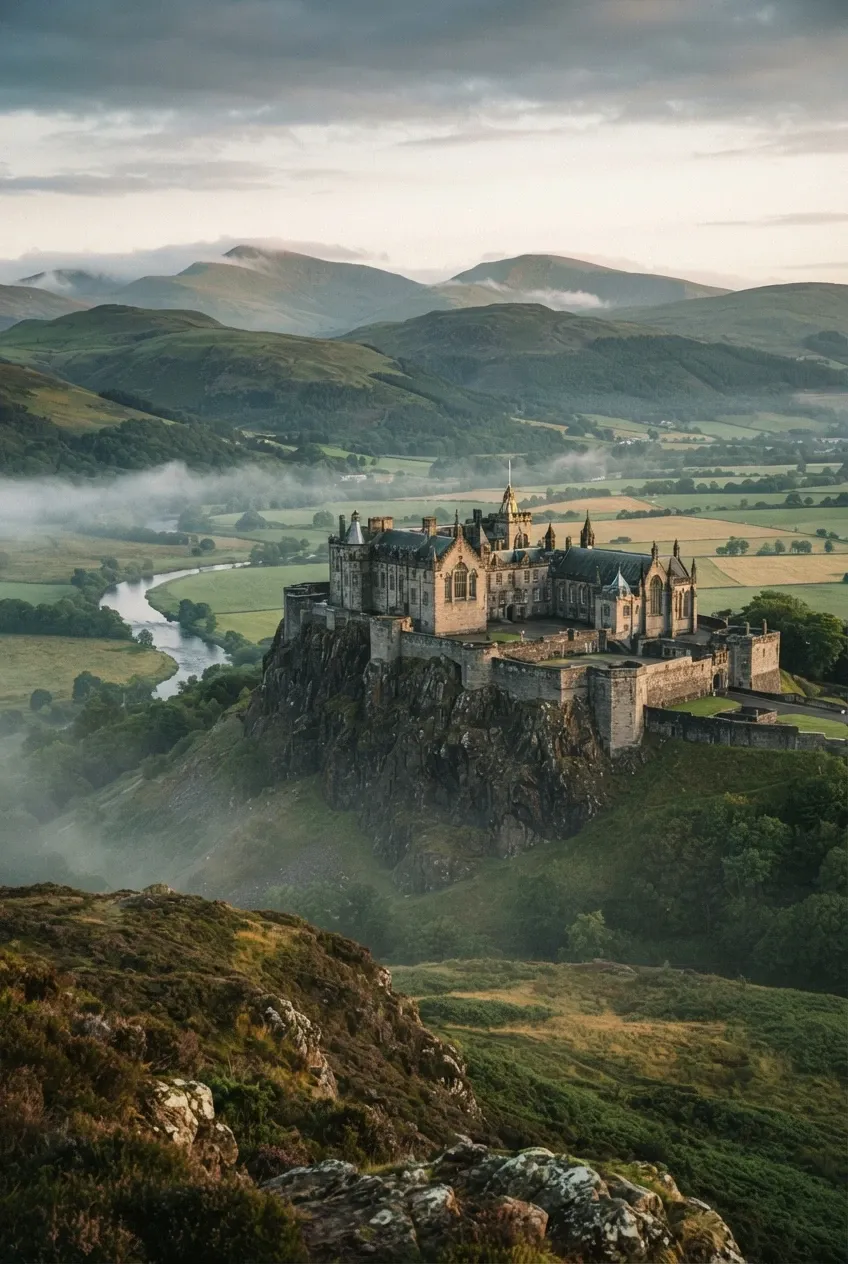
Stirling Castle occupies one of the most strategically important positions in Scotland.
From its elevated rock, the castle overlooks the River Forth, farmland, the Ochil Hills and the routes historically connecting the Highlands with the Lowlands. It was a major royal residence associated with the Stuart monarchy, and its restored palace rooms are among the most impressive castle interiors in the country.
The surrounding landscape helps explain why Stirling mattered. This was not simply an attractive hilltop. It was a gateway, a defensive position and a political prize.
After visiting the castle, walk through Stirling’s Old Town or continue to the National Wallace Monument for a broader view across the valley.
Best for: Royal history, panoramic views and first-time visitors
Allow: Three to four hours
Nearest major city: Edinburgh or Glasgow
3. Glencoe
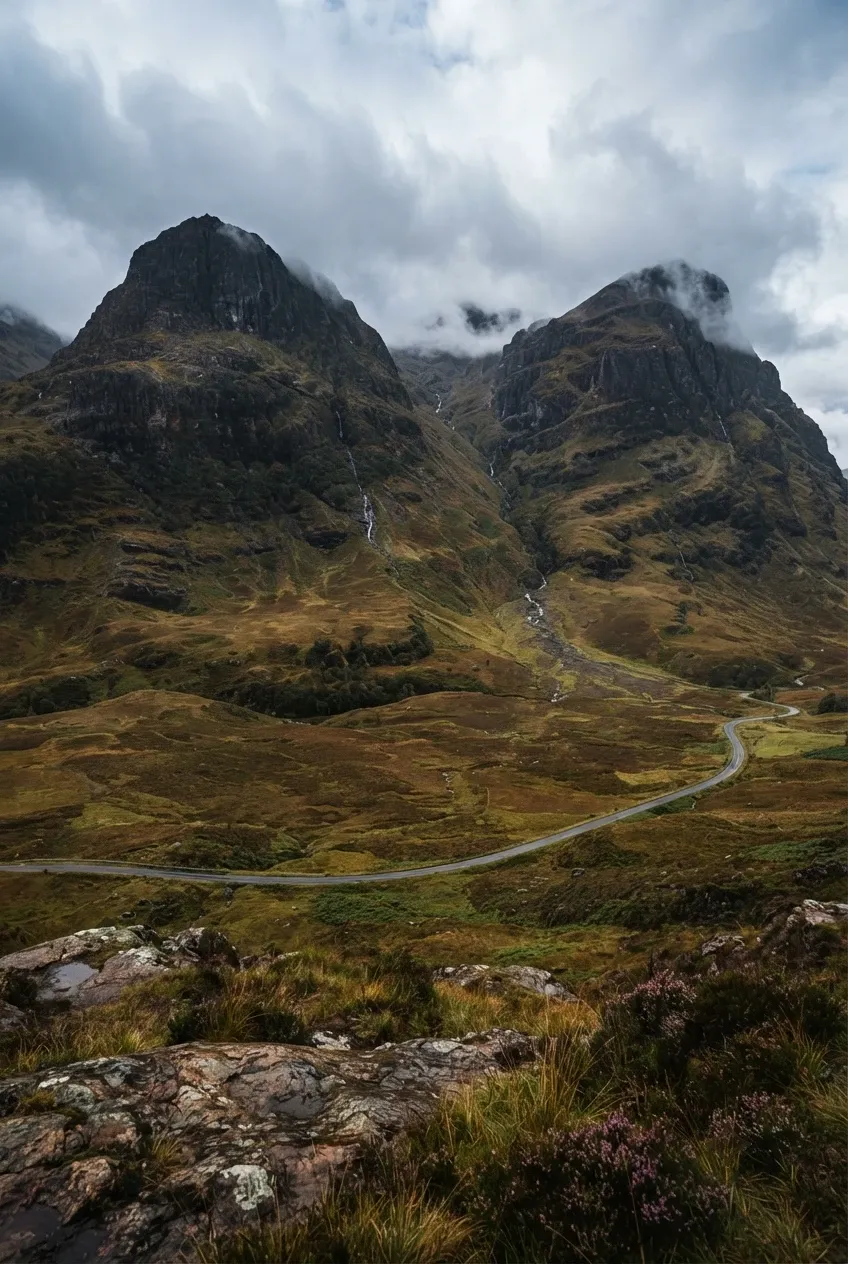
Glencoe does not need a castle to create drama.
Its steep mountains, waterfalls, dark rock faces and open moorland form one of Scotland’s most recognizable landscapes. The A82 passes directly through the glen, but treating it as a road between destinations would be a tragic bit of itinerary vandalism.
Stop at the main viewpoints, visit the Glencoe Visitor Centre and leave time for at least one walk. The visitor center provides information on local routes, weather and wildlife, which is particularly useful when cloud or rain changes hiking conditions.
Some of the most memorable scenes appear around:
- The Three Sisters viewpoint
- The Meeting of the Three Waters
- Loch Achtriochtan
- Buachaille Etive Mòr
- Glen Etive
- Rannoch Moor
For travelers building a photography-led itinerary, these jaw-dropping Scottish viewpoints reveal several more places where mountains, sea cliffs and lochs steal the entire performance.
TRAVELER’S NOTE
I would give Glencoe two nights rather than squeezing it into a rushed afternoon. The glen changes character with the weather, and the quieter morning and evening hours are often far more atmospheric than midday.
4. Eilean Donan Castle
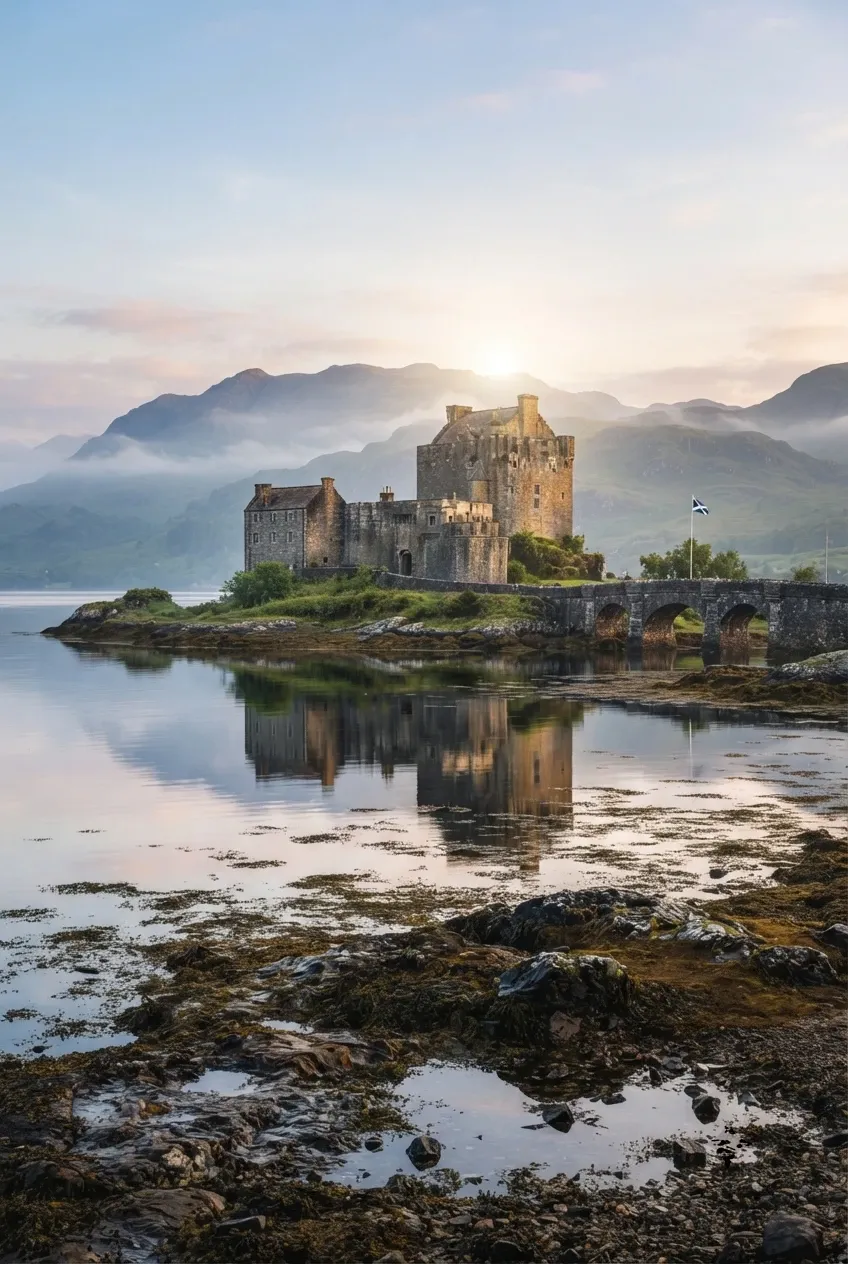
Few Scottish castles are more instantly recognizable than Eilean Donan.
The castle stands on a small island where three sea lochs meet, connected to the mainland by a stone bridge. Mountains rise behind it, while tidal water and rocky shores fill the foreground.
Although its appearance feels medieval, much of the castle seen today reflects a major 20th-century reconstruction. That does not make the setting any less magnificent. At high tide, the castle appears to float. At low tide, exposed rocks produce stronger foreground texture for photographs.
The roadside viewpoints outside the entrance provide the classic panorama. For a quieter angle, walk farther along the shore and use the bridge as a leading line toward the castle.
Best time to photograph: Early morning or evening
Best combined with: Isle of Skye
Allow: Two hours for the castle, longer for photography
5. The Cuillin Mountains, Isle of Skye
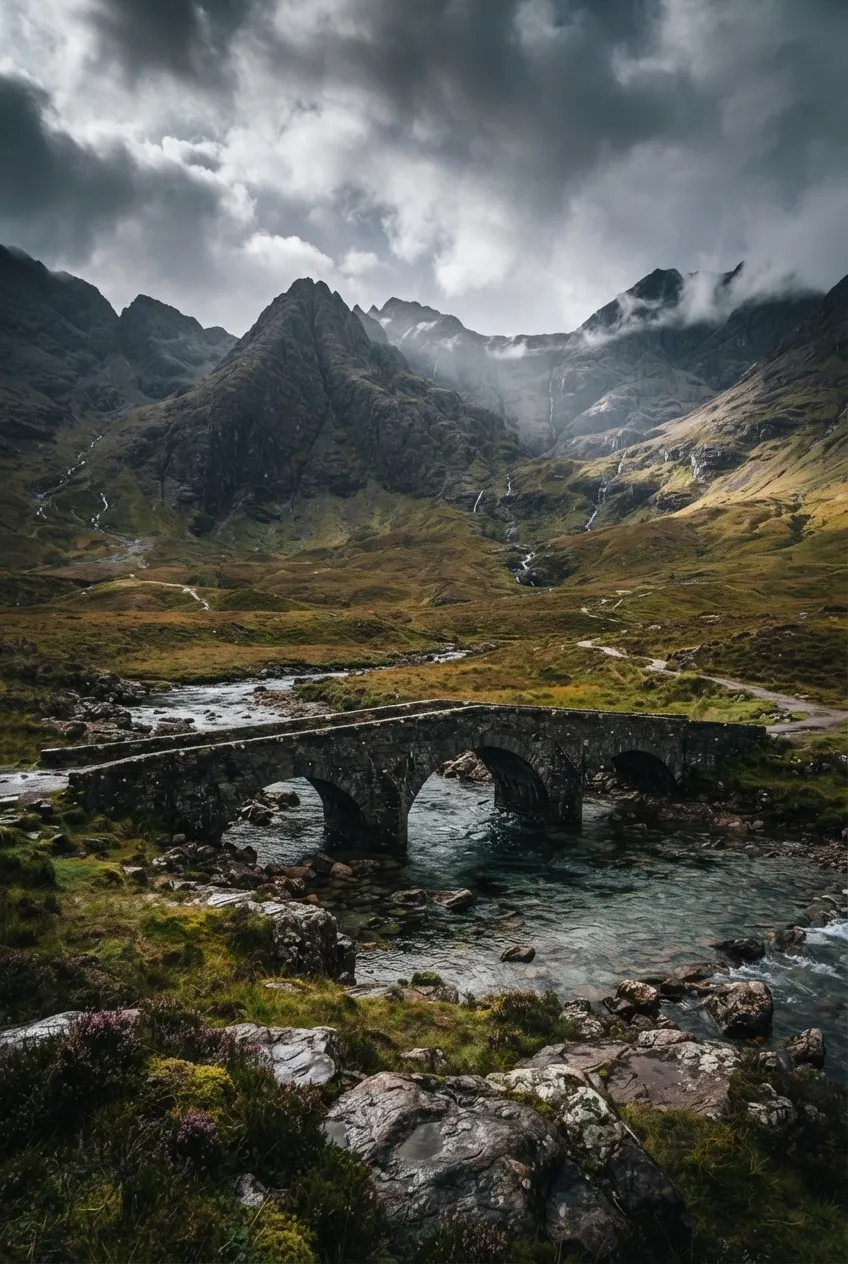
The Isle of Skye offers the sort of landscape that repeatedly sabotages sensible driving schedules.
The Cuillin mountains dominate the southern part of the island with sharp ridges, dark slopes and rapidly moving cloud. Even travelers who never attempt a major hike can experience striking views from Sligachan, Elgol and the roads around Glenbrittle.
Sligachan’s old stone bridge creates one of the island’s best-known compositions. From Elgol, the Cuillin rise across the water in a darker and more remote-looking panorama.
Nearby castles add another layer of history:
- Dunvegan Castle overlooks the northwest coast
- Armadale Castle sits amid gardens in southern Skye
- Castle Moil appears as a ruin near Kyleakin
Skye deserves at least three full days. One day is rarely enough once weather, narrow roads and unscheduled sheep conferences enter the equation.
6. Dunvegan Castle and the Northwestern Coast of Skye
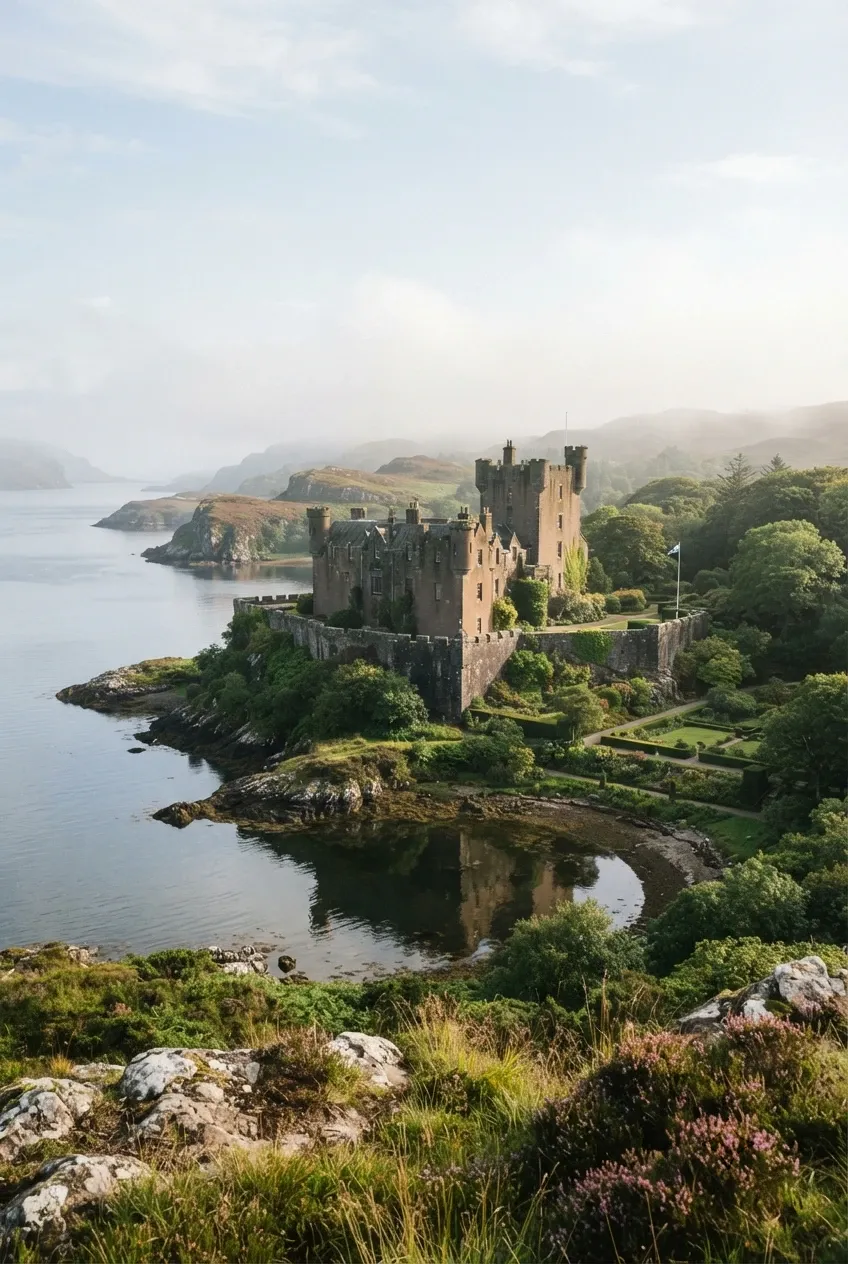
Dunvegan Castle is the ancestral home of the chiefs of Clan MacLeod and one of Skye’s most important historic sites.
Unlike Scotland’s isolated ruins, Dunvegan remains a furnished castle surrounded by formal gardens and woodland. Its position above Loch Dunvegan feels gentler than the raw mountains elsewhere on the island, but the surrounding coastline is full of cliffs, bays and sea views.
Combine the castle with Neist Point, Coral Beach or the Duirinish Peninsula. This corner of Skye is an excellent choice when the more famous Trotternish attractions feel crowded.
Best for: Clan history, gardens and coastal scenery
Allow: Half a day
Nearby highlight: Neist Point Lighthouse
7. Urquhart Castle and Loch Ness
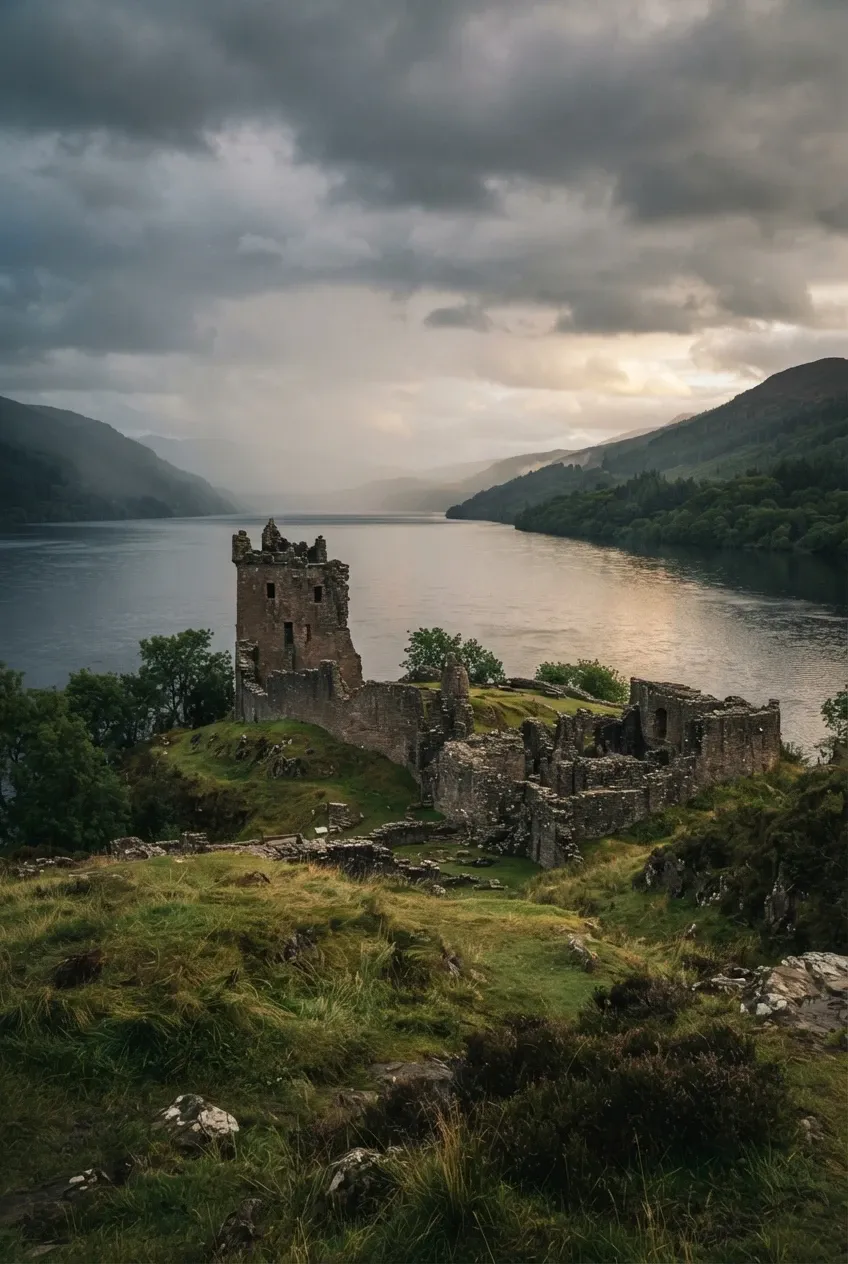
Urquhart Castle commands a long, open view across Loch Ness.
The ruins sit close to the water, with the remains of towers, walls and defensive structures spread over a grassy promontory. The setting makes the castle memorable from almost every angle. Look outward from the Grant Tower and the loch seems to continue indefinitely between forested slopes.
Urquhart witnessed more than 1,000 years of history and became entangled in conflicts between rival forces and clans. Today, it is one of the most prominent historic sites on the shores of Loch Ness.
Arrive near opening time or later in the afternoon. The main viewpoint becomes busy when tour coaches arrive.
Best combined with: Inverness, Glen Affric or Fort Augustus
Ideal visit length: Two hours
Best viewpoint: The upper path near the visitor center
8. Glen Affric
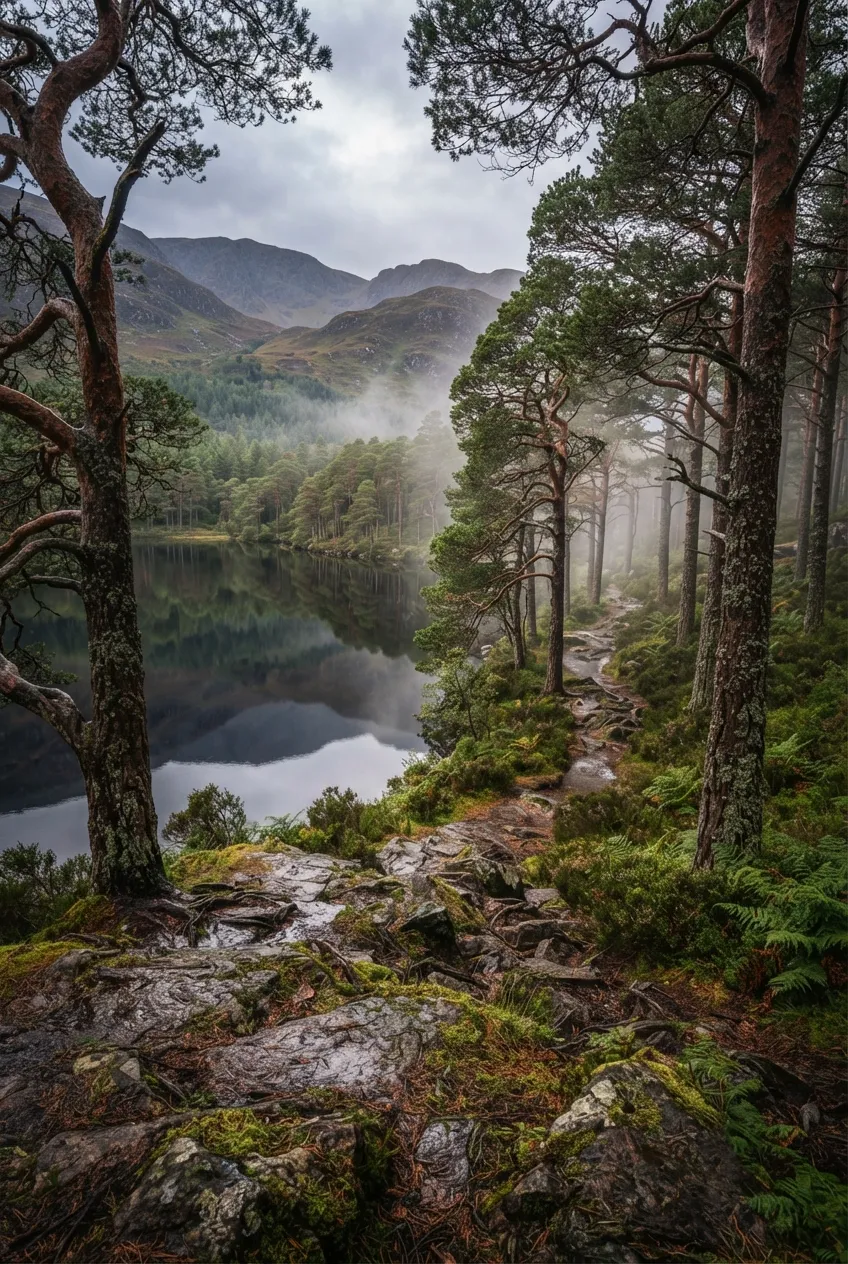
West of Loch Ness, Glen Affric offers a different version of the Highlands.
Ancient pinewoods, mountain ridges, rivers and dark lochs create a layered landscape that feels more secluded than Glencoe. Walking routes range from short forest paths to demanding full-day circuits.
There is no major castle in the glen, and that is part of its appeal. After several days of battlements and royal chambers, Glen Affric creates space for a quieter encounter with the Highlands.
Bring food, water and proper outdoor clothing. Services are limited once you leave the surrounding villages.
WEATHER WARNING
Highland weather can shift rapidly, even when the morning forecast appears calm. Carry waterproof outerwear, insulating layers and suitable footwear. In winter, conditions may require specialized equipment and experience. VisitScotland also recommends warm layers, waterproof clothing and sturdy boots with good grip for cold-weather exploration.
9. Dunnottar Castle
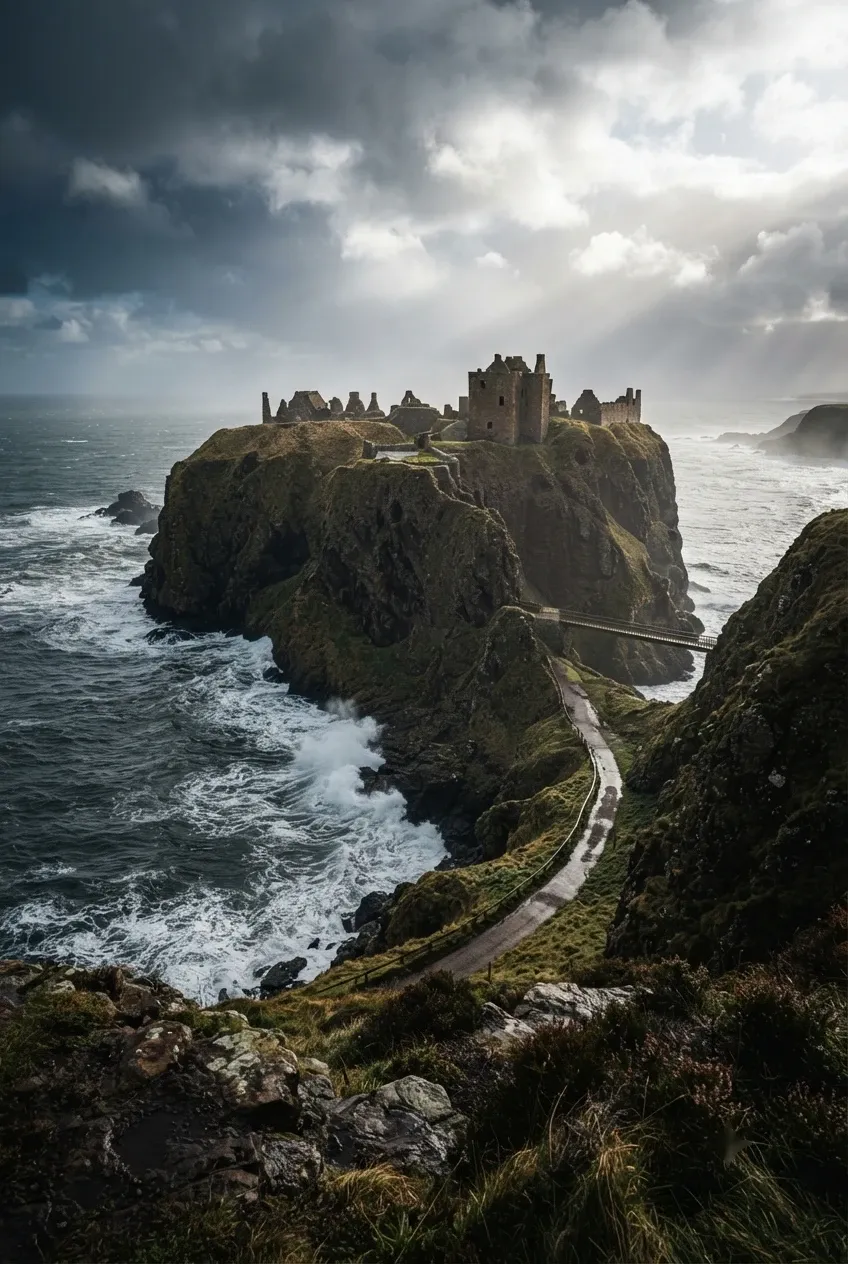
Dunnottar Castle sits on a rocky headland almost surrounded by the North Sea.
The approach is unforgettable. From the coastal path, the ruins appear across a deep cleft, balanced above cliffs with waves breaking far below. The landscape feels exposed, elemental and wonderfully severe.
Once a powerful fortress, Dunnottar is now a complex of roofless buildings, courtyards and defensive walls. Its setting has also influenced screen depictions of Scottish castles, including the visual atmosphere associated with Brave.
The path includes numerous steps, so wear practical shoes. Wind can be fierce near the headland.
Best time: Morning light or a bright overcast day
Nearest town: Stonehaven
Best extra activity: Walk the coastal path from Stonehaven
10. Balmoral Castle and Royal Deeside
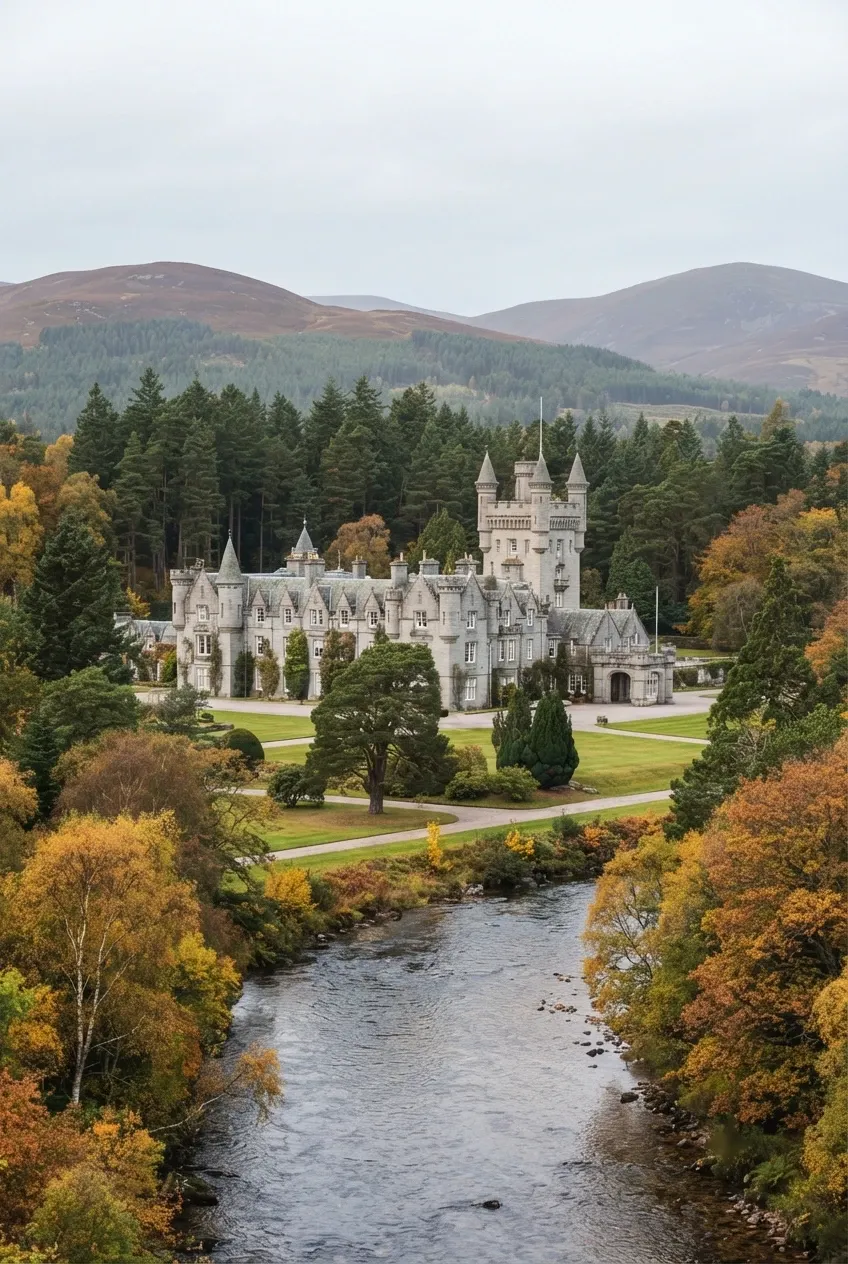
Balmoral Castle lies among forests, rivers and rounded Highland mountains in Royal Deeside.
The estate has been associated with the British royal family since the 19th century, and its granite architecture is closely linked with the romantic image of Victorian Scotland.
Public access varies by season and royal use, so check current opening information before planning your journey. Even when access is limited, Royal Deeside remains worth exploring for woodland walks, scenic roads and nearby villages such as Braemar and Ballater.
The area also provides access to the Cairngorms, where broader valleys and high plateaus contrast with the tighter mountain walls of Glencoe.
Travelers enchanted by these communities may also enjoy discovering the dreamiest Scottish places, including towns and villages surrounded by coast, woodland and Highland scenery.
11. Craigievar Castle and Aberdeenshire
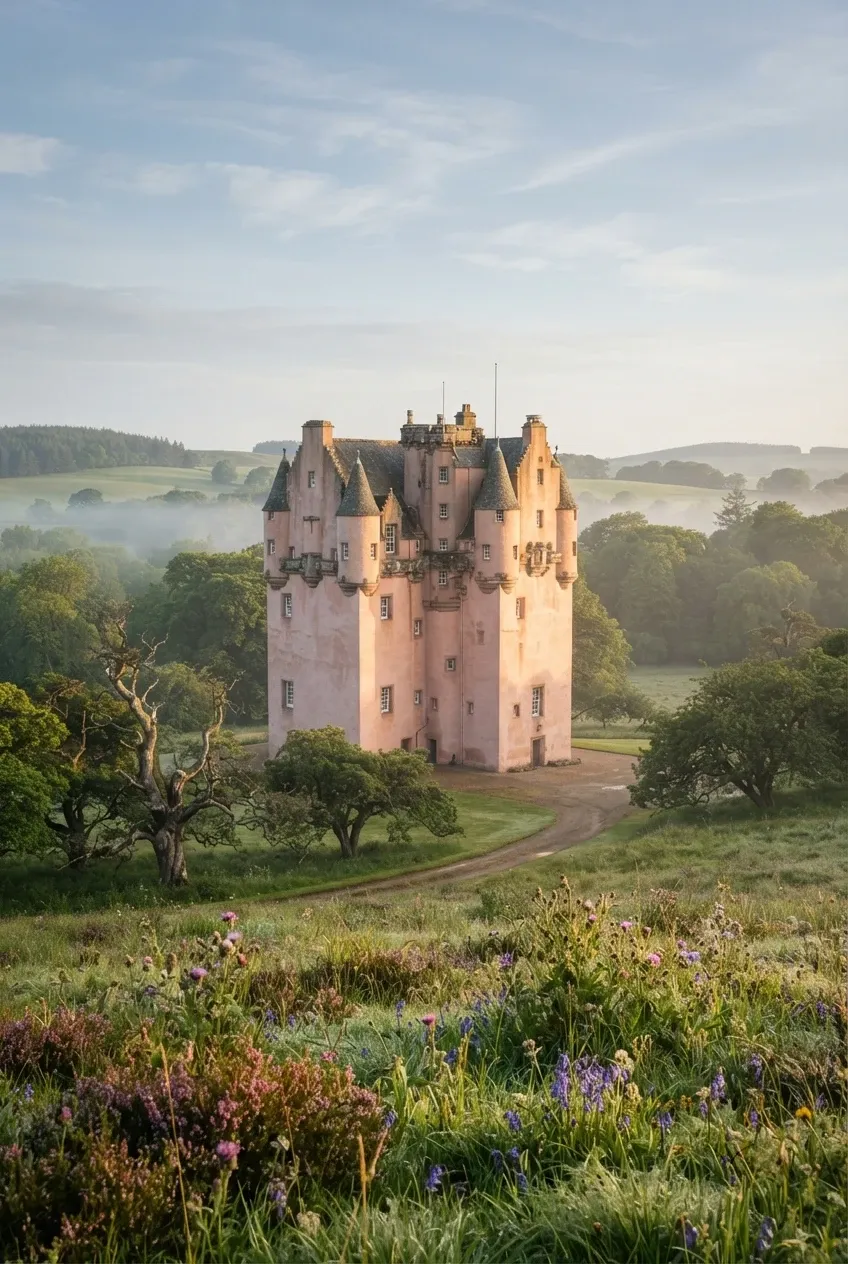
Craigievar Castle looks less like a military stronghold and more like an architect’s particularly elaborate daydream.
Its pink exterior, turrets, steep rooflines and clustered towers give it a storybook silhouette. Woodland and rolling countryside surround the castle, creating a softer landscape than the western Highlands.
Craigievar belongs to Aberdeenshire’s wider castle country. VisitScotland’s regional castle trail includes 19 sites, making this one of the best areas for travelers who want several castles without spending every day driving across half the nation.
Other castles worth adding include:
- Castle Fraser
- Crathes Castle
- Drum Castle
- Fyvie Castle
- Huntly Castle
- Kildrummy Castle
Drum Castle is particularly interesting because its buildings reflect roughly seven centuries of architectural change, accompanied by historic woodland and gardens.
12. Kilchurn Castle and Loch Awe
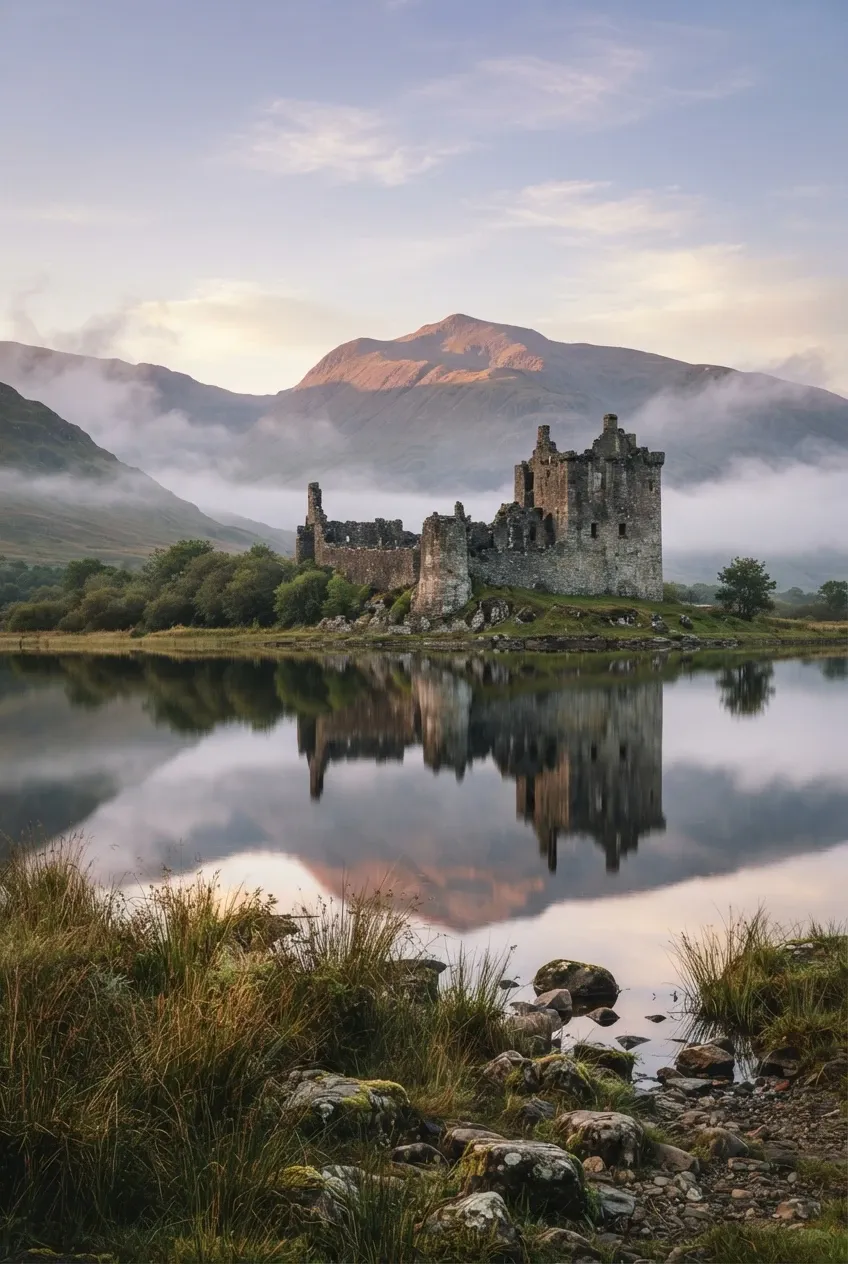
Kilchurn Castle is one of Scotland’s most photogenic ruins.
It stands at the northeastern end of Loch Awe, surrounded by water, marshland and mountains. The classic view is reached from the southern side of the loch, where the castle can reflect almost perfectly on calm mornings.
The fortress began as a Campbell stronghold and evolved through several periods of expansion. Its location once provided strategic access to routes through Argyll, but today the mountains and open water dominate the experience.
VisitScotland describes it as one of the country’s most scenic castles, with views toward Loch Awe and Ben Cruachan.
ACCESS WARNING
Conditions, building access and parking arrangements at remote ruins can change because of conservation work, flooding or storm damage. Check the official property page shortly before visiting, rather than trusting an old itinerary or map pin.
13. Inveraray Castle and Loch Fyne
Inveraray Castle stands near the shore of Loch Fyne, backed by wooded hills and landscaped grounds.
Its greenish roof, symmetrical towers and Gothic Revival details give it a more polished appearance than Scotland’s rugged ruins. The interior contains historic rooms, weapons and family collections connected with the Dukes of Argyll.
The nearby town of Inveraray is equally attractive. Whitewashed buildings line the waterfront, while boats and hills complete the lochside setting.
Combine the castle with:
- Rest and Be Thankful viewpoint
- Loch Lomond
- Kilmartin Glen
- Crarae Garden
- A drive through western Argyll
14. Culzean Castle and the Ayrshire Coast
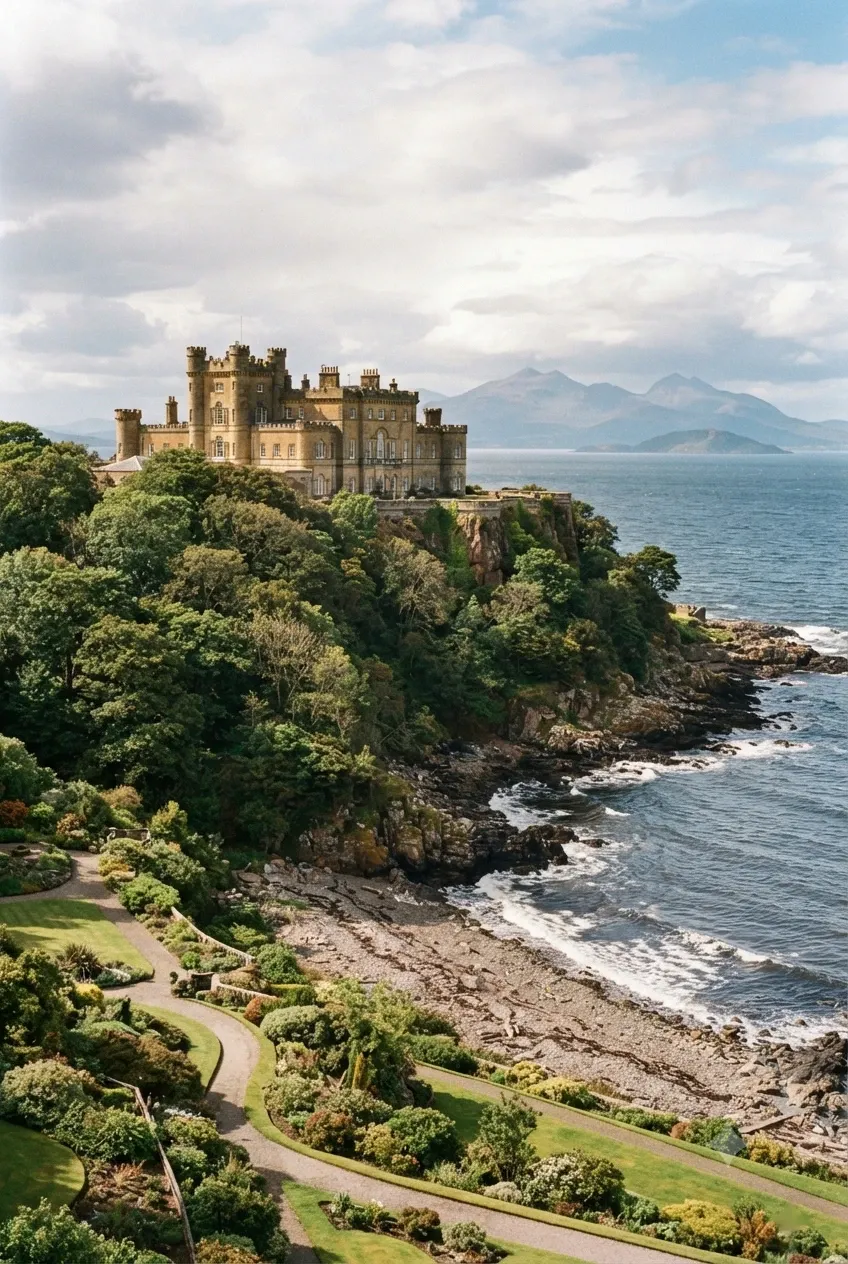
Culzean Castle occupies a cliff above the Firth of Clyde.
Designed in the 18th century, it differs from older defensive castles through its grand interiors, landscaped estate and monumental coastal position. The grounds cover woodland, gardens, beaches and walking trails.
The National Trust for Scotland describes Culzean as a major cliff-top castle surrounded by a large, wildlife-rich estate.
This is one of the best castle visits for families or travelers who want an entire day outdoors rather than a quick walk around stone ruins.
Best for: Coastal walks, gardens and architecture
Allow: Most of a day
Nearest city: Glasgow
15. Lewis, Harris and the Outer Hebrides
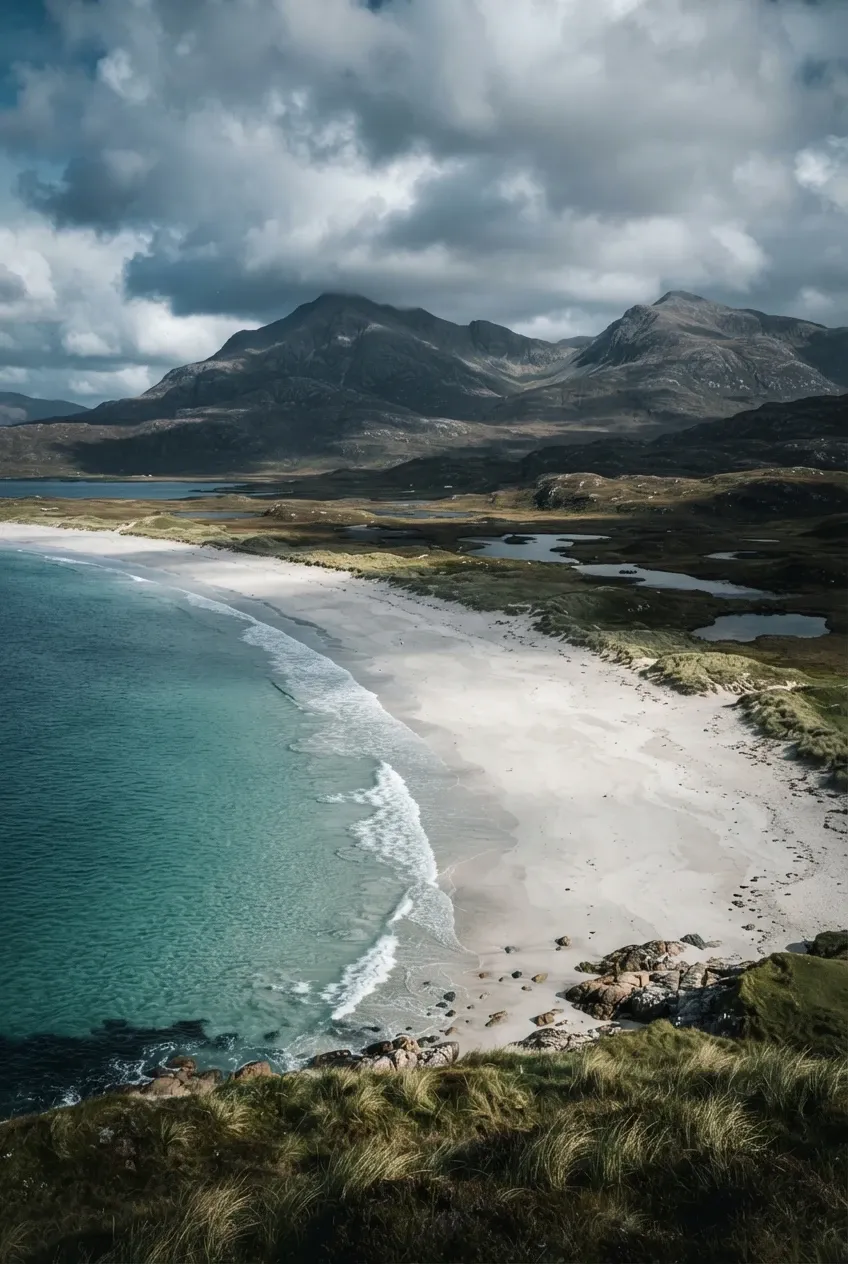
The Outer Hebrides reveal Scotland with most of its decorative layers removed.
Treeless moorland, white beaches, peat-dark water and exposed coastline create a landscape governed by weather and distance. Castles are less dominant here, although Lews Castle overlooks Stornoway and several ruined structures are scattered across the islands.
The great landmarks are older and stranger:
- The Calanais Standing Stones
- Luskentyre Beach
- The Golden Road
- The Butt of Lewis
- Seilebost Beach
- The cliffs near Mangersta
These islands require more planning because ferries, weather and driving times shape the itinerary. The reward is a Scotland that feels quieter, wider and wilder.
Scottish Castles and Landscapes Comparison Table
| Place | Landscape Type | Castle Experience | Best Season | Recommended Time |
| Edinburgh | Volcanic hills and city skyline | Major royal fortress | April–October | 2 days |
| Stirling | Hills, farmland and river valley | Restored royal castle | May–September | 1 day |
| Glencoe | Mountains, waterfalls and moorland | Landscape-focused | May–October | 2 days |
| Eilean Donan | Sea lochs and mountains | Reconstructed island castle | May–September | 2–3 hours |
| Isle of Skye | Cliffs, mountains and coast | Several castles and ruins | May–September | 3–4 days |
| Loch Ness | Long freshwater loch | Dramatic waterside ruins | April–October | 1–2 days |
| Dunnottar | Cliffs and North Sea coast | Extensive headland ruins | May–September | Half a day |
| Royal Deeside | Forests, rivers and mountains | Royal estate | June–September | 1–2 days |
| Aberdeenshire | Farmland and wooded estates | Dense castle trail | May–October | 2–3 days |
| Loch Awe | Loch and mountain scenery | Remote photogenic ruin | May–October | Half a day |
| Ayrshire | Clifftops, beaches and woodland | Grand furnished castle | May–September | 1 day |
| Outer Hebrides | Beaches, moorland and Atlantic coast | Limited castle sites | May–August | 4–7 days |
The Ultimate 10-Day Scottish Castles and Landscapes Route
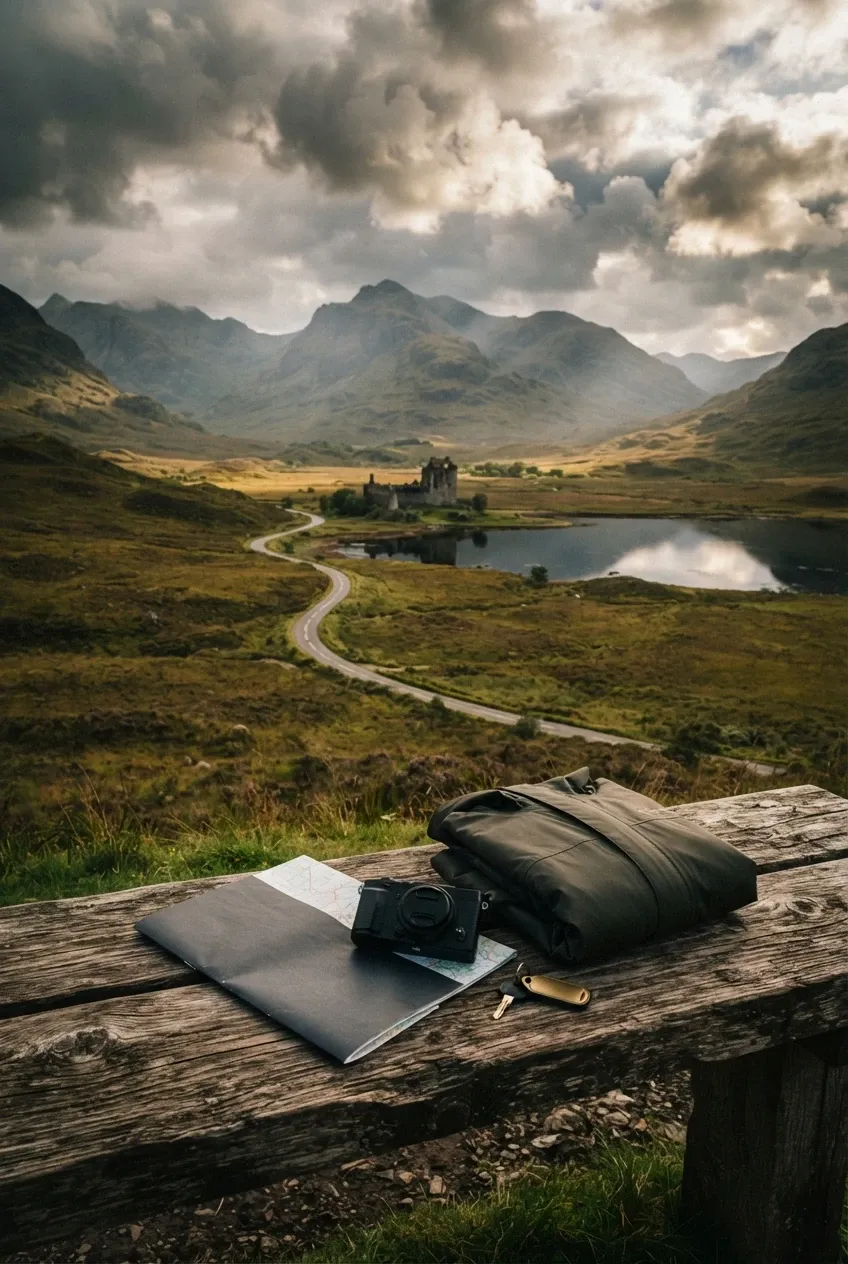
This itinerary works best with a rental car and avoids trying to consume Scotland in enormous, exhausting bites.
Day 1: Edinburgh
Explore Edinburgh Castle, the Royal Mile, Princes Street Gardens and Calton Hill.
Day 2: Edinburgh and Arthur’s Seat
Hike Arthur’s Seat in the morning and explore Dean Village or the Water of Leith in the afternoon.
Day 3: Stirling and Glencoe
Visit Stirling Castle, then drive through the Trossachs toward Glencoe.
Day 4: Glencoe
Spend a full day exploring viewpoints, Glen Etive and a suitable walking trail.
Day 5: Eilean Donan and Skye
Drive north through Fort William, stop at Eilean Donan Castle and continue to Skye.
Day 6: Northern Skye
Explore the Old Man of Storr, Quiraing, Kilt Rock and the Trotternish Peninsula.
Day 7: Western Skye
Visit Dunvegan Castle, Neist Point and the island’s northwestern coast.
Day 8: Loch Ness
Travel toward Inverness and visit Urquhart Castle beside Loch Ness.
Day 9: Royal Deeside
Drive through the Cairngorms toward Balmoral, Braemar and Ballater.
Day 10: Dunnottar Castle
Finish with Dunnottar Castle and Stonehaven before continuing to Edinburgh or Glasgow.
BETTER-PACED OPTION
Add two extra nights to this route: one in Glencoe and one on Skye. Scotland looks compact on a map, but narrow rural roads, scenic stops and weather can turn a two-hour drive into a very happy five-hour expedition.
When to Visit Scotland
Spring: April to May
Spring brings longer days, lamb-filled fields, flowering woodland and quieter attractions. Snow may remain on higher mountains, producing excellent contrast in Highland photographs.
May is one of the strongest all-around months. Daylight is generous, many seasonal attractions are operating and peak summer crowds have not fully arrived.
Summer: June to August
Summer offers the longest days and the broadest range of tours, ferries and attractions. It is also the busiest period, particularly in Edinburgh, Skye, Glencoe and around the North Coast 500.
Reserve accommodation early and avoid building an itinerary that depends on finding spontaneous rooms in popular Highland areas.
Autumn: September to October
Autumn transforms woodland around Perthshire, the Trossachs, Royal Deeside and the Cairngorms. Ferns turn bronze, forests deepen into rust and gold, and castle gardens become noticeably quieter.
Scotland also fits beautifully into a wider collection of autumn road trip destinations, especially for travelers seeking colorful forests, historic towns and atmospheric drives.
Late September often provides a useful balance between reasonable daylight and fewer visitors. By late October, some attractions reduce their hours.
Winter: November to March
Winter creates wonderfully moody landscapes, but daylight is limited and conditions can disrupt roads, ferries and mountain plans.
Some castles close their interiors or operate reduced hours. Outdoor travelers should be realistic about their experience, particularly around snow, ice and rapidly changing mountain weather.
Driving Through Scotland
Driving provides the greatest freedom for exploring rural castles and landscapes, but distances can be deceptive.
Single-track roads require patience. Use passing places correctly, allow faster traffic to pass and never park in a passing place. On remote routes, fuel stations may be widely separated.
VisitScotland recommends checking current driving guidance, road rules and regional information before setting out.
Scottish Road-Trip Checklist
- Reserve an automatic car early if you do not drive manual
- Confirm that your license is valid for driving in the UK
- Download offline maps
- Carry a charging cable and power bank
- Fill the fuel tank before remote stretches
- Build extra time into every scenic drive
- Learn how passing places work
- Check weather and road conditions each morning
- Keep waterproof clothing accessible
- Avoid planning long drives immediately after overnight flights
- Reserve Skye and Highland accommodation in advance
- Check castle opening hours before departure
ROAD SAFETY WARNING
Never stop on a blind bend or block a narrow road for a photograph. Use designated parking areas and walk back to the viewpoint where it is safe. Highland livestock, cyclists and oncoming vehicles can appear with little warning.
Visiting Scotland Solo
Scotland is generally considered a safe and welcoming destination, including its cities, countryside and Highlands, provided travelers follow normal precautions and prepare for changeable conditions.
Solo travel is especially manageable in Edinburgh, Inverness and Stirling, where public transport and organized day tours reduce the need to drive.
In remote areas:
- Tell someone your walking route
- Carry a charged phone and power bank
- Do not rely entirely on mobile reception
- Avoid exposed mountain routes beyond your experience
- Check sunset times
- Keep emergency supplies in the car
- Choose established accommodations with recent reviews
Travelers planning an independent trip can also explore these solo travel destinations for additional ideas on safe, scenic and confidence-building journeys.
Castle Passes and Advance Tickets
Travelers visiting several Historic Environment Scotland properties should compare individual admission costs with the Historic Scotland Explorer Pass.
The pass is valid for 14 consecutive days and includes entry to major sites such as Edinburgh Castle, Stirling Castle and Urquhart Castle. Advance reservations may still be recommended for popular properties.
Not every Scottish castle belongs to the same organization. National Trust for Scotland properties, privately managed castles and royal estates may require separate tickets.
Before purchasing a pass, list the castles you genuinely intend to visit. An ambitious spreadsheet containing 19 fortresses is not necessarily a holiday. Sometimes it is an administrative siege.
How to Photograph Scottish Castles
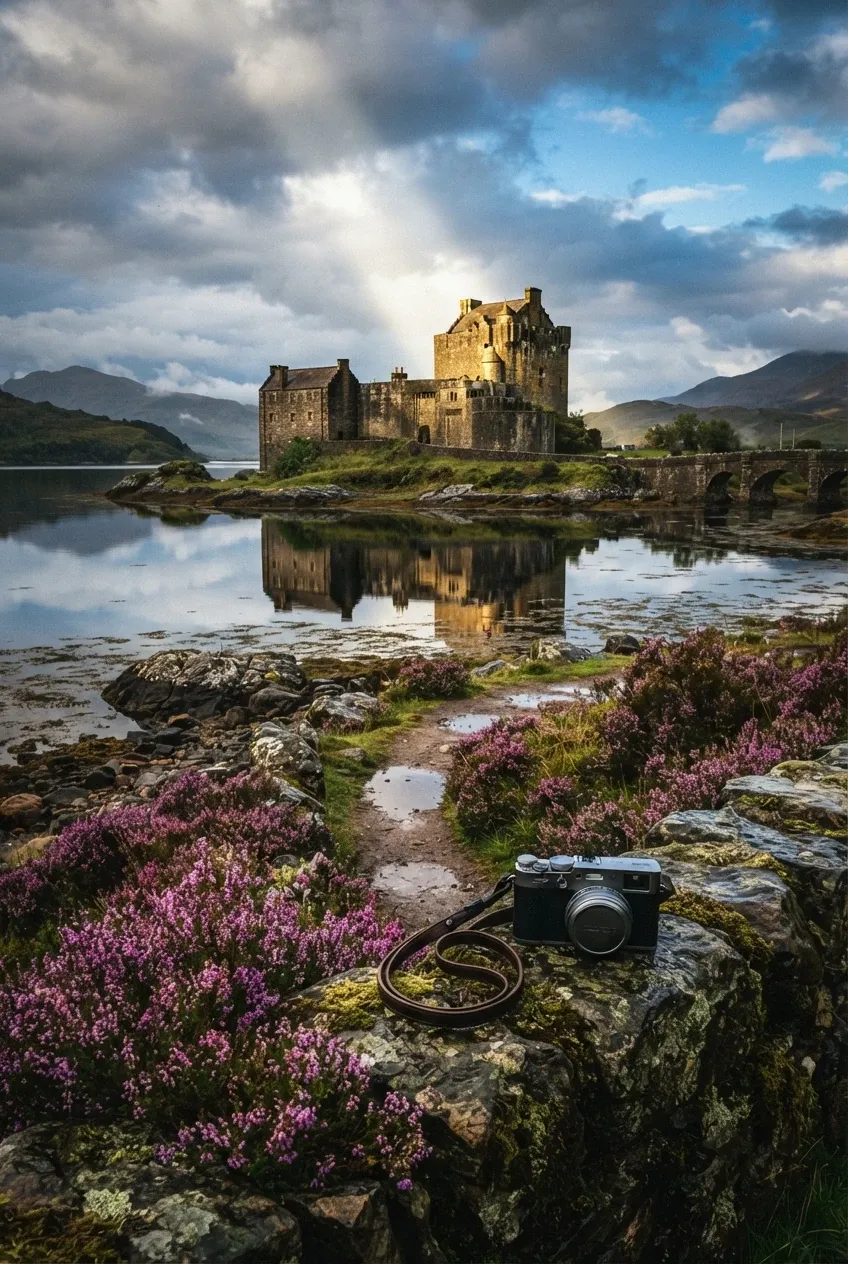
Arrive Early
Soft morning light, calmer water and fewer visitors can transform popular castles such as Eilean Donan and Kilchurn.
Include the Landscape
Avoid zooming too tightly. Mountains, cliffs, lochs and roads explain why the castle was built there and give the photograph a stronger sense of place.
Use Changing Weather
Blue skies are pleasant, but broken cloud, mist and shafts of sunlight often suit Scottish scenery better.
Look for Foreground Details
Stone walls, heather, shoreline rocks, paths and reflections help create depth.
Stay After Rain
Wet stone becomes darker and more textured, while temporary waterfalls appear across mountain slopes.
Respect Restrictions
Drones may be restricted near historic sites, wildlife areas, private property and busy attractions. Check the relevant land manager’s rules before flying.
What to Pack for Scotland
Even summer visitors should expect cool wind, rain and rapid temperature changes.
Pack:
- A waterproof jacket with a hood
- Water-resistant trousers for hiking days
- Comfortable walking shoes
- Warm mid-layers
- Quick-drying clothing
- A compact daypack
- Reusable water bottle
- Power bank
- Midge repellent
- Sunscreen
- A hat and light gloves outside midsummer
- A dry bag or protective camera cover
Avoid relying on a flimsy umbrella in exposed Highland areas. The wind may rapidly convert it into modern sculpture.
Frequently Asked Questions
What is the most beautiful castle in Scotland?
Eilean Donan is arguably the most recognizable, but Dunnottar has the most dramatic coastal setting. Kilchurn is particularly beautiful for landscape photography, while Stirling offers one of the richest combinations of architecture, history and views.
Which area has the most castles?
Aberdeenshire is one of the best regions for castle-focused travel. Its official castle trail links 19 sites across the northeast.
How many days do I need for Scotland?
Allow at least seven days for Edinburgh and a limited Highland route. Ten to fourteen days is better for combining Edinburgh, Glencoe, Skye, Loch Ness and the northeast without turning the trip into a marathon conducted from a car seat.
Can I explore Scottish castles without driving?
Yes. Edinburgh, Stirling and several central locations are accessible by train or bus. Guided day tours also connect the cities with Highland castles and lochs. Remote ruins such as Kilchurn are considerably easier to visit by car.
Are Scottish castles open throughout the year?
Some major castles operate year-round, while smaller or privately managed properties may close seasonally. Opening arrangements can also change because of maintenance, conservation work or severe weather.
Is the Isle of Skye worth visiting for castles?
Yes, although Skye’s landscapes are the principal attraction. Dunvegan, Armadale and smaller ruins can be combined with the Cuillin, Trotternish and the island’s dramatic coastline.
What is the best month for a Scottish castle road trip?
May and September offer a strong combination of daylight, operating attractions and somewhat lighter crowds. June offers very long days but can be busier.
Final Thoughts
Scotland’s castles are not museum pieces separated from the world around them. They remain tied to cliffs, rivers, islands, lochs and old routes through the mountains.
That connection is what makes traveling here so memorable.
You may arrive expecting stone towers and clan stories, but the moments that linger are often less predictable: sunlight moving across Glencoe, rain hanging above Loch Ness, a ruined wall reflected in completely still water or an empty road disappearing into the Cuillin.
Give the landscapes time to change. Leave gaps in the itinerary. Stop safely when the weather clears.
Scotland rarely reveals its best side on command. It waits until you have put the camera away, started the car and accepted that the clouds are staying. Then the mountain appears, the castle catches the light, and the entire country briefly behaves like a film set.