Things to Do in East Hampton: The Complete 2026–27 Travel Guide
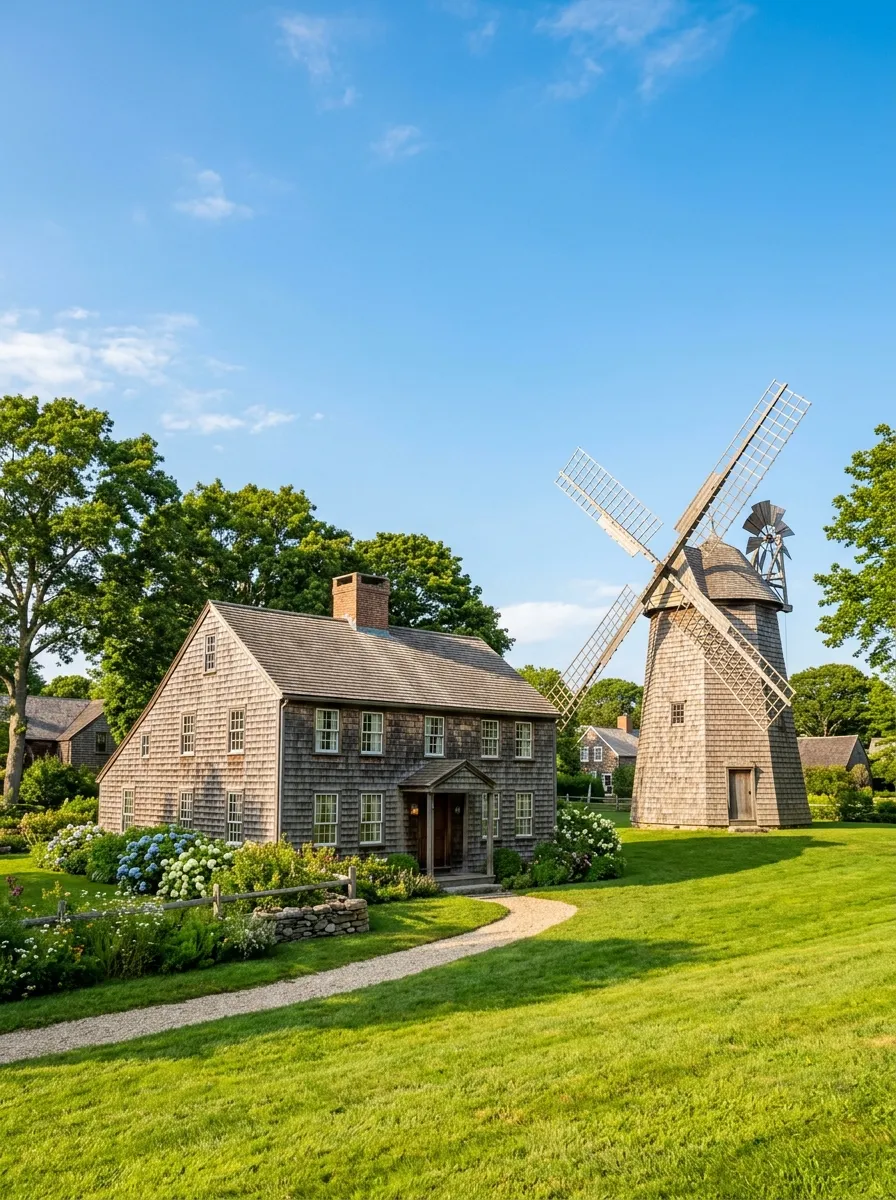
East Hampton has been synonymous with old-money summer glamour for more than a century, and it’s earned that reputation honestly — this is a village founded in 1648, its Main Street lined with centuries-old windmills and shingled saltbox houses, backing directly onto a beach Forbes has ranked among the best in the country. But East Hampton is also a genuinely walkable, historically rich town in its own right, home to the house where Jackson Pollock and Lee Krasner redefined American art, a sixteen-acre sculpture garden holding work by Yoko Ono and Buckminster Fuller, and a Main Beach that somehow lives up to decades of hype.
This guide covers things to do in East Hampton for the rest of 2026 and into 2027, and the town’s rhythm is worth understanding before you book. East Hampton is unmistakably a summer destination — June through August brings the crowds, the traffic and the town at its most electric, while September delivers arguably the best version of the trip: same beaches, same restaurants, a fraction of the people. Getting the timing and the transportation logistics right (the Hamptons’ notorious summer weekend traffic is not an exaggeration) shapes almost everything else about how the trip goes.
Whether you’re planning a beach-and-gallery weekend, tracing Pollock and Krasner’s studio, or simply looking for the best way out from Manhattan without losing half a Friday to traffic, this guide breaks down what’s actually worth your time, current transportation options and pricing, and how to build a realistic East Hampton itinerary around its historic village core, its art scene, and its genuinely excellent beaches.
Recommended Travel Items for Your Trip
AT A GLANCE: EAST HAMPTON
- Best overall time to visit: Early-to-mid September for the best weather-to-crowd ratio; July and August for full peak-season energy
- Best beach: Main Beach, ranked among the top beaches in the country
- Best cultural stop: The Pollock-Krasner House and Study Center
- Best garden and sculpture stop: LongHouse Reserve
- Distance from NYC: About 100 miles, roughly 3 hours by car outside peak traffic
- Best way to avoid summer weekend traffic: LIRR train or a scheduled bus service rather than driving Friday afternoon
- Ideal trip length: A long weekend (3–4 days); a full week to add Montauk and Sag Harbor
East Hampton at a Glance: Where to Focus Your Time
East Hampton functions as both a specific village and the larger town that includes Montauk, Amagansett and Wainscott, and understanding that distinction matters for planning.
| Area | Best For | Best Upcoming Time | Suggested Stay | Main Consideration |
| East Hampton Village | Historic core, Main Beach, galleries, dining | Year-round, peak May–Sep | 2–3 nights | Among the priciest lodging in the Hamptons |
| Amagansett | Quieter beaches, a smaller-scale village feel | May–Sep | 1–2 nights | Fewer restaurants than East Hampton Village |
| Montauk | Surfing, the lighthouse, a livelier bar scene | May–Sep | 1–2 nights | About 20 minutes farther east, its own distinct vibe |
| Sag Harbor | Historic whaling-village charm, a different pace | Year-round | 1–2 nights | Technically a separate town, worth a day trip |
Why East Hampton Still Lives Up to the Hype
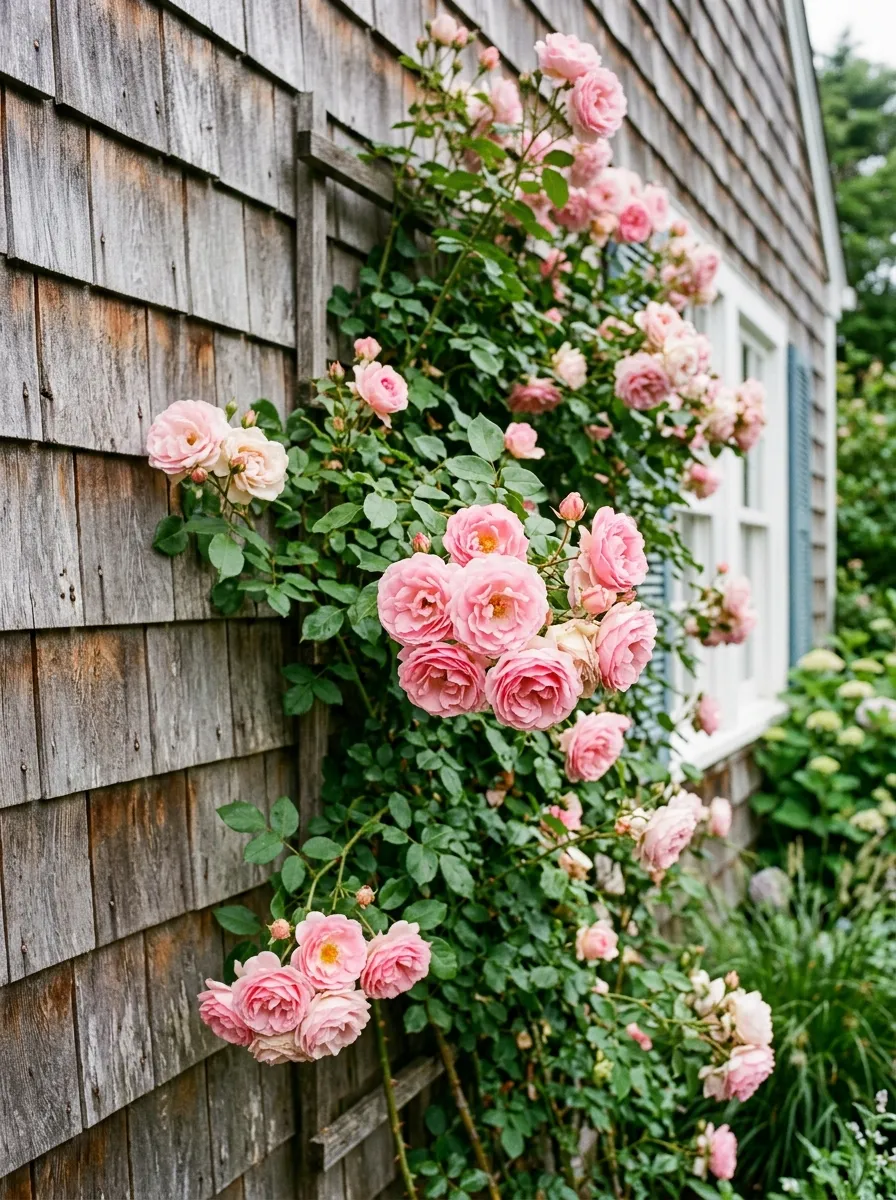
East Hampton’s reputation as a celebrity summer enclave is real, but it’s not the whole story, and treating it purely as a place to spot famous faces undersells a town with genuine historical and cultural depth. This is a place where American Abstract Expressionism was quite literally invented in a converted barn studio, where 1600s-era homesteads sit a short walk from contemporary sculpture gardens, and where the beach itself — not the boutiques — remains the actual draw for most repeat visitors. The crowds and the price tags are real, but so is the substance underneath them.
When to Visit East Hampton: Weather, Crowds and Traffic
Late 2026: What’s Left on the Calendar
If you’re planning a trip for the remainder of 2026, September offers what many longtime visitors consider the sweet spot — the Atlantic stays warm enough for swimming well into the month, restaurants and galleries remain fully open, and both the beach crowds and the infamous Hamptons traffic ease off considerably compared to peak summer. October brings a genuinely quiet, more contemplative version of the town, with LongHouse Reserve’s gardens and several historic house museums typically closing for the season around late October or November, so confirm specific closing dates if a fall visit is built around indoor and garden attractions specifically.
Summer 2027: Peak Season and Traffic Planning
June through August 2027 will bring East Hampton back to its full peak-season self — beach clubs, gallery openings and restaurant reservations booked out weeks ahead. This is also when the Hamptons’ notorious summer weekend traffic peaks; Friday afternoon departures from Manhattan can turn a normally 2.5 to 3-hour drive into considerably longer, and private car services and the Hampton Jitney both routinely book out one to two weeks ahead for Friday departures during peak season.
BOOKING TIP
The LIRR’s Montauk Branch runs directly from Penn Station through to the East Hampton station, generally running 22–35 per person one-way depending on peak or off-peak timing — a genuinely strong option for sidestepping summer weekend road traffic entirely, though budget for a taxi or rideshare from the station to wherever you’re staying.
Spring and Early Summer
May and early June offer a genuine shoulder-season option — LongHouse Reserve typically reopens for the season around late April to early May, gardens are in full bloom, and the town operates at a noticeably calmer pace before the summer rush fully arrives, though water temperatures generally stay too cool for comfortable ocean swimming until later in June.
Main Beach
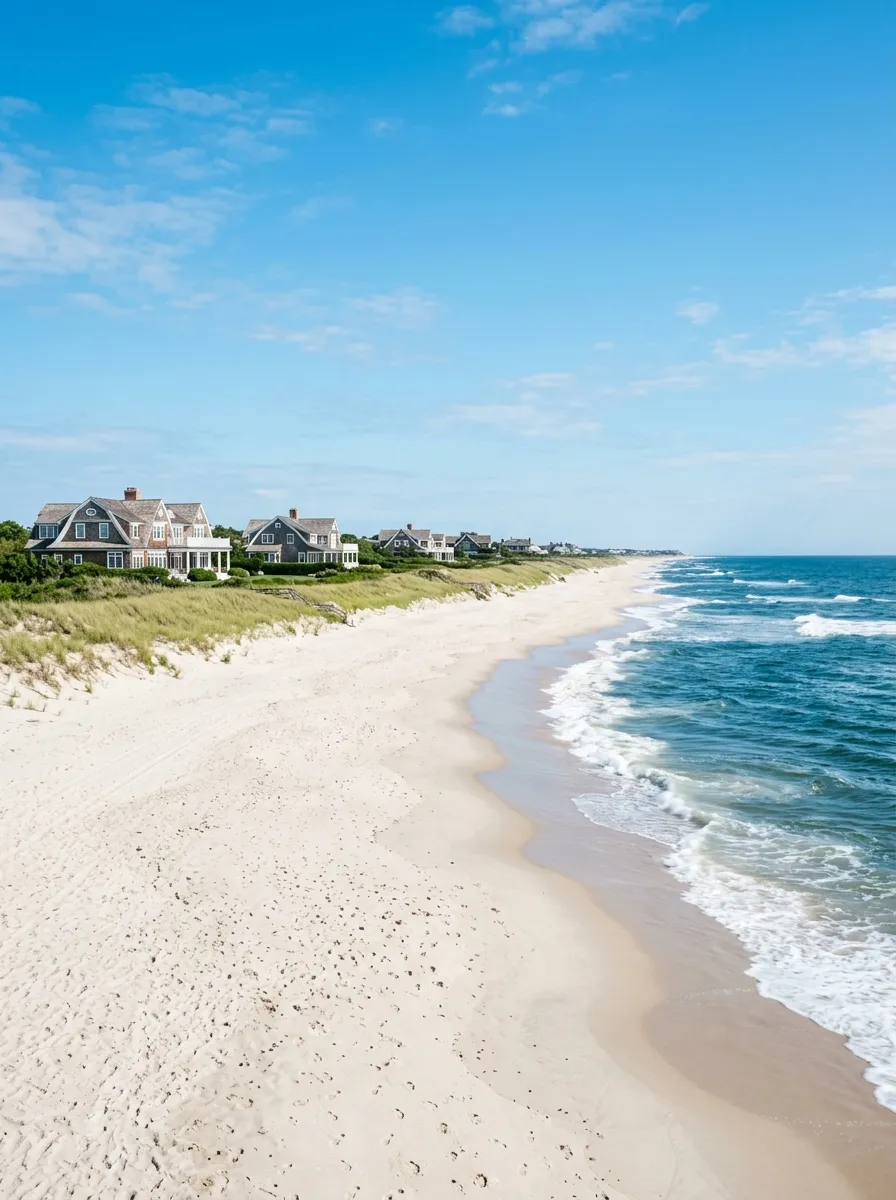
East Hampton’s signature beach, Main Beach has been repeatedly ranked among the best beaches in the country by Forbes and other national outlets, and it’s easy to see why — a long, wide stretch of soft sand, consistently good surf, and a backdrop of some of the most striking oceanfront estates on the East Coast. Lifeguards are on duty in season, and the beach’s pavilion offers basic concessions and restroom facilities. Parking requires a village beach permit in peak season, so non-residents typically arrive by bike, on foot, or via a rideshare rather than driving directly.
The Pollock-Krasner House and Study Center
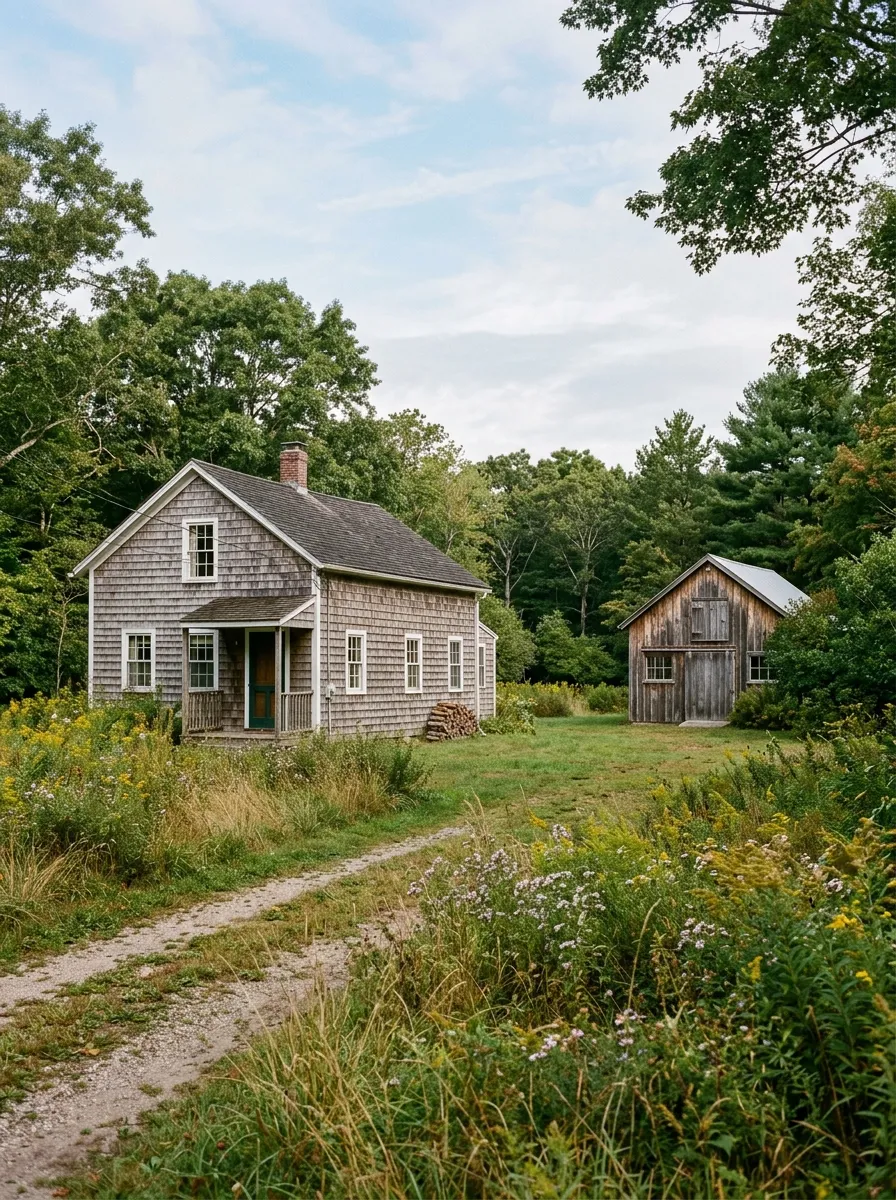
One of the most significant art-historical sites in the country, this modest farmhouse and its adjacent barn studio is where Jackson Pollock developed his signature drip technique and where he and fellow painter Lee Krasner lived and worked from 1945 until Pollock’s death in 1956. Guided tours run Thursday through Sunday by advance reservation, priced around $20 for adults and $10 for children under 10, with a VR tour add-on available for an extra $10; self-guided tours run $15 for adults and $5 for children. Standing in the actual studio where the paint-splattered floor still bears Pollock’s working marks is a genuinely different experience than seeing his work in a museum.
LongHouse Reserve
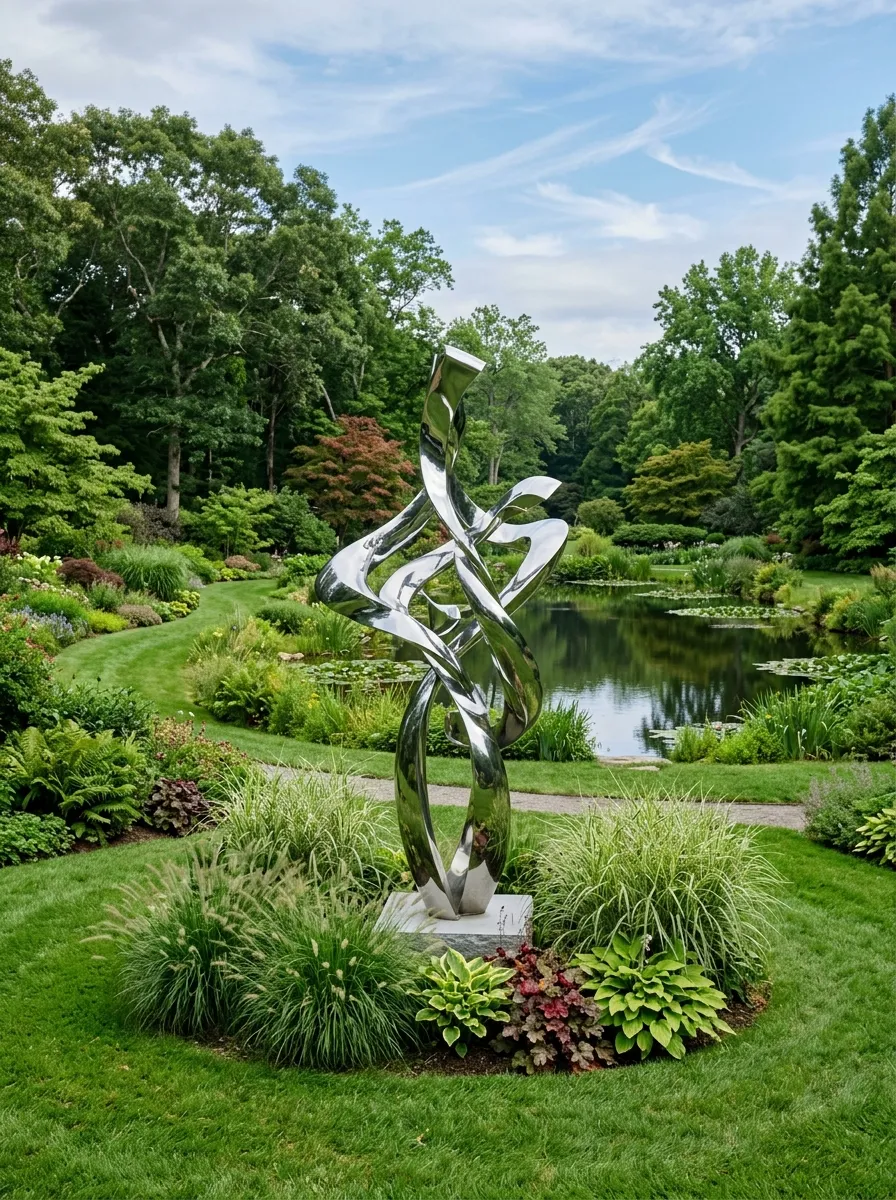
A sixteen-acre garden and sculpture reserve founded in 1991 by textile designer Jack Lenor Larsen, LongHouse Reserve blends manicured lawns, a dune garden, a thousand-foot hemlock hedge and more than 70 sculptures — including work by Willem de Kooning, Dale Chihuly, Yoko Ono, Sol LeWitt and Buckminster Fuller’s Fly’s Eye Dome — into one of the most distinctive garden experiences on the East Coast. The reserve’s centerpiece house, inspired by a 7th-century Shinto shrine in Ise, Japan, is partially open to visitors. Admission runs around $15 for adults and $10 for seniors, with free entry for children, students, veterans and active-duty personnel; the reserve is generally open Wednesdays and Saturdays from May, June, September and October, with expanded Wednesday-through-Saturday hours in July and August. It’s about a mile and a half from the East Hampton LIRR station, making it a realistic stop even without a car.
BOOKING TIP
LongHouse Reserve’s limited open days (Wednesdays and Saturdays for most of the season) catch a lot of first-time visitors off guard — check the current calendar on longhouse.org before building a day around it, especially outside peak summer.
Guild Hall

Founded in 1931, Guild Hall functions as the cultural anchor of the East End, combining a museum, a performing arts theater and an education center under one roof. Its exhibition and performance calendar runs throughout the year, offering one of the more reliable indoor cultural stops regardless of season.
Historic House Museums
East Hampton’s status as one of the oldest English settlements in New York shows up in a genuine cluster of preserved historic homes: the 1720s lean-to Home Sweet Home Museum, the 1680 Mulford Farm homestead, the 1784 Hook Schoolhouse and the 1720 Osborn-Jackson House all offer a window into the town’s pre-Revolutionary and colonial-era history, a striking contrast to the town’s contemporary reputation for beach clubs and celebrity sightings.
The Leiber Collection
Housed near the Pollock-Krasner site, the Leiber Collection showcases the ornate, sculptural handbags of designer Judith Leiber alongside paintings, prints and sculpture by her husband, artist Gerson Leiber, set within a landscaped garden — a compact, distinctive stop for visitors interested in decorative arts.
Amagansett and Its Quieter Beaches
Just east of East Hampton Village, Amagansett offers a smaller-scale, slightly less crowded version of the same Hamptons beach experience, with its own strip of well-regarded shops and restaurants along Main Street. It’s a strong choice for visitors wanting Hamptons beach access without East Hampton Village’s peak-season density.
Montauk

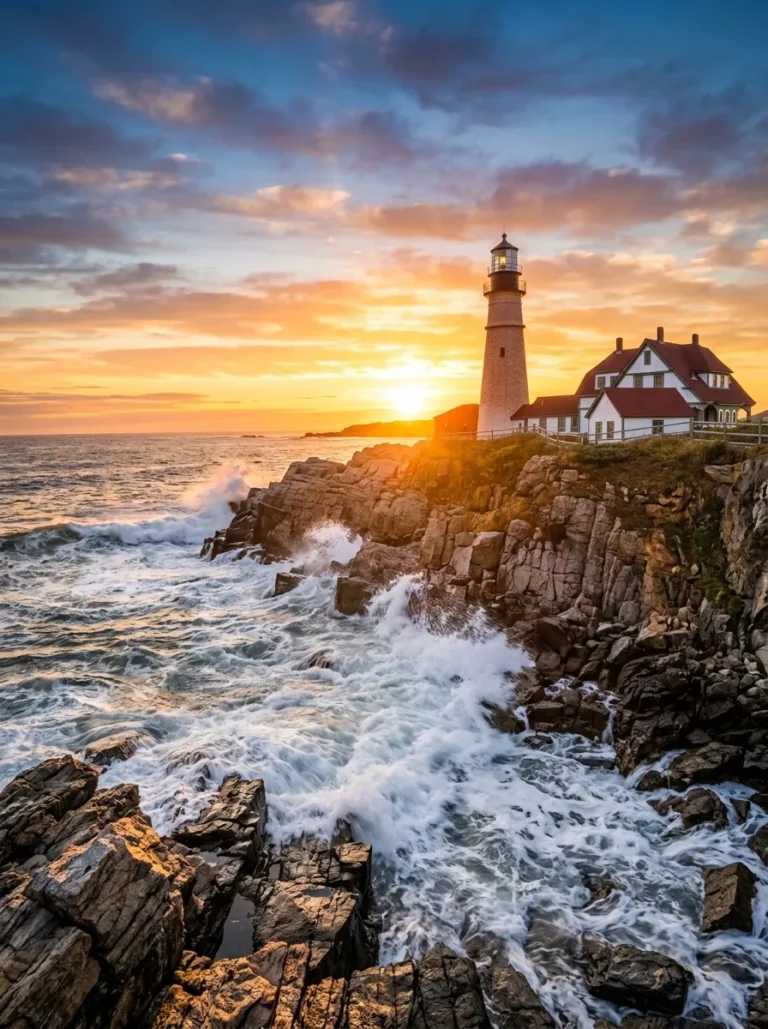
About 20 minutes farther east, Montauk trades East Hampton’s manicured, old-money polish for a livelier, surf-and-fishing-town energy, anchored by Montauk Point Lighthouse — the first lighthouse built in New York State and the first public works project of the newly formed United States. It’s a genuinely different pace worth a dedicated day trip, particularly for surfers and anyone wanting a rowdier bar scene than East Hampton Village typically offers.
Water Sports and Ocean Activities
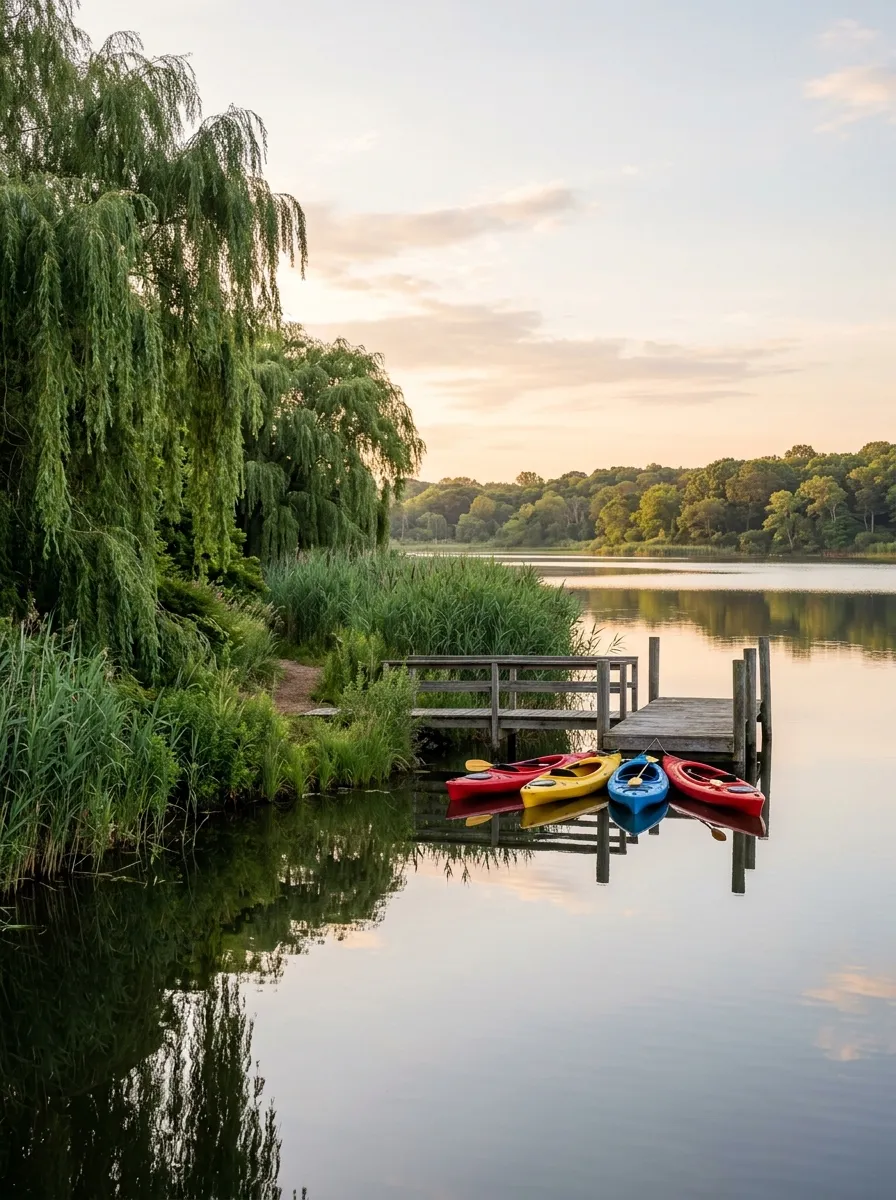
Beyond swimming at Main Beach, East Hampton’s coastline supports a solid range of water activities in season — jet ski rentals, paddleboarding and kayaking are all readily available through local outfitters, offering an active alternative to a straightforward beach day.
If East Hampton’s water sports have you craving something with a bit more adrenaline, it’s worth knowing the concept scales up considerably elsewhere — this list of 15 thrilling travel experiences you have to try rounds up considerably more intense options for a future trip built around exactly that kind of rush.
Sag Harbor Day Trip
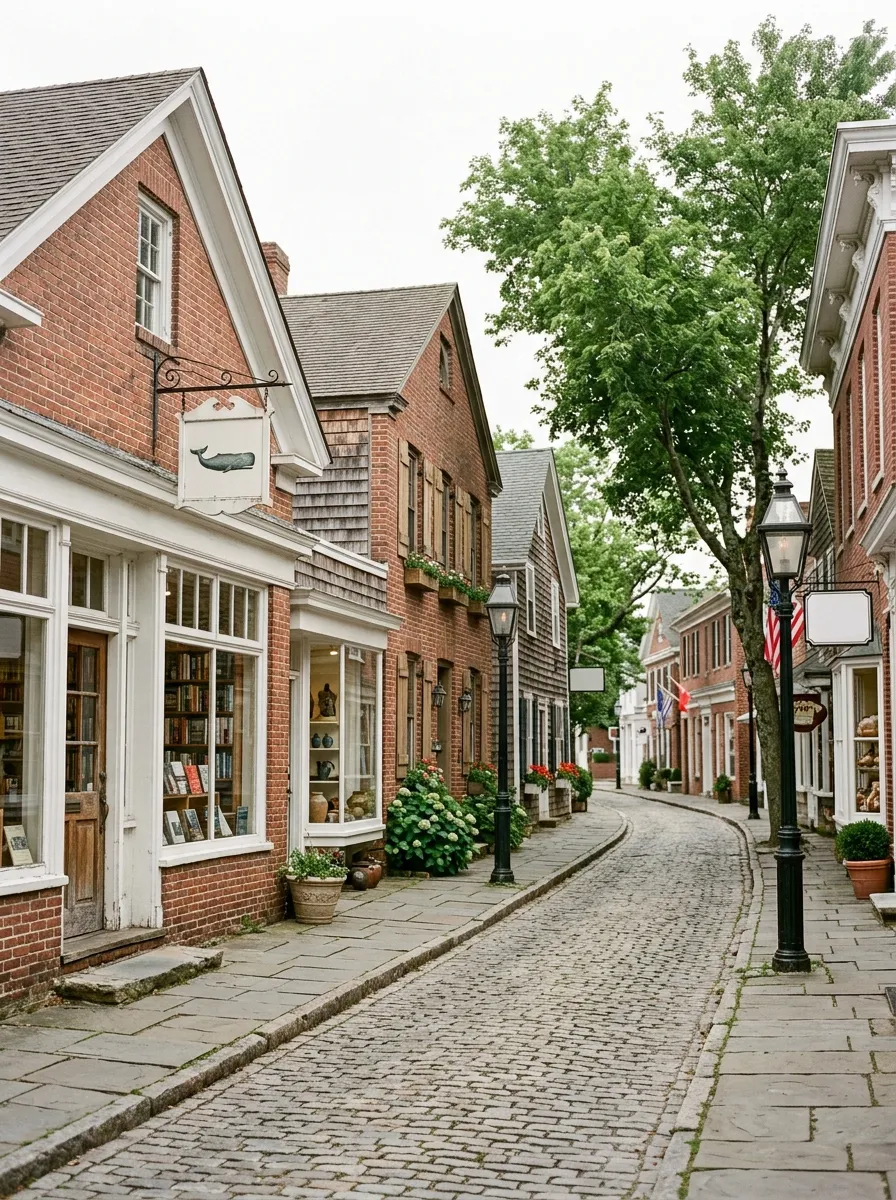
A former whaling port turned historic village, Sag Harbor offers a genuinely different pace and character from East Hampton — a compact, walkable Main Street lined with 18th- and 19th-century architecture, independent bookshops and a working harbor still active with boats rather than exclusively beach clubs. It’s an easy day trip from East Hampton and a strong contrast for visitors wanting a break from the beach-club scene.
Where to Stay in East Hampton
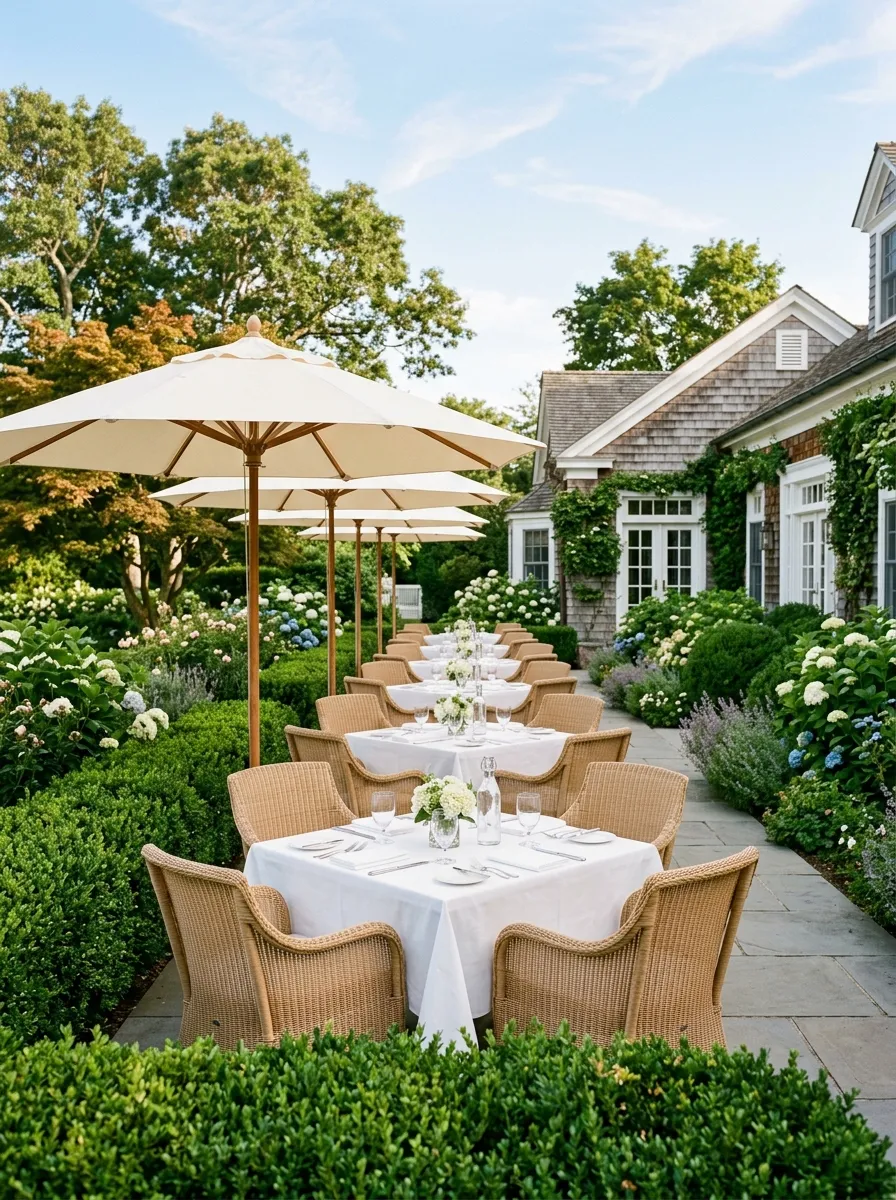
East Hampton Village: The most walkable, historic base, close to Main Beach, Guild Hall and the village’s restaurant scene, generally the priciest lodging in the region.
Amagansett: A strong alternative for beach access with a slightly calmer, less dense feel than the village core.
Montauk: The right pick for surfers and travelers prioritizing a livelier bar scene over East Hampton’s more polished pace.
Choosing the right base neighborhood shapes a trip far beyond just East Hampton — this guide to where to stay in Manchester, England breaks down that same area-by-area decision-making for a very different kind of city trip, useful reference for anyone planning multiple destinations this year.
How to Get to East Hampton and Around
By car: About 100 miles from Manhattan via the Long Island Expressway, typically a 2.5 to 3-hour drive outside peak traffic — Friday afternoon departures in July and August can extend this considerably, so an early or late departure is worth planning around.
By train: The LIRR’s Montauk Branch runs directly from Penn Station to the East Hampton station, generally 22–35 per person one-way depending on peak or off-peak timing, with a taxi or rideshare typically needed for the final stretch to your accommodation.
By bus: The Hampton Jitney offers scheduled service from Manhattan directly into East Hampton, a popular middle-ground option between driving and the train.
By private car service: A private sedan or SUV from Manhattan typically runs 350–600 all-inclusive depending on vehicle size, which works out to roughly 90–115 per person for a group of four — comparable to Jitney pricing once you factor in taxi costs on both ends, with the added benefit of door-to-door service and your own schedule.
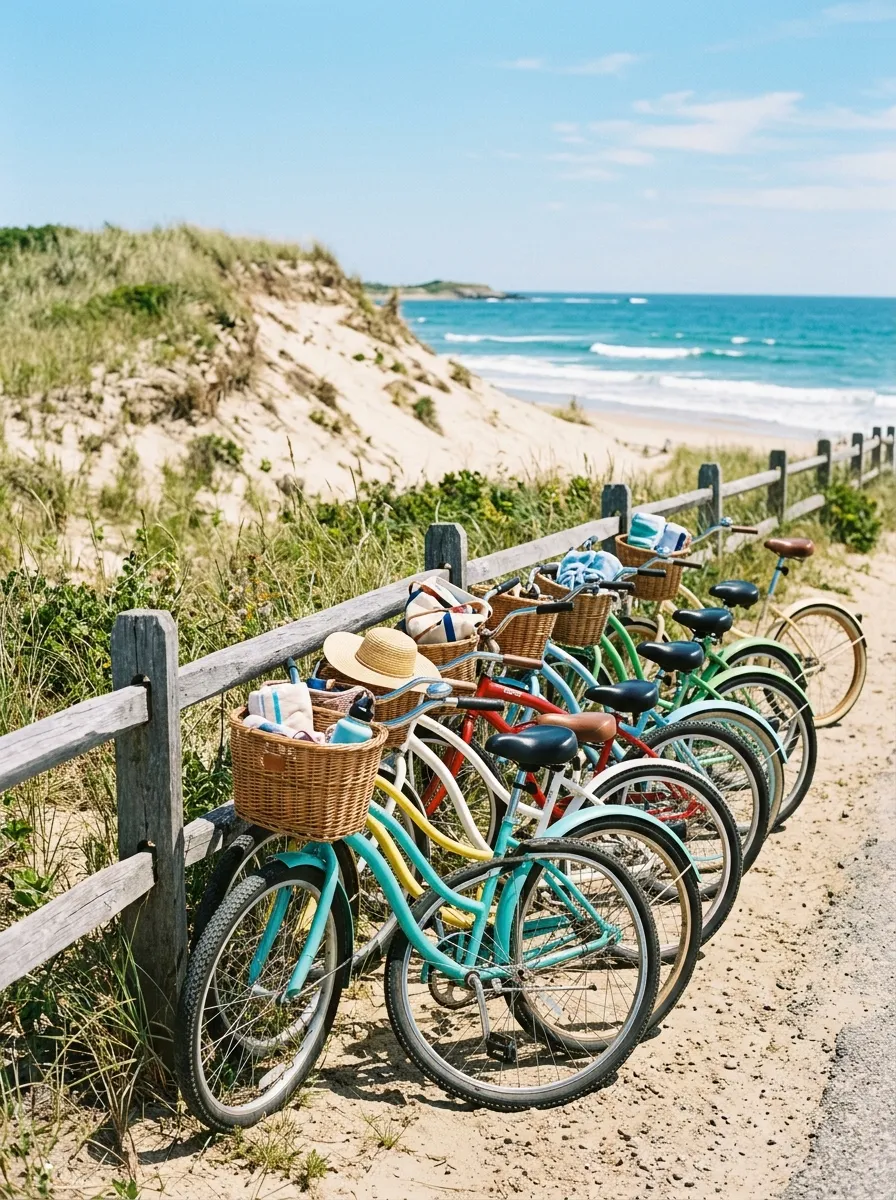
Around East Hampton: The village core is genuinely walkable and bike-friendly, and many visitors rent bikes for getting between the beach, Main Street and nearby attractions without needing a car for every trip.
How Many Days Do You Need in East Hampton?
A long weekend (three to four days) covers the essentials well — a Main Beach day, the Pollock-Krasner House, LongHouse Reserve and a village dinner or two. A full week allows for a Montauk day trip, a Sag Harbor detour, and a genuinely unhurried pace rather than rushing between the region’s highlights.
Long Weekend East Hampton Itinerary
Day 1: Arrive (train or Jitney recommended to skip traffic), village orientation, dinner in East Hampton Village.
Day 2: Main Beach morning, Pollock-Krasner House and Study Center in the afternoon (book ahead for the guided tour).
Day 3: LongHouse Reserve (check open days first), Guild Hall or one of the historic house museums, evening in Amagansett.
Day 4: Montauk day trip — lighthouse, surf beaches, lunch before heading back to the city.
Budget Travel in East Hampton
East Hampton has a well-earned reputation for expense, but there’s real flexibility for cost-conscious travelers: Main Beach itself is free to enjoy (aside from a parking permit in peak season), the historic house museums generally charge modest admission, and traveling via LIRR train rather than a private car service or peak-season Jitney meaningfully cuts transportation costs. Visiting in September rather than July or August also brings noticeably lower accommodation rates while still delivering swimmable water and open restaurants.
Family Travel in East Hampton
Main Beach’s lifeguarded, gently sloping sand works well for families, and LongHouse Reserve’s sculpture-hunt format tends to hold kids’ attention better than a typical garden visit. The historic house museums offer an easy, low-key educational stop for families looking to break up beach time with something indoors.
Traveling with very young kids changes the calculus on almost every part of a trip like this — this complete guide to travelling with a baby (0–2) and this complete guide to travelling with toddlers (2–5) both offer practical, age-specific planning that applies directly to a beach-and-garden trip like East Hampton.
Solo Travel and Couples in East Hampton
Solo travelers benefit from the LIRR’s straightforward, traffic-free access and the village’s walkable core, making a low-key solo weekend genuinely manageable without a car. Couples looking for a romantic angle should consider a Main Beach sunset walk paired with dinner in the village, or a slower LongHouse Reserve visit on one of its limited open days for a quieter, less crowded experience.
Pairing East Hampton with a New York City Trip
Given its proximity to Manhattan, East Hampton pairs naturally with a broader New York City visit — a few days in the city followed by a beach-focused extension out east, or vice versa, makes for a genuinely well-rounded trip that balances urban sightseeing with coastal downtime.
If NYC is part of the plan before or after your East Hampton trip, it’s worth having a plan for the city’s own headline attractions too — this ultimate guide to the Explorer Pass for NYC’s top attractions covers how to see the city efficiently, a useful pairing for a combined city-and-Hamptons itinerary.
Safety and Practical Tips
Standard beach safety applies at Main Beach and elsewhere along the coast — swim near lifeguard stations when in season, and be aware of rip current risk, which can develop along this stretch of Atlantic coastline. Peak-season traffic is the other genuinely significant practical concern here; building flexibility into arrival and departure times, or choosing the train over driving during a Friday or Sunday peak window, meaningfully improves the overall experience.
East Hampton Packing Checklist
- [ ] Sunscreen and a hat for beach days
- [ ] A beach permit or parking plan if driving to Main Beach in peak season
- [ ] Comfortable walking or biking shoes for the village core
- [ ] A light layer for cooler evenings, even in summer
- [ ] Advance reservations for the Pollock-Krasner House guided tour
- [ ] Confirmation of LongHouse Reserve’s current open days before visiting
- [ ] A train or Jitney ticket booked ahead if traveling on a peak summer weekend
- [ ] A reusable water bottle for beach and walking days
Frequently Asked Questions About Visiting East Hampton
What is the best time of year to visit East Hampton?
Early-to-mid September offers the best balance of warm, swimmable water and thinner crowds; July and August bring full peak-season energy along with the heaviest traffic and highest prices.
How do I get to East Hampton from New York City?
By car (about 2.5 to 3 hours via the Long Island Expressway, longer in peak summer traffic), by LIRR train from Penn Station (roughly 22–35 one-way), by Hampton Jitney bus, or by private car service (about 90–115 per person for a group of four).
How many days do I need in East Hampton?
A long weekend (three to four days) covers the core highlights; a full week allows for Montauk and Sag Harbor day trips at a more relaxed pace.
Is East Hampton expensive?
Yes, generally — it has a well-earned reputation for high accommodation and dining costs, though the beach itself and several historic sites remain affordable or free.
Do I need a car in East Hampton?
Not necessarily — the village core is walkable and bike-friendly, and LongHouse Reserve is reachable on foot or bike from the LIRR station. A car becomes more useful for reaching Montauk or exploring more broadly.
Is Main Beach worth the hype?
Yes — it’s consistently ranked among the best beaches in the country, with wide, soft sand and reliably good surf.
Do I need a reservation for the Pollock-Krasner House?
Guided tours require advance reservation and run Thursday through Sunday; self-guided tours are also available.
When is LongHouse Reserve open?
Generally Wednesdays and Saturdays in May, June, September and October, with expanded Wednesday-through-Saturday hours in July and August — always confirm the current calendar before visiting.
Is East Hampton good for families?
Yes — Main Beach’s lifeguarded sand and LongHouse Reserve’s sculpture-hunt format both work well for kids, alongside several historic house museums for an easy indoor break.
Is East Hampton good for solo travelers?
Yes, particularly via the LIRR train, which removes the need for a car and traffic stress entirely.
Is a day trip to Montauk worth it from East Hampton?
Yes — about 20 minutes farther east, Montauk offers a distinctly different, livelier surf-town pace anchored by its historic lighthouse.
What’s the biggest mistake first-time visitors make?
Driving out on a Friday afternoon during peak summer without accounting for Hamptons traffic — the LIRR or an early/late departure avoids most of that stress entirely.
Is East Hampton good for a romantic getaway?
Yes — a Main Beach sunset and a quieter LongHouse Reserve visit both make for a strong, low-key couples’ itinerary.
What should I pack for East Hampton?
Sunscreen, beach gear, comfortable walking or biking shoes, and a light layer for cooler evenings even in peak summer.
Is Sag Harbor different from East Hampton?
Yes — it’s a separate, historic former whaling village with a quieter, more maritime character, worth a day trip for contrast.
Is there good art and culture beyond the beach in East Hampton?
Yes — the Pollock-Krasner House, LongHouse Reserve, Guild Hall and the Leiber Collection all offer genuine cultural depth beyond the beach-club reputation.
Final Thoughts on Visiting East Hampton
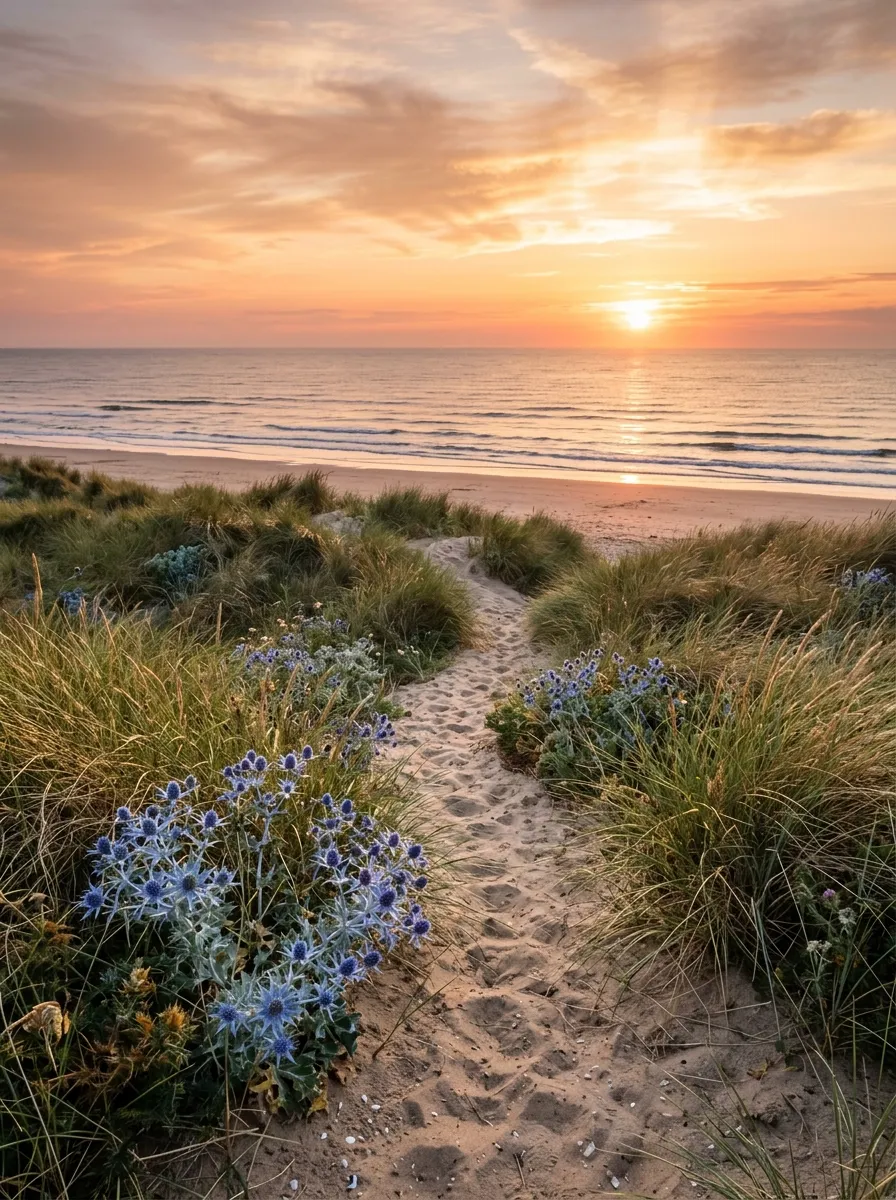
East Hampton earns its reputation honestly, and the beach-club glamour is really just the surface of a town with genuine historical and artistic weight underneath it. Main Beach lives up to the hype, the Pollock-Krasner House offers a rare, unfiltered look at where American Abstract Expressionism was actually made, and LongHouse Reserve’s sculpture garden delivers one of the more distinctive art experiences on the entire East Coast.
If you’re building a first East Hampton itinerary, anchor it around Main Beach and the Pollock-Krasner House, and seriously consider the LIRR train over driving if your trip falls on a peak summer weekend — it’s the single biggest quality-of-life decision available to a Hamptons visitor. However you build it, things to do in East Hampton add up into one of the most genuinely well-rounded coastal escapes near New York City, a place where centuries-old windmills, a sculpture garden and one of the best beaches in the country all somehow share the same small stretch of Long Island’s East End.