Things to Do in Boulder, Colorado: The Complete 2026–27 Travel Guide
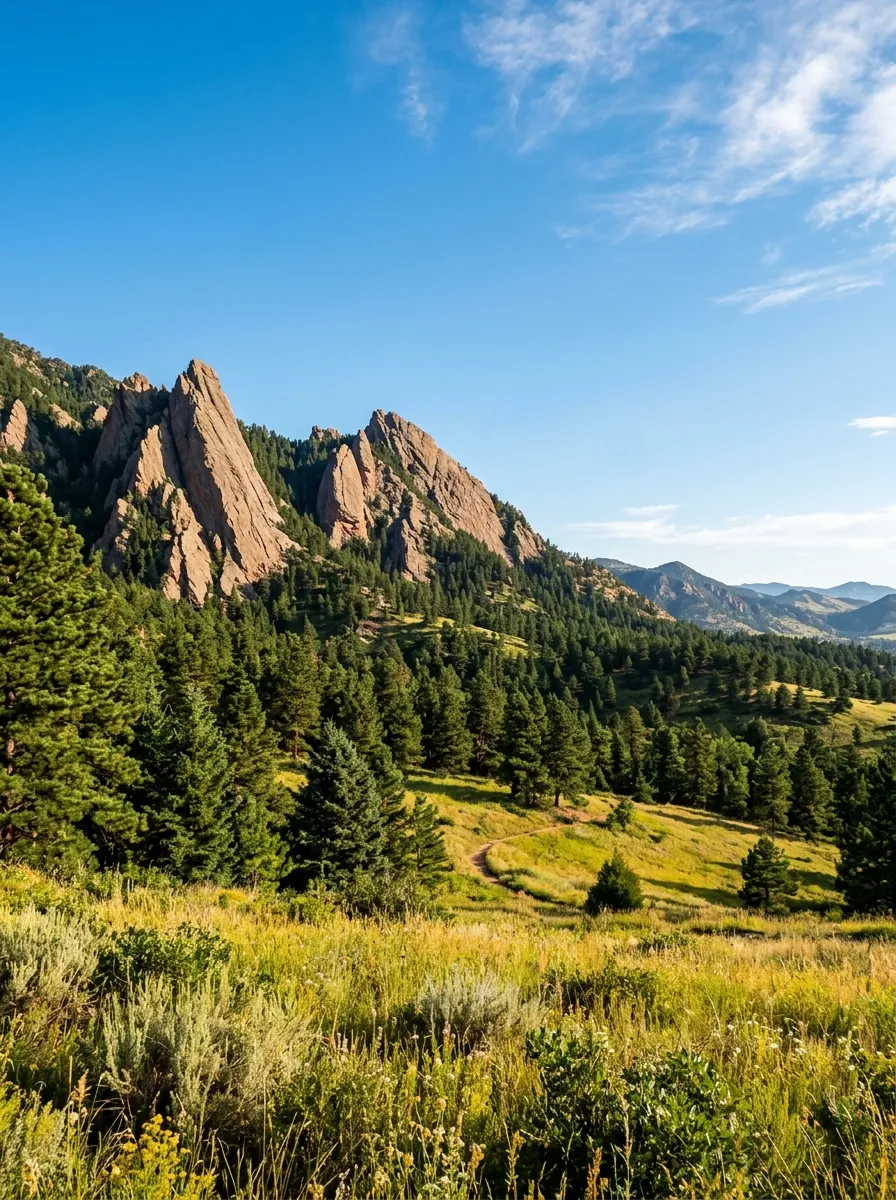
Boulder sits at the exact spot where the Great Plains stop being flat, and the city has built its entire identity around that geography. The Flatirons — five steep, slanted sandstone slabs rising directly behind downtown — aren’t a scenic backdrop you drive to; they’re visible from the middle of the farmers market, from a rooftop patio on Pearl Street, from the University of Colorado’s quad. Regularly named one of the healthiest and most livable cities in America, Boulder has turned outdoor access into its whole personality, with 46,000 acres of city-owned open space and 300 miles of hiking and biking trails wrapped around a genuinely walkable, culturally rich downtown.
This guide covers things to do in Boulder for the rest of 2026 and into 2027, and the city’s calendar matters more here than in most places on this list. Boulder sits at the doorstep of Rocky Mountain National Park and Eldorado Canyon State Park, both of which now require timed-entry reservations during peak season — a genuinely important planning detail that catches unprepared visitors off guard every summer. Get that timing right, along with a realistic sense of Boulder’s mile-high elevation, and this university town delivers one of the best combined city-and-mountain trips in the American West.
Whether you’re planning a hike up to the Flatirons via Chautauqua Park, a day trip into Rocky Mountain National Park, or simply a few days of Pearl Street’s restaurants and breweries with the mountains as a constant backdrop, this guide breaks down what’s actually worth your time, current 2026 reservation systems for the area’s most popular natural sites, and how to pair Boulder with a broader Colorado Front Range trip.
Recommended Travel Items for Your Trip
AT A GLANCE: BOULDER, COLORADO
- Best overall time to visit: June through September for full trail access, or February through April for quieter, snow-dusted Flatirons views
- What it’s known for: The Flatirons, the University of Colorado, and one of the country’s strongest outdoor-lifestyle cultures
- Best walkable area: Pearl Street Mall
- Best free hike: Chautauqua Park’s trail network up to the Flatirons
- Best day trip: Rocky Mountain National Park (timed-entry reservation required in peak season)
- Elevation: About 5,430 feet — noticeably higher than most first-time visitors expect
- Ideal trip length: 3–4 days for Boulder itself; a week to add Rocky Mountain National Park and Denver
Boulder at a Glance: Where to Focus Your Time
Boulder is compact enough to explore largely on foot or by bike, but each area has a distinct character worth matching to your priorities.
| Area | Best For | Best Upcoming Time | Suggested Stay | Main Consideration |
| Pearl Street / Downtown | Shopping, dining, nightlife, walkability | Year-round | 2–3 nights | Busiest and priciest lodging zone |
| Chautauqua / South Boulder | Flatirons hiking, quiet residential charm | Year-round, best Apr–Oct | 1–2 nights | Fewer restaurants within walking distance |
| University Hill | CU Boulder campus energy, casual eats | Year-round | 1 night | Geared toward a younger, student-heavy crowd |
| North Boulder | Quieter pace, local coffee shops | Year-round | 1–2 nights | Farther from Pearl Street’s core |
Why Boulder Is One of the Most Livable Small Cities in America
Boulder’s appeal comes from a genuinely rare combination: a serious research university, a walkable and culturally active downtown, and immediate, unobstructed access to genuine mountain wilderness, all within a city of about 105,000 people. The city has protected tens of thousands of acres of surrounding open space from development since the 1960s, which is why the Flatirons still rise directly behind downtown without a single subdivision creeping up their slopes. That deliberate preservation, paired with the University of Colorado’s cultural and scientific institutions, gives Boulder a depth that a lot of “outdoorsy mountain town” destinations don’t quite match.
When to Visit Boulder: Weather, Reservations and Seasons
Late 2026: What’s Left on the Calendar
September and October 2026 bring some of Boulder’s best weather — warm days, cool nights, and aspen gold spreading through the foothills, all without summer’s peak crowds. Rocky Mountain National Park’s 2026 timed-entry reservation system runs through October 13 for most of the park and October 18 for the Bear Lake Road Corridor specifically, so an October visit still needs a reservation for part of the month; check exact dates before planning around this window. Eldorado Canyon State Park’s weekend and holiday timed-entry system runs through October 1, 2026. By November, both systems lift for the season, and Boulder shifts into a quieter, walk-up-friendly stretch that lasts through the winter.
Rocky Mountain National Park and Eldorado Canyon Timed Entry
If a 2027 trip is in the works, plan around these reservation systems now rather than assuming you can decide on a whim once you arrive. Rocky Mountain National Park’s 2026 system opened reservations on May 1 at 8 a.m. Mountain Time, releasing bookings in monthly batches (with additional slots released nightly at 7 p.m. for the following day); expect a similar rolling release pattern for 2027, likely beginning again around May 1. Reservations apply to entry between roughly 9 a.m. and 2 p.m. for most of the park, and 5 a.m. to 6 p.m. specifically for the Bear Lake Road Corridor — each reservation grants a two-hour arrival window, after which you can stay as long as you like. Eldorado Canyon requires reservations only on weekends and summer holidays, bookable 30 days ahead through Colorado Parks and Wildlife’s shop, with a small share of same-day slots released 24 hours in advance; visiting on a weekday sidesteps the reservation requirement entirely.
BOOKING TIP
Authorized guiding services — jeep tours, fly-fishing guides, hiking outfitters — can bring clients into Rocky Mountain National Park without needing their own timed-entry reservation, a useful workaround if you’re planning a 2027 visit and worried about missing the booking window.
Boulder’s Own Seasons
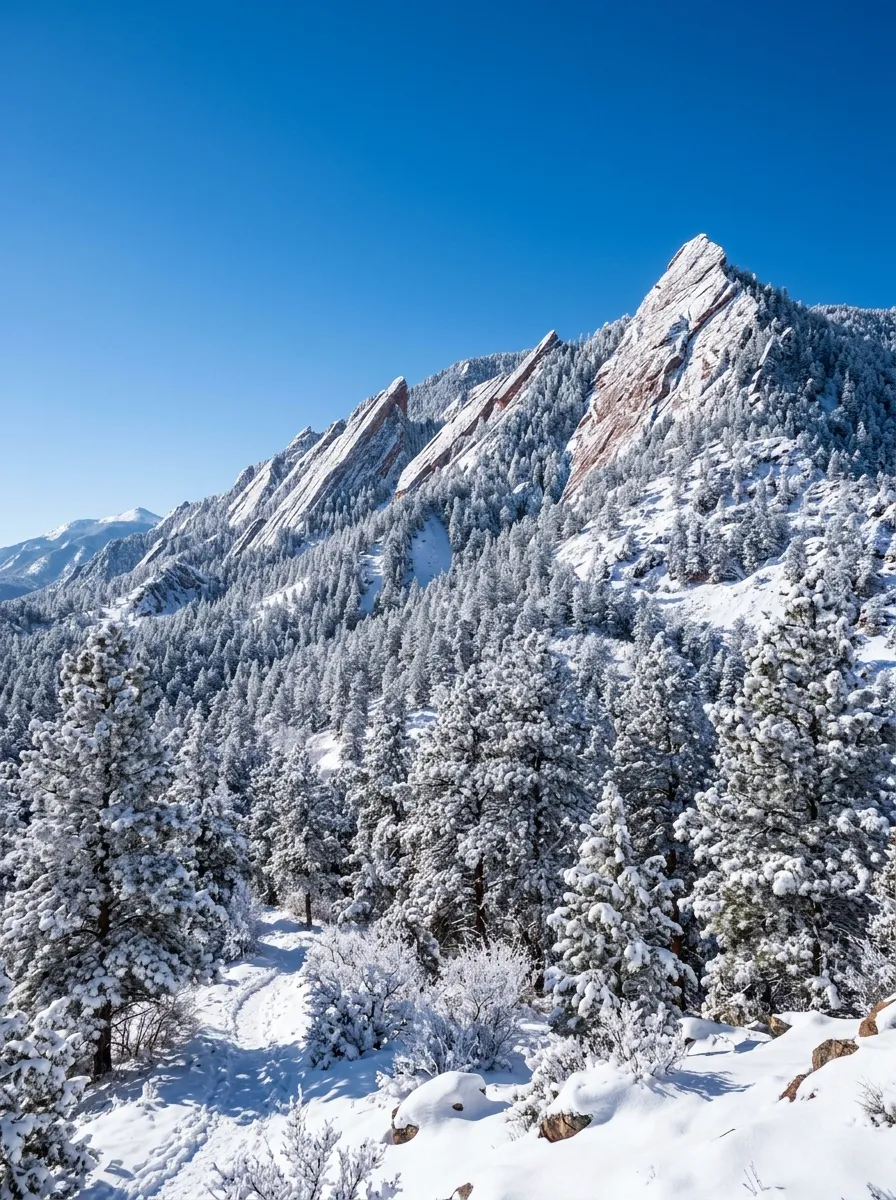
Winter (December–February) brings cold but generally sunny days, with the Flatirons dusted in snow against a bright blue sky — a genuinely striking, less-crowded season for photography and quieter trail time, though higher-elevation trails require real winter gear. Spring (March–May) is Boulder’s wettest, most unpredictable stretch, with late-season snow entirely possible into April. Summer (June–August) is peak season for a reason — warm, dry days and full trail access — but also the busiest and most reservation-dependent window of the year.
ALTITUDE NOTE
At roughly 5,430 feet, Boulder sits meaningfully higher than most visitors’ home elevation, and altitude effects — shortness of breath, faster dehydration, occasional headaches — are genuinely common in the first day or two, especially for anyone planning an ambitious hike immediately after arriving. Hydrate more than feels necessary and ease into strenuous trails rather than tackling the toughest one first.
Pearl Street Mall
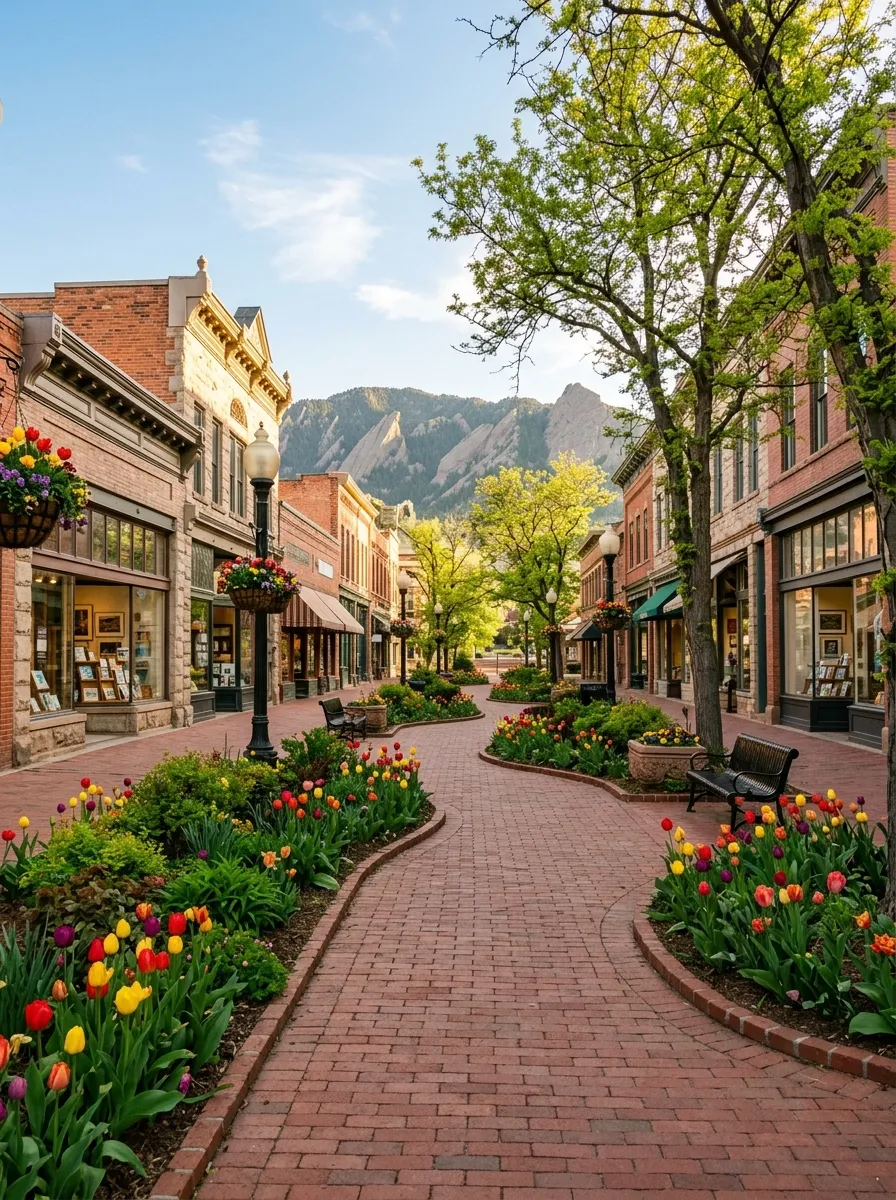
Boulder’s economic and social heart since 1977, the pedestrian-only Pearl Street Mall runs through downtown with public fountains, gardens, sculptures and some of the city’s oldest storied buildings, all set against a constant Flatirons backdrop. It’s a genuinely vibrant stretch regardless of whether you’re shopping — street performers, sidewalk cafés and a dense cluster of independent boutiques and farm-to-table restaurants make it worth a slow wander even with no specific errand in mind.
The Flatirons
Boulder’s defining landmark, the Flatirons are five steep, triangular sandstone formations along the slopes of Green Mountain, visible from nearly everywhere in the city and a major draw for hikers and rock climbers alike. They’re technically part of the foothills rather than free-standing peaks, but their dramatic tilt and reddish-brown color make them one of the most recognizable natural landmarks in Colorado, striking in every season — golden in summer light, dusted white in winter snow.
Chautauqua Park
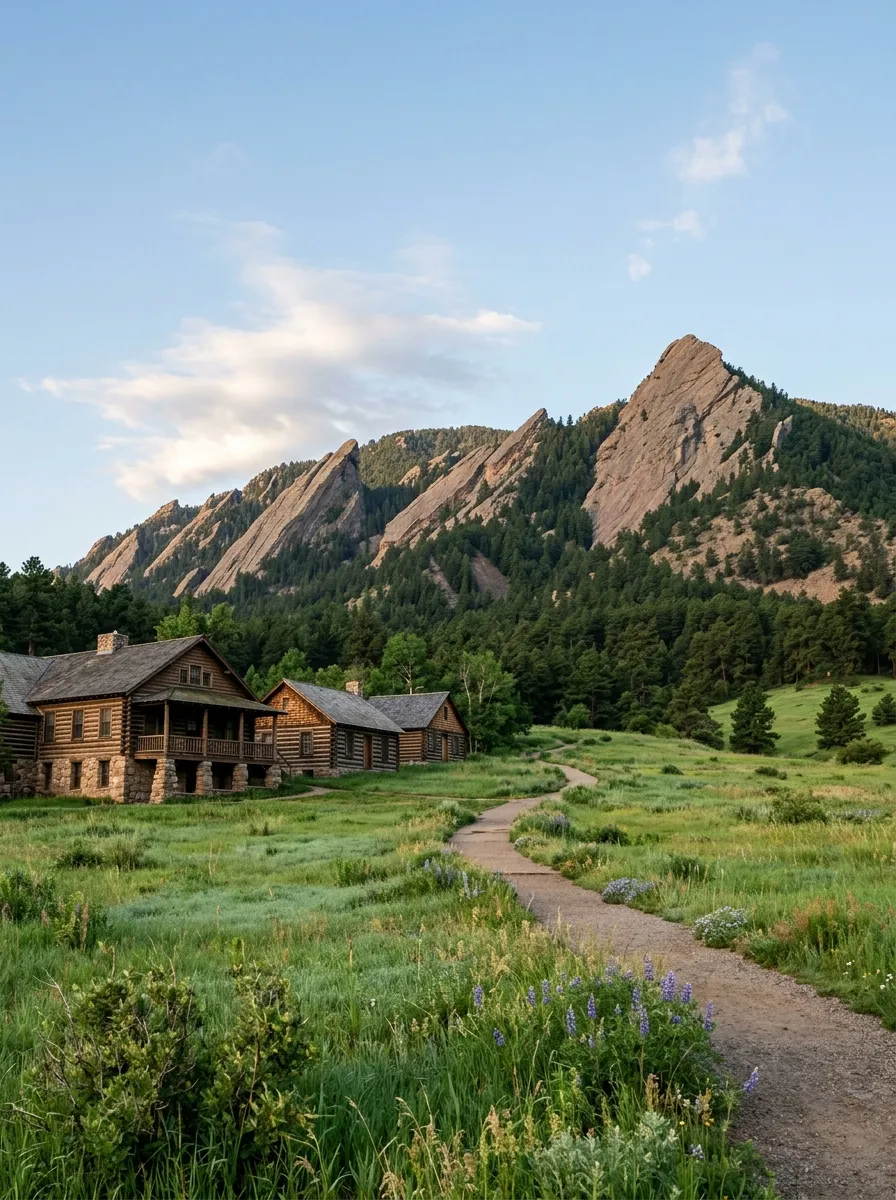
The most popular launching point for a Flatirons hike, Chautauqua Park sits at the base of the formations and holds the trailhead for more than 40 miles of connected hiking trails, ranging from an easy meadow walk to serious climbs up toward the Flatirons themselves. Founded in 1876 — the same year Colorado became a state — the park’s historic Chautauqua Auditorium and dining hall add a cultural layer to what’s primarily known as an outdoor destination, and the sweeping views back toward the formations from the meadow alone are worth the trip even without lacing up hiking boots.
Rocky Mountain National Park
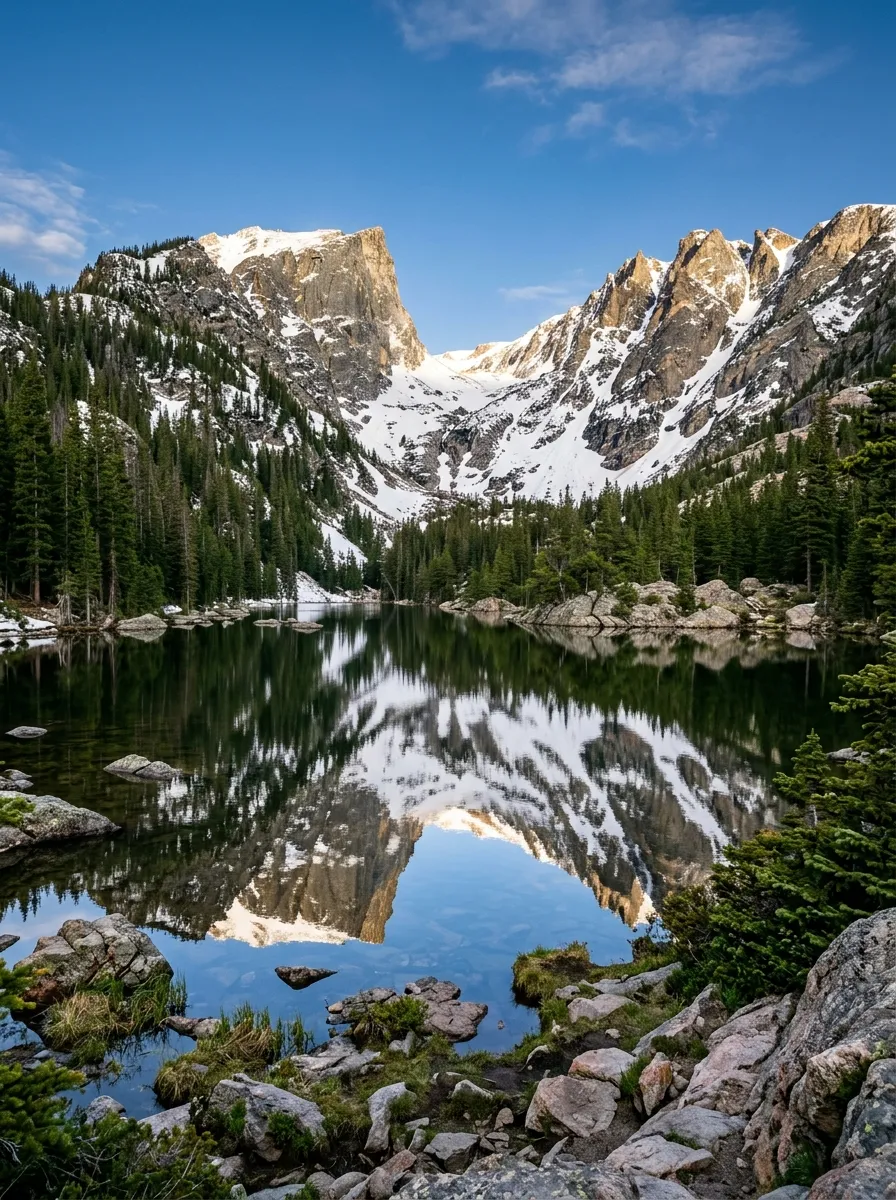
About an hour and a half from Boulder, Rocky Mountain National Park delivers alpine tundra, the Continental Divide and some of the most dramatic mountain scenery in the Front Range, with Trail Ridge Road climbing to over 12,000 feet for sweeping views most visitors never expect from a road trip. As covered above, a timed-entry reservation is required for most of the park from late May through mid-October, and the Bear Lake Road Corridor specifically requires its own separate reservation type given how much more heavily trafficked it is than the rest of the park.
If dramatic, powerful natural landscapes are what pull you toward a destination, Rocky Mountain National Park’s Continental Divide views have a real counterpart on the East Coast worth comparing — this guided overnight escape from NYC to Niagara Falls covers America’s other kind of overwhelming natural spectacle, worth bookmarking for a very different but equally striking trip.
Eldorado Canyon State Park
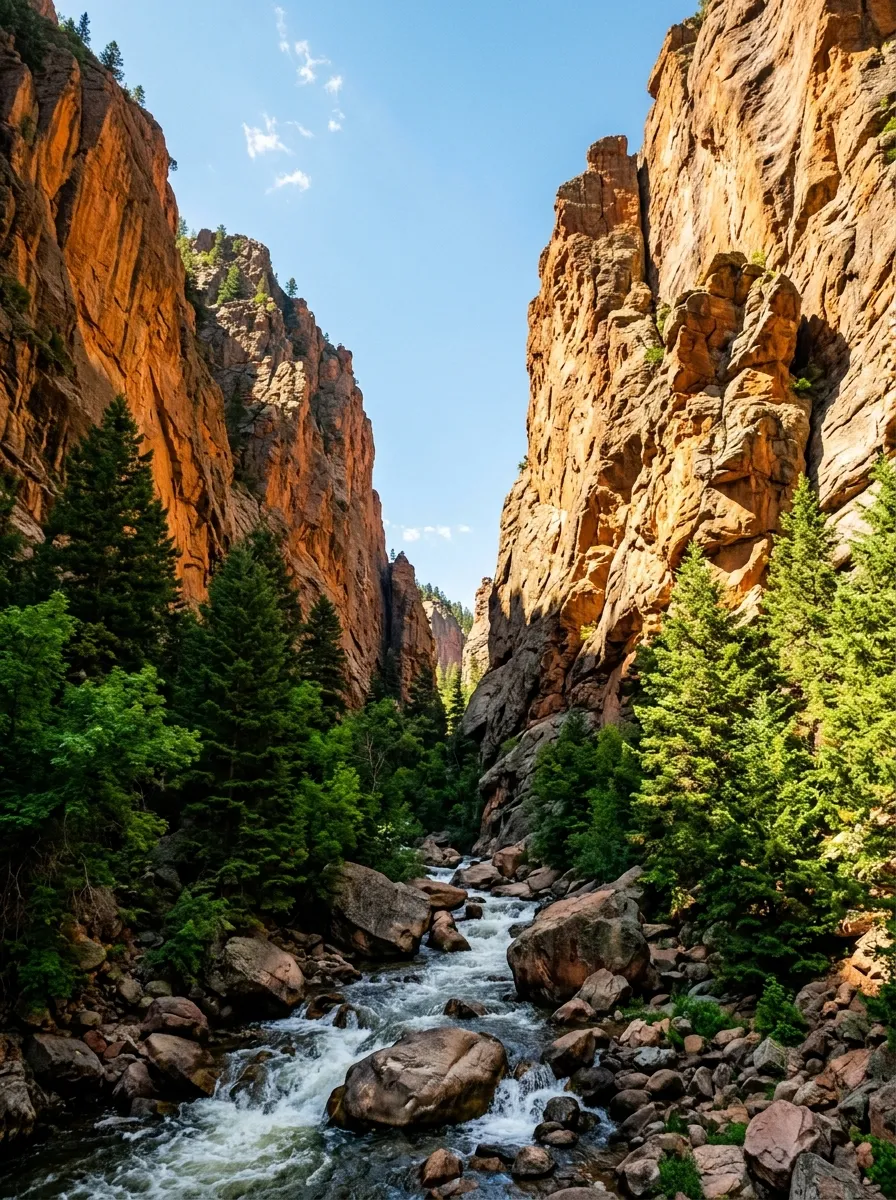
About 10 miles south of Boulder, Eldorado Canyon is one of the premier rock-climbing destinations in the country, with dramatic canyon walls rising above South Boulder Creek and hiking trails that reward a full day of exploring. As covered above, weekend and holiday timed-entry reservations run May through early October given the park’s limited roughly 200 parking spaces; visiting on a weekday sidesteps the requirement, and a free weekend shuttle from various Boulder County pickup points offers a reservation-free alternative during peak season.
Boulder Creek Path
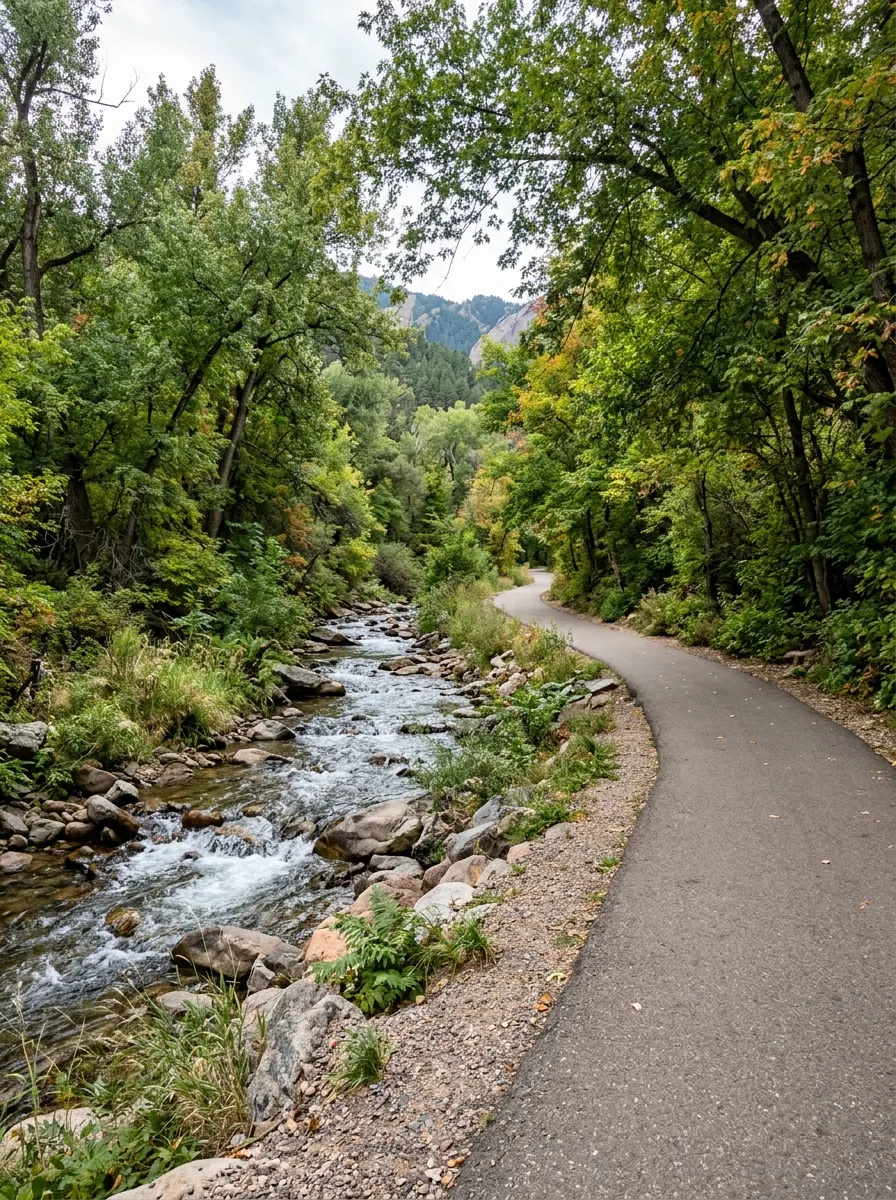
A paved, mostly flat multi-use path running through the heart of the city along Boulder Creek, this is one of the best low-effort ways to experience Boulder’s outdoor culture without committing to a mountain hike — popular with cyclists, runners and anyone looking for a shaded, creek-side walk connecting several of the city’s parks and neighborhoods.
University of Colorado Boulder
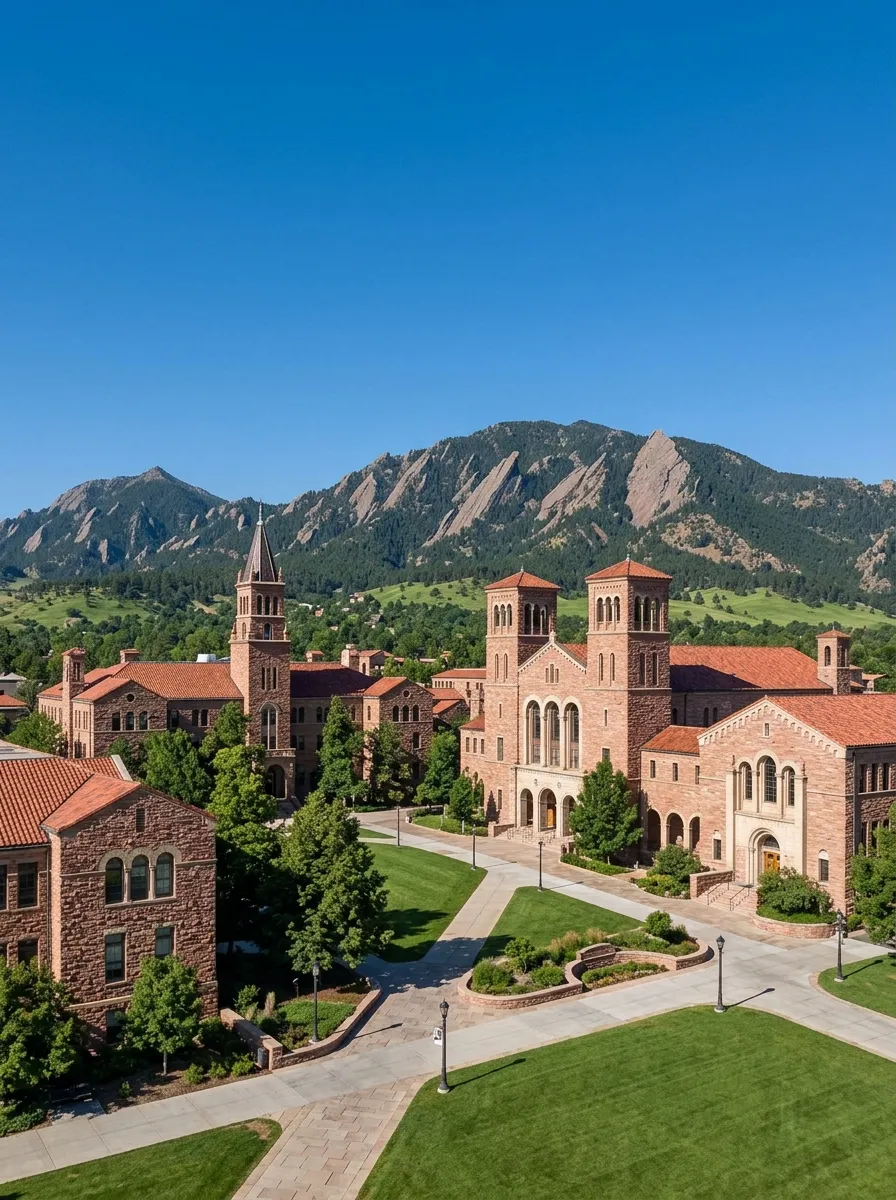
CU Boulder’s campus is worth a wander in its own right, with Italian-influenced sandstone architecture and a lively, youthful energy radiating out into the adjacent University Hill neighborhood’s casual restaurant scene. Folsom Field, the football stadium since 1924, seats more than 50,000 and hosts concerts and graduations alongside Colorado Buffaloes games. The Fiske Planetarium, with its 65-foot dome — one of the largest in the country — screens rotating astronomy and laser shows, alongside NASA-tied programming and special eclipse events, while the CU Museum of Natural History covers dinosaurs, minerals and ancient civilizations in a compact, genuinely engaging campus stop.
Boulder Dushanbe Teahouse
A strikingly ornate, hand-carved teahouse gifted to Boulder by its sister city, Dushanbe, Tajikistan, this is one of the more unexpected cultural landmarks in the city — hand-painted ceiling panels and intricately carved columns built by Tajik artisans, now operating as a working restaurant and teahouse along Boulder Creek. It’s a genuinely unusual, worthwhile stop regardless of whether you stay for a meal.
Celestial Seasonings Tea Factory Tour
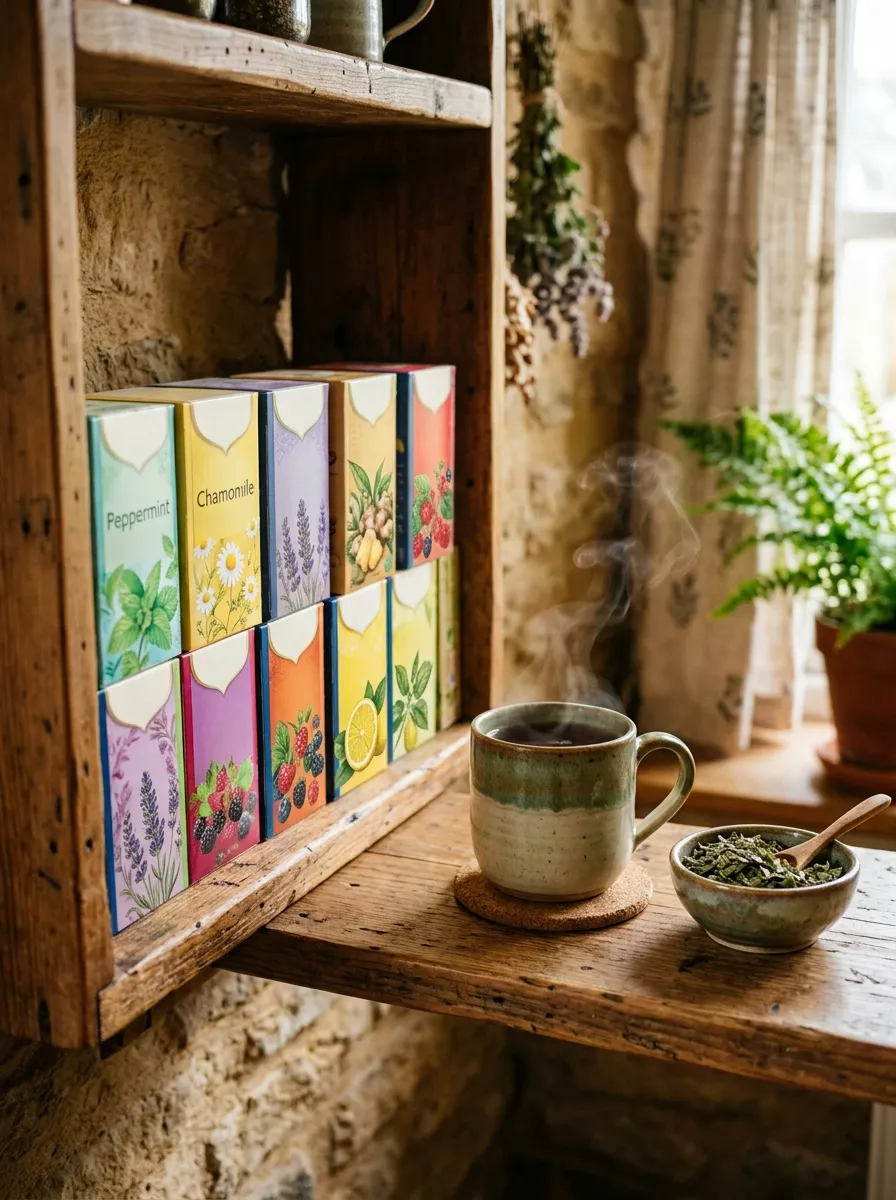
North of downtown, Celestial Seasonings — the largest tea manufacturer in North America — offers free factory tours covering the tea production process, capped off with unlimited samples. It’s a low-cost, genuinely interesting stop, particularly for a family day or a break from outdoor activity.
Boulder Museum of Contemporary Art
A compact, focused contemporary art museum in the heart of downtown, BMoCA rotates through changing exhibitions and community-oriented programming, offering a solid indoor complement to a Pearl Street afternoon.
Boulder Farmers Market
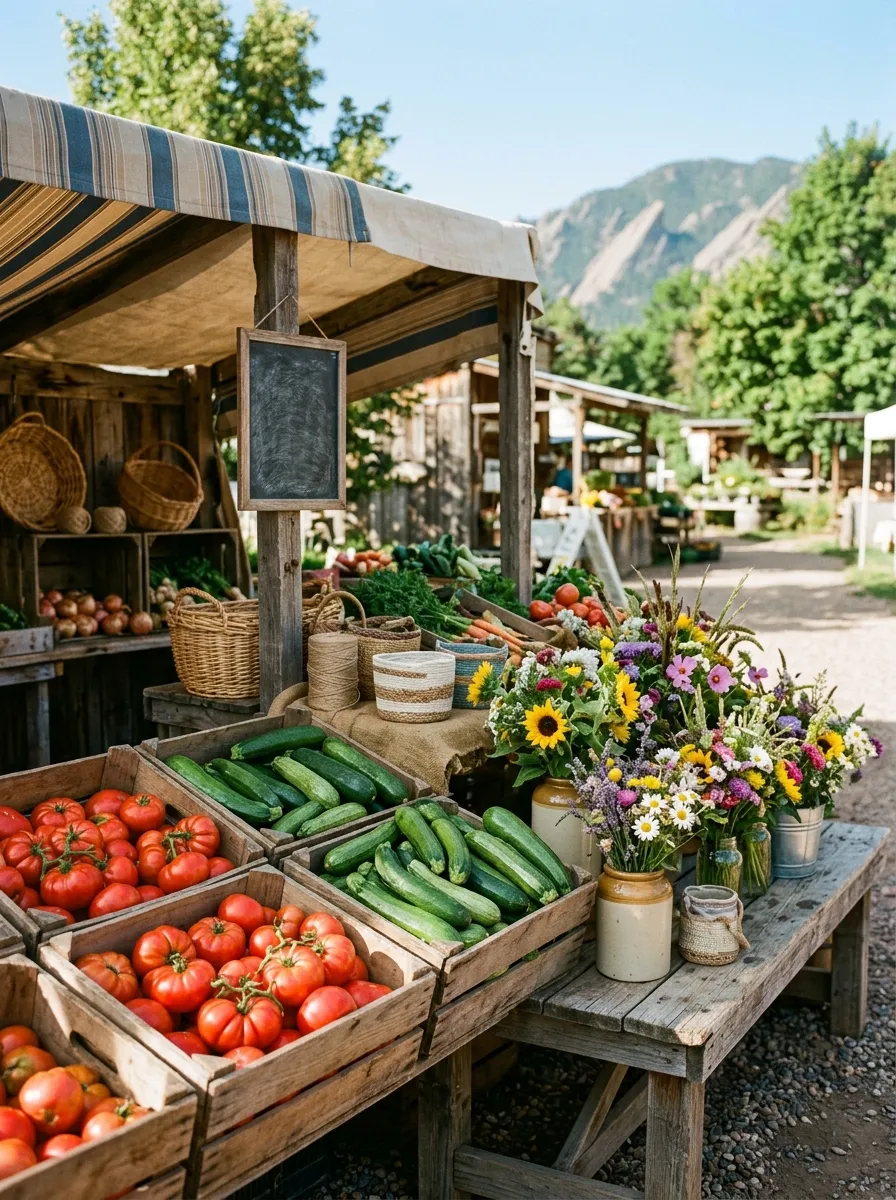
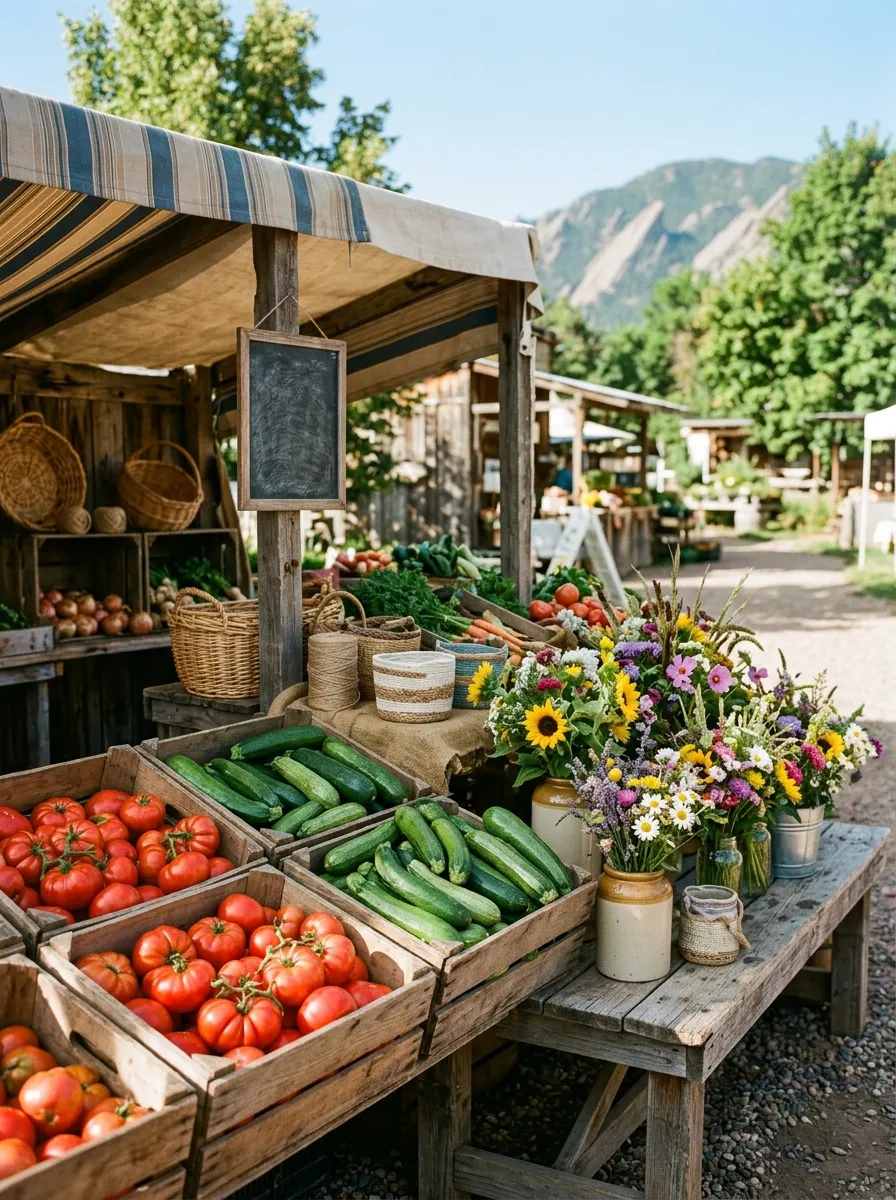
Held Saturdays through the growing season along 13th Street near Central Park, the Boulder County Farmers Market brings together local produce, crafts and prepared food in one of the more vibrant weekly gatherings in the city — a strong pick for a relaxed Saturday morning before an afternoon hike.
Flagstaff Mountain
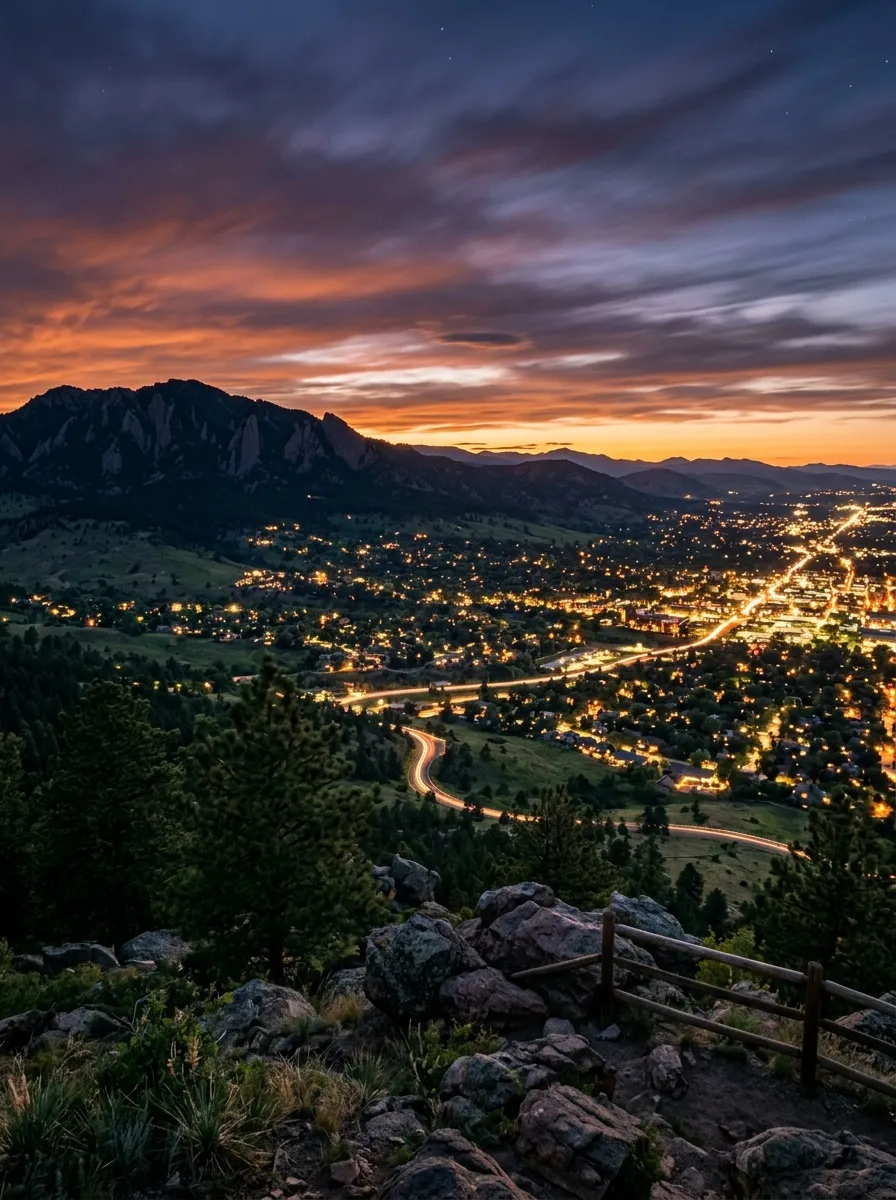
A short drive up from downtown, Flagstaff Mountain offers some of the best sunset views over Boulder and the plains beyond, with hiking trails, picnic areas and a scenic overlook road that rewards visitors without requiring a full hike to enjoy the payoff.
A sweeping aerial-style view over a city is a particular kind of travel thrill, and Flagstaff Mountain’s overlook delivers a grounded version of it — for the airborne version of that same feeling, this ultimate NYC helicopter experience guide covers soaring above a very different skyline, worth bookmarking for a future trip on the opposite coast.
Boulder’s Breweries and Food Scene
Boulder holds a genuinely strong craft brewery scene alongside its farm-to-table restaurant reputation, with Pearl Street and the surrounding downtown blocks packed with chef-led kitchens leaning into Colorado’s regional produce and a laid-back, outdoor-patio dining culture that runs late into warm-season evenings.
Ghost Tours and Boulder’s Haunted History
For a different angle on the city, guided ghost tours through downtown Boulder cover the eerie, lesser-known stories tied to the city’s past — a genuinely popular, if lighter-hearted, evening activity that pairs well with a Pearl Street dinner.
Day Trips from Boulder
Boulder’s Front Range location makes it a strong base for further exploring: Denver sits about 45 minutes southeast for a bigger-city day with its own museums and dining scene, Estes Park (the gateway town to Rocky Mountain National Park) is roughly 90 minutes northwest, and Golden, home to the Coors Brewery and Colorado School of Mines, offers a quieter, historic mountain-town alternative about 30 minutes south.
If a Denver day trip turns into a full multi-city itinerary later on, bundled sightseeing passes are worth knowing how to use well before you need one — this guide to the New York CityPASS breaks down how that kind of ticket bundling works for a much bigger city, a useful reference for planning efficient sightseeing on a future trip beyond Colorado.
Where to Stay in Boulder
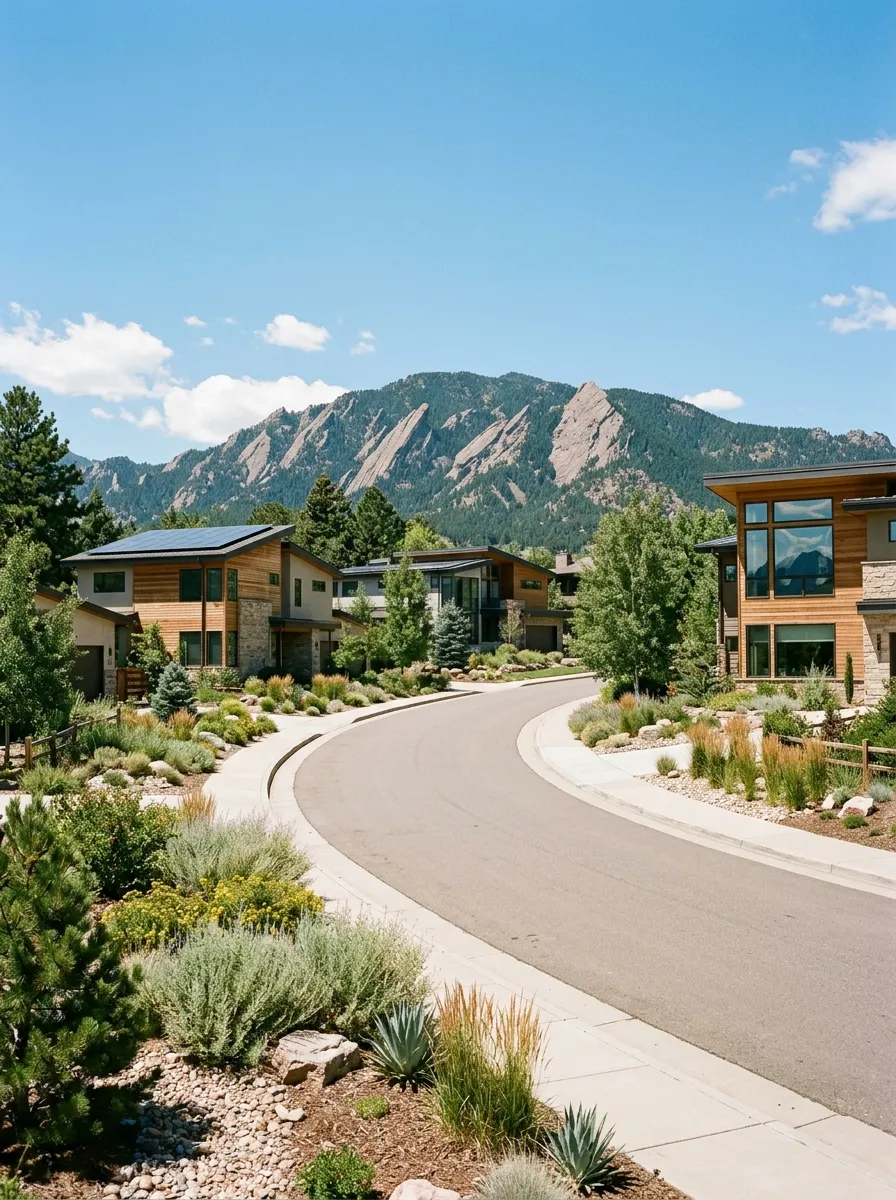
Pearl Street / Downtown: The most walkable, restaurant-dense base, with the widest range of lodging options and price points.
Chautauqua / South Boulder: The best choice for hikers prioritizing early Flatirons trail access over downtown nightlife.
University Hill: A livelier, more budget-conscious option close to CU Boulder’s campus energy.
How to Get to Boulder and Around the City
By air: Denver International Airport (DEN) is the primary gateway, roughly 45 minutes to an hour from Boulder by car or shuttle.
By car: A rental car is the most flexible option for reaching Rocky Mountain National Park, Eldorado Canyon and other Front Range day trips, though Boulder itself is comfortably walkable and bikeable.
Within Boulder: The city’s extensive bike path network and compact downtown make car-free exploring genuinely realistic for a Pearl Street- and Chautauqua-focused visit; the free Eldo Shuttle and the Bustang bus service to Rocky Mountain National Park both offer reservation-free or simplified access to the area’s two biggest natural draws during peak season.
How Many Days Do You Need in Boulder?
Three to four days covers Boulder’s core well — Pearl Street, a Chautauqua hike, and a half-day at either Celestial Seasonings or the CU campus. A full week allows for a Rocky Mountain National Park day trip and a Denver or Golden add-on without feeling rushed.
Three-Day Boulder Itinerary
Day 1: Arrive, Pearl Street Mall exploring, dinner at a downtown restaurant.
Day 2: Morning hike from Chautauqua Park toward the Flatirons, afternoon at the Boulder Dushanbe Teahouse or Celestial Seasonings, evening ghost tour or brewery hop.
Day 3: Boulder Creek Path bike ride, CU Boulder campus and Fiske Planetarium, departure or continue to Rocky Mountain National Park if your dates and reservations align.
Budget Travel in Boulder
Boulder offers genuine value for budget-conscious travelers — Chautauqua Park’s trails, the Boulder Creek Path and Flagstaff Mountain’s overlooks all cost nothing, the Celestial Seasonings factory tour is free, and Eldorado Canyon’s weekday visits and free weekend shuttle both sidestep the park’s reservation fee structure.
If planning ahead and locking in the right reservations at the right time is your idea of smart travel, that same instinct applies well beyond Boulder’s national park system — this guide on finding your travel style and matching it to a dream destination for 2026 is worth a look for planning whatever trip comes after this one.
Family Travel in Boulder
The Celestial Seasonings tour, the CU Museum of Natural History and the easy, flat sections of Chautauqua’s trail network all work well for families, and Boulder Creek Path’s paved, gentle terrain suits younger kids on bikes without demanding a serious mountain hike.
Solo Travel and Couples in Boulder
Solo travelers benefit from Pearl Street’s walkable, low-pressure pace and Boulder’s genuinely social café and brewery culture, which makes solo dining feel entirely normal. Couples looking for a romantic angle should consider a Flagstaff Mountain sunset followed by dinner at the Dushanbe Teahouse, or a quieter Chautauqua Park picnic with the Flatirons as a backdrop.
Photo-Worthy Boulder
Between the Flatirons rising behind Chautauqua’s meadow, Pearl Street’s fountains and historic storefronts, and Flagstaff Mountain’s sunset overlook, Boulder offers no shortage of genuinely striking backdrops for travelers who build part of a trip around capturing the destination itself.
A great photo backdrop is part of the appeal of plenty of iconic destinations, and it’s worth thinking through in advance rather than leaving to chance — this guide on how to make seeing yourself in Times Square happen applies that same planning mindset to a very different kind of iconic backdrop, useful inspiration for framing your own Flatirons shot.
Safety and Practical Tips
Beyond altitude awareness covered above, Boulder’s mountain weather can shift quickly, particularly at higher elevations in Rocky Mountain National Park and along the Flatirons themselves — afternoon thunderstorms are common in summer, and starting hikes early is a genuine safety practice, not just a crowd-avoidance tip. Wildlife, including black bears and mountain lions, does inhabit the surrounding foothills, so standard backcountry awareness (making noise on trails, storing food properly) applies for anyone venturing beyond the most popular, heavily trafficked paths.
Boulder Packing Checklist
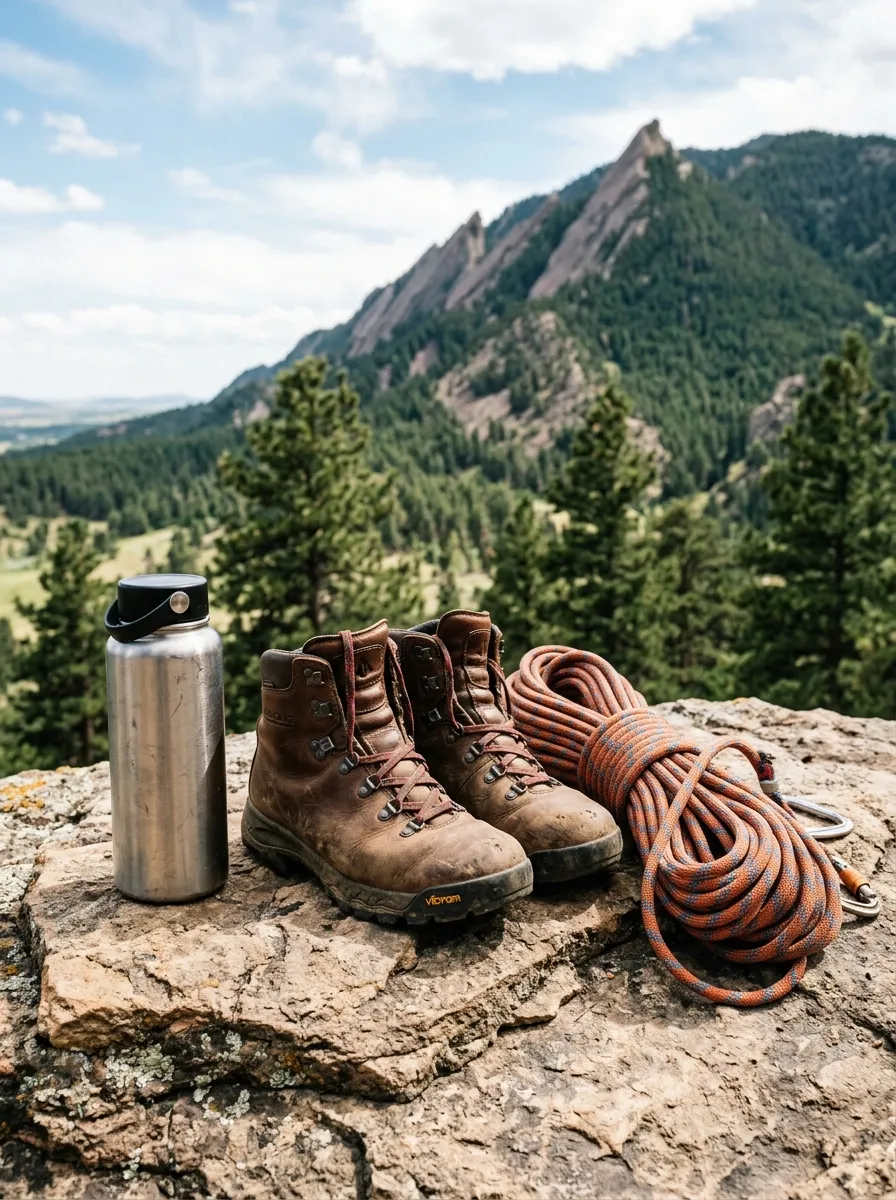
- [ ] Layers, since mountain weather can shift meaningfully within a single day
- [ ] Sturdy hiking shoes for Chautauqua and Flatirons-area trails
- [ ] Extra water and electrolytes, given the altitude
- [ ] Sunscreen and sunglasses, since UV exposure is stronger at elevation
- [ ] A printed or screenshotted timed-entry reservation confirmation for Rocky Mountain National Park or Eldorado Canyon, given limited cell service at both
- [ ] A rental car reservation for Front Range day trips
- [ ] A light rain jacket for sudden afternoon mountain showers
- [ ] A reusable water bottle for trail and downtown days alike
Frequently Asked Questions About Visiting Boulder
What is the best time of year to visit Boulder?
June through September offers full trail access and the warmest weather, while February through April brings quieter, snow-dusted Flatirons views for a different kind of visit.
How many days do I need in Boulder?
Three to four days covers the city’s core well; a full week allows for a Rocky Mountain National Park or Denver day trip.
Do I need a timed-entry reservation for Rocky Mountain National Park?
Yes, from late May through mid-October, for most hours and most areas of the park, with a separate reservation type required for the Bear Lake Road Corridor.
Do I need a reservation for Eldorado Canyon State Park?
Only on weekends and summer holidays, from roughly May through early October — weekday visits don’t require one, and a free weekend shuttle offers a reservation-free alternative.
Is Boulder walkable?
Yes — downtown Pearl Street and the Boulder Creek Path are both comfortably walkable and bikeable, though a car is useful for Front Range day trips.
Is altitude sickness a real concern in Boulder?
Mild altitude effects are common for the first day or two at Boulder’s roughly 5,430-foot elevation, particularly for visitors attempting a strenuous hike immediately after arrival — hydrate well and ease into activity.
What is Boulder known for?
The Flatirons rock formations, the University of Colorado, and a nationally recognized outdoor-lifestyle and health-focused culture.
Is Boulder expensive?
It runs moderate to high for lodging and dining by national standards, but many of its best attractions — Chautauqua’s trails, the Boulder Creek Path, the Celestial Seasonings tour — are free.
Is Boulder good for families?
Yes — the Celestial Seasonings tour, CU Museum of Natural History and Boulder Creek Path all offer strong, easy options for a range of ages.
Is Boulder good for solo travelers?
Yes — Pearl Street’s walkable core and Boulder’s social café and brewery culture make solo exploring and dining comfortable.
How far is Boulder from Denver?
About 45 minutes by car, making Denver a realistic day trip or arrival-airport pairing.
How far is Rocky Mountain National Park from Boulder?
Roughly an hour and a half by car, or accessible via the seasonal Bustang bus service on weekends and holidays in summer.
What’s the best free hike near Boulder?
The Chautauqua Park trail network, offering everything from an easy meadow walk to a serious climb toward the Flatirons themselves.
What’s the biggest mistake first-time visitors make?
Not booking Rocky Mountain National Park or Eldorado Canyon timed-entry reservations in advance, or underestimating how quickly the altitude and mountain weather can affect a first day of hiking.
Is Boulder good for a winter visit?
Yes — winter brings fewer crowds and striking snow-dusted Flatirons views, though higher-elevation trails require real winter gear and caution.
Can I visit Rocky Mountain National Park without a reservation?
Yes, if you have a camping permit, are part of a guided tour, or visit outside the specific reservation hours (early morning or evening) — otherwise, a timed-entry reservation is required during peak season.
Is the Celestial Seasonings tour worth it?
Yes — it’s free, includes unlimited tea samples, and offers a genuinely interesting look at how the largest tea manufacturer in North America operates.
Final Thoughts on Visiting Boulder
Boulder earns its reputation as one of the most livable small cities in America by making outdoor access feel like part of daily life rather than a special occasion — the Flatirons are simply always there, visible from a downtown patio or a campus quad, not something you have to drive an hour to reach. Three or four days covers Pearl Street, a Chautauqua hike and the city’s cultural highlights comfortably, while a full week opens the door to Rocky Mountain National Park’s alpine scenery, provided you’ve booked the timed-entry reservation well ahead.
If you’re building a first Boulder itinerary, anchor it around Chautauqua Park and Pearl Street, and check the Rocky Mountain National Park and Eldorado Canyon reservation systems early if either is part of your plan — both fill up considerably faster than first-time visitors expect. However you build it, things to do in Boulder add up into one of the most genuinely well-rounded mountain-and-city trips available in the American West, a place where a serious university, a walkable downtown and some of the most dramatic foothills in Colorado all somehow share the same five square miles.