Things to Do in Chicago: The Complete 2026–27 City Guide
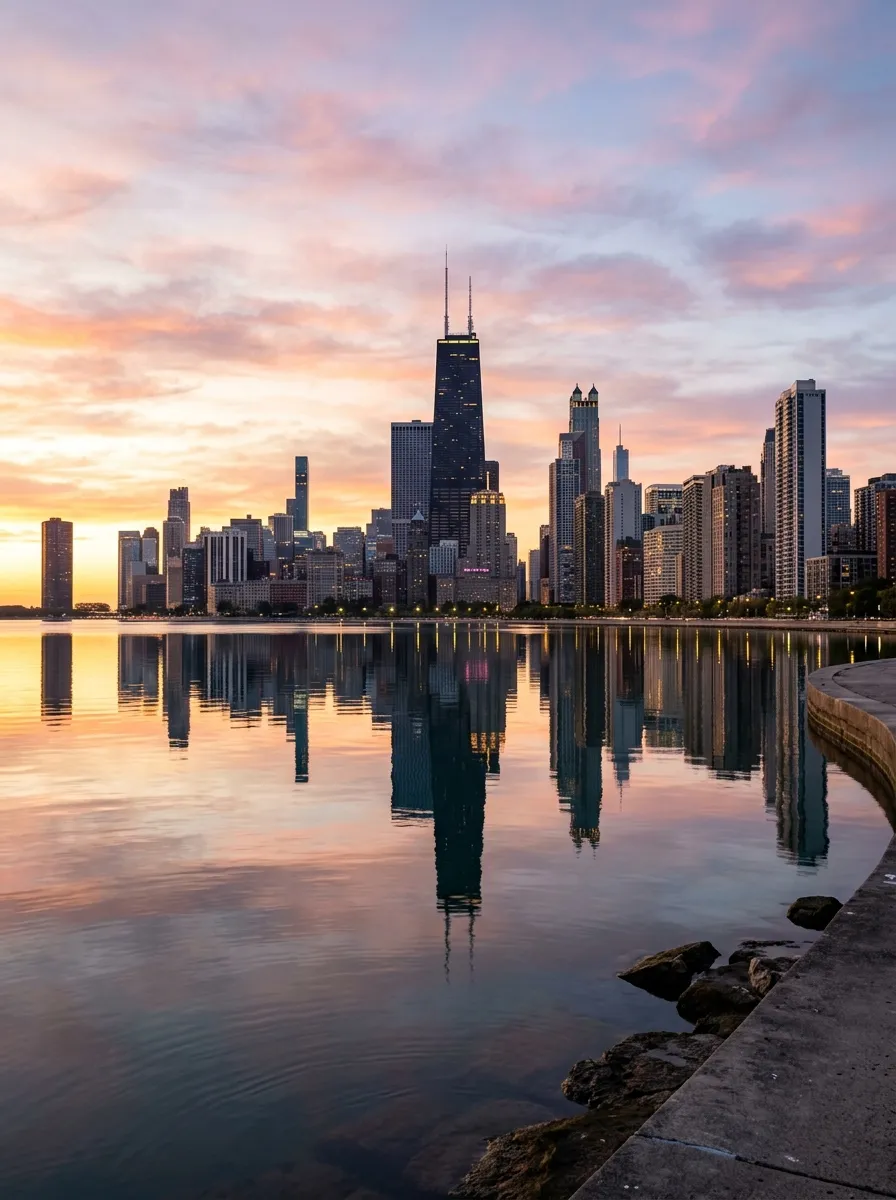
Chicago doesn’t ease you into it. The skyline hits first — a wall of architectural history rising straight off the edge of Lake Michigan — and the city keeps that intensity going from there: deep-dish pizza debates that get genuinely heated, a river that turns green every March, and a museum campus dense enough to fill a week on its own. This is also a city having a genuinely big year. The Obama Presidential Center opened on Chicago’s South Side in June 2026, Route 66 is marking its 100th anniversary with the Windy City as its official starting point, and a packed 2026 calendar of festivals, sports and cultural openings has made Chicago one of the most talked-about U.S. destinations of the year.
This guide covers things to do in Chicago for the rest of 2026 and into 2027, built around what’s genuinely worth your time rather than a generic postcard list. Chicago runs on real seasons — a summer so beloved by locals that “Chicago in July” is practically its own travel category, and a winter cold enough that wind chill becomes a daily conversation topic. Getting that timing right, along with knowing which of the city’s more than 200 distinct neighborhoods to prioritize, shapes almost everything else about how well a Chicago trip goes.
Whether you’re chasing the classic downtown trio of Millennium Park, the Art Institute and the Riverwalk, tracking down the exact spot where Route 66 begins, or venturing into neighborhoods like Pilsen and Wicker Park that most first-time visitors skip entirely, this guide breaks the city down by area, season and interest, with honest notes on current pricing, what’s new for 2026, and how to avoid the mistakes that turn a Chicago trip into a rushed loop of the same five downtown blocks.
Recommended Travel Items for Your Trip
AT A GLANCE: CHICAGO
- Best overall time to visit: May through September for lakefront weather; December for holiday markets and skating
- Best neighborhood base: The Loop or River North
- Best for families: Museum Campus (Field Museum, Shedd Aquarium, Adler Planetarium)
- Best free attraction: Cloud Gate (“The Bean”) in Millennium Park
- Best skyline view: Skydeck Chicago at Willis Tower
- Biggest new 2026 opening: The Obama Presidential Center, Hyde Park
- Ideal trip length: 3–4 days for downtown highlights; 5–7 days with neighborhoods and day trips
Chicago at a Glance: Where to Focus Your Time
Chicago is enormous and genuinely walkable only in pockets, so matching your base neighborhood to your priorities matters more here than in most U.S. cities.
| Area | Best For | Best Upcoming Time | Suggested Stay | Main Consideration |
| The Loop | Architecture, museums, theater | Year-round | 2–3 nights | Quiet on weekend evenings outside events |
| River North | Dining, nightlife, Riverwalk access | Year-round | 2–3 nights | Among the priciest hotel zones |
| Lincoln Park | Zoo, lakefront, family-friendly | May–Sep | 1–2 nights | Farther from downtown museums |
| Wicker Park / Logan Square | Independent shops, nightlife, murals | Year-round | 1–2 nights | Best reached by car or L train, not walking from downtown |
| Hyde Park | Obama Presidential Center, University of Chicago | Year-round | 1 night | About 30 minutes from downtown by transit |
Why Chicago Deserves More Than a Weekend
Chicago’s core downtown attractions — the Bean, the Skydeck, the Art Institute — earn their reputation, but they’re really just the entry point into a city built from genuinely distinct neighborhoods, each with its own restaurant scene, architecture and identity. Add in a lakefront that rivals a coastal city’s, a food culture that goes well beyond deep-dish pizza, and a 2026 calendar stacked with major openings and events, and Chicago rewards a longer stay more than almost any other Midwestern destination.
When to Visit Chicago: Weather, Seasons and Events
Late 2026: What’s Left on the Calendar
If you’re planning a visit for the remainder of 2026, September and October bring some of Chicago’s best weather — warm days, cool nights, and noticeably thinner crowds than summer. The Presidents Cup golf tournament runs at nearby Medinah Country Club September 22–27, 2026, drawing international attention to the area. November ushers in the holiday season, with Christkindlmarket and downtown holiday lighting typically running from late November through December, and outdoor ice skating opening in Millennium Park.
Chicago Winter
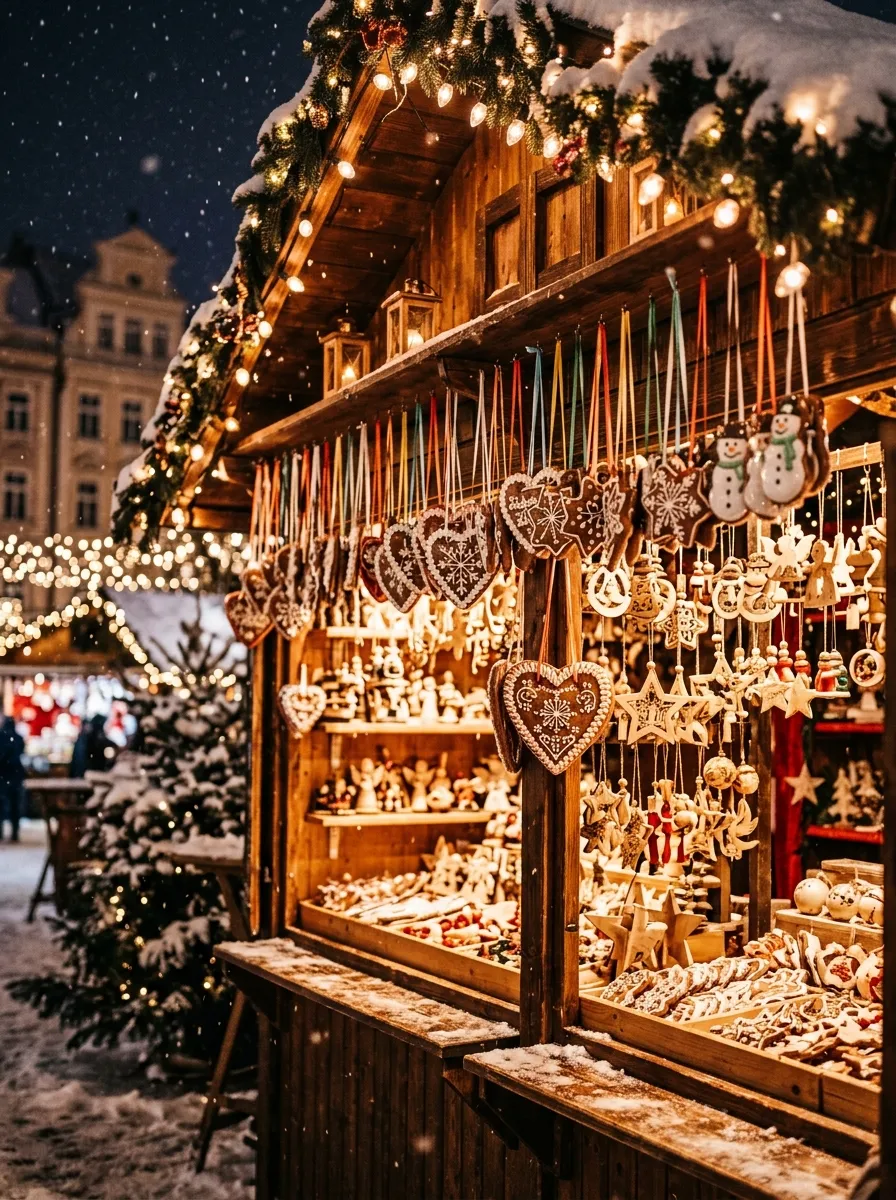
December through February brings genuinely serious cold, with average highs in the 20s and 30s Fahrenheit and wind off Lake Michigan that earns the city its “Windy City” reputation in the coldest months, even though the nickname’s origins are more about 19th-century politicians than actual wind speed. Winter isn’t a season to write off entirely — holiday markets, indoor museum time and a strong theater and jazz season all thrive here — but it does require serious cold-weather gear.
WEATHER WARNING
Chicago winter cold is intensified by wind off Lake Michigan, and wind chill can push perceived temperatures well below actual air temperature, especially downtown and along the lakefront. If visiting between December and February, prioritize genuinely warm, wind-resistant outerwear, and plan outdoor time in shorter stretches between indoor stops like the Art Institute or the Museum Campus.
2027: Planning Ahead
Spring 2027 (April–May) brings Chicago’s thaw and the start of festival season, including Chicago Restaurant Week’s typical late-January-into-February run the prior season and a busy spring cultural calendar. Summer 2027 (June–August) is Chicago at its absolute best by local consensus — warm, sunny days, lakefront beaches in full use, and a packed festival calendar that includes Lollapalooza in Grant Park, typically held in late July or early August. This is also peak crowd and peak hotel-price season, so booking well ahead pays off.
Millennium Park and Cloud Gate (“The Bean”)
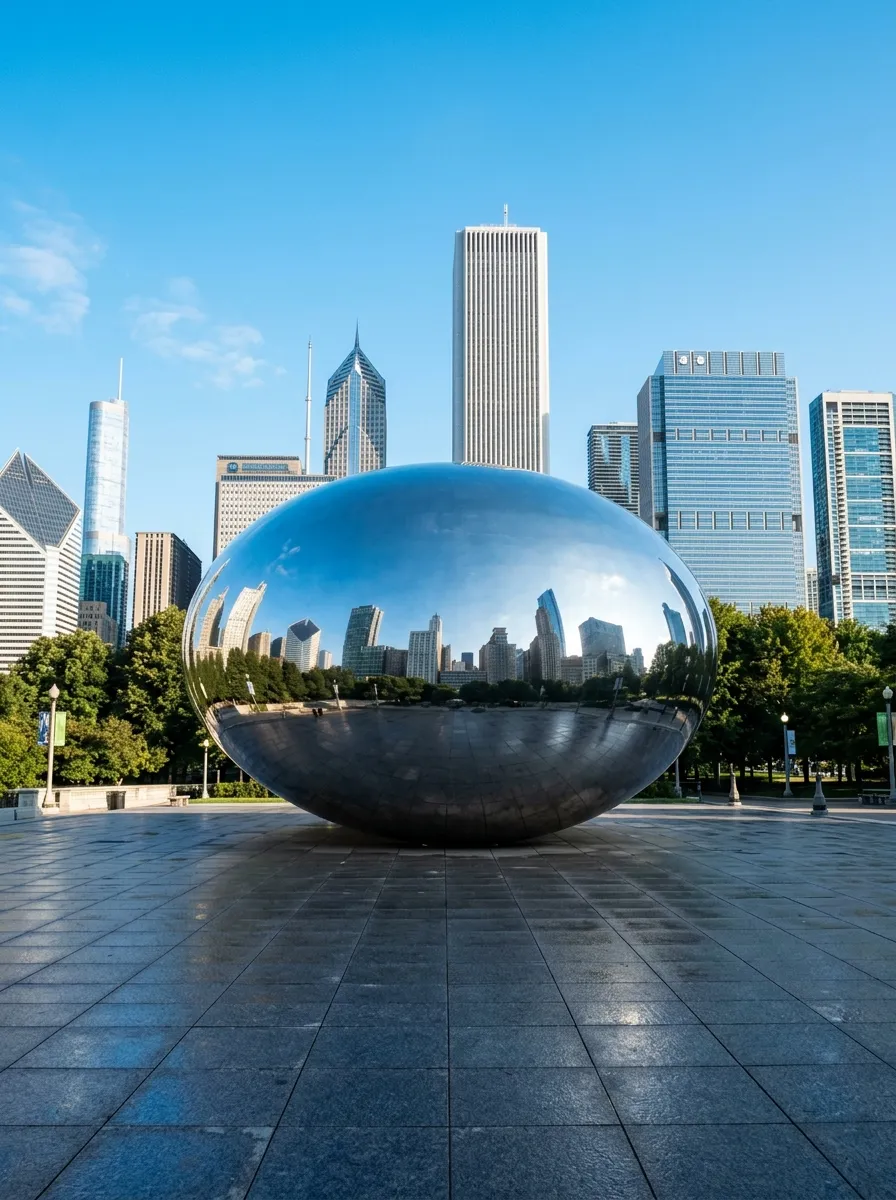
Millennium Park is Chicago’s free, central gathering space, and its centerpiece — Cloud Gate, the reflective steel sculpture universally known as “The Bean” — is the single image most people associate with the city, and it costs nothing to visit. The park also holds the Jay Pritzker Pavilion’s outdoor concert series, the interactive Crown Fountain, and direct access to the Art Institute and the Riverwalk. Visit early morning or after sunset for photos without the midday crowd crush.
The Art Institute of Chicago
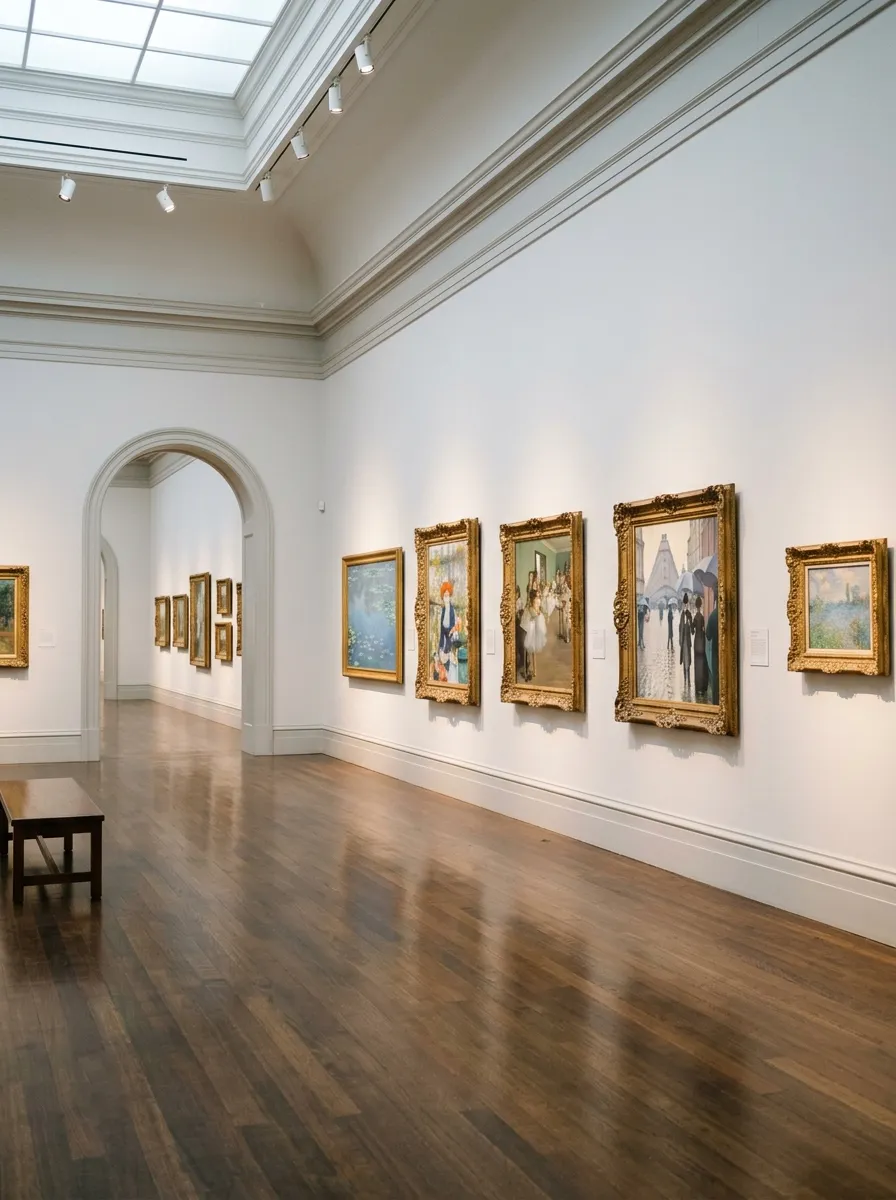
The only museum in the world ranked the top attraction by TripAdvisor’s user community four consecutive years running, the Art Institute holds more than 300,000 works, including one of the greatest Impressionist collections outside Paris alongside major contemporary holdings. General admission typically runs in the low-to-mid $30s for adults, in line with Chicago’s other major museums. Budget at least three hours, more if you’re serious about the Impressionist and modern wings.
Skydeck Chicago at Willis Tower
The highest observation deck in the United States, Skydeck sits atop the 103rd floor of Willis Tower and offers views spanning up to four states and 50 miles on a clear day, anchored by The Ledge — glass floor balconies extending 4.3 feet out from the building, 1,353 feet above the street. General admission starts around $32 for adults, with expedited entry tickets from roughly $55 for those who’d rather skip the elevator line. A recent renovation added a museum-style interactive exhibit on the lower level covering the city’s history and neighborhoods.
BOOKING TIP
Skydeck and 360 CHICAGO (the alternative observation deck atop the John Hancock Center, 94 floors up) both get significantly busier in late afternoon as visitors chase sunset views — an early morning or clear-day midday visit trades the golden-hour photo for a much shorter wait.
The Obama Presidential Center
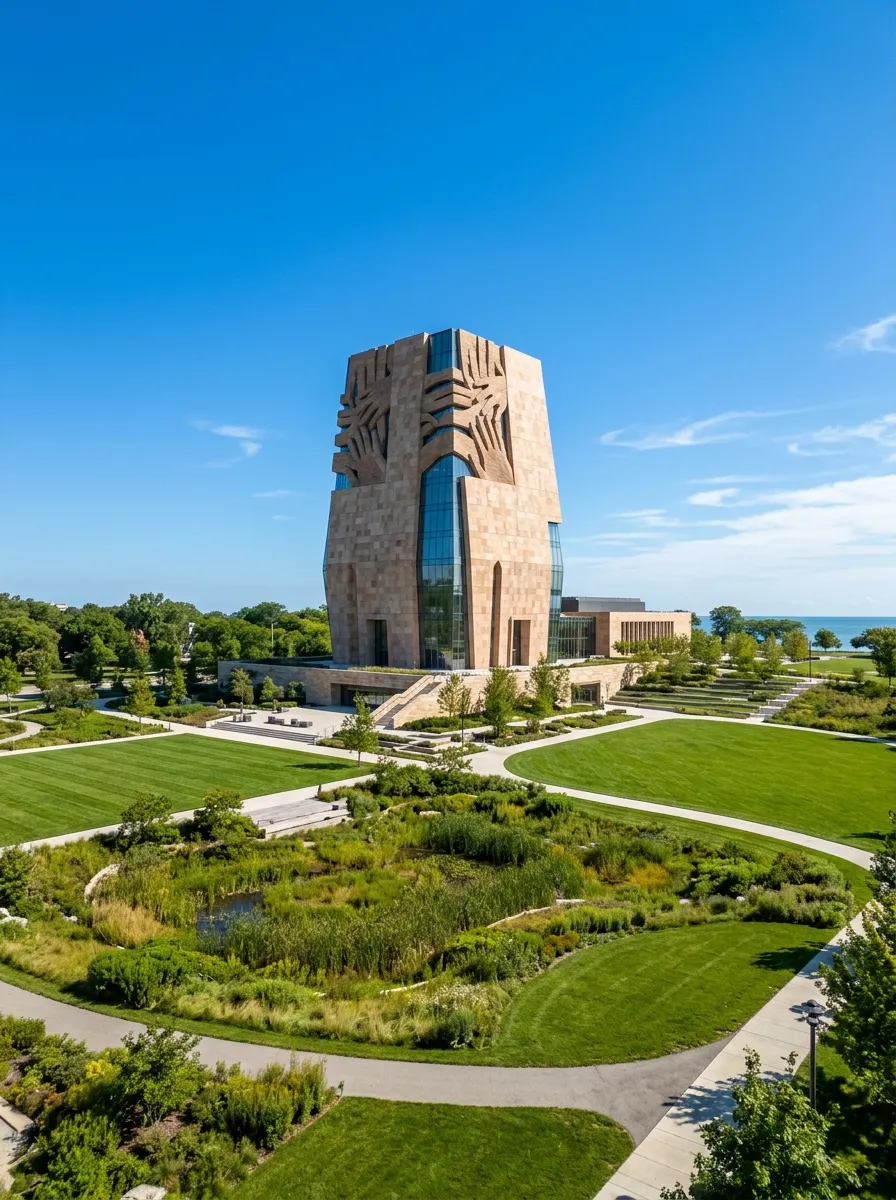
Opened to the public on June 19, 2026, in the historic Hyde Park neighborhood, the Obama Presidential Center is a 19.3-acre, $850 million campus blending museum exhibits on Barack Obama’s political rise and presidency with contemporary art, public gathering spaces and a branch of the Chicago Public Library. General museum admission runs 30foradults(26 for Illinois residents), with kids at $15–23 depending on residency, and Illinois residents entering free on Tuesdays; the surrounding campus itself is free and open to the public regardless of museum admission. Highlights include an exploration of election night 2008, a full replica of the Oval Office, and panoramic city views from the Sky Room. Tickets are time-entry and available through the Obama Foundation’s official site — budget at least two hours, and note that as one of the newest major attractions in the city, this one is genuinely worth booking ahead given the volume of interest since its opening.
Field Museum, Shedd Aquarium and Adler Planetarium
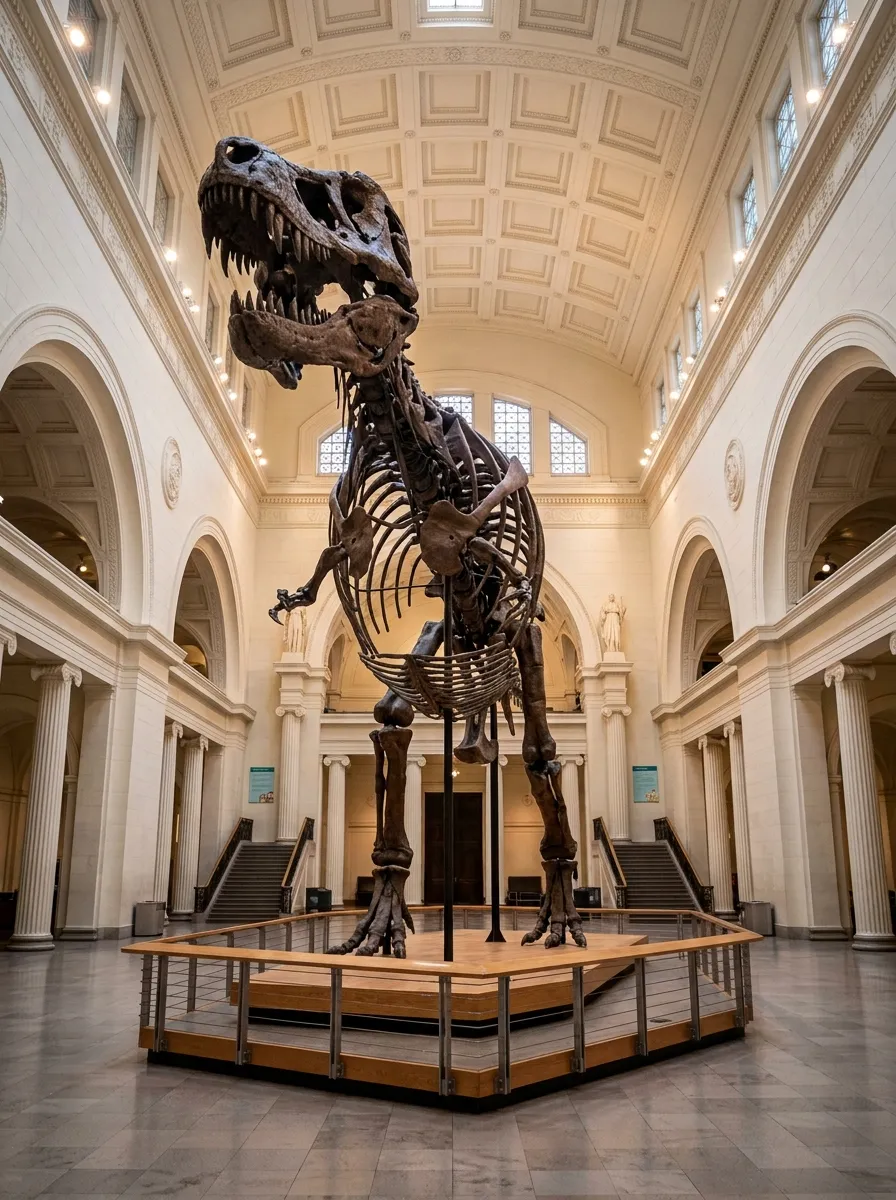
Chicago’s Museum Campus groups three major institutions along the lakefront, walkable from one another. The Field Museum of Natural History holds more than 40 million specimens, including “Sue,” one of the largest and most complete T. rex skeletons ever found. Shedd Aquarium is one of the largest indoor aquariums in the world, while Adler Planetarium, the first planetarium built in the Western Hemisphere, adds sweeping skyline views from its lakefront point alongside its shows. Museum admissions across the city typically run $22–32 for adults; the Chicago CityPASS bundles several major attractions, including Skydeck, at a meaningful discount over paying separately.
Museum of Science and Industry
Housed in the sole surviving building from the 1893 World’s Columbian Exposition, the Museum of Science and Industry is one of the largest science museums in the world, with hands-on exhibits ranging from a full-size coal mine to a captured German U-505 submarine. It sits in Hyde Park, making it a natural pairing with an Obama Presidential Center visit.
Navy Pier
Navy Pier remains one of Chicago’s most visited attractions, home to the Centennial Wheel (a 200-foot Ferris wheel with skyline views), seasonal boat tours, restaurants and regular fireworks displays over the lake in summer months. It’s more tourist-dense than most of this list, but it’s also one of the easiest lakefront stops to combine with a Riverwalk or architecture cruise.
Chicago Riverwalk and Architecture Boat Tours
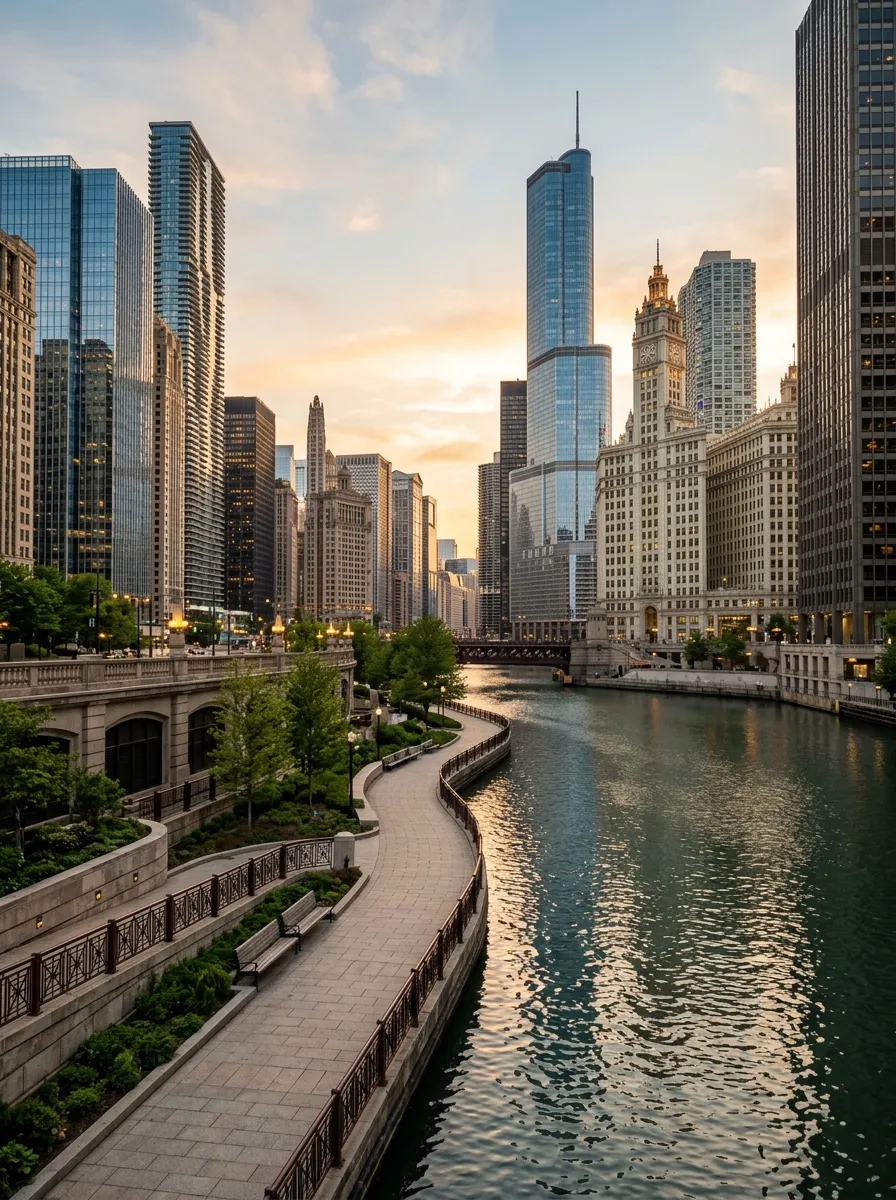
The Chicago Riverwalk, a landscaped path along the river’s south bank through downtown, is one of the best free ways to experience the city’s architecture at street level, lined with restaurants and public art. For the fuller version of that story, Chicago’s architecture river cruises — widely regarded as one of the best guided experiences in the city — narrate the skyline’s history from the water, covering the city’s post-Great-Fire rebuilding and its role as the birthplace of the modern skyscraper.
The Magnificent Mile
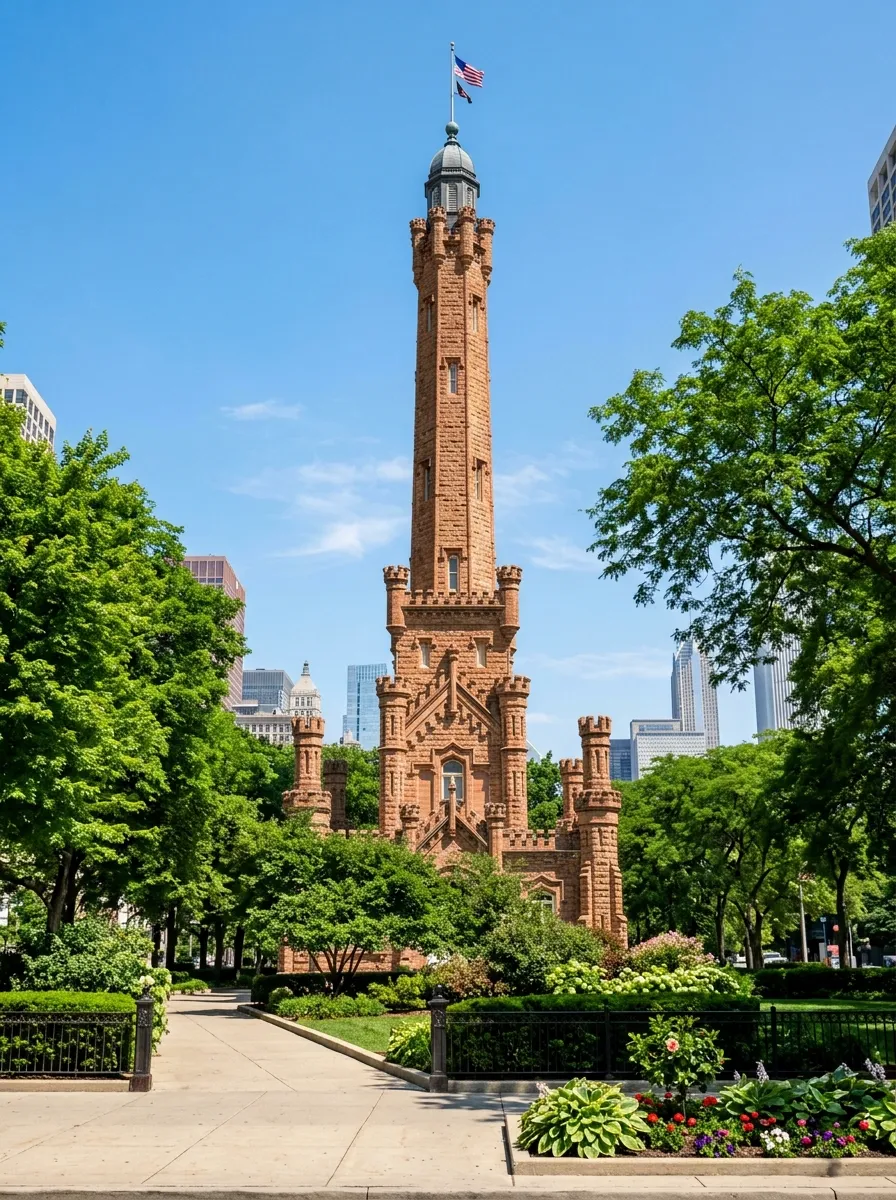
Michigan Avenue’s Magnificent Mile is Chicago’s premier shopping and flagship-store corridor, running from the Chicago River north past the Water Tower, one of the few structures to survive the Great Chicago Fire of 1871. It’s a strong add-on to a downtown day rather than a full destination on its own.
Wrigley Field and Chicago Sports
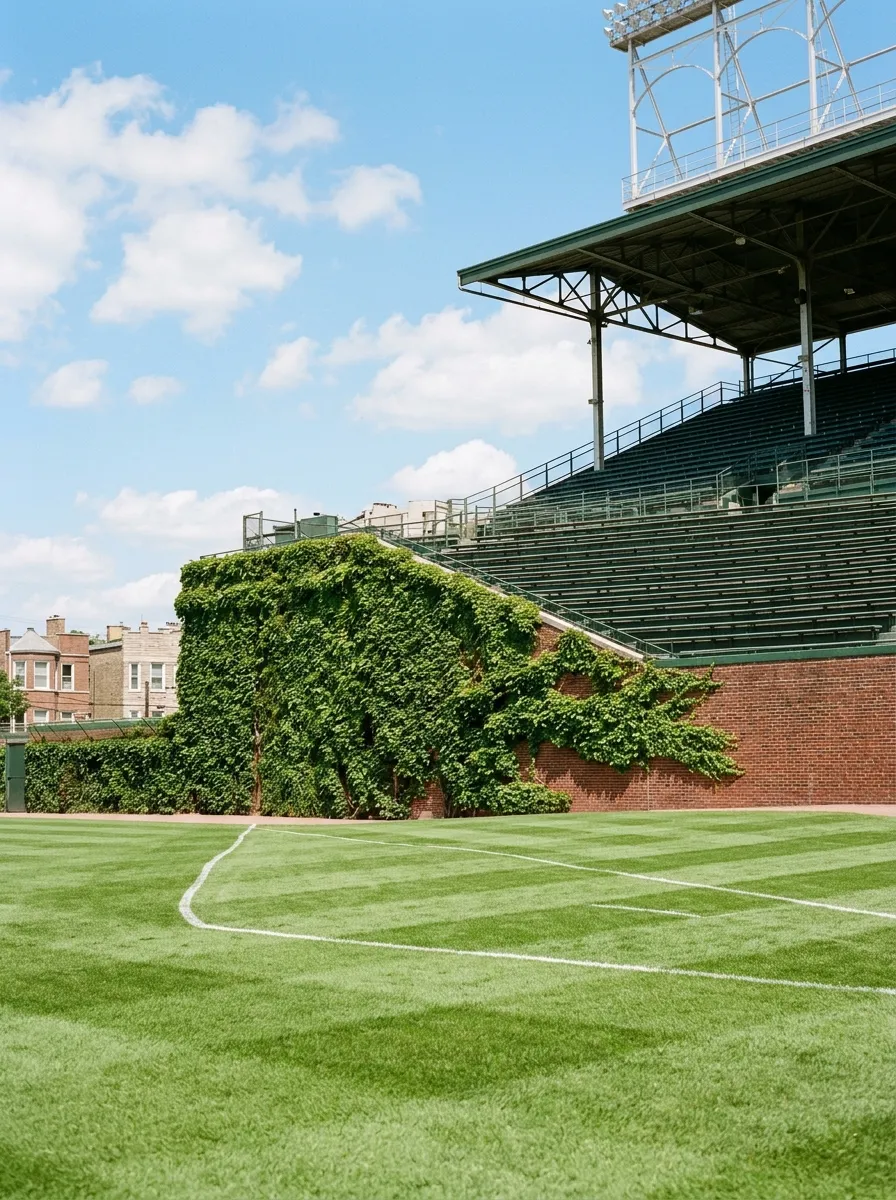
Built in 1914, Wrigley Field remains one of the most historic ballparks in Major League Baseball and a genuine Chicago institution, with behind-the-scenes stadium tours available outside game days. The 2026 season also brings the Savannah Bananas’ Banana Ball World Tour to Wrigley Field July 24–26, and the WNBA All-Star Game lands at the United Center July 24–25, 2026 — both worth checking against your travel dates if you’re a sports fan planning around the calendar.
Lincoln Park Zoo and Lincoln Park
One of the few free, privately funded zoos in the country, Lincoln Park Zoo sits inside the larger Lincoln Park along the lakefront, alongside the tranquil, glass-domed Lincoln Park Conservatory — a genuinely quiet escape from downtown’s crowds. The surrounding neighborhood is one of Chicago’s most walkable residential areas and a strong base for a lakefront-focused visit.
Lake Michigan Beaches and the Lakefront Trail
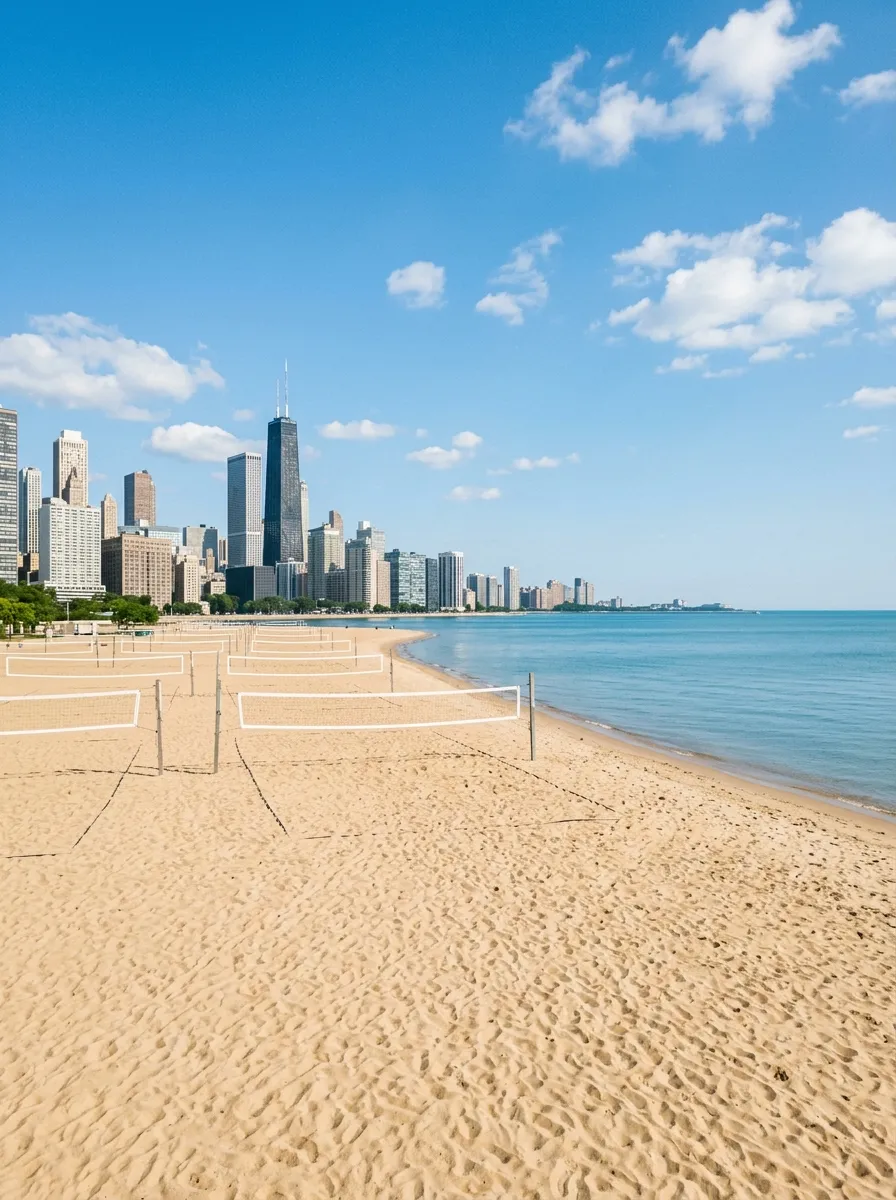
Chicago’s lakefront includes a surprising number of sandy beaches within city limits, from North Avenue Beach’s active volleyball and paddleboard scene to quieter stretches further from downtown. The 18-mile Lakefront Trail connects most of them and is one of the best free ways to experience the city on foot or by rented bike, especially May through September.
If a stretch of sand and a good book sound like the ideal way to spend a lakefront afternoon, it’s worth knowing the concept extends well beyond Chicago’s shoreline — this guide to the best beach vacations for book lovers is a good companion read for planning a future trip built entirely around that exact pace.
The 606 Trail
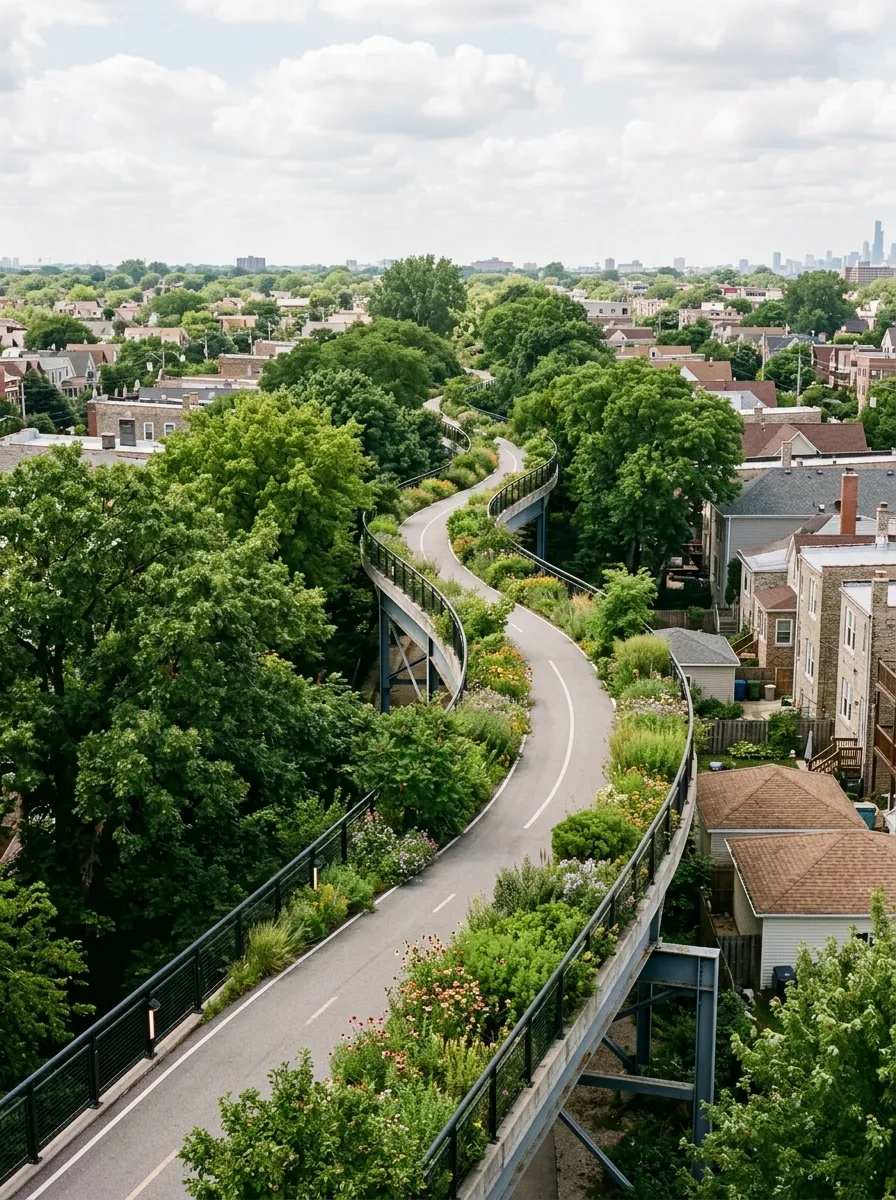
A 2.7-mile elevated greenway built on a former rail line connecting Bucktown, Wicker Park, Logan Square and Humboldt Park, The 606 offers a genuinely different, elevated perspective on Chicago’s neighborhoods, popular with cyclists, runners and walkers alike.
Elevated trails and repurposed paths have a way of completely changing how a place feels on foot — for a very different kind of transformative walk, this account of the Lauterbrunnen Valley walk in Switzerland is worth saving for a future trip built around a much more dramatic alpine version of the same idea.
Pilsen, Wicker Park and Logan Square
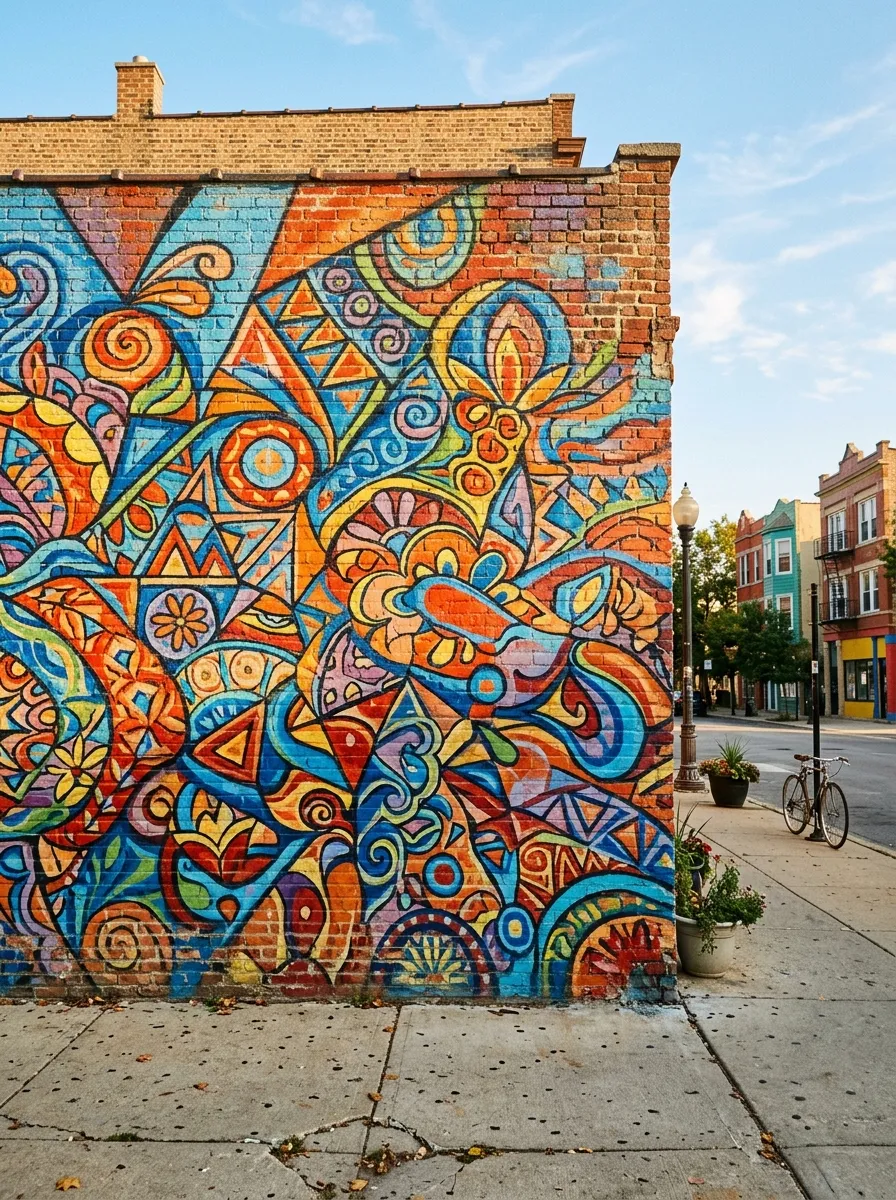
Beyond downtown, Chicago’s neighborhood scene is where a lot of the city’s real character lives. Pilsen, historically Chicago’s Mexican-American cultural hub, is packed with vibrant murals and some of the city’s best Mexican food, alongside the National Museum of Mexican Art. Wicker Park and adjacent Logan Square combine independent boutiques, coffee shops and a strong live music and nightlife scene, both easily reached by the CTA’s Blue Line.
Slower, neighborhood-by-neighborhood exploration is its own kind of travel philosophy, one that rewards patience over a checklist — this account of one perfect week of slow travel in Lucca, Italy follows that same instinct for a European city on a completely different scale, worth bookmarking for a future trip built around exactly that pace.
Hyde Park
Home to the University of Chicago’s Gothic-style campus, the Museum of Science and Industry, and now the Obama Presidential Center, Hyde Park has become one of the city’s most important cultural destinations for 2026 and beyond, roughly 30 minutes from downtown by CTA or Metra.
Route 66’s Official Starting Point
Chicago is the official eastern starting point of historic Route 66, and 2026 marks the route’s 100th anniversary, with special events and pop-ups planned throughout the city and along the route over the course of the year. The starting point marker sits at Adams Street near Grant Park, a quick, free photo stop for anyone curious about the road’s history — and a natural jumping-off point if a longer road trip is part of your plans.
If Chicago has you thinking about a longer road trip, this is about as good a starting point as it gets — this Route 66 road trip guide covers the best stops and iconic hotels along the route’s full stretch, paired well with this ultimate road trip checklist for making sure you’re actually packed and prepared before pulling out of the city.
Chicago’s Food Scene

Chicago’s deep-dish pizza debate is a genuine local sport, with a handful of classic pizzerias drawing lines regardless of season — budget around $50–70 for two with drinks at the most famous spots. Beyond pizza, the city’s food identity runs through Chicago-style hot dogs (famously never served with ketchup), a strong Italian beef sandwich tradition, and increasingly, a genuinely diverse international food scene spread across neighborhoods like Pilsen, Chinatown and Devon Avenue’s South Asian corridor.
Day Trips from Chicago
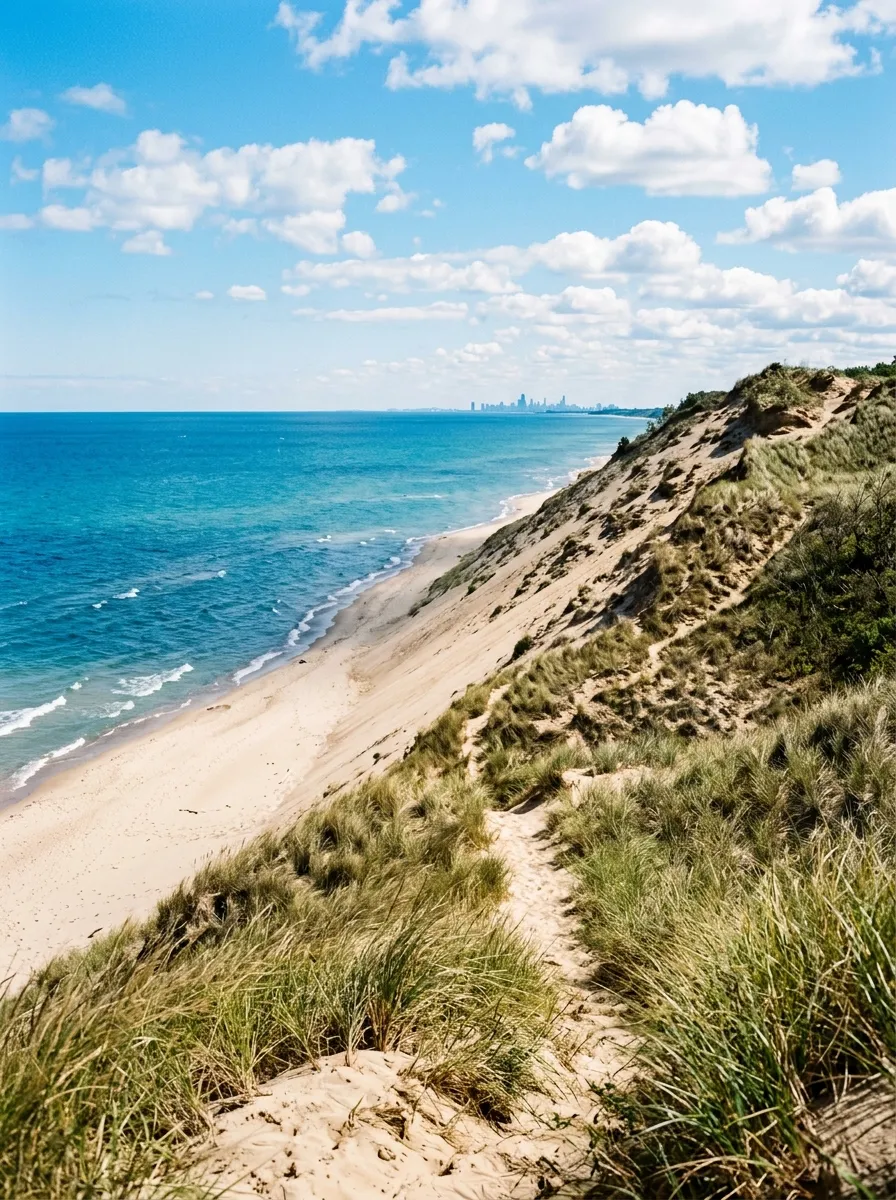
Chicago’s central location makes it a workable base for a few worthwhile day trips: the Indiana Dunes National Park sits about an hour southeast for lakefront hiking and dune climbing genuinely different from the city’s own beaches, while Milwaukee, roughly 90 minutes north, offers its own brewery and museum scene for travelers with an extra day to spare.
Where to Stay in Chicago
The Loop: The most central base for the Art Institute, Millennium Park and theater district access, quieter on weekend evenings.
River North: Chicago’s dining and nightlife hub, with easy Riverwalk access and the widest range of hotel price points.
Lincoln Park: A strong choice for travelers prioritizing the zoo, lakefront and a more residential, walkable feel.
Hyde Park: Worth considering for a night if the Obama Presidential Center and Museum of Science and Industry are top priorities, with a quieter, university-town atmosphere.
How to Get to Chicago and Around the City
By air: O’Hare International Airport (ORD) is one of the busiest airports in the world with extensive domestic and international connections, linked to downtown by the CTA’s Blue Line; Midway Airport (MDW), served largely by domestic and budget carriers, connects via the Orange Line.
By train: Chicago’s Union Station is a major Amtrak hub, with direct service across much of the Midwest and beyond.
By CTA: The Chicago Transit Authority’s L train and bus network connects most major attractions for a flat $2.50 per ride, making a car-free visit genuinely realistic for a downtown- and neighborhood-focused trip.
By bike: The Divvy bike-share system and the Lakefront Trail make cycling a strong option for exploring the lakefront and connecting downtown to Lincoln Park, especially May through September.
How Many Days Do You Need in Chicago?
Three to four days covers the essential downtown circuit: Millennium Park, the Art Institute, Skydeck and the Riverwalk, plus one Museum Campus stop. Five to seven days allows time to add Hyde Park’s Obama Presidential Center and Museum of Science and Industry, plus a proper afternoon in Wicker Park or Pilsen. A week or more opens the door to a day trip to Indiana Dunes or Milwaukee.
Seven-Day Chicago Itinerary
Day 1 — Downtown Icons: Millennium Park and the Bean, Magnificent Mile, Chicago Riverwalk, architecture boat tour in the late afternoon.
Day 2 — Museums: Art Institute of Chicago in the morning, Skydeck at Willis Tower in the afternoon or at sunset.
Day 3 — Museum Campus: Field Museum, Shedd Aquarium and Adler Planetarium along the lakefront.
Day 4 — Hyde Park: Obama Presidential Center, Museum of Science and Industry, University of Chicago campus.
Day 5 — Neighborhoods: Pilsen murals and lunch, Wicker Park and Logan Square in the afternoon and evening.
Day 6 — Lakefront: North Avenue Beach, Lincoln Park Zoo and Conservatory, The 606 Trail.
Day 7 — Flex day: Navy Pier, or a day trip to Indiana Dunes National Park if the weather cooperates.
Three-Day Chicago Weekend Itinerary
Day 1: Arrive, Millennium Park and the Bean, River North dinner.
Day 2: Art Institute of Chicago in the morning, Chicago Riverwalk and architecture cruise, Skydeck at sunset.
Day 3: Museum Campus (pick one or two of Field Museum, Shedd Aquarium, Adler Planetarium), departure.
Budget Travel in Chicago
Chicago is a genuinely strong-value city relative to New York or San Francisco, helped by several major free attractions: Cloud Gate, the Lincoln Park Zoo, the Chicago Riverwalk, the Chicago Cultural Center and the full Lakefront Trail all cost nothing. The CTA’s flat $2.50 fare keeps transportation affordable, and the Chicago CityPASS bundles Skydeck and several museums together at a meaningful discount over paying individually.
Family Travel in Chicago
The Museum Campus (Field Museum, Shedd Aquarium, Adler Planetarium) anchors a strong family itinerary on its own, and Lincoln Park Zoo’s free admission makes it an easy add-on. Navy Pier’s Centennial Wheel and Museum of Science and Industry’s hands-on exhibits round out a kid-focused week well.
Solo Travel and Couples in Chicago
Solo travelers benefit from the CTA’s straightforward L train network and the Loop’s walkable downtown core. Couples looking for a romantic angle should consider a Riverwalk evening stroll paired with an architecture cruise, or a sunset visit to Skydeck or 360 CHICAGO for a classic, high-view date night.
Safety and Practical Tips
Chicago is a major city and standard urban precautions apply, particularly around nightlife areas late at night and in less touristed stretches outside the downtown core — the Loop and River North are generally well-trodden and safe with normal awareness. The bigger practical concern for most visitors is weather: winter cold demands real preparation, and summer heat and humidity, while milder than the South, can still make midday outdoor time uncomfortable without shade breaks.
Chicago Packing Checklist
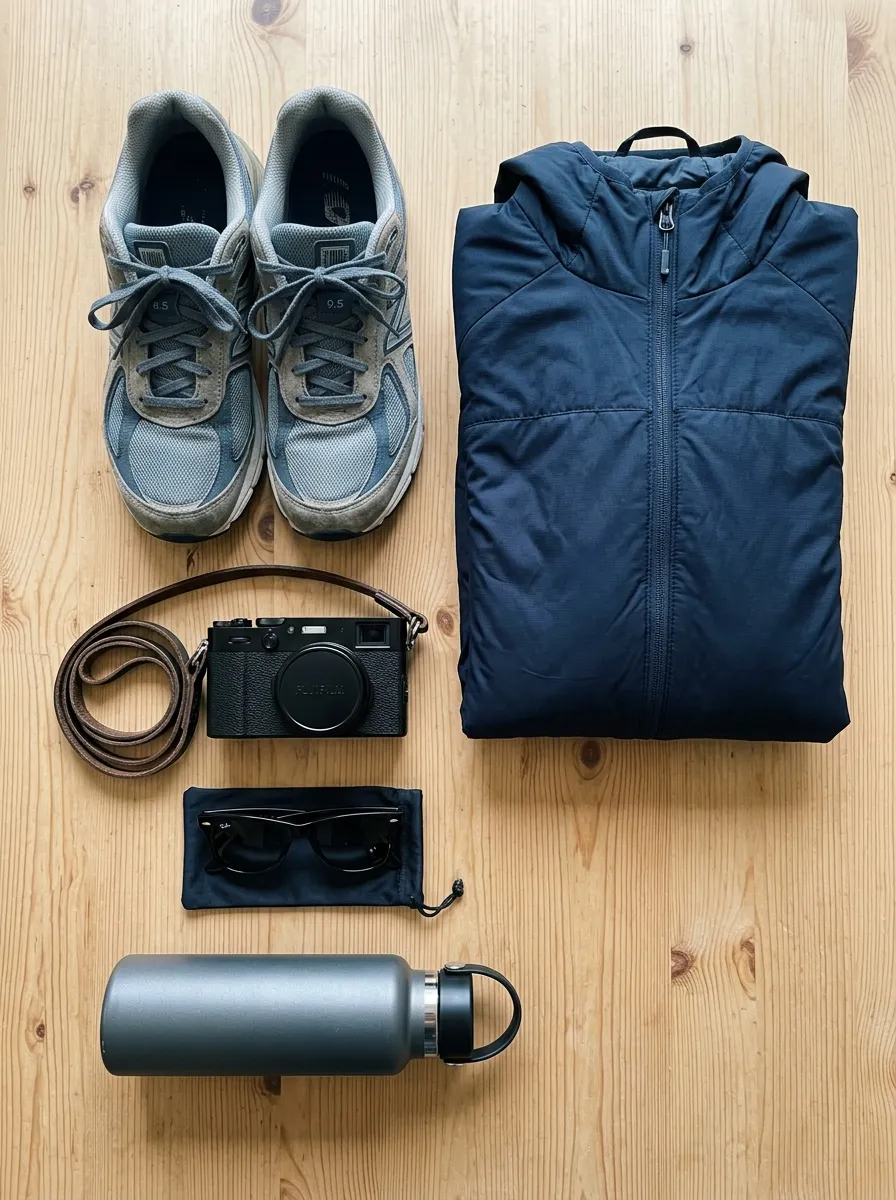
- [ ] Comfortable walking shoes for the Riverwalk, Millennium Park and Museum Campus
- [ ] Genuine insulated, wind-resistant outerwear for any winter visit
- [ ] Layers for shoulder-season trips, since lakefront wind can shift the feel of a day quickly
- [ ] A CTA transit card or the Ventra app loaded before arrival
- [ ] Sunscreen and a hat for summer lakefront and beach days
- [ ] A reusable water bottle for museum and walking days
- [ ] Advance tickets for the Obama Presidential Center and Skydeck, given current demand
- [ ] A light rain jacket, since Midwest weather can shift with little warning
Frequently Asked Questions About Visiting Chicago
What is the best time of year to visit Chicago?
May through September offers the best lakefront weather and the busiest festival calendar; December brings holiday markets and ice skating for a different kind of trip.
How many days do I need in Chicago?
Three to four days covers the downtown highlights; five to seven days allows time for Hyde Park, neighborhood exploring and a day trip.
Is Chicago walkable?
The Loop, River North and the Riverwalk are all comfortably walkable, but the wider city — including Hyde Park and Wicker Park — is better reached by the CTA or bike.
Do I need a car in Chicago?
Not for a downtown- and neighborhood-focused trip — the CTA covers most major attractions for a flat fare. A car becomes more useful for day trips like Indiana Dunes.
Is Chicago expensive?
It’s moderate by major-city standards, with several significant free attractions and a flat, affordable CTA fare keeping costs down compared to New York or San Francisco.
Is Chicago safe for tourists?
Yes, with standard urban precautions, particularly around nightlife areas at night — the Loop, River North and Museum Campus are all well-trodden and generally safe for visitors.
When did the Obama Presidential Center open?
The museum opened to the public on June 19, 2026, in Hyde Park, with the surrounding campus free and open to all.
Is Chicago good for a winter visit?
Yes, if you’re prepared for genuinely cold, windy conditions — holiday markets, ice skating in Millennium Park and a strong indoor museum and theater season make winter a viable, if colder, option.
What’s the best neighborhood to stay in?
The Loop for central access to major attractions, River North for dining and nightlife, or Lincoln Park for a more residential, lakefront-focused stay.
Is a day trip to Indiana Dunes worth it from Chicago?
Yes, at about an hour away, it offers dune hiking and lakefront scenery genuinely different from Chicago’s own beaches.
Is Chicago good for families?
Yes — the Museum Campus, Lincoln Park Zoo and Navy Pier all cater strongly to families with kids of a wide age range.
Is Chicago good for solo travelers?
Yes — the CTA’s straightforward network and the Loop’s walkable core make solo navigation manageable.
What should I pack for a Chicago winter trip?
Genuine insulated, wind-resistant outerwear, warm layers and waterproof boots — lakefront wind chill makes this a more serious cold than the air temperature alone suggests.
Should I book Obama Presidential Center tickets in advance?
Yes — as one of the newest and most talked-about attractions in the city since its June 2026 opening, advance time-entry tickets are worth securing rather than assuming walk-up availability.
Is Route 66 really connected to Chicago?
Yes — Chicago is the official eastern starting point of Route 66, marked near Adams Street by Grant Park, and 2026 marks the route’s 100th anniversary.
What’s the biggest mistake first-time visitors make?
Staying entirely downtown and never venturing into neighborhoods like Pilsen or Wicker Park, which hold much of the city’s food and cultural character.
Is Chicago good for a food-focused trip?
Yes — deep-dish pizza is only the starting point; Chicago-style hot dogs, Italian beef and the international food scenes in Pilsen, Chinatown and Devon Avenue round out a genuinely broad food itinerary.
What’s the most photogenic spot in Chicago?
Cloud Gate (“The Bean”) in Millennium Park remains the most iconic and reliably photogenic spot, especially at sunrise or after dark when crowds thin out.
How much does the Chicago CityPASS save?
It bundles Skydeck and several major museums together at a meaningful discount compared to buying tickets separately — worth it for travelers planning to hit three or more major paid attractions.
Is Wrigley Field worth visiting outside of a game?
Yes — behind-the-scenes stadium tours run outside game days for visitors interested in the ballpark’s more-than-century history even without catching a Cubs game.
Final Thoughts on Visiting Chicago
Chicago works best when you give it more than the downtown highlight reel. Three or four days covers Millennium Park, the Art Institute and the Riverwalk well, but the city’s real depth shows up once you push into Hyde Park’s new Obama Presidential Center, Pilsen’s murals and food scene, or a lakefront afternoon along the Lakefront Trail that most rushed itineraries skip entirely.
If you’re building a first Chicago itinerary, anchor it in the Loop or River North for walkability, and decide early whether the Museum Campus or a neighborhood-focused day matters more to your remaining time — both are genuinely good versions of the trip, just very different ones. Whatever balance you strike, things to do in Chicago add up quickly in a city having one of its biggest years yet: a newly opened presidential museum, a century of Route 66 history starting right at its edge, and a skyline that still, after all these years, hits first.