Things to Do in Texas: The Complete 2026–27 Travel Guide
Texas doesn’t fit into a single trip, and pretending otherwise is the fastest way to plan a bad one. This is a state of 268,596 square miles — larger than France — where the Guadalupe Mountains rise to 8,751 feet in the west, the Gulf Coast stretches 113 miles of undeveloped barrier island in the south, and Austin’s live music scene and Houston’s NASA legacy sit hundreds of miles from Big Bend’s canyon country and some of the darkest skies left in North America. Most visitors see one corner of Texas and assume they’ve seen the state. They haven’t.
This guide covers things to do in Texas for the rest of 2026 and into 2027, organized by region rather than a flat list, because that’s genuinely the only way to plan a Texas trip that doesn’t turn into an exhausting cross-state slog. Texas runs on real seasonal rhythms too — a rodeo calendar that dominates January through March, river-tubing season that opens as spring warms the Hill Country’s spring-fed waterways, and a summer heat serious enough to reshape how locals plan their entire day. Get that timing right, along with an honest sense of the driving distances involved, and Texas delivers some of the most genuinely varied travel available in the United States.
Whether you’re chasing Austin’s live music and barbecue, San Antonio’s Alamo and River Walk, Big Bend’s canyon hikes and stargazing, or the state’s rodeo season at its biggest and loudest, this guide breaks down what’s actually worth your time, what’s changed for 2026 and 2027, and how to avoid the single biggest mistake first-time visitors make here: treating Texas like one destination instead of several.
Recommended Travel Items for Your Trip
AT A GLANCE: TEXAS
- Best overall time to visit: March through May, or October through November, for milder statewide weather
- Best city for live music and food: Austin
- Best for history and architecture: San Antonio
- Best for families: Houston (Space Center) or San Antonio (SeaWorld, Six Flags)
- Best for outdoor adventure: Big Bend National Park and the Texas Hill Country
- Biggest annual events: Houston Livestock Show and Rodeo (March 2–21, 2027) and San Antonio Stock Show & Rodeo (February 11–28, 2027)
- Best budget choice: Free museums in Houston and free river tubing access points in the Hill Country
- Ideal trip length: 4–5 days for one region; 10+ days for a genuine cross-state road trip
Texas at a Glance: Where to Focus Your Time
Texas is genuinely too large to cover in a single trip without serious driving fatigue, so picking a region — or accepting long travel days between a couple of them — is the most important early planning decision.
| Region | Best For | Best Upcoming Time | Suggested Stay | Main Consideration |
| Austin | Live music, barbecue, tech-meets-cowboy culture | Year-round | 3–4 nights | Summer heat and humidity are serious |
| San Antonio | History, the River Walk, family attractions | Year-round | 2–3 nights | Extremely busy during Fiesta and rodeo season |
| Houston | NASA, museums, diverse food scene | Year-round | 2–3 nights | Sprawling, largely car-dependent |
| Texas Hill Country | Wine, rivers, small towns | Mar–Oct | 2–4 nights | River tubing season is weather- and water-level-dependent |
| Big Bend / West Texas | Hiking, stargazing, remote desert scenery | Oct–Apr | 3–5 nights | Hundreds of miles from the nearest major airport |
Why Texas Rewards a Longer Trip
Texas’s size is usually framed as a drawback, but it’s really the point. Few U.S. states hold this much genuine variety inside one set of borders: a river-fed Hill Country cool enough for tubing in July, a canyon system dramatic enough to rival parts of the Southwest, a Gulf Coast with more than a hundred miles of undeveloped national seashore, and cities — Austin, Houston, San Antonio, Dallas-Fort Worth — that don’t resemble each other in food, culture or pace. A short trip forces a choice between them; a longer one lets Texas’s actual range show.
When to Visit Texas: Weather, Seasons and Events
Late 2026: What’s Left on the Calendar
September and October 2026 bring some of Texas’s most comfortable statewide weather, as the worst of summer humidity eases across the eastern half of the state and West Texas nights cool into genuinely pleasant stargazing conditions. November holds onto mild temperatures across most of the state before winter arrives, and Congress Avenue Bridge’s famous bat colony — 1.5 million Mexican free-tailed bats that spiral into the Austin dusk each evening — remains active through October before migrating south for the winter.
Rodeo Season 2027
Texas’s rodeo calendar is a genuine cultural centerpiece, not a novelty. The San Antonio Stock Show & Rodeo runs February 11–28, 2027, an 18-day event combining daily PRCA rodeo competitions with nightly headline concerts, a carnival and livestock exhibitions at the Frost Bank Center. The Houston Livestock Show and Rodeo, the largest livestock exhibition and rodeo in the world, follows March 2–21, 2027, at NRG Stadium, drawing more than 2.7 million visitors in recent years. Rodeo Austin typically runs in mid-to-late March as well. If a rodeo is on your list, book hotels well ahead — both events push accommodation prices and availability significantly in their host cities.
If a winter trip built around a signature seasonal event is what you’re after, it’s worth knowing rodeo season isn’t the only place that concept shows up — this guide to the best European Christmas markets for 2026 is worth bookmarking for comparing how differently two very different winter travel traditions unfold.
Texas Summer: What to Actually Expect
June through August brings serious heat across nearly the entire state, with highs regularly exceeding 95°F in the major cities and even higher in West Texas desert regions, paired with heavy humidity along the Gulf Coast and in the eastern half of the state. This isn’t a season to avoid entirely — river tubing in the Hill Country and Gulf Coast beach time both peak in summer — but outdoor plans elsewhere should shift toward early morning, and hydration matters more than casual travelers often expect.
WEATHER WARNING
Texas summer heat is genuinely dangerous, not just uncomfortable — heat-related illness sends people to emergency rooms across the state every summer, and hikers in exposed areas like Big Bend and the Hill Country have suffered serious heat injuries after underestimating conditions. From May through September, plan strenuous outdoor activity for early morning, carry significantly more water than feels necessary, and treat afternoon heat as a hard stop for exposed hiking. Gulf Coast visitors should also track hurricane season (June 1–November 30) against their travel dates, since tropical storms can affect coastal areas with real notice but genuine disruption.
Austin: Live Music, Barbecue and Bats

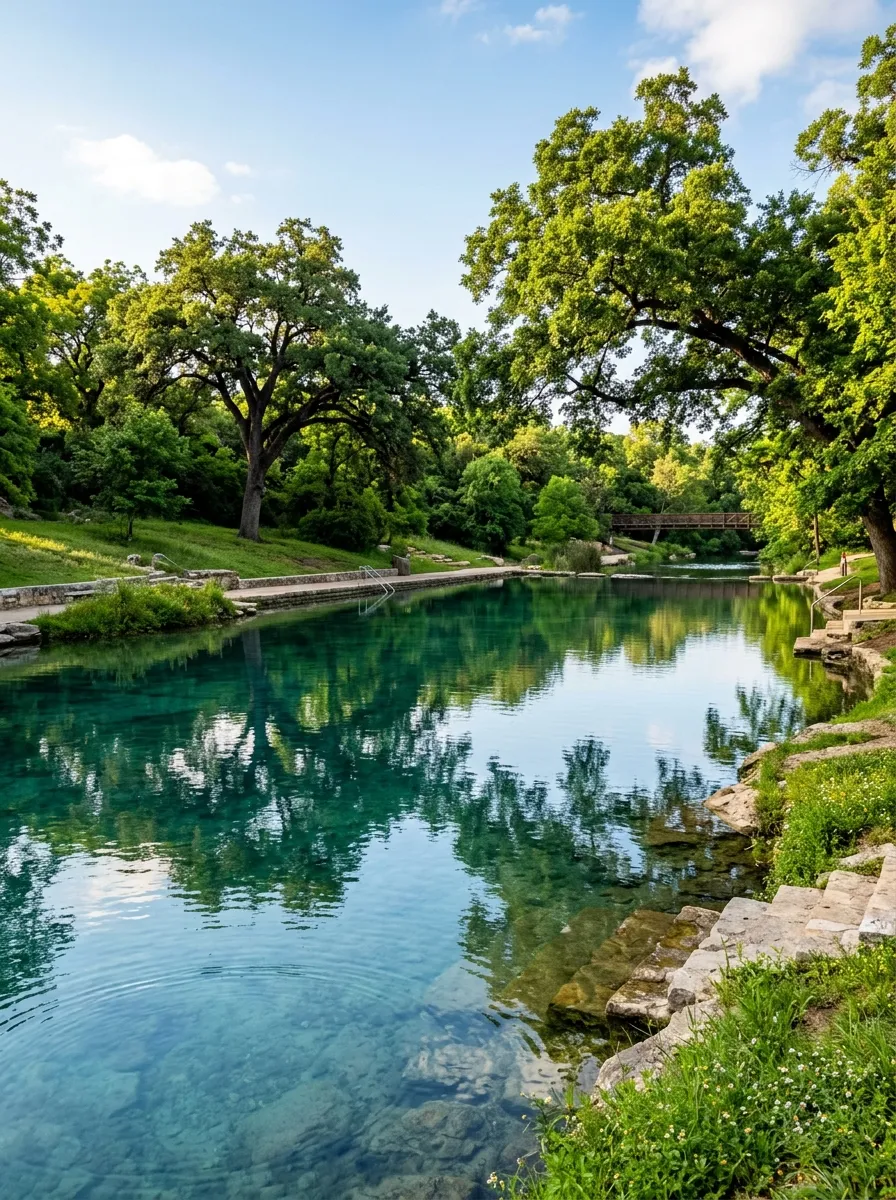
Austin’s identity as the self-proclaimed “Live Music Capital of the World” holds up — 6th Street’s venues have produced six decades of continuous live music history, and the city’s broader music scene extends well beyond that single strip into East Austin’s clubs and the Continental Club’s long-running residencies. Franklin Barbecue remains the most celebrated barbecue restaurant in America by wide consensus, with lines that famously form hours before the 9 a.m. opening for brisket that regularly sells out by early afternoon — arriving by 7 a.m. is the realistic strategy for serious visitors. Barton Springs Pool, a three-acre, spring-fed natural pool in Zilker Park holding a constant 68°F year-round, is one of the best free-to-low-cost attractions in the city. And from March through October, the Congress Avenue Bridge hosts the largest urban bat colony in North America, with 1.5 million Mexican free-tailed bats spiraling out into the dusk sky each evening at zero cost to watch.
San Antonio: The Alamo and the River Walk
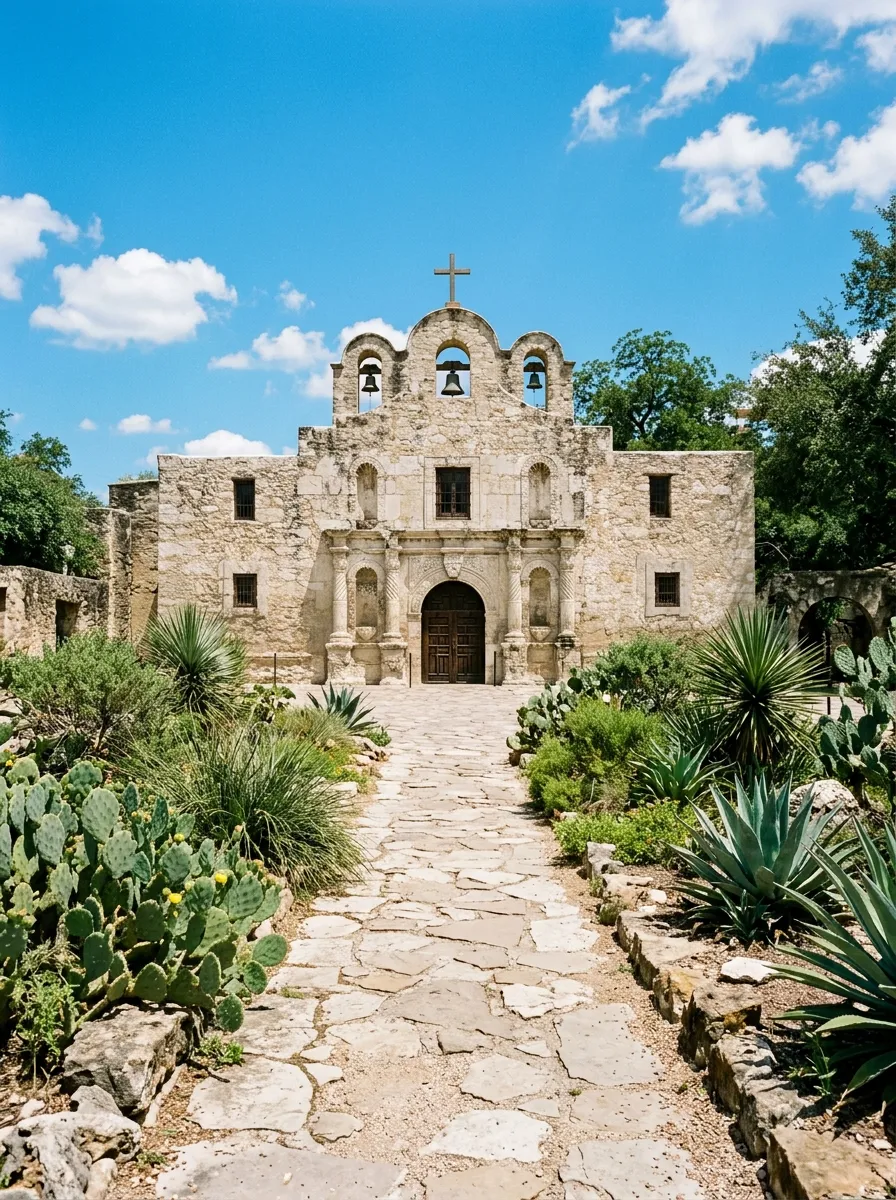
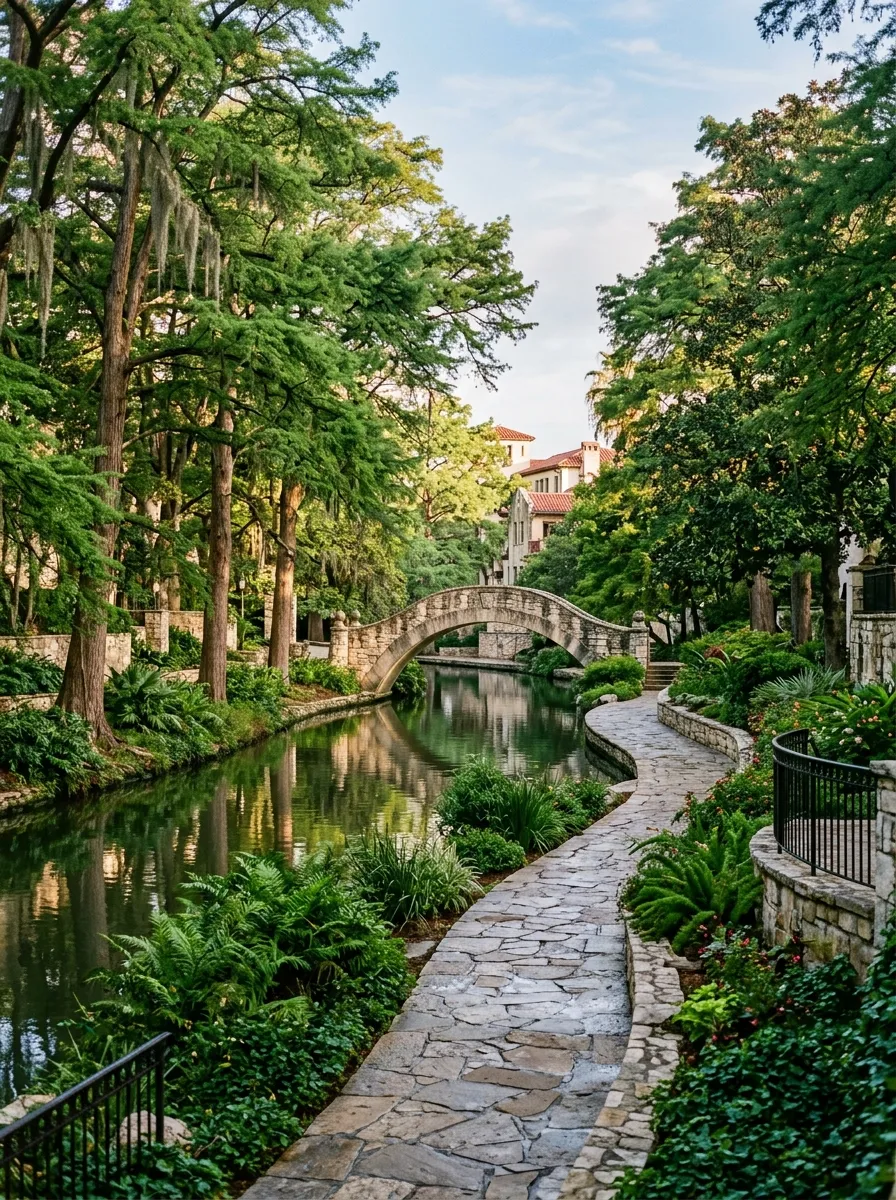
San Antonio’s River Walk is the most visited attraction in Texas, a landscaped network of walkways along the San Antonio River lined with restaurants, shops and boat tours that runs directly through downtown. The Alamo, the former Spanish mission and fort at the heart of Texas’s founding mythology, sits just blocks away and remains the state’s most historically loaded three acres, drawing visitors regardless of how familiar they are with the 1836 siege that made it famous. San Antonio’s broader mission trail — a UNESCO World Heritage Site connecting four additional historic missions along the river south of downtown — rewards a deeper look for visitors with an extra half-day. Families should also note SeaWorld San Antonio and Six Flags Fiesta Texas both anchor strong theme-park options nearby.
Houston: NASA and Museums
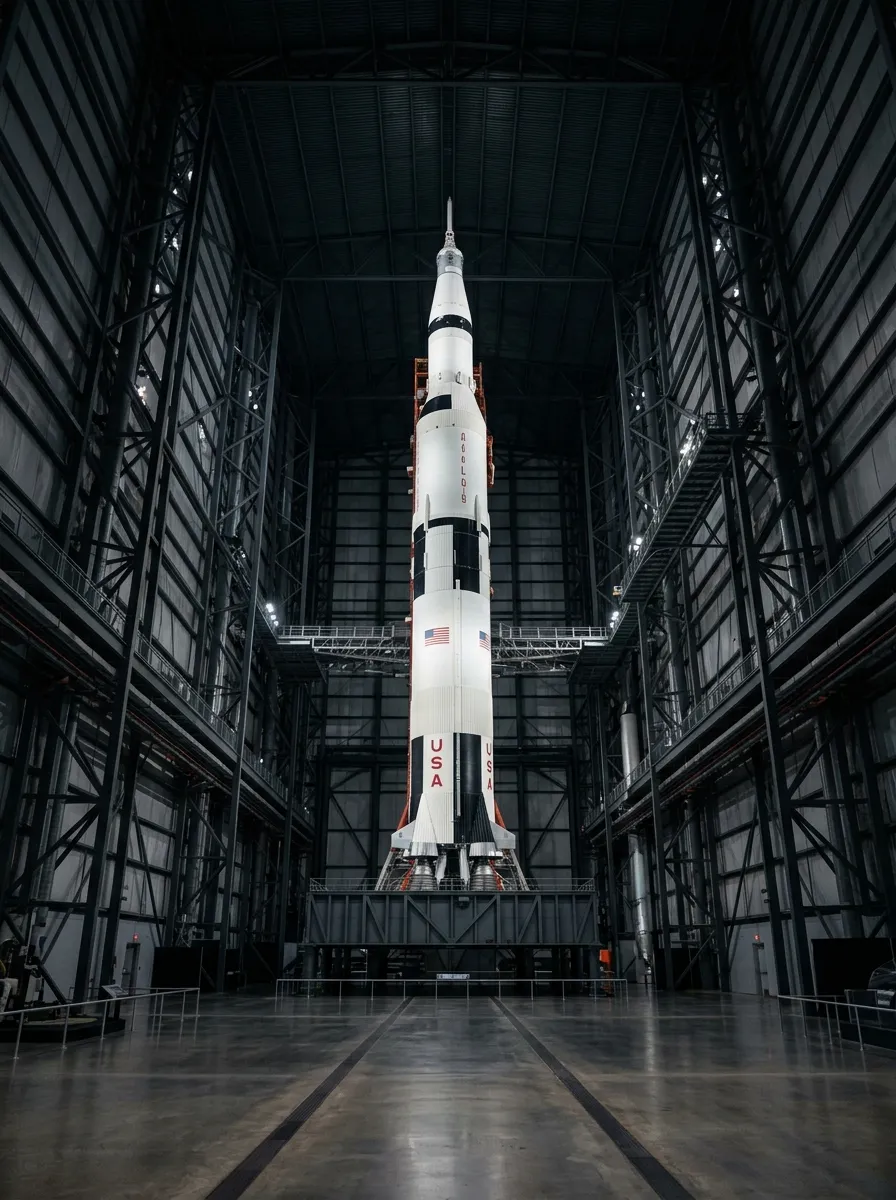
Houston, the largest city in Texas and fourth-largest in the U.S., built its “Space City” identity around Space Center Houston, home to NASA’s Johnson Space Center and drawing more than a million visitors annually for the most comprehensive public look at NASA’s historic and current missions available anywhere. Beyond the space program, Houston holds one of the country’s most underrated museum scenes — the Menil Collection and the adjacent Rothko Chapel both offer free daily admission, and the wider Museum District covers everything from natural science to fine art. Houston’s food scene has become one of the most diverse and celebrated in the country, and green spaces like Buffalo Bayou Park and Hermann Park push back hard against the city’s “concrete jungle” reputation.
Dallas-Fort Worth: Arts, History and the Stockyards
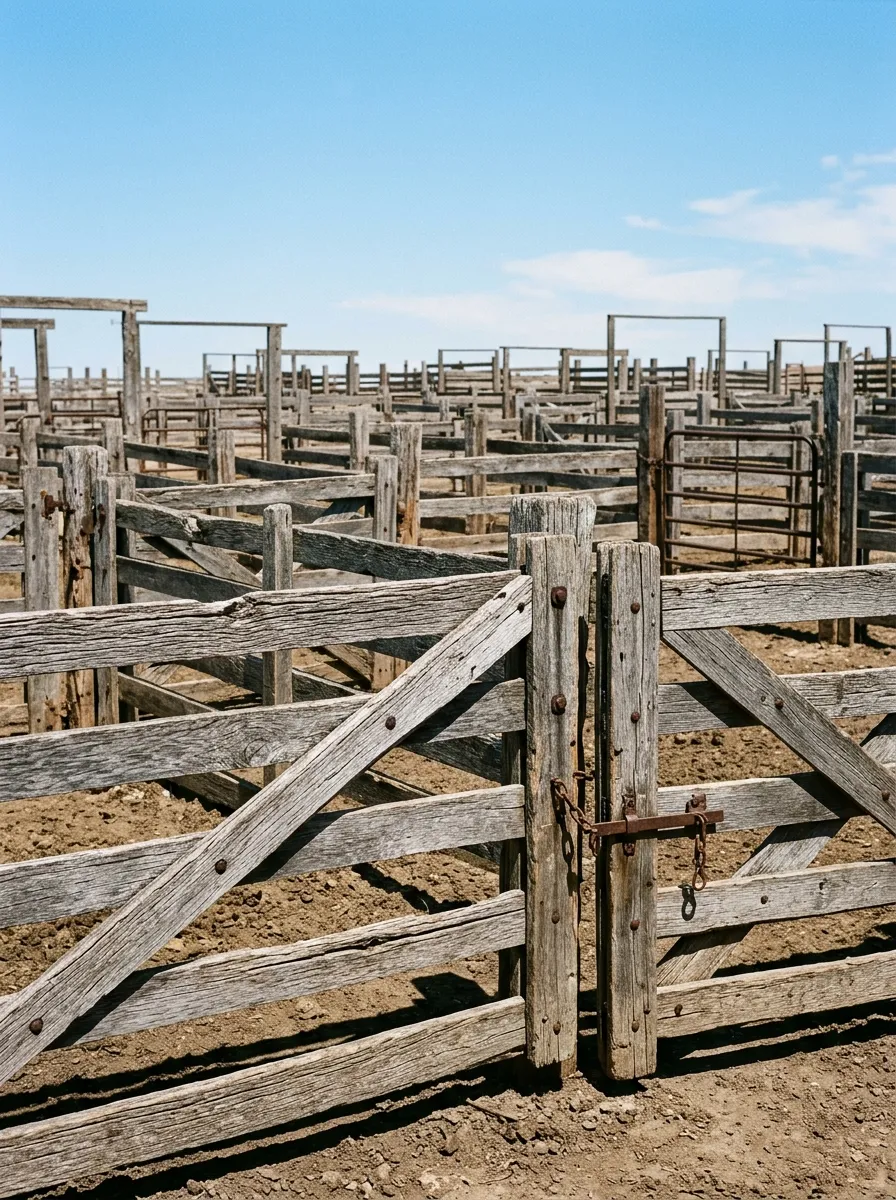
The Dallas-Fort Worth metroplex splits its identity between Dallas’s downtown arts and history scene — including the Sixth Floor Museum at Dealey Plaza, chronicling the life and legacy of President John F. Kennedy from the building where his assassination was investigated — and Fort Worth’s Stockyards, where cattle still move through working pens that have operated continuously since 1890, alongside twice-daily longhorn cattle drives that remain one of the most genuinely unusual free spectacles in Texas. The Dallas Arboretum, on the shores of White Rock Lake, adds a quieter, garden-focused stop to a Dallas-based itinerary.
Texas Hill Country: Wine, Rivers and Small Towns
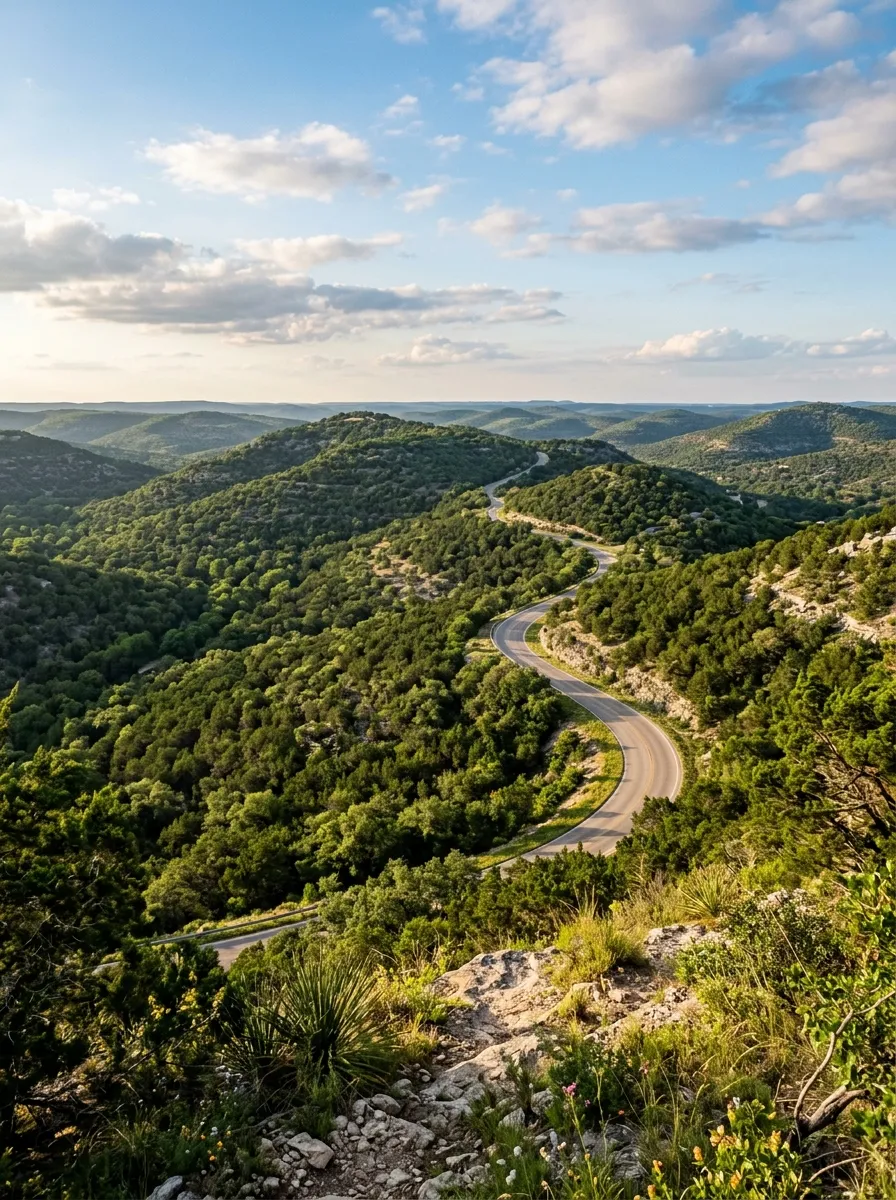
Covering more than 11 million acres of central Texas, the Hill Country combines rolling limestone landscapes, a genuine Texas wine industry with dozens of vineyards and tasting rooms, and small towns worth a slow visit in their own right. Wimberley offers a classic slow-paced Hill Country town experience, with swimming holes like the 140-foot-deep Jacob’s Well and the cypress-lined Blue Hole Regional Park nearby. River tubing on the Guadalupe River, one of the most popular warm-weather activities in the entire state, generally runs from March through September depending on water levels and weather.
Big Bend National Park and West Texas
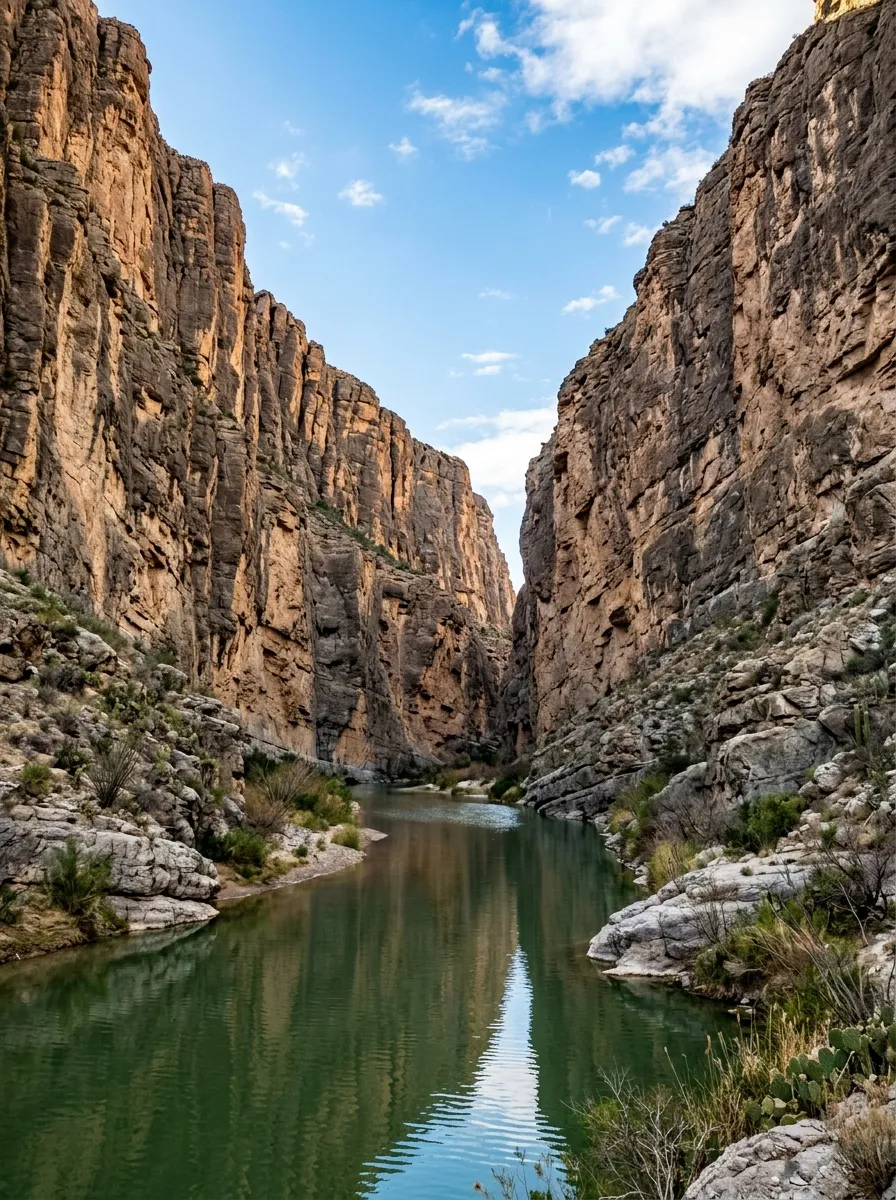
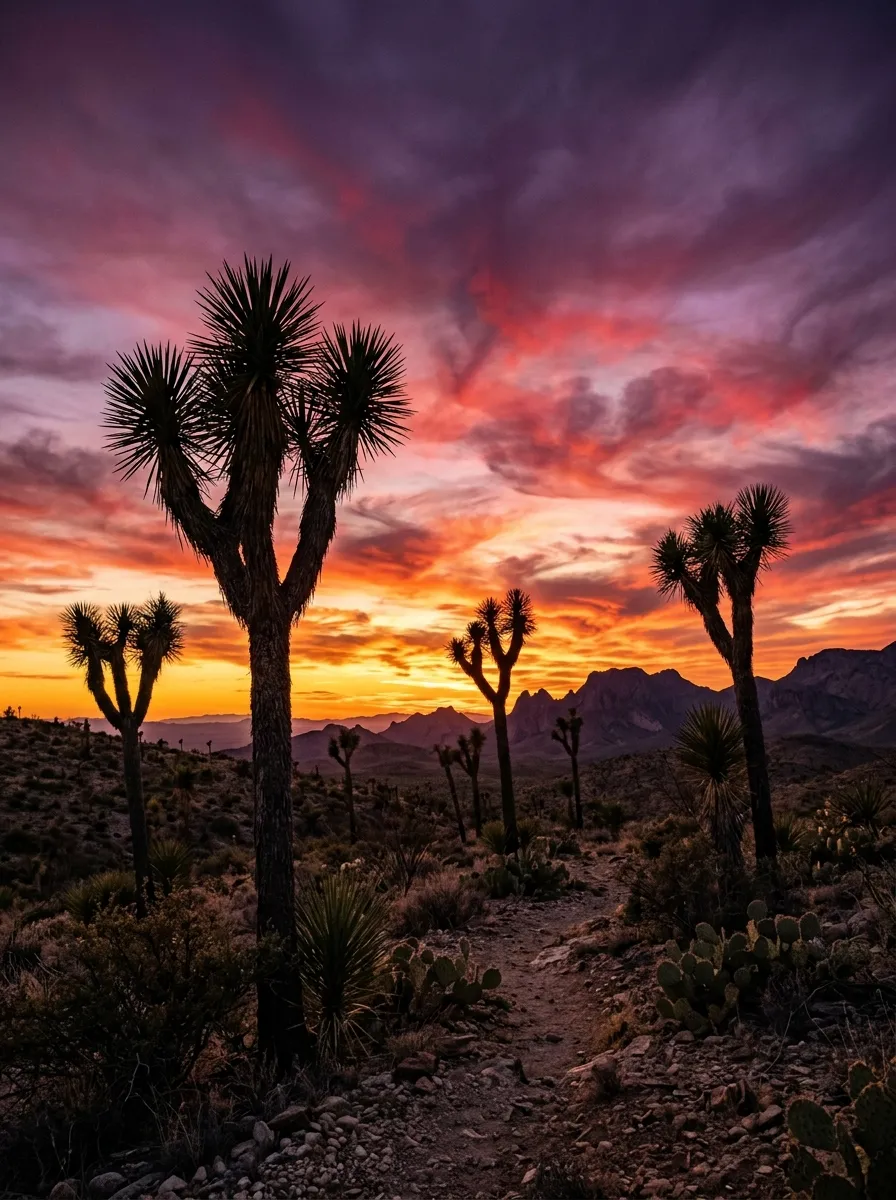
Big Bend, spanning more than 800,000 acres of Chihuahuan Desert along a dramatic bend in the Rio Grande, remains one of the least visited national parks in the lower 48 relative to its scale and drama — a genuine advantage for travelers seeking solitude that’s increasingly rare in more heavily trafficked parks. The Santa Elena Canyon Trail delivers some of the most striking geological scenery in the American Southwest, with limestone canyon walls rising above the jade-green Rio Grande; an early morning visit, particularly in the cooler months, rewards hikers with the best light and fewest crowds. The park’s 2026 entrance fee runs $30 per private vehicle (covering all occupants for seven consecutive days), $25 per motorcycle, or $15 per person entering on foot or bicycle; as of 2026, the park operates on a fully cashless system, so a credit or debit card is required at the gate. Note that Big Bend sits hundreds of miles from the nearest major airport, so factor in real driving time — this is genuinely remote country, and that remoteness is much of the appeal.
BOOKING TIP
Big Bend’s Chisos Basin has experienced periodic closures for infrastructure work in recent years — check the National Park Service’s official Big Bend alerts page before finalizing lodging or hiking plans centered on that specific area.
If dramatic hiking terrain and genuine remoteness are what draw you to a destination, Big Bend’s canyon country has its own eastern counterpart worth comparing — this guide to the fog-draped mountains of the Appalachian Trail covers a completely different kind of wilderness hiking experience for a future trip.
Guadalupe Mountains National Park
Home to the highest point in Texas at 8,751 feet, Guadalupe Peak, this less-visited park sits north of Big Bend and offers genuinely serious high-elevation hiking rare anywhere else in the state, along with McKittrick Canyon’s rare and celebrated fall foliage display — one of the very few reliable spots in Texas for a true autumn-color hike, typically peaking in late October to early November depending on the year’s rainfall.
Fall color is such a rare treat in Texas that it’s worth planning around carefully — this guide to the best fall travel destinations for autumn colors is a useful companion for comparing McKittrick Canyon’s brief window against more traditional autumn destinations elsewhere in the country.
Marfa and the Marfa Lights
This small West Texas art town has built an outsized cultural reputation around the Chinati Foundation’s minimalist art installations and the still-unexplained Marfa Lights, mysterious glowing orbs visible from a dedicated viewing area east of town on clear, moonless nights — best experienced in the deep quiet of a desert evening, when the silence is complete enough to hear highway trucks from miles away.
McDonald Observatory and Dark Skies
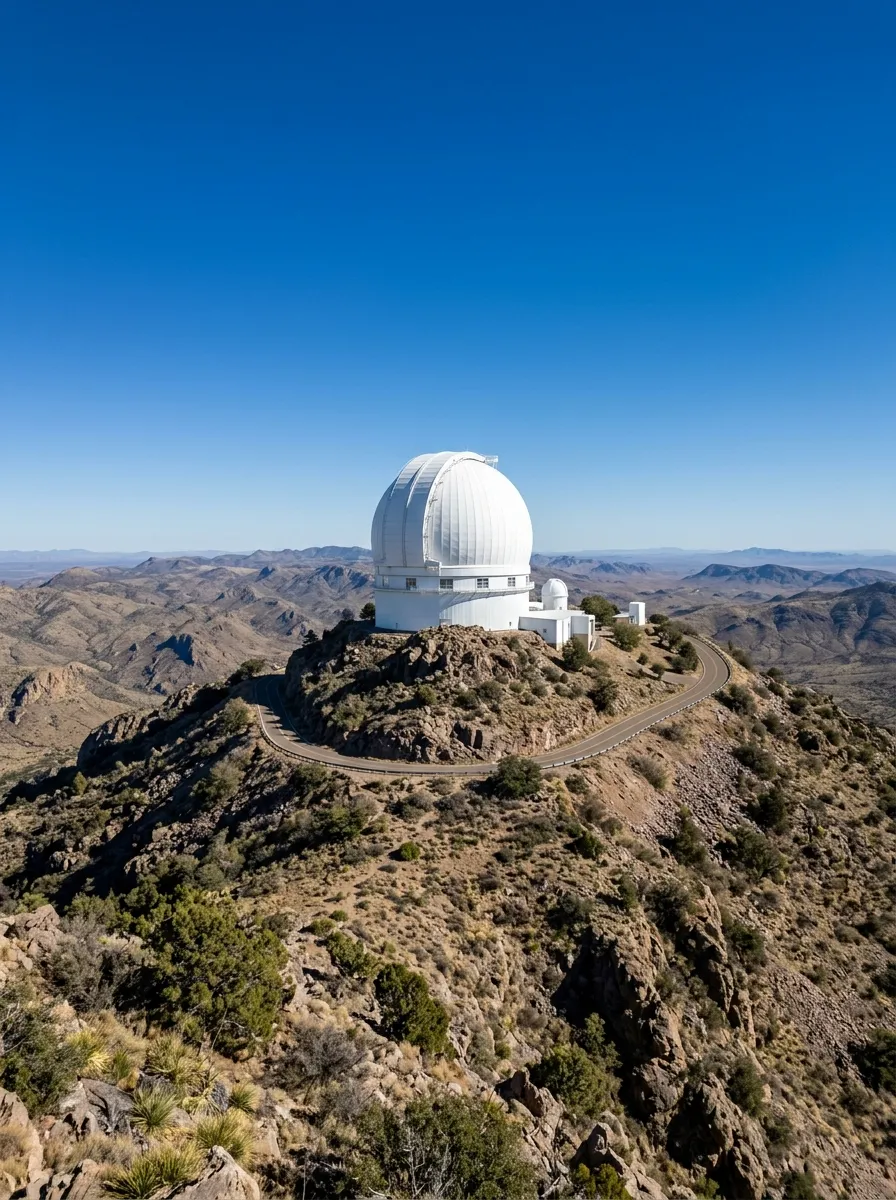
West Texas holds some of the darkest skies accessible to the public anywhere in North America, and the McDonald Observatory, perched in the Davis Mountains, offers regular public star parties and one of the finest dark-sky viewing facilities in the country. Pairing an observatory night with a Big Bend or Marfa stop makes for one of the most genuinely memorable nights available anywhere in Texas.
Gulf Coast Beaches and Padre Island
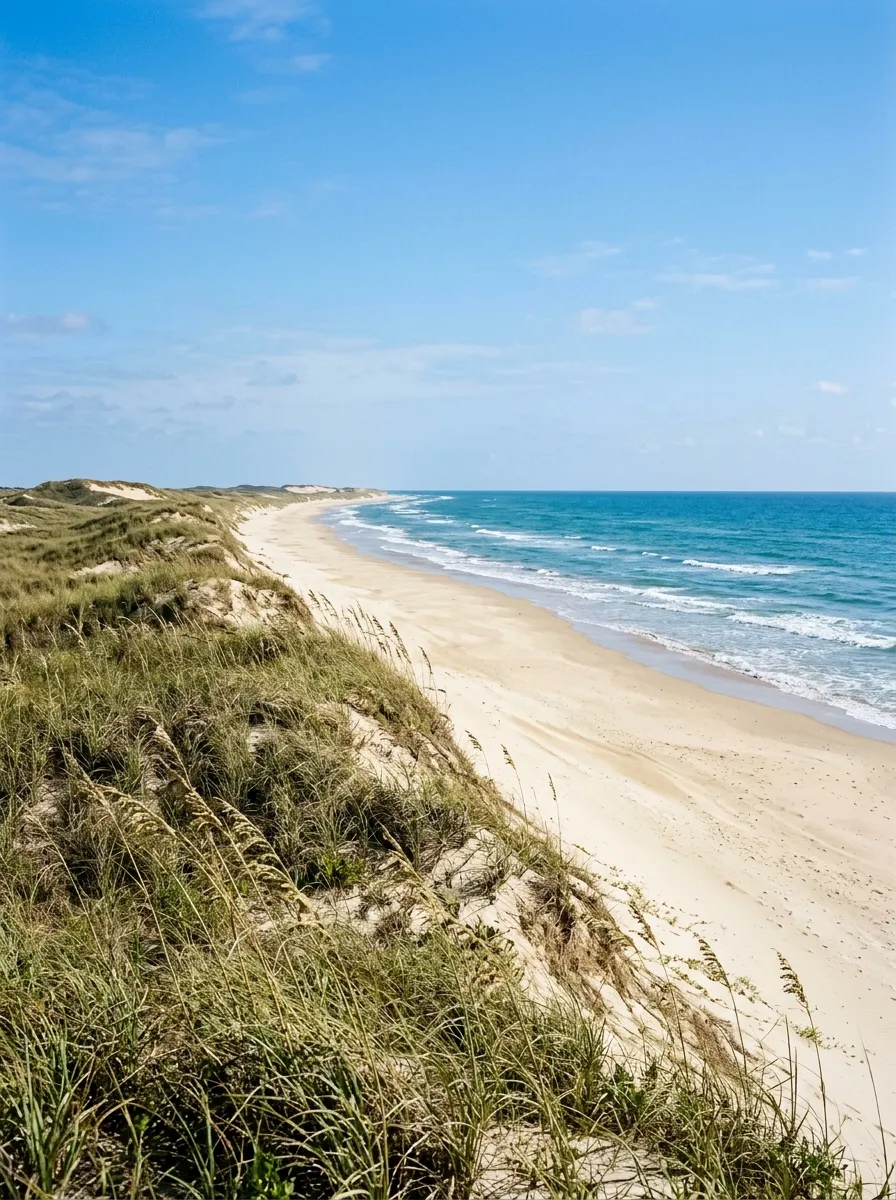
Texas’s Gulf Coast stretches from Galveston near Houston down to South Padre Island near the Mexican border, with Padre Island National Seashore preserving 70 miles of undeveloped barrier island — the longest stretch of undeveloped barrier island in the world. Port Aransas offers a more laid-back, less built-up beach town alternative to South Padre’s livelier scene, and Gulf Coast beach season runs roughly March through October, with hurricane season awareness essential from June through November.
German Heritage Towns: Fredericksburg and New Braunfels
Texas’s German immigrant heritage runs deep in the Hill Country, most visibly in Fredericksburg’s biergartens, wineries and well-preserved 19th-century architecture, and in New Braunfels, home to Schlitterbahn water park and some of the state’s most popular river-tubing access points. Both towns lean into their heritage each winter with dedicated Christmas market events drawing on genuine German tradition — a distinctly Texan take on a European concept.
Texas Rodeos and Livestock Shows
Beyond the two headline events in San Antonio and Houston covered above, Texas hosts dozens of smaller rodeos throughout the year across the state, each blending professional PRCA competition with regional character — worth checking against your travel dates if rodeo culture is a genuine trip priority rather than a single bucket-list stop.
Texas Barbecue Trail
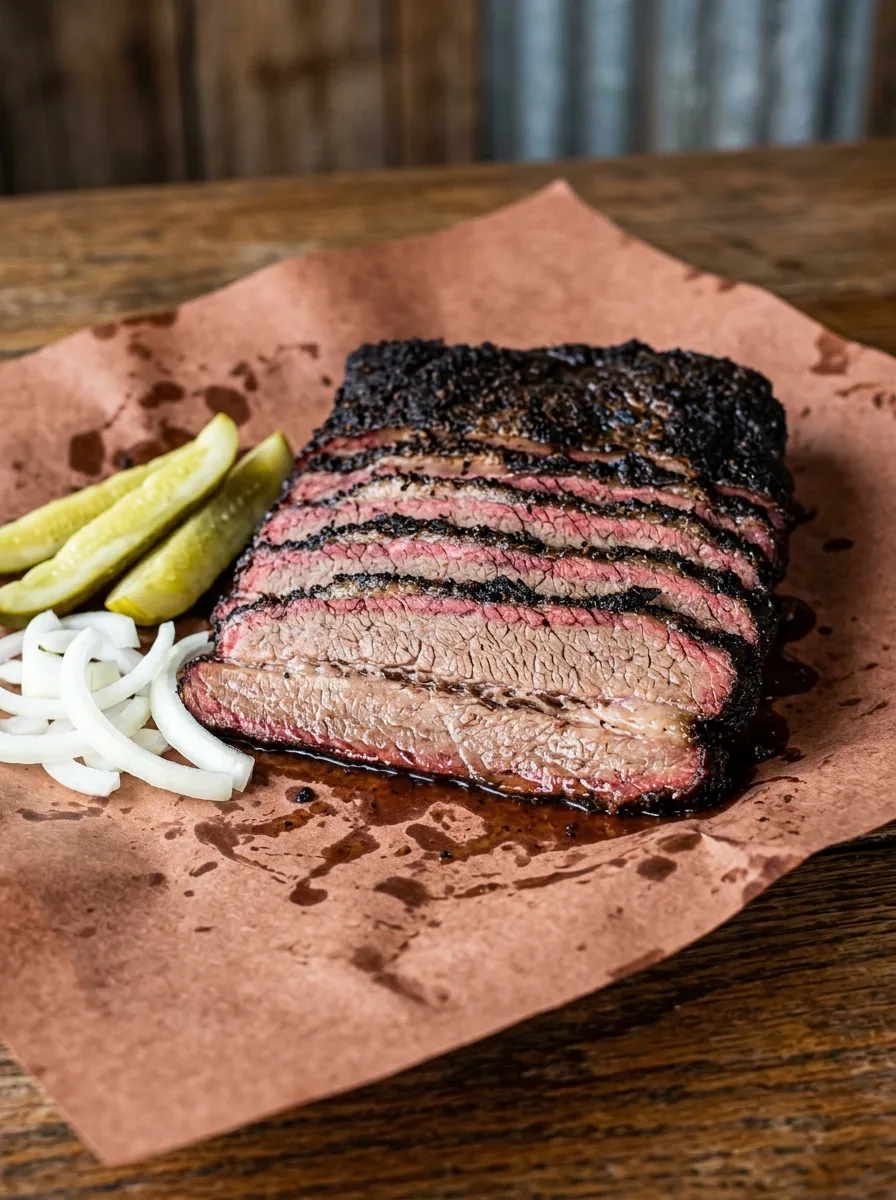
Texas barbecue deserves its own dedicated mention beyond Austin’s Franklin Barbecue — central Texas’s barbecue tradition, rooted in German and Czech meat-market history, has produced a genuine trail of destination-worthy smokehouses across small towns like Lockhart and Taylor, each with passionate, decades-long followings and their own take on brisket, sausage and ribs.
Day Trips and Small Towns
Beyond the headline stops, Texas rewards a slower look at its small towns. Wimberley (covered above) anchors a strong Hill Country day-trip loop, while towns like Gruene, just outside New Braunfels, preserve a genuinely well-kept 19th-century downtown built around the state’s oldest continually operating dance hall.
Where to Stay in Texas
Austin: Downtown or South Congress for walkable access to live music venues and the food scene, with East Austin as a livelier, slightly less expensive alternative.
San Antonio: Downtown near the River Walk for the most convenient base, though family travelers headed to SeaWorld or Six Flags may prefer lodging closer to those parks.
Houston: The Museum District or Midtown for central access to major attractions, with the understanding that a car remains close to essential regardless of base.
Big Bend / West Texas: Terlingua or Study Butte just outside the park’s western entrance, or Marathon near the north entrance, both offering more lodging variety than inside the park itself.
How to Get to Texas and Around the State
By air: Major international airports serve Dallas-Fort Worth (DFW), Houston (IAH and Hobby), Austin (AUS) and San Antonio (SAT), with DFW and Houston functioning as the state’s primary international gateways.
By car: A rental car is close to essential for any multi-region Texas trip — distances are genuinely significant, with roughly 3 hours between Austin and Houston, 4.5 hours between Austin and Big Bend’s park entrance, and considerably more between the eastern cities and far West Texas.
Within cities: Austin, San Antonio, Houston and Dallas-Fort Worth are all largely car-dependent beyond their compact downtown cores, though each has a limited light rail or streetcar system covering specific corridors.
How Many Days Do You Need in Texas?
Four to five days covers one region well — Austin and the Hill Country together, or San Antonio and a Gulf Coast add-on. A week to ten days allows a genuine two-region trip, such as Austin and San Antonio paired with a Big Bend extension. Two weeks or more opens the door to a true cross-state road trip touching the Hill Country, West Texas and the Gulf Coast without constant rushing.
Ten-Day Texas Road Trip Itinerary
Days 1–3 — Austin: Live music on 6th Street and East Austin, Franklin Barbecue, Barton Springs Pool, Congress Avenue bat watch.
Days 4–5 — Hill Country: Fredericksburg wineries and German heritage sites, Wimberley swimming holes, Gruene’s historic dance hall.
Day 6 — San Antonio: The Alamo, the River Walk, Mission Trail.
Days 7–9 — Big Bend and West Texas: Santa Elena Canyon hike, Marfa Lights viewing, McDonald Observatory star party.
Day 10 — Return or extend: Drive back toward Austin or San Antonio, or extend toward the Gulf Coast if time allows.
Long Weekend Itinerary: Austin, San Antonio and the Hill Country
Day 1: Arrive in Austin, 6th Street evening, live music.
Day 2: Franklin Barbecue (early arrival essential), Barton Springs Pool, Congress Avenue bat watch at dusk.
Day 3: Drive to Fredericksburg for wineries and German heritage sites, continue to San Antonio in the evening.
Day 4: The Alamo and the River Walk, departure.
Budget Travel in Texas
Texas offers genuine value for budget-conscious travelers — Houston’s Menil Collection and Rothko Chapel are free daily, the Congress Avenue bat watch costs nothing, and river tubing and swimming holes across the Hill Country are largely free or low-cost beyond basic gear rental. Big Bend’s $30 vehicle entrance fee covers seven days and an entire vehicle of passengers, making it one of the better per-person values among major national parks for groups.
A love of finding real value in travel doesn’t stop at Texas’s borders — this list of cheap travel destinations that feel expensive is worth bookmarking for the same budget-conscious mindset applied to a future international trip.
Family Travel in Texas
Space Center Houston, SeaWorld San Antonio and Six Flags Fiesta Texas all anchor strong family-focused stops, and New Braunfels’s Schlitterbahn water park remains one of the most popular family summer destinations in the state. Big Bend and the Hill Country both work well for families comfortable with more outdoor-focused, lower-frills travel.
Solo Travel and Couples in Texas
Solo travelers benefit from Austin’s genuinely social live-music and food-truck culture, where eating or listening to music alone feels entirely normal rather than awkward. San Antonio’s River Walk and Big Bend’s stargazing both make for strong, low-key couples’ experiences, and West Texas’s dark skies in particular deliver one of the more memorable, low-cost romantic evenings available anywhere in the state.
Solo travel confidence built in a place like Austin tends to carry over well elsewhere — this list of the best solo travel destinations for women in 2026 is worth a look for planning a next solo trip with that same independent, exploratory spirit.
Safety and Practical Tips
Beyond the heat and hurricane guidance above, Texas’s biggest practical safety consideration for visitors is the sheer scale of driving involved in any multi-region trip — fatigue on long, straight West Texas highways is a real risk, and building in rest stops matters more here than in more compact states. In Big Bend and other remote areas, cell service is unreliable or absent in many sections, so downloading offline maps and informing someone of your hiking plans before setting out on longer trails is genuinely important rather than a formality.
Texas Packing Checklist
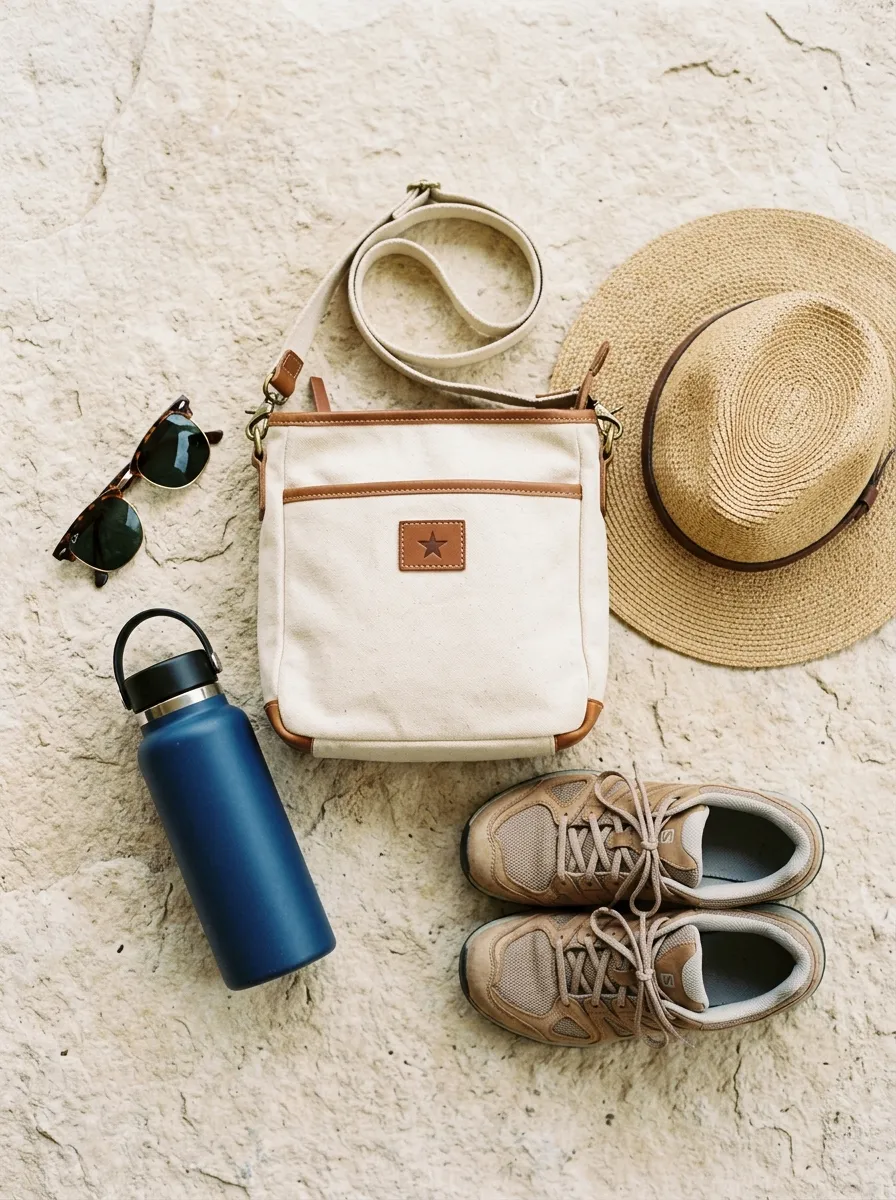
- [ ] Broad-brimmed hat and high-SPF sunscreen for any outdoor time
- [ ] A hydration pack or several liters of water capacity for Big Bend or Hill Country hikes
- [ ] Comfortable, sturdy footwear for canyon trails and river access points
- [ ] Layers for West Texas evenings, which cool significantly even after hot desert days
- [ ] A swimsuit for Hill Country swimming holes or Gulf Coast beach time
- [ ] A fully charged phone and offline maps downloaded before remote-area driving
- [ ] Cash alternative (credit or debit card) for Big Bend’s cashless entrance system
- [ ] Rain gear if traveling during hurricane season along the Gulf Coast (June–November)
Frequently Asked Questions About Visiting Texas
What is the best time of year to visit Texas?
March through May and October through November offer the mildest statewide weather; summer brings serious heat but is also peak season for river tubing and Gulf Coast beaches.
How many days do I need for a Texas trip?
Four to five days covers one region well; a week to ten days allows a genuine two-region combination, and two weeks or more supports a true cross-state road trip.
Do I need a car in Texas?
Yes, essentially — a rental car is close to essential for any multi-region trip, and even within individual cities, most of Texas is car-dependent beyond compact downtown cores.
Is Texas expensive?
It varies significantly by region and activity — several major museums and natural attractions are free or low-cost, while big-city hotels and rodeo season lodging can run considerably higher.
Is Texas safe for tourists?
Yes, with standard urban precautions in cities and genuine wilderness preparation for remote areas like Big Bend, where cell service and services are both limited.
When is the Houston Livestock Show and Rodeo in 2027?
March 2–21, 2027, at NRG Stadium.
When is the San Antonio Stock Show & Rodeo in 2027?
February 11–28, 2027, at the Frost Bank Center.
Is Big Bend National Park worth the remote location?
Yes — its relative lack of visitors compared to other major parks is a genuine advantage, delivering dramatic canyon scenery and some of the darkest night skies in the country without the crowds of more accessible parks.
How much does it cost to enter Big Bend National Park?
$30 per private vehicle (covering all occupants for seven days), $25 per motorcycle, or $15 per person entering on foot or bicycle; the park is fully cashless as of 2026.
Is Texas good for a food-focused trip?
Very much so — Austin’s barbecue and live-music-adjacent food scene, Houston’s genuinely diverse international dining, and the central Texas barbecue trail all support a strong multi-day food itinerary.
When can I see the Congress Avenue bats in Austin?
The colony is active roughly March through October, with the bats spiraling out at dusk each evening at no cost to watch.
Is Texas good for families?
Yes — Space Center Houston, SeaWorld San Antonio, Six Flags Fiesta Texas and New Braunfels’s Schlitterbahn water park all anchor strong family itineraries.
Is Texas good for solo travelers?
Yes, particularly Austin, where the live-music and food-truck culture makes solo dining and evenings out feel entirely normal.
What should I pack for a Big Bend visit?
Serious sun protection, ample water capacity, sturdy hiking footwear and layers for cool desert evenings, along with offline maps given limited cell service.
Is river tubing available year-round in the Hill Country?
No — tubing season generally runs March through September, dependent on water levels and seasonal weather.
What’s the biggest mistake first-time visitors make?
Underestimating driving distances between Texas’s regions and trying to cover too much ground in too short a trip — the state rewards depth in one or two regions over a rushed, statewide checklist.
Is Marfa worth the detour?
Yes, for travelers already in West Texas — its art scene and the unexplained Marfa Lights make it one of the more genuinely unusual small-town stops in the country.
Are Fredericksburg and New Braunfels good for a day trip from Austin or San Antonio?
Yes — both sit within roughly an hour to 90 minutes of Austin and San Antonio, making them easy add-ons to a Hill Country-focused itinerary.
Is hurricane season a real concern for Gulf Coast travel?
Yes — hurricane season runs June through November, and while most trips proceed without incident, tracking forecasts against travel dates is a reasonable precaution for coastal stays.
What’s the most underrated destination in Texas?
Big Bend National Park consistently ranks among the least visited major national parks relative to its scale and drama, making it a genuine standout for travelers willing to make the drive.
Final Thoughts on Visiting Texas
Texas works best when you stop trying to see all of it in one trip. Four or five days in Austin and the Hill Country, or San Antonio and the Gulf Coast, delivers a genuinely satisfying visit without the fatigue of constant long-distance driving. Stretch to a week or two and the state’s real range opens up — from Franklin Barbecue’s pre-dawn line to Santa Elena Canyon’s gold morning light to a moonless night watching the unexplained Marfa Lights in total desert silence.
If you’re building a first Texas itinerary, anchor it in one or two regions rather than the whole state, and time your visit around what actually matters to you — rodeo season’s February-to-March window, river-tubing’s summer peak, or Big Bend’s cooler October-to-April hiking season. However you build it, things to do in Texas add up into one of the most genuinely varied trips available in the United States — a state where French-sized geography somehow still feels like it’s holding something back, no matter how many times you’ve been.