Puerto Rico Travel Guide: Best Places, Things to Do, and a Perfect 7-Day Itinerary
Puerto Rico is the rare Caribbean destination where a morning can begin inside a 500-year-old fortress, drift through a tropical rainforest by afternoon and end beside glowing water after sunset. The island packages beaches, history, mountain towns, distinctive food and outdoor adventure into a territory compact enough for a one-week road trip.
For travelers from the United States, Puerto Rico is especially convenient. Flights from the mainland are treated as domestic travel, U.S. currency is used, and American mobile plans commonly work without international roaming. Travelers aged 18 or older still need identification accepted by the Transportation Security Administration, and noncompliant state IDs are no longer accepted at checkpoints unless another approved document is presented.
Convenience, however, should not be confused with sameness. Puerto Rico has a deeply rooted identity shaped by Taíno, African, Spanish, Caribbean and American influences. Spanish is heard throughout daily life, local cuisine extends far beyond resort menus, and the island changes dramatically as you travel from San Juan’s fortified coast to El Yunque’s misty slopes, the coffee-growing central mountains and the surf towns of the west.
This Puerto Rico travel guide covers the best places to visit, when to go, where to stay, transportation, expected costs and a realistic seven-day itinerary. It is designed for first-time travelers who want more than a hotel-and-beach vacation but do not want to spend every day dragging luggage across the island.
Recommended Travel Items for Your Trip
PUERTO RICO AT A GLANCE
Best for: Beaches, food, history, rainforests and road trips
Best time to visit: December through April
Best shoulder-season months: May and November
Ideal first trip: 5–7 days
Best base without a car: San Juan
Best area for surfing: Rincón and the west coast
Best island escape: Vieques or Culebra
Currency: U.S. dollar
Languages: Spanish and English
Main airport: Luis Muñoz Marín International Airport near San Juan
Is Puerto Rico Worth Visiting?
Puerto Rico is worth visiting when you want Caribbean scenery without limiting the trip to a resort compound. Its strongest advantage is variety.
Old San Juan provides historic streets, forts, museums and plazas. El Yunque offers rainforest trails and waterfalls. Luquillo and the east coast combine family-friendly beaches with easy rainforest access. Vieques is known for quiet beaches and Mosquito Bay, while Culebra attracts travelers seeking snorkeling and clear water. The southwest feels drier and more relaxed, and the western coast is associated with surfing and sunset beaches. Puerto Rico’s official tourism organization divides the island into distinct regions precisely because each offers a noticeably different experience.
Puerto Rico is less suitable for travelers expecting an ultra-cheap Caribbean vacation. Accommodation, rental cars, imported goods and popular excursions can be expensive, particularly around San Juan, Vieques and major holiday periods.
It also requires realistic weather expectations. Tropical rain can appear suddenly, ferry services can be affected by sea conditions, and hurricane-season bookings carry greater uncertainty.
Best Places to Visit in Puerto Rico
| Destination | Best For | Suggested Stay | Main Consideration |
| Old San Juan | History, architecture and food | 2–3 days | Parking and cruise-day crowds |
| Condado and Ocean Park | Urban beaches and nightlife | 2–4 days | Higher accommodation prices |
| El Yunque | Rainforest hiking and waterfalls | 1 day | Limited parking and sudden rain |
| Luquillo | Easy beach access and local food | 1–3 days | Busy weekends |
| Vieques | Beaches and bioluminescent water | 2–3 nights | Ferry or flight planning |
| Culebra | Snorkeling and Flamenco Beach | 2–3 nights | Limited transport and lodging |
| Rincón | Surfing and sunsets | 2–4 days | Car recommended |
| Ponce | Architecture and southern culture | 1–2 days | Fewer major attractions than San Juan |
| Cabo Rojo | Cliffs, salt flats and beaches | 1–2 days | Hot, exposed conditions |
| Central Mountains | Coffee, scenic drives and small towns | 1–3 days | Winding roads |
Old San Juan: History Wrapped in Caribbean Color
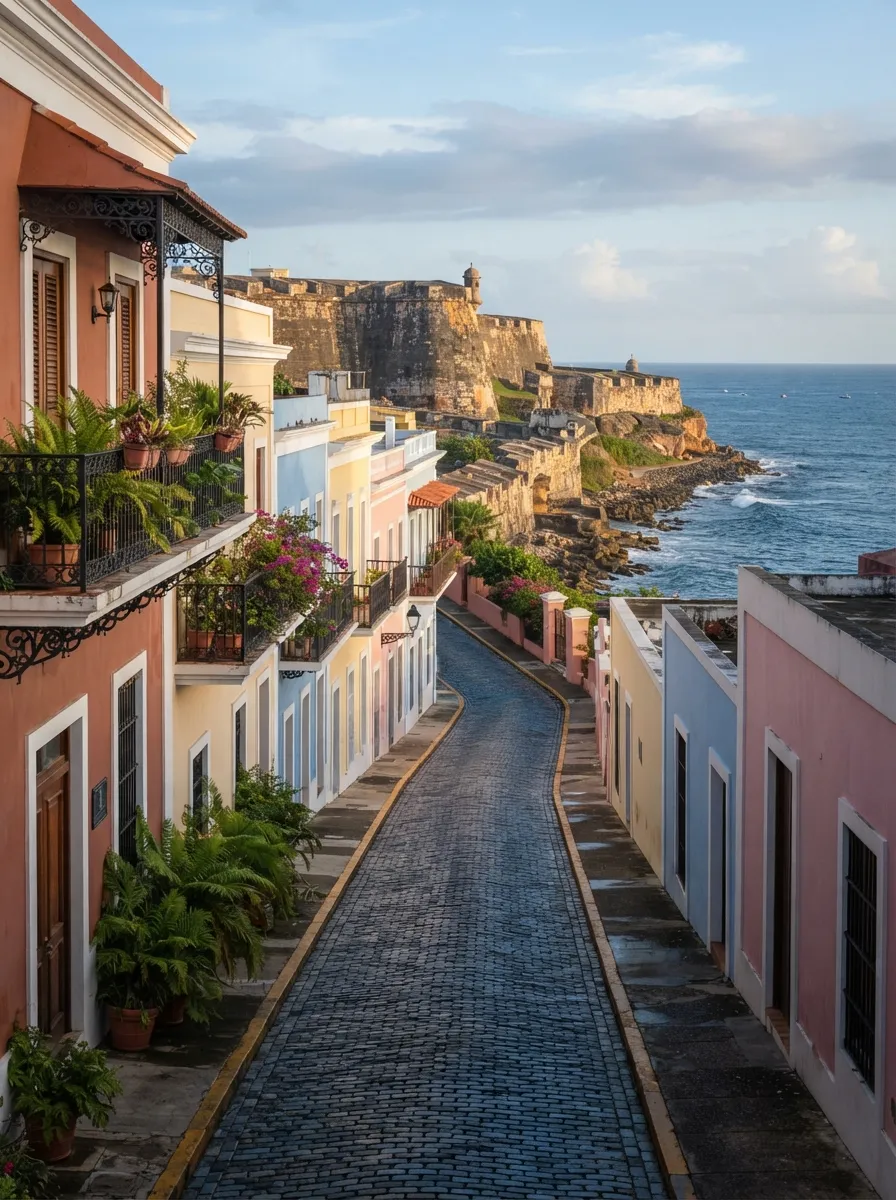
Old San Juan is the natural starting point for a first Puerto Rico trip. Its blue-toned cobblestones, pastel buildings, balconies, plazas and massive fortifications create one of the Caribbean’s most recognizable cityscapes.
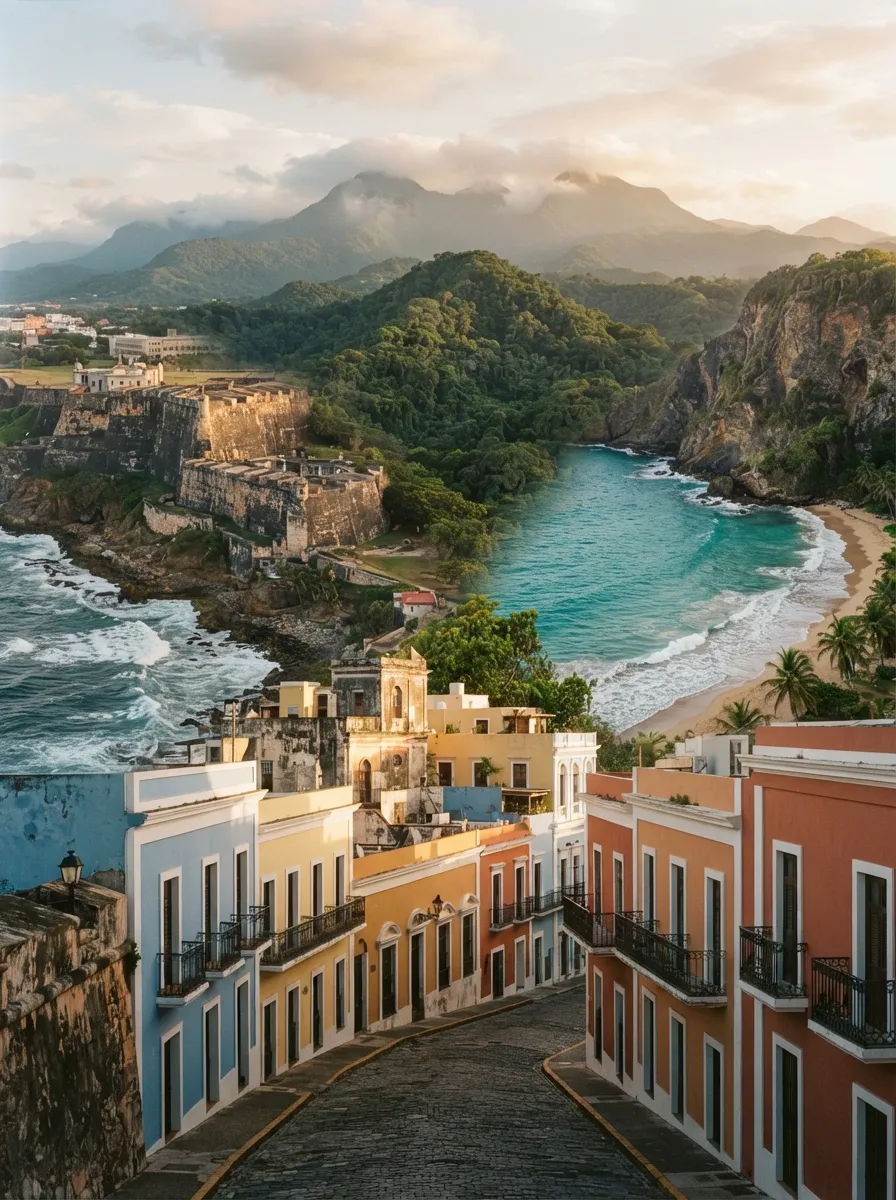
The San Juan National Historic Site includes Castillo San Felipe del Morro, Castillo San Cristóbal, substantial sections of the city walls, the San Juan Gate and Fort San Juan de la Cruz across the bay. These defenses form part of a World Heritage Site and preserve centuries of military and colonial history.
Best things to do in Old San Juan
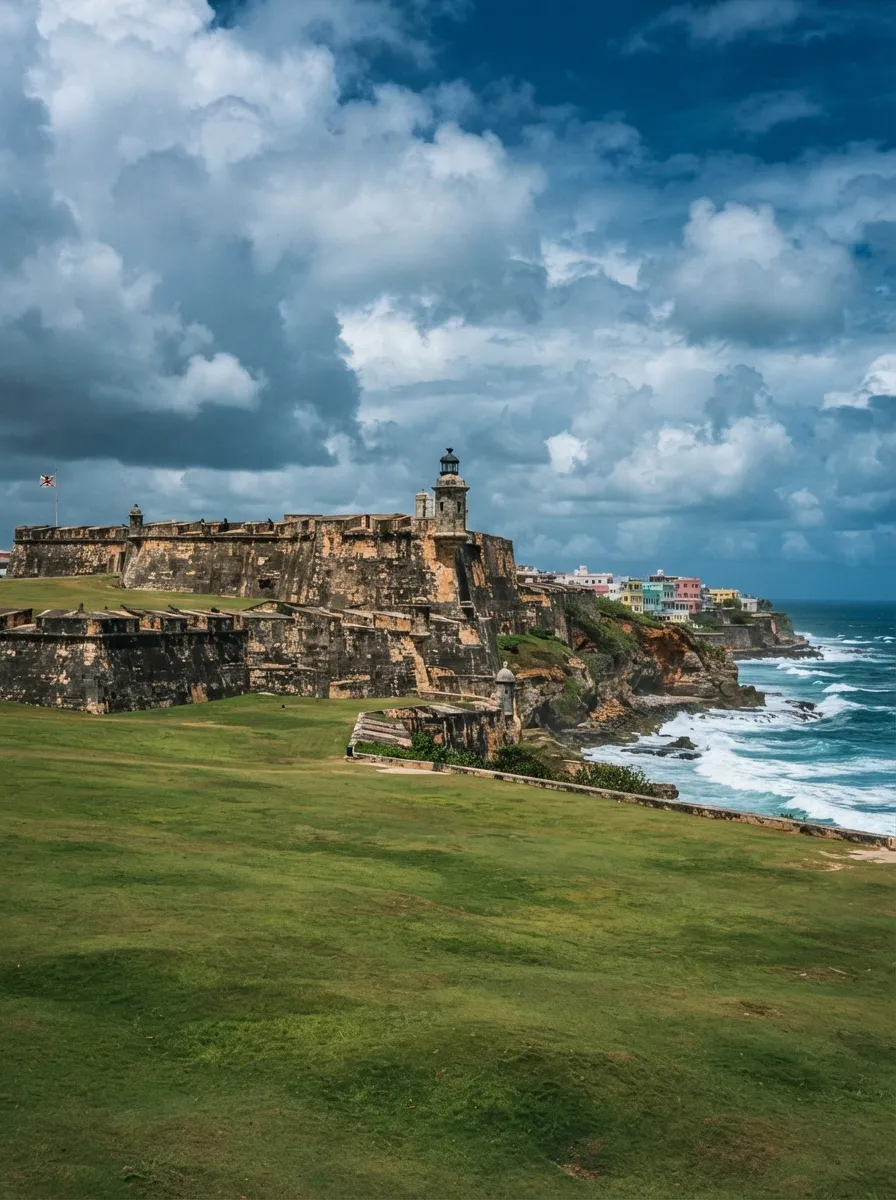
Begin at Castillo San Felipe del Morro, usually called El Morro. The broad lawn outside the fortress is nearly as memorable as the walls themselves, with kites rising above ocean wind and families gathering beside the fort.
Continue through the historic streets toward:
- Castillo San Cristóbal
- Paseo del Morro
- San Juan Gate
- Paseo de la Princesa
- Plaza de Armas
- San Juan Cathedral
- La Fortaleza area
- Local cafés, bakeries and craft shops
Old San Juan is compact, but the heat, cobblestones and steep sections slow the pace. Comfortable shoes beat heroic footwear every time.
The area can become crowded when multiple cruise ships are in port. Start early, visit the forts before midday and return to the quieter streets later in the afternoon.
Travelers who enjoy historic neighborhoods and wandering beyond headline attractions may also enjoy these hidden places in London, where local streets reveal a city beyond its famous landmarks.
Where to stay in San Juan
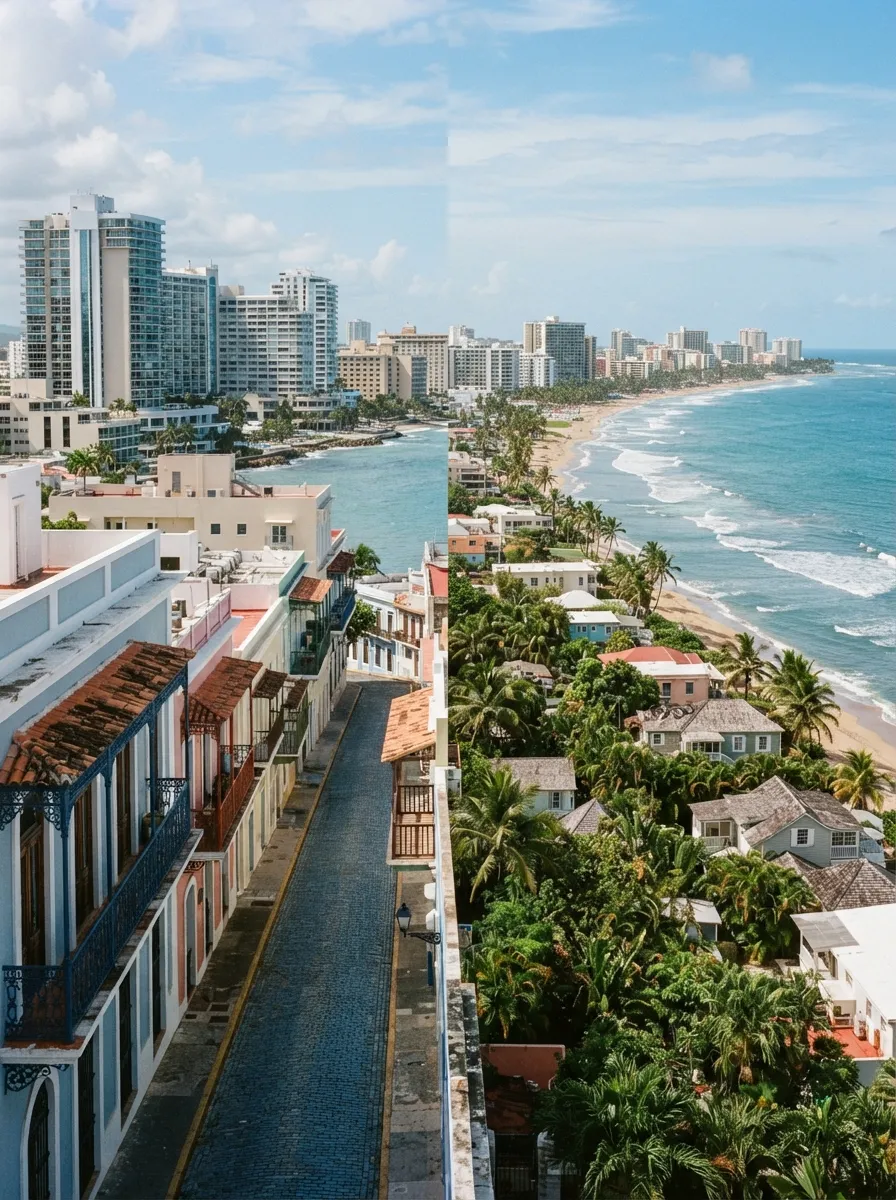
Stay in Old San Juan for atmosphere, architecture and walkability.
Choose Condado for larger hotels, restaurants, nightlife and quick beach access.
Choose Ocean Park for a more residential beach neighborhood with guesthouses and smaller properties.
Choose Isla Verde for resorts, a long urban beach and convenient airport access.
Old San Juan is best for a short cultural stay, while Condado and Ocean Park are more practical for travelers who want to combine city sightseeing with regular beach time.
El Yunque National Forest: Puerto Rico’s Rainforest Escape
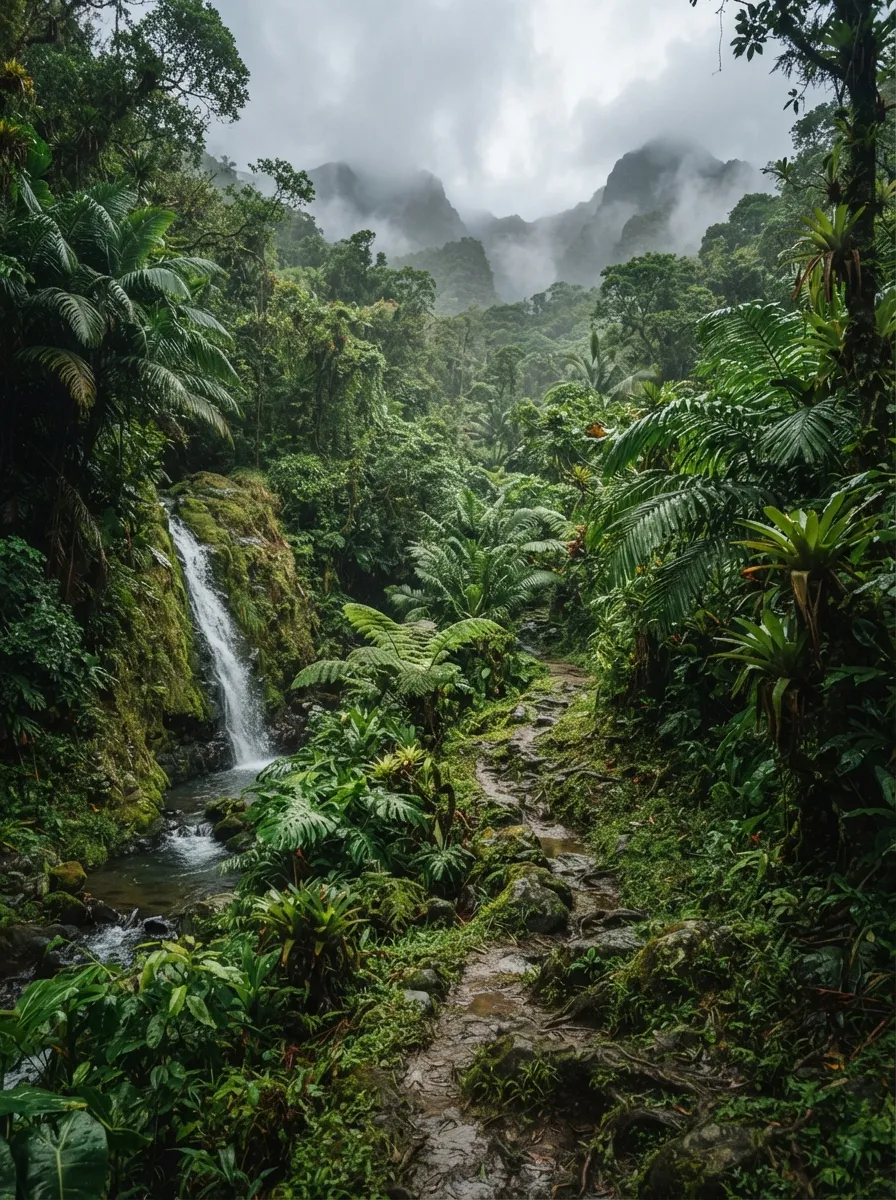
El Yunque is one of Puerto Rico’s essential natural attractions and the only tropical rainforest in the U.S. National Forest System. The landscape includes dense vegetation, mountain viewpoints, rivers, waterfalls and trails ranging from easy roadside stops to more demanding hikes.
As of July 2026, entrance to the main PR-191 recreational corridor is free and does not require a reservation. The corridor operates from 8:00 a.m. to 5:00 p.m., but capacity is managed because parking is limited and construction remains underway. Parking is allowed only in designated places. Conditions can change, so travelers should check Forest Service alerts shortly before visiting.
El Portal Rainforest Center currently operates separately, with an $8 admission charge for visitors over age 16 and no advance reservation required.
How to plan an El Yunque day
Arrive close to opening time for easier parking and cooler walking conditions. Choose two or three priority stops rather than attempting every trail.
Bring:
- Shoes with reliable grip
- Water
- A lightweight rain jacket
- Insect repellent
- A dry bag or waterproof phone cover
- Downloaded maps
Rainfall can make rocks and paths slippery within minutes. Never enter fast-moving water or climb around barriers for photographs.
El Yunque pairs naturally with Luquillo Beach or the Luquillo kiosks. Visit the rainforest in the morning, then spend the afternoon near the coast.
RAINFOREST WARNING
Cellular service may be unreliable, flash flooding can occur, and parking fills quickly. Check current Forest Service conditions on the morning of your visit rather than depending on an old itinerary or social-media post.
Luquillo and Fajardo: The Best East-Coast Base

Luquillo offers one of the easiest combinations of beach, local food and access to El Yunque. Balneario La Monserrate has facilities that can make it practical for families, while nearby La Pared is better known for surfing. The official tourism guide also identifies Seven Seas near Fajardo as a family-friendly beach option.
The Luquillo kiosks form a long collection of casual eateries and bars serving everything from Puerto Rican fritters and seafood to international dishes. Not every kiosk is equally traditional or affordable, so walk through the row before choosing.
Fajardo is useful for marinas, boating excursions and travel toward the Ceiba ferry terminal. It is less atmospheric than Old San Juan but strategically placed for an east-coast itinerary.
Stay in this region for two or three nights when your priorities include:
- El Yunque
- Luquillo Beach
- Boat or snorkeling trips
- Ferry access to Vieques or Culebra
- A quieter alternative to central San Juan
Vieques or Culebra: Which Island Should You Choose?
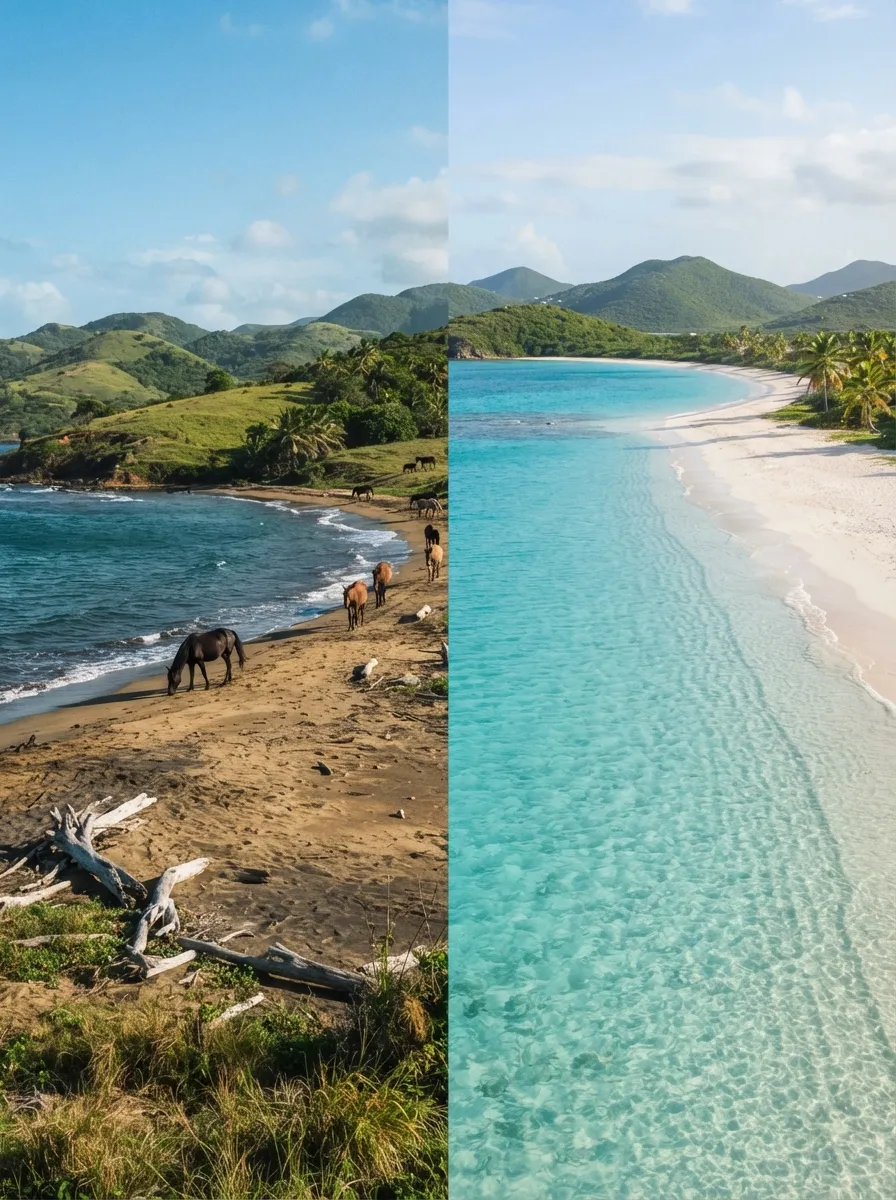
Both islands sit east of Puerto Rico’s main island, but they provide different trips.
Choose Vieques for beaches and the bioluminescent bay
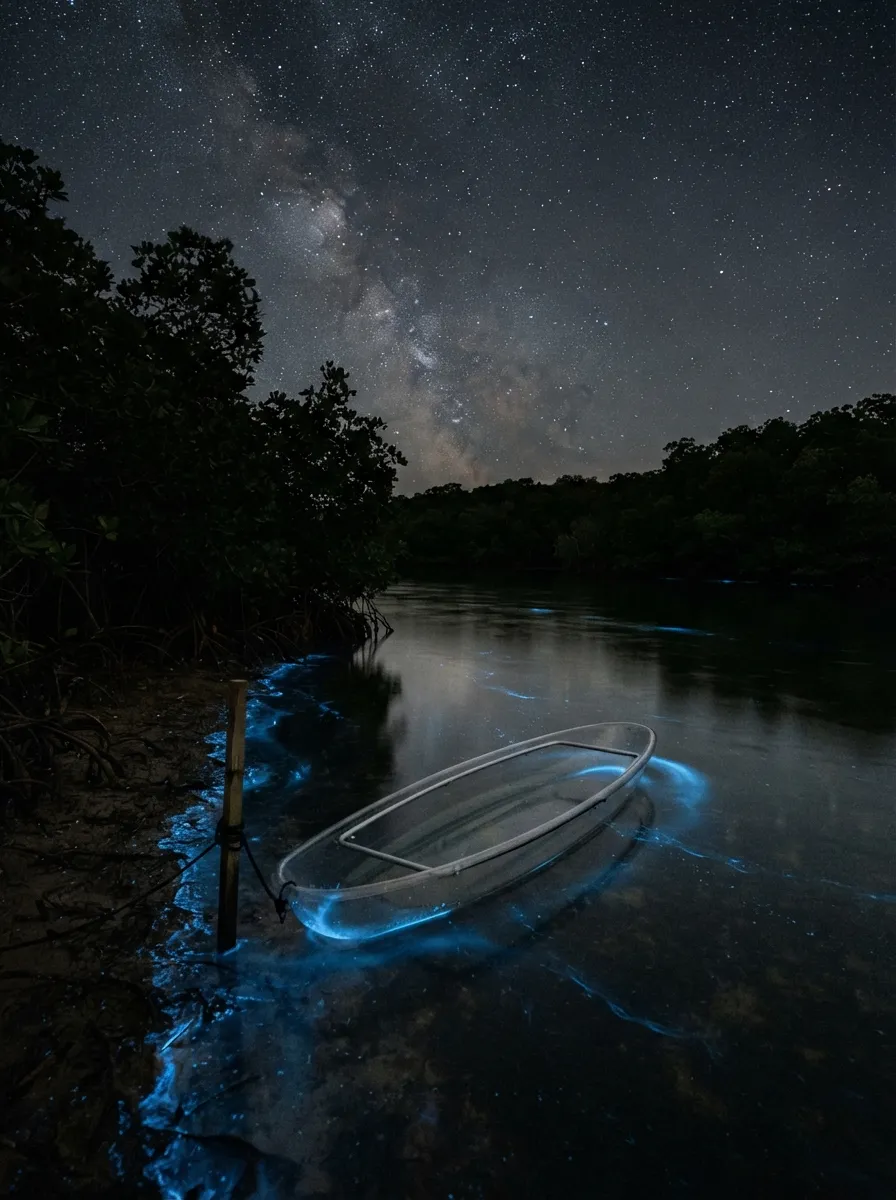
Vieques is larger, more spread out and best known for undeveloped beaches, free-roaming horses and Mosquito Bay.
Mosquito Bay tours are most impressive on darker nights. Moon phase, weather, water conditions and tour timing all affect visibility. Promotional images often exaggerate the brightness because cameras capture light differently from human eyes.
Spend at least two nights on Vieques. A day trip creates too much dependence on ferry timing and leaves little room for weather changes.
Transportation must be arranged before arrival. Rental vehicles, golf carts, taxis and guesthouse pickups can sell out during busy periods.
Choose Culebra for snorkeling and a smaller-island atmosphere
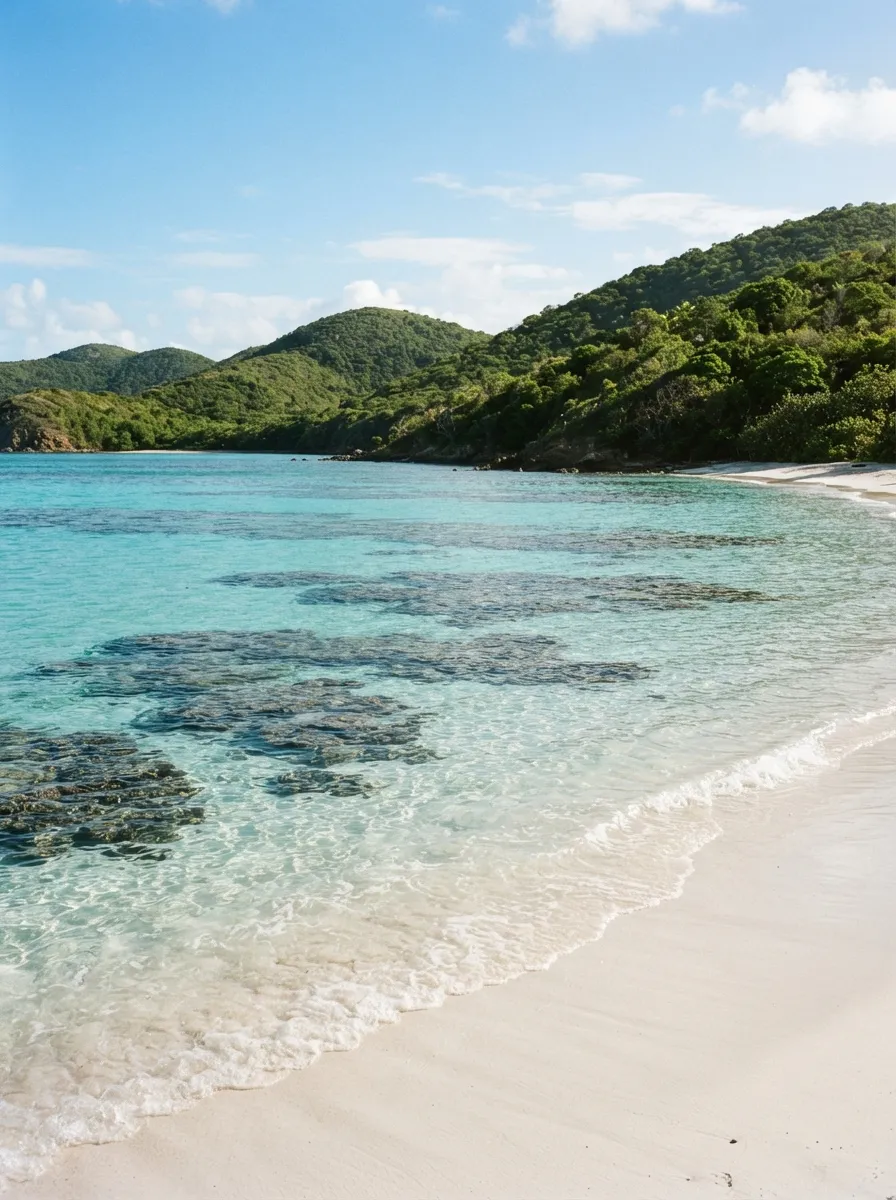
Culebra is smaller and strongly associated with Flamenco Beach, reefs and snorkeling. The official tourism site describes it as approximately 10 square miles with more than 20 surrounding cays.
Culebra suits travelers who are content with simple beach days and limited nightlife. Accommodation and restaurants are fewer than on the main island, so reserve early.
Getting to Vieques and Culebra
Travelers can fly from San Juan-area airports or take a ferry from Ceiba. Official tourism guidance estimates the road journey from San Juan to Ceiba at roughly 90 minutes, followed by a ferry whose duration varies by route, vessel and water conditions. Current schedules and service alerts should be checked through Puerto Rico Ferry.
The ferry operator recommends arriving at least one hour before departure, and boarding closes ten minutes before the scheduled time.
ISLAND-HOPPING TIP
Do not schedule an international or mainland U.S. flight immediately after returning by ferry. Weather or operational delays can turn a tidy connection into airport origami.
Rincón and Puerto Rico’s West Coast
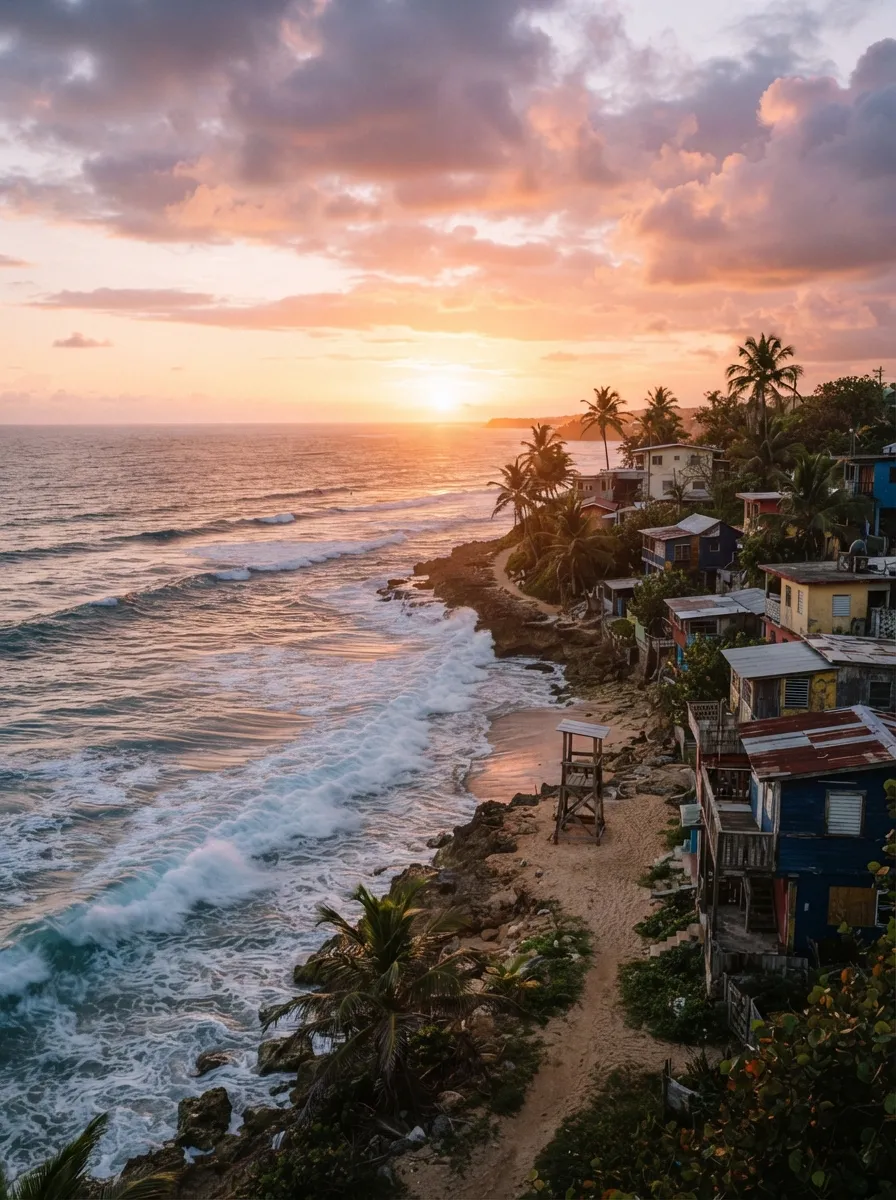
Rincón is Puerto Rico’s best-known surf town, with a relaxed atmosphere, independent restaurants, guesthouses and sunset views. Winter swells attract experienced surfers, while calmer summer conditions may suit swimming and beginner lessons at selected beaches.
The west coast is best explored by car. Beyond Rincón, travelers can visit Aguadilla, Isabela and coastal viewpoints, creating a slower alternative to San Juan.
Rincón is ideal for:
- Surfers
- Couples seeking a relaxed base
- Longer stays
- Sunset photography
- Independent restaurants
- Travelers avoiding large resorts
It is less suitable for visitors who want major museums, extensive public transportation or a tightly packed sightseeing schedule.
Spend at least two nights. Three or four nights provide enough time for beach changes when surf conditions vary.
Ponce and the Southern Coast
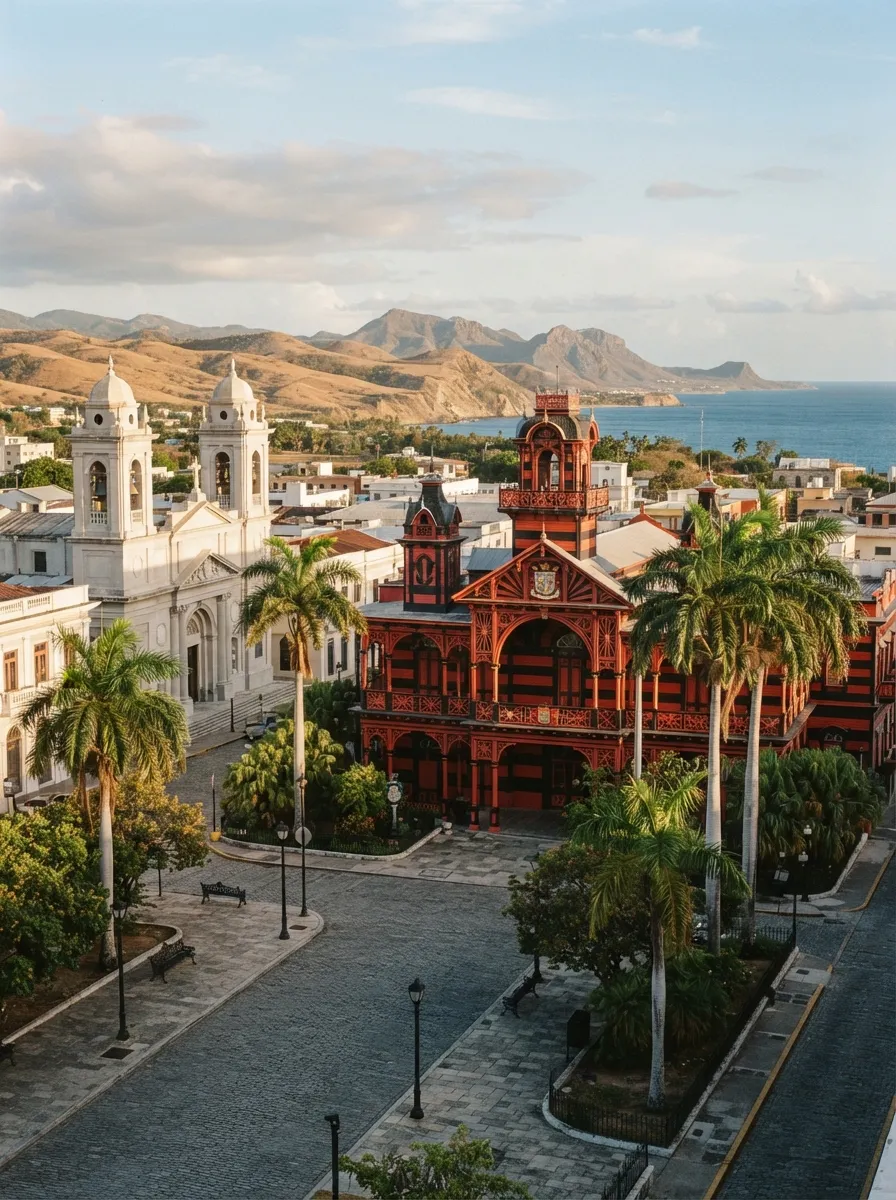
Ponce provides a different view of Puerto Rico, centered on formal architecture, museums and a drier southern landscape.
The city’s historic core includes Plaza Las Delicias, Ponce Cathedral and the distinctive Parque de Bombas. Ponce works best as a one-night stop or as part of a southern road trip rather than a replacement for San Juan.
West of Ponce, the coastline becomes increasingly suited to scenic driving and small-town exploration.
Cabo Rojo is known for salt flats, cliffs, lighthouse views and beaches. The area can be extremely hot and exposed, so begin early and carry more water than seems reasonable.
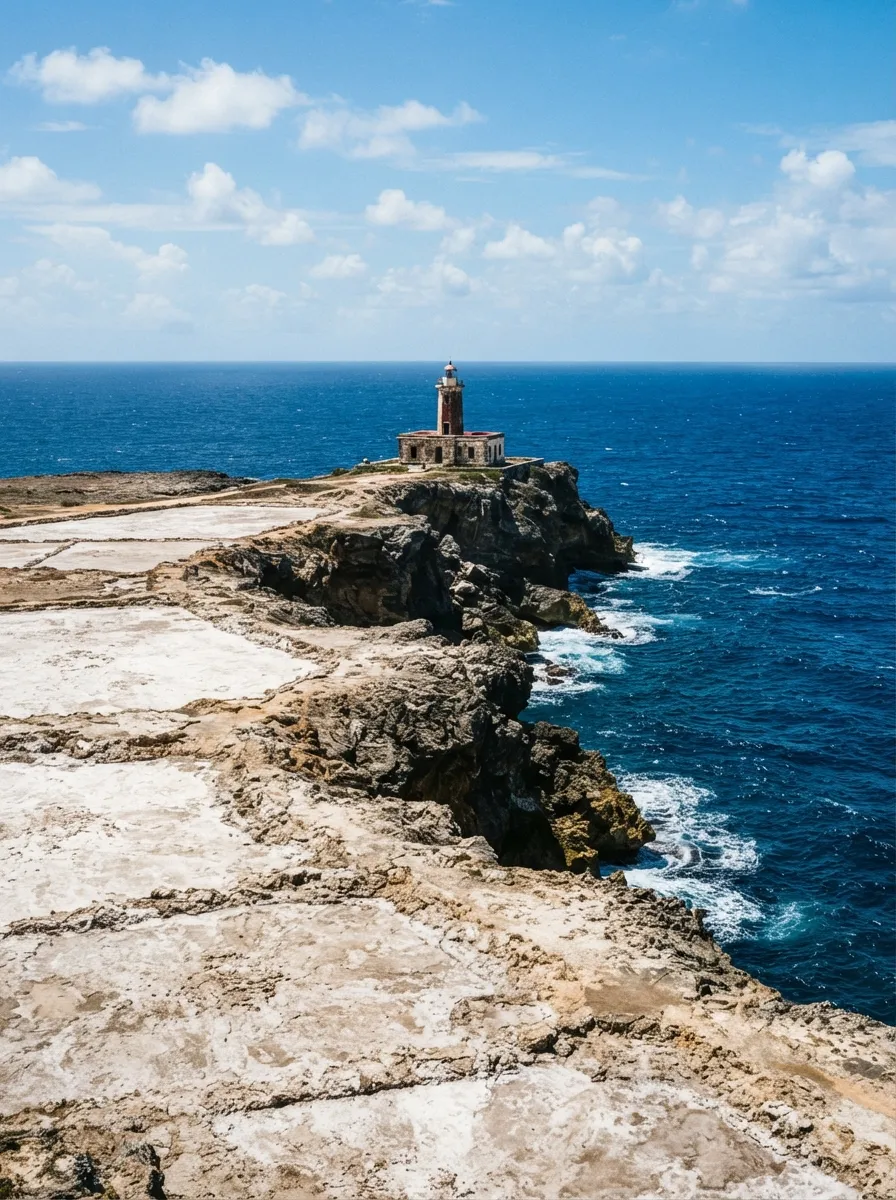
La Parguera is associated with mangroves, small cays and bioluminescent water. It offers a different experience from Vieques, with boating activities and a busier waterfront village.
Puerto Rico’s Central Mountains and Coffee Country
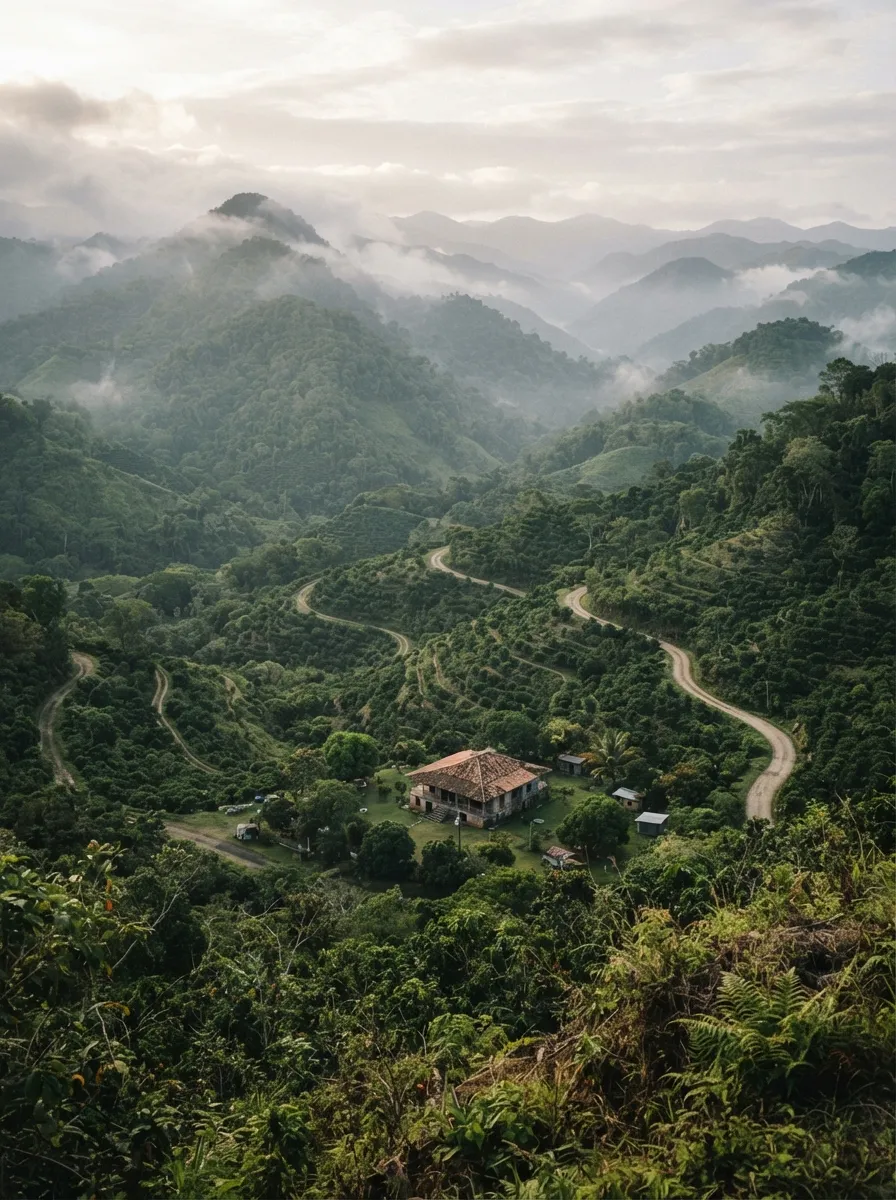
Travelers who remain only on the coast miss one of Puerto Rico’s most atmospheric regions.
The Cordillera Central contains winding roads, mountain towns, forest scenery and coffee farms. Towns such as Adjuntas, Jayuya and Utuado introduce a quieter side of the island where travel is measured in bends rather than miles.
Visit a working coffee hacienda to learn how beans are cultivated, processed and roasted. Reserve directly or use a reputable local guide, as hours and tour availability can be limited.
Roads in the mountains are narrow and curving. Avoid driving after dark, especially during heavy rain. Estimated journey times on maps can be creatively optimistic.
Puerto Rico’s central interior works especially well for travelers who enjoy self-guided drives, local food and rural lodging. Those planning future outdoor holidays may also appreciate these one-pot camping meals, particularly for trips where simple preparation matters more than culinary gymnastics.
Best Time to Visit Puerto Rico
Puerto Rico is warm throughout the year, but rainfall, humidity, crowds and storm risk change by season.
| Period | Conditions | Prices and Crowds | Best For |
| December–April | Drier, less humid and pleasantly warm | Highest prices and busiest period | First trips, beaches and hiking |
| May–June | Hotter with increasing rain | Better value than winter | Shoulder-season travel |
| July–October | Hot, humid and wetter | Lower rates outside holidays | Flexible travelers |
| November | Transitional weather | Moderate until Thanksgiving | Value with improving conditions |
Puerto Rico’s official tourism site describes December through April as the high season, with lower humidity and strong conditions for beaches, sightseeing and outdoor activities. May through November is generally the lower season, with more heat, rain and weather uncertainty.
Hurricane season
Atlantic hurricane season runs from June through November. This does not mean a storm occurs during every trip, but the possibility of disruption is higher.
For travel during this period:
- Purchase insurance that covers eligible weather disruption
- Avoid tightly connected ferry and flight plans
- Book flexible accommodation where possible
- Monitor official forecasts
- Follow evacuation instructions immediately
- Keep medication and essential documents accessible
September and October generally require the greatest flexibility. May and early June can offer better prices with somewhat less peak-season crowding, although rain remains possible.
A Perfect 7-Day Puerto Rico Itinerary
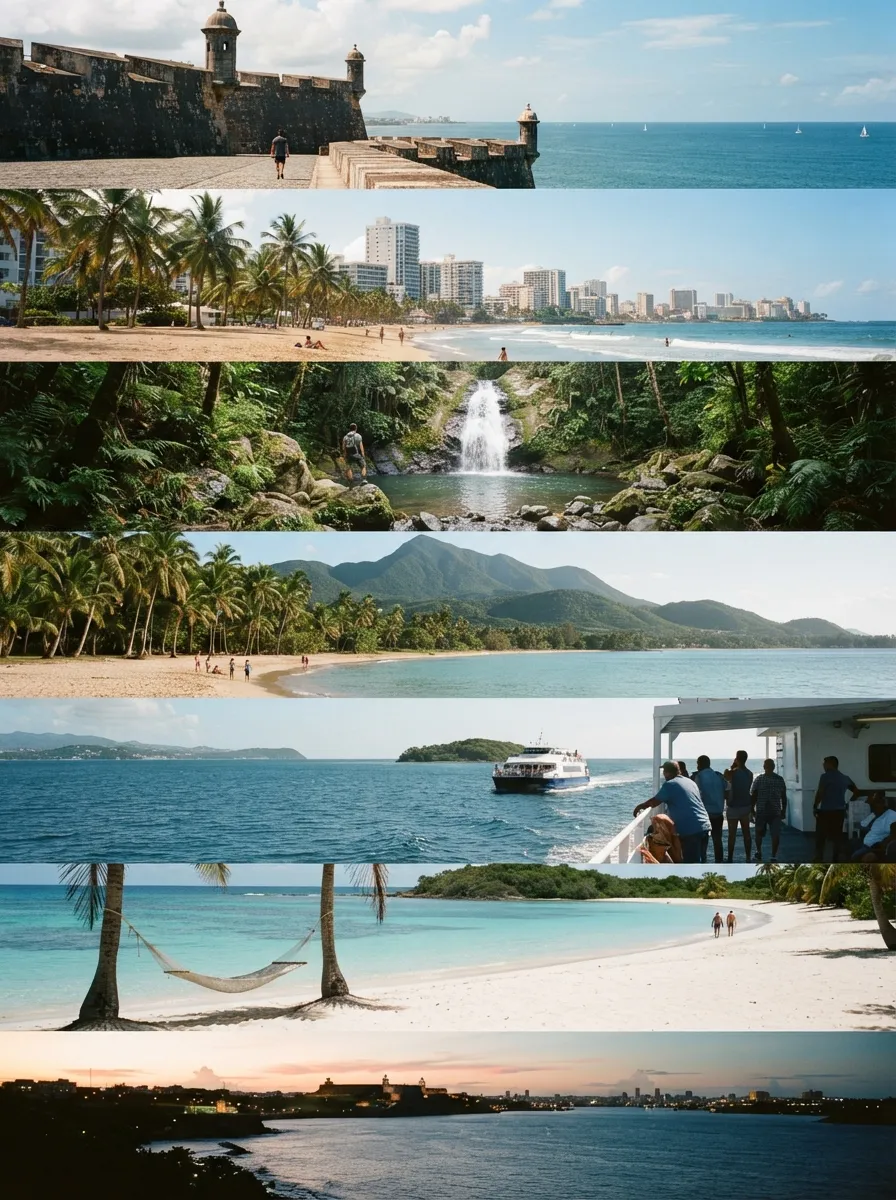
This itinerary combines history, rainforest, beaches and one offshore island without treating vacation as a relay race.
Day 1: Arrive in San Juan
Check into Old San Juan, Condado or Ocean Park.
Keep the first evening simple. Walk along the waterfront, enjoy a Puerto Rican dinner and recover from travel.
Day 2: Explore Old San Juan
Visit El Morro early, walk through the historic center and continue to Castillo San Cristóbal.
Leave time for plazas, shops and an unhurried meal rather than rushing between landmarks.
Day 3: Beach and modern San Juan
Spend the morning at Ocean Park, Condado or Isla Verde.
Use the afternoon to explore Santurce, visit a museum or join a guided food experience.
Day 4: El Yunque and Luquillo
Collect a rental car or join a tour.
Enter El Yunque early, complete a suitable trail and continue to Luquillo for a beach afternoon and dinner near the kiosks.
Stay near Luquillo, Fajardo or Ceiba.
Day 5: Travel to Vieques or Culebra
Take a prebooked ferry or short flight.
Arrange local transportation before arrival and spend the afternoon at the beach.
On Vieques, reserve an evening bioluminescent-bay tour when conditions are suitable.
Day 6: Island beach day
Keep the entire day flexible.
Visit one or two beaches, snorkel when conditions permit and avoid overloading the day with tours. Island travel works best when the schedule develops a little hammock in it.
Day 7: Return and depart
Return to the main island with substantial time before your flight.
For an early departure, spend the previous night near San Juan rather than depending on a same-morning ferry.
Travelers who prefer compact city breaks can compare this island itinerary with a three-day Madrid itinerary, where walkable neighborhoods replace ferries and rainforest roads.
Getting Around Puerto Rico
Do you need a rental car?
You do not need a car when staying entirely in Old San Juan, Condado or Isla Verde. Taxis and ride-hailing services are practical within the metropolitan area.
A rental car becomes valuable for:
- El Yunque
- Luquillo
- Rincón
- Ponce
- Cabo Rojo
- Coffee country
- Longer coastal road trips
Puerto Rico’s official tourism guide recommends renting in advance during busy periods and notes that car rental provides the greatest freedom outside San Juan.
Driving tips
Drive on the right side of the road.
Road signs may be in Spanish, while distances are commonly shown in kilometers and speed limits in miles per hour. This mixed system has startled more than one dashboard.
Expect traffic around San Juan, narrow roads in the mountains and limited parking in Old San Juan.
Avoid leaving luggage visible inside a parked vehicle, especially at beaches and trailheads.
Public transportation
San Juan has buses and an urban rail system, but public transportation is not comprehensive enough for a full-island itinerary.
Taxis, ride-hailing, rental cars and organized tours remain the most practical options for visitors.
Puerto Rico Travel Costs
Puerto Rico can be managed on a moderate budget, but it is not generally a bargain destination.
| Expense | Budget Estimate | Mid-Range Estimate |
| Hotel room | $80–$140 | $160–$300+ |
| Casual meal | $10–$20 | $25–$50 |
| Rental car | $45–$90 daily | $90–$150+ daily |
| Guided excursion | $50–$100 | $100–$200+ |
| Coffee or snack | $3–$8 | $8–$15 |
| Island flight | $80–$180+ | Varies by date |
| Ferry ticket | Usually inexpensive | Extras and transfers add cost |
These are broad planning ranges rather than fixed prices. Holiday weekends, winter travel and island lodging can cost considerably more.
Save money by:
- Staying outside Condado’s main resort strip
- Eating at bakeries, cafeterías and local restaurants
- Renting a car only for road-trip days
- Booking island transportation early
- Traveling in May or November
- Choosing one offshore island rather than both
What to Eat in Puerto Rico
Puerto Rican food is filling, savory and deeply connected to the island’s cultural history.
Look for:
- Mofongo: Mashed fried plantain, often served with meat, seafood or broth
- Arroz con gandules: Rice with pigeon peas
- Pernil: Slow-roasted pork
- Pasteles: Seasoned filling wrapped in plantain-based dough
- Alcapurrias: Fried fritters commonly filled with seasoned meat
- Bacalaitos: Thin codfish fritters
- Tostones: Twice-fried plantains
- Mallorcas: Soft, sweet bread often used for breakfast sandwiches
- Tembleque: Coconut pudding
- Quesitos: Sweet cream-cheese pastries
Do not judge Puerto Rican cuisine solely through restaurants beside major hotels. Bakeries, roadside kiosks, family restaurants and mountain towns often provide more memorable meals.
For travelers who enjoy bringing meaningful items home, this guide to authentic Japan souvenirs offers useful principles that also apply in Puerto Rico: buy from local makers, understand what an object represents and avoid mass-produced airport filler.
Puerto Rico Safety Tips
Puerto Rico is a popular destination, but normal urban, road and outdoor precautions still matter.
- Keep valuables out of sight in rental cars
- Use well-lit streets after dark
- Avoid isolated beaches at night
- Check ocean flags and current conditions
- Do not leave phones unattended on the sand
- Use designated parking at trailheads
- Avoid entering rivers during heavy rain
- Carry water during exposed hikes
- Follow local weather and emergency instructions
- Confirm ferry alerts before leaving for Ceiba
Ocean conditions vary significantly. North-coast surf can be rough, especially during winter. A beach that looks peaceful from a hotel balcony may carry strong currents below the surface.
What to Pack for Puerto Rico
- TSA-approved identification
- Travel insurance documents
- Lightweight, breathable clothing
- Comfortable walking shoes
- Sandals or water shoes
- Rain jacket or compact umbrella
- High-SPF sunscreen
- Sun hat and sunglasses
- Insect repellent
- Refillable water bottle
- Dry bag for ferries and boat tours
- Portable battery pack
- Waterproof phone pouch
- Prescription medicine
- Snorkeling equipment, when preferred
- Light layer for air-conditioned interiors
- Offline maps
- Ferry and tour confirmations
Puerto Rico is casual, but pack one presentable outfit for restaurants or evening events.
Travelers building a broader Atlantic itinerary may also enjoy this complete Ireland dream trip guide, where waterproof layers become even less negotiable.
Frequently Asked Questions About Puerto Rico Travel
Do U.S. citizens need a passport for Puerto Rico?
A passport is not normally required for a U.S. citizen traveling directly between Puerto Rico and the mainland United States, but adults need identification accepted by TSA. A passport remains a useful form of approved identification.
How many days are enough for Puerto Rico?
Five days is enough for San Juan, El Yunque and the east coast. Seven days allows an offshore island or west-coast extension without excessive rushing.
What is the best month to visit Puerto Rico?
February and March provide a strong combination of comparatively dry weather and warm temperatures, but they are also popular and expensive. May and November often offer better value.
Is Puerto Rico expensive?
Puerto Rico is moderately expensive by Caribbean standards. Hotels, rental cars and excursions can resemble mainland U.S. pricing, though local restaurants and bakeries help reduce food costs.
Is it better to stay in Old San Juan or Condado?
Stay in Old San Juan for historic atmosphere and walkability. Choose Condado for beachfront hotels, nightlife and easier access to a modern resort environment.
Can I visit El Yunque without a tour?
Yes. A rental car allows an independent visit, though parking capacity is limited. As of July 2026, the principal PR-191 corridor does not require reservations, but current conditions should always be checked.
Is Vieques or Culebra better?
Vieques is better for varied beaches, a longer stay and Mosquito Bay. Culebra is better for snorkeling, Flamenco Beach and a smaller-island experience.
Should I take the ferry or fly to Vieques?
The ferry is cheaper, while flying is faster and may be more reliable for a short itinerary. Ferry passengers should reserve early and arrive at least one hour before departure.
Can I explore Puerto Rico without renting a car?
Yes, when staying around San Juan and using tours. A car is strongly recommended for the west coast, southern region, mountains and multi-stop road trips.
Is Puerto Rico good for families?
Yes. San Juan, Luquillo and the east coast offer beaches, historic sites and manageable day trips. Families should check water conditions and age requirements for excursions.
Can you drink the tap water in Puerto Rico?
Tap water is generally treated under U.S. standards, but temporary advisories can occur after storms or infrastructure problems. Follow local notices and accommodation guidance.
Does Puerto Rico use U.S. dollars?
Yes. The U.S. dollar is the official currency, and major credit cards are widely accepted. Carry some cash for small vendors, parking and rural businesses.
Final Thoughts on Puerto Rican Travel
Puerto Rico works best when treated as an island to explore rather than a beach backdrop.
A first trip should begin in Old San Juan, where fortresses and city walls reveal the island’s strategic history. From there, head east toward El Yunque and Luquillo, then choose either Vieques or Culebra for quieter beaches and a slower rhythm. Travelers with additional time can continue west toward Rincón or south through Ponce and Cabo Rojo.
Seven days is enough to experience several sides of Puerto Rico, provided the itinerary remains regional. Trying to combine San Juan, Vieques, Ponce, Rincón and the central mountains in one week creates more windshield than wonder.
Visit from December through April for the most dependable broad weather window, or consider May and November for fewer crowds and better value. During hurricane season, protect the trip with flexible reservations, insurance and a willingness to adjust.
Most importantly, leave the resort district. Eat at a local bakery, drive into the mountains, walk Old San Juan after the day crowds fade and listen for coquí frogs after rain. Puerto Rico’s finest moments often appear between the named attractions, glowing quietly at the edge of the itinerary.