Things to Do in Ibiza: The Complete 2026–27 Mediterranean Island Guide
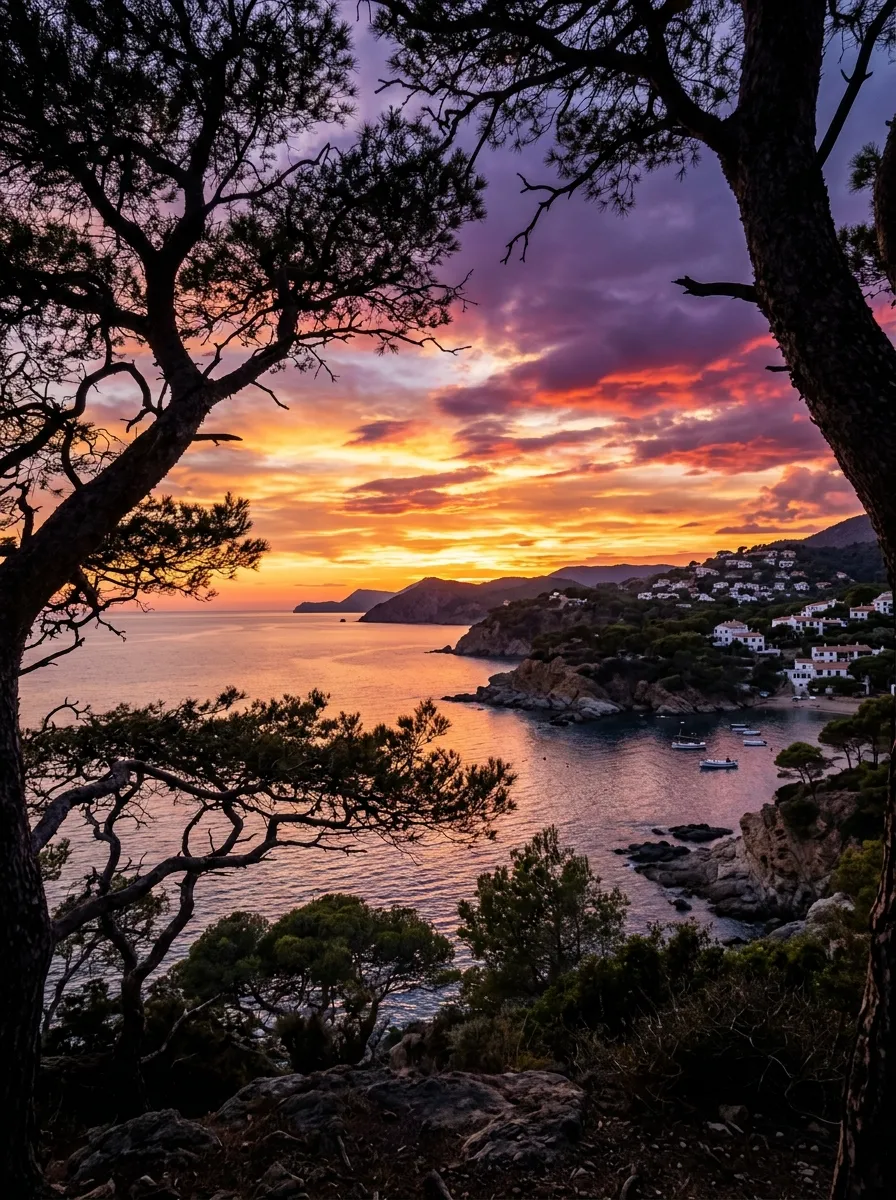
Ibiza carries a reputation that precedes it by decades — the party island, the superclub capital, the place where DJs become legends and sunrise sets outlast the night before. All of that is true, and none of it is the whole story. Step outside San Antonio’s Sunset Strip and Playa d’en Bossa’s beach clubs, and Ibiza reveals a UNESCO World Heritage old town, pine-covered cliffs dropping into water so clear it looks lit from below, and a northern coastline of hidden coves that feels closer to a quiet Greek island than the Ibiza most people picture.
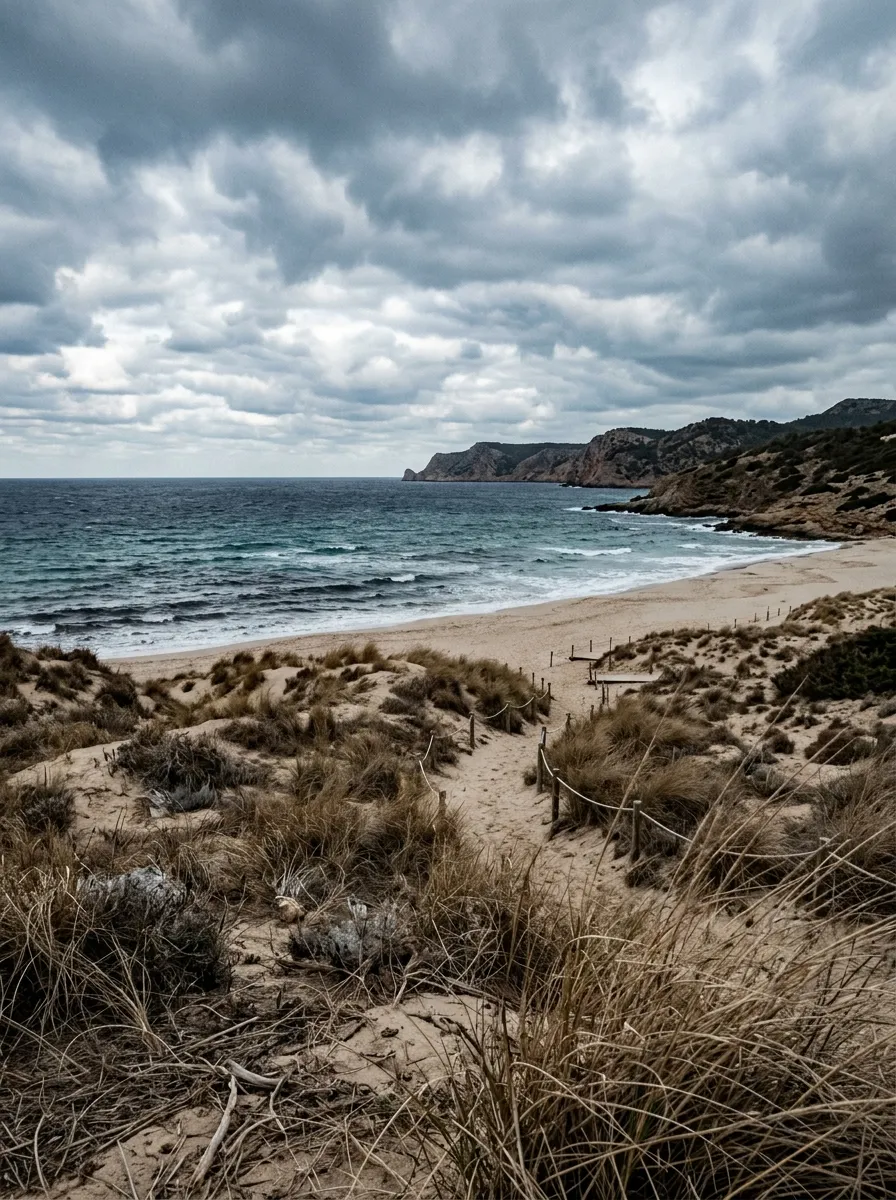
This guide covers things to do in Ibiza for the rest of 2026 and into 2027, and the island’s calendar genuinely matters here more than almost anywhere else in the Mediterranean. Ibiza runs on an intense seasonal rhythm: its legendary club season opens in late April and closes in mid-October, meaning the island most people associate with the name only exists for about six months a year. Outside that window, Ibiza becomes something almost unrecognizable — quiet villages, empty beaches, and a slower pace that longtime visitors often say is the island’s best-kept secret.
Whether you’re planning a trip built around the superclubs and their world-famous residencies, chasing the sunset at Es Vedra, or looking to explore Dalt Vila’s cobbled lanes and the island’s quieter northern coves, this guide breaks down what’s actually worth your time, what’s changed heading into the 2027 season, and how to avoid the single biggest planning mistake: assuming Ibiza is only one thing.
Recommended Travel Items for Your Trip
AT A GLANCE: IBIZA
- Best overall time to visit: Late May, June or September for good weather with thinner crowds
- Best for nightlife: Late June through August, peak club season
- Best neighborhood base: Ibiza Town (Dalt Vila) or Santa Eulalia for a quieter alternative
- Best beach: Cala Comte or Ses Salines, depending on your crowd tolerance
- Best sunset spot: Es Vedra viewpoint
- Club season dates: Late April through mid-October
- Ideal trip length: 4–5 days for a full-island visit; a long weekend for a nightlife-focused trip
Ibiza at a Glance: Where to Focus Your Time
Ibiza is a genuinely small island — roughly 40 kilometers end to end — but its distinct zones each deliver a completely different version of the same trip.
| Area | Best For | Best Upcoming Time | Suggested Stay | Main Consideration |
| Ibiza Town / Dalt Vila | History, dining, upscale nightlife | Year-round | 2–3 nights | Busiest and priciest zone in peak summer |
| San Antonio | Sunset views, budget nightlife | Apr–Oct | 2 nights | Can feel rowdy, especially West End streets |
| Playa d’en Bossa | Beach clubs, superclubs (Ushuaïa, Hï) | May–Oct | 2–3 nights | Among the most expensive strips on the island |
| Santa Eulalia | Family travel, quieter dining | Year-round | 2–3 nights | Less nightlife than the south |
| North Ibiza (San Juan area) | Hidden coves, hippie markets, slow pace | May–Sep | 1–2 nights | Fewer dining and lodging options |
Why Ibiza Is More Than Its Nightlife Reputation
Ibiza’s identity as the “party capital of the Mediterranean” is well earned, but treating it as the island’s only story undersells a place with roughly 2,500 years of continuous settlement, a UNESCO-protected old town, and a northern half that many repeat visitors quietly prefer to the south’s beach-club scene entirely. This is also a genuinely small island, which means a nightlife-focused trip and a quiet, nature-focused one can happen just a short drive apart — a flexibility few destinations with Ibiza’s global reputation actually offer.
When to Visit Ibiza: Weather, Club Season and Crowds
The Rest of 2026: Where the Season Stands
If you’re planning a visit for the remainder of 2026, the island’s famous club season is already in full swing and running through mid-October. Marco Carola’s Music On residency at Pacha and Glitterbox at Amnesia both run through October 9, 2026, and closing week — concentrated across the last weekend of September and first two weekends of October — brings some of the most sought-after tickets of the entire season, with prices for headline closing parties typically running €50–100 for entry alone. Late September into early October is also widely considered one of the best windows on the calendar: beach-compatible weather in the low-to-mid 70s Fahrenheit, nine-plus hours of sun, and noticeably thinner crowds than July and August peak season.
BOOKING TIP
Closing party tickets for headline clubs like Hï Ibiza, Ushuaïa and Amnesia typically sell out four to eight weeks in advance — if a closing-season trip is the plan, buy tickets as soon as lineups are confirmed rather than waiting until arrival.
2027 Club Season
Based on the island’s consistent annual pattern, expect the 2027 club season to open around the last weekend of April, preceded by IMS Ibiza (the International Music Summit) in the days prior, and to run through mid-October. Confirm exact 2027 opening and closing dates and lineups on individual clubs’ official sites closer to spring, since residencies and specific party dates are typically finalized only a few months ahead.
Shoulder Season and the Quiet Ibiza
May through mid-June and September offer the best balance for travelers who want real nightlife access without July and August’s peak crowds and pricing — clubs are open and residencies are running, but beaches, restaurants and roads are noticeably calmer. November through March, by contrast, is a genuinely different island: most clubs and many beach-town restaurants close entirely, and Ibiza reverts to a quiet, largely Spanish-speaking community. It’s a legitimate option for travelers specifically seeking Dalt Vila’s history and the island’s hiking trails without any nightlife agenda, but don’t expect the beach-club Ibiza most travel content depicts.
If Mediterranean island-hopping is on your radar beyond Ibiza itself, it’s worth comparing notes with a couple of very different island personalities — this Malta travel guide covers a history-dense Mediterranean escape with a much quieter pace, while these Santorini hidden villages and secret spots show how even the Aegean’s most famous island has a quieter side worth seeking out.
A Practical Note on Entry Requirements
As of this writing, the EU’s ETIAS pre-travel authorization system — which will eventually require US, UK, Canadian, Australian and other visa-exempt travelers to apply online before entering Spain and 29 other European countries — has not launched; its previously planned late-2026 target has been removed from the official timeline, with a 2027 launch now considered more likely. Current entry rules remain in effect for now, meaning US passport holders can still enter Spain visa-free for stays under 90 days without any additional pre-authorization. Check the official ETIAS site closer to your travel dates for the latest confirmed timeline, and be wary of third-party sites charging for “ETIAS applications” before the system has actually launched.
Ibiza Town and Dalt Vila
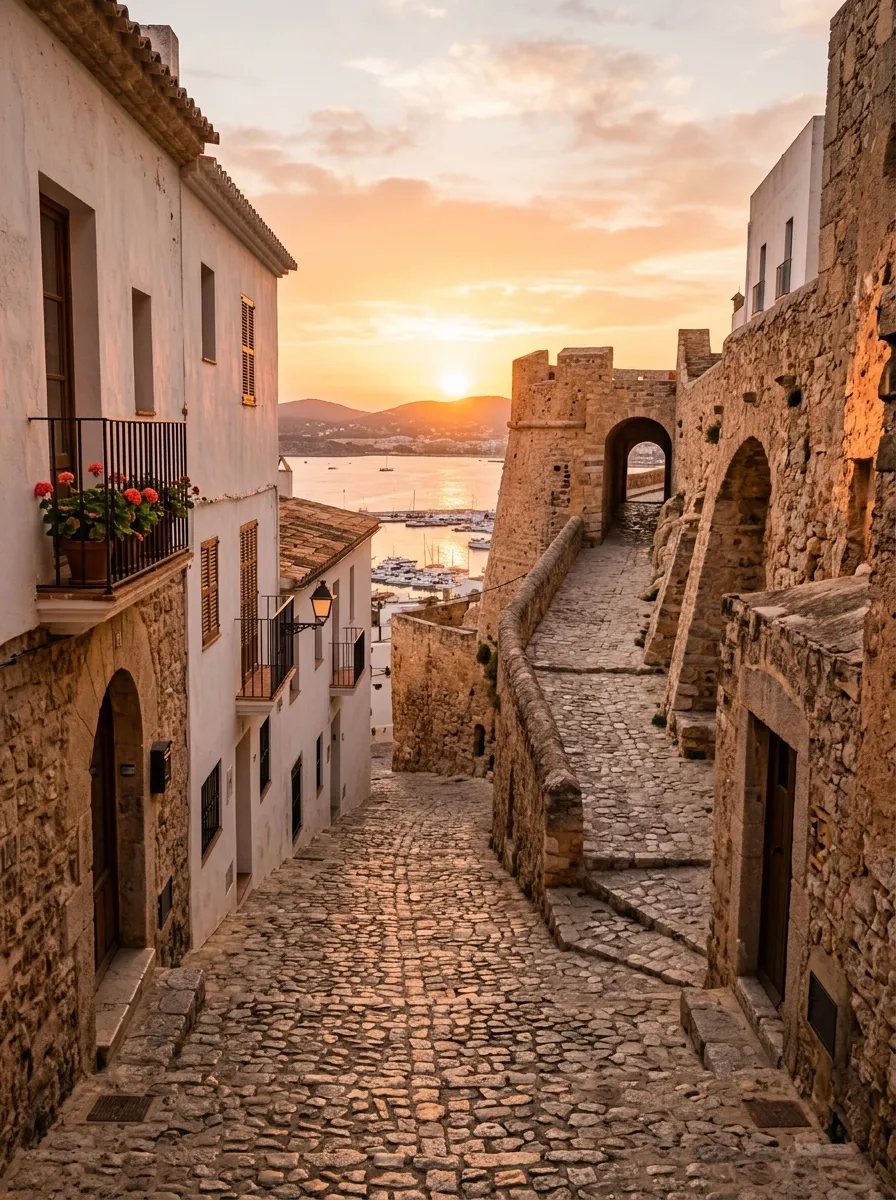
Ibiza Town blends a glittering marina and late-night energy with Dalt Vila, the walled UNESCO World Heritage old town rising above the harbor, its cobbled lanes, medieval walls and the Portal Nou castle gate leading to some of the island’s best viewpoints — especially at sunset, when the stone walls take on a genuinely magical amber glow. Beyond the walls, the wider town holds Ibiza Cathedral (free to enter), a strong tapas and fine-dining scene, and Talamanca Beach a short walk from the center for a lower-key swim than the south’s beach clubs offer.
Es Vedra
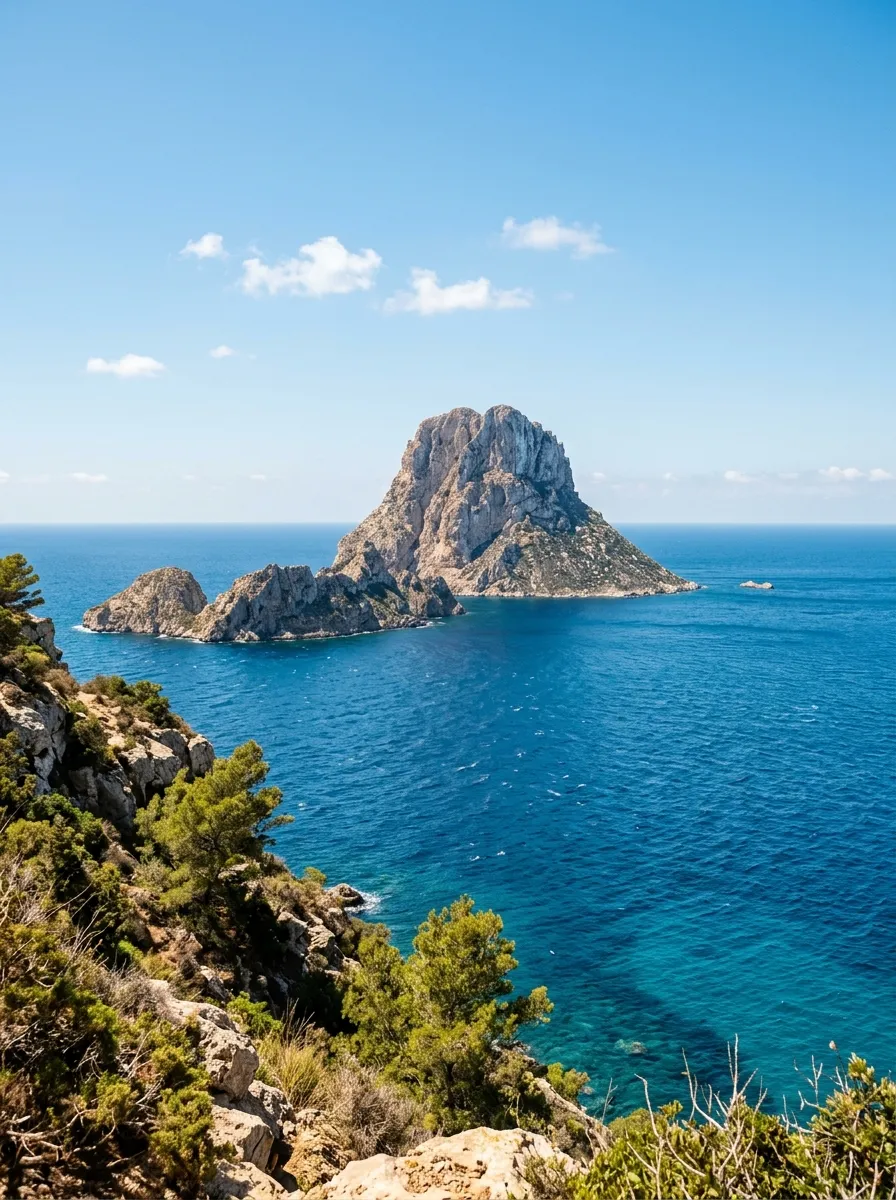
No Ibiza trip is complete without Es Vedra, a dramatic 400-meter rock formation rising from the sea off the island’s southwest coast, wrapped in decades of myth — some claim it’s one of the most magnetic spots on Earth, others tie it to legends of mermaids and the lost city of Atlantis. Whatever you make of the folklore, the Es Vedra viewpoint at sunset, when the rock glows orange against the darkening water, is one of the most reliably beautiful moments available anywhere on the island, and it draws visitors from across Ibiza specifically for that reason.
Ibiza Nightlife: Clubs and Beach Clubs

Ibiza’s superclubs remain the island’s defining cultural export: Pacha, the island’s longest-running club, anchored by Marco Carola’s Music On residency; Amnesia, celebrating its 50th anniversary in 2026 with its cavernous Main Room and famous open-air Terrace; Hï Ibiza, widely regarded as having the best sound system on the island; Ushuaïa’s open-air daytime-to-dusk format; and DC-10’s Circoloco, the island’s most fiercely loved underground institution. A typical night out — including entry, drinks and transport — runs roughly €100–200, with opening and closing parties commanding a premium, typically €100–180 for entry alone. Most clubs run midnight to 6 a.m., though dancefloors don’t fill until 1:30–2 a.m., while daytime venues like Ushuaïa operate from early afternoon into the evening. Beach clubs, a gentler daytime alternative, generally run from late morning through sunset along Playa d’en Bossa and the south coast.
Formentera Day Trip
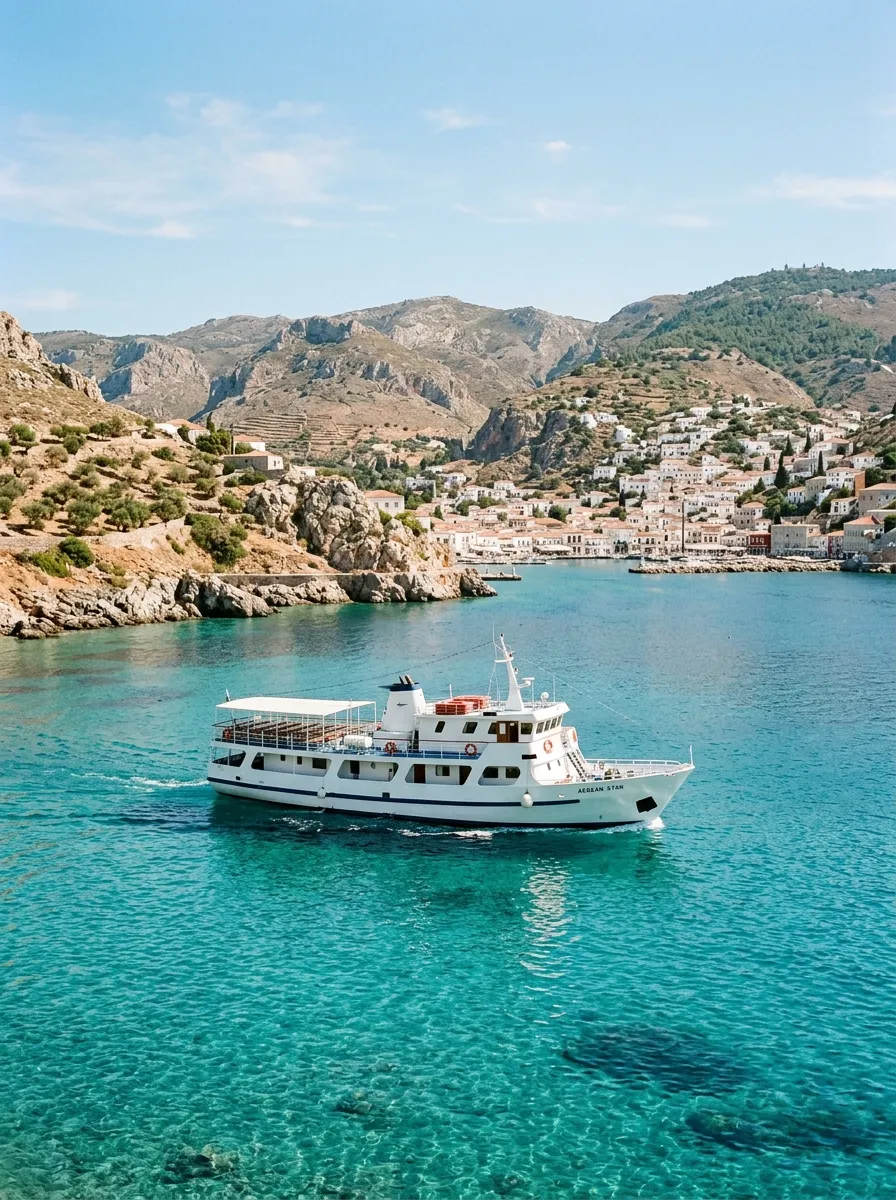
A short ferry ride from Ibiza Town, Formentera delivers some of the clearest, most turquoise water in the entire Mediterranean, with a noticeably slower, less developed pace than its more famous neighbor. Full-day boat trips combining Formentera with a stop at Es Vedrà and Espalmador are widely available and remain one of the most popular excursions for visitors wanting a genuine contrast to Ibiza’s south-coast energy.
The Beaches of Ibiza
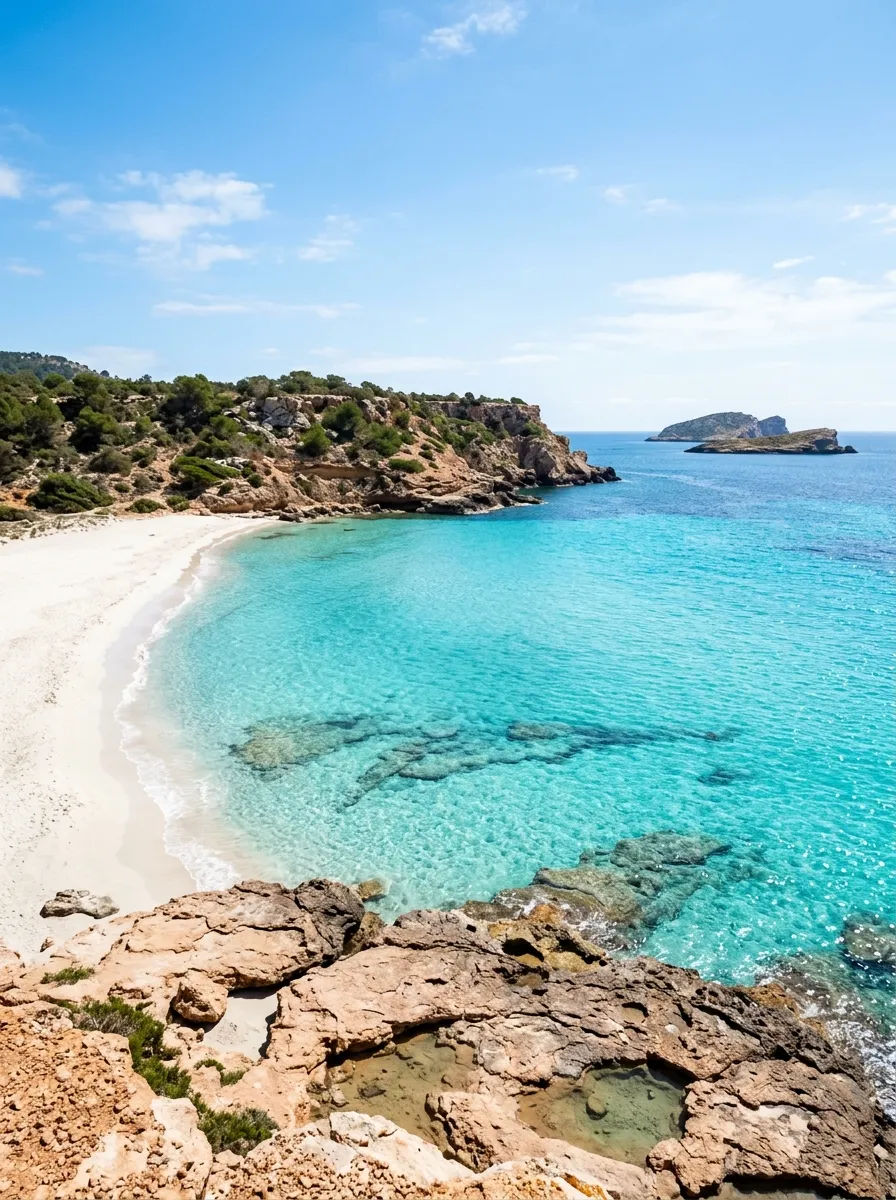
Beyond the beach-club scene, Ibiza’s coastline holds a genuinely wide range of options: Ses Salines, backed by protected salt flats and pine forest, remains one of the island’s most photogenic and fashionable beaches; Cala Comte’s turquoise water and rock formations deliver some of the best sunset views outside Es Vedra itself; and Cala Salada, tucked into the island’s less-developed north, offers a quieter, more unspoiled alternative reachable via a scenic coastal drive.
San Antonio and the Sunset Strip
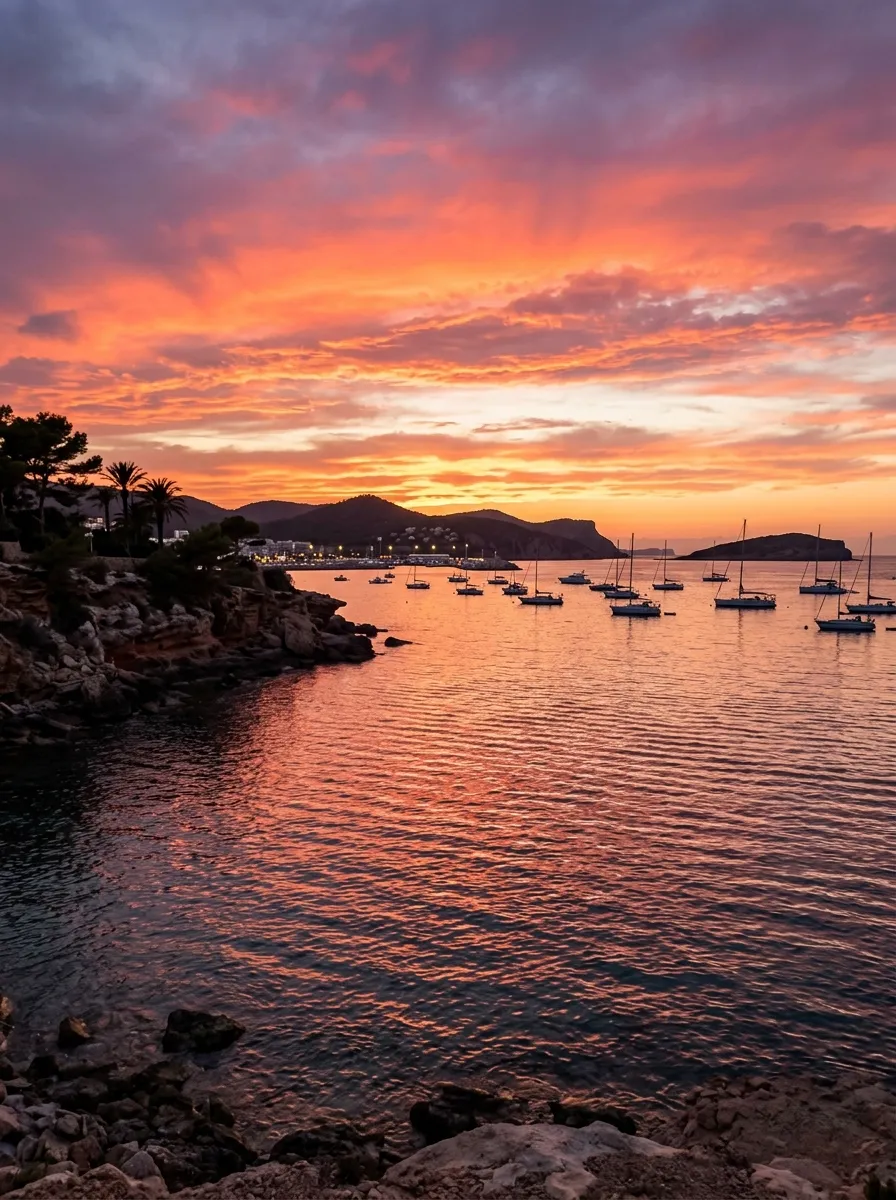
San Antonio built its reputation on the Sunset Strip, a stretch of bars along the bay where watching the sun drop into the Mediterranean has become a nightly ritual, accompanied by drinks and often live DJ sets well before the superclubs even open. It’s also historically the island’s more budget-friendly base, though the West End’s dense bar streets can feel rowdier than Ibiza Town or Playa d’en Bossa.
Playa d’en Bossa

Home to Ushuaïa and Hï Ibiza, Playa d’en Bossa is the epicenter of the island’s daytime-to-nighttime club culture, with a long sandy beach lined with beach clubs that transition seamlessly into evening parties. It’s also among the most expensive areas to stay on the island during peak season, given its direct proximity to two of Ibiza’s most in-demand venues.
Santa Eulalia and the Quieter East Coast
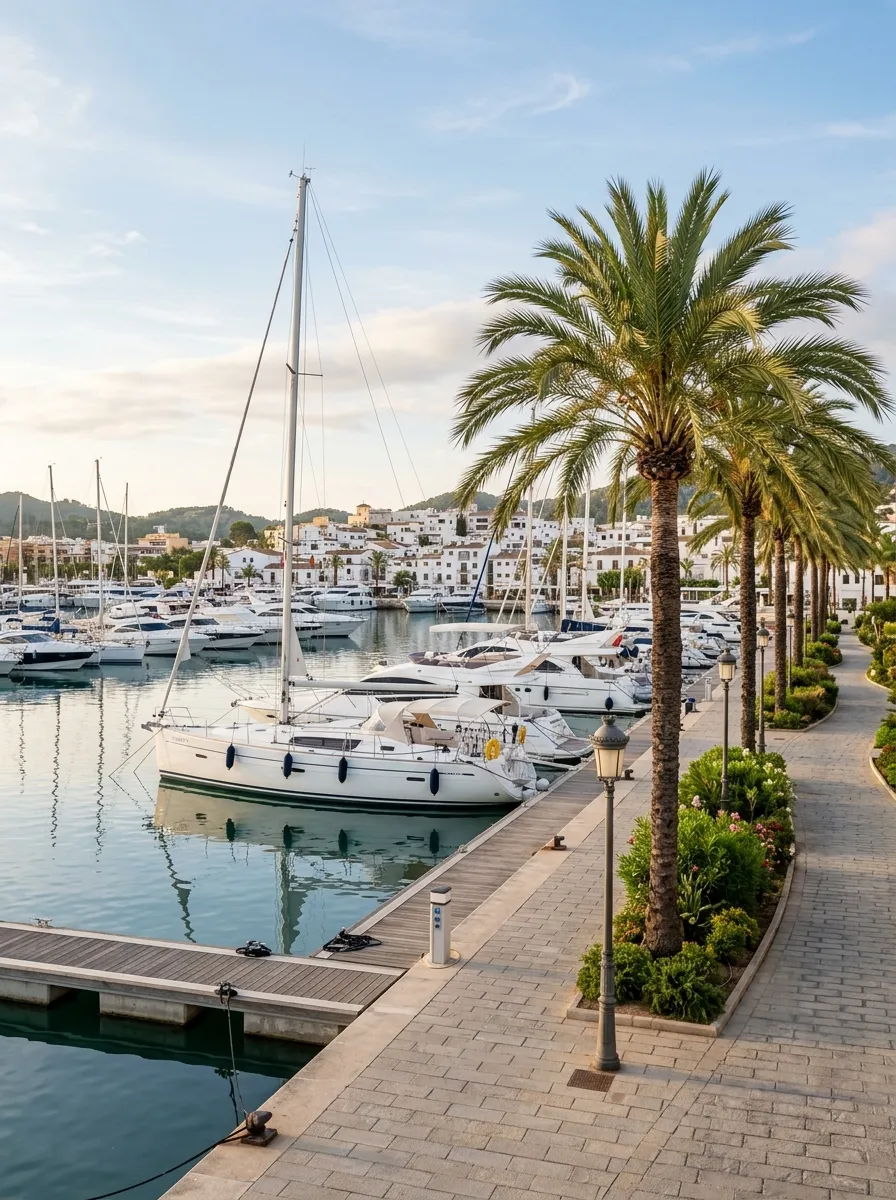
Santa Eulalia offers a genuinely different pace from the south’s party scene — a relaxed marina town with strong family-friendly dining, quieter beaches and noticeably less nightlife, making it a smart base for travelers who want Ibiza’s food and coastline without the club culture attached.
North Ibiza: Hidden Coves and the Hippie Markets
Ibiza’s north holds much of what longtime visitors describe as the island’s real character: quiet coves like Cala Salada, pine-covered hills and the Wednesday and Saturday hippie markets in Es Canar and Punta Arabí, tracing back to the island’s 1960s and ’70s countercultural history. This is the Ibiza worth exploring for travelers with a rental car and a willingness to trade beach clubs for genuine solitude.
Trading a well-trodden hotspot for a quieter, more local rhythm is its own kind of travel skill — this guide on experiencing Florence like a local, not a tourist applies that same philosophy to a very different European destination, worth reading alongside a North Ibiza detour for the shared mindset.
Necropolis del Puig des Molins
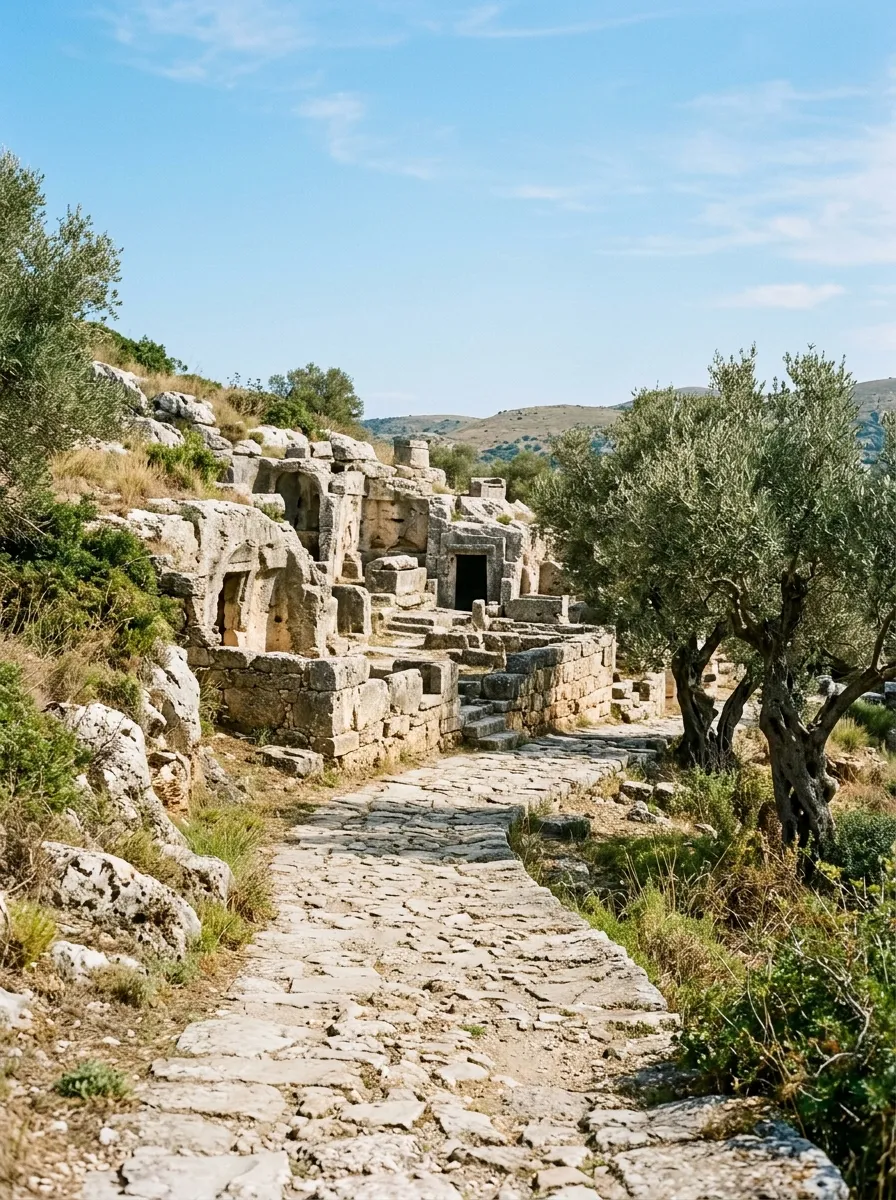
One of the most significant Phoenician and Punic burial sites in the western Mediterranean, the Necropolis del Puig des Molins sits just outside Dalt Vila’s walls and offers a genuinely different side of Ibiza’s history — a reminder that the island’s story runs back roughly 2,500 years before the first superclub opened.
Ibiza’s Food Scene
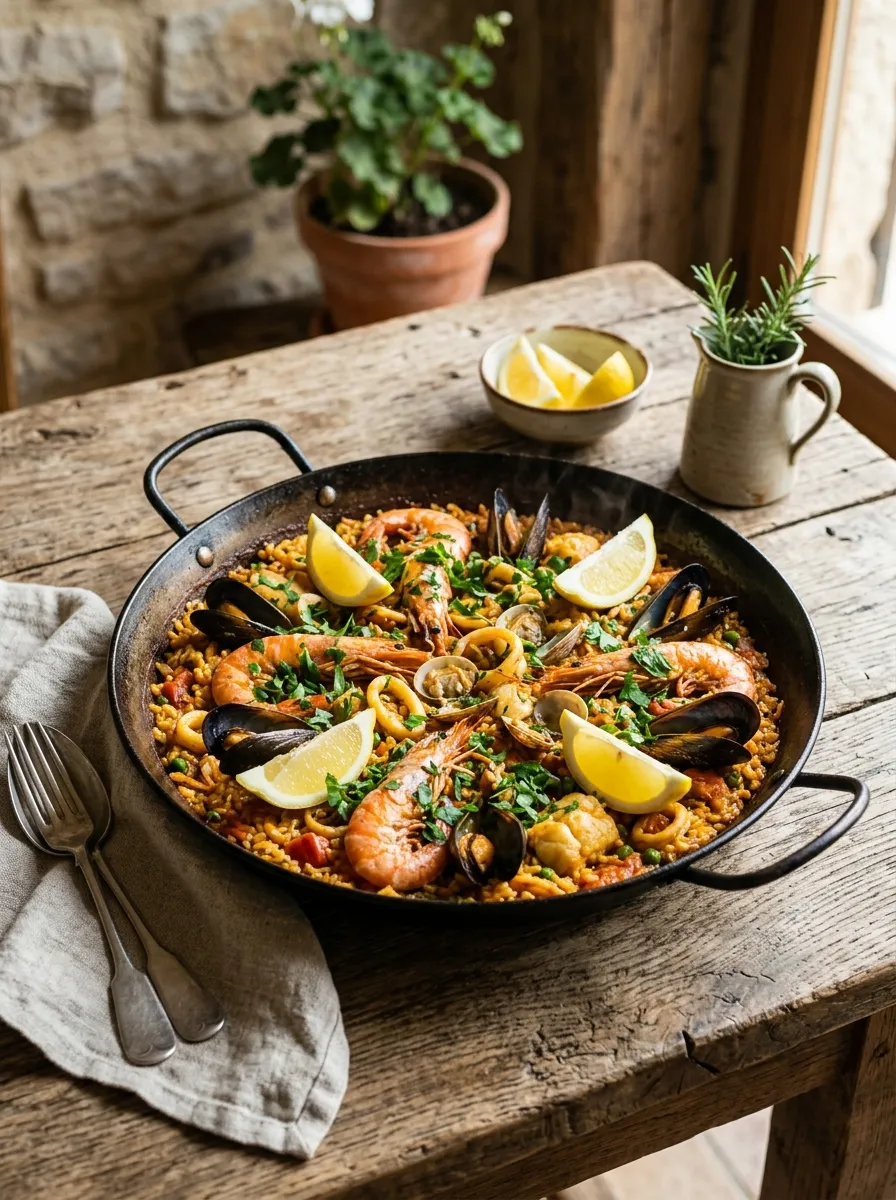
Beyond the beach-club dining scene, Ibiza holds a strong, often overlooked culinary identity rooted in fresh Mediterranean seafood, traditional Ibizan bullit de peix (fish stew) and local tapas bars scattered through Dalt Vila and the island’s smaller villages. Guided food tours through Ibiza Town’s old quarter are a reliable way to find these spots without relying purely on beachfront restaurant marketing.
Boat Trips and Water Activities
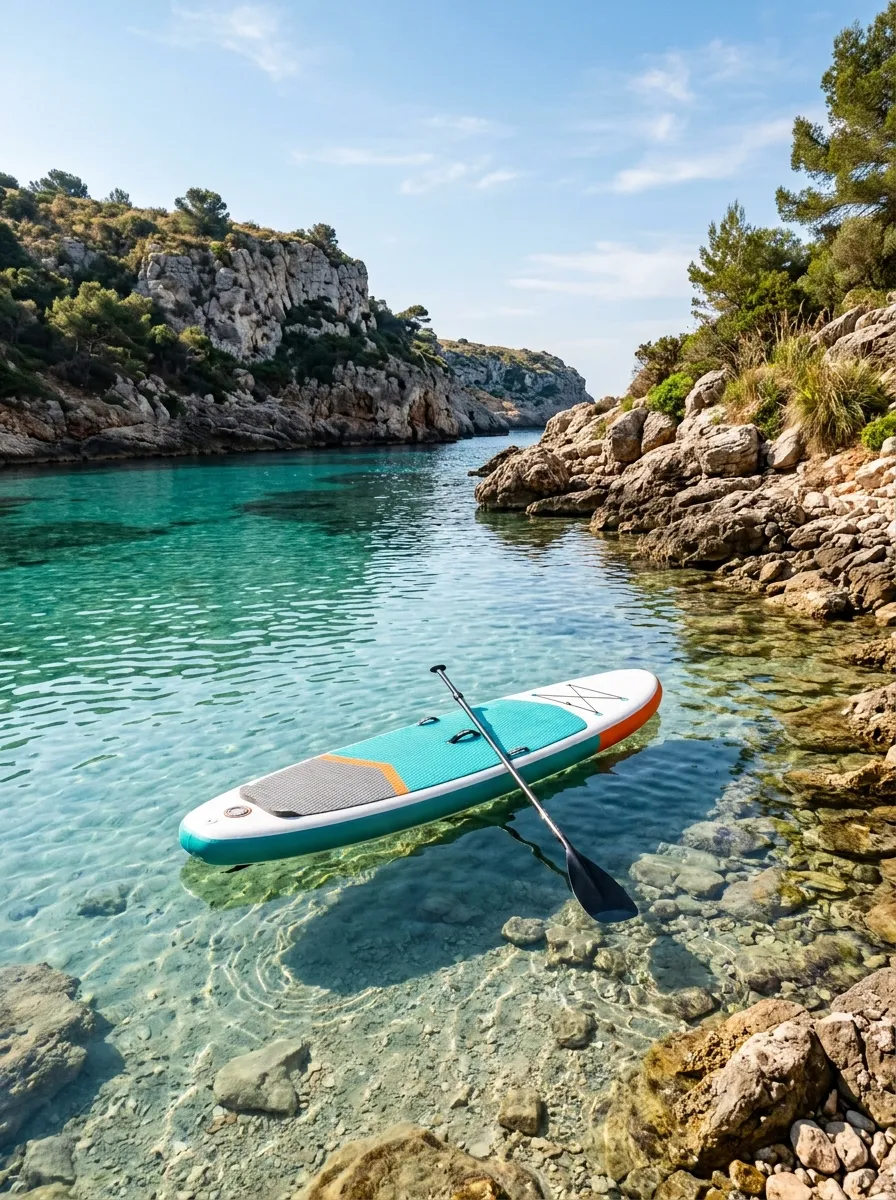
Ibiza’s clear water supports a genuinely strong boat-trip and watersports scene beyond the Formentera excursion covered above — private snorkeling charters, jet-ski tours out of Santa Eulalia, and stand-up paddleboarding along the calmer east coast coves all offer a lower-key way to experience the island’s water without a club ticket attached.
Where to Stay in Ibiza
Ibiza Town: The most well-rounded base — Dalt Vila’s history, strong dining and reasonably central access to both nightlife and quieter beaches.
Playa d’en Bossa: The clear choice for a nightlife-first trip, given direct proximity to Ushuaïa and Hï Ibiza, though pricing runs highest here in peak season.
San Antonio: A more budget-conscious option with the Sunset Strip’s built-in evening ritual, best suited to travelers prioritizing value over quiet.
Santa Eulalia: The strongest choice for families or travelers wanting Ibiza’s coastline and food scene without heavy nightlife exposure.
How to Get to Ibiza and Around the Island
By air: Ibiza Airport (IBZ) receives seasonal direct flights from numerous European cities, with connections from the US typically routing through a major European hub like Madrid, Barcelona or London.
By ferry: Regular ferry services connect Ibiza to mainland Spain (Barcelona, Valencia and Denia) and to neighboring Formentera and Mallorca, a scenic if slower alternative to flying for travelers already in Spain.
By car: Renting a car is genuinely the best way to reach the island’s northern coves and quieter beaches, since public transport thins out considerably outside the main south-coast towns.
By bus and taxi: A reasonably reliable public bus network connects Ibiza Town, San Antonio, Playa d’en Bossa and Santa Eulalia, though taxis remain the more practical option for late-night club transport given limited overnight bus service.
If Ibiza’s Spanish roots have you curious about exploring the mainland too, it’s worth pairing this trip with a broader look — this Spain travel guide covers where to go across the country for a future itinerary that extends well beyond the Balearic Islands.
How Many Days Do You Need in Ibiza?
A long weekend (three to four days) covers a nightlife-focused trip well — one or two club nights, a Dalt Vila afternoon, and a beach day. Five days allows a fuller balance: Ibiza Town, a north-coast cove day, Es Vedra at sunset, and a Formentera day trip. A week or more lets you genuinely slow down and explore the island’s quieter corners without rushing between headline stops.
Five-Day Ibiza Itinerary
Day 1: Arrive, Dalt Vila exploring, Ibiza Town dinner.
Day 2: Ses Salines beach day, Es Vedra sunset viewpoint in the evening.
Day 3: Formentera day trip by ferry.
Day 4: North Ibiza drive — Cala Salada, Es Canar hippie market (if your dates align), Santa Eulalia dinner.
Day 5: Playa d’en Bossa beach club day, club night at one of the island’s superclubs, departure the following day.
Weekend Party Itinerary
Day 1: Arrive, check into Playa d’en Bossa or Ibiza Town, evening at Ushuaïa or a beach club.
Day 2: Recovery beach day at Ses Salines or Cala Comte, San Antonio Sunset Strip in the early evening, club night.
Day 3: Dalt Vila morning walk, departure.
Budget Travel in Ibiza
Ibiza has a reputation for being expensive, and peak-season club nights and Playa d’en Bossa hotels earn that reputation honestly — but the island offers real value outside that specific scene. Dalt Vila’s walking tours and Ibiza Cathedral cost nothing, most of the island’s best beaches are free to access, and shoulder-season visits in May, June or September cut both hotel and club ticket prices meaningfully compared to July and August peak pricing.
A love of finding genuine value in a destination with an expensive reputation is a useful mindset well beyond Ibiza — this list of 15 cheap travel destinations that feel expensive is worth bookmarking for the same instinct applied to a future trip.
Family Travel in Ibiza
Ibiza is genuinely more family-friendly than its reputation suggests, particularly in Santa Eulalia and the island’s northern beaches, where the pace is calmer and several beach clubs — including El Chiringuito and the Jockey Club — are noted as suitable for children. Formentera’s shallow, clear water also makes a strong family day-trip option away from the south coast’s nightlife-adjacent beaches.
Solo Travel and Couples in Ibiza
Solo travelers benefit from Ibiza Town’s walkable core and its strong bar and tapas culture, which makes solo evenings easy rather than isolating. Couples looking for a romantic angle should build a trip around Es Vedra’s sunset viewpoint and a quieter Santa Eulalia or North Ibiza stay, saving the superclub scene for a single deliberate night out rather than the whole trip.
If island escapes with a completely different pace are part of what draws you to travel, it’s worth knowing Ibiza’s contrast exists closer to home too — this Martha’s Vineyard travel guide covers a New England island experience built around a much quieter, more understated kind of coastal charm.
Safety and Practical Tips
Standard nightlife precautions apply around Ibiza’s club and bar districts — watch drinks, arrange transport in advance for late-night returns, and pace yourself given how genuinely long the island’s club nights run. Sound levels inside major clubs like Hï Ibiza and Amnesia frequently exceed 100 decibels, so earplugs are a reasonable addition for anyone spending multiple nights in that environment. Sun protection matters more than casual visitors expect, particularly on boat trips and exposed beaches, given the Mediterranean’s strong summer sun.
Ibiza Packing Checklist

- Sunscreen and a hat for beach and boat days
- Comfortable sandals for Dalt Vila’s cobbled lanes
- A going-out outfit appropriate for club dress codes at major venues
- Earplugs if planning multiple nights at high-volume superclubs
- A valid passport with at least three months’ validity beyond your departure date
- Cash for smaller beach bars and the hippie markets, alongside a card for larger venues
- A lightweight jacket for cooler shoulder-season evenings (May, June, September)
- A reusable water bottle for hot summer days
Frequently Asked Questions About Visiting Ibiza
What is the best time of year to visit Ibiza?
Late May, June and September offer the best balance of good weather, open clubs and thinner crowds; July and August are peak season with the most intense nightlife and highest prices.
When does the Ibiza club season run?
Late April through mid-October, with major opening parties in late April and closing parties concentrated across the last weekend of September and first two weekends of October.
How many days do I need in Ibiza?
A long weekend (three to four days) covers a nightlife-focused trip; five days or more allows a fuller balance of clubs, beaches, Formentera and North Ibiza’s quieter coves.
Is Ibiza only about nightlife?
No — Dalt Vila’s UNESCO old town, the Necropolis del Puig des Molins, Es Vedra and the island’s northern beaches all offer a genuinely different, quieter side of the island.
Do I need a car in Ibiza?
It’s the best way to reach North Ibiza’s coves and quieter beaches; the south coast’s main towns are reasonably well connected by bus and taxi.
Is Ibiza expensive?
Peak-season club nights and Playa d’en Bossa hotels can be genuinely costly, but shoulder-season travel and the island’s many free beaches and historic sites offer real value outside that specific scene.
Do US travelers need a visa for Ibiza?
No — as of this writing, US passport holders can enter Spain visa-free for stays under 90 days. The EU’s upcoming ETIAS pre-authorization system has not yet launched; check official sources closer to your travel dates for the latest timeline.
Is Ibiza safe for tourists?
Yes, with standard nightlife precautions around clubs and late-night areas — watch your drink, arrange transport in advance, and pace multi-night club visits given how long the parties run.
Is Ibiza good for families?
More than its reputation suggests — Santa Eulalia and several family-friendly beach clubs, plus Formentera’s calm, shallow water, all work well for a family trip.
Is Ibiza good for solo travelers?
Yes — Ibiza Town’s walkable core and strong tapas-bar culture make solo dining and exploring genuinely comfortable.
What’s the best beach in Ibiza?
It depends on your priorities — Ses Salines for a fashionable, social scene, Cala Comte for sunset views, or Cala Salada for a quieter, less developed alternative.
Is a Formentera day trip worth it from Ibiza?
Yes — the short ferry ride delivers some of the clearest water in the Mediterranean and a noticeably slower pace than Ibiza’s south coast.
What should I pack for Ibiza’s nightlife?
A going-out outfit suited to major club dress codes, comfortable shoes for long nights, and earplugs given how loud the major superclubs run.
Is Ibiza open in winter?
Only in a limited sense — most clubs and many beach-town restaurants close from November through March, leaving Dalt Vila’s history and hiking as the main draws during that stretch.
What’s the biggest mistake first-time visitors make?
Assuming the entire island matches the south coast’s nightlife intensity — North Ibiza and the east coast offer a genuinely different, quieter experience worth building into any trip.
Are the superclubs worth the ticket price?
For most visitors, yes, at least once — the production, sound systems and residency lineups at venues like Hï Ibiza and Ushuaïa are genuinely unmatched elsewhere, though it’s worth budgeting €100–200 for a full night out including drinks and transport.
Is Dalt Vila worth visiting if I’m not into clubbing?
Absolutely — the UNESCO-listed old town, its viewpoints and its history stand entirely on their own regardless of interest in the island’s nightlife.
What’s the best sunset spot in Ibiza?
Es Vedra’s viewpoint is the most celebrated, though San Antonio’s Sunset Strip offers a more social, bar-adjacent version of the same experience.
Final Thoughts on Visiting Ibiza
Ibiza rewards travelers who plan around its actual rhythm rather than its reputation alone. The nightlife is genuinely world-class and worth building a trip around if that’s the priority — but Dalt Vila’s history, Es Vedra’s sunset, and the quiet coves of the island’s north are just as much a part of what makes Ibiza worth the trip, and they’re the parts most rushed itineraries skip entirely.
If you’re building a first Ibiza itinerary, anchor it in Ibiza Town for the best balance of history, dining and nightlife access, and decide early whether a club-ticket-heavy trip or a slower, beach-and-old-town pace fits what you’re actually looking for — both are genuinely good versions of the island, just very different ones. Whatever balance you strike, things to do in Ibiza add up into one of the most genuinely varied trips available in the Mediterranean, a small island that somehow holds 2,500 years of history, some of the best clubbing on Earth, and a scattering of coves quiet enough to make you forget both.