Things to Do in Canoga Park, Los Angeles: The Complete Neighborhood Guide
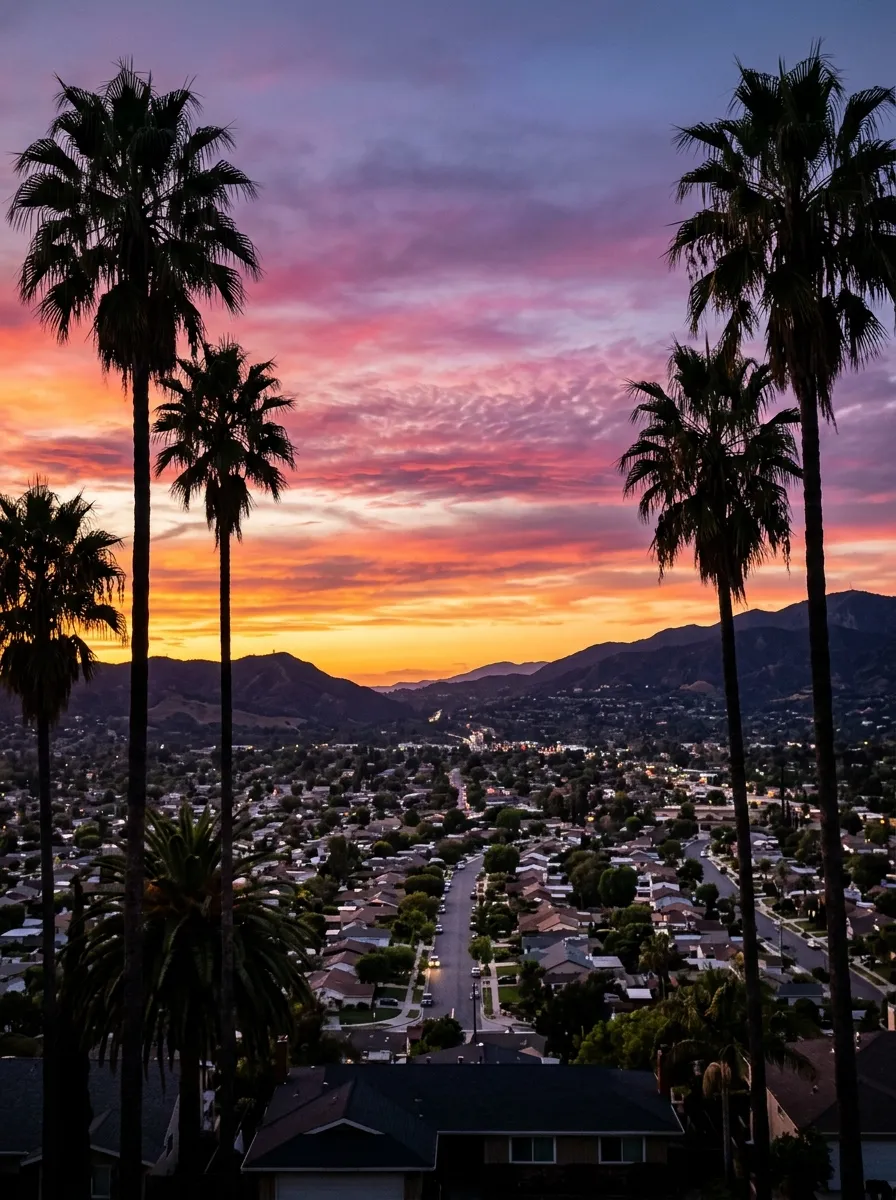
Canoga Park won’t show up on many “must-see LA” lists, and that’s worth saying upfront rather than dressing it up as something it isn’t. This is a genuine West San Fernando Valley neighborhood of around 60,000 people — residential streets, strip malls, a historic downtown core, and one of Southern California’s largest shopping centers — not a bucket-list destination in its own right. What it does offer is something a lot of travel guides undersell: reliably good weather, a central Valley location, and a genuinely useful base for exploring everywhere from the Santa Monica Mountains to Hollywood without paying beachside or Downtown LA hotel prices.
This guide covers things to do in Canoga Park honestly — what’s actually here, what’s a short drive away in the surrounding West Valley, and how to use this neighborhood as a practical launchpad into the rest of Los Angeles. If you’re visiting because you have family in the area, a work trip near Warner Center, or you’ve booked a hotel here for the location and price, this guide is built for you. If you’re picking a first-time LA base purely for tourism, it’s worth reading the honest neighborhood comparison below before committing.
Canoga Park’s real strength is what surrounds it: Topanga Canyon’s hiking trails, Malibu Creek State Park’s film-history-laden landscapes, Six Flags Magic Mountain’s coasters, and a genuinely dramatic set of sandstone rock formations at Santa Susana Pass, all within a 20- to 40-minute drive. Central LA — Hollywood, Griffith Park, the Getty Center — sits roughly 30 to 45 minutes east depending on traffic, which is the same honest caveat that applies to nearly everywhere in this sprawling metro area.
Recommended Travel Items for Your Trip
AT A GLANCE: CANOGA PARK
- Best overall time to visit: March through May, or October through November, for mild weather
- What it’s best for: A practical, affordable base in the West San Fernando Valley
- Best on-site attraction: Westfield Topanga & The Village
- Best free outdoor spot: Santa Susana Pass State Historic Park
- Best nearby day trip: Topanga Canyon and Topanga State Park
- Best for thrill-seekers: Six Flags Magic Mountain, about 30–40 minutes north
- Distance to central LA: Roughly 30–45 minutes to Hollywood, depending on traffic
- Ideal trip length: A weekend if using it as a Valley-focused base; longer if pairing it with broader LA sightseeing
Canoga Park and the West Valley at a Glance
Canoga Park sits inside a cluster of West San Fernando Valley neighborhoods that blend into one another, each with a slightly different character worth knowing before you book.
| Area | Best For | Distance from Canoga Park | Main Consideration |
| Canoga Park (downtown core) | Historic district, farmers market, local restaurants | — | Modest in scale; not a full-day destination alone |
| Woodland Hills / Warner Center | Shopping, business hotels, dining | 5–10 minutes | Busiest, most developed part of the West Valley |
| Chatsworth | Santa Susana Pass, hiking, quieter pace | 10–15 minutes | Fewer dining options than Woodland Hills |
| Topanga Canyon / Malibu | Hiking, canyon scenery, coastal access | 20–30 minutes | Narrow, winding canyon roads |
| Hollywood / Central LA | Major attractions, museums, studios | 30–45 minutes (traffic-dependent) | Rush-hour traffic can meaningfully extend this |
What Canoga Park Actually Is
Canoga Park was originally known as Owensmouth when it was founded in 1912, part of the wave of West Valley communities developed alongside the Los Angeles Aqueduct’s completion. It’s been renamed and reshaped several times since, and today it functions as a working, residential-and-commercial neighborhood rather than a tourist district — a mix of older mid-century storefronts along Sherman Way, newer development around Warner Center’s business corridor, and a historic downtown core that still holds onto some of its early-20th-century character. Its appeal to visitors is almost entirely about location and value: central Valley positioning, reliable Southern California weather, and generally lower lodging costs than coastal or Downtown LA neighborhoods.
When to Visit Canoga Park
Like most of the San Fernando Valley, Canoga Park runs noticeably hotter than coastal LA neighborhoods in summer — the Valley’s inland position means less of the marine layer relief that keeps Santa Monica and Venice milder, and July and August afternoons regularly push past 95°F. March through May and October through November offer the most comfortable weather for outdoor exploring, both in Canoga Park itself and for day trips into Topanga Canyon or the Santa Susana Mountains. Winter (December–February) stays mild by most standards but can bring occasional rain, same as the rest of the LA basin.
Westfield Topanga & The Village
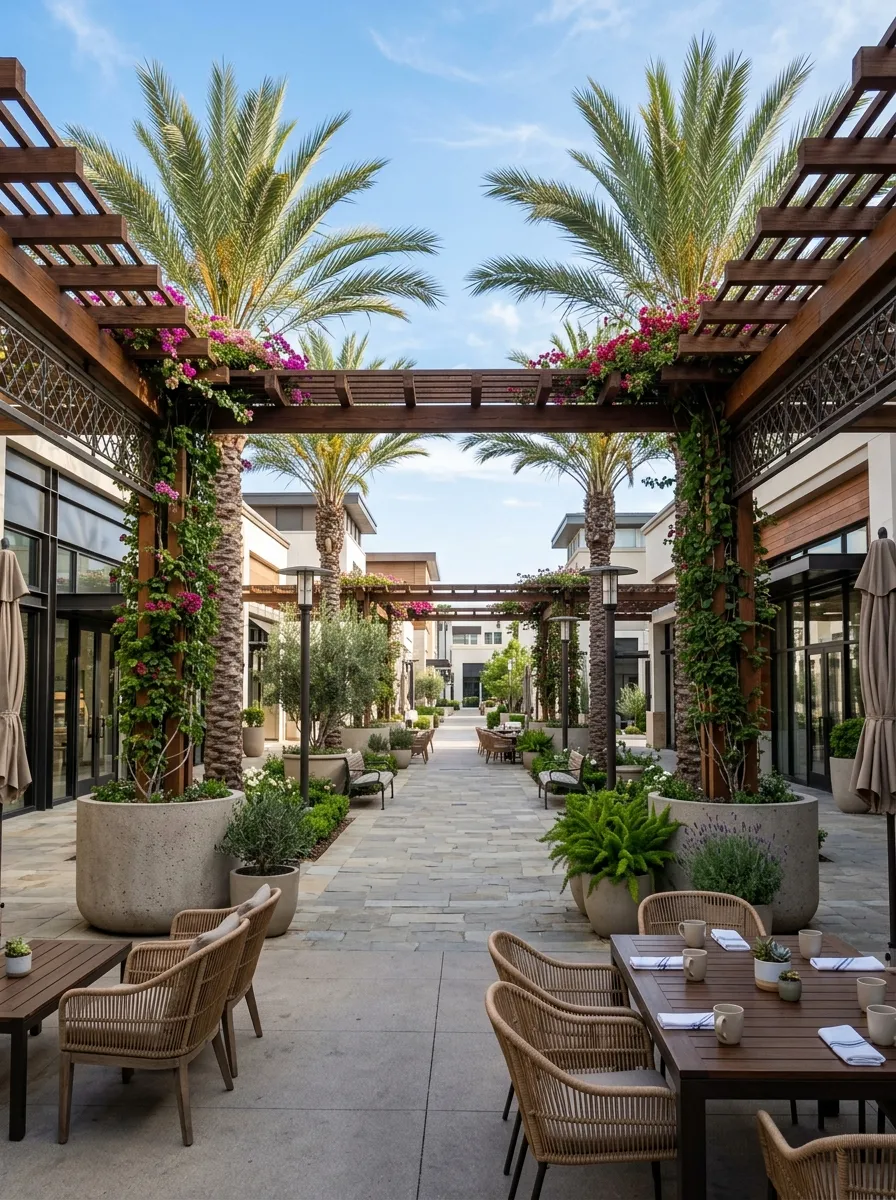
Opened in 1964 as Topanga Plaza, Westfield Topanga & The Village is one of Southern California’s largest shopping centers, spanning over 1.5 million square feet with anchor stores including Nordstrom, Macy’s, Neiman Marcus and Target, alongside a dense mix of dining options. It’s split across two connected sections — the traditional enclosed mall and the more recently developed open-air Village — and functions as the closest thing Canoga Park has to a full-day destination on its own, particularly for shopping-focused visitors or families looking to fill a hot afternoon indoors.
Canoga Park Farmers Market

Held weekly, rain or shine, the Canoga Park Farmers Market brings together local produce vendors, baked goods and prepared food stands, occasionally with live music, in a genuinely community-oriented open-air setting. It’s a low-cost, easy way to get a feel for the neighborhood beyond its shopping centers and chain restaurants.
Canoga-Owensmouth Historical Museum
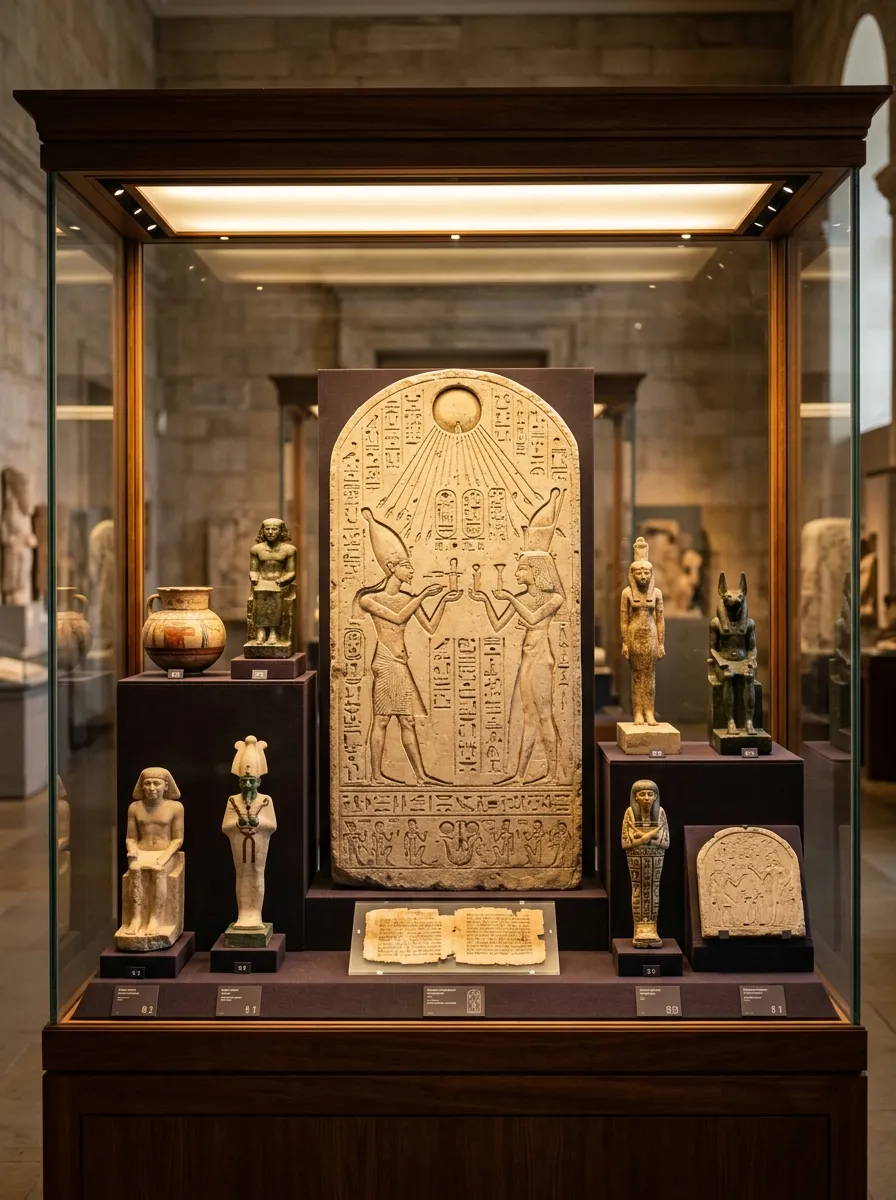
Run by the Canoga-Owensmouth Historical Society, this small museum covers the neighborhood’s history from its 1912 founding as Owensmouth through its renaming and development into the community it is today. It’s a modest stop — realistically 30 to 45 minutes — but a genuine option for visitors curious about the Valley’s development beyond its Hollywood-adjacent reputation.
If a century of local Valley history leaves you hungry for something on a much older scale, this Egypt travel guide covers thousands of years of history for a future trip that goes considerably further back than Owensmouth’s 1912 founding.
Santa Susana Pass State Historic Park
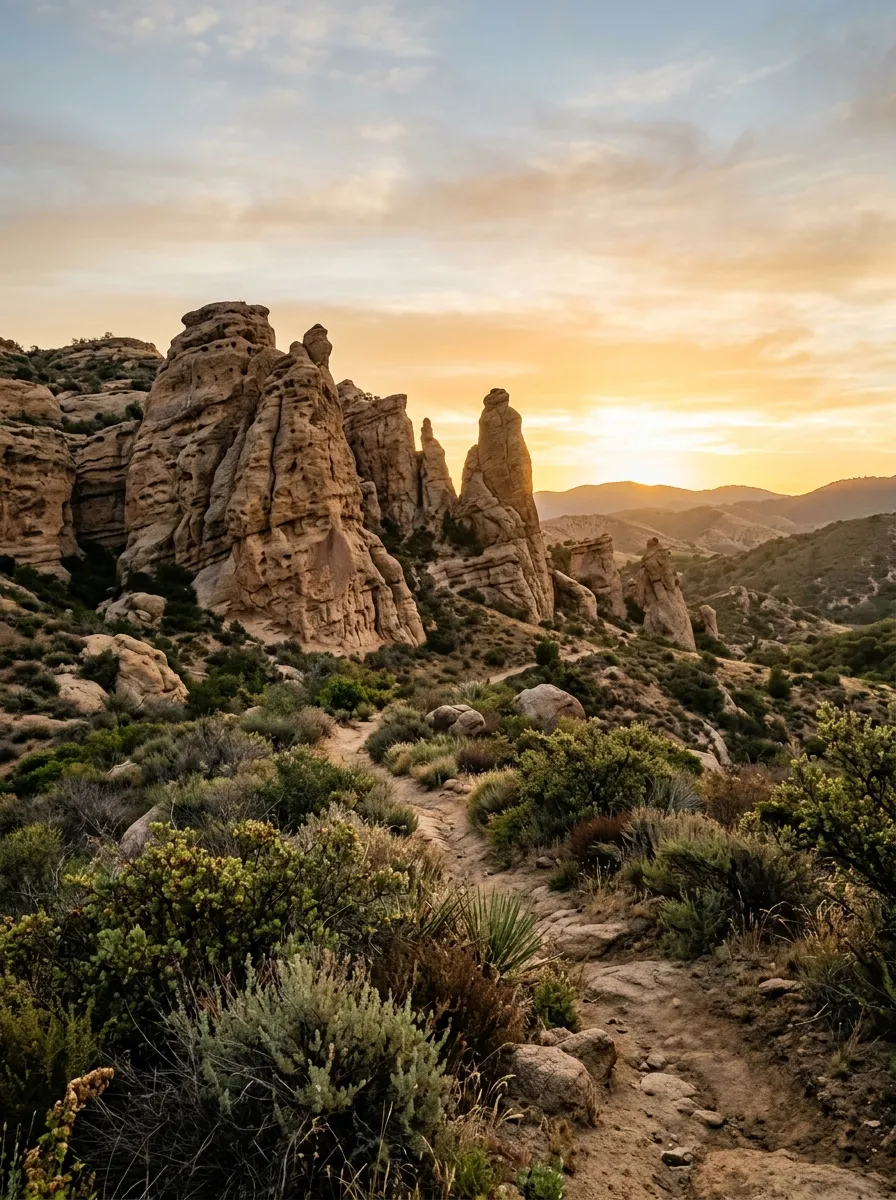
The best free outdoor attraction genuinely close to Canoga Park, Santa Susana Pass State Historic Park sits where the Simi Hills meet the Santa Susana Mountains, holding a landscape of dramatic, wind-carved sandstone rock formations that has made it a popular filming location for decades, particularly for Westerns. The park was once part of an indigenous trail corridor and later the route of the Butterfield Overland Stagecoach through the notorious “Devil’s Slide.” Trails here aren’t fully established or marked, so stick to visible, well-trodden pathways — venturing off them increases the risk of poison oak, rattlesnakes and erosion damage to the fragile landscape. Access is easiest via Chatsworth Park South, with free parking available there.
BOOKING TIP
Santa Susana Pass has no formal visitor center or facilities — bring your own water, arrive during daylight hours, and treat it as a self-guided, moderately rugged outdoor stop rather than a developed park experience.
Dramatic, otherworldly rock formations have a way of completely reshaping how a landscape feels, and Santa Susana Pass is a modest, local taste of that — for a far more extreme version of the same idea, this guide to the otherworldly landscapes of Cappadocia is worth bookmarking for a future trip built around genuinely surreal terrain.
Warner Center and Warner Center Park
A few minutes from downtown Canoga Park, Warner Center functions as the West Valley’s primary business and hotel hub, with Warner Center Park offering a straightforward green space for a walk or picnic break between errands or meetings. It’s not a tourist draw on its own, but it’s a practical, well-located area for business travelers or anyone using the Valley as a home base.
Wellness and Relaxation Stops
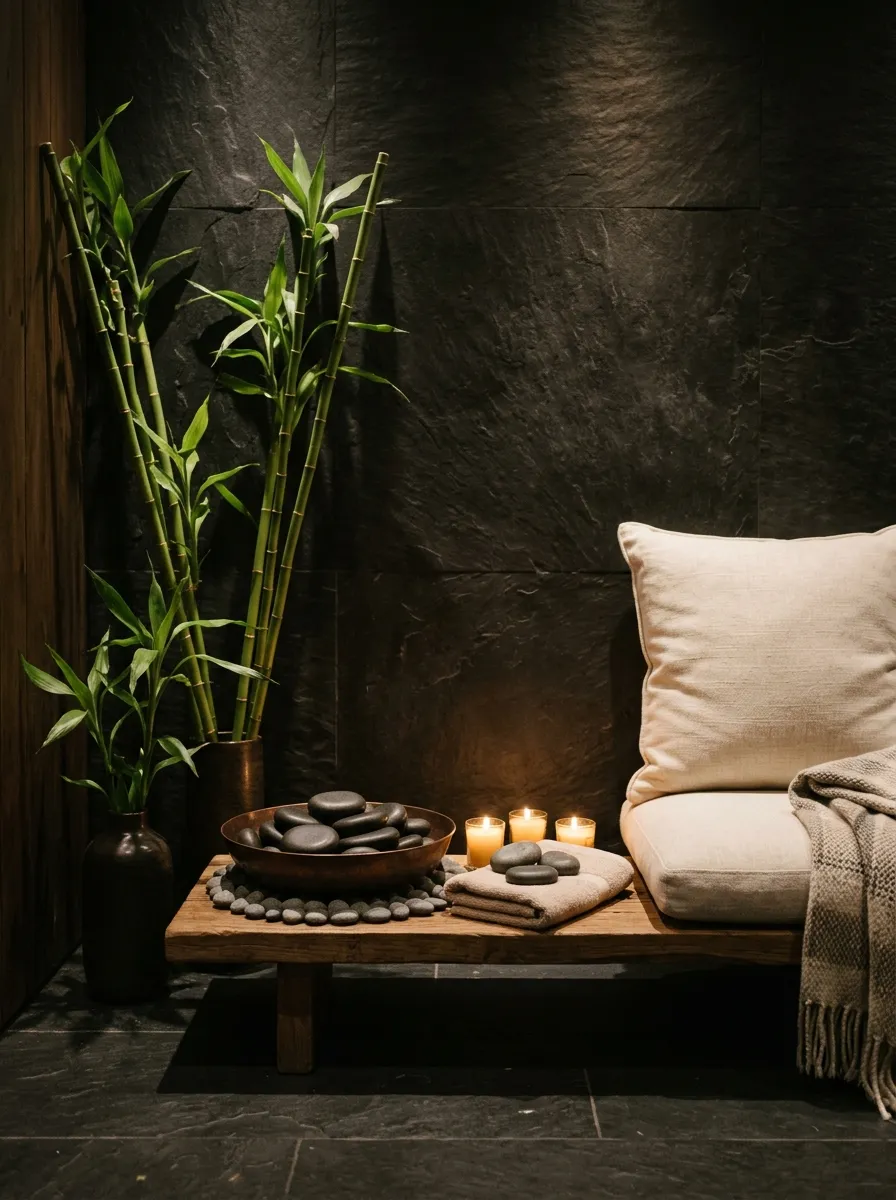
The neighborhood holds a handful of genuinely relaxing, lower-key wellness options worth knowing about, including local salt cave and spa-style experiences that have drawn consistently strong reviews from visitors looking for a reset — a quieter counterpoint to the shopping-and-sightseeing pace of a typical LA day.
If a slower, wellness-focused travel style genuinely appeals to you beyond a single spa stop, this guide to easy summer detox drinks for a wellness vacation is a useful companion for building that mindset into a longer trip.
Entertainment and Family-Friendly Stops
Canoga Park and its immediate surroundings hold a decent cluster of casual entertainment options: sim racing venues, escape rooms, a multiplex movie theater, and Canoga Park Bowl for a low-key evening out. None of these are destination-worthy on their own, but they round out an evening well if you’re based in the area and not in the mood for a longer drive into central LA.
Topanga Canyon and Topanga State Park
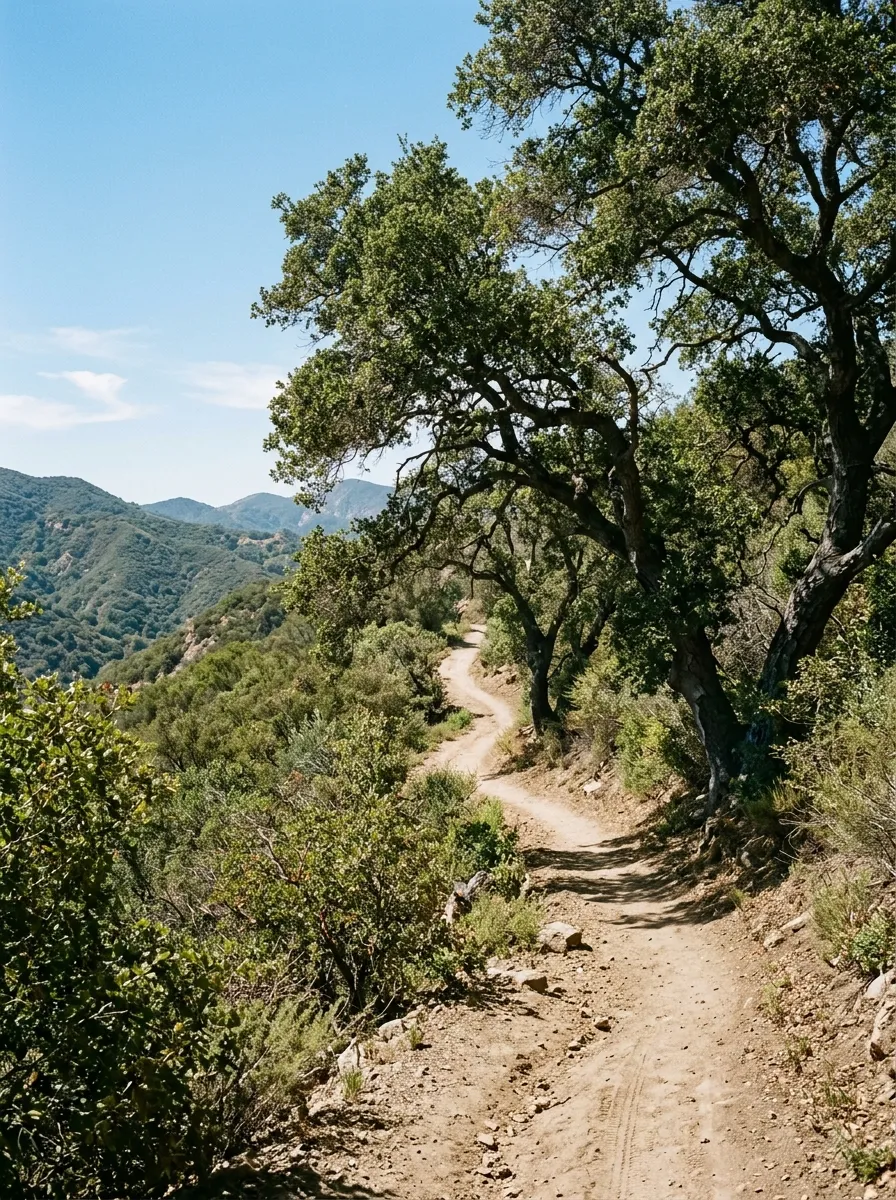
About 20 to 30 minutes south of Canoga Park, Topanga Canyon offers some of the most rewarding hiking in the Santa Monica Mountains, with trails ranging from easy canyon walks to more strenuous climbs, plus a small, artsy canyon community worth a coffee stop. Topanga State Park itself holds extensive trail networks with genuine ocean and canyon views on clear days, making this one of the best nearby day-trip options for outdoor-focused visitors staying in Canoga Park.
Six Flags Magic Mountain
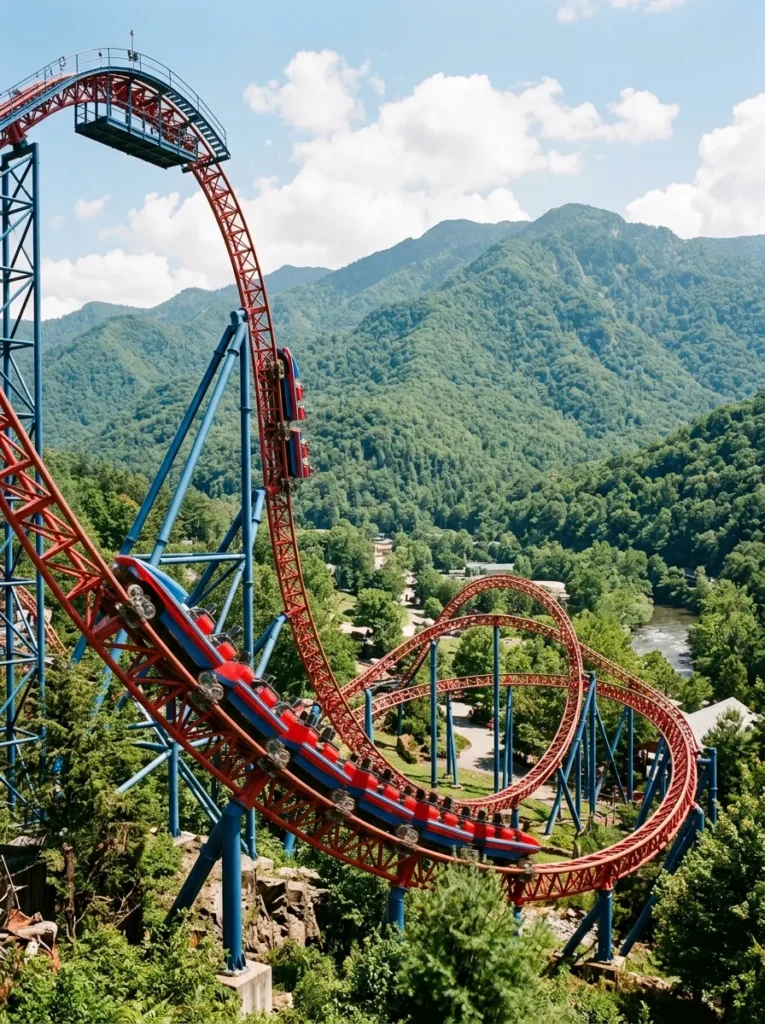
Roughly 30 to 40 minutes north of Canoga Park in Valencia, Six Flags Magic Mountain holds the world record for the most roller coasters at a single park, with around 20 in operation, including recent additions like the dual-track West Coast Racers. Single-day tickets purchased online start around $55 in 2026 (gate pricing runs considerably higher, close to $110, so booking ahead matters), with the park’s schedule shifting seasonally — daily in summer, mostly weekends in the off-season. Arrive at opening on a weekday for the shortest lines, and note the park is largely shadeless, so sun protection matters in summer heat that can top 100°F.
Malibu Creek State Park
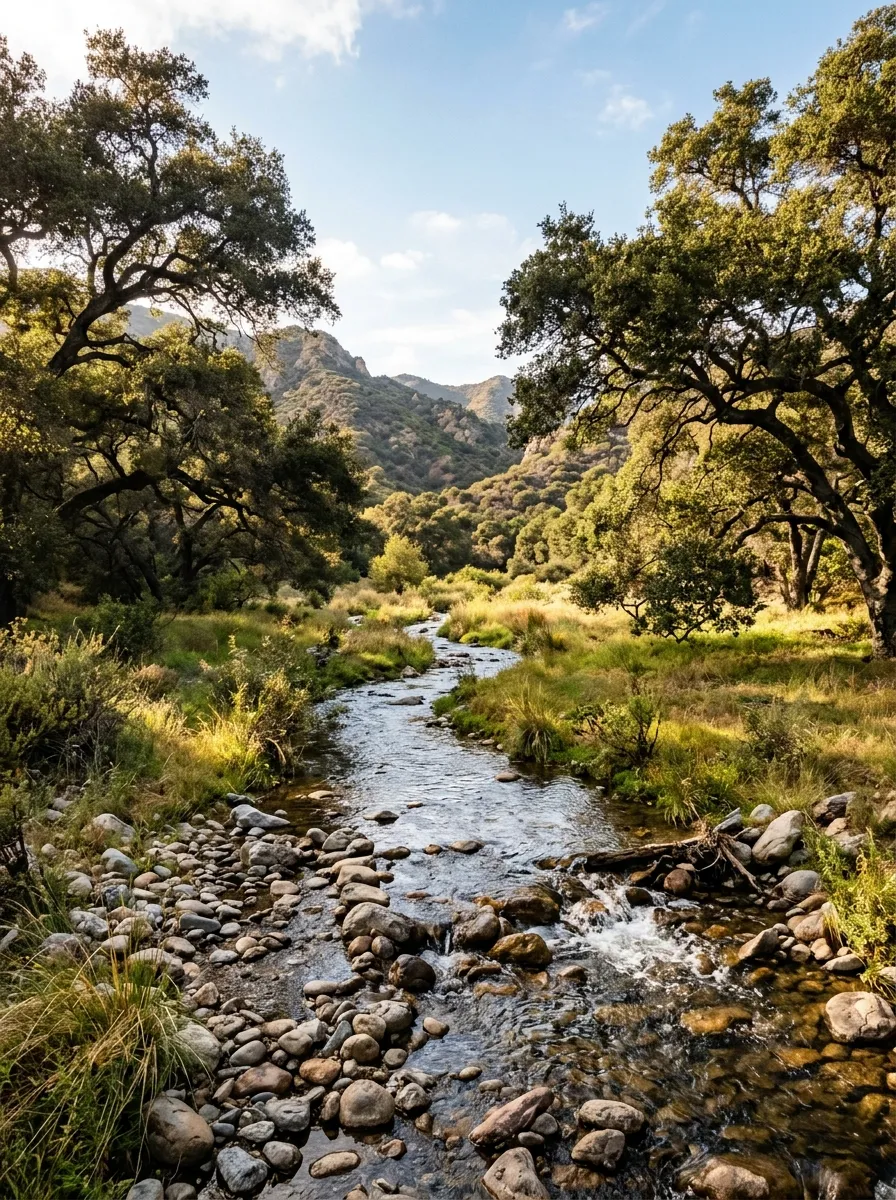
A former filming location for the original “Planet of the Apes” and later the exterior scenes of “MAS*H,” Malibu Creek State Park sits roughly 25 to 30 minutes from Canoga Park via Topanga Canyon or the 101 freeway, offering genuinely scenic hiking through oak woodland and creek-side trails without the crowds of more famous LA hiking spots.
Chatsworth Nature Preserve and Stoney Point
Just north of Canoga Park, Chatsworth holds its own cluster of outdoor spots worth a stop, including Stoney Point’s popular rock-climbing and bouldering formations and the quieter Chatsworth Nature Preserve for an easy walk. Both pair naturally with a Santa Susana Pass visit given their proximity.

A quiet nature preserve is a nice local reset, but if genuine wildlife encounters are what you’re after, this guide on how to plan a thrilling safari in Africa covers everything from luxury lodges to budget trips for a future getaway on a completely different scale.
Getting Into Central Los Angeles
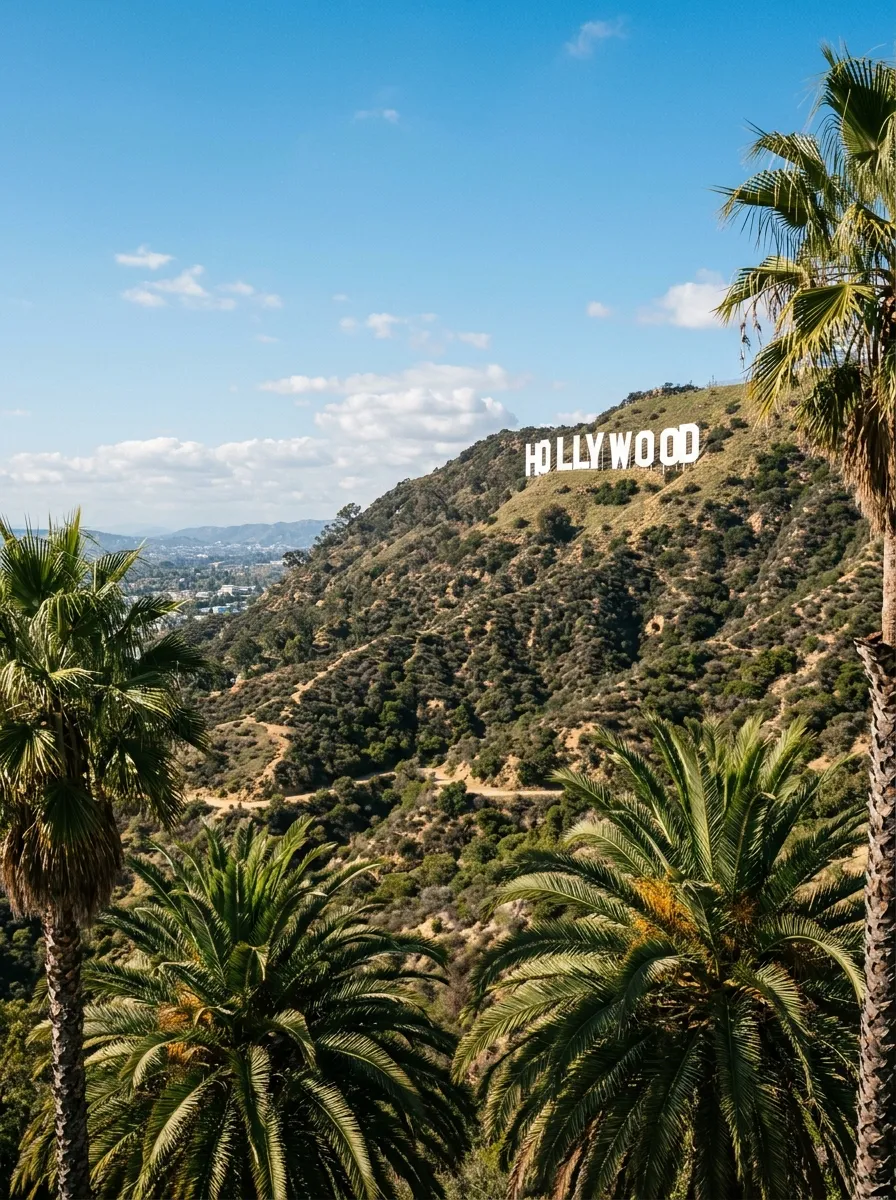
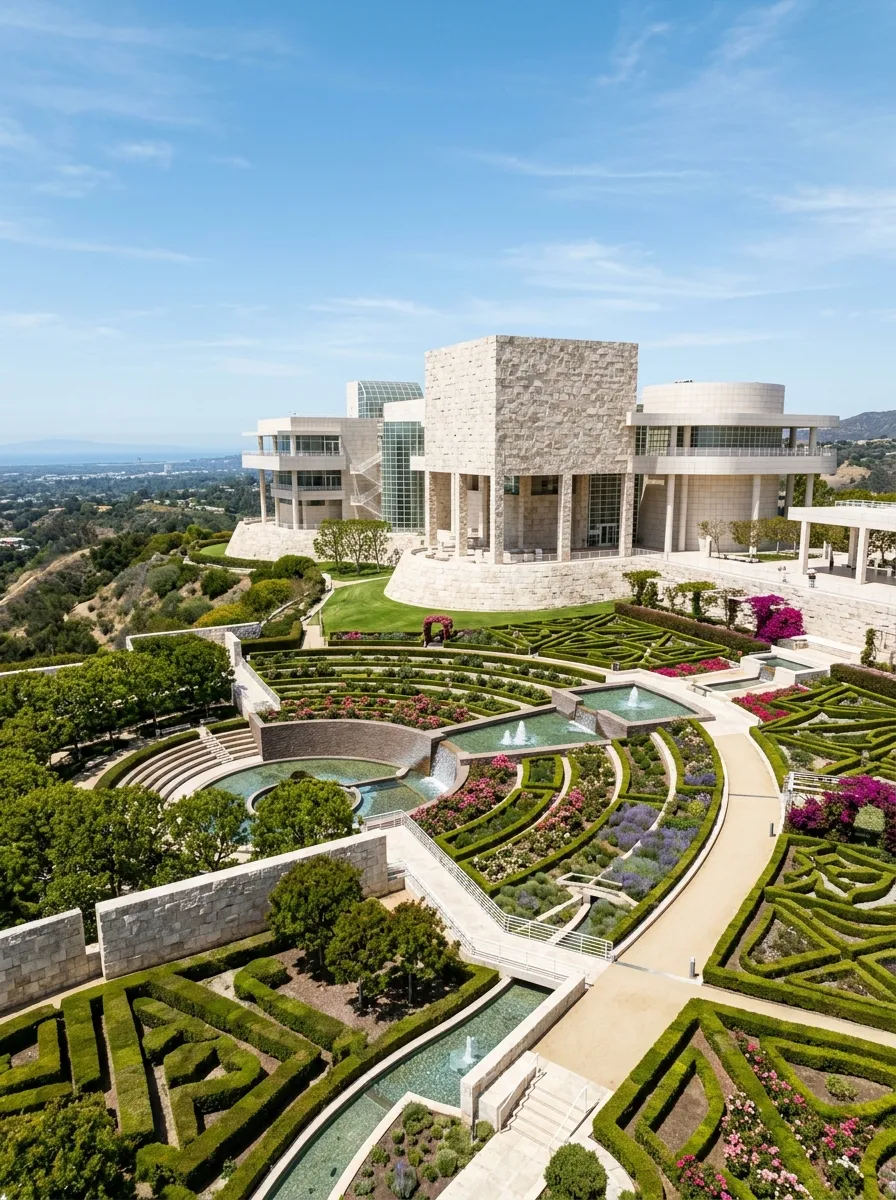
Canoga Park’s real value for most visitors is as a base rather than a destination, and central LA’s major attractions remain genuinely reachable from here, traffic permitting. Hollywood and Griffith Park sit roughly 30 to 40 minutes east, the Getty Center is a similarly quick trip via the 405, and Santa Monica and Venice Beach run closer to 40 to 50 minutes southwest depending on the time of day. Weekday rush hours (roughly 7–10 a.m. and 3:30–7 p.m.) can extend any of these drives meaningfully, so building buffer time into day-trip plans is worth doing regardless of destination.
The Food Scene
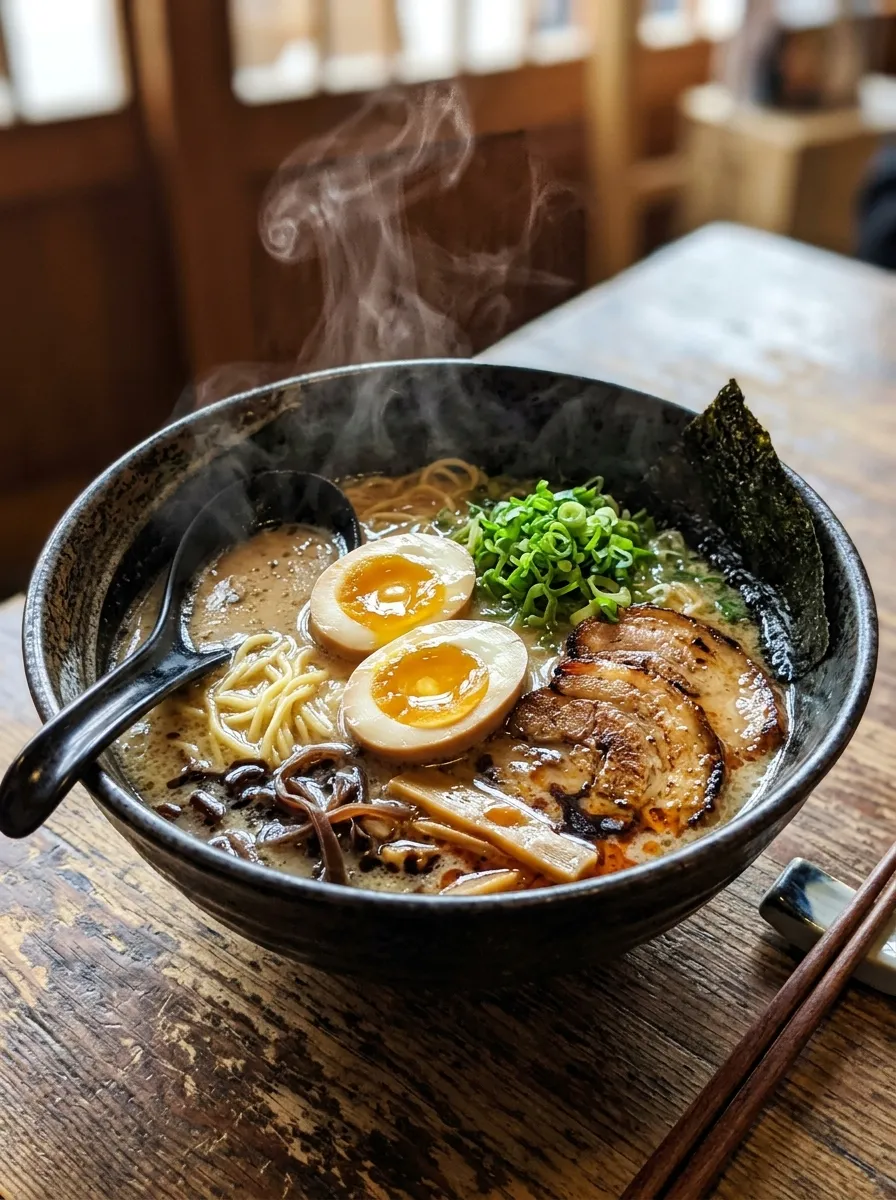
Canoga Park and the surrounding West Valley hold a genuinely diverse, if unglamorous, restaurant scene — strong Mexican and Central American food reflecting the neighborhood’s demographics, a solid selection of casual Asian restaurants, and the usual Valley mix of diners and chain restaurants. It won’t compete with Koreatown or the Arts District for destination dining, but it’s a reliable, affordable base for meals between day trips.
If a good local ramen or sushi spot has you thinking further afield, this Japan travel tips guide is worth bookmarking for planning a trip to the source on a future getaway.
Where to Stay in Canoga Park and the West Valley
Warner Center / Woodland Hills: The most developed hotel cluster in the immediate area, with the widest range of business-friendly and mid-range options.
Canoga Park itself: Fewer hotel options directly in the historic core, generally more budget-oriented.
Chatsworth: A quieter alternative slightly north, closer to Santa Susana Pass and Stoney Point.
How to Get Around
By car: Essential for nearly everything covered in this guide — Canoga Park and the West Valley are thoroughly car-dependent, and day trips to Topanga, Malibu Creek or Six Flags Magic Mountain all require a vehicle.
By transit: The Metro G Line (formerly the Orange Line) busway runs through the area and connects toward the North Hollywood Metro station, offering a transit option toward the rest of LA’s rail network for visitors without a car, though it’s considerably slower than driving for most cross-city trips.
To central LA: Budget 30 to 50 minutes depending on destination and time of day, and check traffic conditions before committing to a same-day round trip during rush hour.
A Practical Weekend in Canoga Park
Day 1: Morning at the Canoga Park Farmers Market (if your visit lines up with market day), afternoon browsing Westfield Topanga & The Village, evening at a local restaurant.
Day 2: Morning hike at Santa Susana Pass or Topanga State Park, afternoon drive into Hollywood or Griffith Park for a central LA taste, return to the Valley for dinner.
Budget Travel in Canoga Park
This is genuinely one of the more affordable bases for an LA-area trip — hotel rates in the West Valley typically run lower than coastal or Downtown LA neighborhoods, the Canoga Park Farmers Market and Santa Susana Pass are both free or low-cost, and the neighborhood’s casual restaurant scene keeps meal costs down compared to more tourist-dense parts of the city.
Family Travel
Westfield Topanga & The Village’s indoor mall environment works well for a hot-day family outing, and the cluster of casual entertainment options (sim racing, escape rooms, bowling) rounds out a kid-friendly evening without a long drive. Six Flags Magic Mountain, about 30 to 40 minutes north, is the obvious bigger family day-trip option if thrill rides are on the list.
Practical and Safety Notes
Standard urban and outdoor precautions apply here as they would across most of LA — normal awareness in commercial and parking areas, and genuine outdoor preparation (water, sun protection, sturdy shoes) for any hike at Santa Susana Pass, Topanga or Malibu Creek State Park, none of which offer significant shade. Summer heat is the more consistent practical concern in this inland part of the Valley than any specific safety risk.
Canoga Park Packing Checklist

- [ ] Comfortable walking shoes for Santa Susana Pass or Topanga hiking trails
- [ ] Sunscreen and a hat, especially for summer visits
- [ ] A rental car reservation, since the area is thoroughly car-dependent
- [ ] Layers for cooler winter mornings and evenings
- [ ] A reusable water bottle for outdoor stops with no facilities
- [ ] Cash or card for the Canoga Park Farmers Market
- [ ] Sun protection for a Six Flags Magic Mountain day trip, since the park is largely shadeless
Frequently Asked Questions About Visiting Canoga Park
Is Canoga Park worth visiting on its own?
It’s better understood as a practical, affordable base than a destination in its own right — the neighborhood’s real appeal is its central Valley location and proximity to bigger attractions rather than a dense cluster of must-see sights.
What is the best time of year to visit Canoga Park?
March through May and October through November offer the mildest weather; summer runs noticeably hot given the Valley’s inland position.
Do I need a car in Canoga Park?
Yes — the neighborhood and its surrounding day-trip options are thoroughly car-dependent, though the Metro G Line offers a slower transit alternative toward central LA.
How far is Canoga Park from Hollywood?
Roughly 30 to 40 minutes by car, depending on traffic.
Is Canoga Park a good base for visiting the rest of LA?
It can be, particularly for travelers prioritizing value and central Valley access over walkable, tourist-dense neighborhoods — just budget realistic drive times to central and coastal LA attractions.
What’s the best free thing to do in Canoga Park?
Santa Susana Pass State Historic Park, with its dramatic sandstone rock formations, is the standout free outdoor option nearby.
Is Six Flags Magic Mountain close to Canoga Park?
Yes, about 30 to 40 minutes north in Valencia, making it a realistic day trip from a Canoga Park base.
Is Canoga Park good for families?
Reasonably so, particularly for a shopping-and-casual-entertainment day at Westfield Topanga & The Village, with Six Flags Magic Mountain as a bigger nearby family day trip.
What’s the historic significance of Canoga Park?
It was founded in 1912 as Owensmouth, part of the West Valley’s early-20th-century development following the completion of the Los Angeles Aqueduct.
Is Topanga Canyon close to Canoga Park?
Yes, about 20 to 30 minutes south, making it one of the best nearby options for hiking and canyon scenery.
What’s the biggest mistake visitors make with a Canoga Park-based trip?
Underestimating drive times into central and coastal LA — this is a Valley neighborhood, and attractions like the Getty Center, Hollywood or Santa Monica all require real travel time, especially during rush hour.
Is there public transit from Canoga Park into central LA?
Yes, via the Metro G Line busway connecting toward the North Hollywood Metro station, though it’s considerably slower than driving for most cross-city trips.
Final Thoughts on Visiting Canoga Park
Canoga Park makes the most sense as what it actually is: a practical, reasonably priced West San Fernando Valley base rather than a headline LA destination. Used that way, it works genuinely well — Santa Susana Pass and Topanga Canyon deliver real outdoor payoff within a short drive, Westfield Topanga & The Village covers a solid shopping-and-dining day, and central LA’s bigger attractions remain reachable without the premium pricing of a coastal or Downtown hotel.
If you’re building a trip around Canoga Park, the honest approach is to treat it as a launchpad — anchor a day or two in the neighborhood and its immediate West Valley surroundings, then budget real drive time for anything further into Hollywood, the Westside or the coast. Things to do in Canoga Park won’t fill a week on their own, and no honest guide should pretend otherwise, but as a quiet, central, affordable way into the wider sprawl of Los Angeles, it does exactly what it needs to.