How to Stay Warm While Traveling in Freezing Weather
Traveling somewhere genuinely cold is a different experience from simply stepping outside on a chilly morning.
When temperatures drop below freezing, a beautiful winter destination can quickly become uncomfortable if your clothing, footwear, and daily routine aren’t prepared for it. The first few minutes outside may feel fine, then the wind picks up, your fingers go numb, and suddenly that scenic viewpoint doesn’t look quite as inviting.
The good news is that staying warm in freezing weather isn’t about wearing the biggest coat you can find.
It’s about layering properly, staying dry, protecting your extremities, and knowing when to get indoors.
That matters whether you’re exploring a snowy European town, taking a winter road trip through Quebec, hiking in the mountains, or simply spending several hours outside at a Christmas market.
Here’s how to stay warm while traveling in freezing weather without turning yourself into a walking sleeping bag.
Recommended Travel Items for Your Trip
How Your Body Loses Heat in Cold Weather
Before choosing what to wear, it helps to understand why you get cold.
Your body can lose heat through several routes, but wind, wet clothing, and direct contact with cold surfaces can make the problem much worse.
Wind strips away the layer of warm air around your body. Wet clothing conducts heat away from your body much faster than dry clothing. That’s why a damp day at 35°F can sometimes feel more miserable than a dry day at a lower temperature. The CDC notes that people can develop cold-related illness even at temperatures above 40°F when they become chilled by rain, sweat, or cold water.
So the goal isn’t simply:
Wear more clothes.
The better strategy is:
Stay warm, stay dry, block the wind, and adjust your layers as your activity changes.
Dress in Three Layers
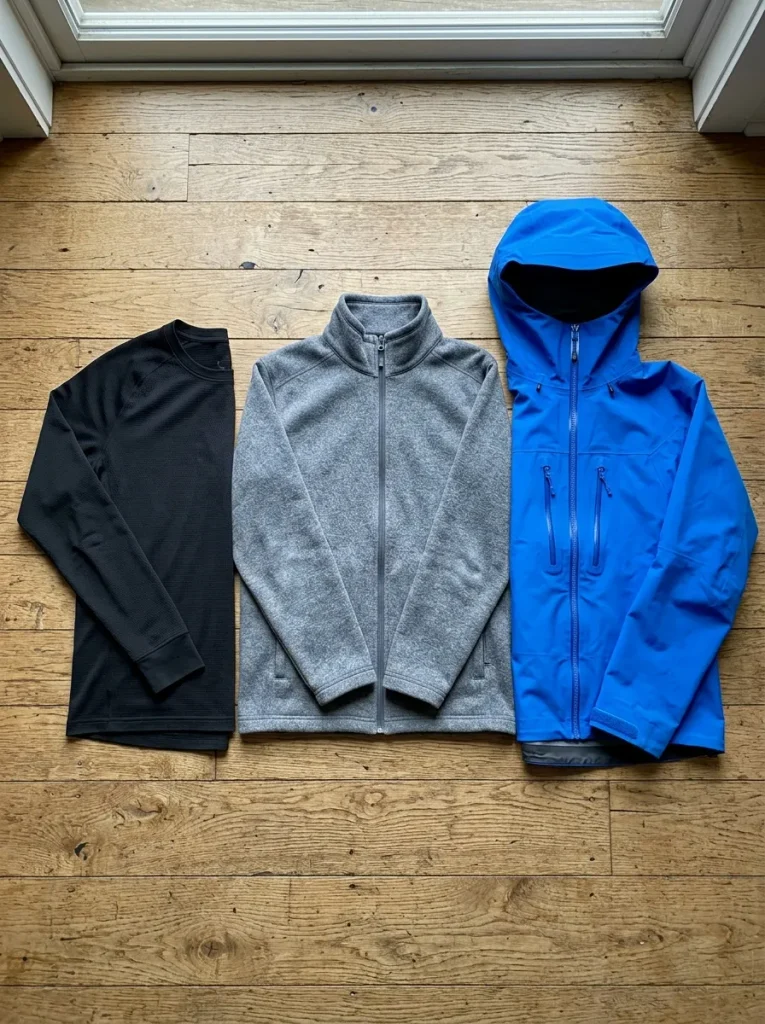
The three-layer system is one of the simplest ways to stay comfortable in freezing weather.
The CDC recommends several loose-fitting layers and describes a system built around a moisture-managing inner layer, an insulating middle layer, and a wind- and water-resistant outer layer.
1. Base Layer
The base layer sits directly against your skin.
Its job is to manage moisture and help keep your skin dry.
Good choices include:
- Merino wool
- Synthetic moisture-wicking fabrics
- Polypropylene
- Lightweight thermal underwear
- Silk for some situations
Avoid relying on ordinary cotton as your main base layer for prolonged outdoor activity. Cotton absorbs moisture and can leave you feeling cold once it becomes damp.
For very cold destinations, consider a thermal top and thermal leggings.
2. Insulating Layer
The middle layer traps warm air around your body.
Good options include:
- Fleece
- Wool sweater
- Down jacket
- Synthetic insulated jacket
- Wool cardigan
- Lightweight insulated vest
You don’t necessarily need one enormous insulating layer.
Two lighter layers can sometimes give you more flexibility because you can remove one if you get too warm.
3. Outer Layer
Your outer layer protects everything underneath from the weather.
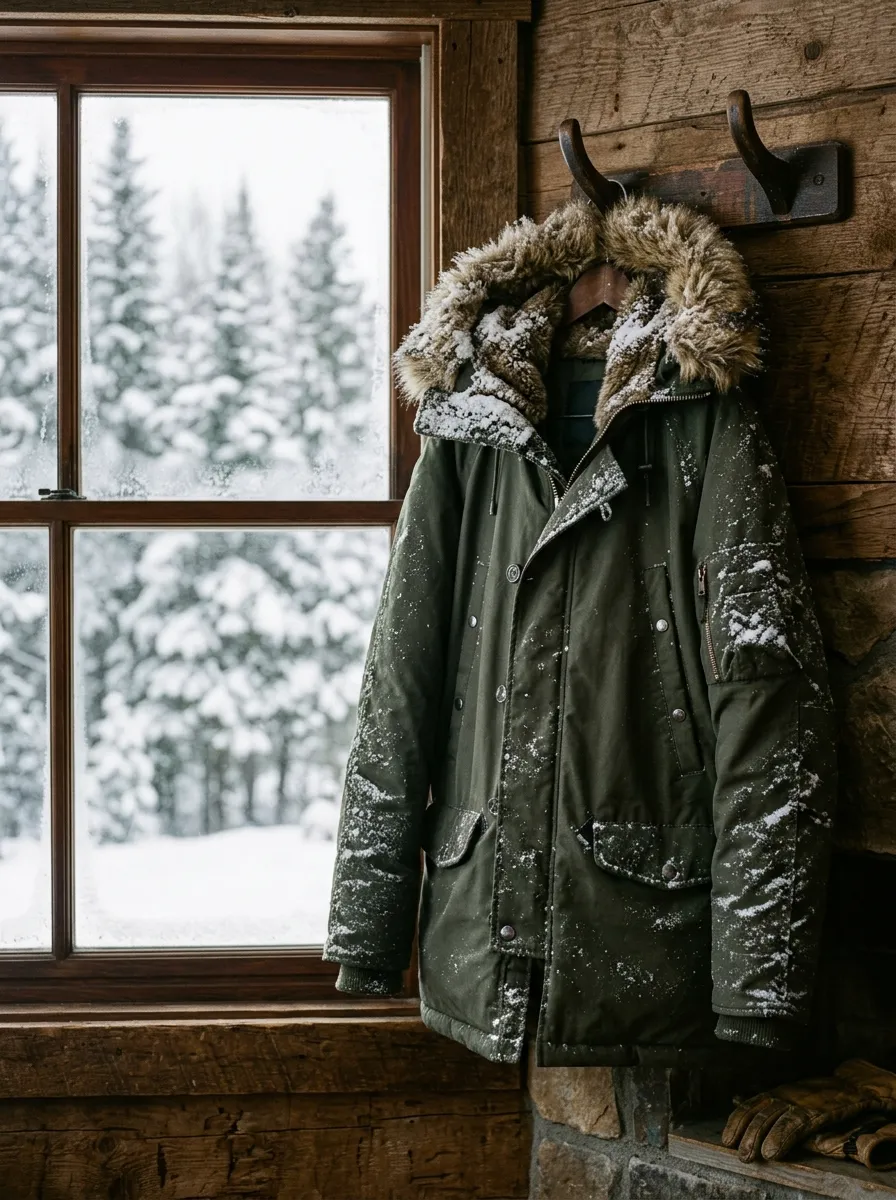
Look for a jacket that is:
- Wind-resistant
- Water-resistant or waterproof
- Breathable
- Large enough to fit over your other layers
- Equipped with a hood
This becomes especially important when you’re dealing with snow, freezing rain or strong wind.
A warm sweater underneath won’t help much if cold wind is cutting straight through your jacket.
Don’t Ignore Your Head and Neck
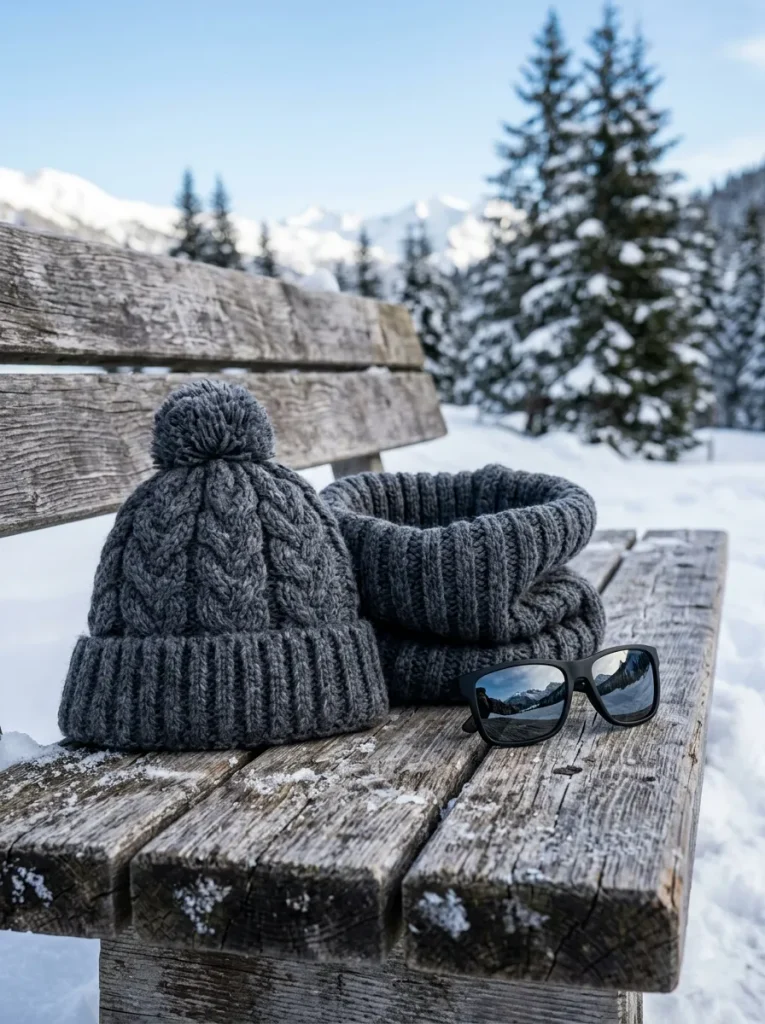
A winter outfit can look complete while still leaving you surprisingly cold because of exposed skin around your head and neck.
Wear a warm hat or beanie that covers your ears.
Then add a scarf, neck gaiter or similar face and neck covering when conditions require it.
The CDC recommends covering the head, face and mouth during extreme cold and paying particular attention to areas vulnerable to frostbite, including the ears, cheeks, nose and chin.
A neck gaiter is especially useful because you can pull it higher when the wind becomes stronger.
Wear Mittens Instead of Gloves When It’s Really Cold
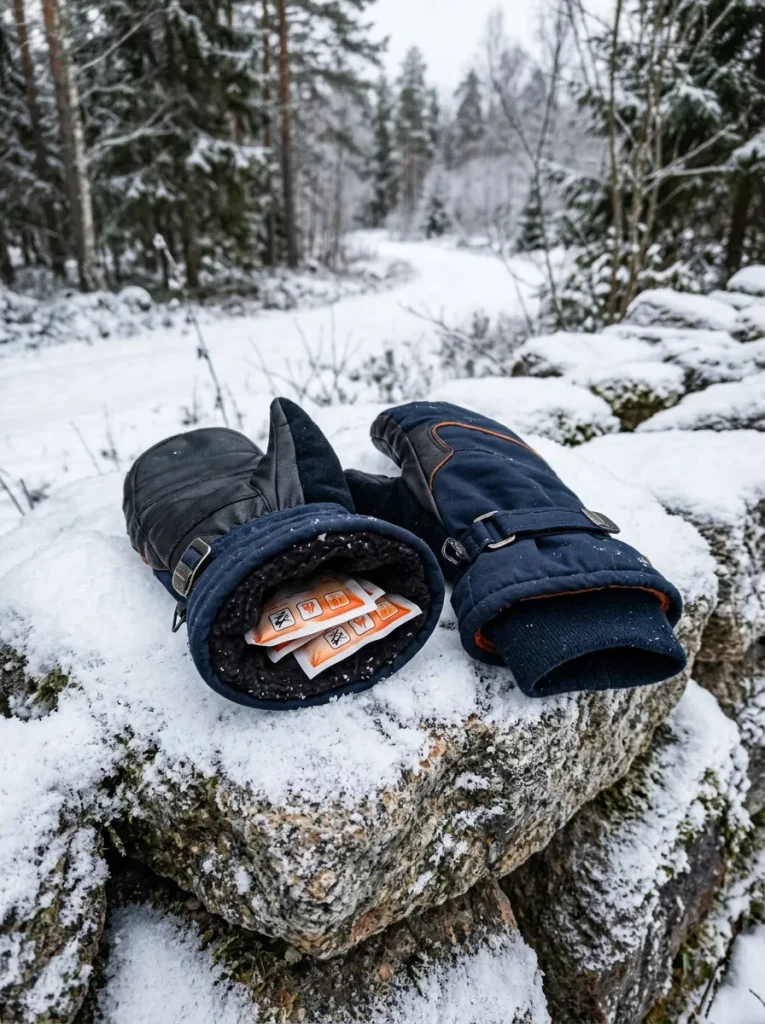
If your fingers always freeze first, try mittens.
Mittens keep your fingers together, which can help them stay warmer than when each finger is separated inside a glove. The CDC specifically notes that mittens are warmer than gloves for cold-weather protection.
For serious cold, consider a layered hand system:
Thin liner + insulated mitten + waterproof outer shell
This also gives you flexibility when you need to use your phone or camera.
Another useful trick is carrying hand warmers, especially for long outdoor days.
Keep Your Feet Warm and Dry
Cold feet can ruin an otherwise excellent winter day.
Your winter footwear should provide three things:
Insulation + dryness + traction
Look for boots with:
- Good insulation
- Waterproof construction
- Thick soles
- Adequate room for winter socks
- Good grip on snow and ice
Don’t make the mistake of buying extremely tight winter boots.
Your feet need enough room for warm socks and a little air circulation. Boots that compress your socks or toes can leave your feet colder.
Choose Your Socks Carefully
Merino wool is one of the best choices for cold-weather travel because it provides warmth while managing moisture.
You can also use synthetic thermal socks.
Avoid wearing several extremely thick pairs if they make your boots tight. More socks don’t automatically mean warmer feet.
Sometimes one good winter sock inside a properly fitted boot works better than three pairs squeezed into a boot.
Keep Your Feet Off Cold Ground
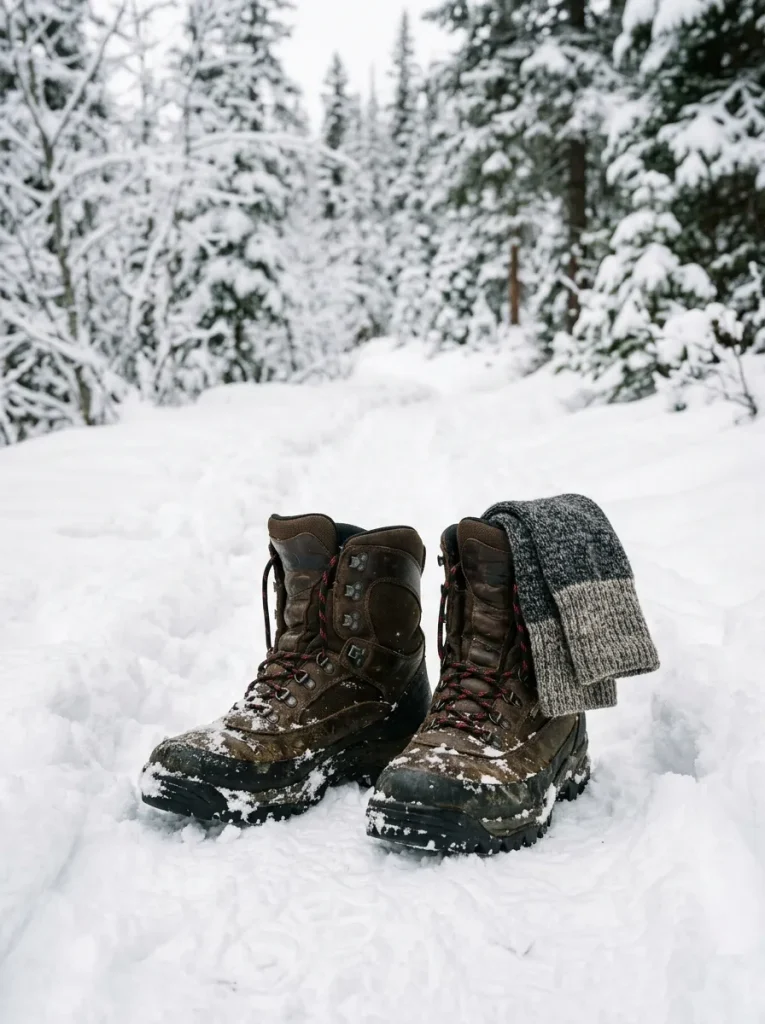
This is an underrated winter travel trick.
Cold ground can pull heat away from your feet, especially when you’re standing in one place for a long time.
That matters at:
- Christmas markets
- Outdoor festivals
- Scenic viewpoints
- Winter sporting events
- Bus stops
- Train platforms
- Frozen lakes
If you’re going to spend several hours standing outdoors, insulated boots and thick soles become much more important.
Stay Dry at All Costs
One of the biggest mistakes people make in freezing weather is focusing entirely on temperature while ignoring moisture.
Wet clothing can make you cold very quickly.
Snow melts.
Rain soaks through.
And sweat can be just as problematic.
The CDC advises travelers to stay dry because the body loses heat quickly when wet, and recommends removing extra layers when physical activity causes sweating.
That means your winter outfit needs to breathe.
If you’re hiking uphill and start sweating, open your jacket or remove an insulating layer before you’re drenched.
When you stop moving, put the layer back on.
Think of your clothing as a thermostat, not a uniform.
Don’t Wait Until You’re Freezing to Add a Layer
This is one of the simplest rules for cold-weather travel.
Don’t wait until your hands are numb before putting on gloves.
Don’t wait until you’re shivering before adding a jacket.
And don’t wait until your socks are wet before finding shelter.
Adjust early.
If the wind suddenly picks up, put on another layer.
If you stop for photos, add insulation.
If you start hiking uphill and sweating, remove a layer.
Small adjustments are much easier than trying to recover after you’ve become genuinely cold.
Keep Moving, But Don’t Overdo It
Movement generates body heat.
Walking through a snowy town can actually feel comfortable once you’re moving, even when standing outside feels freezing.
But there’s a catch.
If you move hard enough to sweat heavily, your damp clothing can make you colder later.
So aim for steady movement rather than turning every winter walk into a workout.
When sightseeing:
- Walk at a comfortable pace
- Take regular indoor breaks
- Remove a layer if you start sweating
- Add a layer when you stop
- Keep hands and feet protected
This balance is especially useful for winter hikes.
Take Regular Warm-Up Breaks
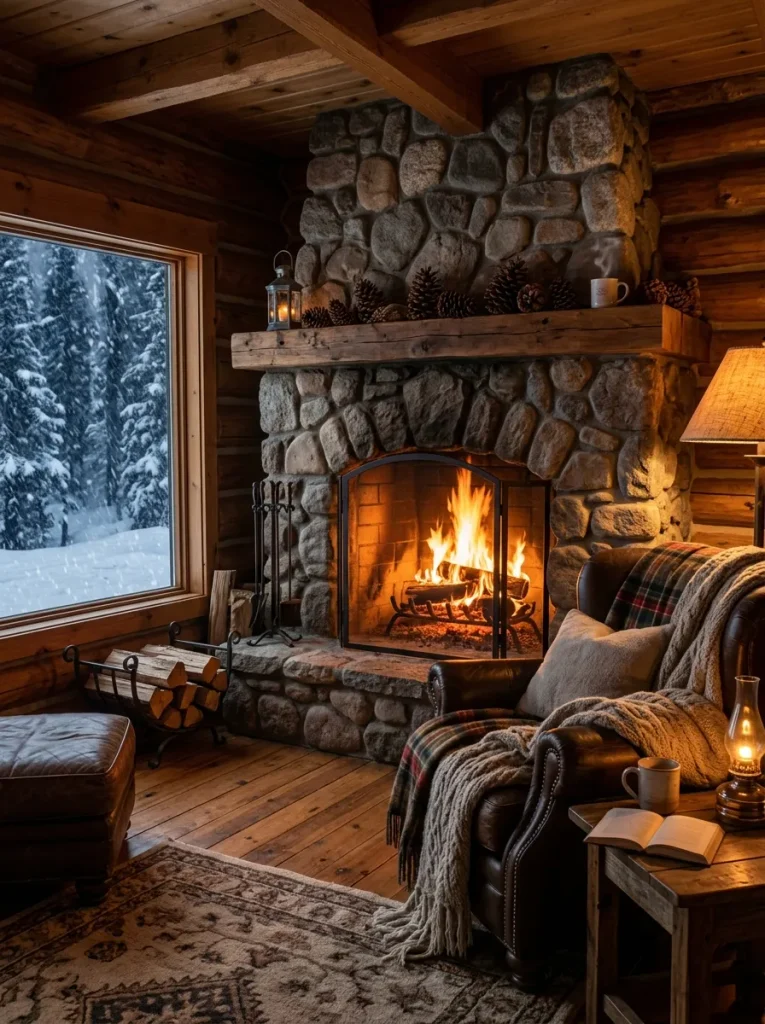
You don’t have to spend six straight hours outdoors to experience a winter destination.
Plan warm-up stops.
For example:
Morning: Outdoor sightseeing
Late morning: Café or museum
Afternoon: Outdoor activity
Late afternoon: Indoor lunch or attraction
Evening: Christmas lights or market
This gives your body regular opportunities to recover.
It also makes winter travel much more enjoyable.
A warm café isn’t just a place to buy coffee. It’s your strategic headquarters.
Use Hot Drinks Strategically
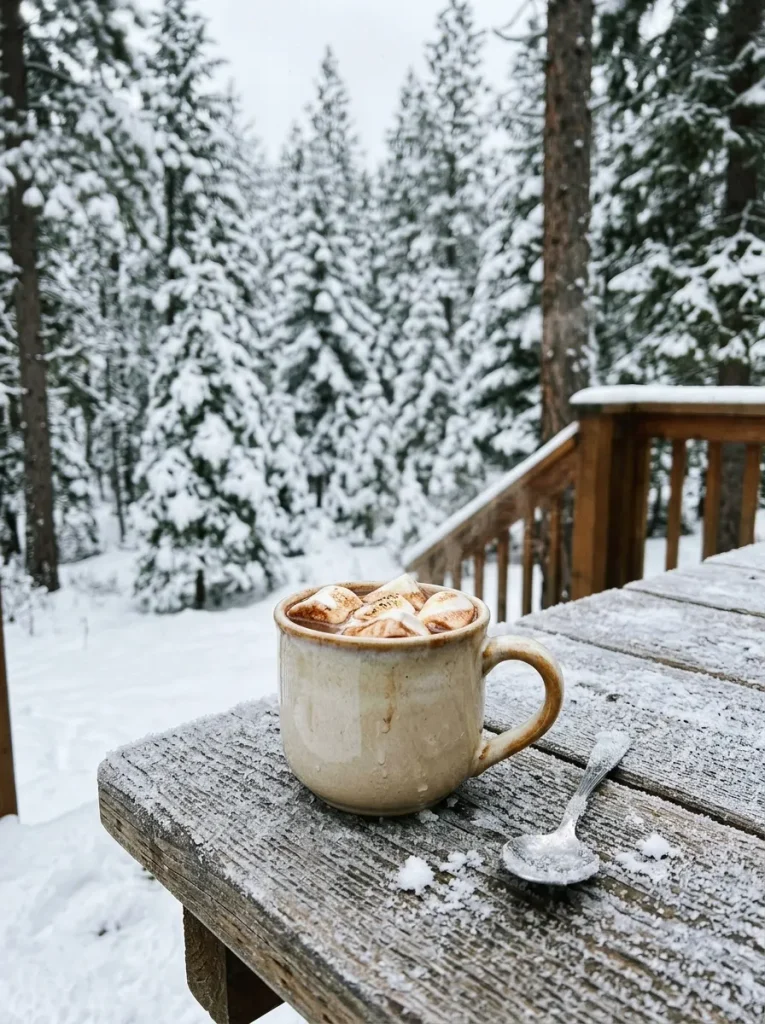
A warm drink can make a cold sightseeing break feel dramatically better.
Good options include:
- Hot chocolate
- Tea
- Coffee
- Warm milk
- Broth
- Non-alcoholic warm beverages
A warm drink can help you feel warmer, but don’t treat it as a substitute for proper clothing or shelter.
If someone is showing signs of hypothermia, medical attention and proper warming are much more important than simply handing them a hot drink. The CDC specifically warns that hypothermia can become a medical emergency.
Eat Enough During Cold-Weather Activities
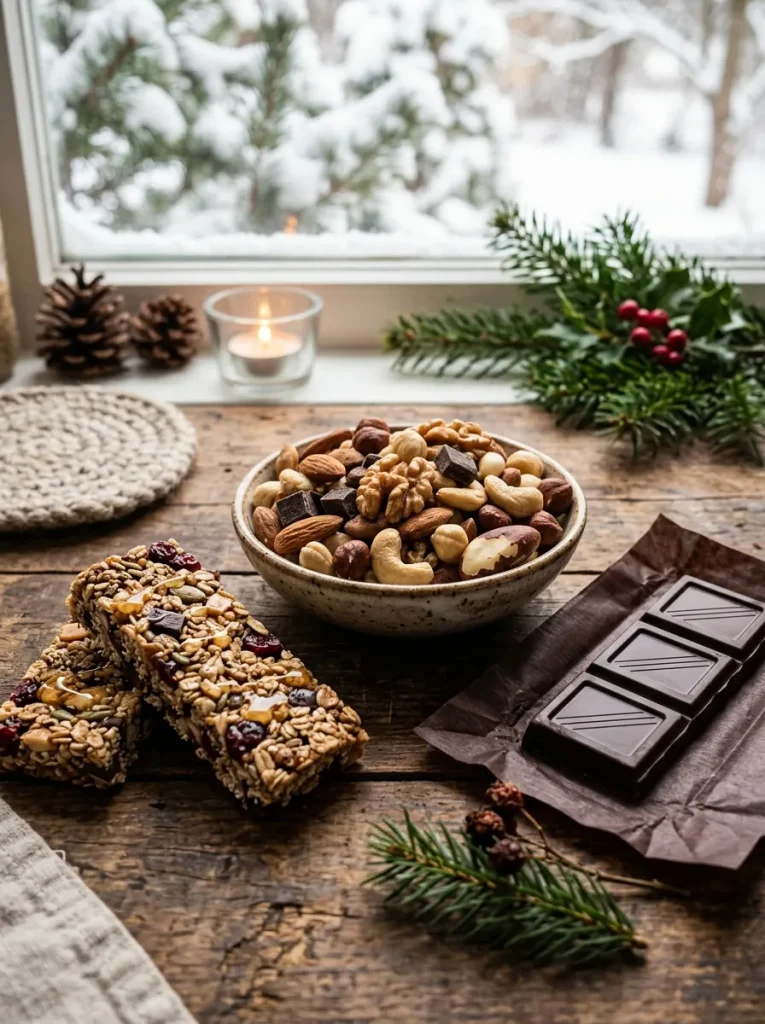
Cold-weather travel can be surprisingly tiring.
Your body is working to maintain its temperature while you’re walking, hiking, skiing or simply spending hours outside.
Keep easy snacks with you:
- Nuts
- Trail mix
- Energy bars
- Dried fruit
- Chocolate
- Sandwiches
A small snack can be especially useful when you’re far from restaurants or spending a long day outdoors.
Don’t turn every winter excursion into a calorie-counting exercise.
Cold weather is not the moment to discover that your lunch was “a handful of almonds.”
Protect Your Face From Wind
Freezing temperatures combined with wind can be especially uncomfortable.
A scarf or neck gaiter can cover the lower face.
A hood provides another barrier.
For extreme cold, use a winter face covering designed for outdoor conditions.
If your skin becomes painful, numb or unusually pale, don’t simply push through it. Frostbite commonly affects exposed areas such as the nose, cheeks, chin, ears, fingers and toes.
Choose Your Winter Activities Wisely
Not every winter activity exposes you to cold in the same way.
Compare:
| Activity | Cold exposure | What matters most |
| City sightseeing | Medium | Layers and warm breaks |
| Christmas markets | High | Warm boots and hand protection |
| Winter hiking | High | Moisture management |
| Skiing | Very high | Waterproof layers |
| Dog sledding | Very high | Face and hand protection |
| Scenic driving | Low to medium | Emergency clothing in the car |
| Snowshoeing | High | Breathable layers |
| Northern Lights tour | Very high | Maximum insulation |
The interesting part is that standing still can be colder than walking.
A Northern Lights tour may involve spending a long time outside waiting for the sky to cooperate. You may be perfectly comfortable hiking in the same temperature but freezing while standing beside a lake for an hour.
Dress for the activity, not just the forecast.
How to Stay Warm on a Winter Road Trip
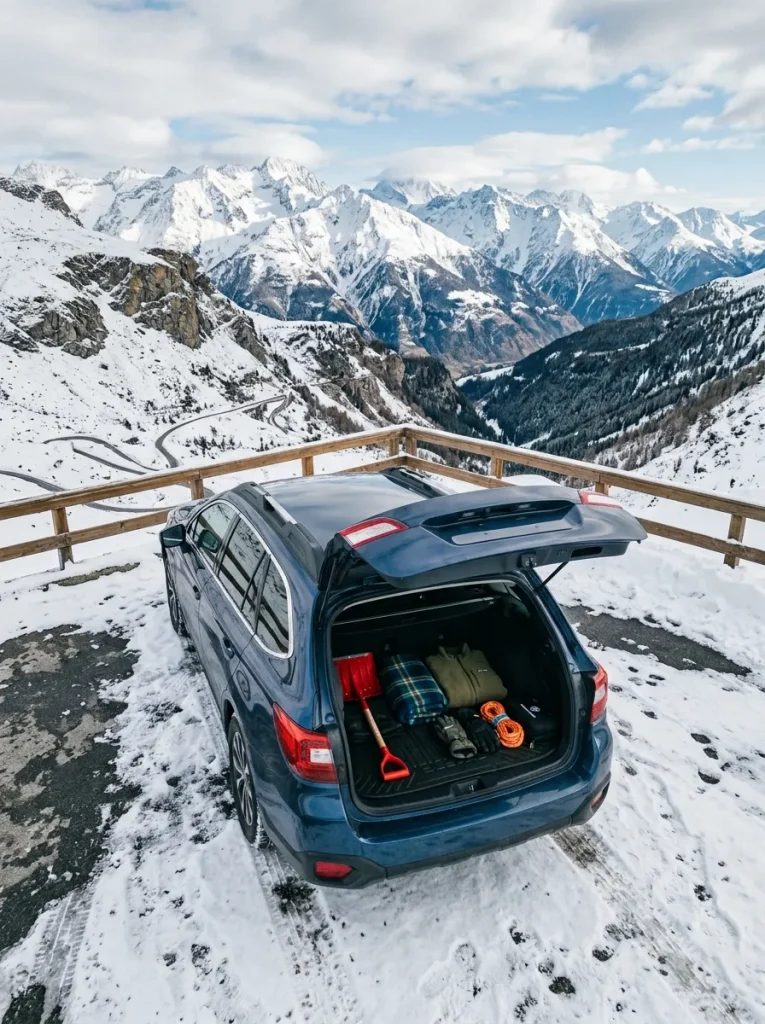
Road trips create their own cold-weather challenges.
Keep warm clothing inside the passenger compartment rather than buried under luggage.
Your car should have:
- Blankets
- Extra coats
- Gloves
- Hats
- Water
- Snacks
- Flashlight
- Phone charger
- Emergency supplies
If the vehicle breaks down, you’ll want immediate access to warm clothing.
For a serious winter road trip, you can also prepare your route around fuel stops, road conditions and indoor rest points.
Our guide to the Lanaudière-Mauricie road trip is a good example of how winter road travel can combine scenic routes with cold-weather planning.
Stay Warm Inside Your Hotel
Getting back to your hotel doesn’t always mean you’re immediately warm.
If you’ve spent several hours outside, your clothing may be damp from snow or sweat.
When you return:
- Remove wet outer clothing.
- Change damp socks.
- Put on dry layers.
- Warm up gradually.
- Have a warm drink.
- Rest before heading outside again.
Keep a spare dry base layer in your luggage.
It can make a surprisingly big difference after a long day outdoors.
Bring the Right Winter Travel Gear
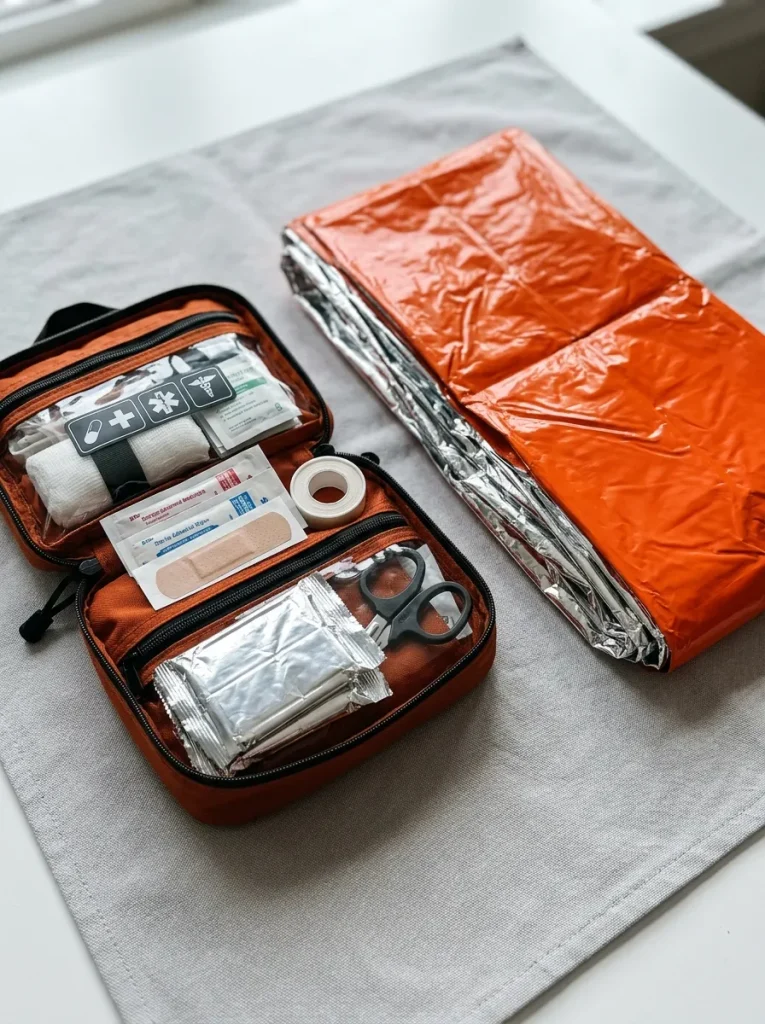
You don’t need to pack your entire closet.
A practical cold-weather travel kit might include:
- Thermal base layers
- Fleece or insulated mid-layer
- Waterproof winter jacket
- Warm hat
- Scarf or neck gaiter
- Insulated gloves or mittens
- Merino wool socks
- Waterproof winter boots
- Hand warmers
- Sunglasses
- Lip balm
- Moisturizer
- Small daypack
- Reusable water bottle
For a more complete packing list, our guide to winter travel essentials covers the equipment worth considering for cold-weather adventures.
Don’t Forget Sun Protection
Cold weather doesn’t mean the sun disappears.
Snow can reflect sunlight, increasing glare and exposure.
Wear sunglasses or suitable eye protection during bright winter days, particularly at high elevations or around large snow-covered areas.
Sunscreen and lip balm are also useful.
Wind, dry air and cold temperatures can leave exposed skin uncomfortable even when you’re not getting much direct sun.
Keep Electronics Warm
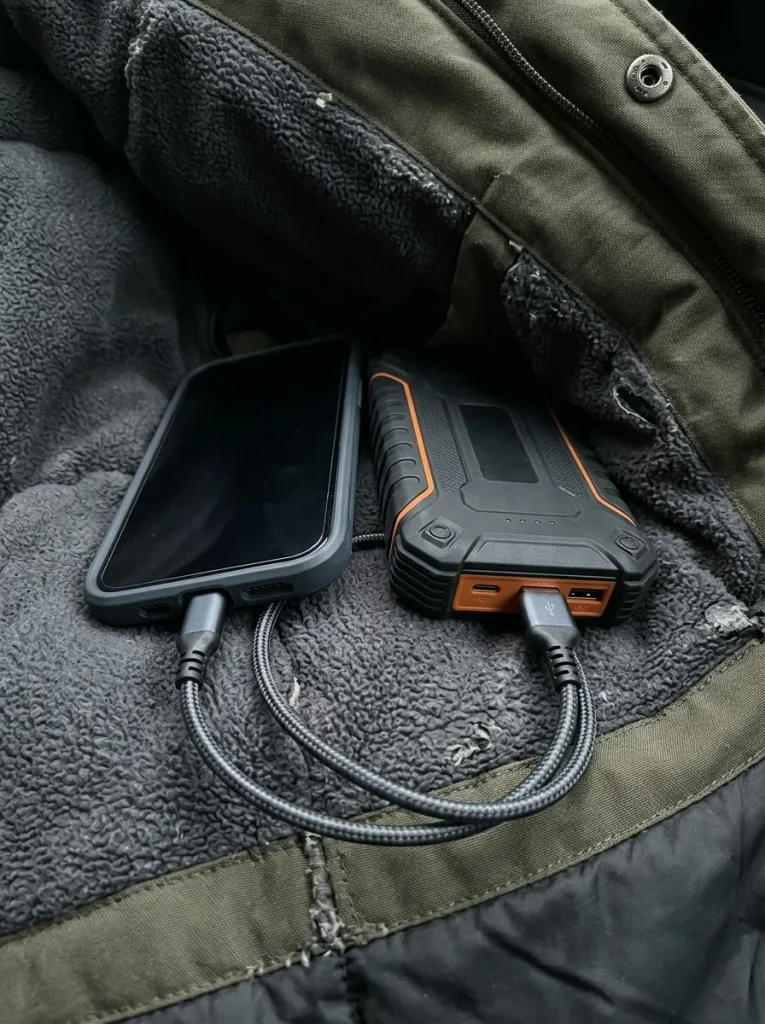
Your phone and camera can struggle in very cold temperatures.
Cold weather can reduce battery performance, which is particularly annoying when your phone is also your map, camera and emergency communication device.
A few simple habits help:
- Keep your phone in an inner pocket when possible.
- Carry a power bank.
- Keep spare camera batteries warm.
- Avoid leaving electronics exposed unnecessarily.
- Use insulated cases for sensitive equipment.
If you’re photographing the Northern Lights or spending hours outdoors, battery management becomes even more important.
What to Do If You Start Shivering
Shivering is not something to ignore.
It’s an early warning that your body is losing heat.
The CDC identifies shivering, exhaustion, confusion, clumsiness, memory problems, slurred speech and drowsiness as warning signs associated with hypothermia.
If you begin shivering continuously:
Stop the activity.
Then:
- Get indoors or find shelter.
- Remove wet clothing.
- Add dry layers.
- Warm your body gradually.
- Ask for medical help if symptoms are significant or worsening.
Don’t try to prove that you can “tough it out.”
Cold exposure is not a competition.
Know the Warning Signs of Frostbite
Frostbite can affect exposed skin during very cold conditions.
Early signs can include:
- Numbness
- Tingling
- Stinging
- Pain
- Skin becoming unusually pale
More serious frostbite can cause skin to appear white, grayish-yellow, firm or waxy.
If you suspect frostbite, get out of the cold and seek medical care.
Don’t rub or massage frostbitten skin, and don’t try to rapidly heat it with a radiator, fireplace, heating pad or other intense heat source. The CDC warns that numb skin can burn easily.
Plan Your Winter Trip Around the Weather
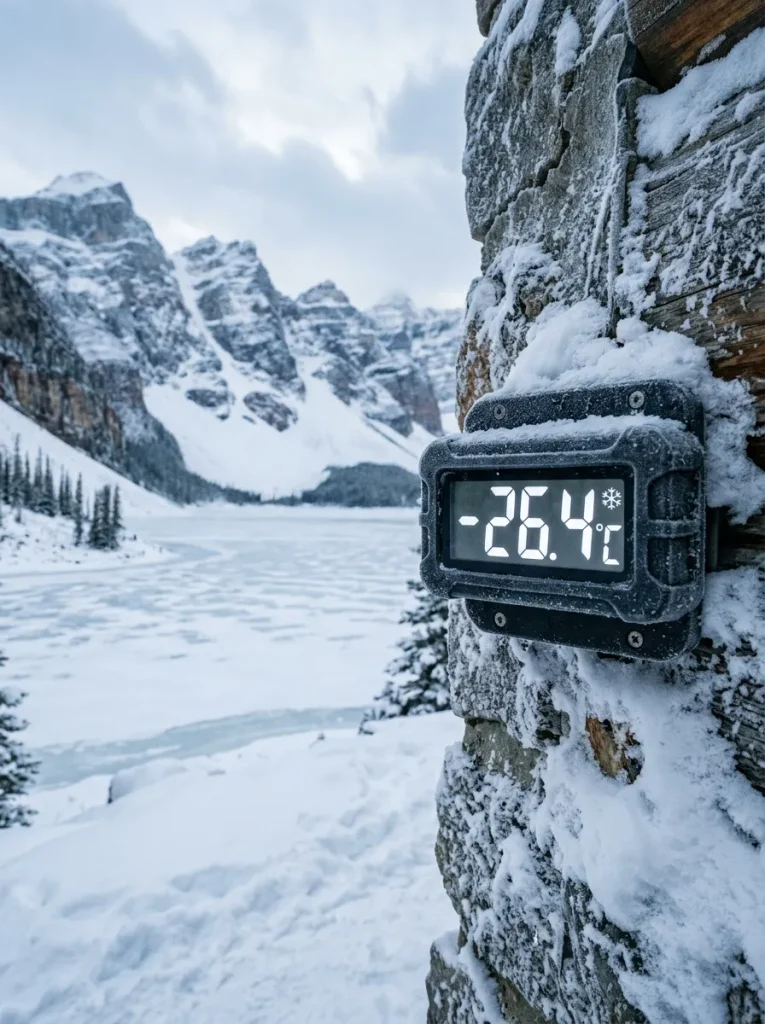
The best way to stay warm is to understand what you’re walking into.
Before leaving each morning, check:
- Temperature
- Wind
- Wind chill
- Snow
- Freezing rain
- Storm warnings
- Road conditions
- Sunrise and sunset
- Activity closures
Don’t look only at the temperature.
A calm 20°F day and a windy 20°F day can feel very different.
Likewise, a sunny winter afternoon may be comfortable while a damp, windy evening becomes unpleasant very quickly.
Choose Destinations That Match Your Cold Tolerance
Not every winter vacation needs to involve extreme cold.
If you love snow and don’t mind freezing temperatures, destinations in Scandinavia, Canada and mountain regions can be fantastic.
If you like winter scenery but prefer milder conditions, look for destinations where you can enjoy seasonal experiences without spending all day outdoors.
For example, our guide to places to travel February includes destinations offering different combinations of winter scenery, festivals, snow and warmer weather.
This is one of the easiest ways to make winter travel more comfortable: choose the climate first, then choose the activities.
Make Warmth Part of the Itinerary
Instead of treating indoor stops as interruptions, build them into the trip.
For example:
A cold city day
8:30 a.m. Breakfast
9:30 a.m. Outdoor sightseeing
11:30 a.m. Museum or café
1:00 p.m. Lunch
2:00 p.m. Outdoor neighborhood walk
4:00 p.m. Hotel warm-up
6:00 p.m. Christmas market
8:00 p.m. Dinner
This approach lets you enjoy the cold without allowing it to dominate the entire day.
Turn Winter Into Part of the Adventure
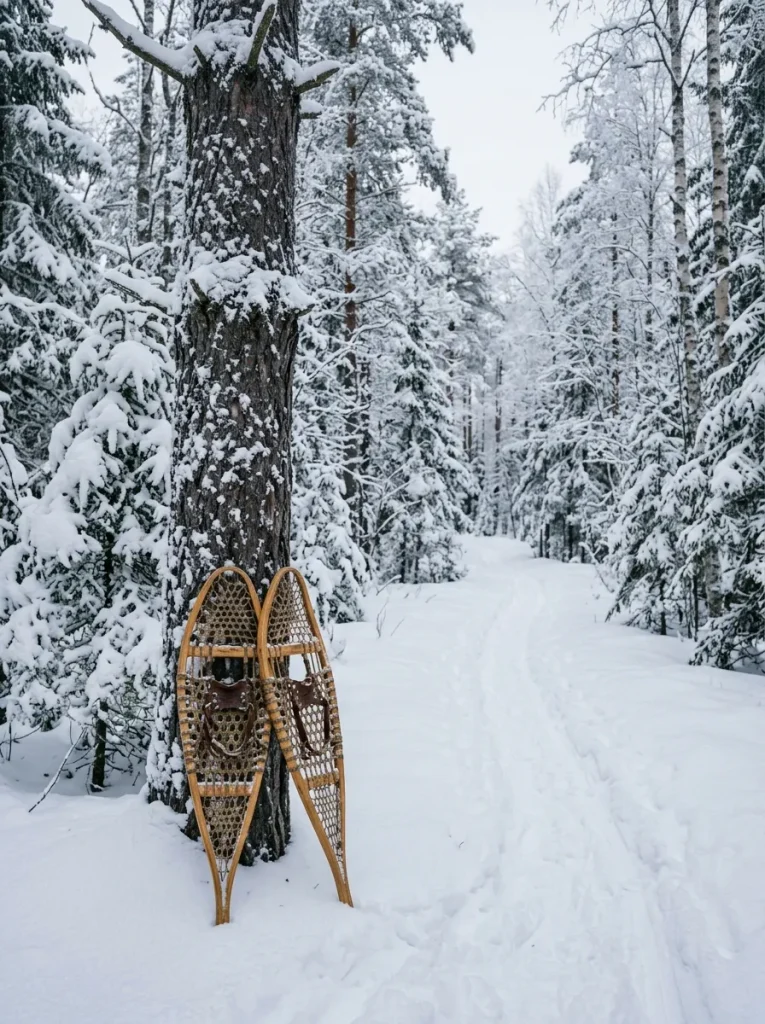
Staying warm doesn’t mean hiding indoors for the entire trip.
Some of the best winter experiences happen outside.
You might:
- Walk through a snowy old town
- Try snowshoeing
- Go ice skating
- Photograph frozen waterfalls
- Watch the Northern Lights
- Visit a Christmas market
- Take a scenic winter train
- Go dog sledding
- Explore a frozen lake
- Take a snowy road trip
If you’re looking for ideas, our winter bucket list ideas can help turn cold weather into part of the fun rather than something you simply tolerate.
The Biggest Mistakes People Make in Freezing Weather
Wearing one giant layer
One huge coat isn’t always better than several adjustable layers.
Wearing cotton next to the skin
Cotton can become cold when damp. Use moisture-managing base layers instead.
Ignoring wet socks
Wet feet can become cold quickly.
Change them.
Wearing tight boots
Tight footwear can make your feet colder.
Forgetting the wind
Temperature alone doesn’t tell the whole story.
Waiting until you’re freezing
Warm up before you’re deeply cold.
Sweating heavily
Remove a layer before you become soaked with sweat.
Leaving warm clothing in the hotel
Always carry enough clothing for unexpected changes in weather.
Ignoring early symptoms
Shivering and numbness are warnings, not minor inconveniences.
A Simple Freezing-Weather Outfit
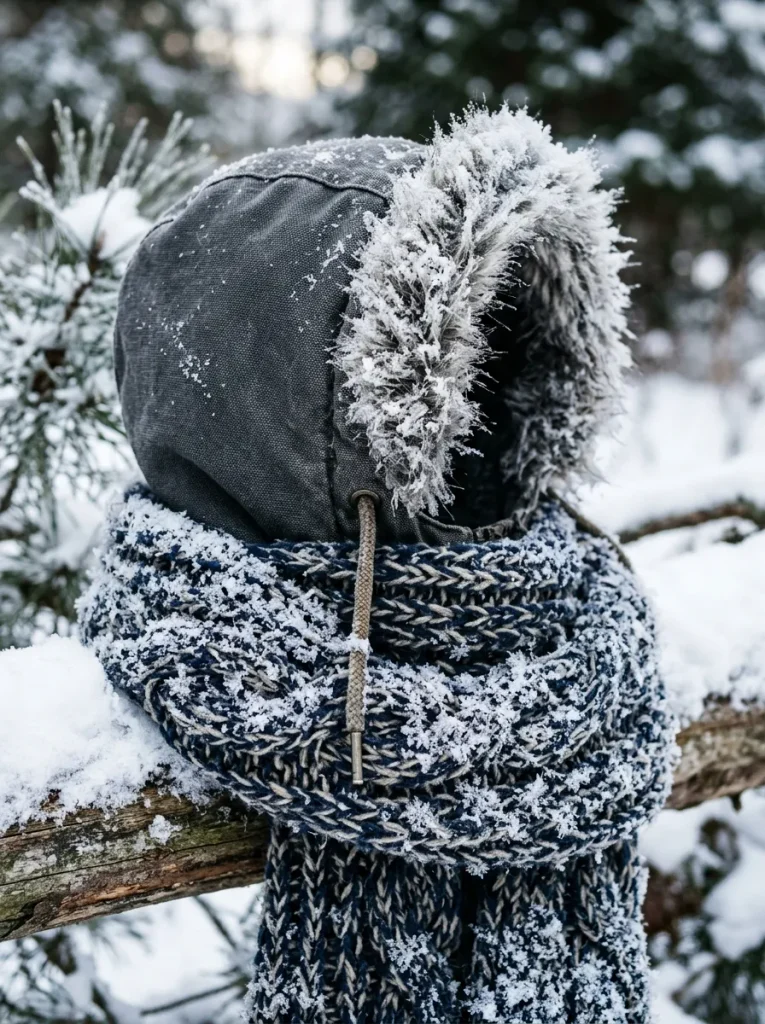
If you’re wondering what a practical outfit looks like, start here:
Head: Warm beanie + hood
Upper body: Moisture-wicking base layer + fleece + insulated waterproof jacket
Hands: Thin liner + insulated mittens
Lower body: Thermal leggings + insulated pants or weather-resistant trousers
Feet: Merino wool socks + insulated waterproof boots
Face: Scarf or neck gaiter
Then adjust according to the temperature, wind, precipitation and activity.
Freezing Weather Packing Checklist
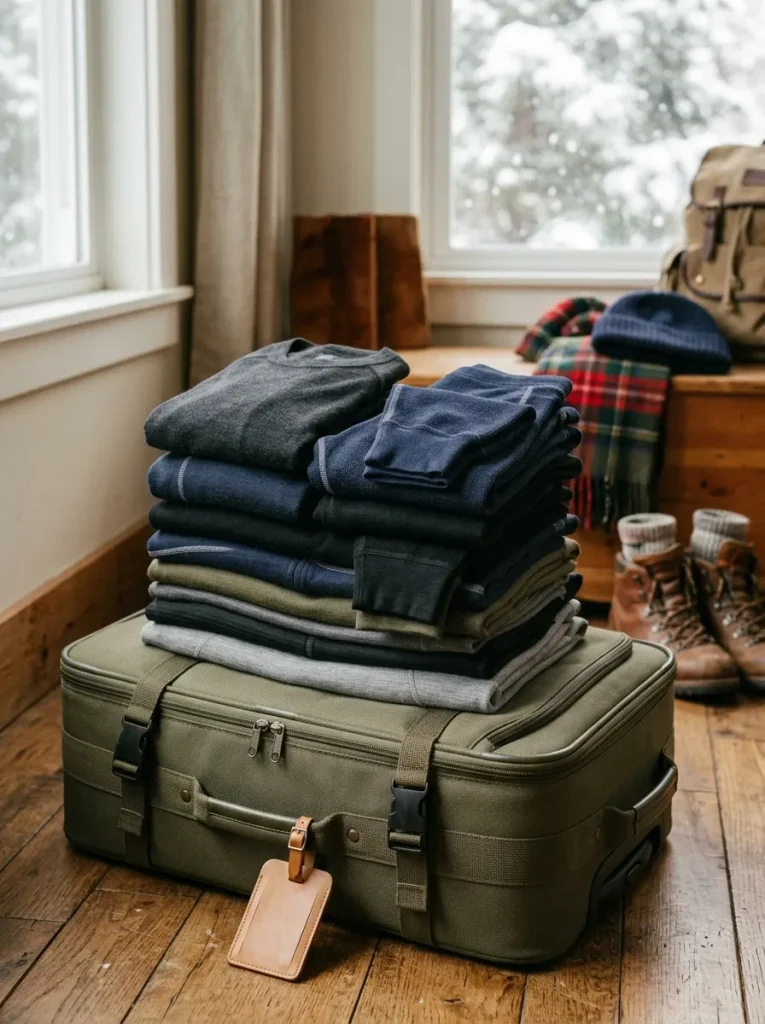
Before leaving for your winter trip, check that you have:
- Thermal base layers
- Insulating mid-layer
- Waterproof outer jacket
- Warm hat
- Scarf or neck gaiter
- Insulated gloves or mittens
- Merino wool socks
- Waterproof winter boots
- Extra socks
- Hand warmers
- Sunglasses
- Lip balm
- Moisturizer
- Reusable water bottle
- Snacks
- Portable charger
- Emergency blanket for remote trips
Final Thoughts
The secret to staying warm while traveling in freezing weather isn’t simply wearing more clothes.
It’s knowing how to manage layers, moisture, wind, movement and recovery.
Wear a moisture-managing base layer. Add insulation. Protect yourself from wind and precipitation. Keep your hands, feet, head and face covered. Change out of wet clothing quickly. Take regular indoor breaks, and don’t ignore early signs that your body is struggling with the cold.
Most importantly, choose your winter activities and destination based on the conditions you’re actually prepared to handle.
That way, the cold becomes part of the experience rather than the thing you spend the entire trip fighting.
Because there’s a big difference between saying, “It was freezing, but that snowy evening was incredible,” and saying, “I couldn’t feel my toes by 4 p.m.”
Aim for the first one.