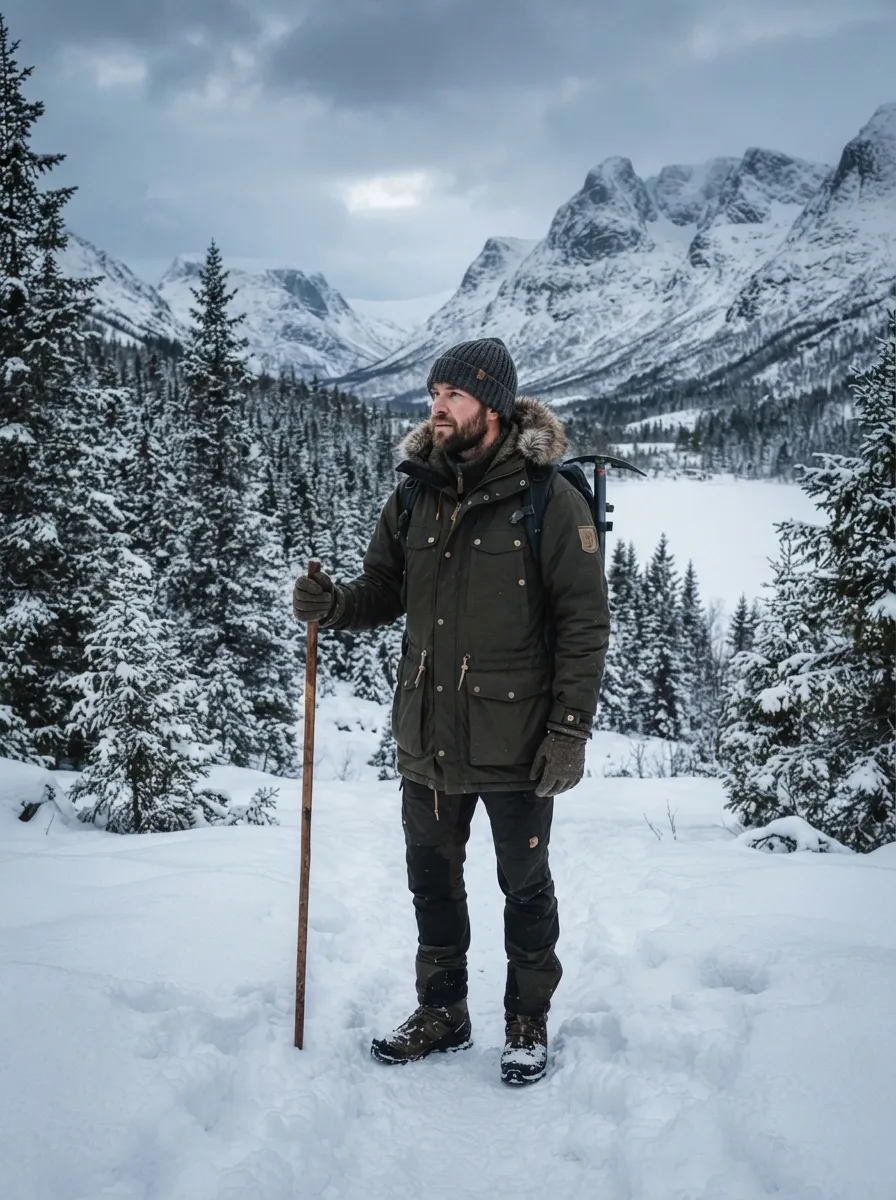
Winter Travel Essentials: 15 Things You Actually Need for Cold-Weather Adventures
Winter travel has a way of exposing every packing mistake.
That jacket that looked perfectly warm at home? Suddenly feels paper-thin when the temperature drops below freezing. The stylish shoes you planned to wear everywhere? They become useless after the first icy sidewalk. And forgetting something as simple as hand warmers can turn a beautiful winter morning into a battle against your own fingers.
The good news is that you don’t need to pack your entire closet to travel comfortably in winter. The trick is choosing versatile, warm, weather-resistant essentials that work together in layers.
Whether you’re exploring snowy mountain towns, wandering through European Christmas markets, hiking through a frozen landscape, or taking a city break in chilly weather, these 15 winter travel essentials can make your trip considerably more comfortable.
If you’re planning a cold-weather escape, consider this your practical winter packing checklist.
Recommended Travel Items for Your Trip
1. A Warm, Weather-Resistant Winter Jacket
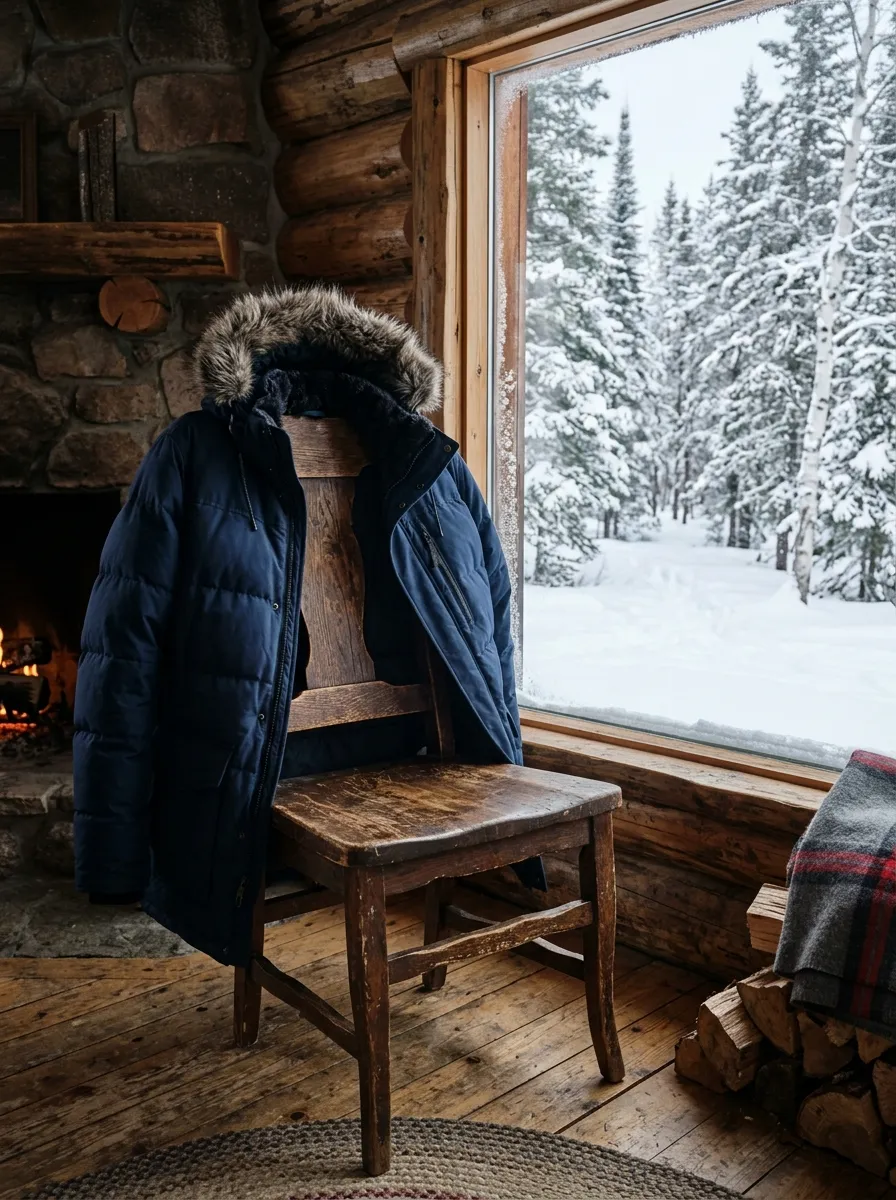
Your winter jacket is probably the most important item you’ll pack.
Look for a jacket that provides insulation while protecting you from wind, rain, or snow. A waterproof or water-resistant outer layer is especially useful because winter weather can change quickly.
For very cold destinations, insulated down or synthetic-filled jackets are excellent choices. If you’ll be moving between outdoor sightseeing and heated restaurants or museums, choose something warm without being excessively bulky.
A good winter jacket should ideally have:
- Insulated construction
- Wind-resistant outer fabric
- Water resistance
- A hood
- Secure pockets
- Enough room for a light layer underneath
Packing tip: Don’t judge a winter jacket only by how thick it looks. A well-designed insulated jacket can be warmer and easier to pack than a huge coat.
Available on Amazon:
2. Thermal Base Layers
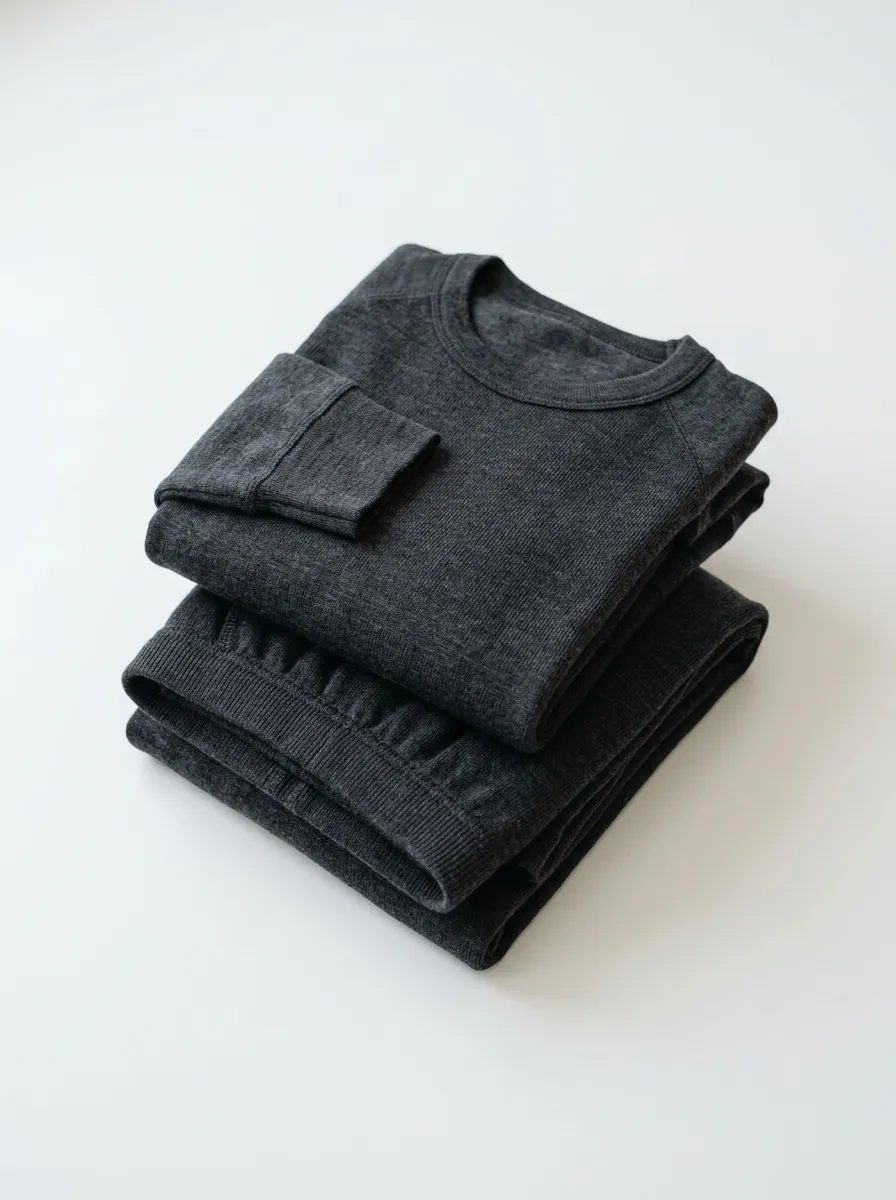
If there’s one packing strategy that can dramatically improve your winter trip, it’s layering.
Thermal underwear creates a warm base beneath your normal clothes without requiring you to wear an enormous sweater.
Pack at least one thermal top and bottom for a short winter trip. If you’re traveling for a week or more, having several pairs gives you more flexibility.
Look for materials such as:
- Merino wool
- Synthetic performance fabrics
- Lightweight thermal blends
Avoid relying entirely on cotton as your base layer in genuinely cold or wet conditions. Cotton absorbs moisture and can take a long time to dry.
The ideal winter layering system is simple: base layer + insulating layer + protective outer layer.
Available on Amazon:
3. Insulated Gloves
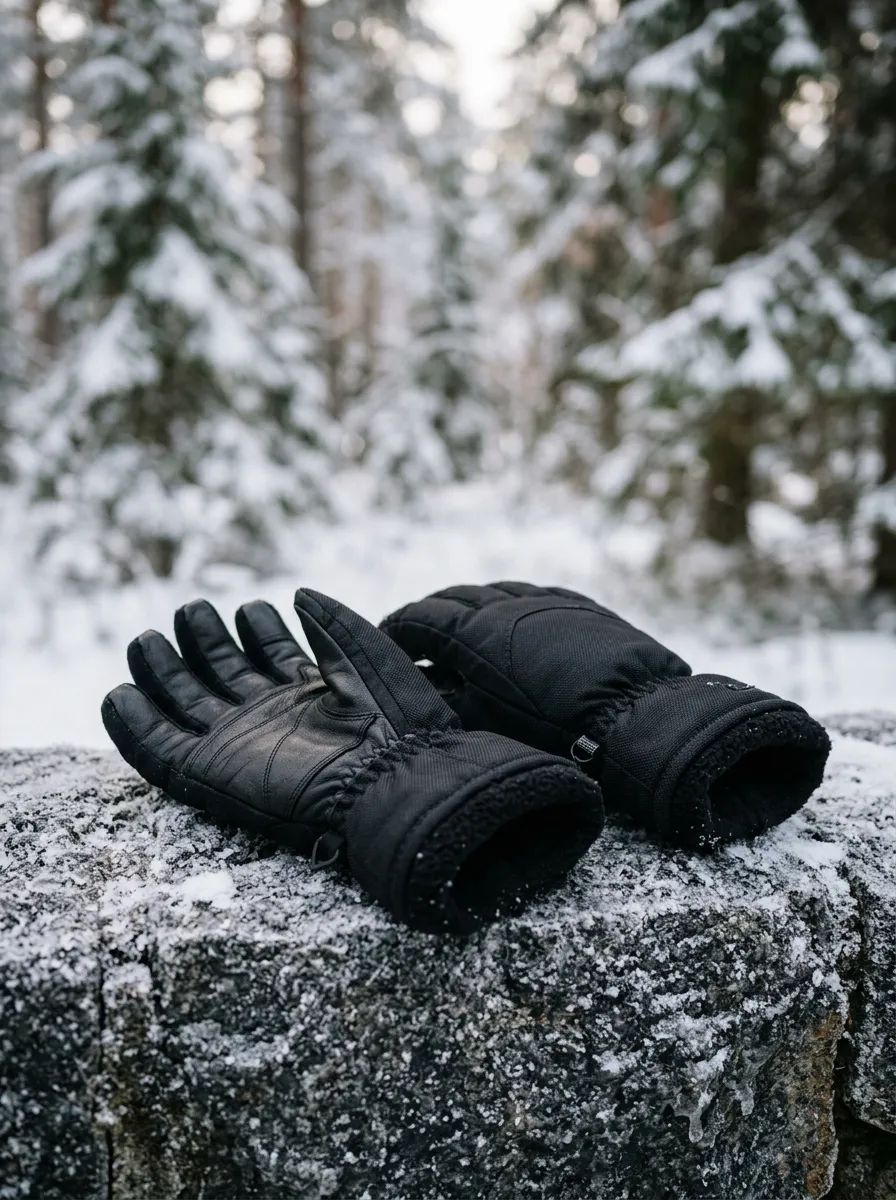
Cold hands can ruin sightseeing surprisingly quickly.
A pair of insulated gloves should be near the top of your winter packing list, especially if you’ll spend hours outdoors.
For city trips, touchscreen-compatible gloves are particularly convenient. They let you use your phone for maps, photography, tickets, and directions without repeatedly exposing your fingers to freezing air.
For snowy destinations, consider gloves with:
- Waterproof or water-resistant material
- Insulation
- Adjustable cuffs
- Touchscreen compatibility
- Grip on the palms
If you’re heading somewhere seriously cold, mittens can sometimes provide better warmth than traditional gloves because your fingers stay together.
Available on Amazon:
4. A Warm Winter Hat

Heat loss isn’t the only reason to wear a hat, but keeping your head and ears protected makes a noticeable difference when you’re outdoors for long periods.
A simple insulated beanie is easy to pack and works with almost any winter outfit.
For especially cold destinations, choose one that covers your ears completely.
A fleece-lined or wool hat can provide plenty of warmth without taking up much luggage space.
And unlike a giant winter coat, a beanie can disappear into your day bag when you step inside somewhere heated.
Available on Amazon:
5. A Versatile Scarf

A scarf is one of those rare travel accessories that is both practical and surprisingly useful.
Wrap it around your neck when temperatures drop, use it as an extra layer on a windy day, or keep it handy during long train, bus, or plane journeys.
A larger scarf can even work as an emergency shoulder wrap when you’re indoors somewhere chilly.
Choose a lightweight wool, cashmere blend, fleece, or other insulating material rather than a thin fashion scarf that offers little protection.
For winter city breaks, a neutral-colored scarf can also work with multiple outfits, helping you avoid overpacking.
Available on Amazon:
6. Waterproof, Comfortable Boots
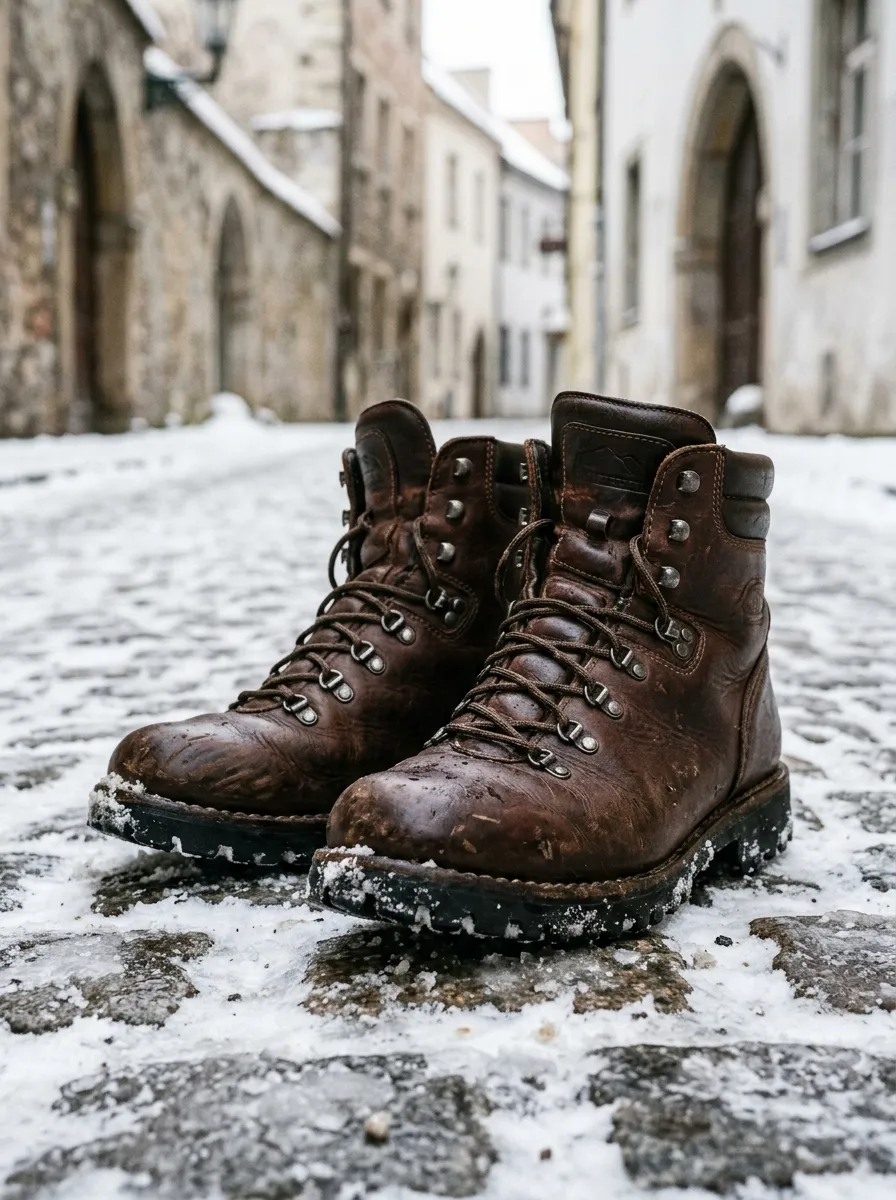
Winter sightseeing often means walking through conditions that your regular sneakers simply weren’t designed for.
Snow, slush, puddles, icy sidewalks, and wet streets can quickly turn uncomfortable footwear into a serious problem.
Look for boots that combine:
- Waterproofing
- Insulation
- Good traction
- Comfortable cushioning
- Ankle support
- Enough room for warm socks
Traction is particularly important. A beautiful boot with a slippery sole isn’t much use on an icy sidewalk.
Before your trip, break your boots in. Discovering that your supposedly perfect winter footwear causes blisters on day one is an unpleasant travel plot twist.
Available on Amazon:
7. Warm, Moisture-Wicking Socks
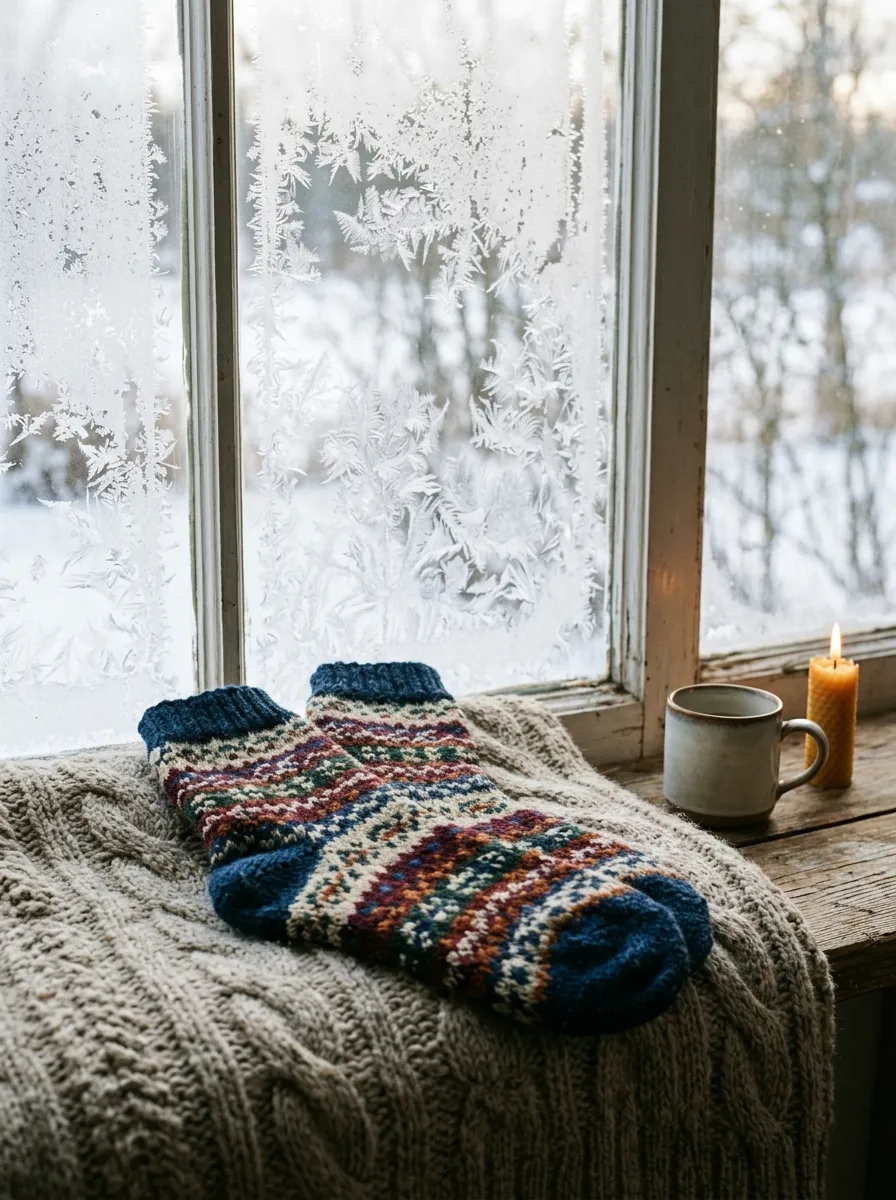
Don’t underestimate your socks.
Cold feet can make your entire body feel uncomfortable, particularly when you’re spending hours walking outdoors.
Merino wool socks are a popular winter travel choice because they provide warmth while helping manage moisture. Synthetic thermal socks can also work well.
Pack several pairs rather than relying on one or two.
For particularly cold trips, you may be tempted to wear multiple pairs at once. Be careful, though. If your boots become too tight, restricted circulation can actually make your feet colder.
Warm socks + properly fitting boots = much happier feet.
Available on Amazon:
8. A Compact Travel Umbrella
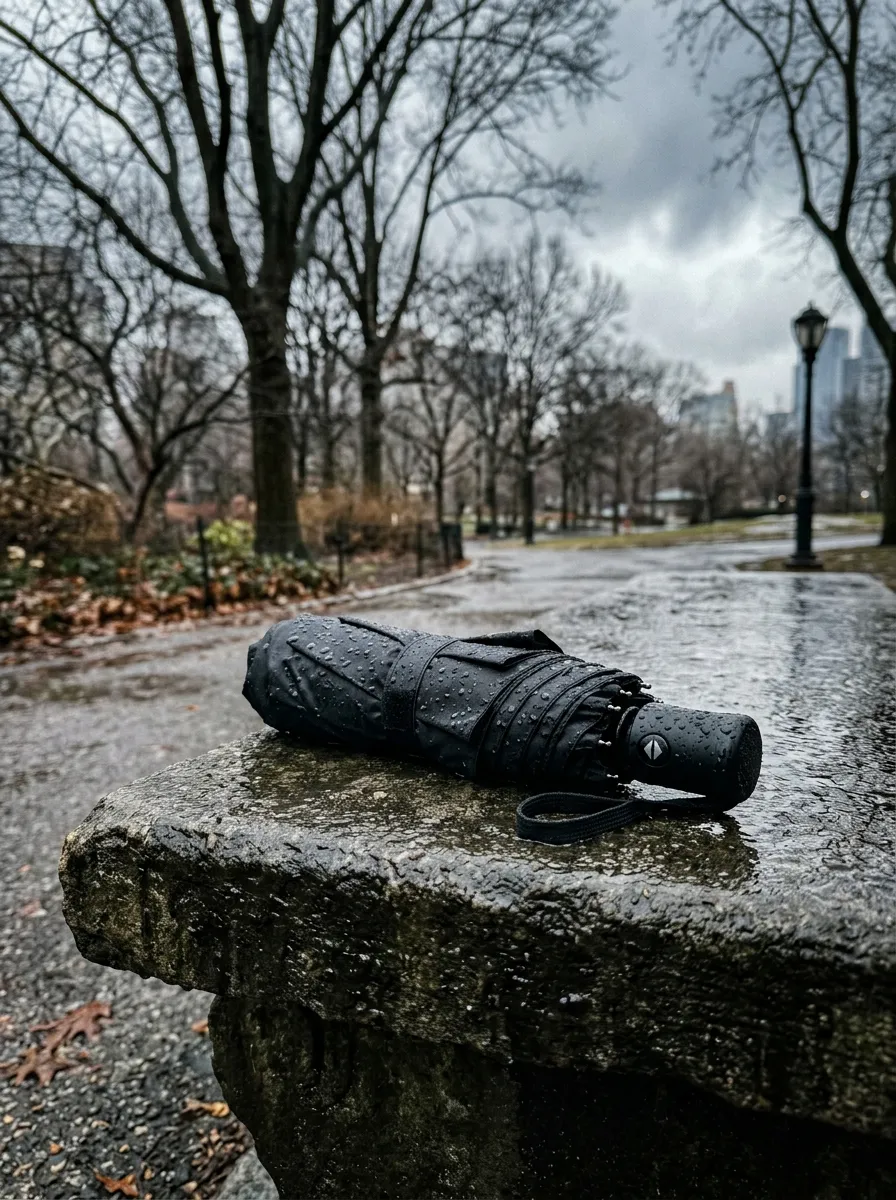
Snow isn’t the only weather you’ll encounter in winter.
Rain, freezing drizzle, sleet, and sudden showers can appear even when the forecast looks promising.
A compact umbrella takes up very little room and can be useful for winter city breaks.
Choose one that is:
- Small enough for your day bag
- Strong enough for moderate wind
- Quick-drying
- Lightweight
For destinations known for strong winds, a waterproof jacket with a hood may be more practical than relying heavily on an umbrella.
Available on Amazon:
9. Hand Warmers
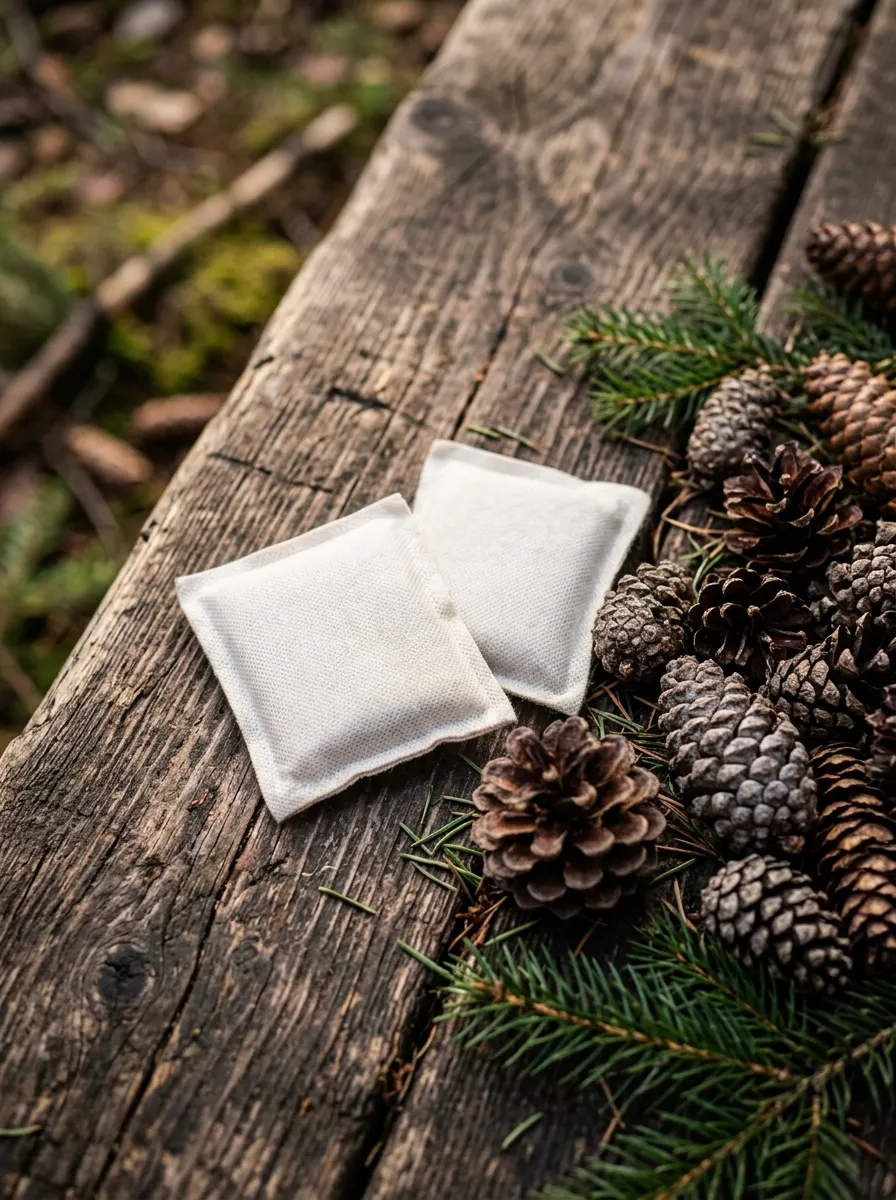
Hand warmers are tiny, inexpensive, and extremely useful.
They’re especially handy when you’re watching outdoor events, hiking, waiting for transportation, photographing landscapes, or exploring a city for several hours.
Disposable air-activated warmers can provide hours of heat, while rechargeable versions can be reused throughout your trip.
Keep a pair in your day bag rather than burying them inside your luggage.
They’re also useful for photographers who need to keep their hands warm while operating a camera.
If you’re taking your camera on a winter adventure, you may also want to read our guide to the best travel cameras of 2026: The Ultimate Guide to the Best Travel Cameras of 2026.
Available on Amazon:
10. Lip Balm and Moisturizer
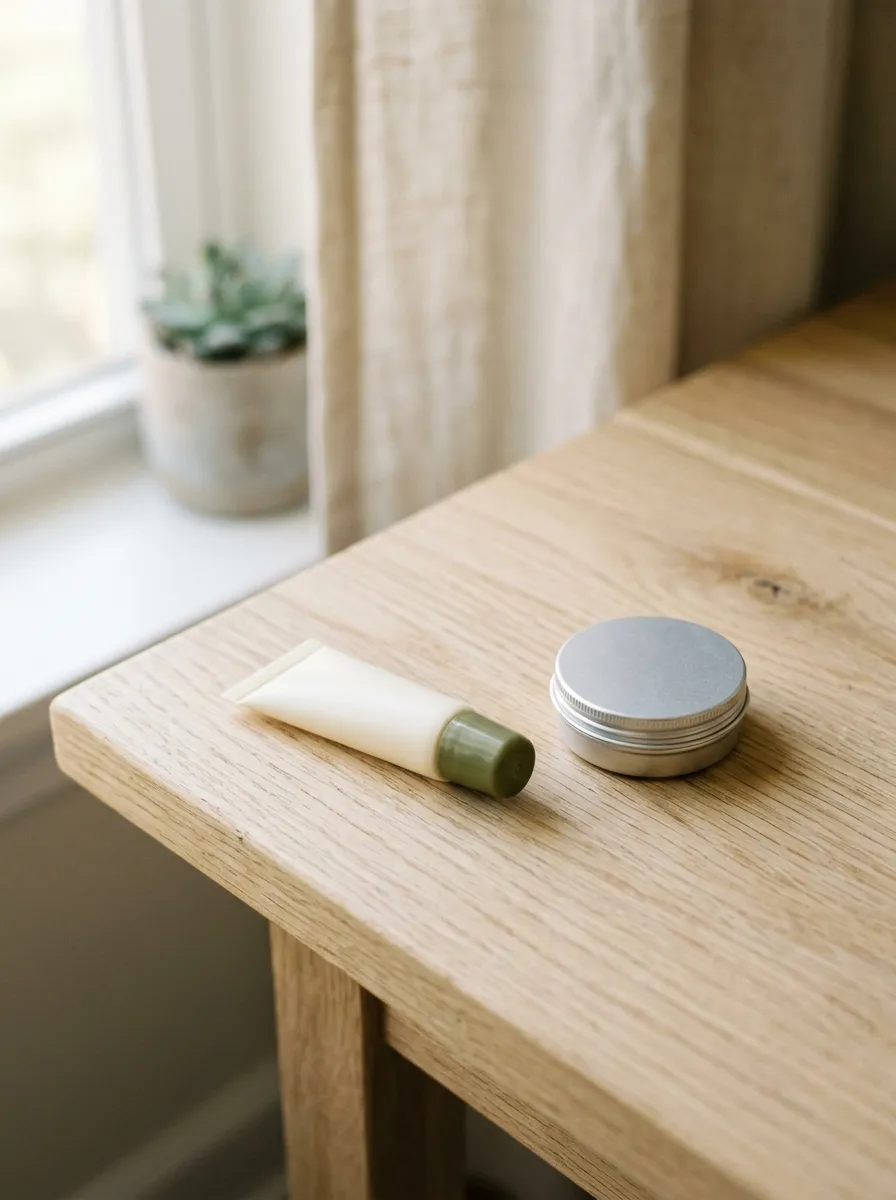
Winter air can be brutal on your skin.
Cold temperatures, dry indoor heating, wind, and low humidity can leave your lips and hands cracked and uncomfortable.
A small tube of moisturizing lip balm belongs in your personal item or day bag. A travel-sized hand cream or moisturizer is equally useful.
Look for products designed for dry or weather-exposed skin.
Don’t wait until your lips are already painfully dry before using them. Applying moisturizer regularly is much easier than trying to repair severely chapped skin halfway through your trip.
Available on Amazon:
11. Portable Power Bank
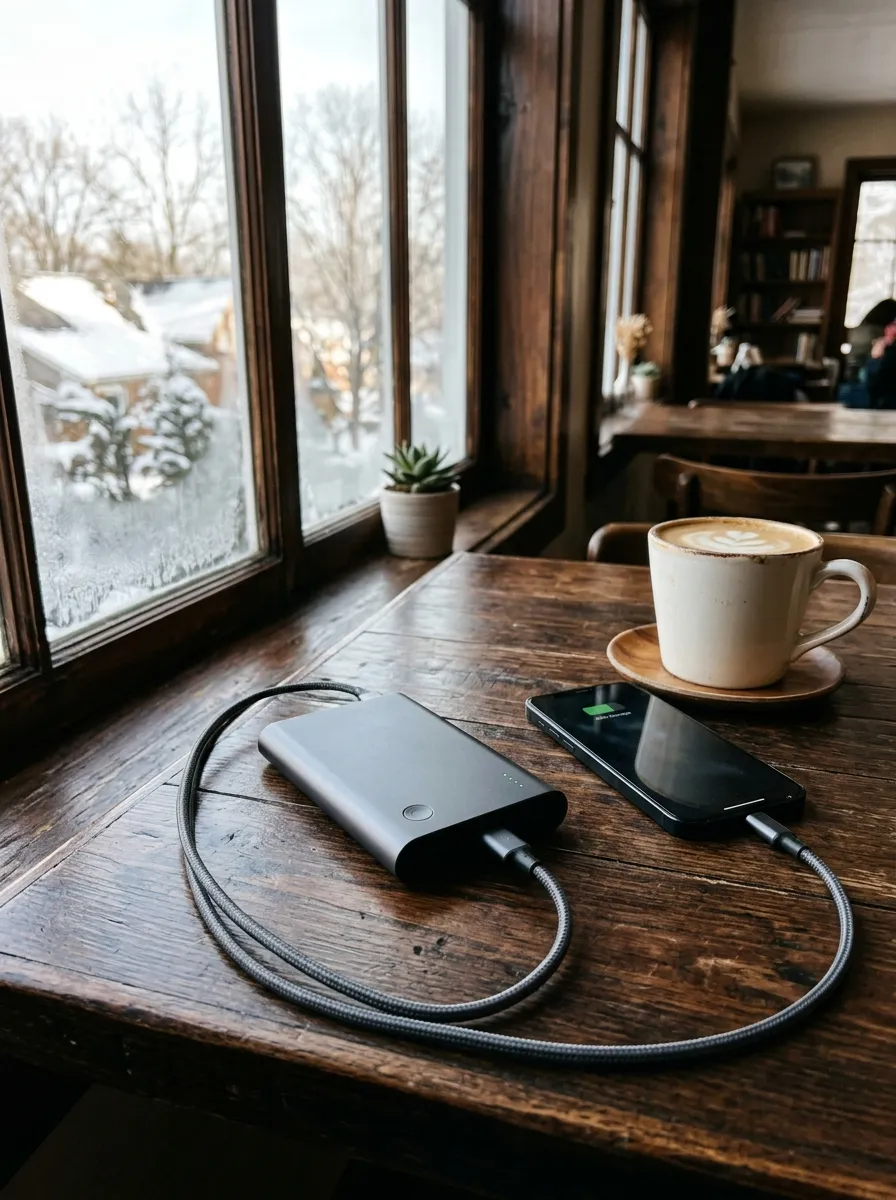
Cold weather can affect battery performance, and heavy phone use can drain your battery quickly.
Winter travelers often rely heavily on their phones for:
- Navigation
- Weather forecasts
- Translation
- Digital tickets
- Restaurant reservations
- Photography
- Transportation information
A compact power bank gives you a backup when you’re away from an outlet.
Keep your power bank and phone somewhere relatively warm rather than leaving them exposed to freezing temperatures for extended periods.
If photography is a major part of your trip, bring spare camera batteries as well.
Available on Amazon:
12. A Daypack With Weather Protection
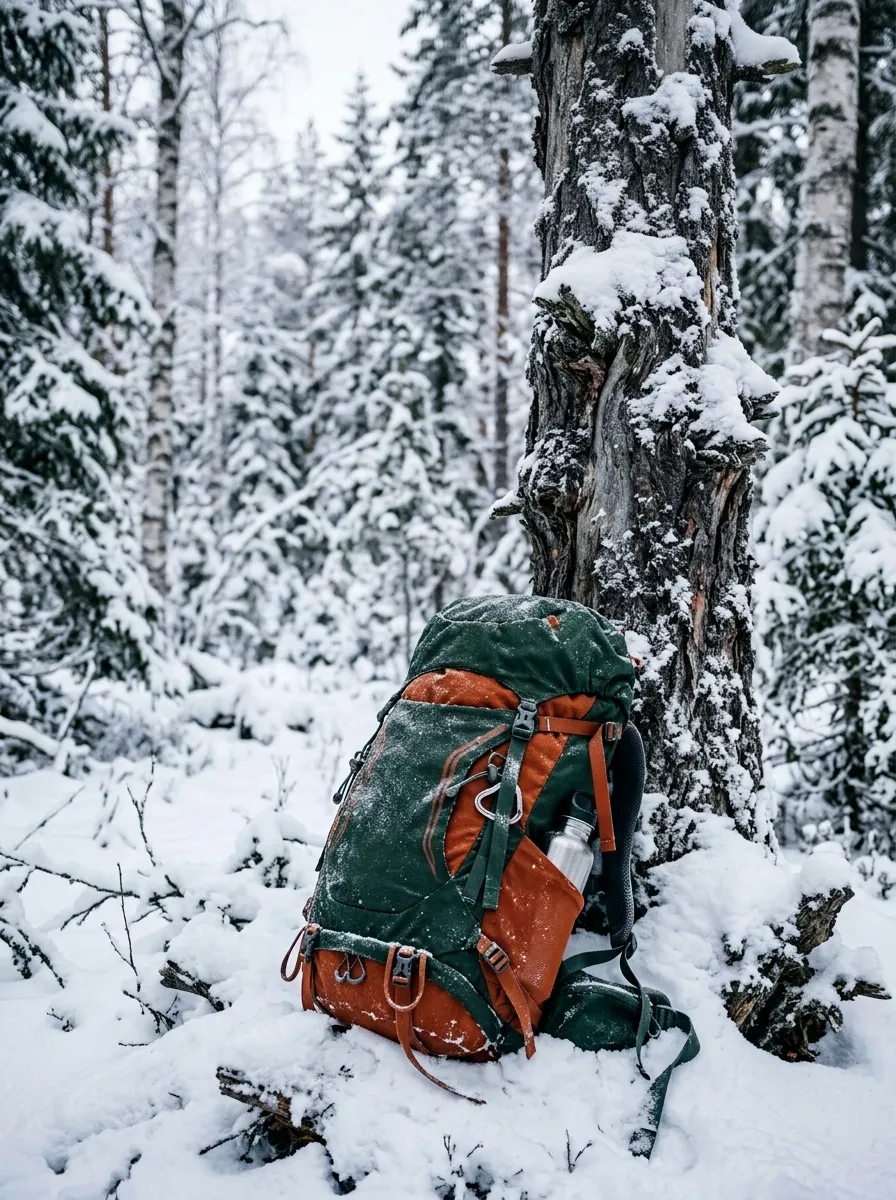
Your winter daypack needs to carry more than a summer sightseeing bag.
You’ll likely need room for:
- Gloves
- Hat
- Scarf
- Water bottle
- Snacks
- Power bank
- Camera
- Extra layers
- Umbrella
A water-resistant backpack is ideal. A separate rain cover provides another layer of protection when conditions get wet.
Choose a comfortable pack rather than something purely fashionable. You’ll notice the difference after several hours of walking.
If you’re traveling light, our guide to one-bag travel packing can help you think through how to reduce unnecessary luggage while still bringing the essentials: One-Bag Travel Packing That Actually Works.
Available on Amazon:
13. Reusable Water Bottle
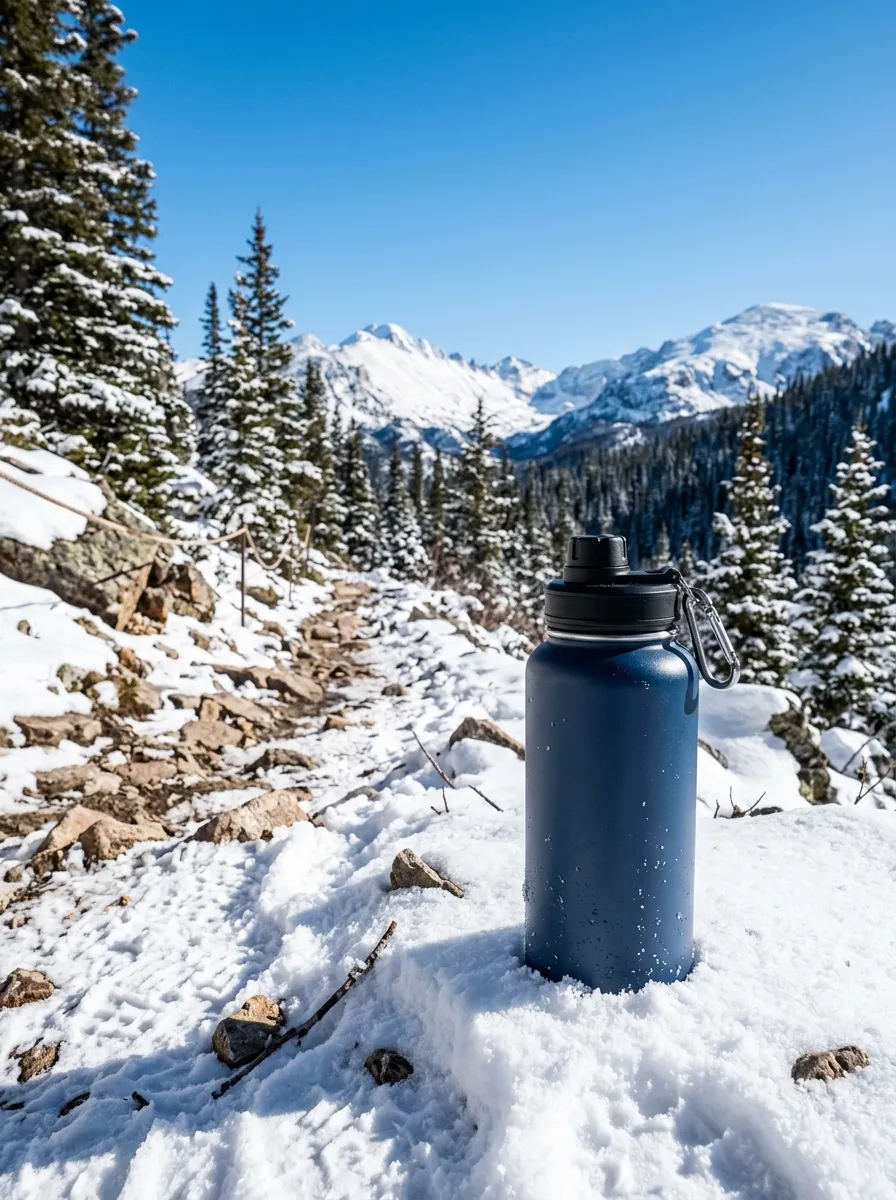
Cold weather doesn’t mean you stop needing hydration.
In fact, travelers can forget to drink enough water because they don’t feel as thirsty as they might during hot-weather vacations.
A reusable insulated bottle is particularly useful in winter. It can keep drinks warm or cold and can make long outdoor days more comfortable.
For snowy destinations, choose a bottle with a secure lid that won’t leak inside your backpack.
A compact thermos can also be a wonderful addition if you’re spending long periods outdoors.
Imagine reaching a scenic viewpoint in freezing weather and having hot tea waiting in your bag. That’s a small luxury with excellent timing.
Available on Amazon:
14. Travel-Friendly Toiletries and Medication Basics
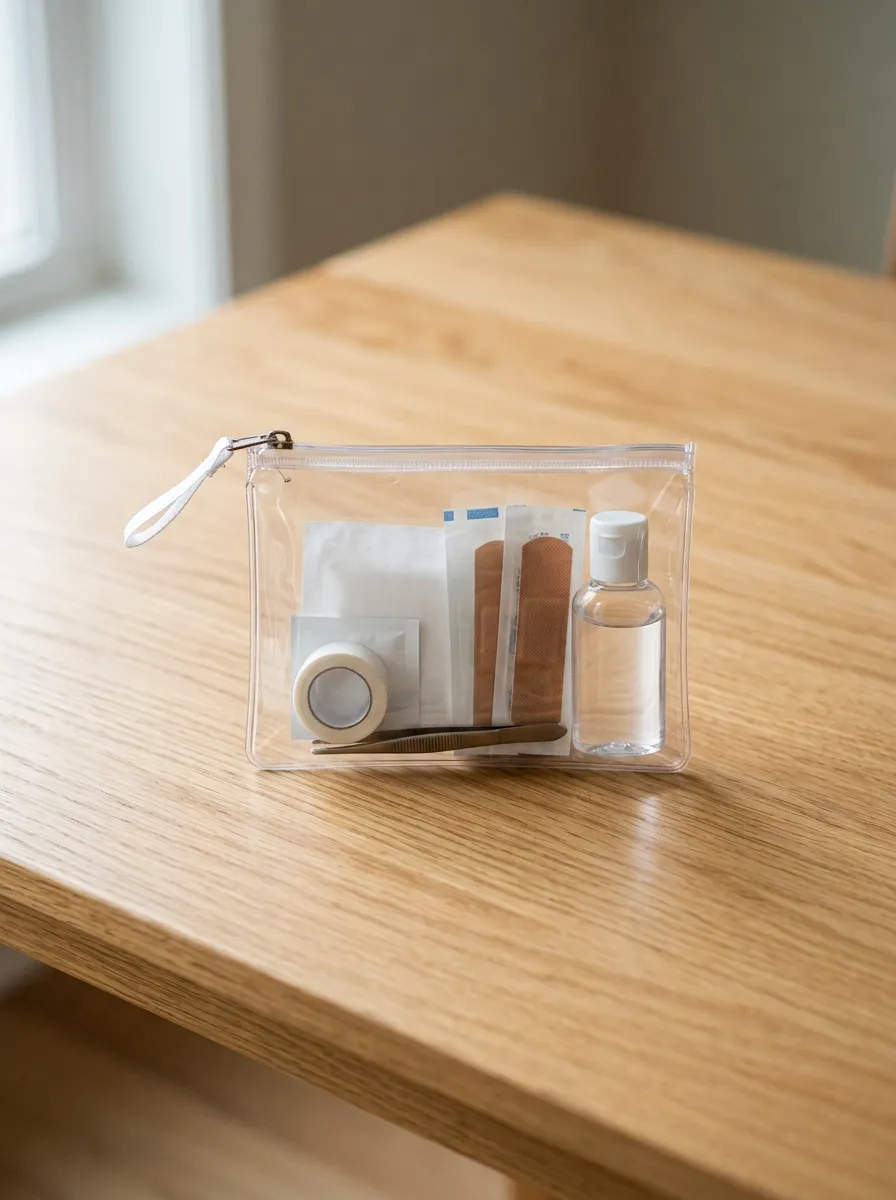
Winter trips can involve long flights, dry hotel rooms, changing temperatures, and unfamiliar environments, so having a few personal-care basics is worthwhile.
Your small travel kit might include:
- Personal medications
- Basic pain relief
- Bandages
- Hand sanitizer
- Tissues
- Moisturizer
- Lip balm
- Travel-size toiletries
Keep essential medication in your carry-on rather than packing everything in checked luggage.
If you’re traveling internationally, keep medications in their original packaging when appropriate and check the rules of your destination before departure.
The goal isn’t to build a miniature pharmacy. It’s simply to avoid hunting through an unfamiliar city for something you could have packed in a tiny pouch.
Available on Amazon:
15. A Portable Travel Blanket or Warm Layer

The final item on this winter travel essentials list is especially useful for flights, trains, road trips, and long-distance transportation.
A compact travel blanket, oversized shawl, or lightweight insulated wrap can provide an extra layer of warmth without taking up much luggage space.
It can also double as:
- A plane blanket
- A train layer
- An extra hotel-room layer
- A picnic blanket in milder weather
- An emergency warming layer
Choose something that compresses easily into a pouch.
If you already have an excellent winter jacket and don’t want to carry another bulky item, a lightweight packable insulated layer may be a better option.
Available on Amazon:
Winter Travel Essentials Packing Checklist
Before you zip up your suitcase, run through this quick checklist:
| Essential | Why You Need It |
| Winter jacket | Protection from cold, wind, and precipitation |
| Thermal base layers | Adds warmth without excessive bulk |
| Insulated gloves | Keeps hands comfortable outdoors |
| Winter hat | Protects your head and ears |
| Scarf | Adds warmth and versatility |
| Waterproof boots | Handles snow, slush, and wet streets |
| Warm socks | Keeps feet comfortable |
| Compact umbrella | Useful for winter rain |
| Hand warmers | Extra warmth on very cold days |
| Lip balm & moisturizer | Helps combat dry winter air |
| Power bank | Keeps your devices charged |
| Weather-resistant daypack | Carries your daily essentials |
| Reusable water bottle | Helps you stay hydrated |
| Toiletry/medication kit | Covers everyday personal needs |
| Travel blanket/warm layer | Useful on transport and during outdoor activities |
How to Pack Winter Clothes Without Filling Your Suitcase
Winter clothing is bulky, so packing strategically matters.
Instead of bringing a different heavy outfit for every day, build your wardrobe around interchangeable layers.
For example:
Base:
2–3 thermal tops + 2 thermal bottoms
Mid-layer:
2 sweaters or fleece layers
Outer layer:
1 quality winter jacket
Accessories:
1 hat + 1 scarf + 1 pair of gloves
Footwear:
1 pair of waterproof winter boots + optional lightweight second pair
This approach gives you multiple combinations without requiring a suitcase the size of a small refrigerator.
Rolling lighter clothing can save space, while compression packing cubes can help organize bulky layers.
What to Wear on a Winter Travel Day
For a typical cold-weather sightseeing day, try:
Top: thermal base layer + sweater/fleece + insulated jacket
Bottom: thermal leggings or base layer + comfortable trousers
Feet: warm socks + waterproof boots
Accessories: hat + scarf + insulated gloves
Bag: water bottle + power bank + lip balm + hand warmers + compact umbrella
The beauty of this system is flexibility. If the afternoon warms up, remove a layer. If temperatures plunge after sunset, put it back on.
Winter Travel Essentials for Different Types of Trips
Not every winter destination requires the same equipment.
For a Winter City Break
Prioritize comfortable waterproof footwear, a warm jacket, gloves, a hat, scarf, and a compact daypack.
You’ll probably spend plenty of time walking between museums, restaurants, markets, shops, and attractions, so comfort matters more than extreme expedition gear.
For inspiration, you can also explore our guide to the colorful Ribeira waterfront district in Porto, particularly if you’re planning a European winter city escape: The Colorful Ribeira Waterfront District: The Complete 2026–27 Guide.
For a Mountain or Snow Trip
You’ll need more serious protection.
Prioritize:
- Waterproof outerwear
- Insulated boots
- Thermal layers
- Waterproof gloves
- Warm socks
- Hat
- Neck protection
- High-quality traction
Your clothing should be selected according to the actual temperatures and activities rather than simply the word “winter.”
For a Christmas Market Trip
A good layering system is your best friend.
Christmas markets often involve standing or walking outdoors for hours, particularly after sunset.
Warm footwear, gloves, a hat, and hand warmers can make a surprisingly big difference.
If European Christmas markets are on your itinerary, our Best European Christmas Markets 2026 Guide is another useful planning resource: Best European Christmas Markets 2026 Guide.
For a Winter Road Trip
Comfort becomes particularly important when you’re spending hours inside a vehicle.
Bring:
- Warm blanket
- Comfortable layers
- Water bottle
- Snacks
- Power bank
- Emergency supplies
- Sunglasses
- Weather-appropriate footwear
Keep your warm clothing accessible rather than buried under luggage in the trunk.
Don’t Forget Sunglasses
This one doesn’t always make the traditional winter packing list, but it’s worth mentioning.
Snow and ice can reflect significant amounts of sunlight, making sunglasses useful even when temperatures are extremely low.
They’re also helpful when driving through bright winter landscapes.
Choose a pair that provides adequate UV protection and fits comfortably with your winter hat.
Winter Travel Safety Tips
Winter adventures can be incredible, but cold weather deserves respect.
Check the weather forecast before heading out each day, particularly if you’re traveling into mountainous or remote areas.
If conditions are expected to become severe, reconsider outdoor activities rather than treating bad weather as part of the adventure.
For hiking or remote travel, let someone know your plans and carry appropriate navigation and emergency equipment.
Also remember that wet clothing can become a problem much faster than cold clothing. Staying dry is often just as important as staying warm.
If you’re taking a road trip through winter conditions, our Ultimate Road Trip Checklist can help you prepare for the practical side of the journey: The Ultimate Road Trip Checklist: What to Pack & Plan.
Final Thoughts: Pack for Layers, Not Bulk
The best winter travel essentials aren’t necessarily the biggest or most expensive things in your suitcase.
A carefully chosen combination of layers, waterproof footwear, warm accessories, weather protection, and a few practical travel gadgets can take you much further than a suitcase stuffed with oversized sweaters.
Think about the conditions you’ll actually encounter. A mild European city break requires a very different packing strategy from a snowy mountain adventure.
Pack smart, keep your warmest essentials accessible, and leave a little room for whatever you inevitably bring home.
Because winter travel is much more enjoyable when you’re admiring a frozen landscape instead of wondering whether your toes still exist. ❄️