Things to Do in Minnesota: The Complete 2026–27 Travel Guide
Minnesota doesn’t advertise itself the way Colorado or California do, and that’s exactly why it keeps surprising first-time visitors. This is a state with more shoreline than California, Florida and Hawaii combined once you count its 10,000-plus lakes and stretch of Lake Superior coast, a nationally ranked art museum sitting inside a city best known for a shopping mall, and one of the last true wilderness paddling areas left in the continental United States a few hours from a major international airport. The Twin Cities of Minneapolis and Saint Paul anchor one of the most livable, culturally dense metro areas in the Midwest, while the North Shore and the Boundary Waters deliver a version of wild, untouched nature that most people don’t associate with a state this far from the mountains or the coasts.
This guide covers things to do in Minnesota for the rest of 2026 and into 2027, and the timing genuinely matters here. Minnesota runs on one of the most dramatic seasonal swings in the country — a state fair that draws nearly two million people in twelve days, a winter carnival built specifically to defy sub-zero temperatures, a Boundary Waters permit system that opens on a fixed date each January and fills up fast, and a fall color season on the North Shore that peaks for a narrow window most visitors miss by guessing wrong. Get the calendar right and Minnesota delivers some of the best value, least crowded, and most genuinely distinctive travel in the Midwest.
Whether you’re planning a Twin Cities weekend built around art museums and the Mall of America, a canoe trip into the Boundary Waters Canoe Area Wilderness, or a fall drive up the North Shore chasing waterfalls and lighthouse views, this guide breaks down what’s actually worth your time, what’s changed for 2026 and 2027, and how to avoid the two biggest mistakes visitors make here: underestimating the distances between regions, and underestimating the weather in every season, not just winter.
Recommended Travel Items for Your Trip
AT A GLANCE: MINNESOTA
- Best overall time to visit: May through October for most of the state; late January and February for winter culture
- Best city base: Minneapolis or Saint Paul
- Best for families: Mall of America and the Twin Cities
- Best for wilderness and paddling: Boundary Waters Canoe Area Wilderness, near Ely
- Best scenic drive: North Shore Scenic Drive along Lake Superior
- Biggest annual event: Minnesota State Fair, Aug. 27–Sept. 7, 2026
- Best budget choice: The Twin Cities’ free and low-cost museums
- Ideal trip length: 3–4 days for the Twin Cities; 7+ days to add the North Shore or Boundary Waters
Minnesota at a Glance: Where to Focus Your Time
Minnesota is a big state — driving from the Twin Cities to the Canadian border takes roughly five to six hours — so knowing which regions match your interests matters more here than almost anywhere else in this guide series.
| Region | Best For | Best Upcoming Time | Suggested Stay | Main Consideration |
| Twin Cities (Minneapolis/St. Paul) | Museums, food, the State Fair, urban culture | Year-round | 3–4 nights | Winters are genuinely harsh |
| North Shore / Duluth | Scenic drives, waterfalls, Lake Superior views | May–Oct, especially fall | 2–3 nights | Long drive from the Twin Cities (2.5+ hours) |
| Boundary Waters (Ely area) | Wilderness canoeing, remote camping | Late May–Sept | 3–7 nights | Requires advance permits and real backcountry planning |
| Brainerd Lakes Area | Classic Minnesota lake-cabin culture | Jun–Aug | 2–4 nights | Extremely busy on summer weekends |
| Southern Minnesota (Rochester, Pipestone) | Quieter, less-touristed stops | May–Oct | 1–2 nights | Fewer direct transit options |
Why Minnesota Deserves a Spot on Your Itinerary
Minnesota’s identity problem is really a marketing problem — mention the state and most people picture flat farmland and cold winters, which undersells a place that holds a nationally ranked encyclopedic art museum, a theater company with no real peer in American regional theater, over a million acres of roadless wilderness lakes, and a stretch of Lake Superior coastline dramatic enough to genuinely surprise visitors expecting a landlocked Midwestern state. Add in one of the most beloved state fairs in the country and a culture that treats its public spaces and arts funding seriously, and Minnesota earns a longer visit than the layover-or-drive-through treatment it usually gets.
When to Visit Minnesota: Weather, Seasons and Events
Late 2026: What’s on the Calendar Right Now
If you’re reading this in August 2026, the timing is close to perfect: the Minnesota State Fair runs August 27 through Labor Day, September 7, 2026, and this is genuinely one of the best windows to experience the state’s culture in concentrated form. September and October bring Minnesota’s best weather for outdoor exploring — warm days, cool nights, and the North Shore’s fall color season, which generally peaks in late September into early October, though exact timing shifts year to year with weather. November begins the transition into true Minnesota winter, with the first snow typically arriving by late in the month.
Minnesota Winter: What to Actually Expect
December through February brings serious cold — average highs in the Twin Cities run in the low 20s Fahrenheit, with nights regularly dropping below zero, and it’s colder still up north near the Boundary Waters. This isn’t a season to avoid entirely; Minnesotans build an entire culture around it, from ice fishing to cross-country skiing to the Saint Paul Winter Carnival. But it does require real cold-weather gear, not a heavy coat improvised from a milder climate’s wardrobe.
WEATHER WARNING
Minnesota winter cold is not casual-visitor cold. Wind chill regularly pushes temperatures well below zero Fahrenheit, and frostbite can develop on exposed skin in minutes during severe cold snaps. If you’re visiting for winter events like the Saint Paul Winter Carnival, layer seriously, keep extremities covered, and treat “just running to the car” with the same caution you’d give a longer outdoor stretch. Lake and river ice should never be trusted without local confirmation of thickness and safety, even when it looks solid.
Saint Paul Winter Carnival 2027
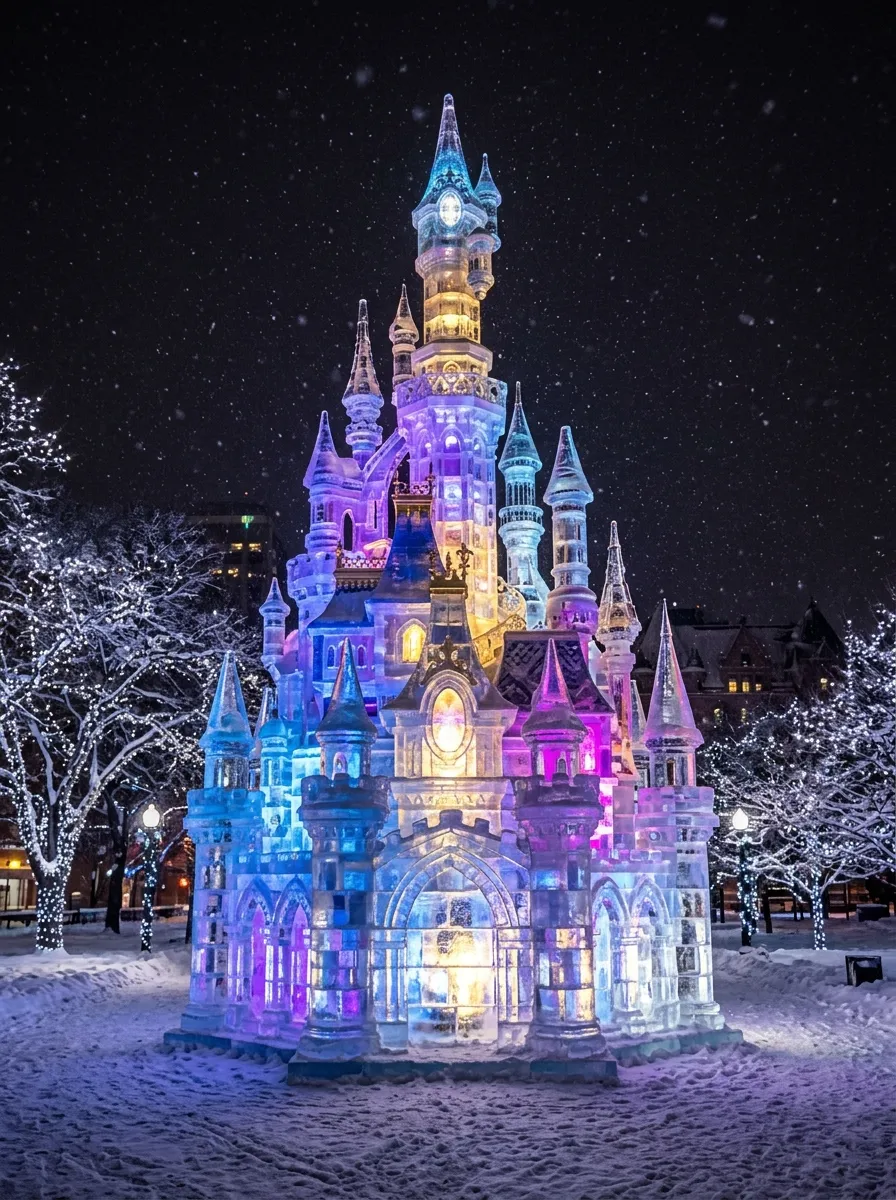
The oldest winter festival in the United States, the Saint Paul Winter Carnival dates back to 1886 and is scheduled for January 28 through February 6, 2027, based on the festival’s typical late-January-to-early-February pattern — confirm final dates on the official Winter Carnival site closer to the event, since scheduling can shift slightly year to year. Expect an ice palace or elaborate snow sculptures, the King Boreas Grand Day Parade, and the Vulcan Victory Torchlight Parade, spread across Rice Park, the Landmark Center and the Minnesota State Fairgrounds.
If sub-zero festival culture isn’t your idea of a good time, it might be worth planning the opposite kind of trip for the same season — this Honolulu bucket list covers Hawaii’s tropical highlights for a warm-weather escape that couldn’t be further from a Minnesota January.
Spring and Summer 2027
April and May bring Minnesota’s thaw and its wildflower season, along with noticeably fewer crowds than summer. June through August is peak lake season — warm, humid, and the busiest stretch statewide, especially around the Brainerd Lakes area and the Boundary Waters, where summer permits for 2027 become available on a first-come, first-served basis starting January 27, 2027. Given how quickly popular entry points and dates fill, reserving early is genuinely worth the effort if a Boundary Waters trip is part of your plan.
The Twin Cities: Minneapolis and Saint Paul
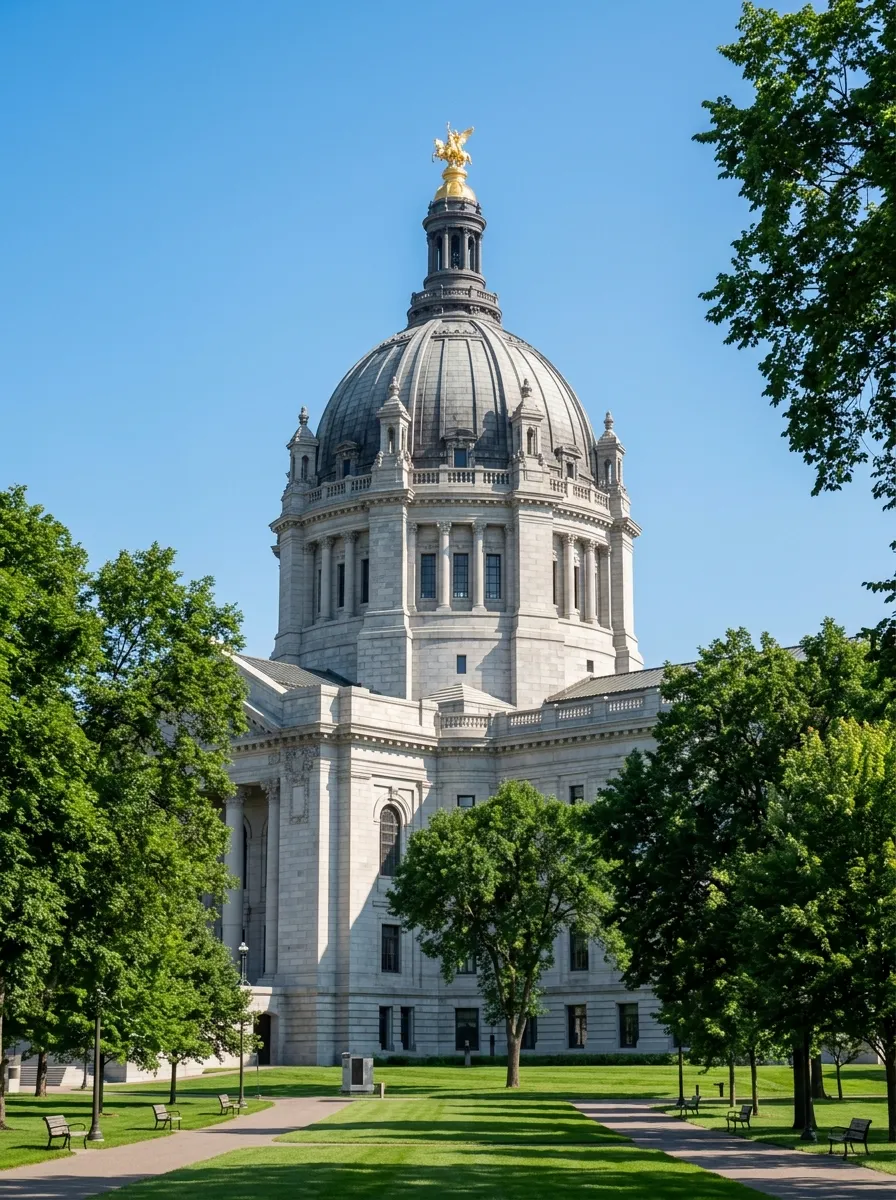
Minneapolis and Saint Paul sit at the confluence of the Minnesota and Mississippi rivers and together hold over half the state’s population, but they have distinct personalities. Minneapolis drives much of the region’s cultural and culinary energy, with the Walker Art Center and Minneapolis Institute of Art both nationally ranked, alongside the North Loop’s dense restaurant and cocktail-bar scene and the world’s longest skyway system — an 8-mile network of enclosed walkways connecting 80 city blocks, which becomes genuinely useful in winter.
Saint Paul, the state capital, is quieter and more historic in character, centered around Rice Park, the Landmark Center and the State Capitol building, and it’s home to the Saint Paul Winter Carnival and much of the Minnesota State Fair’s civic identity, even though the fairgrounds themselves sit in Falcon Heights between the two cities.
Mall of America
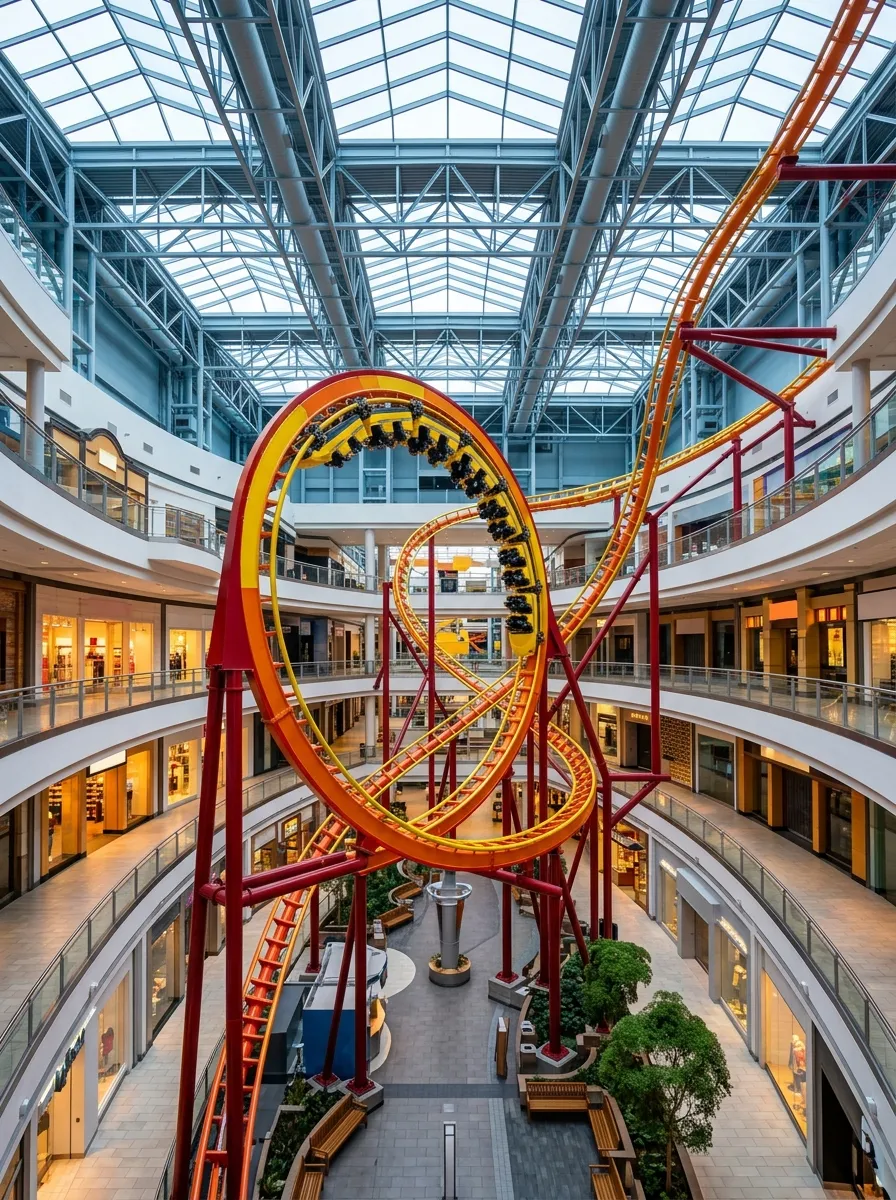
No list of things to do in Minnesota skips the Mall of America, and for good reason — it’s the largest mall in the United States, drawing more than 40 million visitors annually to over 500 stores and 50 restaurants. But treating it purely as a shopping stop undersells it: Nickelodeon Universe, an indoor theme park with more than two dozen rides, sits at its center, alongside SEA LIFE Minnesota Aquarium, a 1.2-million-gallon aquarium with a 300-foot walk-through tunnel, plus escape rooms, mini golf and axe-throwing venues. It’s also one of the state’s best bad-weather options — genuinely useful advice given how often Minnesota weather forces a plan change.
Minneapolis Institute of Art and Walker Art Center
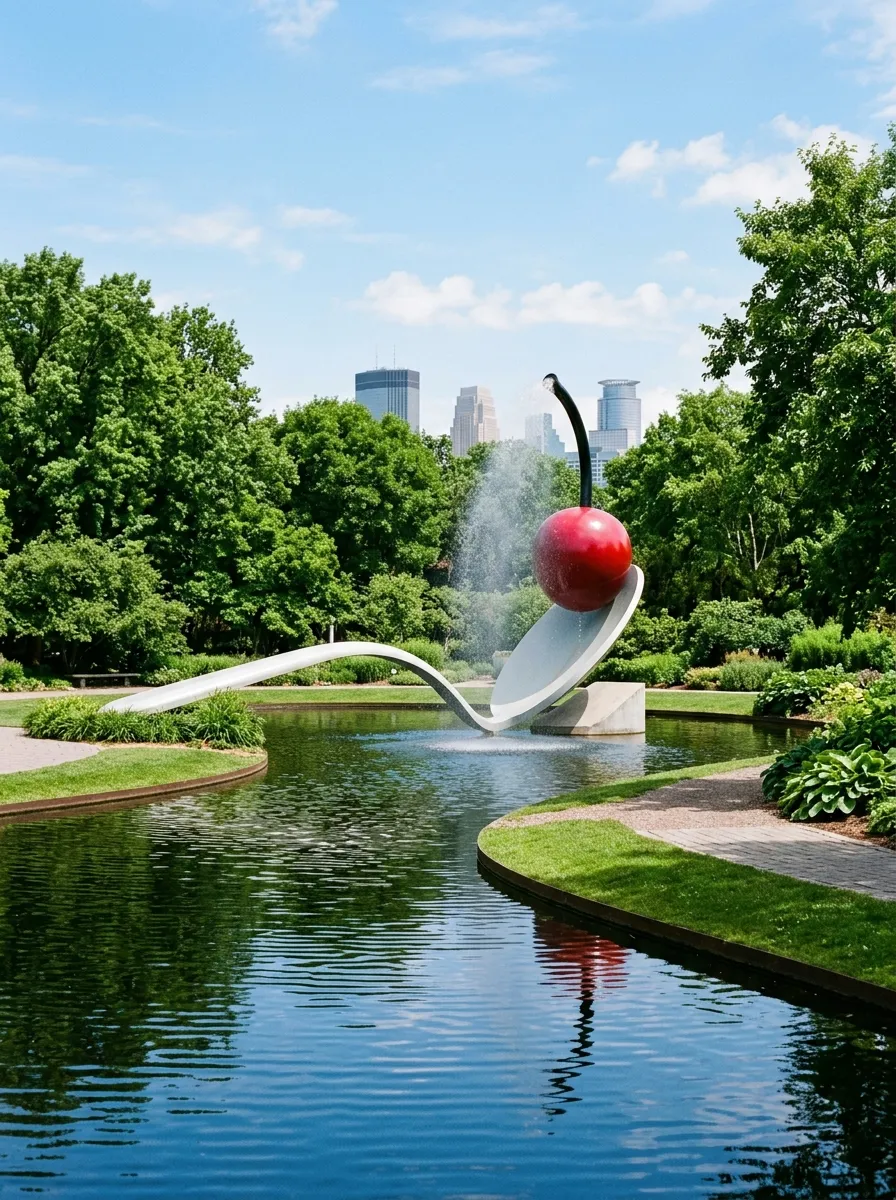
Minneapolis punches well above its weight for art, anchored by two major institutions. The Minneapolis Institute of Art (Mia) holds an encyclopedic collection spanning global art history, with free general admission. The Walker Art Center focuses on modern and contemporary work and connects directly to the Minneapolis Sculpture Garden, home to the iconic Spoonbridge and Cherry sculpture — one of the most photographed public artworks in the Midwest.
Guthrie Theater
The Guthrie is one of the most respected regional theater companies in the United States, staging a mix of classic and contemporary work in a striking building along the Mississippi riverfront that includes a cantilevered public “Endless Bridge” observation deck with sweeping river views, open to visitors even without a show ticket.
Minnehaha Falls and Stone Arch Bridge
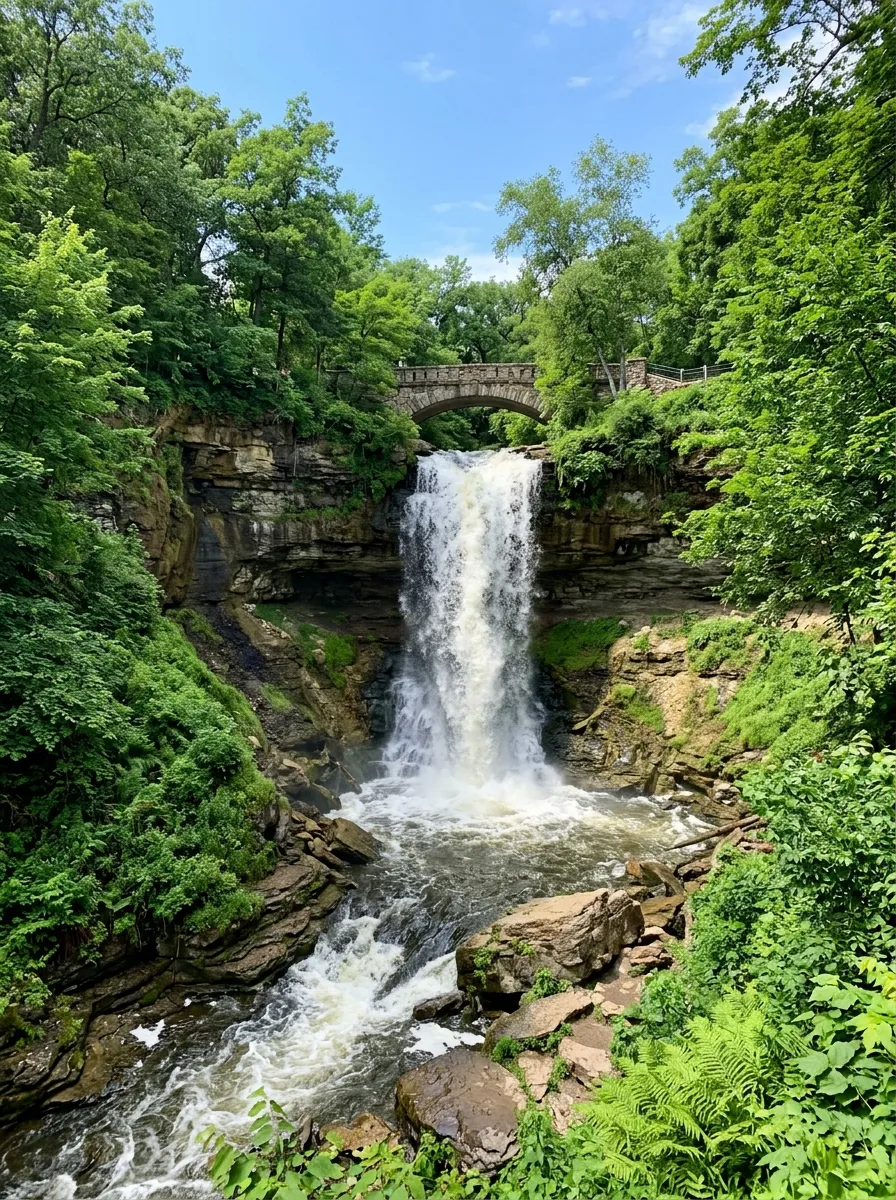
Minnehaha Falls, a 53-foot waterfall inside Minneapolis city limits, is one of the most popular and accessible natural attractions in the Twin Cities, with easy trails and a surrounding park that makes for a strong half-day outing without leaving the city. The Stone Arch Bridge, a former railroad bridge spanning the Mississippi near downtown Minneapolis, offers some of the best skyline views in the city and connects directly to the St. Anthony Falls Heritage Trail.
Boundary Waters Canoe Area Wilderness
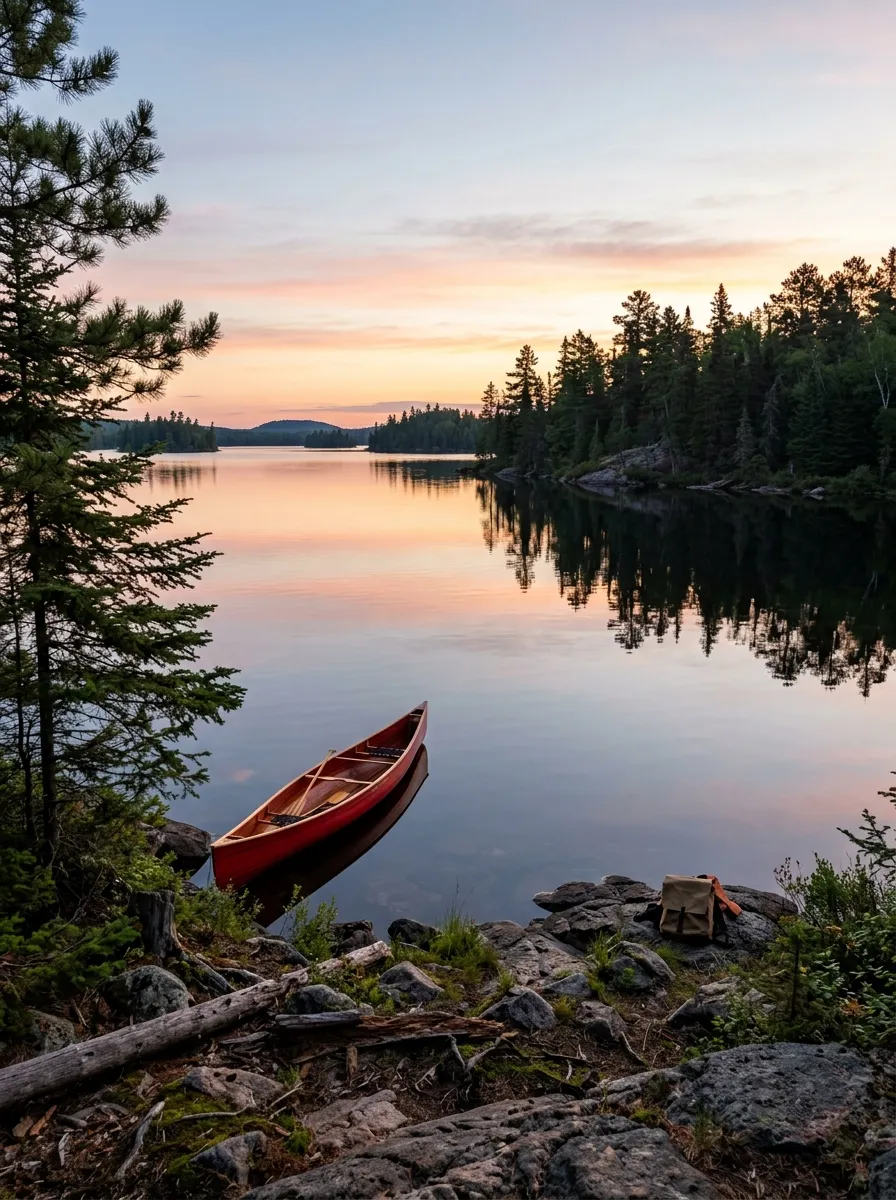
The Boundary Waters Canoe Area Wilderness, or BWCAW, is Minnesota’s single most distinctive attraction — over a million acres of roadless lakes and forest along the Canadian border near Ely, with more than 1,200 miles of canoe routes and some of the darkest, most remote skies left in the eastern United States. This isn’t a casual day-trip destination; quota entry permits are required for overnight stays and are released on a fixed annual date, with 2027 permits becoming available January 27, 2027, at 9 a.m. Central time on a first-come, first-served basis through Recreation.gov. Popular entry points and peak summer dates fill quickly, so reserving as early as your travel plans allow is the smart move.
BOOKING TIP
Local outfitters based in Ely can help secure permits and handle canoe and gear rentals for visitors unfamiliar with the reservation system — a useful shortcut if this is your first Boundary Waters trip.
North Shore Scenic Drive and Split Rock Lighthouse
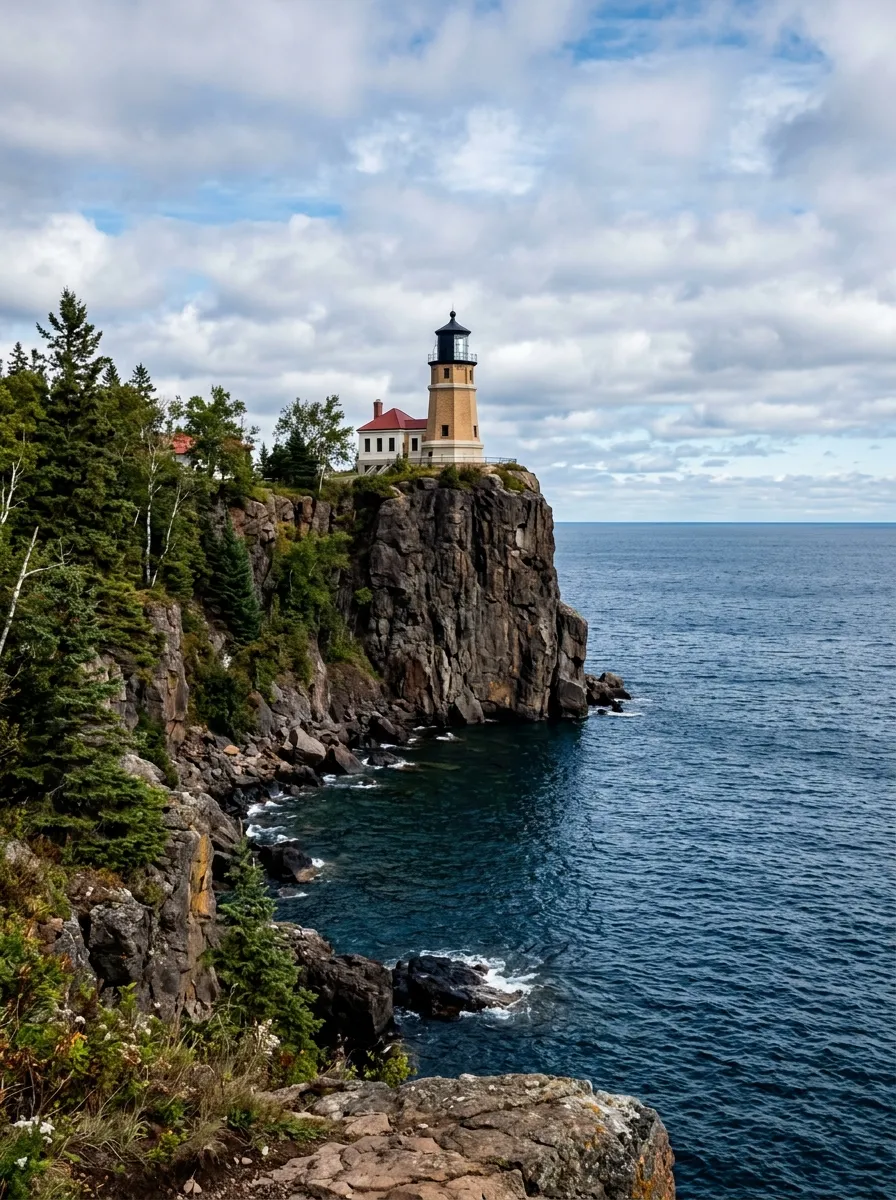
The North Shore Scenic Drive follows Lake Superior’s rugged western coastline past eight state parks, dramatic basalt cliffs and a string of waterfalls, with Split Rock Lighthouse State Park as its most photographed stop — a lighthouse perched on a sheer cliff above the lake, dating from the early 20th century. This drive is at its best in early autumn, when fall colors meet the lake’s deep blue, though it’s a rewarding route in any season with clear roads.
Duluth and Canal Park
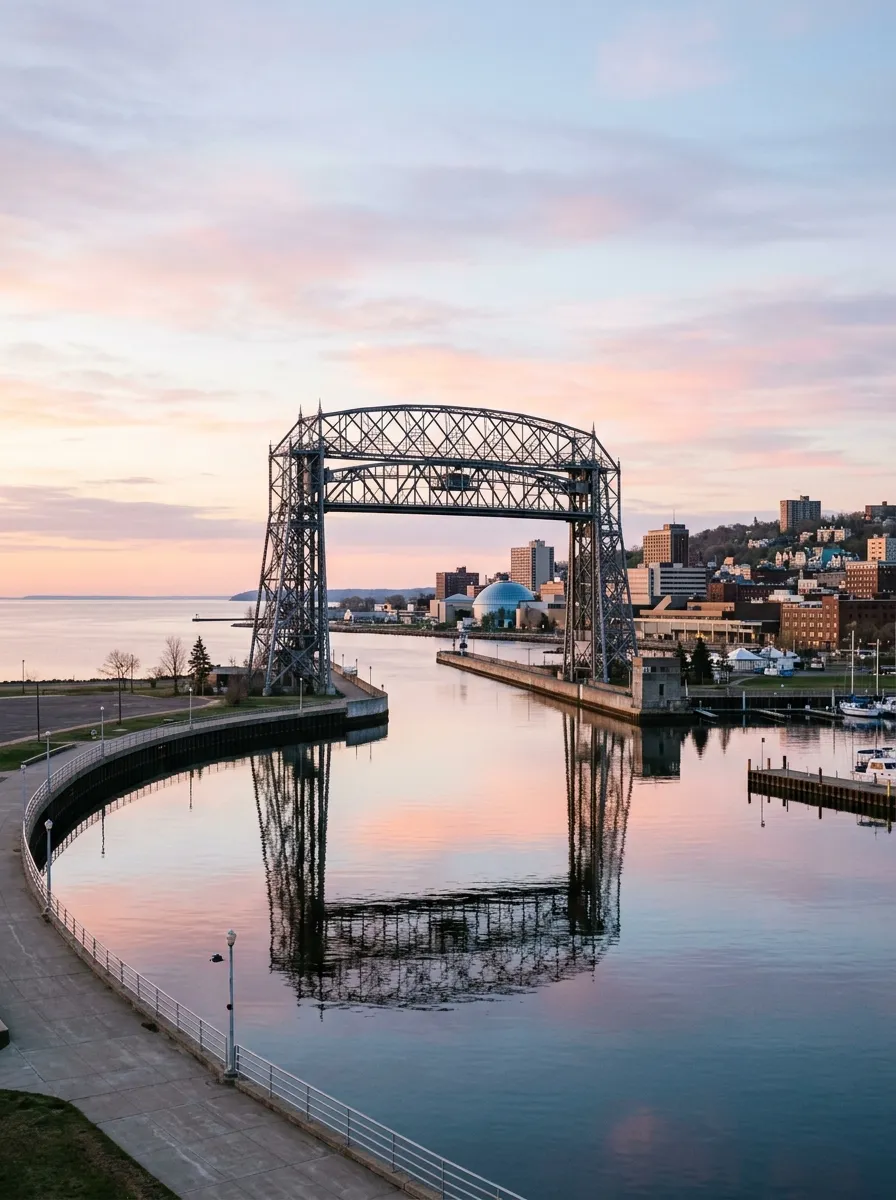
Duluth sits at the western tip of Lake Superior, the largest freshwater lake on Earth, with streets climbing dramatically from the harbor to residential hillside neighborhoods. Canal Park, the city’s revitalized waterfront district, is packed with restaurants, breweries and galleries centered around the Aerial Lift Bridge, one of the most photographed structures in the state. The Great Lakes Aquarium and the S.S. William A. Irvin, a retired freighter turned museum ship, both cover the city’s deep shipping history.
Glensheen Mansion
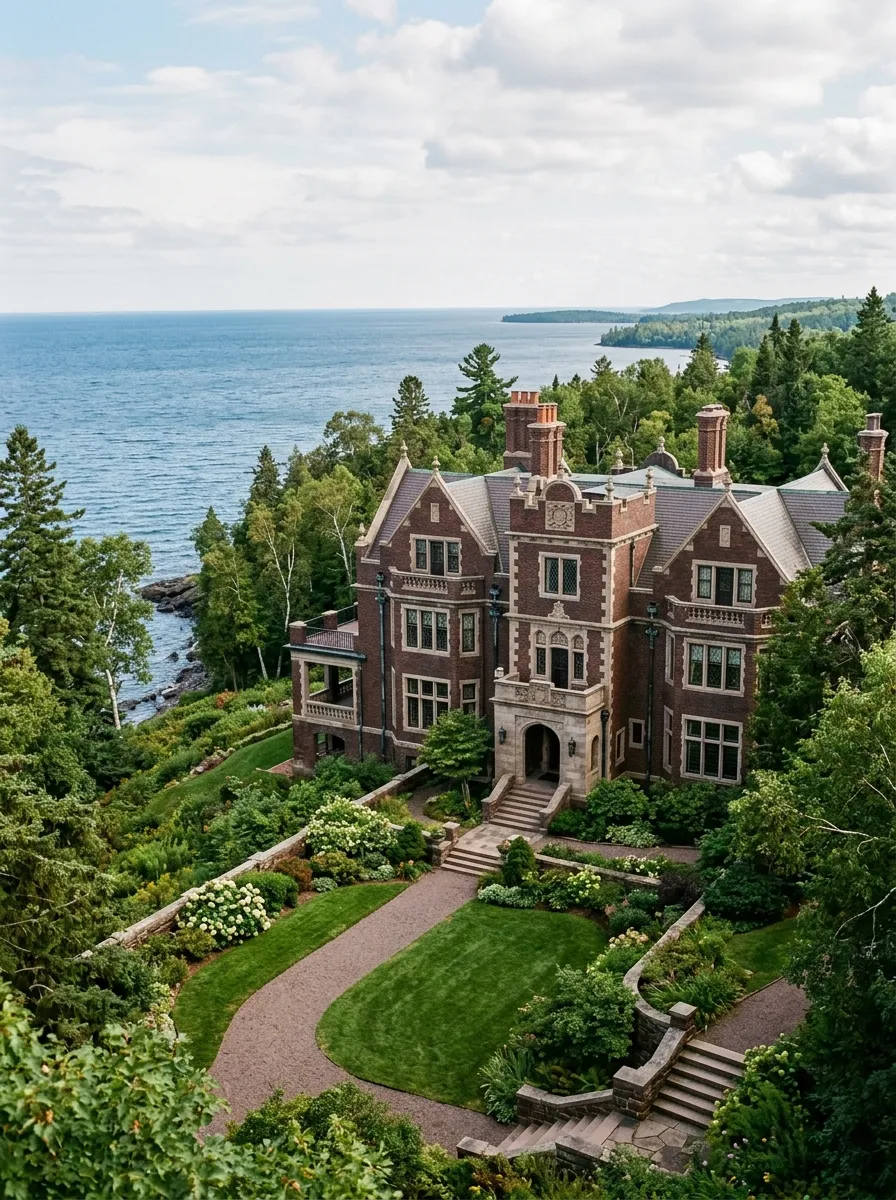
Perched on 12 lakefront acres above Lake Superior in Duluth, Glensheen is a 39-room 1908 mansion built for mining magnate Chester Adgate Congdon — Minnesota’s answer to a Gilded Age estate, now open for tours that cover both the architecture and the notorious 1977 murders that took place there, a detail that’s become part of the mansion’s popular lore.
If grand historic estates are part of what you love about travel, it’s worth knowing the concept scales even further elsewhere — this guide to affordable castle hotels in Ireland covers places where you can actually spend the night inside centuries-old grandeur on a future trip.
Voyageurs National Park
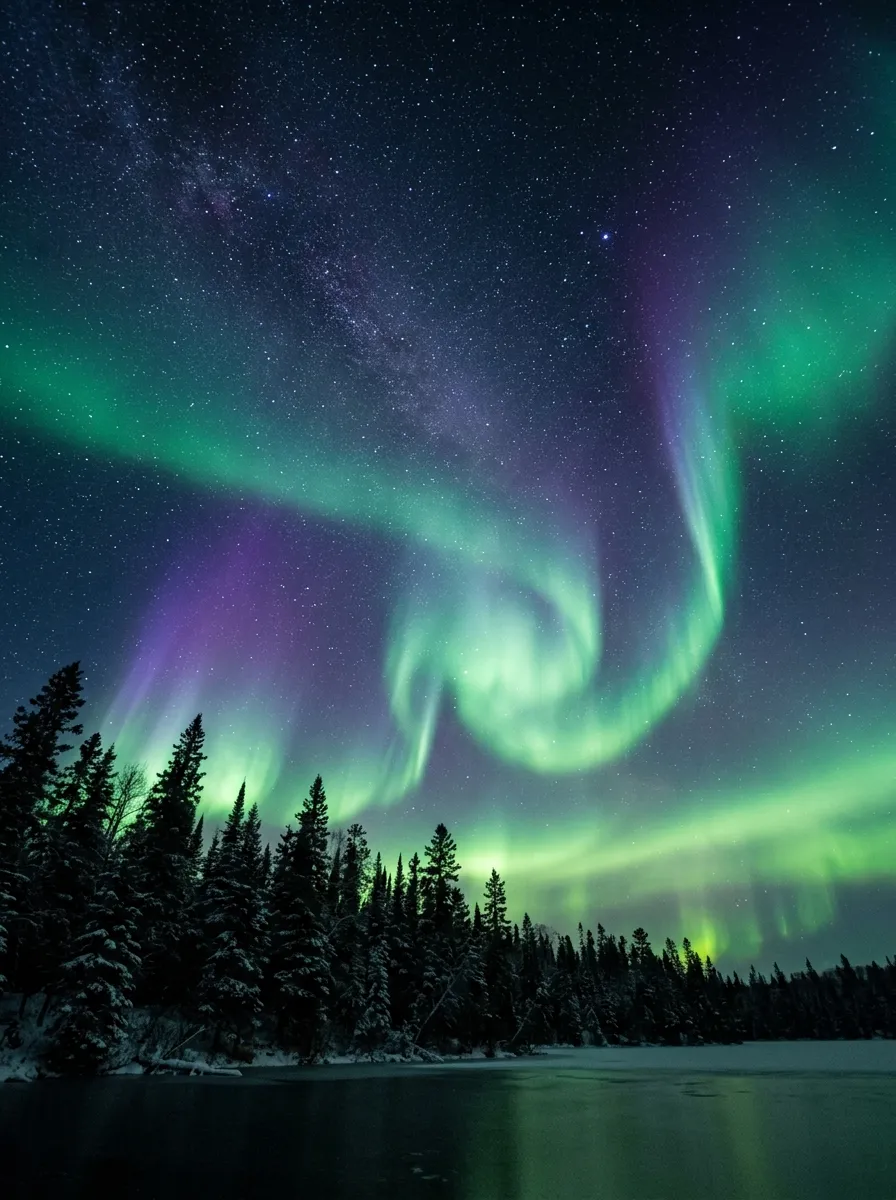
Far less visited than its Boundary Waters neighbor, Voyageurs National Park sits along the Canadian border and is defined by interconnected lakes best explored by boat rather than trail — roughly 40% of the park is water. It’s one of the best dark-sky destinations in the Midwest and a strong pick for northern lights viewing on clear nights with high solar activity, alongside the Boundary Waters and Cook County.
Itasca State Park
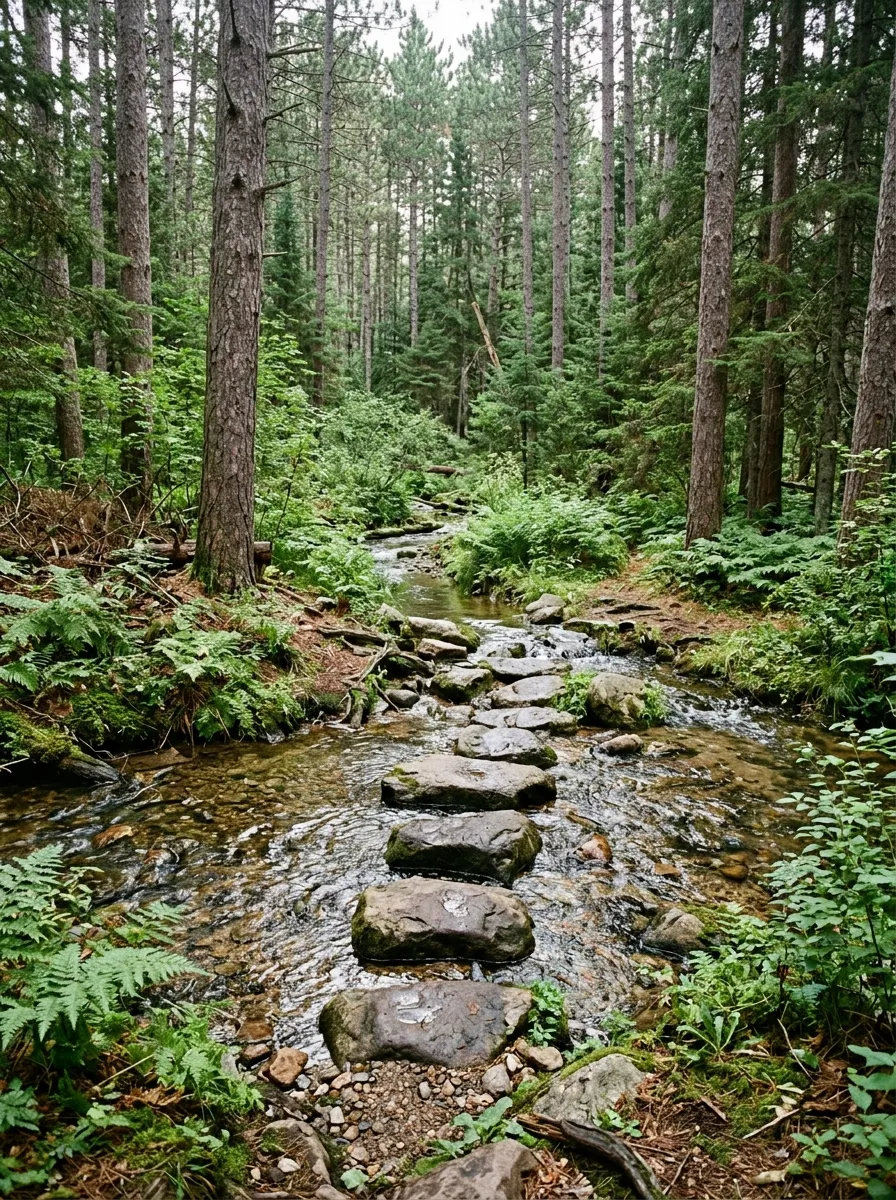
Minnesota’s oldest state park is home to the headwaters of the Mississippi River — the exact point where the river that eventually reaches the Gulf of Mexico begins as a stream narrow enough to walk across on stepping stones. It’s one of the most quietly memorable stops in the state, combined with old-growth pine forest and quiet hiking trails.
Minnesota State Fair

Known locally as “the Great Minnesota Get-Together,” the Minnesota State Fair has run for more than 150 years and drew nearly 1.9 million visitors in 2025. The 2026 fair runs August 27 through Labor Day, September 7, with pre-purchased admission at $17 through August 26 and 20atthegateforadults(18 for seniors and kids); on-site parking runs $25, and children 4 and under are always free. Grandstand entertainment for 2026 includes acts like “Weird Al” Yankovic, alongside the fair’s famously enormous food lineup — dozens of new vendor foods debut each year, a genuine point of civic pride here. If you’d rather skip the fair’s biggest crowds, the Kickoff to Summer event in late May offers a smaller-scale preview with free admission.
Saint Paul Winter Carnival
Covered above in the seasonal planning section, the Winter Carnival deserves its own mention as a genuine cultural event rather than a novelty — ice sculptures in Rice Park, torchlight parades, and a mythology built around a rivalry between the legendary King Boreas and Vulcanus Rex that’s been part of Saint Paul’s identity since 1886.
If cold-weather festival culture appeals to you but you’re curious how a completely different city celebrates its own winter calendar, this New Orleans New Year’s Eve guide makes an interesting contrast for planning a future celebration somewhere considerably warmer.
Paisley Park
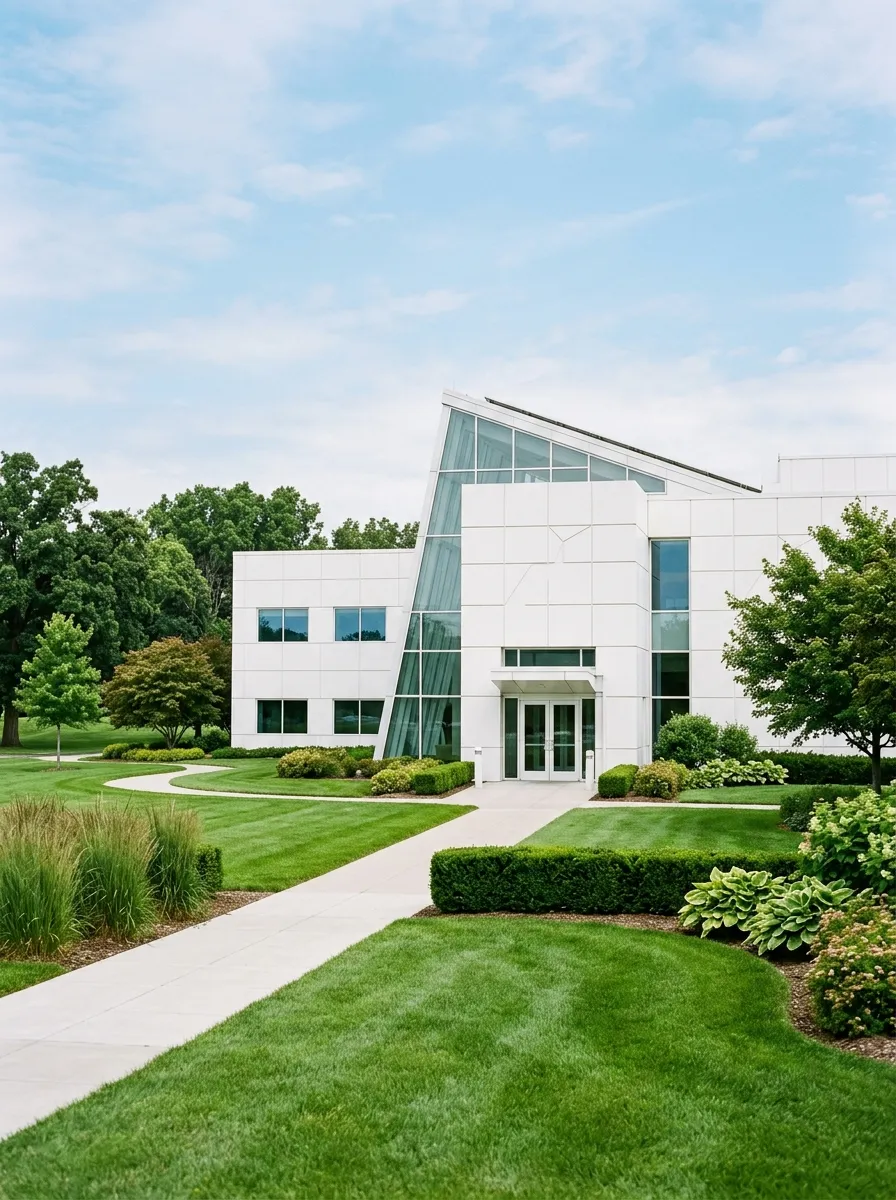
Prince’s former home, recording studio and creative headquarters in Chanhassen, just outside Minneapolis, is now a museum offering guided tours through his studios, memorabilia collection and personal spaces. It’s an essential stop for music fans and one of the more unusual celebrity-estate tours in the country, given how directly it preserves his working environment rather than presenting a curated exhibit.
North Loop Minneapolis: Food and Drink
The North Loop, a converted warehouse district in Minneapolis, has become the city’s premier destination for craft cocktails, trendy restaurants and gourmet coffee shops, and it’s worth building an evening around regardless of which other attractions are on your list. It sits within easy walking distance of downtown and the riverfront.
Brainerd Lakes Area
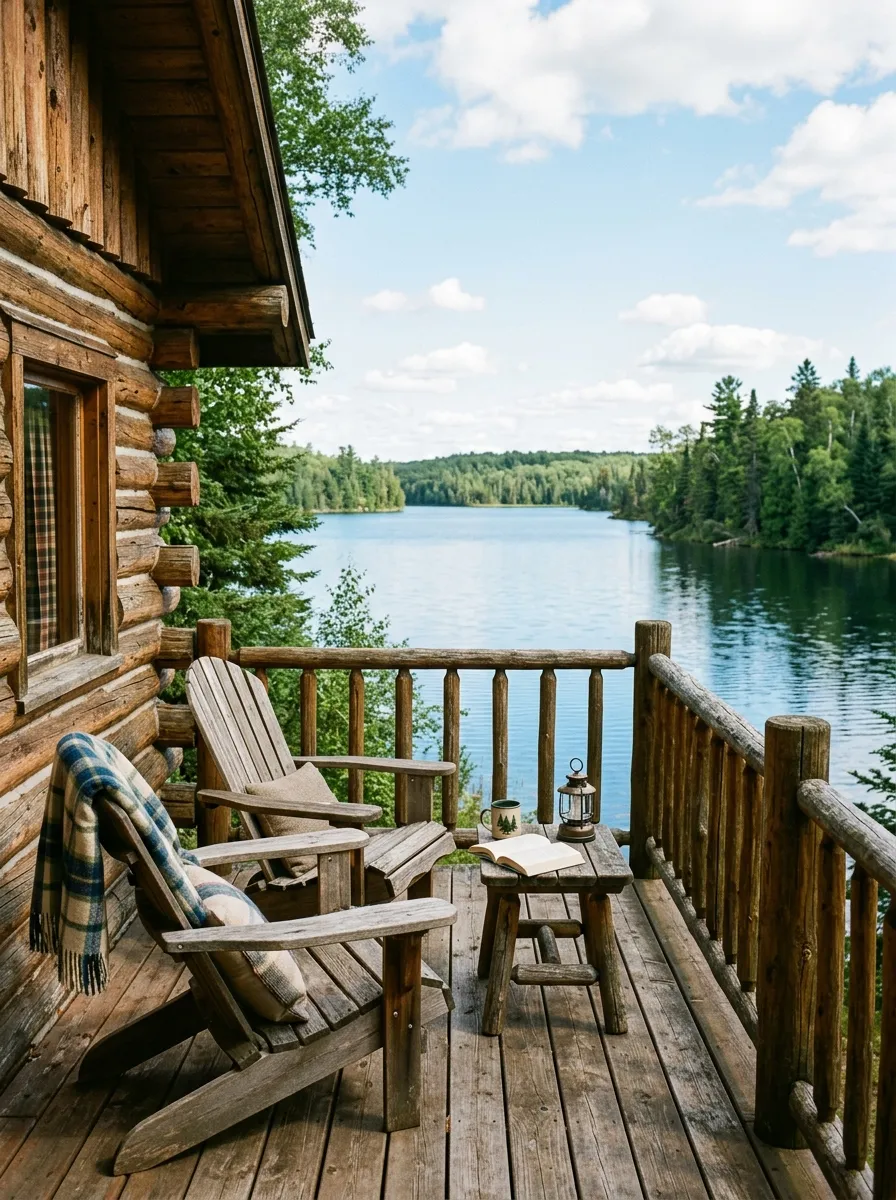
For a classic Minnesota lake-cabin experience, the Brainerd Lakes region north of the Twin Cities is the state’s most established summer destination — boating, fishing, waterskiing (invented in Minnesota in 1922) and resort culture built around thousands of lakes. Expect heavy crowds on summer weekends and book lakefront accommodations well in advance for peak season.
Small Towns and Hidden Corners
Beyond the headline attractions, Minnesota rewards a slower look at its smaller towns. Grand Marais, on the North Shore, offers a quieter, artsier alternative to Duluth with a strong local gallery and restaurant scene. Stillwater, a historic river town on the St. Croix, is known for antiquing and its well-preserved 19th-century downtown. Pipestone National Monument, in the state’s southwest corner, preserves more than 5,000 years of Native American rock quarrying history on Sioux quartzite prairie, one of the oldest known archaeological sites in the Midwest, generally open May through October.
Minnesota’s smaller towns share something with the kind of travel that rewards curiosity over checklists — this guide to non-touristy things to do in Ireland follows a similar philosophy for travelers who’d rather find what locals love than tick off headline attractions, useful inspiration whether you’re in the Midwest or somewhere further afield.
For travelers who specifically chase the lesser-known and the unexpected, this list of mind-blowing hidden places in the USA is worth a look alongside a Minnesota itinerary — spots like Voyageurs and Itasca fit right into that same spirit of quietly extraordinary, underappreciated American destinations.
Where to Stay in Minnesota
Minneapolis: The North Loop and downtown core offer the widest range of hotels and the most walkable access to museums, restaurants and the Guthrie Theater.
Saint Paul: A quieter, more historic base, well suited to travelers prioritizing the Winter Carnival, the State Capitol and a slower-paced downtown.
Duluth: Canal Park is the natural base for North Shore exploring, with harbor views and walkable access to the Aerial Lift Bridge and waterfront dining.
Ely: The gateway town for the Boundary Waters, with outfitters, gear rental and permit assistance concentrated in a compact, wilderness-adjacent downtown.
How to Get to Minnesota and Around the State
By air: Minneapolis–Saint Paul International Airport (MSP) is a major hub with extensive domestic and international connections, located a short light-rail ride from downtown Minneapolis.
By car: A rental car is close to essential for anything beyond the Twin Cities themselves — the North Shore, Boundary Waters, Brainerd Lakes and southern Minnesota’s small towns all require driving, and distances are real: expect roughly 2.5 hours from the Twin Cities to Duluth, and 4.5 to 5 hours to Ely.
Within the Twin Cities: The METRO light rail and bus system connects the airport, downtown Minneapolis, downtown Saint Paul and the Mall of America, making a car-free visit realistic if you’re staying within the urban core.
How Many Days Do You Need in Minnesota?
Three to four days covers the Twin Cities comfortably, including the Mall of America, the major art museums and a North Loop evening. A full week allows for a North Shore add-on with time in Duluth and at Split Rock Lighthouse. Ten days or more opens up a genuine Boundary Waters paddling trip on top of the Twin Cities and North Shore combination.
Seven-Day Minnesota Itinerary
Day 1–2 — Minneapolis: Minneapolis Institute of Art, Walker Art Center and Sculpture Garden, Stone Arch Bridge, North Loop dinner.
Day 3 — Saint Paul: State Capitol, Rice Park and the Landmark Center, Mall of America in the late afternoon or evening.
Day 4 — Drive to Duluth: Canal Park, Aerial Lift Bridge, Glensheen Mansion.
Day 5 — North Shore Scenic Drive: Split Rock Lighthouse, waterfall stops, overnight in Grand Marais or back in Duluth.
Day 6–7 — Flex days: Extend north toward the Boundary Waters gateway in Ely for a day-paddle or scenic overlook, or return to the Twin Cities for a slower final day at Minnehaha Falls and a North Loop farewell dinner.
Three-Day Twin Cities Weekend Itinerary
Day 1: Arrive, Minneapolis Institute of Art, North Loop dinner.
Day 2: Walker Art Center and Sculpture Garden, Stone Arch Bridge, Guthrie Theater’s Endless Bridge, Mall of America in the evening.
Day 3: Minnehaha Falls, Saint Paul’s Rice Park and Landmark Center, departure.
Budget Travel in Minnesota
Minnesota is a genuinely strong value destination, anchored by the fact that the Minneapolis Institute of Art, the Walker Art Center’s Sculpture Garden and Minnehaha Falls all offer free admission. The Minnesota State Fair’s $17 advance ticket remains one of the best entertainment values in the country given the scale of what’s included, and the METRO light rail keeps Twin Cities transportation costs low without a car.
Family Travel in Minnesota
The Mall of America’s Nickelodeon Universe and SEA LIFE Aquarium anchor a strong family itinerary, and Minnehaha Falls offers an easy, stroller-friendly nature outing within the city. The Minnesota State Fair is also a genuinely major family draw, with livestock exhibits, rides and enough food variety to keep a full day interesting for kids and adults alike.
Solo Travel and Couples in Minnesota
Solo travelers benefit from the Twin Cities’ walkable downtown cores and the METRO light rail’s simplicity, plus a strong café and coworking-friendly culture in the North Loop. Couples looking for a quieter, more scenic pace should lean toward the North Shore, where Split Rock Lighthouse and Duluth’s harbor views offer some of the most romantic scenery in the state.
Safety and Practical Tips
Minnesota’s biggest practical safety concerns are seasonal rather than urban. Winter driving demands real caution — black ice, whiteout conditions and sudden temperature drops are routine, and rental cars should be checked for adequate tire condition before any winter road trip north of the Twin Cities. Lake and river ice should never be trusted without local, current confirmation of thickness, even when a lake looks solid enough to walk on. For Boundary Waters trips, proper wilderness preparation — water filtration, bear-proof food storage and a realistic assessment of your paddling and camping experience — matters more here than in most U.S. wilderness areas, given how remote entry points can be from help.
Minnesota Packing Checklist
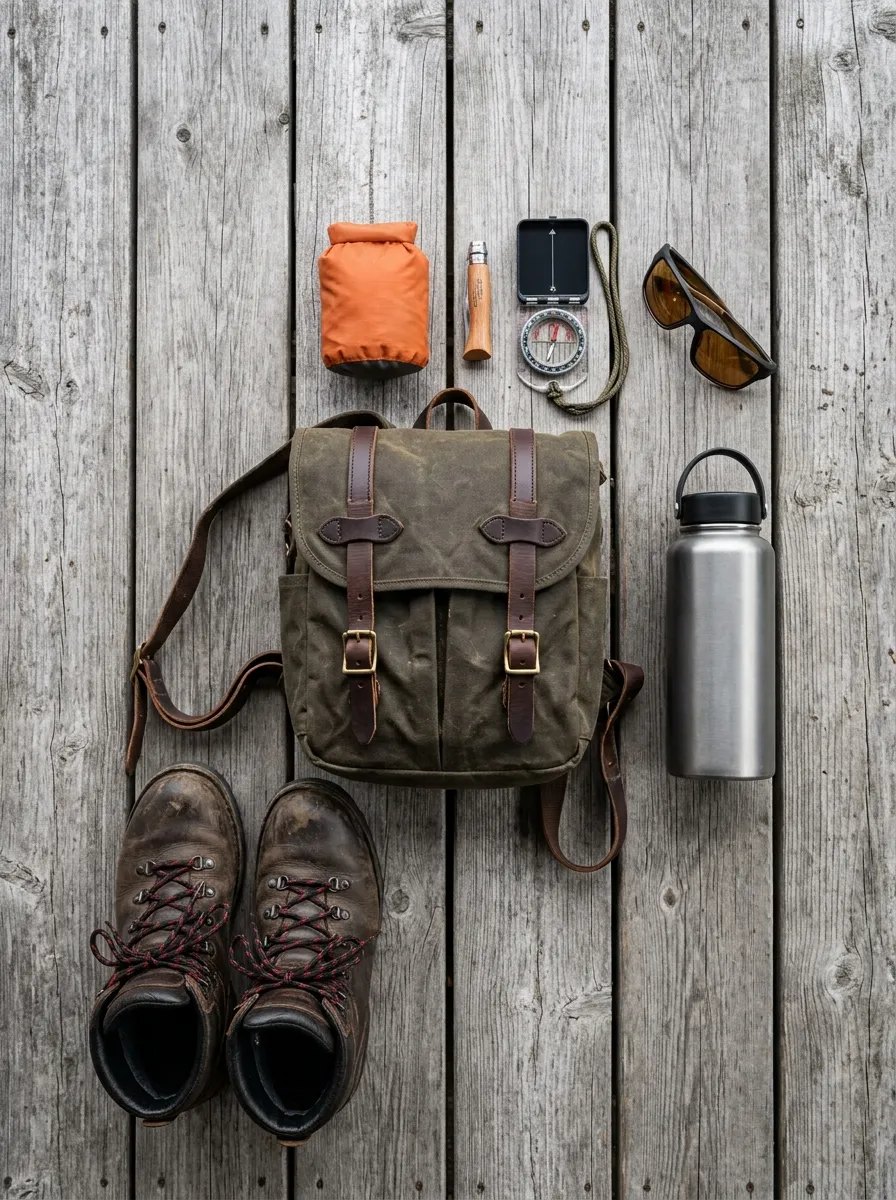
- [ ] Layered clothing regardless of season — Minnesota weather shifts quickly
- [ ] Genuine cold-weather gear (insulated coat, hat, gloves) for any winter visit
- [ ] Bug spray and a head net for Boundary Waters or North Shore trips in peak summer
- [ ] Comfortable walking shoes for the Twin Cities’ skyway system and museum days
- [ ] A rental car reservation if traveling beyond the Twin Cities metro area
- [ ] Boundary Waters permit confirmation printed or saved offline, if applicable
- [ ] Sunscreen and a hat for summer lake days
- [ ] Cash or card ready for Minnesota State Fair food vendors
Frequently Asked Questions About Visiting Minnesota
What is the best time of year to visit Minnesota?
May through October covers most outdoor attractions comfortably, with late September into early October offering the best fall colors on the North Shore.
When is the Minnesota State Fair in 2026?
August 27 through Labor Day, September 7, 2026.
How many days do I need in Minnesota?
Three to four days covers the Twin Cities well; a full week allows for a North Shore add-on, and ten or more days opens up a real Boundary Waters trip.
Do I need a car in Minnesota?
Within the Twin Cities, the light rail and bus system cover the essentials. Anywhere beyond that — the North Shore, Boundary Waters, Brainerd Lakes — requires a rental car.
Is Minnesota expensive?
It’s moderate by national standards, helped by free major museums in the Twin Cities and a genuinely affordable State Fair given its scale.
Is Minnesota safe for tourists?
Yes, with standard urban precautions in the Twin Cities and serious seasonal caution around winter driving and lake or wilderness travel.
Do I need a permit for the Boundary Waters?
Yes — overnight stays require a quota entry permit, released annually in late January for the following summer season, available through Recreation.gov.
When is the Saint Paul Winter Carnival in 2027?
Based on typical scheduling, expect January 28 through February 6, 2027 — confirm final dates on the official Winter Carnival website closer to the event.
Is Minnesota good for a winter visit?
Yes, if you’re prepared for genuinely cold temperatures — the Saint Paul Winter Carnival, ice fishing and cross-country skiing are all built around embracing the season rather than avoiding it.
Is the Mall of America worth visiting if I don’t like shopping?
Yes — Nickelodeon Universe, SEA LIFE Aquarium and various entertainment venues make it a legitimate attraction beyond retail.
How far is Duluth from the Twin Cities?
About 2.5 hours by car.
Is a day trip to the Boundary Waters possible without camping?
Yes, day-use entry doesn’t require the same quota permits as overnight stays, though many of the most scenic areas reward a multi-day trip.
Is Minnesota family-friendly?
Very much so — the Mall of America, Minnehaha Falls and the Minnesota State Fair all rank among the state’s strongest family attractions.
What’s the best neighborhood to stay in for the Twin Cities?
The North Loop in Minneapolis for food and walkability, or downtown Saint Paul for a quieter, more historic base.
Is Minnesota good for solo travelers?
Yes — the Twin Cities’ walkable downtown cores and light rail system make solo navigation straightforward.
What should I pack for a Minnesota winter trip?
Genuine insulated outerwear, warm layers, waterproof boots and gloves — this isn’t a climate that forgives underdressing.
Is fall a good time to visit the North Shore?
Yes, generally the best time — late September into early October typically brings peak color, though exact timing varies with weather each year.
What’s the biggest mistake first-time visitors make?
Underestimating driving distances between regions and underestimating both the summer heat and winter cold — Minnesota’s weather swings harder than most first-time visitors expect.
Can I see the northern lights in Minnesota?
Yes, particularly in northern Minnesota away from city lights — the Boundary Waters, Cook County and Voyageurs National Park are the best-positioned areas, best checked against NOAA’s aurora forecasts.
Is Voyageurs National Park worth visiting instead of the Boundary Waters?
They offer different experiences — Voyageurs is largely boat-accessible and less crowded, while the Boundary Waters is built around canoe-in wilderness camping; both are worth considering depending on your travel style.
Final Thoughts on Visiting Minnesota
Minnesota rewards travelers willing to look past its understated reputation. The Twin Cities alone hold enough free-admission art museums, a nationally respected theater, and a genuinely massive state fair to fill three or four days without repeating yourself, and that’s before factoring in the North Shore’s lighthouse-and-waterfall scenery or the Boundary Waters’ rare, roadless wilderness. The key to getting the most out of a Minnesota trip is matching your visit to what the calendar actually offers: the State Fair’s final days in early September, the Winter Carnival’s ice sculptures in late January, or the North Shore’s fall color window in early October.
If you’re building a first Minnesota itinerary, anchor it in the Twin Cities and decide early whether the North Shore’s scenic drive or a Boundary Waters paddling trip fits your remaining days — both require real driving time and, in the Boundary Waters’ case, advance permits that are worth securing the moment they open. However you build it, things to do in Minnesota add up into one of the more genuinely varied trips available in the American Midwest, from a mansion built on Gilded Age mining fortune to a river that begins as a stream you can step across. Few states deliver that range without asking you to fly somewhere else in between.