Things to Do in Minneapolis: The Complete 2026–27 City Guide
Minneapolis has a habit of getting lumped in with “the Midwest” as a catch-all, which flattens a city that’s genuinely distinct even from its twin across the river. This is a place built around 13 lakes inside city limits, an encyclopedic art museum with free admission, a music venue where Prince cut his teeth and where the paint is still purple, and a downtown connected by 8 miles of enclosed skyways specifically because the winters demand it. Minneapolis rewards visitors who treat it as its own destination rather than a stopover on the way to the Mall of America in nearby Bloomington or a connection through MSP airport.
This guide covers things to do in Minneapolis for the rest of 2026 and into 2027, built around what’s actually bookable and current rather than a generic “best of” list. Minneapolis runs on a real seasonal rhythm — lake season from May through September, a skyway-dependent winter from December through February, and shoulder seasons in spring and fall that longtime residents will tell you are secretly the best weeks of the year. Getting that timing right shapes almost everything else about how to spend your visit here.
Whether you’re chasing the Chain of Lakes by bike, tracking down the exact spot Prince recorded at First Avenue, or simply trying to figure out how much time the Walker Art Center and Minneapolis Institute of Art actually deserve, this guide breaks the city down by neighborhood, season and interest — with honest notes on what’s free, what’s worth paying for, and what requires real advance planning.
Recommended Travel Items for Your Trip
AT A GLANCE: MINNEAPOLIS
- Best overall time to visit: May through September for lakes and outdoor culture; December for a cozy skyway-and-museum trip
- Best neighborhood base: North Loop or Downtown
- Best for families: The Chain of Lakes and Minnehaha Park
- Best for music history: First Avenue and the Northeast Arts District
- Best budget choice: The Minneapolis Institute of Art and Walker Art Center’s Sculpture Garden, both free
- Signature landmark: The Stone Arch Bridge over the Mississippi
- Biggest free annual event: Art-A-Whirl, Northeast Minneapolis’s open studio weekend
- Ideal trip length: 2–3 days for the highlights; 4–5 days with the Chain of Lakes and day trips included
Minneapolis at a Glance: Where to Focus Your Time
Minneapolis is compact enough to explore largely on foot or by bike once you’re in the right neighborhood, but each area has a distinct character worth matching to your priorities.
| Neighborhood | Best For | Best Upcoming Time | Suggested Stay | Main Consideration |
| North Loop | Restaurants, cocktail bars, boutique hotels | Year-round | 2–3 nights | Busiest and priciest dining scene |
| Downtown / Nicollet Mall | Museums, theater, skyway access | Year-round | 2–3 nights | Quiet on weekend evenings outside events |
| Uptown / Chain of Lakes | Biking, lake culture, independent shops | May–Sep | 1–2 nights | Farther from downtown attractions |
| Northeast Minneapolis | Arts district, breweries, Art-A-Whirl | Year-round | 1–2 nights | Fewer big-name hotels |
| Dinkytown | University energy, live music, budget eats | Year-round | 1 night | Geared toward a younger crowd |
Why Minneapolis Deserves Its Own Trip
Minneapolis often gets treated as a package deal with Saint Paul — the “Twin Cities” framing does the city a disservice, since Minneapolis has its own distinct identity built on water, music and design. This is a city with more public art per capita than most places its size, a genuinely walkable downtown despite brutal winters, and a lake culture that lets residents swim, sail and bike within city limits rather than driving out to a resort. It’s also one of the more affordable major-museum cities in the country, since both of its flagship art institutions charge nothing for general admission.
When to Visit Minneapolis: Weather and Seasons
Late 2026: What’s Left on the Calendar
September and October 2026 bring Minneapolis’s best outdoor weather — warm days, cool nights, and the Chain of Lakes at its most pleasant for biking and paddling before the water access closes for the season around late October. November begins the shift toward winter, and by December the city’s skyway system becomes less a novelty and more the actual way most downtown workers and visitors get around.
Minneapolis Winter
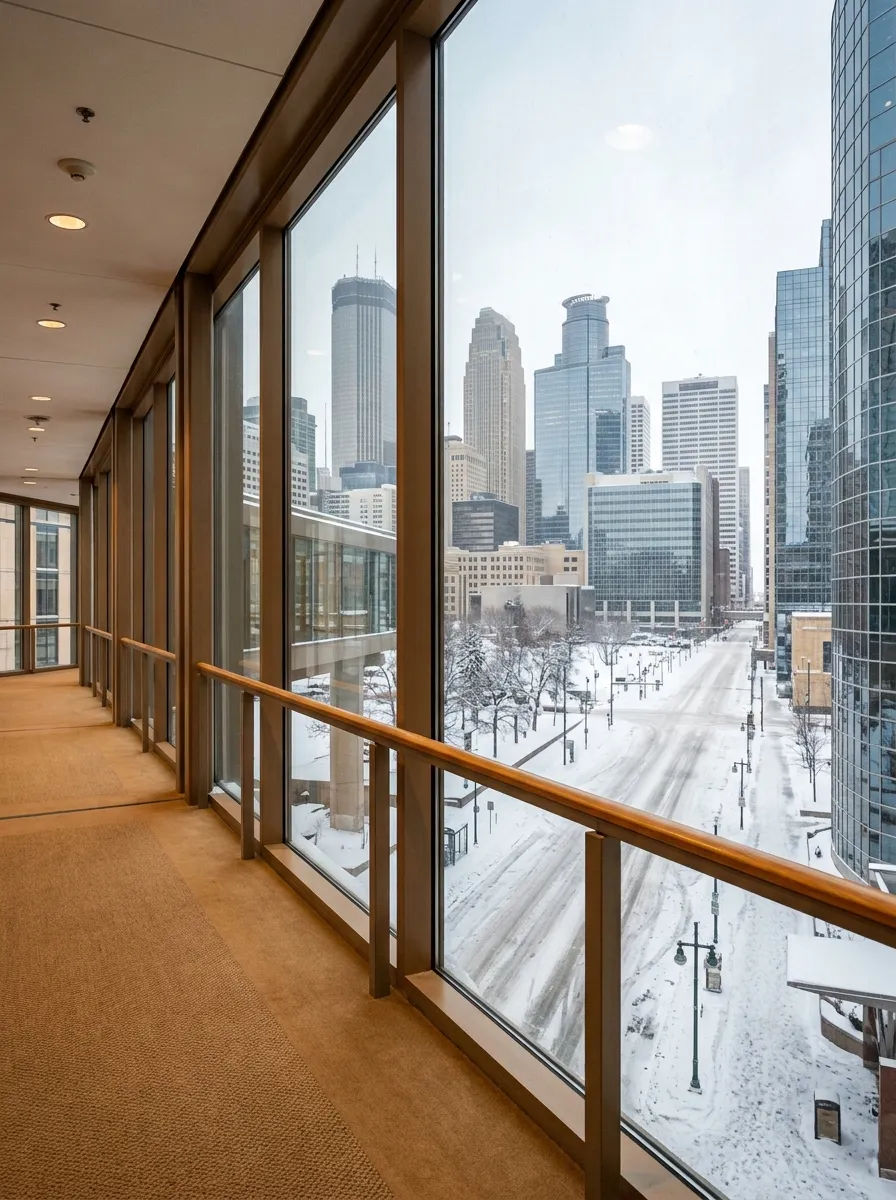
December through February brings serious cold, with average highs in the low 20s Fahrenheit and nights regularly below zero. This isn’t a season to write off — Minneapolis leans into it with ice skating rinks, a strong indoor arts and theater season, and a genuinely cozy bar and restaurant culture built for exactly this weather. The 8-mile skyway system, the longest connected system of its kind in the world, links roughly 80 downtown blocks above street level, meaning a winter visit focused on downtown museums, shopping and dining barely requires stepping outside.
WEATHER WARNING
Minneapolis winter cold arrives fast and stays serious — wind chill regularly drops well below zero Fahrenheit, and frostbite risk on exposed skin is real during cold snaps. If you’re visiting between December and February, pack genuine insulated outerwear rather than relying on a jacket built for a milder climate, and lean on the skyway system for getting between downtown attractions rather than walking street level in the worst of it.
If a warm-weather counterpoint sounds more appealing for a different trip, this Belize travel guide covers ancient ruins and Caribbean coastline about as far from a Minneapolis January as travel gets.
Spring, Summer and 2027 Planning
April and May bring the thaw and the start of lake season, with noticeably fewer crowds than peak summer. June through August is Minneapolis at its liveliest — lake beaches open, the Chain of Lakes fills with kayakers and cyclists, and outdoor concert series like the Lake Harriet Band Shell’s Music and Movies in the Parks run through the warm months. Art-A-Whirl, Northeast Minneapolis’s massive free open-studio arts weekend, typically runs in mid-May and is one of the best free cultural events in the city for the 2027 season — confirm exact dates on the Northeast Minneapolis Arts Association’s site closer to spring.
Downtown and North Loop
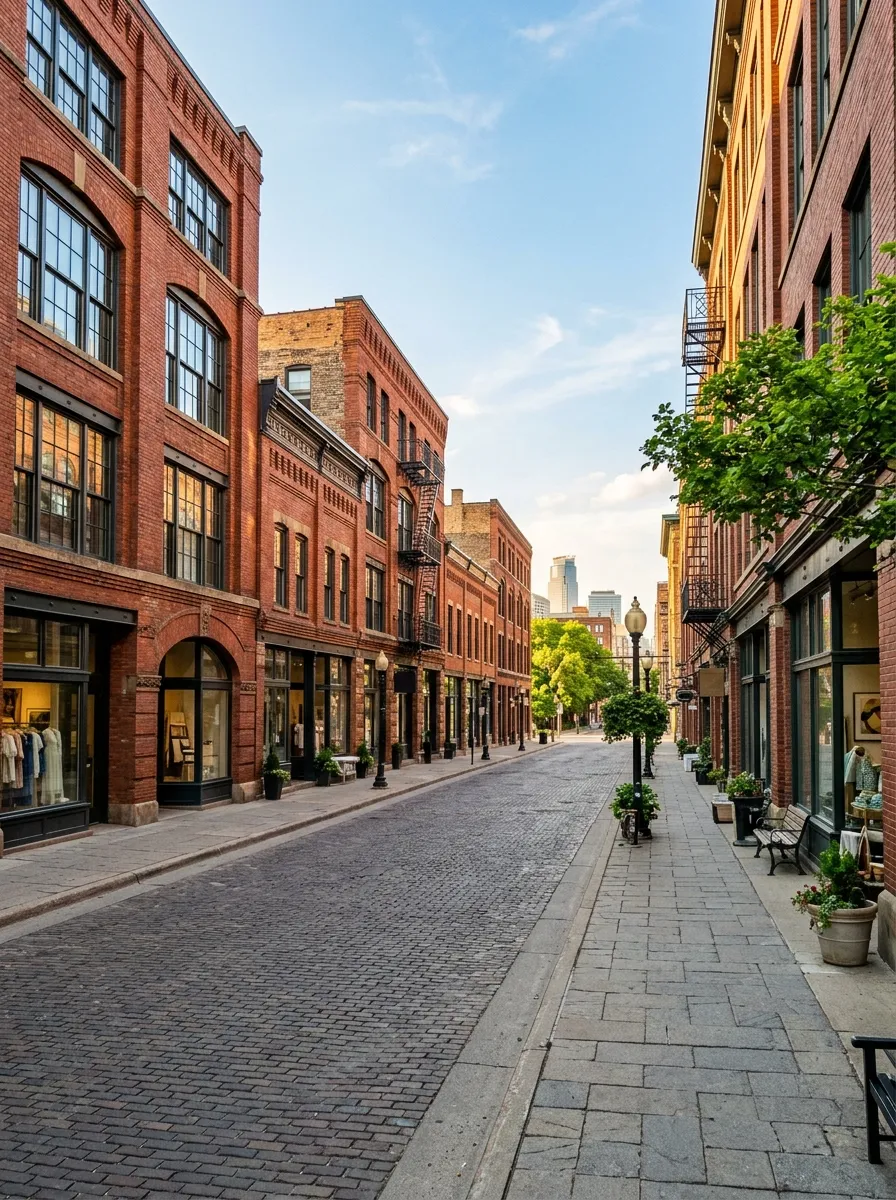
Downtown Minneapolis centers on Nicollet Mall, a pedestrian- and transit-friendly corridor lined with restaurants and shops, connected to the skyway system and within walking distance of the Guthrie Theater, Target Field and U.S. Bank Stadium. The adjacent North Loop, a converted warehouse district, has become the city’s premier destination for craft cocktails and trendy restaurants, and it’s the natural base for visitors prioritizing food and nightlife alongside downtown’s museums and theaters.
Minneapolis Institute of Art
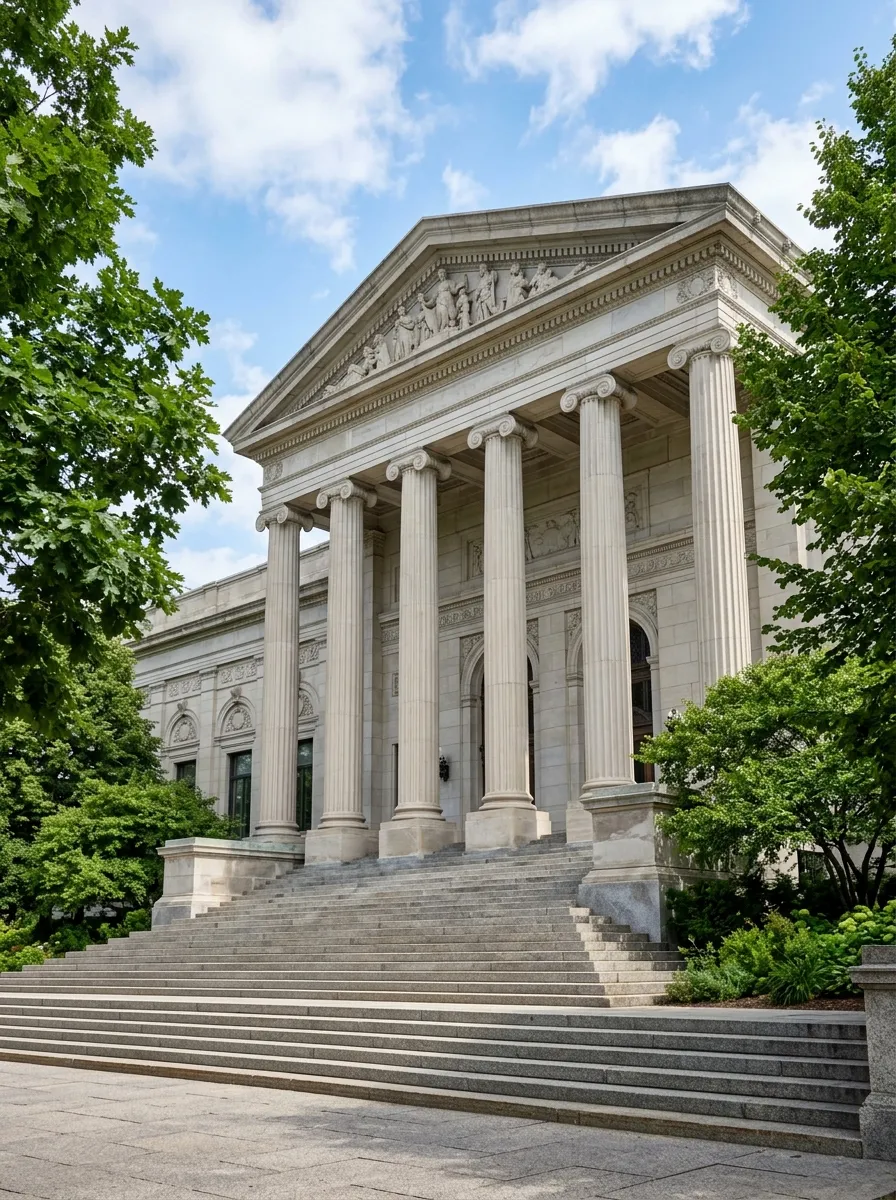
Known locally as Mia, the Minneapolis Institute of Art holds an encyclopedic collection spanning global art history — from ancient Egyptian artifacts to contemporary work — inside a grand neoclassical building, with general admission free year-round. Budget two to three hours, more if a special ticketed exhibition is running during your visit.
Walker Art Center and Minneapolis Sculpture Garden
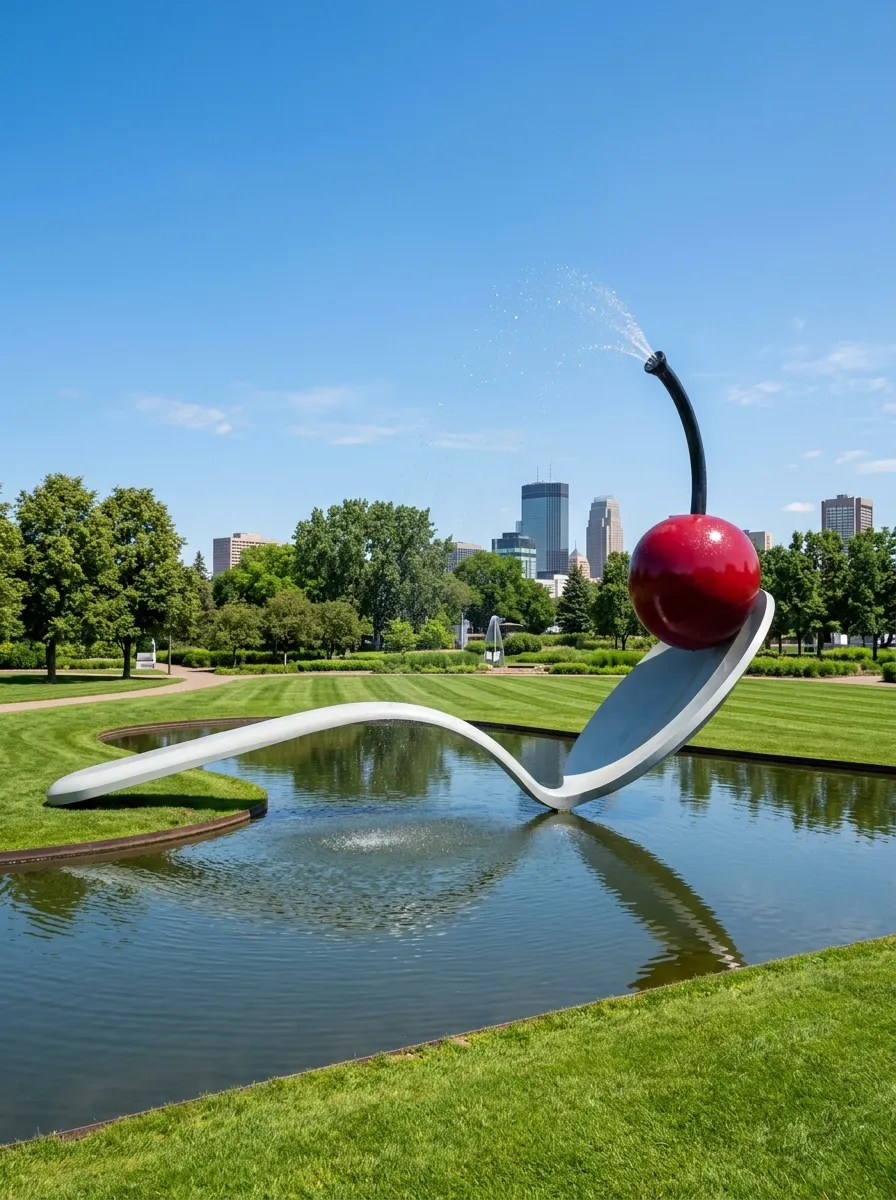
The Walker Art Center focuses on modern and contemporary art and connects directly to the Minneapolis Sculpture Garden, home to the Spoonbridge and Cherry — one of the most photographed public sculptures in the Midwest and a genuine only-in-Minneapolis photo stop. The Sculpture Garden itself is free and open daily; Walker gallery admission has its own separate ticket, with free admission on select days.
Guthrie Theater
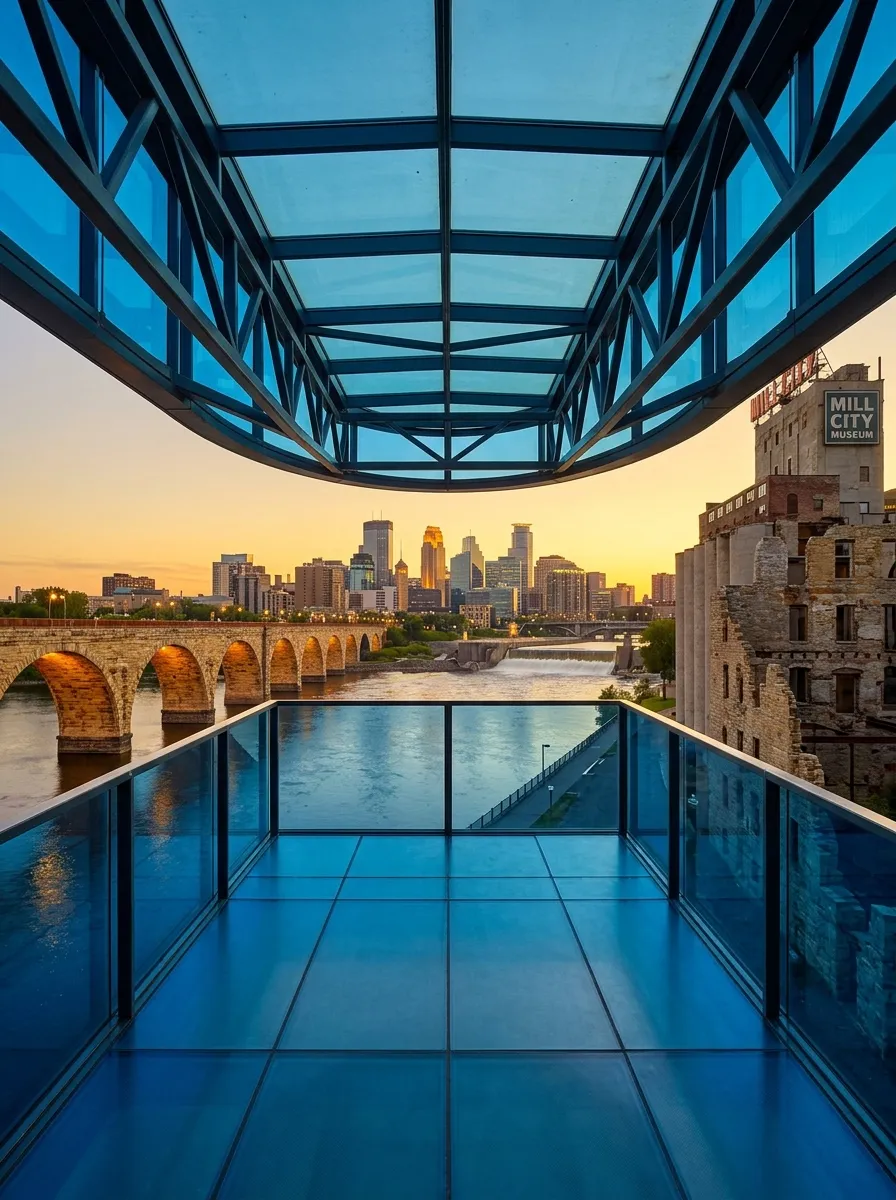
One of the most respected regional theater companies in the country, the Guthrie stages a mix of classic and contemporary work in a striking building along the Mississippi riverfront. Even without a show ticket, the Guthrie’s cantilevered “Endless Bridge” observation deck is open to the public and delivers one of the best free river views in the city.
Stone Arch Bridge and St. Anthony Falls
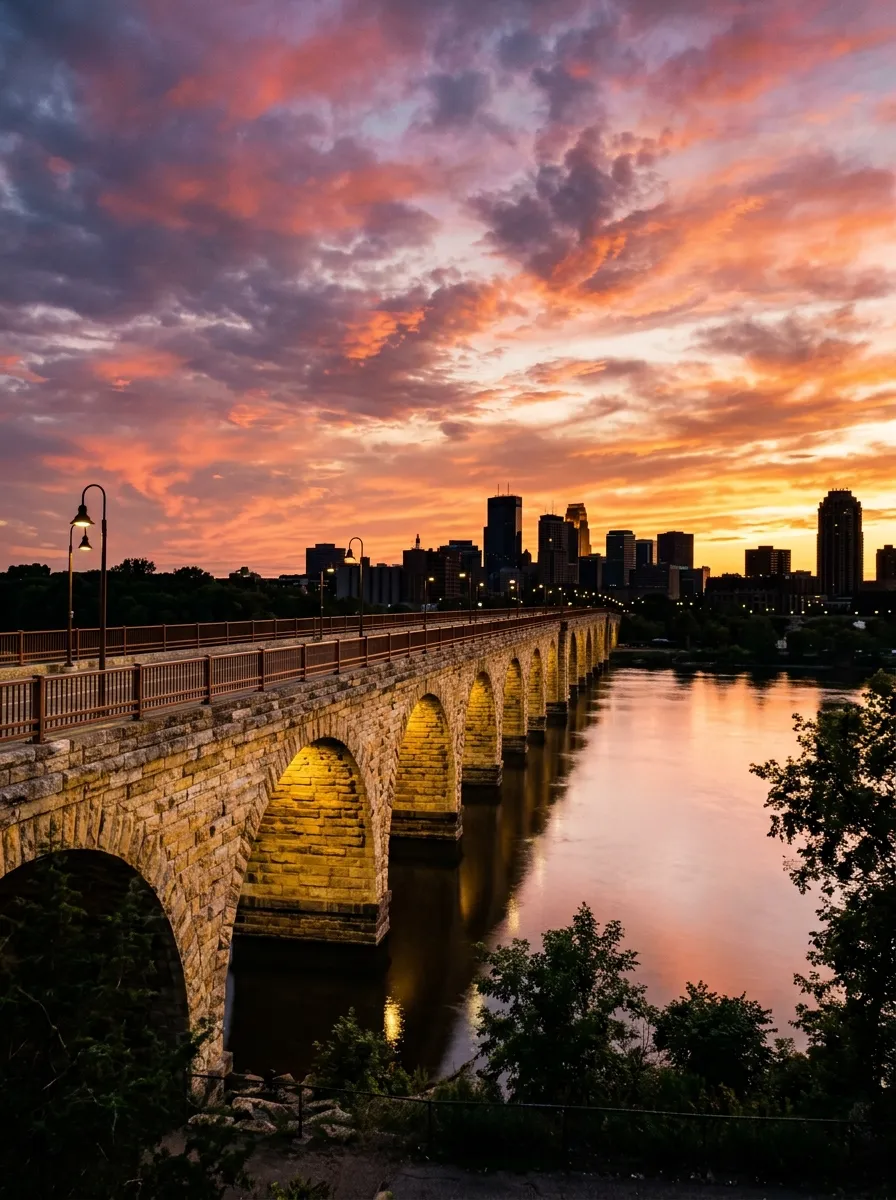
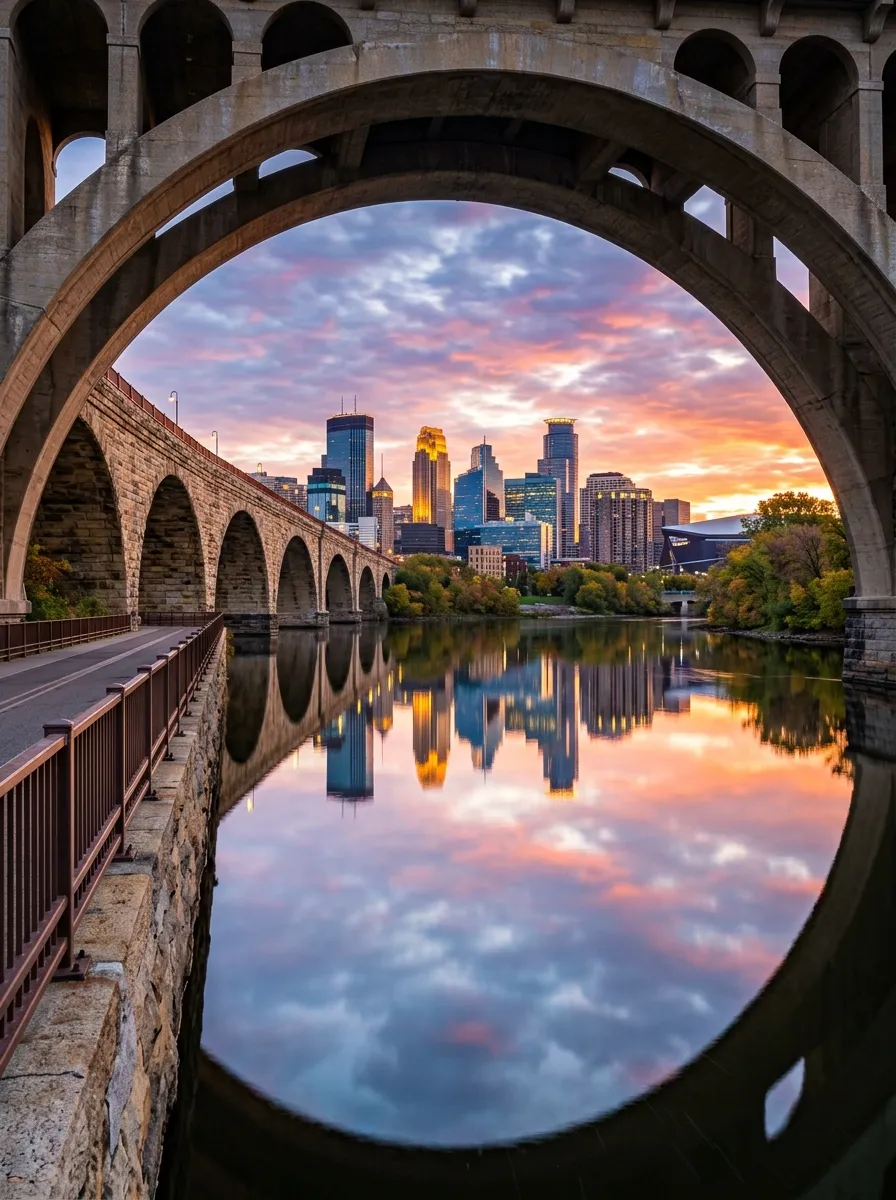
The Stone Arch Bridge, a former railroad bridge spanning the Mississippi near downtown, offers some of the best skyline and riverfront views in the city and connects directly to the St. Anthony Falls Heritage Trail, tracing the only natural major waterfall on the entire Upper Mississippi River. It’s one of the best free things to do in Minneapolis, especially around sunset, when the downtown skyline reflects off the river.
If dramatic natural water features are part of what draws you to travel, it’s worth knowing the concept scales up considerably elsewhere — this Pamukkale, Turkey guide covers one of the world’s more striking natural formations for a very different kind of sunset view on a future trip.
Mill City Museum
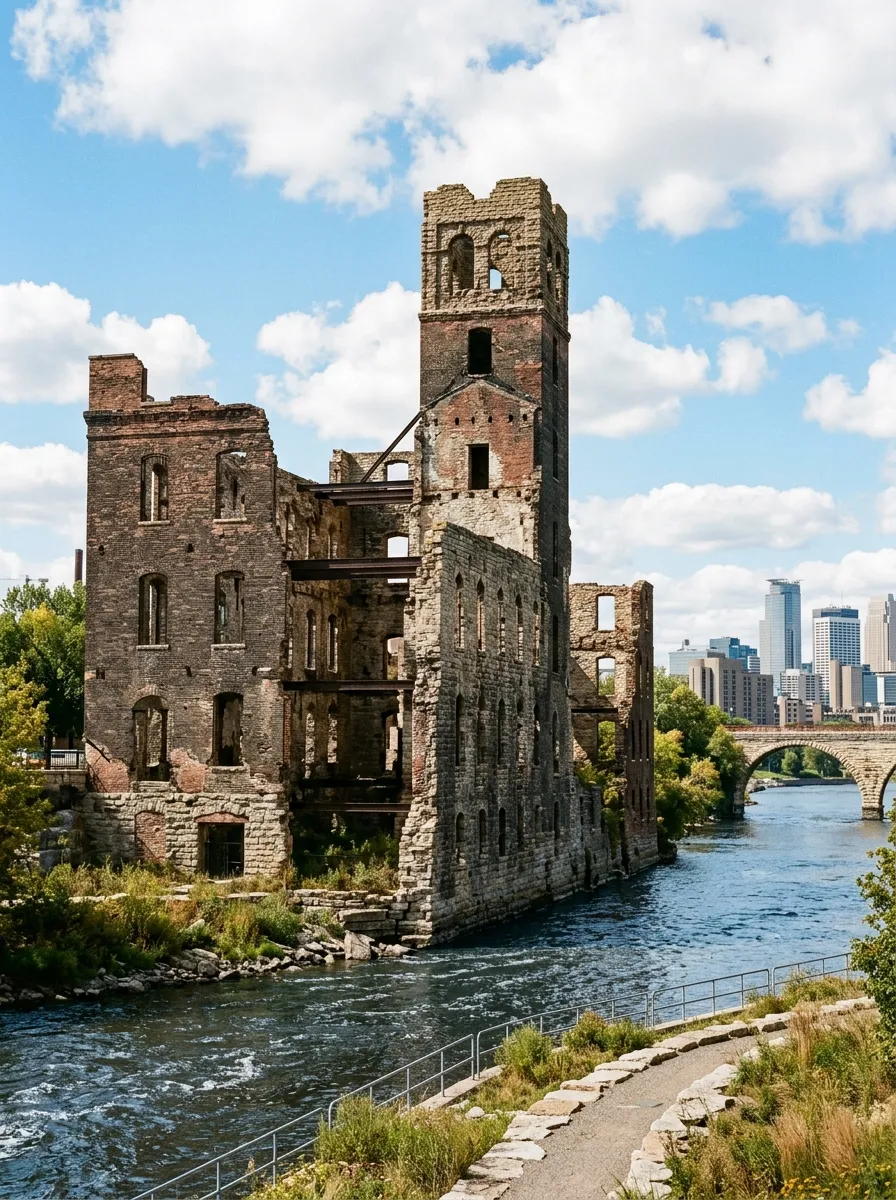
Built into the ruins of what was once the largest flour mill in the world, Mill City Museum sits directly on the historic Mississippi riverfront and tells the intertwined story of the flour industry, the river and the city — Minneapolis was once known as “Mill City” for its dominance of global flour production. The Flour Tower elevator ride and rooftop views over St. Anthony Falls are the highlights; plan on at least two hours. Note that tickets are sold on-site only and not available in advance online, so build a little flexibility into your schedule if visiting during a busy weekend.
The Chain of Lakes
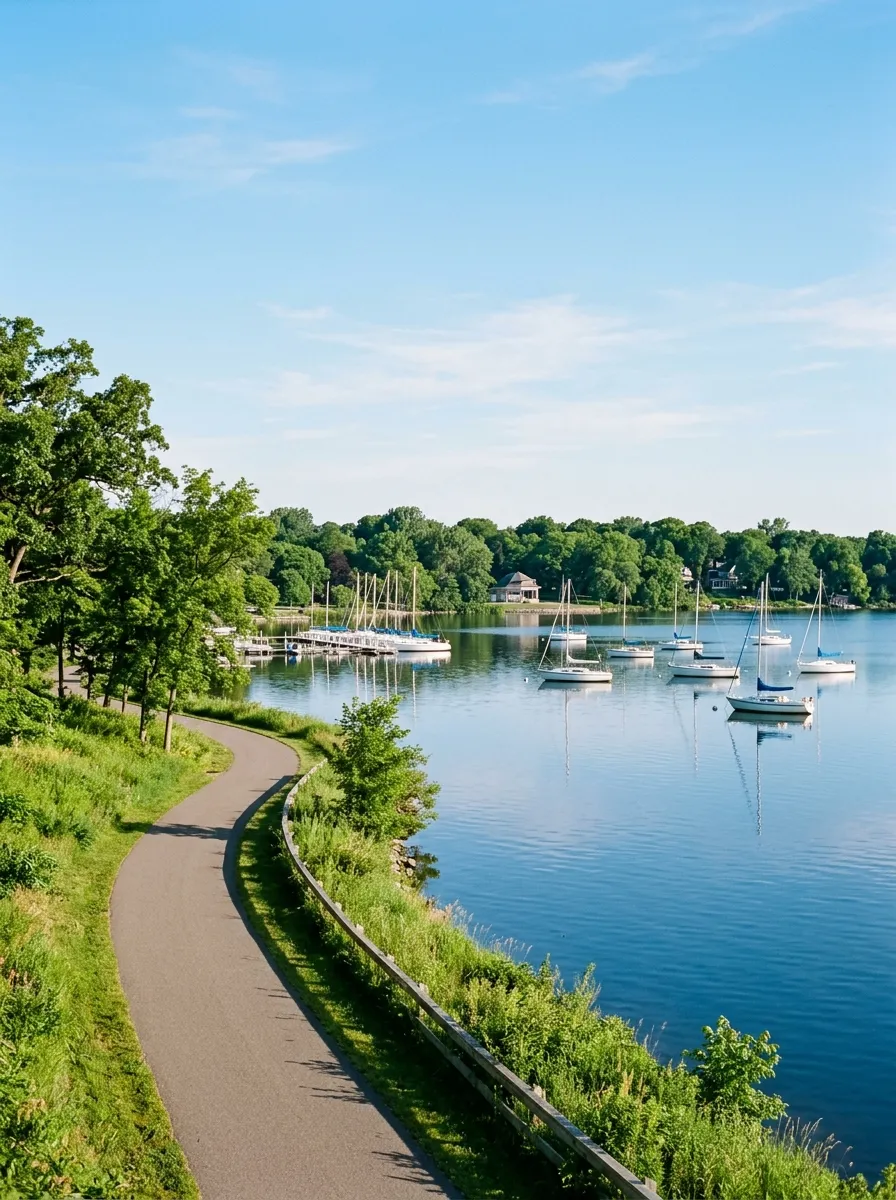
Minneapolis’s Chain of Lakes — Bde Maka Ska, Lake Harriet, Lake of the Isles and Cedar Lake — is the city’s defining outdoor feature, connected by more than 13 miles of pedestrian trails and 15 miles of bike trails as part of the Grand Rounds National Scenic Byway. Multiple beaches across the chain offer swimming access in summer, and bike, kayak, canoe and paddleboard rentals are available seasonally through vendors based at Bde Maka Ska, Lake Harriet and Minnehaha Park — most rental operations close for the season by late October and reopen around May 1. The Lake Harriet Band Shell hosts a popular outdoor concert and movie series through the warmer months.
BOOKING TIP
Weekend afternoons at Bde Maka Ska get genuinely busy in peak summer — an early morning or weekday visit gets you a noticeably quieter ride or paddle around the chain.
Minnehaha Falls and Minnehaha Park
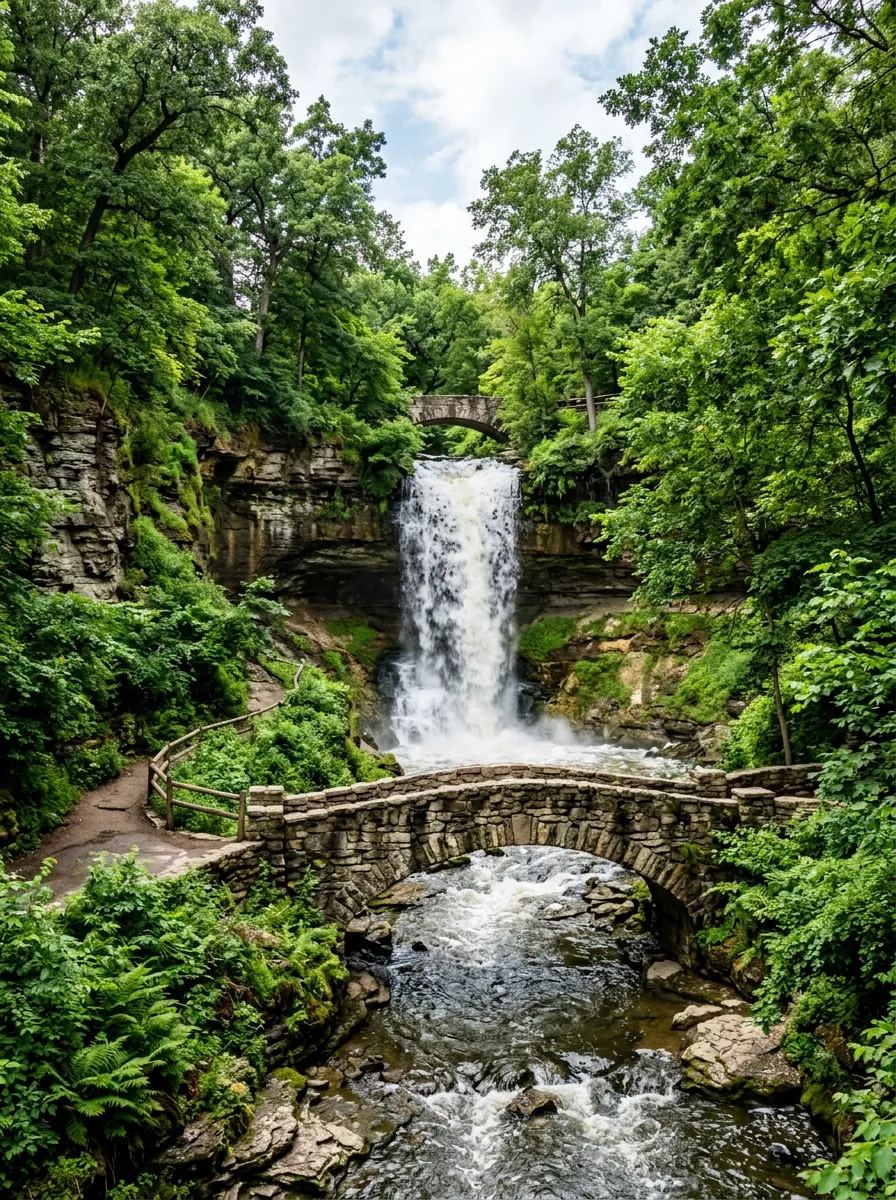
One of Minneapolis’s oldest and most popular parks, 193-acre Minnehaha Park draws nearly a million visitors a year, anchored by the 53-foot Minnehaha Falls dropping into a limestone gorge above the Mississippi. Surrounding trails wind past native wildflowers and mature tree cover, and it’s an easy, largely flat walk that works well for families and less-experienced hikers alike.
First Avenue and Minneapolis Music History

First Avenue, the black-box downtown club made famous by Prince’s “Purple Rain,” remains one of the most important live music venues in the country and is still an active, working club rather than a museum piece — the building’s exterior stars, marking notable artists who’ve played there, are worth a look even if you’re not catching a show. Combined with a wider music scene rooted in the “Minneapolis Sound” of the 1980s, the city takes its musical legacy seriously enough that dedicated walking and trolley tours cover the neighborhoods and venues tied to that era.
Northeast Minneapolis Arts District

Across the river from downtown, Northeast Minneapolis has developed into the city’s most concentrated arts district, packed with working studios, galleries and a strong brewery scene inside converted industrial buildings like the Northrup King Building. The neighborhood’s signature event, Art-A-Whirl, is a free, massive open-studio weekend typically held in mid-May, drawing visitors into artist studios across dozens of buildings — one of the best free cultural experiences in the city if your dates align.
Dinkytown
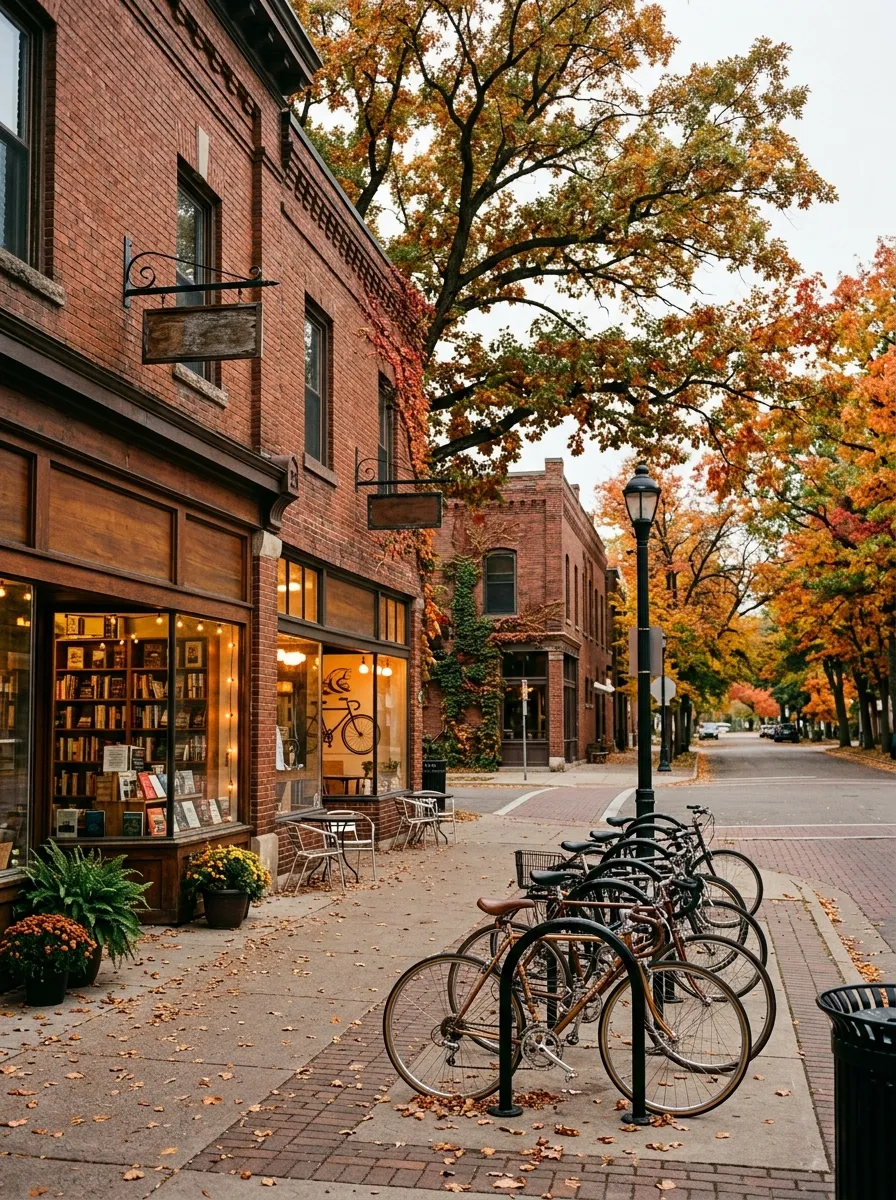
Adjacent to the University of Minnesota, Dinkytown mixes a college-town energy with live music venues, budget-friendly restaurants and a genuinely independent retail scene that’s held on despite decades of development pressure. It’s a strong pick for a lower-cost dinner or a livelier evening than the North Loop offers.
Nicollet Mall and the Minneapolis Farmers Market
Nicollet Mall anchors downtown’s shopping and dining, closed to regular car traffic and lined with restaurants, while the Minneapolis Farmers Market — one of the largest open-air farmers markets in the Midwest — runs seasonally and remains a local favorite for produce, crafts and prepared food, worth building a Saturday morning around if your visit overlaps with market season.
Sports in Minneapolis
Downtown Minneapolis is home to U.S. Bank Stadium (Minnesota Vikings) and Target Field (Minnesota Twins), both within walking distance of the North Loop and Nicollet Mall, alongside the Target Center for Minnesota Timberwolves basketball and Minnesota Wild hockey events at nearby venues. Catching a game is an easy add-on to a downtown-based itinerary regardless of season.
River and Lake Cruises
Beyond self-guided paddling on the Chain of Lakes, several operators run narrated Mississippi River cruises past St. Anthony Falls, the Stone Arch Bridge and the downtown skyline, as well as narrated cruises on nearby Lake Minnetonka covering the lake’s history and lakeside estates — a relaxed option for visitors who’d rather sit back than pedal or paddle themselves.
Day Trips from Minneapolis
Minneapolis’s central location in the Upper Midwest makes it a strong base for further road-trip exploring. Saint Paul, the state capital, sits just across the river with its own historic downtown and the Saint Paul Winter Carnival in late January. Bloomington’s Mall of America — the largest mall in the United States, with an indoor theme park and aquarium built in — is a short light-rail ride south of downtown.
If Minneapolis has you in a road-trip mindset for what comes next, two very different Midwest and Mountain West routes are worth bookmarking: this Nebraska road trip guide covers scenic stops and local eats closer to home, while Colorado’s San Juan Skyway and Million Dollar Highway delivers one of the most dramatic mountain drives in the country for when you’re ready to head further west.
Where to Stay in Minneapolis
North Loop: The best base for food, cocktail bars and boutique hotels, with easy walking access to downtown’s museums and the Mississippi riverfront.
Downtown / Nicollet Mall: The most convenient option for skyway access, theater and sports venues, with the widest range of hotel price points.
Uptown: The natural choice for travelers prioritizing the Chain of Lakes and a slightly more residential, independent-shop atmosphere.
Northeast Minneapolis: A good pick for a quieter stay with strong access to the arts district and brewery scene, though with fewer large hotel options.
How to Get to Minneapolis and Around the City
By air: Minneapolis–Saint Paul International Airport (MSP) is a major hub with extensive domestic and international connections, linked to downtown Minneapolis by a short light-rail ride.
By light rail and bus: The METRO system connects the airport, downtown, the University of Minnesota area and the Mall of America in Bloomington, making a car-free visit realistic for travelers focused on the urban core.
By bike: With the Chain of Lakes trail network and a genuinely strong bike culture, renting a bike is one of the best ways to see Minneapolis in warmer months — rental shops are concentrated around Uptown and the lakes.
By skyway: In winter, the downtown skyway system is worth learning early — it connects most major downtown hotels, restaurants and attractions without requiring a coat.
How Many Days Do You Need in Minneapolis?
Two to three days covers the core highlights: the art museums, Stone Arch Bridge, Mill City Museum and a North Loop dinner or two. Four to five days allows time to properly explore the Chain of Lakes by bike or kayak and add a day trip to Saint Paul or the Mall of America. A week or more opens the door to combining Minneapolis with a broader Minnesota itinerary, including the North Shore or Boundary Waters further north.
Three-Day Minneapolis Itinerary
Day 1: Arrive, Minneapolis Institute of Art, North Loop dinner.
Day 2: Walker Art Center and Sculpture Garden, Stone Arch Bridge and St. Anthony Falls, Mill City Museum, Guthrie Theater’s Endless Bridge at sunset.
Day 3: Chain of Lakes bike or kayak morning, Minnehaha Falls in the afternoon, departure.
Five-Day Minneapolis and Twin Cities Itinerary
Day 1: Arrive, Minneapolis Institute of Art, North Loop dinner.
Day 2: Stone Arch Bridge, Mill City Museum, Walker Art Center and Sculpture Garden.
Day 3: Chain of Lakes by bike, Uptown lunch, Minnehaha Falls in the afternoon.
Day 4: Northeast Minneapolis Arts District galleries and breweries, First Avenue-area music history walk in the evening.
Day 5: Day trip to Saint Paul or the Mall of America, departure.
Budget Travel in Minneapolis
Minneapolis is a genuinely strong-value city for budget-conscious travelers — both the Minneapolis Institute of Art and the Minneapolis Sculpture Garden are free, the Chain of Lakes trails cost nothing to walk or run, and the METRO light rail keeps transportation affordable without a rental car. Dinkytown and the Northeast Arts District both offer noticeably lower-cost dining than the North Loop if stretching a food budget matters.
A love of value-focused travel doesn’t have to stop at city breaks — this list of surprisingly affordable islands to visit is worth saving for a future trip that trades lake water for ocean water without blowing the budget.
Family Travel in Minneapolis
Minnehaha Falls and the Chain of Lakes both offer easy, low-stakes outdoor time for families, and Mill City Museum’s hands-on exhibits work well for kids curious about the city’s industrial history. For a bigger day out, the Mall of America’s Nickelodeon Universe and SEA LIFE Aquarium sit a short light-rail ride away in Bloomington.
Solo Travel and Couples in Minneapolis
Solo travelers benefit from the walkable North Loop and downtown core, plus the light rail’s simplicity for getting around without a car. Couples looking for a quieter, more scenic pace should lean toward an Uptown stay near the Chain of Lakes, with a sunset walk across the Stone Arch Bridge as an easy, low-cost romantic evening.
Safety and Practical Tips
Minneapolis is a major city and standard urban awareness applies, particularly around downtown and nightlife areas late at night. The bigger practical concern for visitors is weather: winter demands real cold-weather gear and a willingness to lean on the skyway system, while summer lake activities call for basic water safety awareness, especially for anyone renting a kayak or paddleboard without prior experience.
Minneapolis Packing Checklist
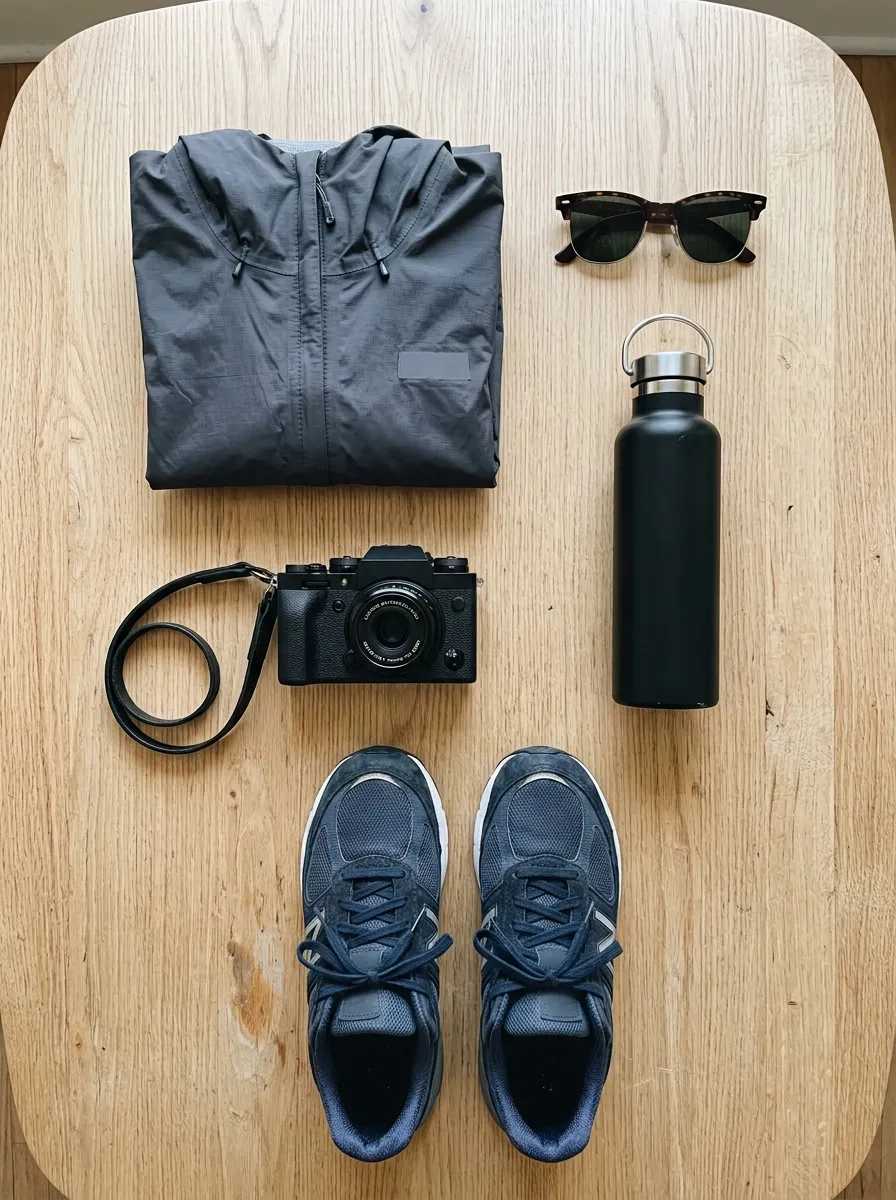
- [ ] Comfortable walking or biking shoes for the Chain of Lakes trails
- [ ] Genuine insulated outerwear for any winter visit (December–February)
- [ ] Layers for shoulder-season trips, since temperatures can swing widely in a single day
- [ ] Swimwear if visiting May through September and planning a lake beach day
- [ ] A reusable water bottle for trail and museum days
- [ ] Cash or card for the Minneapolis Farmers Market and Mill City Museum’s on-site-only tickets
- [ ] A light rain jacket, since Minnesota summer storms can appear quickly
Frequently Asked Questions About Visiting Minneapolis
What is the best time of year to visit Minneapolis?
May through September for lake and outdoor activities, or December for a cozy, skyway-connected museum-and-theater trip.
How many days do I need in Minneapolis?
Two to three days covers the core highlights; four to five days allows time for the Chain of Lakes and a day trip to Saint Paul or the Mall of America.
Is Minneapolis walkable?
Yes — downtown, the North Loop and the riverfront core are all comfortably walkable, and the skyway system extends that in winter.
Do I need a car in Minneapolis?
Not necessarily — the METRO light rail connects the airport, downtown and the Mall of America, and a bike covers the Chain of Lakes well in warmer months. A car becomes more useful for day trips beyond the immediate metro area.
Is Minneapolis expensive?
It’s moderate by national standards, helped significantly by free admission at both the Minneapolis Institute of Art and the Minneapolis Sculpture Garden.
Is Minneapolis safe for tourists?
Yes, with standard urban precautions, particularly around downtown and nightlife districts late at night.
Is Minneapolis good for a winter visit?
Yes, if you’re prepared for genuinely cold temperatures — the skyway system makes a winter museum-and-dining trip very manageable without extensive outdoor exposure.
What’s the best neighborhood to stay in?
The North Loop for food and walkability, downtown for skyway access and theater, or Uptown for Chain of Lakes access.
Is the Minneapolis Institute of Art really free?
Yes, general admission is free year-round, with special ticketed exhibitions occasionally running separately.
Can I rent a bike to explore the Chain of Lakes?
Yes — several rental operators are based at Bde Maka Ska, Lake Harriet and Minnehaha Park, generally open from May through late October.
Is Minneapolis good for families?
Yes — Minnehaha Falls, the Chain of Lakes and Mill City Museum all work well for kids, with the Mall of America’s indoor attractions a short light-rail ride away if the weather turns.
Is Minneapolis good for solo travelers?
Yes — the walkable downtown core and light rail system make solo navigation straightforward.
What should I pack for a Minneapolis winter trip?
Genuine insulated outerwear, warm layers and waterproof boots — the skyway system helps, but you’ll still need real cold-weather gear for getting between it and your hotel.
Is First Avenue still an active music venue?
Yes — it remains a working club with a regular concert calendar, not a museum, though its exterior stars are worth a look even without a show ticket.
When is Art-A-Whirl in 2027?
Based on the event’s typical late-spring pattern, expect a mid-May 2027 weekend — confirm exact dates on the Northeast Minneapolis Arts Association’s official site closer to spring.
Is a day trip to Saint Paul worth it from Minneapolis?
Yes — Saint Paul’s historic downtown, Rice Park and (in late January) the Saint Paul Winter Carnival are all easy additions to a Minneapolis-based trip.
What’s the biggest mistake first-time visitors make?
Underestimating how much the Chain of Lakes deserves — many visitors treat it as a quick photo stop rather than budgeting a half-day to bike or paddle it properly.
Are Mill City Museum tickets available online?
No — tickets are sold on-site only, so plan for a short wait during busy periods.
Is Minneapolis good for a rainy-day trip?
Yes — the Minneapolis Institute of Art, Walker Art Center and Mill City Museum are all strong indoor options regardless of weather.
What’s the most photogenic spot in Minneapolis?
The Stone Arch Bridge at sunset, with the downtown skyline reflected in the Mississippi, is one of the most reliably beautiful views in the city.
Final Thoughts on Visiting Minneapolis
Minneapolis works best when you give its water, art and music culture equal billing rather than treating any single one as the main event. Two or three days lets you cover the Minneapolis Institute of Art, the Stone Arch Bridge and a North Loop dinner comfortably; stretch to four or five and the Chain of Lakes stops being a photo op and becomes an actual half-day of biking or paddling, which is where the city’s character really shows.
If you’re building a first Minneapolis itinerary, anchor it downtown or in the North Loop for walkability, and decide early whether lake season or the skyway-connected winter fits your travel dates better — both are genuinely good versions of the city, just very different ones. Either way, things to do in Minneapolis add up quickly once you look past its reputation as a Twin Cities footnote: a free-admission art museum that rivals cities twice its size, a waterfall inside city limits, and a music venue that’s still doing exactly what it was doing when Prince walked through its doors.