Things to Do in Los Angeles: The Complete 2026–27 City Guide
Los Angeles resists a single itinerary in a way few American cities do. This is a metropolis spread across 502 square miles, where a morning hike through chaparral-covered canyons, an afternoon inside a free world-class art museum, and a sunset over the Pacific can all happen without leaving city limits — provided you’ve planned around the traffic, because in LA, the drive is never a footnote. It’s also a city in an unusual moment: still absorbing the aftermath of the January 2025 wildfires that reshaped entire neighborhoods, fresh off hosting eight FIFA World Cup matches at SoFi Stadium this summer, and visibly gearing up for the 2028 Summer Olympics. None of that should scare off a visit — it should shape how you plan one.
This guide covers things to do in Los Angeles for the rest of 2026 and into 2027, with an emphasis on what’s genuinely worth your time versus what’s simply famous. LA’s reputation runs ahead of it — the Hollywood Sign, the Walk of Fame, Rodeo Drive — and while those spots earn a look, the city’s real depth lives elsewhere: in the free-admission Getty Center perched above the 405, in Griffith Park’s more than 4,300 acres of trails, in Koreatown’s 24-hour food scene, and in a beach culture that runs from Malibu’s cliffside surf breaks to Venice’s boardwalk chaos without ever repeating itself.
One honest note before diving in: Los Angeles is not a walkable city in the way New York or Chicago are, and pretending otherwise sets up a frustrating trip. Distances that look short on a map can mean 45 minutes to over an hour in traffic, especially during weekday rush hours, so this guide leans on realistic time estimates and a car-dependent (or rideshare-dependent) planning approach rather than a fantasy version of LA you can stroll between neighborhoods on foot.
Recommended Travel Items for Your Trip
AT A GLANCE: LOS ANGELES
- Best overall time to visit: March through May, or September through November, for mild weather and thinner crowds
- Best neighborhood base: Santa Monica or Downtown LA, depending on your priorities
- Best for families: Anaheim (Disneyland) or Universal City
- Best for beach culture: Santa Monica and Venice
- Best free attractions: The Getty Center and Griffith Observatory
- Biggest annual event: The Rose Parade, Pasadena, January 1
- Ideal trip length: 4–5 days for the city; 7+ days with Disneyland, Catalina Island or a desert day trip
Los Angeles at a Glance: Where to Focus Your Time
LA’s sprawl makes neighborhood choice the single most important planning decision for a first-time visitor — pick wrong and you’ll spend more of your trip in the car than you’d like.
| Area | Best For | Best Upcoming Time | Suggested Stay | Main Consideration |
| Hollywood | Studio tours, the Walk of Fame, nightlife | Year-round | 2 nights | Tourist-heavy core streets can feel worn |
| Santa Monica / Venice | Beaches, boardwalk culture, walkable pier area | Year-round, best May–Oct | 2–3 nights | Traffic to inland attractions can be significant |
| Downtown LA | Museums, Arts District dining, sports venues | Year-round | 2 nights | Quieter outside event nights and business hours |
| Beverly Hills / West Hollywood | Shopping, dining, boutique hotels | Year-round | 1–2 nights | Among the priciest lodging in the city |
| Pasadena | Museums, gardens, the Rose Parade | Year-round | 1–2 nights | 25–40 minutes from central LA depending on traffic |
Why LA Is Bigger Than Its Postcard Version
Los Angeles gets reduced to a handful of images — palm trees, the Hollywood Sign, gridlocked freeways — that undersell a city built from dozens of genuinely distinct neighborhoods, each closer to its own small city than a district of one big one. Koreatown alone has a population and food scene that would anchor a mid-size American city on its own. The Arts District in Downtown LA has transformed from industrial warehouses into one of the best-looking dining and gallery scenes on the West Coast. And the Getty Center, sitting free and open to the public above the 405 freeway, holds a collection and setting that rivals paid museums charging $30 or more elsewhere in the country. Give LA more than a weekend and the postcard version starts to feel like the smallest part of the story.
When to Visit Los Angeles: Weather, Seasons and Events
Late 2026: What’s Left on the Calendar
LA’s weather stays remarkably mild year-round, which is part of why seasonal planning here is more about events and crowds than temperature. September and October 2026 bring warm, dry days with thinner crowds than summer, and Griffith Observatory’s evening telescope viewing is especially pleasant once the summer heat eases. November brings LA’s rainy season closer, though rainfall remains modest compared to most of the country, and December’s mild, sunny days make it one of the more pleasant places in the U.S. to spend the holidays outdoors.
Winter Into 2027: The Rose Parade and Beyond
Pasadena’s Rose Parade, held every January 1 since 1890, remains one of LA’s signature annual events — a flower-covered float procession followed by the Rose Bowl college football game, drawing crowds along the parade route hours before sunrise for the best viewing spots. Confirm official 2027 route and grandstand ticket details on the Tournament of Roses’ site closer to the date, since seating and route logistics are announced a few months ahead.
If ringing in the new year somewhere with its own signature celebration sounds appealing beyond Pasadena, this roundup of incredible places around the USA to kick off January in style is worth a look for comparing how different American cities handle the first days of the year.
Spring, Summer and Looking Toward 2028
Spring (March–May) 2027 offers LA’s most reliably comfortable weather — warm days, cool nights, and June gloom (the marine layer that regularly blankets the coast in overcast mornings through early summer) hasn’t yet set in. Summer brings peak crowds and peak heat inland, particularly in the San Fernando Valley and away from the coast, where temperatures run noticeably higher than beachside neighborhoods. LA is also visibly building toward hosting the 2028 Summer Olympics, and infrastructure and transit projects tied to that buildout continue through this window — expect ongoing construction around some transit corridors as the city prepares.
WEATHER AND SAFETY WARNING
Southern California’s dry season, roughly May through November, brings real wildfire risk, particularly in hillside and canyon-adjacent neighborhoods. Air quality can degrade during active fire events even in areas far from the flames themselves, and outdoor plans — especially hikes in Griffith Park, Topanga or the Santa Monica Mountains — should be checked against current air quality and any active fire advisories before heading out. Also note that Los Angeles is earthquake country; while quakes are typically minor and quick, familiarizing yourself with basic “drop, cover, hold on” guidance is reasonable general awareness for any visit.
A Note on the 2025 Wildfires and Visiting Responsibly
In January 2025, the Palisades and Eaton fires devastated Pacific Palisades, Malibu and Altadena, destroying more than 16,000 structures and killing 31 people in what remains the most destructive wildfire event in Los Angeles County history. Recovery is genuinely ongoing as of this writing: Pacific Palisades has seen visible rebuilding progress, including the reopening of the Palisades Village shopping center in August 2026, but large portions of the burn zone remain under construction, and sections of Pacific Coast Highway through the area are still subject to reduced speed limits due to incomplete repairs. Altadena’s recovery, centered in LA County jurisdiction rather than the city, follows a somewhat different rebuilding timeline.
Practically, this means a few things for visitors: some previously popular stops in Pacific Palisades and parts of Malibu may be closed, altered or simply not what older travel guides describe, and driving through active burn-recovery neighborhoods as a sightseeing activity is generally discouraged out of respect for residents still rebuilding. Checking current conditions before planning a Malibu or Palisades-area day trip is worth the extra step, both for accuracy and out of basic consideration for a community still recovering.
LA Neighborhoods to Know
Hollywood
The neighborhood most visitors picture first, home to the Walk of Fame, the TCL Chinese Theatre and Hollywood Boulevard’s mix of tourist attractions and studio-adjacent history. It rewards a focused visit rather than extended wandering — the core tourist strip is worn in places, but sits close to Griffith Park and the Hollywood Sign trailheads.
Santa Monica and Venice
LA’s most walkable beach communities, connected by an oceanfront bike path. Santa Monica centers on its historic pier and the pedestrian Third Street Promenade, while Venice’s boardwalk delivers the city’s most chaotic, people-watching-heavy beach scene, alongside the quieter, canal-lined residential streets just inland.
Downtown LA (DTLA)
Once written off by visitors entirely, Downtown has rebounded around the Arts District’s warehouse-turned-restaurant scene, The Broad and MOCA museums, and Little Tokyo’s dense concentration of Japanese restaurants and shops. It’s also home to Crypto.com Arena and the sports and concert scene that comes with it.
Beverly Hills and West Hollywood
Beverly Hills delivers the Rodeo Drive shopping experience most visitors expect, while adjacent West Hollywood brings a livelier nightlife and dining scene along Sunset Boulevard’s famous Strip.
Silver Lake and Los Feliz
Adjacent, hillside neighborhoods east of Hollywood with a strong independent coffee, vintage shopping and restaurant culture, plus easy access to Griffith Park’s eastern trailheads.
Pasadena
A more traditional, historic city feel roughly 25–40 minutes northeast of central LA depending on traffic, anchored by the Rose Parade, the Norton Simon Museum and the Huntington Library’s gardens.
Griffith Observatory and Griffith Park
Koreatown
Griffith Observatory draws more than 1.5 million visitors a year without charging a dollar for general admission, offering telescope viewing, astronomy exhibits and arguably the best free skyline view in the city. It sits inside Griffith Park, one of the largest urban parks in the country at more than 4,300 acres, with trail networks ranging from easy paved walks to genuinely strenuous chaparral hikes, plus the LA Zoo and the historic Griffith Park Carousel.
Hollywood Sign Hikes
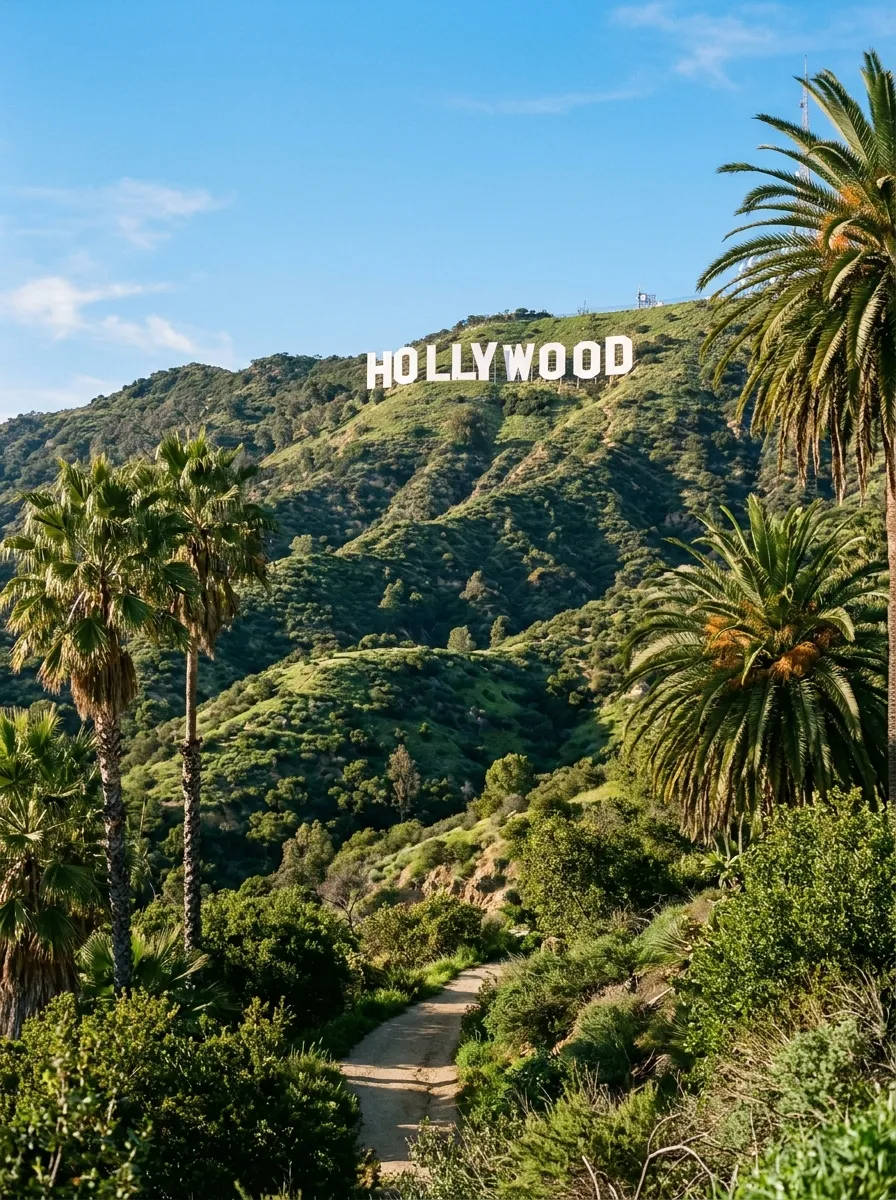
The Hollywood Sign itself is fenced off from close approach, but several trails in Griffith Park and Hollyridge deliver strong, unobstructed views, ranging from easy overlook walks to longer loop hikes. Early morning starts are worth it both for cooler temperatures and better light for photos.
Griffith Park’s trail network is a genuine hiking destination in its own right, and it’s part of a much bigger story of outdoor adventure across the American West — this guide to 15 best adventure travel spots in the USA for epic hiking and surfing puts LA’s canyon trails and coastal surf breaks in context alongside some of the country’s other standout outdoor destinations.
The Getty Center
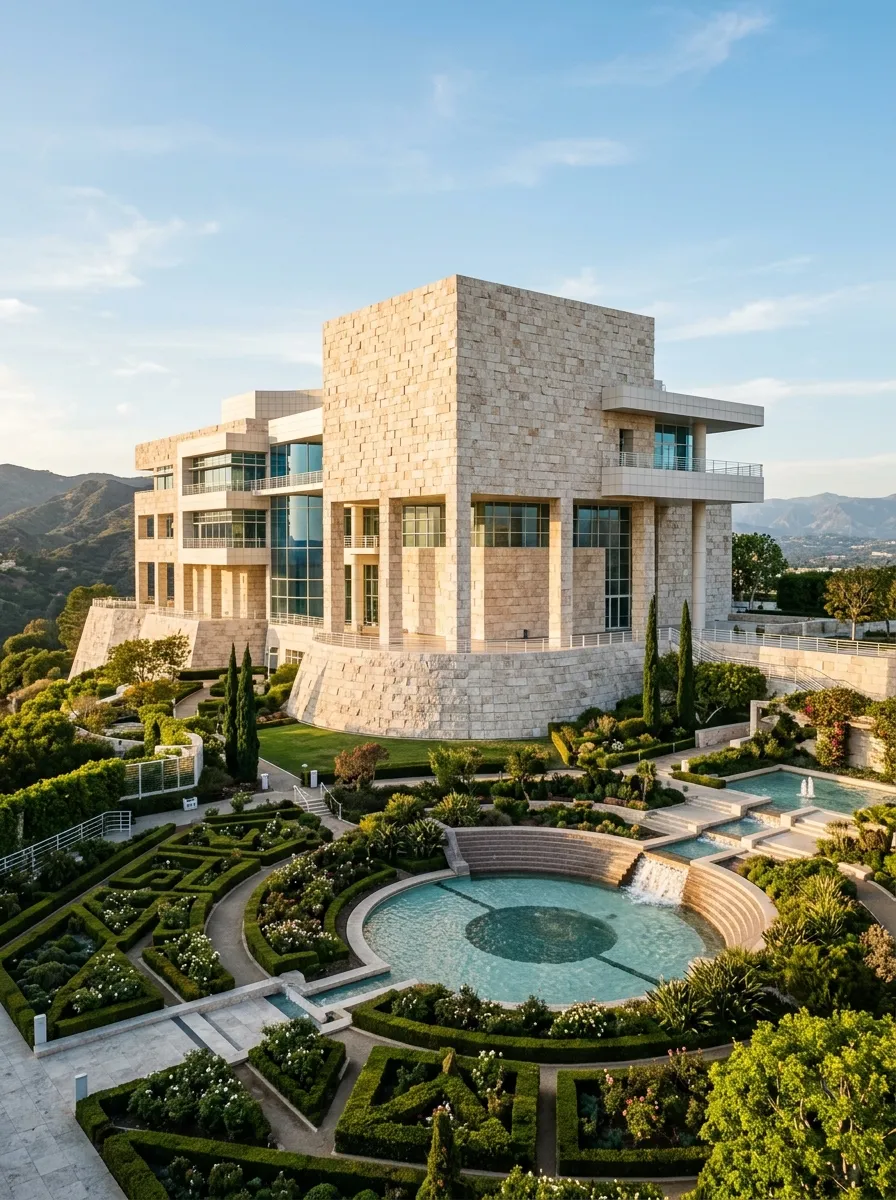
Perched on a hilltop above the 405 freeway, the Getty Center is one of the most extraordinary art institutions in the United States and, remarkably, entirely free to enter — the only cost is parking, generally around $25 per vehicle (reduced after 3 p.m. on select days). The collection spans European paintings, decorative arts and photography, but the architecture and gardens, designed by Richard Meier, are just as much a reason to visit as what’s inside. Budget at least three hours.
LACMA and Urban Light
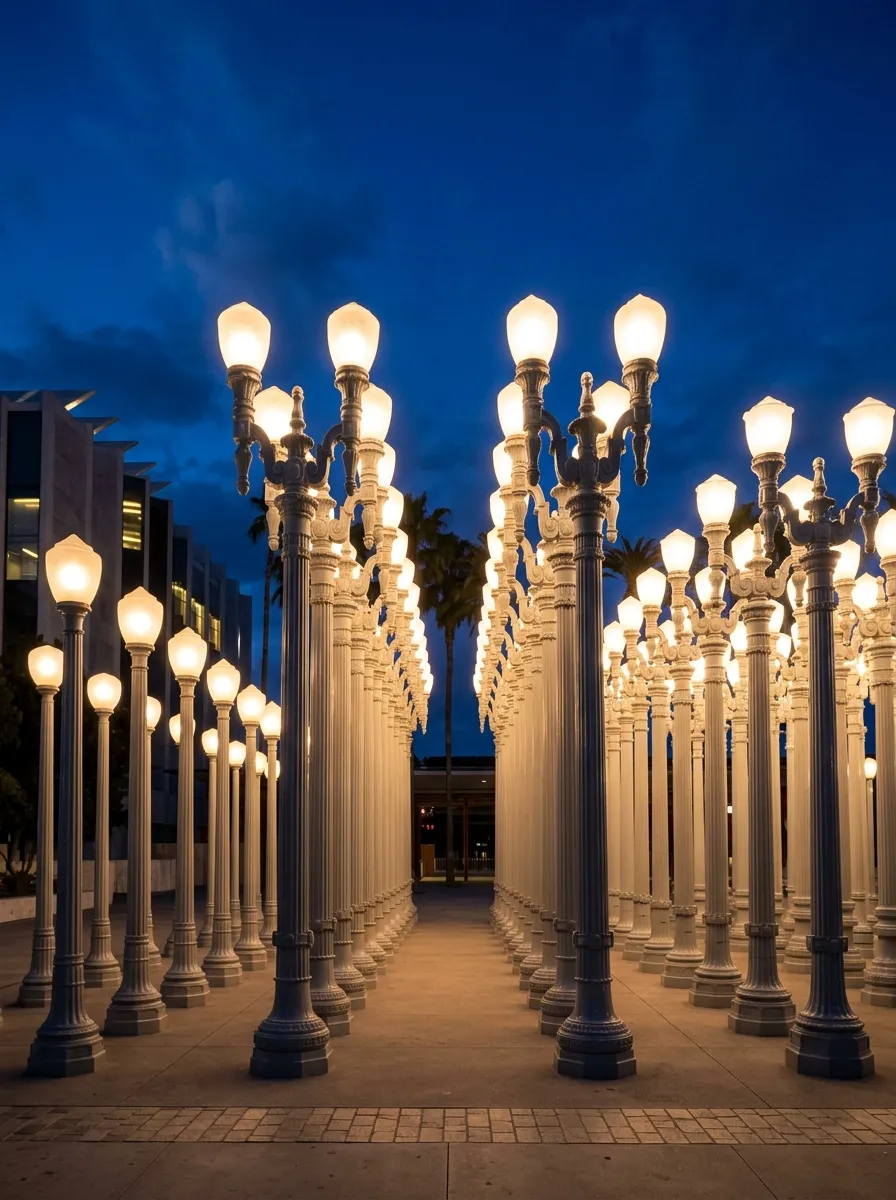
The Los Angeles County Museum of Art anchors the Miracle Mile alongside the La Brea Tar Pits, with an encyclopedic collection spanning global art history. Its most photographed feature isn’t inside the galleries at all — Urban Light, a installation of 202 restored vintage street lamps arranged at the museum’s entrance, is one of the most recognizable and freely accessible public art pieces in the city, day or night.
The Broad Museum
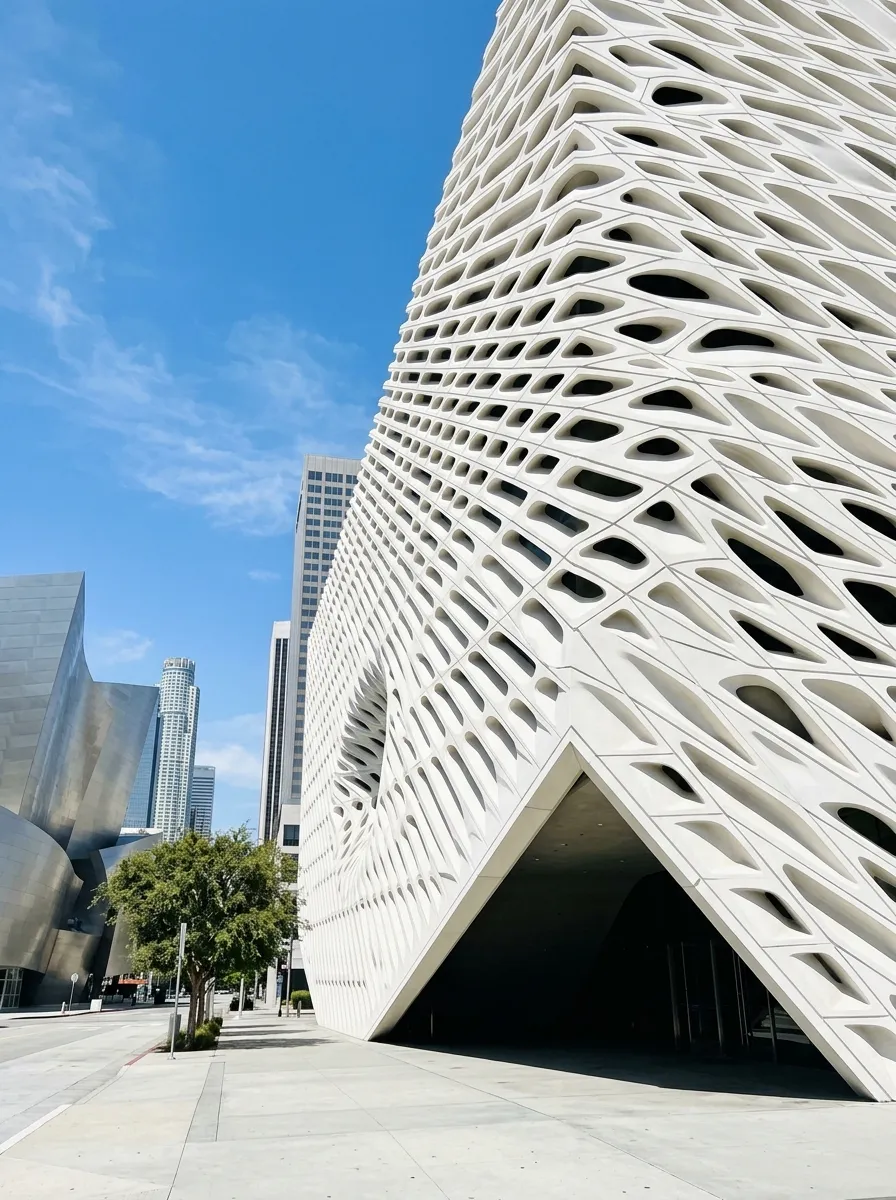
Downtown’s contemporary art museum, The Broad, holds a major collection including work by Jeff Koons, Yayoi Kusama and Kara Walker, with general admission free (special exhibitions and the popular Kusama Infinity Mirror Rooms typically require a timed ticket booked in advance). It sits directly across from the Walt Disney Concert Hall, Frank Gehry’s stainless-steel-clad home of the LA Philharmonic, worth a look even without a concert ticket.
La Brea Tar Pits
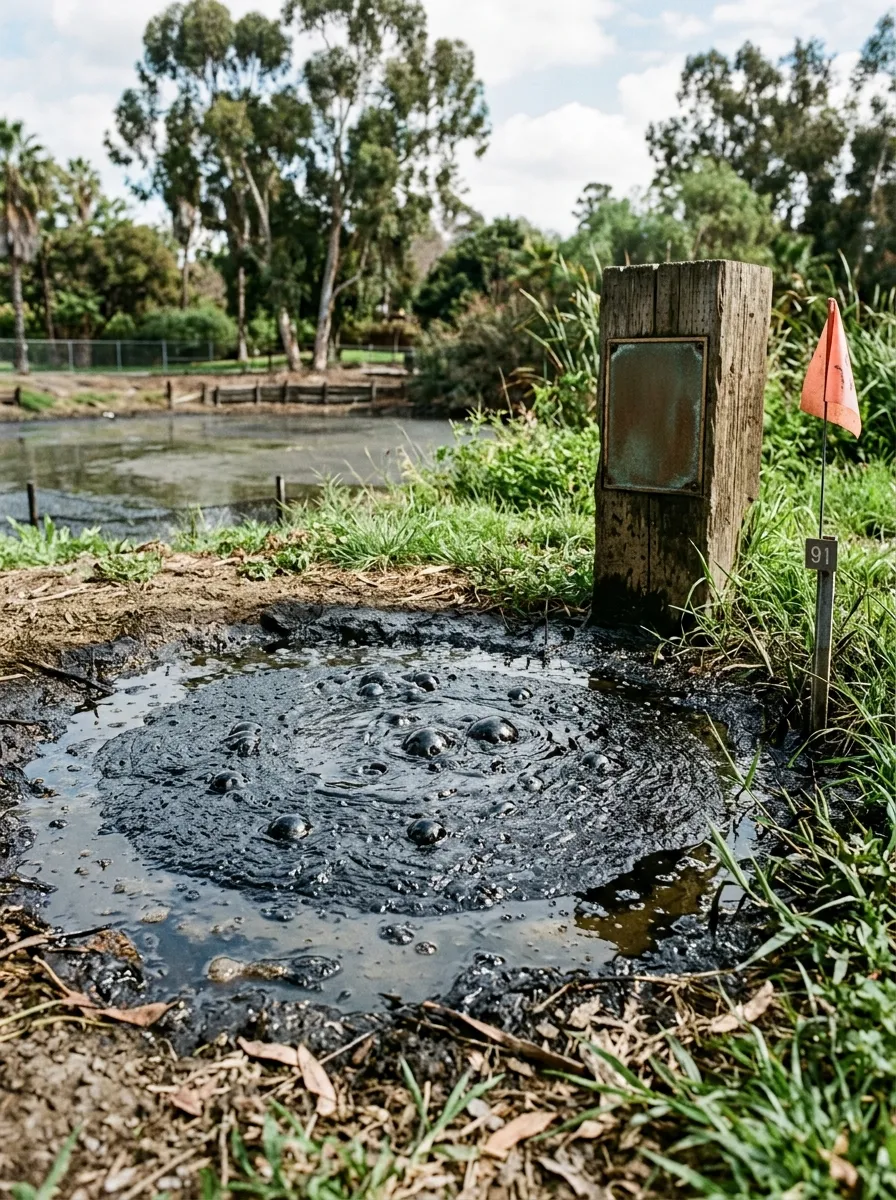
One of the more genuinely unusual attractions in any major American city, the La Brea Tar Pits are an active paleontological site where natural asphalt still bubbles to the surface in the middle of the Miracle Mile, with an on-site museum displaying Ice Age fossils excavated from the tar itself. It’s a compact, easy add-on to a Getty or LACMA day.
Universal Studios Hollywood
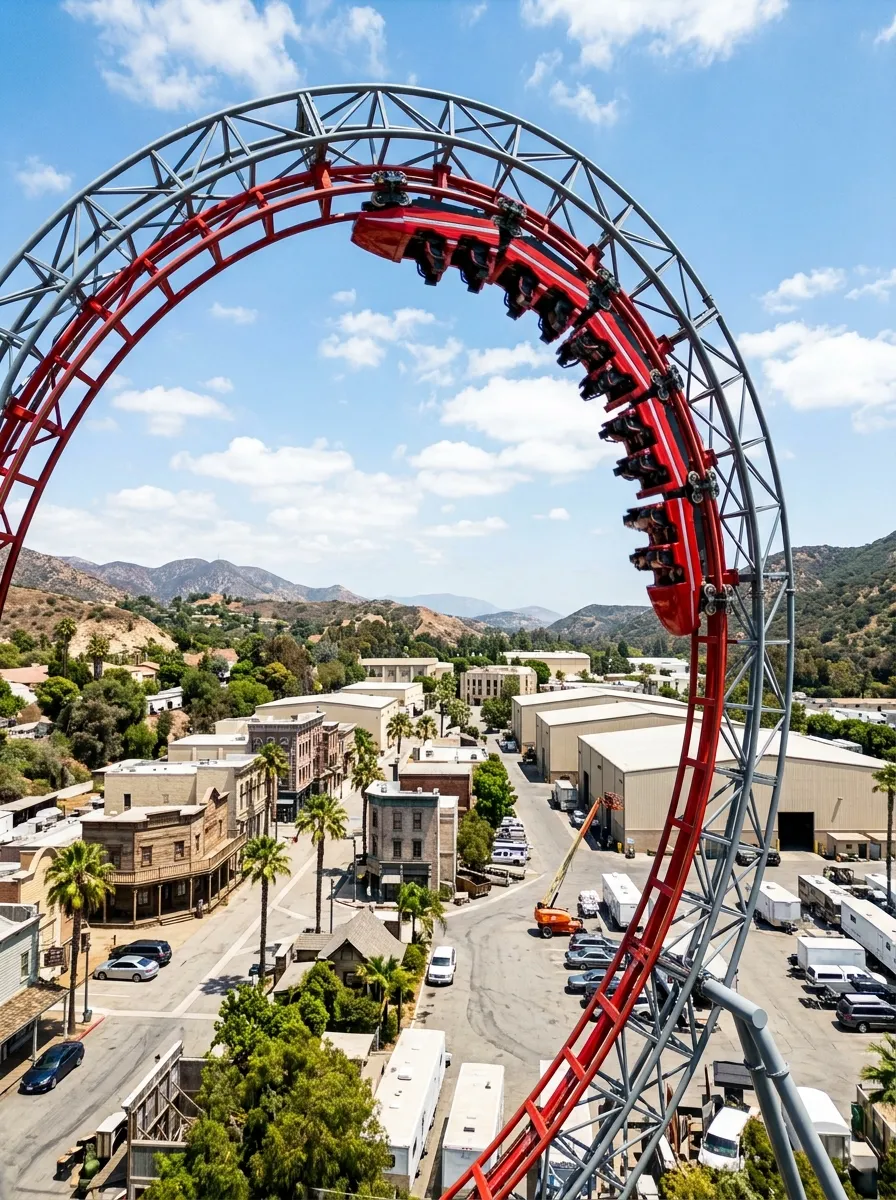
Universal Studios Hollywood combines a working studio backlot tour with a full slate of thrill rides across its Upper and Lower Lot, connected by the StarWay escalator system with panoramic Hollywood Hills views. Highlights include the Wizarding World of Harry Potter, the Jurassic World ride, Super Nintendo World, and Fast & Furious: Hollywood Drift, the park’s first high-speed outdoor roller coaster, which opened in summer 2026. General admission starts around $109 for a single day when purchased online, with Express Pass options running $209–309 and general parking around $40 (movie-ticket holders at Universal CityWalk pay just $5 for parking). Arrive at opening and head straight to the most popular attractions to beat the worst of the lines.
BOOKING TIP
Ticket prices at Universal Studios Hollywood and Disneyland both use date-based pricing — visiting on a lower-demand weekday, especially outside summer and school holidays, can meaningfully cut ticket costs compared to a weekend visit.
Warner Bros. Studio Tour Hollywood
For a more behind-the-scenes, less ride-focused studio experience, the Warner Bros. Studio Tour walks visitors through actual working soundstages, backlots and permanent exhibits tied to major franchises filmed there. It’s a strong pick for movie and TV history enthusiasts who’d rather see how things are actually made than ride a themed coaster about it.
Disneyland and Disney California Adventure
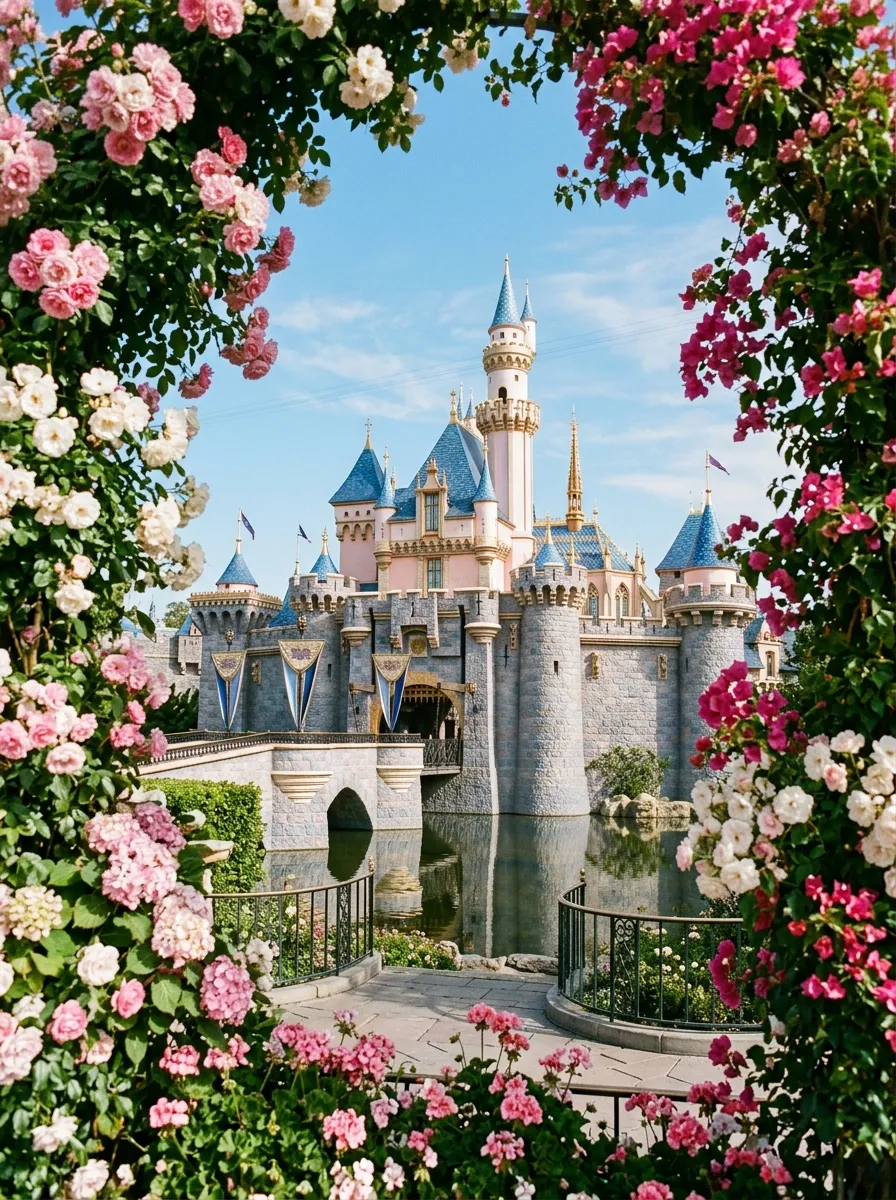
Roughly 35 miles and 35 minutes to two hours from central LA depending on traffic, Disneyland Park in Anaheim remains the original Disney theme park, opened in 1955, home to Sleeping Beauty Castle and eight themed lands. One-day 2026 ticket pricing uses date-based tiers running from about $104 to $224 for adults, with Lightning Lane Multi Pass (Disney’s paid line-skip system) starting around $32 per person per day and rising on peak dates. Disney California Adventure, the adjacent second park, adds Cars Land and Pixar-themed attractions. Given the distance and cost, this works best as its own dedicated day (or two) rather than a rushed add-on to an LA-based itinerary.
Santa Monica Pier and Third Street Promenade
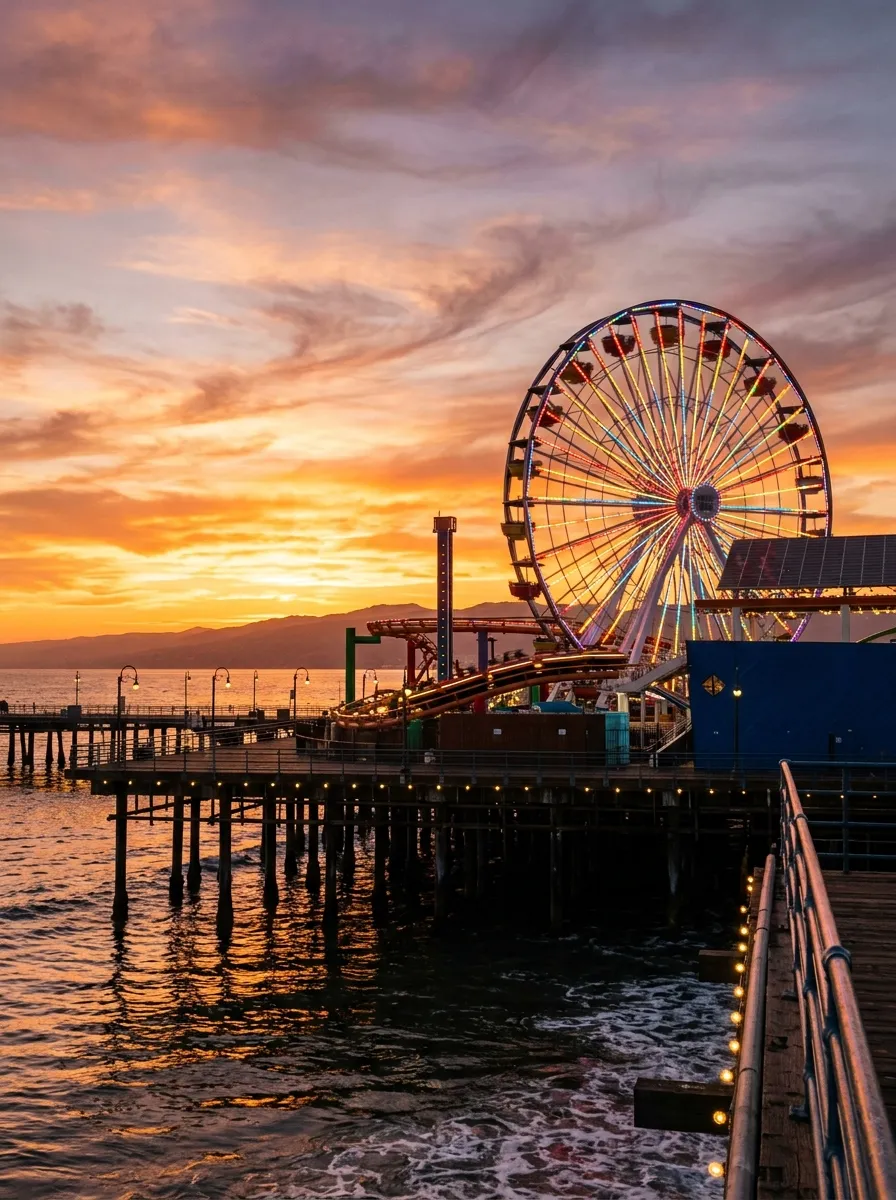
Santa Monica Pier’s amusement park, aquarium and classic carousel sit at the western end of Route 66, with the pedestrian-only Third Street Promenade a few blocks inland offering shopping, street performers and a dense restaurant scene. It’s one of the most reliably enjoyable, walkable stretches of LA for visitors without a car-heavy itinerary.
If pier-and-boardwalk culture is part of what you love about a beach trip, it’s a format that shows up in surprisingly different forms across the country — this Atlantic City travel guide covers the East Coast’s own take on the boardwalk experience for comparison on a future trip.
Venice Beach and the Venice Boardwalk
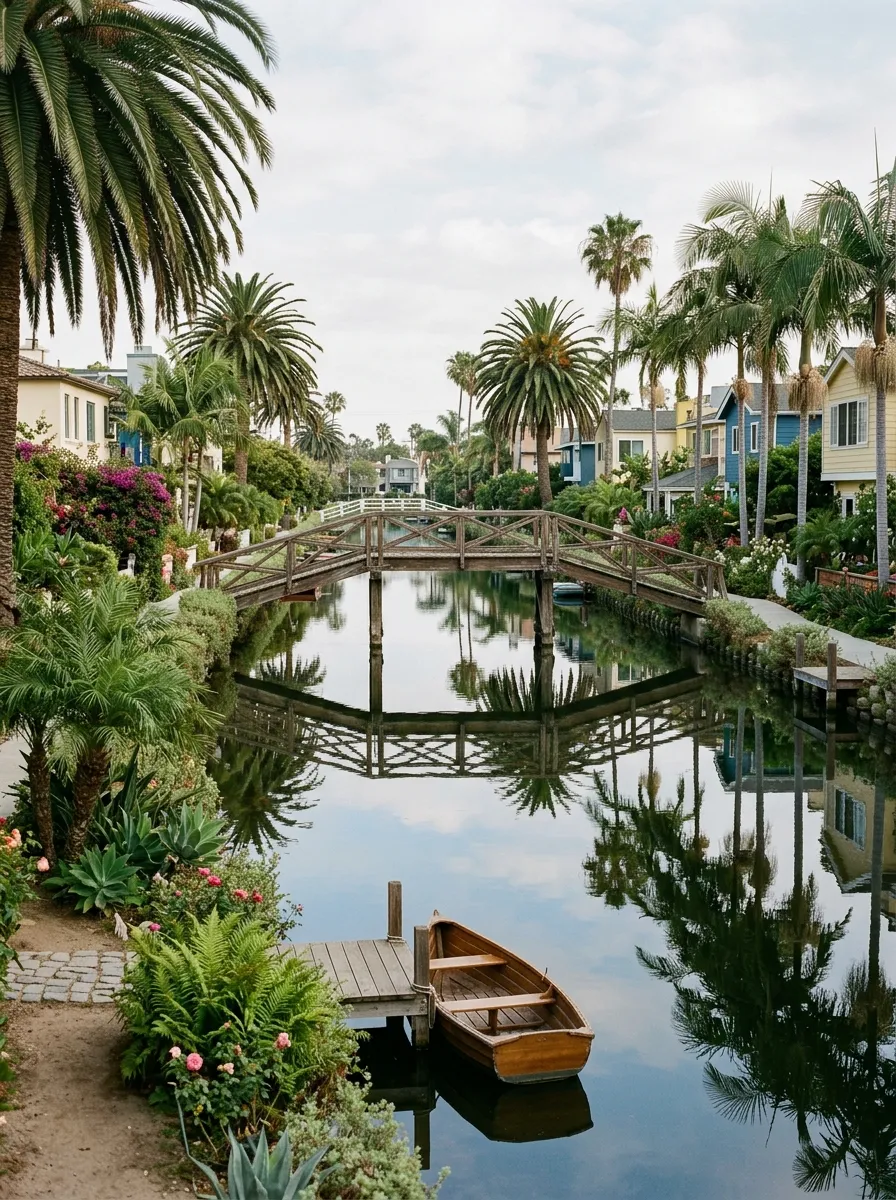
Venice’s boardwalk is LA’s most chaotic and entertaining people-watching stretch — street performers, Muscle Beach’s outdoor gym, skate parks and a dense line of vendors — while the residential canal streets a few blocks inland offer a quieter, almost surprising contrast. Parking can be genuinely difficult on weekends; arriving early or using rideshare is the more relaxed option.
Malibu and the Santa Monica Mountains
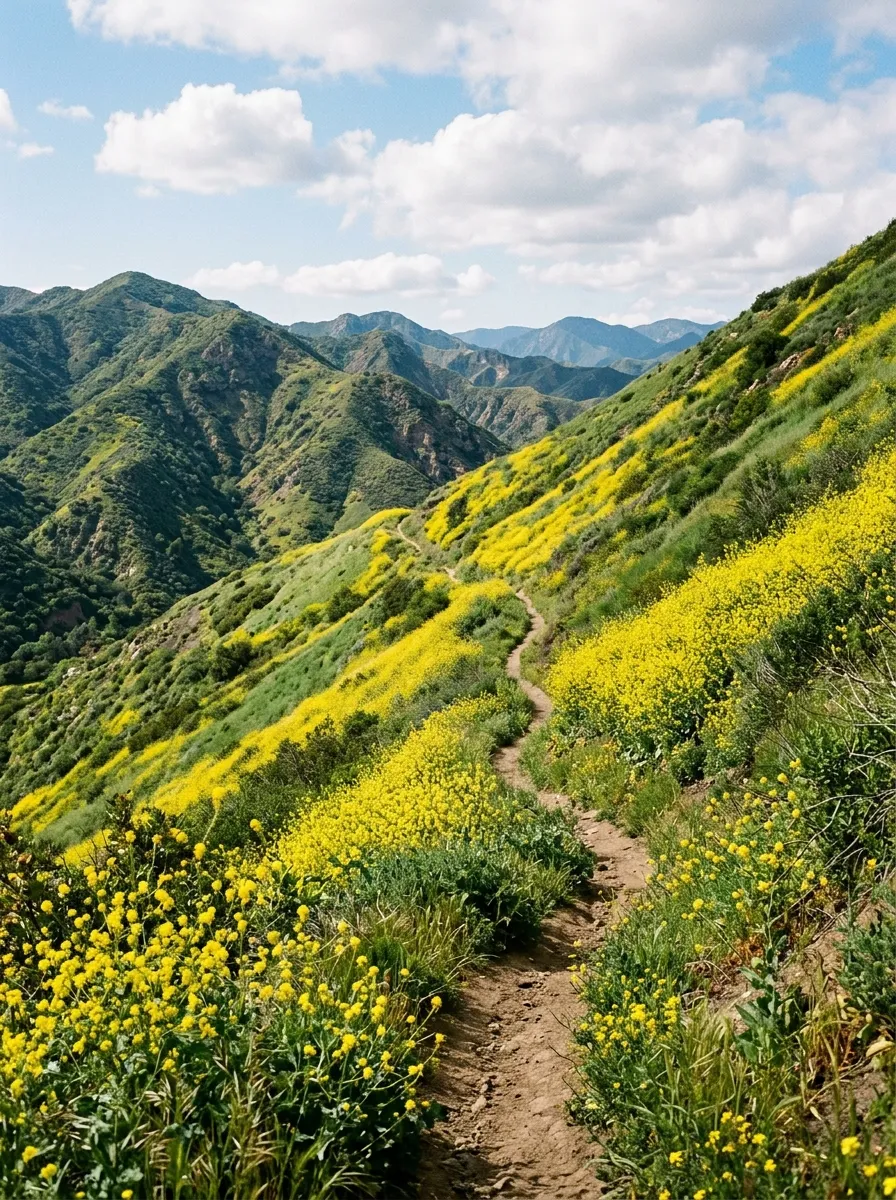
Malibu’s coastline delivers some of LA’s best surfing (particularly at the legendary Surfrider Beach) and hiking in the adjacent Santa Monica Mountains, including trails through Topanga State Park and Malibu Creek State Park — the latter a former filming location for the original “Planet of the Apes” and later “MAS*H.” As noted above, portions of the Palisades-to-Malibu corridor along Pacific Coast Highway remain in active wildfire recovery, so check current road and trail conditions before planning a visit here specifically.
Beverly Hills and Rodeo Drive
Rodeo Drive delivers the luxury shopping experience its reputation promises, but Beverly Hills is also worth a slower look for its manicured residential streets, the Beverly Hills Sign in Beverly Gardens Park, and a dining scene that extends well beyond the famous shopping blocks.
Downtown LA Arts District and Little Tokyo
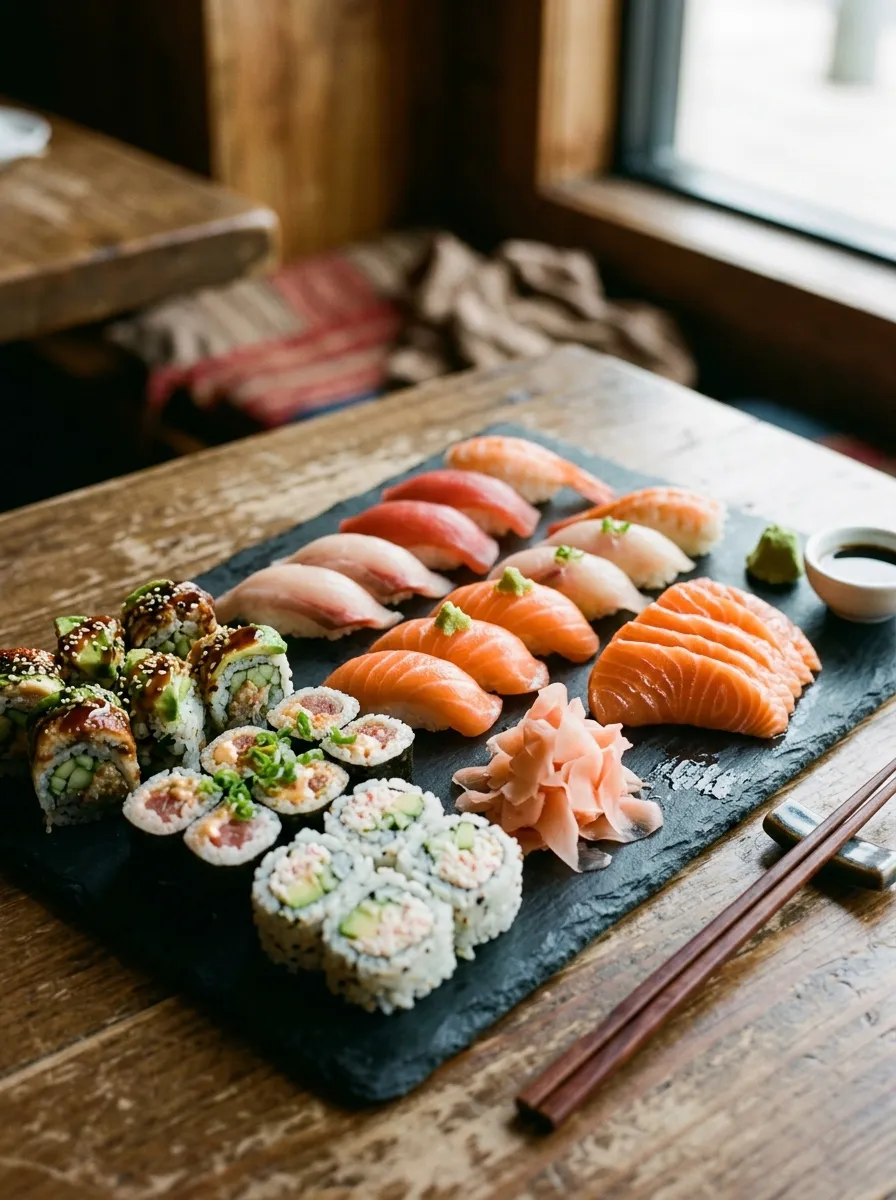
The Arts District’s transformation from industrial warehouses into a dense restaurant, brewery and gallery scene has made it one of DTLA’s most rewarding areas for an evening out, while adjacent Little Tokyo remains one of the most historically significant and best concentrated Japanese dining and shopping districts in the country.
Koreatown
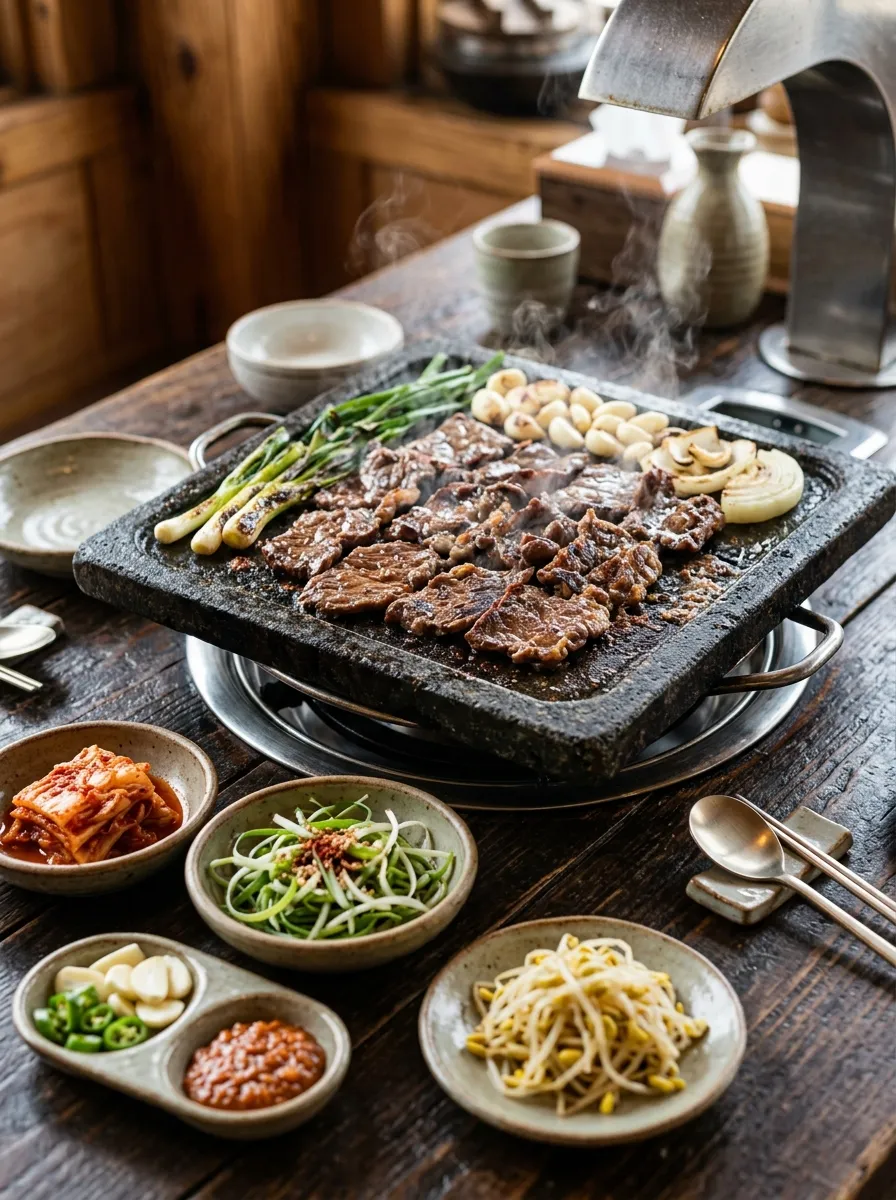
LA’s Koreatown is one of the largest and most vibrant in the world, packed with 24-hour restaurants, Korean barbecue, karaoke rooms and a nightlife scene that runs later than most of the city. It’s a strong pick for a dinner that goes well past what most other LA neighborhoods offer on a weeknight.
LA isn’t the only sprawling, car-dependent American city that’s built its identity around food and late-night culture rather than a single walkable core — this Austin travel guide covers a similarly food-and-music-driven Texas counterpart worth comparing notes with on a future U.S. road trip.
Pasadena and the Rose Parade
Beyond its New Year’s Day signature event, Pasadena is worth a dedicated half-day or more for the Norton Simon Museum’s strong European art collection and the Huntington Library, Art Museum and Botanical Gardens’ sprawling grounds, including its famous Japanese and desert gardens.
Dodger Stadium and LA Sports
Dodger Stadium, one of the most beloved ballparks in Major League Baseball, sits in Elysian Park with skyline views from the upper deck, and catching a Dodgers game remains one of the classic LA summer evening activities. Downtown’s Crypto.com Arena hosts the Lakers, Clippers and Kings, while SoFi Stadium in Inglewood — which hosted eight FIFA World Cup 2026 matches this past June and July, including two U.S. men’s national team group-stage games and a quarterfinal — remains the region’s marquee venue for major events going forward.
Catalina Island Day Trip
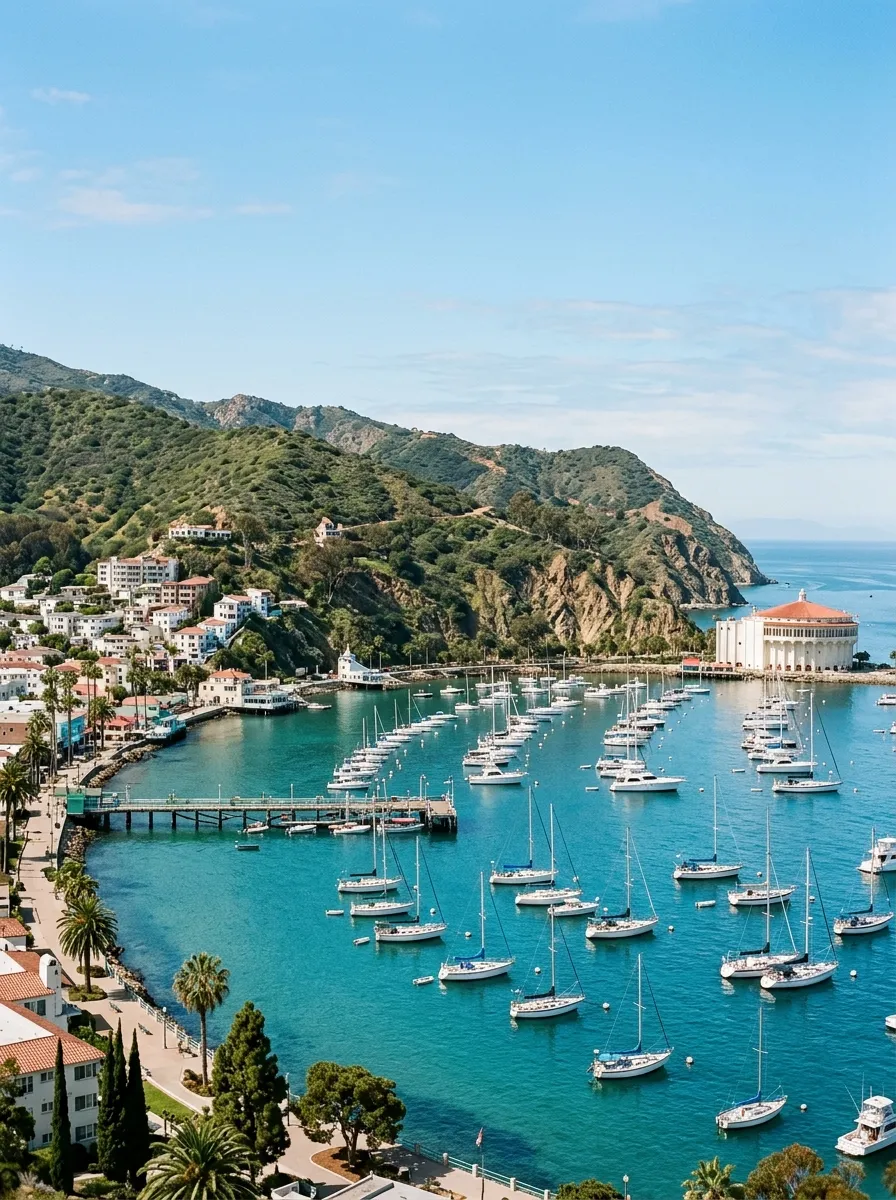
About an hour by ferry from Long Beach or San Pedro, Catalina Island offers a genuinely different pace from mainland LA — golf carts instead of cars in the main town of Avalon, snorkeling and diving in clear coastal water, and hiking trails with sweeping Pacific views. It’s a worthwhile full-day trip or overnight for visitors looking to break up an otherwise city-heavy itinerary.
If it’s the idea of finding an unexpectedly different side of a well-known region that appeals to you, this list of mind-blowing hidden places in the USA is worth bookmarking — Catalina’s quieter pace fits right into that same spirit of overlooked spots hiding in plain sight near much more famous destinations.
Day Trips Beyond LA
Joshua Tree National Park sits roughly 2.5 hours east, offering a genuinely different desert landscape of twisted namesake trees and boulder-strewn terrain, best visited outside the height of summer heat. San Diego, about two hours south, makes for a strong overnight add-on given its own beach culture, Balboa Park museums and the San Diego Zoo.
Where to Stay in Los Angeles
Santa Monica or Venice: The best choice for a beach-forward, walkable trip, with easy access to the Metro E Line into Downtown.
Downtown LA: Strong for museums, sports and Arts District dining, with growing transit connections but a quieter feel outside event nights.
Hollywood: Convenient for studio tours and the Walk of Fame, with easy access to Griffith Park.
Beverly Hills / West Hollywood: The highest-end lodging option, best suited to travelers prioritizing shopping and nightlife.
How to Get to LA and Around the City
By air: Los Angeles International Airport (LAX) is one of the busiest airports in the world, with extensive domestic and international connections; Hollywood Burbank Airport (BUR) is a smaller, often less congested alternative for flights serving the San Fernando Valley and Hollywood areas.
By car: A rental car remains the most flexible way to cover LA’s spread-out neighborhoods, though traffic during weekday rush hours (roughly 7–10 a.m. and 3:30–7 p.m.) can significantly extend drive times — build buffer time into any multi-stop day.
By Metro rail: LA’s Metro rail system has expanded significantly in recent years, with the E Line connecting Santa Monica to Downtown and ongoing construction tied to 2028 Olympics preparation continuing to extend coverage. It’s a genuinely useful option for specific corridors, though it doesn’t yet cover the whole city the way transit does in denser American cities.
By rideshare: Uber and Lyft are heavily used throughout LA and are often the least stressful option for evenings out or single point-to-point trips, particularly around Hollywood, Downtown and the Westside where parking is difficult or expensive.
How Many Days Do You Need in Los Angeles?
Three to four days covers a solid core itinerary: one beach day, one museum-and-Griffith-Park day, and one Hollywood-and-studio day. Five to seven days allows a Disneyland add-on and a slower pace through Downtown and the Eastside neighborhoods. A week or more opens the door to Catalina Island or a desert day trip without feeling rushed.
Seven-Day Los Angeles Itinerary
Day 1 — Santa Monica and Venice: Santa Monica Pier, Third Street Promenade, Venice Boardwalk in the afternoon, sunset on the beach.
Day 2 — Griffith Park: Morning hike toward the Hollywood Sign, Griffith Observatory in the afternoon, Los Feliz or Silver Lake dinner.
Day 3 — Museums: The Getty Center in the morning, LACMA and the La Brea Tar Pits in the afternoon.
Day 4 — Downtown LA: The Broad, Walt Disney Concert Hall, Arts District lunch, Little Tokyo in the afternoon, Koreatown dinner.
Day 5 — Studios: Universal Studios Hollywood or the Warner Bros. Studio Tour, depending on preference.
Day 6 — Disneyland: Full day in Anaheim.
Day 7 — Flex day: Catalina Island day trip, or Malibu hiking and Beverly Hills shopping if conditions and interest align.
Three-Day LA Weekend Itinerary
Day 1: Arrive, Santa Monica Pier and Venice Boardwalk, sunset dinner near the beach.
Day 2: Getty Center in the morning, Griffith Observatory in the afternoon and early evening.
Day 3: Universal Studios Hollywood, or The Broad and Arts District if you’d rather skip the theme park, departure.
Budget Travel in Los Angeles
LA is a genuinely strong-value city for museum-going despite its overall cost of living, since the Getty Center, The Broad and LACMA’s Urban Light installation are all free (with only Getty’s parking fee as an add-on). Beach days at Santa Monica and Venice cost nothing beyond parking or a rideshare fare, and Griffith Park’s trails are free year-round. The theme parks — Universal Studios and Disneyland — are where costs add up fastest, so budgeting those as dedicated splurge days rather than assuming general “LA sightseeing” pricing helps set realistic expectations.
Family Travel in Los Angeles
Universal Studios Hollywood, Disneyland and the LA Zoo inside Griffith Park anchor a strong family itinerary, and Santa Monica Pier’s amusement park and aquarium work well for younger kids without the full theme-park commitment. The Getty Center’s gardens and family-friendly programming also make it a more manageable museum stop for families than its scale might suggest.
Solo Travel and Couples in Los Angeles
Solo travelers benefit from basing in Santa Monica or Downtown, where walkability and Metro access reduce reliance on a car for at least part of the trip. Couples looking for a romantic angle should consider a Griffith Observatory sunset visit or a Malibu coastal drive (conditions permitting), both classic, low-cost LA date-night options.
Safety and Responsible Travel
Beyond the wildfire and earthquake awareness noted above, standard urban precautions apply around Hollywood Boulevard, Venice Boardwalk and Downtown at night. Sun protection matters more here than visitors from milder climates often expect — LA’s UV index runs high even on mild, overcast “June gloom” days. When visiting wildfire-affected areas near Malibu and the Palisades, stick to open roads and public spaces rather than treating still-recovering residential streets as a sightseeing stop.
Los Angeles Packing Checklist
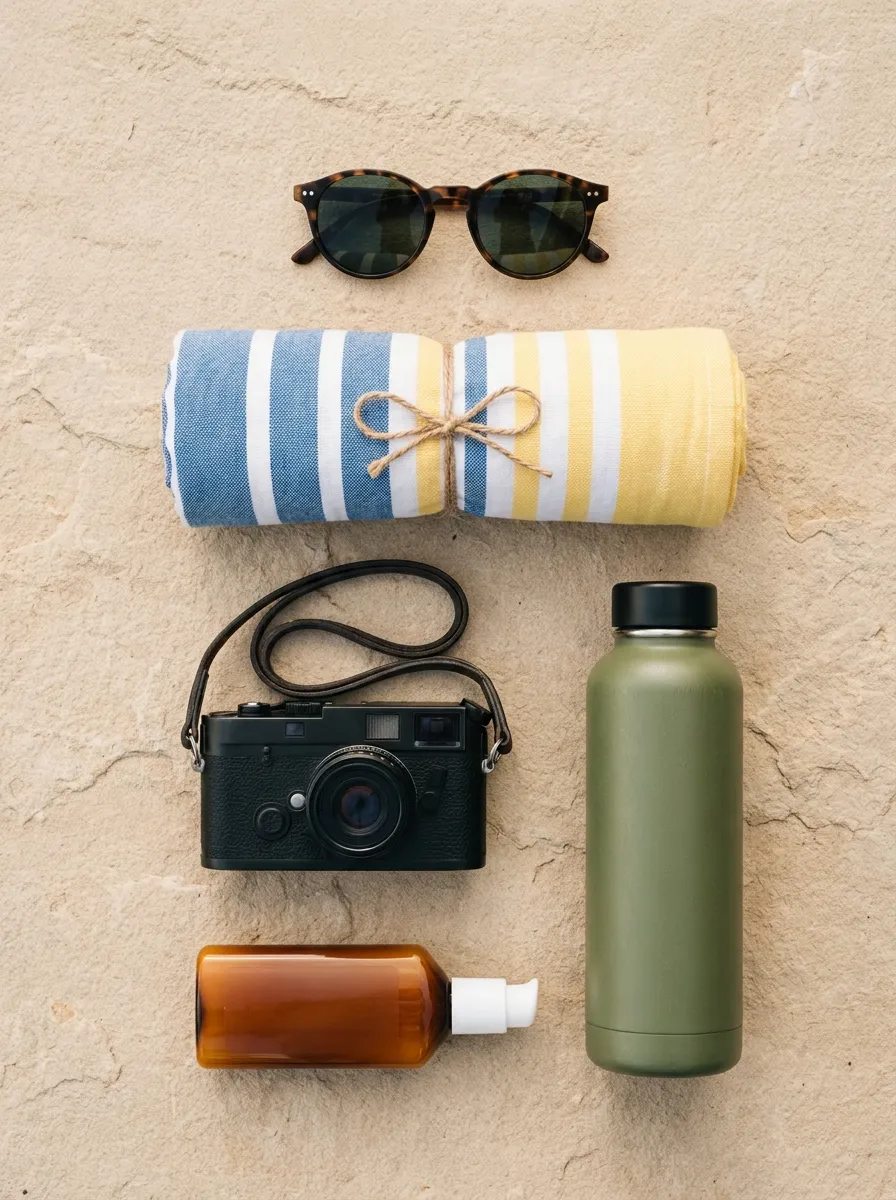
- [ ] Sunscreen and a hat, even on overcast coastal mornings
- [ ] Comfortable walking shoes for Griffith Park, the Getty Center’s grounds and studio tours
- [ ] Layers — coastal mornings and evenings run noticeably cooler than midday inland heat
- [ ] A rental car reservation or rideshare app set up in advance
- [ ] Sunglasses and a reusable water bottle for outdoor days
- [ ] Beach gear if visiting Santa Monica, Venice or Malibu in warmer months
- [ ] A portable phone charger for long theme-park or museum days
- [ ] Cash or card ready for parking, since LA’s paid parking is nearly universal outside residential streets
Frequently Asked Questions About Visiting Los Angeles
What is the best time of year to visit Los Angeles?
March through May and September through November offer the mildest weather and thinner crowds; summer brings peak heat inland and the busiest tourist season overall.
How many days do I need in Los Angeles?
Three to four days covers the core highlights; five to seven days allows for a Disneyland add-on and a slower pace through more neighborhoods.
Is Los Angeles walkable?
Only in pockets — Santa Monica, Venice, Third Street Promenade and parts of Downtown are walkable, but the city overall is car- or rideshare-dependent.
Do I need a car in LA?
It’s the most flexible option for covering the city’s spread-out neighborhoods, though the Metro E Line and rideshare apps can cover specific corridors, especially along the coast and into Downtown.
Is Los Angeles expensive?
It runs moderate to high depending on activity — hotels and theme park tickets are pricey, but the Getty Center, The Broad and the beaches themselves are free.
Is Los Angeles safe for tourists?
Yes, with standard urban precautions, particularly at night around Hollywood Boulevard, the Venice Boardwalk and parts of Downtown.
Are the areas affected by the 2025 wildfires safe to visit?
Recovery is ongoing and uneven — some areas like central Pacific Palisades have seen visible rebuilding, while other sections remain under construction or subject to road restrictions. Check current conditions before planning a visit to Malibu or the Palisades area specifically, and be mindful that these are still-recovering residential communities, not attractions.
Is Universal Studios or Disneyland better for a first visit?
It depends on preference — Universal leans more toward thrill rides and behind-the-scenes studio content, while Disneyland offers the classic, family-oriented Disney park experience. Many visitors do both on separate days if time allows.
Is LA good for a beach vacation?
Yes — Santa Monica, Venice and Malibu each offer a distinct beach experience, from walkable pier culture to quieter surf-focused coastline.
What’s the best neighborhood to stay in?
Santa Monica or Venice for a beach-forward trip, Downtown for museums and Arts District dining, or Hollywood for studio tours and easy Griffith Park access.
Is a day trip to Disneyland worth it from LA?
Yes, though it’s genuinely a full day given the distance (35 minutes to two hours depending on traffic) and the scale of the parks themselves.
Is Catalina Island worth visiting?
Yes, for travelers who want a genuinely different pace from mainland LA — it’s about an hour by ferry and offers hiking, snorkeling and a car-free main town.
Is LA family-friendly?
Very much so — Universal Studios, Disneyland, the LA Zoo and Santa Monica Pier all cater strongly to families with kids.
Is LA good for solo travelers?
Yes, particularly if you base in a walkable coastal or Downtown neighborhood and lean on rideshare or Metro for longer trips.
What should I pack for an LA trip?
Sunscreen, layers for cooler mornings and evenings, comfortable walking shoes, and a plan for either a rental car or rideshare budget.
What’s the biggest mistake first-time visitors make?
Underestimating driving time between neighborhoods and packing too many spread-out stops into a single day — LA rewards a slower, area-by-area approach over a citywide checklist.
Are the Getty Center and LACMA really free?
The Getty Center’s general admission is free (parking has a fee); LACMA’s Urban Light installation is freely viewable outdoors, though gallery admission is ticketed.
Did the 2026 World Cup affect visiting LA?
The tournament’s LA matches at SoFi Stadium ran from mid-June through mid-July 2026 and have concluded; the stadium and surrounding Inglewood area have returned to their regular event calendar.
Is LA good for a food-focused trip?
Yes — Koreatown, the Arts District and Little Tokyo alone offer enough range for a multi-day food itinerary without repeating a single cuisine.
How far is San Diego from LA?
About two hours by car, making it a strong overnight add-on to an LA-based trip.
Final Thoughts on Visiting Los Angeles
Los Angeles rewards travelers who plan around its actual shape — spread out, car-dependent, and made up of neighborhoods with genuinely different personalities — rather than trying to force it into a single walkable-city itinerary. Three or four days covers the postcard version well: a beach afternoon, a Griffith Park sunset, a museum day at the Getty or LACMA. Stretch to a week and the city’s real range opens up, from Koreatown’s late-night food scene to Catalina Island’s ferry-ride change of pace.
If you’re building a first LA itinerary, anchor it in Santa Monica or Downtown for at least partial walkability, and decide early whether Disneyland and Universal Studios are worth their own dedicated days given the cost and distance involved. Be thoughtful, too, about areas still recovering from the 2025 wildfires — checking current conditions is both practical and respectful. However you build it, things to do in Los Angeles add up into one of the most genuinely varied trips available in the United States, a city that somehow holds free-admission world-class art, a working movie industry, and a coastline all inside the same sprawling, sun-drenched footprint.