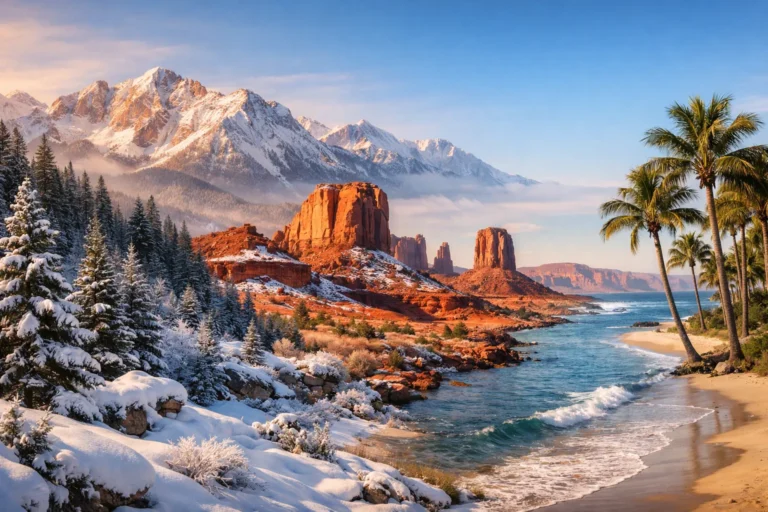
15 Best Adventure Travel Spots in the USA for Epic Hiking and Surfing
Some vacations are designed around lounge chairs.
Adventure trips are designed around alarm clocks ringing before sunrise, trail dust finding its way into every zipper, cold waves rushing through a wetsuit and the magnificent realization that your legs still have several miles to go.
The United States is particularly good at this kind of beautiful exhaustion.
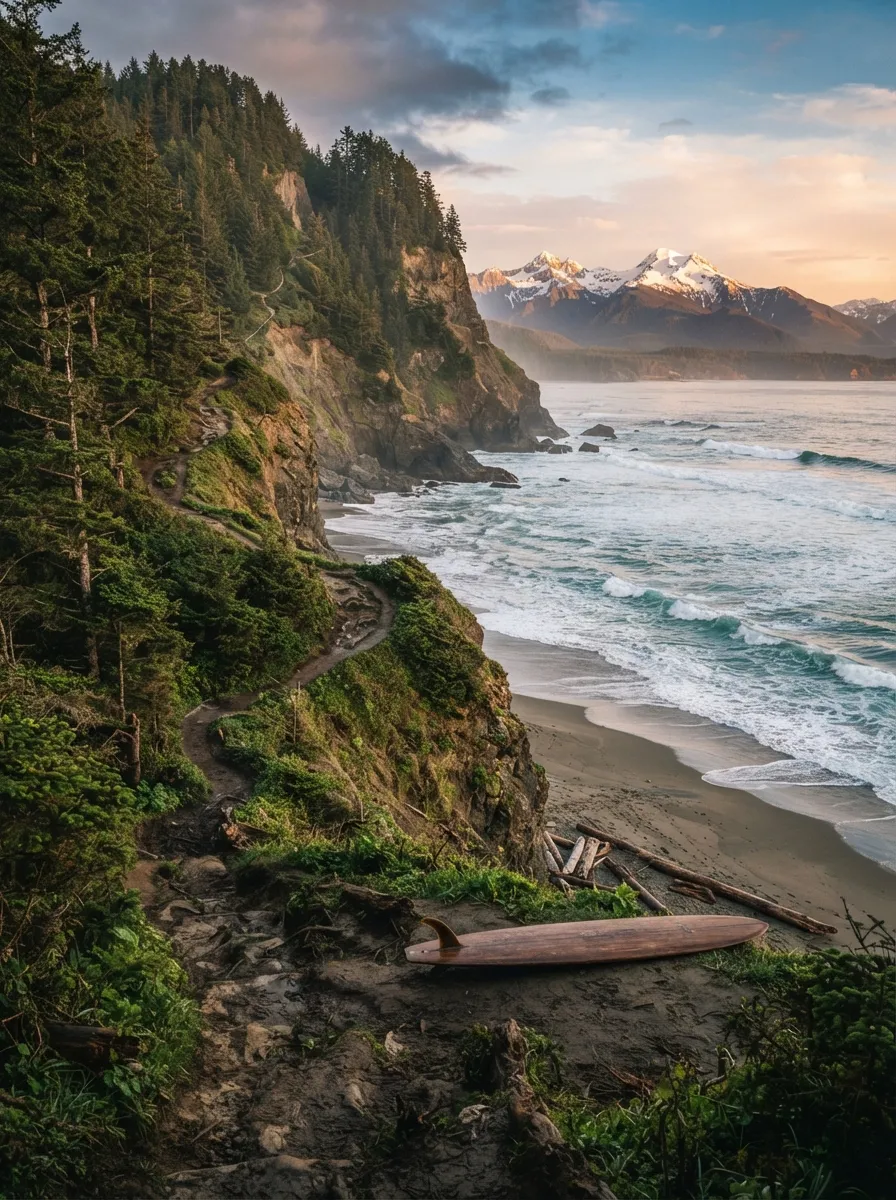
You can hike through volcanic craters in Hawaii and surf beneath tropical mountains that same afternoon. In California, granite wilderness and legendary Pacific breaks can be combined in one road trip. Washington offers temperate rainforest trails beside a wild coast, while North Carolina’s Outer Banks pair Atlantic waves with dune walks, marshes and barrier-island exploration.
The best adventure travel spots in the USA are not necessarily the places with the longest trails or largest waves. They are destinations where hiking and surfing can coexist naturally, allowing you to move between mountains, forests, cliffs and open water without spending the entire trip trapped in a rental car.
This guide covers 15 of the best destinations for hiking and surfing in the United States, including beginner-friendly coastal towns, advanced surf regions, national parks, tropical islands and rugged wilderness routes.
Recommended Travel Items for Your Trip
USA ADVENTURE TRAVEL AT A GLANCE
Best overall combination: Oahu, Hawaii
Best California adventure: San Diego and Southern California
Best for volcanic hiking: Maui, Hawaii
Best East Coast surfing: Outer Banks, North Carolina
Best wild coastline: Olympic Peninsula, Washington
Best for redwood trails: Santa Cruz, California
Best beginner surf destination: Cocoa Beach, Florida
Best mountain-and-ocean road trip: Oregon Coast
Best tropical wilderness: Kauai, Hawaii
Best for dramatic cliffs: Big Sur, California
Best Northeast adventure: Acadia and Maine Coast
Best warm winter trip: Puerto Rico
Best uncrowded option: Northern California
Ideal trip length: 5 to 10 days
Essential preparation: Trail research, surf forecast, tide chart and travel insurance
Why Combine Hiking and Surfing on One Trip?
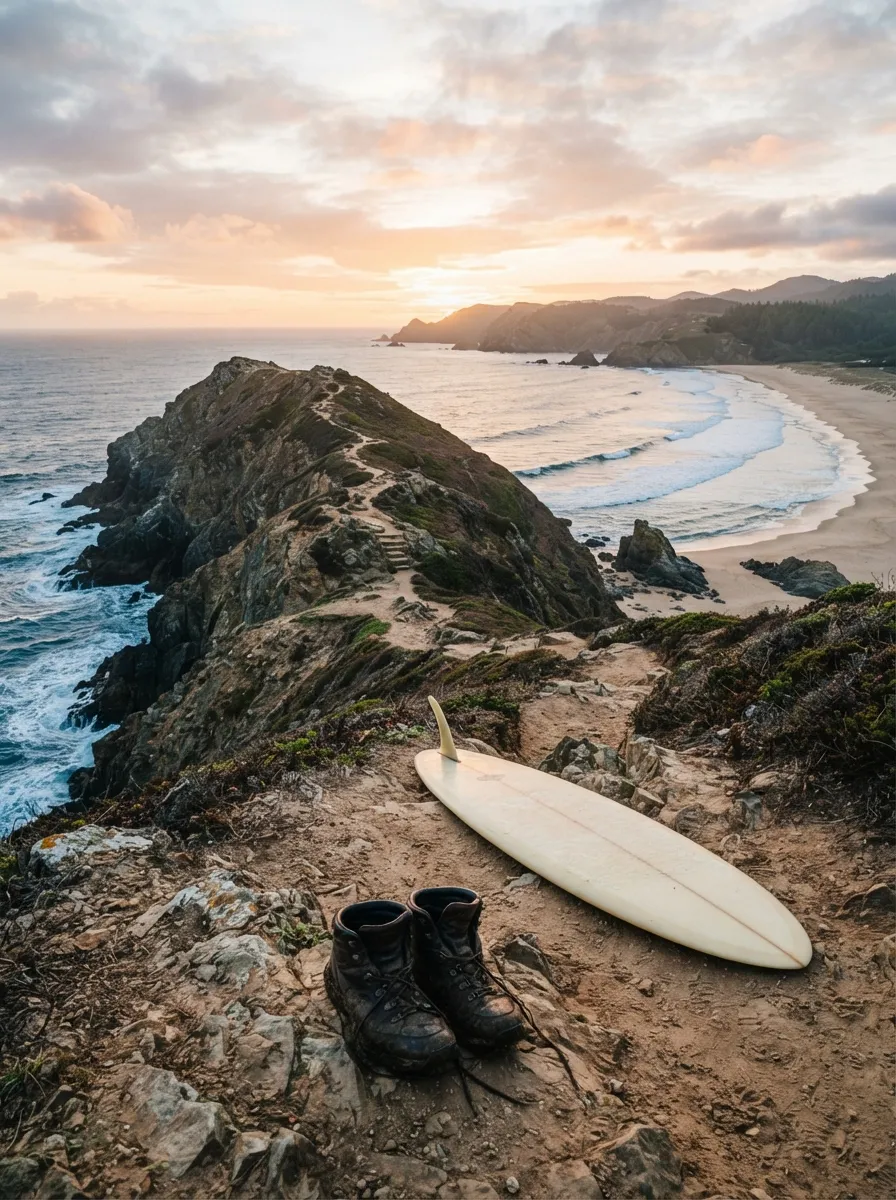
Hiking and surfing offer two completely different ways to experience a landscape.
A trail reveals elevation, geology, vegetation and scale. Surfing places you directly inside the weather, tides and movement of the coast. Combining the two creates a fuller destination experience than simply visiting a beach or national park independently.
The United States contains more than 400 National Park Service sites, while its Atlantic, Pacific, Gulf and Hawaiian coastlines support an enormous variety of surf environments. Official park resources and the NPS app provide maps, alerts, trail information and accessibility details for national park visits.
A hiking-and-surfing trip works especially well when you:
- Choose one coastal base rather than changing hotels nightly
- Alternate strenuous hikes with surf or beach days
- Check tides and forecasts each morning
- Match surf locations to your actual ability
- Leave room for weather-related changes
- Avoid scheduling a difficult hike immediately after a long surf session
- Rent equipment locally instead of carrying oversized baggage
The result is a trip with natural rhythm: climb, paddle, recover, repeat.
Best Hiking and Surfing Destinations in the USA
| Destination | Best Hiking Experience | Surfing Style | Best Season | Recommended Stay |
| Oahu, Hawaii | Diamond Head and Koko Crater | Everything from beginner waves to expert breaks | Year-round | 5–8 days |
| Maui, Hawaii | Haleakalā and coastal trails | Reef and beach breaks | Spring and fall | 5–7 days |
| Kauai, Hawaii | Nā Pali Coast and Waimea Canyon | Seasonal reef and beach breaks | Spring to early fall | 6–8 days |
| San Diego, California | Torrey Pines | Consistent beach and reef breaks | Year-round | 4–6 days |
| Santa Cruz, California | Redwoods and coastal bluffs | Famous point and reef breaks | Fall | 4–5 days |
| Big Sur, California | Coastal mountain trails | Rugged, advanced conditions | Spring and fall | 3–5 days |
| Orange County, California | Crystal Cove trails | Iconic Southern California surf | Summer and fall | 4–6 days |
| Olympic Peninsula, Washington | Rainforest and coastal hikes | Cold, remote Pacific surf | Summer and early fall | 6–9 days |
| Oregon Coast | Headlands and coastal forests | Cold-water beach breaks | Summer and fall | 5–8 days |
| Outer Banks, North Carolina | Dunes and maritime forests | Varied Atlantic waves | Late summer and fall | 5–7 days |
| Cocoa Beach, Florida | Coastal preserves | Beginner-friendly beach breaks | Fall through spring | 3–5 days |
| Puerto Rico | El Yunque trails | Reef and beach breaks | Winter | 5–8 days |
| Acadia and Maine Coast | Granite summit trails | Cold-water seasonal surf | Late summer and fall | 5–7 days |
| Northern California | Redwood parks | Powerful, less forgiving surf | Fall | 6–9 days |
| New Jersey Shore | Coastal parks and pine trails | Reliable seasonal beach breaks | Late summer and fall | 3–5 days |
1. Oahu, Hawaii
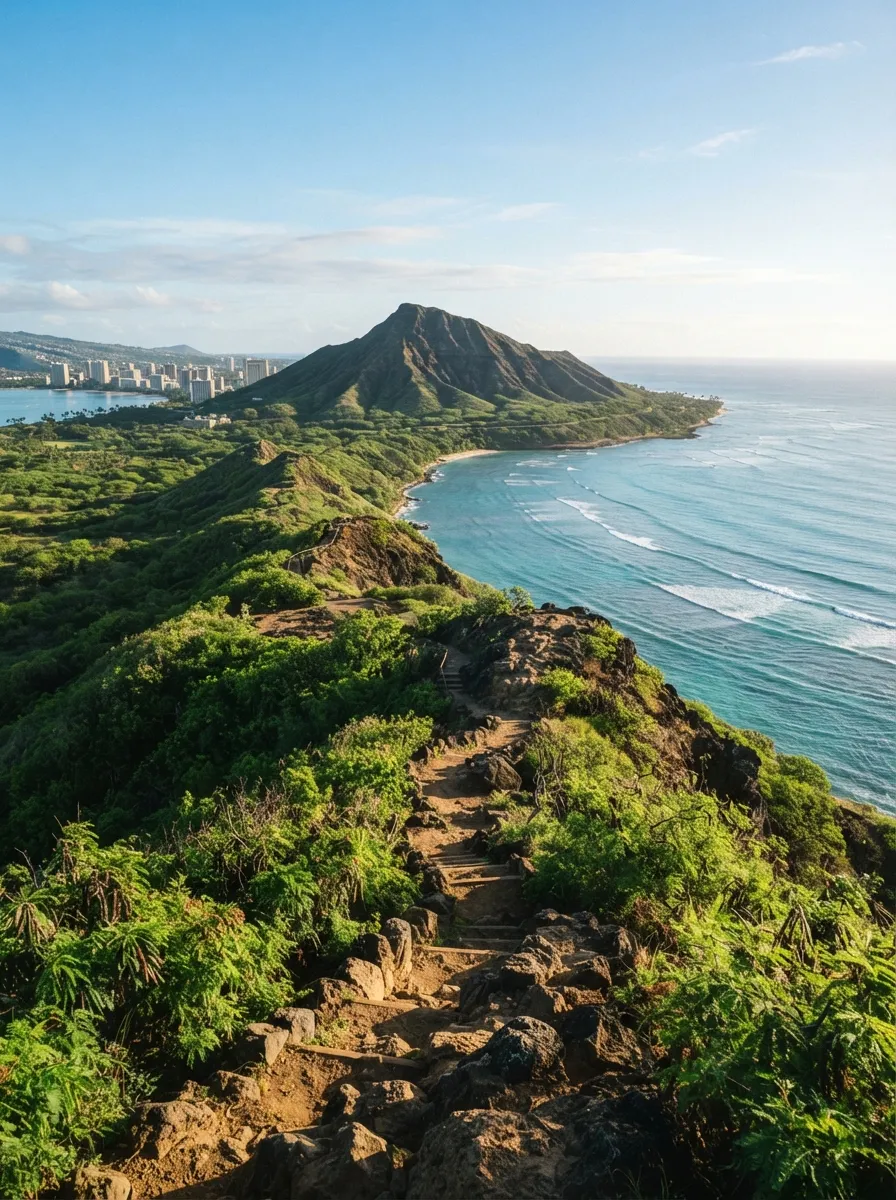
Oahu offers one of the strongest hiking-and-surfing combinations anywhere in the world.
The island includes accessible coastal walks, steep ridge hikes, volcanic viewpoints, waterfalls and forest trails. At the same time, its shores contain gentle beginner waves, fast reef breaks and some of surfing’s most famous winter locations.
Best Hiking Experiences on Oahu
Diamond Head Summit Trail
Diamond Head provides a short but steep climb to panoramic views over Honolulu, Waikiki and the Pacific.
The route includes stairs, tunnels and exposed sections. It is popular rather than remote, but it makes an excellent introduction to Oahu’s volcanic landscape.
Koko Crater Railway Trail
Koko Crater involves climbing a long sequence of old railway ties directly up the volcanic slope.
It is physically demanding, exposed to the sun and considerably harder than its urban setting suggests.
Mānoa Falls
This forest trail leads through dense tropical vegetation toward a waterfall. Mud and slippery surfaces are common, particularly after rain.
Makapuʻu Point Lighthouse Trail
A paved route climbs toward broad coastal views, offshore islands and seasonal whale-watching opportunities.
Best Surfing Areas on Oahu
Waikiki
Waikiki is the classic place for first-time surfers.
The waves are generally more manageable than the island’s advanced breaks, and numerous schools provide boards, instruction and supervised sessions.
North Shore
The North Shore becomes a major global surf destination during the winter swell season.
Locations such as Pipeline and Sunset Beach are meant for experienced surfers when conditions are powerful. Beginners should watch from shore or choose a professionally selected lesson location.
White Plains Beach
White Plains can offer a more relaxed learning environment away from central Waikiki, depending on daily conditions.
Oahu’s mix of city convenience, tropical trails and surf culture makes it ideal for first-time Hawaii visitors. A longer trip can include the experiences in this complete Honolulu bucket list, from crater hikes to historic and coastal attractions.
NORTH SHORE WARNING
A beach that looks calm in summer may become extremely dangerous during winter swell. Never enter unfamiliar reef breaks simply because experienced surfers are already in the water.
2. Maui, Hawaii
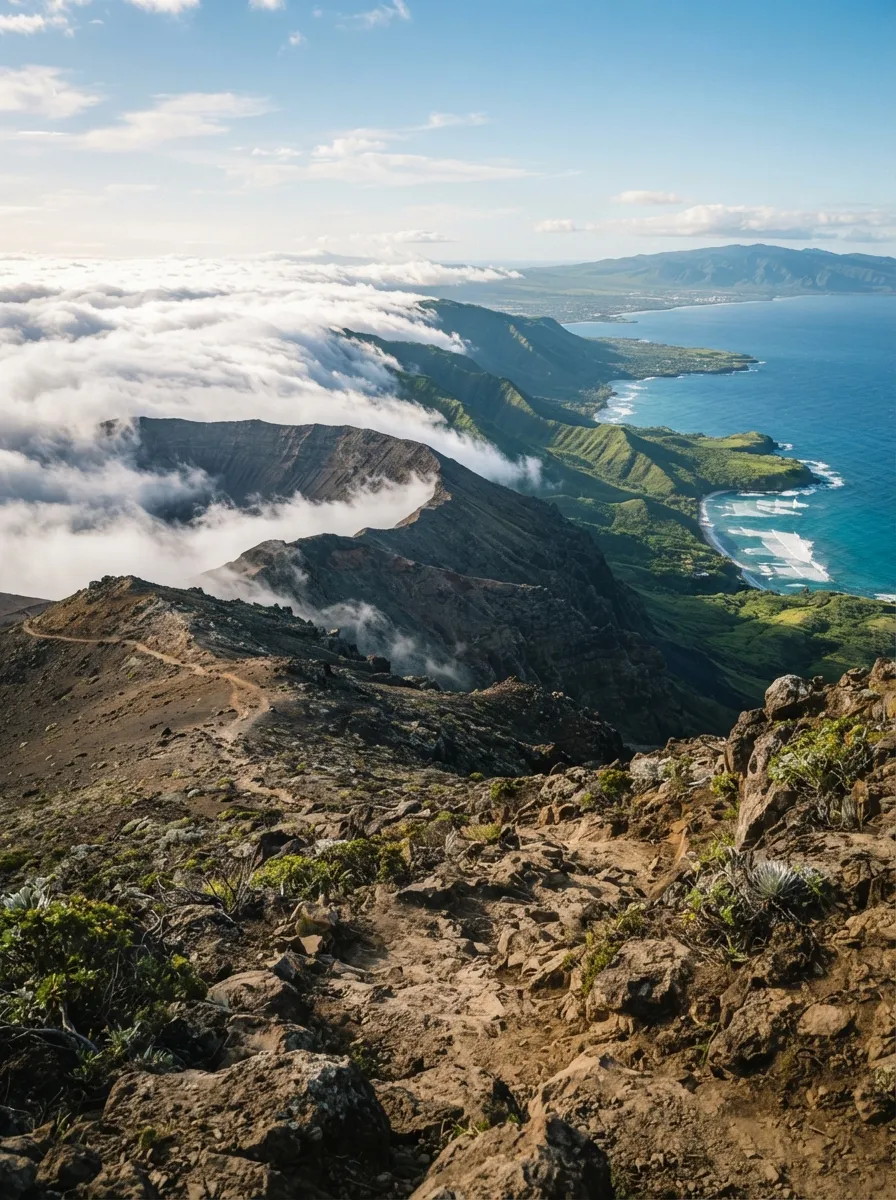
Maui connects high-elevation volcanic landscapes with warm-water surfing and tropical coastline.
You can begin a day above the clouds in Haleakalā National Park and finish near sea level beside a reef-fringed beach. Haleakalā protects both volcanic summit terrain and subtropical rainforest, with hiking opportunities across dramatically different ecosystems.
Best Hiking Experiences on Maui
Sliding Sands Trail
The Sliding Sands Trail descends into Haleakalā’s enormous summit landscape.
The terrain appears almost extraterrestrial, with volcanic cones, exposed rock and minimal shade. The return climb is strenuous because hikers must regain all the elevation they lost.
Pipiwai Trail
Located in the Kīpahulu District, the Pipiwai Trail passes tropical forest, bamboo and waterfall scenery.
Conditions can become muddy and streams may rise after heavy rain.
Waiheʻe Ridge Trail
This route climbs through lush terrain toward expansive mountain and coastal views.
Clouds can obscure the ridge, so early starts often provide the clearest conditions.
Best Surfing Areas on Maui
Lahaina and West Maui
Several west and south coast areas can offer beginner or intermediate conditions, depending on swell direction and season.
Local surf schools choose lesson locations according to daily safety.
Ho‘okipa
Ho‘okipa is famous for surfing and wind sports, but stronger conditions require skill and local awareness.
It is also an excellent place to watch experienced surfers from shore.
Kihei
Kihei and the southern coast contain accessible beaches and surf schools suited to newer surfers when conditions cooperate.
A vehicle reservation is required for entry to Haleakalā’s summit between 3:00 a.m. and 7:00 a.m., including sunrise visits. The summit rises above 10,000 feet, so visitors should prepare for cold, wind and altitude even when the coast is warm.
3. Kauai, Hawaii
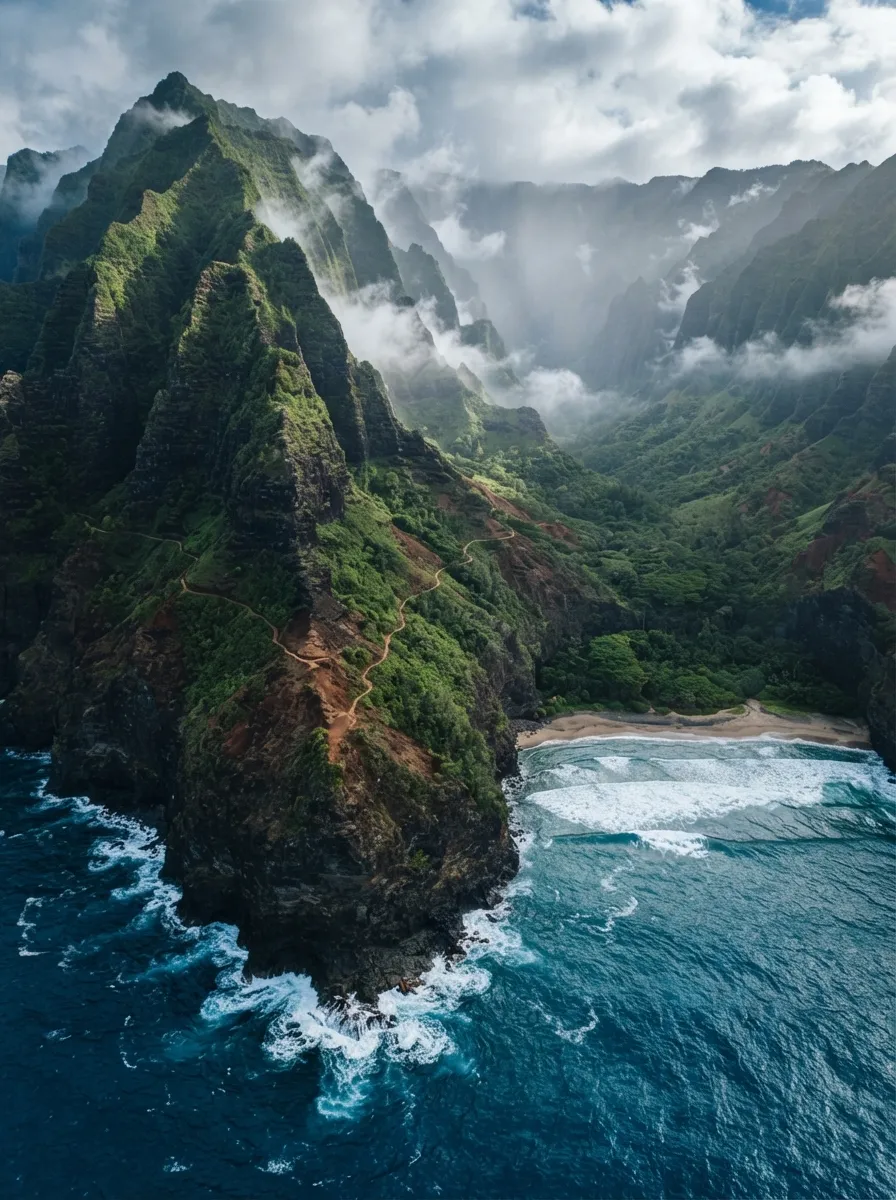
Kauai feels built for travelers who measure vacations in muddy boots, ocean spray and astonished silence.
The island contains the deeply carved Waimea Canyon, dense rainforest, coastal cliffs and the legendary Nā Pali Coast. Its surf environment ranges from manageable seasonal beach waves to highly technical reef breaks.
Best Hiking Experiences on Kauai
Kalalau Trail
The Kalalau Trail follows the Nā Pali Coast through steep, tropical terrain.
Sections of the route involve exposure, mud, stream crossings and rapidly changing weather. Permits and advance planning may be required depending on how far you intend to travel.
Waimea Canyon Trails
Waimea Canyon offers viewpoints and trails descending toward waterfalls, ridges and brightly colored canyon walls.
Conditions can be dry near one viewpoint and wet or foggy a short distance away.
Sleeping Giant Trail
This ridge hike near Kapaʻa provides broad views over eastern Kauai and the surrounding mountains.
Best Surfing Areas on Kauai
Hanalei Bay
Hanalei Bay can provide different wave conditions across the year. Summer is often calmer, while winter can produce larger northern swells.
Poipu
Southern Kauai generally receives more consistent summer swell and includes surf schools serving beginners.
Kealia Beach
Kealia is easily accessible but can experience currents and larger surf. Follow lifeguard instructions and posted warnings.
Kauai is best approached slowly. Spend several nights on each side of the island rather than repeatedly driving through traffic between the north and south coasts.
4. San Diego, California
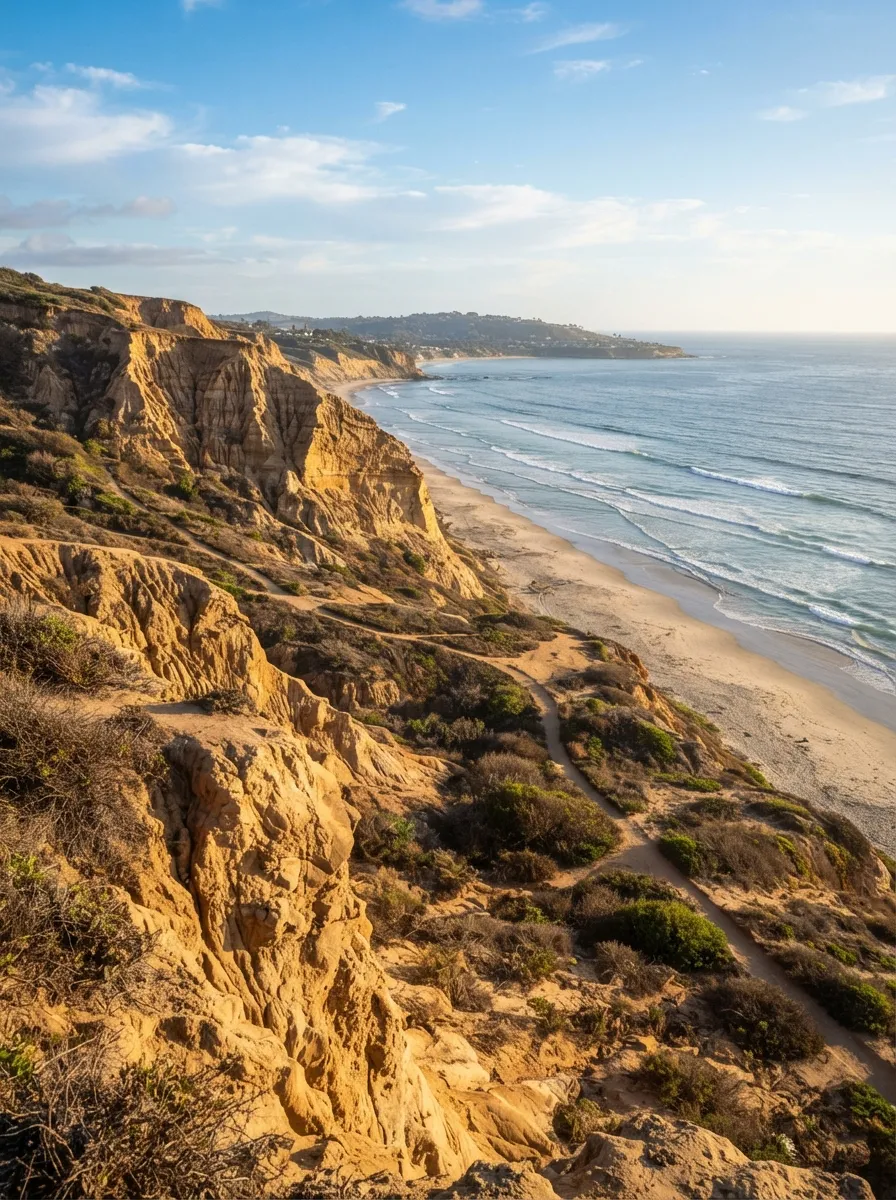
San Diego may be the easiest adventure destination in the continental United States.
Its mild climate, developed surf schools, long coastline and accessible hiking areas allow travelers to build an active trip without complicated wilderness logistics.
Best Hiking Experiences in San Diego
Torrey Pines State Natural Reserve
Torrey Pines combines sandstone cliffs, rare pine trees and trails overlooking the Pacific.
Routes are generally short enough to combine with a beach or surf session.
Cowles Mountain
Cowles Mountain provides a popular urban summit with broad views across the city and surrounding hills.
Begin early to avoid heat and crowds.
Potato Chip Rock
The Mount Woodson route leads to a distinctive thin rock formation that has become a famous photo location.
The hike is exposed and can become very hot.
Cabrillo Coastal Trail
Trails around Cabrillo National Monument connect coastal overlooks, tide pools and views across San Diego Bay.
Best Surfing Areas in San Diego
La Jolla Shores
La Jolla Shores is one of the region’s most popular beginner lesson areas when conditions are suitable.
Pacific Beach
Pacific Beach provides accessible beach breaks and numerous rental options.
Ocean Beach
Ocean Beach has a strong local surf identity, but currents and conditions vary.
Trestles and North County
Experienced surfers can explore well-known breaks farther north, including areas around Encinitas and San Clemente.
San Diego works well for travelers who want surfing, hiking, food and urban comforts without treating every day as a military expedition.
5. Santa Cruz, California
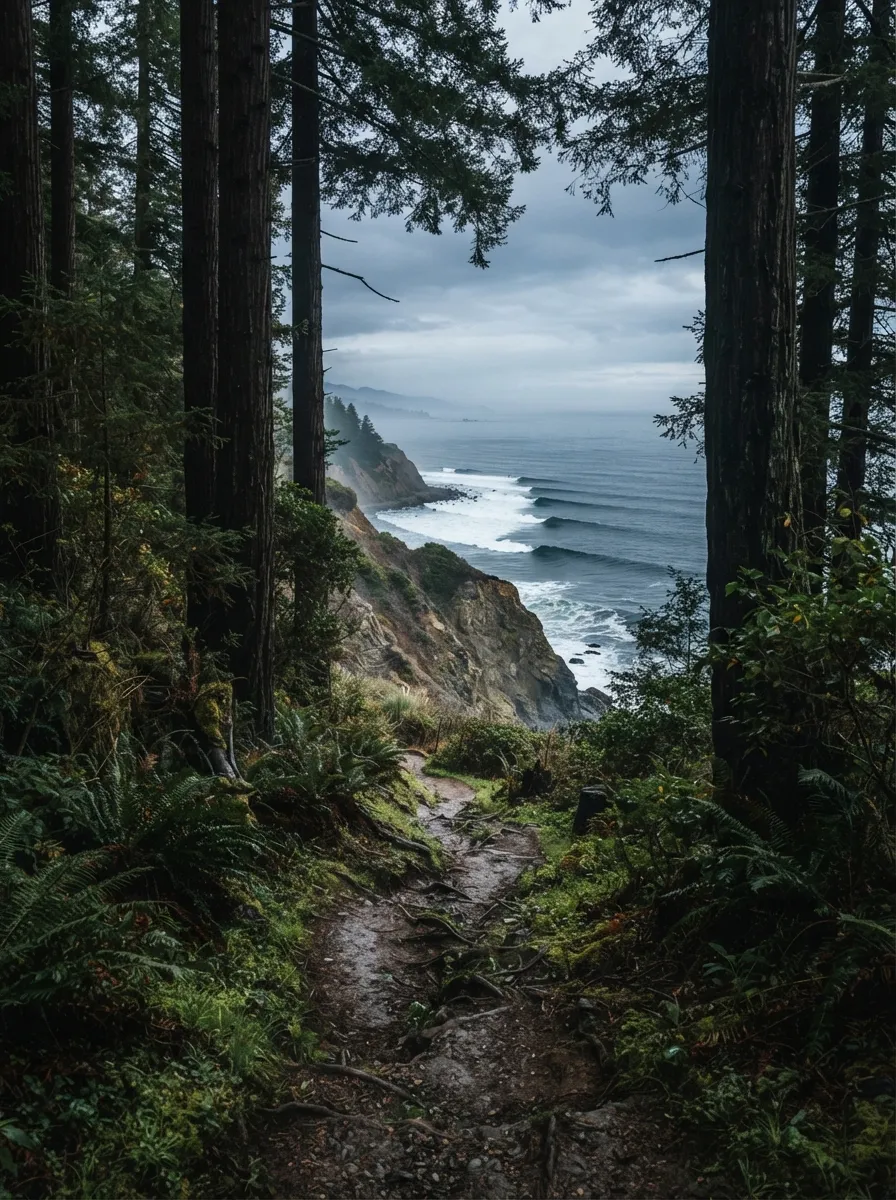
Santa Cruz sits where California surf culture meets redwood forest.
In the morning, you can hike beneath enormous trees. By afternoon, you can watch waves wrap around rocky points or take a lesson at a more sheltered beach.
Surfline’s national guide identifies Santa Cruz locations such as Steamer Lane and Pleasure Point among prominent US surf spots. Daily suitability still depends on swell, tide, wind and experience.
Best Hiking Experiences Near Santa Cruz
Henry Cowell Redwoods State Park
Henry Cowell offers accessible walks beneath old-growth coast redwoods and longer trails through surrounding forest.
Wilder Ranch State Park
Wilder Ranch combines bluff trails, farmland history and wide Pacific views.
Forest of Nisene Marks
This forested park contains shaded trails through redwoods, creeks and former logging areas.
Best Surfing Areas
Cowell Beach
Cowell Beach is often used for beginner lessons when conditions are favorable.
Pleasure Point
Pleasure Point offers multiple breaks and a strong local surf community.
Steamer Lane
Steamer Lane is a famous advanced surf location best appreciated from the cliffs by inexperienced visitors.
LOCAL ETIQUETTE
Surfing has right-of-way rules, established lineups and powerful local cultures. Take a lesson before entering a crowded break, and never paddle directly into an advanced lineup without understanding how it works.
6. Big Sur, California
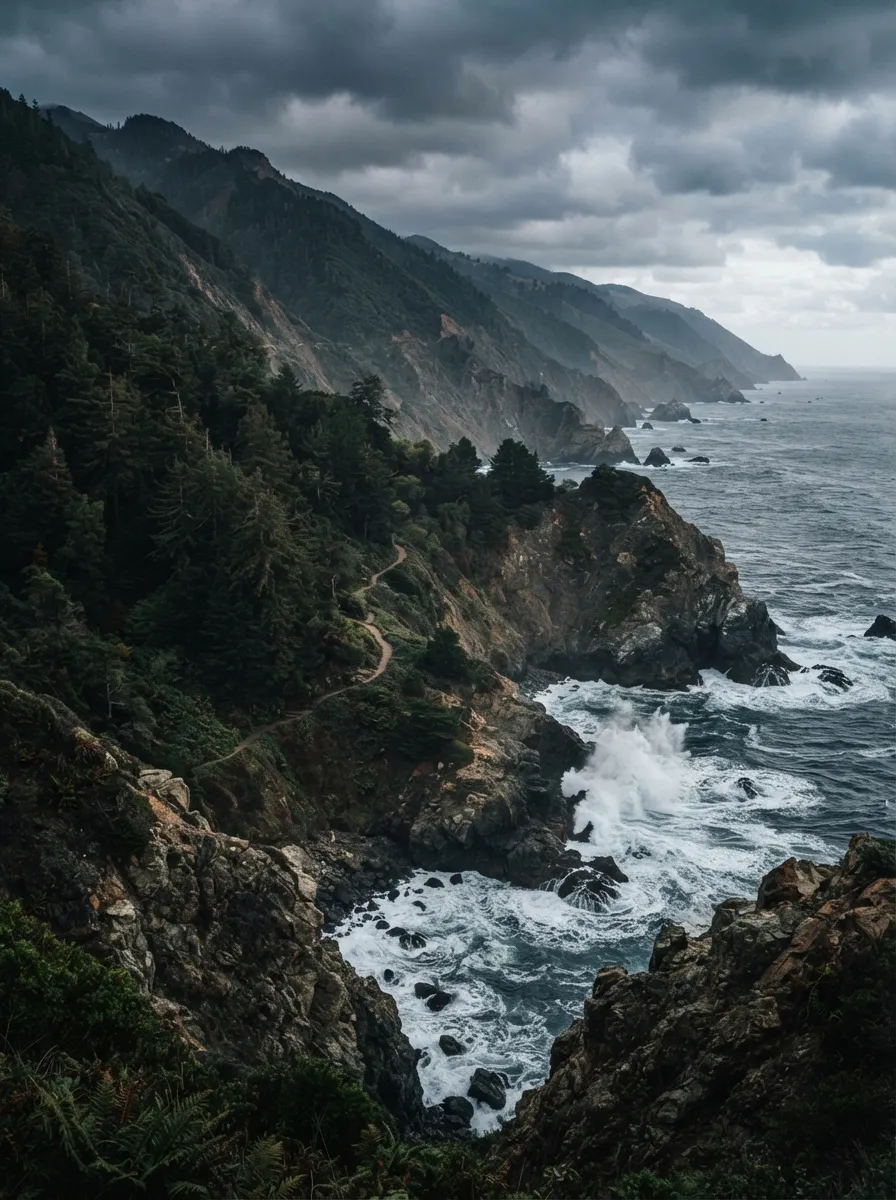
Big Sur is more naturally suited to hiking than casual surfing, but it remains one of America’s most dramatic coastal adventure regions.
The coastline rises directly from the Pacific in a maze of cliffs, redwood canyons and steep mountain roads. Surfing opportunities exist, but many breaks are isolated, rocky, cold and appropriate only for capable surfers with local knowledge.
Best Hiking Experiences
Point Lobos State Natural Reserve
Point Lobos provides coastal trails, hidden coves, wildlife viewing and cypress groves.
Andrew Molera State Park
Trails cross open meadows and reach the coast, though river crossings and seasonal conditions can affect access.
Pfeiffer Big Sur State Park
Forest trails follow redwood canyons and climb toward higher viewpoints.
Garrapata State Park
Garrapata combines coastal bluff walks with steep inland routes through canyons and ridges.
Surfing in Big Sur
Big Sur surf breaks are generally not beginner destinations.
Cold water, isolated access, rocks, strong currents and limited rescue resources increase risk. Travelers new to surfing should take lessons around Monterey, Santa Cruz or another developed surf area instead.
Big Sur is best enjoyed as a hiking road trip with surfing added only by experienced travelers who have researched specific conditions.
7. Orange County, California
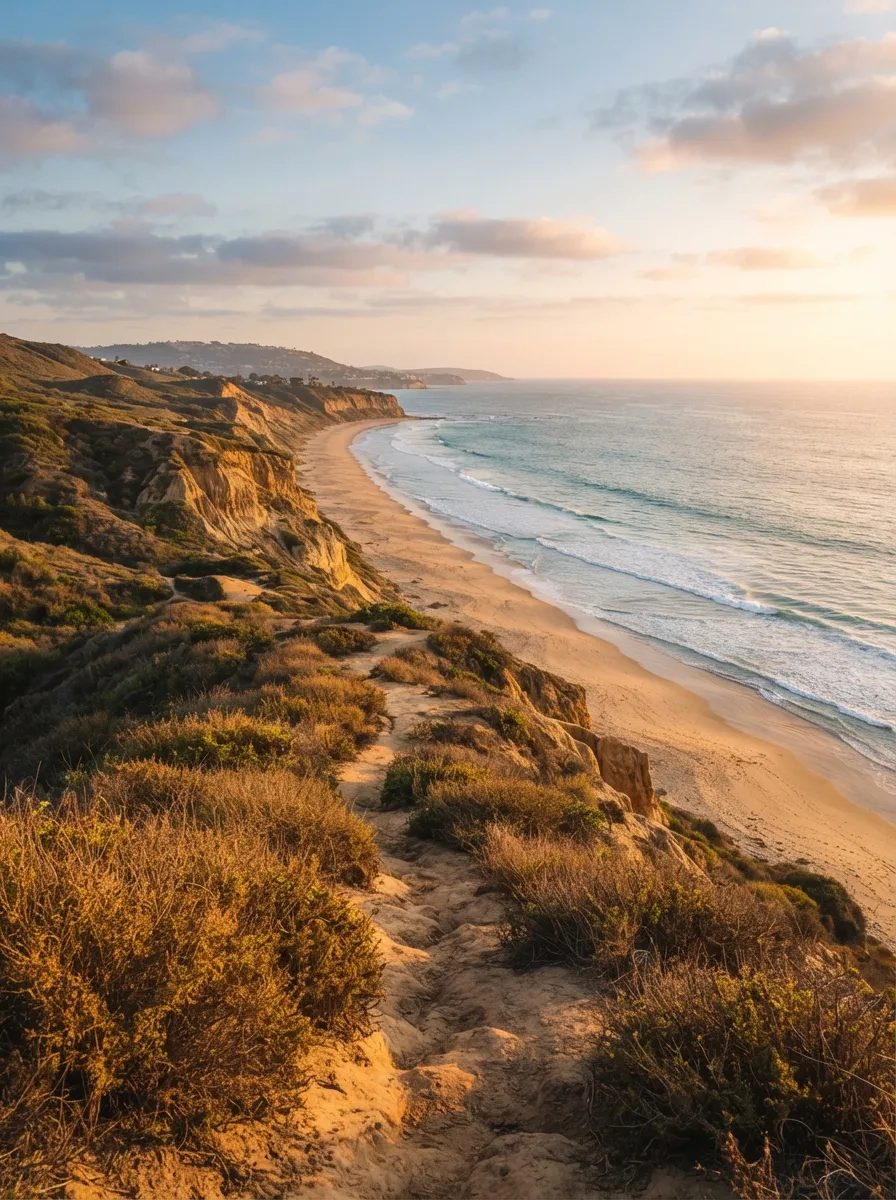
Orange County offers an easy combination of polished beach towns, iconic surf culture and coastal hiking.
The area works especially well for travelers who want adventure during the day and comfortable hotels, restaurants and nightlife afterward.
Best Hiking Experiences
Crystal Cove State Park
Crystal Cove contains coastal bluffs, backcountry ridges and beach access.
Trails range from gentle walks to longer loops with sustained climbs.
Laguna Coast Wilderness Park
The preserve includes ridges, canyons and views toward the ocean.
Top of the World
This Laguna Beach viewpoint connects with a broader trail network and provides elevated coastal views.
Best Surfing Areas
Huntington Beach
Huntington Beach is deeply associated with American surf culture and offers beach breaks across a long stretch of coast.
San Onofre
San Onofre is known for longboard-friendly waves and a historic surf community, although access rules and parking should be checked in advance.
Lower Trestles
Lower Trestles is one of the country’s best-known performance waves and attracts highly skilled surfers. It is not the place to conduct your first experiment with standing up.
Doheny State Beach
Doheny can be suitable for beginners and longboarders under appropriate conditions.
8. Olympic Peninsula, Washington
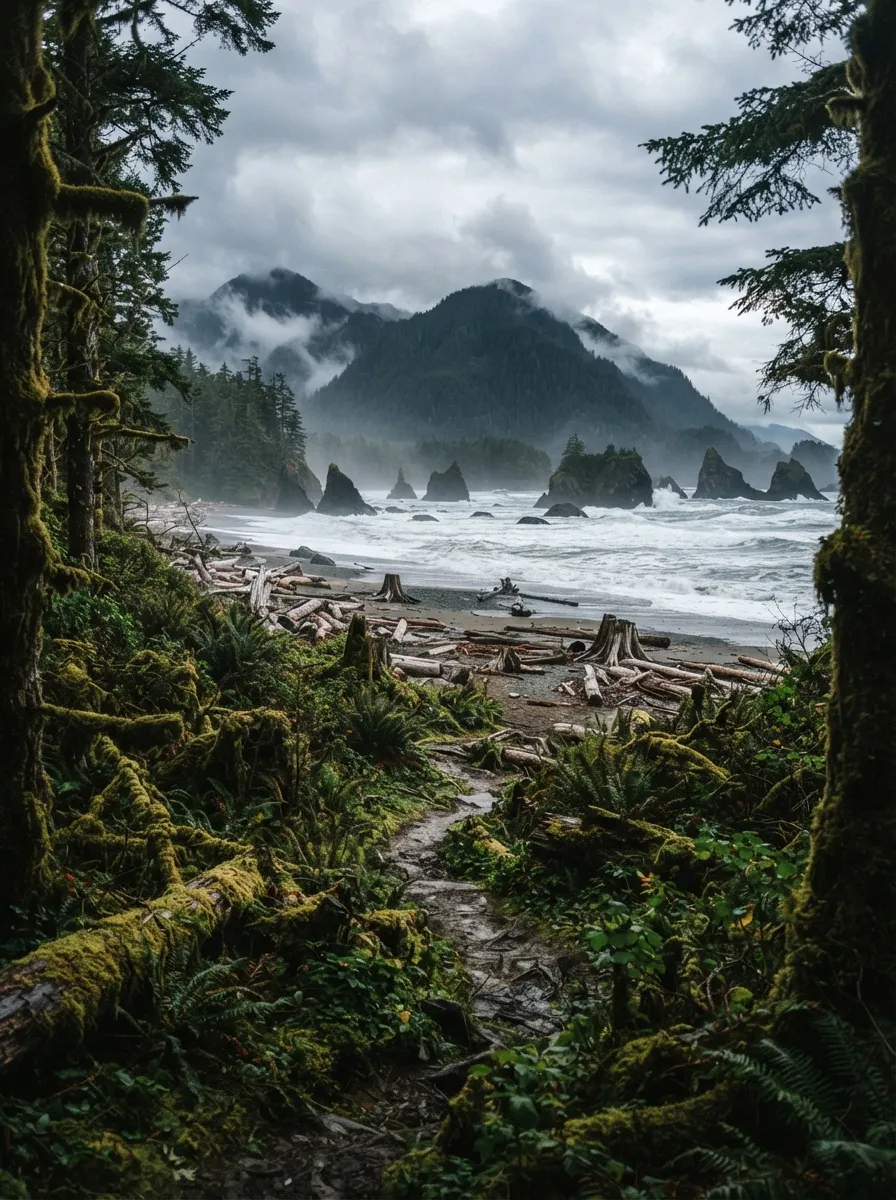
The Olympic Peninsula feels less like a vacation region and more like several ecosystems stitched together by rain, mountains and Highway 101.
Olympic National Park protects glacier-capped mountains, temperate rainforest and more than 70 miles of wild coastline.
Best Hiking Experiences
Hoh Rain Forest
Trails pass moss-covered trees, river environments and dense temperate rainforest.
Hurricane Ridge
High-elevation trails provide mountain views when access and weather permit.
Rialto Beach to Hole-in-the-Wall
This coastal hike follows a wild beach toward a natural arch. The NPS describes the route as approximately one mile to the Hole-in-the-Wall camping area, with April through October generally offering the best season.
Shi Shi Beach
The route reaches a remote beach with offshore sea stacks and dramatic coastal scenery.
Overnight wilderness permits are required, and visitors crossing Makah land must obtain the relevant recreation pass.
Surfing on the Olympic Peninsula
The peninsula contains cold-water surf areas around La Push and other coastal communities.
Conditions can be powerful, remote and affected by shifting sandbars, river mouths, tides and storms. A thick wetsuit, local information and realistic self-assessment are essential.
Coastal hikers must also plan around tides. Olympic National Park warns that some headland routes are steep and exposed, while portions of the wilderness coast have tidal restrictions requiring advance planning with a tide chart.
TIDE WARNING
A beach may look like a straightforward hiking route at low tide and become completely impassable several hours later. Carry a tide table and understand exactly where headlands can trap hikers.
9. Oregon Coast
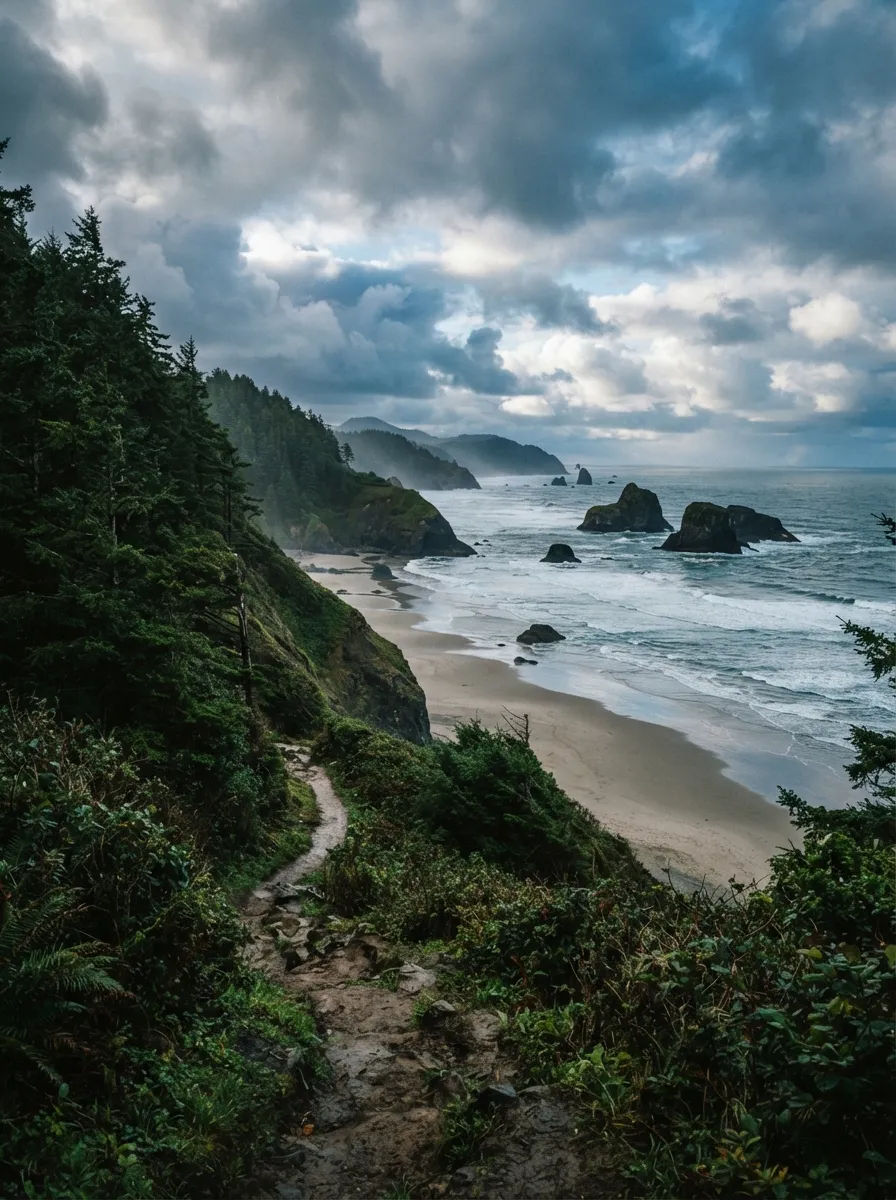
The Oregon Coast combines volcanic headlands, forest trails, giant dunes, sea stacks and cold Pacific waves.
It is ideal for an adventure road trip because nearly every section offers a trail, viewpoint or surf town.
Best Hiking Experiences
Ecola State Park
Trails pass forested headlands and overlook beaches near Cannon Beach.
Cape Lookout
The trail follows a narrow forested cape toward wide ocean views.
Samuel H. Boardman Scenic Corridor
Southern Oregon contains natural bridges, sea cliffs and short trails through coastal forest.
Oregon Dunes
The central coast includes enormous dune landscapes suited to hiking and other recreational activities.
Best Surfing Towns
Seaside
Seaside has a long surf history and access to multiple breaks.
Pacific City
Pacific City combines surfing with views of Cape Kiwanda and offshore Haystack Rock.
Otter Rock
Otter Rock is commonly used by surf schools and beginners when conditions are suitable.
Lincoln City
Lincoln City offers several beach access points and a developed coastal base.
Oregon water remains cold throughout the year. Wetsuit requirements depend on season, conditions and individual tolerance, but adequate thermal protection is essential.
10. Outer Banks, North Carolina
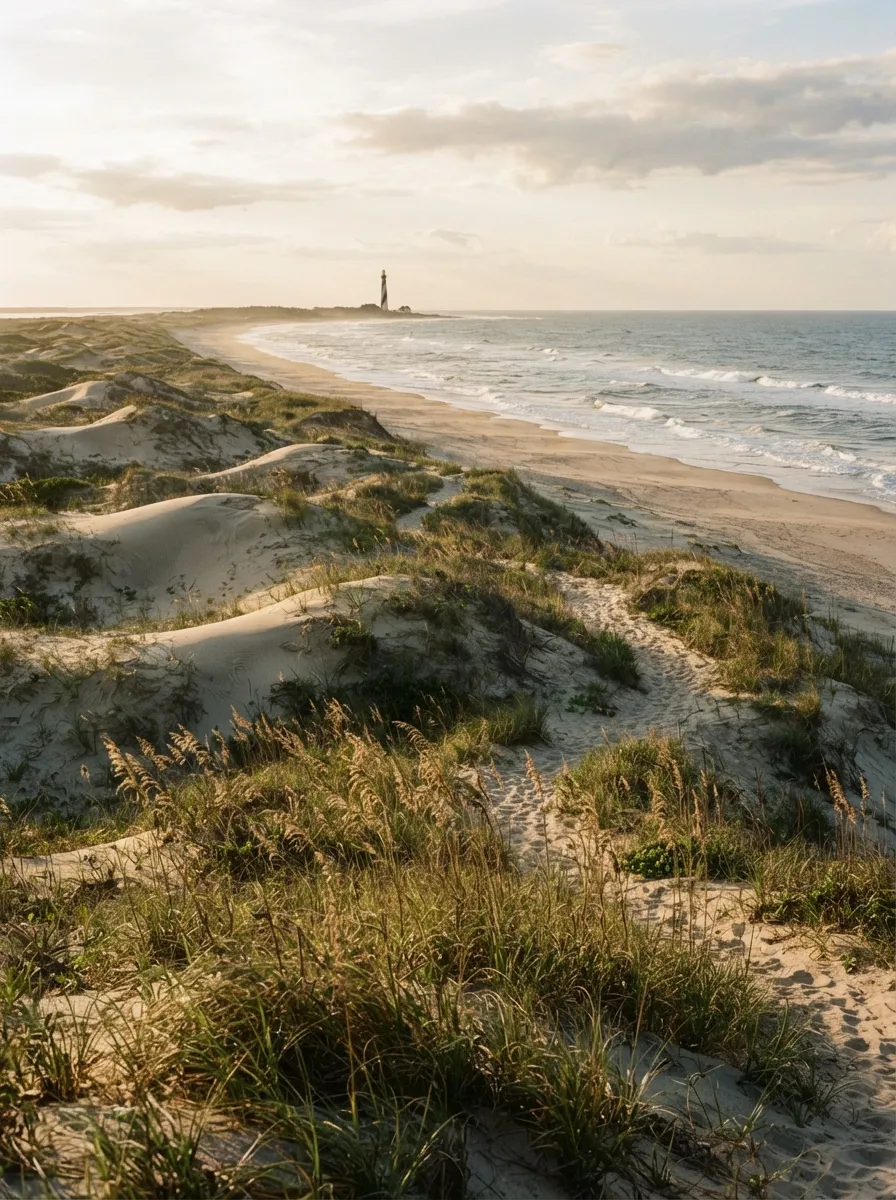
The Outer Banks provide the strongest hiking-and-surfing pairing on much of the Atlantic Coast.
These narrow barrier islands contain shifting dunes, maritime forest, lighthouses, marshes and exposed beaches shaped continuously by wind and ocean currents.
Cape Hatteras National Seashore describes its coastline as one of the East Coast’s strongest surfing regions, with wave types ranging from beginner-friendly swells to challenging conditions. It identifies Ocracoke and Bodie Island areas as useful locations for beginners or developing surfers.
Best Hiking and Walking Experiences
Jockey’s Ridge State Park
Jockey’s Ridge contains the tallest natural sand dune system in the eastern United States and offers short but demanding dune walks.
Nags Head Woods
This preserve protects maritime forest, ponds and quieter walking routes.
Pea Island National Wildlife Refuge
Trails and observation areas provide opportunities to see birds and barrier-island habitat.
Cape Hatteras Beach Walks
Long stretches of national seashore allow beach exploration, shell hunting and sunrise walks.
Best Surf Areas
Rodanthe
Rodanthe and nearby Hatteras Island locations receive varied swell and are popular with experienced East Coast surfers.
Buxton
The changing coastline around Cape Hatteras can create waves under different wind and swell directions.
Ocracoke
Ocracoke offers a more relaxed island atmosphere and can provide beginner-friendly conditions at selected beaches.
Surfing is prohibited within certain designated swimming zones, near some villages and within 300 feet of fishing piers. Always confirm current access restrictions.
The Outer Banks are vulnerable to storms, flooding and road closures. Build flexibility into autumn trips and monitor official beach access updates.
11. Cocoa Beach, Florida
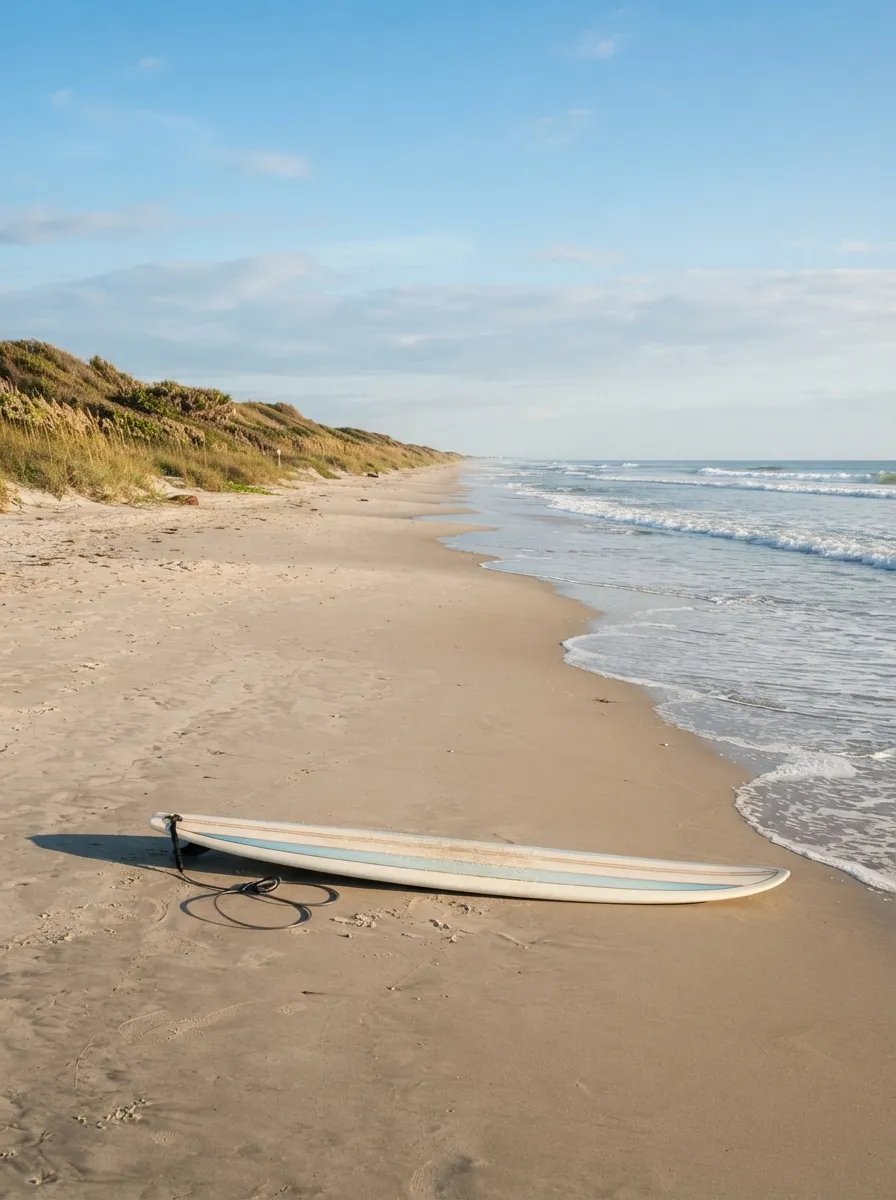
Cocoa Beach is one of the most approachable surfing destinations in the United States.
The waves are often less intimidating than Hawaii’s reef breaks or the Pacific Northwest’s winter surf, and numerous schools specialize in beginners.
Best Outdoor and Hiking Experiences
Florida hiking is flatter than western mountain adventures, but the region offers excellent coastal nature.
Merritt Island National Wildlife Refuge
The refuge contains wildlife-viewing routes, wetlands and short walks.
Canaveral National Seashore
Long undeveloped beaches, dunes and lagoon environments provide a quieter contrast to developed Cocoa Beach.
Enchanted Forest Sanctuary
This preserve includes shaded trails through several central Florida habitats.
Best Surfing Experiences
Cocoa Beach Pier Area
The pier area provides easy beach access and nearby rentals.
Lori Wilson Park
This broad beach is popular with surfers and general beach visitors.
Satellite Beach
More experienced travelers can explore breaks farther south after consulting local forecasts and surf shops.
Fall through spring often brings more favorable surfing than the smallest summer days, although daily wind and swell remain decisive.
12. Puerto Rico
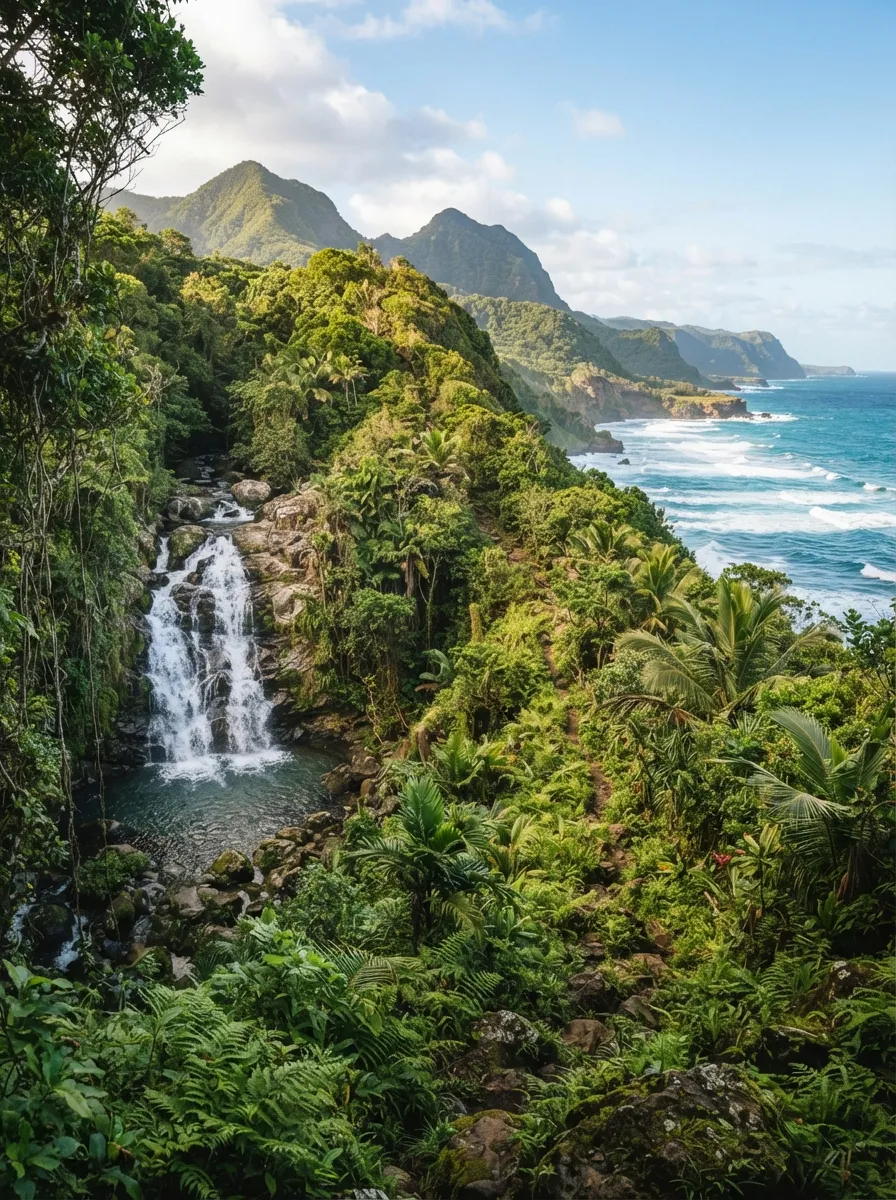
Puerto Rico delivers tropical hiking, waterfalls, caves and some of the Caribbean’s most famous surf zones without requiring a passport for US citizens traveling from the mainland.
The island is geographically diverse enough to combine rainforest trails, mountain roads and beach towns within a single week.
Best Hiking Experiences
El Yunque National Forest
El Yunque contains rainforest trails, waterfalls, mountain views and dense tropical vegetation.
Heavy rain can make trails slippery and cause rivers to rise quickly.
Guánica Dry Forest
The southwest offers dry-forest hiking in a landscape very different from El Yunque.
Central Mountain Region
Mountain towns and forest reserves provide cooler temperatures, coffee-country scenery and less-visited trails.
Best Surfing Areas
Rincón
Rincón is Puerto Rico’s best-known surf destination and receives powerful winter swell.
Some breaks are advanced, while surf schools choose more appropriate areas for beginners.
Aguadilla
Aguadilla and the northwest coast contain multiple breaks affected by different conditions.
Isabela
Isabela combines beaches, reef formations and surf-oriented accommodation.
Winter is the prime surf season on the northwest coast, but hurricane-related disruption can affect late summer and autumn travel. Always review forecasts, beach conditions and local emergency information.
13. Acadia National Park and the Maine Coast
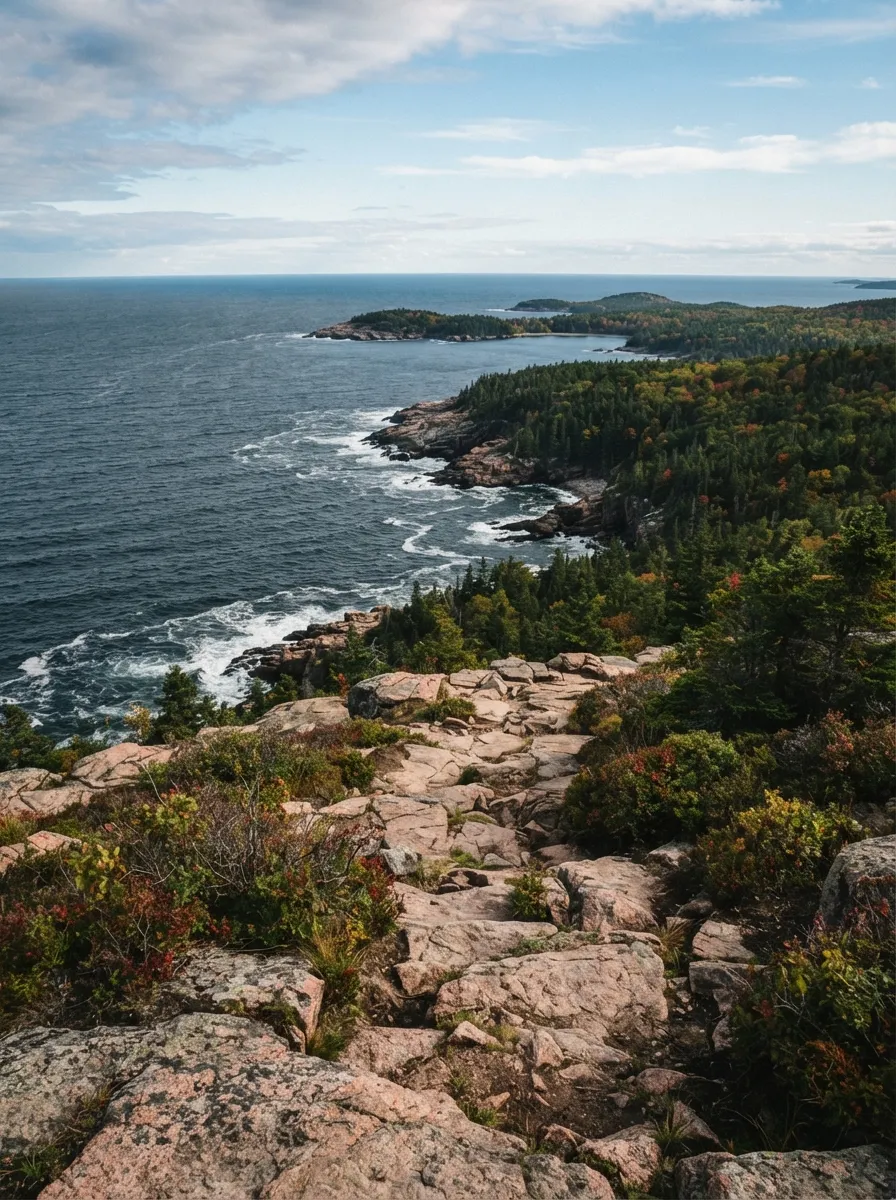
Maine is not a warm-water surf destination, which is precisely part of its appeal.
The region combines granite summit trails, evergreen forests and rugged Atlantic coastline with a small but committed cold-water surfing community.
Best Hiking Experiences
Cadillac Mountain
Cadillac Mountain offers broad views over Mount Desert Island and the surrounding coast.
Vehicle access may require seasonal reservations, while hiking routes provide a more strenuous alternative.
Precipice Trail
The Precipice Trail uses iron rungs, ladders and exposed ledges.
It is not suitable for hikers uncomfortable with heights and may close seasonally to protect nesting birds.
Jordan Pond Path
This gentler loop provides mountain and lake views without technical climbing.
Beehive Trail
The Beehive is shorter than Precipice but includes exposed climbing and iron rungs.
Surfing Along the Maine Coast
Surfing communities exist around southern Maine and selected beaches closer to Portland.
Water temperatures demand substantial thermal protection for much of the year, and Atlantic storms can produce rough conditions.
This trip works best in late summer or early fall, when hiking remains accessible and water temperatures are less severe than winter.
Travelers who enjoy green coastlines, old villages and windswept Atlantic scenery may also appreciate these non-touristy Ireland experiences. After the adventure, the journey can be extended with a stay in one of these affordable Irish castle hotels, where recovery involves stone towers rather than a sleeping bag.
14. Northern California Coast
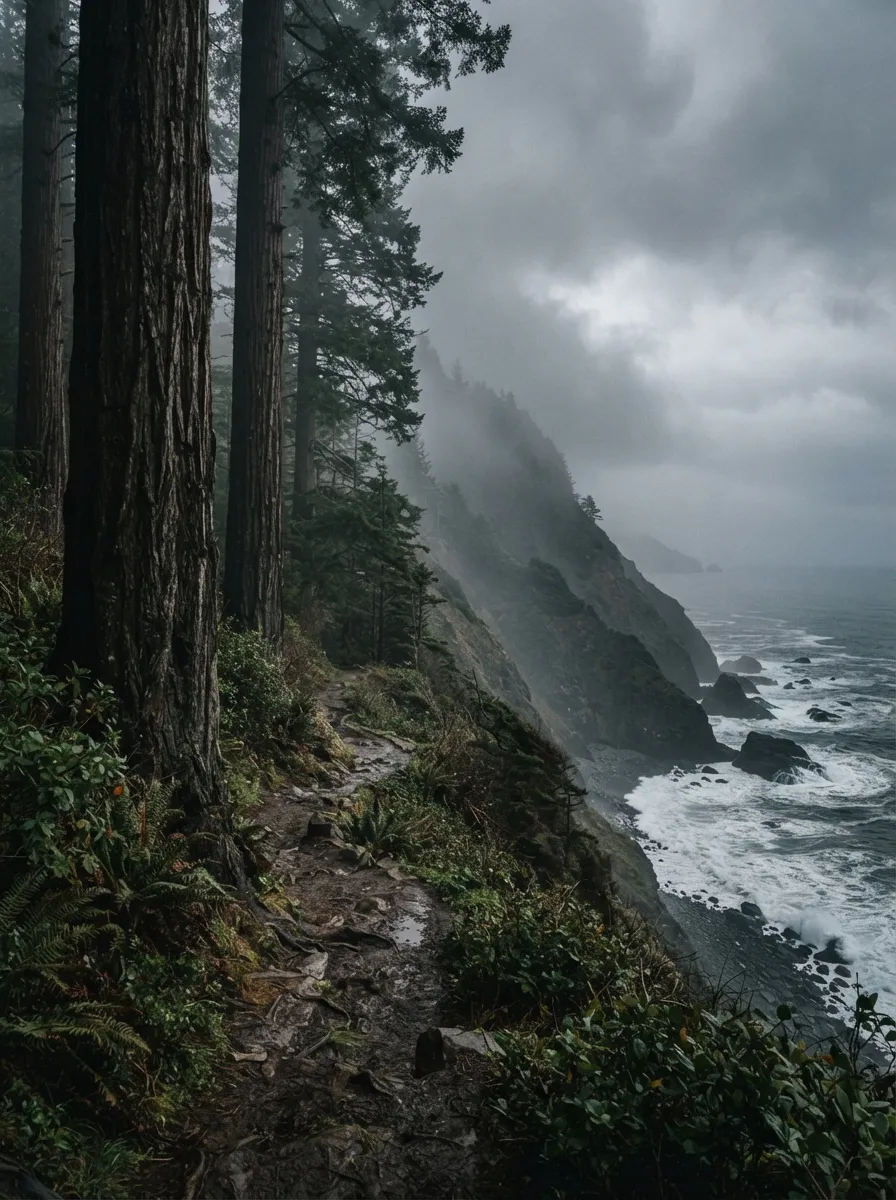
Northern California delivers redwood forests, steep coastal trails and powerful Pacific surf.
The region north of San Francisco feels far less polished than Southern California, with longer driving distances, colder water and greater wilderness.
Best Hiking Experiences
Redwood National and State Parks
Trails pass beneath some of the tallest trees on Earth, through fern-covered canyons and toward the coast.
Point Reyes National Seashore
Point Reyes offers coastal cliffs, beaches, wildlife and open grasslands exposed to wind and fog.
Mendocino Headlands
Short trails follow bluffs above sea caves, beaches and rugged coastal formations.
Lost Coast
The Lost Coast provides remote hiking through an undeveloped section of shoreline.
Backpacking requires permits, tide planning and strong wilderness skills.
Surfing Considerations
Northern California surf can involve:
- Cold water
- Large swell
- Rocky entry points
- Powerful currents
- Great white shark habitat
- Remote beaches
- Limited rescue access
Beginners should remain near established surf schools in developed communities.
This is a destination for experienced adventure travelers, not an ideal first surf vacation.
15. New Jersey Shore
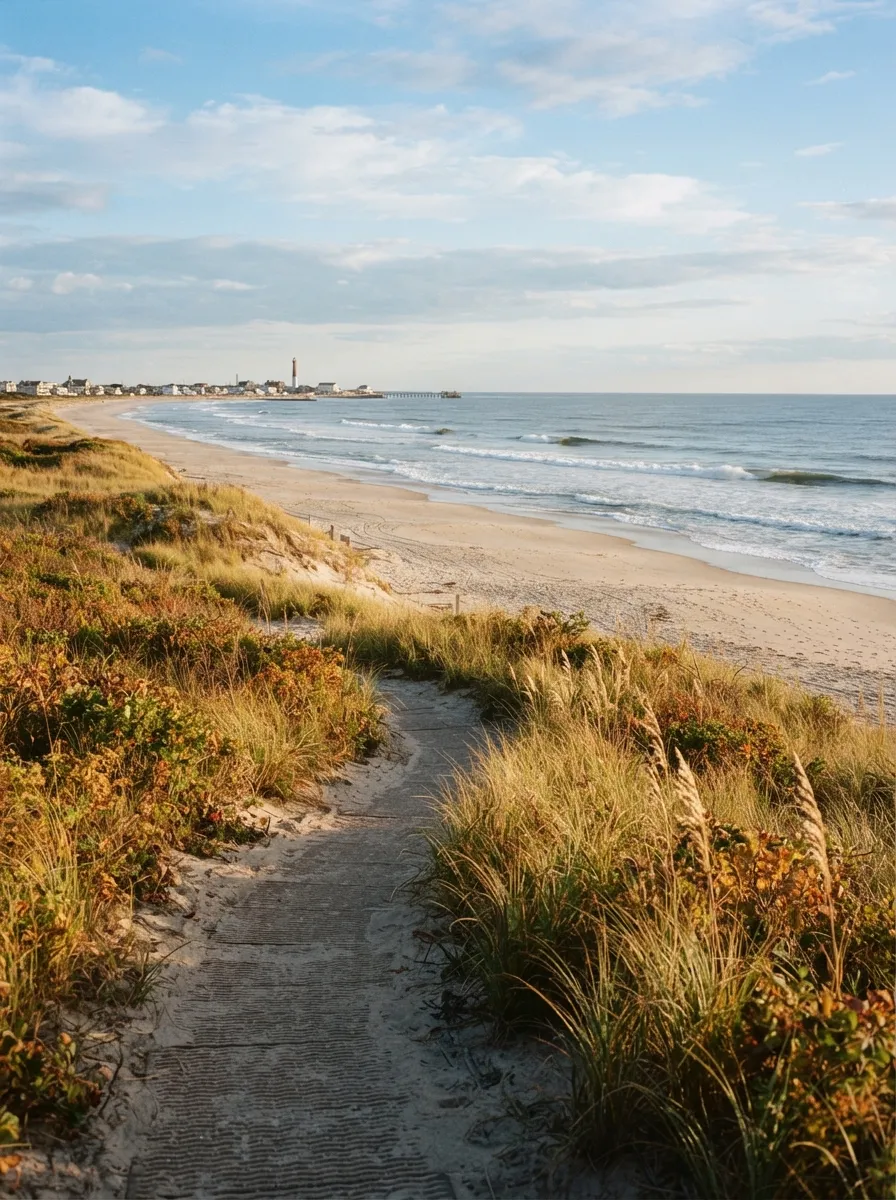
New Jersey may not be the first destination associated with adventure travel, but it offers surprisingly reliable surf, coastal parks and easy access from major northeastern cities.
Late summer and fall can bring warm water, favorable weather and stronger Atlantic swell.
Best Hiking and Nature Experiences
Island Beach State Park
Trails and beach walks explore dunes, maritime forest and barrier-island habitat.
Sandy Hook
Sandy Hook contains coastal paths, beaches, historic military structures and views toward New York Harbor.
Pine Barrens
Inland New Jersey provides longer forest trails through an enormous pine ecosystem.
Best Surfing Areas
Manasquan
Manasquan is one of the state’s best-known surf towns.
Long Beach Island
Multiple beach towns provide surf access, rentals and seasonal instruction.
Ocean City
Ocean City offers accessible beaches and family-oriented infrastructure.
Asbury Park
Asbury Park combines surfing with restaurants, music history and a lively boardwalk district.
Surfing restrictions may change by beach and season, particularly during lifeguard hours. Check local regulations before entering the water.
Best USA Adventure Destinations by Traveler Type
Best for Beginners
Choose:
- Waikiki, Oahu
- La Jolla Shores, San Diego
- Cocoa Beach, Florida
- Doheny, California
- Selected Outer Banks beaches
- Otter Rock, Oregon
Book a lesson rather than renting a board and attempting to decode the ocean through optimism.
Best for Experienced Surfers
Consider:
- Oahu’s North Shore
- Santa Cruz
- Trestles
- Northern California
- Rincón
- Cape Hatteras
- Kauai during stronger swell
Skill in one surf environment does not guarantee comfort in another. Reef breaks, cold water, currents and local etiquette create very different challenges.
Best for Serious Hikers
Choose:
- Olympic Peninsula
- Kauai
- Maui
- Big Sur
- Northern California
- Acadia
- Oahu
National park and wilderness permits may be required for overnight trips. Recreation.gov manages permits, passes and reservations for thousands of federal recreation locations, while individual park pages provide current trail and closure information.
Best for Couples
Strong combinations include:
- Maui
- Kauai
- Big Sur
- San Diego
- Puerto Rico
- Maine Coast
These destinations offer adventure during the day and comfortable dining or accommodation afterward.
Best for Families
Consider:
- San Diego
- Cocoa Beach
- Oahu
- Outer Banks
- Orange County
Select short hikes, lifeguarded beaches and professional surf instruction.
Best Seasons for Hiking and Surfing in the USA
Winter
Best for:
- Oahu’s advanced North Shore surf
- Puerto Rico
- Florida
- Southern California
- Desert hiking extensions
Winter surf can be powerful and dangerous in Hawaii and the Pacific.
Spring
Best for:
- California coast
- Hawaii
- Florida
- Southern sections of the Outer Banks
Mountain snow may still limit high-elevation hiking.
Summer
Best for:
- Olympic Peninsula
- Oregon Coast
- Maine
- Northern California hiking
- Family surf lessons in calmer areas
Popular parks and beach towns become crowded, so reserve lodging and permits early.
Fall
Best for:
- California
- Oregon
- Outer Banks
- New Jersey
- Maine
- Hawaii shoulder-season travel
Fall often produces the strongest overall balance of water temperature, trail conditions and lower crowds. Hurricane risk remains relevant on the Atlantic and Caribbean coasts.
How to Plan a Hiking and Surfing Road Trip
Choose a Compact Region
A successful itinerary minimizes daily driving.
Good combinations include:
- San Diego and Orange County
- Santa Cruz and Big Sur
- Oregon Coast
- Outer Banks
- Olympic Peninsula
- Oahu
- Puerto Rico’s northwest and interior
Alternate Activities
Do not schedule your most demanding hike the morning after an exhausting surf session.
A better pattern is:
- Day 1: Easy surf lesson
- Day 2: Major hike
- Day 3: Scenic recovery day
- Day 4: Surf session
- Day 5: Moderate hike
Build a Weather Buffer
Leave at least one flexible day for:
- Strong wind
- Dangerous surf
- Lightning
- Heavy rain
- Wildfire smoke
- Trail closure
- Road disruption
- Physical recovery
Check Access Requirements
Some parks require:
- Entry reservations
- Wilderness permits
- Parking passes
- Shuttle reservations
- Camping permits
- Sunrise permits
- Tribal recreation passes
Never assume last year’s entry process remains unchanged.
Adventure Travel Packing Checklist
Hiking Gear
- Broken-in hiking shoes
- Lightweight daypack
- Refillable water bottles or hydration reservoir
- Trail snacks
- Sun hat
- Sunscreen
- Rain jacket
- Warm layer
- Offline map
- Portable charger
- Small first-aid kit
- Headlamp
- Emergency whistle
- Insect repellent
Surfing Gear
- Swimsuit
- Rash guard
- Reef-safe sun protection where required or appropriate
- Surf wax matched to water temperature
- Secure board leash
- Wetsuit suitable for local conditions
- Changing towel
- Waterproof bag
- Ear protection for cold water when needed
- Refillable drinking water
Road-Trip Essentials
- Downloaded maps
- Vehicle charger
- Emergency roadside kit
- Reusable food containers
- Dry bag
- Travel insurance details
- Reservation confirmations
- Tide chart
- Surf forecast app
- Park alerts
Surf Safety Every Traveler Should Know
Take a Lesson
Professional instruction teaches:
- Paddling technique
- Board control
- Right-of-way etiquette
- How to fall safely
- Identifying currents
- Selecting appropriate waves
Check the Forecast
Wave height alone does not describe surf safety.
Also check:
- Swell direction
- Swell period
- Tide
- Wind
- Currents
- Water temperature
- Local warnings
- Lightning risk
Understand Rip Currents
Rip currents can carry swimmers away from shore.
Do not fight directly against the current. Remain calm, float or tread water, signal for help and move parallel to shore when able before returning at an angle.
Use a Proper Leash
A leash helps keep the board nearby, but it does not replace swimming ability or judgment.
Never Surf Alone in Remote Areas
This is especially important in:
- Northern California
- Olympic Peninsula
- Big Sur
- Remote Hawaiian beaches
- Unfamiliar reef zones
Respect Lifeguard Instructions
Lifeguards understand local hazards better than a forecast screenshot.
Hiking Safety Every Traveler Should Know
Research the Entire Route
Know:
- Distance
- Elevation gain
- Exposure
- Water availability
- Permit requirements
- Navigation difficulty
- Turnaround time
- Seasonal hazards
Begin Early
Early starts reduce exposure to:
- Heat
- Afternoon storms
- Trailhead congestion
- Darkness
- Crowded viewpoints
Carry More Water Than Expected
Coastal wind can disguise dehydration, while volcanic and desert hikes may provide little shade.
Check Tides on Coastal Trails
Olympic National Park specifically advises coastal visitors to carry and understand tide tables because routes may be cut off by rising water.
Turn Back Without Embarrassment
A summit or viewpoint is optional.
Returning safely is the actual objective.
Responsible Adventure Travel
Popular trails and surf towns are under pressure from congestion, erosion, waste and careless access.
Travel responsibly by:
- Staying on established trails
- Using official parking
- Packing out all waste
- Avoiding fragile dunes
- Respecting wildlife closures
- Never carving rocks or trees
- Supporting local guides and surf schools
- Avoiding private beach access points
- Giving other surfers space
- Respecting Indigenous land and regulations
- Using reef-conscious products where locally recommended
- Avoiding geotagging fragile unofficial locations
- Following fire restrictions
- Leaving shells, plants and artifacts in place
Travelers looking beyond headline destinations can also explore these hidden places in America, which include landscapes and small towns outside the most crowded tourism corridors.
A Perfect 10-Day California Hiking and Surfing Itinerary
Days 1–3: San Diego
Take a beginner surf lesson, hike Torrey Pines and explore La Jolla.
Days 4–5: Orange County
Surf at Doheny or Huntington Beach and hike Crystal Cove.
Days 6–7: Santa Cruz
Walk through redwood forest and surf or watch the lineup at Pleasure Point.
Days 8–10: Big Sur
Explore Point Lobos, Garrapata and redwood trails before finishing with coastal viewpoints.
This itinerary involves substantial driving, so avoid adding Los Angeles, Yosemite and San Francisco unless more days are available.
A Perfect Seven-Day Hawaii Adventure
Days 1–3: Honolulu and Southern Oahu
Take a Waikiki surf lesson, hike Diamond Head and explore Makapuʻu.
Days 4–5: Windward Oahu
Visit rainforest trails, beaches and quieter coastal communities.
Days 6–7: North Shore
Watch experienced surfers, explore coastal trails and enjoy small-town Oahu.
During winter, beginners should surf only in locations selected by reputable instructors.
A Perfect Seven-Day East Coast Adventure
Days 1–4: Outer Banks
Take a surf lesson, walk through Jockey’s Ridge and explore Cape Hatteras National Seashore.
Days 5–7: Coastal North Carolina
Continue through wildlife refuges, maritime forests and quieter beaches.
Travelers extending the trip south can finish with a cultural weekend or seasonal celebration using this New Orleans New Year guide when planning a winter journey through the southern United States.
Common Adventure Travel Mistakes
Choosing Famous Waves Instead of Suitable Waves
Pipeline, Steamer Lane and Trestles are famous because of their quality, not because they are beginner playgrounds.
Overpacking the Itinerary
One major hike and one surf session can already create a physically demanding day.
Ignoring Water Temperature
Cold-water surfing without sufficient protection can lead to rapid exhaustion and impaired movement.
Underestimating Coastal Weather
Fog, wind and rain can arrive quickly, even when inland conditions are sunny.
Skipping Permits and Reservations
Popular parks increasingly manage access through permits, timed entry and parking systems.
Hiking in Surf Footwear
Flip-flops and wet reef shoes are not substitutes for proper hiking footwear.
Leaving Equipment Visible in the Car
Beach and trailhead theft can occur. Keep valuables out of sight and carry essential documents.
Treating Every Beach as Swimmable
Some of America’s most beautiful beaches have dangerous currents, shore breaks, rocks or cold water.
Frequently Asked Questions
What are the best adventure travel spots in the USA for hiking and surfing?
Oahu, Maui, Kauai, San Diego, Santa Cruz, the Oregon Coast, Olympic Peninsula and the Outer Banks offer some of the strongest combinations.
What is the best overall hiking and surfing destination?
Oahu is the strongest overall choice because it combines tropical ridge hikes, volcanic viewpoints, beginner surf schools and world-famous advanced breaks.
Where can beginners surf and hike in the same trip?
San Diego, Cocoa Beach, Waikiki, Orange County and selected Outer Banks beaches are good choices.
What is the best East Coast surf destination?
Cape Hatteras and the Outer Banks are among the East Coast’s most highly regarded surf regions, with conditions ranging from beginner swells to advanced waves.
What is the best destination for cold-water adventure?
The Olympic Peninsula combines remote surf, rainforest trails, mountains and wild coastal hiking.
Where can I hike through redwoods and surf?
Santa Cruz, Northern California and selected sections of the Oregon Coast offer redwood or coastal forest hiking near surf communities.
Can beginners surf in Hawaii?
Yes, but they should take lessons at suitable locations such as Waikiki rather than entering famous advanced breaks.
Do I need a wetsuit in California?
Generally yes, particularly in central and northern California. Requirements vary with season, location, water temperature and personal tolerance.
What is the best time for a California surf-and-hike trip?
Spring and fall often provide a strong balance of trail weather and surf conditions, though regional differences are significant.
What is the best time to visit the Outer Banks for surfing?
Late summer and fall often bring stronger swell and warm water, but the same period overlaps with Atlantic hurricane risk.
Are national park permits required for hiking?
Most ordinary day hikes do not require wilderness permits, but specific trails, overnight routes, parking areas and timed-entry locations may require reservations or permits. Check the official park page and Recreation.gov.
Is surfing safe for non-swimmers?
No. Basic swimming ability and comfort in moving water are essential, even during a supervised lesson.
Can children learn to surf?
Yes, when using a reputable school, age-appropriate equipment and conditions selected by qualified instructors.
Which destination is best for a short adventure weekend?
San Diego, Cocoa Beach, Orange County, Santa Cruz and the New Jersey Shore work well for three-to-four-day trips.
Which destinations are best for a two-week road trip?
California, the Oregon Coast, Olympic Peninsula and Outer Banks all support longer itineraries.
How should I split time between hiking and surfing?
Alternate difficult days. For example, schedule a major hike, then a lighter surf lesson or recovery day rather than stacking strenuous activities continuously.
What should I check each morning?
Review trail alerts, weather, wildfire conditions, tides, surf forecasts, wind, currents and road closures.
Final Thoughts
The best adventure travel spots in the USA are places where the land and ocean seem to compete for your attention.
Oahu tempts you toward a volcanic summit before breakfast, then sends long waves toward Waikiki by afternoon. Santa Cruz hides ancient redwoods behind a coastline shaped by surfing history. Washington’s Olympic Peninsula places rainforest, mountains and a tide-controlled wilderness shore inside one vast landscape.
You do not need to chase the hardest trail or the largest wave to make the journey count.
Take the surf lesson. Choose the trail that matches your ability. Stop when the weather turns. Leave space for sore muscles, changing tides and the kind of afternoon when the ocean firmly rejects your itinerary.
Adventure travel is not about proving that nature can be conquered.
Nature has not entered the competition.
The better goal is to meet the landscape on its own terms, return safely and carry home a story that still smells faintly of pine needles, sunscreen and Pacific salt.