Best Time to Travel to Costa Rica in 2026–27: Weather, Wildlife, Prices and the Perfect Month for Every Trip
Costa Rica does not have one universally perfect travel month.
The best time depends on which coastline you plan to visit, how much rain you can tolerate, whether wildlife matters more than sunshine, and how enthusiastically your budget reacts to peak-season hotel prices.
For classic beach weather across Guanacaste and much of the Pacific coast, January through March remains the safest choice. For fewer crowds, greener scenery and better value, May, June and November often provide the most attractive balance. Travelers heading to the Caribbean coast should pay particular attention to February, March, September and October, because its rainfall pattern differs from the Pacific side.
Costa Rica’s tourism board broadly divides the year into a dry season from mid-December through late April and a green season from May through mid-December. However, elevation, coastline and local geography create numerous microclimates, so weather in Guanacaste may differ completely from conditions in Tortuguero, Monteverde or the Osa Peninsula on the same day.
This 2026–27 guide explains the best month for beaches, wildlife, surfing, hiking, family trips, honeymoons and lower prices. It also includes seasonal warnings, holiday dates, regional differences and a month-by-month planning calendar.
Recommended Travel Items for Your Trip
COSTA RICA TIMING AT A GLANCE
Best overall months: January, February and early March
Best balance of weather and value: May, June and November
Best Pacific beach weather: January through March
Best Caribbean weather windows: February–March and September–October
Best for fewer crowds: May, June, September and October
Best for whale watching: July through October in the South Pacific
Best for Tortuguero turtles: July through October
Best for lush scenery: June through November
Wettest Pacific months: September and October
Most expensive period: Christmas through Easter
Best family window: Late January through March
Best honeymoon window: February, May or November
Best surfing: Varies by coast and experience level
Ideal first trip: 10 to 14 days
The Best Time to Visit Costa Rica in One Sentence
For most first-time visitors combining La Fortuna, Monteverde and the Pacific coast, the best time to visit Costa Rica is from late January through early March.
These months usually offer:
- Drier Pacific weather
- Easier road conditions
- Reliable beach days
- Better visibility around volcanoes
- Strong access to hiking and adventure activities
- Lower rain-related disruption
The trade-off is higher demand, particularly in beach areas, national parks and resort towns.
Travelers who are comfortable with afternoon rain should consider May, June or November instead. These months can deliver green landscapes, lower accommodation costs and noticeably fewer visitors without the sustained heavy rainfall often associated with September and October on the Pacific side.
Costa Rica’s Dry and Green Seasons Explained
Dry Season: Mid-December Through Late April
Costa Rica’s dry season is often called verano, meaning summer.
Across the Pacific coast and Central Valley, this period generally brings:
- More sunshine
- Lower rainfall
- Drier hiking trails
- Easier road travel
- Higher hotel prices
- Greater demand for tours
- Brown or golden landscapes in the driest regions
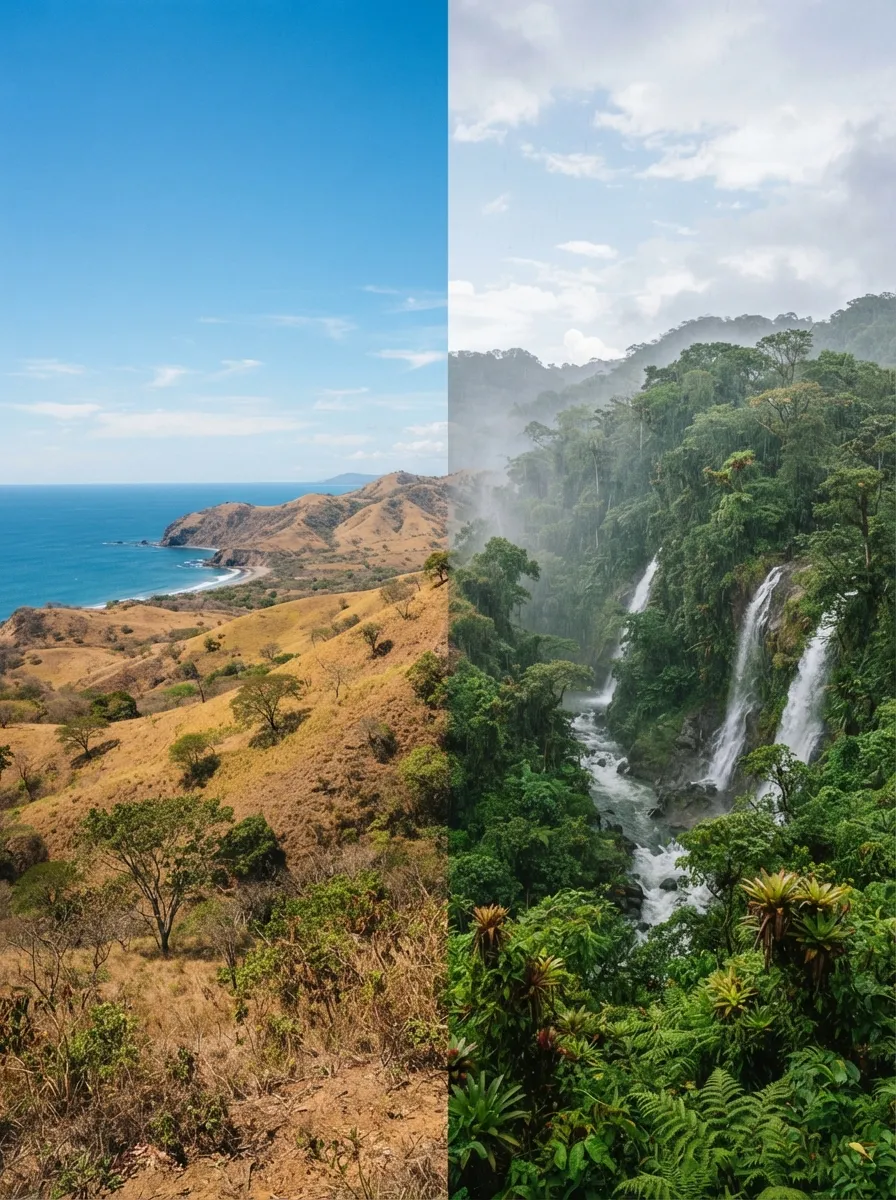
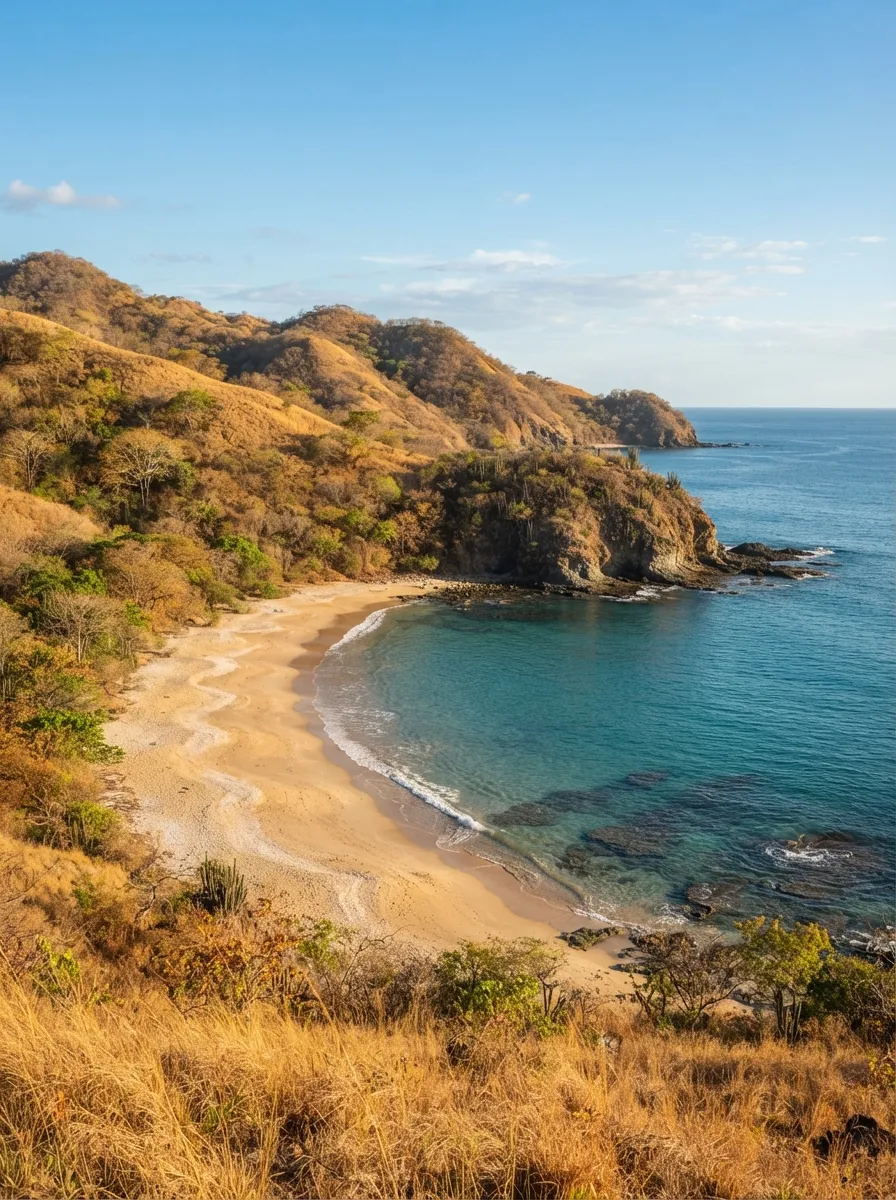
The dry season is most obvious in Guanacaste and the North Pacific, where prolonged sunshine can turn hillsides golden by February and March.
December is transitional. Early December may still bring green-season showers, while conditions often become drier toward Christmas.
Green Season: May Through Mid-December
The rainy season is commonly marketed as the green season because forests, farmland and hillsides become intensely lush.
A typical green-season day on the Pacific side may begin with sunshine, followed by clouds and afternoon or evening rain. Rain does not automatically mean twelve hours of uninterrupted gray weather, although stronger systems can occasionally produce prolonged downpours.
Advantages include:
- Greener scenery
- Fewer visitors
- Lower seasonal hotel rates
- Fuller waterfalls
- Excellent wildlife opportunities
- Dramatic skies
- Less dust on rural roads
Challenges include:
- Muddy trails
- Rougher seas
- Flooding or landslides
- Slower road journeys
- Reduced volcano visibility
- Occasional tour cancellations
The Caribbean Coast Follows a Different Pattern
Costa Rica’s Caribbean side does not experience the same clearly defined dry season as the Pacific coast.
Rain remains possible throughout the year, but the Caribbean coast usually experiences relatively drier periods during February and March and again during September and October.
This creates one of Costa Rica’s great weather plot twists: September may be extremely wet around the South Pacific while Puerto Viejo and the southern Caribbean enjoy some of their more favorable conditions.
Best Time by Region
Guanacaste and the North Pacific
Best Months
January through March provide the most dependable dry weather.
Guanacaste includes:
- Tamarindo
- Playa Flamingo
- Playas del Coco
- Nosara
- Sámara
- Santa Teresa’s northern access routes
- Papagayo Peninsula
- Rincón de la Vieja region
What to Expect
This is Costa Rica’s driest major tourism region. During late dry season, landscapes may appear golden rather than tropical green.
January and February offer the strongest combination of sunshine and manageable heat. March and April become hotter, dustier and increasingly dry.
Best Value Window
May and June bring greener landscapes and fewer visitors while still offering many sunny mornings.
November can also be attractive, especially toward the second half of the month as the dry season approaches.
Avoid or Prepare Carefully
September and October can bring rough roads, heavy rain and service reductions in smaller beach communities.
That does not mean the region closes, but flexible planning becomes more important.
Nicoya Peninsula
Best Months
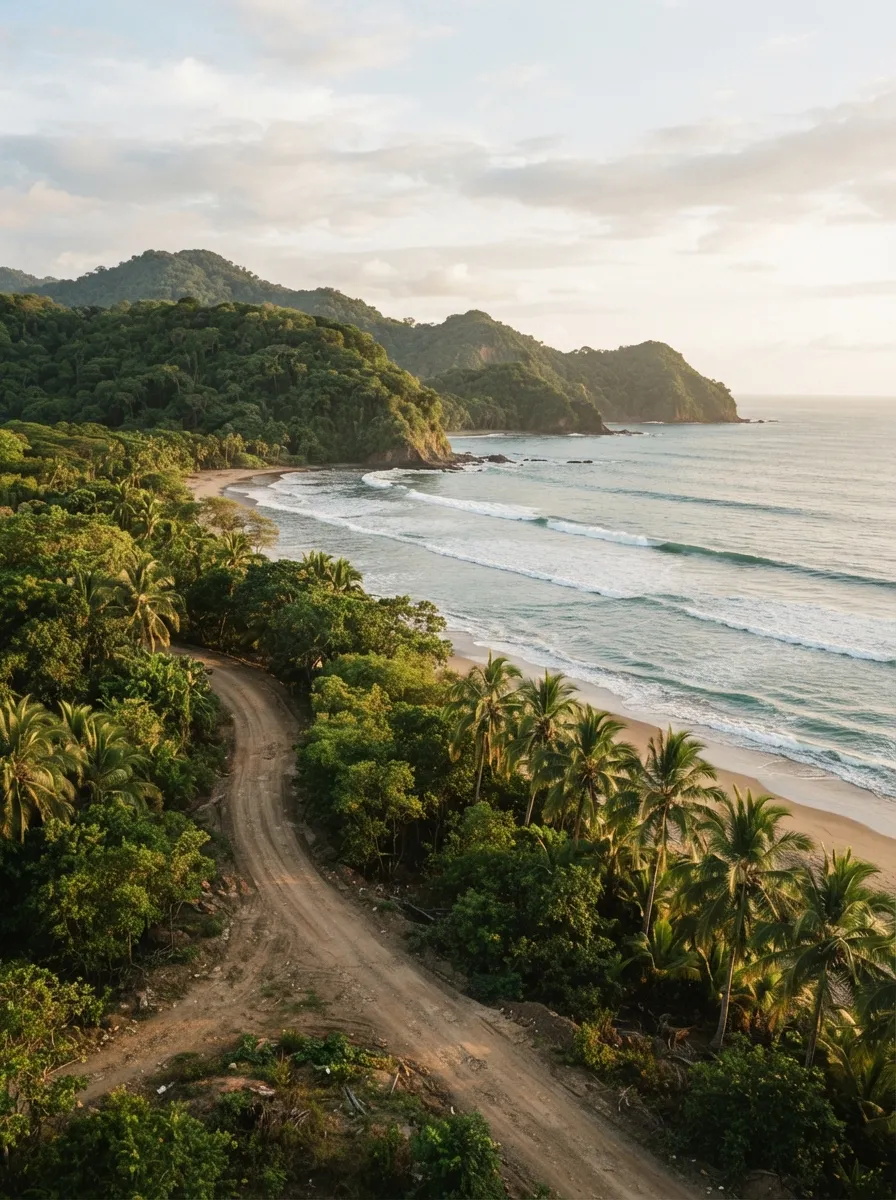
January through March for sunshine, May and November for value.
The Nicoya Peninsula includes destinations such as:
- Santa Teresa
- Montezuma
- Nosara
- Sámara
- Malpaís
- Tambor
Road conditions matter almost as much as rainfall here. Some routes have improved, but heavy rain can still make rural access slower and less predictable.
Best for Surfing
Pacific surf conditions vary by break, swell direction and ability. The green season often produces stronger and more consistent swell, while dry-season mornings may offer cleaner conditions at selected beaches.
Beginners should choose a reputable surf school that selects lesson locations according to daily conditions.
Central Pacific
Best Months
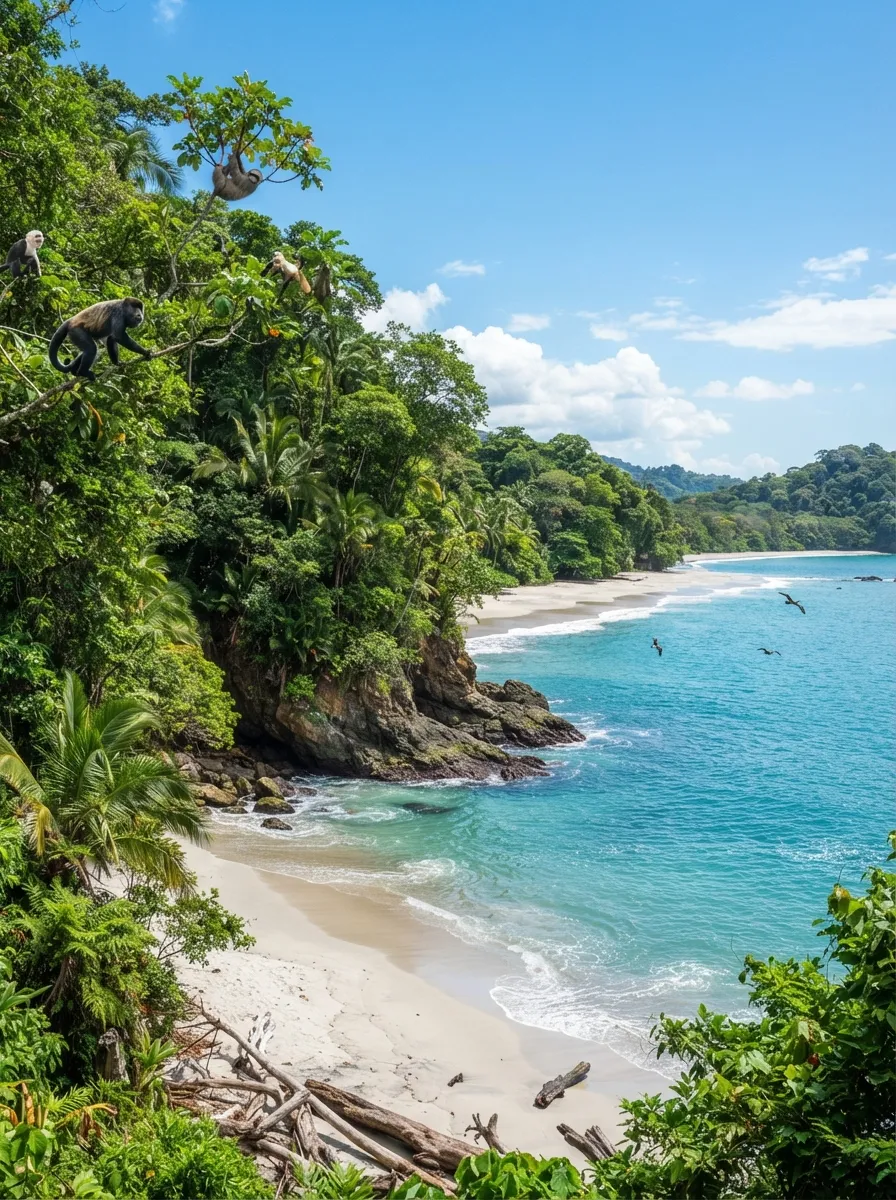
January through March for weather, May through August for greenery and wildlife.
The Central Pacific includes:
- Manuel Antonio
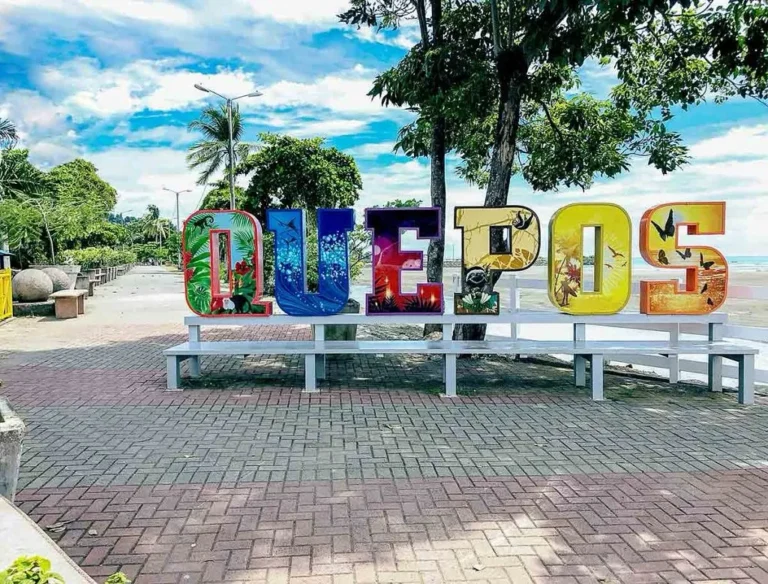
- Quepos
- Jacó
- Playa Hermosa
- Dominical’s northern approaches
- Carara National Park
The region receives more rain than Guanacaste but usually has a recognizable dry season.
Manuel Antonio is particularly popular during Christmas, New Year, spring break and Easter. Park tickets and nearby accommodations should be booked well ahead during these periods.
SINAC notes that September and October typically receive fewer visitors at Manuel Antonio because of rainy-season conditions. Some park trails or facilities may also close temporarily, so current park notices should be checked before traveling.
South Pacific and Osa Peninsula
Best Months
January through March for drier weather, July through September for whale watching, and May or November for shoulder-season value.
The South Pacific includes:
- Uvita
- Dominical
- Drake Bay
- Corcovado National Park
- Puerto Jiménez
- Golfo Dulce
- Osa Peninsula
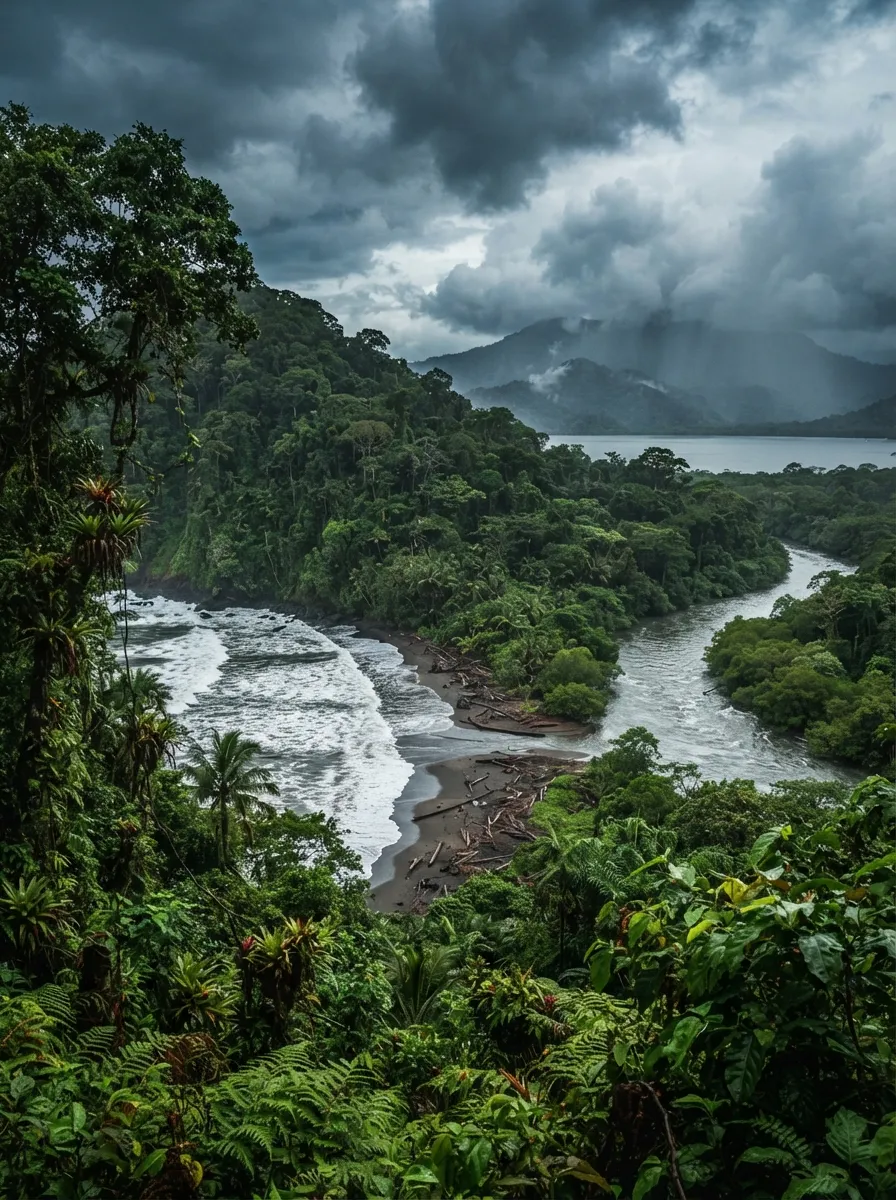
This is one of Costa Rica’s lushest and wettest regions.
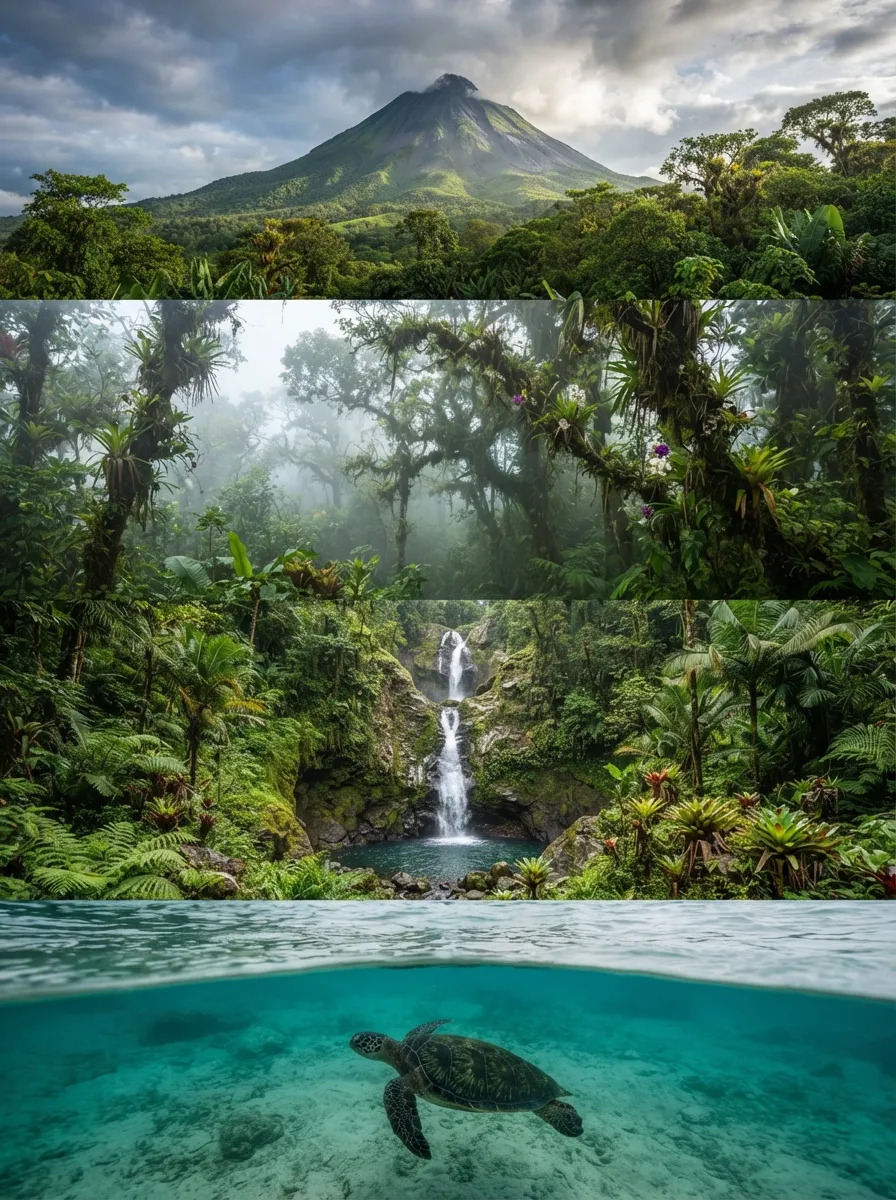
The dry months improve trail access, but even the dry season can produce rain in rainforest areas. The green season transforms the forest into a thundering emerald machine, with fuller rivers and abundant wildlife activity.
Marino Ballena National Park describes its dry season as roughly mid-December to mid-April and its rainy season as mid-April to mid-December.
Whale-Watching Season
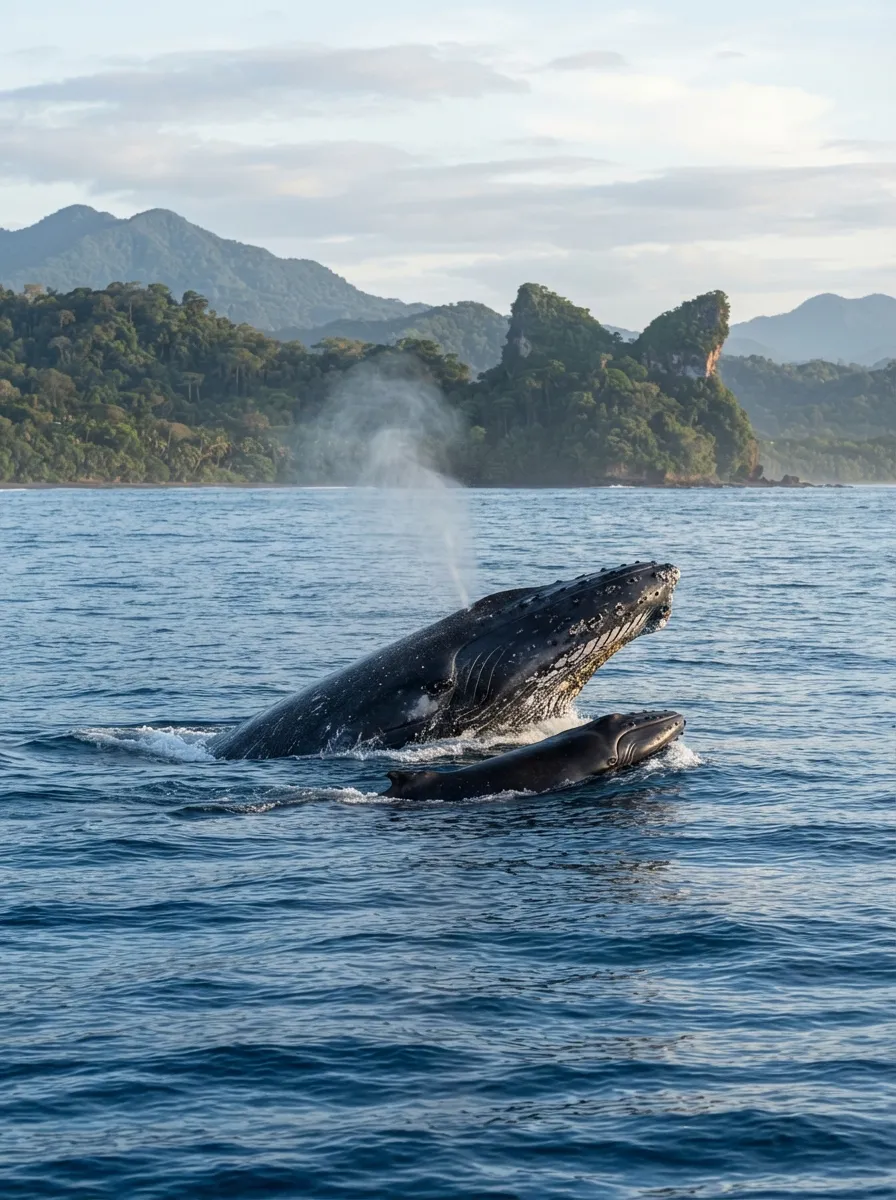
Southern Hemisphere humpback whales generally arrive along the South Pacific coast from July through October to breed and give birth. Uvita and Marino Ballena National Park are among the country’s best-known whale-watching locations during this period.
Whales from northern populations may also appear during another seasonal window beginning around late November or December, although timing and sightings are never guaranteed.
Caribbean Coast
Best Months
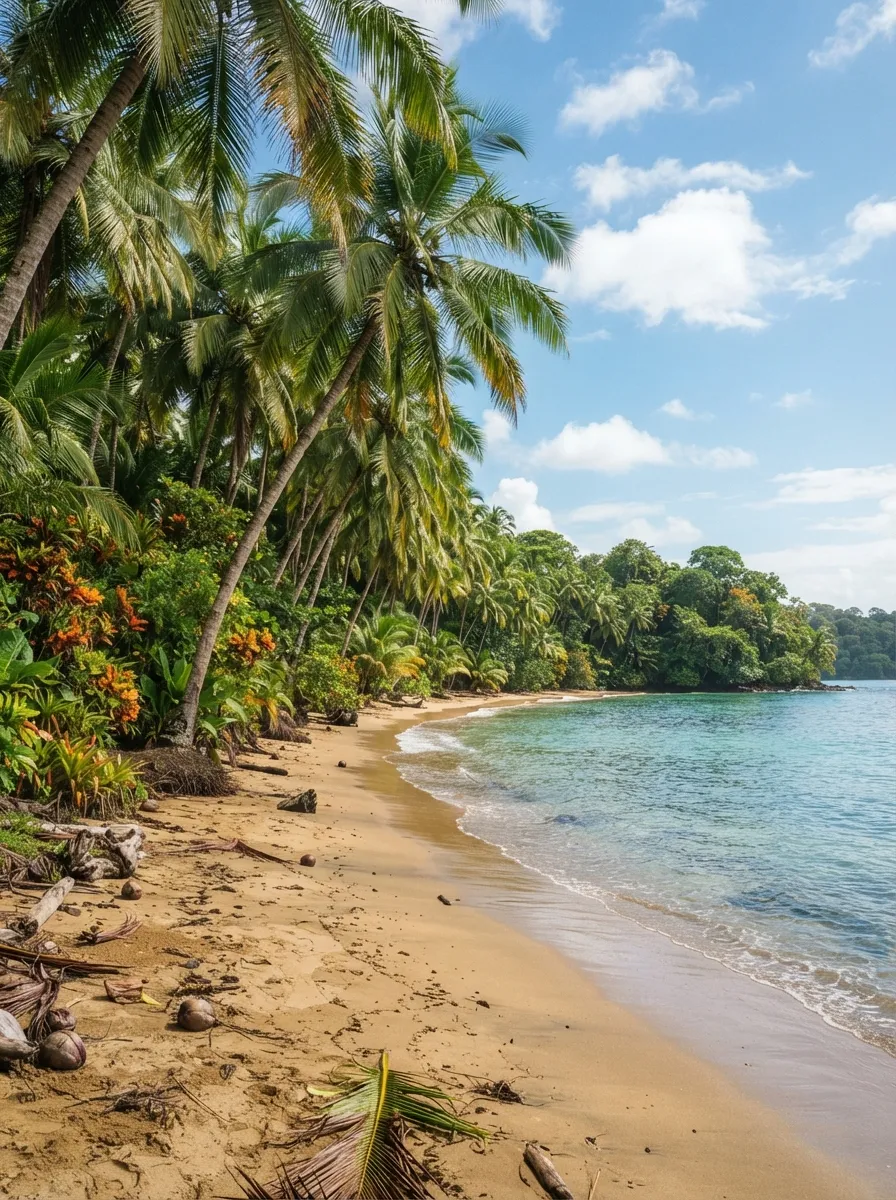
February, March, September and October.
The Caribbean region includes:
- Puerto Viejo
- Cahuita
- Manzanillo
- Tortuguero
- Limón
- Gandoca
The coast remains tropical and humid throughout the year.
September and October are especially interesting because they are wet months across much of the Pacific but can provide calmer, sunnier conditions in the southern Caribbean.
Best for Beaches
February and March are strong options for combining Caribbean beaches with inland destinations such as La Fortuna.
September and October may provide excellent beach conditions, but travelers should remember that Atlantic tropical systems can still influence regional weather and flights.
Best for Turtles
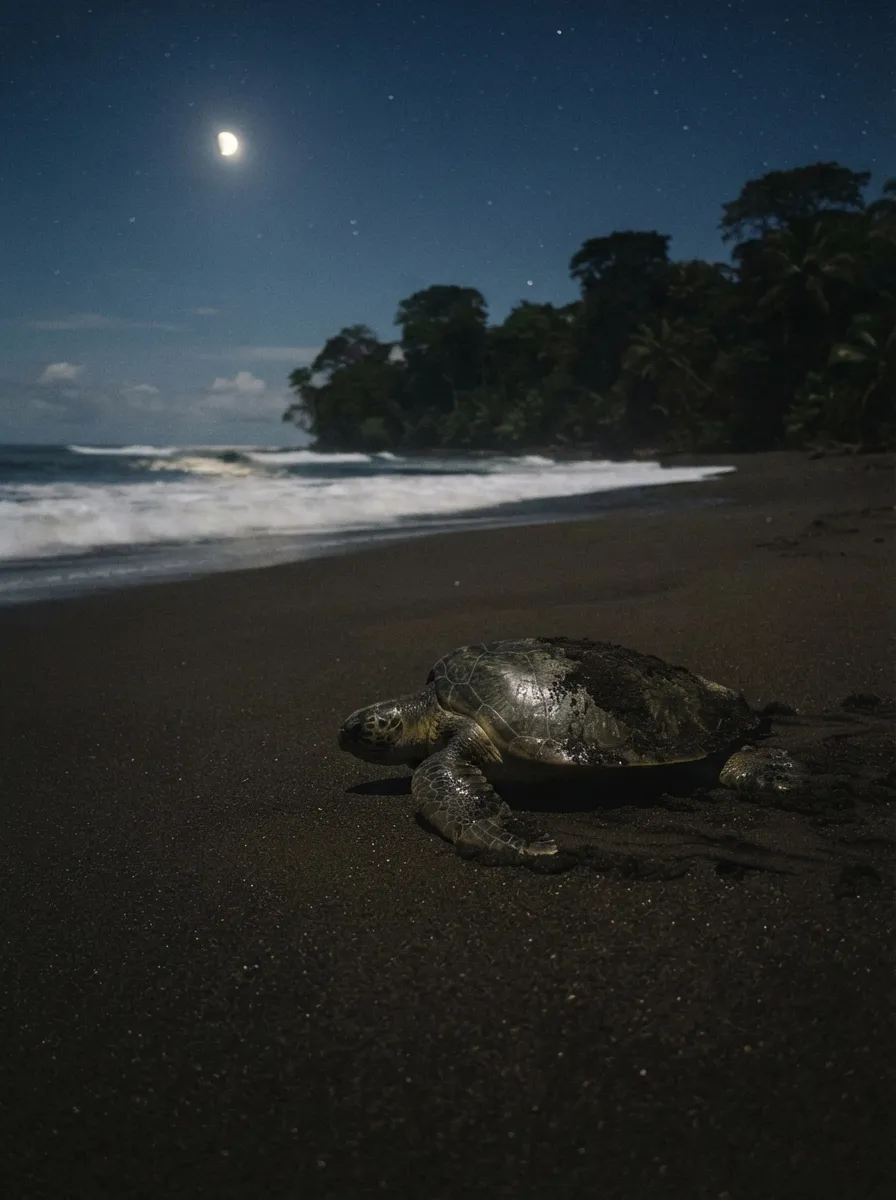
Tortuguero is internationally important for sea turtle conservation and protects one of the Western Hemisphere’s most significant green turtle nesting beaches.
Green turtles are most numerous around Tortuguero from July through October. Leatherback turtles begin arriving on Caribbean beaches around March, with nesting continuing into June at areas including Pacuare, Moín and Gandoca.
Wildlife observation must be conducted under local rules and, where required, with authorized guides. Flash photography, touching animals and blocking nesting turtles are never acceptable.
La Fortuna and Arenal
Best Months
February and March for the clearest weather, May and November for fewer crowds.
La Fortuna sits in Costa Rica’s Northern Plains, where rain can occur during any month.
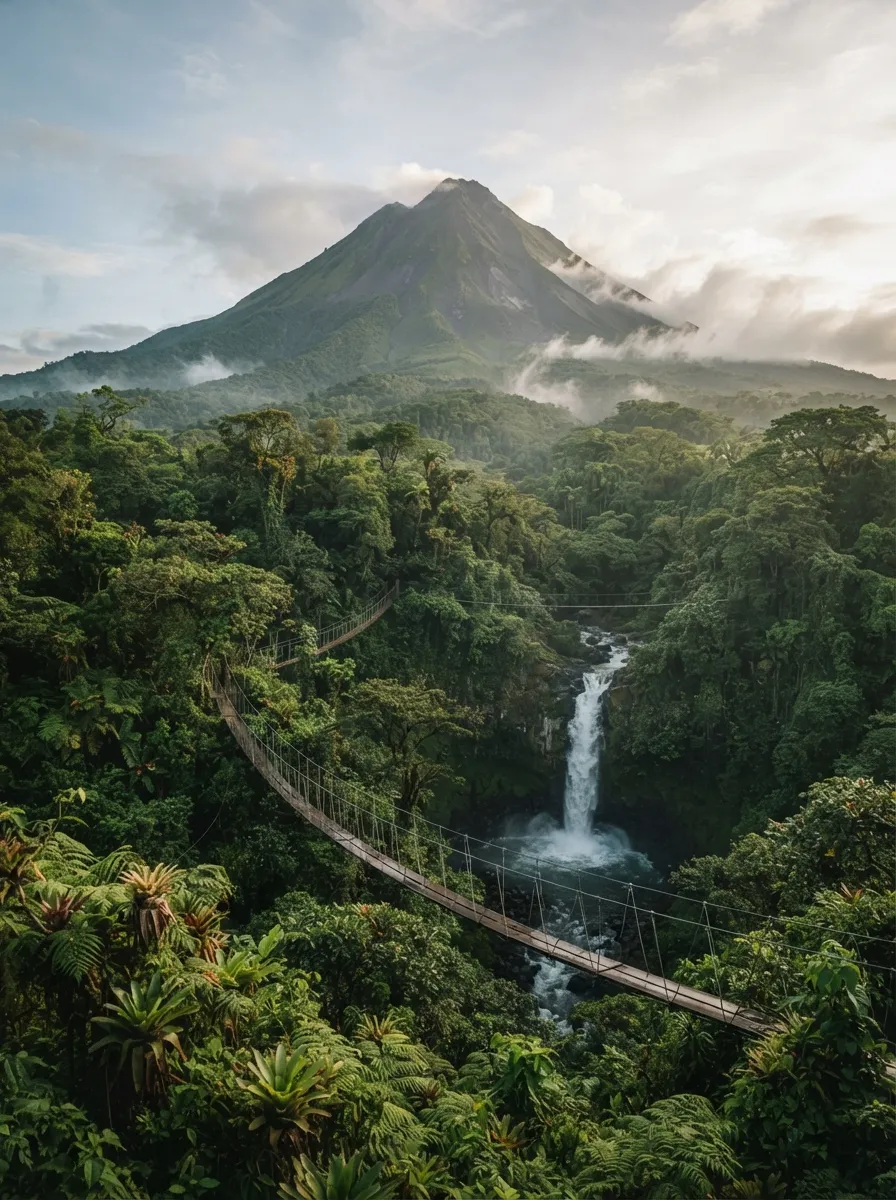
The volcano may disappear behind clouds even during dry season. It has no contractual obligation to pose for your breakfast photograph.
Best Time for Activities
Dry-season months are best for:
- Volcano trails
- Hanging bridges
- Mountain biking
- Canyoning
- Road trips
- Clearer views
Green-season months are excellent for:
- Full waterfalls
- Whitewater rafting
- Lush rainforest
- Lower visitor numbers
- Hot-spring afternoons during rain
Arenal Volcano National Park remains one of the country’s major protected areas, and entrance revenue supports the wider national protected-area system.
Monteverde
Best Months
February through April for drier hiking, May and November for greener forests with fewer visitors.
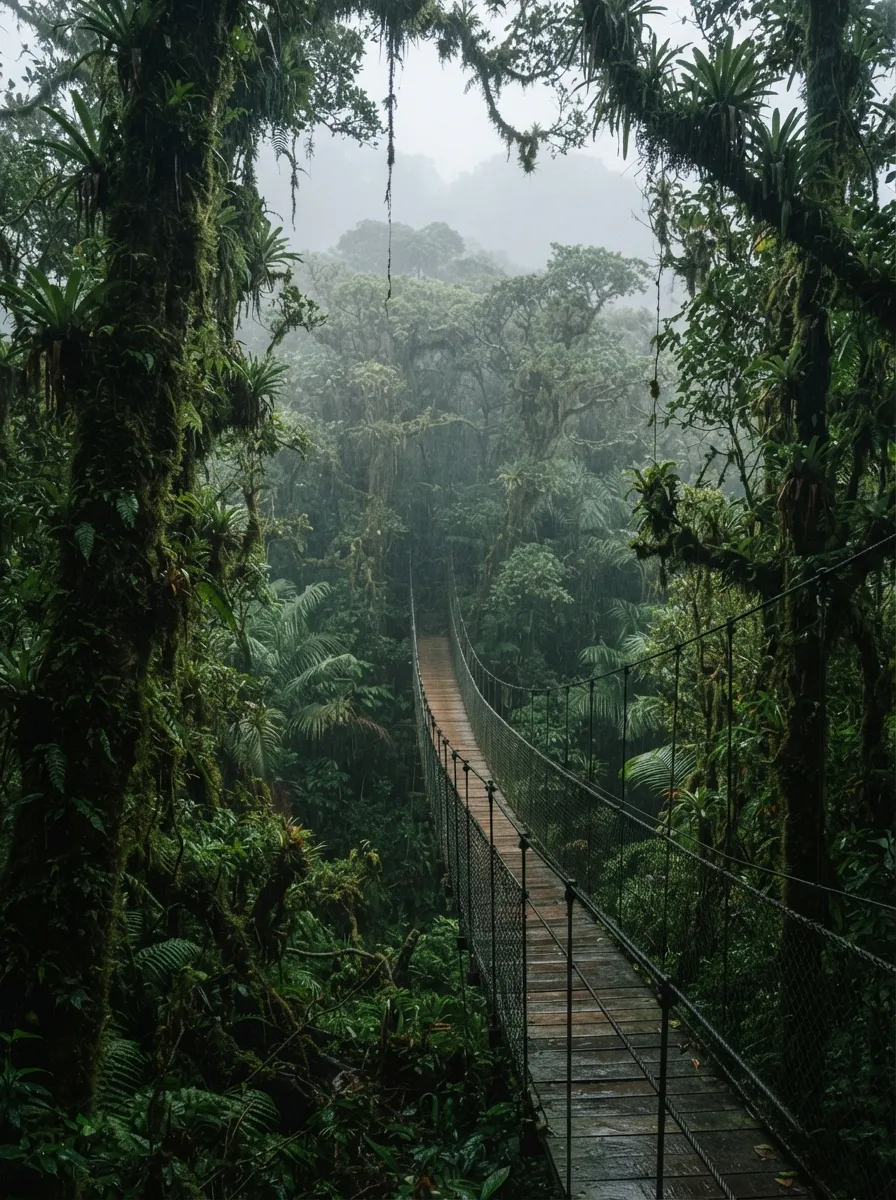
Monteverde is a cloud forest. Mist, wind and rain are part of the ecosystem rather than a travel-planning malfunction.
Even during Costa Rica’s dry season, visitors should expect:
- Fog
- Light rain
- Strong wind
- Cooler temperatures
- Muddy sections
- Rapid visibility changes
The region sits at roughly 1,600 meters above sea level, producing cooler and cloudier conditions than the beaches.
Pack a light waterproof jacket regardless of month.
Central Valley and San José
Best Months
December through March for drier weather.
The Central Valley generally experiences a dry period from December through March and a wetter period from May through October.
San José is commonly used as an arrival or departure point, but the surrounding region also offers:
- Coffee farms
- Poás Volcano
- Irazú Volcano
- Botanical gardens
- Historic towns
- Museums
- Food experiences
Morning visits are usually best for volcano viewpoints because clouds often build later in the day.
Costa Rica Month-by-Month Guide for 2026–27

January
Best For
Beaches, families, wildlife tours, hiking and first-time visitors.
January is one of Costa Rica’s most dependable months for Pacific sunshine.
Expect:
- Dry conditions across Guanacaste
- Strong demand
- High lodging prices
- Busy national parks
- Cooler evenings in mountain areas
- Occasional Caribbean rain
The first week remains crowded after New Year. Conditions usually become slightly calmer later in the month, though January stays firmly within peak season.
Verdict
Excellent weather, high prices.
February
Best For
Honeymoons, beaches, hiking, Caribbean trips and broad multi-region itineraries.
February may be the best all-around month for Costa Rica.
It combines:
- Reliable Pacific weather
- A relatively drier Caribbean window
- Good mountain access
- Lower rainfall around the Central Valley
- Fewer holiday crowds than late December
Popular hotels and rental vehicles still need advance reservations.
Verdict
Best overall month for many travelers.
March
Best For
Pacific beaches, Caribbean beaches, surfing lessons and family trips.
March remains dry across much of the Pacific and is one of the Caribbean’s relatively favorable months.
Temperatures rise in Guanacaste, and landscapes become increasingly dry. US spring-break demand can increase prices in resort towns.
Semana Santa sometimes falls partly or entirely in March, dramatically increasing domestic travel and beach demand.
Verdict
Excellent weather, increasingly hot and busy.
April
Best For
Travelers who want late dry-season weather and can avoid Easter week.
April is a transition month.
Early April may remain hot and dry across the Pacific. Rain becomes more likely later in the month, particularly outside Guanacaste.
Semana Santa in 2026
Easter Sunday falls on April 5, 2026, placing the principal Holy Week travel period from approximately March 29 through April 5.
Semana Santa in 2027
Easter Sunday falls on March 28, 2027, placing the busiest Holy Week period approximately between March 21 and March 28.
During Semana Santa:
- Beach towns become extremely busy
- Domestic flights and buses fill
- Rental cars become scarce
- Some businesses reduce hours
- Alcohol-sale restrictions may apply locally
- Hotel rates increase
Verdict
Good weather, but avoid Holy Week unless booked early.
May
Best For
Value, lush landscapes, couples and photographers.
May marks the beginning of the green season across much of the Pacific.
The typical pattern often includes sunny mornings and afternoon showers. The countryside revives rapidly after the dry months.
Advantages include:
- Lower rates
- Fewer tourists
- Green hills
- Better waterfall flow
- Atmospheric skies
- Good wildlife activity
Verdict
One of the best value months.
June
Best For
Families, rainforest, rafting and lower-cost travel.
June is green, humid and increasingly rainy, but mornings can still be productive for outdoor activities.
It is a strong choice for travelers who:
- Begin days early
- Pack waterproof layers
- Accept schedule changes
- Prefer forests to guaranteed beach sunshine
School vacations in North America can increase family demand despite the wet season.
Verdict
Green, active and often underrated.
July
Best For
Whales, turtles, family trips and surfing.
July sits within the green season but may experience a temporary reduction in rainfall in parts of the Pacific, sometimes called veranillo or “little summer.” Its timing and intensity vary, so it should never be treated as guaranteed.
July begins the strongest South Pacific humpback whale window and overlaps with green turtle nesting around Tortuguero.
Expect higher demand from North American and European summer travelers.
Verdict
Excellent for wildlife, mixed for weather.
August
Best For
Whales, turtles, rainforest and active family travel.
August continues the strong wildlife season.
Rain generally increases across the Pacific as the month progresses, while mornings often remain suitable for tours.
This is a good month for:
- Tortuguero
- Uvita
- Corcovado
- Rafting
- Surfing
- Rainforest lodges
Verdict
Wildlife-rich and wonderfully green.
September
Best For
Caribbean beaches, whales, turtles and low-crowd travel.
September is among the wettest Pacific months but one of the more favorable periods for the Caribbean coast.
Choose Puerto Viejo, Cahuita or Manzanillo for a better chance of beach weather. Uvita remains attractive for whale watching, though rain may affect roads and boat departures.
Some Pacific lodges reduce services or close temporarily during September and October.
Verdict
Best for the Caribbean, difficult for Pacific road trips.
October
Best For
Southern Caribbean travel and travelers seeking deep off-season rates.
October is often the wettest month across the Pacific side.
Potential disruptions include:
- Flooded roads
- Landslides
- Rough seas
- Trail closures
- Reduced visibility
- Boat cancellations
- Seasonal business closures
Meanwhile, Puerto Viejo and Cahuita may experience one of their better seasonal windows.
Verdict
Caribbean gem, Pacific gamble.
November
Best For
Shoulder-season value, green landscapes and travelers with flexible plans.
November is a transition month.
Early November can remain rainy on the Pacific coast, while late November often begins moving toward drier weather.
This is one of the most appealing months for visitors who want:
- Lower prices than Christmas
- Fewer visitors
- Lush scenery
- Improving Pacific weather
- Active waterfalls
- A wider choice of open lodges than October
US Thanksgiving week may increase flight prices and demand at major resorts.
Verdict
Excellent late-month compromise.
December
Best For
Holiday trips, beaches and multi-generational vacations.
Early December can still feel like green season. Conditions usually become drier toward the middle of the month.
Christmas and New Year represent one of Costa Rica’s busiest and most expensive travel periods.
Expect:
- Minimum-stay requirements
- Higher resort prices
- Limited rental-car availability
- Busy beaches
- Full national-park entry slots
- Strong demand for private guides
Verdict
Excellent from mid-month, expensive over the holidays.
Best Time to Visit for Wildlife

Sea Turtles
Tortuguero Green Turtles
Best from July through October.
Caribbean Leatherbacks
Best from March through June, with stronger nesting activity often concentrated around April and May.
Pacific Turtle Nesting
Several Pacific beaches receive turtles during the green season. Camaronal Wildlife Refuge, for example, identifies May through November as a particularly important observation period.
Arribadas, or mass nesting events, cannot be scheduled like hotel breakfasts. Their exact timing depends on natural cycles, tides and lunar conditions.
Humpback Whales
South Pacific Population
Best from July through October around Uvita, Marino Ballena, Drake Bay and the Osa region.
Northern Population
Another seasonal movement begins around late November and December, with whales appearing along Pacific waters during the following months.
Birdwatching
Birding is possible year-round.
The dry season offers easier trail access, while green-season forests may be more active and lush. Migratory species also influence sightings during parts of the Northern Hemisphere winter.
Monteverde, Sarapiquí, Tortuguero, Carara and the Osa Peninsula are among the most rewarding birding regions.
Best Time for Lower Prices
The lowest prices usually appear during the green season, especially:
- May
- June
- September
- October
- Early November
However, price and convenience do not always travel together holding hands.
September and October may offer deep discounts because:
- Weather is wetter
- Some roads become difficult
- Smaller properties close temporarily
- Tours run less frequently
- Pacific beach demand declines
For most travelers, May, June and November provide a better value-to-convenience ratio than the wettest months.
Travelers comparing tropical destinations may also find useful ideas among these affordable island escapes, where seasonal timing can transform an expensive-looking trip into something far more manageable.
Best Time for a Costa Rica Honeymoon
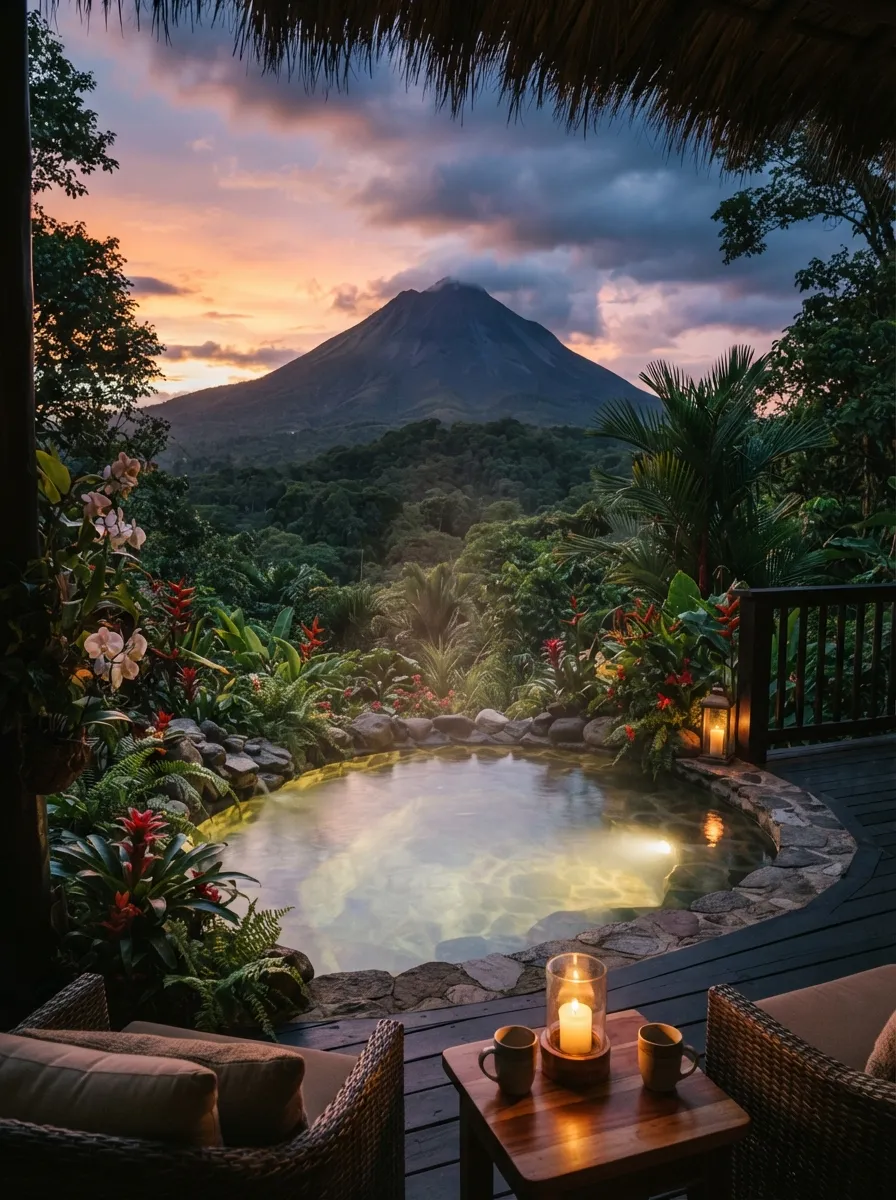
Best Overall: February
February offers:
- Reliable Pacific weather
- Strong resort availability when booked early
- Excellent sunset conditions
- Easy multi-region travel
- Lower holiday pressure than Christmas
Best for Value: May
May is ideal for couples who do not mind afternoon rain.
The scenery is greener, popular lodges feel quieter and room rates may be more attractive.
Best Shoulder-Season Choice: November
Late November can provide an appealing combination of improving weather and pre-Christmas pricing.
A honeymoon could combine:
- La Fortuna hot springs
- Monteverde cloud forest
- Manuel Antonio beach
- Uvita or Osa rainforest
- A private Guanacaste resort
Best Time for Families
January through March provides the easiest weather for families traveling with children.
Advantages include:
- Predictable beach time
- Fewer muddy trails
- Easier road travel
- More reliable boat excursions
- Lower chance of weather cancellations
The main challenge is cost.
Families traveling during summer vacation can consider July or August, particularly when wildlife matters more than guaranteed sunshine.
Avoid creating a five-region itinerary in ten days. Costa Rica looks compact on a map, but mountain roads and tropical traffic have a mischievous relationship with estimated arrival times.
Best Time for Surfing
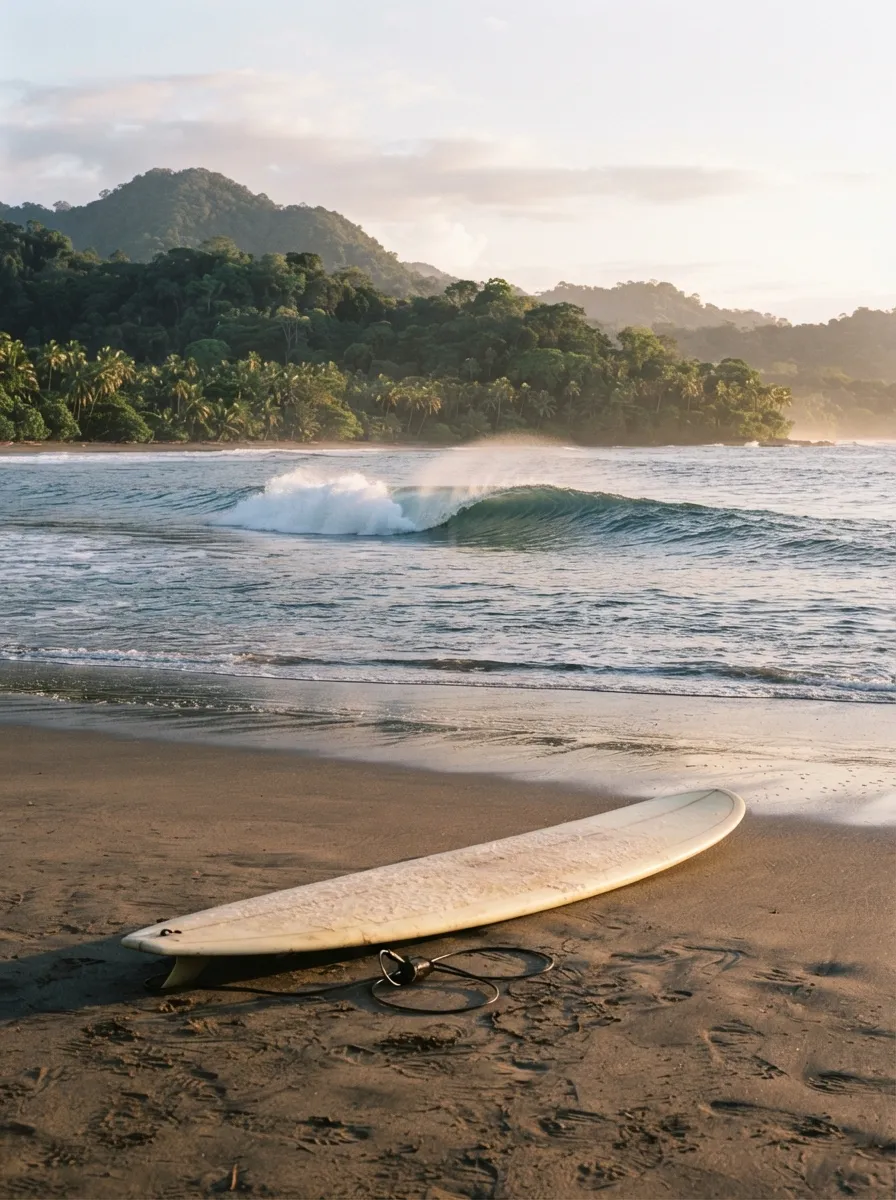
Costa Rica offers surf throughout the year, but the ideal season depends on coast, break and skill level.
Pacific Coast
The green season generally receives more consistent southern swell, making May through October attractive for experienced surfers.
Dry-season mornings can provide cleaner conditions and easier access for beginners, particularly from December through April.
Caribbean Coast
The Caribbean receives stronger seasonal swell during parts of winter, especially from roughly December through March, though conditions can become powerful and unsuitable for beginners.
Beginner Recommendation
First-time surfers should prioritize:
- Reputable schools
- Lifeguarded or well-monitored beaches
- Small-wave mornings
- Lessons selected according to daily conditions
Do not choose a surf month solely from a national calendar. Check the actual break, tide, swell period and local forecast.
Best Time for Hiking and National Parks
Best for Drier Trails
January through March.
This period is particularly useful for:
- Rincón de la Vieja
- Arenal
- Manuel Antonio
- Carara
- Tenorio
- Coastal trails
- Volcano viewpoints
Best for Lush Forests
May through August.
Expect mud, rain and reduced visibility, but forests and waterfalls become dramatically greener.
Hardest Pacific Hiking Period
September and October.
Heavy rain can affect roads, bridges and trail safety. Always review SINAC park notices before departure because trails may close temporarily for maintenance, storms or conservation.
Peak Crowds to Avoid in 2026–27
Christmas and New Year
The period from approximately December 20 through early January is one of the busiest times of year.
Reserve:
- Flights
- Rental cars
- Resorts
- National-park tickets
- Domestic flights
- Private transfers
- Popular tours
Months in advance.
Semana Santa
Holy Week produces substantial domestic travel, especially toward beaches.
The major 2026 period centers on March 29 through April 5.
The major 2027 period centers on March 21 through March 28.
North American Spring Break
March brings school and university travel from the United States and Canada.
Popular destinations such as Tamarindo, Manuel Antonio, Jacó and resort areas in Guanacaste may become busier.
July Holiday Period
July attracts both international families and domestic travelers.
Wildlife destinations such as Tortuguero and Uvita can become particularly popular.
Best Time for a Costa Rica Road Trip
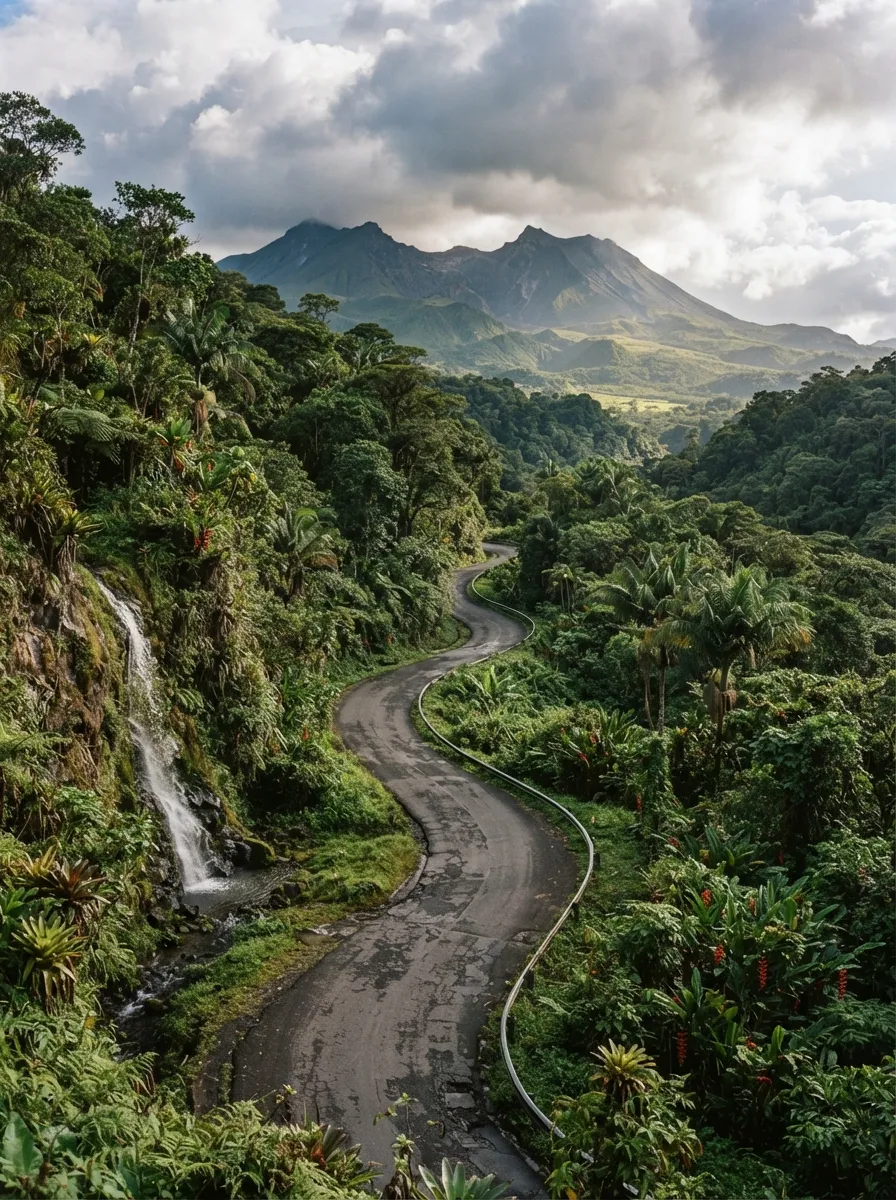
January through March provides the most reliable road conditions.
A classic route could include:
- San José
- La Fortuna
- Monteverde
- Manuel Antonio
- Uvita
- Return to San José
Dry-season travel reduces the likelihood of:
- Flooded roads
- River crossings
- Landslides
- Deep mud
- Ferry disruption
- Weather-related delays
May, June and November also work well with careful planning.
Travelers who enjoy dramatic driving routes may find inspiration in this San Juan Skyway guide, though Costa Rica replaces Colorado’s alpine switchbacks with rainforest, volcanoes and the occasional roadside coatimundi.
For a very different American road-trip rhythm, this detailed Nebraska road trip offers scenic byways, open plains and considerably fewer tropical river crossings.
Should You Rent a 4×4?
A four-wheel-drive vehicle is not mandatory for every Costa Rica itinerary.
It is most useful when:
- Visiting remote lodges
- Exploring rural Nicoya
- Traveling in the green season
- Using unpaved roads
- Reaching mountain properties
- Driving around Drake Bay access areas
- Encountering steep, slippery entrances
A standard vehicle may be sufficient for well-paved routes connecting San José, La Fortuna and major Pacific towns during dry season.
Never drive through floodwater simply because the vehicle looks adventurous in the rental-company photograph.
Suggested Itineraries by Season
Best Dry-Season Itinerary
Days 1–3: La Fortuna
Explore Arenal trails, hot springs, waterfalls and hanging bridges.
Days 4–5: Monteverde
Hike cloud-forest trails and join a guided wildlife walk.
Days 6–9: Manuel Antonio
Combine beaches, wildlife and coastal activities.
Days 10–12: Uvita
Visit Marino Ballena and explore the South Pacific.
Best Green-Season Itinerary
Days 1–3: La Fortuna
Enjoy fuller waterfalls and rainforest activities.
Days 4–6: Tortuguero
Explore canals and seasonal turtle experiences.
Days 7–10: Puerto Viejo
Relax on the Caribbean coast and visit Cahuita.
This route works especially well during September or October, when Caribbean conditions may outperform the Pacific.
Best Wildlife Itinerary
Days 1–3: Tortuguero
Focus on canals, birds, monkeys and seasonal turtles.
Days 4–6: Sarapiquí
Explore lowland rainforest and nocturnal wildlife.
Days 7–10: Uvita
Join responsible whale-watching excursions during the July-to-October season.
Days 11–14: Osa Peninsula
Visit one of Costa Rica’s richest rainforest regions with authorized guides.
Costa Rica Travel Budget by Season
| Season | Accommodation Prices | Crowds | Weather Reliability | Best For |
| Christmas–New Year | Highest | Very high | Generally good on Pacific | Holiday travelers |
| January–March | High | High | Best Pacific reliability | First visits |
| April | Medium to high | Very high around Easter | Transitional | Flexible travelers |
| May–June | Lower | Low to moderate | Mixed | Value and greenery |
| July–August | Medium | Moderate to high | Mixed | Families and wildlife |
| September–October | Lowest in many Pacific areas | Low | Wettest Pacific period | Caribbean travel |
| November | Lower to medium | Low to moderate | Improving | Shoulder-season value |
| Early December | Medium | Moderate | Transitional | Pre-holiday trips |
Costa Rica is generally more expensive than many neighboring Central American destinations.
Travelers can control costs by:
- Using locally owned lodges
- Traveling in May, June or November
- Renting a vehicle only for part of the trip
- Eating at neighborhood sodas
- Grouping destinations geographically
- Booking park tickets directly
- Avoiding one-night stays
- Comparing shared and private transfers
- Reserving peak dates early
For comparison, this detailed Belize travel guide explores another Central American destination combining reefs, rainforests, ancient ruins and Caribbean communities.
Packing for Each Season
Dry-Season Packing
- Lightweight breathable clothing
- High-SPF sunscreen
- Sun hat
- Sunglasses
- Reusable water bottle
- Walking sandals
- Hiking shoes
- Light evening layer
- Insect repellent
- Dry bag
Green-Season Packing
- Lightweight waterproof jacket
- Quick-drying clothing
- Waterproof phone pouch
- Shoes with reliable grip
- Extra socks
- Compact umbrella
- Bag cover
- Insect repellent
- Portable charger
- Flexible attitude
Mountain and Cloud-Forest Packing
- Warm fleece
- Long trousers
- Waterproof outer layer
- Closed hiking shoes
- Headlamp
- Binoculars
- Moisture-resistant camera bag
PACKING RULE
Pack for the region, not the country. A swimsuit that feels perfect in Tamarindo may offer limited emotional support in windy Monteverde.
Weather and Safety Warnings
Flooding and Landslides
Heavy rain may trigger flooding and landslides, particularly during the green season.
Check current forecasts from Costa Rica’s National Meteorological Institute and ask accommodation providers about road conditions before remote transfers.
River Crossings
Do not drive through swollen rivers or unfamiliar water crossings.
Water depth, current strength and road damage are difficult to judge from inside a vehicle.
Lightning
Leave exposed beaches, ridges and open water when thunder begins.
Ocean Conditions
Rip currents, shore breaks and powerful surf affect both coasts.
Follow lifeguard instructions and local warnings.
Wildlife
Never feed monkeys, coatis, raccoons or other animals.
SINAC asks visitors to maintain appropriate distance from wildlife and avoid leaving food accessible.
Park Reservations
Popular protected areas may require advance online tickets or timed entry.
Check official SINAC information immediately before visiting rather than relying on an old blog post.
Entry Requirements for 2026–27
Entry rules depend on nationality and may change before travel.
Costa Rica currently requires visitors to carry a valid passport and proof of onward or return travel before the authorized stay expires. Immigration officials may also ask for evidence of sufficient funds and determine the permitted length of stay at entry.
Before departure:
- Check passport validity requirements
- Confirm whether your nationality requires a visa
- Carry an onward or return ticket
- Review health requirements
- Confirm rules for minors
- Check airline documentation requirements
- Purchase suitable travel insurance
Do not rely on entry rules remembered from a previous trip.
Responsible Seasonal Travel
Visiting during lower-demand months can distribute tourism income more evenly, but responsible behavior remains essential year-round.
Travel more thoughtfully by:
- Hiring certified local guides
- Following turtle-viewing rules
- Using designated trails
- Avoiding wildlife feeding
- Supporting locally owned businesses
- Refilling water bottles
- Respecting beach and forest closures
- Keeping distance from whales and dolphins
- Avoiding single-use plastics
- Not removing shells, plants or rocks
- Never using flash around nesting turtles
- Choosing ethical animal experiences
Costa Rica’s national parks protect ecosystems rather than provide decorative backdrops for vacation photographs.
Is Costa Rica Better Than Other Tropical Destinations?
Costa Rica is strongest for travelers who want variety.
A single trip can combine:
- Volcanoes
- Cloud forests
- Pacific beaches
- Caribbean beaches
- Wildlife
- Surfing
- Rafting
- Hot springs
- Hiking
- Wellness
Travelers seeking a pure island holiday may find better beach-focused value elsewhere. These affordable island destinations include alternatives where turquoise water receives more attention than mountain roads.
Those drawn to unusual natural landscapes may also enjoy this Pamukkale travel guide, where Turkey’s mineral terraces create a geological spectacle entirely different from Costa Rica’s rainforests and volcanoes.
Common Timing Mistakes
Assuming the Entire Country Has One Climate
The Pacific, Caribbean, mountains and rainforest zones operate on different weather patterns.
Booking September for a Pacific Beach Holiday
September can be excellent for the Caribbean but extremely wet around the Pacific.
Avoiding the Green Season Completely
May, June and November can provide outstanding value and beautiful landscapes.
Visiting During Holy Week Without Planning
Rental cars, beach hotels and buses may sell out.
Expecting Clear Volcano Views All Day
Clouds often build around mountains by afternoon.
Scheduling Every Activity Outdoors
Rainforest destinations need flexible plans.
Choosing the Cheapest Month Without Checking Closures
Low prices sometimes reflect reduced transport, seasonal lodge closures or difficult road conditions.
Driving Too Far in One Day
A short map distance may involve mountains, construction, rain and slow local roads.
Frequently Asked Questions
What is the best month to travel to Costa Rica in 2026?
February is the strongest all-around month for many visitors because it offers reliable Pacific weather and falls within one of the Caribbean’s relatively drier periods.
What is the best month to travel to Costa Rica in 2027?
February 2027 is an excellent choice. Early March also works well, but travelers should avoid the increasingly busy period leading into Semana Santa in late March.
What is the cheapest month to visit Costa Rica?
September and October often have the lowest Pacific-side rates, but they also bring the greatest weather risk. May, June and November usually offer a better balance of cost and convenience.
What is the rainy season in Costa Rica?
The green or rainy season generally runs from May through mid-December, although regional patterns vary significantly.
Does it rain all day during the green season?
Not always. Many days begin sunny and receive rain later, but extended downpours can occur during stronger weather systems.
What is the driest month in Costa Rica?
February and March are among the driest months across much of the Pacific coast and Central Valley. Regional rainfall still varies.
Is December a good month to visit Costa Rica?
Yes. Early December can remain rainy, while mid-to-late December generally becomes drier. Christmas and New Year are expensive and crowded.
Is May a good month to visit?
Yes. May is one of the best months for lower prices, green scenery and manageable visitor numbers.
Is October a bad month to visit?
Not necessarily. October is difficult for Pacific itineraries but can be excellent for Puerto Viejo and the southern Caribbean.
When is the best time to see turtles?
Tortuguero’s green turtle season is strongest from July through October, while Caribbean leatherbacks nest primarily from March through June.
When is the best time to see whales?
July through October is the most reliable South Pacific whale-watching window around Uvita and Marino Ballena.
What is the best time for Manuel Antonio?
January through March offers the driest weather. May, June and November provide better value with more rain.
What is the best time for Puerto Viejo?
February, March, September and October are usually the strongest seasonal windows.
Is Costa Rica crowded during Easter?
Yes. Semana Santa is one of the country’s busiest domestic travel periods, particularly at beaches.
How many days do you need in Costa Rica?
Ten to fourteen days are ideal for a first visit involving three or four regions. Seven days are enough for two destinations.
Should I visit in 2026 or 2027?
Either year works. Weather patterns cannot be predicted precisely this far ahead, so choose according to seasonal averages, holiday dates and your preferred activities rather than expecting one year to be universally better.
Final Thoughts
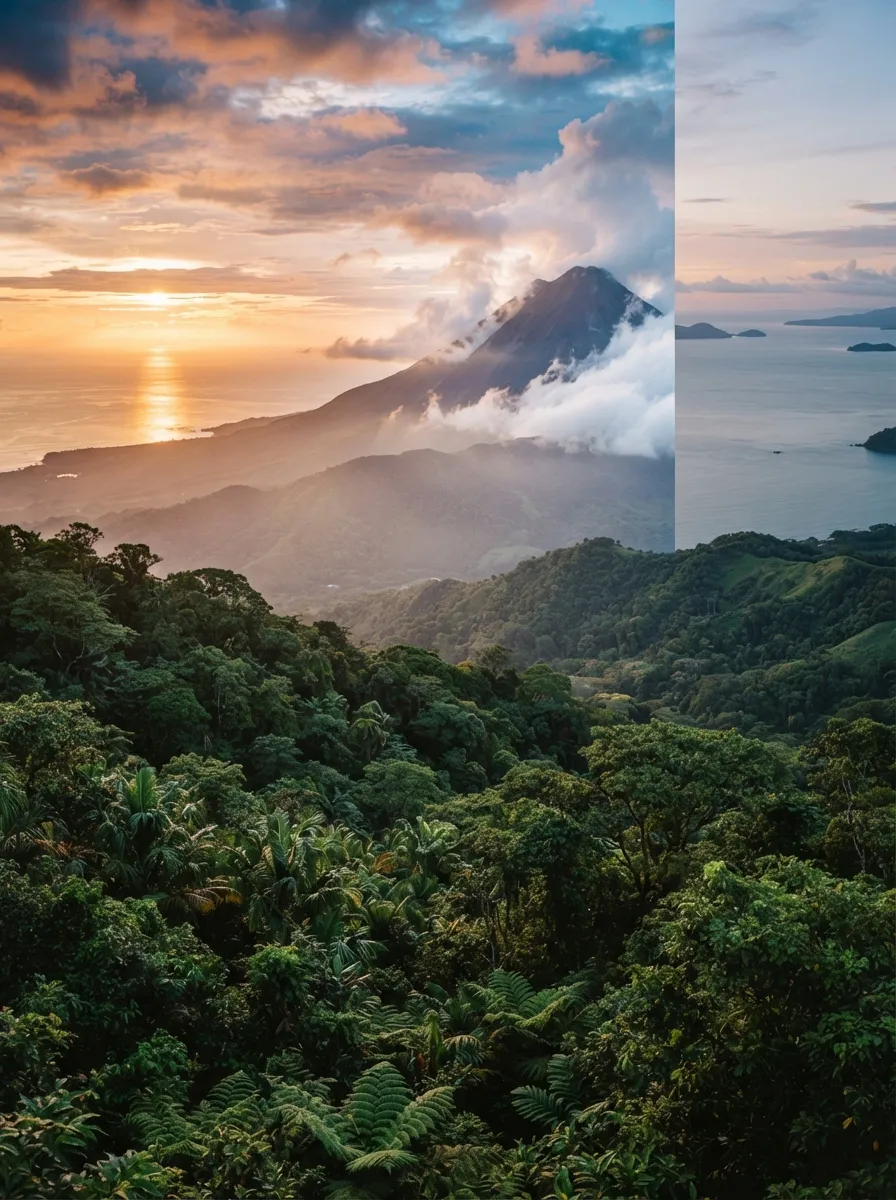
The best time to travel to Costa Rica is not hidden inside a single perfect month.
It is found at the intersection of weather, wildlife, budget and geography.
Choose February for the most dependable first trip. Pick May or June for green landscapes and gentler prices. Travel in July or August for whales and turtles. Visit Puerto Viejo in September or October while much of the Pacific disappears beneath theatrical rainclouds. Consider late November for the sweet spot between green-season value and improving weather.
Most importantly, plan Costa Rica as a collection of microclimates rather than one small tropical country.
Arenal may be cloudy while Guanacaste is sun-baked. Rain may hammer the Osa Peninsula while the Caribbean lies beneath blue skies. Monteverde may require a jacket on the same day Tamarindo feels carved from sunlight.
That variety is not a planning flaw.
It is Costa Rica’s finest trick.