10 Best Stops on the Icefields Parkway, Canada: The Ultimate Scenic Road Trip Guide
If there is one road trip in Canada that deserves to be called a bucket-list drive, it is the Icefields Parkway.
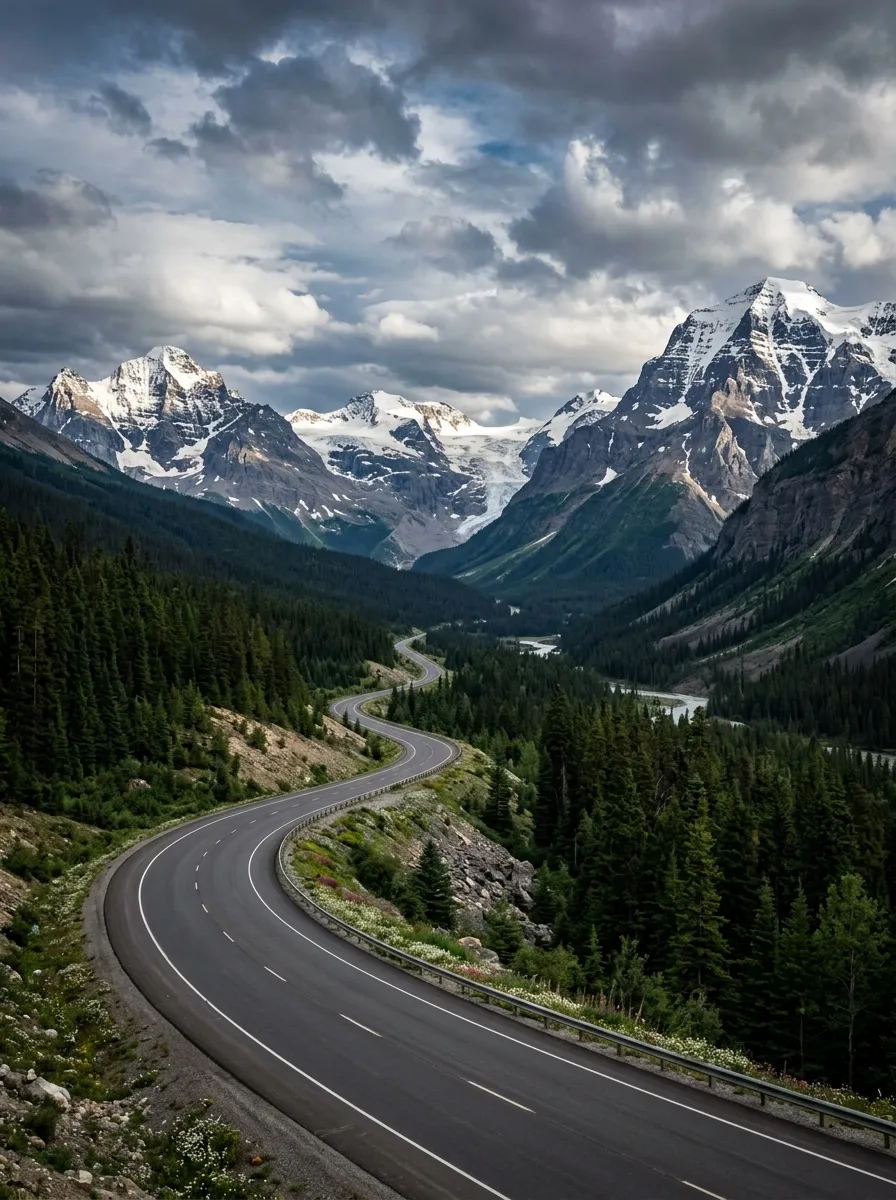
Stretching roughly 230 kilometers between Lake Louise and Jasper, Highway 93 cuts through some of the most spectacular scenery in the Canadian Rockies. Glacial lakes glow turquoise beside the road, enormous peaks rise from deep valleys, waterfalls crash through narrow canyons, and glaciers cling to mountainsides.
And the funny thing is, the road itself is only part of the experience.
The real adventure comes from stopping.
You could technically drive the entire Icefields Parkway in around three to four hours in good conditions, but doing that would be like sprinting through a museum and calling it sightseeing. Parks Canada recommends allowing extra time for the many viewpoints, walks, hikes and attractions along the route.
So if you’re planning an Icefields Parkway road trip, these are the 10 best stops you should put on your itinerary, from the turquoise waters of Bow Lake to the thundering Athabasca Falls.
Recommended Travel Items for Your Trip
Icefields Parkway at a Glance
Before getting into the individual stops, here’s what you should know.
| Detail | Information |
| Highway | Alberta Highway 93N |
| Main route | Lake Louise to Jasper |
| Distance | About 230 km |
| Driving time | Around 3–4 hours without sightseeing stops |
| Best known for | Glaciers, lakes, mountains, waterfalls and wildlife |
| Main national parks | Banff National Park and Jasper National Park |
| Gas stations along the route | None between Jasper and Saskatchewan River Crossing |
| Cell service | Not available throughout much of the route |
| Best road-trip season | Generally summer into early fall |
| Winter driving | Possible, but conditions can be challenging |
| Ideal time | At least one full day, preferably longer |
Parks Canada specifically warns travelers to prepare for limited or no cell service, changing weather, and the absence of gas stations between Jasper and Saskatchewan River Crossing.
1. Bow Lake
Distance from Lake Louise: about 37 km
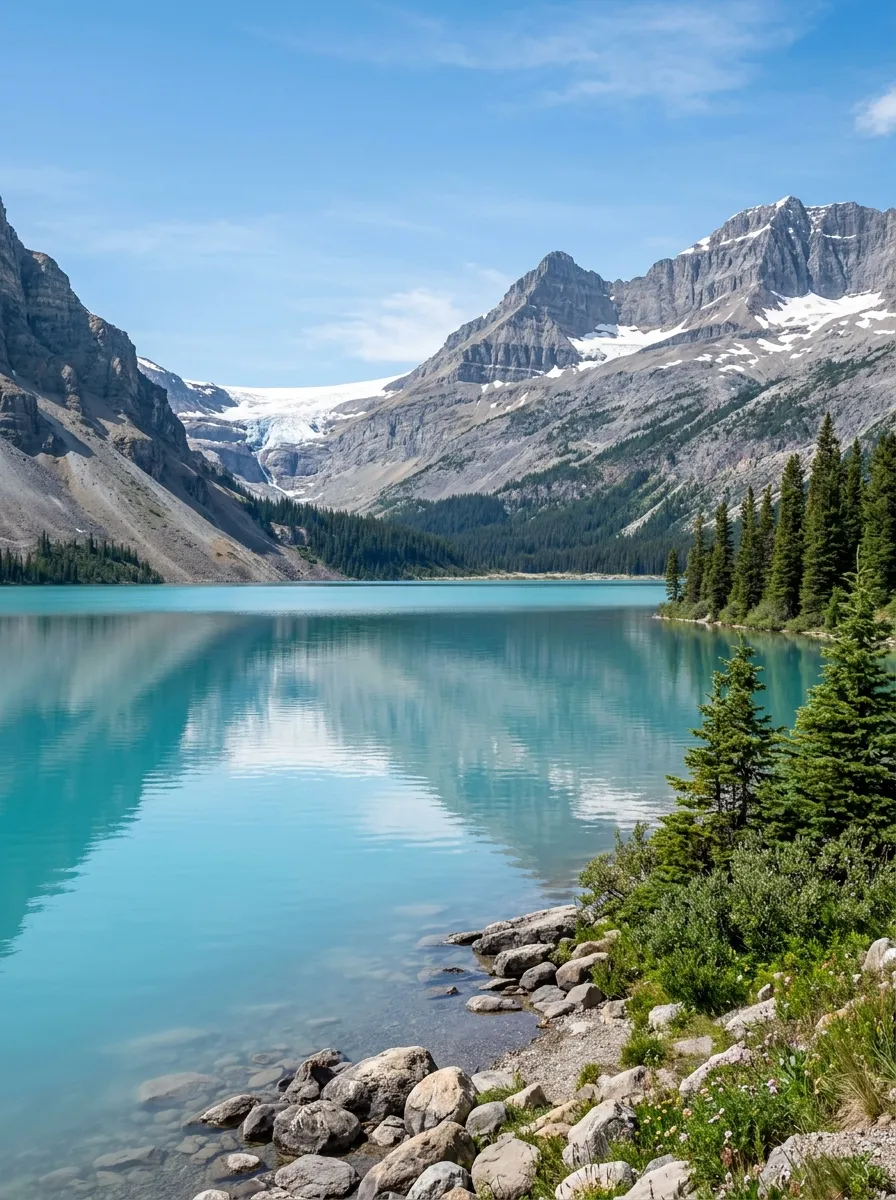
Bow Lake is one of the first major stops where the Icefields Parkway really starts showing off.
The lake sits directly beside the highway, surrounded by enormous mountain peaks and glaciers. The setting is spectacular enough that you could easily mistake it for a carefully staged movie location.
It isn’t.
It’s just Alberta being Alberta.
The lake is fed by glacial meltwater and sits beneath the Wapta Icefield. On a calm day, the surrounding mountains can reflect beautifully across the water.
What to do at Bow Lake
You don’t need to spend half a day here to appreciate it.
You can:
- Walk along the shoreline
- Take photographs
- Have a picnic
- Admire Bow Glacier
- Explore nearby trails
- Stop for a quick scenic break
Parks Canada notes that the main Bow Lake parking areas can become extremely busy during summer, so arriving early or later in the day can make the experience considerably more pleasant.
How long to spend
30 minutes to 1 hour for a quick visit.
Longer if you’re hiking.
2. Peyto Lake
Distance from Lake Louise: about 40 km
If you only have time for a handful of stops, make Peyto Lake one of them.
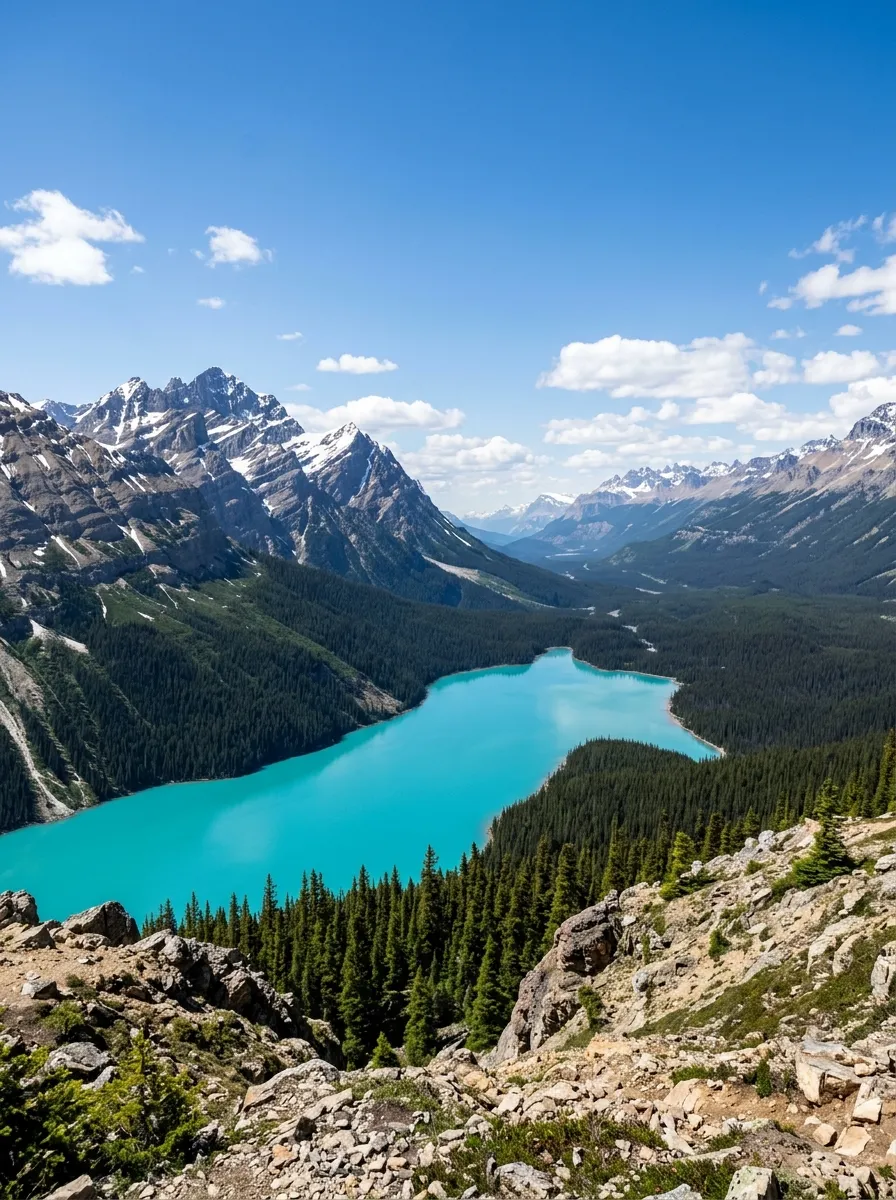
This is arguably one of the most recognizable views on the entire Icefields Parkway.
From the viewpoint above the lake, the water spreads through the valley in a striking blue-green shape surrounded by rugged peaks.
The color is created by glacial rock flour carried into the lake by meltwater.
And yes, photographs often make it look almost unreal.
The real thing is even better.
Getting to the viewpoint
The main viewpoint is reached by a short walk from the upper parking area.
Parks Canada lists a barrier-free 0.3 km trail from the upper parking area to the Peyto Lake viewing platform, with some access limitations for vehicles and buses.
Don’t stop at the photograph
If you’re an experienced hiker, the surrounding area offers longer routes, including the Peyto Lake Trail and access toward Bow Summit.
For most visitors, however, the main viewpoint is enough to make the stop worthwhile.
How long to spend
45 minutes to 1.5 hours.
3. Crowfoot Glacier
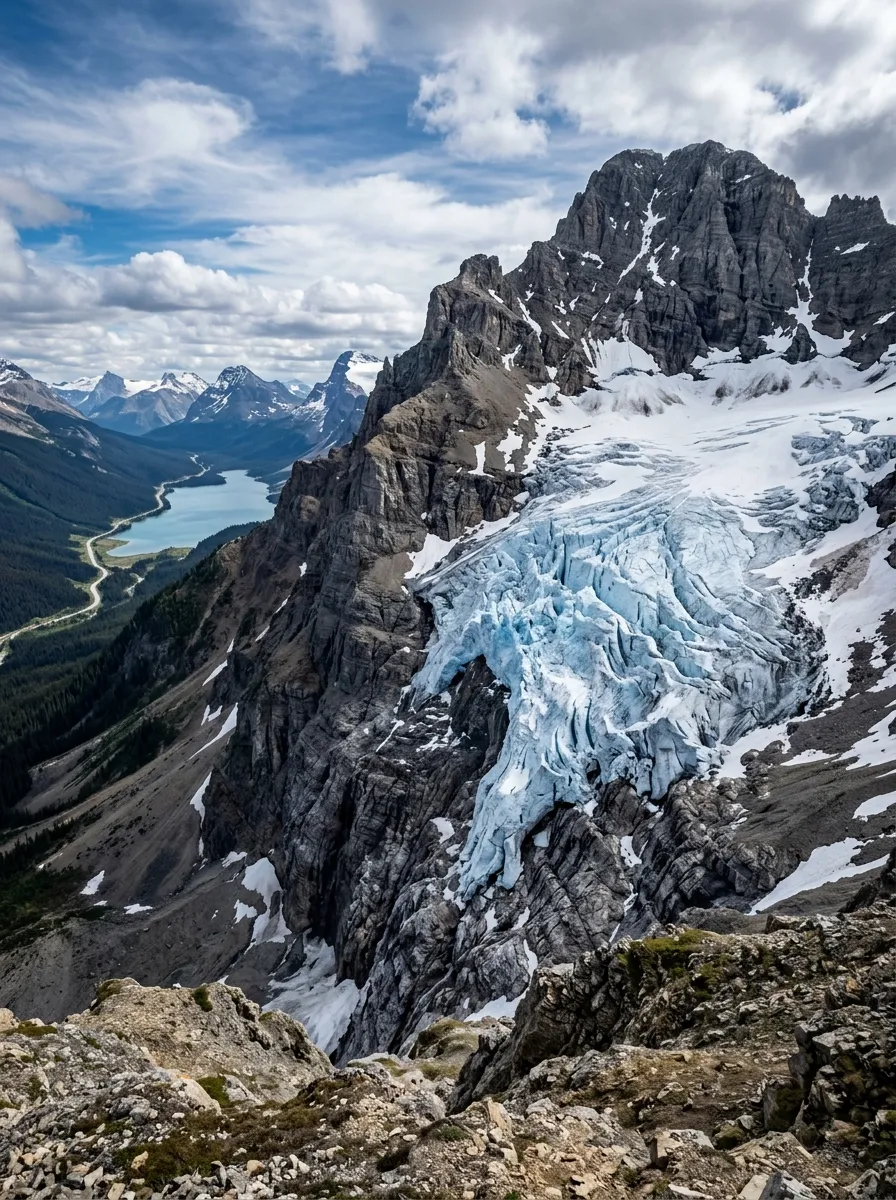
Distance from Lake Louise: about 36 km
Crowfoot Glacier is one of those stops that requires almost no effort.
Pull over.
Get out.
Look up.
The glacier sits high on the mountainside and is visible from a roadside viewpoint along the Parkway.
Its name comes from its former shape, which resembled the three toes of a crow’s foot. Over the years, the glacier has changed significantly, including the loss of one of its “toes.” Parks Canada notes that the remaining ice continues to change.
This is a great example of why you shouldn’t treat the Icefields Parkway as a simple A-to-B drive.
Some of the best scenery requires only a few minutes.
How long to spend
15–30 minutes.
4. Mistaya Canyon
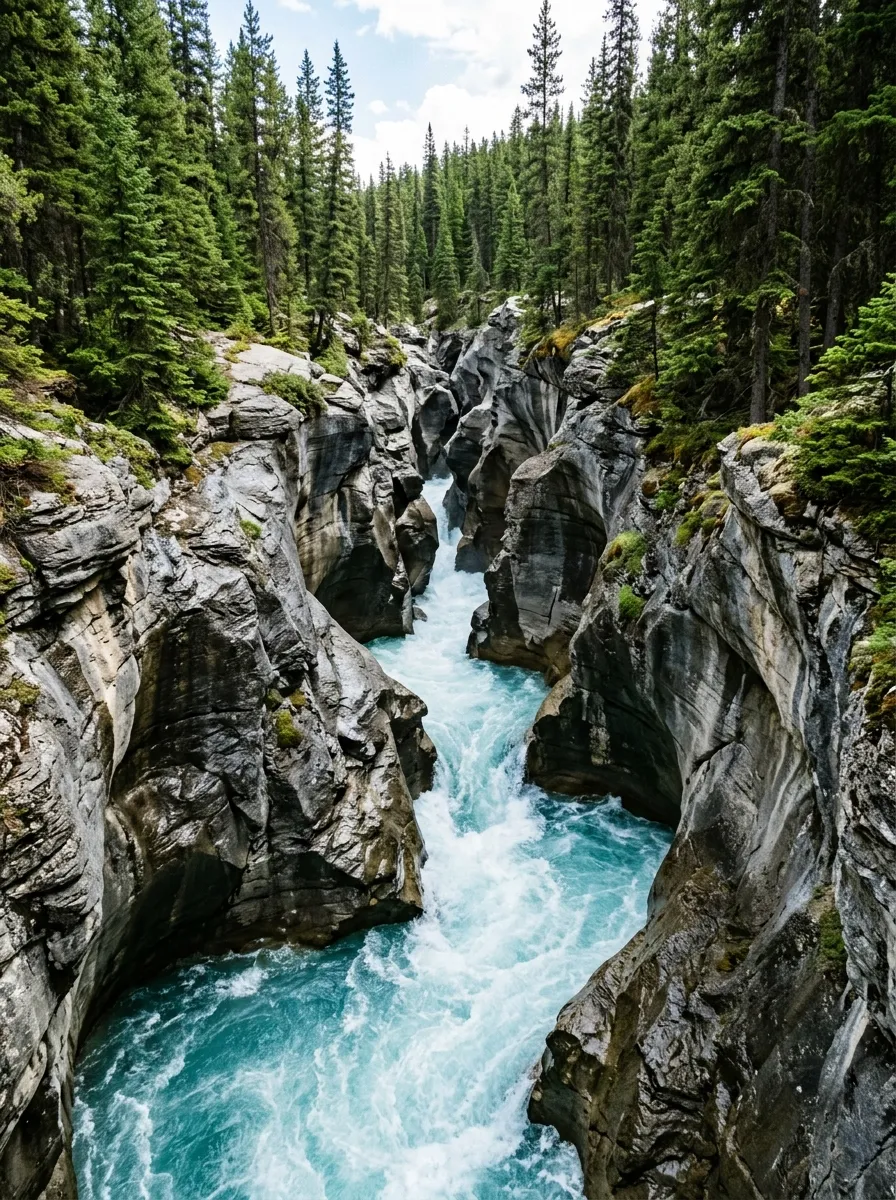
Around 70 km north of Lake Louise
The Icefields Parkway is famous for enormous landscapes.
Mistaya Canyon gives you something different.
Here, the scenery becomes concentrated into a narrow limestone canyon where the Mistaya River has carved dramatic curves into the rock.
A short trail leads down toward a bridge spanning the canyon.
And when you reach it, you’ll hear the river before you fully see it.
The water is powerful, fast and surprisingly intense.
Why visit Mistaya Canyon?
It’s an excellent contrast to the broad mountain-and-lake viewpoints.
Instead of standing above an enormous valley, you’re suddenly surrounded by rock walls and rushing water.
How long to spend
30–60 minutes.
The trail is short but includes a relatively steep section, so comfortable footwear is worthwhile. Parks Canada describes the route as a brief, relatively steep descent to the footbridge.
5. Saskatchewan River Crossing
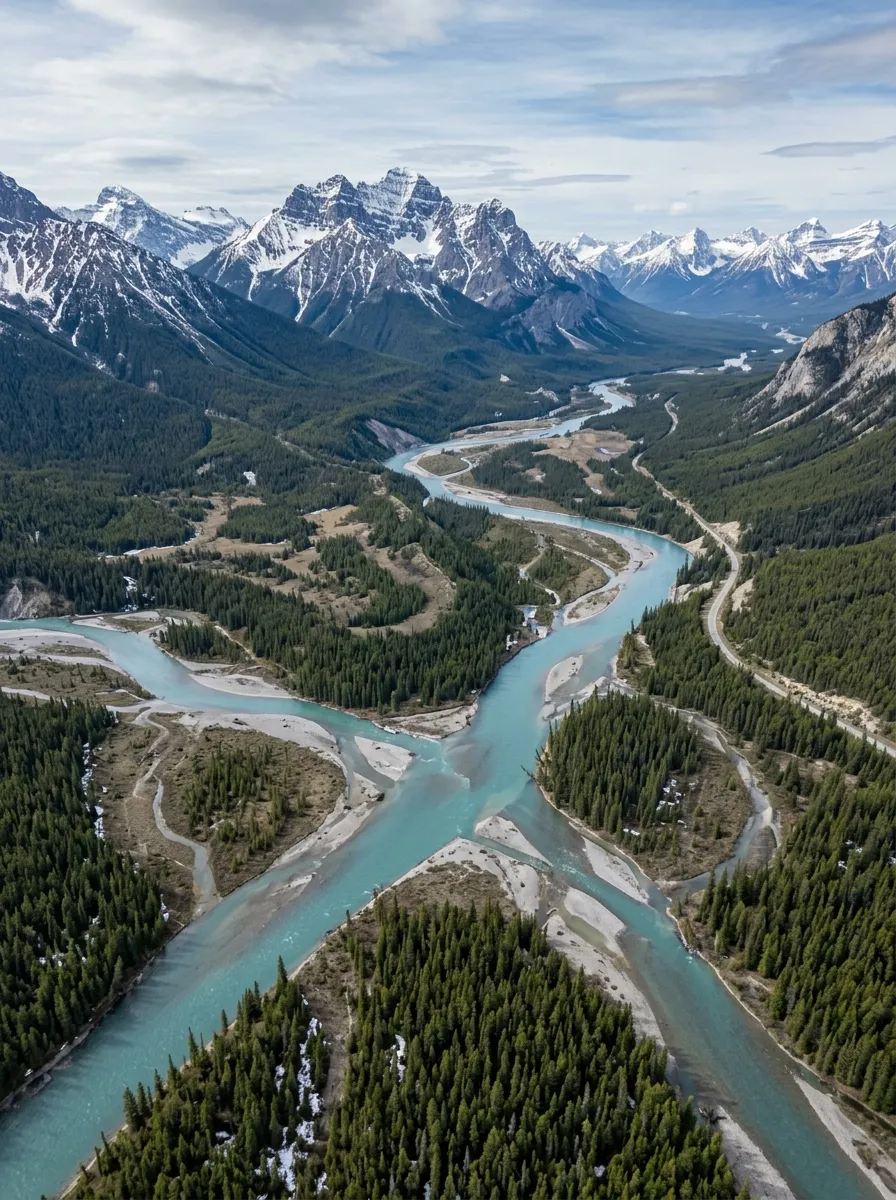
About 153 km from Jasper
This isn’t necessarily the most dramatic photograph on the Parkway.
It may, however, be one of the most useful stops.
Saskatchewan River Crossing is where the North Saskatchewan, Mistaya and Howse rivers meet.
It’s also an important service point along the route.
That matters because the Icefields Parkway is remote.
There are no gas stations between Jasper and Saskatchewan River Crossing, so fuel planning is important.
Use this stop to:
- Stretch your legs
- Get food when services are operating
- Check your route
- Use facilities
- Refuel before or after the remote section, depending on your direction
Don’t think of it as simply a “service stop.”
The surrounding mountain scenery is beautiful too.
How long to spend
30–60 minutes, depending on what you need.
6. Weeping Wall
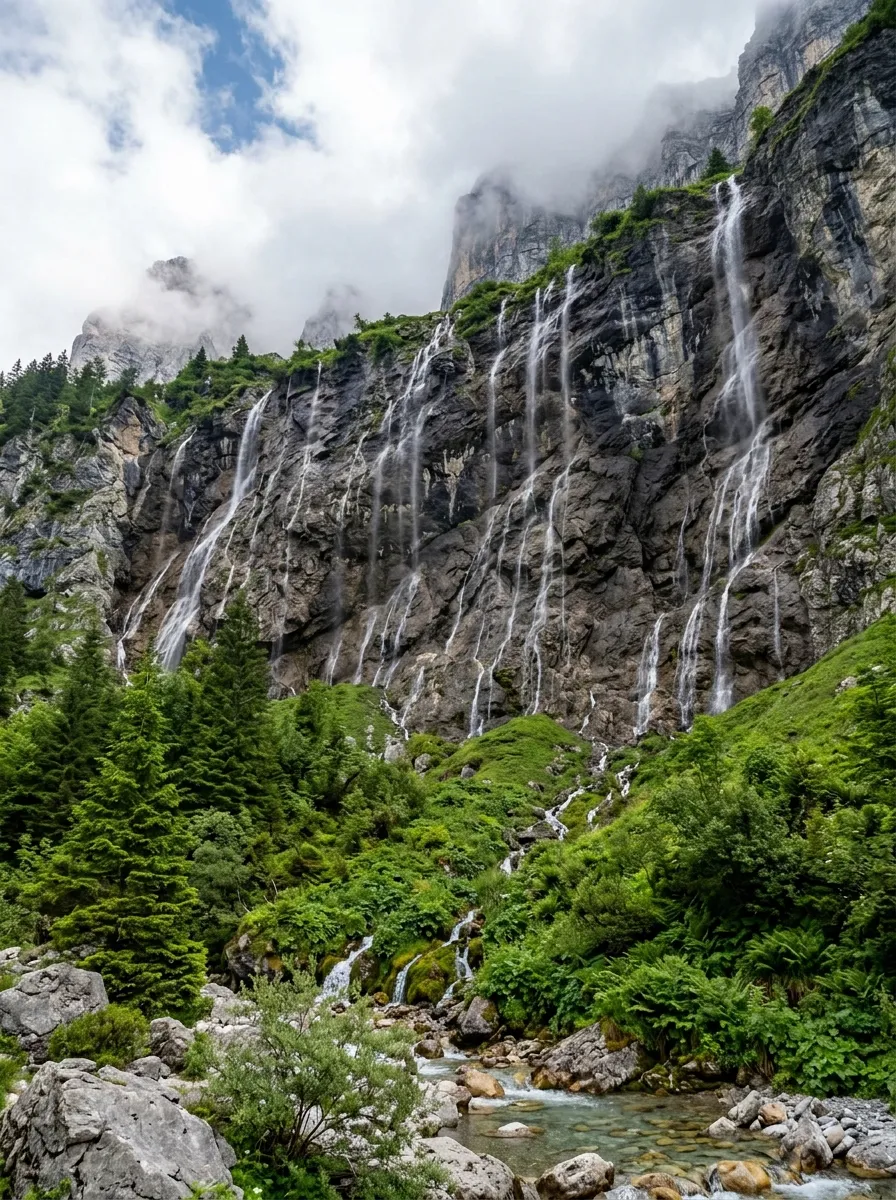
About 124 km from Jasper
Now the landscape starts getting seriously dramatic.
The Weeping Wall is a huge cliff along the Parkway where snowmelt and groundwater stream down the rock face.
In spring and early summer, the effect can be particularly impressive, with numerous streams cascading down the cliff.
In winter, some of those waterfalls freeze into enormous ice formations.
Parks Canada describes the cliff as approximately 300 meters high.
Why it’s worth stopping
You don’t need a major hike.
The viewpoint is right along the Parkway, making it an easy roadside attraction.
It’s also close to one of the most famous sections of the entire drive.
Which brings us to…
7. Big Bend
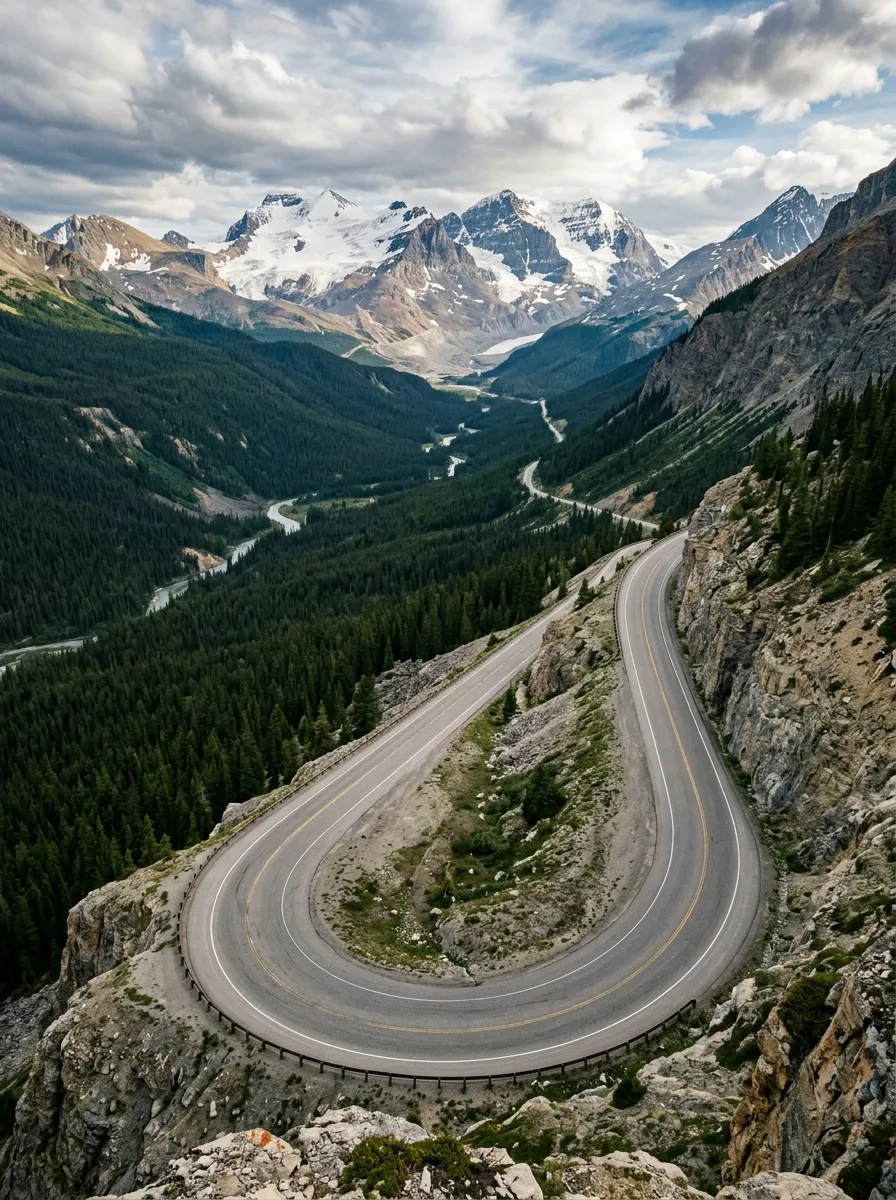
About 127 km from Jasper
The Big Bend is exactly what the name suggests.
The road makes a dramatic hairpin turn around the mountainside, creating one of the most memorable views on the entire route.
From designated viewpoints, you can look across a massive mountain valley while watching the Icefields Parkway snake through the landscape below.
This is the kind of place where you instinctively reach for your camera.
Then you take another photograph.
Then another.
Then realize you have somehow taken 47 photographs of the same mountain.
That’s normal.
Best time to stop
Morning and late afternoon can provide beautiful light, although the exact conditions vary.
Take care around the roadside and only stop in designated areas.
How long to spend
15–30 minutes.
8. Columbia Icefield & Athabasca Glacier
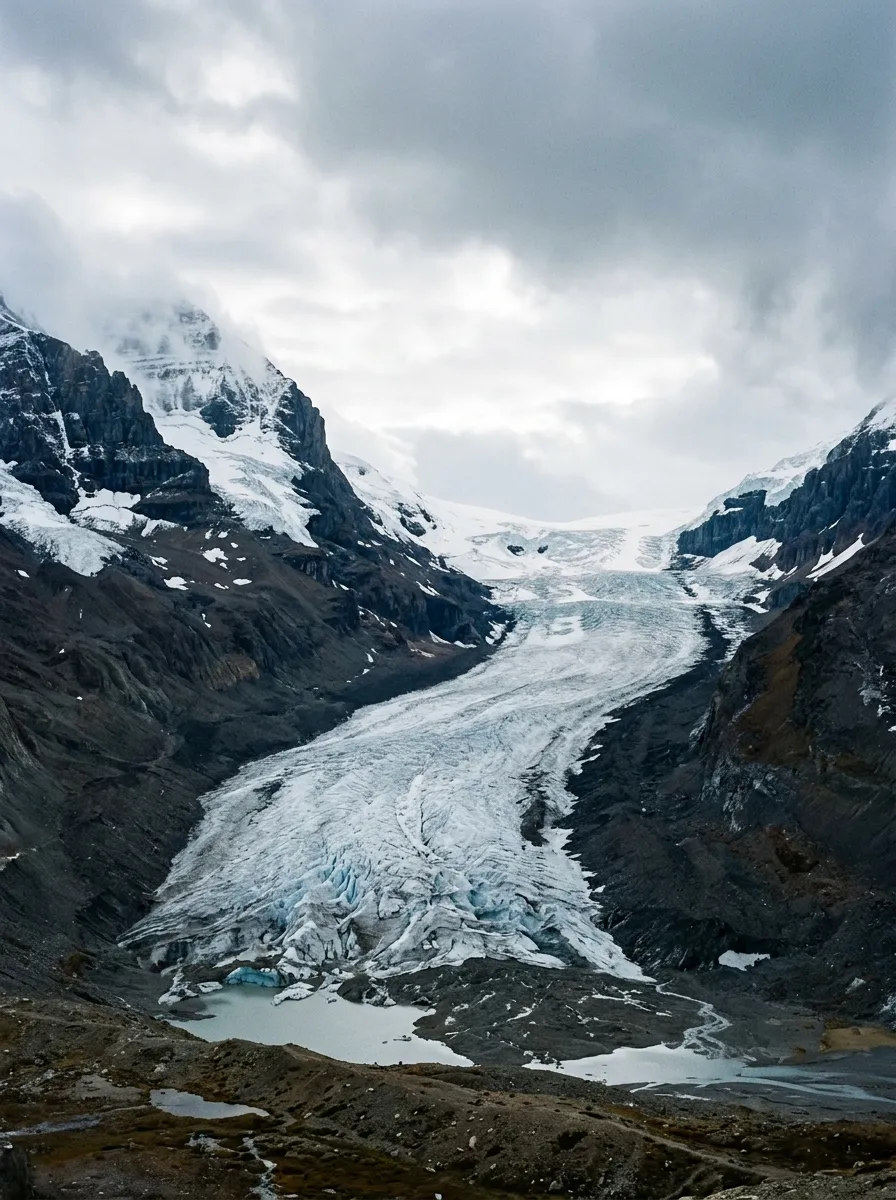
About 105–110 km south of Jasper
This is one of the major highlights of the entire Icefields Parkway.
The Columbia Icefield is one of the largest icefields in the Canadian Rockies, and the Athabasca Glacier is its most accessible and famous glacier.
The landscape around the Icefield Centre feels enormous.
Glacier-covered mountains rise around you while ice and snow dominate the upper slopes.
What can you do here?
Depending on the season and current operations, visitors can:
- View the Athabasca Glacier
- Take guided glacier experiences
- Explore nearby trails
- Visit the Icefields Centre
- Learn about the region’s geology and glaciers
- Stop at nearby viewpoints
Parks Canada specifically warns visitors not to walk onto the glacier independently, because crevasses and other hazards can be deadly. Glacier travel should only be done through appropriate guided experiences.
Don’t rush this stop
This isn’t a five-minute photograph-and-go attraction.
Give yourself several hours if you want to explore the area properly.
9. Tangle Falls
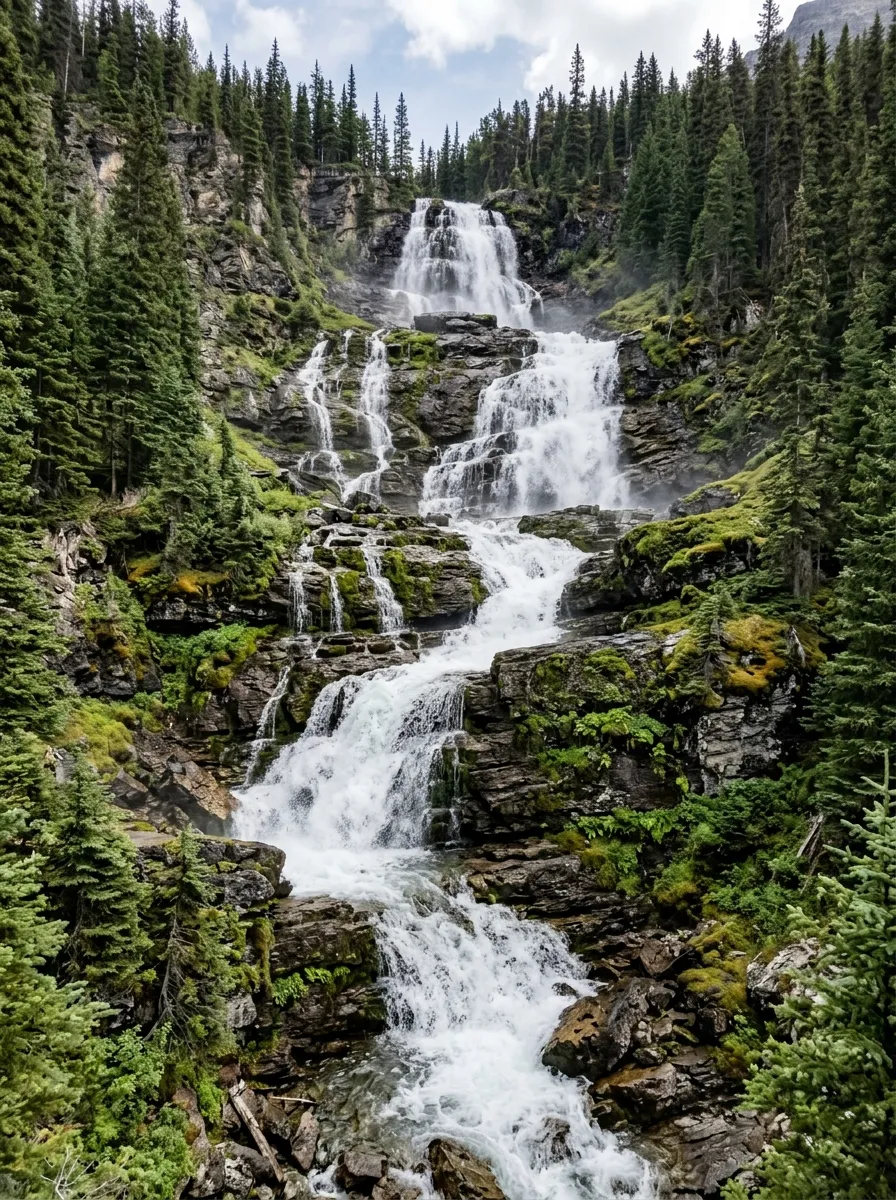
About 99 km south of Jasper
Tangle Falls is one of those delightful roadside discoveries that makes the Icefields Parkway so much fun.
The waterfall tumbles down a series of rocky levels beside the highway.
You don’t need to embark on a huge hike to see it.
Simply pull over at the designated area and take in the waterfall and surrounding mountain scenery.
It’s particularly photogenic when water levels are high.
Why include it?
Because your Icefields Parkway itinerary shouldn’t consist entirely of major headline attractions.
Some of the smaller stops provide the best surprises.
Parks Canada lists Tangle Falls among the key attractions along the Jasper section of the Parkway.
How long to spend
15–30 minutes.
10. Athabasca Falls
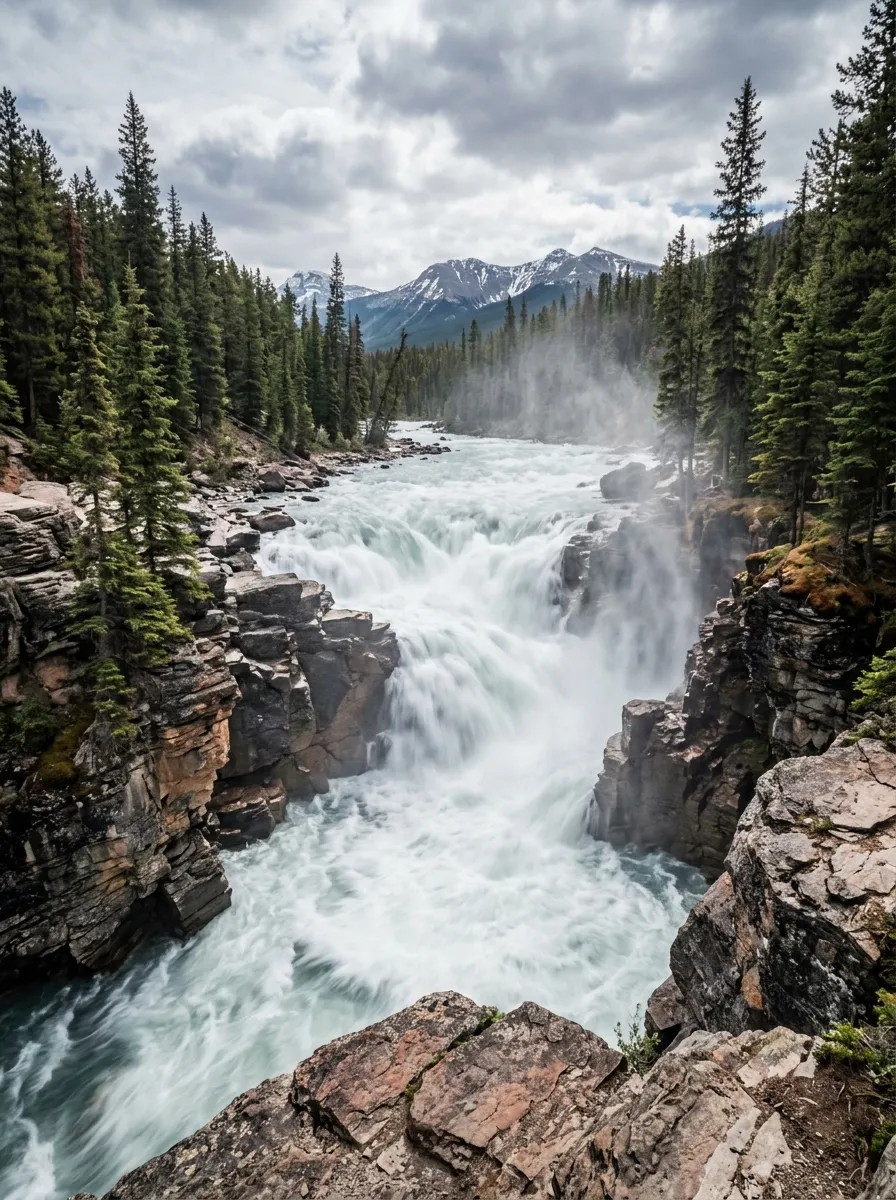
About 32 km south of Jasper
If you’re driving from Jasper toward Lake Louise, this should be one of your first major stops.
If you’re driving from Lake Louise toward Jasper, it’s a spectacular finale.
Athabasca Falls is powerful.
The waterfall isn’t famous because of its height.
It’s famous because of the sheer force of the Athabasca River as it crashes through a narrow canyon.
The surrounding rock formations reveal how aggressively the river has shaped the landscape.
Parks Canada describes multiple short, paved paths and viewpoints around the falls, including a bridge beside the waterfall.
Important safety tip
Stay on designated trails and behind railings.
The rocks around waterfalls can be slippery, and the river is extremely powerful.
Parks Canada specifically warns visitors to remain behind barriers and on designated trails.
How long to spend
30–60 minutes.
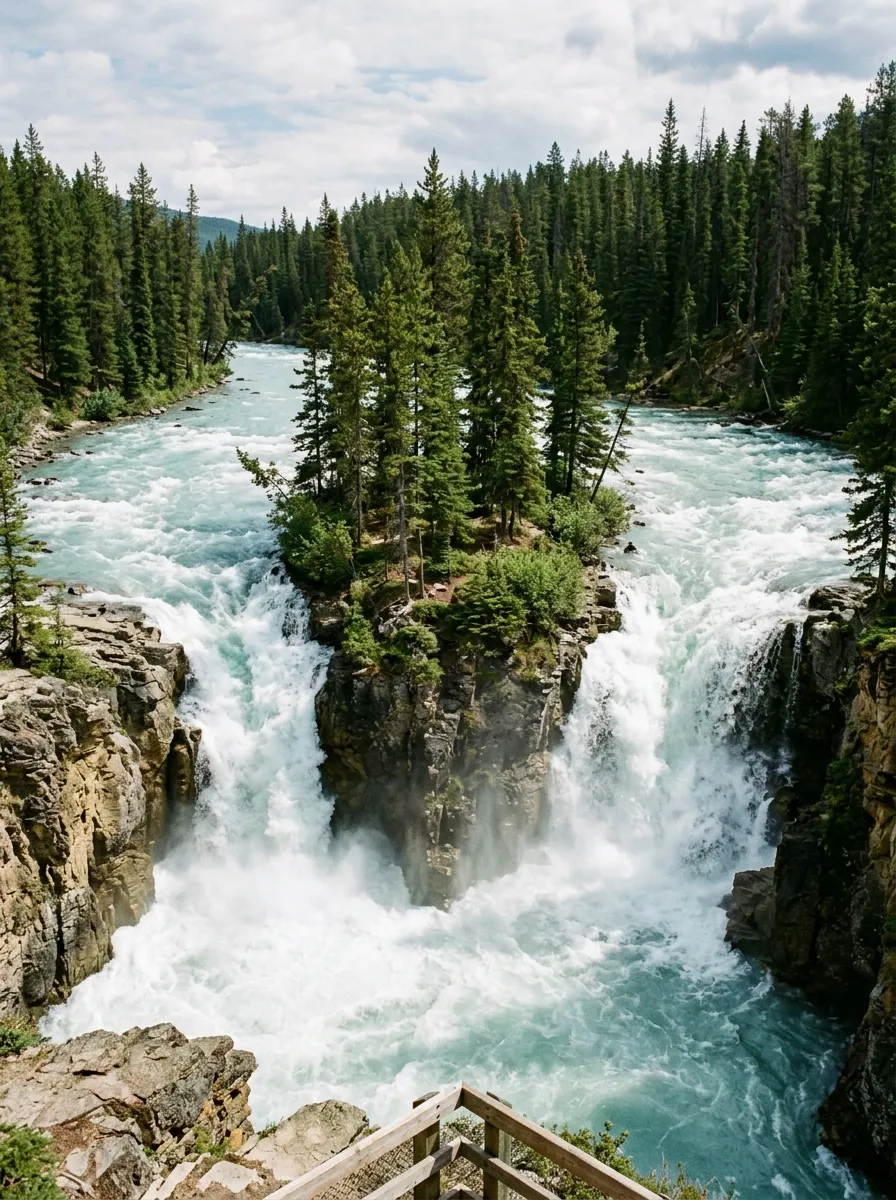
Bonus Stop: Sunwapta Falls
I know.
The article says ten stops.
But leaving Sunwapta Falls out would feel mildly criminal.
Located about 54 km south of Jasper, Sunwapta Falls is another spectacular waterfall created by the dramatic mountain landscape.
The upper falls are easy to access, while a trail continues toward the lower falls.
Parks Canada specifically highlights Sunwapta Falls as one of the major waterfall stops along the Parkway.
If you have enough time, absolutely add it.
The Best Icefields Parkway Stops by Interest
Not every traveler wants the same experience.
Here’s how I’d rank the stops depending on what you’re looking for.
| If you want… | Best stop |
| Most iconic lake view | Peyto Lake |
| Glacier experience | Athabasca Glacier |
| Dramatic waterfall | Athabasca Falls |
| Beautiful lakeside scenery | Bow Lake |
| Mountain photography | Crowfoot Glacier |
| Dramatic canyon | Mistaya Canyon |
| Epic road scenery | Big Bend |
| Seasonal waterfalls | Weeping Wall |
| Easy roadside attraction | Tangle Falls |
| Major service stop | Saskatchewan River Crossing |
Lake Louise to Jasper: Best Driving Order
If you’re starting at Lake Louise, the natural northbound sequence is roughly:
Lake Louise → Bow Lake → Peyto Lake → Saskatchewan River Crossing → Mistaya Canyon → Weeping Wall → Big Bend → Columbia Icefield → Tangle Falls → Sunwapta Falls → Athabasca Falls → Jasper
You don’t have to stop at every location.
But this sequence makes it easy to organize the drive without repeatedly backtracking.
Parks Canada itself lists the Parkway’s major stops from south to north, beginning around Lake Louise and ending in Jasper.
How Many Days Do You Need for the Icefields Parkway?
One Day
Possible.
But expect a long day.
Start early and prioritize the major stops.
A one-day itinerary works best if you’re primarily interested in scenic viewpoints rather than lengthy hikes.
Prioritize:
- Bow Lake
- Peyto Lake
- Columbia Icefield
- Athabasca Glacier
- Athabasca Falls
Add Sunwapta Falls if time allows.
Two Days
Much better.
With two days, you can slow down and include more short walks.
Day 1
Lake Louise → Bow Lake → Peyto Lake → Saskatchewan River Crossing → Mistaya Canyon → Weeping Wall → Big Bend
Stay near the Icefields Parkway or continue toward the Columbia Icefield depending on your accommodation plans.
Day 2
Columbia Icefield → Athabasca Glacier → Tangle Falls → Sunwapta Falls → Athabasca Falls → Jasper
This gives you substantially more breathing room.
Three Days or More
Now you’re doing it properly.
You can add hiking.
Some excellent options include:
- Helen Lake
- Parker Ridge
- Wilcox Pass
- Valley of the Five Lakes
- Bow Glacier Falls
Parks Canada lists Parker Ridge, Wilcox Pass, and Helen Lake among the classic day hikes along the route, while Valley of the Five Lakes is a popular option near Jasper.
For hikers, an extra day or two can completely change the experience.
When Is the Best Time to Drive the Icefields Parkway?
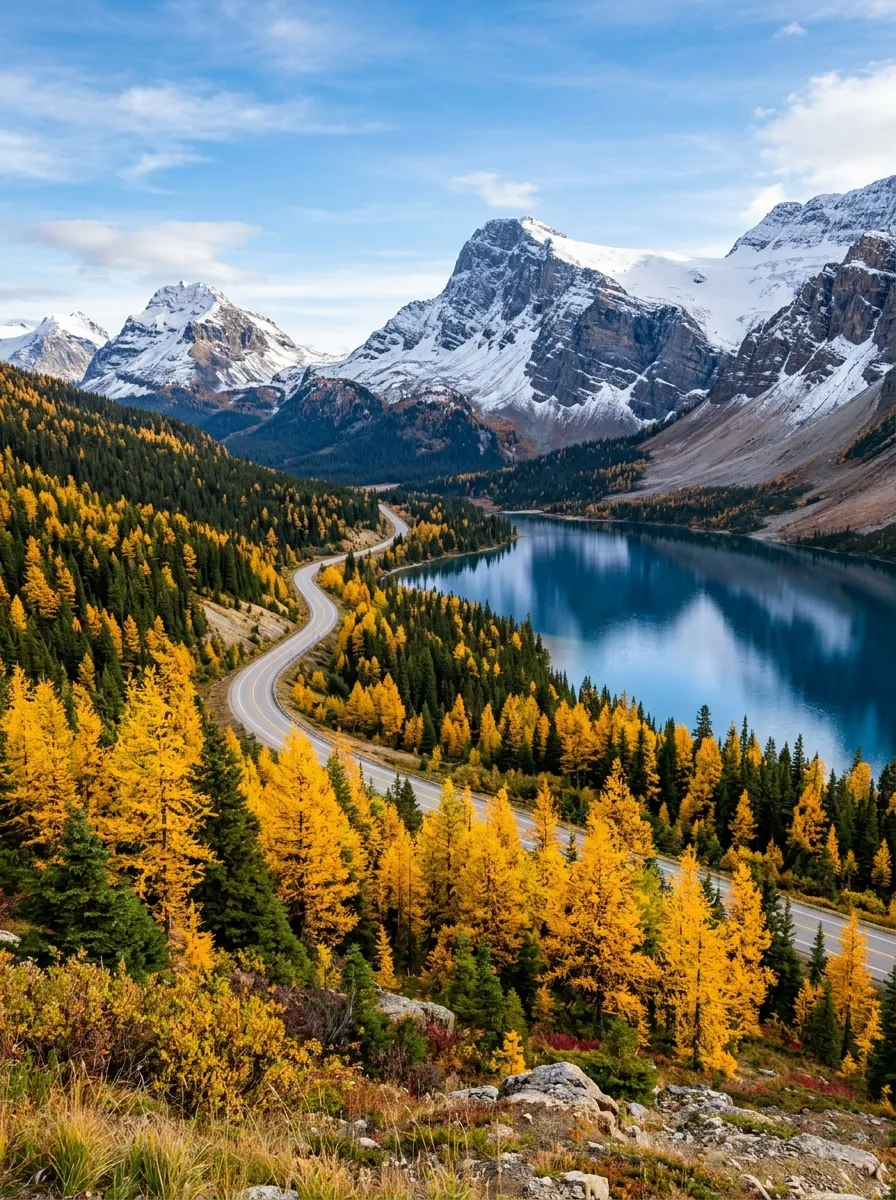
Summer
Summer is the easiest season for most visitors. Long days make it possible to fit more stops and hikes into the itinerary.
However, summer is also the busiest period. Popular locations such as Bow Lake and Peyto Lake can become crowded.
The best strategy is: Start early. Very early. Your future self will appreciate it.
Fall
September and early October can be beautiful, particularly if you’re hoping for autumn scenery and fewer crowds.
Temperatures become colder, however, and mountain weather can change quickly.
Don’t assume fall means predictable conditions.
Winter
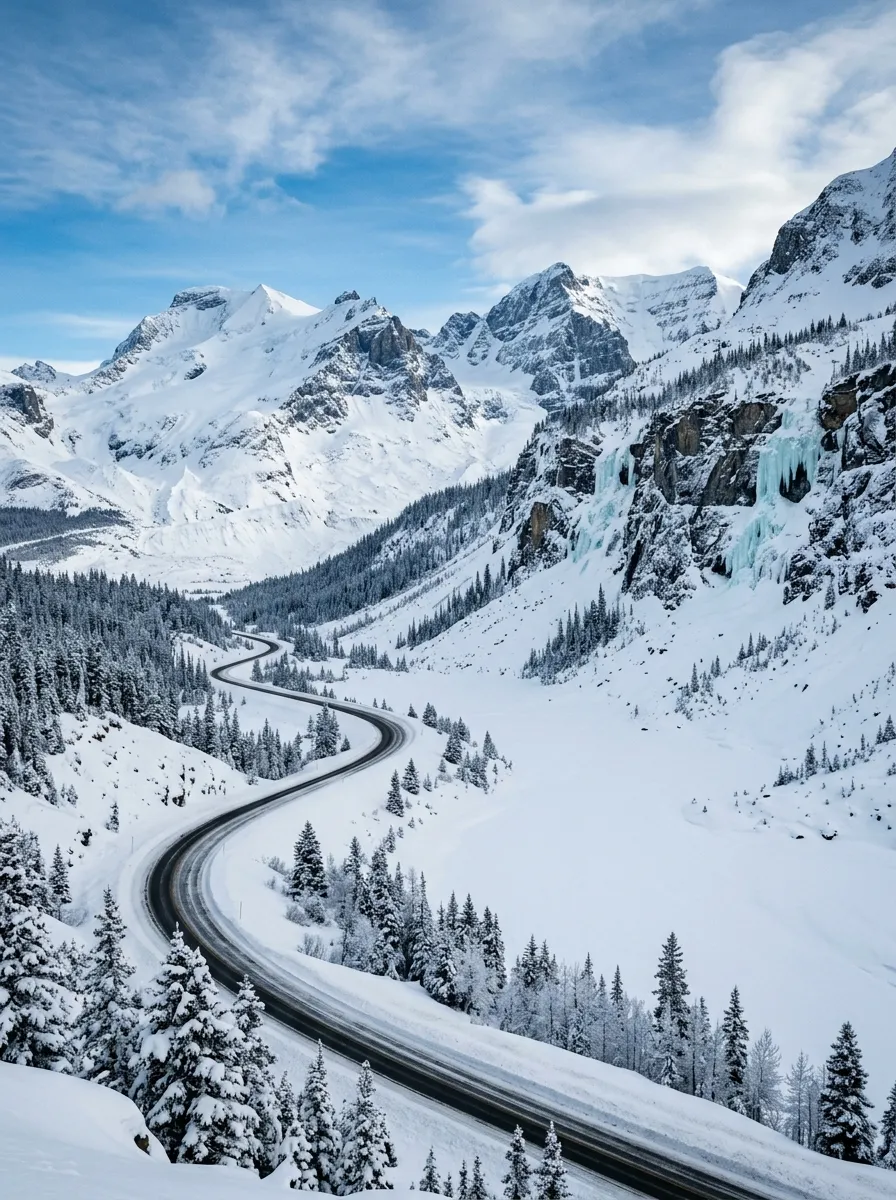
The Icefields Parkway is open year-round, but winter driving requires serious preparation.
Parks Canada warns that winter conditions can include snow-covered pavement, ice, poor visibility and avalanche-control closures. Snow tires or chains are mandatory from November 1 through March 31, and also during other periods when the road is covered with snow or ice.
Winter also means many services along the route are closed.
There are no gas stations, hotels or restaurants operating throughout the Parkway in winter, and cell coverage remains unavailable.
For experienced winter drivers, the scenery can be spectacular.
For inexperienced winter drivers, this is not the place to learn.
What to Pack for an Icefields Parkway Road Trip
The weather can change quickly in the Rockies.
Even in summer, temperatures can drop dramatically, particularly around the Columbia Icefield.
Pack:
- Warm layers
- Waterproof jacket
- Comfortable walking shoes
- Extra socks
- Sunglasses
- Sunscreen
- Hat
- Gloves
- Reusable water bottle
- Snacks
- First-aid kit
- Camera
- Portable charger
- Offline maps
- Emergency supplies
Parks Canada specifically recommends extra warm clothing around the Columbia Icefield because temperatures are cool, winds can be strong, and snow is possible even during summer.
Fuel Up Before You Go
This deserves its own section because running out of gas in the mountains is an impressively bad way to end a vacation.
There are no gas stations between Jasper and Saskatchewan River Crossing.
Fill your tank before starting the remote portion of the journey.
Don’t wait until the fuel warning light comes on.
Download Everything Before You Leave
Don’t assume your phone will work.
Parks Canada advises travelers to prepare for no cell service along the Icefields Parkway.
Before driving:
- Download offline maps
- Save your accommodation details
- Download important reservation information
- Screenshot useful information
- Tell someone your route if traveling remotely
- Bring a charging solution
Your phone should be treated as a useful tool, not your only survival strategy.
Check Road Conditions Before Driving
Mountain weather doesn’t care about your itinerary. Snow can fall outside winter. Road conditions can change. Avalanche control can result in closures. Wildlife activity and other hazards can also affect travel.
Parks Canada recommends checking road conditions and weather before traveling, including 511 Alberta for current road information.
If a section is closed, don’t try to improvise your way through it.
Wildlife Along the Icefields Parkway
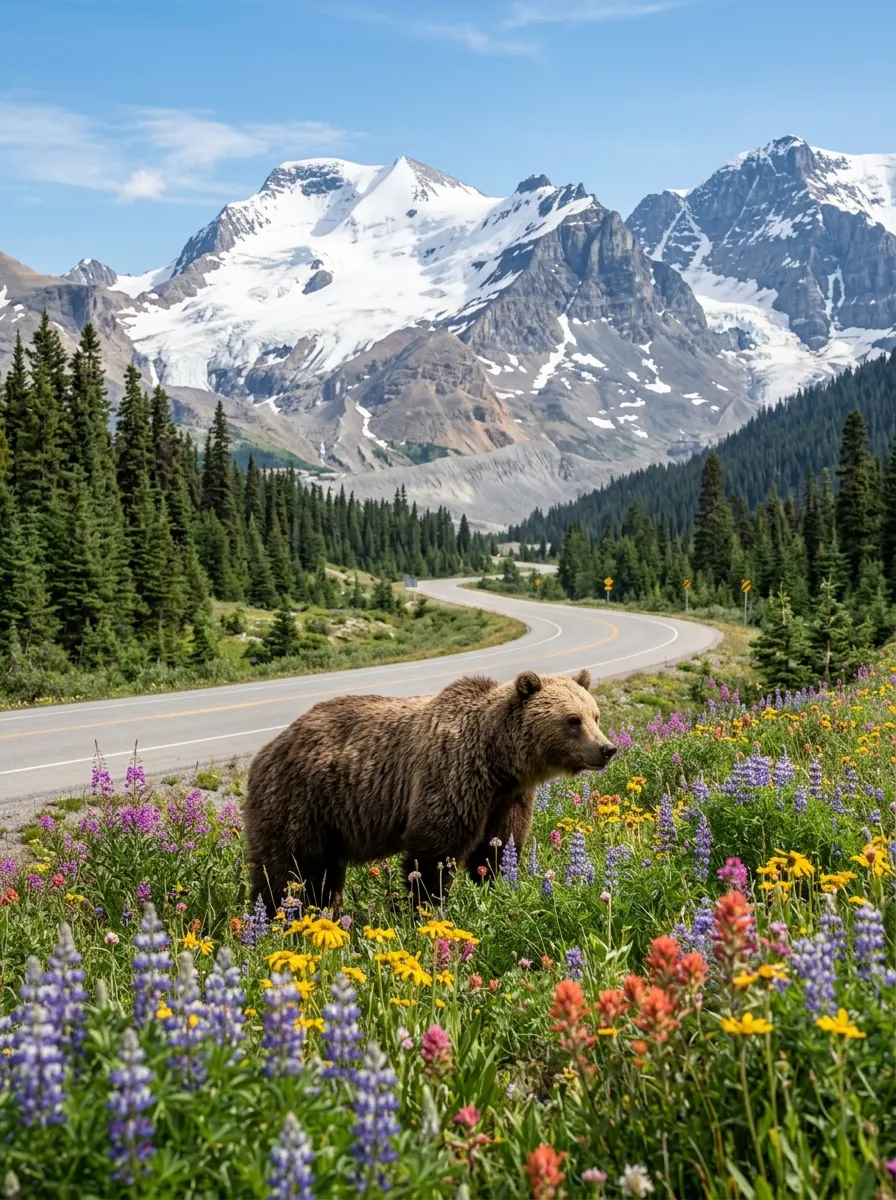
The Parkway passes through prime wildlife habitat.
You may encounter:
- Elk
- Deer
- Bighorn sheep
- Mountain goats
- Black bears
- Grizzly bears
- Other mountain wildlife
Never approach animals for photographs.
If wildlife appears beside the road, slow down and give it plenty of space.
And please don’t stop in unsafe locations just because someone else has spotted a bear.
The perfect photograph isn’t worth becoming part of the bear’s afternoon schedule.
Is the Icefields Parkway Worth It?
Absolutely.
But the Parkway isn’t impressive because there’s one magical attraction that carries the entire road. It’s impressive because the entire journey keeps changing. You start beside a glacial lake. Then you’re looking at a glacier. Then you’re walking beside a canyon. Then a waterfall appears. Then the road climbs through enormous mountain scenery. Then the Columbia Icefield suddenly fills the horizon.
And just when you think you’ve seen the best view, another bend proves you wrong.
That’s what makes this road special.
Tips for Driving the Icefields Parkway
- Start early: You’ll avoid some crowds and have more time for stops.
- Don’t underestimate distances: 230 km sounds short until you start stopping every ten minutes because another mountain looks ridiculous.
- Keep your camera accessible: Not buried beneath luggage.
- Carry food and water: Services are limited.
- Fill up before entering the remote section: There are no gas stations between Jasper and Saskatchewan River Crossing.
- Check conditions: Do this immediately before departure.
- Stay on designated trails: Especially around waterfalls and glaciers.
- Don’t rush: The road is the attraction.
What to See Beyond the Icefields Parkway
The Parkway works beautifully as part of a larger Canadian Rockies road trip.
From Jasper, you can explore Jasper National Park, including destinations such as Maligne Lake, Medicine Lake and Pyramid Lake.
From Lake Louise, you can continue into Banff National Park and explore one of Canada’s most famous mountain regions.
And if you’re building a much longer trip across Canada, you can eventually connect your Rockies adventure with British Columbia and Vancouver.
For more city-and-mountain inspiration, check out our guide to 17 incredible things to do in Vancouver.
Final Thoughts: The Icefields Parkway Is the Journey
There are scenic roads where you drive to a destination. Then there are roads where the driving itself becomes the destination. The Icefields Parkway belongs in the second category.
Bow Lake gives you glacial blue water.
Peyto Lake gives you one of the Rockies’ most iconic viewpoints.
Mistaya Canyon brings you close to the raw power of the rivers.
Weeping Wall turns a mountainside into a waterfall.
Big Bend gives you one of the Parkway’s most dramatic road views.
The Columbia Icefield and Athabasca Glacier reveal the enormous forces that shaped this landscape.
And Sunwapta Falls and Athabasca Falls provide a spectacular finale before Jasper.
If you have the time, don’t try to squeeze the entire route into a few hours.
Take the slow road. Pull over. Walk. Have lunch beside a lake. Watch the clouds move across the mountains. Wait for the light to change.
Because the real magic of the Icefields Parkway isn’t one particular stop.
It’s the moment when you realize you’ve been driving for hours and somehow every bend in the road still looks better than the last one.
And that’s a pretty good problem to have.
If you’re planning more adventures after Canada, you can continue the journey with our guides to 10 mind-blowing hidden places in the USA, 13 non-touristy things to do in Ireland, or even escape completely into the tropics with our Honolulu bucket list.
The mountains, however, may be difficult to leave behind.