17 Incredible Things to Do in Vancouver: Mountains, Ocean, Food and the Perfect City Escape
Vancouver feels as though a city planner began with a glass skyline, then became distracted by mountains, beaches, rainforest and the Pacific Ocean.
Downtown towers rise beside marinas filled with sailboats. Snow-dusted peaks appear at the end of ordinary shopping streets. Ancient trees stand minutes from cafés and museums, while ferries, bicycles and seaplanes move through a landscape that never seems entirely urban.
Few North American cities make nature this difficult to ignore.
You can cycle around Stanley Park in the morning, eat your way through Granville Island at lunch, cross a suspension bridge above temperate rainforest in the afternoon and watch the sun sink behind English Bay before dinner. In winter, you can ski above the city. In spring, thousands of cherry trees turn entire neighborhoods pink. Summer belongs to beaches and mountain trails, while autumn brings misty seawalls and forest color.
This Vancouver travel guide covers the city’s best attractions, neighborhoods, outdoor adventures, food experiences and day trips. It also includes a practical itinerary, seasonal advice, transportation guidance, a comparison table, a packing checklist and several warnings that can prevent your West Coast escape from becoming a rain-soaked logistical barnacle.
Recommended Travel Items for Your Trip
VANCOUVER AT A GLANCE
Best overall months: May, June and September
Best for warm weather: July and August
Best for cherry blossoms: Late March through April
Best for skiing: December through March
Ideal first visit: Four to five days
Best area for first-time visitors: Downtown, West End or Yaletown
Best outdoor attraction: Stanley Park
Best food stop: Granville Island
Best mountain escape: Grouse Mountain or Cypress Mountain
Main airport: Vancouver International Airport
Best transport: SkyTrain, bus, SeaBus, walking and cycling
Why Vancouver Is One of North America’s Most Beautiful Cities
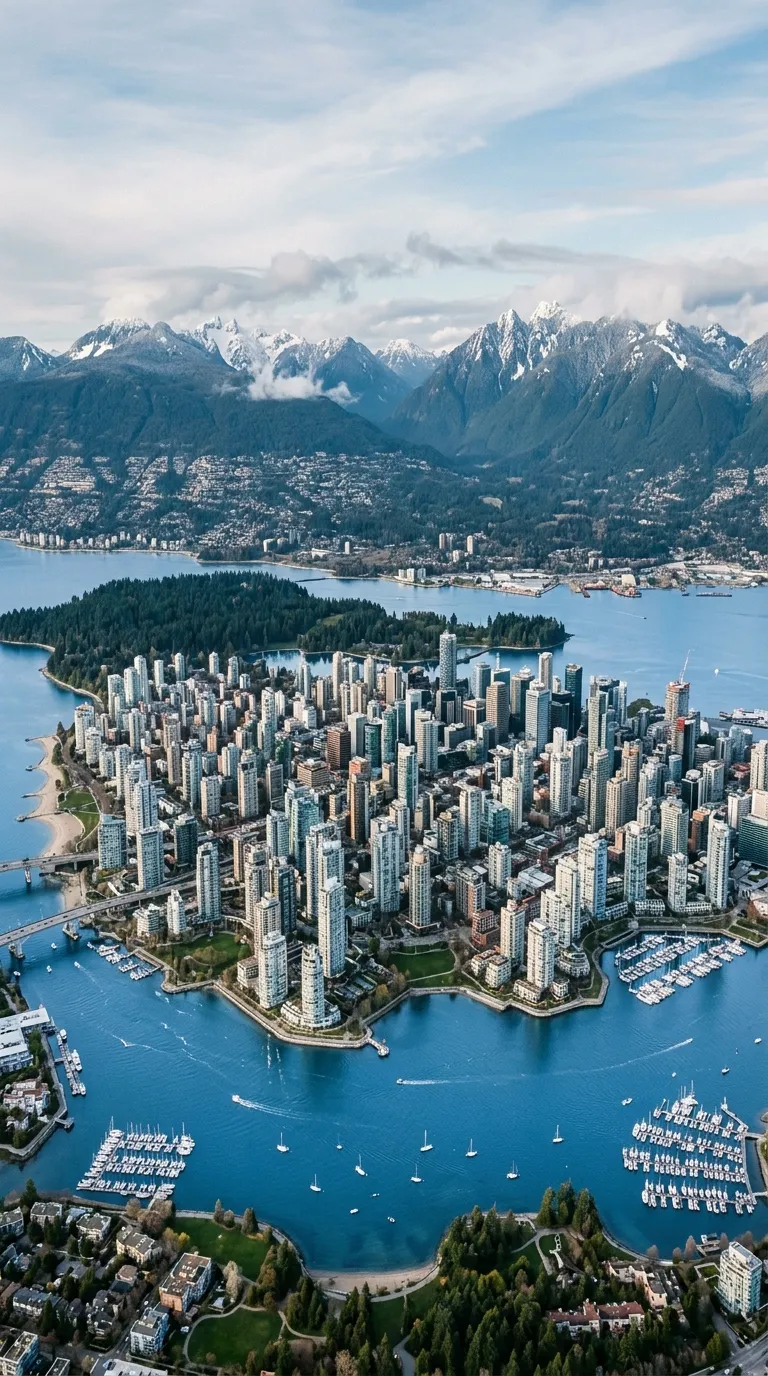
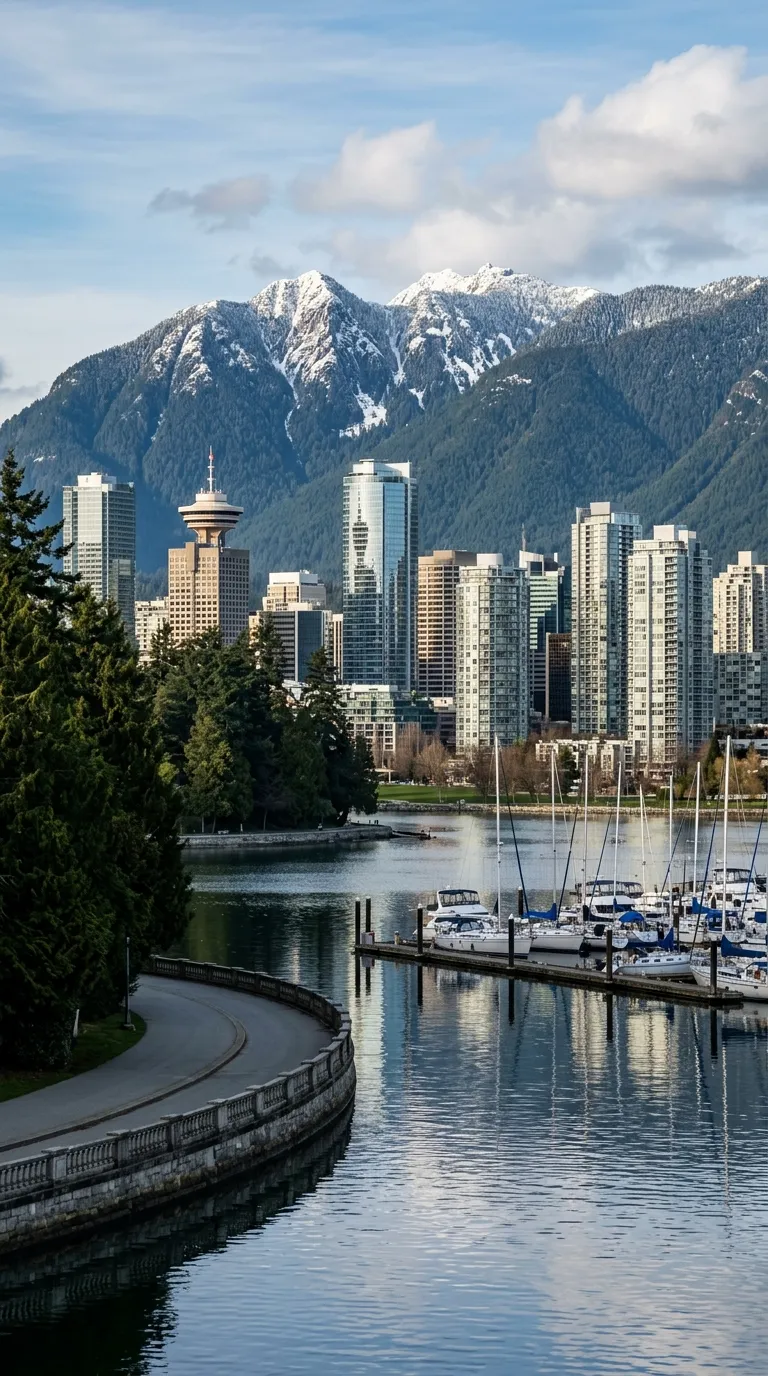
Vancouver occupies a remarkable position between the Coast Mountains and the Pacific Ocean.
Its scenery is not confined to a distant horizon. The mountains frame downtown streets, forested parks reach the waterfront and beaches sit within walking distance of business districts. This closeness between urban life and wilderness gives Vancouver an atmosphere found in few major cities.
The city also works exceptionally well for travelers who prefer not to drive. Metro Vancouver’s transit system includes buses, SkyTrain and SeaBus services, with direct connections between Vancouver International Airport and downtown. TransLink provides dedicated visitor guidance, trip planning and current service information.
Vancouver deserves consideration alongside the continent’s most appealing urban destinations. Travelers comparing city breaks can use this guide to the top North American cities to decide whether they prefer Vancouver’s ocean-and-mountain lifestyle, historic eastern cities or sunnier southern escapes.
The Best Things to Do in Vancouver
1. Cycle or Walk the Stanley Park Seawall
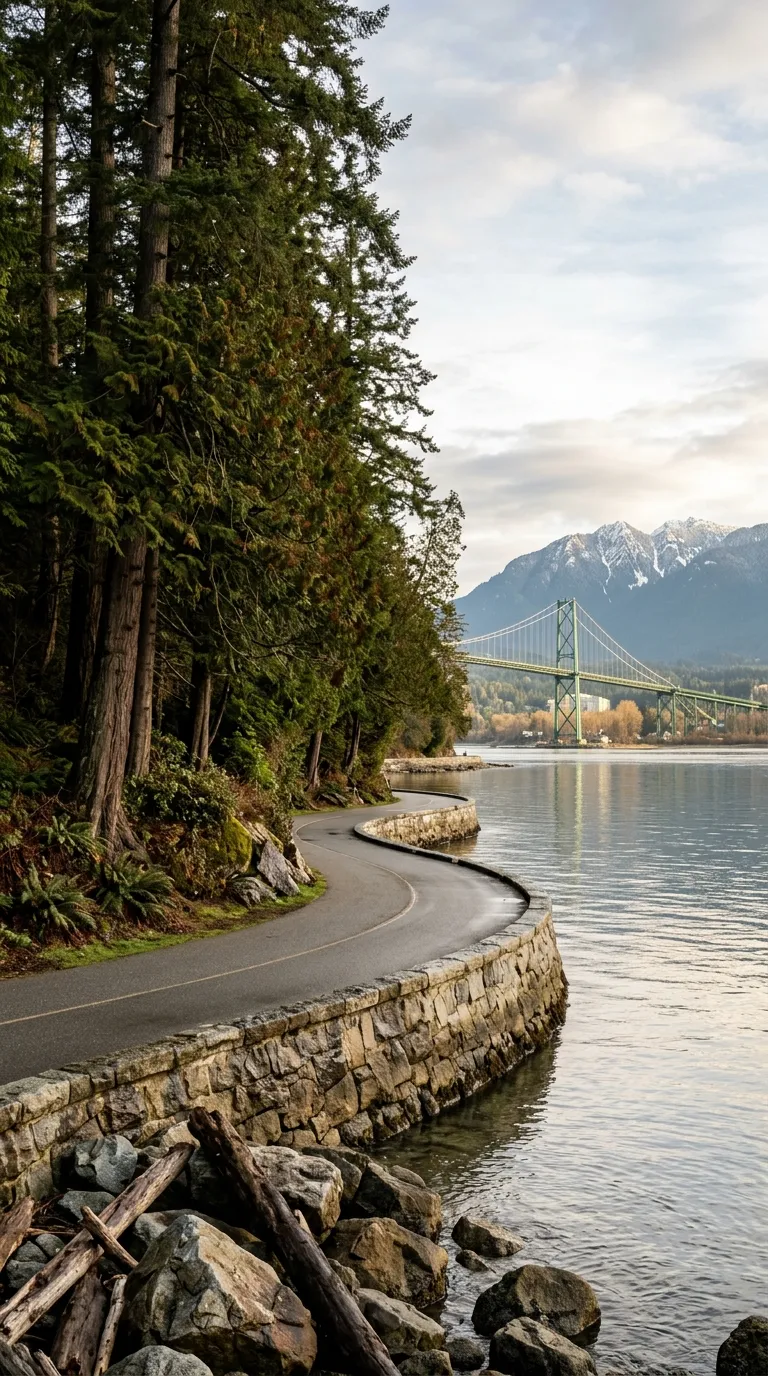
Stanley Park is Vancouver’s green heart and the natural starting point for a first visit.
The park occupies a forested peninsula immediately beside downtown. Within it, trails pass enormous cedar, hemlock and fir trees, while the seawall curves beside beaches, rocky shoreline and open views toward the mountains.
The City of Vancouver describes Stanley Park as a 400-hectare West Coast rainforest containing trails, beaches, cultural landmarks, wildlife and waterfront scenery. Its seawall loop is approximately 10 kilometers and remains one of the city’s most popular outdoor attractions.
Best Stops Around Stanley Park
- Coal Harbour
- Brockton Point
- The First Nations totem poles
- Lions Gate Bridge viewpoints
- Siwash Rock
- Third Beach
- Second Beach
- Lost Lagoon
- Prospect Point
- Beaver Lake
Cycling is the fastest way to see the full perimeter. Rental shops operate near the park entrance, and the route is divided into clearly marked areas for cyclists and pedestrians.
How Long to Allow
Set aside three to four hours for a relaxed bike ride with stops. Walking the entire loop may take several hours, especially once beaches and viewpoints begin rearranging your schedule.
SEAWALL SAFETY NOTE
Follow the marked travel direction, remain in the correct lane and watch for pedestrians, cyclists and sudden stops near viewpoints. Sections may occasionally close because of storms, maintenance or wildlife activity, so check current park notices before setting out.
2. Explore Granville Island Public Market
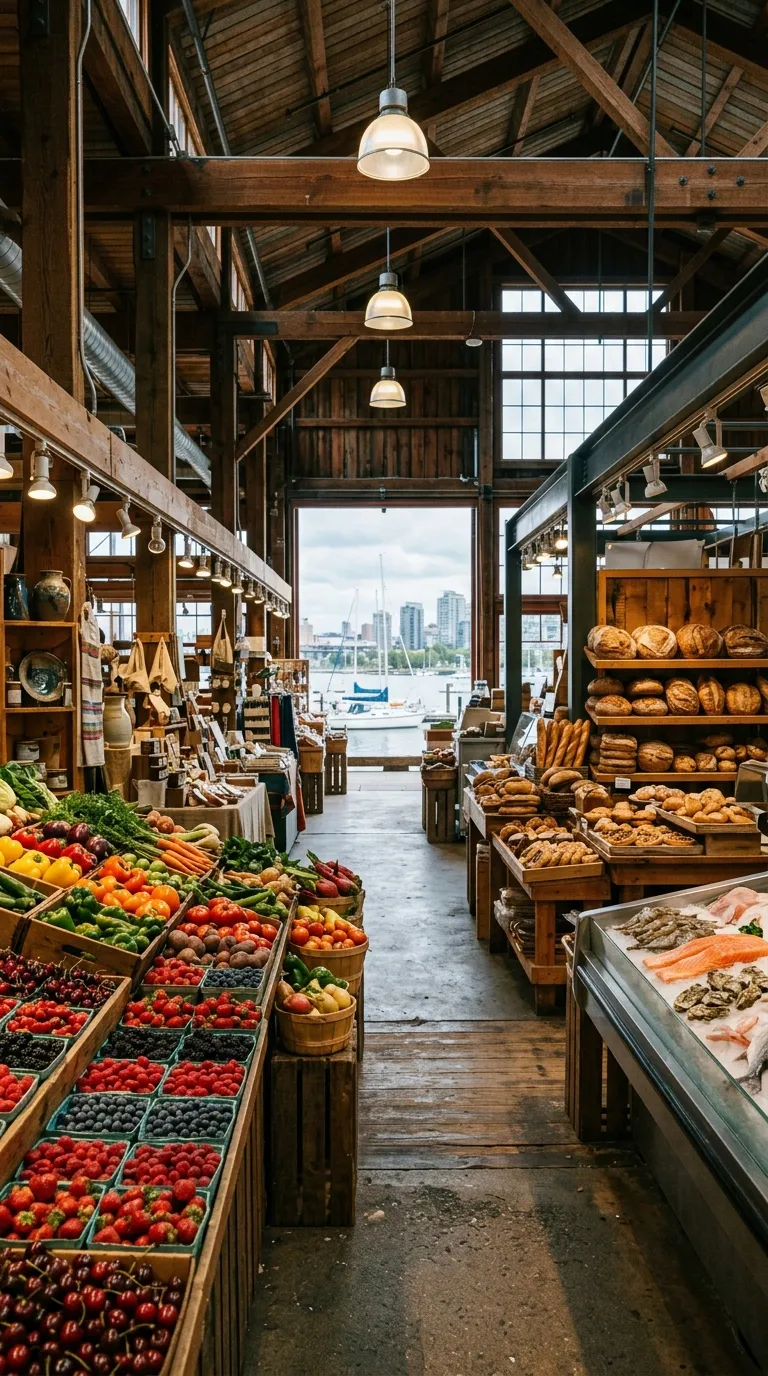
Granville Island is Vancouver’s great indoor-outdoor feast.
The former industrial district now contains a public market, theaters, galleries, studios, restaurants, independent shops and a lively waterfront. The island is particularly enjoyable on damp days, when the market becomes a warm maze of bakeries, produce stalls, seafood counters and tiny kitchens releasing clouds of delicious persuasion.
Destination Vancouver describes Granville Island as a showcase for Pacific Northwest cuisine, art, performance, shopping and local culture.
What to Do at Granville Island
- Browse the Public Market
- Try local baked goods and seafood
- Visit artisan studios
- Explore the Net Loft shops
- Watch boats along False Creek
- Visit galleries and theaters
- Take an Aquabus or False Creek Ferry
- Shop for locally made gifts
- Walk beneath Granville Bridge
Best Time to Visit
Arrive before lunch on weekdays for a calmer experience. Weekend afternoons can become crowded, particularly during summer.
MARKET ETIQUETTE
Buy something before turning a busy food counter into a twenty-minute photography studio. The pastry understands its beauty, but the queue has plans.
3. Watch Sunset at English Bay
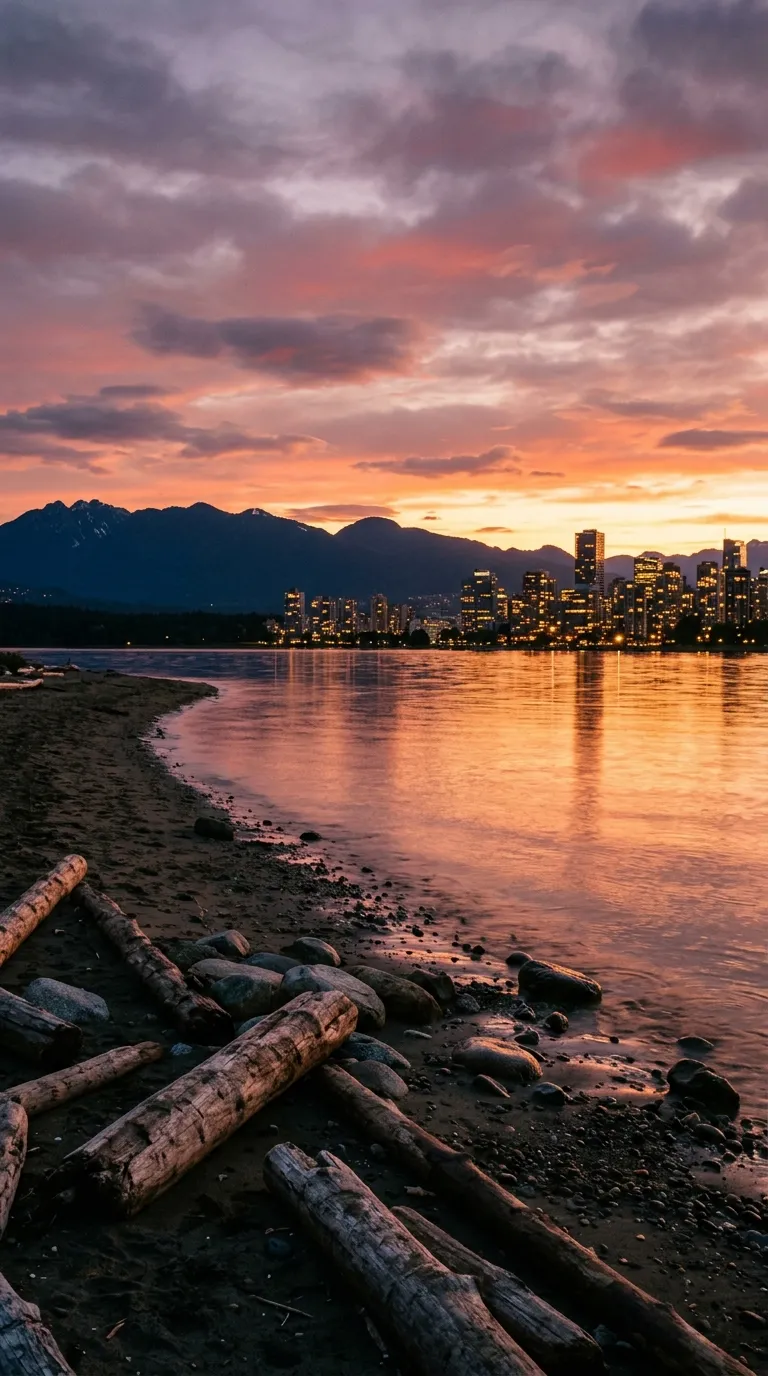
English Bay is where Vancouver gathers to watch the day dissolve into the Pacific.
The beach sits beside the West End and close to the entrance of Stanley Park. In summer, people picnic on the grass, swim near shore, cycle along the seawall and remain until the final orange light disappears behind the mountains.
English Bay works beautifully as the final stop after exploring Stanley Park.
Nearby Highlights
- English Bay Beach
- The Inukshuk
- Sunset Beach
- Davie Village
- Denman Street
- Stanley Park entrance
- Seawall paths toward False Creek
Bring a light layer even after a warm afternoon. Sea breezes can make the temperature fall quickly after sunset.
4. Wander Through Gastown
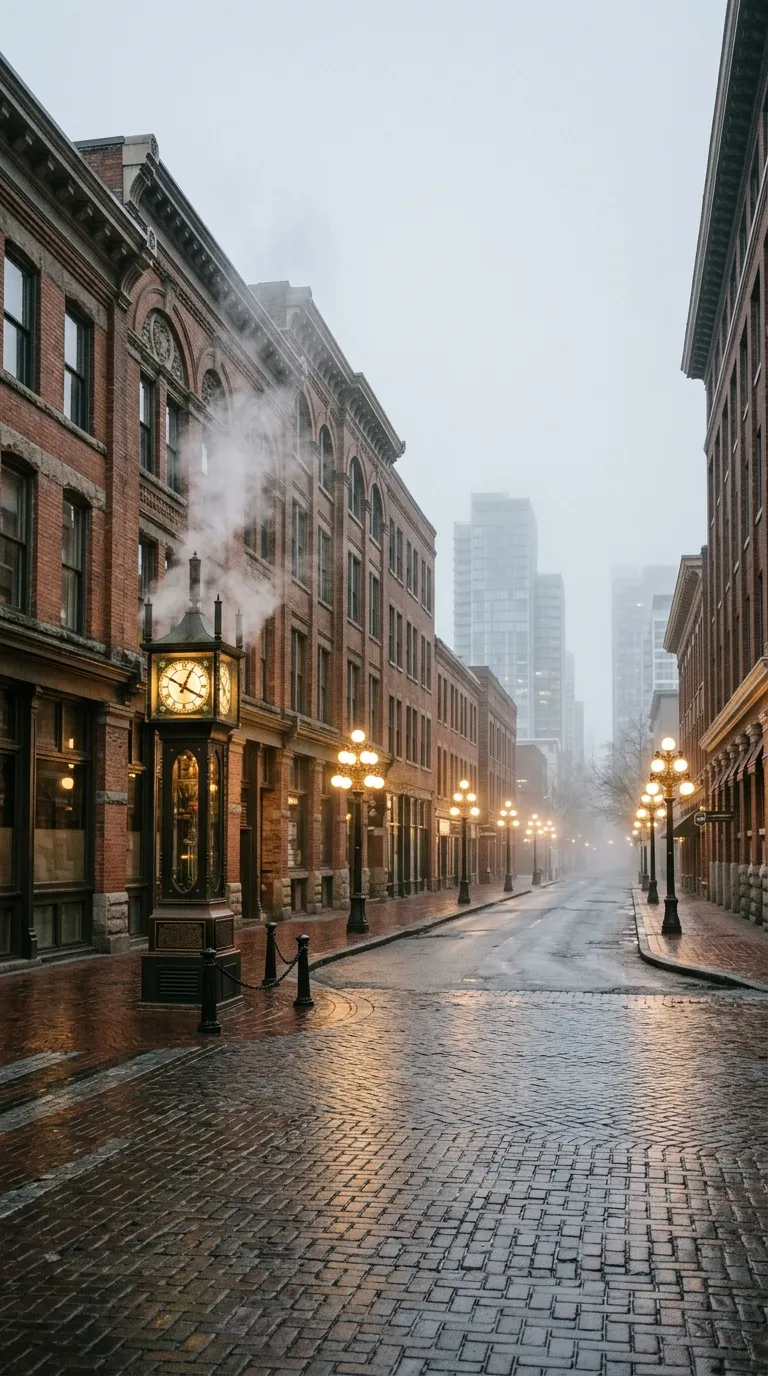
Gastown is Vancouver’s oldest commercial neighborhood and one of its most photographed districts.
Brick buildings, iron lampposts and cobbled streets create a more historic atmosphere than the glass towers nearby. The famous steam clock draws crowds, but the neighborhood’s architecture, galleries and restaurants are more rewarding than waiting for its next puff of mechanical drama.
Best Things to See
- Water Street
- The Gastown Steam Clock
- Maple Tree Square
- Independent galleries
- Historic façades
- Waterfront Station
- Views toward Canada Place
Visit during daylight and remain aware of your surroundings, especially when walking east of the main tourist streets.
NEIGHBORHOOD WARNING
Gastown borders the Downtown Eastside, where travelers may encounter visible homelessness, drug use and significant social hardship. Avoid treating residents as a spectacle, keep valuables discreet and ask your hotel about current walking routes.
5. Walk Along Canada Place and Coal Harbour
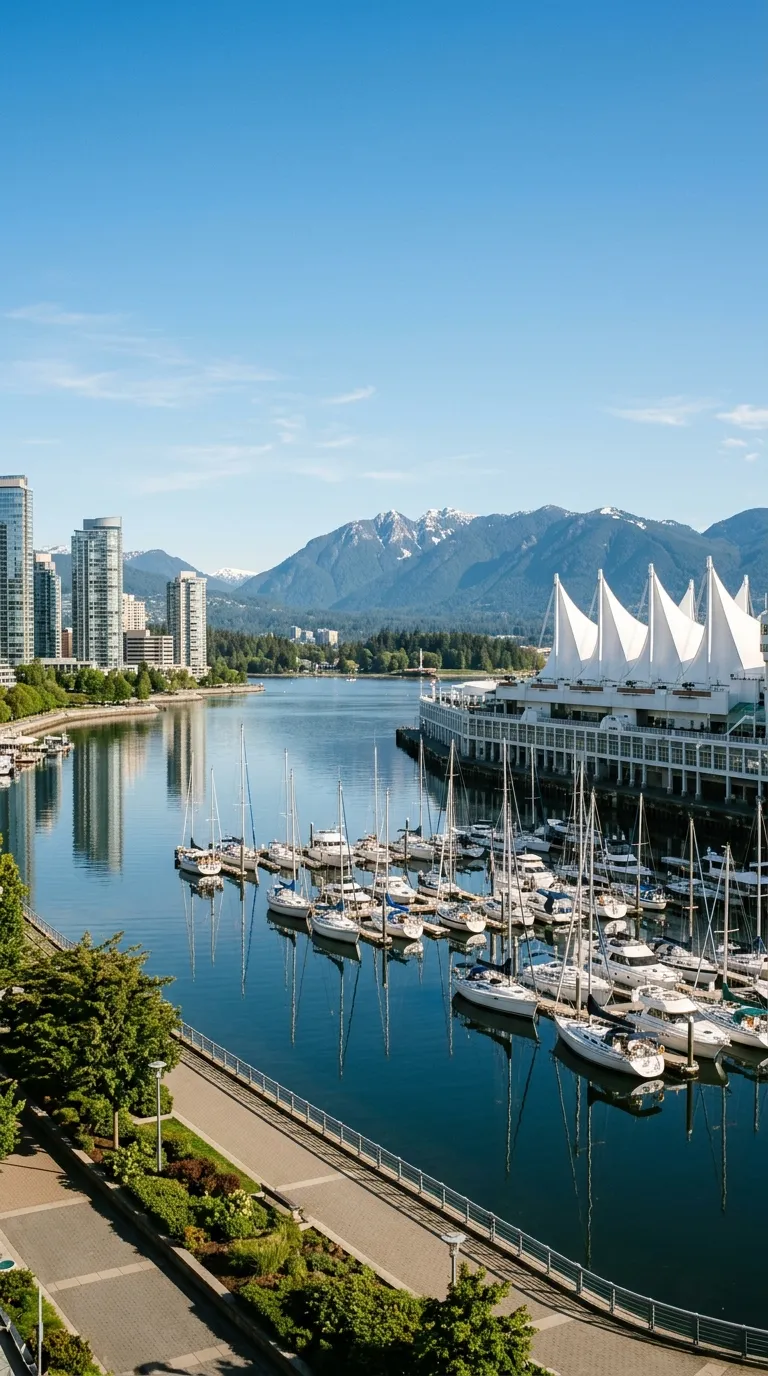
Canada Place is one of Vancouver’s most recognizable waterfront landmarks.
Its white sail-shaped roof rises beside the cruise terminal, with views toward Burrard Inlet, Stanley Park and the North Shore Mountains. From here, a waterfront path continues through Coal Harbour, passing marinas, public art and landscaped promenades.
Best Route
Start at Waterfront Station, walk around Canada Place and continue west through Coal Harbour toward Stanley Park.
This is one of Vancouver’s easiest scenic walks and requires little planning beyond deciding how frequently to stop for mountain photographs.
6. Visit Capilano Suspension Bridge Park
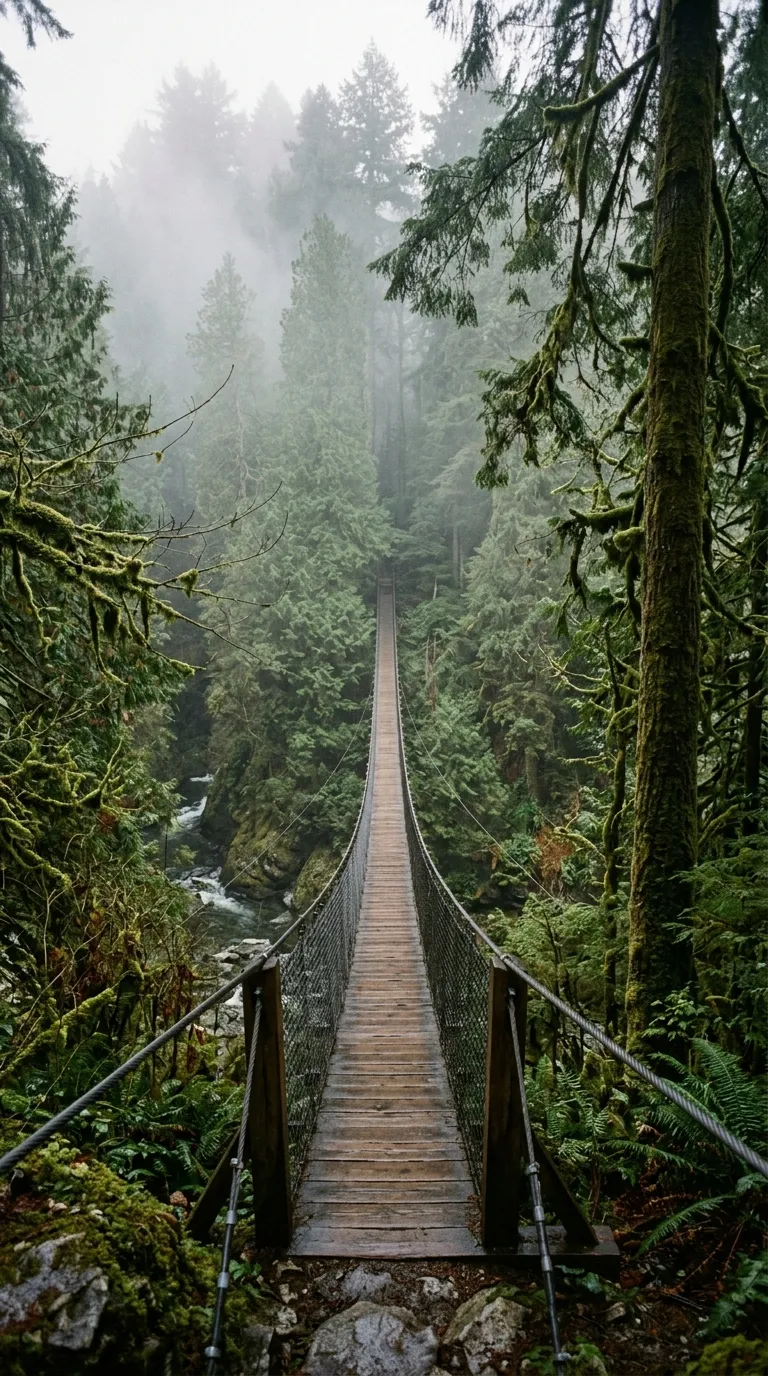
Capilano Suspension Bridge stretches above a deep forested river canyon in North Vancouver.
The main bridge is the headline attraction, but the park also includes elevated forest walkways and cliffside paths. The environment is lush and atmospheric, especially when mist settles among the trees.
Destination Vancouver includes Capilano among the city’s signature visitor experiences.
Best For
- First-time visitors
- Families
- Rainforest scenery
- Travelers with limited hiking time
- Seasonal evening light displays
How Long to Stay
Allow two to three hours.
Capilano is a commercial attraction and tickets can be expensive. Travelers seeking a lower-cost forest experience may prefer Lynn Canyon, though the two should not be considered identical.
7. Discover Lynn Canyon Park
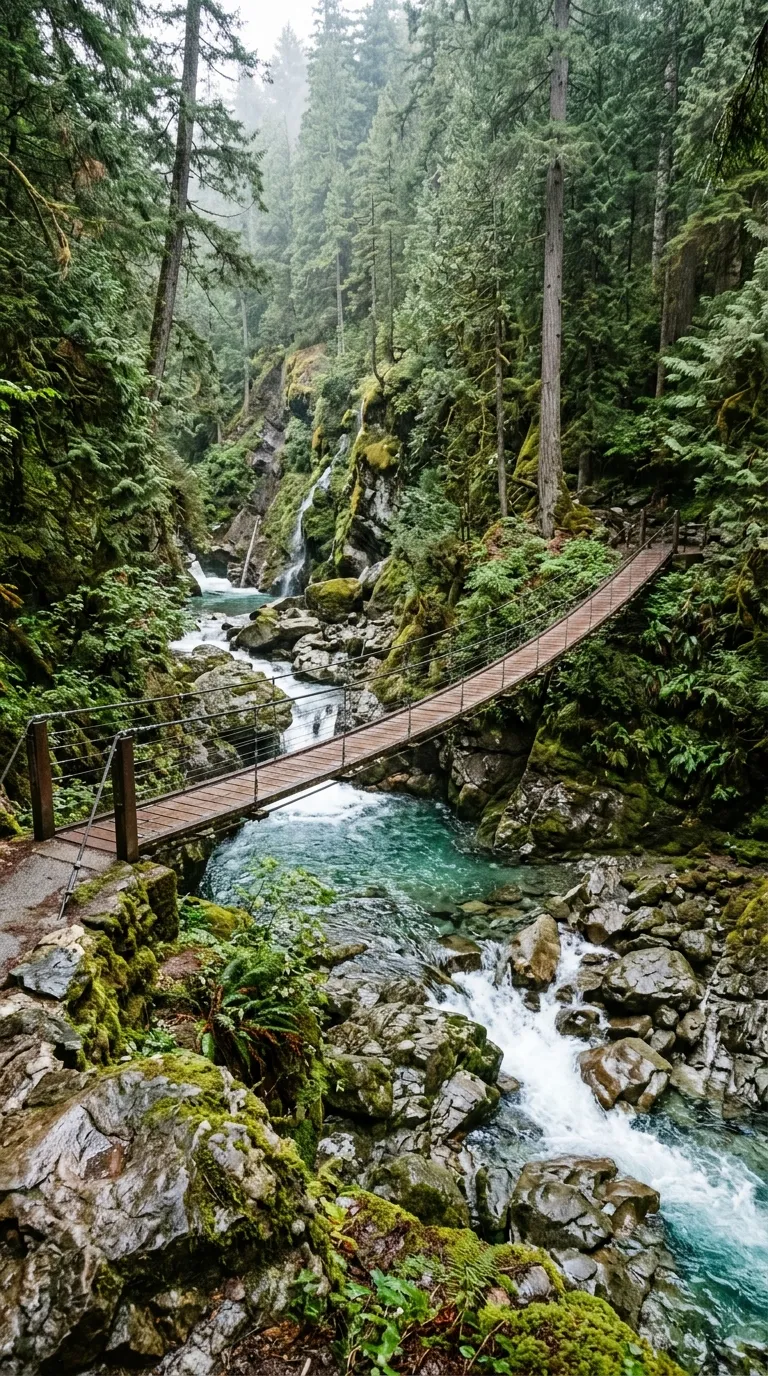
Lynn Canyon provides forest trails, river scenery and a suspension bridge within a public park in North Vancouver.
The bridge is smaller than Capilano’s, but the surrounding trails feel more like a local forest outing. Routes lead toward pools, waterfalls and quiet sections of temperate rainforest.
Why Choose Lynn Canyon?
- No major attraction ticket
- Access to forest trails
- A more local atmosphere
- Good public transit connections
- Flexible short and moderate walks
RIVER SAFETY WARNING
Pools and rivers in North Shore parks can be dangerously cold, fast and unpredictable. Never jump from cliffs or enter restricted water areas. Slippery rocks and sudden currents have caused serious accidents.
8. Take the SeaBus to North Vancouver
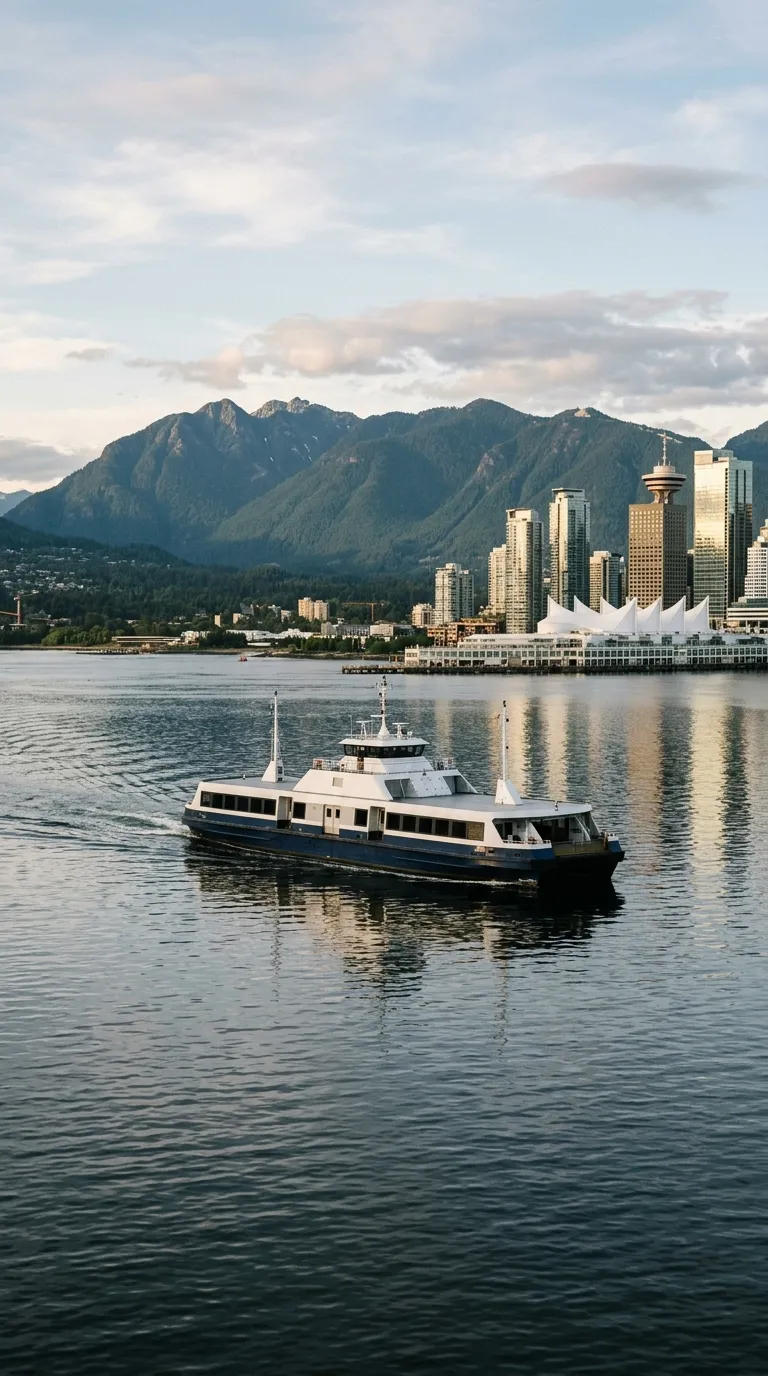
The SeaBus is not merely transportation. It is a miniature harbor cruise hiding inside a transit ticket.
The passenger ferry connects Waterfront Station with Lonsdale Quay, crossing Burrard Inlet beneath broad city and mountain views. The journey provides an easy way to experience Vancouver from the water without purchasing a sightseeing cruise.
Once in North Vancouver, explore:
- Lonsdale Quay Market
- The Shipyards District
- Waterfront Park
- Restaurants overlooking downtown
- Public art and seasonal events
- Connections toward Grouse Mountain and Lynn Canyon
TransLink operates SeaBus as part of Metro Vancouver’s public transportation network.
9. Ride Up Grouse Mountain
Grouse Mountain rises directly above North Vancouver and offers one of the easiest high-elevation escapes from downtown.
Aerial access carries visitors toward panoramic viewpoints, seasonal attractions and mountain trails. In winter, the mountain becomes a ski and snow-sport destination. During warmer months, visitors come for hiking, wildlife interpretation and views across Vancouver.
Popular Experiences
- Scenic gondola ride
- City and ocean viewpoints
- Hiking
- Winter skiing and snowshoeing
- Seasonal wildlife programs
- Dining above the city
The Grouse Grind
The Grouse Grind is a steep uphill fitness trail often called “Mother Nature’s StairMaster.” It is not a casual scenic stroll.
Attempt it only when officially open and when your fitness, footwear and weather conditions are appropriate. Downhill hiking on the Grind is generally not permitted, so plan for paid mountain transport after completing the ascent.
10. Spend an Afternoon in Kitsilano
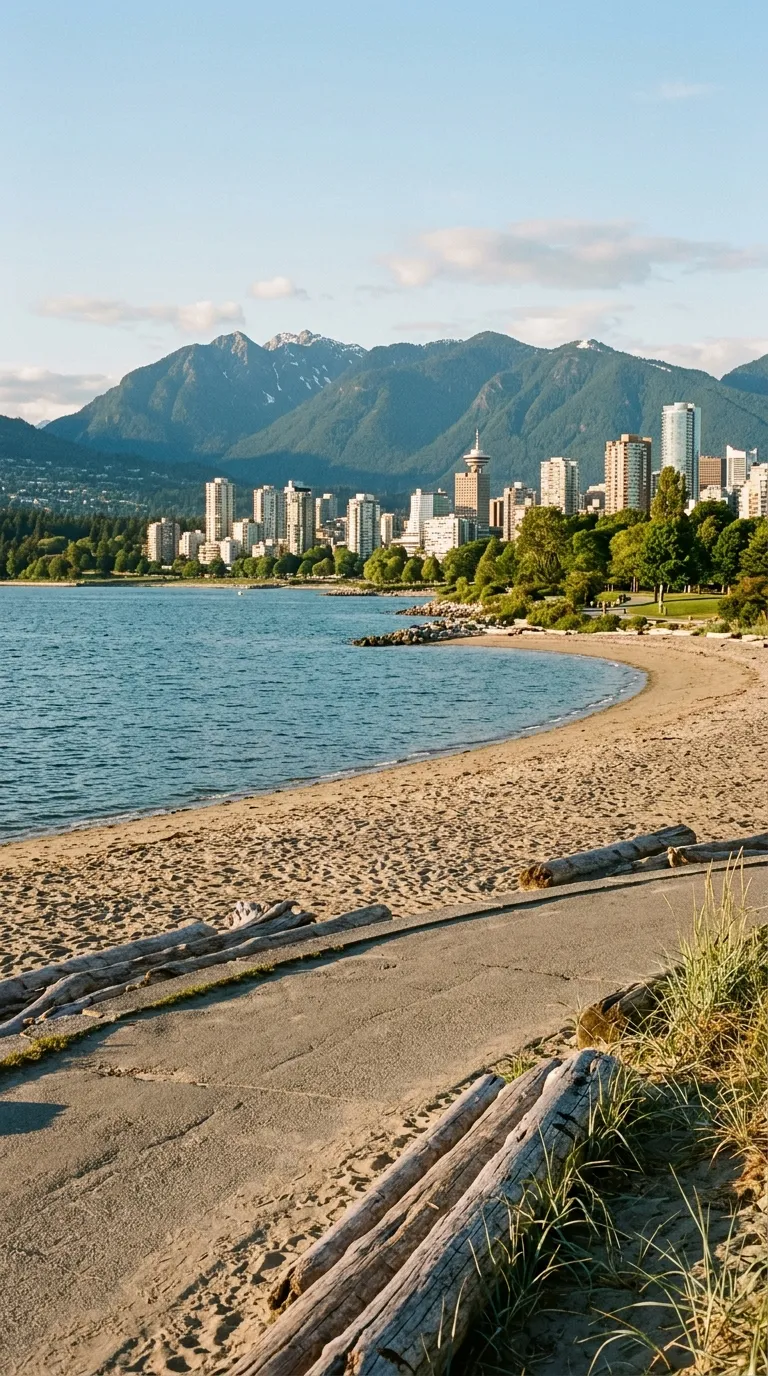
Kitsilano combines beach life, residential streets and relaxed cafés west of downtown.
Kitsilano Beach offers wide views toward the skyline and mountains, while nearby West 4th Avenue contains restaurants, outdoor shops and independent businesses.
Best Things to Do in Kitsilano
- Relax at Kitsilano Beach
- Walk the waterfront paths
- Visit the Museum of Vancouver nearby
- Explore Vanier Park
- Browse West 4th Avenue
- Continue toward Jericho Beach
- Watch the city lights after sunset
Kitsilano is especially appealing during summer, but its waterfront paths remain beautiful during clear winter and spring days.
11. Explore Chinatown and the Dr. Sun Yat-Sen Garden
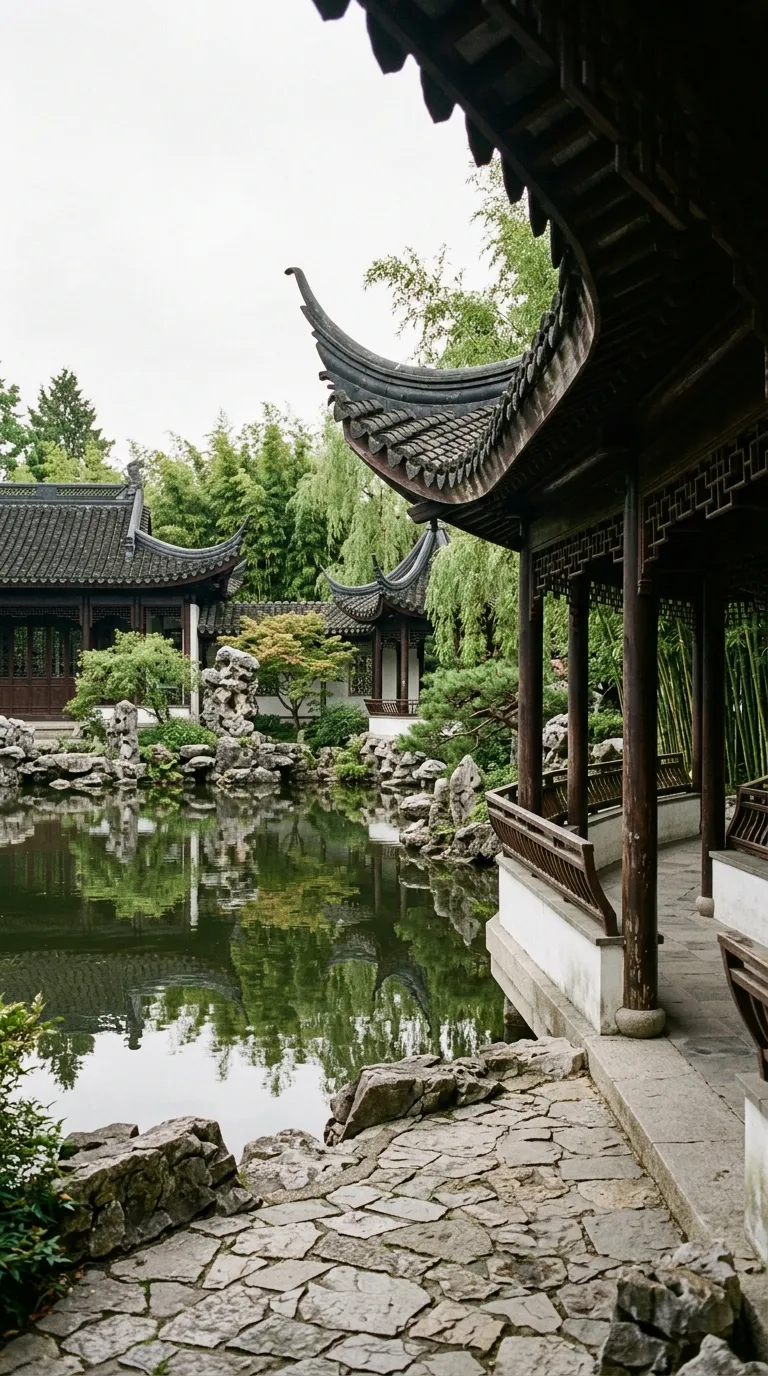
Vancouver’s Chinatown contains historic buildings, traditional businesses, restaurants and important layers of Chinese Canadian history.
The Dr. Sun Yat-Sen Classical Chinese Garden offers a calm contrast to the surrounding city. Its architecture, covered walkways, water and carefully arranged plants create a contemplative space within the urban center.
Pair the garden with a guided history walk or a thoughtful exploration of Chinatown’s food businesses and cultural institutions.
As with Gastown, check current local advice about surrounding streets and avoid wandering unfamiliar blocks late at night.
12. Eat Your Way Through Richmond
Richmond lies south of Vancouver and contains one of North America’s most exciting concentrations of Asian food.
The city is connected to downtown by the Canada Line, making it easy to reach without a car. Food courts, dumpling restaurants, noodle shops, bakeries and seafood establishments create enough choice to turn lunch into an expedition with side quests.
Food Experiences to Seek Out
- Dim sum
- Chinese barbecue
- Hand-pulled noodles
- Dumplings
- Taiwanese snacks
- Japanese ramen
- Korean dishes
- Asian bakeries
- Night-market food when seasonally available
Richmond is also close to Vancouver International Airport, making it a clever first or final meal stop.
13. See Vancouver’s Cherry Blossoms
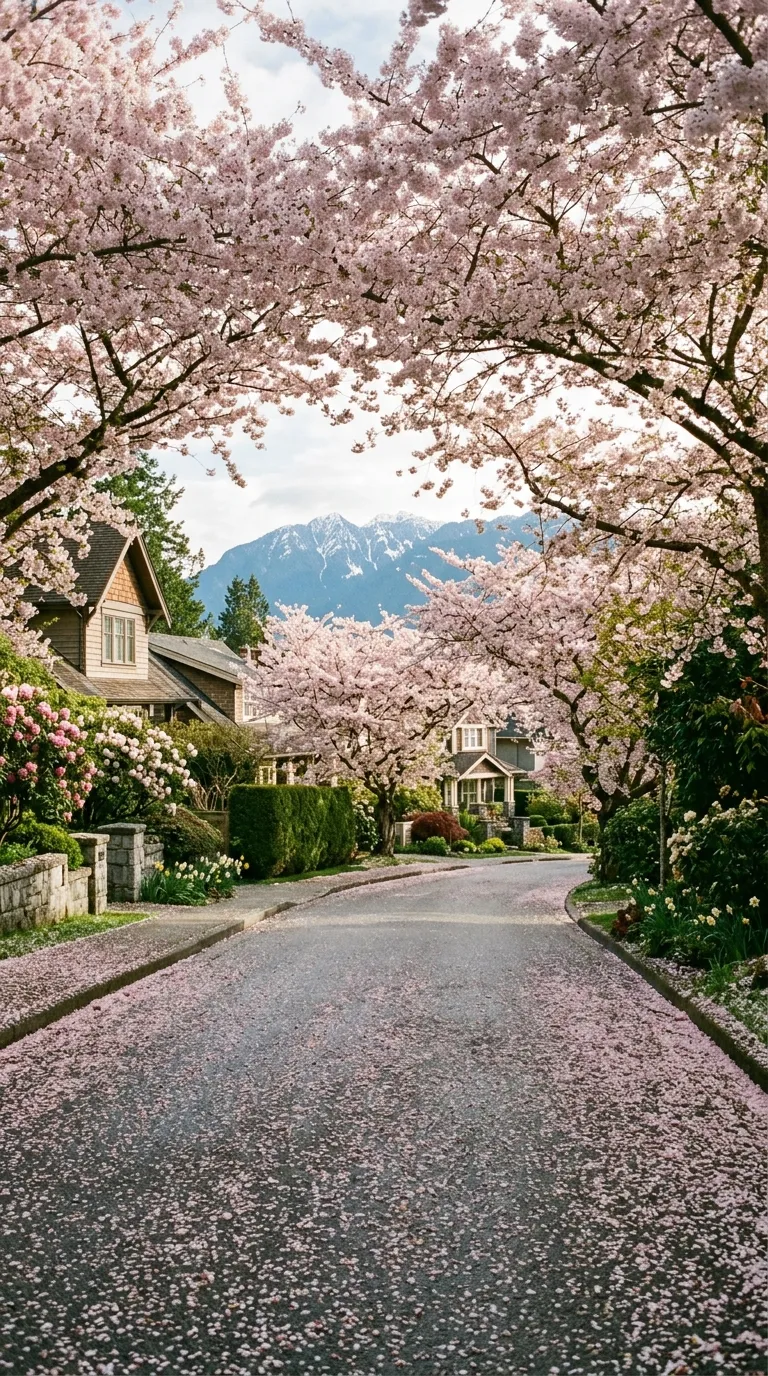
Spring transforms Vancouver into a city of petals.
Cherry trees line residential streets, parks and waterfront spaces, producing waves of pale pink and white blooms. Timing varies by tree variety and weather, but late March through April is generally the heart of blossom season.
Destination Vancouver features cherry-blossom viewing among the city’s signature spring activities.
Popular Blossom Areas
- Queen Elizabeth Park
- Stanley Park
- VanDusen Botanical Garden
- West End streets
- Kitsilano
- Shaughnessy
- Burrard SkyTrain Station area
- Streets around Mount Pleasant
Travelers planning a springtime North American journey can pair Vancouver’s flowering streets with this cherry blossom festival guide to Washington, D.C., where monuments, tidal water and thousands of blossoms create a very different seasonal cityscape.
BLOSSOM ETIQUETTE
Do not climb trees, shake branches or enter private gardens for photographs. Admire the petals without becoming the weather event that removes them.
14. Visit Queen Elizabeth Park
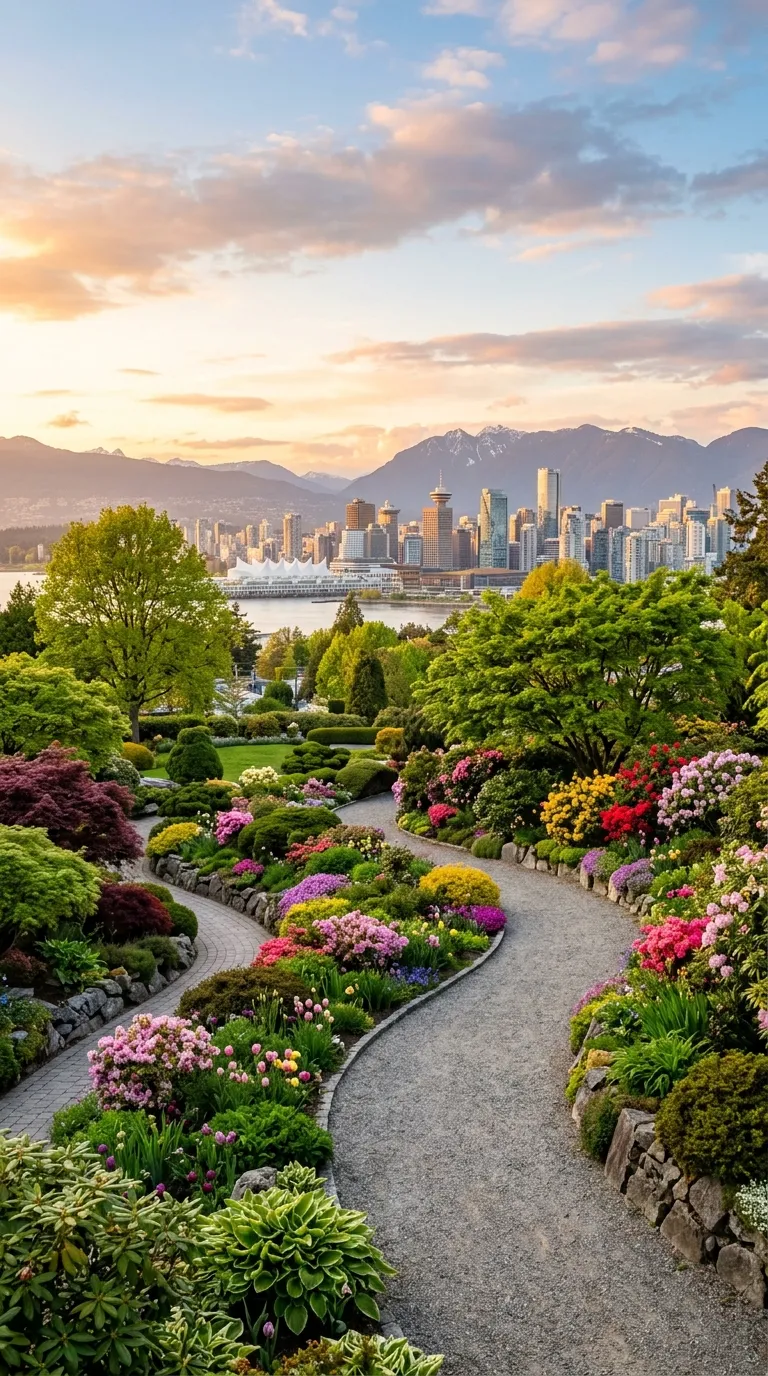
Queen Elizabeth Park occupies one of Vancouver’s highest points and offers broad views toward downtown and the North Shore Mountains.
The landscaped gardens, paths and open viewpoints make it a peaceful stop during spring and summer. The Bloedel Conservatory provides an indoor tropical escape when rain arrives with theatrical timing.
Combine It With
- Main Street cafés
- VanDusen Botanical Garden
- Cambie Village
- Richmond food stops
- Cherry-blossom viewing in spring
Visit near sunset on a clear day for strong skyline and mountain views.
15. Explore Commercial Drive
Commercial Drive offers a livelier, less polished side of Vancouver.
The neighborhood is known for independent cafés, casual restaurants, music venues, vintage shops and a multicultural food scene. It feels more residential and creative than the downtown core.
Why Visit?
- Excellent coffee
- Affordable international food
- Local nightlife
- Independent shops
- Neighborhood atmosphere
- Easy SkyTrain access
Commercial Drive is a good choice for travelers who want to experience Vancouver beyond its waterfront postcard.
16. Walk or Cycle the False Creek Seawall
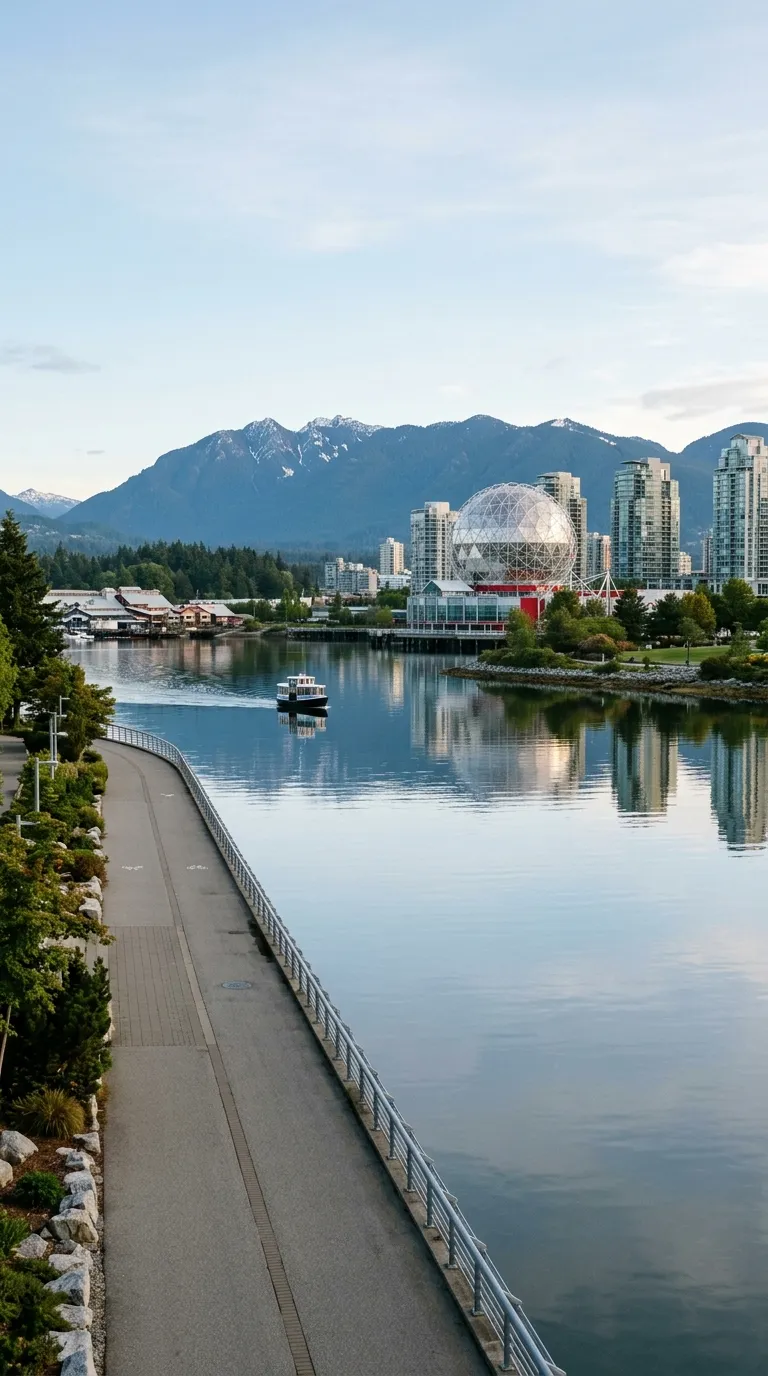
Vancouver’s broader waterfront network extends far beyond Stanley Park.
The city’s uninterrupted seaside greenway covers approximately 28 kilometers from the Vancouver Convention Centre to Spanish Banks, incorporating the Stanley Park seawall and paths along False Creek.
A scenic False Creek route can connect:
- Olympic Village
- Science World
- Creekside Park
- Granville Island
- Yaletown
- Sunset Beach
- Kitsilano
Small passenger ferries cross the water at multiple stops, allowing you to create a flexible walking-and-boat itinerary.
17. Take a Day Trip Beyond Vancouver
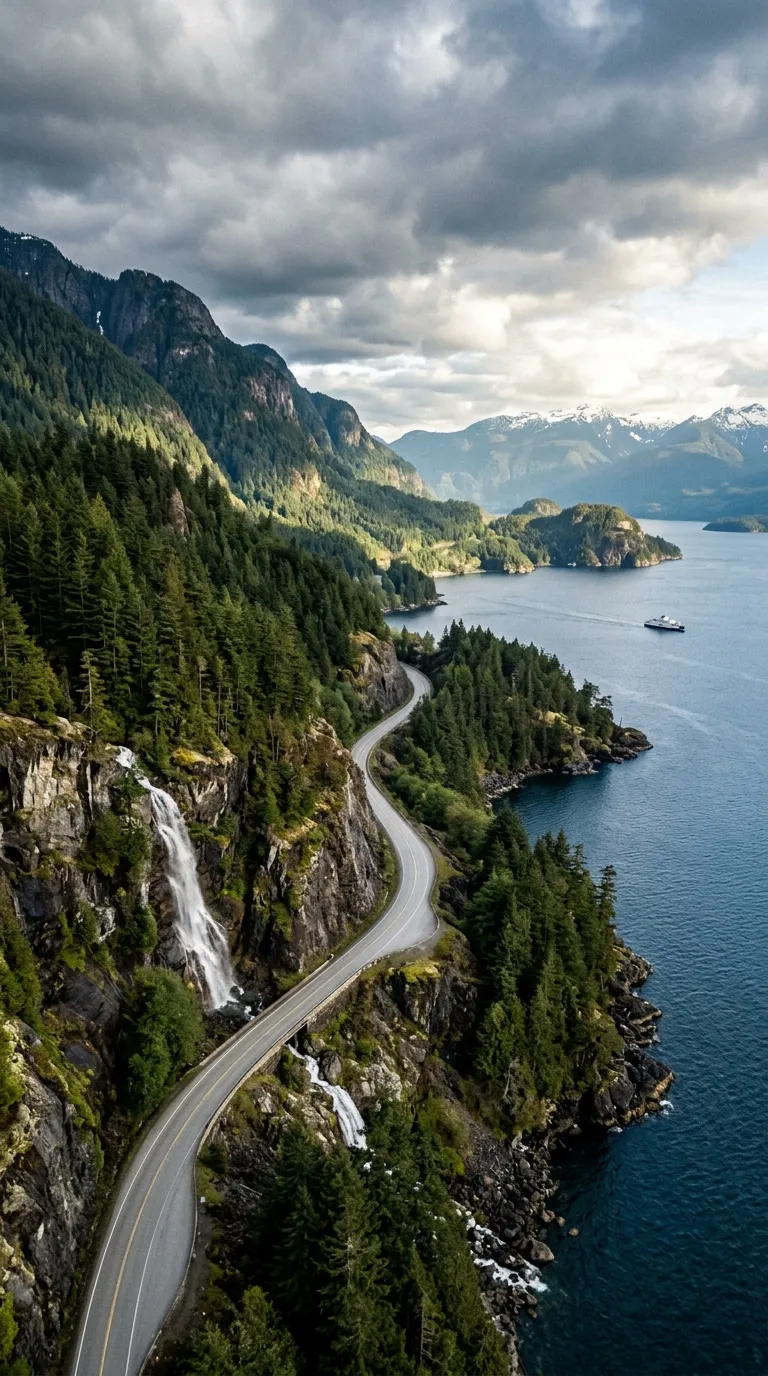
Vancouver’s location makes it an ideal base for mountains, islands and scenic highways.
Whistler
Whistler lies north of Vancouver along the Sea-to-Sky Highway. It is famous for skiing, mountain biking, alpine scenery and a lively pedestrian village.
Squamish
Squamish offers hiking, rock climbing, waterfalls and mountain viewpoints. The Sea to Sky Gondola provides elevated views without requiring a full-day summit hike.
Bowen Island
A short ferry journey leads to forest paths, beaches and the small community of Snug Cove.
Victoria
British Columbia’s capital can be reached by ferry-and-bus combinations, seaplane or organized day tours. An overnight stay is more relaxed than a rushed same-day return.
Deep Cove
This North Vancouver community offers waterfront scenery, kayaking and access to popular hiking routes.
Cypress Mountain
Cypress provides winter skiing and summer hiking close to the city.
Vancouver Island and Pacific Rim
Travelers with additional time can continue toward Vancouver Island’s west coast. Pacific Rim National Park Reserve includes Long Beach, the Broken Group Islands and the West Coast Trail, with visitor planning shaped by weather, tides, wildlife and reservation requirements.
Outdoor travelers who enjoy Vancouver’s mountain access may also appreciate the lakes, forests and seasonal adventures in this guide to Big Bear year-round.
Vancouver Attractions Comparison Table
| Attraction | Best For | Recommended Time | Cost Level | Car Needed? |
| Stanley Park | Cycling and waterfront scenery | 3–5 hours | Free to moderate | No |
| Granville Island | Food, art and shopping | 2–4 hours | Moderate | No |
| English Bay | Sunset and beach time | 1–3 hours | Free | No |
| Gastown | Architecture and dining | 1–2 hours | Free to moderate | No |
| Canada Place | Harbor views | 1 hour | Free | No |
| Capilano Bridge | Rainforest attraction | 2–3 hours | High | No |
| Lynn Canyon | Forest trails | 2–4 hours | Low | No |
| Grouse Mountain | Views and mountain activities | Half or full day | High | No |
| Kitsilano | Beaches and neighborhood cafés | Half day | Low | No |
| Richmond | Asian food | Half day | Moderate | No |
| Queen Elizabeth Park | Gardens and skyline views | 1–2 hours | Low | No |
| Commercial Drive | Food and local atmosphere | 2–4 hours | Moderate | No |
| False Creek | Walking, cycling and ferries | Half day | Low | No |
| Whistler | Alpine scenery and sports | Full day or longer | High | Helpful |
| Squamish | Hiking and mountain views | Full day | Moderate | Helpful |
| Bowen Island | Easy island escape | Full day | Moderate | No |
| Victoria | History and waterfront scenery | Full day or overnight | High | No |
The Perfect Five-Day Vancouver Itinerary
Day 1: Downtown and the Waterfront
Begin at Canada Place and walk through Coal Harbour.
Continue into Stanley Park, visit Brockton Point and follow part of the seawall. Finish at English Bay for sunset.
Day 2: Granville Island and False Creek
Take a small ferry to Granville Island.
Browse the market, eat lunch and explore the artisan shops. Continue around False Creek toward Olympic Village and Science World.
Spend the evening in Yaletown or along Main Street.
Day 3: North Vancouver
Take the SeaBus to Lonsdale Quay.
Continue to either Capilano Suspension Bridge or Lynn Canyon, then visit Grouse Mountain if time and weather permit.
Return after dark for city views across the harbor.
Day 4: Neighborhood Vancouver
Visit Queen Elizabeth Park in the morning.
Explore Commercial Drive or Main Street for lunch, then continue to Kitsilano Beach and Vanier Park.
During spring, dedicate part of the day to cherry-blossom streets and gardens.
Day 5: Choose a Day Trip
Pick one:
- Whistler
- Squamish
- Bowen Island
- Victoria
- Deep Cove
- Cypress Mountain
- Richmond food tour
BETTER-PACED OPTION
Stay six or seven days and use the extra time for both North Vancouver and a full Sea-to-Sky day trip. Vancouver becomes more enjoyable when the mountains are not squeezed between brunch and an airport transfer.
The Best Time to Visit Vancouver
Spring: March to May
Spring brings cherry blossoms, longer days and mild temperatures.
Rain remains common, but clear days can reveal snow on the mountains behind flowering streets. April is especially attractive for blossom viewing, while May usually provides better conditions for cycling and waterfront exploration.
Vancouver’s spring is considerably milder than winter in eastern Canada. Travelers considering a broader Canadian itinerary should still prepare carefully for colder regions using these practical Canada winter survival tips for Quebec and Montreal.
Summer: June to August
Summer offers the warmest and driest conditions.
Beaches become lively, mountain trails open and outdoor events fill the calendar. July and August are peak season, so accommodation prices rise and popular attractions become busy.
Wildfire smoke can occasionally affect air quality in Vancouver and surrounding regions. Check official air-quality and emergency information if smoke is present.
Autumn: September to November
September is one of the best months to visit.
Weather can remain pleasant, summer crowds begin thinning and hiking conditions are often good. October brings changing leaves and cooler evenings, while November is generally wetter.
Winter: December to February
Vancouver winters are milder than those of many Canadian cities, but they are often rainy and gray at sea level.
The mountains receive snow, creating easy access to skiing, snowshoeing and winter viewpoints. City travel remains practical, though occasional snow can disrupt roads and public transportation.
Where to Stay in Vancouver
Downtown
Best for first-time visitors who want convenient transport and easy access to major attractions.
West End
Best for Stanley Park, English Bay and a quieter residential atmosphere close to downtown.
Yaletown
Best for waterfront walks, restaurants and modern urban surroundings.
Coal Harbour
Best for upscale hotels, harbor views and immediate access to Stanley Park.
Gastown
Best for architecture, nightlife and restaurants, though exact street location matters.
Kitsilano
Best for beaches, cafés and a neighborhood stay away from downtown towers.
Mount Pleasant
Best for independent restaurants, breweries, shops and a more local atmosphere.
Richmond
Best for airport access and Asian food, though less convenient for repeated downtown sightseeing.
Vancouver Travel Budget
Vancouver is one of Canada’s more expensive cities, particularly for accommodation.
Ways to Save Money
- Stay near a SkyTrain station outside downtown
- Visit Stanley Park and beaches for free
- Use public transit rather than taxis
- Eat from markets, bakeries and food courts
- Travel in spring or autumn
- Rent a bicycle for one concentrated day
- Take SeaBus instead of a harbor cruise
- Choose Lynn Canyon over a paid suspension-bridge attraction
- Book accommodation well in advance
- Carry a refillable water bottle
Typical Cost Categories
| Expense | Budget Choice | Higher-Cost Choice |
| Accommodation | Hostel or suburban hotel | Downtown waterfront hotel |
| Meals | Food court, bakery or market | Seafood restaurant |
| Transport | Transit and walking | Rental car and taxis |
| Nature | Parks and beaches | Gondolas and guided tours |
| Day trips | Public ferry or bus | Seaplane or private excursion |
Travelers deciding between Vancouver and a warm island vacation may find this Caribbean travel guide useful for comparing weather, beaches, transportation and overall trip style.
Vancouver Packing Checklist
Year-Round Essentials
- Waterproof jacket with a hood
- Comfortable walking shoes
- Warm mid-layer
- Compact daypack
- Reusable water bottle
- Portable charger
- Sunglasses
- Sunscreen
- Travel adapter if needed
- Offline maps
Spring and Autumn
- Light waterproof trousers
- Small umbrella
- Warm sweater
- Quick-drying layers
- Shoes with good wet-weather grip
Summer
- Light clothing
- Secure sun hat
- Swimwear
- Picnic blanket
- Hiking shoes
- Insect repellent
- Light evening layer
Winter
- Insulated waterproof coat
- Warm hat and gloves
- Waterproof boots
- Thermal layer for mountain trips
- Traction aids where appropriate
- Extra socks
PACKING NOTE
Vancouver rain is often patient rather than dramatic. It may not attack, but it can accompany you for six consecutive hours like a very damp tour guide.
Frequently Asked Questions
How many days do you need in Vancouver?
Four full days are ideal for Stanley Park, Granville Island, downtown neighborhoods and North Vancouver. Add one or two days for Whistler, Victoria, Squamish or Bowen Island.
Is Vancouver worth visiting without a car?
Yes. SkyTrain, buses, SeaBus, cycling paths and passenger ferries cover most major visitor areas. A car is more useful for regional road trips than city sightseeing.
What is Vancouver best known for?
Vancouver is known for its mountain-and-ocean setting, Stanley Park, diverse food scene, beaches, outdoor activities and easy access to the North Shore.
What is the best month to visit Vancouver?
June and September offer an excellent combination of comfortable weather, long daylight and slightly lighter crowds. July and August provide the warmest conditions but cost more.
Does it rain every day in Vancouver?
No, but rain is common from autumn through spring. Summer is generally drier. Conditions can vary considerably from one day to the next.
Is Vancouver expensive?
Yes, especially for hotels, restaurant dining and paid mountain attractions. Transit, beaches, parks and self-guided neighborhood walks help control costs.
Is Stanley Park free?
Entry to Stanley Park is free. Bicycle rental, parking, attractions and food cost extra.
Is Capilano Suspension Bridge worth it?
It is worthwhile for travelers who want a polished rainforest attraction with multiple elevated walkways. Budget travelers and hikers may prefer Lynn Canyon.
Which is better, Whistler or Victoria?
Whistler is better for mountains, skiing and alpine activities. Victoria is better for historic architecture, gardens and a relaxed waterfront atmosphere.
Can you see the northern lights from Vancouver?
Occasional displays are possible during strong solar activity, but Vancouver is not a reliable aurora destination because of latitude, cloud cover and urban light.
Can you ski near Vancouver?
Yes. Grouse, Cypress and Mount Seymour provide winter activities near the city. Whistler Blackcomb offers a much larger mountain destination farther north.
Is Vancouver good for solo travel?
Yes. Its walkability and public transit make independent exploration practical. Standard city precautions and proper preparation for solo hiking are still essential.
Final Thoughts
Vancouver does not force visitors to choose between a city break and a nature trip.
It gives you both, sometimes within the same photograph.
A bicycle path leaves downtown and enters rainforest. A commuter ferry becomes a harbor cruise. A beach sunset unfolds beneath mountains where people were skiing hours earlier. Even the rain adds something, polishing streets, darkening cedar trunks and lowering clouds until the city seems tucked inside the landscape.
The temptation is to plan every hour.
Leave some space.
Walk farther along the seawall than intended. Take the SeaBus simply because the mountains look clear. Follow the smell of baking bread through Granville Island. Sit at English Bay until the sky loses its color and the towers begin reflecting in the water.
Vancouver’s greatest luxury is not a waterfront hotel or a mountain restaurant.
It is proximity.
Ocean, forest, food, neighborhoods and alpine scenery all sit close enough to share one itinerary, yet each feels capable of becoming an entire journey.