17 Most Beautiful Places to Visit in England That Feel Straight Out of a Storybook
England is a country of quiet surprises.
London announces itself with royal palaces, cathedral domes and red buses gliding through streets layered with history. Beyond the capital, however, England changes costumes repeatedly. Honey-colored villages appear between green hills. Medieval walls encircle northern cities. White cliffs drop into the sea, ancient castles rise above beaches and mountain roads curl beside lakes dark enough to hold every cloud.
The distances look manageable on a map, but England rewards travelers who resist racing through it.
A single week could disappear among Cotswold footpaths and village tearooms. The Lake District could consume another in a blur of stone cottages, windswept ridges and ferry rides. Cornwall feels almost like a separate country, shaped by Atlantic weather, fishing harbors and subtropical gardens.
This guide explores the best England travel destinations, including major cities, national parks, coastal escapes and villages that seem to have slipped out of another century. It also includes a practical itinerary, a comparison table, transportation guidance, seasonal advice, a packing checklist and warnings that can prevent your dreamy countryside escape from becoming a damp logistical pudding.
Recommended Travel Items for Your Trip
ENGLAND AT A GLANCE
Best overall months: May, June and September
Best for countryside walks: Late April through October
Best for coastal travel: June through early September
Best for Christmas atmosphere: Late November through December
Ideal first trip: 10 to 14 days
Main international gateway: London
Best first-time route: London, Bath, the Cotswolds and York
Best national park for scenery: Lake District
Best region for villages: The Cotswolds
Currency: British pound sterling
Why England Deserves More Than a London Weekend
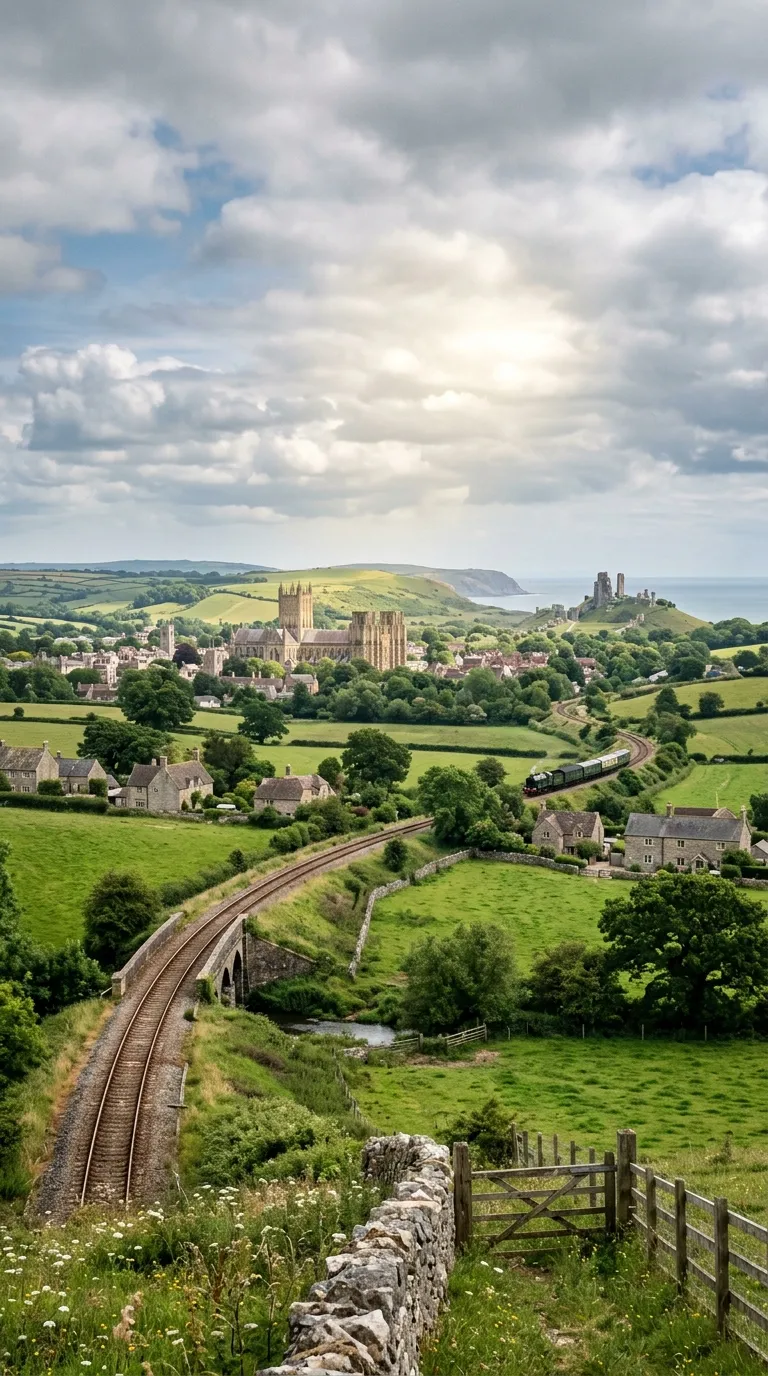
London may be England’s most famous destination, but it represents only one chapter of the country.
The official tourism board highlights everything from the Lake District and Cornish coast to historic cities, villages and national parks. England’s travel appeal is unusually broad, combining major cultural centers with rural landscapes that can feel remote despite being only a few hours from the capital.
History is everywhere, but rarely sealed neatly behind museum glass.
Roman walls still shape cities. Medieval streets function as shopping districts. Castles overlook working farms and coastal paths. Old railway stations connect travelers to mountain valleys, cathedral towns and seaside resorts.
England is also one of Europe’s easiest countries to explore without a car. The national rail network connects major cities and many regional destinations, while National Rail provides journey planning, live service information and disruption updates.
The Best Places to Visit in England
1. London
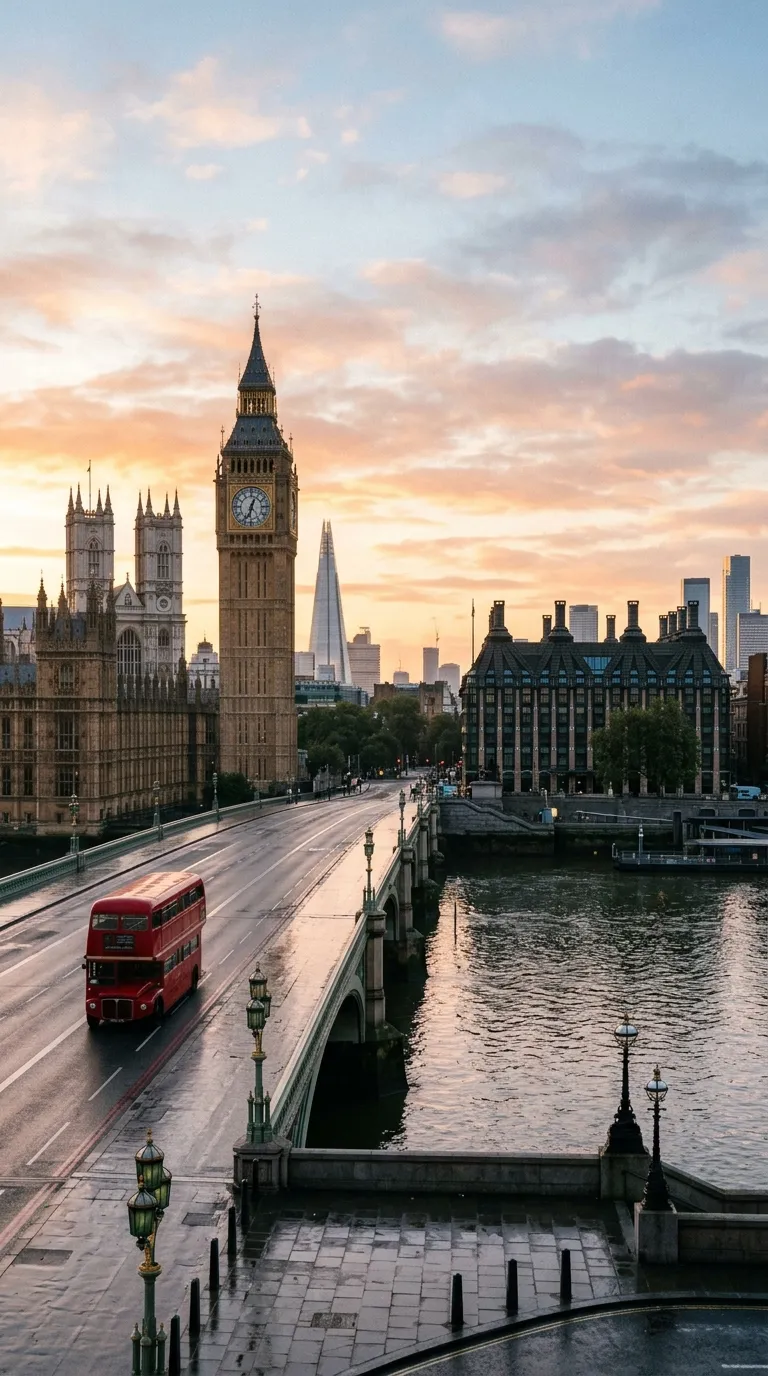
London is not one destination. It is several cities stitched together by the Underground, the Thames and a shared inability to agree on what counts as the center.
Westminster offers the ceremonial version of England, with Parliament, Westminster Abbey and royal parks. The City of London holds Roman remains, medieval churches and glass towers. Camden brings markets and music, while Greenwich offers maritime history and broad riverside views.
Best Things to Do in London
- Visit Westminster Abbey
- Walk from Parliament to Trafalgar Square
- Explore the Tower of London
- Cross Tower Bridge
- Visit the British Museum
- Walk along the South Bank
- Explore Covent Garden
- Spend an afternoon in Greenwich
- Wander through Notting Hill
- Visit one of the city’s major parks
- Explore a neighborhood market
How Long to Stay
Allow at least four full days for a first visit. Five or six days provide a better balance between famous landmarks and neighborhood exploration.
LONDON TRANSPORT TIP
Contactless payment and Oyster cards can be used across much of London’s public transport network, including many rail journeys within the city.
Do Not Overplan
London distances can be deceptive. Two attractions that appear close on a map may involve crowds, queues and enough museum corridors to age a sandwich.
Choose one main area each morning and allow the city to interrupt you.
2. Bath
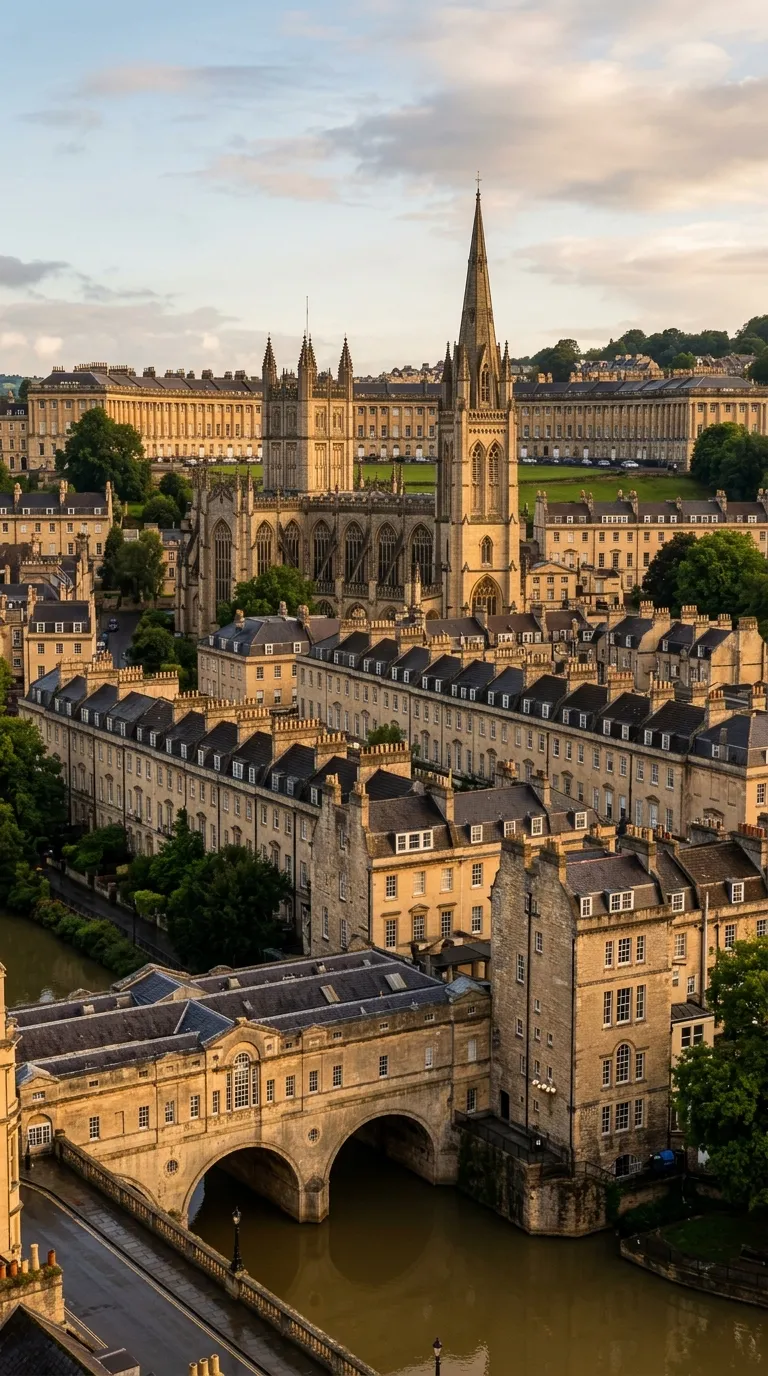
Bath looks as though someone carved an entire city from warm honey-colored stone and then polished it with centuries of drizzle.
The city is famous for its Roman bathing complex, Georgian architecture and elegant crescents. Yet Bath’s appeal is not limited to individual landmarks. Its streets, hills and terraces create a remarkably complete historic atmosphere.
Do Not Miss
- The Roman Baths
- Bath Abbey
- Pulteney Bridge
- The Royal Crescent
- The Circus
- Prior Park Landscape Garden
- The riverside walk
- The independent shops around Walcot Street
Bath is compact enough to explore on foot, though several neighborhoods climb steeply above the center.
Ideal Stay
Spend two nights. Day-trippers often leave before the evening, when the streets become quieter and the buildings soften in golden light.
3. The Cotswolds
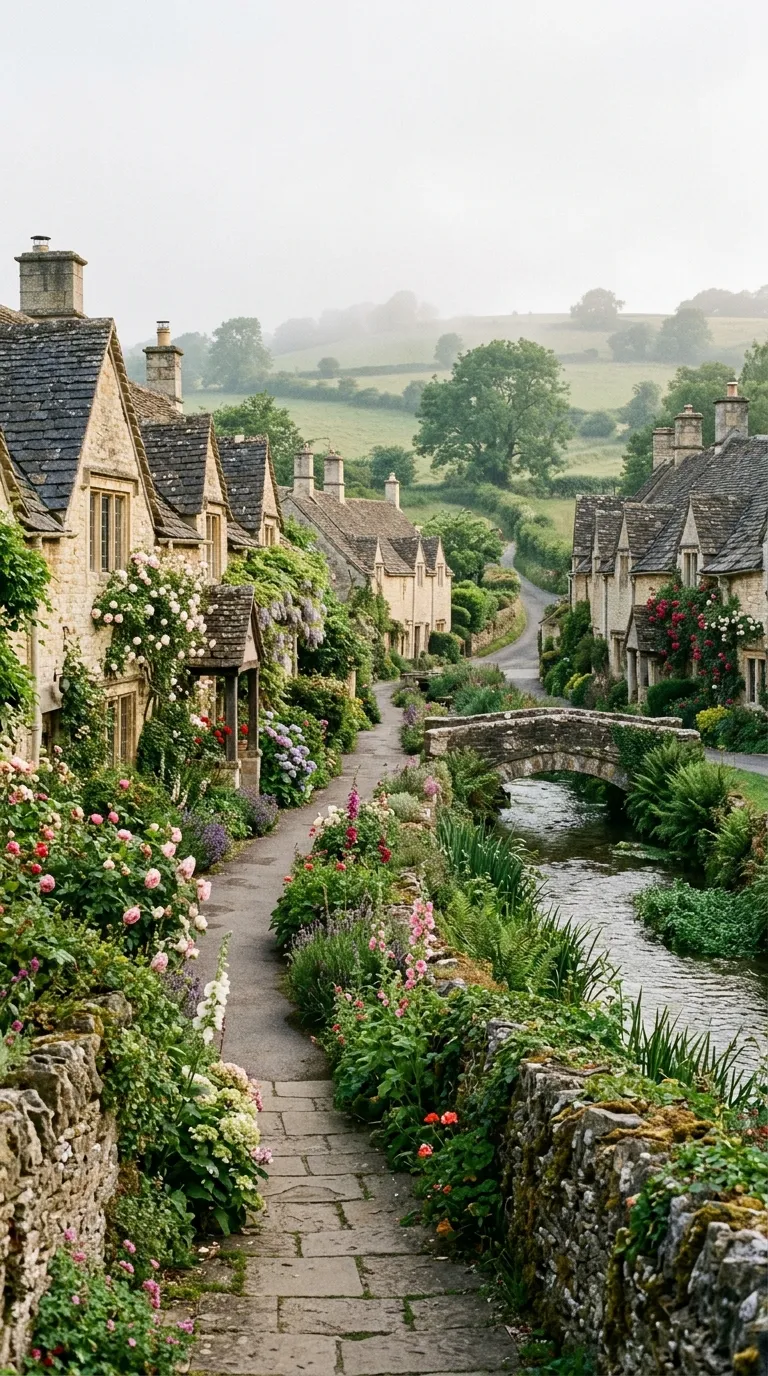
The Cotswolds have become the visual shorthand for rural England.
Rolling fields are divided by dry-stone walls. Church towers rise above villages built from creamy limestone. Narrow roads pass ancient pubs, manor houses and cottages whose gardens appear to have negotiated directly with every flower.
The region is spread across several counties, so seeing it properly requires more than driving to one famous village and performing a brief photographic inspection.
The Best Cotswold Villages
Castle Combe: A beautifully preserved village with stone cottages and a small river
Bibury: Known for Arlington Row and its riverside setting
Bourton-on-the-Water: Picturesque and popular, with low bridges across the River Windrush
Stow-on-the-Wold: An old market town with inns, antique shops and historic streets
Lower Slaughter: A quieter village with a stream and old mill
Broadway: A handsome village near Broadway Tower
Painswick: Known for churchyard yew trees and elegant stone buildings
Chipping Campden: One of the region’s most attractive historic market towns
How Long to Stay
Three nights provide enough time to explore several villages without spending the entire trip in a vehicle.
Travelers captivated by Europe’s small settlements may also enjoy these charming villages in Spain, where stone lanes, whitewashed houses and dramatic hilltop settings create a warmer southern counterpart to the English countryside.
COTSWOLDS WARNING
The most famous villages become busy on sunny weekends and summer afternoons. Stay overnight, begin early and include quieter villages rather than building the whole trip around Bibury and Bourton-on-the-Water.
4. Oxford
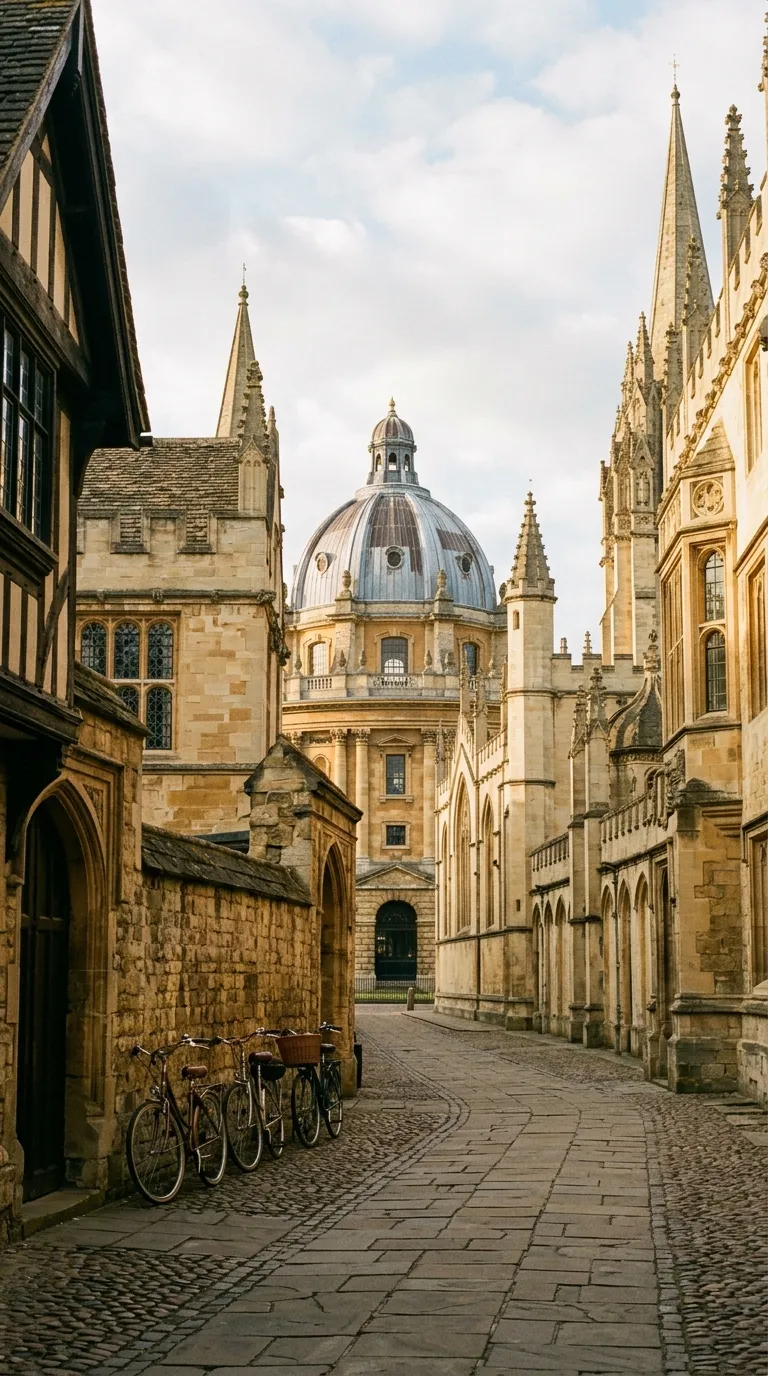
Oxford is a city of towers, cloisters and bicycles traveling with alarming confidence.
The university is not one single campus. Its historic colleges, libraries and courtyards are distributed throughout the city center, creating a layered urban landscape where medieval stone meets lively student streets.
Best Things to Do
- Visit the Bodleian Library
- See the Radcliffe Camera
- Tour Christ Church
- Walk through college courtyards
- Visit the Ashmolean Museum
- Explore the Covered Market
- Walk beside the River Cherwell
- Go punting
- Climb a central tower for city views
The Radcliffe Camera and surrounding university buildings are among England’s most photographed architectural scenes, especially in early morning and evening light.
Best Trip Style
Oxford works as a day trip from London, but one overnight stay reveals a calmer city after tour groups depart.
5. Cambridge
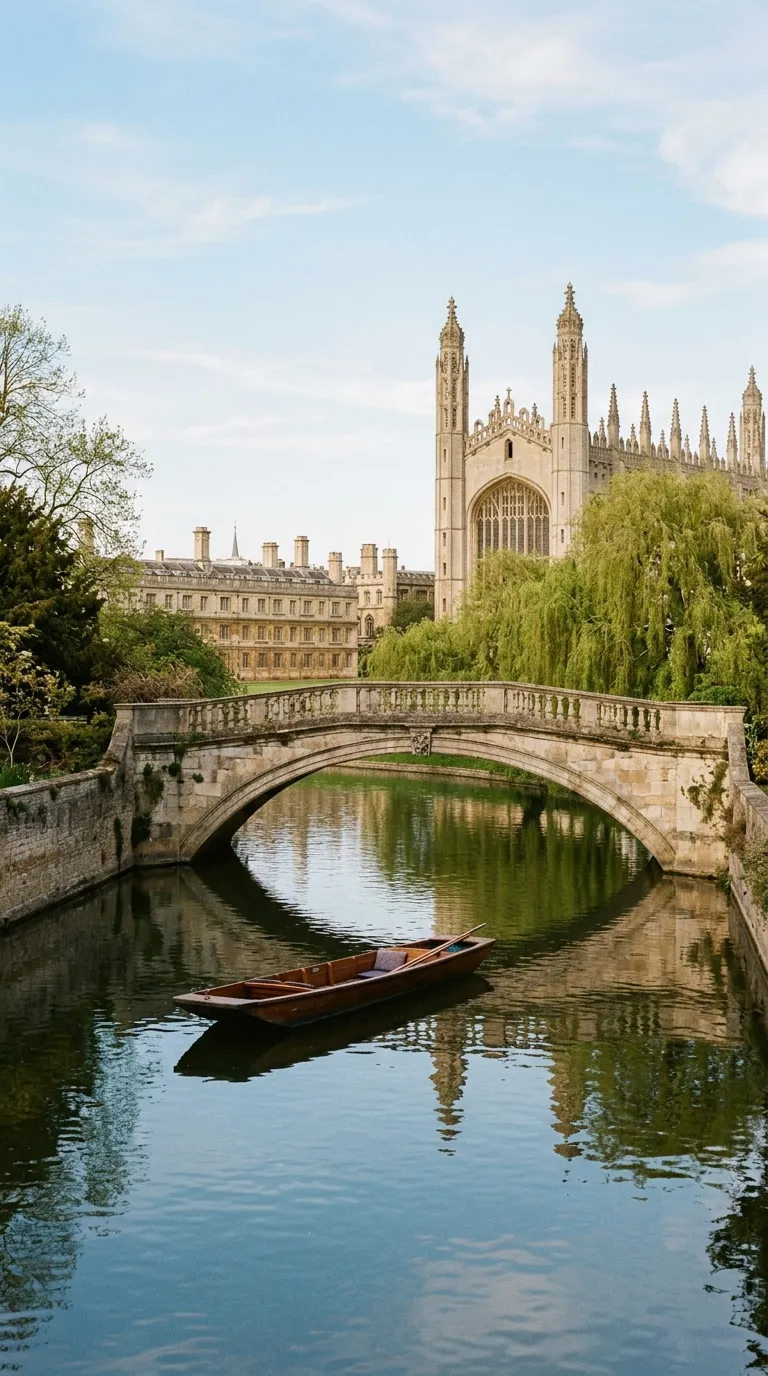
Cambridge is Oxford’s softer, greener rival.
College buildings line the River Cam, where punts pass beneath bridges and willow trees. The city feels more intimate than Oxford, though equally rich in historic architecture and academic tradition.
Highlights
- King’s College Chapel
- The Backs
- Trinity College surroundings
- The Mathematical Bridge
- Punting on the River Cam
- The Fitzwilliam Museum
- Independent shops around the center
- Riverside walks toward Grantchester
Avoid treating punting as a competitive sport unless you are prepared to rotate slowly beneath a bridge while strangers offer unrequested coaching.
6. York
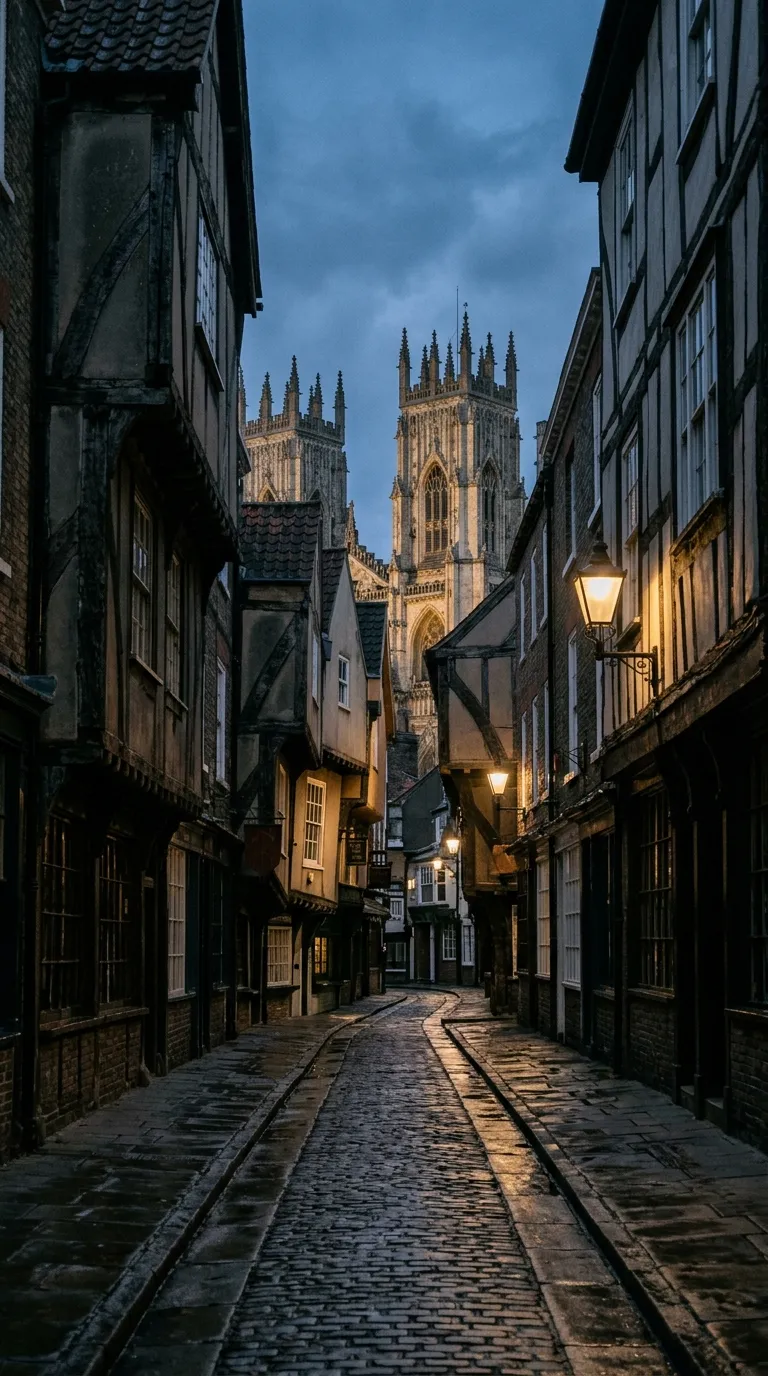
York is one of England’s finest historic cities.
Its medieval walls encircle a center of narrow lanes, timber-framed buildings and major landmarks. York Minster dominates the skyline, while the Shambles bends through the old city beneath overhanging upper stories.
VisitEngland regularly highlights York among England’s strongest historic city-break destinations.
Best Things to Do in York
- Visit York Minster
- Walk the medieval city walls
- Explore the Shambles
- Visit the National Railway Museum
- Walk beside the River Ouse
- Explore the remains of York Castle
- Visit smaller medieval churches
- Join an evening history or ghost walk
- Explore the snickelways
Ideal Stay
Two nights are perfect for most visitors.
York also makes a practical base for visiting Castle Howard, the North York Moors and nearby villages.
7. The Lake District
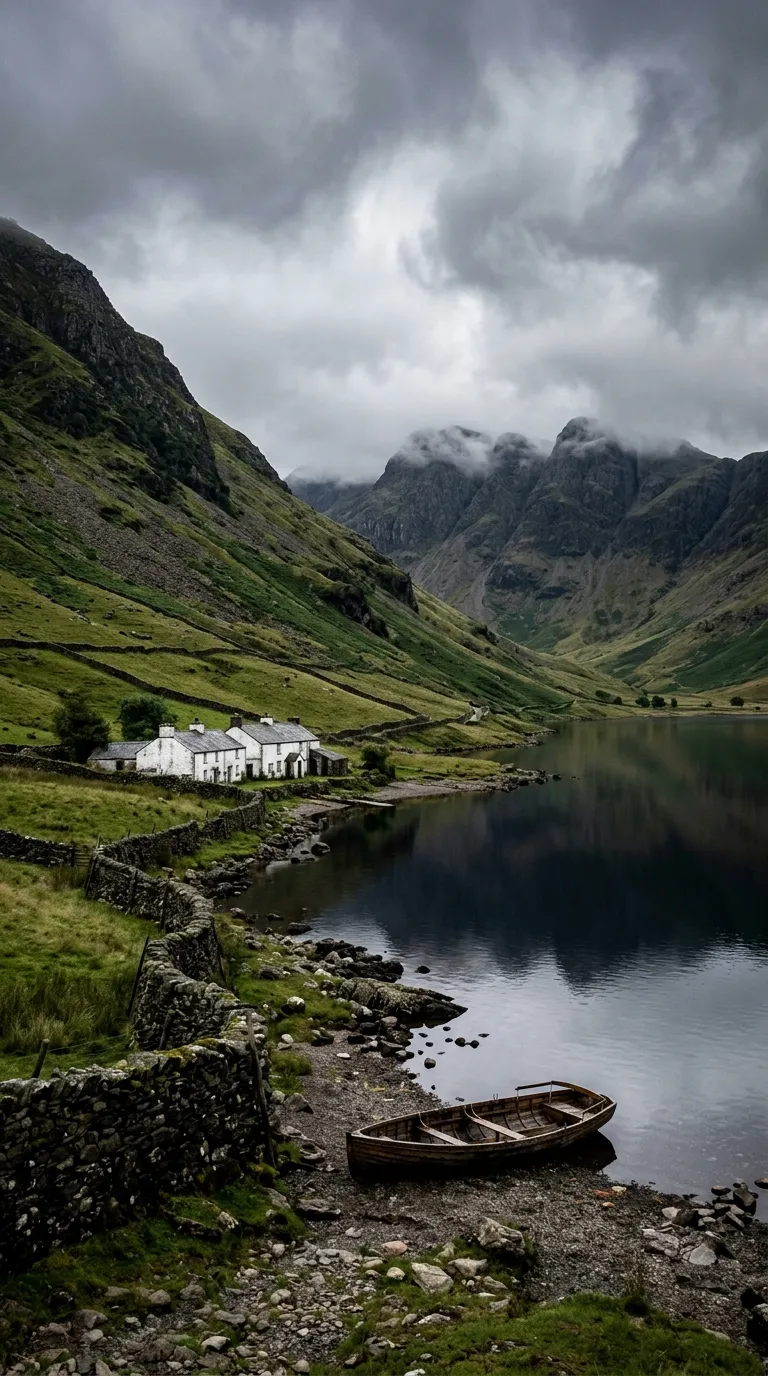
The Lake District is England at its most mountainous and poetic.
Lakes stretch beneath ridges, stone walls divide green valleys and whitewashed farms sit beneath slopes frequently rearranged by cloud. The landscape inspired generations of writers and artists, but it is not a delicate museum piece. It is wet, working countryside shaped by farming, tourism and weather.
VisitEngland identifies the Lake District as one of the defining landscapes of northwest England.
Best Bases
Keswick: Best for Derwentwater and northern walking routes
Ambleside: Central and convenient for several lakes
Windermere and Bowness: Best for transport, boat trips and first-time visits
Grasmere: Smaller, scenic and strongly connected with literary history
Coniston: Quieter, with excellent walking and water access
Best Experiences
- Cruise across Windermere
- Walk around Derwentwater
- Hike Catbells
- Visit Grasmere
- Explore Buttermere
- Drive or tour Honister Pass
- Visit Castlerigg Stone Circle
- Walk around Tarn Hows
- Explore the Langdale valleys
- Stay in a stone village inn
How Long to Stay
Allow at least three nights. Five nights are better for walkers because poor weather may consume an entire day with magnificent indifference.
The valley walks here feel very different from the vertical drama of Switzerland, but travelers who enjoy waterfalls and mountain villages should also read about this Lauterbrunnen Valley walk.
HIKING WARNING
Lake District weather changes rapidly. Carry waterproof clothing, warm layers, food, water and navigation appropriate for the route. A sunny café terrace is not reliable evidence that the summit is feeling cooperative.
8. The Yorkshire Dales
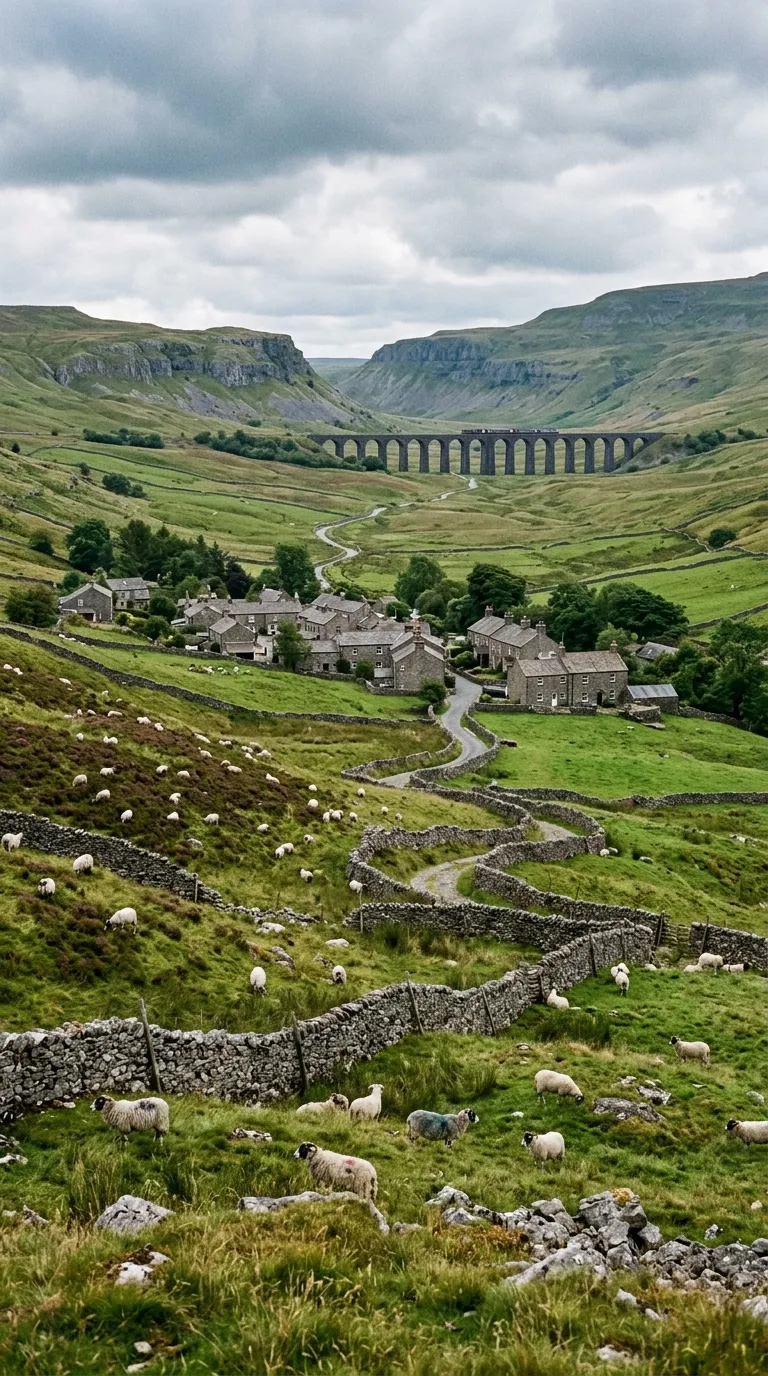
The Yorkshire Dales offer a quieter, more agricultural version of northern England.
Limestone cliffs, dry-stone walls, waterfalls and broad valleys surround villages built from gray stone. Sheep occupy the landscape with the confidence of hereditary landowners.
Best Places to Explore
- Malham Cove
- Gordale Scar
- Aysgarth Falls
- Grassington
- Hawes
- Wensleydale
- Ribblehead Viaduct
- Ingleton Waterfalls Trail
- Swaledale
The Dales are ideal for travelers who want walking, village pubs and scenic drives without the Lake District’s busiest bottlenecks.
Best Base
Grassington works well for a first visit, while Hawes provides excellent access to the northern valleys.
9. Cornwall
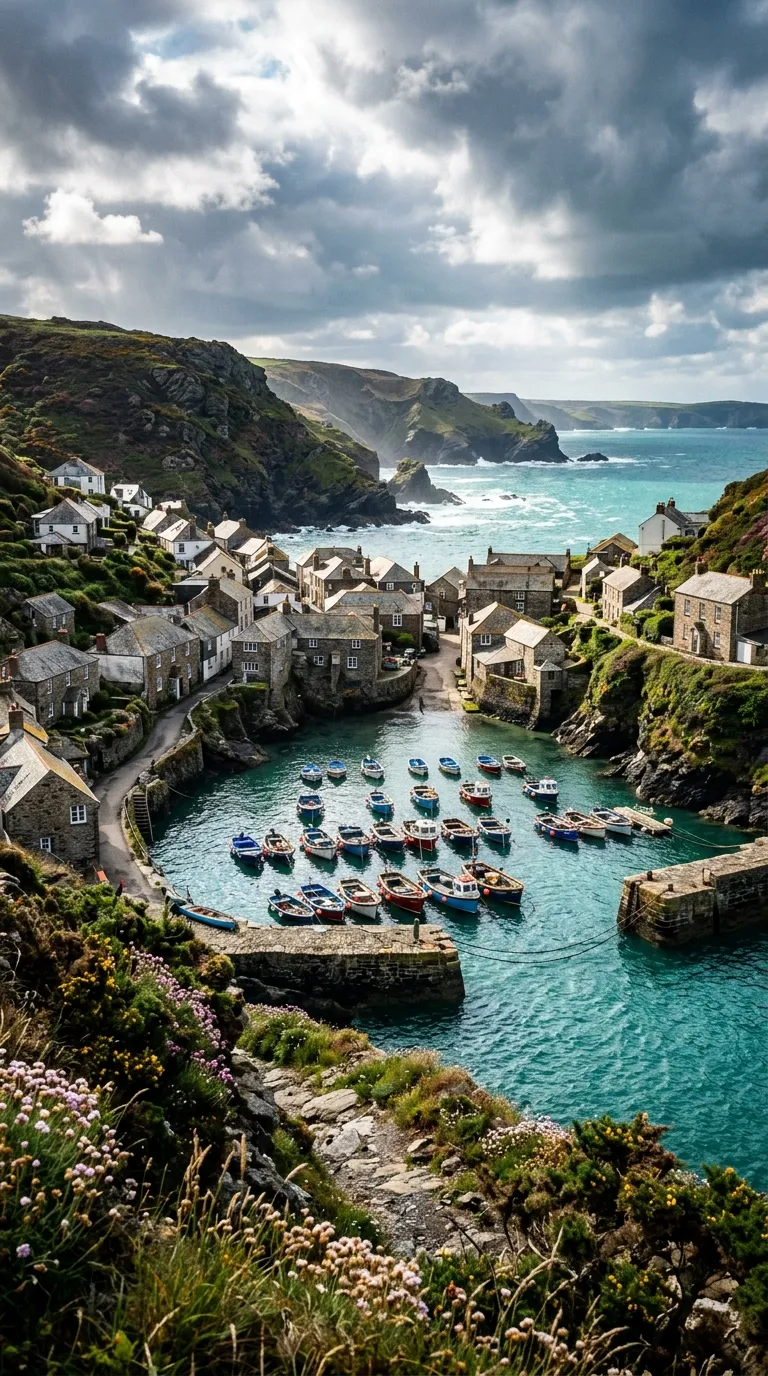
Cornwall feels physically and culturally distinct from much of England.
The peninsula stretches into the Atlantic, producing cliffs, fishing villages, sandy coves and weather that can change from sparkling Mediterranean illusion to horizontal rain before lunch.
VisitEngland promotes Cornwall as one of southwest England’s principal coastal destinations, alongside Devon, Dorset and Somerset.
Best Places in Cornwall
St Ives: Art, beaches and narrow streets
Mousehole: A compact fishing village with a sheltered harbor
Falmouth: Maritime history and a lively waterfront
Tintagel: Dramatic cliffs and legendary castle associations
Boscastle: A small harbor village between steep slopes
Porthcurno: Turquoise water, cliffs and the open-air Minack Theatre
Padstow: A popular harbor town and food destination
The Lizard: Wild coastal scenery at Britain’s southernmost mainland point
St Michael’s Mount: A tidal island reached by causeway when conditions allow
How Long to Stay
Four to six nights are ideal. Cornwall is farther from London than many first-time visitors expect, and rural public transport can require careful planning.
TIDE WARNING
Beaches, causeways and coastal paths may become dangerous or inaccessible as tides rise. Check tide times locally and never assume a visible route will still exist when you return.
10. The Jurassic Coast
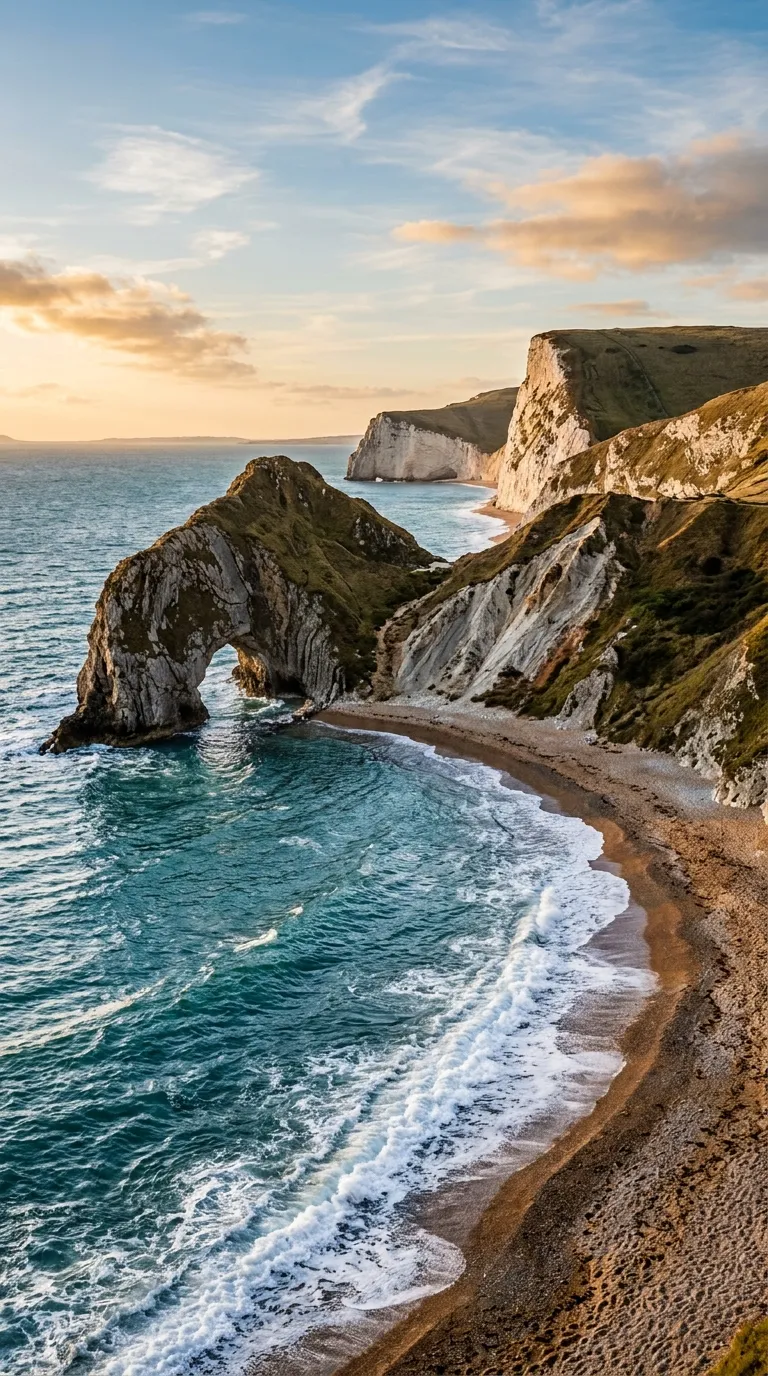
The Jurassic Coast stretches across Dorset and into Devon, combining cliffs, arches, beaches and geological layers shaped across vast stretches of time.
Durdle Door is the most famous formation, but the wider coastline contains many rewarding stops.
Highlights
- Durdle Door
- Lulworth Cove
- Old Harry Rocks
- West Bay
- Chesil Beach
- Lyme Regis
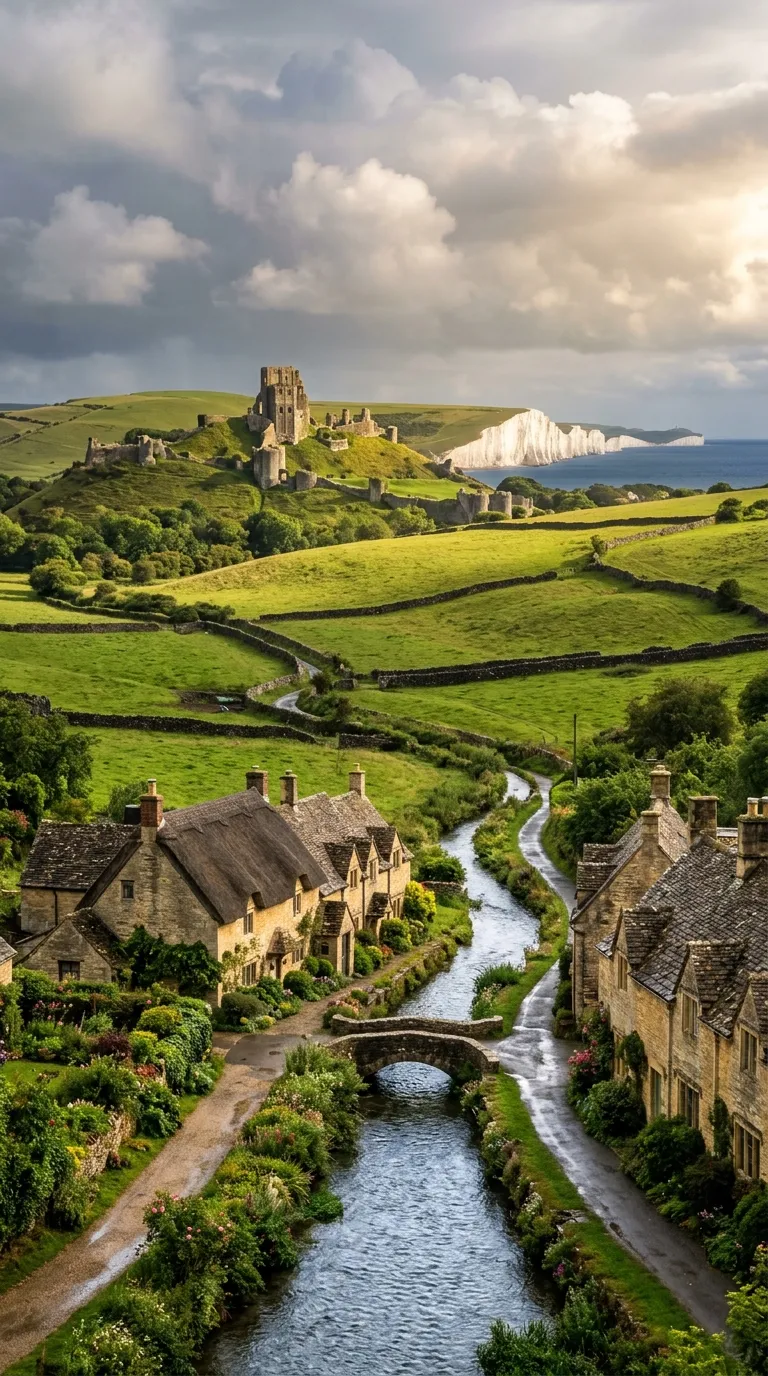
- Corfe Castle
- Studland Bay
Corfe Castle is one of England’s most atmospheric ruins. The National Trust describes it as a major survivor of the English Civil War, partially demolished in 1646 and positioned above wide views across Purbeck.
Best Base
Stay in Swanage, Wareham or Lyme Regis, depending on which part of the coast you want to explore.
CLIFF WARNING
Cliff edges can collapse without warning, particularly after heavy rain or erosion. Stay behind barriers and avoid standing directly beneath unstable cliffs.
11. Brighton
Brighton is England’s most flamboyant seaside city.
The Royal Pavilion introduces a burst of domes and decorative architecture, while the lanes behind the seafront contain independent shops, cafés and older buildings. The beach is pebbled rather than sandy, and the sea has no obligation to be warm.
Best Things to Do
- Visit the Royal Pavilion
- Explore The Lanes
- Walk along the seafront
- Visit Brighton Palace Pier
- Browse North Laine
- Walk toward Hove
- Explore the city’s food scene
- Take a day trip to the South Downs
Brighton is easily reached by train from London and works as either a day trip or a two-night coastal break.
12. The Seven Sisters and South Downs
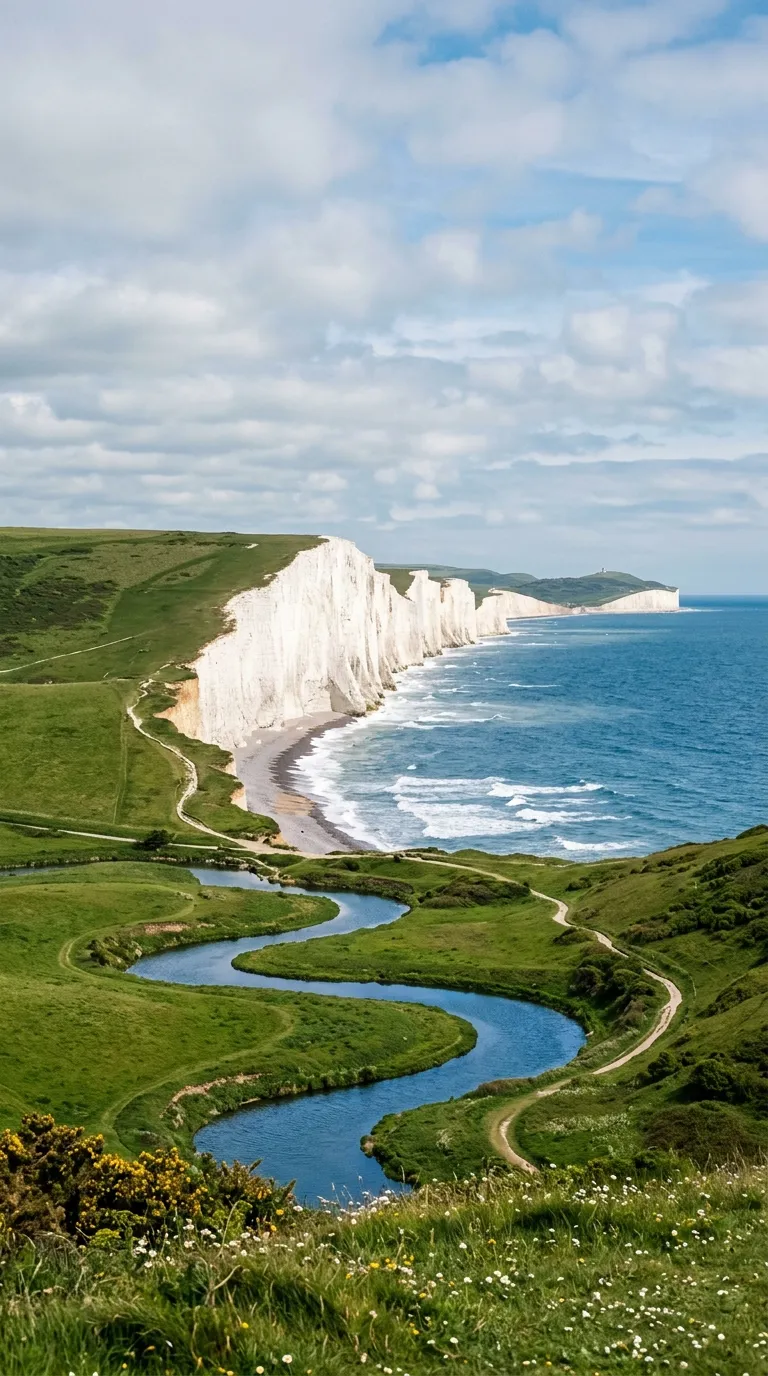
The Seven Sisters are a chain of white chalk cliffs rising above the English Channel.
Unlike more developed coastal viewpoints, much of the surrounding landscape remains open and grassy. Walking routes pass over rolling downs and reveal repeated views of cliffs, sea and river valleys.
Best Viewpoints
- Seaford Head
- Cuckmere Haven
- Birling Gap
- Beachy Head
- South Downs Way sections
The South Downs are accessible from London and Brighton, making this one of England’s easiest dramatic countryside escapes without a long road trip.
Best Time to Visit
Late spring and early autumn bring comfortable walking conditions and softer light. Summer weekends can be busy.
13. The Peak District
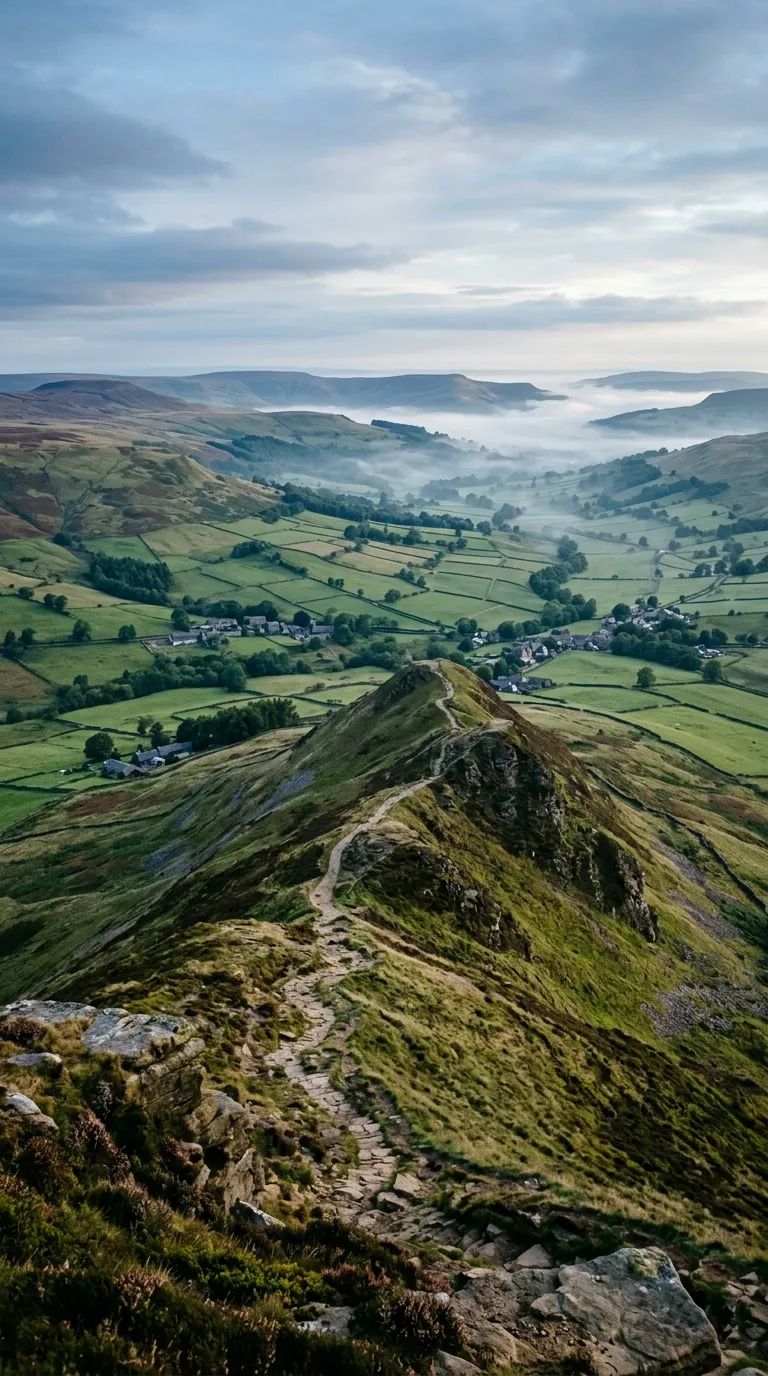
The Peak District lies between major northern and Midlands cities, yet its valleys, moors and villages feel wonderfully removed.
The southern White Peak contains limestone dales, green fields and stone villages. The northern Dark Peak offers exposed moorland, gritstone edges and darker, rougher scenery.
Best Places to Explore
- Castleton
- Mam Tor
- Edale
- Bakewell
- Dovedale
- Stanage Edge
- Monsal Head
- Chatsworth House
- Hathersage
Chatsworth combines a grand historic house with extensive gardens and surrounding estate landscapes. England’s tourism material regularly presents the wider area as one of the country’s premier countryside escapes.
Best For
The Peak District is ideal for a weekend of walking, villages and historic estates without traveling as far as the Lake District.
14. Northumberland
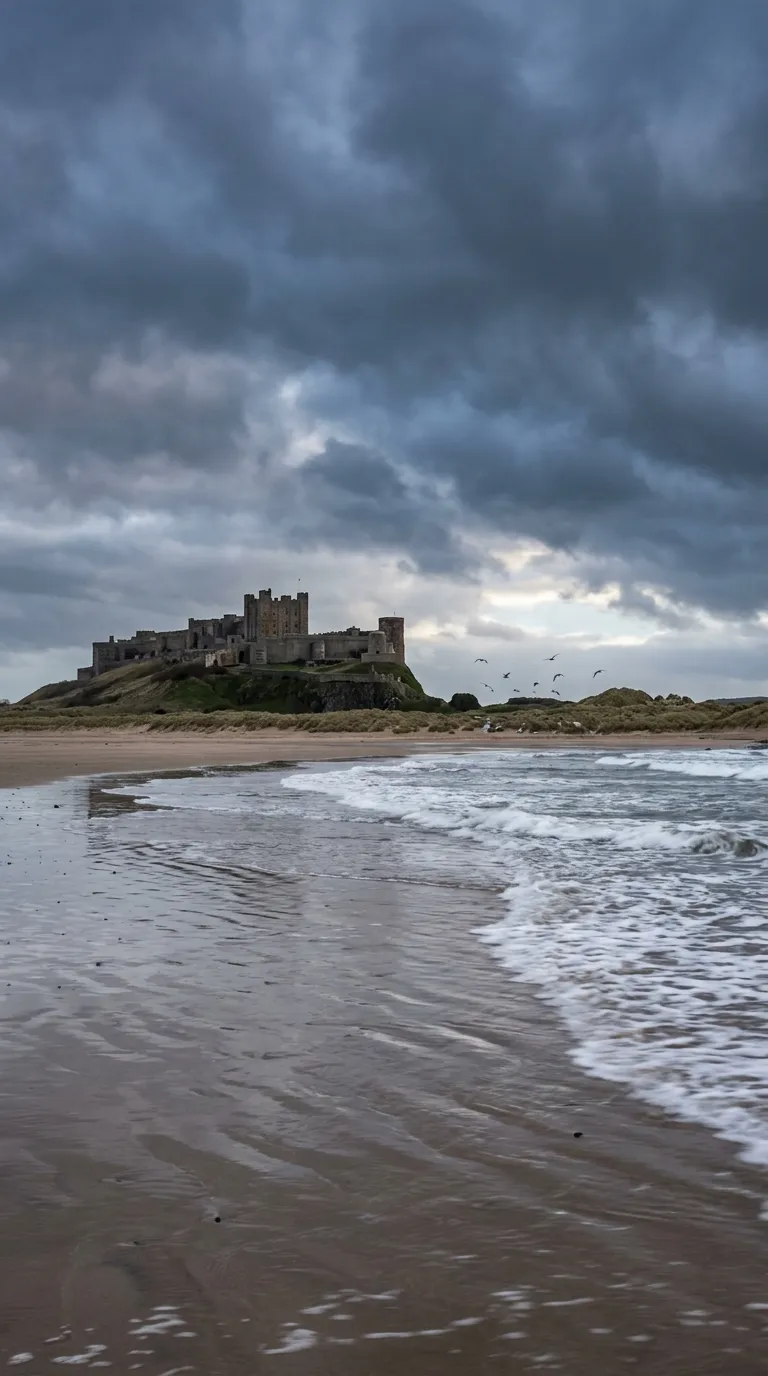
Northumberland feels like England’s northern frontier.
Ruined castles overlook beaches. Hadrian’s Wall crosses lonely hills. Offshore islands hold seabird colonies and monastic history, while vast skies create some of the country’s most spacious landscapes.
Best Places to Visit
- Bamburgh Castle
- Alnwick Castle
- Holy Island of Lindisfarne
- Hadrian’s Wall
- Dunstanburgh Castle
- Craster
- Seahouses
- Northumberland National Park
The National Trust describes Dunstanburgh as one of northern England’s largest fortifications, dominating the surrounding coastline.
Holy Island Warning
The road to Lindisfarne crosses a tidal causeway. Crossing times are strictly controlled by the tide.
Never follow another vehicle blindly. Cars become surprisingly poor boats.
15. Canterbury and Kent
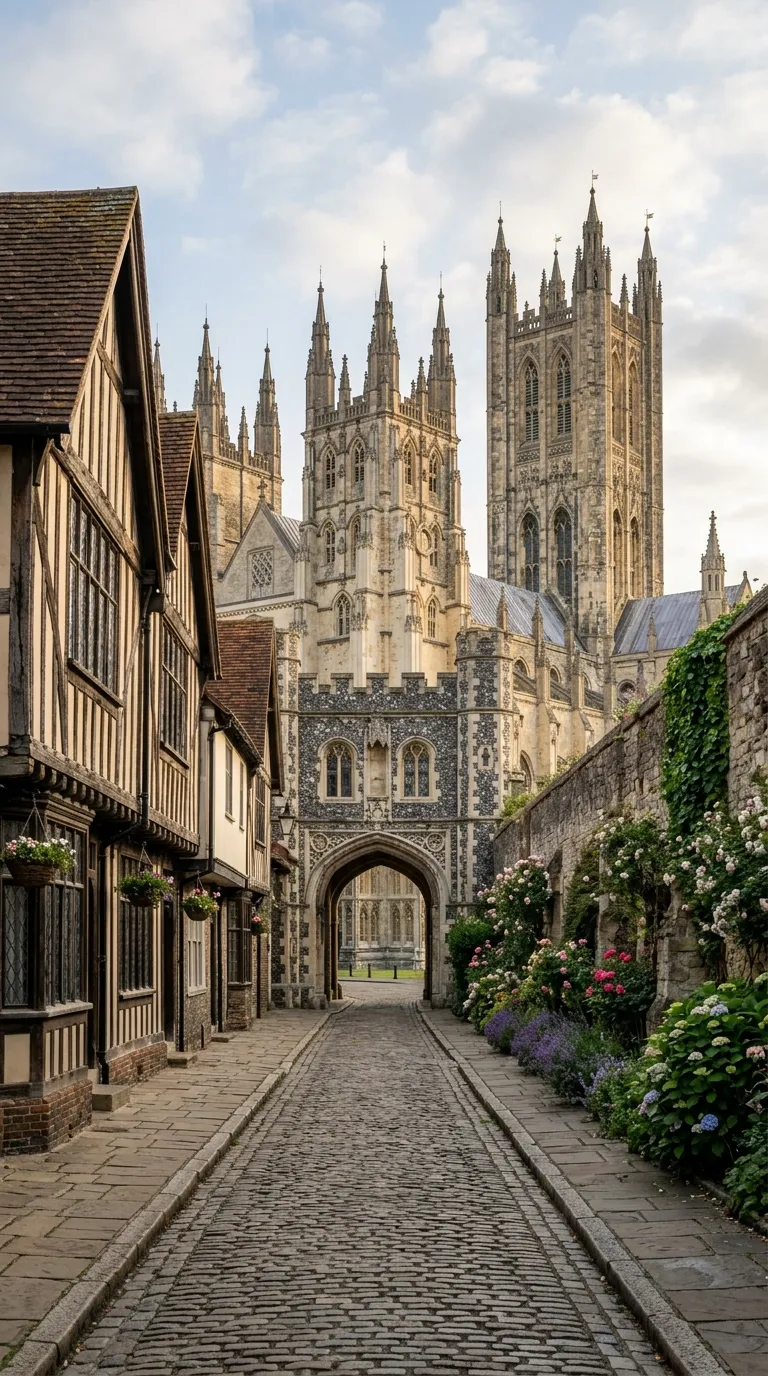
Canterbury is one of England’s most important historic cathedral cities.
Its old center contains medieval lanes, timber-framed buildings and remnants of city walls. Canterbury Cathedral remains the principal landmark, but the broader region of Kent offers castles, gardens, coastline and villages.
The National Trust describes Kent as a region of castles, major historic houses, ancient woodland and dramatic coast.
Combine Canterbury With
- Dover Castle
- White Cliffs of Dover
- Whitstable
- Sissinghurst Castle Garden
- Leeds Castle
- Rye
- Sandwich
- Broadstairs
Kent works particularly well for travelers who want history and countryside without venturing far from London.
16. Stratford-upon-Avon and Warwickshire
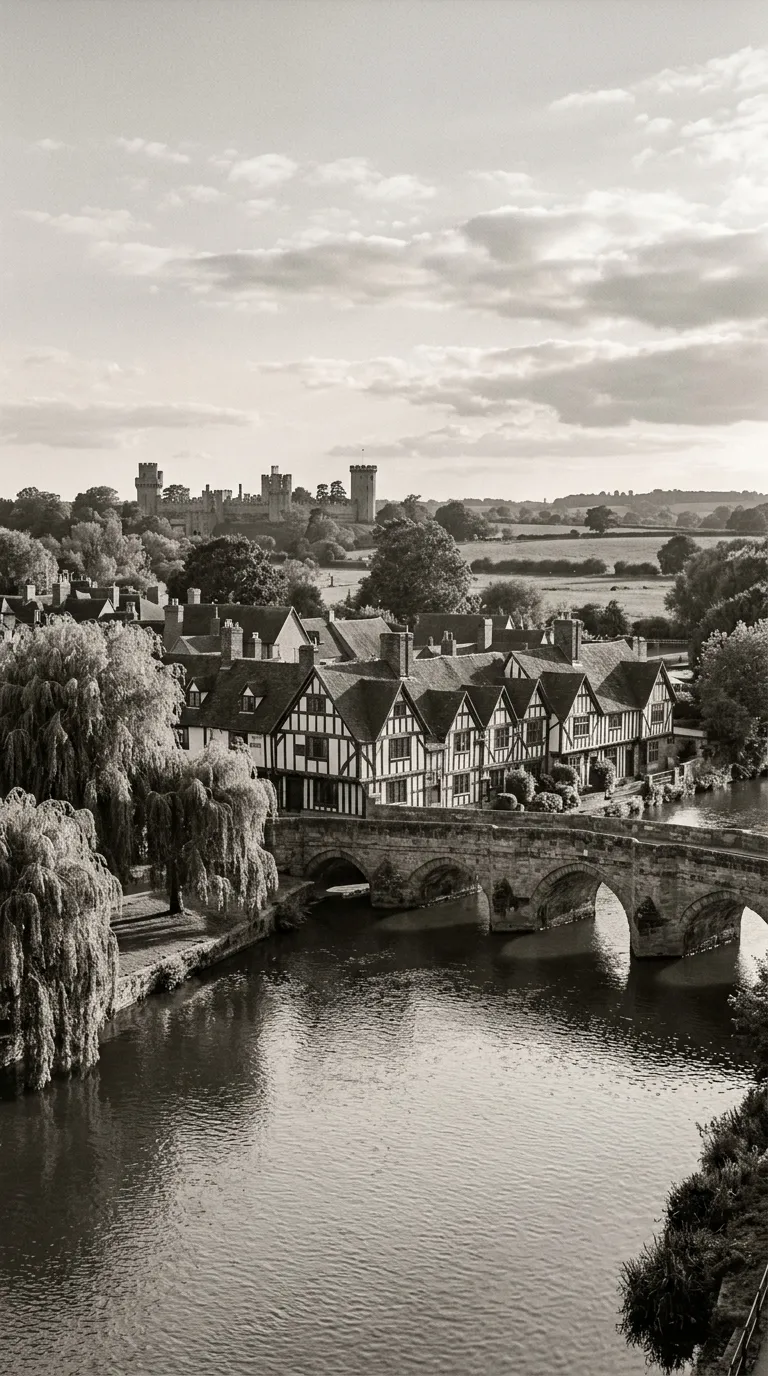
Stratford-upon-Avon is closely associated with William Shakespeare, but the town offers more than literary pilgrimage.
Half-timbered buildings, riverside walks and historic homes create a compact and attractive center. Nearby Warwick Castle introduces battlements, towers and centuries of military and royal history.
Best Experiences
- Visit Shakespeare-related historic houses
- Walk beside the River Avon
- Attend a performance
- Explore the old town
- Visit Warwick Castle
- Continue into nearby countryside and villages
Historic castles across England range from early ruins to fortified medieval strongholds and richly furnished residences.
Stratford can be visited on a day trip, but staying overnight creates time for an evening performance and a slower river walk.
17. Devon and Dartmoor
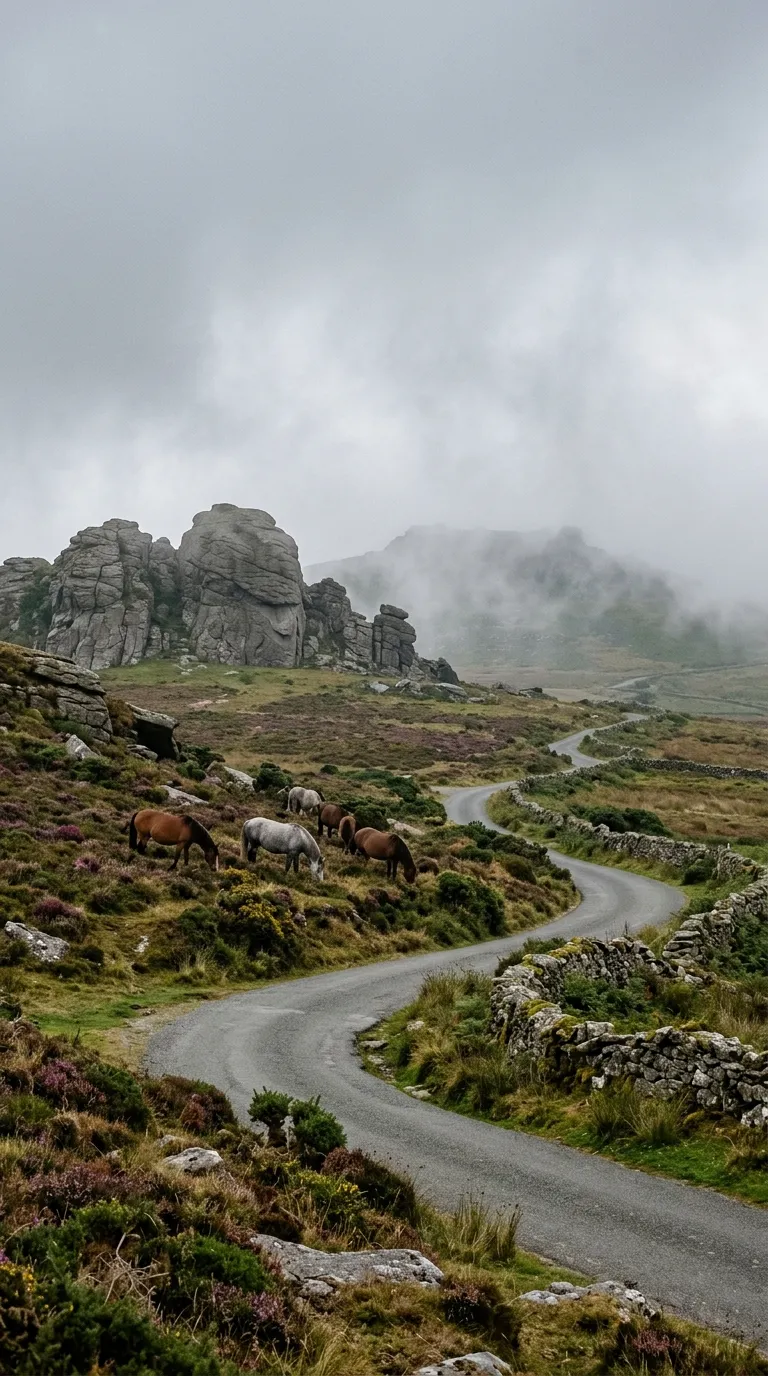
Devon combines two coastlines, fishing villages, green countryside and the open moorland of Dartmoor.
North Devon offers cliffs, surf beaches and broad bays. South Devon feels gentler, with estuaries, harbor towns and sheltered coves. Inland, Dartmoor introduces granite tors, ponies and roads crossing landscapes that can become enveloped by mist within minutes.
Best Places to Visit
- Dartmoor National Park
- Salcombe
- Dartmouth
- Clovelly
- Woolacombe
- Ilfracombe
- Totnes
- Exeter
- Lynmouth and Lynton
- English Riviera towns
VisitEngland includes Devon among southwest England’s major destinations for beaches, countryside and coastal breaks.
Best Trip Style
Combine two or three nights on Dartmoor with several nights along either the north or south coast.
England Destination Comparison Table
| Destination | Main Experience | Recommended Stay | Best Season | Car Needed? |
| London | Landmarks, museums and neighborhoods | 4–6 nights | Year-round | No |
| Bath | Roman history and Georgian streets | 2 nights | April–October | No |
| Cotswolds | Villages and countryside | 3–4 nights | May–September | Helpful |
| Oxford | University architecture | 1–2 nights | Year-round | No |
| Cambridge | Colleges and river scenery | 1–2 nights | April–October | No |
| York | Medieval city and museums | 2 nights | Year-round | No |
| Lake District | Lakes and mountain walks | 3–5 nights | May–September | Helpful |
| Yorkshire Dales | Valleys and villages | 3 nights | May–September | Recommended |
| Cornwall | Beaches and fishing villages | 4–6 nights | June–September | Helpful |
| Jurassic Coast | Cliffs and coastal walks | 2–4 nights | May–September | Helpful |
| Brighton | Seaside city break | 1–2 nights | May–September | No |
| South Downs | Chalk cliffs and walking | 1–2 nights | April–October | No |
| Peak District | Hiking and historic estates | 2–4 nights | May–October | Helpful |
| Northumberland | Castles and wild coast | 3–5 nights | May–September | Recommended |
| Canterbury and Kent | Cathedral, coast and gardens | 2–4 nights | April–October | Helpful |
| Stratford-upon-Avon | Literature and castles | 1–2 nights | Year-round | No |
| Devon | Coastline and moorland | 4–6 nights | May–September | Recommended |
The Perfect 14-Day England Itinerary
This route balances cities, villages, countryside and coast without requiring constant flights or brutal driving days.
Days 1–4: London
Explore Westminster, the Tower of London, the South Bank, major museums and at least two distinct neighborhoods.
Day 5: Oxford
Take the train from London and explore the historic center, colleges and river.
Days 6–7: The Cotswolds
Rent a car or join a small regional tour. Visit several villages and stay in a market town.
Days 8–9: Bath
Continue to Bath for Roman history, Georgian architecture and a slower evening.
Days 10–11: York
Travel north by train. Explore York Minster, the walls, museums and medieval streets.
Days 12–14: Lake District
Continue toward the Lake District and base yourself in Keswick, Ambleside or Windermere.
Alternative Southern Route
Travelers more interested in coastlines can replace York and the Lake District with:
Bath → Jurassic Coast → Devon → Cornwall
BETTER-PACED OPTION
Choose southern England or northern England rather than trying to swallow the entire country in one gulp. Two well-chosen regions create a better trip than seven towns glimpsed mainly from station platforms.
A One-Week England Itinerary
For a shorter first trip:
Days 1–3: London
Day 4: Oxford
Days 5–6: Bath
Day 7: Cotswolds day trip or overnight stay
This route works without a car if you use trains and a guided Cotswolds excursion.
Travelers drawn to slower European journeys may also enjoy this guide to one week in Lucca, where the pleasure comes from staying long enough for streets, markets and daily routines to become familiar.
Best Time to Visit England
Spring: March to May
Spring is one of England’s loveliest seasons.
Gardens begin flowering, daylight increases and rural landscapes become vividly green. March can remain cold, while April and May offer better walking conditions.
May is especially strong for countryside trips before peak summer crowds arrive.
Summer: June to August
Summer brings the warmest weather, longest daylight hours and busiest travel period.
It is the easiest time for coastal journeys, national parks and outdoor events. Accommodation in Cornwall, the Lake District and the Cotswolds should be reserved early.
Warm weather is possible, but not guaranteed. England’s summer wardrobe remains a negotiation between sunglasses and waterproof trousers.
Autumn: September to November
September is one of the best all-around travel months.
Temperatures can remain comfortable, major destinations become quieter and gardens begin turning gold. October is beautiful for woodland and city breaks, though rain and shorter days become more likely.
Winter: December to February
Winter suits London, Bath, York, Oxford and other historic cities.
Christmas markets, decorated streets and country inns create a cozy atmosphere, though daylight is limited. Rural driving and mountain walking require greater caution during ice, storms and snow.
The Lake District, Yorkshire Dales and northern regions can feel wonderfully atmospheric but should not be approached as summer landscapes with colder filters.
Getting Around England
By Train
Trains are usually the fastest way to travel between London, Bath, Oxford, Cambridge, York, Brighton and other major cities.
National Rail provides schedules, fare information, service alerts and a journey planner covering the wider British rail network.
Train Tips
- Book long-distance journeys early
- Avoid peak commuter periods when possible
- Check whether split tickets or railcards reduce costs
- Reserve seats on busy routes
- Check engineering works before weekend travel
- Leave extra connection time
Seat reservations are generally available in advance and can fill quickly during weekends and holidays.
By Car
A car is most useful in:
- The Cotswolds
- Cornwall
- Devon
- Northumberland
- The Yorkshire Dales
- The Lake District
- Rural Kent
- Parts of the Jurassic Coast
Driving in historic villages can be slow. Roads may be narrow, parking limited and hedges unusually committed to concealing oncoming vehicles.
By Bus and Coach
Long-distance coaches are often cheaper than trains, though slower.
Regional buses can be useful around national parks and rural destinations, but frequencies may be limited on evenings and Sundays.
Organized Day Tours
Tours are practical for Stonehenge, the Cotswolds, the Seven Sisters and castles where public transport connections are awkward.
Avoid tours that promise five distant locations in one day. The itinerary may contain more motorway than England.
England Travel Budget
England can be expensive, particularly in London and famous rural regions.
Ways to Save Money
- Book intercity trains early
- Stay slightly outside major tourist centers
- Use supermarket meal deals and bakeries
- Visit free national museums
- Walk between nearby London attractions
- Travel in May or September
- Use public buses in national parks
- Choose guesthouses or apartments
- Reserve coastal accommodation outside weekends
- Combine paid landmarks with free countryside walks
Many of England’s national museums and major urban galleries offer free general admission, though special exhibitions may require tickets.
Budget Snapshot
| Expense | Lower-Cost Choice | Higher-Cost Choice |
| Accommodation | Hostel or guesthouse | Boutique country hotel |
| Meals | Bakery, market or pub lunch | Fine dining |
| Transport | Advance train or coach | Flexible rail and rental car |
| Attractions | Museums and walking routes | Castles and guided tours |
| Countryside | Public bus and hiking | Private driver or organized excursion |
England Packing Checklist
Year-Round Essentials
- Waterproof jacket
- Comfortable walking shoes
- Warm mid-layer
- Compact daypack
- Reusable water bottle
- Portable charger
- Travel adapter
- Small umbrella
- Offline maps
- Travel insurance details
Countryside and Hiking
- Shoes with reliable grip
- Quick-drying trousers
- Warm hat outside summer
- Paper map for remote routes
- Snacks and water
- Sunscreen
- Insect repellent
- Lightweight gloves
- Waterproof phone cover
Coastal Trips
- Windproof layer
- Tide information
- Secure sun hat
- Swimwear
- Light towel
- Shoes suitable for rocky beaches
- Binoculars
PACKING NOTE
Do not place your waterproof jacket at the bottom of your suitcase. English weather has a talent for waiting until it becomes inaccessible.
Staying Safe While Traveling in England
England is generally straightforward to explore, but sensible precautions still matter.
In cities:
- Keep phones secure in crowded areas
- Use licensed taxis or reputable ride services
- Avoid isolated streets late at night
- Watch belongings on public transport
- Keep bags closed in busy markets
- Check the final train time before evening trips
In rural areas:
- Check weather forecasts
- Tell someone your walking route
- Carry water and layers
- Stay away from cliff edges
- Close gates behind you
- Keep dogs under control around livestock
- Avoid entering fields with cattle when safer alternatives exist
- Check tide times on coastal routes
COASTAL SAFETY WARNING
England’s coastline includes unstable cliffs, fast-rising tides and powerful waves. Stay on marked paths and never descend onto a beach without confirming that a safe return route will remain open.
Responsible Travel in England
Popular villages, national parks and coastal sites face pressure from traffic, parking and heavy footfall.
Travel more thoughtfully by:
- Using trains and buses where practical
- Parking only in designated areas
- Taking litter home
- Staying on marked trails
- Respecting private homes
- Avoiding drones where restricted
- Supporting independent shops and cafés
- Visiting famous villages outside peak hours
- Using public footpaths responsibly
- Keeping gates as you find them
Country villages are communities, not decorative museum sets. Doorsteps, driveways and private gardens should not become photography platforms.
Easy England Side Trips and European Comparisons
England combines naturally with Scotland, Wales and continental Europe.
A rail journey north can lead into Edinburgh and the landscapes explored in this Scottish Highlands travel guide, where England’s green valleys give way to broader glens, mountain passes and darker castle ruins.
Travelers planning a wider European itinerary may also compare England’s chalk cliffs and limestone villages with the brilliant white terraces described in this Pamukkale travel guide. The landscapes are completely different, but both reveal how geology can transform an ordinary journey into something almost unreal.
Frequently Asked Questions
What is the most beautiful place in England?
The Lake District is the strongest choice for mountain scenery. Cornwall offers the most dramatic coastal variety, while the Cotswolds provide England’s most recognizable village landscapes.
How many days do you need for England?
Allow at least seven days for London and two nearby regions. Ten to fourteen days are better for combining London, southern England and one northern destination.
Can you travel around England without a car?
Yes. London, Bath, Oxford, Cambridge, York, Brighton and many other cities are easy to reach by train. A car becomes more useful in Cornwall, the Cotswolds, Northumberland and rural national parks.
Is England expensive to visit?
London and popular rural destinations can be costly, particularly for accommodation. Advance train tickets, guesthouses, free museums and supermarket meals can reduce the budget significantly.
Which is better, Oxford or Cambridge?
Oxford feels larger, busier and more architecturally imposing. Cambridge feels smaller, greener and more closely connected to its river. Both make excellent day trips from London.
Is the Cotswolds worth visiting?
Yes, particularly with an overnight stay. The region becomes more rewarding when you explore several villages, footpaths and market towns rather than visiting one crowded viewpoint.
What are the best coastal destinations in England?
Cornwall, Devon, the Jurassic Coast, Northumberland and the Seven Sisters offer the strongest combination of cliffs, beaches, villages and walking routes.
Is York worth the journey from London?
Yes. York provides one of England’s best-preserved historic city experiences and is connected to London by direct train services.
What is the prettiest village in England?
Castle Combe, Lower Slaughter, Bibury and Broadway are common favorites. The best choice depends on whether you value rivers, gardens, architecture or fewer crowds.
What is the best month to visit?
May and September offer an excellent balance of daylight, countryside scenery and lighter crowds. June is ideal for long days, while July and August are busiest.
Is Stonehenge worth visiting?
Stonehenge is worthwhile for travelers interested in archaeology and prehistoric history, especially when combined with Salisbury or Avebury. Visitors expecting a solitary stone circle in an empty field may be surprised by the controlled visitor experience.
Can you combine England and Scotland?
Yes. Fast rail routes connect London with Edinburgh, while York makes a convenient stop between them.
Final Thoughts
England’s beauty rarely depends on one enormous spectacle.
It accumulates.
It appears in a crooked medieval house, a lane squeezed between hedges, a ruined castle above the sea or the reflection of cloud moving across a northern lake. It waits in cathedral courtyards, old railway stations and villages where the church clock appears to be the most ambitious machine in town.
London provides the grand opening, but the rest of England gives the journey texture.
Stay long enough to walk rather than photograph. Take a train north while rain moves across the fields. Enter a village pub after a cold coastal path. Spend a morning in a garden and an afternoon following a footpath whose destination is only loosely understood.
England is most memorable when the itinerary leaves room for detours.
The castle may be closed, the summit may disappear into cloud and the seaside wind may dismantle your umbrella. Then a church bell rings across the valley, sunlight reaches a line of stone cottages and the country quietly rearranges the day in its favor.