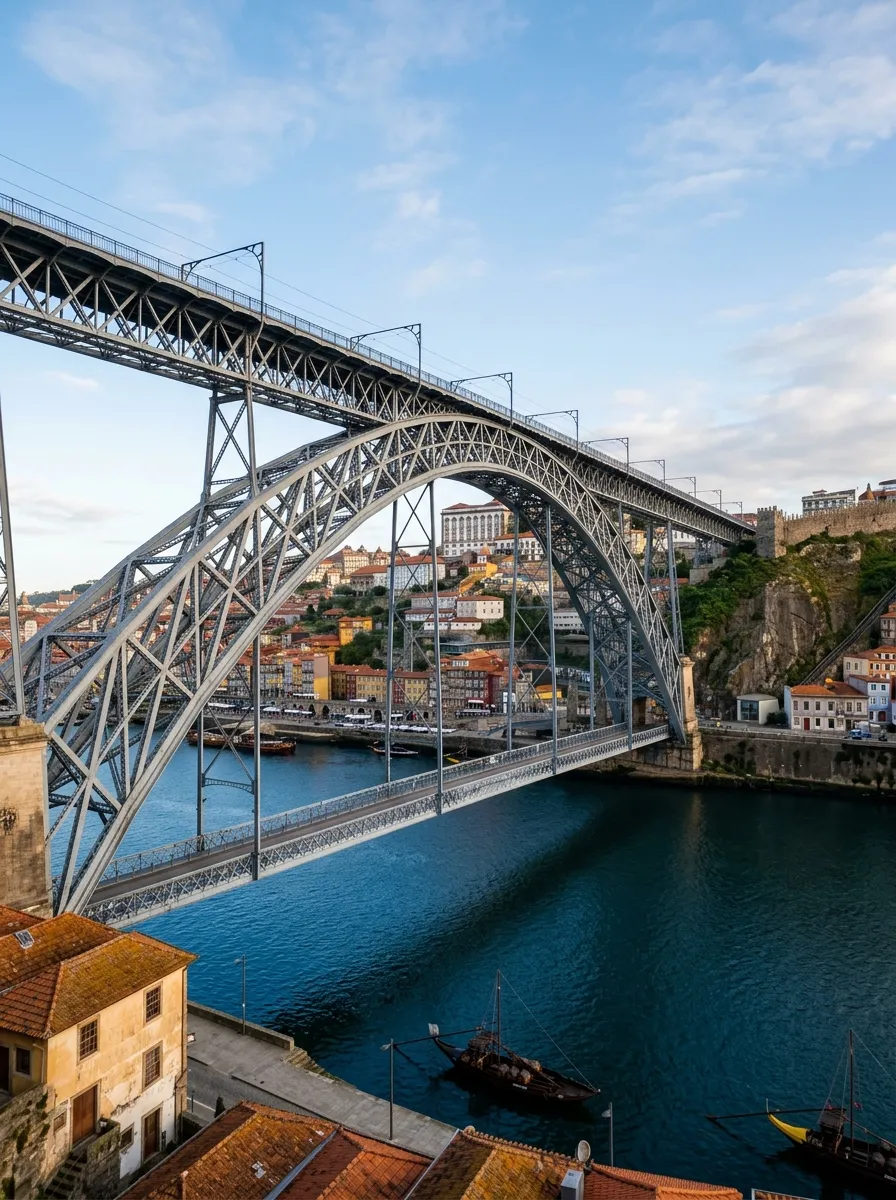
Walking Across the Iconic Dom Luís I Bridge: Porto’s Most Unforgettable Riverside Experience
There are plenty of ways to see Porto, but walking across the Dom Luís I Bridge puts you right in the middle of the city’s most spectacular scenery. One moment, you’re looking down at the Douro River. The next, you’re crossing into Vila Nova de Gaia, with Porto’s colorful waterfront unfolding behind you.
The best part? You don’t need a ticket for the bridge itself. You just need comfortable shoes, a little time, and a willingness to stop for photographs.
If you’re planning a trip to Portugal, this is one of those experiences that deserves a place on your itinerary. It’s short enough to fit into a busy sightseeing day, yet memorable enough to become one of your favorite Porto moments.
Recommended Travel Items for Your Trip
Why Walking Across Dom Luís I Bridge Is Worth It
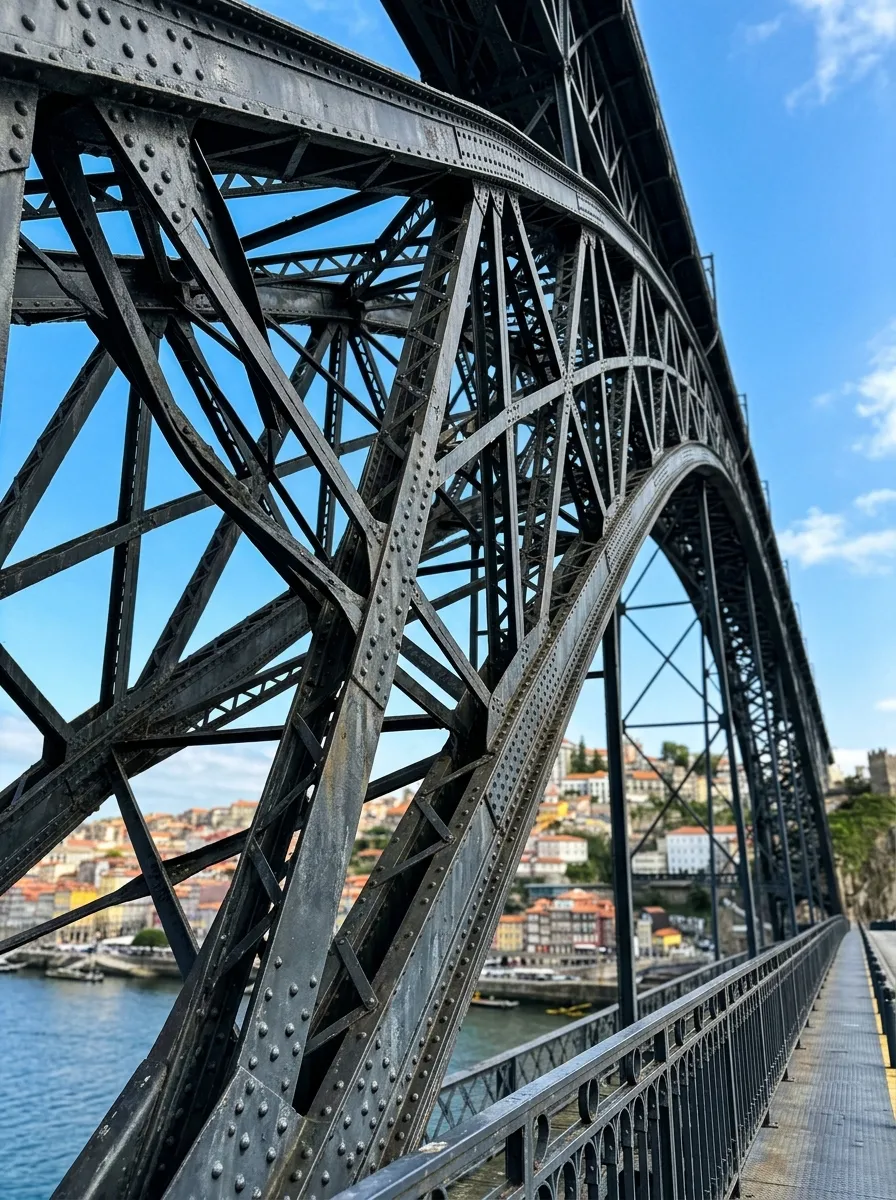
The Dom Luís I Bridge is more than a convenient way to cross the river. It is one of Porto’s defining landmarks, connecting the historic center with Vila Nova de Gaia and its famous port-wine cellars.
Designed by engineer Théophile Seyrig, a protégé of Gustave Eiffel, the bridge was inaugurated in 1886. Its two overlapping iron decks give it a distinctive silhouette that has become inseparable from Porto’s riverside skyline.
What makes the experience special is the combination of architecture, river views, and the chance to explore two cities in one walk. You can admire Porto from above, wander through Ribeira, cross back into Gaia, and finish the day beside the Douro.
The bridge is also part of the Historic Centre of Porto, Luiz I Bridge and Monastery of Serra do Pilar UNESCO-recognized ensemble, inscribed in 1996.
Upper Deck or Lower Deck: Which Should You Choose?
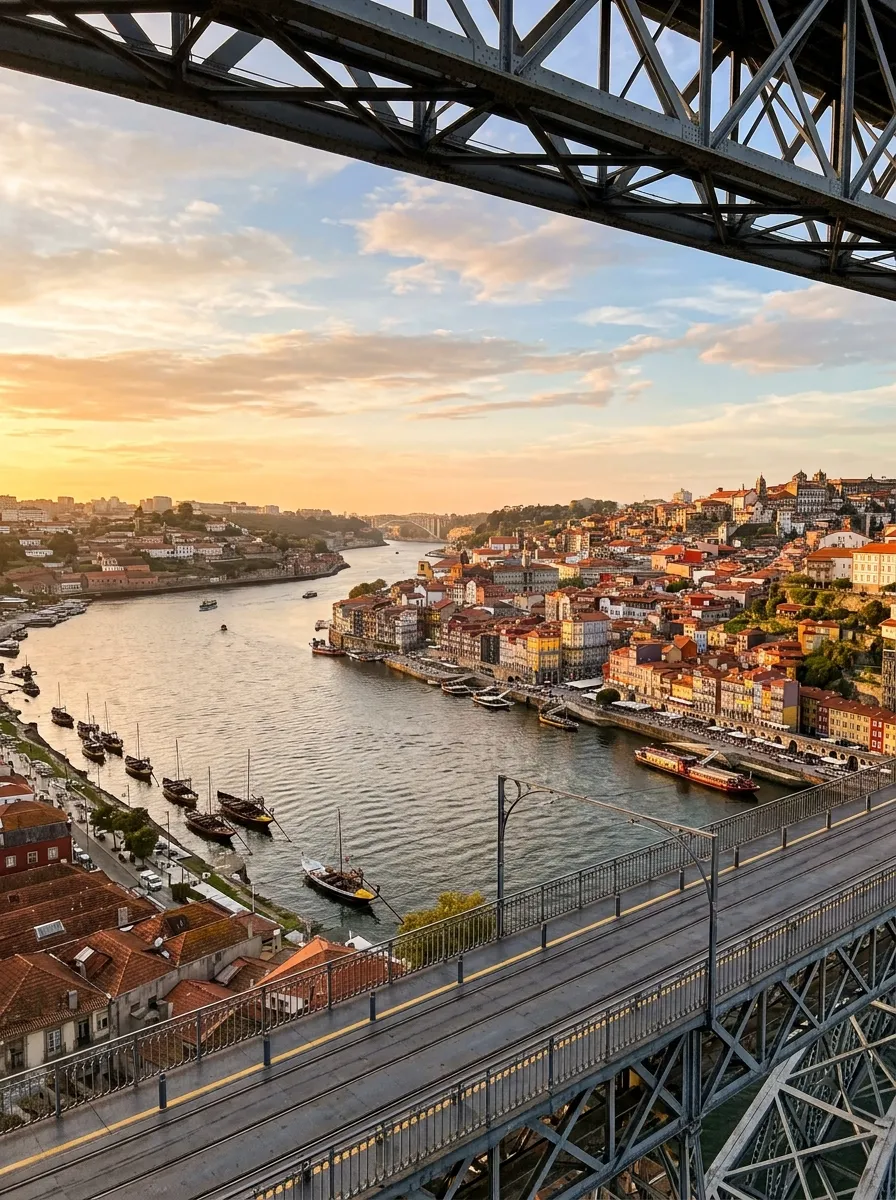
The easiest way to plan your visit is to decide whether you want the best panorama or the most convenient waterfront route.
| Deck | Best For | What to Expect |
| Upper deck | Panoramic views and photographs | Elevated scenery, metro service, and access between Porto’s Cathedral area and Jardim do Morro |
| Lower deck | Ribeira, Gaia’s waterfront, and riverside exploring | A closer-to-the-water crossing that fits naturally into a waterfront walk |
| Both decks | A complete bridge experience | More scenery, more walking, and steep streets between the two levels |
Choose the Upper Deck for the Big Porto Views
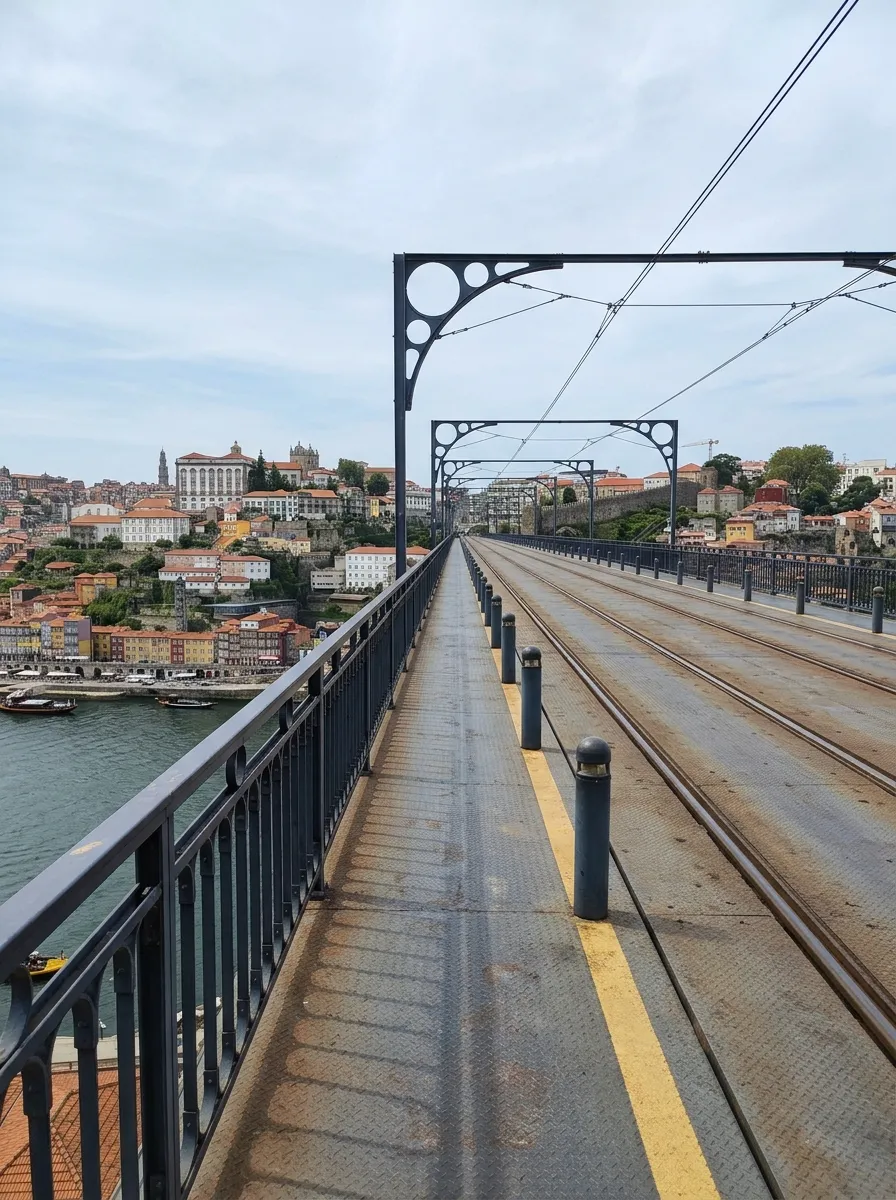
If you only have time for one crossing, the upper deck is the natural choice. From this elevated level, you can look across the Douro toward Porto’s historic buildings, Ribeira, and the hills of Gaia.
The upper deck also connects Porto’s Cathedral area with Jardim do Morro, making it easy to combine the bridge with sightseeing on either side.
It’s the kind of place where you’ll probably stop more often than expected. A quick crossing can easily turn into a few minutes of admiring the view, checking the skyline, and taking photographs.
Choose the Lower Deck for a Riverside Stroll
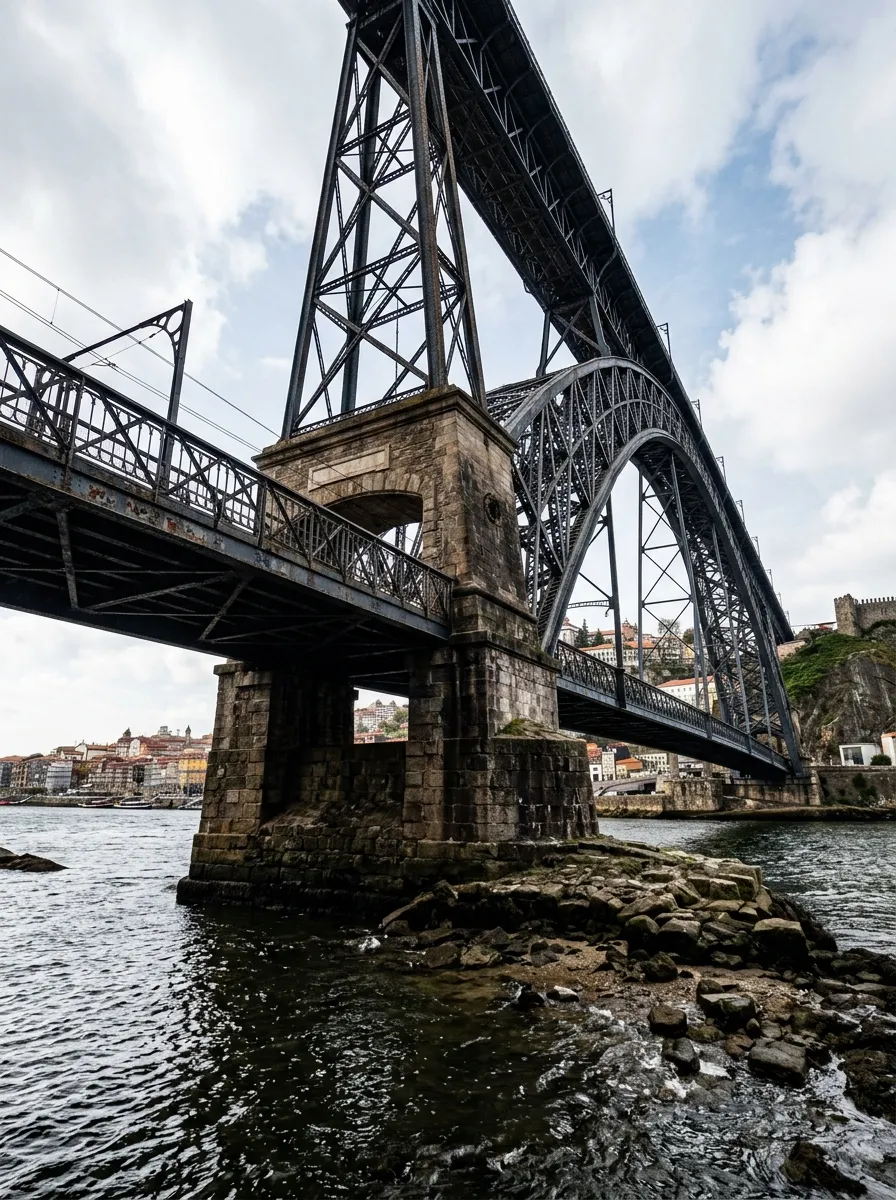
The lower deck is the better fit if your day revolves around Ribeira or Gaia’s waterfront. It keeps you close to the river and makes it easy to continue toward restaurants, riverside views, and the port-wine cellar district.
This is also a good option if you prefer a more relaxed walk without starting high above the river.
For many visitors, the lower deck feels like the natural continuation of a day spent exploring Porto’s waterfront.
The Best Way to Walk Across Dom Luís I Bridge
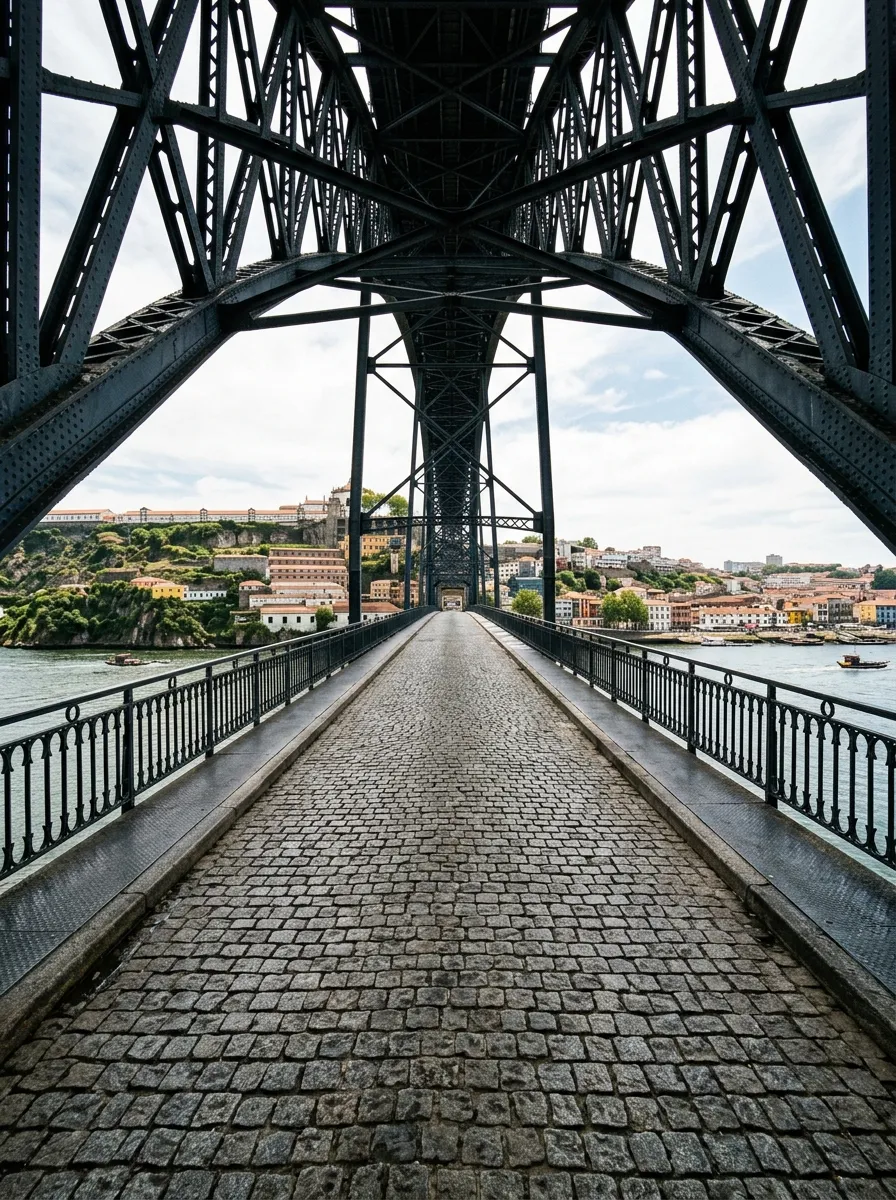
The most rewarding route for a first visit is a two-deck loop. It gives you the elevated panorama first, then brings you down to the riverfront before returning across the lower level.
A Two-Deck Bridge Walk
1. Start at Jardim do Morro
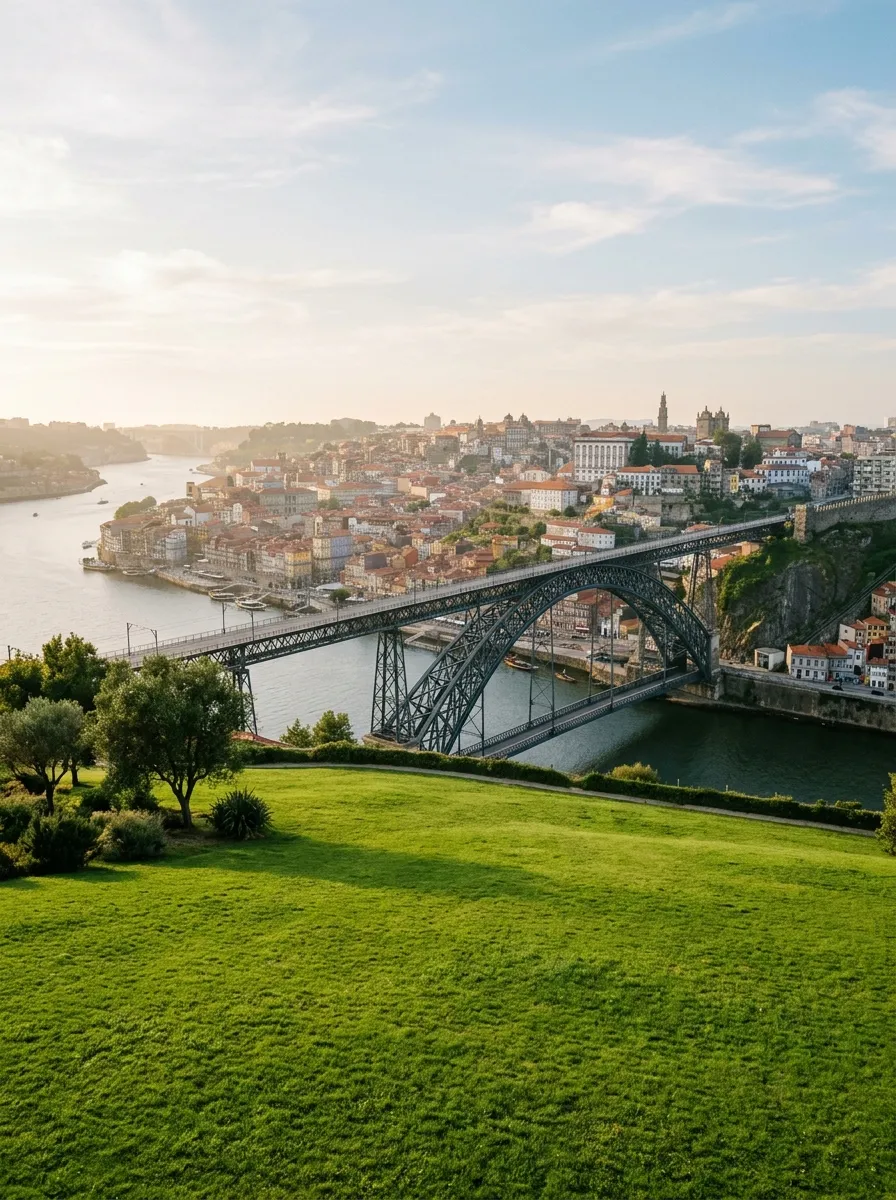
Begin on the Gaia side, near the upper deck. This gives you a convenient starting point for the elevated crossing.
2. Cross the Upper Deck Toward Porto
Walk across toward the historic center and enjoy the views over the Douro. Allow yourself time to stop for photographs.
3. Continue Into the Cathedral Area
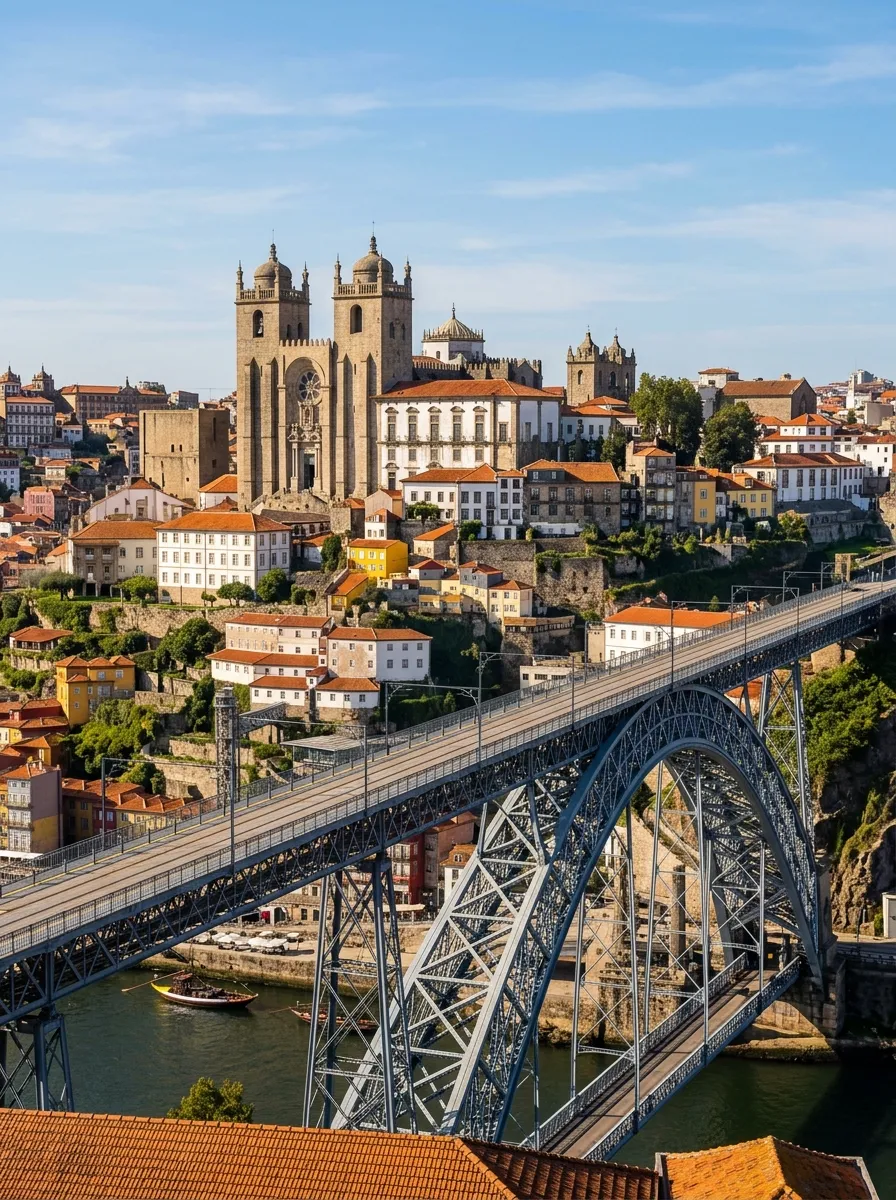
Once you reach Porto, you can continue into the Cathedral area and then descend toward Ribeira.
4. Explore Ribeira
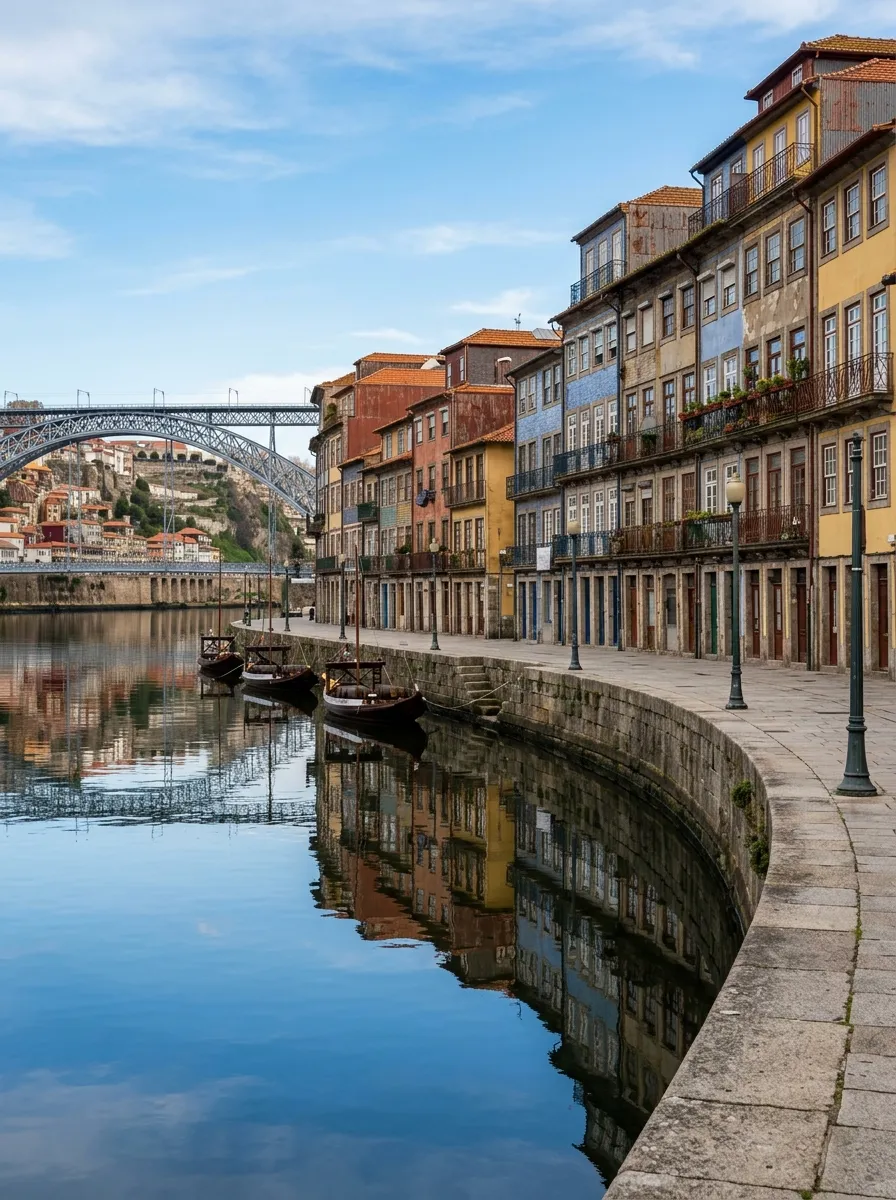
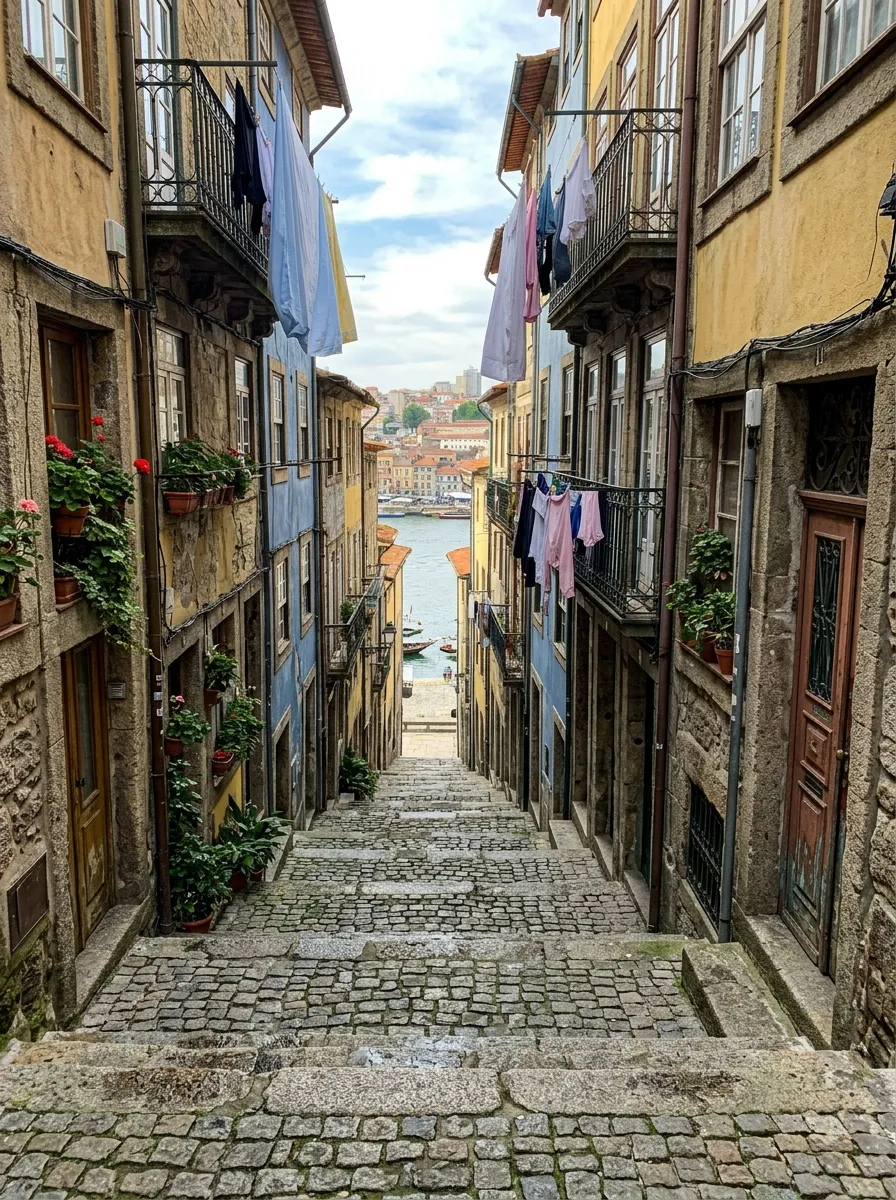
Spend some time along the waterfront before returning to the bridge. This is where you can enjoy the colorful buildings, riverside atmosphere, and views back toward Gaia.
5. Cross the Lower Deck Back Into Gaia
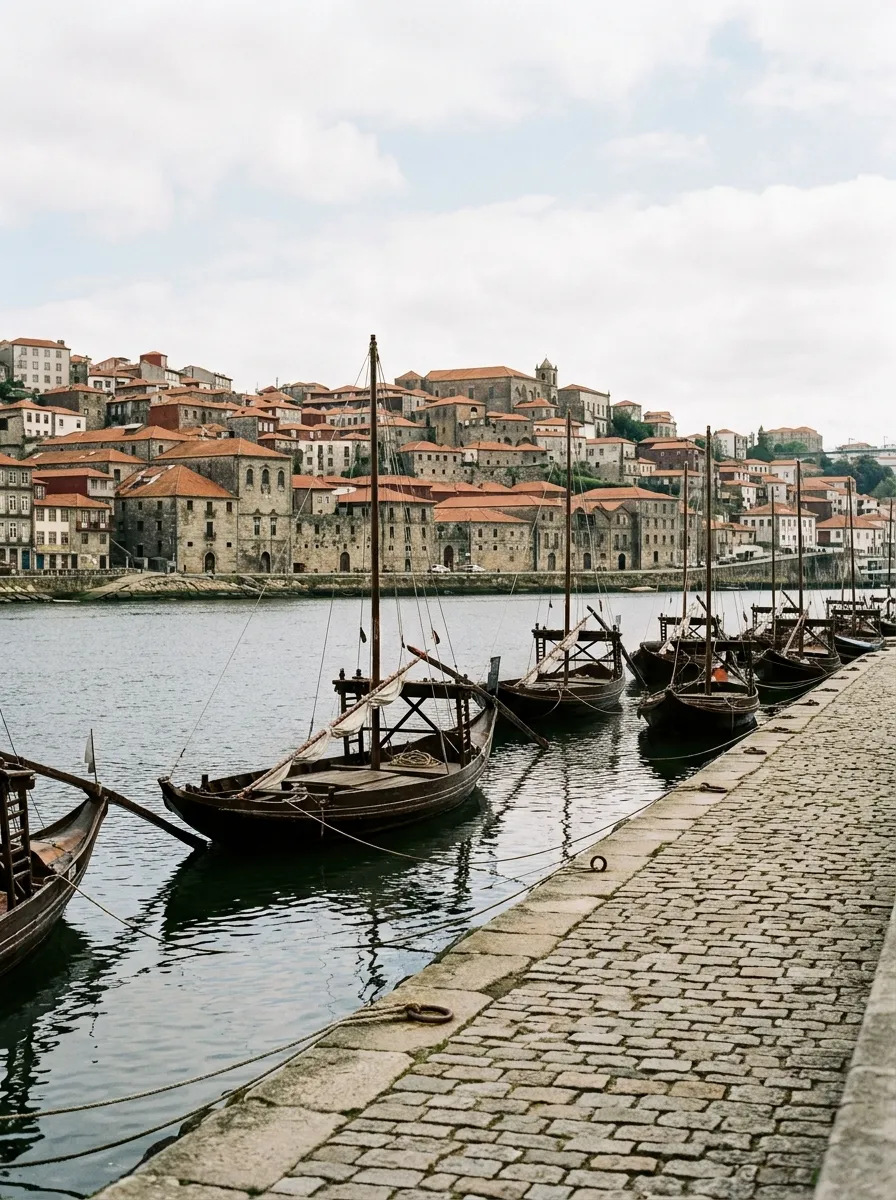
Return across the lower deck and finish near the riverside cellar district.
6. Decide Whether to Continue Uphill
If you still have energy, head toward Jardim do Morro or Serra do Pilar for another elevated perspective.
The bridge itself is short, but the complete loop is a proper urban walk. The streets between the upper bridge area and the waterfront can be steep, so comfortable shoes are a very good idea.
How to Reach the Bridge
Reaching the Upper Deck
The upper deck is easy to pair with Porto’s Cathedral area or Jardim do Morro. If you’re using public transport, the metro is a convenient option for reaching the upper-level area.
On the Porto side, the upper deck connects with the Cathedral area, so it can also be incorporated into a day of exploring the historic center.
Reaching the Lower Deck
For the lower deck, approach from Ribeira on the Porto side or from Gaia’s riverside cellar district.
This is the most convenient option if you want to stay close to the Douro and continue directly into a waterfront walk.
If you’re planning to use public transport, check the current metro service and fares before setting out. Temporary traffic restrictions or works can affect bridge access, so it’s wise to confirm conditions close to your visit.
How Long Does It Take to Cross Dom Luís I Bridge?
A straightforward crossing can be completed in around 10 minutes, but that’s only a starting point for planning.
If you’re stopping for photographs, exploring both decks, or continuing into Ribeira and Gaia, you’ll want to allow considerably more time.
| Visit Style | Suggested Time | What It Covers |
| Quick crossing | About 10 minutes or more | A direct walk with minimal stopping |
| One deck with photographs | 30–45 minutes | A relaxed crossing and time to enjoy the views |
| Two-deck loop | 1.5–3 hours | Both levels, hills, photographs, and a short waterfront walk |
| Bridge plus Ribeira or Gaia | Half a day | The crossing combined with a neighborhood or cellar-area visit |
The bridge is only part of the outing. If you’re walking from the upper deck down to Ribeira and then back across the lower level, allow extra time for the hills, pauses, and unplanned discoveries.
What Can You See Near Dom Luís I Bridge?
The bridge is a natural starting point for exploring some of Porto’s most famous riverside sights.
Ribeira
Ribeira is the classic Porto waterfront, with colorful buildings, cafés, and views of the Douro. It’s the natural place to continue after descending from the upper deck.
You can spend time wandering along the river, enjoying the atmosphere, or simply finding a spot to admire the bridge from below.
Jardim do Morro
Jardim do Morro sits on the Gaia side near the upper deck and is a convenient place to begin or finish the bridge walk.
It’s also a useful stop when you want to appreciate the bridge from a little distance, especially if you’re looking for a different perspective of the structure.
Gaia’s Port-Wine Cellars
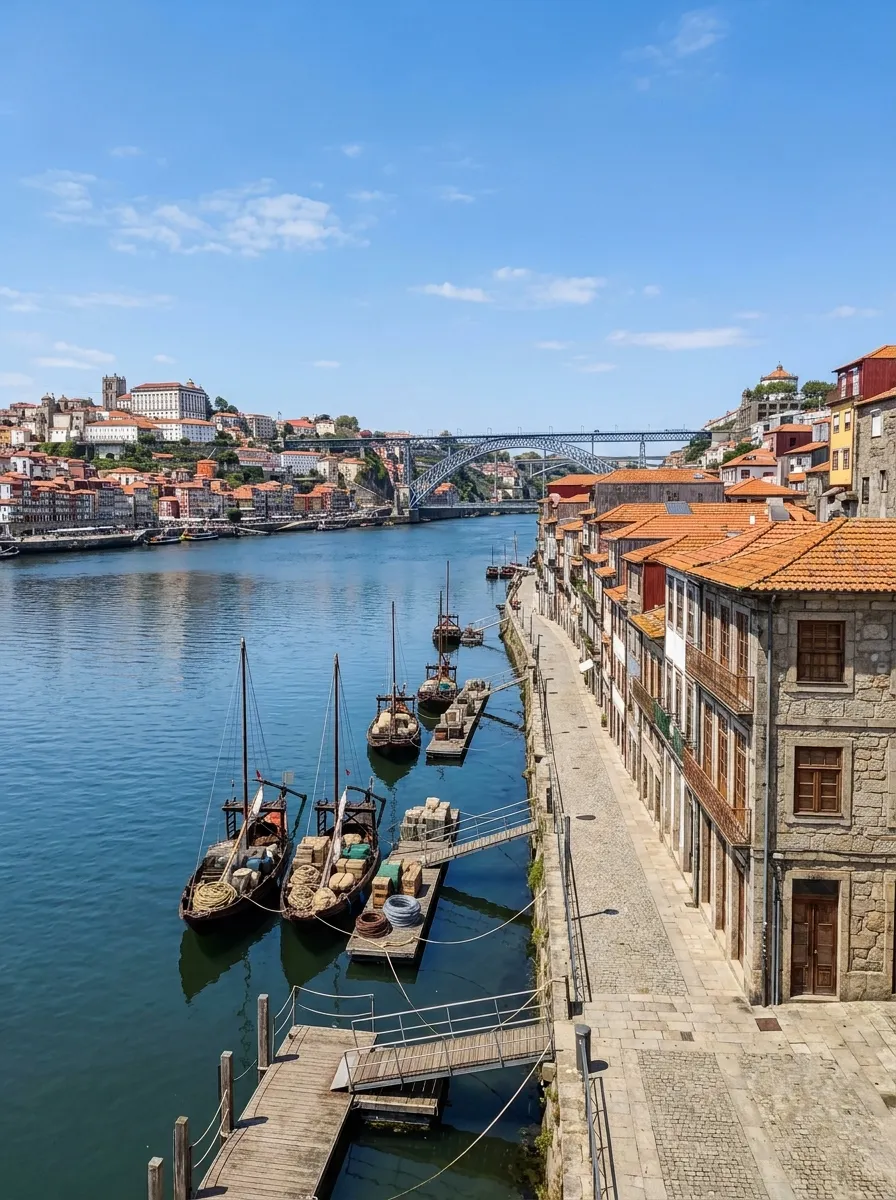
The Gaia side is home to the famous port-wine cellar district, making the lower-deck crossing a natural introduction to the area.
If you’re interested in learning more about the region’s wine culture, you can combine the bridge walk with a cellar visit.
Serra do Pilar Monastery
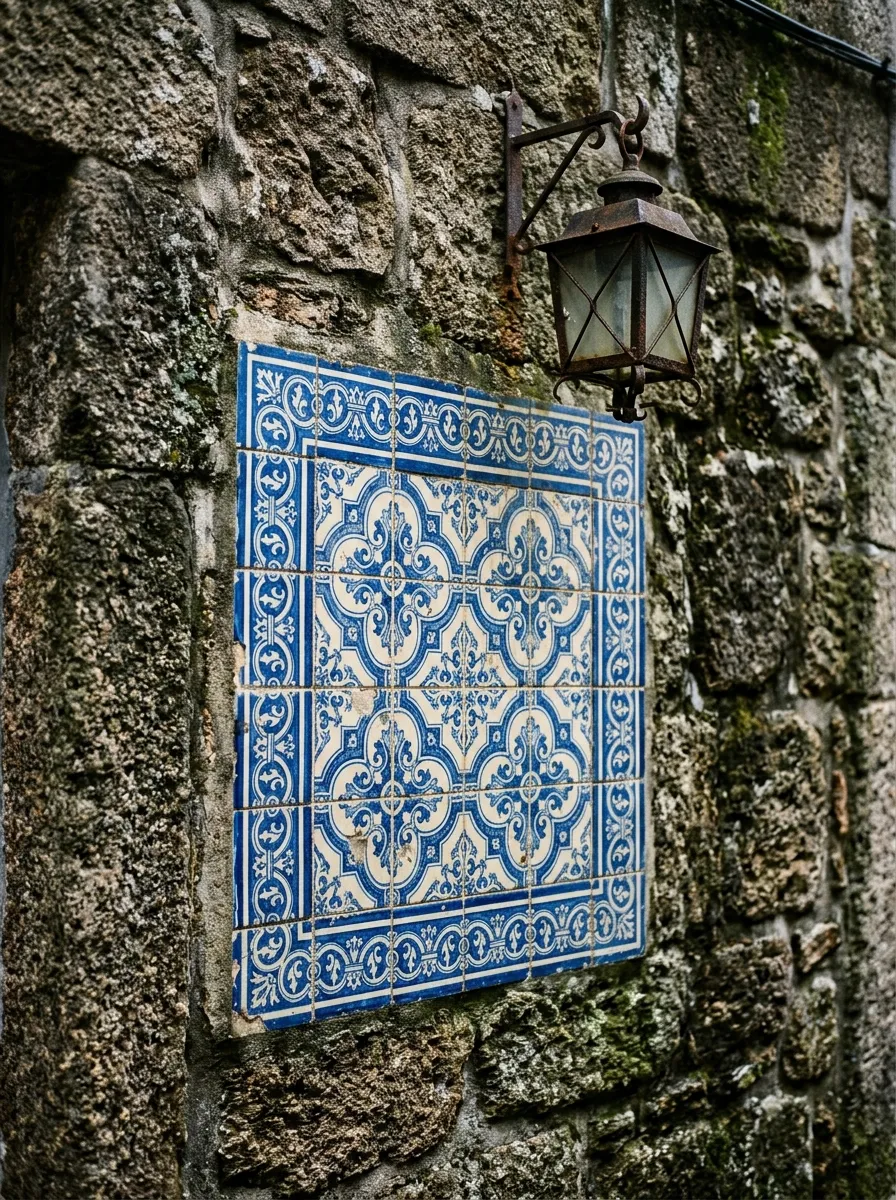
The monastery is part of the same UNESCO-recognized ensemble as the historic center and the bridge.
It’s especially relevant if you want to understand how the bridge fits into Porto’s wider historic landscape.
Best Time to Walk Across the Bridge
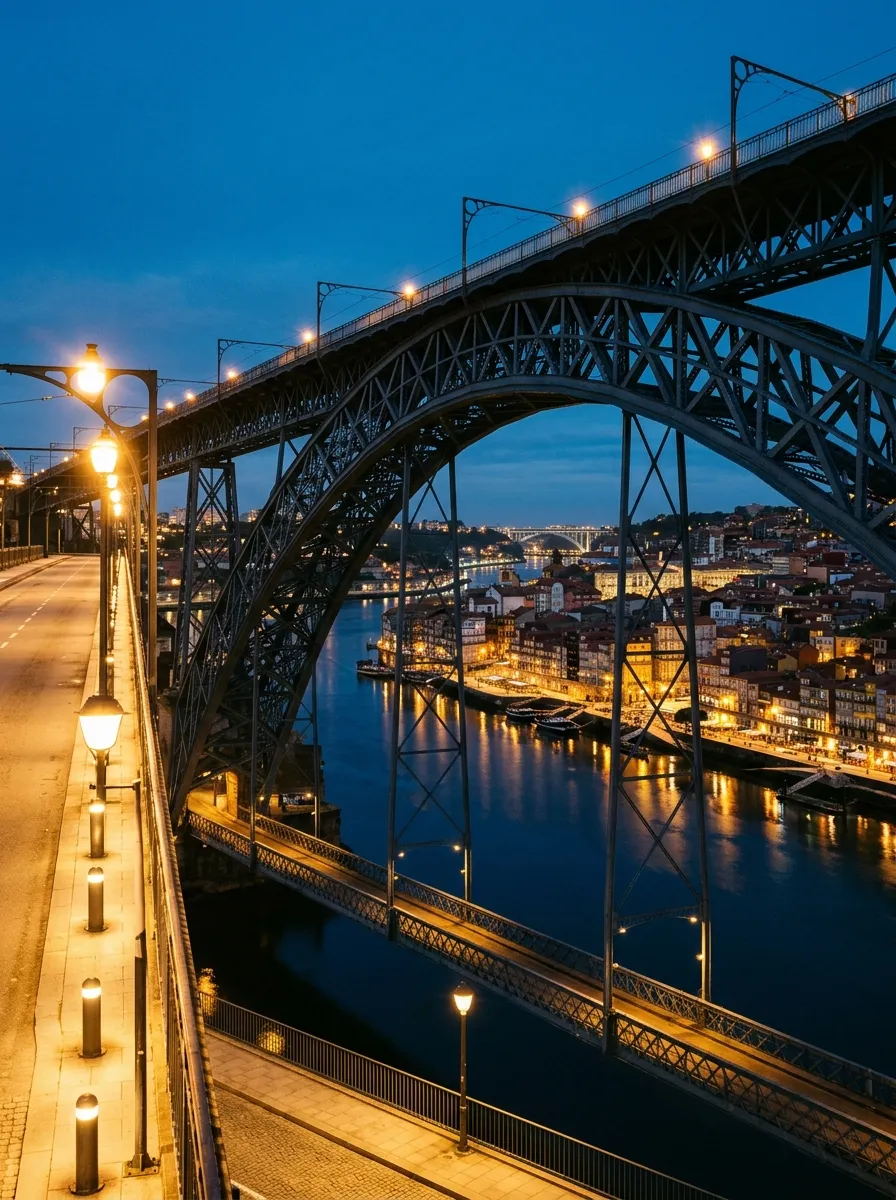
There’s no single perfect time for everyone. The best choice depends on whether you want quiet streets, softer light, or a lively riverside atmosphere.
Early Morning
Early morning is a good choice if you prefer a calmer crossing and more room to enjoy the views.
It also gives you a head start on a full day of sightseeing, especially if you want to combine the bridge with Ribeira, the Cathedral area, or Gaia’s waterfront.
Late Afternoon and Sunset
Late afternoon and sunset are popular for the changing light over the Douro and the city skyline.
If you want to take photographs, build in time to stop without rushing. The bridge is one of those places where the light can make the same view feel completely different from one moment to the next.
Check the Weather
The bridge is exposed, so weather matters. Bring a layer appropriate for the forecast and keep your phone or camera secure if the conditions are unsettled.
The views are impressive, but they’re best enjoyed when you’re comfortable and not fighting the wind.
What to Bring for the Crossing
A short bridge walk can turn into a much longer city adventure, especially if you decide to explore both sides of the river.
- Comfortable walking shoes for the bridge and steep streets.
- Water if you’re planning a two-deck loop.
- A secure phone or camera for photographs.
- A weather-appropriate layer based on the day’s forecast.
- A charged phone with current transport and mobility information.
- A compact bag that leaves room for other pedestrians.
For more Europe trip planning, check out this Europe trip packing list.
Is Walking Across Dom Luís I Bridge Free?
Walking across the bridge is generally free. If you use the metro, however, you’ll need a valid fare for your journey.
For the most dependable plan, treat the bridge crossing as a free sightseeing activity and check current transport information separately if you’re using public transit.
Is Dom Luís I Bridge Safe to Walk On?
The bridge has designated pedestrian paths, but it’s still important to remain attentive, especially on the upper deck where metro service operates.
Stay within the marked pedestrian areas, keep an eye on passing traffic or transport, and avoid stopping where you obstruct the route.
If you’re traveling with children, keep them close and avoid treating the bridge as a place to wander freely while distracted by photographs.
Can You Walk Across Both Decks?
Yes. The upper and lower decks can be combined into a walking loop, but the connecting streets between the levels are steep.
A practical first-visit route is to cross high from Jardim do Morro toward Porto, descend into Ribeira, and return to Gaia across the lower deck.
If you prefer a shorter outing, choose just one deck and use public transport for the return when suitable.
Is Dom Luís I Bridge Wheelchair Accessible?
The bridge and its approaches include different levels, slopes, and historic streets. Accessibility can vary depending on the route you choose.
If you’re traveling with mobility concerns, it’s best to review current accessibility information and confirm conditions before choosing a route.
Final Thoughts: Make the Bridge Part of the Journey
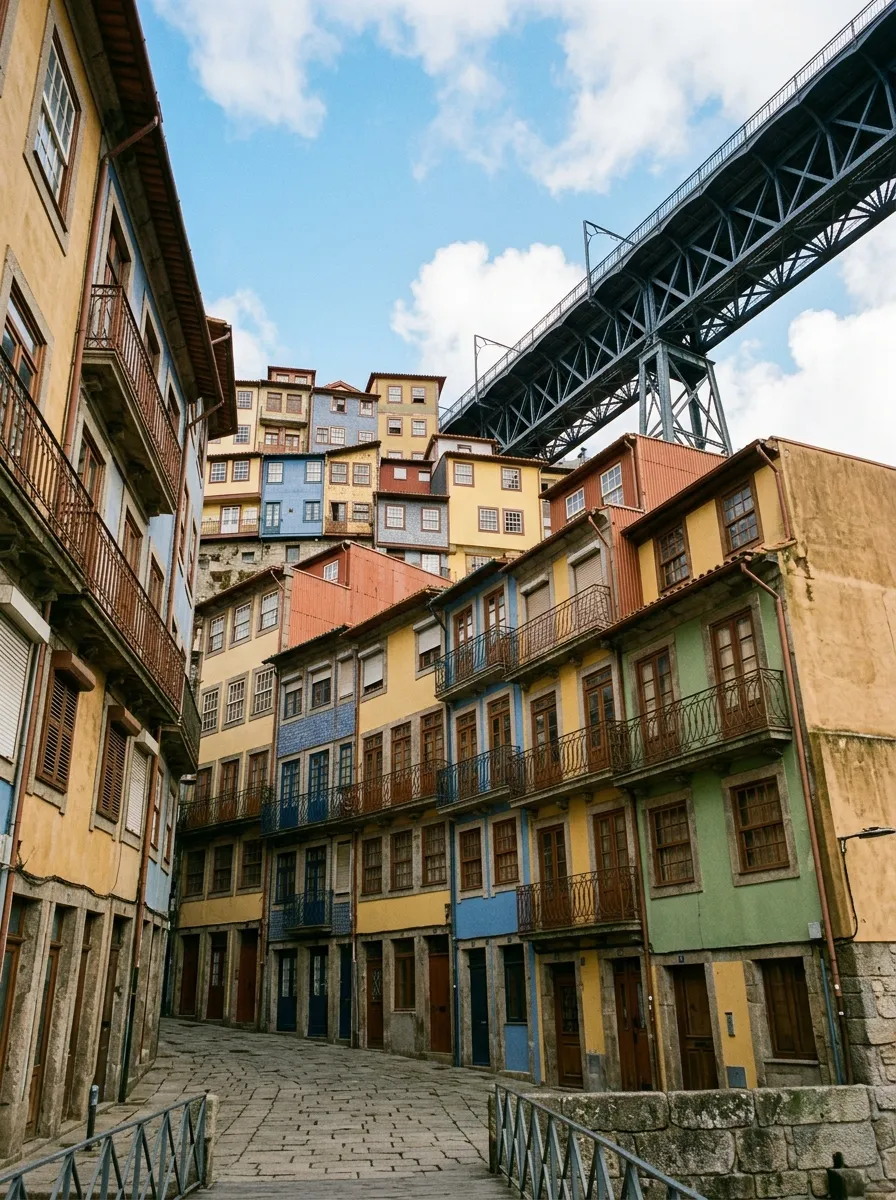
Walking across the Dom Luís I Bridge is one of those Porto experiences that feels simple on paper but memorable in person.
The bridge itself is a short crossing, yet it connects two cities, two waterfronts, and a whole collection of unforgettable views.
For a first visit, choose the upper deck for the panorama, descend into Ribeira, and return across the lower deck into Gaia. Allow more time than the basic crossing estimate, wear comfortable shoes, and let the riverfront set the pace.
If you’re building a wider Europe itinerary, you may also enjoy this guide to romantic European cities, explore the best European countries for digital nomads, discover amazing European islands, or find cheap European vacations.
Frequently Asked Questions
Which deck has the best views?
The upper deck is the best choice for broad views across the Douro, Porto, and Vila Nova de Gaia.
How long does it take to cross the bridge?
A straightforward crossing can take around 10 minutes, but allow longer if you want photographs or plan to explore both sides of the river.
Does the Porto Metro cross the bridge?
Yes. The upper deck is used by Porto Metro, connecting Porto’s Cathedral area with Jardim do Morro and Avenida da República in Gaia.
Can I walk across the lower deck?
Yes. The lower deck is the more convenient option for a riverside itinerary connecting Ribeira and Gaia’s waterfront.
Is the bridge free to visit?
Walking across the bridge is generally free. Metro travel requires a valid fare.
What is the best route for a first visit?
Start at Jardim do Morro, cross the upper deck toward Porto, descend into Ribeira, and return across the lower deck into Gaia.
What should I wear?
Wear comfortable shoes and bring a layer suitable for the forecast. The bridge walk is short, but the streets between the upper deck and the waterfront can add considerable effort.
Is Dom Luís I Bridge worth visiting?
Absolutely. It’s one of Porto’s most iconic landmarks and a must-see for its architecture, views, and location. Whether you cross once or make a full loop, it’s an experience that belongs on any Porto itinerary.