Jardim do Morro: The Complete Guide to Porto’s Most Rewarding Viewpoint
There’s a moment that happens to almost everyone who visits Porto for the first time. You’re walking along the riverside, admiring the colorful buildings of Ribeira, when someone points across the water and says, “That’s where you need to go for the photo.” That someone is usually pointing at Jardim do Morro — a small hilltop garden in Vila Nova de Gaia that has, almost by accident, become one of the most iconic vantage points in all of Portugal.
Unlike many “must-see” viewpoints that require a strenuous hike, an entrance fee, or a long queue, Jardim do Morro is refreshingly simple to reach and completely free. Yet the reward it offers — a sweeping, postcard-perfect view of Porto’s old town, the Douro River, and the Dom Luís I Bridge — rivals anything you’ll find elsewhere in the city. This guide covers everything you need to know: the history behind the garden, what to expect when you visit, how to get there, when to go, and how to build it into a broader Portuguese itinerary.
Recommended Travel Items for Your Trip
A Brief History of Jardim do Morro
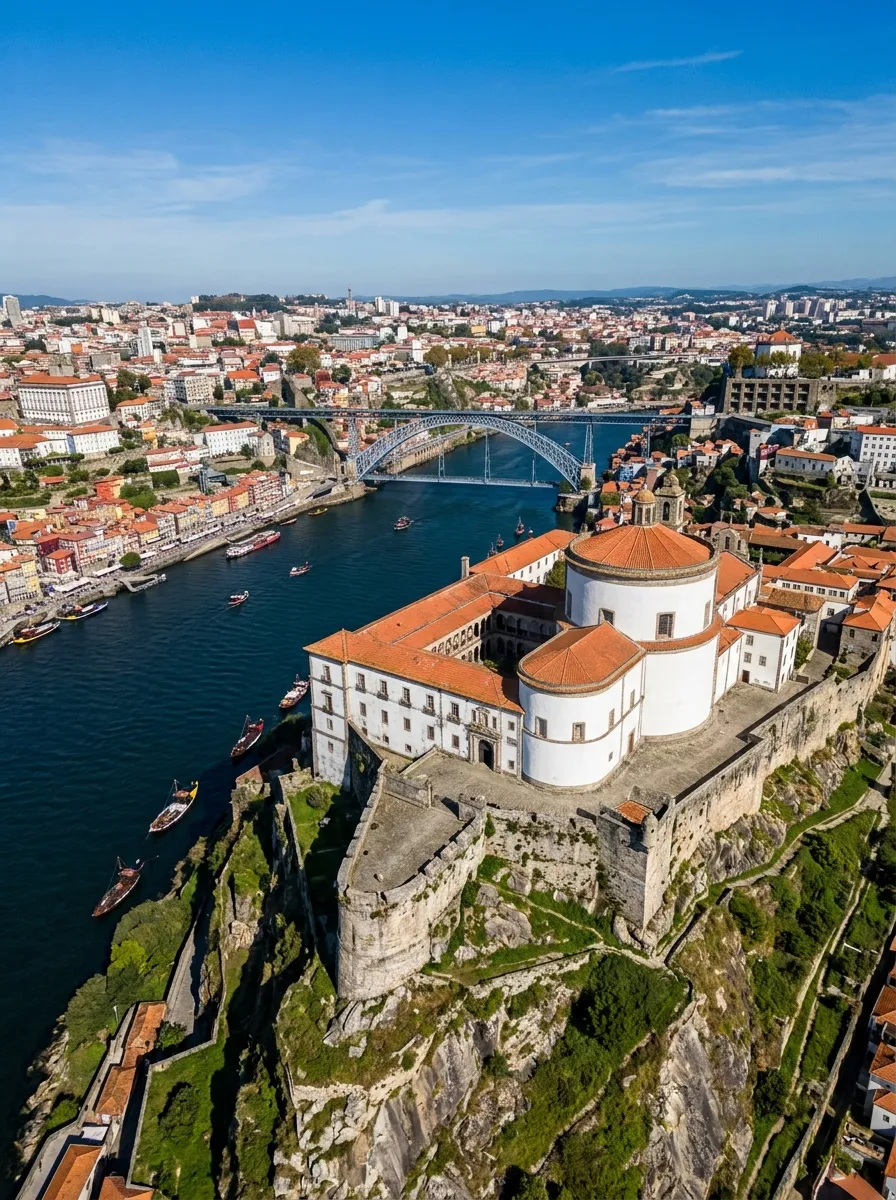
Jardim do Morro takes its name quite literally — “morro” means hill in Portuguese, and the garden sits atop one of the highest points on the Gaia side of the Douro River. The land has long been tied to the neighboring Mosteiro da Serra do Pilar, a 16th-century Augustinian monastery whose unusual circular cloister and church have overlooked the river since the 1500s. For centuries, this hilltop served a strategic and religious purpose rather than a recreational one; its elevated position made it valuable for observing river traffic and, at times, defending the city during conflicts, including the Siege of Porto in the 19th century.
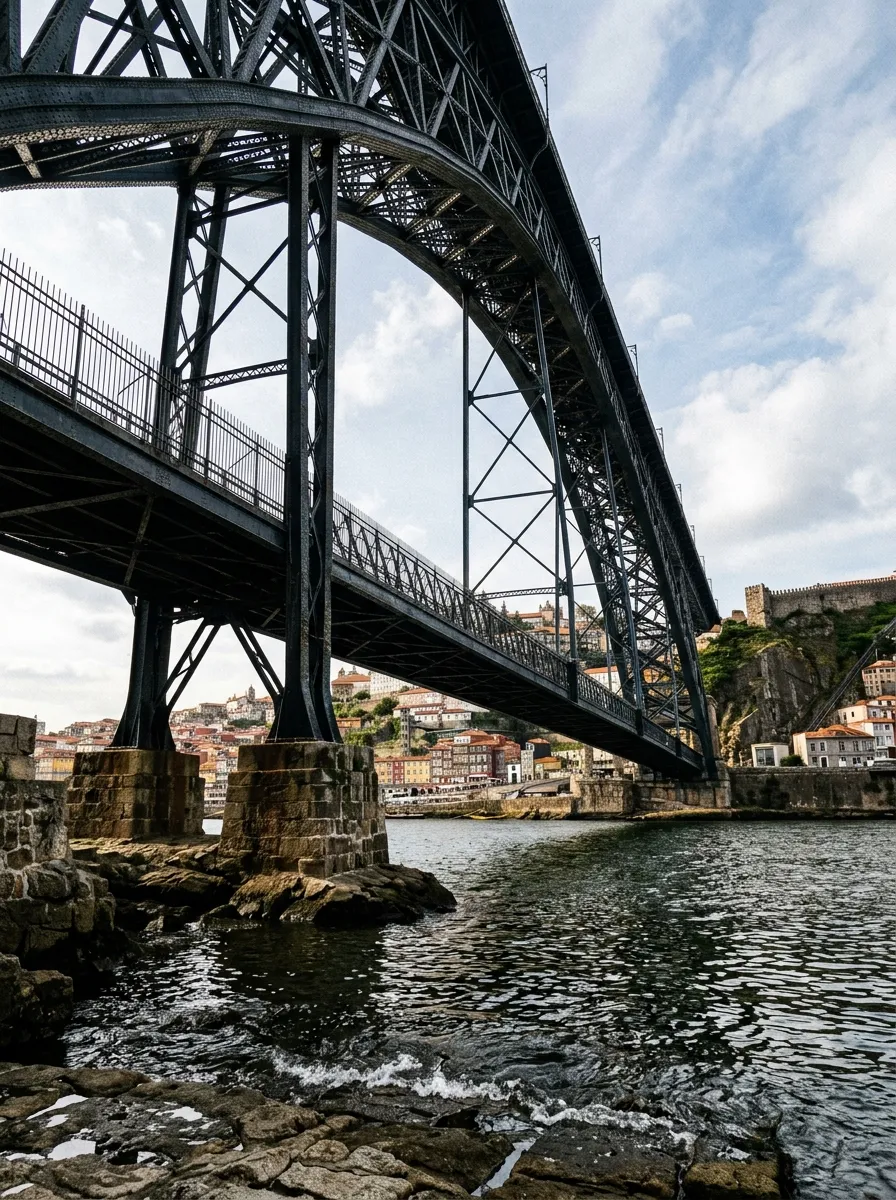
It wasn’t until the completion of the Dom Luís I Bridge in 1886 — engineered by Théophile Seyrig, a collaborator of Gustave Eiffel — that this hilltop became easily accessible on foot from Porto’s historic center. The upper deck of the bridge connects almost directly to what is now Jardim do Morro, transforming a once-remote monastic outpost into one of the most visited public gardens in the region. Over the following century, the area was landscaped into the garden visitors enjoy today: manicured lawns, shaded pathways, and unobstructed lookout points designed to take full advantage of the view.
Today, Jardim do Morro is protected as part of the historic landscape surrounding the monastery and the bridge, both of which fall within Porto’s UNESCO World Heritage designation for the historic city center. In other words, when you’re standing in this garden, you’re not just looking at a nice view — you’re standing inside a piece of protected cultural heritage.
What Makes Jardim do Morro So Special

An Uninterrupted View of Porto’s Old Town
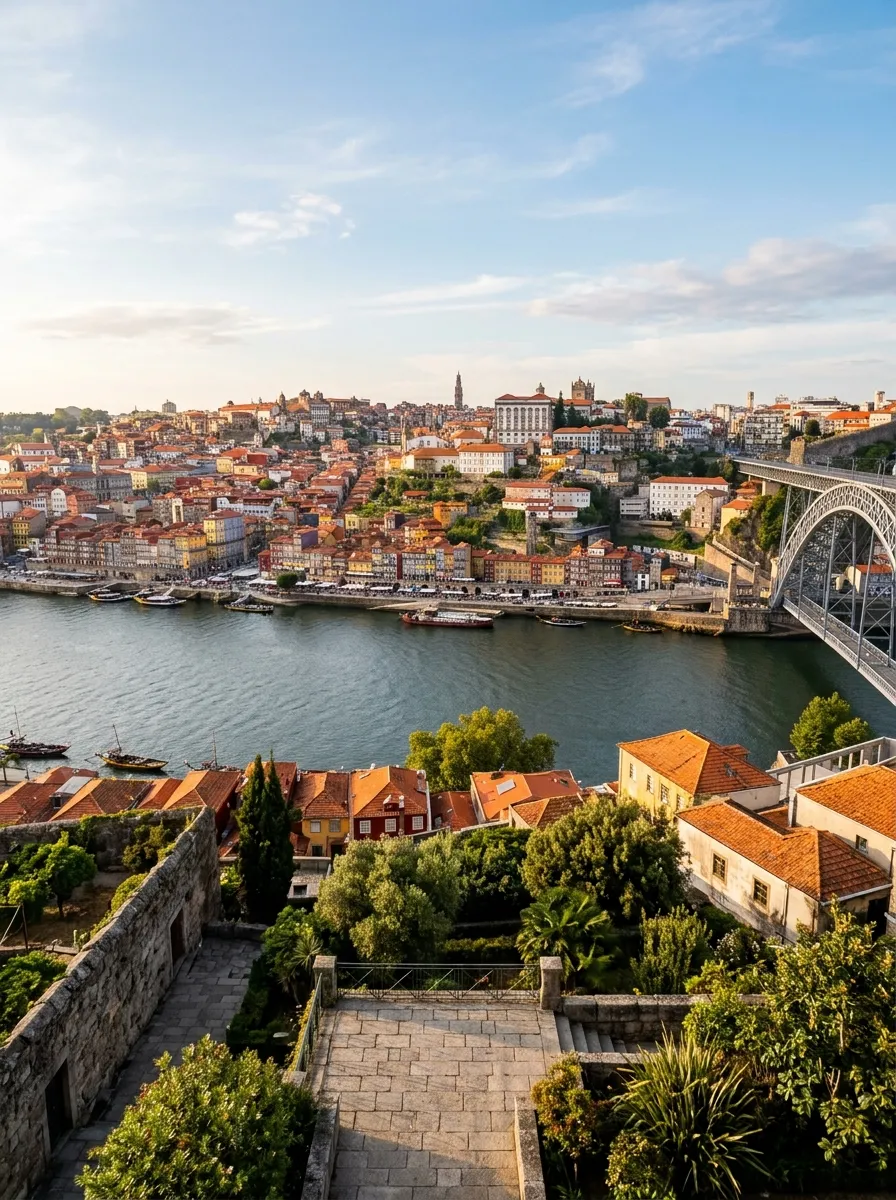
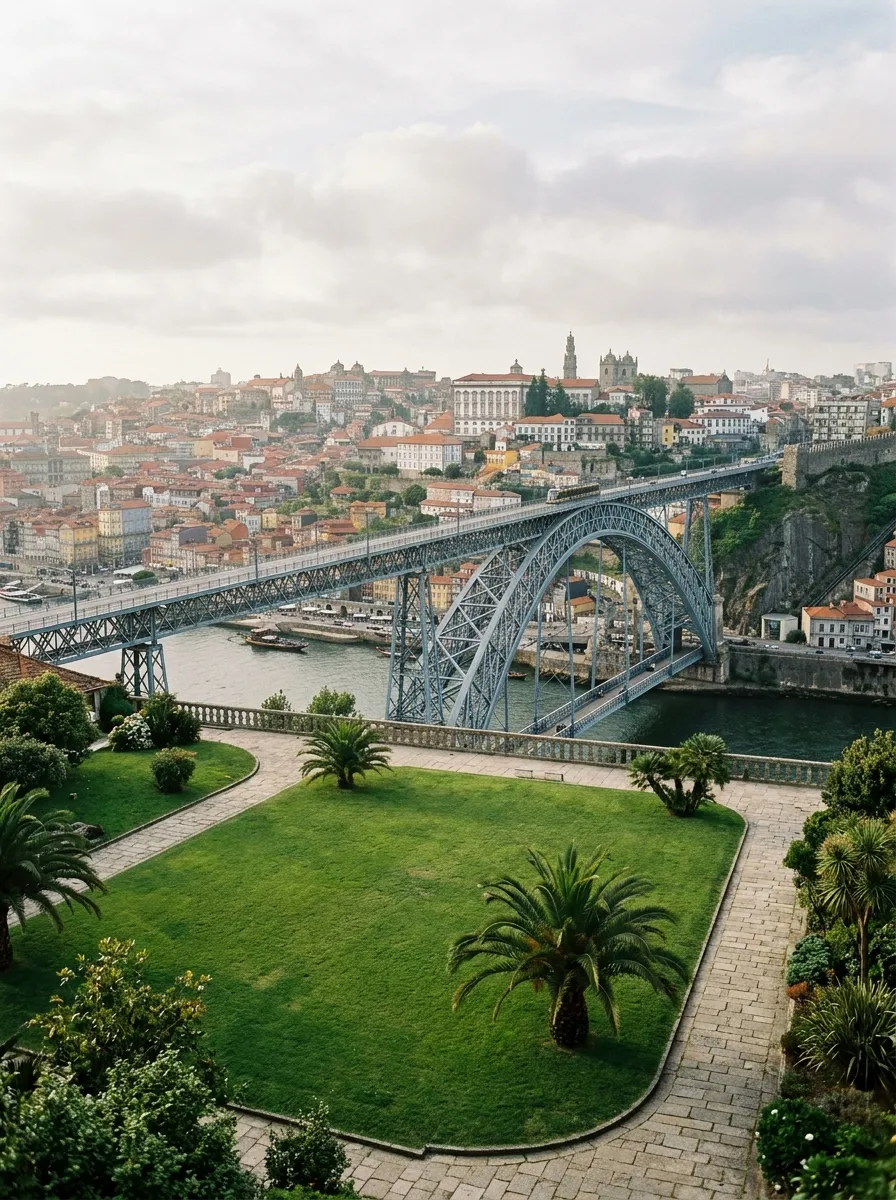
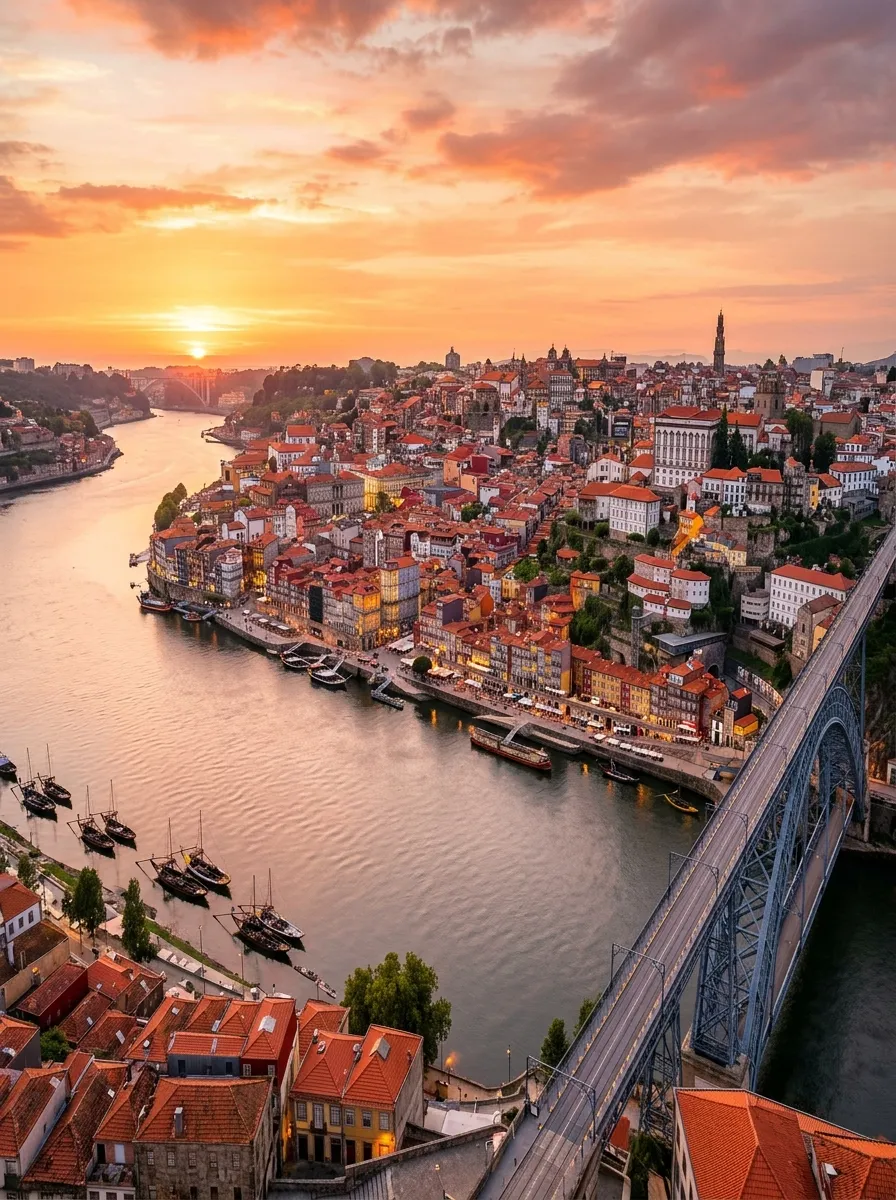
The single biggest draw of Jardim do Morro is, of course, the view. From the garden’s main lookout, you get a wide, uninterrupted panorama of Ribeira, Porto’s oldest and most picturesque neighborhood. Rows of narrow, colorful houses tumble down the hillside toward the Douro River, their rooftops overlapping in shades of terracotta, ochre, and faded pastel. In the foreground, the Dom Luís I Bridge arcs gracefully across the water, its intricate ironwork visible in full from this angle.
On clear days, the view extends well beyond the riverside. You can pick out the bell tower of the Torre dos Clérigos rising above the rest of the skyline, along with the spires of the Porto Cathedral and glimpses of the Vila Nova de Gaia port wine cellars lining the opposite bank. It’s genuinely one of the few places in the city where you can take in almost the entire historic center in a single glance.
A Peaceful Green Space With a View to Match
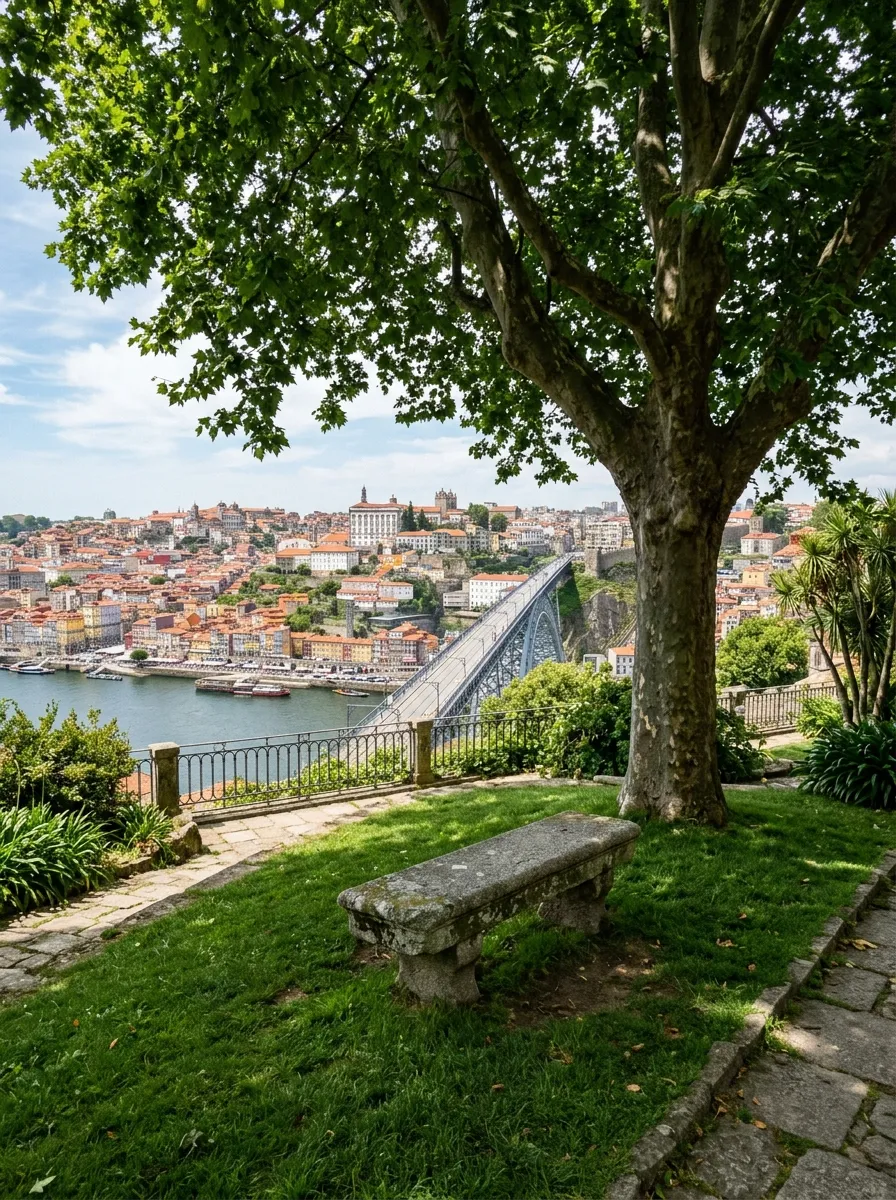
It would be easy for a spot this famous to feel more like a photo checkpoint than an actual garden, but Jardim do Morro manages to remain a functional, pleasant public space. There are wide lawns for sitting or picnicking, mature trees offering pockets of shade, and benches scattered along the perimeter where locals read, chat, or simply watch the boats drift by below. Even during the busiest parts of the day, the garden is large enough that you can usually find a quiet corner away from the crowds gathered at the main lookout.
This dual identity — part scenic overlook, part neighborhood park — is part of what makes it so enjoyable. You don’t need to rush through it for a photo and move on; it’s a place worth lingering in.
The Adjacent Monastery
Just steps from the garden sits the Mosteiro da Serra do Pilar, easily recognizable by its circular cloister, a rare architectural feature in Portugal. While the monastery’s interior isn’t always open to the public due to ongoing restoration work, the terrace surrounding it offers yet another angle on the river and the city — often with fewer people than the main garden. If you have an extra fifteen minutes, it’s worth the short walk over.
A Bridge Crossing Worth Savoring
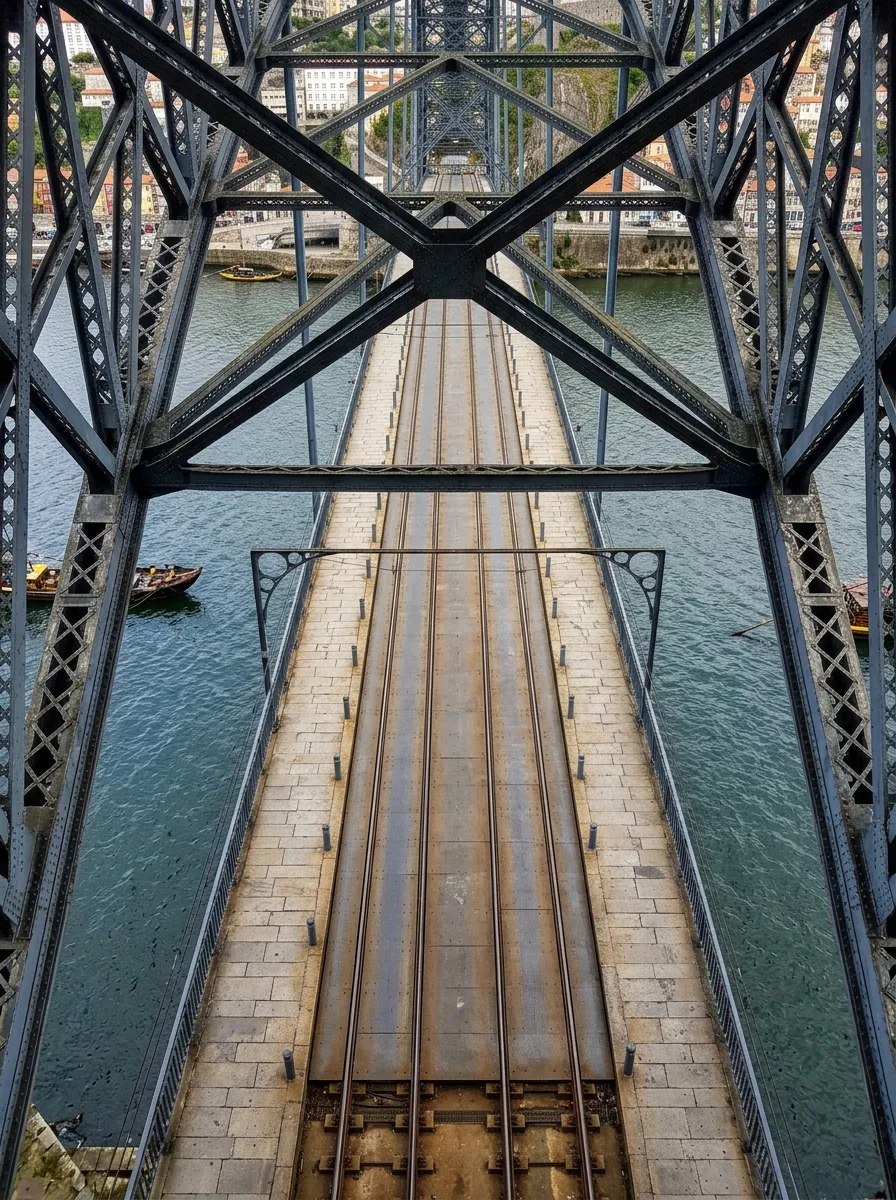
Because Jardim do Morro connects almost directly to the upper deck of the Dom Luís I Bridge, visiting the garden naturally pairs with one of Porto’s best free experiences: walking across the bridge itself. The upper deck is reserved for pedestrians and the city’s metro line, meaning you can cross slowly, stop for photos, and take in views of the river traffic below without worrying about car traffic beside you. Many visitors consider this walk — rather than any single viewpoint — to be the highlight of their Porto visit.
How to Get to Jardim do Morro
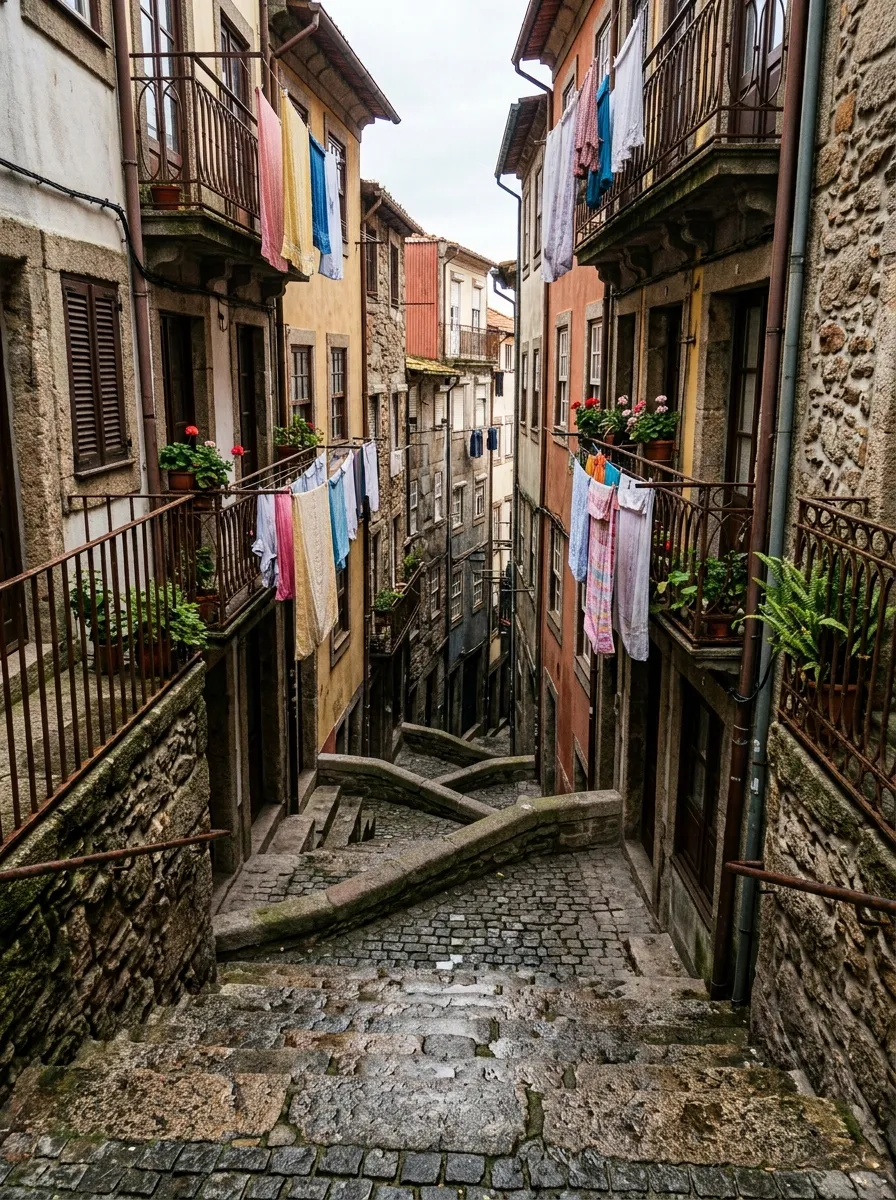
Reaching Jardim do Morro is straightforward no matter where you’re coming from in Porto or Gaia.
On foot from Porto’s Ribeira district: This is the most popular and arguably most rewarding route. From the riverside in Ribeira, head to the base of the Dom Luís I Bridge and climb the stairs or ramp up to the upper deck. From there, it’s a flat, scenic walk of about 10 to 15 minutes directly across the river, with the view slowly unfolding as you go.
By metro: The Jardim do Morro metro station, served by the Yellow Line, sits just steps from the garden’s entrance. This is the easiest option if you’re coming from farther away in the city or don’t want to tackle the bridge on foot in one direction.
By funicular: If you’d rather skip the incline on the Gaia side, the Funicular dos Guindais offers a quick, scenic ride up the hillside from the riverside road below, connecting to the upper level near the bridge and garden.
By car or taxi: While driving is possible, parking near the garden is limited, and the walk or metro ride is generally faster and far more enjoyable given the surrounding views.
Best Time to Visit Jardim do Morro

Time of Day
Sunset is, without competition, the most popular and most beautiful time to visit. As the sun drops behind the hills, the light turns the rooftops of Ribeira a warm gold, and the whole scene — bridge, river, and city — glows in a way that’s hard to replicate at any other hour. Unsurprisingly, this is also when the garden is at its busiest, particularly during the warmer months, so arriving 30 to 45 minutes before sunset is a good idea if you want a spot along the main railing.
For a quieter, calmer experience, early morning is the way to go. The light is softer, the crowds are minimal, and you’ll often have long stretches of the garden almost entirely to yourself.
Time of Year
Jardim do Morro is a year-round destination, but the shoulder seasons offer the best balance of good weather and manageable crowds. Spring and early autumn bring mild temperatures and clear skies without the peak-summer congestion. If you’re mapping out a broader trip and looking for inspiration on timing, this fits neatly among the kinds of things to do in September that make travelers reconsider visiting Europe outside the traditional summer rush — cooler evenings, thinner crowds, and golden-hour light that seems to last a little longer.
Summer, while busier, does have its own appeal: long daylight hours mean you can enjoy the garden well into the evening without needing to rush.
Building Jardim do Morro Into Your Porto Itinerary
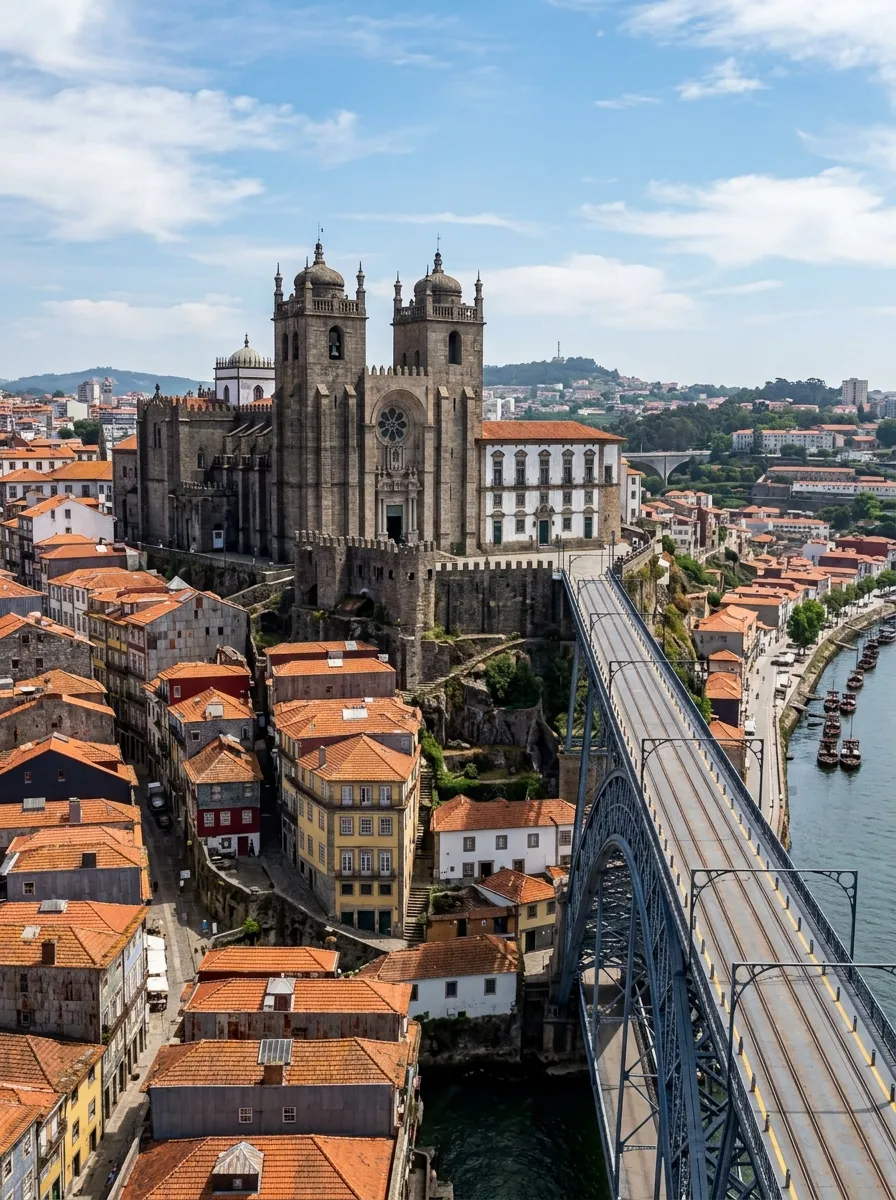
Because of its location, Jardim do Morro works beautifully as a linking point between activities on both sides of the river.
Pairing With Porto’s Historic Center
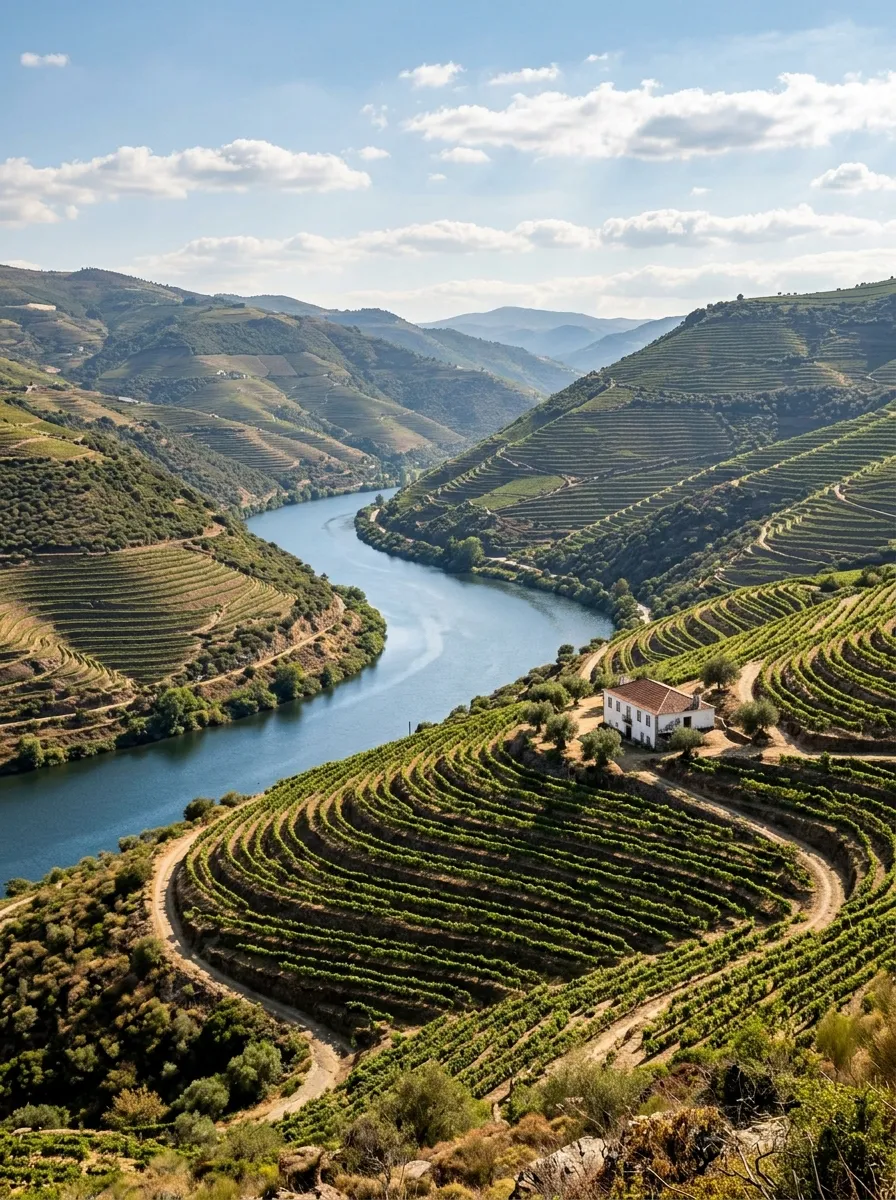
After soaking in the view, cross back over the bridge into Ribeira and continue uphill into Porto’s historic core. A short walk brings you to some of the city’s most celebrated landmarks, including the ornate interiors of the Palácio da Bolsa golden hall, home to the breathtaking Arab Room — a space so detailed and immersive that it regularly ranks among visitors’ favorite indoor experiences in the entire city. Starting your day at Jardim do Morro and ending it inside this gilded hall makes for one of the most well-rounded half-days you can spend in Porto.
Pairing With the Port Wine Cellars

Vila Nova de Gaia, the district where Jardim do Morro sits, is also home to Porto’s famous port wine lodges. Many visitors combine a sunset at the garden with an earlier stop at one of the riverside cellars for a tasting, making for a relaxed, food-and-wine-focused afternoon that ends with the best view in the city.
Pairing With a Broader Portugal Trip
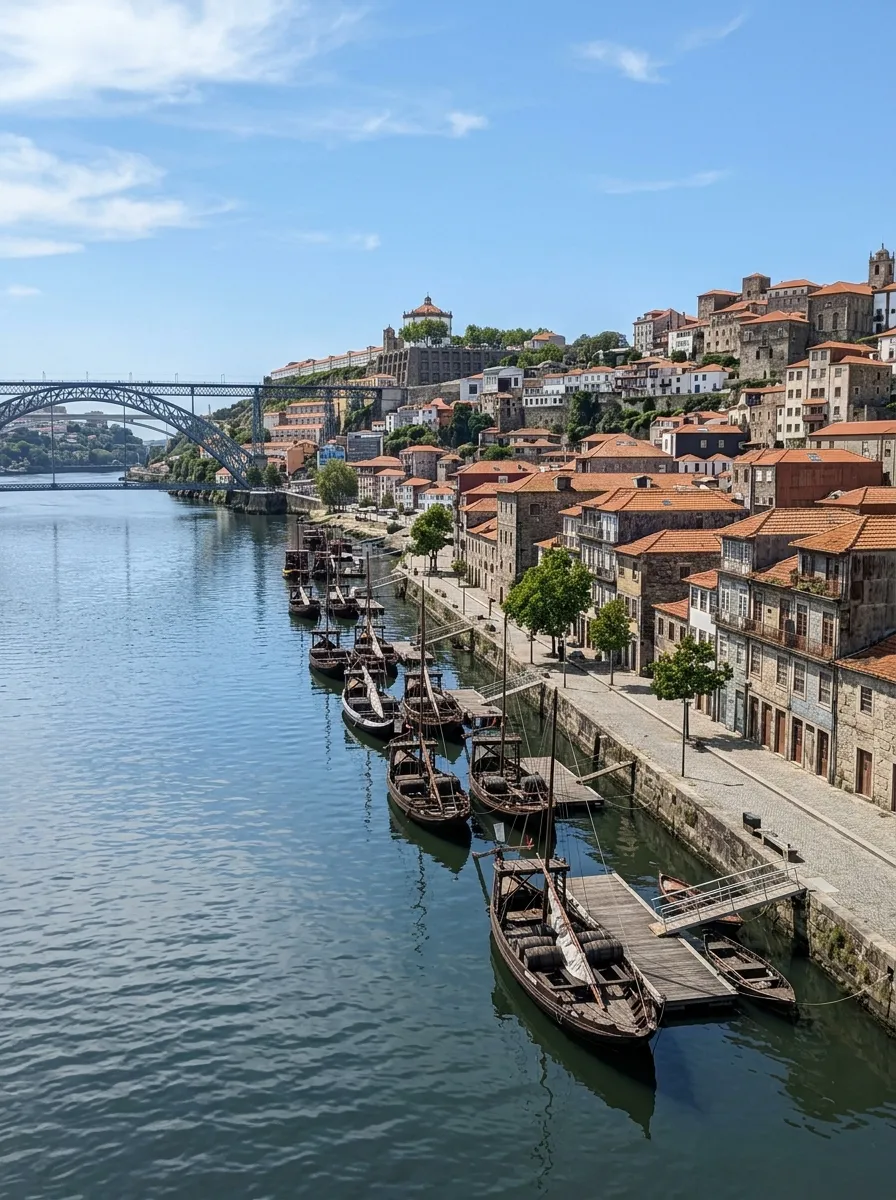
If Porto is just one stop on a longer journey through the country, Jardim do Morro deserves a firm spot on your list. Portugal’s blend of historic cities, dramatic coastlines, and hilltop viewpoints has made it an increasingly popular destination, and Porto’s riverside charm holds its own among the destinations featured in guides to the best cities to visit in Portugal for travelers planning trips over the next couple of years. Pairing a few days in Porto with time in Lisbon, the Douro Valley, or the Algarve rounds out a trip that captures the country’s full range.
For travelers drawn to dramatic, almost too-perfect scenery, it’s also worth noting that Jardim do Morro fits comfortably alongside some of the country’s most photogenic natural and architectural landmarks. Portugal is filled with these kinds of scenes, and several of them appear in roundups of dreamlike fairytale destinations in Portugal that read like something out of a storybook — proof that this small hilltop garden is in very good company.
For Travelers Who Love Nature and Water Views

If the sight of the Douro River winding beneath the bridge leaves you craving more dramatic natural scenery, it’s worth remembering that Portugal isn’t the only European country with jaw-dropping water views. Travelers extending their trip into the Balkans often find themselves equally captivated by the cascading waterfalls and turquoise pools featured in the ultimate Krka guide to Croatia’s most famous national park — a completely different kind of natural beauty, but one that appeals to the same love of scenic overlooks that draws people to Jardim do Morro in the first place.
Tips for Visiting Jardim do Morro
- Arrive early for sunset spots. The railing along the main lookout fills up fast in the 30 minutes before sunset, especially from late spring through early autumn.
- Bring a light layer. The hilltop location means it can be breezier than the streets below, particularly in the evening.
- Pack a small picnic. The lawns are perfect for sitting down with snacks or a bottle of local wine while you wait for the light to change.
- Check the metro schedule if visiting late. If you’re planning to stay well past sunset, confirm the return times for the Yellow Line or the funicular.
- Combine with a monastery visit. Even if the interior of the Mosteiro da Serra do Pilar is closed, the surrounding terrace is worth the short detour.
- Bring a camera with a wide lens. The panorama is broad enough that standard phone cameras sometimes struggle to capture the full scene in one shot; panorama mode works well here.
Practical Information
- Location: Vila Nova de Gaia, directly across the Douro River from Porto’s Ribeira district, next to the Mosteiro da Serra do Pilar.
- Cost: Free to enter, with no set opening or closing hours as it is a public garden.
- Nearest metro station: Jardim do Morro (Yellow Line).
- Recommended visit length: 30 minutes to an hour, longer if paired with a picnic or a monastery visit.
- Accessibility: The garden itself is flat and easy to navigate; the approach from the bridge involves some stairs, though the metro station offers a step-free alternative.
Frequently Asked Questions
Is Jardim do Morro worth visiting? Yes — it’s widely considered one of the best views in Porto, and it’s free, easy to reach, and rarely disappointing regardless of the time of day.
How long does it take to walk from Ribeira to Jardim do Morro? Roughly 10 to 15 minutes across the upper deck of the Dom Luís I Bridge, depending on how often you stop for photos along the way.
Is Jardim do Morro better at sunrise or sunset? Sunset is more popular and dramatic thanks to the golden light on the rooftops, but sunrise offers a quieter, calmer experience with far fewer people.
Can you access the Mosteiro da Serra do Pilar from the garden? Yes, the monastery sits directly next to Jardim do Morro, and its surrounding terrace is generally accessible even when the interior is closed.
Final Thoughts
Jardim do Morro is proof that some of the best travel experiences require nothing more than the right hill, the right hour, and a short walk across a very beautiful bridge. It costs nothing to visit, takes very little planning, and consistently delivers one of the most memorable views in Portugal. Whether you’re catching the sunset with a glass of port wine in hand, wandering over after a morning at the palace halls across the river, or simply pausing mid-crossing on the bridge to take in the rooftops below, this small garden earns its reputation as one of Porto’s essential stops.
If you’re building an itinerary around the city’s best views, historic sites, and golden-hour photo opportunities, make sure Jardim do Morro is near the top of your list — it’s the kind of place that quietly becomes the highlight of the entire trip.