DJI Mavic 3 Pro Fly More Combo Review: The Drone That Changed How I Document My Travels
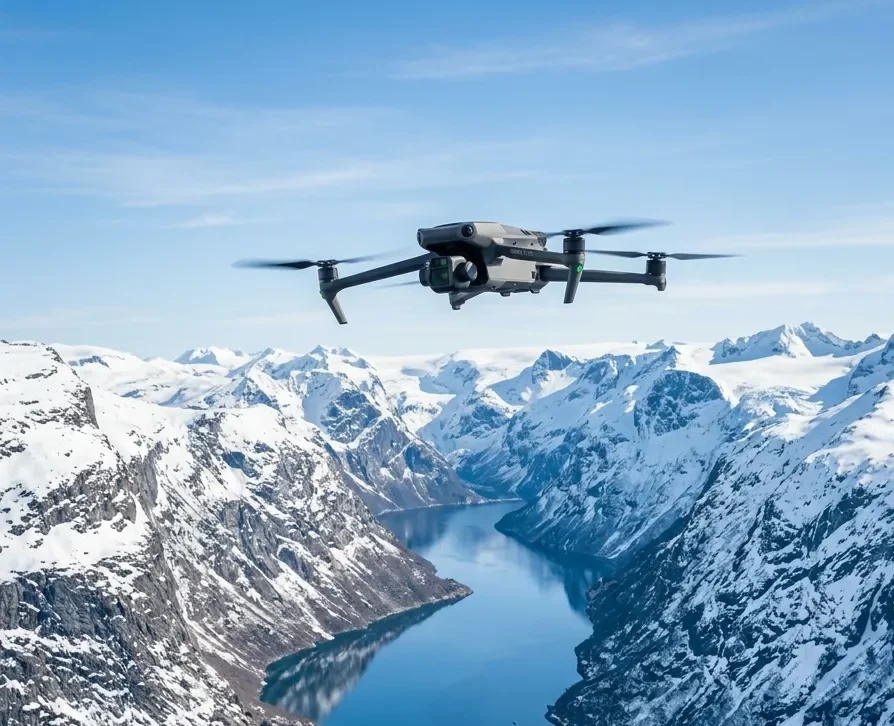
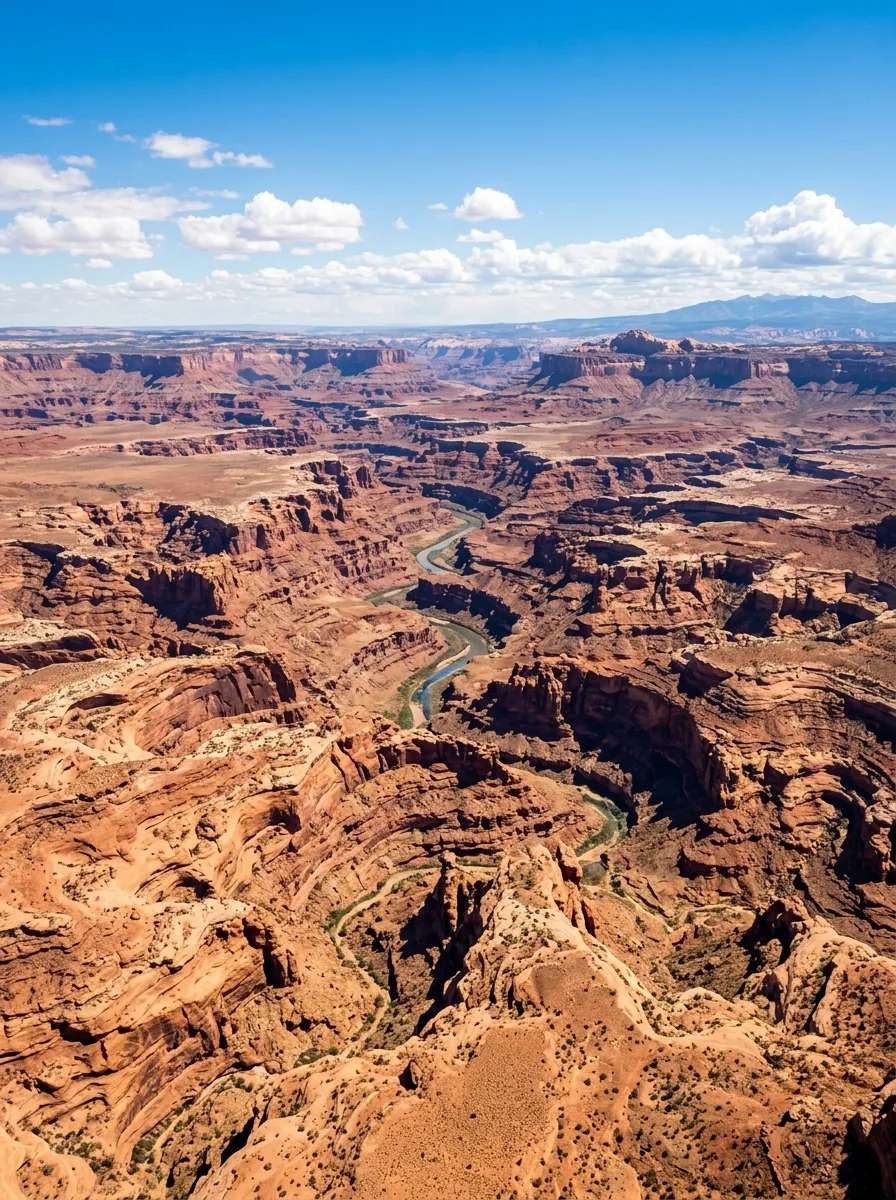
If you’ve followed my blog for a while, you know I’ve gone through more than my fair share of travel gear — cameras, gimbals, action cams, you name it. But nothing has reshaped the way I capture a destination quite like the DJI Mavic 3 Pro Fly More Combo with DJI RC Pro. After flying it across three continents over the past several months — from the fjords of Norway to the terraced rice fields of Vietnam and the red rock canyons of Utah — I can say with confidence this is the single best investment I’ve made in my travel content setup in years.
This isn’t a sponsored post. I bought this drone with my own money, dragged it through airport security more times than I’d like to admit, and flown it in conditions ranging from freezing alpine wind to sticky tropical humidity. Here’s my honest, detailed take — the good, the frustrating, and everything in between — so you can decide if it’s worth the investment for your own travels.
Available on Amazon:
First Impressions: Built Like a Flagship, Feels Like One Too
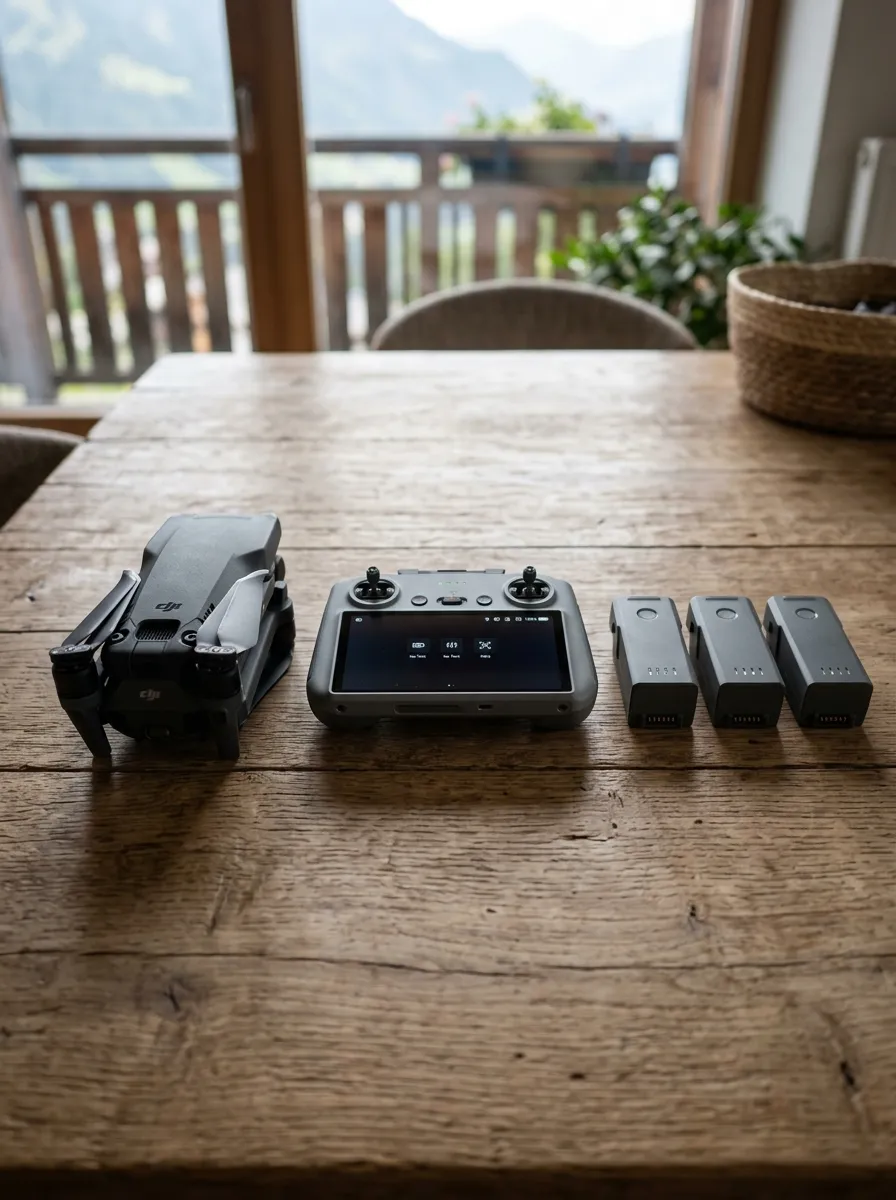
Unboxing the Fly More Combo, it’s immediately clear this isn’t a toy. The drone folds down into a surprisingly compact form factor — roughly the size of a large water bottle when collapsed — which matters enormously when you’re trying to fit a week’s worth of clothes, a laptop, and camera gear into a single carry-on. DJI clearly designed this with international travelers in mind.
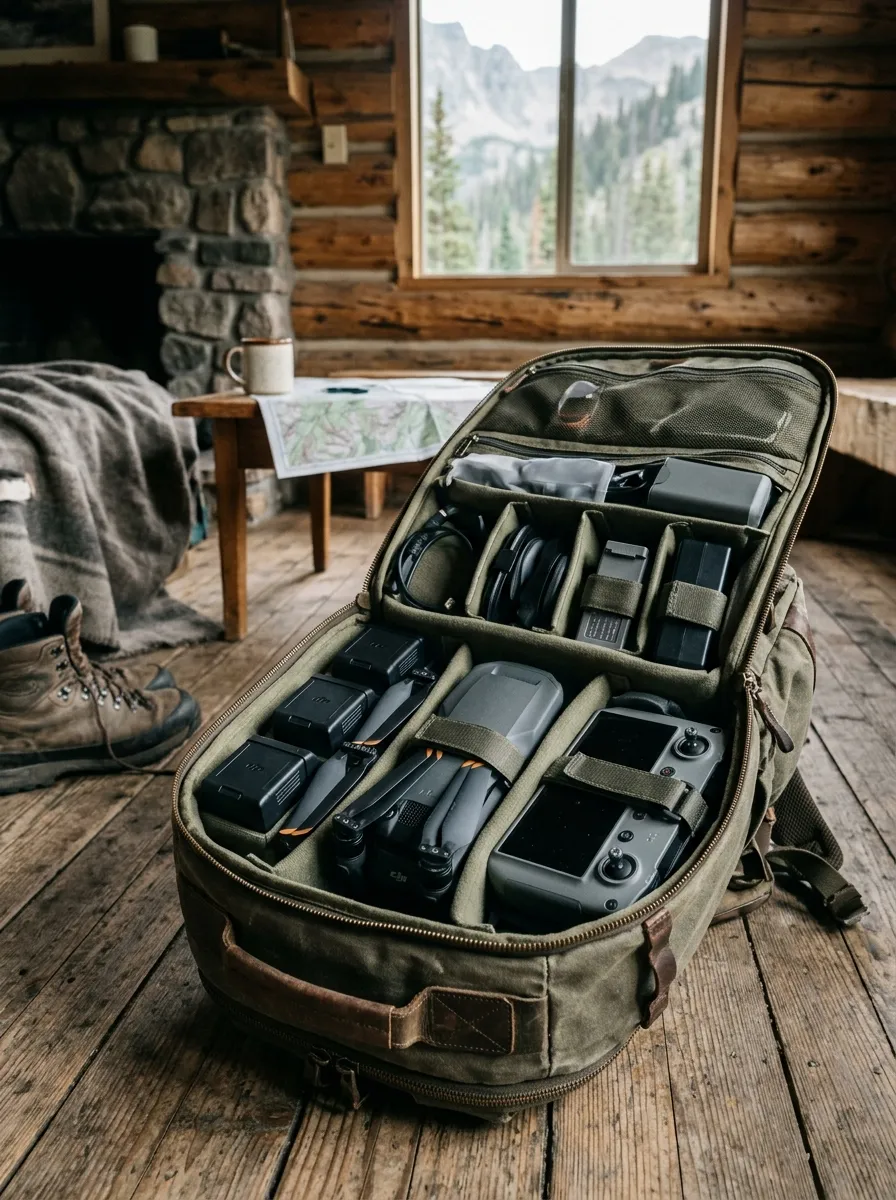
The Fly More Combo comes with three intelligent flight batteries, a charging hub, ND filters, and the DJI RC Pro remote controller with a built-in 5.5-inch high-bright screen. That screen alone is a game-changer. On sunny days at high altitude — think mountain passes or coastal cliffs — a phone screen becomes nearly unreadable in daylight. The RC Pro’s display stays crisp and visible even under harsh sun, which saved me from several missed shots during a shoot in the Dolomites.
The Camera System: This Is Where It Earns Its Price Tag
The headline feature is the Hasselblad-tuned triple-camera system: a 4/3 CMOS main sensor paired with two additional tele cameras (70mm and 166mm equivalent focal lengths). In practice, this means you’re not just getting a wide establishing shot — you can punch in for compressed, cinematic telephoto shots of distant mountains, wildlife, or architectural details without ever moving the drone closer.
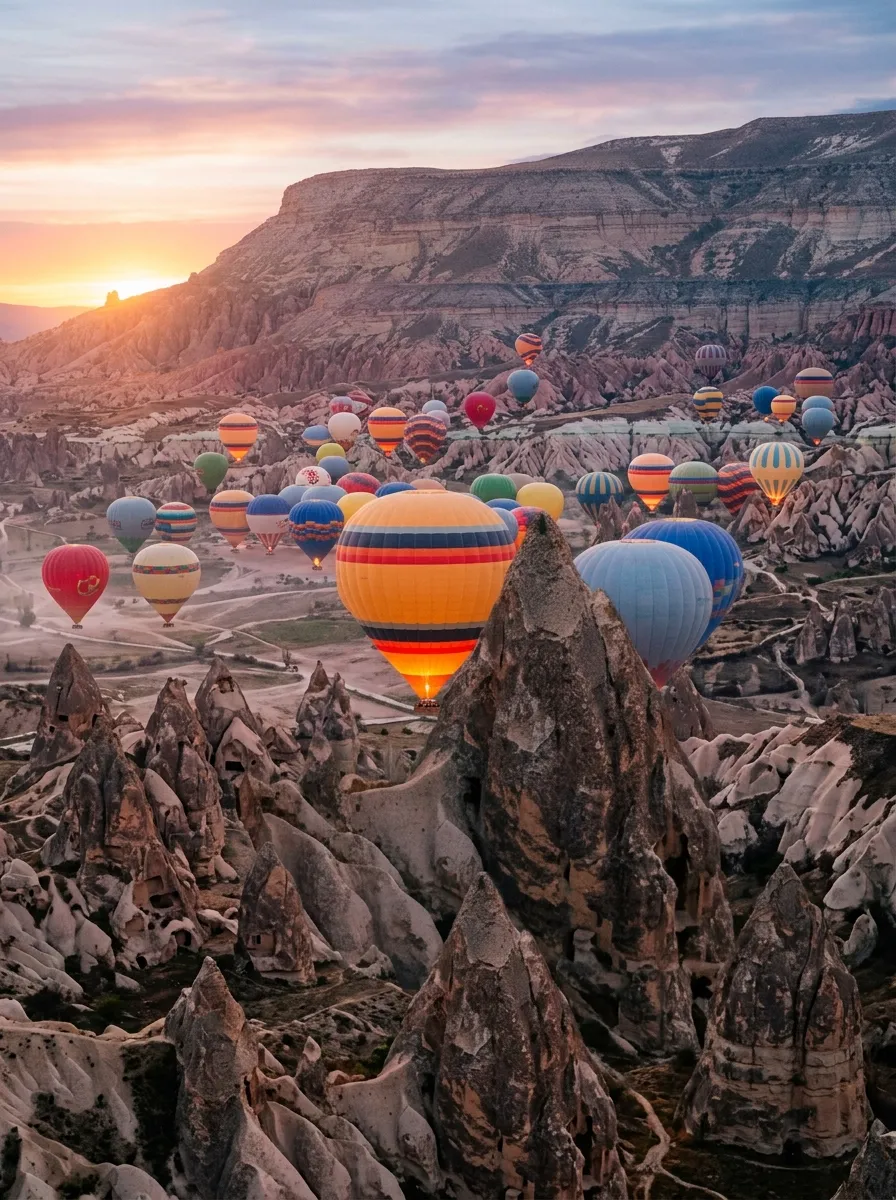
I used the 166mm tele camera extensively while filming a sunrise over Cappadocia’s hot air balloons. Getting physically close to that many balloons isn’t advisable or legal in many launch zones, but the tele lens let me capture tight, compressed shots that looked like I was flying right alongside them, all from a safe and compliant distance.
Photo quality is outstanding. The main Hasselblad sensor captures RAW images with excellent dynamic range — I regularly pulled back blown-out skies and recovered shadow detail in post that I simply couldn’t with my older drone. Video maxes out at 5.1K/50fps, and 4K/120fps slow motion footage is buttery smooth, ideal for those dramatic travel-b-roll transitions everyone loves in trip recap videos.
Flight Performance: Confidence in the Air
Battery life is genuinely impressive — DJI advertises up to 43 minutes per battery, and in real-world conditions (moderate wind, some hovering for framing), I consistently got 35-38 minutes. With three batteries in the Fly More Combo, that’s nearly two hours of total flight time per outing, which is more than enough to scout, shoot, and re-shoot a location without constantly running back to recharge.
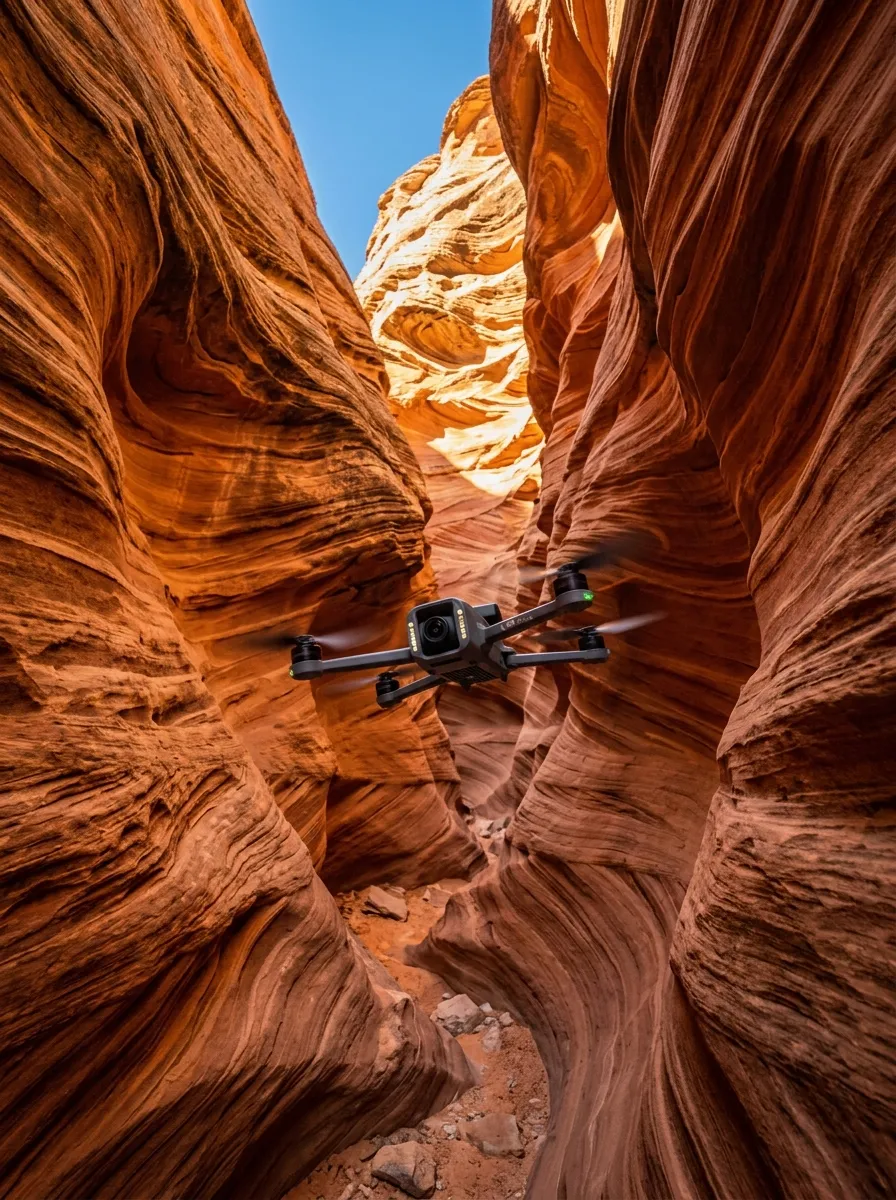
The obstacle avoidance system, powered by omnidirectional sensors, gave me real peace of mind flying through narrow slot canyons in the American Southwest and around tree-lined trails in the Pacific Northwest. It’s not foolproof — thin branches and glass surfaces can still confuse it — but it’s dramatically more reliable than earlier Mavic generations.
Transmission range is rated up to 15km, though I never tested anywhere close to that (nor would I recommend flying that far regardless of legality). What matters more practically is signal stability at moderate distances, and even in areas with some interference — near ski resorts, urban skylines — the feed stayed steady with minimal lag.
Available on Amazon:
Where It Falls Short: The Honest Cons

No product is perfect, and at this price point, I hold gear to a high standard.
1. Weight and bulk in your travel kit. While the drone itself folds small, the Fly More Combo — with three batteries, the RC Pro controller, charging hub, and case — adds noticeable weight and volume to your luggage. If you’re trying to travel ultralight or backpack through multiple countries, this is a real consideration.
2. Battery travel restrictions. Lithium batteries for drones are subject to strict airline regulations. You’ll need to carry them in your carry-on (never checked luggage), and some airlines cap the number of batteries or their watt-hour rating you can bring. I’ve had to leave a spare battery behind once due to an airline’s specific policy. Always check airline-specific drone battery rules before you fly.
3. Price barrier. At north of $3,000 for the Fly More Combo with RC Pro, this is a serious financial commitment. It’s not a casual purchase, and if you’re an occasional traveler who just wants aerial shots for personal memories rather than content creation, it may be overkill.
4. Local drone regulations vary wildly. Some of the most beautiful travel destinations — national parks in the US, certain cities in Europe, parts of Southeast Asia — have strict or outright banned drone usage. I’ve had to skip flying entirely in places like several US National Parks and parts of Bali due to local restrictions. This isn’t a flaw of the drone itself, but it’s an unavoidable limitation on how often you can actually use it.
5. Learning curve for cinematic results. The camera and flight system are capable of professional results, but getting there requires some skill — understanding ND filters, manual exposure, and flight planning for smooth cinematic movement. If you’re expecting to pick this up and immediately produce Hollywood-grade footage, there’s a learning investment required first.
Who This Drone Is Actually For
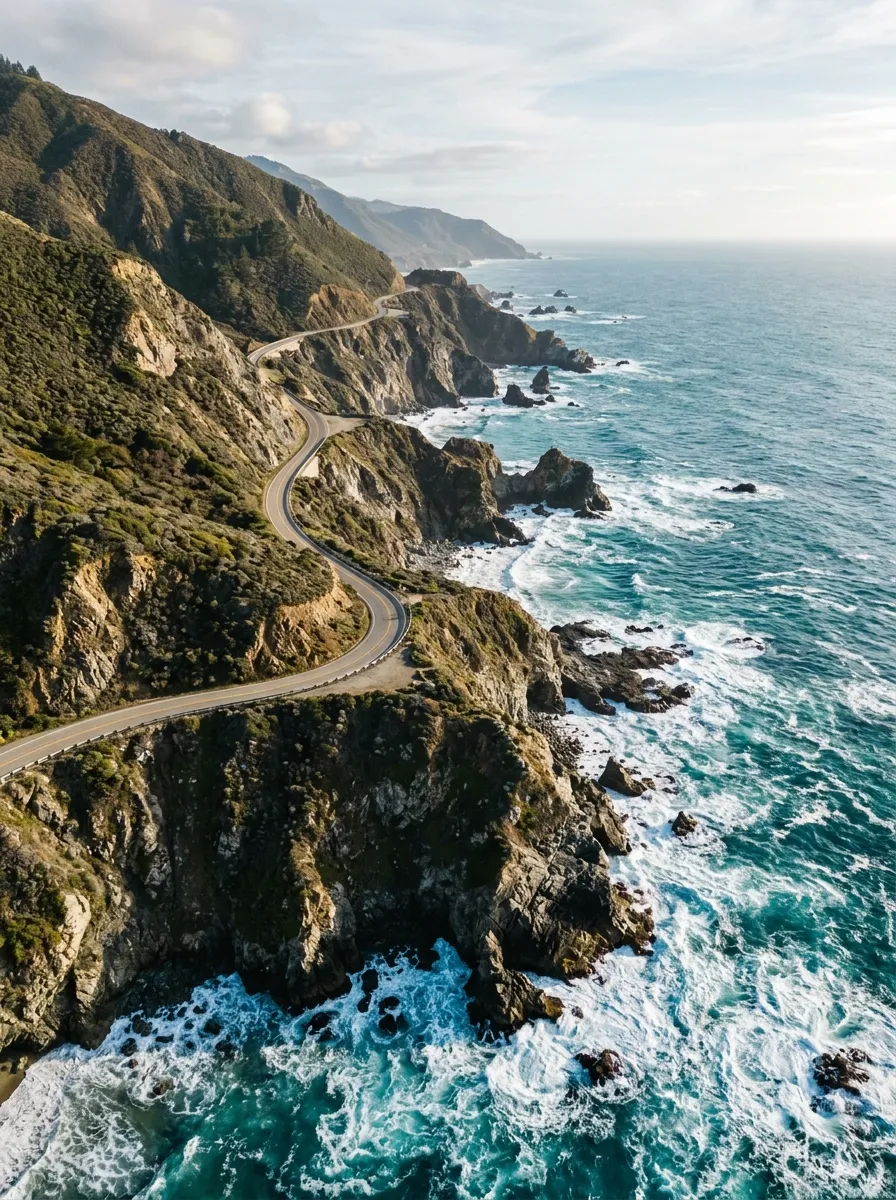
Based on my experience, the Mavic 3 Pro Fly More Combo makes the most sense for:
- Travel content creators and vloggers who monetize footage and need it to look genuinely premium.
- Serious hobbyist photographers who already invest in quality camera gear and want aerial shots to match.
- Frequent travelers who visit varied landscapes — coastlines, mountains, cities — where diverse aerial perspectives add real value to their storytelling.
It’s probably not the right purchase for casual travelers who fly once or twice a year, or for anyone unwilling to research and respect local drone laws before every trip.
Final Verdict
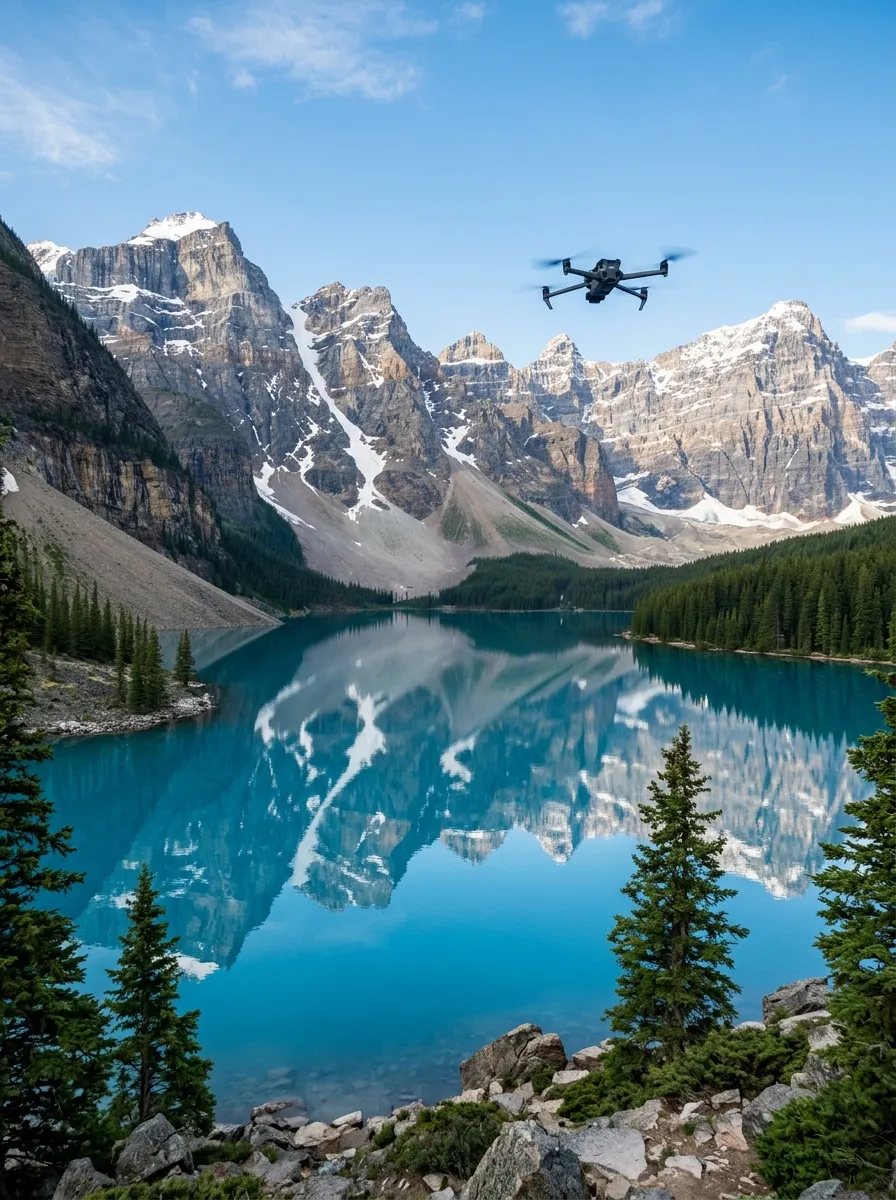
After extensive use across multiple trips and terrains, the DJI Mavic 3 Pro Fly More Combo has genuinely elevated the visual quality of my travel content. The triple-camera system, extended flight time, and rock-solid transmission make it one of the most capable travel drones currently available. It’s not cheap, and it comes with real logistical considerations — battery regulations, drone laws, added luggage weight — but for anyone serious about capturing their travels from a perspective ground-level cameras simply can’t reach, it delivers results that justify the investment.
If you’re on the fence, my honest advice: rent or borrow a Mavic 3 series drone for a single trip first if you can. If the footage transforms how you feel about your travel content the way it did for me, the Fly More Combo is worth the leap.
Have you flown the Mavic 3 Pro on your own travels? I’d love to hear your experience in the comments below.
Disclosure: This post contains an affiliate link. If you purchase through it, I may earn a small commission at no additional cost to you. All opinions are based on my genuine, extended use of this product.