Plitvice National Park: The Ultimate Guide to Croatia’s Turquoise Lakes, Waterfalls & Forest Trails
There are places that look beautiful in photographs, and then there are places that make you wonder whether someone quietly turned the saturation slider up on the entire landscape.
Plitvice National Park belongs firmly in the second category.
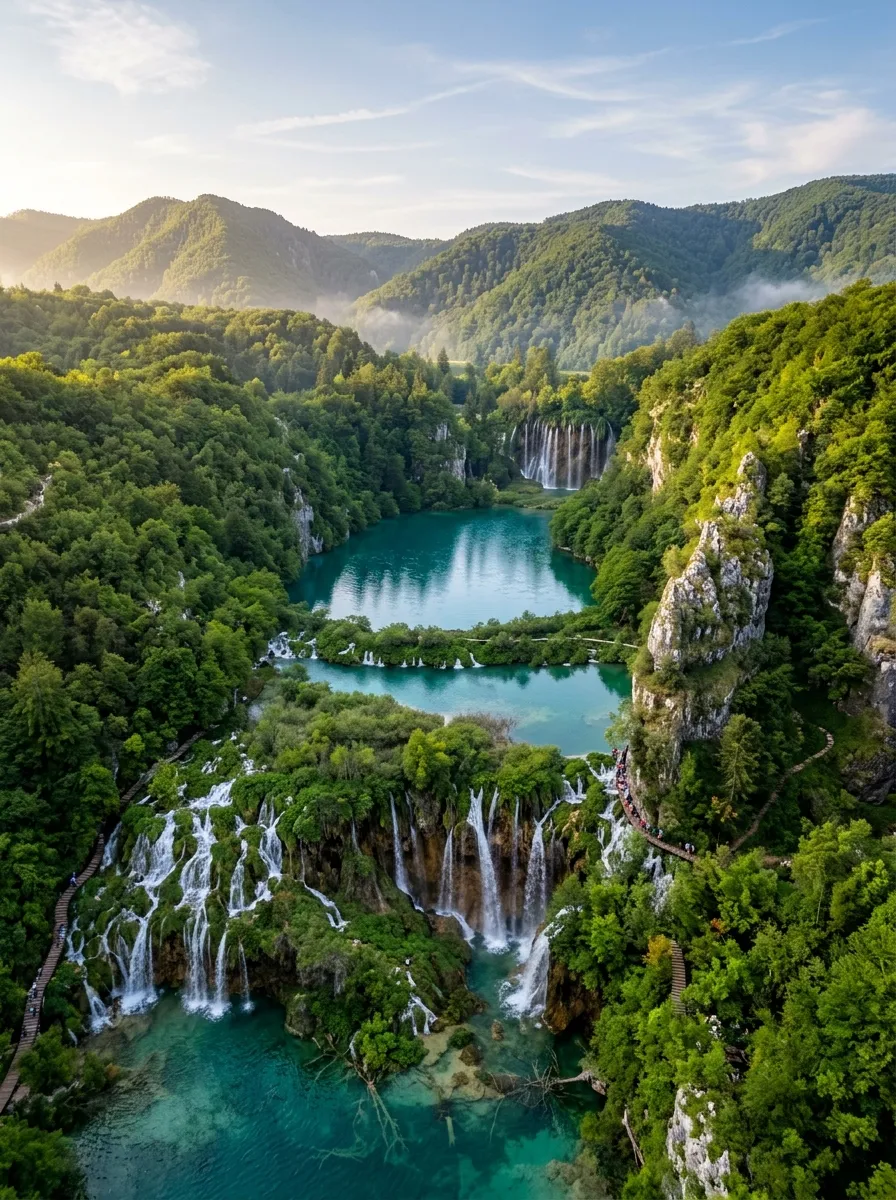
Hidden among the forested mountains of central Croatia, Plitvice Lakes National Park is a spectacular maze of turquoise lakes, wooden walkways, limestone canyons, cascading waterfalls and lush forests. The scenery changes constantly as you move through the park, with one viewpoint revealing a huge waterfall and the next opening onto a glassy blue-green lake.
And this isn’t simply a pretty collection of lakes. Plitvice is a UNESCO World Heritage Site, recognized for the unusual geological and biological processes that continue to create its travertine barriers and shape the lake system. (UNESCO World Heritage Centre)
If you’re planning a Croatia itinerary, this is one destination worth giving more than a quick photo stop.
Recommended Travel Items for Your Trip
Why Visit Plitvice National Park?
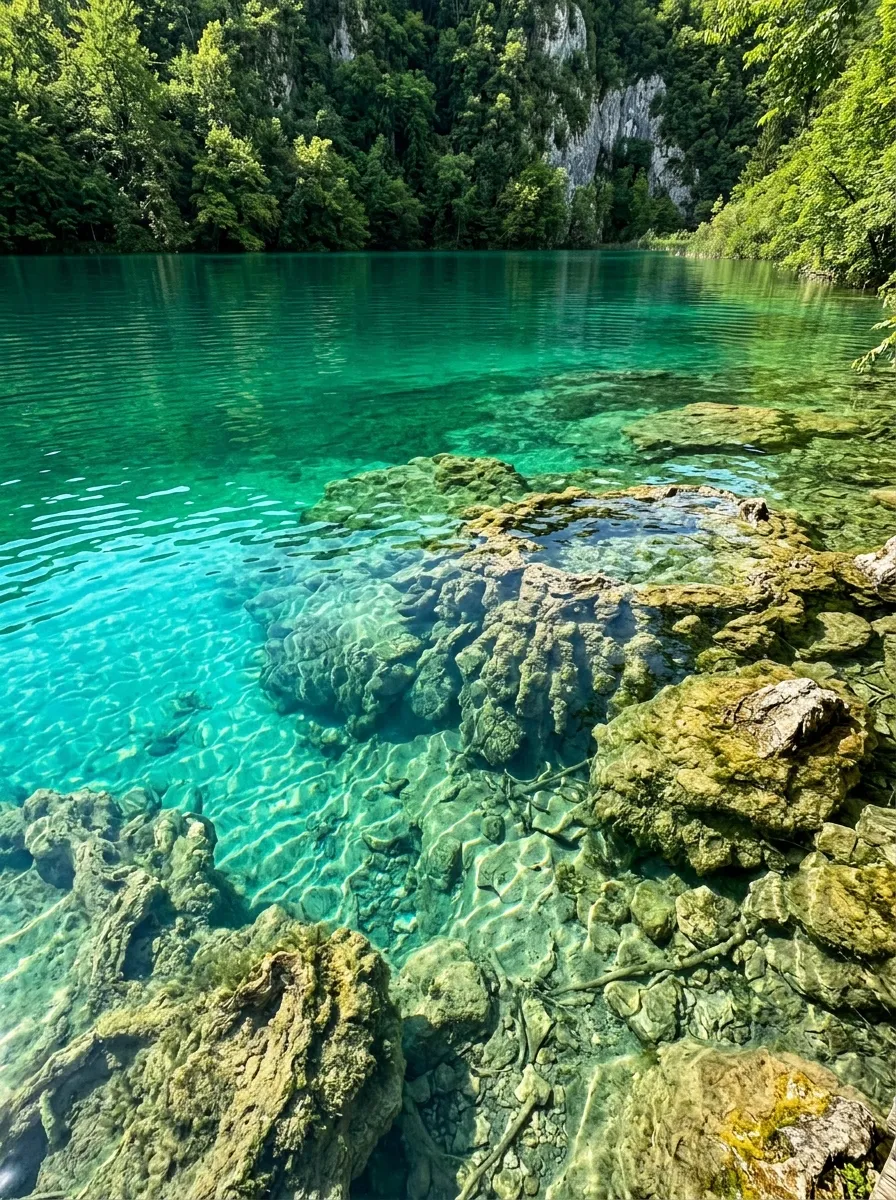
Plitvice has a rare combination of dramatic scenery and easy-to-follow visitor routes.
The park is built around a connected system of lakes divided broadly into the Upper Lakes and Lower Lakes. Water flows between them through cascades and waterfalls, while travertine barriers have gradually shaped the landscape over thousands of years. UNESCO notes that these geological processes are still continuing today. (UNESCO World Heritage Centre)
The result is wonderfully strange: water appears to disappear beneath vegetation, emerge somewhere else, tumble over a rock barrier and then settle into another impossibly clear lake.
The park was established as a national park in 1949 and was added to the UNESCO World Heritage List in 1979. Its World Heritage boundaries were later expanded in 2000. (UNESCO World Heritage Centre)
What makes Plitvice special?
- Brilliantly colored lakes
- Hundreds of waterfalls and cascades
- Dense forest and mountain scenery
- Wooden boardwalks and hiking paths
- Electric boat rides across Lake Kozjak
- Panoramic vehicle rides
- Dramatic viewpoints over the Lower Lakes
- UNESCO World Heritage status
- Rich wildlife, including brown bears, wolves and lynx in the wider park ecosystem (UNESCO World Heritage Centre)
Quick tip: Don’t treat Plitvice as a single waterfall attraction. The real experience is moving through the entire landscape and watching the scenery evolve around you.
Where Is Plitvice National Park?
Plitvice Lakes National Park is in central Croatia, in the lower elevations of the Dinaric mountain region.
It sits inland rather than directly on the Adriatic coast, making it a natural addition to a Croatia road trip between destinations such as Zagreb, Zadar and the Croatian coast.
The park covers almost 30,000 hectares, although the famous lake zone occupies only part of this enormous protected landscape. (UNESCO World Heritage Centre)
The Upper Lakes vs. Lower Lakes
Understanding the two sections makes planning your visit much easier.
Lower Lakes
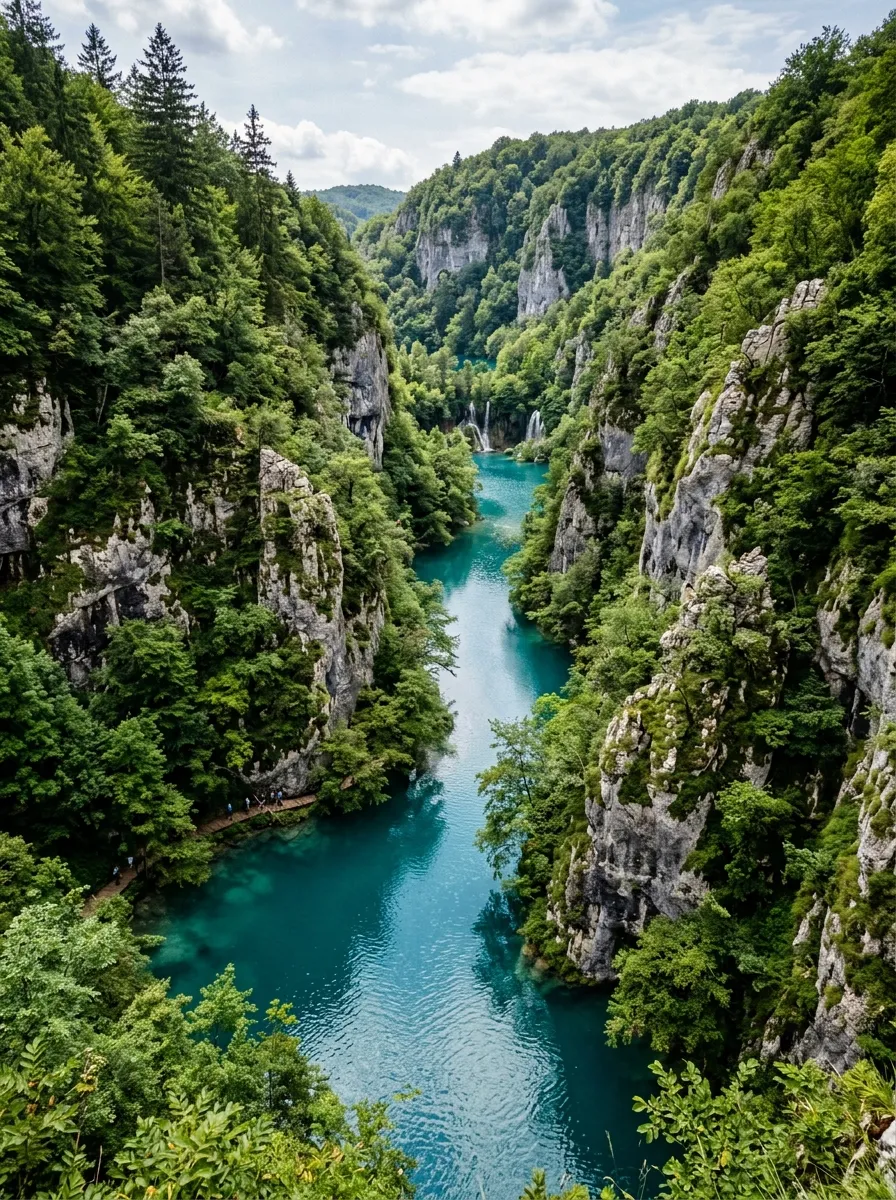
The Lower Lakes are generally the more dramatic and instantly recognizable section of Plitvice.
Here you’ll find:
- Deep limestone canyon walls
- Turquoise and blue-green water
- Wooden walkways
- Numerous cascades
- Great viewpoints
- The famous Great Waterfall
- Lakes including Milanovac, Gavanovac, Kaluđerovac and Novakovića Brod
The park’s official Program A, for example, covers approximately 3.5 km and takes around 2 to 3 hours, focusing on the Lower Lakes and Great Waterfall. (Nacionalni park “Plitvička jezera”)
Upper Lakes
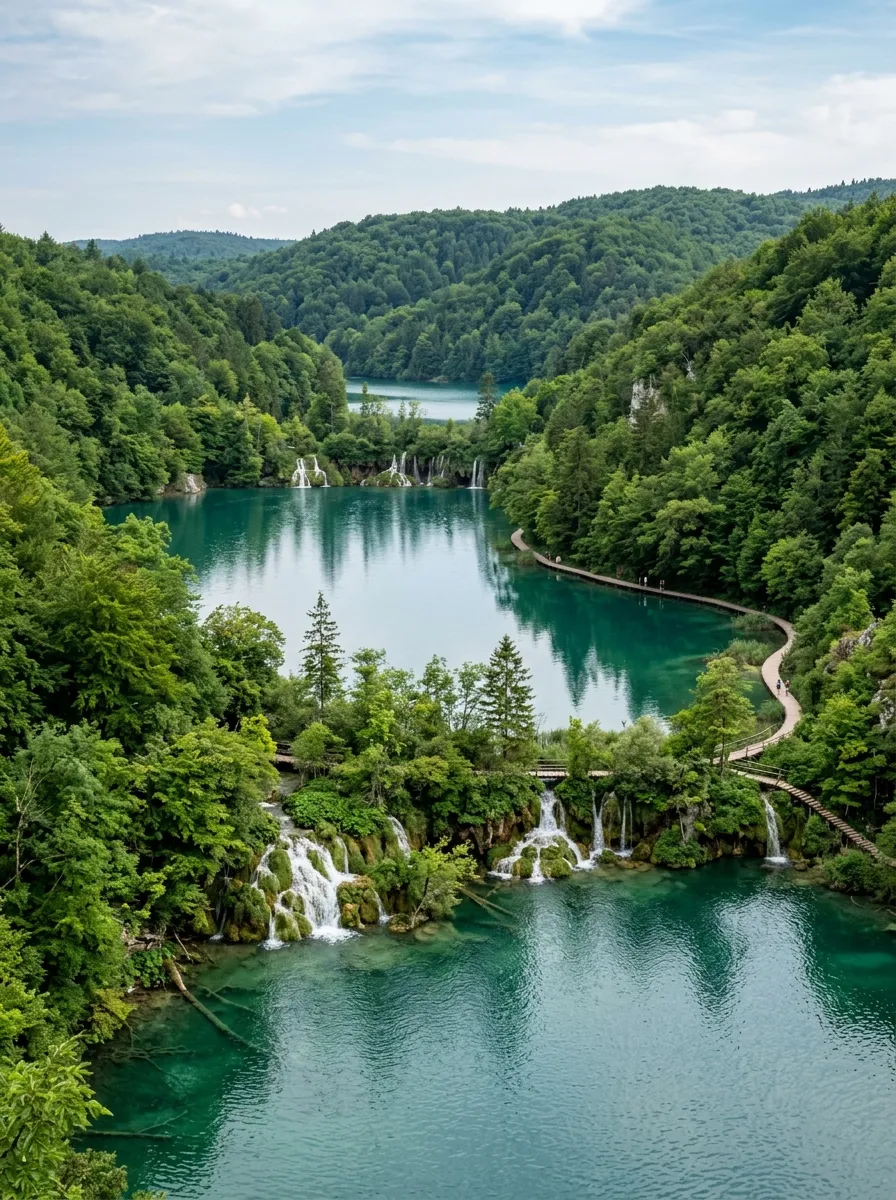
The Upper Lakes feel different.
Instead of the enclosed canyon atmosphere, you’ll encounter wooded shores, broader landscapes and a succession of waterfalls and cascades.
The Upper Lakes include some of the park’s most peaceful scenery and are particularly rewarding if you have enough time to explore beyond the main Lower Lakes viewpoints.
The official Program E takes approximately 2 to 3 hours and covers around 5.1 km, including the Upper Lakes and an electric-boat crossing of Lake Kozjak. (Nacionalni park “Plitvička jezera”)
Which should you choose?
| If you have… | Best approach |
| 2–3 hours | Focus on the Lower Lakes |
| 3–5 hours | Combine Lower and Upper Lakes |
| 5–8 hours | Take a longer route through much of the lake zone |
| A full day | Choose an extended program and explore at a relaxed pace |
If this is your first visit, I would prioritize seeing both sections if your schedule allows.
Best Things to See at Plitvice National Park
1. Great Waterfall
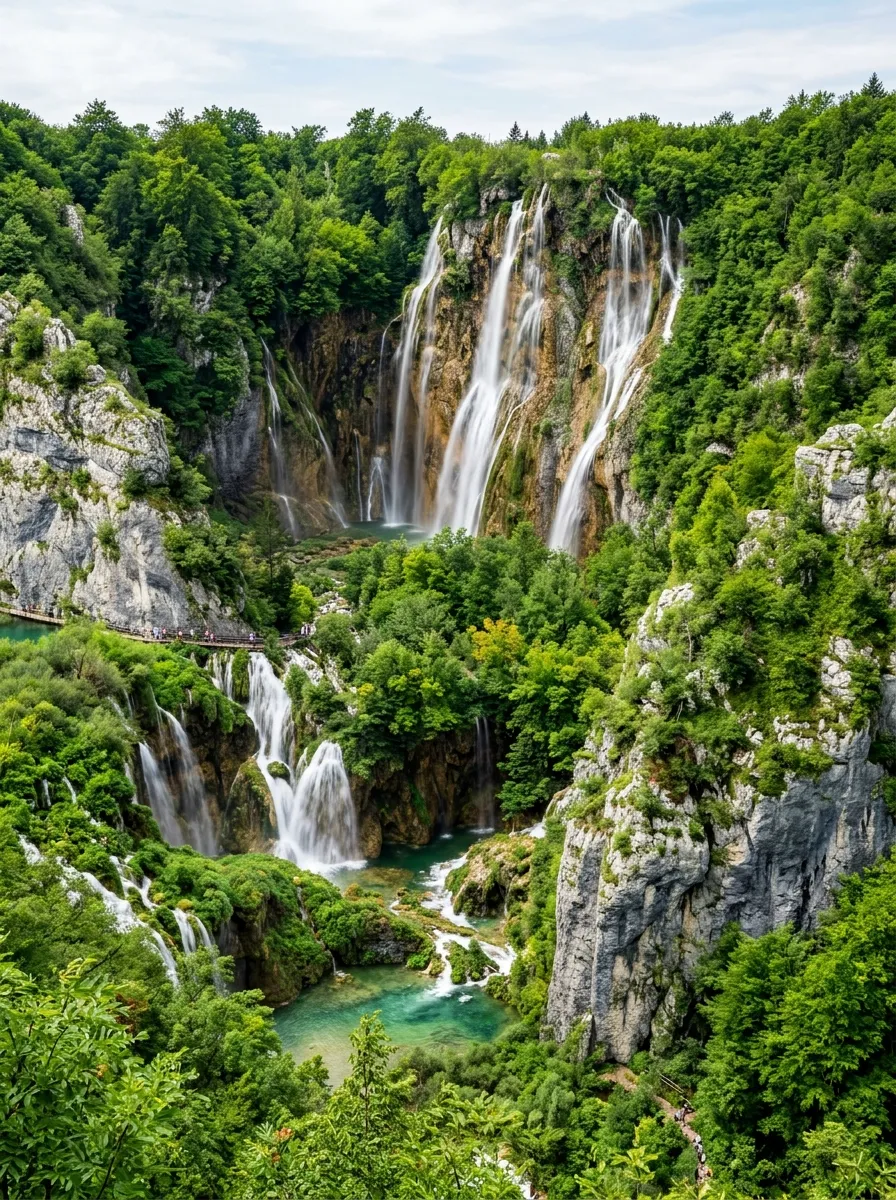
The Great Waterfall, or Veliki Slap, is one of Plitvice’s signature sights.
At 78 meters, it is the tallest waterfall in Croatia and drops dramatically at the end of the Lower Lakes canyon.
It’s one of those places where the surrounding scenery matters almost as much as the waterfall itself. Limestone cliffs, dense greenery and cascading water create a surprisingly dramatic setting.
It’s also included on several of the park’s official sightseeing programs. (Nacionalni park “Plitvička jezera”)
2. Lake Kozjak
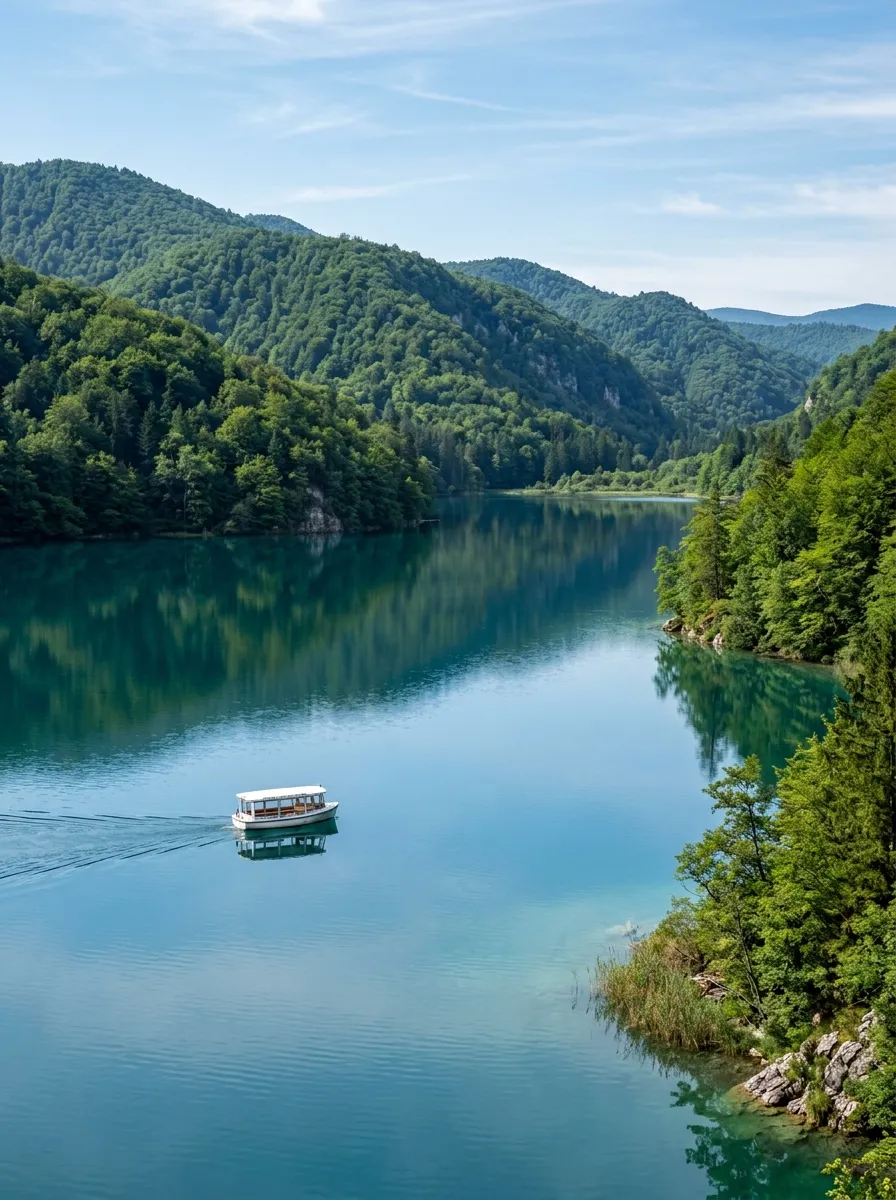
Lake Kozjak is the largest lake in the Plitvice system and plays an important role in several sightseeing routes.
Rather than simply walking around it, visitors can cross the lake on one of the park’s electric boats.
The boat ride is included within the park entrance ticket when it forms part of the selected sightseeing program. (Nacionalni park “Plitvička jezera”)
It provides a welcome change of pace after walking the boardwalks.
3. Sastavci Waterfalls
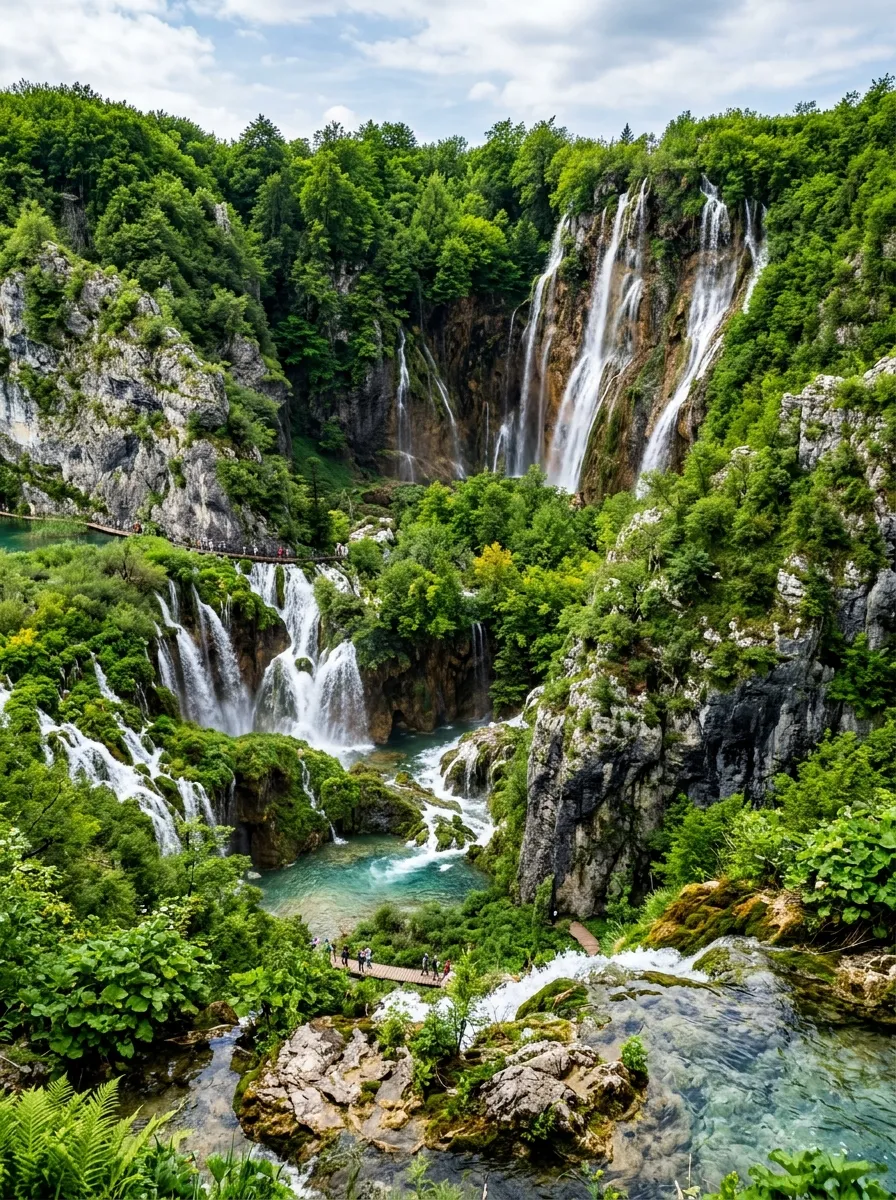
Near the Lower Lakes, you’ll encounter the Sastavci waterfalls, where water tumbles through the dramatic landscape before continuing downstream.
The combination of multiple streams, greenery and limestone formations makes this one of the most photogenic areas of the park.
4. Veliki Prštavac
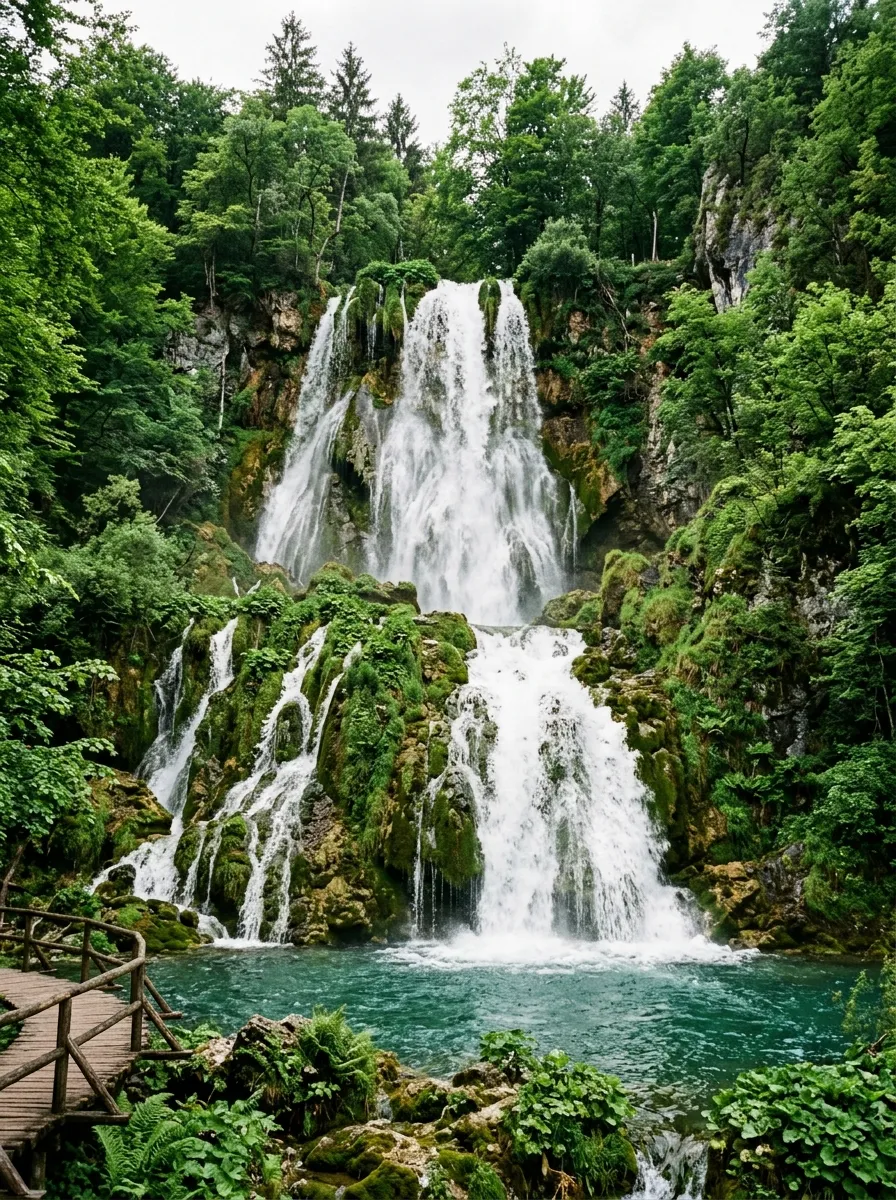
If you’re exploring the Upper Lakes, keep an eye out for Veliki Prštavac, one of the area’s most impressive waterfalls.
It’s featured on the park’s longer sightseeing programs alongside Mali Prštavac and numerous smaller cascades. (Nacionalni park “Plitvička jezera”)
5. The Wooden Boardwalks
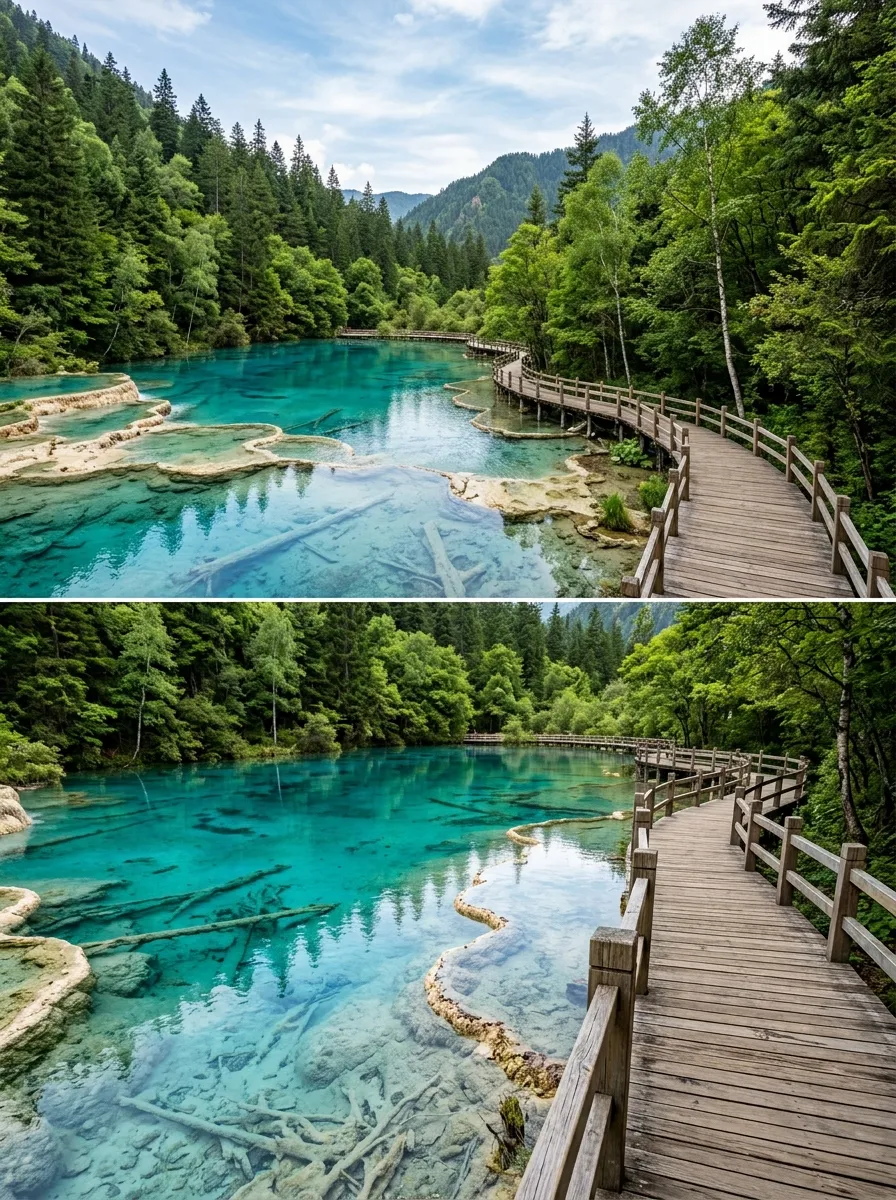
The boardwalks are part of what makes Plitvice so memorable.
Instead of viewing the lakes from a single overlook, you walk directly through the landscape, crossing streams and moving beside waterfalls.
The water can be incredibly clear, allowing you to see beneath the surface in places.
But there’s an important rule:
Stay on the designated paths.
Plitvice’s landscape is fragile, and the park’s natural travertine formation depends on delicate interactions between water, minerals and living organisms. UNESCO specifically identifies these ongoing processes as a major reason for the site’s World Heritage significance. (UNESCO World Heritage Centre)
Best Things to Do in Plitvice National Park
Walk the Lower Lakes
If you’re short on time, this is the section I’d prioritize.
You’ll experience the canyon, waterfalls, boardwalks and Great Waterfall without committing to one of the longest routes.
The official Program A is designed around this shorter experience and takes approximately 2 to 3 hours. (Nacionalni park “Plitvička jezera”)
Explore the Upper Lakes
Have more time?
Go farther.
The Upper Lakes provide a quieter experience and showcase another side of Plitvice. Thick forests, broad lakes and cascading waterfalls replace some of the dramatic canyon scenery found below.
Take the Electric Boat
The electric boat across Lake Kozjak is one of the easiest ways to add variety to your day.
It also saves your legs from having to walk every section of the route.
The park’s sightseeing programs combine walking with boat and panoramic vehicle transportation depending on the route selected. (Nacionalni park “Plitvička jezera”)
Ride the Panoramic Vehicle
Plitvice isn’t purely a hiking destination.
The park operates a panoramic vehicle as part of its sightseeing programs, allowing visitors to cover larger distances without walking the entire route.
This is particularly useful if you’re traveling with children, older relatives or anyone who would rather spend their energy admiring waterfalls than collecting blisters.
Photograph the Viewpoints
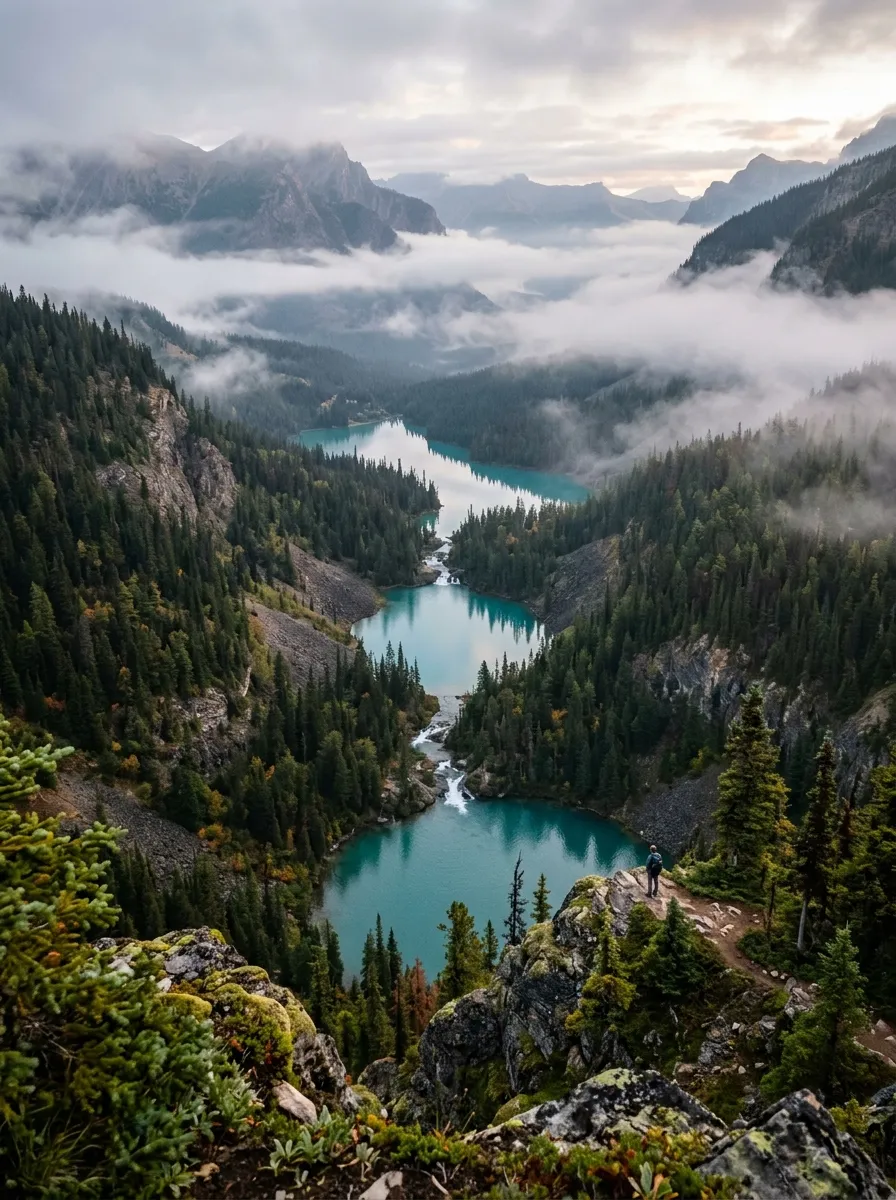
The viewpoints above the Lower Lakes offer some of the best opportunities to understand just how dramatic the landscape really is.
From higher ground, the lakes appear stacked through the forest and canyon like a natural staircase.
For photographers, early morning and later afternoon can produce especially atmospheric light.
Plitvice National Park Hiking Routes
One of the biggest advantages of visiting Plitvice is the variety of official routes.
The park currently lists several sightseeing programs ranging from short walks of around 2–3 hours to longer routes taking 6–8 hours. (Nacionalni park “Plitvička jezera”)
Program A
Approx. 2–3 hours | 3.5 km
Starts at Entrance 1 and focuses on the Lower Lakes.
Best for:
- First-time visitors with limited time
- Families
- Travelers combining Plitvice with another destination
Program B
Approx. 3–4 hours | 4 km
Adds an electric-boat ride across Lake Kozjak and a panoramic vehicle ride.
This is a good middle-ground option if you want more than the basic Lower Lakes experience.
Program C
Approx. 4–5 hours | 8 km
Covers both the Lower and Upper Lakes and combines walking, electric boats and the panoramic vehicle.
My pick for many first-time visitors: this is the sweet spot if you have enough time.
Program D
Approx. 2–3 hours | 5.1 km
Starts from Entrance 2 and focuses on the Upper Lakes.
It’s a good choice if you’ve already seen the Lower Lakes or specifically want a quieter Upper Lakes experience.
Program E
Approx. 4–6 hours | 8.9 km
This route combines the Upper and Lower Lakes with boat and panoramic vehicle transportation.
It offers a more comprehensive look at the lake zone.
Program F
Approx. 6–8 hours | 16.5 km
This is one for travelers who want a much more extensive walking experience.
If you enjoy hiking and have most of the day available, this route gives you considerably more time in the landscape. (Nacionalni park “Plitvička jezera”)
How Much Time Do You Need at Plitvice?
For most travelers, 4–6 hours is a comfortable target.
That gives you enough time to see major highlights without racing from waterfall to waterfall.
One-day Plitvice itinerary
Morning
- Arrive early
- Enter through your selected entrance
- Begin with the Lower Lakes
- Visit the Great Waterfall
- Explore the canyon boardwalks
Midday
- Take the electric boat across Lake Kozjak
- Continue toward the Upper Lakes
- Stop for photographs and a break
Afternoon
- Complete your selected sightseeing program
- Take the panoramic vehicle where included
- Leave the park before you’re completely out of walking fuel
If you’re combining Plitvice with a broader Croatia road trip, don’t underestimate the time needed for parking, walking between sections and waiting at busy points.
When Is the Best Time to Visit Plitvice National Park?
Plitvice is beautiful throughout the year, but each season creates a completely different atmosphere.
Spring
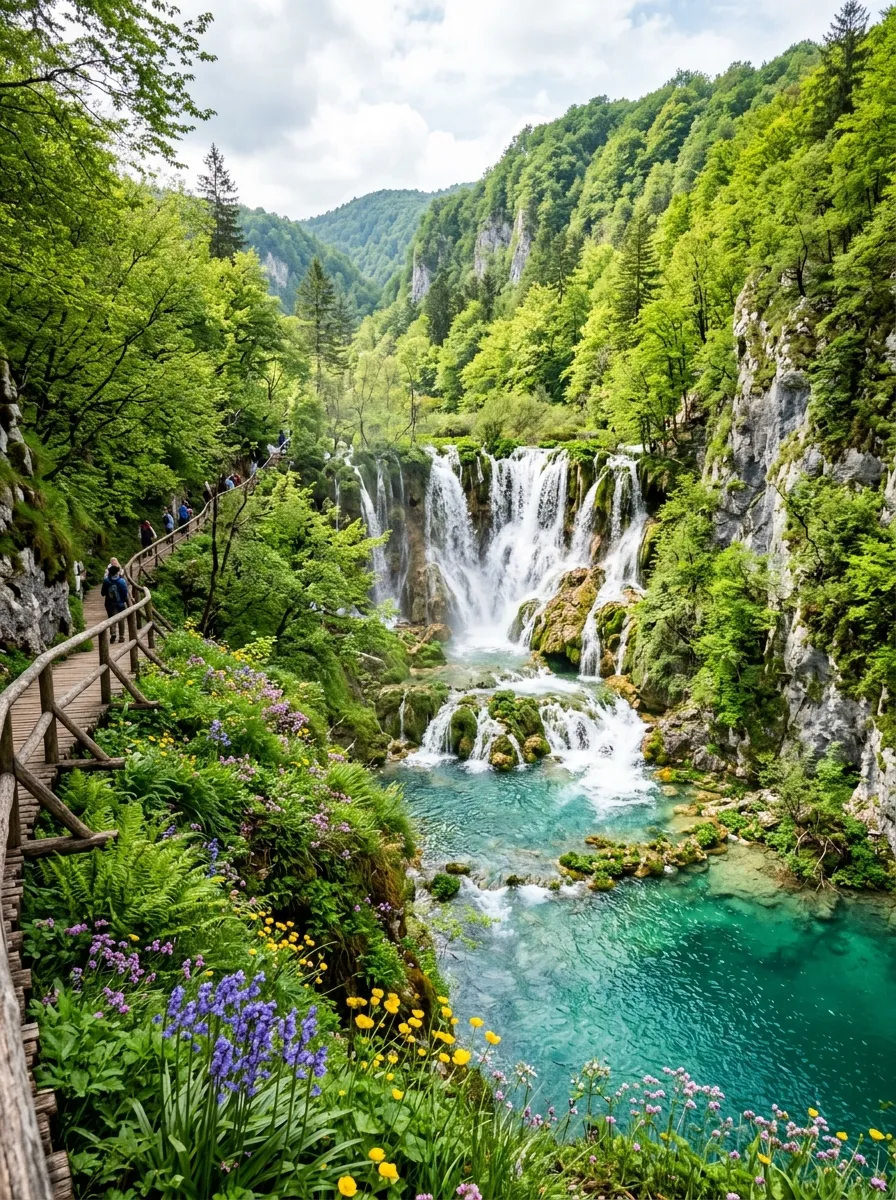
Spring brings flowing waterfalls, fresh greenery and a lush appearance.
It’s an excellent time if you want the landscape looking vibrant without the full intensity of summer.
Summer
Summer generally offers long daylight hours and convenient conditions for exploring.
The downside?
Crowds.
Popular paths can become busy, particularly around the most famous viewpoints.
If you visit in summer, an early start is one of the smartest decisions you can make.
Autumn
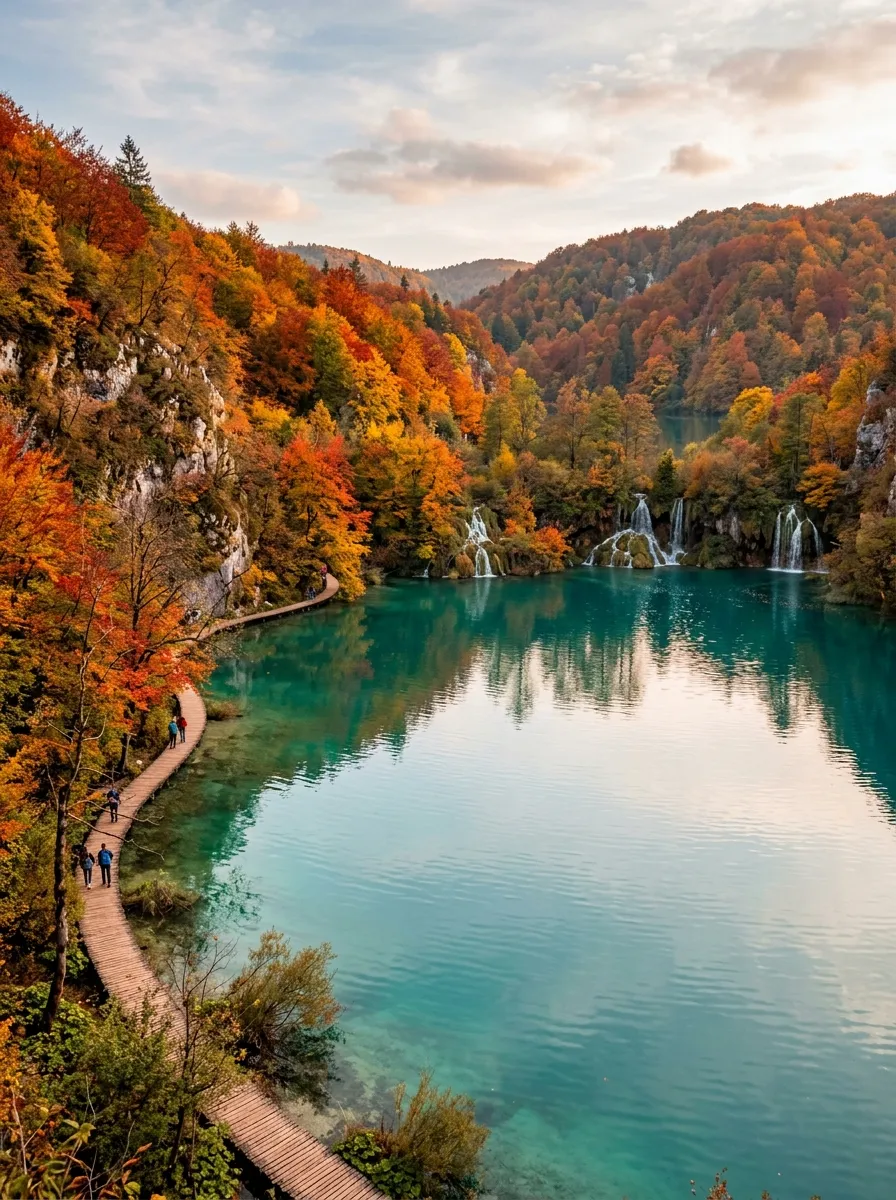
Autumn may be the most visually dramatic season.
The forests turn shades of yellow, orange and red, creating a completely different version of Plitvice.
If you enjoy photography, this season deserves serious consideration.
Winter
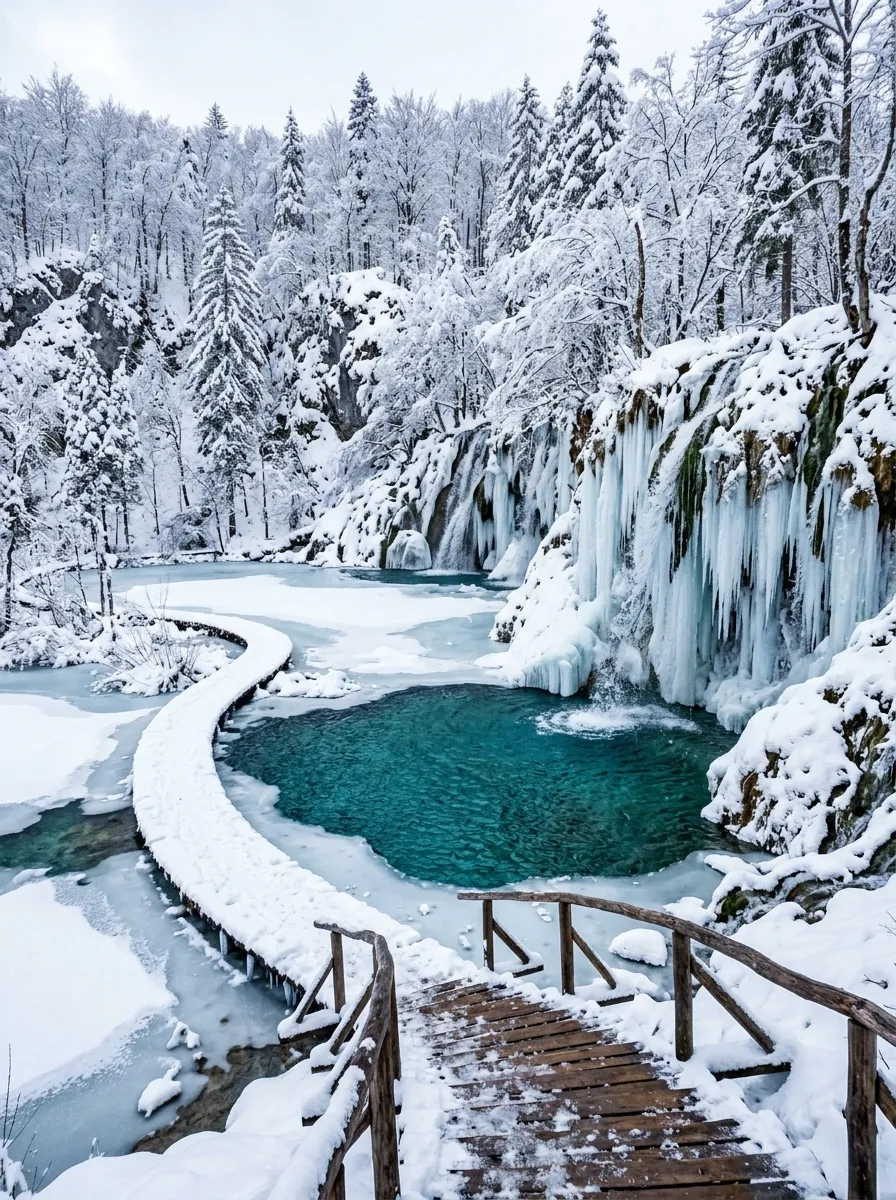
Winter transforms Plitvice into a much quieter landscape.
Snow and ice can create beautiful scenery, but conditions can also affect which routes and facilities are available.
Always check current park conditions before traveling.
How Much Does Plitvice National Park Cost?
Entrance fees vary according to factors such as season, visitor category and ticket type, so it’s better to check the official price list before your trip rather than rely on an old travel blog number.
The park currently offers one-day and two-day tickets, with two-day tickets valid for two consecutive days from the date of sale. (Nacionalni park “Plitvička jezera”)
Your entrance ticket can include transportation such as the electric boat and panoramic train/vehicle when these are part of your selected sightseeing program. (Nacionalni park “Plitvička jezera”)
Check the official Plitvice Lakes National Park ticket information
Important: Buy tickets through the official park system when possible and pay attention to the selected entrance and admission time.
Plitvice National Park Entrances
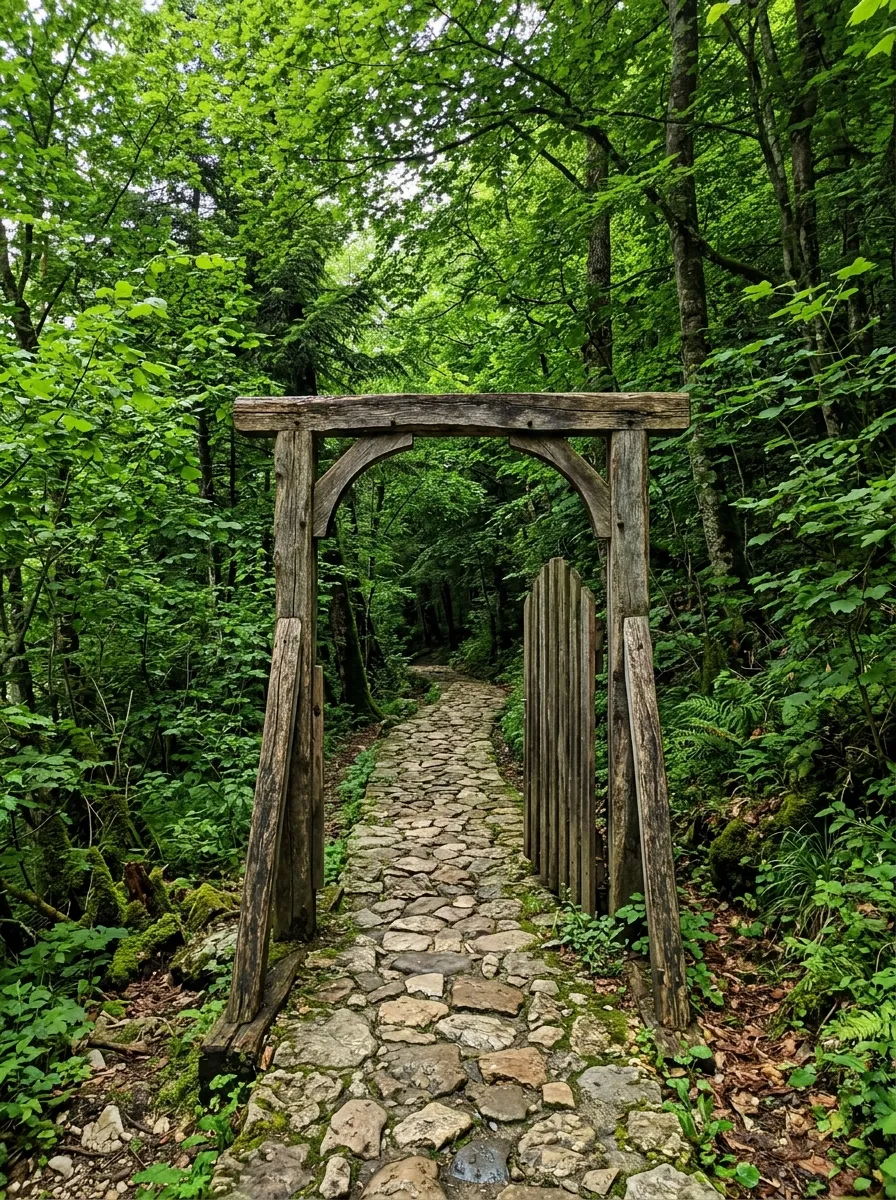
There are two main visitor entrances:
Entrance 1
Located near the northern section of the park.
This is particularly convenient for routes focused on the Lower Lakes and Great Waterfall.
Entrance 2
Located farther south and commonly used for routes that begin around the Upper Lakes.
Your choice of entrance should depend on the sightseeing program you want rather than simply choosing whichever name appears first on Google Maps.
The park’s official route information specifically organizes programs according to Entrance 1 and Entrance 2. (Nacionalni park “Plitvička jezera”)
How to Get to Plitvice National Park
From Zagreb
Plitvice makes a manageable excursion from Zagreb, although you’ll want to account for your transportation method and the amount of time you want inside the park.
Driving gives you considerably more flexibility.
From Zadar
Plitvice is also a popular stop when traveling between the northern Dalmatian coast and inland Croatia.
A rental car is especially useful if you’re building a wider Croatia itinerary.
From Split
You can visit Plitvice from Split, but the journey is longer. For this reason, consider staying overnight nearby rather than trying to squeeze the park into an exhausting day.
Should you rent a car?
If you’re exploring multiple Croatian destinations, yes, a car can make the itinerary much easier.
It allows you to combine Plitvice with smaller towns and other attractions that aren’t as convenient by public transportation.
Where to Stay Near Plitvice National Park
You have two main strategies.
Stay close to the park
Best for:
- Early starts
- Two-day visits
- Families
- Avoiding long driving days
Staying nearby means you can reach the entrances without turning your morning into a transportation project.
Stay farther away
This can make sense if Plitvice is simply one stop during a Croatia road trip.
You may find more accommodation choices in larger nearby towns, but you’ll need to factor in additional driving time.
Best strategy: If Plitvice is the main purpose of your visit, stay nearby. If it’s one stop among many, choose accommodation based on your larger route.
What to Pack for Plitvice National Park
Don’t dress for the Instagram photo.
Dress for walking.
Plitvice packing checklist
- Comfortable walking shoes with good grip
- Lightweight waterproof jacket
- Small daypack
- Reusable water bottle
- Sun protection
- Sunglasses
- Phone or camera
- Portable power bank
- Extra socks
- Snacks for a long day
- Weather-appropriate layers
The paths can be damp, and you’ll be walking much more than you might expect from looking at photographs.
Is Plitvice National Park Suitable for Families?
Yes, but families should plan realistically.
The park offers sightseeing programs of different lengths, and the combination of walking, boat rides and panoramic transportation can make the experience more manageable for children. (Nacionalni park “Plitvička jezera”)
However, this isn’t a theme park with perfectly flat pathways everywhere.
Expect:
- Uneven terrain
- Stairs and inclines
- Long walking sections
- Crowded areas during peak periods
If you’re traveling with young children, choose a shorter route and take plenty of breaks.
Photography Tips for Plitvice
Plitvice practically begs to be photographed, but the best shots aren’t always the obvious ones.
Shoot from different heights
Don’t photograph everything from the boardwalk.
Look for elevated viewpoints that reveal the relationship between the lakes, waterfalls and forest.
Use a wide lens
A wide-angle lens is useful for capturing waterfalls together with the surrounding canyon and forest.
Protect your equipment
Water is everywhere.
A small waterproof bag or camera rain cover is worth bringing, especially around major waterfalls.
Don’t chase only turquoise water
The colors change according to light, minerals, depth and surrounding vegetation.
Sometimes the moody green version of Plitvice is far more interesting than the classic bright-blue photograph.
Important Rules for Visiting Plitvice
Plitvice isn’t just a tourist attraction. It’s a protected natural environment.
UNESCO identifies the lake system’s travertine formation as an ongoing process involving water, geological conditions and living organisms. (UNESCO World Heritage Centre)
That means visitors need to treat the landscape accordingly.
Remember to:
- Stay on marked paths
- Follow park instructions
- Don’t swim in the lakes
- Don’t climb barriers or restricted areas
- Don’t feed wildlife
- Don’t leave trash behind
- Don’t damage vegetation or travertine formations
- Keep noise under control
That turquoise water isn’t there for us to turn into a giant bathtub.
Is Plitvice National Park Worth Visiting?
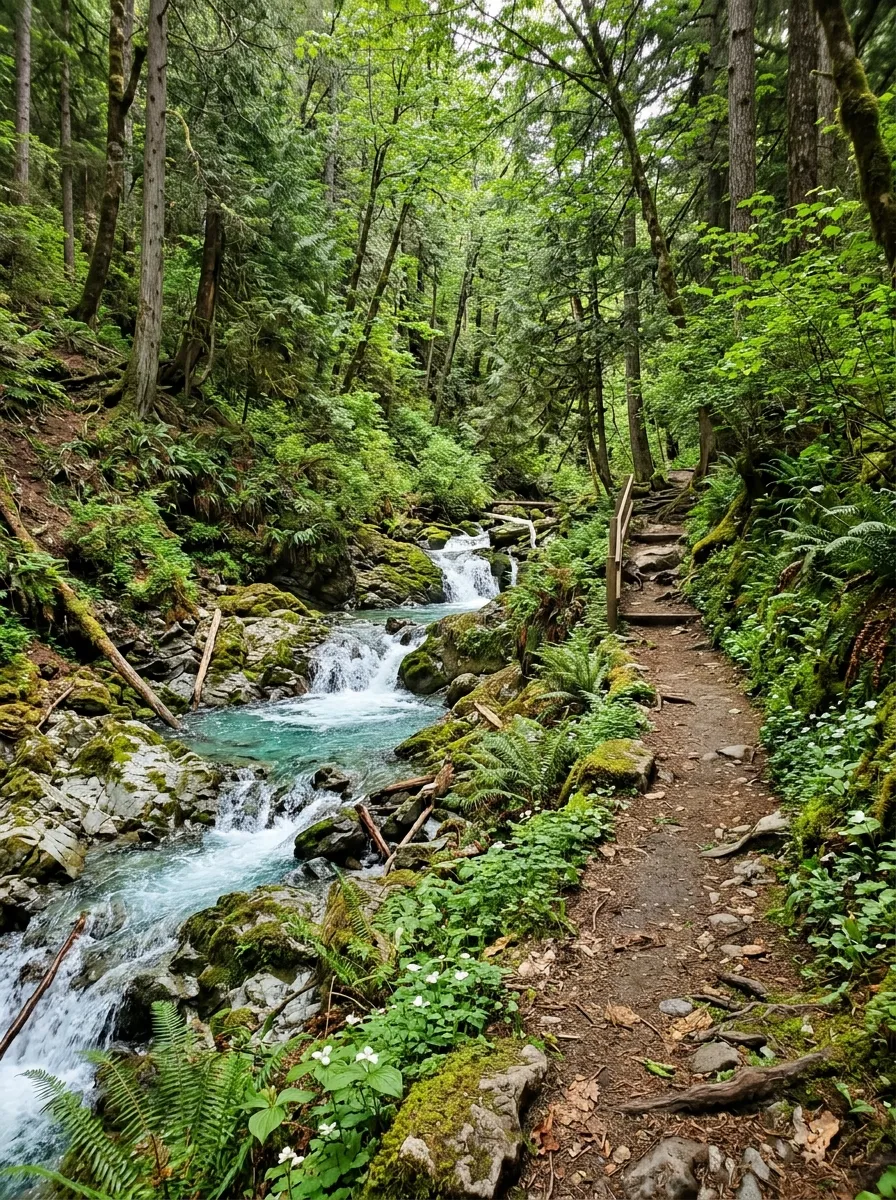
Absolutely.
But it’s worth visiting for more than the photographs.
The real magic is the way the landscape works as a living system. Water constantly moves through the lakes, crosses travertine barriers and creates new formations. Forests surround the water system, while the wider protected area supports significant biodiversity. (UNESCO World Heritage Centre)
And because there are multiple sightseeing programs, you don’t have to experience the park in exactly the same way as every other visitor.
If you’re planning an adventure-filled itinerary, you may also enjoy our guide to 16 Breathtaking Places in Portugal That Look Like They Belong in a Fairytale, especially if landscapes that seem to have escaped from a fantasy novel are your kind of travel bait.
For road-trip planners, our Ultimate Road Trip Checklist can also help you organize the practical side of a multi-stop journey.
And if you’re building a wider European itinerary, don’t miss our Best Things to Do in Porto in One Day guide for another destination where a carefully planned day can cover a surprising amount.
Plitvice National Park FAQ
How many days do you need at Plitvice Lakes?
One full day is enough for most first-time visitors. A 4–6 hour visit gives you time to experience major sections without rushing. Two days make sense if you want a slower pace, more hiking or greater flexibility.
Is Plitvice Lakes National Park worth visiting?
Yes. Its combination of lakes, waterfalls, forests and travertine formations makes it one of Croatia’s standout natural attractions. It is also a UNESCO World Heritage Site. (UNESCO World Heritage Centre)
How long does it take to walk around Plitvice?
It depends on your route. Official programs range from roughly 2–3 hours to 6–8 hours, with route lengths ranging from about 3.5 km to 16.5 km. (Nacionalni park “Plitvička jezera”)
Can you swim in Plitvice Lakes?
No. Swimming is not permitted in the Plitvice Lakes. The lake system is a protected natural environment, and preserving its delicate geological and biological processes is a major priority.
Can you visit Plitvice in one day?
Yes. A one-day visit is the most practical choice for many travelers, especially if you select one of the official sightseeing programs in advance.
Is Plitvice better in summer or autumn?
Both have advantages. Summer offers long days and convenient travel conditions but can be busy. Autumn brings colorful forests and a more atmospheric landscape. Your ideal season depends on whether you prioritize weather, crowds or photography.
Are there waterfalls at Plitvice Lakes?
Yes. Waterfalls and cascades are one of the park’s defining features. The Great Waterfall is the tallest, while the Upper and Lower Lakes contain countless additional cascades.
Is Plitvice Lakes a UNESCO World Heritage Site?
Yes. Plitvice Lakes National Park was inscribed on the UNESCO World Heritage List in 1979, with the property expanded in 2000. (UNESCO World Heritage Centre)
Final Thoughts: Put Plitvice on Your Croatia Itinerary
Plitvice National Park is the kind of destination that rewards slowing down.
You arrive expecting lakes and waterfalls. Then you discover limestone canyons, forests, wooden pathways, electric boats, panoramic rides and a geological process that has been quietly shaping the landscape for thousands of years.
The best approach is simple: arrive early, wear proper shoes, choose your route before entering, and give yourself enough time to actually enjoy the scenery.
Don’t race through Plitvice collecting photographs like passport stamps.
Walk beside the water. Stop at the viewpoints. Listen to the waterfalls. Let the forest swallow the road noise for a while.
That’s when Croatia’s famous lakes stop being an attraction and start feeling like a place. 🌲💧
Planning your next adventure? You can also explore our COMPLETE MAINE TRAVEL GUIDE, Ultimate Cherry Blossom Festival Travel Guide for Washington, D.C., Guide to Fifth Avenue’s Gilded Age Mansions, and Ultimate Guide to Experiencing Antalya for more destination inspiration.