How to Prepare for a Winter Trip to Yellowstone: Snow, Roads, Weather and Safety
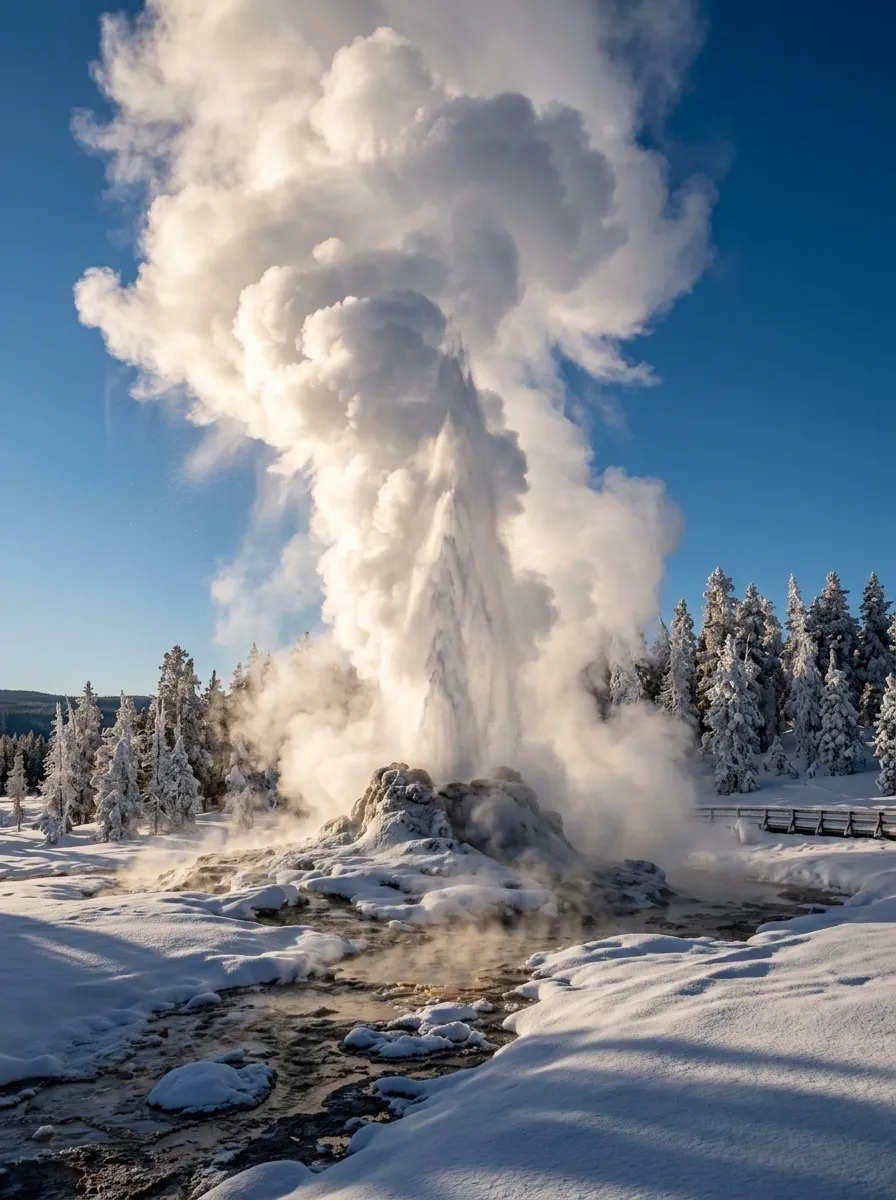
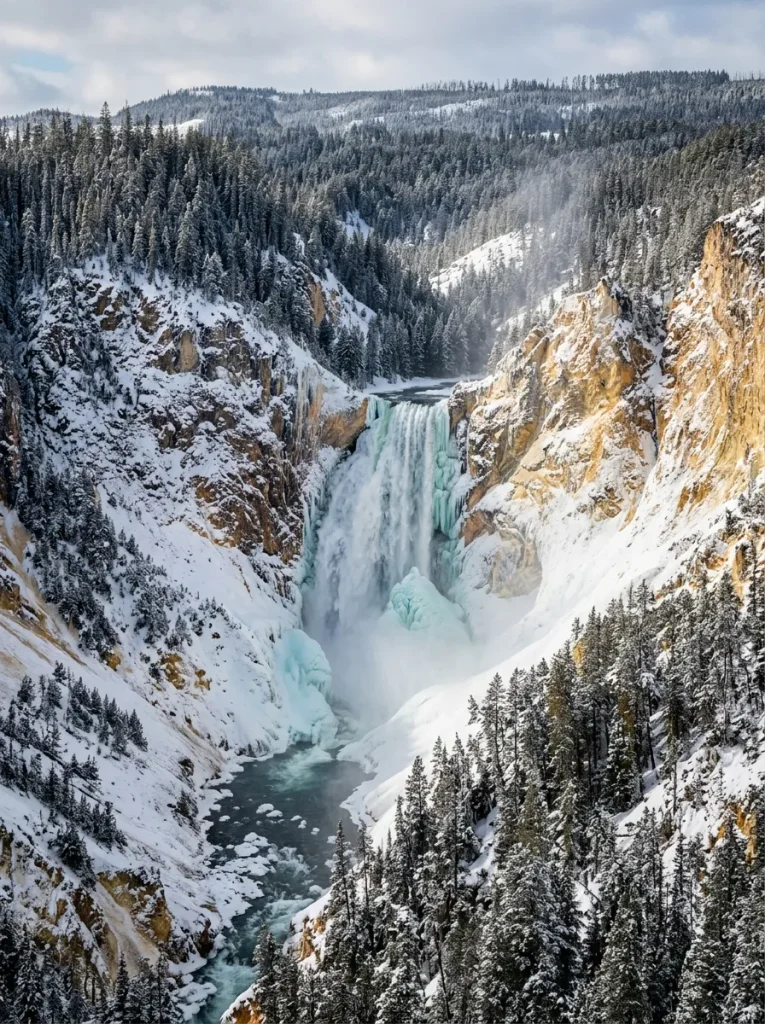
Yellowstone National Park in winter is a world of steaming hot springs, snow-covered forests, frozen waterfalls, and wildlife moving through vast white landscapes. Bison wander along snowy roads, geothermal features send clouds of steam into the freezing air, and the park’s famous landmarks feel far removed from the busy summer crowds.
But a winter trip to Yellowstone requires more planning than a summer visit. Temperatures can plunge well below freezing, most park roads close to regular vehicles, visitor services become limited, and reaching popular attractions such as Old Faithful may require a snowcoach or snowmobile.
The good news is that you can still experience Yellowstone’s extraordinary winter scenery if you understand how seasonal access works and prepare for the conditions.
This guide explains what to know before visiting Yellowstone in winter, including snow, weather, road closures, transportation, clothing, wildlife, safety, accommodation, and practical itinerary planning.
Recommended Travel Items for Your Trip
Is Yellowstone Worth Visiting in Winter?
Yes, especially if you enjoy snowy landscapes, wildlife watching, geothermal scenery, and quieter national park experiences.
Winter transforms Yellowstone into a destination that feels very different from its summer version. Snow highlights the shapes of mountains and trees, steam rises dramatically from geothermal areas, and wildlife sightings can be rewarding against the white landscape.
However, winter is not simply summer Yellowstone with snow added. Access is more restricted, travel can take longer, and some attractions require specialized transportation.
Winter is a good fit if you want to:
- Experience Yellowstone’s geothermal features in a snowy setting.
- Look for bison, elk, wolves, and other wildlife from safe viewing locations.
- Explore the park on a guided snowcoach or snowmobile excursion.
- Try snowshoeing or cross-country skiing on suitable routes.
- Enjoy a quieter, more remote-feeling national park experience.
It may be less suitable if you want to drive your own car around the entire Grand Loop Road, visit every major attraction in a short trip, or avoid very cold weather.
The most important rule is to plan around winter access, not just the attractions you want to see.
1. Understand Yellowstone’s Winter Weather
Yellowstone sits at high elevation, with much of the park around 6,000 feet (1,829 meters) above sea level or higher. Winter temperatures can be severe, and conditions vary between valleys, mountain passes, and exposed areas.
The National Park Service describes typical winter daytime temperatures ranging from around 0°F to 20°F (-18°C to -7°C), with temperatures falling below zero Fahrenheit during particularly cold periods. Conditions can be colder at night and at higher elevations.
What weather should you expect?
| Winter period | General conditions | Planning advice |
| November | Snow and freezing temperatures become increasingly likely; many roads close to regular vehicles | Check seasonal closure dates before choosing an itinerary |
| December | Winter conditions, short days, and limited road access | Confirm winter transportation and lodging availability |
| January | Often extremely cold, with deep snow in many areas | Bring full winter clothing and keep outdoor outings flexible |
| February | Continued cold and snow, with slightly increasing daylight | A good time to consider guided winter excursions |
| March | Winter conditions continue, although daylight increases | Do not assume roads or summer facilities have reopened |
These are general seasonal patterns, not a forecast for specific travel dates.
Snowfall, wind, visibility, and road conditions can change quickly. A sunny morning does not guarantee safe driving or comfortable conditions later in the day.
How cold can Yellowstone get?
The park can experience temperatures far below 0°F (-18°C), especially overnight and during cold spells. Wind can make exposed areas feel even colder, while standing still during wildlife viewing can chill you faster than walking.
This matters when choosing activities. A short walk near a vehicle is very different from spending several hours outdoors on a snowshoeing excursion or waiting for wildlife to appear.
Check the weather forecast for the specific area you intend to visit, and dress for the coldest conditions you may reasonably encounter.
2. Know Which Yellowstone Roads Close in Winter
Road access is one of the biggest differences between summer and winter visits.
Most Yellowstone roads close to ordinary vehicles in late fall, generally from early November. During the winter season, designated roads open for limited oversnow travel by authorized snowmobiles and snowcoaches. The road between the North Entrance near Gardiner, Montana, and the Northeast Entrance near Cooke City and Silver Gate is generally the main exception for regular vehicles, weather permitting.
This means you cannot assume you can drive your own car to Old Faithful, the Grand Canyon of the Yellowstone, or every other major summer attraction.
Which roads remain open?
The road linking the North Entrance and Northeast Entrance through Mammoth Hot Springs, Tower Junction, and Lamar Valley is generally open to regular vehicles throughout the year, although weather and temporary closures can affect access.
Other roads close to wheeled vehicles and may open for oversnow travel on scheduled dates. For the 2026–2027 season, the National Park Service lists December 15, 2026, as the planned start for oversnow travel on many routes, with opening and closing dates varying by road. These dates remain subject to weather and operational changes.
Check road conditions before every drive
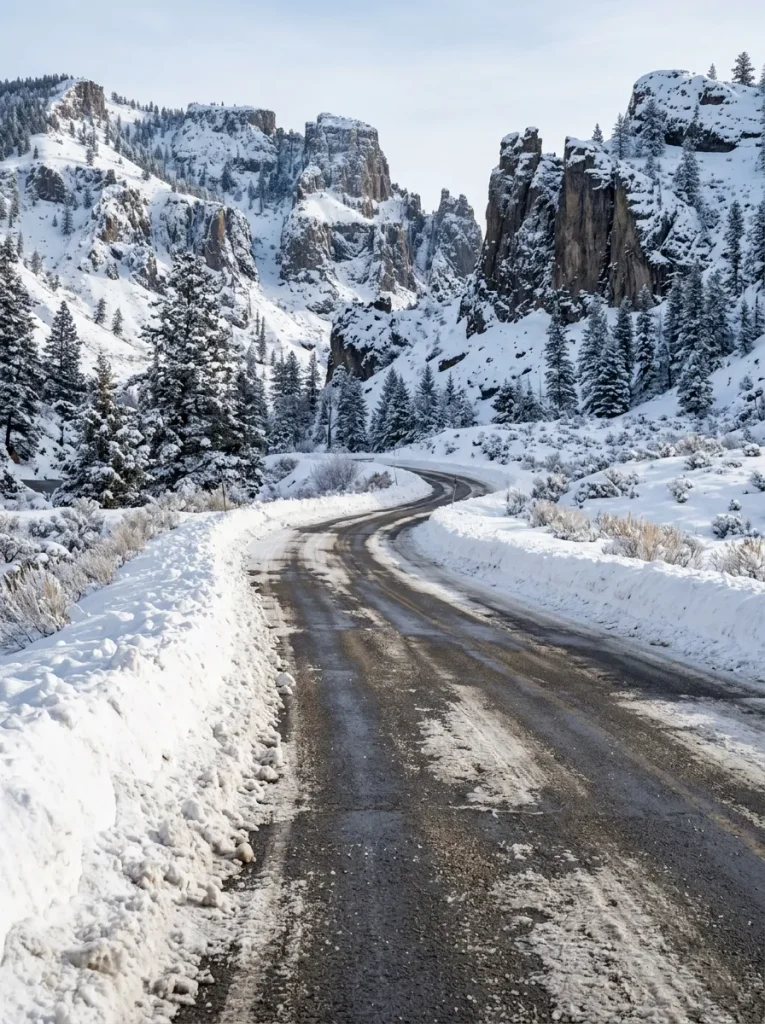
Before leaving your hotel or accommodation:
- Check the official Yellowstone road status map.
- Confirm which entrance and roads are open to your vehicle type.
- Check the weather and any temporary closures.
- Allow extra travel time.
- Avoid planning a route that depends on a road reopening on a particular day.
- Download maps and essential information for offline use.
You can check current conditions through the official Yellowstone road information page.
Important: A road being open to snowmobiles or snowcoaches does not mean it is open to your rental car.
3. Decide How You Will Get Around Yellowstone
Your transportation plan will determine which parts of Yellowstone you can visit in winter.
Option 1: Drive your own vehicle
Driving can work if you want to explore the year-round route between the North and Northeast entrances and surrounding communities.
However, winter driving involves snow-packed roads, black ice, reduced visibility, and potentially long waits for assistance if something goes wrong. Only use roads open to your vehicle type, and check the current status before leaving.
If you are renting a car, confirm the vehicle’s winter equipment and whether it is suitable for the roads you intend to use.
Option 2: Book a guided snowcoach tour
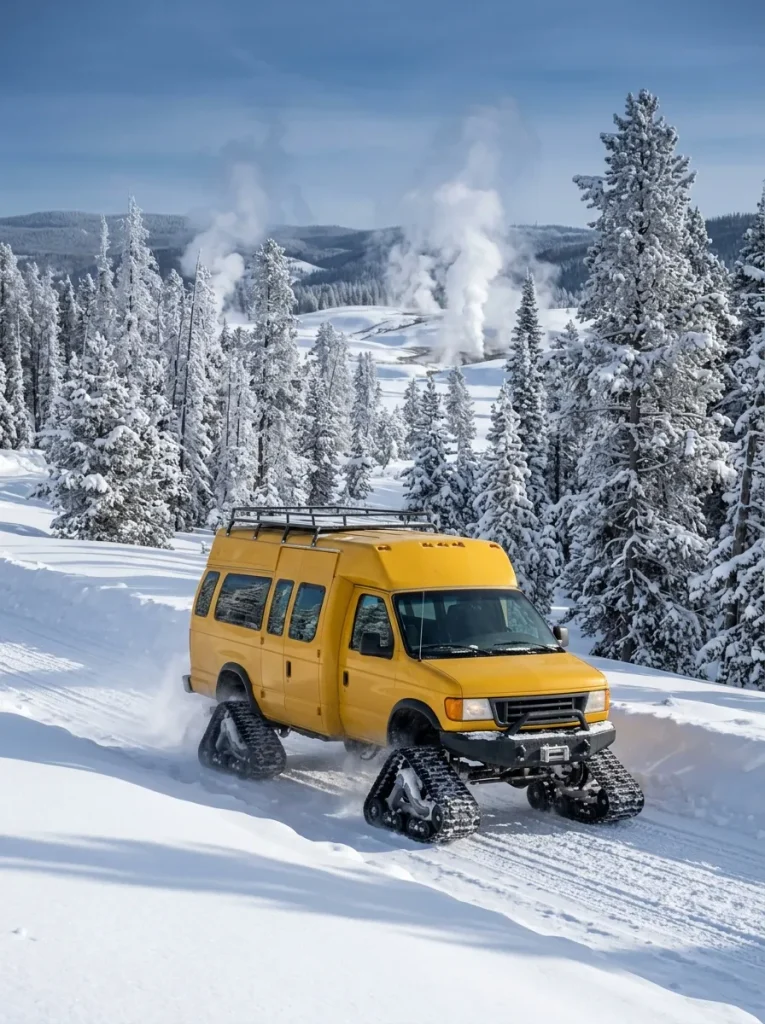
A snowcoach is a winter vehicle designed to travel over snowy routes. Guided snowcoach tours are a common way to reach popular destinations that are closed to ordinary cars during the winter season.
Depending on the route and operator, tours may include Old Faithful, geothermal areas, scenic stops, and wildlife viewing.
Before booking, check the departure location, journey length, included stops, cancellation policy, and whether meals or equipment are provided.
Some tours depart from communities outside the park, so factor in the drive from your accommodation to the meeting point.
Option 3: Join a guided snowmobile tour
Snowmobiles offer another way to explore designated winter routes. Commercially guided trips can be useful for visitors who want the experience without arranging their own equipment or navigating the rules independently.
Snowmobiling requires preparation for cold weather, and the noise, speed, and open-air conditions may not suit everyone.
Check age restrictions, clothing requirements, equipment arrangements, and the operator’s safety policies before booking.
Which option is best?
| Transportation | Best suited to | Main consideration |
| Regular vehicle | Exploring the year-round road between the northern entrances | Winter driving skills and changing conditions |
| Guided snowcoach | Visitors who want to see major winter attractions without driving oversnow routes | Tour dates, cost, and departure location |
| Guided snowmobile | Travelers seeking a more adventurous winter outing | Cold exposure, activity requirements, and operator rules |
For many first-time winter visitors, a guided snowcoach tour is a practical way to experience major attractions without having to navigate oversnow transportation themselves.
4. Pack Clothing for Extreme Cold
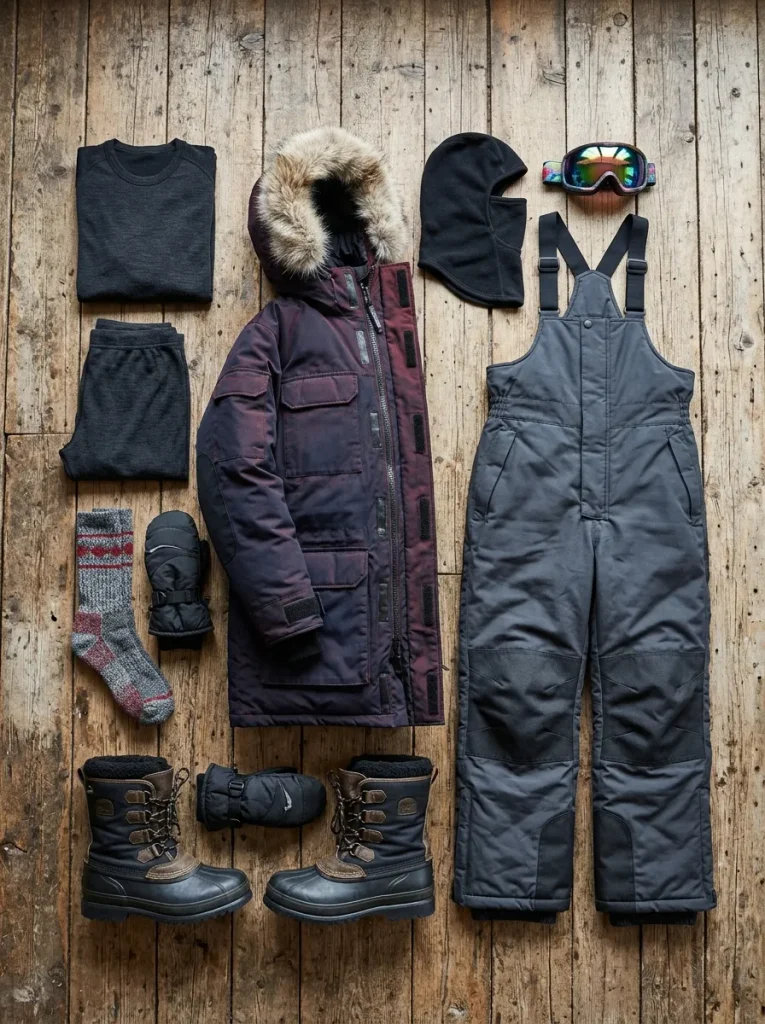
Ordinary winter clothing may not be enough for Yellowstone. The combination of low temperatures, wind, snow, and long periods outdoors makes proper layering essential.
The National Park Service recommends adjustable layers, insulated clothing, wind protection, and avoiding cotton as a primary layer because it does not retain warmth effectively when wet.
Use a three-layer system
Base layer: Wear thermal underwear made from merino wool or synthetic material. This layer helps manage moisture and keeps your skin more comfortable.
Mid layer: Add fleece, wool, or an insulated jacket to trap warm air. You may need more than one mid-layer when temperatures are extremely low.
Outer layer: Choose a windproof, weather-resistant jacket and suitable trousers. If you expect deep snow or wet conditions, use waterproof outerwear.
You should also protect your hands, head, face, and feet. These areas can become uncomfortable quickly when exposed to cold air.
Winter packing checklist
- Insulated winter jacket with a hood.
- Thermal base layers.
- Fleece or wool mid-layers.
- Insulated winter trousers or snow pants.
- Waterproof insulated boots.
- Wool or synthetic socks.
- Warm gloves and insulated mittens.
- Winter hat, balaclava, or neck warmer.
- Ice cleats or traction aids for slippery surfaces.
- Sunglasses and sunscreen.
- Hand and toe warmers.
- Extra dry socks and gloves.
For outdoor activities, make sure your boots are suitable for snow and ice. Sneakers or fashion boots with smooth soles are poor choices for slippery paths.
Do you need special equipment?
It depends on your activities. A short visit to an accessible viewpoint requires less gear than a long snowshoeing trip or an independent backcountry outing.
If you are booking a guided tour, ask which equipment is provided and what you must bring. Do not assume the operator supplies every item of clothing.
Practical tip: Keep an extra layer and dry gloves accessible rather than buried at the bottom of a large suitcase. Being able to add warmth quickly can make a major difference when the temperature drops.
5. Understand Winter Safety Around Yellowstone’s Geothermal Areas
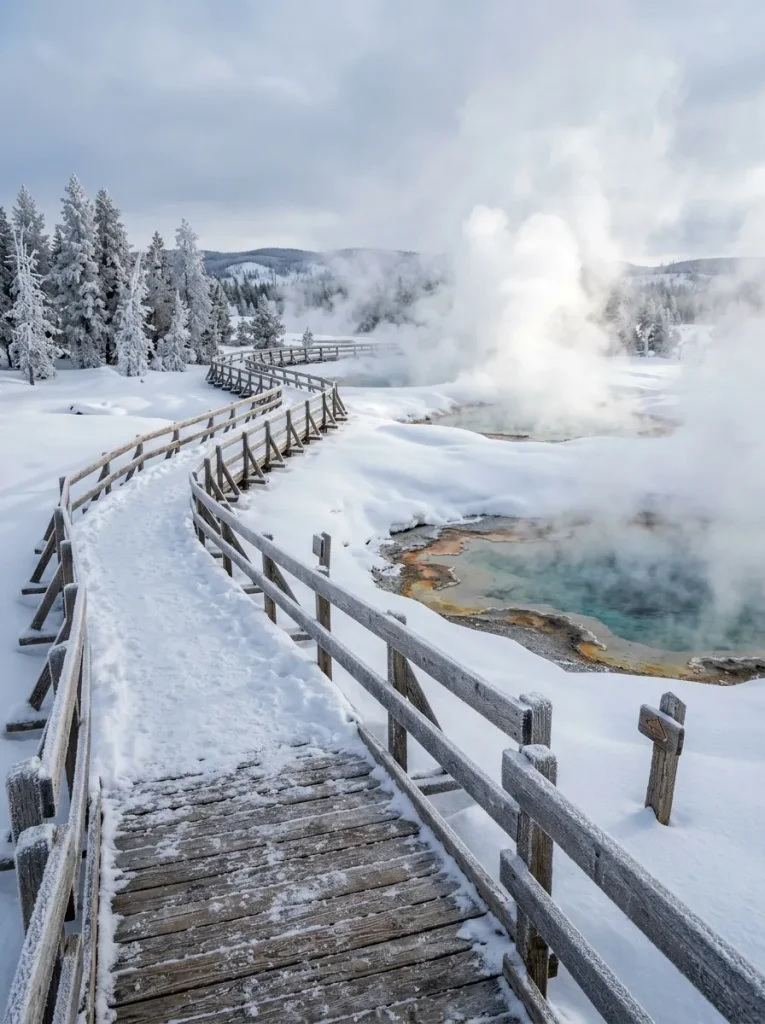
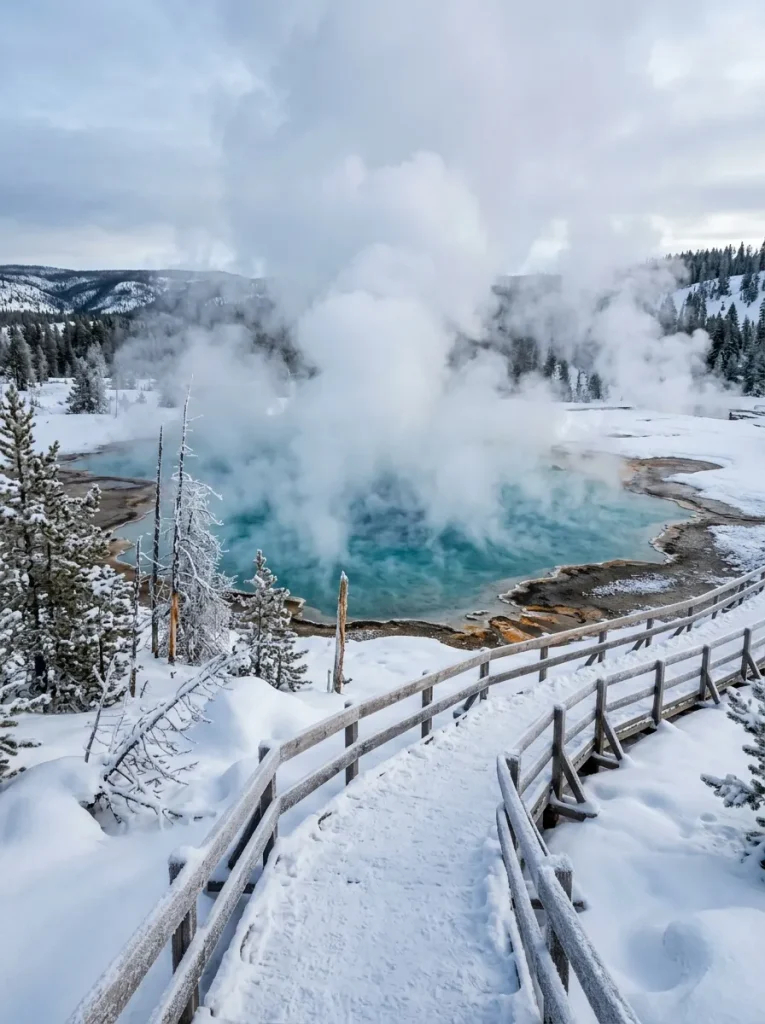
Yellowstone’s hot springs, geysers, and steaming pools are fascinating in winter. The contrast between boiling geothermal water and snow-covered surroundings is one of the park’s most distinctive sights.
However, geothermal areas remain dangerous regardless of the season.
Snow can hide unstable ground, thin crusts, and the edges of hot springs. Walking off designated routes can expose you to boiling water and dangerously hot ground beneath the surface.
The National Park Service warns visitors to remain on boardwalks and designated trails in thermal areas. Serious injuries and deaths have occurred when people stepped onto unsafe ground.
Follow these rules:
- Stay on designated boardwalks and trails.
- Never walk across snow-covered ground to reach a thermal feature.
- Do not touch geothermal water.
- Keep children close and follow posted signs.
- Use traction aids where boardwalks are icy.
- Do not assume a snow-covered surface is stable.
Snow and steam can make familiar landmarks look unfamiliar. Take your time and follow the route rather than trying to get a closer photograph.
6. Prepare for Wildlife Viewing in Winter
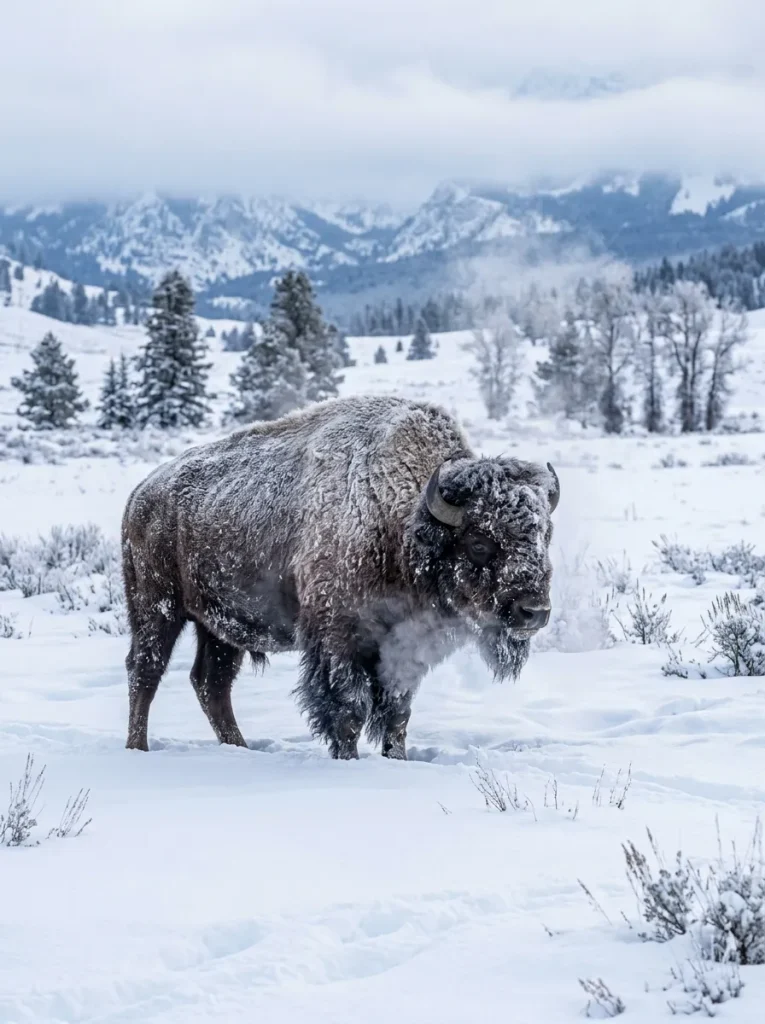
Winter can offer memorable wildlife-viewing opportunities. Bison may stand against snowy backgrounds, elk move through open areas, and visitors may spot other animals from suitable viewing locations.
Lamar Valley and the northern areas of the park are known for wildlife viewing, although sightings are never guaranteed.
The year-round road through the northern part of Yellowstone can provide access to some of these areas when conditions allow. Always check road status before setting out.
How to watch wildlife safely
- Stay inside your vehicle when viewing wildlife from the road, unless you are in a safe, designated place where leaving the vehicle is permitted.
- Use binoculars or a zoom lens rather than approaching animals.
- Never feed wildlife.
- Do not block traffic to take photographs.
- Give animals room to move away.
- Follow official wildlife-distance rules.
The National Park Service advises visitors to remain at least 100 yards (91 meters) from bears and wolves and at least 25 yards (23 meters) from other wildlife, including bison and elk.
Bison are powerful wild animals, even when they appear calm or seem accustomed to vehicles. Never approach one for a photograph.
Also remember that winter wildlife viewing can involve long periods of standing in the cold. Bring warm layers, gloves that allow you to handle binoculars, and a thermos with a warm drink if appropriate.
7. Check Which Visitor Services Are Open
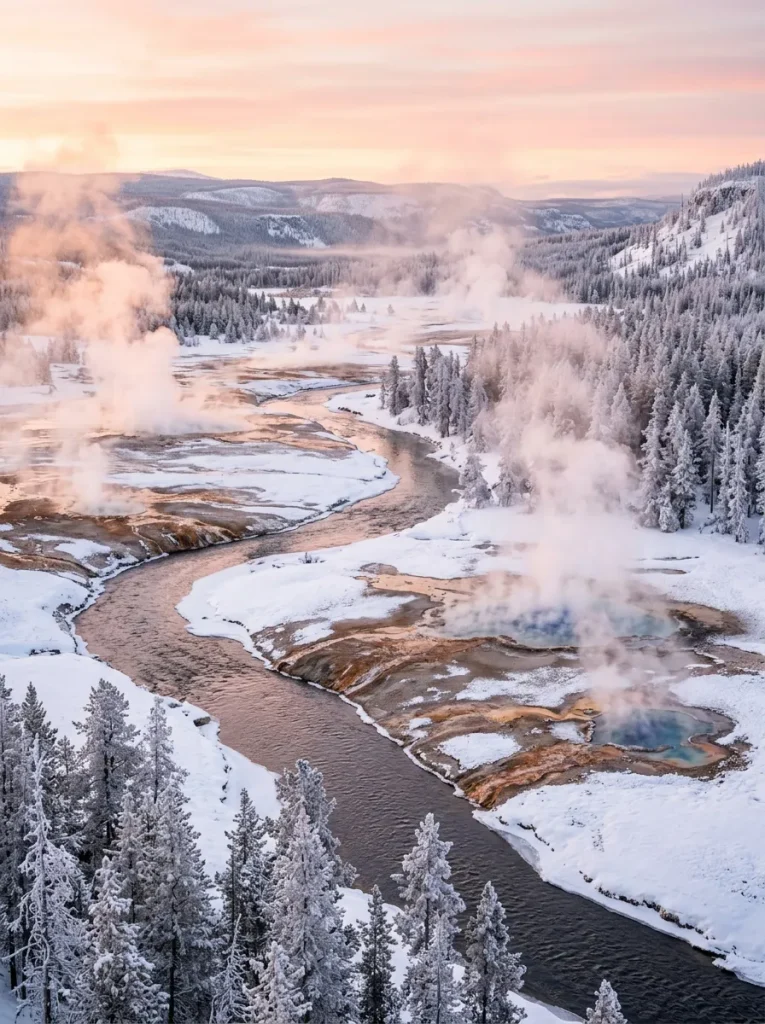
One of the most overlooked aspects of winter travel is the reduction in services.
Many visitor centers, restaurants, stores, campgrounds, lodges, and warming huts close or operate on limited schedules during winter. Availability varies by location and date, so a summer itinerary may not work at all in January.
The National Park Service lists the Old Faithful Snow Lodge and Mammoth Hot Springs Hotel among the park’s winter lodging options, but travelers should confirm current operating dates and reservations before relying on them.
Before your trip, confirm:
- Which visitor centers are open.
- Where you can buy food and drinks.
- Whether restrooms are available along your route.
- Which lodges and hotels operate during your dates.
- Whether you need to bring meals or snacks.
- Where fuel is available.
- Whether your tour provides food, water, or warming breaks.
Do not assume you can buy lunch or refuel whenever you need to. Remote areas and winter routes can have few services.
Carry enough food and water for delays, and use insulated bottles to prevent water from freezing. The National Park Service notes that cold, dry air and high elevation can contribute to dehydration during winter activities.
8. Book Accommodation and Tours Early
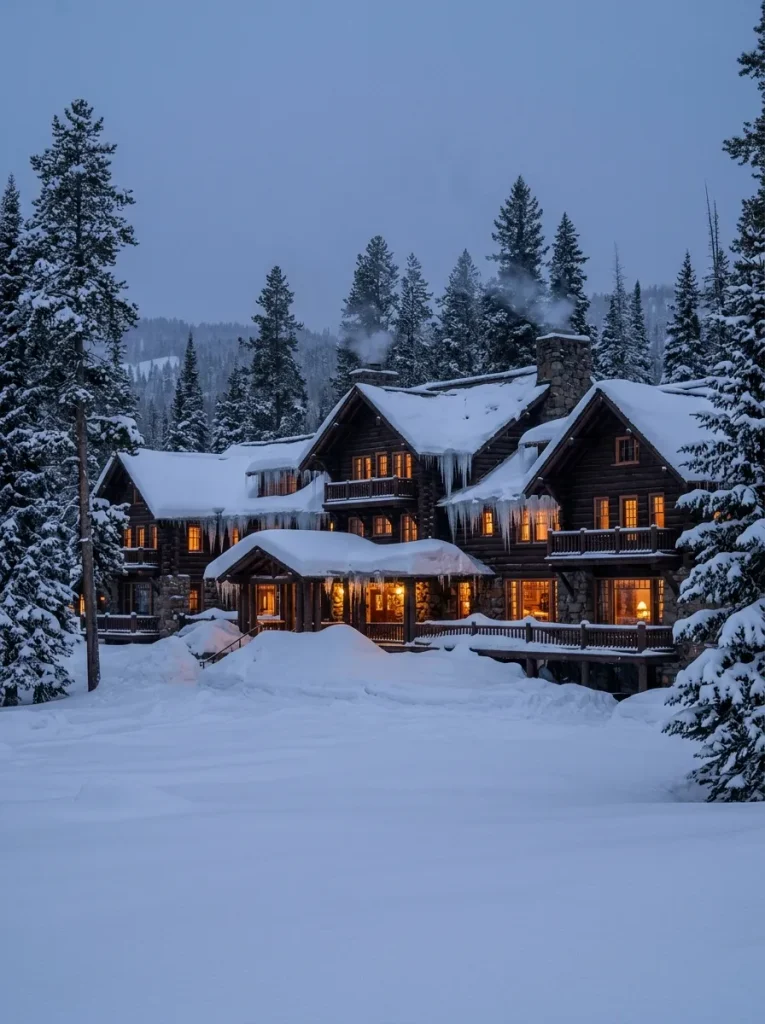
Winter may have fewer visitors than summer, but the availability of lodging and transportation can also be much more limited.
If you want to stay inside the park or join a particular snowcoach tour, check operating dates and availability well in advance.
Where should you stay?
Your best base depends on which part of Yellowstone you want to explore.
Gardiner, Montana: A practical base for the North Entrance and access to Mammoth Hot Springs, subject to current road conditions.
Cooke City or Silver Gate, Montana: Useful for travelers focusing on the Northeast Entrance and northern areas, but check seasonal services and the exact route conditions.
West Yellowstone, Montana: A popular base for many Yellowstone trips, although access to the town does not mean you can drive your car to the park’s major winter attractions. You may need a guided snowcoach or snowmobile tour.
Inside the park: Winter lodging is limited and operates on specific dates. Check the official lodging information before booking.
If you are planning a longer Montana trip, our guide to the ultimate Montana travel guide can help you explore destinations beyond Yellowstone. You can also read our Montana trip planning guide for ideas on building a broader road trip.
What about guided tours?
Compare tours based on the actual experience rather than price alone. Check how long you will spend in the vehicle, how much time is allowed at stops, the maximum group size, and what happens if weather forces a cancellation.
If seeing Old Faithful is a priority, make sure your chosen tour actually includes it. Not every winter excursion follows the same route.
9. Plan Around Short Daylight Hours
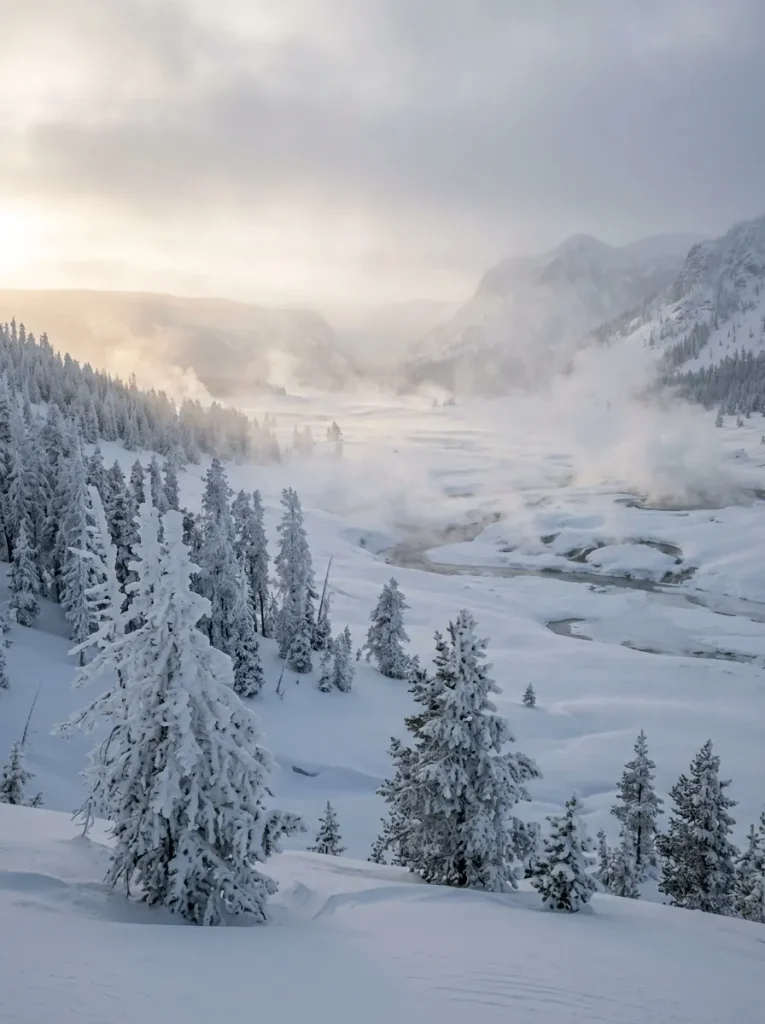
Winter days are short, and driving or outdoor activities can take longer than expected.
Snow, ice, slow-moving traffic, wildlife stops, and changing road conditions can affect your schedule. A route that seems manageable on a summer map may be impractical when you have fewer daylight hours and limited services.
A better way to plan your day
- Start with the day’s weather and road status.
- Choose one main destination or activity.
- Allow extra time for transportation and stops.
- Carry food, water, and spare clothing.
- Avoid relying on a tight connection between separate tours.
- Keep a backup plan for cancellations or closures.
If you are driving the year-round northern route, avoid rushing between viewpoints. Use designated pullouts and do not stop in the roadway for wildlife or photographs.
For visitors taking guided tours, confirm the return time and plan your accommodation and meals around the schedule.
10. Know the Risks of Snowshoeing and Winter Hiking
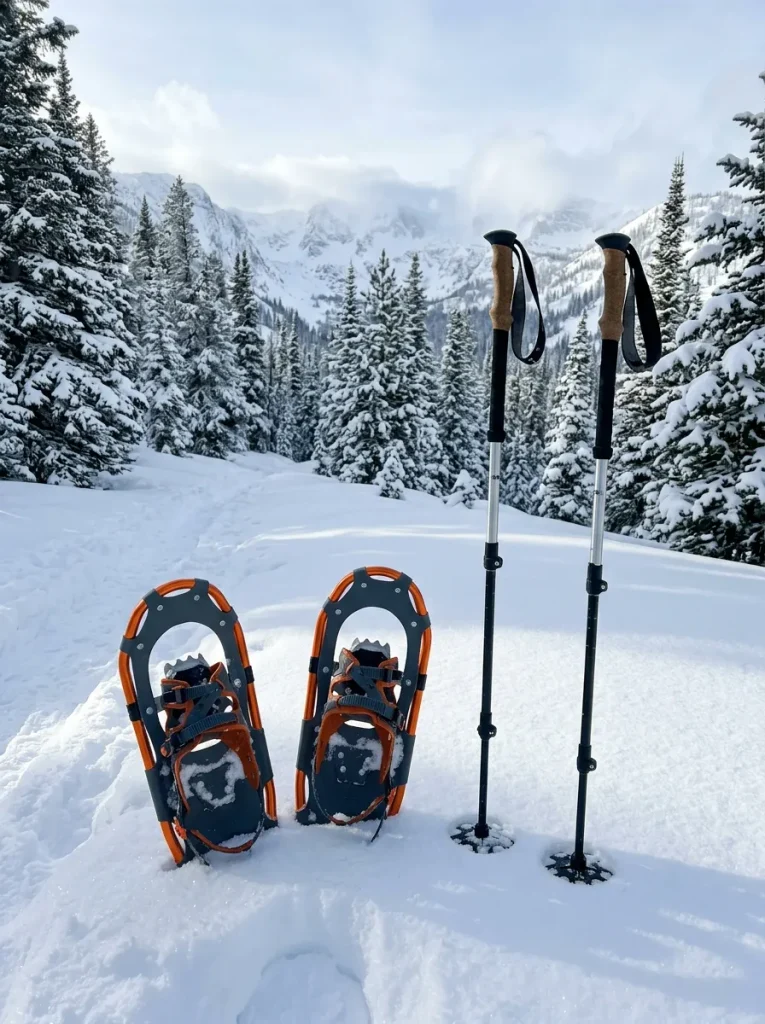
Snowshoeing and cross-country skiing can be excellent ways to experience Yellowstone’s snowy landscapes, but winter travel away from roads and developed areas requires preparation.
Deep snow can hide streams, uneven ground, and other hazards. Weather can change quickly, and avalanche danger exists in parts of the Yellowstone region.
The National Park Service advises winter visitors to understand the hazards associated with snow, wildlife, geothermal areas, and avalanches before heading into the backcountry.
Before setting out:
- Check current trail and weather conditions.
- Choose a route appropriate for your experience.
- Carry navigation tools and emergency supplies.
- Tell someone where you are going and when you expect to return.
- Avoid avalanche terrain unless you have the necessary training, equipment, and knowledge.
- Turn back if weather, visibility, or conditions deteriorate.
Do not assume that a popular summer hiking trail is automatically safe in winter. Snow and ice can transform a familiar route.
For a first winter visit, consider a designated route or a guided outing rather than an ambitious backcountry adventure.
11. Prepare Your Vehicle for Winter Driving
If you plan to drive any roads open to regular vehicles, prepare for cold temperatures and possible delays.
The National Park Service recommends carrying winter emergency supplies and being prepared for icy roads, snow-packed surfaces, and whiteout conditions. Assistance may take a long time to arrive in remote areas.
Winter driving checklist
- Confirm your vehicle is equipped for the roads you intend to use.
- Check tire condition and whether winter tires are appropriate.
- Keep the fuel tank sufficiently full.
- Carry an ice scraper and snow brush.
- Bring a flashlight with spare batteries.
- Pack warm clothing, blankets, food, and water.
- Carry a first-aid kit and basic emergency supplies.
- Keep your phone charged and download offline maps.
- Check road conditions before leaving and again if your plans change.
Drive slowly, leave extra space between vehicles, and avoid sudden braking or steering on slippery surfaces.
If conditions become unsafe, stop somewhere safe and reassess your plan. Do not continue simply because you have already booked a hotel or activity.
12. Build a Realistic Yellowstone Winter Itinerary
The best winter itinerary depends on your travel dates, entrance, transportation, and the attractions you most want to see. Rather than trying to cover the entire park, focus on a few experiences that are accessible during your visit.
Option A: A one-day northern Yellowstone visit
This plan works for travelers staying near Gardiner or another nearby community, provided the road is open.
Morning: Check road conditions and travel toward Mammoth Hot Springs if accessible.
Late morning: Explore permitted viewpoints and boardwalks around the geothermal area.
Afternoon: Continue toward suitable northern wildlife-viewing locations if road and weather conditions allow.
Evening: Return to your accommodation before conditions become difficult.
Do not assume all northern attractions or facilities will be open. Verify access before departing.
Option B: A guided winter visit to Old Faithful
For travelers who want to see Yellowstone’s famous geyser during winter, a guided oversnow excursion may be the practical choice.
Morning: Depart from the tour’s designated meeting point.
During the tour: Visit the included geothermal and scenic stops, following the operator’s schedule.
Afternoon: Explore Old Faithful if it is included and operating conditions permit.
Evening: Return according to the tour’s published schedule.
This itinerary depends on seasonal road access, tour availability, and weather. Book only after confirming the exact route and operating dates.
Option C: A flexible two- or three-day trip
With more time, you can combine northern Yellowstone with a guided oversnow tour on another day.
Use one day for the year-round northern road and nearby attractions, then reserve another day for a snowcoach or snowmobile excursion to the park’s interior. Keep an extra block of time available in case a tour is canceled or conditions change.
This approach gives you more flexibility than trying to visit every major landmark in a single day.
13. Common Mistakes to Avoid
A little preparation can prevent several common winter travel problems.
Assuming you can drive everywhere. Most park roads close to regular vehicles in winter. Confirm access before planning each stop.
Underestimating the cold. A fashionable coat may not be enough for hours outdoors in subzero temperatures. Dress in proper layers and protect your hands, face, and feet.
Booking lodging without checking transport. Staying near a park entrance does not guarantee access to every attraction by car.
Leaving food and water behind. Limited services and long travel times make it important to carry supplies.
Approaching wildlife. Keep a safe distance and never block roads to take photographs.
Walking off geothermal boardwalks. Snow can conceal dangerous ground near hot springs and other thermal features.
Planning too much in one day. Winter travel takes longer and daylight is limited. Prioritize your most important experiences.
Ignoring weak cell coverage. Download maps and essential information before entering remote areas.
Yellowstone Winter Packing Checklist
Use this checklist before you leave:
- Insulated winter jacket and warm layers.
- Thermal base layers and wool or synthetic socks.
- Waterproof insulated boots.
- Gloves, mittens, hat, and neck warmer.
- Traction aids for icy boardwalks and paths.
- Sunglasses and sunscreen.
- Water in insulated bottles.
- High-energy snacks and any needed meals.
- First-aid kit and emergency supplies.
- Flashlight or headlamp.
- Power bank and offline maps.
- Vehicle winter kit if driving.
- Confirmed accommodation and tour reservations.
- Printed or offline copies of important booking details.
Frequently Asked Questions About Visiting Yellowstone in Winter
Can you drive through Yellowstone in winter?
You can drive on the road that generally remains open between the North and Northeast entrances, weather permitting. Most other park roads close to regular vehicles and open to limited oversnow travel by authorized snowmobiles and snowcoaches during the winter season. Always check the current road status before leaving.
Can you visit Old Faithful in winter?
Yes, but access usually requires a guided snowcoach, snowmobile, or an authorized oversnow arrangement during the winter road closure period. Check the operating dates and route of your chosen tour before booking.
How cold is Yellowstone in winter?
Winter daytime temperatures are often around 0°F to 20°F (-18°C to -7°C), and nighttime temperatures can fall much lower. Conditions vary across the park, so bring insulated clothing and check the forecast for your planned activities.
Is Yellowstone safe to visit in winter?
A winter visit can be rewarding if you prepare for the conditions and follow park guidance. Main hazards include extreme cold, slippery surfaces, changing road conditions, wildlife, geothermal features, and avalanches in some areas. Choose activities appropriate for your experience and follow official warnings.
Are Yellowstone hotels open in winter?
Some accommodations operate during winter, but many facilities close or have limited schedules. The National Park Service lists Old Faithful Snow Lodge and Mammoth Hot Springs Hotel among its winter lodging options. Confirm current dates, services, and reservations before planning your stay.
Can you see wildlife in Yellowstone in winter?
Yes. Bison and other wildlife remain active, and winter can offer rewarding viewing opportunities. Sightings are never guaranteed, and visitors should use safe viewing locations and follow the park’s wildlife-distance rules.
How many days do you need for Yellowstone in winter?
Two or three days can give you time to explore the northern areas and book a guided oversnow excursion, depending on available tours and conditions. If you have only one day, choose one main area or activity rather than attempting to cover the whole park.
What should I wear to Yellowstone in winter?
Wear thermal base layers, insulating mid-layers, a windproof outer layer, insulated boots, warm socks, gloves or mittens, and head protection. Bring traction aids for slippery surfaces and adjust your clothing to your planned activity.
Final Thoughts
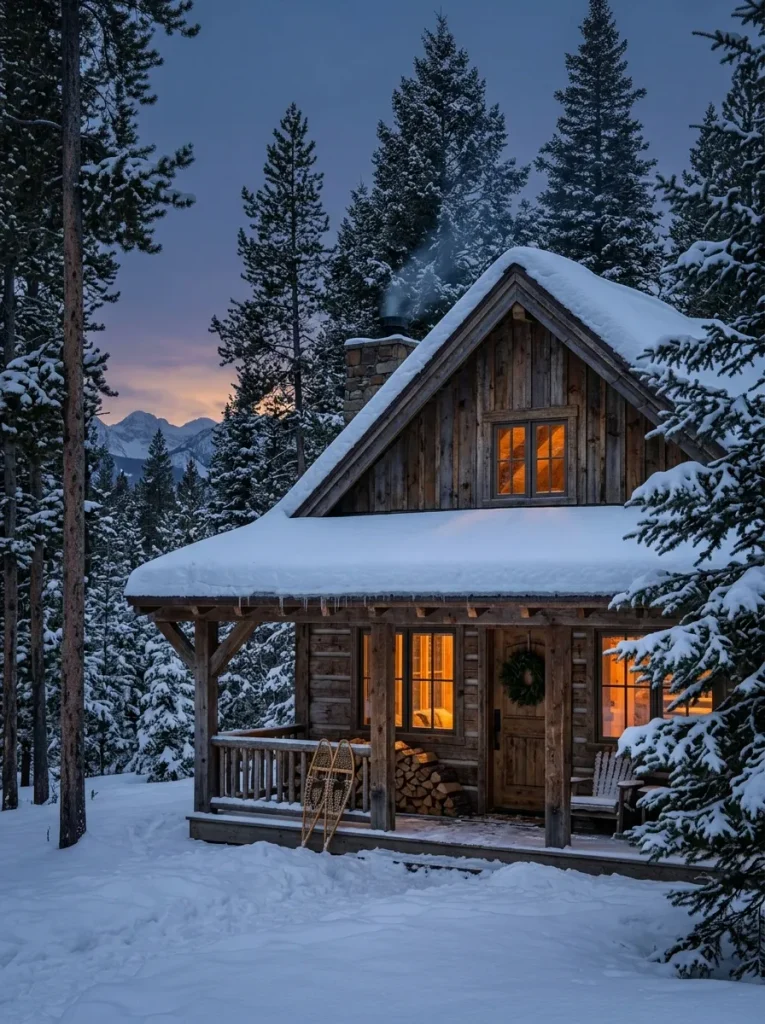
A winter trip to Yellowstone can be unforgettable. Snow-covered forests, steaming geysers, wildlife against white landscapes, and quiet mountain scenery reveal a different side of one of America’s most famous national parks.
The key is to prepare for the reality of winter. Most roads close to ordinary vehicles, many facilities operate on limited schedules, and extreme cold can make even short outdoor activities challenging. Plan transportation before booking attractions, check official road and weather updates, and carry the clothing and supplies you need.
If you have extra time in the region, explore our Montana travel guide for ideas beyond the park. You can also plan a wider western road trip with our guide to Mount Rushmore and the Black Hills. If you’re planning a different seasonal getaway, our roundup of amazing September activities offers inspiration for another time of year.
Most importantly, keep your itinerary flexible. Winter in Yellowstone rewards travelers who slow down, respect the conditions, and make safety part of the adventure.