What to Know Before Visiting Banff in Winter: Weather, Roads, Clothing and Travel Tips
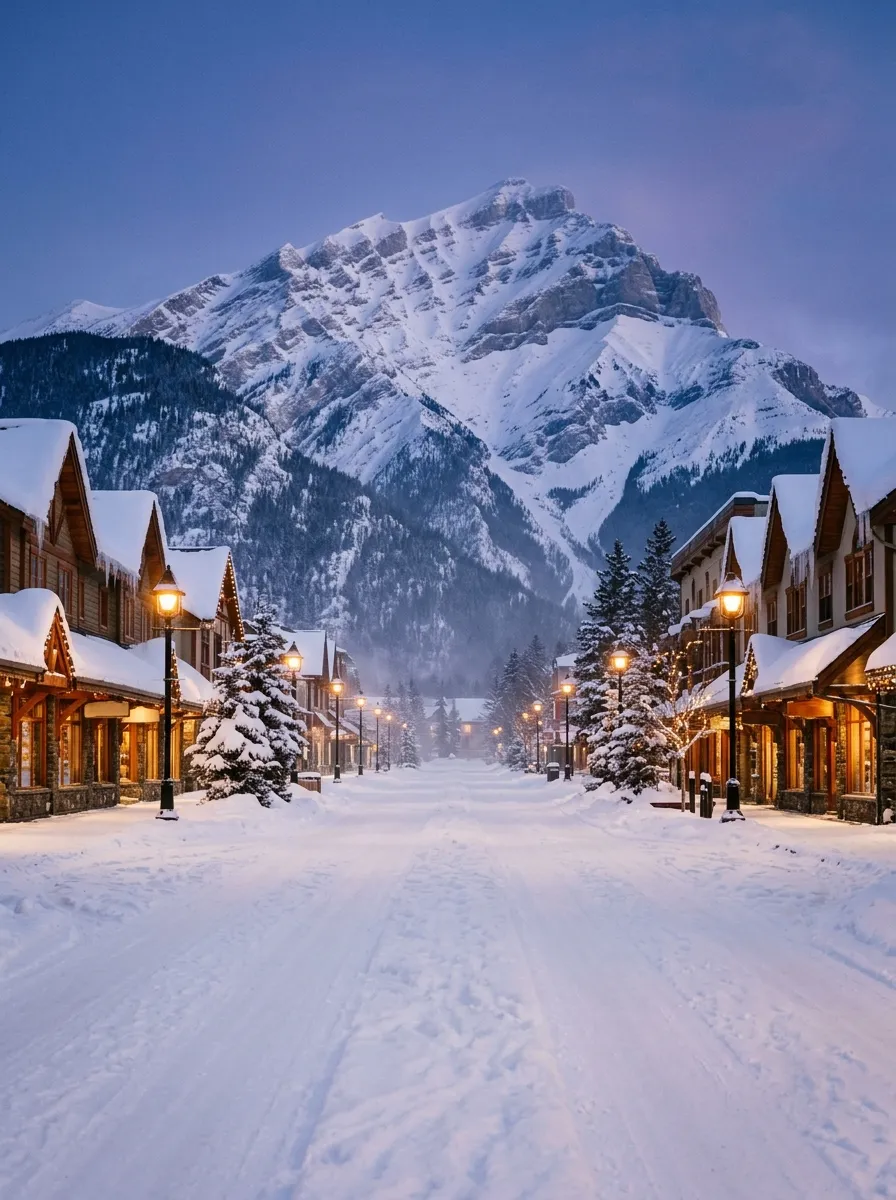
Banff National Park in winter looks like a scene from a snow-covered postcard. Towering Canadian Rockies, frozen waterfalls, snow-dusted pine forests, and turquoise lakes transformed by the cold create an incredible setting for a winter getaway. The town of Banff adds cozy cafés, mountain-view hotels, restaurants, and easy access to outdoor adventures.
But winter in Banff is not just about beautiful scenery. Temperatures can plunge well below freezing, roads can become icy, daylight is limited, and some of the places you have seen in summer travel photos may be inaccessible. Even a short walk can become uncomfortable if you are wearing the wrong shoes or clothing.
The good news is that you do not need to be an experienced winter traveler to enjoy Banff. With the right preparation, you can explore the town, visit scenic viewpoints, try winter activities, and enjoy the Canadian Rockies at a comfortable pace.
This guide covers what to know before visiting Banff in winter, including weather, road conditions, what to wear, seasonal closures, transportation, safety, and practical planning tips.
Recommended Travel Items for Your Trip
Is Banff Worth Visiting in Winter?
Absolutely. Winter offers a different experience from summer, with snowy mountain scenery, winter sports, quieter forest trails, and a cozy atmosphere in town. You can spend your days skiing, snowshoeing, skating, sightseeing, or relaxing with mountain views.
Banff also works well for travelers who prefer not to plan every hour around outdoor activities. You can mix short walks and scenic drives with indoor attractions, restaurants, shopping, and spa time.
However, winter is not ideal for every travel style. If your main goal is to visit alpine lakes when they display their famous bright blue water, hike high mountain trails, or drive every scenic road in the region, summer may suit you better.
Winter is the better choice if you want snow-covered landscapes, skiing, seasonal activities, and a classic Rocky Mountain winter atmosphere.
1. Understand Banff’s Winter Weather Before You Go
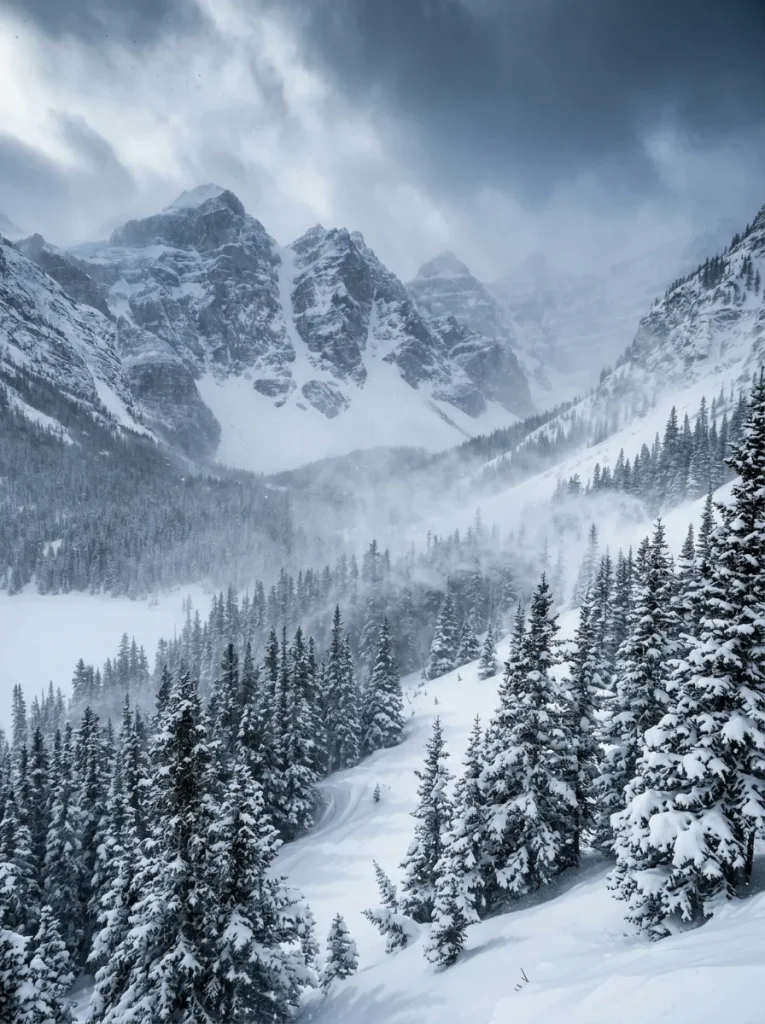
The first thing to know about Banff in winter is that the weather can be much colder than many visitors expect.
Parks Canada identifies January as the coldest month in Banff, with average lows around -15°C (5°F). Temperatures can fall into the minus thirties, and wind chill can make conditions feel even colder. Weather also varies between the town, Lake Louise, mountain passes, and higher elevations.
What temperatures should you expect?
These are general planning expectations, not a forecast for your exact travel dates.
| Winter period | What to expect | What it means for your trip |
| December | Cold weather, snow, short days, festive atmosphere | Pack for freezing conditions and plan outdoor activities around daylight |
| January | Often among the coldest periods | Bring serious cold-weather layers, insulated boots, and warm accessories |
| February | Continued winter conditions, with some longer daylight | Good for skiing and snow-based activities, but still expect cold spells |
| March | Winter conditions can continue, with more daylight | Snow and ice remain possible, especially at higher elevations |
Conditions change from year to year. A sunny afternoon in town does not mean the weather will be equally pleasant at a mountain viewpoint or along a highway.
How cold does Banff feel?
Temperature alone does not tell the whole story. Wind, humidity, exposure, activity level, and the length of time you spend outside all affect comfort.
For example, walking between cafés in Banff town is different from standing still at a windy viewpoint or waiting outdoors for a shuttle. The same temperature can feel manageable during an active walk and uncomfortable when you are stationary.
Practical tip: Check the forecast for both Banff and the specific places you plan to visit. If you are heading to Lake Louise or driving a mountain highway, do not rely only on the forecast for the town.
2. Pack the Right Winter Clothing
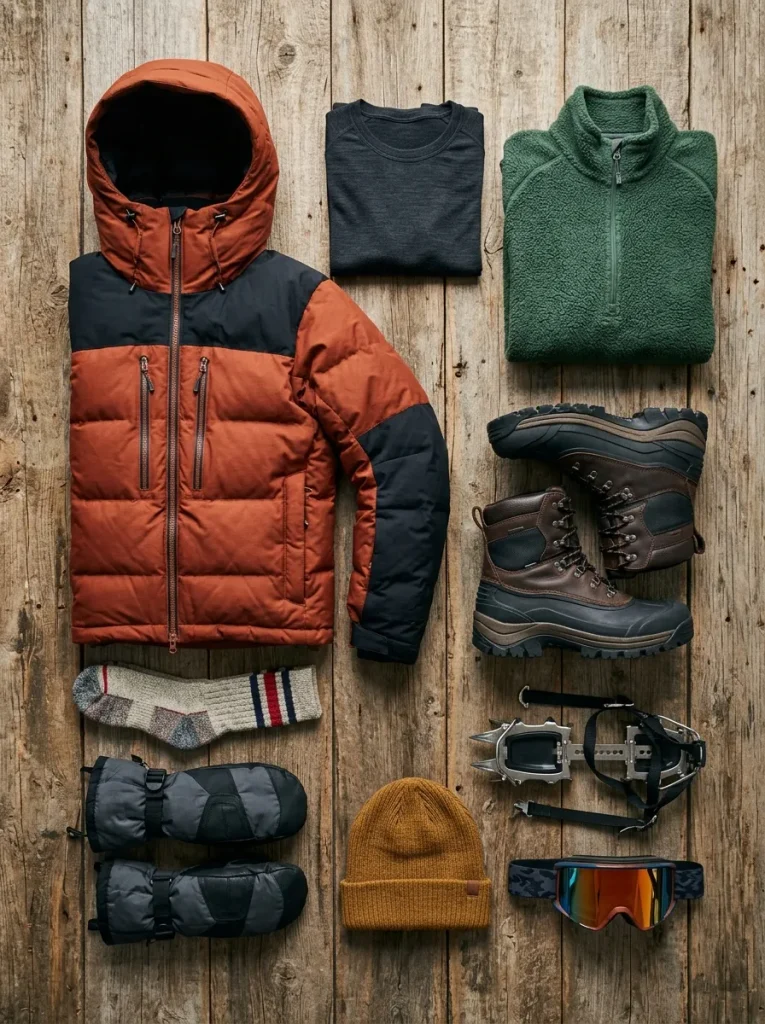
Packing for Banff is not about bringing the thickest jacket you can find. It is about combining layers that keep you warm, help manage moisture, and protect you from wind and snow.
You may be outdoors for longer than expected while waiting for transport, taking photographs, or walking between attractions. Proper clothing makes those moments much more comfortable.
Use a three-layer clothing system
Base layer: Wear moisture-wicking thermal underwear or a similar layer next to your skin. Merino wool and synthetic fabrics are useful options. Avoid relying on cotton as your main base layer during active outdoor activities because it can retain moisture and feel cold when damp.
Mid layer: Add fleece, wool, or an insulated layer to trap warmth. You can adjust this layer depending on the temperature and how active you are.
Outer layer: Wear a wind-resistant, water-resistant or waterproof jacket and suitable outer trousers when conditions call for them. Snow, wind, and blowing moisture can make ordinary winter clothing inadequate.
Winter clothing checklist for Banff
- Insulated winter jacket.
- Thermal base layers.
- Fleece or wool mid-layer.
- Warm, water-resistant trousers or snow pants for outdoor activities.
- Waterproof insulated boots with good traction.
- Wool or synthetic winter socks.
- Warm gloves or mittens.
- A beanie or insulated winter hat.
- Neck warmer or scarf.
- Sunglasses and sunscreen.
- Ice cleats for slippery walking routes.
- Extra socks and gloves.
Mittens often keep fingers warmer than individual-finger gloves, although gloves may be more convenient when using a phone or camera. Consider bringing both if you plan to spend extended periods outdoors.
Do you need snow boots?
For a winter visit, insulated boots with good grip are a smart choice. Regular sneakers can become cold, wet, and slippery on snow or ice.
You do not necessarily need specialist mountaineering boots for ordinary sightseeing, but your footwear should match your activities. If you plan to snowshoe, hike, or spend hours outdoors, choose boots suitable for those conditions.
Parks Canada recommends ice cleats for winter walking because many trails become snow-packed and slippery.
My recommendation: Prioritize warm, waterproof footwear and traction before spending extra money on more fashionable winter clothing. Cold, wet feet can ruin an otherwise wonderful day in Banff.
3. Know the Winter Road Conditions
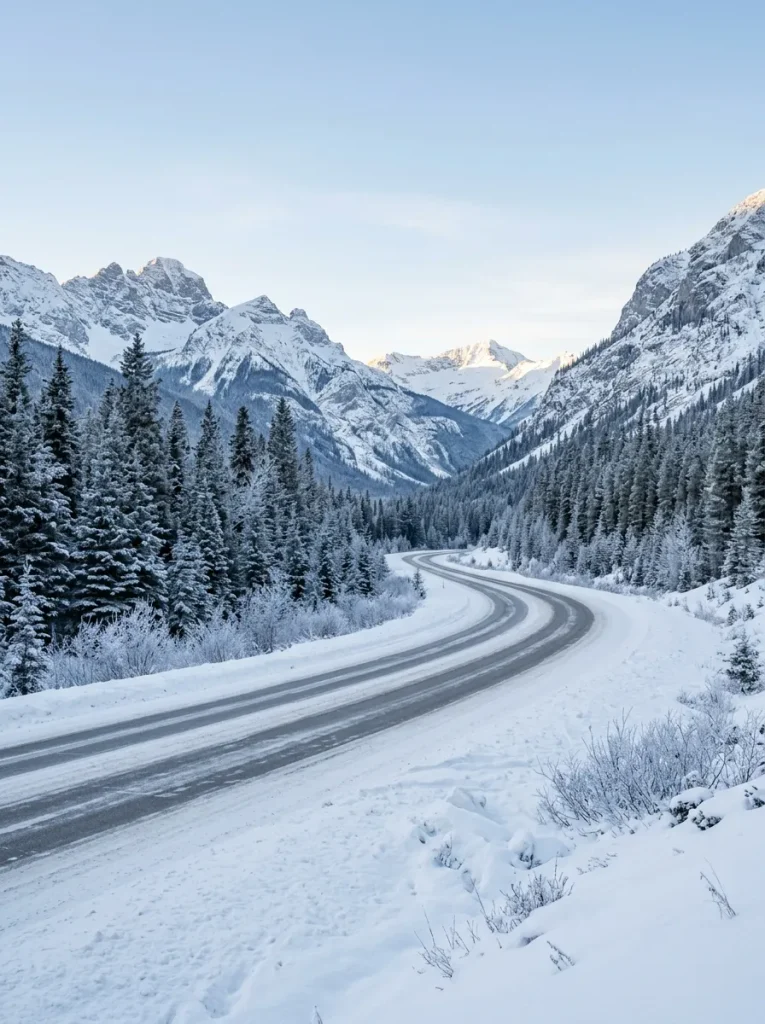
Driving through the Canadian Rockies can be beautiful in winter, but snow-covered roads, black ice, changing visibility, and sudden weather shifts require extra care.
A road that looks clear when you leave Banff may have different conditions farther along your route. Bridges, shaded sections, and areas near water can be particularly icy.
Parks Canada recommends checking road reports before departure, slowing down in poor conditions, allowing extra travel time, and carrying emergency supplies.
Should you rent a car in Banff during winter?
A rental car offers flexibility, particularly if you want to visit places outside town. However, driving is not essential for every winter itinerary.
Consider a car if:
- You are comfortable driving on snow and ice.
- Your accommodation is outside the main town area.
- You want to visit several locations with limited transit options.
- Your itinerary includes scenic drives and you can adapt to closures.
Consider public transit, shuttles, or guided tours if you are unfamiliar with winter driving or would rather avoid road stress.
The town of Banff and some major visitor destinations have transit connections, but schedules and seasonal services vary. Check current routes before deciding that a particular attraction is easy to reach without a car.
Are winter tires required in Banff?
Winter tires are strongly recommended for winter driving in the region. Parks Canada states that snow tires or chains are legally required on the Icefields Parkway (Highway 93 North) and the Banff-Windermere Highway (Highway 93 South) from November 1 through March 31, as well as during other periods when those highways are covered with snow or ice.
If you are renting a car, confirm the tire equipment with the rental company before booking. Do not assume every vehicle comes equipped with suitable winter tires simply because it is offered for winter travel.
Winter driving checklist
Before leaving your accommodation:
- Check Alberta 511 for road conditions and closures.
- Review the weather forecast for your entire route.
- Clear snow and ice from all windows, mirrors, lights, and license plates.
- Fill the fuel tank and top up windshield washer fluid.
- Carry warm clothing, water, food, a blanket, a flashlight, and an ice scraper.
- Keep a charged phone and a suitable vehicle emergency kit.
- Tell someone your plans if you are traveling to remote areas.
Avoid driving faster than conditions allow. Leave more distance between vehicles, brake smoothly, and do not use cruise control on slippery roads.
If authorities close a road or advise against travel, do not try to push through just to keep your itinerary on schedule.
4. Understand Which Roads and Attractions Close in Winter
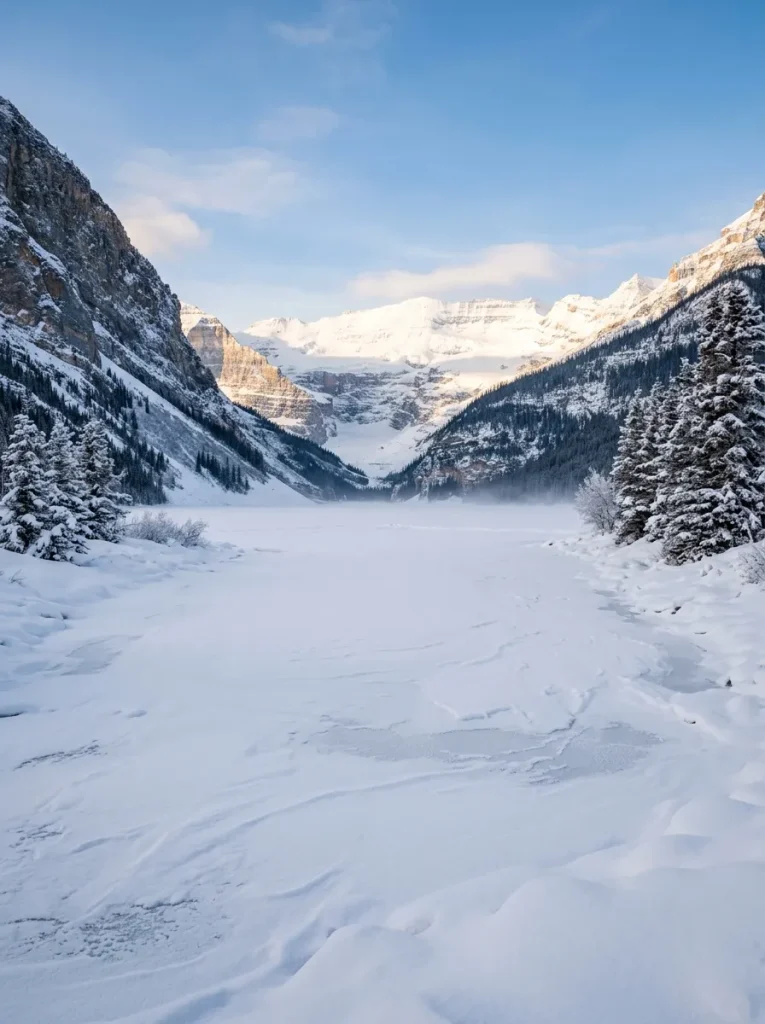
One of the biggest planning mistakes is assuming every famous Banff destination is accessible year-round.
Winter can change road access, parking arrangements, trail conditions, and available services. Always confirm current conditions before setting out.
Is Moraine Lake open in winter?
Moraine Lake Road is closed to personal vehicles year-round, and regular seasonal shuttle services operate during the warmer months rather than throughout winter. Parks Canada’s published 2026 shuttle season for Moraine Lake ran from June 1 through October 12, weather permitting.
For a winter trip, do not assume you can drive to Moraine Lake or book the usual summer shuttle. Check official information for any permitted access or special winter arrangements before including it in your plans.
What about Lake Louise?
Lake Louise is a popular winter destination, particularly for skating when conditions are suitable, skiing, snowshoeing, and enjoying the mountain scenery.
However, activities and access depend on the season, weather, and current conditions. The lakeshore may look very different from its summer appearance, and ice conditions can change.
Never assume a natural lake is safe to walk or skate on just because the surface looks frozen. Parks Canada does not monitor natural ice surfaces for visitor safety. Follow official guidance and use designated areas or maintained skating facilities where available.
Is the Icefields Parkway open in winter?
The Icefields Parkway connects Lake Louise and Jasper through dramatic mountain scenery. It can be a spectacular drive, but winter conditions make it a route that requires careful planning.
Parks Canada warns that the road may close without notice, winter tires are required, and there are no services such as gasoline along the route during the winter operating period described in its guidance. It also notes that there is no cell coverage on the parkway.
Do not plan a winter drive along the entire parkway without checking road conditions, weather, daylight, fuel, and available services. If conditions are poor, postponing the drive is the safer decision.
For a broader overview of the route’s highlights, read our guide to the top stops on the Icefields Parkway. Use it for inspiration, but verify which stops and roads are practical during your winter dates.
5. Plan Your Days Around Limited Daylight
Winter days are short in Banff. Parks Canada’s weather guidance notes that daylight can last as little as about eight hours in December.
That matters when you are driving between destinations, exploring trails, or hoping to photograph mountain scenery in good light.
Rather than planning a long list of stops, choose a few priorities and leave room for unexpected delays.
A practical winter day plan
| Time | Suggested plan |
| Morning | Check weather and road reports, then start your main activity |
| Late morning | Explore a scenic viewpoint, ski area, or winter walking trail |
| Early afternoon | Take a lunch break and complete nearby activities |
| Mid-afternoon | Begin returning or choose a short activity close to town |
| Evening | Enjoy dinner, shopping, or a relaxed indoor activity |
Adjust the schedule to the actual sunrise and sunset times during your visit. Mountain terrain can also affect light, so a location may fall into shadow earlier than you expect.
If you are driving outside Banff town, aim to complete the main portion of your journey during daylight whenever practical. This makes it easier to spot icy sections, wildlife, and changing road conditions.
6. Choose Winter Activities That Match Your Experience
Banff has plenty of winter activities, but not all of them require the same fitness level, equipment, or experience.
Downhill skiing and snowboarding
Banff is a popular base for skiing and snowboarding in the Canadian Rockies. Several ski areas operate in the region, with terrain ranging from beginner-friendly slopes to more challenging runs.
Book equipment rentals and lessons in advance during busy periods if you want specific dates or times. Check the current operating status, lift schedules, weather, and road access for your chosen ski area.
Snowshoeing
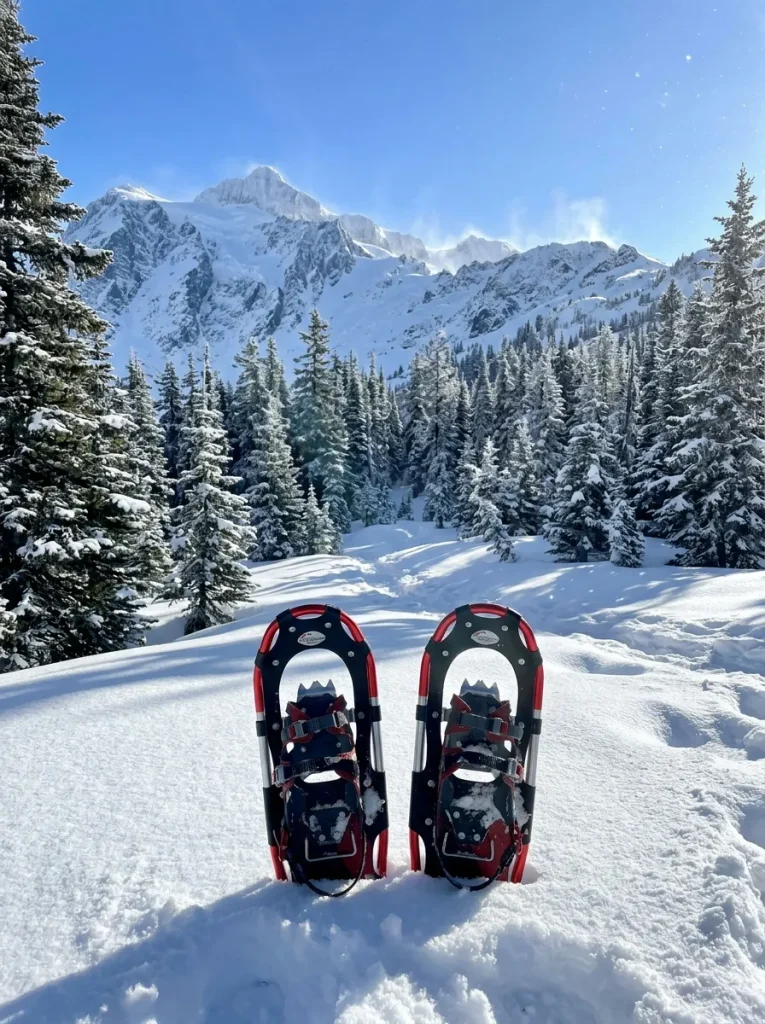
Snowshoeing allows you to explore snowy landscapes without needing advanced skiing skills. Choose a designated route that suits your fitness level, and check trail conditions before setting out.
Do not assume a summer hiking trail is safe simply because it appears on a map. Winter conditions can introduce avalanche risk, deep snow, and hidden hazards.
Winter walking
Short winter walks can be an excellent way to enjoy Banff without committing to a strenuous activity. Choose a maintained or recommended winter trail, wear appropriate footwear, and carry ice cleats when needed.
Parks Canada advises checking trail reports and choosing routes suitable for the least experienced person in your group.
Ice skating
Skating can be a memorable winter activity when suitable facilities and conditions are available. Some maintained skating areas may open seasonally, while natural lake ice is not monitored by Parks Canada for safety.
Check the current status of the specific skating location before heading out. Never judge ice safety by appearance alone.
Scenic sightseeing
You do not have to ski or hike to enjoy Banff in winter. You can explore the town, visit viewpoints that are accessible under current conditions, enjoy mountain scenery, and spend time in cafés or restaurants.
This is a good option for mixed groups where some travelers want outdoor adventures and others prefer a slower pace.
7. Learn the Basics of Winter Trail Safety
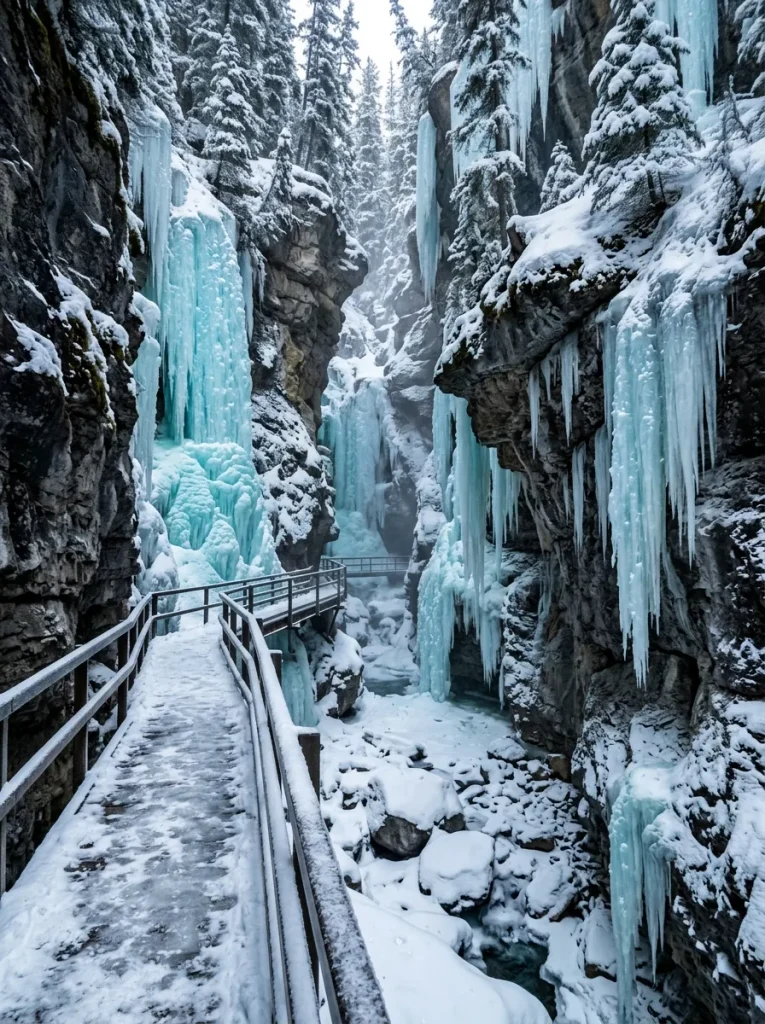
Snow-covered mountains and forests can be beautiful, but winter hiking requires more preparation than a summer stroll.
Some trails become icy, routes may be difficult to follow, and avalanche danger can affect terrain outside designated safe areas. Parks Canada warns that avalanche season in the mountains extends from November through June and that visitors entering avalanche terrain need the right training, equipment, and knowledge.
Before choosing a trail
Check the official trail report and current warnings. Read the route description, understand the expected duration, and consider how conditions may change during the day.
For a winter outing, bring:
- Insulated layers and waterproof outerwear.
- Warm gloves and a hat.
- Sturdy footwear and ice cleats.
- Hiking poles if useful for your route.
- Water and high-energy snacks.
- A map or offline navigation option.
- A headlamp or flashlight.
- A first-aid kit and emergency supplies.
- A charged phone, while remembering that coverage may be unreliable.
Tell someone where you are going and when you expect to return, especially if you are leaving the main visitor areas.
Do not follow summer hiking advice blindly
Some summer routes are unsuitable in winter, and a trail that is easy in July may be dangerous under snow or ice.
If your trip includes hiking, our guide to must-do hikes in Banff can help you identify trails to research. Before choosing any route for winter, check whether it is recommended for the current season and whether avalanche terrain is involved.
If you lack avalanche training, do not venture into avalanche terrain without a qualified guide and the necessary equipment. When in doubt, choose a designated winter route or ask Parks Canada staff for advice.
8. Know What to Expect From Banff’s Wildlife in Winter
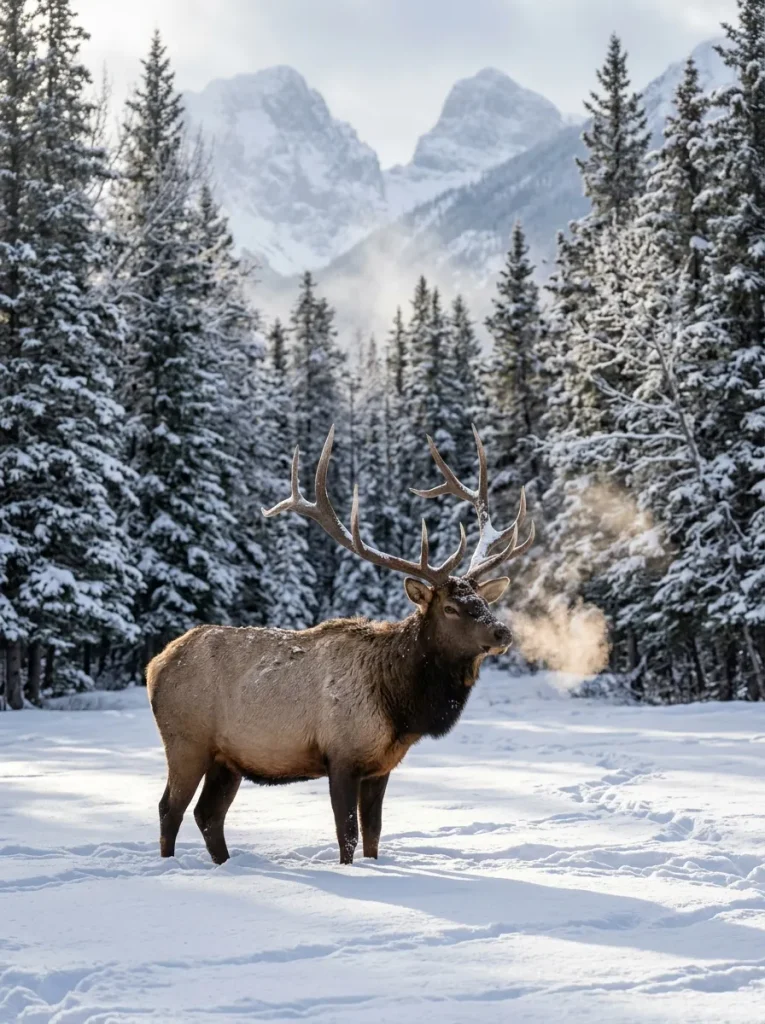
Winter does not mean wildlife disappears from Banff National Park.
Some animals reduce their activity, but others remain active throughout the season. Parks Canada notes that bears can wake during winter and that cougars, wolves, and other wildlife may still be present.
If you see wildlife:
- Stay at a safe distance.
- Never feed or approach an animal.
- Do not get out of your vehicle to take a closer photograph.
- Keep food secured and follow park rules.
- Carry bear spray where appropriate, and know how to use it.
- Be particularly alert around dawn and dusk when visibility can be poor.
Roadside wildlife sightings can be exciting, but stopping suddenly or blocking traffic to take photos creates risks for both visitors and animals. If you spot wildlife while driving, slow down safely and use an appropriate pullout only when it is safe and permitted.
9. Decide Where to Stay Before Booking Activities
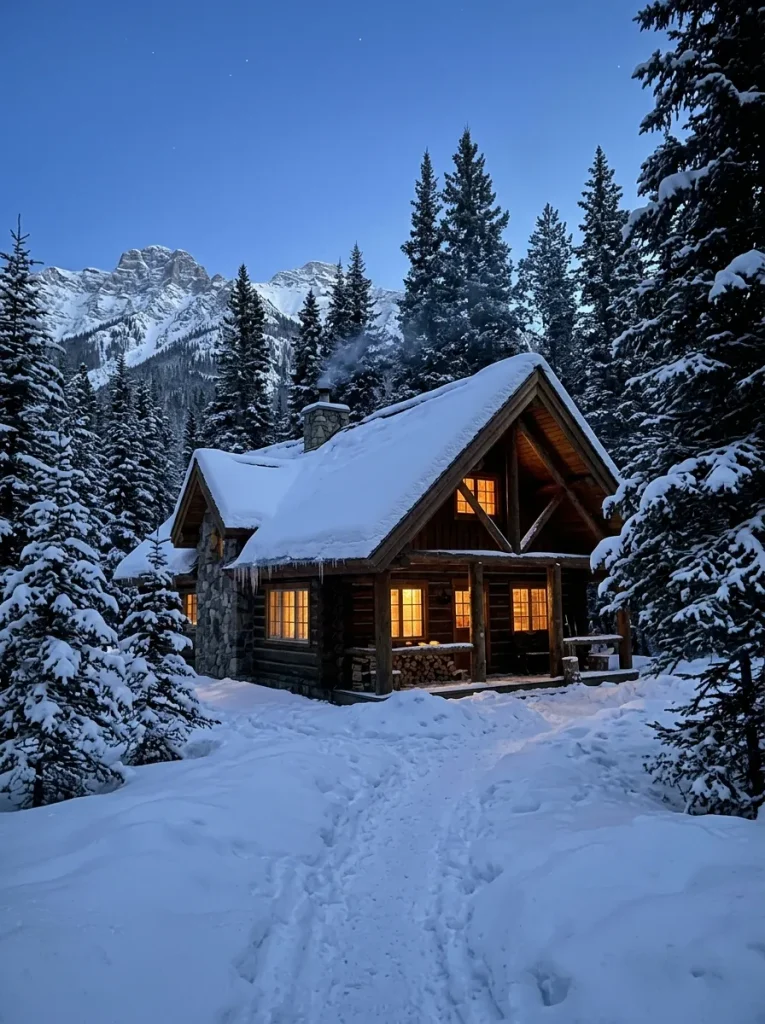
Your accommodation can shape how easy your winter trip feels.
Staying in the town of Banff gives you access to restaurants, shops, and local services, with transport options for some nearby attractions. Lake Louise can be a useful base if your main priorities are activities in that area, although the choice depends on your budget and transportation plans.
Staying in Banff town
This is often the most flexible option for first-time visitors who want to combine sightseeing, dining, winter activities, and guided tours.
It can be especially convenient if you prefer not to drive every day. Check the location of your accommodation in relation to bus stops, tour departure points, and the places you plan to visit.
Staying near Lake Louise
This can work well if you want to spend more time in the Lake Louise area or prioritize skiing and nearby winter activities. However, you should check transport options and availability carefully before booking.
Should you stay in Calgary?
Calgary can be a practical arrival or departure point, but staying there for the entire trip means spending additional time traveling to Banff. It may suit travelers who are combining several destinations or have a limited accommodation budget, but it is less convenient for spontaneous early-morning activities in the park.
Recommendation: For a first winter visit, choose accommodation in Banff town if your budget allows and your itinerary includes several local activities. It reduces the need to drive for every meal or short outing and gives you more flexibility when weather affects your plans.
10. Understand Transportation Options in Winter
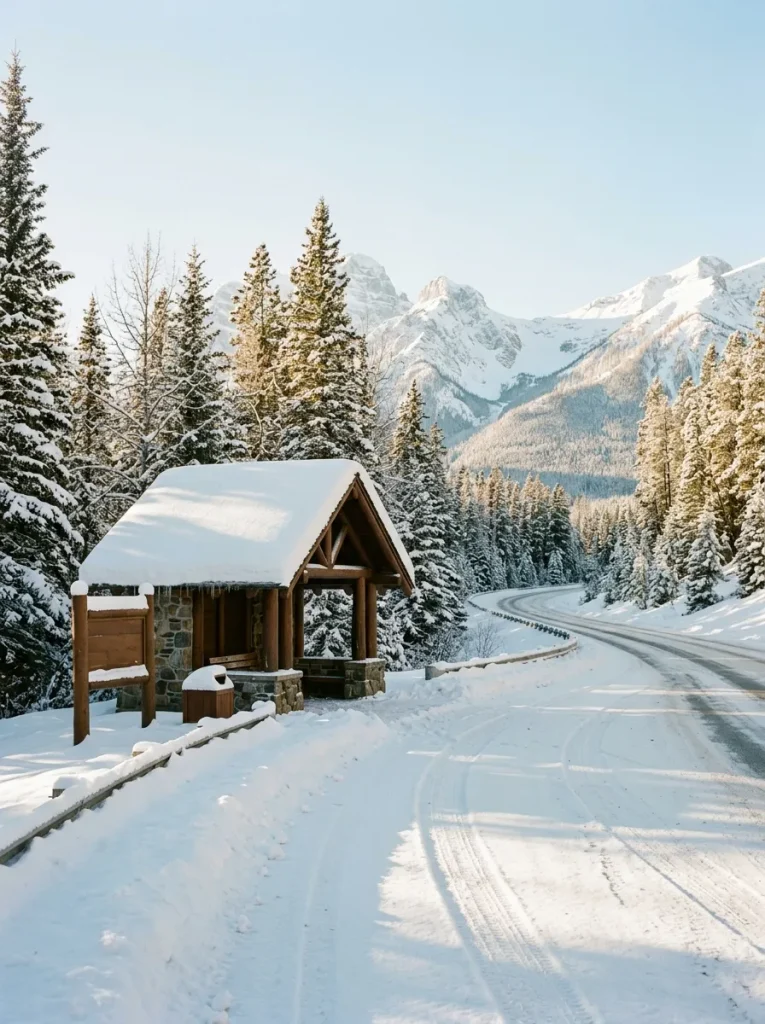
You can visit Banff without renting a car, but it helps to plan transport before arriving.
Depending on your dates, options may include airport transfers, scheduled buses, local public transit, shuttles, guided tours, and rental cars.
From Calgary International Airport
Many visitors arrive through Calgary and travel onward to Banff by shuttle or rental car. Compare transfer schedules, luggage allowances, prices, and arrival times before booking.
If you are arriving late at night or during a winter storm, allow extra flexibility. A tight connection between a flight and a scheduled transfer can be stressful if the weather causes delays.
Getting around Banff
Local transit can help you reach selected attractions, but not every location has the same service frequency or year-round access. Check the current route map and schedule rather than assuming summer services continue unchanged.
Guided tours can be useful if you want to visit several locations without dealing with winter driving yourself. Confirm exactly which stops are included and whether the tour operates in your chosen month.
What if you want to explore beyond Banff?
If your plans include Lake Louise, the Icefields Parkway, or destinations outside the main town, compare transport options for each leg. A destination may be close on a map but still require a substantial journey in winter conditions.
Build extra time into your schedule and avoid making your entire trip dependent on one long scenic drive.
11. Budget for Winter Travel Costs
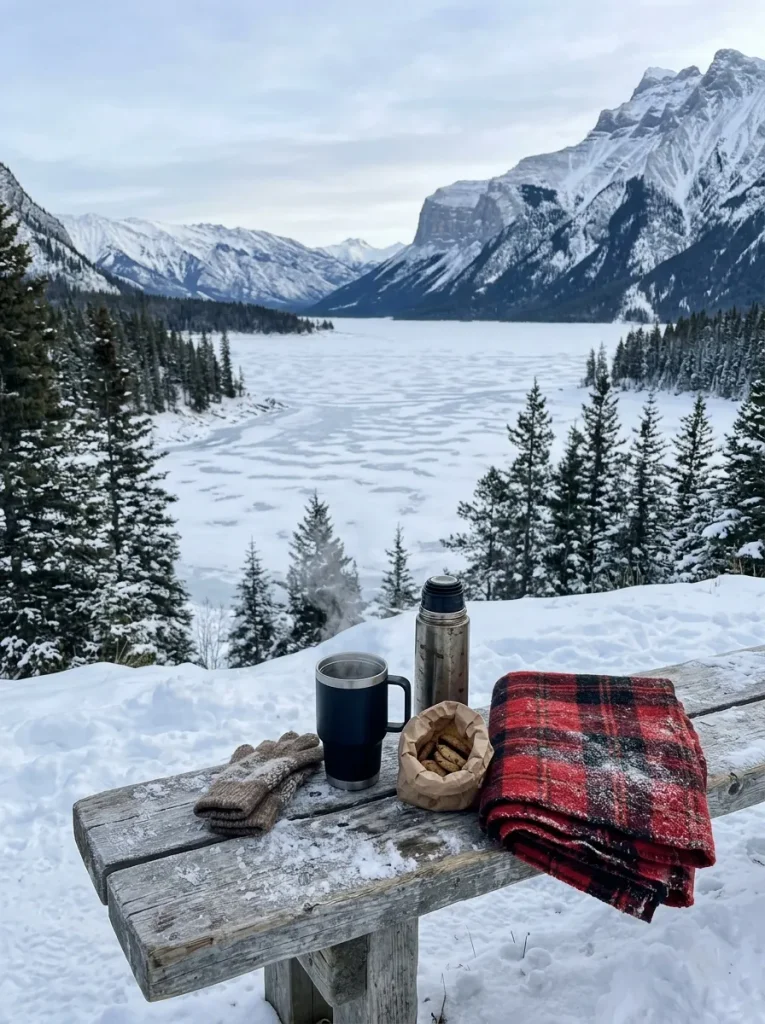
Banff can be an expensive destination, particularly during popular holiday periods and ski season. Your total cost will depend on accommodation, transport, activity choices, dining, and equipment rentals.
Plan for these major expenses:
| Expense | What to consider |
| Accommodation | Prices vary by location, room type, and travel dates |
| Transportation | Airport transfers, rental car, fuel, winter equipment, or local transit |
| Activities | Ski passes, equipment rentals, guided tours, and special experiences |
| Clothing | Insulated boots, layers, gloves, and traction devices if you need to buy them |
| Food | Restaurant meals, groceries, snacks, and hot drinks |
| Park admission | Check current Parks Canada fees and pass options |
| Emergency buffer | Extra money for weather-related changes or unexpected overnight stays |
You can manage costs by booking accommodation early, comparing transport options, mixing paid activities with free outdoor experiences, and choosing a few priority excursions instead of trying to do everything.
Do not cut essential winter safety equipment from your budget to save money. If you are renting a car, suitable winter tires and emergency supplies matter more than choosing the cheapest vehicle.
12. What to Pack for a Winter Trip to Banff
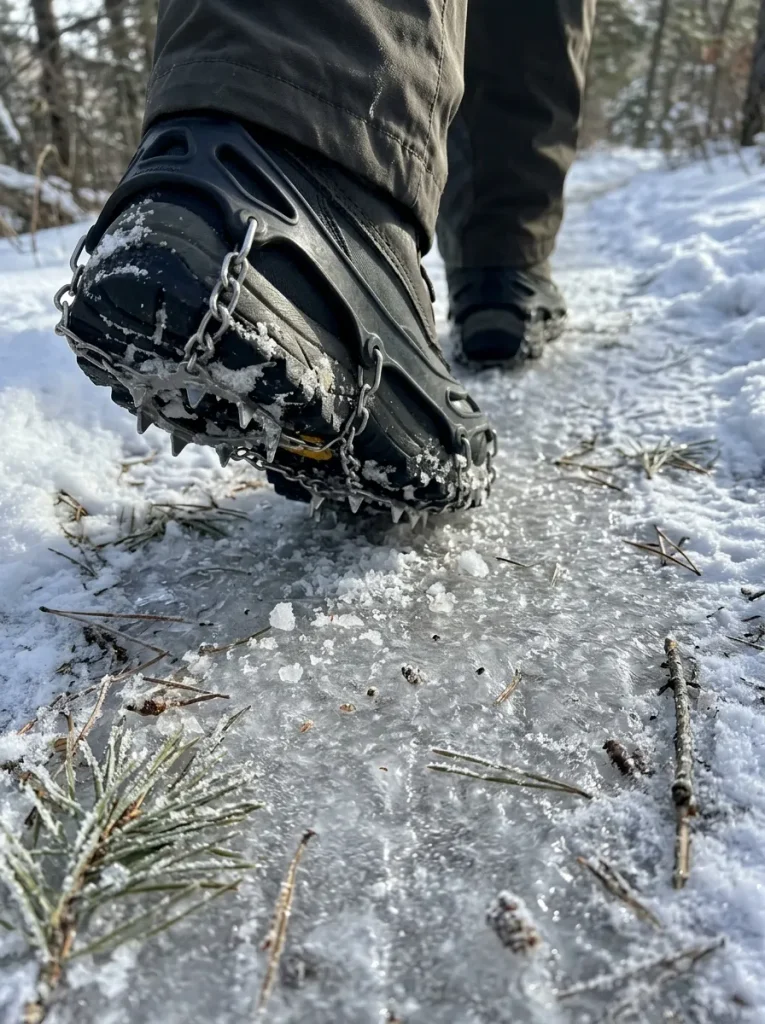
Use this checklist to prepare for cold weather and changing conditions.
Clothing
- Thermal base layers.
- Fleece or wool mid-layers.
- Insulated winter jacket.
- Waterproof outer layer.
- Warm trousers or snow pants for outdoor activities.
- Insulated winter boots with good traction.
- Wool or synthetic socks.
- Warm gloves or mittens.
- Winter hat and neck warmer.
- Extra dry socks and gloves.
Outdoor and travel essentials
- Ice cleats for slippery paths.
- Sunglasses and sunscreen.
- Reusable water bottle or thermos.
- Daypack.
- Phone charger and power bank.
- Offline maps or downloaded travel information.
- Small first-aid kit.
- Hand and toe warmers if needed.
- Headlamp for outdoor activities.
- Travel insurance details and emergency contacts.
If you are driving
- Confirm suitable winter tires.
- Ice scraper and snow brush.
- Windshield washer fluid suitable for freezing temperatures.
- Warm blanket and spare clothing.
- Water and non-perishable snacks.
- Flashlight and first-aid supplies.
- Shovel and other appropriate emergency equipment.
Parks Canada’s winter driving guidance recommends carrying warm clothing, food, water, a blanket, a first-aid kit, an ice scraper, and other emergency supplies.
13. Common Mistakes to Avoid When Visiting Banff in Winter
A few common planning mistakes can make a winter trip more difficult than it needs to be.
Packing for the town but not the mountains. Temperatures and wind conditions can vary between Banff, Lake Louise, and higher elevations. Pack for the coldest conditions you may reasonably encounter on your itinerary.
Assuming all roads are open. Check current road reports and seasonal closures before each drive. Never rely entirely on an old itinerary or a summer travel guide.
Trying to fit too many stops into one day. Short daylight hours, slower driving, and weather delays make an overpacked itinerary difficult to follow. Choose a few priorities instead.
Wearing ordinary sneakers on snow and ice. Proper footwear and ice cleats can make winter walking safer and more comfortable.
Walking onto frozen lakes without checking conditions. Natural ice is not automatically safe. Use designated areas and follow current official advice.
Underestimating travel distances. Mountain roads, weather, and winter traffic can make journeys take longer than expected.
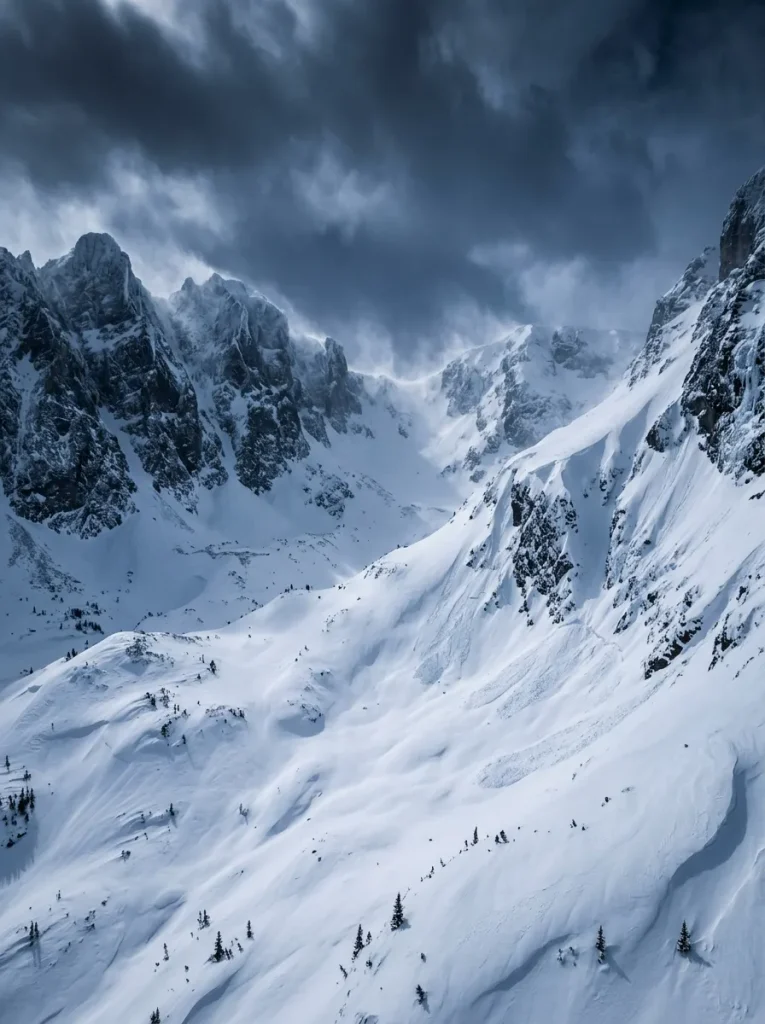
Ignoring avalanche risk. A popular summer hiking route is not automatically safe in winter. Check official trail guidance and avoid avalanche terrain unless properly equipped and trained.
Planning around a single weather-dependent activity. Keep indoor options or flexible alternatives available so one closure does not spoil the entire day.
A Simple Three-Day Winter Itinerary for Banff
If you are visiting Banff for the first time, three days can provide a good introduction without requiring you to drive long distances every day.
Day 1: Explore Banff Town
Spend your first day getting comfortable with the area. Walk around town, visit local shops and cafés, check out the visitor information center, and enjoy views of the surrounding mountains.
Choose a short winter walk if conditions are suitable. Use the afternoon to confirm transport arrangements and check the forecast for the next day.
Day 2: Visit Lake Louise
Plan a trip to Lake Louise using a suitable transport option for your dates. Enjoy the winter scenery, and choose an activity based on current conditions, such as a designated walk, skiing, or skating where the ice has been confirmed suitable.
Do not assume every activity will be operating. Keep an alternative plan in case the weather or access changes.
Day 3: Choose a Winter Adventure
Use your final day for skiing, snowshoeing on an appropriate route, a guided excursion, or another nearby attraction with confirmed winter access.
If the forecast is poor, stay closer to town and choose a more flexible activity. It is better to finish your trip with a relaxed day than to force a long drive in unsafe conditions.
For a broader look at how winter travel works across the region, our guide to visiting the Canadian Rockies in winter offers additional planning advice.
Frequently Asked Questions About Visiting Banff in Winter
What is the coldest month in Banff?
January is generally the coldest month, with average lows around -15°C (5°F) in the town of Banff. Colder conditions are possible, particularly during cold spells and at higher elevations.
Is Banff safe to visit in winter?
Banff is a popular winter destination, but visitors need to prepare for cold weather, icy surfaces, changing road conditions, wildlife, and potential avalanche hazards. Choose activities suited to your experience, check official conditions, and avoid risky travel when warnings are in place.
Do I need a car to visit Banff in winter?
No. Depending on your itinerary, you can use airport transfers, local transit, shuttles, and guided tours. A car offers more flexibility but requires confidence with winter driving and proper equipment.
Can you visit Lake Louise in winter?
Yes, Lake Louise is a popular winter destination. Activities depend on current weather and operating conditions. Check access, transportation, skating conditions, and activity availability before you go.
Can you visit Moraine Lake in winter?
Moraine Lake Road is closed to personal vehicles year-round, and the regular seasonal shuttle service does not operate throughout the winter. Do not plan on ordinary summer access. Confirm current official guidance before including Moraine Lake in a winter itinerary.
Is the Icefields Parkway worth driving in winter?
It can offer spectacular scenery, but winter driving requires careful preparation. Check road conditions and closures, carry suitable winter equipment, plan fuel and supplies, and remember that services and cell coverage are limited along the route. Postpone the drive if conditions are unsafe.
What shoes should I wear in Banff during winter?
Choose insulated winter boots with good grip and water resistance. Ice cleats that fit over your footwear are useful for slippery trails and paths. For snowshoeing or more demanding outdoor activities, use footwear suited to the activity.
How many days should I spend in Banff in winter?
Three days is a reasonable starting point for exploring Banff town, visiting Lake Louise, and enjoying a winter activity. Four or five days provide more flexibility for skiing, guided excursions, weather delays, and relaxed sightseeing.
Is winter a good time for hiking in Banff?
Some designated winter walking trails are suitable when conditions permit, but many summer routes become icy, snow-covered, or exposed to avalanche hazards. Check current trail reports and choose a route appropriate for your experience. Do not enter avalanche terrain without the necessary training, equipment, and knowledge.
Final Thoughts
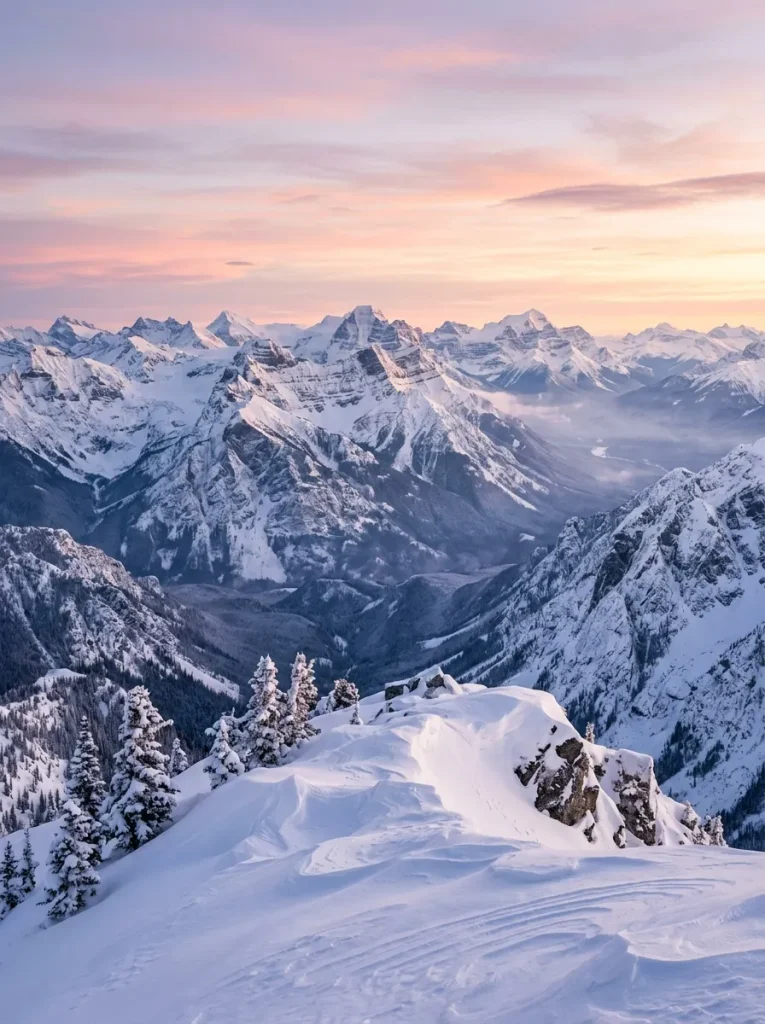
Visiting Banff in winter can be an extraordinary experience, with snow-covered mountains, frozen landscapes, cozy town streets, and plenty of ways to enjoy the outdoors. The key is to plan for the real conditions rather than the picture-perfect version of winter you may have seen online.
Pack layers, wear insulated footwear, check road and trail reports, and leave room in your itinerary for changing weather. If you are driving, prepare your vehicle and carry emergency supplies. If you plan to hike or explore backcountry areas, take winter hazards seriously and choose routes that match your experience.
Most importantly, do not feel pressured to visit every famous viewpoint. A few well-planned experiences, with enough time to enjoy them, can make a winter trip far more rewarding than a packed schedule.
The Canadian Rockies are worth exploring in every season, but winter rewards travelers who prepare carefully. Arrive ready for the cold, stay flexible, and let the mountains set the pace.