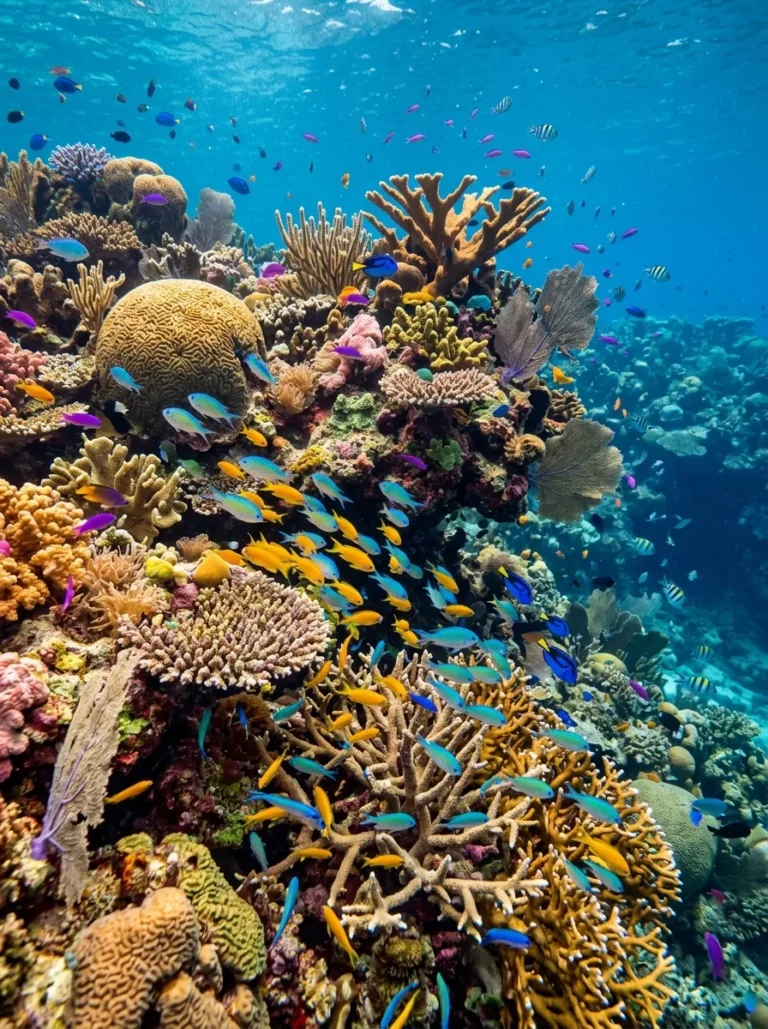
Fire Island: The Ultimate Guide to Beaches, Ferries, the Lighthouse & Charming Island Communities
If you’re dreaming of a beach escape where cars disappear, boardwalks replace busy streets, and the ocean is never far away, Fire Island might be exactly what you’re looking for.
Located just off the southern shore of Long Island, New York, Fire Island is a narrow barrier island known for its sandy beaches, maritime forests, peaceful communities, nightlife, wildlife, and unmistakable laid-back atmosphere.
It’s also home to some of Long Island’s most recognizable coastal landmarks, including the Fire Island Lighthouse.
Whether you’re planning a day trip, a weekend getaway, or simply wondering what makes this island so special, here’s everything you need to know.
Quick Take: Fire Island is best for travelers who want beautiful beaches, walkable island communities, nature, and a break from ordinary car-centered vacations.
Recommended Travel Items for Your Trip
Where Is Fire Island?
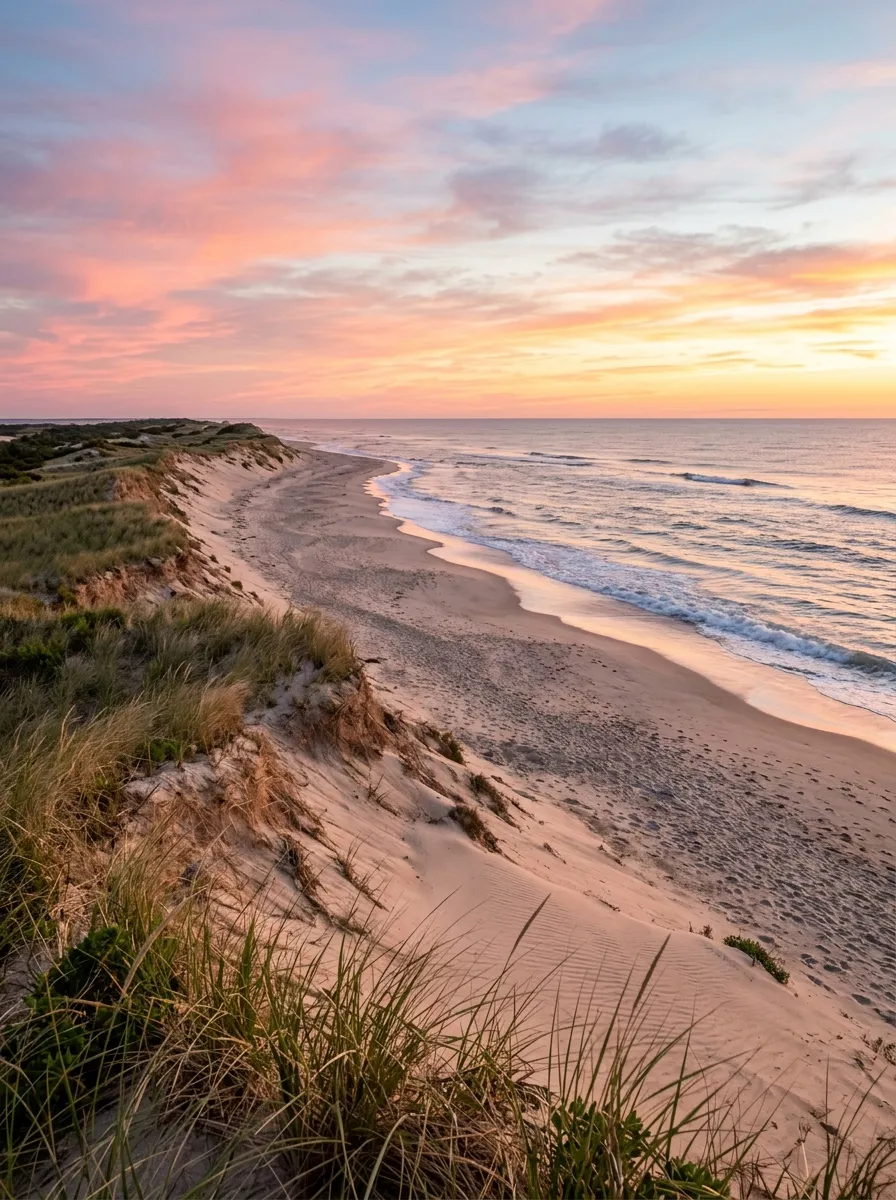
Fire Island lies off the southern coast of Long Island and stretches for roughly 32 miles along the Atlantic Ocean.
Although it’s close to New York City geographically, the atmosphere can feel dramatically different. There are no public roads running the entire length of the island, and many communities are primarily explored on foot.
That creates one of Fire Island’s biggest charms: you arrive by boat, leave the car behind, and suddenly the pace changes.
| Feature | Fire Island |
| Location | Southern Long Island, New York |
| Setting | Atlantic barrier island |
| Main appeal | Beaches and island communities |
| Famous landmark | Fire Island Lighthouse |
| Getting around | Walking, bicycles, water taxis |
| Popular for | Beach trips, nature, nightlife, relaxation |
If you enjoy coastal destinations with a strong local personality, you may also enjoy our Martha’s Vineyard Travel Guide.
Best Things to Do on Fire Island
There are plenty of things to do on Fire Island, but the island rewards travelers who resist the urge to cram every hour with activities.
Some of the best experiences are wonderfully simple.
1. Relax on the Beach
Let’s start with the obvious.
Fire Island’s long Atlantic beaches are the centerpiece of the destination. Soft sand, rolling waves, dunes, and wide stretches of shoreline create the classic summer beach experience.
Spend the morning swimming, walk along the water in the afternoon, and return around sunset.
If you’re looking for a beach vacation with a different atmosphere, Fire Island has plenty of personality beyond the sand.
2. Visit the Fire Island Lighthouse
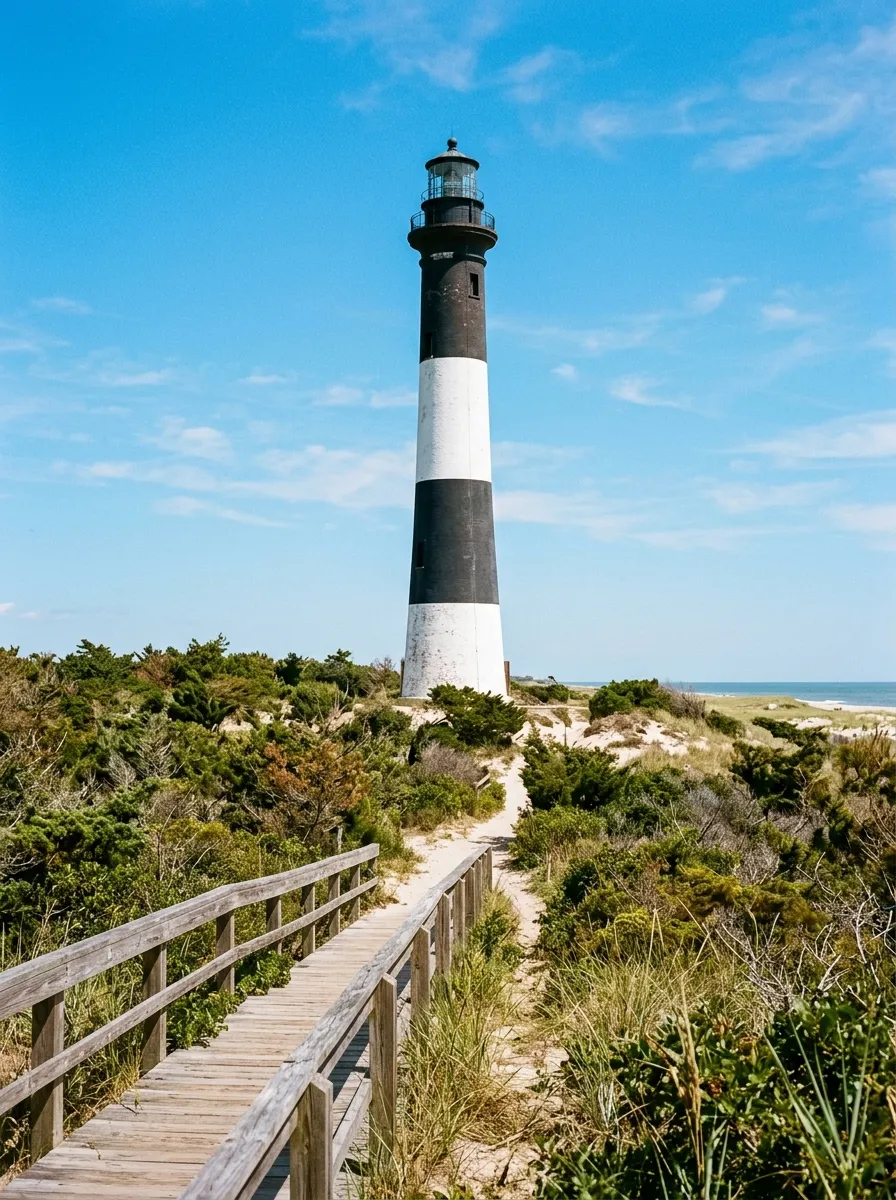
The Fire Island Lighthouse is one of the island’s defining landmarks.
Located at the western end of Fire Island, the lighthouse has helped guide ships along the Atlantic coast since the 19th century.
Visitors can explore the lighthouse grounds and, when tours and access are available, climb the tower for panoramic views of the surrounding coastline.
The views are especially rewarding because you get a completely different perspective of the barrier island from above.
Tip: Check current opening hours, tour availability, and climbing conditions before visiting because access can vary seasonally.
3. Explore Fire Island Pines

Fire Island Pines is one of the island’s best-known communities and has a distinct character of its own.
The community is famous for its beautiful homes, waterfront setting, social scene, and vibrant summer atmosphere.
It is particularly popular during the summer months when the island comes alive with visitors and seasonal residents.
Walking around the community is part of the experience. Don’t expect a conventional downtown. Fire Island’s communities are connected by sandy paths and boardwalks rather than ordinary city streets.
4. Discover Cherry Grove Fire Island

Just east of the Pines, Cherry Grove Fire Island has its own personality and long-standing cultural significance.
Cherry Grove is known for its welcoming atmosphere, colorful community, restaurants, bars, shops, and active summer social scene.
It’s one of those places where the destination itself becomes part of the vacation.
Grab something to eat, wander the boardwalks, and enjoy the energy before returning to the quieter beach.
5. Walk the Boardwalks

Fire Island’s boardwalks are more than transportation.
They lead through dunes, forests, neighborhoods, and coastal landscapes while giving you a chance to experience the island without traffic.
Wear comfortable shoes and don’t rush.
The island’s walkability is one of the reasons it feels so different from a typical Long Island beach town.
6. Go Birdwatching

Fire Island is an excellent destination for nature lovers.
The island’s dunes, maritime forests, wetlands, and shoreline provide habitat for a variety of birds and other wildlife.
Parts of Fire Island are protected as part of Fire Island National Seashore, managed by the National Park Service.
Bring binoculars if you’re interested in birdwatching, particularly during migration seasons.
7. Explore Fire Island National Seashore
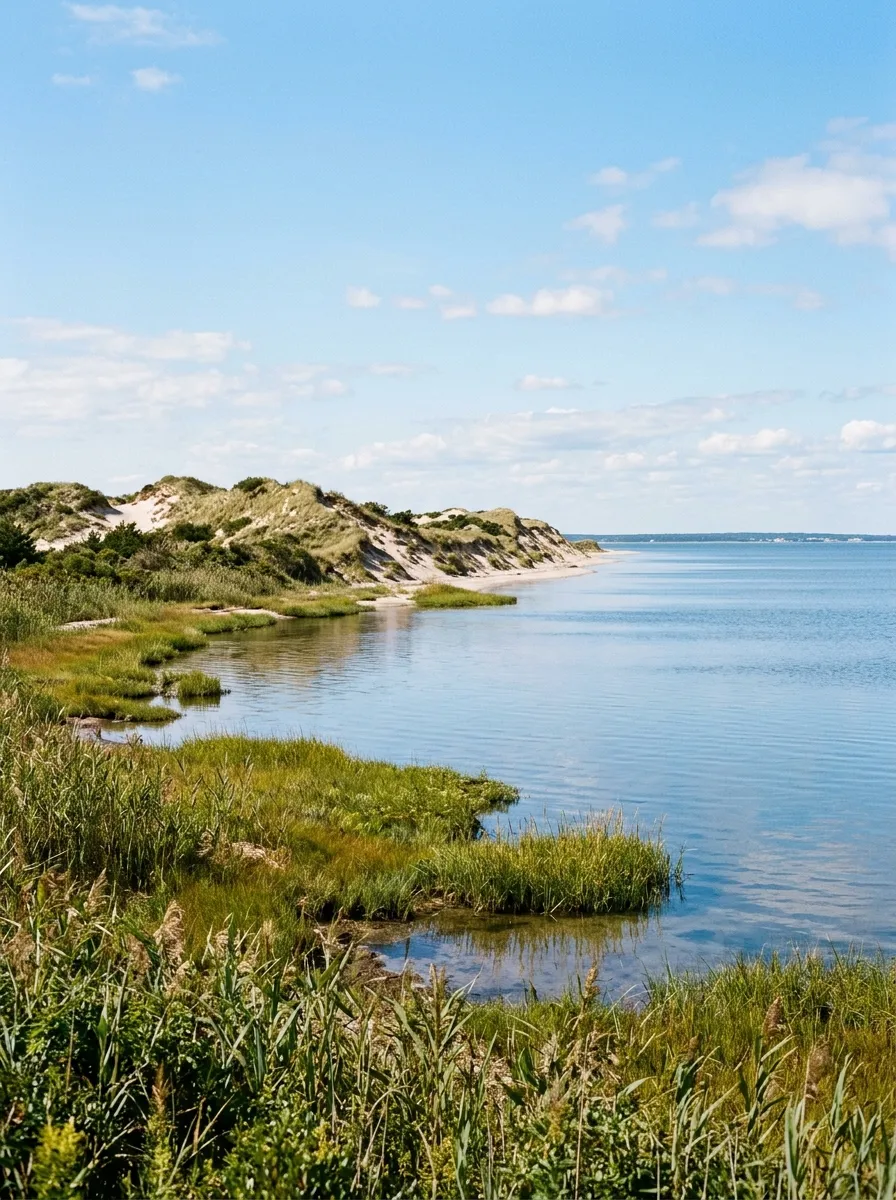
Fire Island National Seashore protects important natural and cultural resources along much of the island.
Its landscapes include beaches, dunes, maritime forests, wetlands, and historic areas.
For travelers who want something beyond the traditional beach vacation, this is where Fire Island becomes especially interesting.
You can hike, photograph wildlife, explore natural areas, and learn more about the island’s fragile coastal environment.
Fire Island Ferry: How to Get There
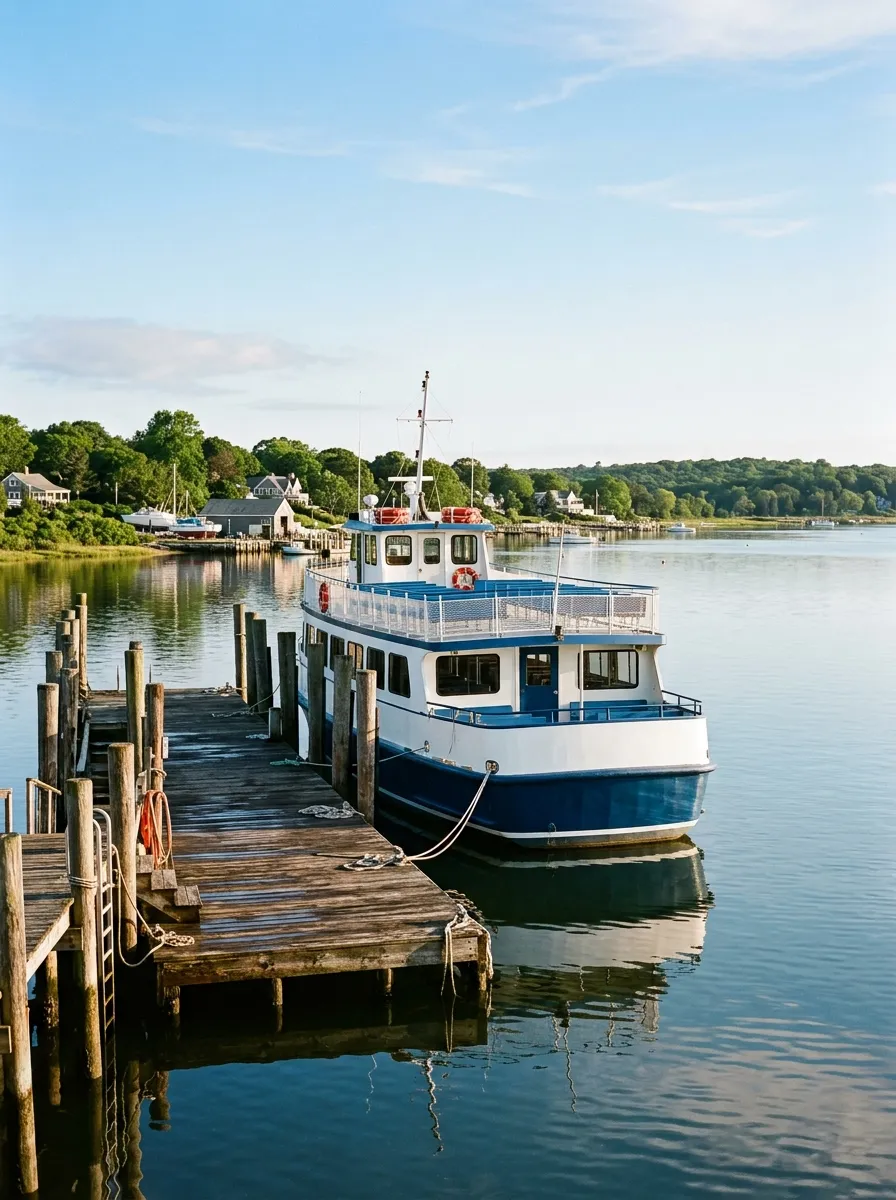
For most visitors, the ferry is the key to Fire Island.
Because the island has limited vehicle access, passenger ferries connect Long Island communities with destinations on Fire Island.
Popular departure points include communities such as Bay Shore, Sayville, and Patchogue, depending on your destination and the ferry operator.
Fire Island Ferry Schedule
The Fire Island ferry schedule changes depending on the season, destination, operator, weekends, holidays, and weather.
During summer, service is generally much more frequent than during the off-season.
This means you should always check the current ferry schedule before planning your day.
Don’t assume that a ferry running in the morning will automatically have a convenient return later that evening.
A Few Ferry Tips
- Arrive early during busy summer weekends.
- Check whether you’re traveling to the correct Fire Island community.
- Confirm the latest return departure.
- Check weather-related service updates.
- Bring only what you can comfortably carry.
- Keep valuables and electronics protected from water.
- Don’t forget sunscreen while waiting at the dock.
The ferry isn’t merely transportation. For many visitors, stepping onto the boat is the moment the vacation actually begins.
Fire Island Hotels and Where to Stay

If you’re searching for Fire Island hotels, remember that accommodation here is different from staying at a traditional mainland resort.
You’ll find a mixture of:
- Inns
- Guesthouses
- Boutique-style properties
- Vacation rentals
- Beach houses
- Condos
- Seasonal accommodations
Availability can be limited, particularly during summer weekends.
Where Should You Stay?
For nightlife and social energy: Cherry Grove and Fire Island Pines are popular choices.
For a quieter beach escape: Consider communities with a more residential atmosphere.
For nature: Staying near areas with easy access to protected landscapes can make it easier to enjoy hiking and wildlife.
For a romantic weekend: Look for smaller inns or private rentals where you can stay close to the beach.
Book early if you’re traveling during peak summer.
Fire Island is not the kind of destination where you want to arrive with a suitcase and the optimistic assumption that something will magically appear.
Best Time to Visit Fire Island
Summer

Summer is the classic Fire Island season.
Warm weather, beach days, swimming, outdoor dining, nightlife, and ferry service make June through August the busiest period.
It’s also when accommodation prices and demand are generally highest.
Late Spring
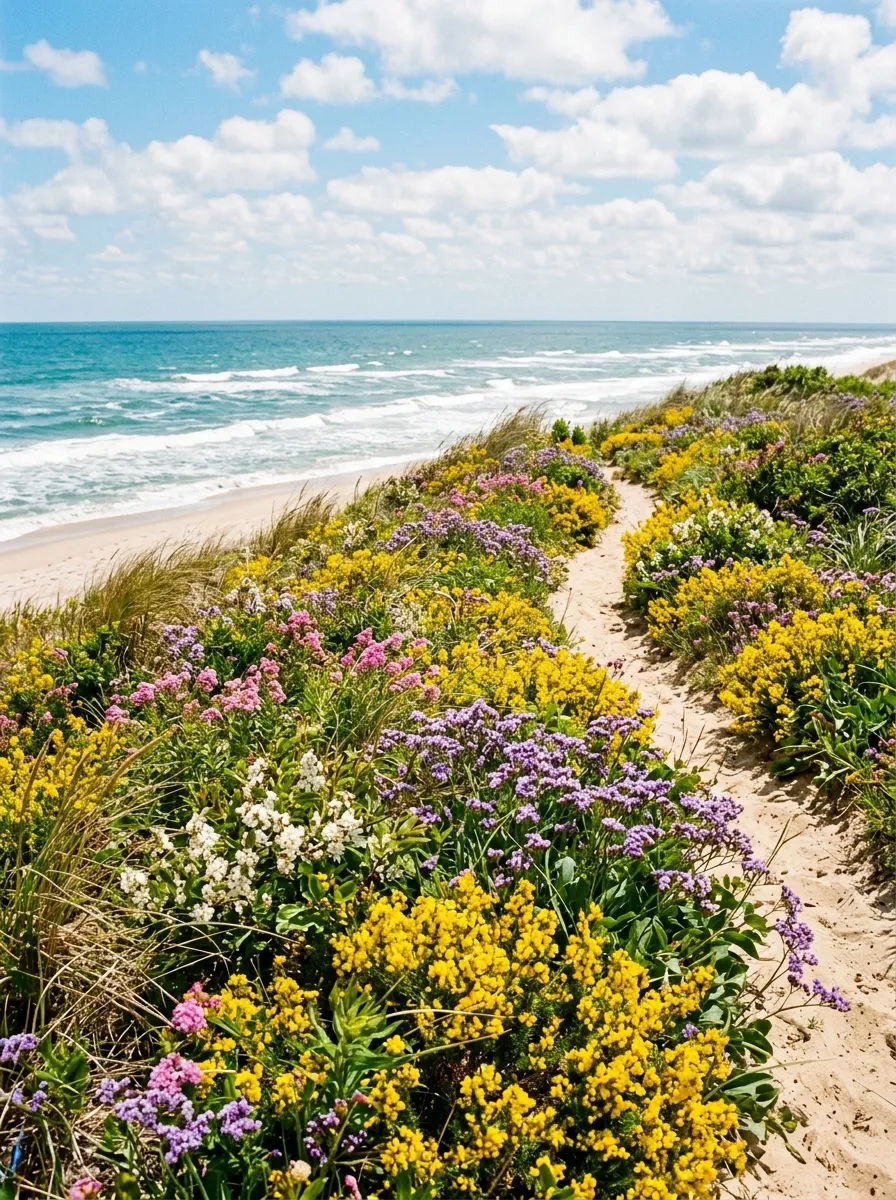
Late spring can be wonderful if you want warmer weather without the intensity of peak summer.
It’s particularly appealing for walking, photography, and exploring the island’s natural areas.
Early Fall

September can be an excellent choice.
The summer crowds begin to thin, but the island can still offer pleasant beach weather.
For travelers who want a quieter experience, early fall may be one of the sweet spots.
Winter
Winter is dramatically quieter.
Some seasonal businesses and services may operate on reduced schedules or close entirely, so it’s not the best choice if you’re looking for the full summer Fire Island experience.
Is Fire Island Good for Families?
Yes, but the experience depends heavily on which community you choose and what kind of vacation your family enjoys.
Families can spend their days:
- Swimming
- Building sandcastles
- Walking beaches
- Exploring nature
- Visiting the lighthouse
- Riding bicycles
- Watching wildlife
- Enjoying ice cream and casual meals
The biggest practical challenge is transportation.
You’ll be carrying your belongings on and off the ferry, walking with luggage, and navigating sandy paths rather than simply parking outside your hotel.
For families, packing light is a genuine quality-of-life upgrade.
For more family travel ideas, take a look at our guides to Travelling With Kids and Travelling With Teens.
A Perfect 2-Day Fire Island Itinerary
Day 1: Beach + Lighthouse + Sunset
Morning
- Take an early ferry from Long Island
- Check into your accommodation or leave luggage where permitted
- Head to the beach
Afternoon
- Visit the Fire Island Lighthouse
- Explore nearby natural areas
- Walk the boardwalks
Evening
- Have dinner in your chosen community
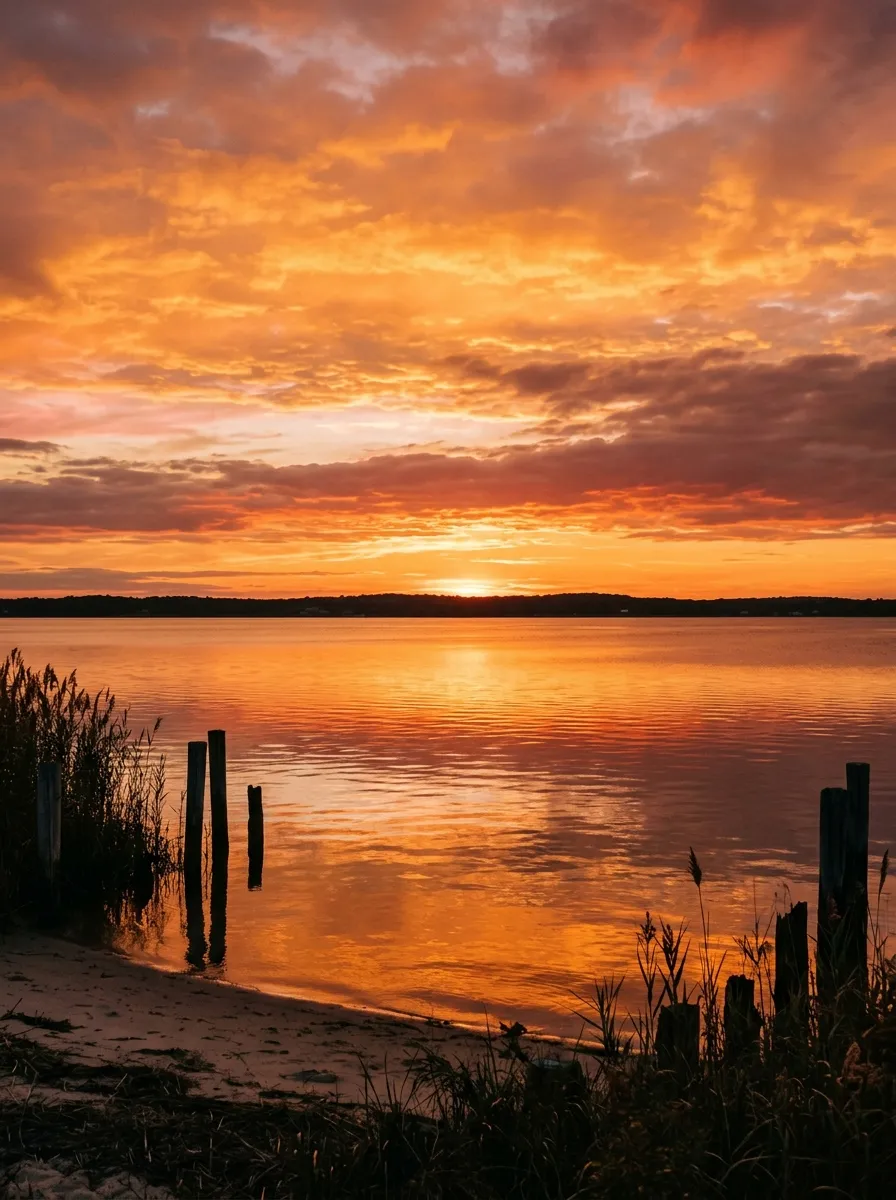
- Watch the sunset
- Take a relaxed evening walk
Day 2: Island Communities + Nature
Morning
- Enjoy breakfast
- Explore Cherry Grove or Fire Island Pines
- Browse local shops
Afternoon
- Spend more time at the beach
- Go for a nature walk
- Photograph the dunes and shoreline
Evening
- Have an early dinner
- Catch your scheduled ferry back to Long Island
The key is to avoid making your schedule too tight. Ferry travel means timing matters, but Fire Island itself is best experienced slowly.
What to Pack for Fire Island

Packing for Fire Island requires a slightly different mindset.
Beach essentials
- Swimsuit
- Sunscreen
- Sunglasses
- Hat
- Beach towel
- Reusable water bottle
- Beach bag
Walking essentials
- Comfortable sandals
- Walking shoes
- Lightweight clothing
- Small backpack
Practical extras
- Portable phone charger
- Bug spray
- Light jacket
- Small first-aid kit
- Waterproof bag for electronics
And remember one important rule:
Pack lighter than you think you need.
You may have to carry everything from the ferry to your accommodation, and sandy paths are not exactly luggage’s natural habitat.
Fire Island Travel Tips
Check the ferry schedule first
Your entire trip depends on transportation, so confirm your ferry before building the itinerary.
Choose your community carefully
Fire Island’s communities have different personalities. Research where you’re staying before booking.
Bring cash and cards
Some smaller businesses may have different payment preferences or limited services compared with mainland destinations.
Protect the dunes
Dunes are fragile and critical to the island’s coastal ecosystem. Stay on designated paths and boardwalks.
Respect the wildlife
Fire Island is a protected natural environment in many areas. Don’t approach wildlife or disturb nesting areas.
Don’t overpack
You’re going to be walking. A lot.
Make reservations early
Summer weekends can become busy quickly, especially for accommodations.
Fire Island vs. Other New York Beach Destinations
What makes Fire Island different?
It’s the combination of beaches + car-free communities + nature + nightlife + ferry travel.
You aren’t simply visiting a beach town. You’re entering an island environment where walking and water transportation shape the entire experience.
If you enjoy destinations with distinctive communities and a slower pace, Fire Island can be much more memorable than simply spending a day at a conventional beach.
And if you’re planning other international coastal adventures, our Malta Travel Guide offers a completely different Mediterranean take on island travel.
Is Fire Island Worth Visiting?
Yes, especially if you want a beach getaway with personality.
Fire Island isn’t about giant resorts, endless highways, or a packed attraction list.
It’s about waking up near the ocean, walking barefoot toward the beach, exploring colorful communities, hearing the ferry arrive at the dock, and watching the sky turn gold at the end of the day.
The Fire Island Lighthouse provides the history and iconic views. Fire Island Pines and Cherry Grove Fire Island bring distinctive community life. The beaches deliver the classic Atlantic escape, while Fire Island National Seashore adds a wild, protected side to the island.
And the ferry ride gives the whole trip a feeling of departure that you don’t get when you simply park at a beach.
Final Thoughts
Fire Island is one of those destinations where the absence of cars becomes part of the attraction.
You trade traffic for boardwalks, parking lots for sandy paths, and ordinary commuting for ferry rides across the bay.
Whether you’re coming for the beach, the Fire Island Lighthouse, the energy of Cherry Grove, the unique atmosphere of Fire Island Pines, or simply a few days away from the mainland, this Long Island barrier island has plenty to offer.
Just check the Fire Island ferry schedule, book your accommodation early, pack light, and leave room in your itinerary for the thing Fire Island does best:
slowing everything down. 🌊
Travel Note: Ferry schedules, operating dates, accommodation availability, attraction hours, and seasonal services can change. Verify current information with the relevant ferry operator, National Park Service, and accommodation provider before traveling.