Salem, Massachusetts Travel Guide: 17 Bewitching Things to Do Beyond the Witch Trials
Salem is a city where history refuses to stay quietly in the past.
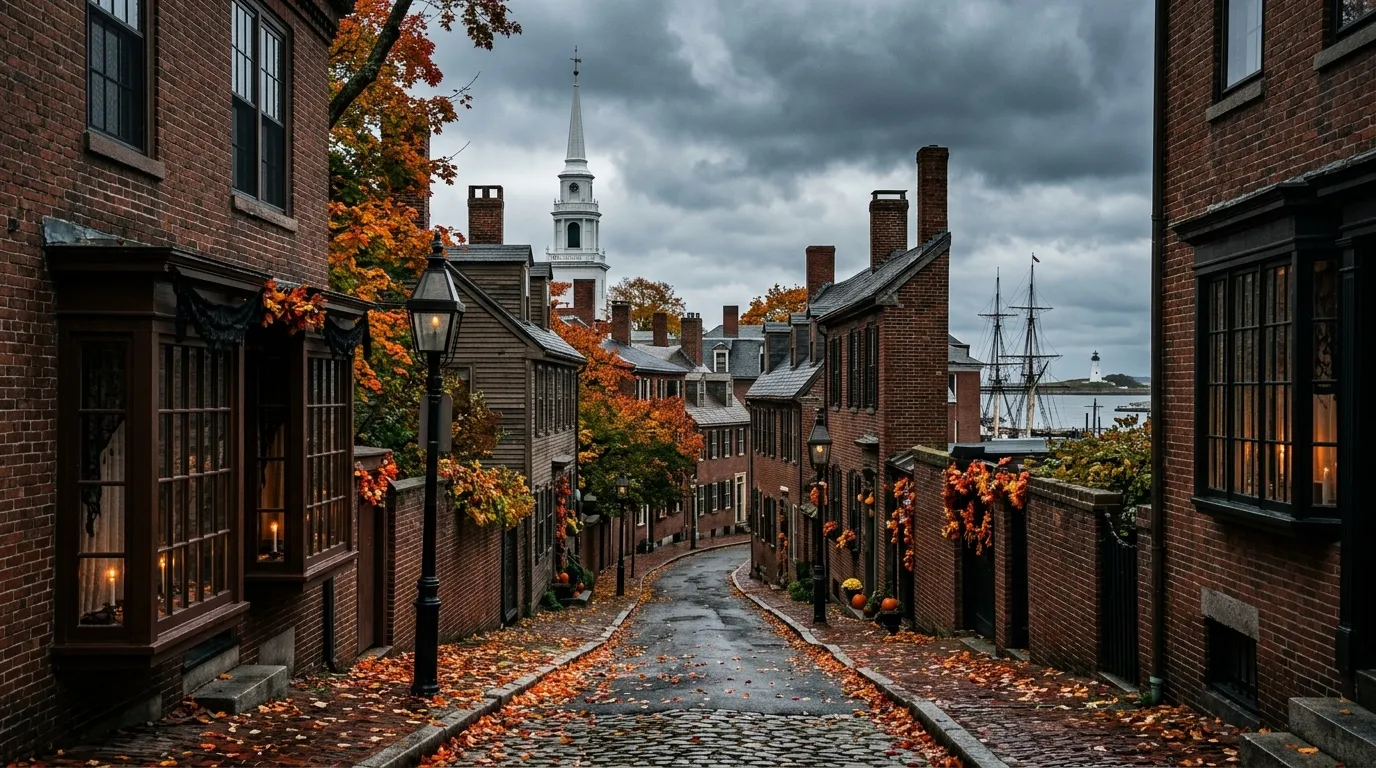
Church steeples rise above brick streets. Colonial houses lean beneath old trees. Shop windows glow with candles, tarot cards, and black-lace decorations, while harbor masts reveal that Salem’s story began long before it became America’s unofficial Halloween capital.
Most visitors arrive because of the Salem Witch Trials of 1692. That history is essential, painful, and impossible to separate from the city. But Salem is not merely a collection of spooky attractions wrapped around a tragedy.
It is also a historic seaport, an art destination, the birthplace of author Nathaniel Hawthorne, a walkable coastal city, and a gateway to Massachusetts’ beautiful North Shore.
Spend the morning learning about the innocent people accused during the witch trials. Walk through one of New England’s oldest burial grounds. Explore a mansion that inspired an American literary classic, then continue to the waterfront for maritime history, lighthouse views, and the smell of salt drifting across Salem Harbor.
October brings costumes, street performers, and a month-long celebration of Halloween. Yet spring, summer, and early fall reveal a quieter city where gardens bloom, harbor cruises return, and historic streets are easier to appreciate without traveling inside a slow-moving river of witch hats.
This complete Salem travel guide covers the best things to do, the history behind the city, when to visit, how to avoid October crowds, where to stay, and how to create the perfect Salem itinerary.
Recommended Travel Items for Your Trip
SALEM AT A GLANCE
Location: Massachusetts North Shore
Best known for: The 1692 Salem Witch Trials
Best overall months: May, June, September, and early November
Best for Halloween: October
Ideal visit length: Two full days
Best for a first visit: History, maritime sites, and a walking tour
Closest major city: Boston
Best transportation: Train, walking, and seasonal ferry
Main downtown station: Salem MBTA Commuter Rail station
Most important advice: Do not drive into downtown Salem on peak October weekends
Why Visit Salem, Massachusetts?
Salem offers an unusually concentrated mix of history, architecture, literature, art, and theatrical seasonal fun.
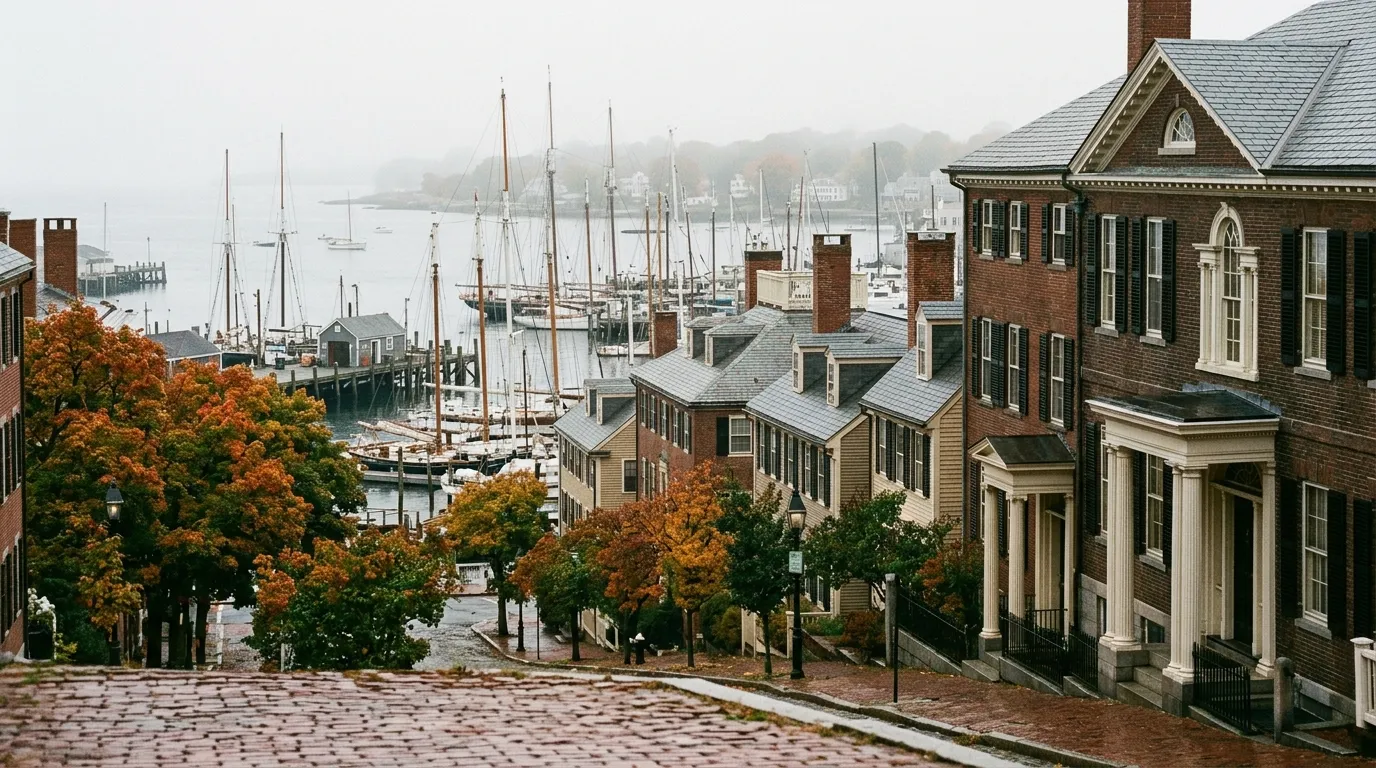
The downtown area is highly walkable. Within a relatively compact radius, visitors can explore witch-trial memorials, maritime buildings, historic homes, museums, cemeteries, restaurants, and independent shops.
Salem Maritime National Historical Park preserves historic waterfront structures and interprets centuries of maritime trade. The Peabody Essex Museum adds major art collections and international cultural history, while the House of the Seven Gables connects Salem with Nathaniel Hawthorne and classic American literature.
Then there is October.
Salem Haunted Happenings transforms the city throughout the month with events, costumes, performances, markets, and Halloween attractions.
The result is a destination with two personalities.
One Salem is quiet, historical, and maritime. The other wears striped stockings, dramatic capes, and enough decorative pumpkins to influence regional agriculture.
Both are worth experiencing.
Understanding the Salem Witch Trials
A responsible visit to Salem begins by recognizing that the witch trials were not a Halloween story.
They were a human tragedy.
In 1692, accusations of witchcraft spread through Salem Village, Salem Town, and surrounding communities. Fear, religious conflict, personal disputes, and failures of the legal system contributed to the crisis.
More than 200 people were accused. Nineteen were executed by hanging, and Giles Corey died after being pressed beneath heavy stones. Others died in jail.
The people executed were not convicted because credible evidence proved they practiced witchcraft. They were victims of hysteria, scapegoating, and a judicial process that accepted unreliable testimony, including so-called spectral evidence.
Modern Salem balances several different relationships with the word “witch”:
- The innocent people accused in 1692
- Contemporary witches and Pagan communities
- Fictional witches associated with Halloween
- Commercial attractions and popular culture
These meanings overlap downtown, sometimes comfortably and sometimes awkwardly.
Visit the memorials before treating the city as a spooky playground. It gives the rest of the experience historical weight and keeps real victims from becoming background décor.
RESPECTFUL TRAVEL NOTE
The Salem Witch Trials Memorial and burial grounds are places of remembrance. Avoid costume performances, loud ghost-tour behavior, or playful photographs on memorial benches and graves.
Best Things to Do in Salem
1. Visit the Salem Witch Trials Memorial
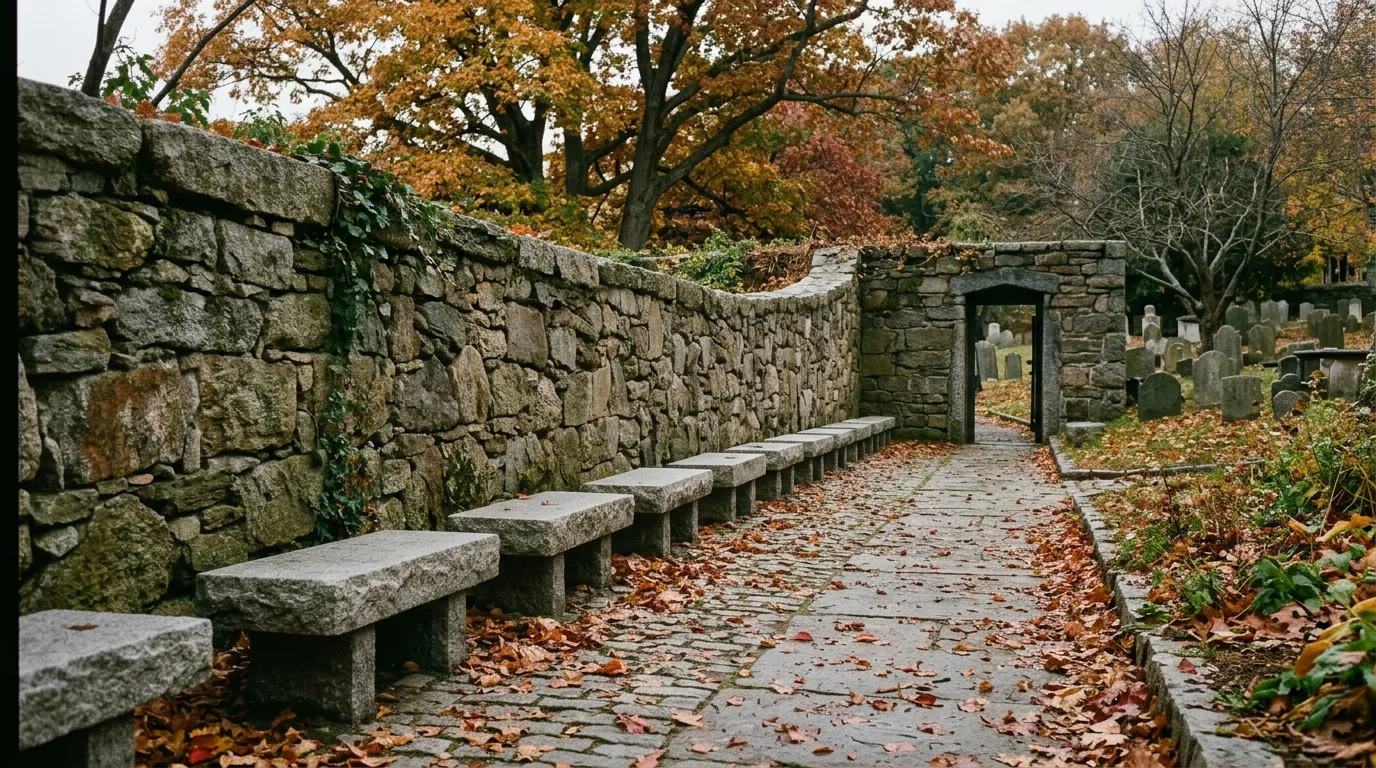
The Salem Witch Trials Memorial is one of the most important stops in the city.
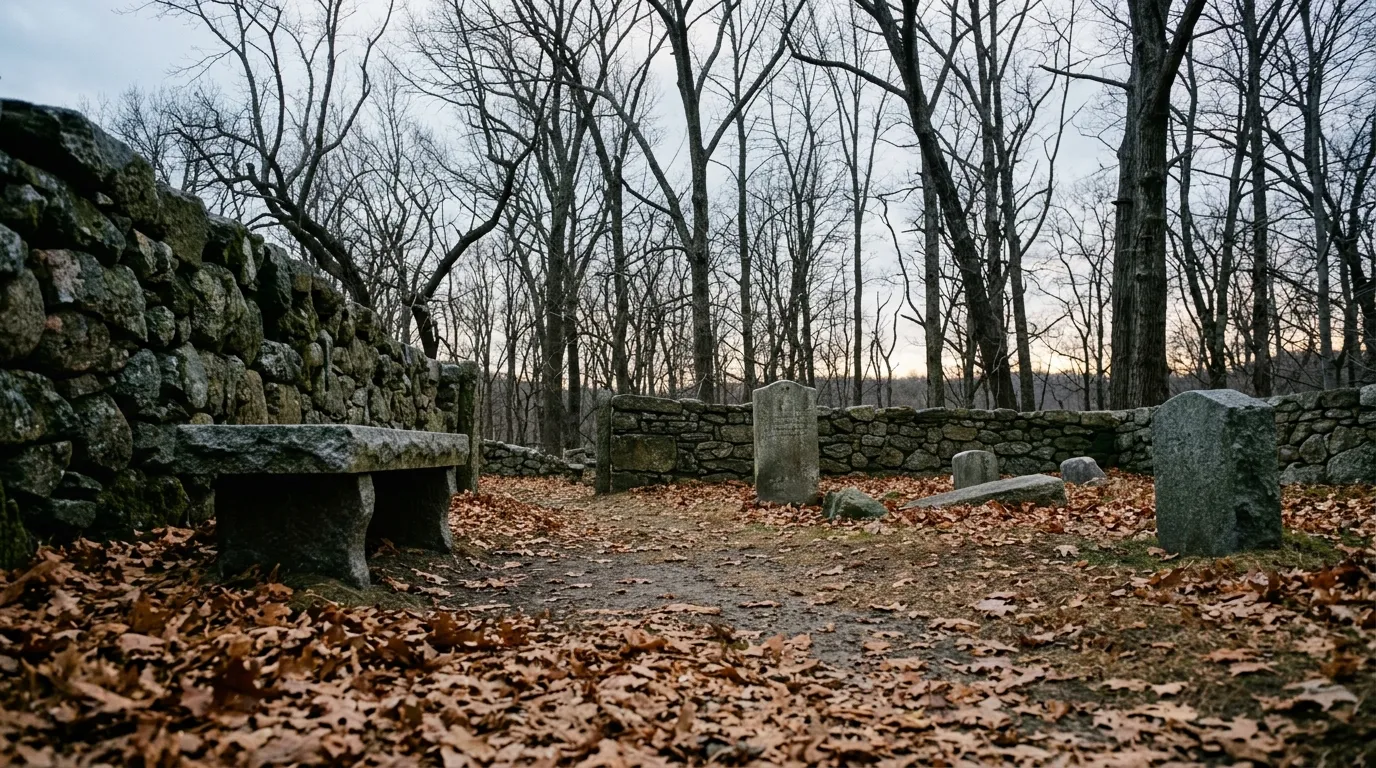
A stone threshold leads into a quiet courtyard beside the Old Burying Point Cemetery. Twenty granite benches project from the surrounding wall, each bearing the name of a person who died during the trials and the date and manner of death.
Fragments of final pleas are carved into the entrance stones, symbolically interrupted by the wall.
The simplicity of the memorial makes it powerful. There are no theatrical figures, flickering lights, or dramatic sound effects. The names and dates carry the weight.
Allow at least 20 to 30 minutes here.
Read every name rather than using the memorial as a shortcut between attractions.
2. Walk Through the Old Burying Point Cemetery
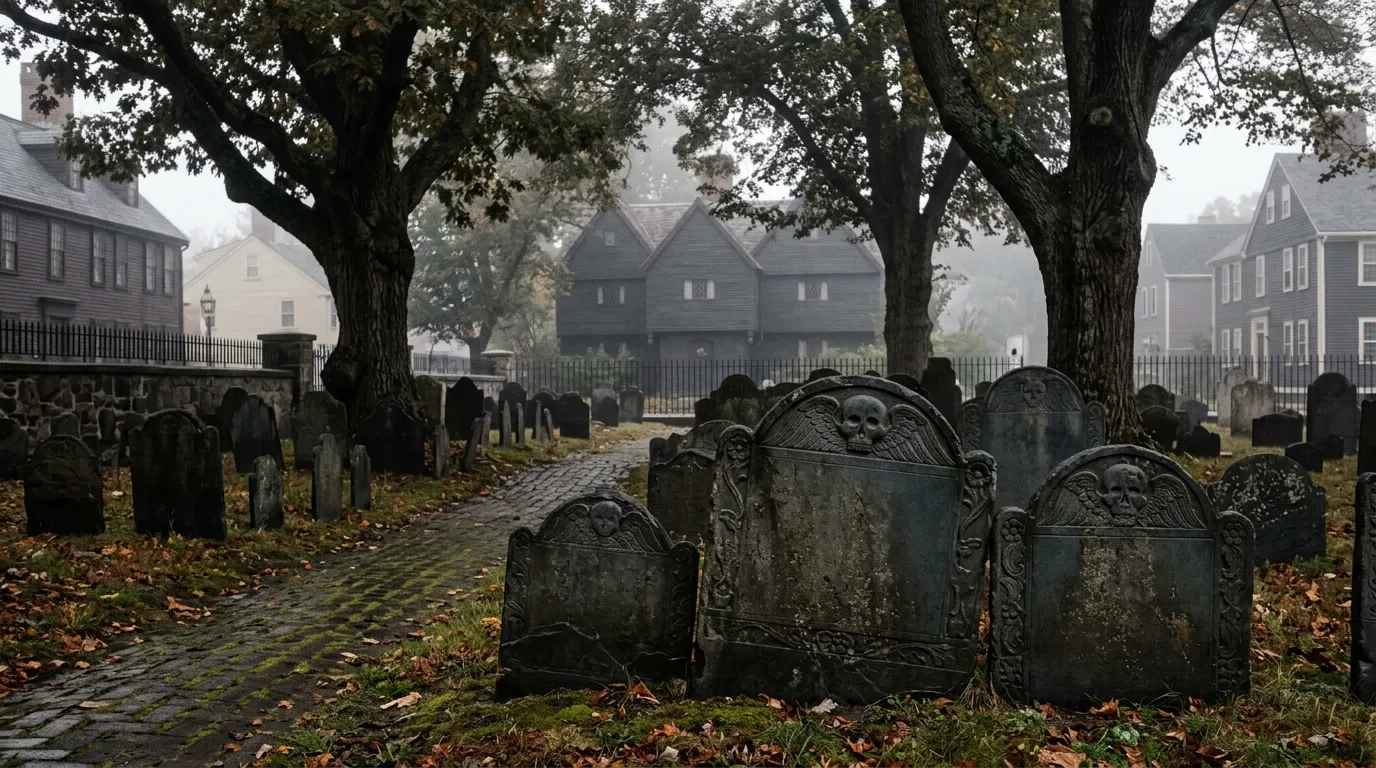
Beside the memorial sits one of Salem’s oldest burial grounds.
The Old Burying Point Cemetery contains weathered headstones belonging to judges, merchants, and early residents. Among those buried here is Judge John Hathorne, a magistrate connected with the witch trials and an ancestor of Nathaniel Hawthorne.
The cemetery’s winged-skull carvings and worn slate stones are visually striking, but they also reveal how colonial New Englanders understood death, faith, and memory.
Cemetery Etiquette
- Stay on designated paths
- Do not touch or lean against headstones
- Never make gravestone rubbings unless explicitly permitted
- Keep food and drinks outside
- Speak quietly
- Avoid staging theatrical photographs
3. Explore the Salem Witch Museum
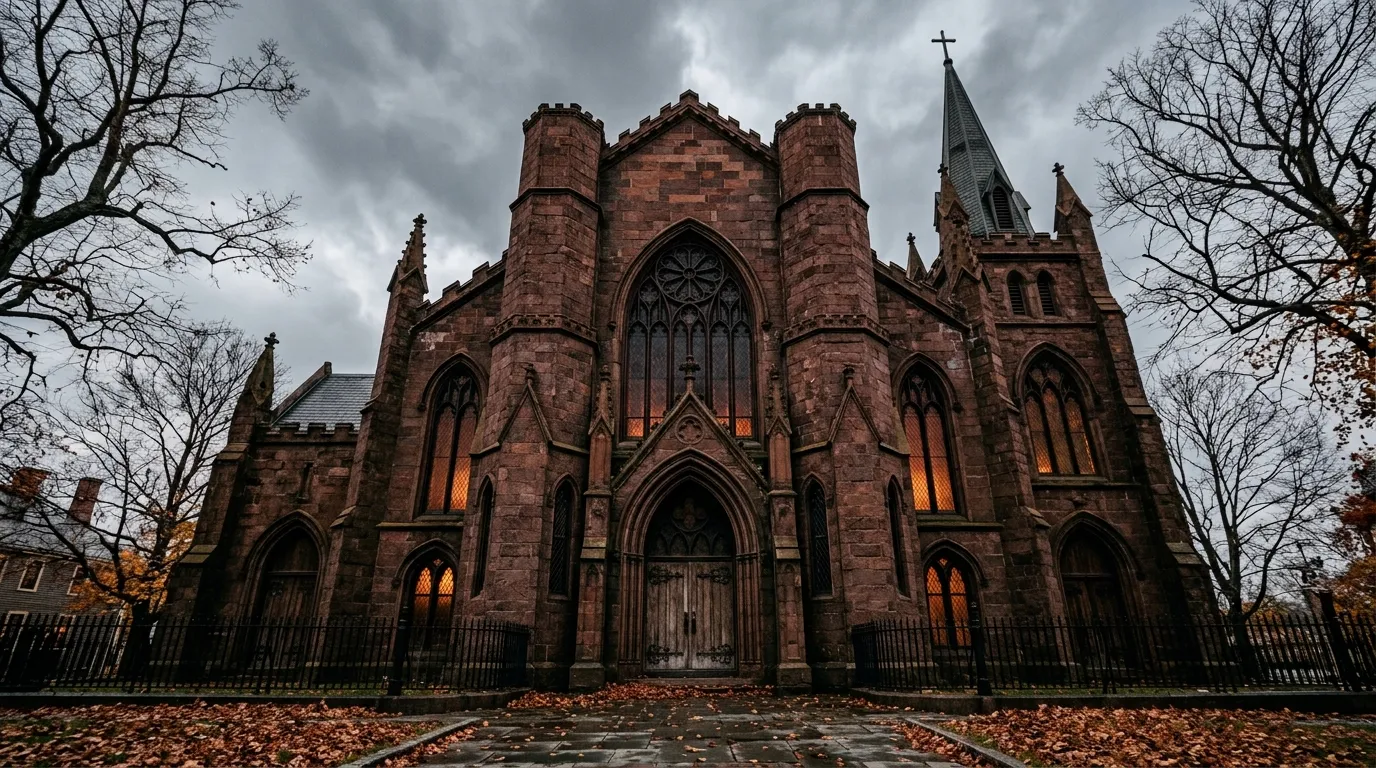
The Salem Witch Museum occupies a former church near Salem Common.
Its main presentation uses narration and staged scenes to recount the events of 1692. A second exhibit examines how the image of the witch evolved through persecution, folklore, and popular culture.
The presentation style may feel old-fashioned to some visitors, but it provides an accessible overview for travelers unfamiliar with the history.
Visit if you want a structured introduction before exploring the memorials and historic sites.
Travelers already deeply familiar with the trials may prefer a historian-led walking tour or a museum with more extensive artifacts.
4. See the Witch House
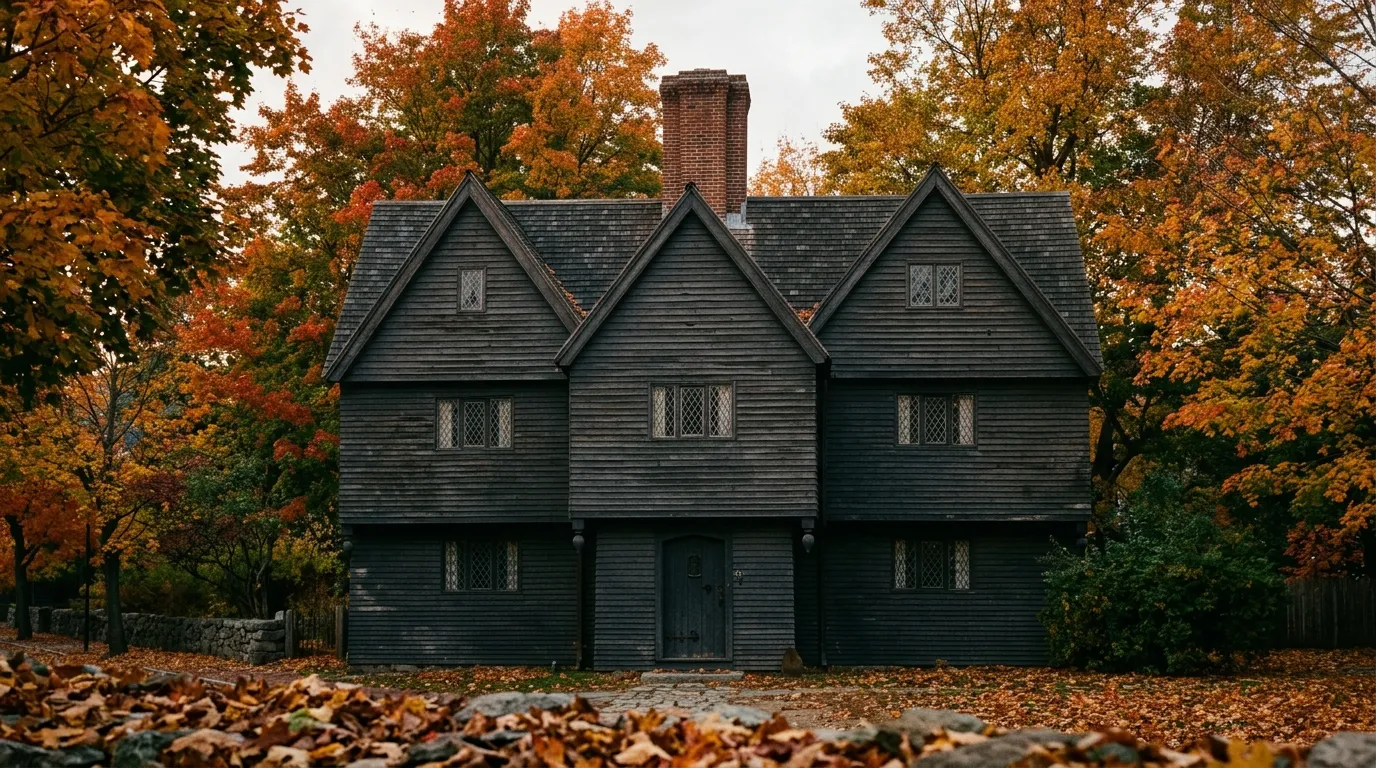
The Witch House, officially known as the Jonathan Corwin House, is the only surviving structure in Salem with a direct connection to a witch-trial judge.
Jonathan Corwin served as a magistrate during the trials and participated in examinations of the accused.
The dark timber house contains period furnishings and exhibitions exploring 17th-century domestic life, religion, medicine, and social beliefs.
The attraction is valuable because it places the trials inside an everyday household rather than presenting them as an isolated supernatural event.
Plan approximately 45 minutes to one hour.
Advance tickets are sensible during October.
5. Take a Historical Walking Tour
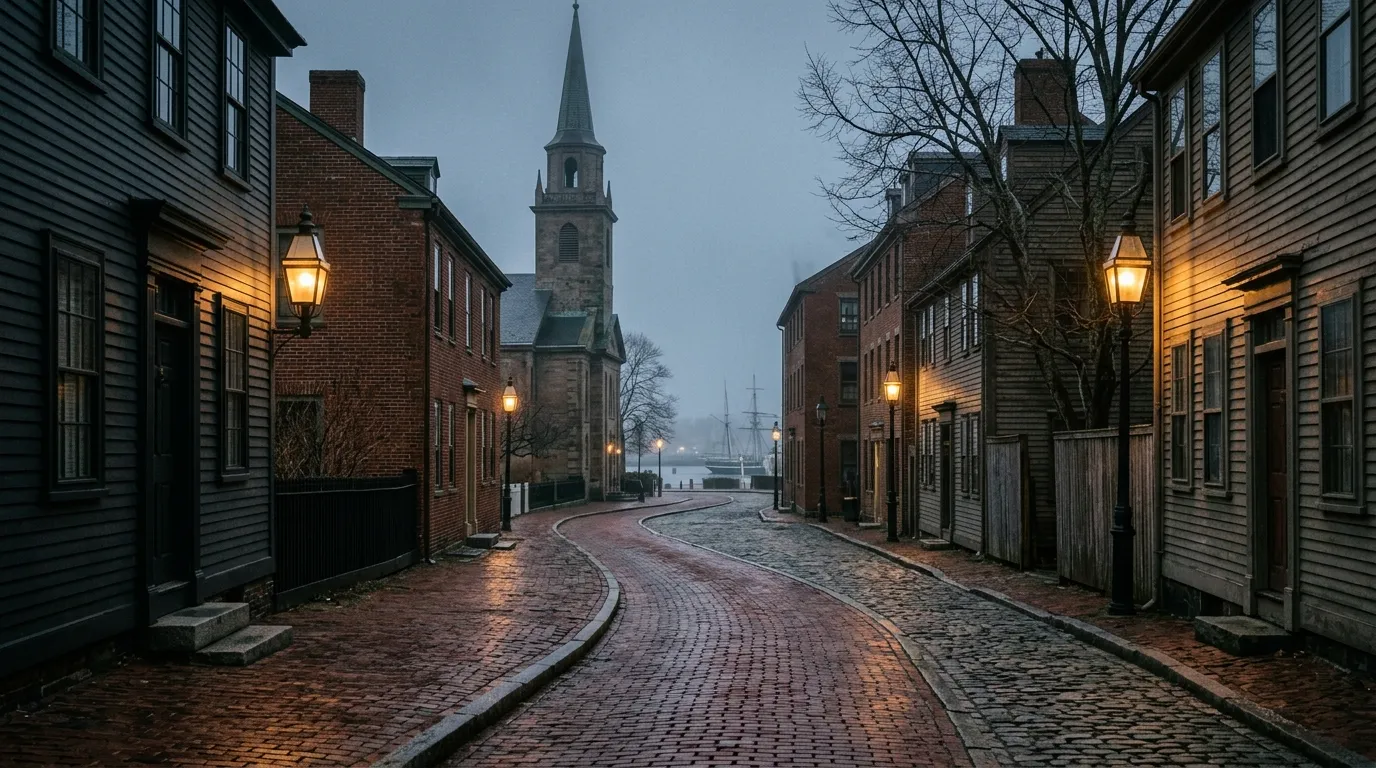
Salem is best understood on foot.
A knowledgeable guide can connect locations that otherwise appear unrelated: former courtroom sites, homes of accusers, maritime warehouses, churches, cemeteries, and the changing boundaries between Salem Town and Salem Village.
Popular Tour Themes
- Salem Witch Trials history
- Colonial architecture
- Maritime Salem
- Nathaniel Hawthorne
- Ghost stories
- Modern witchcraft and Pagan culture
- Film locations
- Food and local history
Read descriptions carefully. A ghost tour may prioritize entertainment, while a witch-trial history tour should focus on documented events.
TOUR TIP
Avoid booking several walking tours covering the same material. One well-researched historical tour and one atmospheric evening tour usually provide enough variety.
6. Visit the House of the Seven Gables
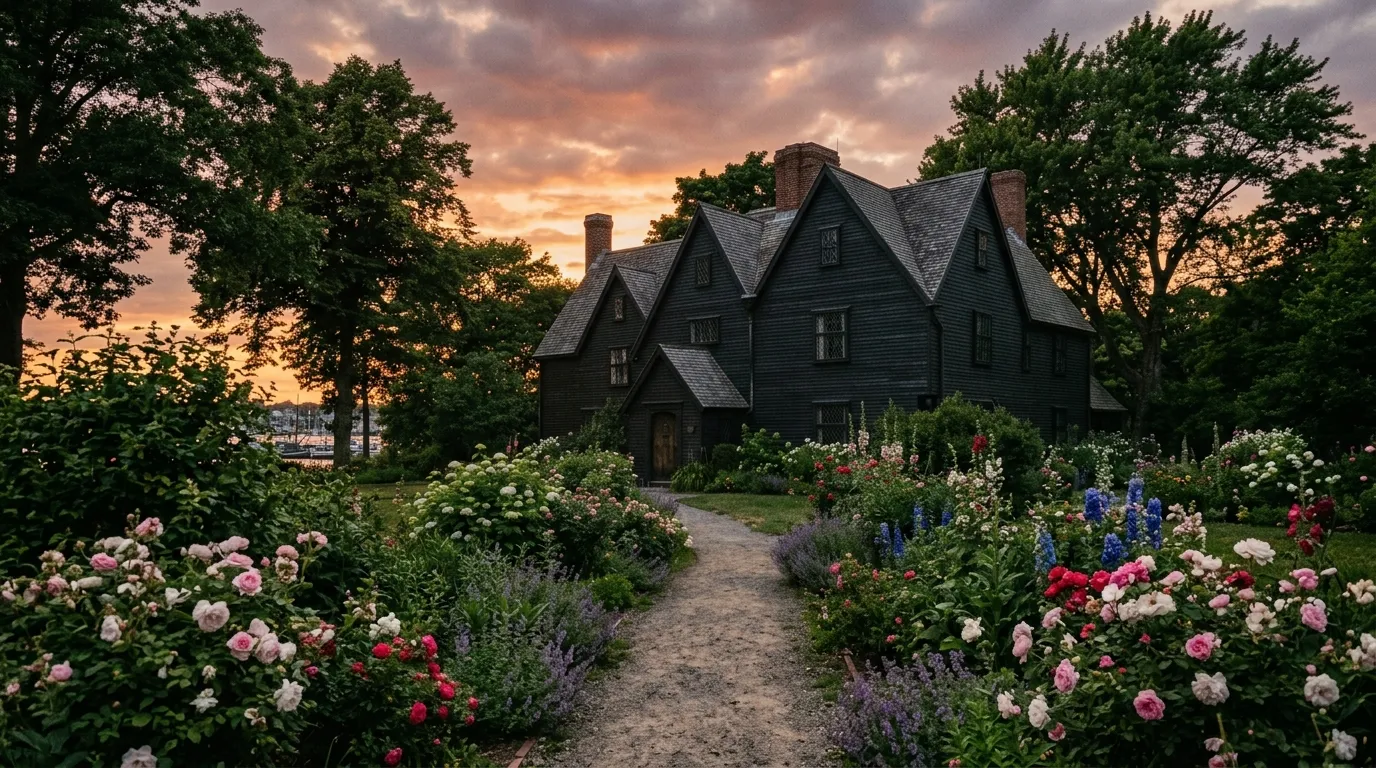
The House of the Seven Gables is one of Salem’s most beautiful historic properties.
The waterfront mansion was built in 1668 and later inspired Nathaniel Hawthorne’s novel of the same name. Its dark wooden exterior, steep roofs, gardens, and hidden staircase create exactly the sort of New England atmosphere readers hope to find in Salem.
The site also includes Hawthorne’s birthplace, which was moved to the property.
What You Will Experience
- Guided access to the historic mansion
- Period rooms and architecture
- Exhibitions about maritime wealth
- Nathaniel Hawthorne’s literary history
- Waterfront gardens
- Views across Salem Harbor
Book ahead in October and on summer weekends.
The attraction is essential for literary travelers. Its rooms demonstrate how a real building can become raw material for fiction, then be reshaped again by readers’ imaginations.
Travelers who enjoy building trips around books may also love these beach vacations for readers, where quiet shores, coastal towns, and long reading afternoons become part of the itinerary.
7. Explore the Peabody Essex Museum
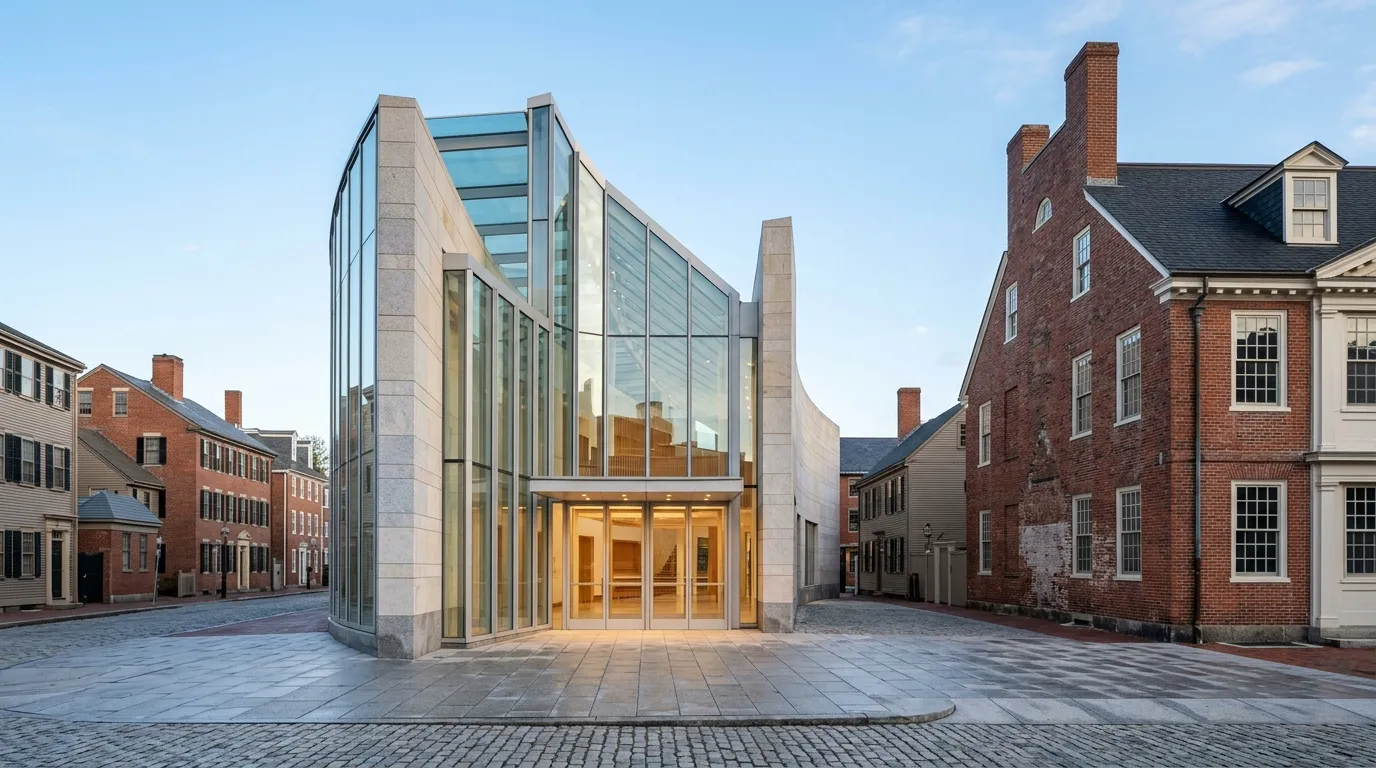
The Peabody Essex Museum is one of Salem’s greatest surprises.
Visitors expecting only local witch history encounter a major museum with collections spanning Asian art, maritime history, Indigenous art, photography, fashion, and contemporary culture.
Its origins are connected with Salem’s seafaring merchants, who collected objects during global voyages.
One of the museum’s defining attractions is Yin Yu Tang, a historic Chinese house transported from Anhui Province and reconstructed in Salem.
Set aside two to four hours.
This is not a small local museum that can be squeezed between lunch and a ghost tour.
8. Discover Salem Maritime National Historical Park
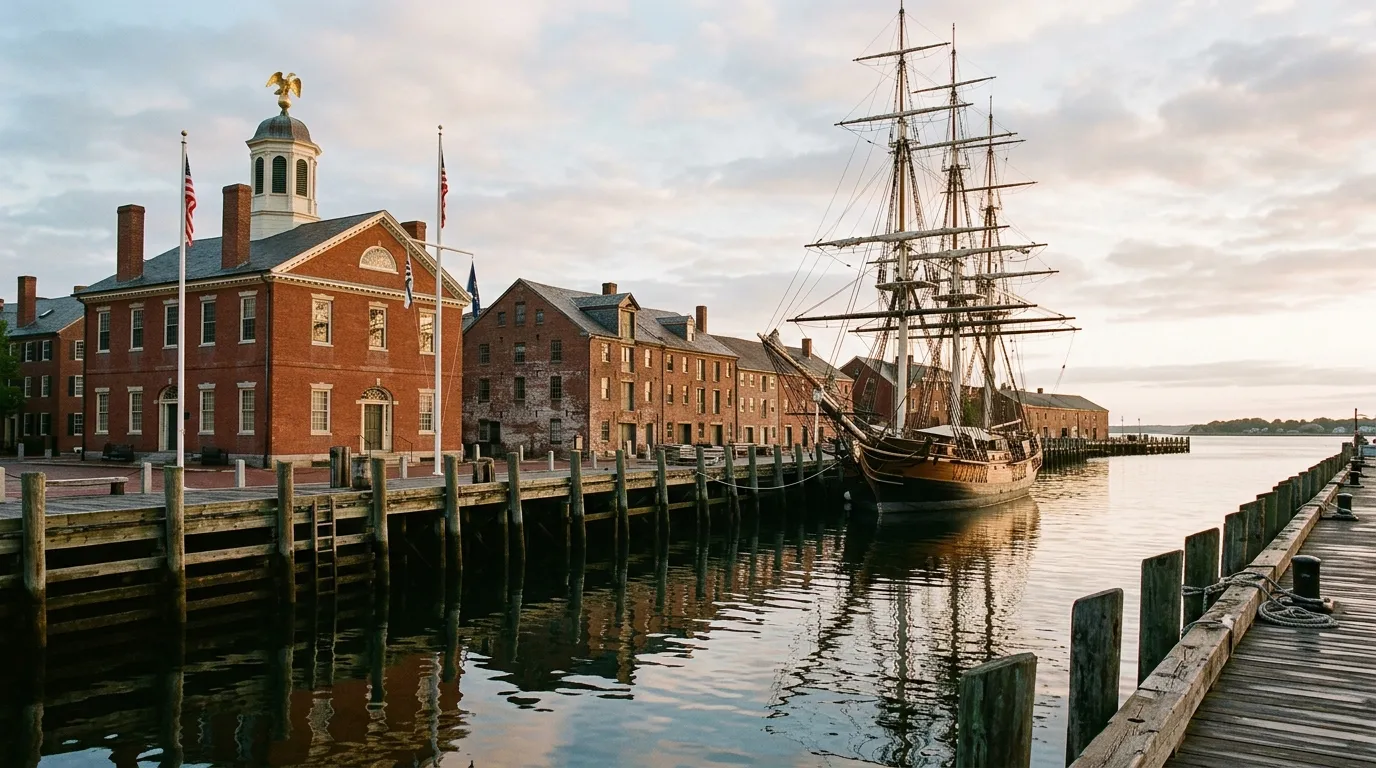
The waterfront reveals the version of Salem that existed before modern witch tourism.
During the late 18th and early 19th centuries, Salem became an internationally connected seaport. Ships returned with goods from Asia, Europe, Africa, the Caribbean, and other regions.
Salem Maritime National Historical Park preserves wharves, historic houses, and maritime buildings connected with that history.
Places to See
- Derby Wharf
- Custom House
- Derby House
- Narbonne House
- West India Goods Store
- Friendship of Salem area
- Waterfront visitor exhibits
Some buildings or ship access may change because of staffing, preservation work, or seasonal operations.
9. Walk to Derby Wharf Light Station
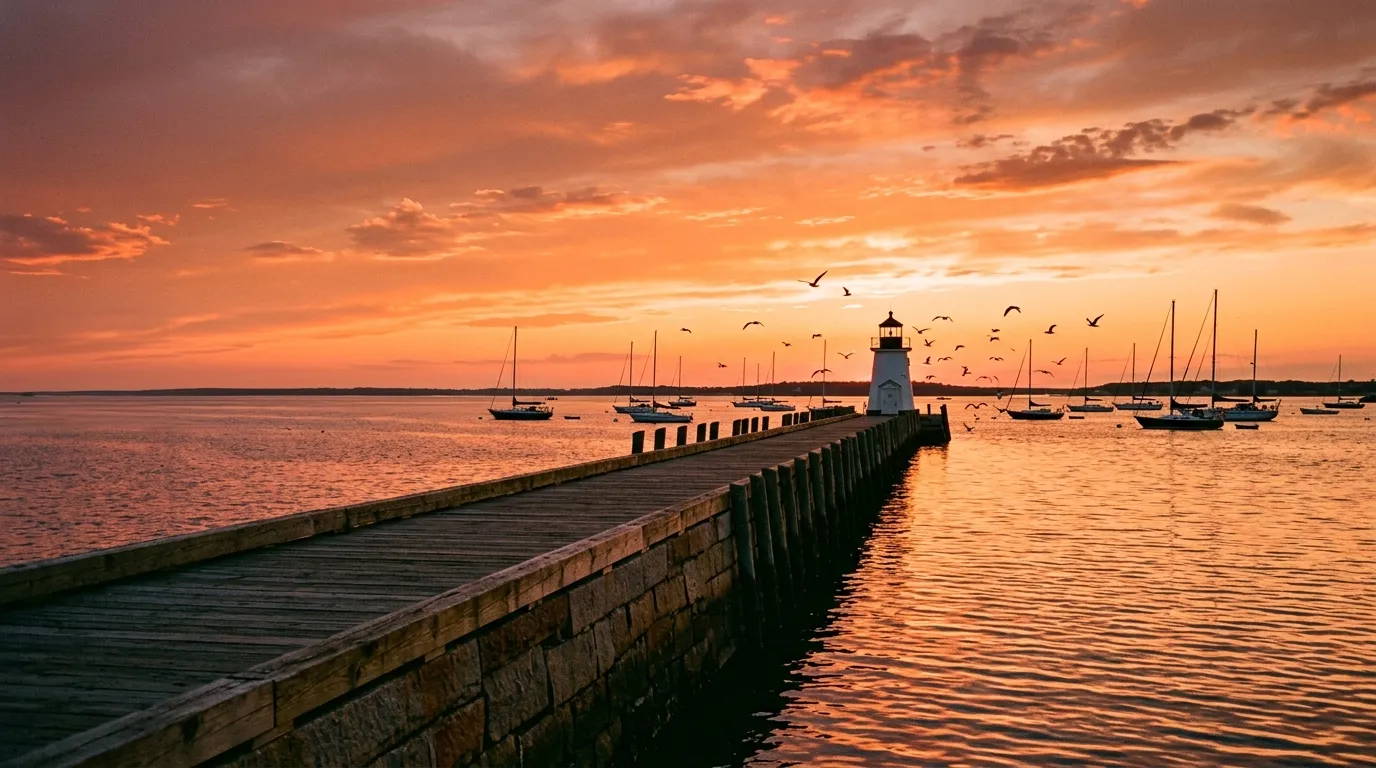
Derby Wharf extends into Salem Harbor from the maritime historic site.
The walk is flat, open, and peaceful compared with busy Essex Street. At the far end stands the small Derby Wharf Light Station, built in the 19th century.
From the wharf, you can watch boats, seabirds, and shifting harbor light while looking back toward Salem’s waterfront.
Late afternoon and sunset are especially beautiful.
Bring a warm layer because wind moves freely across the harbor.
10. Explore Salem Common
Salem Common is a broad public green surrounded by historic homes.
It provides a quieter place to rest between attractions and becomes a major activity center during seasonal events.
The Common has served various civic and military purposes throughout Salem’s history. Today, its paths and open lawns offer breathing room when downtown streets feel compressed.
Combine It With
- Salem Witch Museum
- Essex Street
- Historic Chestnut Street
- Waterfront walks
- Seasonal festivals
11. Walk Along Chestnut Street
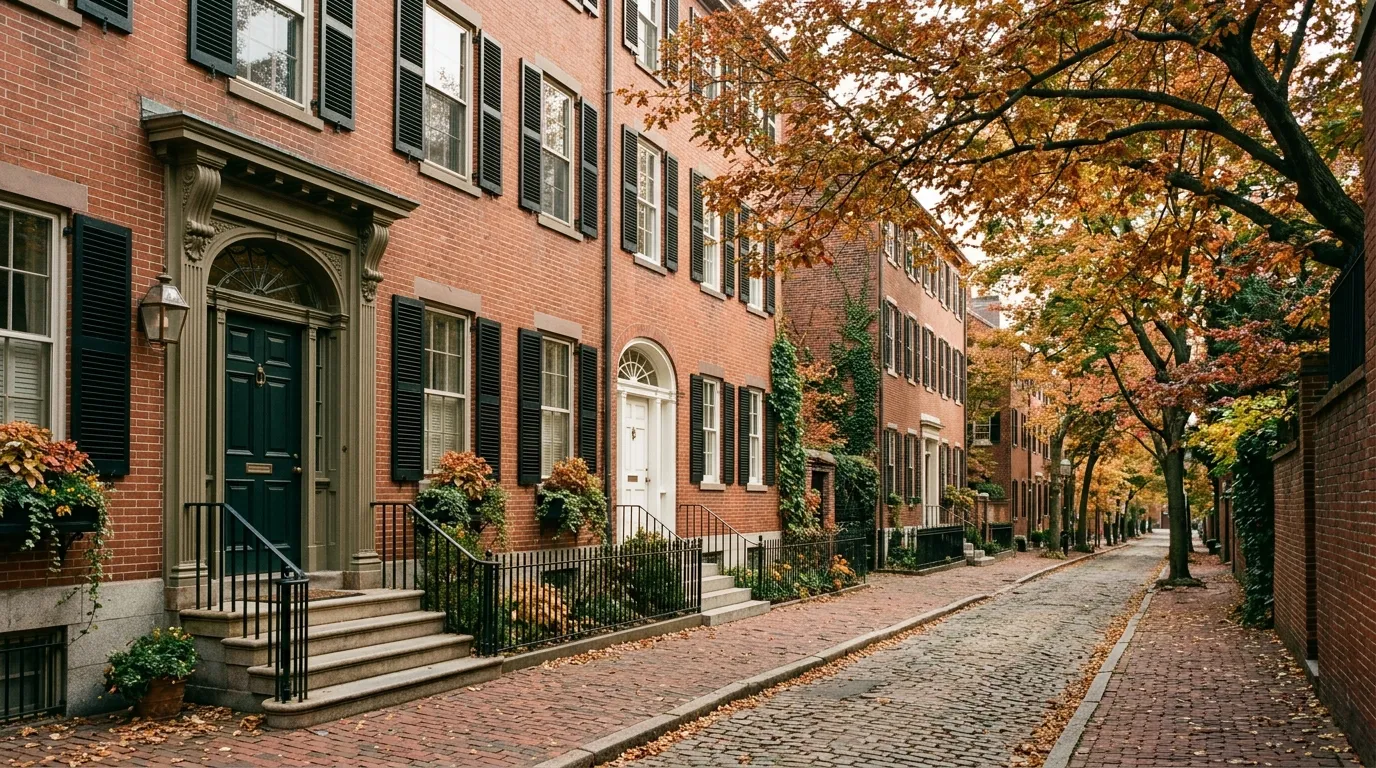
Chestnut Street reveals Salem’s refined Federal-era architecture.
The broad street is lined with elegant homes built during the city’s maritime prosperity. Decorative doorways, brick sidewalks, and mature trees create a completely different atmosphere from the commercial witch-themed district.
Many properties remain private residences.
Photograph respectfully from public sidewalks and do not enter gardens, porches, or driveways.
Chestnut Street shows how shipping wealth transformed Salem into one of early America’s most prosperous seaports.
12. Browse Essex Street Pedestrian Mall
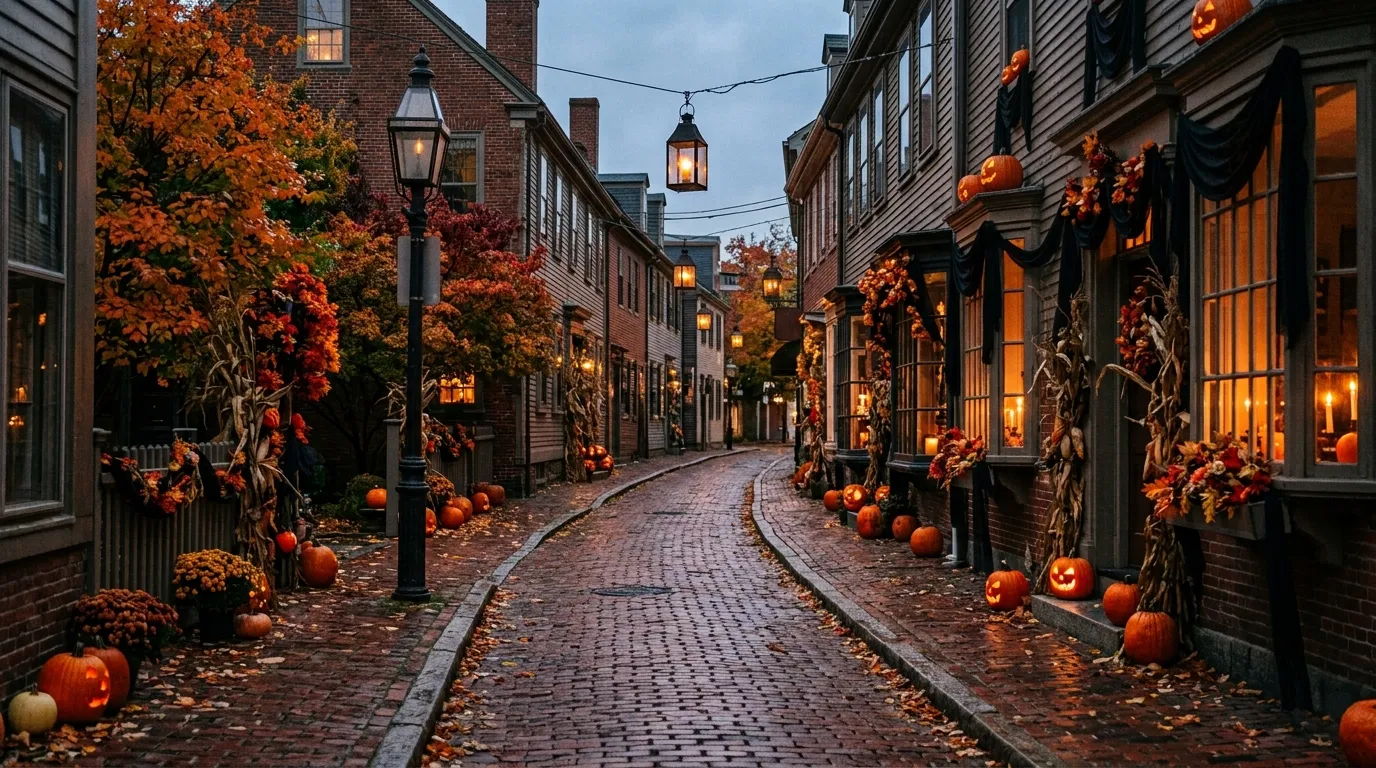
Essex Street is Salem’s energetic commercial center.
The pedestrian section contains museums, souvenir shops, bookstores, restaurants, psychic readers, occult retailers, and historic buildings.
In October, the street becomes a moving costume parade. Outside peak season, it is easier to browse and appreciate the architecture.
What You Will Find
- Witch-themed gifts
- Independent bookstores
- Candles and handmade goods
- Tarot and spiritual shops
- Local art
- Halloween decorations
- Cafés and snack stops
- Street entertainment during events
Not every shop presents the same idea of witchcraft. Some focus on playful Halloween imagery, while others serve practicing Pagan and spiritual communities.
13. See the Bewitched Statue
A bronze statue of actor Elizabeth Montgomery stands near the pedestrian mall.
It commemorates the television series Bewitched, which filmed several episodes in Salem during the 1970s. The statue is now a popular meeting point and quick photo stop.
Its presence has also generated debate because a cheerful television character stands close to locations associated with historical persecution.
Treat it as a pop-culture landmark rather than a memorial to the trials.
14. Visit Pioneer Village
Pioneer Village is a recreation of a 17th-century New England settlement.
Originally created in 1930, it includes cottages, workshops, gardens, and other structures intended to demonstrate early colonial life.
The site operates seasonally and is outside the central cluster of downtown attractions, so confirm opening days before traveling.
Fans of the film Hocus Pocus may recognize the village from its opening scenes.
15. Find the Hocus Pocus Filming Locations
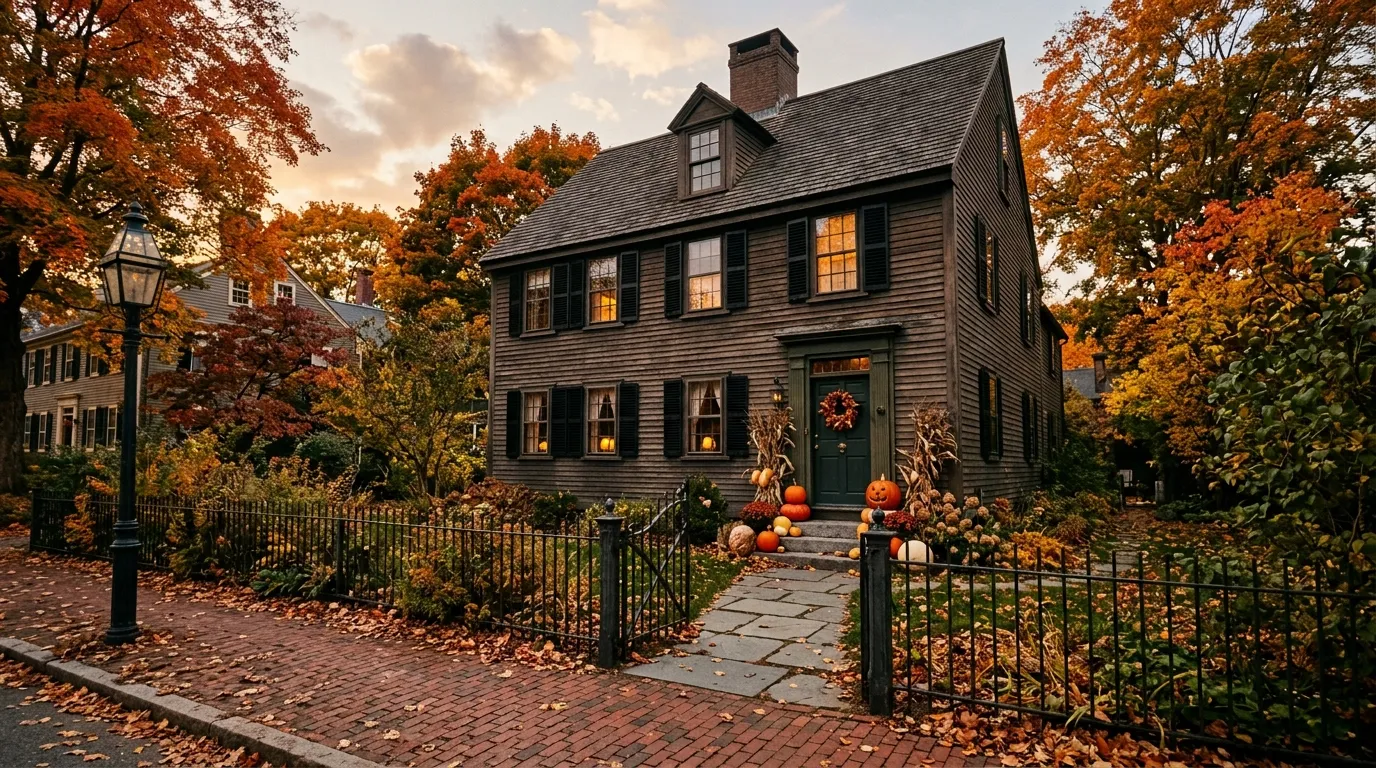
The 1993 film Hocus Pocus helped cement Salem’s relationship with Halloween tourism.
Several recognizable locations can be visited around the city.
Popular Filming Locations
- Pioneer Village
- Ropes Mansion exterior
- Old Town Hall
- Salem Common
- Phillips Elementary School exterior
- Max and Dani’s house exterior
Some filming locations are private homes.
Remain on public sidewalks, avoid blocking driveways, and never trespass for photographs. Salem residents still need to carry groceries through October, even when their porch has cinematic significance.
PRIVATE-PROPERTY WARNING
A recognizable house is not a public attraction. Do not enter steps, lawns, porches, or driveways unless permission is explicitly provided.
16. Relax at Ropes Mansion and Garden
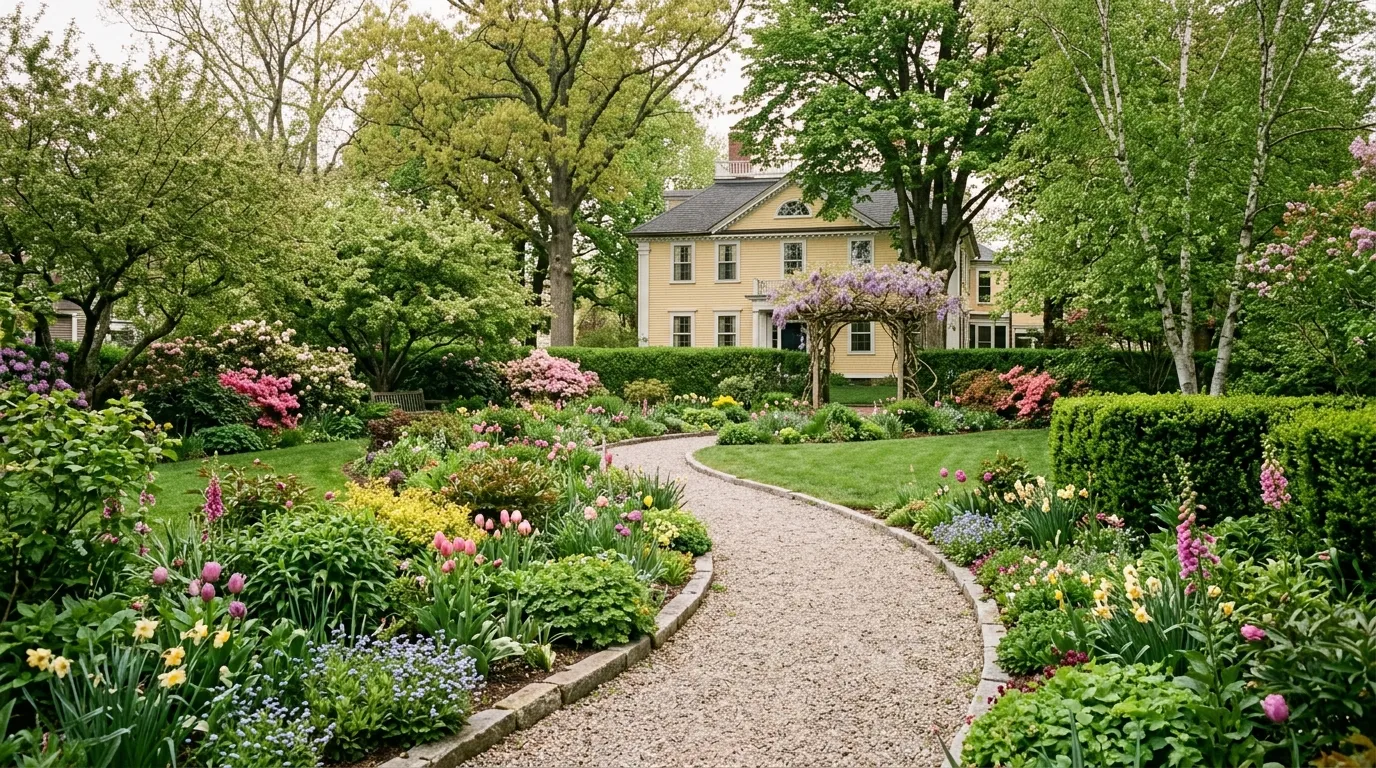
Ropes Mansion is a historic home operated by the Peabody Essex Museum.
Its exterior appeared as Allison’s house in Hocus Pocus, but the property has historical value beyond the film.
The garden behind the mansion provides a peaceful place to pause. Seasonal flowers, paths, and shaded seating create an oasis only a short walk from downtown’s busiest streets.
Access to the interior may be limited, but the garden is often the primary attraction.
17. Visit Winter Island Park
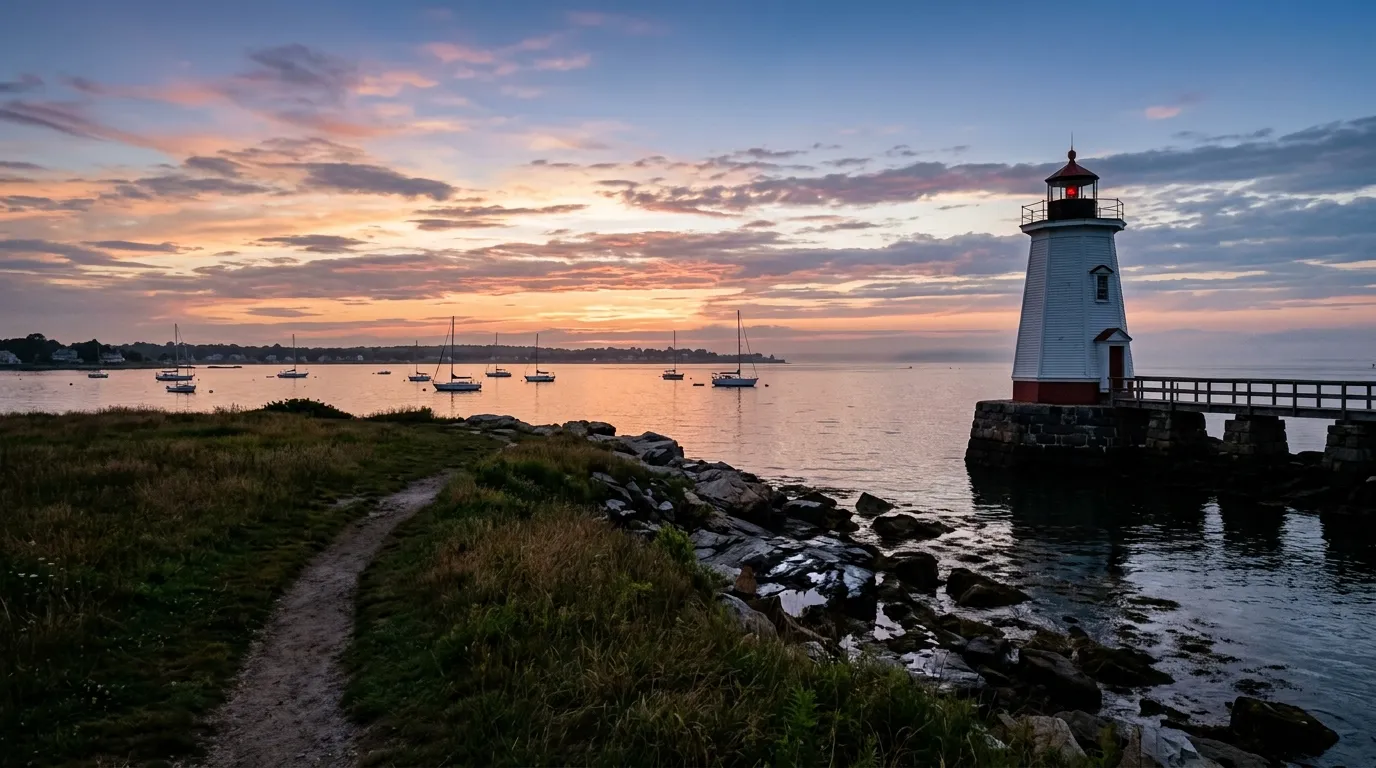
Winter Island provides coastal scenery, camping, lighthouse views, and open space beyond downtown Salem.
The park occupies a former military site overlooking Salem Harbor. Visitors can walk beside the water, see Fort Pickering Light, and enjoy a quieter side of the city.
Best For
- Sunset
- Picnics
- Coastal walks
- RV and tent camping where available
- Escaping downtown crowds
- Harbor photography
A car, bicycle, or taxi makes access easier.
Salem Attractions Comparison Table
| Attraction | Main Experience | Recommended Time | Best For | Advance Booking |
| Witch Trials Memorial | Remembrance and history | 30 minutes | All visitors | No |
| Old Burying Point | Colonial cemetery | 30 minutes | History | No |
| Salem Witch Museum | Introductory presentation | 1 hour | First visits | Recommended |
| Witch House | Trial-era history | 45–60 minutes | Colonial history | Recommended |
| Historical walking tour | Detailed city context | 1.5–2 hours | First-time visitors | Yes |
| House of the Seven Gables | Literature and architecture | 1.5–2 hours | Book lovers | Yes |
| Peabody Essex Museum | Art and global culture | 2–4 hours | Museum lovers | Helpful |
| Salem Maritime Park | Seaport history | 1–2 hours | Maritime history | Usually no |
| Derby Wharf | Harbor walk | 30–60 minutes | Sunset | No |
| Essex Street | Shopping and atmosphere | 1–3 hours | Browsing | No |
| Pioneer Village | Colonial recreation | 1–2 hours | Families and film fans | Check season |
| Winter Island | Coastal recreation | 1–3 hours | Outdoor travelers | No |
The Perfect One-Day Salem Itinerary
Morning: Witch-Trial History
Begin at the Salem Witch Trials Memorial before downtown becomes crowded.
Walk through the Old Burying Point Cemetery, then continue to the Witch House or join a historical walking tour.
Late Morning: Peabody Essex Museum
Spend two hours exploring the principal galleries.
Travelers more interested in literature can substitute the House of the Seven Gables.
Lunch: Downtown Salem
Eat near Essex Street, Derby Street, or the waterfront.
Reserve a table during October or prepare for substantial waits.
Afternoon: Maritime Salem
Walk through Salem Maritime National Historical Park and continue along Derby Wharf to the lighthouse.
Visit the House of the Seven Gables if it was not included earlier.
Evening: Ghost Tour
Finish with an evening history or ghost tour.
Choose one that clearly distinguishes documented history from folklore.
ONE-DAY REALITY CHECK
You cannot meaningfully visit every Salem museum in one day. Select two paid attractions, one walking tour, and several outdoor sites.
The Perfect Two-Day Salem Itinerary
Day 1: Witch Trials and Historic Downtown
- Salem Witch Trials Memorial
- Old Burying Point Cemetery
- Witch House
- Historical walking tour
- Peabody Essex Museum
- Essex Street
- Evening ghost tour
Day 2: Maritime and Literary Salem
- House of the Seven Gables
- Salem Maritime National Historical Park
- Derby Wharf
- Chestnut Street
- Ropes Mansion Garden
- Winter Island or harbor excursion
Two days allow Salem’s different identities to emerge without converting the trip into a museum relay.
A Three-Day Salem and North Shore Itinerary
Day 1: Salem History
Explore witch-trial sites, museums, and downtown.
Day 2: Salem Waterfront
Visit the House of the Seven Gables, maritime park, and Winter Island.
Day 3: North Shore Excursion
Choose one:
- Marblehead
- Gloucester
- Rockport
- Manchester-by-the-Sea
- Ipswich and Crane Beach
- Beverly
- Newburyport
Massachusetts’ North Shore contains fishing towns, beaches, marshes, and coastal architecture that make an excellent extension beyond Salem.
Travelers searching for less obvious American stops can also explore these hidden places in America for caves, unusual landscapes, and overlooked towns across the country.
Visiting Salem in October
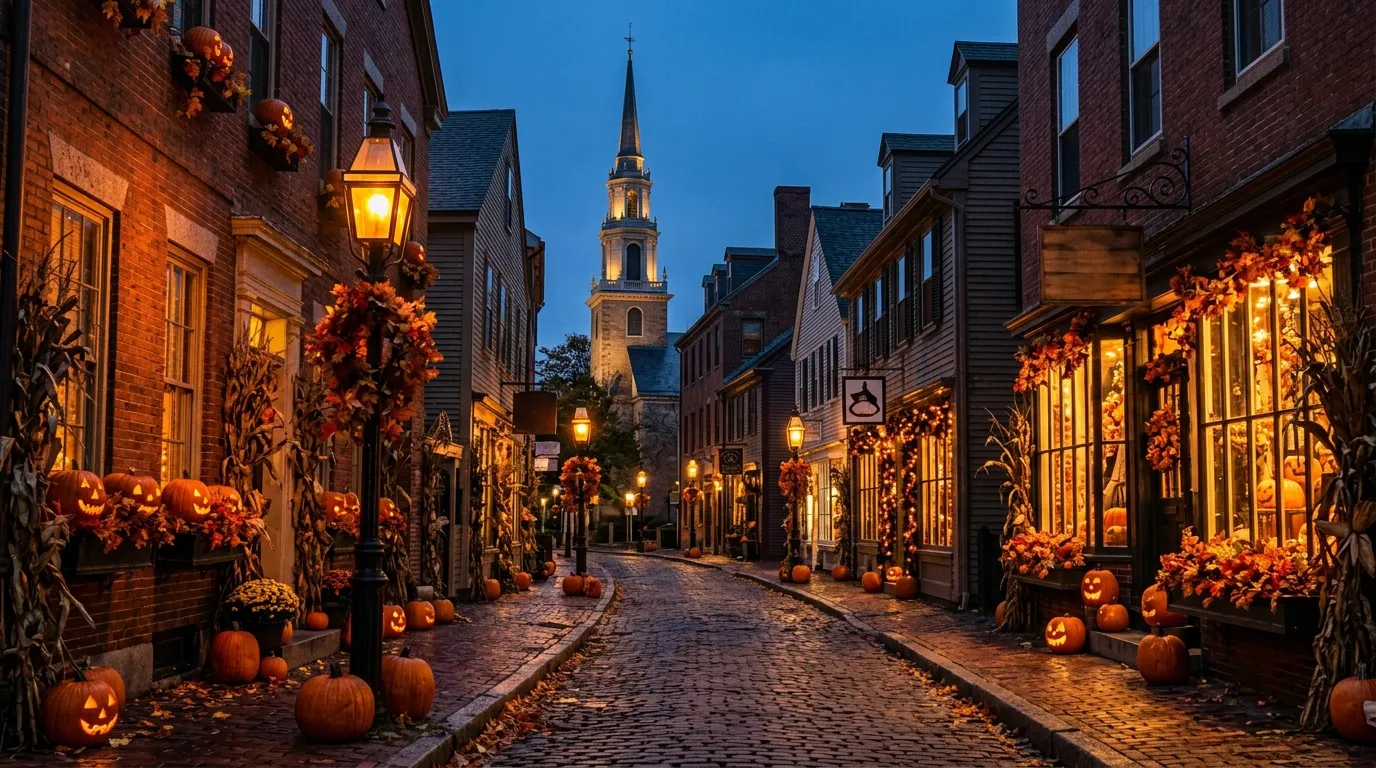
October is Salem’s most exciting and demanding season.
Haunted Happenings runs throughout the month with events, performances, vendors, tours, and costumed visitors.
The atmosphere is electric, especially on weekends.
It is also crowded, expensive, and logistically challenging.
What to Expect
- Packed sidewalks
- Sold-out tours
- Long restaurant waits
- Increased hotel prices
- Heavy traffic
- Limited parking
- Costumes everywhere
- Street performers
- Outdoor vendors
- Attraction lines
- Road closures near Halloween
October Survival Strategy
- Visit on a weekday
- Arrive before 9:00 a.m.
- Take the train from Boston
- Reserve accommodation months ahead
- Book tours and museums before arrival
- Eat outside peak lunch hours
- Carry water and snacks
- Wear comfortable shoes
- Prepare for rain and cold
- Avoid driving downtown
OCTOBER WARNING
Do not arrive on an October Saturday expecting spontaneous tickets, easy parking, and an uncrowded dinner table. Salem rewards advance planning with the intensity of a small city hosting an enormous costume party.
Best Time to Visit Salem
Spring: April to May
Spring is excellent for history-focused travel.
Crowds are lighter, gardens begin blooming, and temperatures become suitable for walking. Some seasonal attractions may operate reduced hours in early spring.
April weather can be unpredictable, with rain, cold wind, and occasional warm afternoons sharing the same suitcase.
Travelers planning a broader spring trip can pair Salem with these USA destinations in April, which include warmer escapes and nature-focused alternatives.
Summer: June to August
Summer brings harbor activity, long daylight, and access to the wider North Shore.
It is the best period for combining Salem with beaches, whale-watching trips, coastal towns, and outdoor dining.
Weekends remain busy, but generally lack October’s crowd density.
Autumn: September to November
September provides warm days and fewer Halloween crowds.
October offers maximum atmosphere and maximum logistical chaos.
Early November can be ideal for travelers who want lingering autumn decorations with far smaller crowds. Seasonal events begin fading, but Salem’s permanent historical attractions remain.
Winter: December to March
Winter is the quietest season.
Some attractions reduce hours, but downtown becomes easier to explore. December brings holiday events and decorated historic homes.
Cold coastal wind can make temperatures feel sharper than the forecast suggests.
How to Get to Salem
From Boston by Train
The MBTA Commuter Rail connects Boston’s North Station with Salem.
The journey usually takes around 30 to 40 minutes, depending on the service. The Salem station is within walking distance of downtown attractions.
This is usually the easiest option, especially in October.
From Boston by Ferry
A seasonal passenger ferry may connect Boston and Salem during warmer months.
The journey takes longer than the train but offers coastal views and a far more scenic arrival.
Check current schedules before building the itinerary around it.
By Car
Driving provides flexibility for exploring Marblehead, Gloucester, Rockport, and other North Shore destinations.
However, downtown parking is limited during busy periods. In October, use the city’s special transportation, parking, and shuttle information.
From Boston Logan Airport
Travelers can use a combination of public transportation, train, taxi, or rideshare.
Driving time varies dramatically with Boston traffic.
Getting Around Salem
Downtown Salem is best explored on foot.
Major attractions are clustered around:
- Essex Street
- Washington Street
- Derby Street
- Salem Common
- Chestnut Street
- The waterfront
Other transportation options include:
- Salem Trolley
- Local buses
- Bicycle rental
- Taxi and rideshare
- Seasonal harbor services
Comfortable shoes matter more than a rental car for the central city.
Where to Stay in Salem
Historic Downtown
Best for:
- Walking to attractions
- October events
- Restaurants
- Travelers without a car
- Short stays
Expect the highest rates during autumn.
Waterfront and Derby Street
Best for:
- Maritime sites
- House of the Seven Gables
- Harbor atmosphere
- Quieter evenings
Near Salem Common
Best for:
- Historic architecture
- Witch Museum access
- Walking routes
- Residential atmosphere
Beverly
Beverly sits across the harbor and offers rail access to Salem.
It can provide better value when central Salem hotels sell out.
Boston
Staying in Boston works for a Salem day trip, but it limits the ability to experience Salem early in the morning and after evening crowds disperse.
Salem Travel Budget
Salem can be affordable outside October, but attraction tickets accumulate quickly.
Ways to Save Money
- Arrive by commuter rail
- Visit memorials and maritime grounds for free
- Choose one major museum each day
- Bring water and snacks
- Travel outside October
- Stay in Beverly or another nearby town
- Walk rather than use repeated rideshares
- Book accommodation early
- Use combination tickets when they match your plans
| Expense | Lower-Cost Choice | Higher-Cost Choice |
| Transportation | Commuter rail | Rental car and parking |
| Accommodation | Nearby town or weekday stay | October downtown hotel |
| History | Memorials and self-guided walks | Multiple museums and tours |
| Meals | Bakery or casual café | Historic restaurant |
| Evening | Self-guided waterfront walk | Premium ghost tour |
| North Shore | Public transport | Private coastal excursion |
Salem Packing Checklist
Year-Round Essentials
- Comfortable walking shoes
- Light waterproof jacket
- Reusable water bottle
- Portable charger
- Small daypack
- Advance ticket confirmations
- Offline map
- Secure crossbody bag
- Warm layer for the harbor
October Essentials
- Waterproof shoes
- Warm sweater
- Rain poncho or jacket
- Small umbrella
- Gloves for late evenings
- Backup phone battery
- Restaurant reservations
- Train schedule
- Costume layers suitable for cold weather
Summer and Coastal Trips
- Sunscreen
- Sunglasses
- Secure sun hat
- Insect repellent
- Light sweater
- Beach items for North Shore excursions
Travelers arriving as part of a New England driving vacation should also use this complete road-trip planning checklist to organize navigation, vehicle supplies, reservations, and essential downloads.
PACKING NOTE
A dramatic October costume is less charming after three hours of cold rain. Build the character around waterproof shoes.
Food to Try in Salem
Look for:
- New England clam chowder
- Lobster rolls
- Fried seafood
- Fresh oysters
- Apple cider doughnuts
- Local bakery treats
- Coffee from independent cafés
- Seasonal soups
- New England-style ice cream
Reservations become important during autumn weekends.
Consider eating lunch before noon or after 2:00 p.m. during October.
Staying Safe in Salem
In Downtown Crowds
- Keep your phone and wallet secure
- Choose a clear meeting point
- Supervise children closely
- Avoid stopping in the center of sidewalks
- Follow pedestrian-control instructions
- Remain alert when crossing streets
At the Waterfront
- Stay back from slippery edges
- Dress for strong wind
- Watch children near the water
- Do not enter closed wharf areas
- Check weather before boat trips
During Evening Tours
- Stay with the group
- Use well-lit routes afterward
- Wear shoes suitable for brick and cobblestone surfaces
- Confirm where the tour ends
Responsible Travel in Salem
Salem is not a Halloween theme park created solely for visitors.
It is a living city whose residents experience congestion, noise, and trespassing during peak season.
Travel responsibly by:
- Remaining on public sidewalks
- Respecting memorials and cemeteries
- Avoiding private porches and gardens
- Supporting locally owned businesses
- Using public transport
- Taking litter with you
- Treating contemporary religious communities respectfully
- Choosing historically responsible tours
- Avoiding jokes about named victims
- Visiting outside October when possible
The witch trials involved injustice, imprisonment, and death. Costumes and Halloween fun can coexist with historical tourism, but they should not erase the people behind the story.
Extending Your Trip Beyond Salem
Marblehead
A beautiful coastal town with historic homes, harbor views, and narrow streets.
Gloucester
A working fishing city with maritime heritage, beaches, and whale-watching excursions.
Rockport
Known for art galleries, waterfront scenery, and the famous Motif No. 1 fishing shack.
Ipswich
A historic town near salt marshes and Crane Beach.
Boston
Combine Salem with the Freedom Trail, Beacon Hill, museums, and harbor attractions.
Cape Ann
Cape Ann connects Gloucester, Rockport, Essex, and Manchester-by-the-Sea into a scenic coastal loop.
Travelers considering a warmer history-and-coast journey can compare New England with this detailed Belize travel guide, where ancient ruins, Caribbean water, and the culture of Hopkins create a very different blend of past and present.
Frequently Asked Questions
Is Salem worth visiting?
Yes. Salem offers important American history, maritime heritage, major museums, literary attractions, and a walkable coastal setting.
How many days do you need in Salem?
Two full days are ideal. One day covers the major historical sites, while three days allow time for the waterfront and a North Shore excursion.
Is Salem only worth visiting in October?
No. May, June, September, and early November often provide a better balance of pleasant weather and manageable crowds.
Is one day enough for Salem?
One day is enough for a historical walking tour, the memorial, one major museum, and the waterfront. It is not enough for every attraction.
Can you visit Salem from Boston without a car?
Yes. The MBTA Commuter Rail from North Station is one of the easiest ways to reach downtown Salem.
Is Salem walkable?
Yes. Most major attractions are within the compact downtown and waterfront areas.
Is Salem family-friendly?
Yes, but attraction suitability varies. Historical sites and maritime attractions are generally suitable, while some haunted houses and evening tours may be too intense for young children.
When is Salem most crowded?
October weekends, especially the final two weekends and Halloween, bring the largest crowds.
Should I drive to Salem in October?
Public transportation is strongly recommended. Road closures, congestion, and limited parking make driving difficult during peak dates.
Do you need tickets in advance?
Advance reservations are highly recommended for walking tours, the Salem Witch Museum, the Witch House, the House of the Seven Gables, and popular seasonal events.
What is the difference between Salem Town and Salem Village?
Salem Town was the commercial port corresponding largely to modern Salem. Salem Village was a farming community farther inland, much of which became modern Danvers. Many early accusations began in Salem Village.
Are the Hocus Pocus houses open to the public?
Some film locations are public attractions, while others are private residences. Never enter private property.
What is the best Salem museum?
The Peabody Essex Museum is the strongest choice for art and broader cultural history. The Witch House and Salem Witch Museum focus more directly on the witch trials.
Can you visit Salem in winter?
Yes. Crowds are light, though some attractions operate reduced hours and coastal weather can be cold.
Final Thoughts
Salem is most meaningful when you allow its stories to remain complicated.
The city can be playful. October nights glow with orange lights, elaborate costumes, and storefronts filled with theatrical curiosities. Ghost tours spill onto brick streets, and visitors arrive prepared to celebrate everything strange, shadowy, and autumnal.
But beneath that performance lies a real city shaped by persecution, trade, migration, literature, and the sea.
Begin with the names in the memorial.
Then explore the judges’ houses, merchants’ mansions, and waterfront wharves. Read Hawthorne. Walk through the Peabody Essex Museum. Follow Derby Wharf until downtown noise falls behind you and only the harbor remains.
Salem does not ask visitors to choose between darkness and delight.
It asks them to recognize the difference.
Honor the people who suffered here, enjoy the atmosphere responsibly, and leave enough time to discover the city beyond the pointed hats.