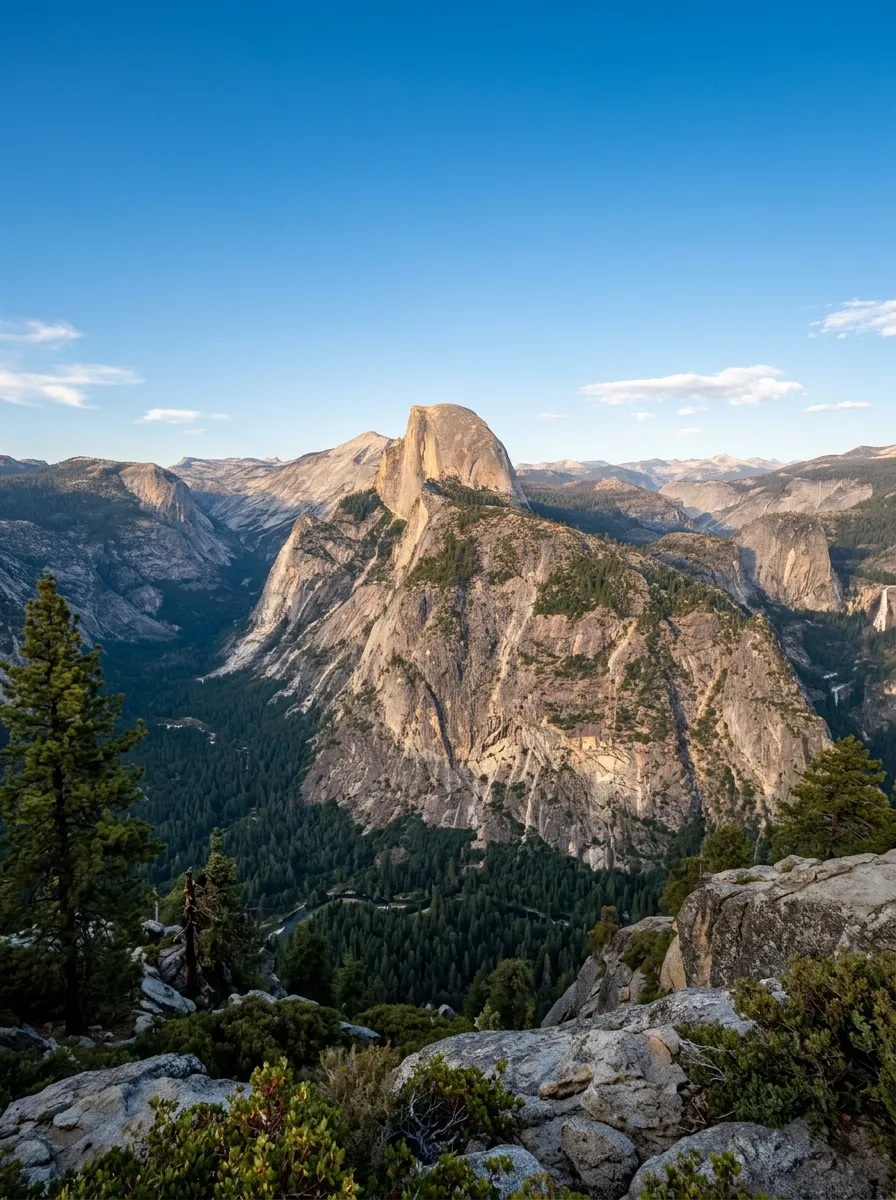
Half Dome Deaths: How Many Hikers Have Died?
Half Dome is one of the most recognizable landmarks in Yosemite National Park, but its dramatic granite summit comes with a serious question that many hikers ask before attempting the climb:
How many people have died on Half Dome?
The answer depends on what you count.
A peer-reviewed study published in Wilderness & Environmental Medicine identified 31 Half Dome-related deaths over an 85-year period through 2015, including fatalities involving technical climbing, the cable handrails, hiking, base jumping, medical emergencies, and suicide. The researchers described 29 deaths as confirmed and two additional deaths as likely to have occurred on Half Dome.
There have also been additional fatalities since that study, including a fatal cable fall in 2018, another in 2019, and the death of 20-year-old Grace Rohloff after a fall during the cable descent in July 2024.
That means at least 34 documented deaths on Half Dome itself can be identified from the published record through July 2024, although the National Park Service does not currently publish a single live cumulative total covering every historical Half Dome death.
And there is another important detail: not all of those people were hikers using the famous cables.
Let’s break down what the numbers actually tell us.
How Many People Have Died on Half Dome?
The best-known scientific review identified 31 deaths associated with Half Dome between 1930 and 2015.
The researchers searched Yosemite search-and-rescue records, American Alpine Club accident records, news reports, and other historical sources. They included deaths involving the summit, subdome, cable handrails, technical climbing, and base jumping.
The study’s breakdown looked like this:
| Activity or circumstance | Deaths identified |
| Technical climbing | 11 |
| Suicide | 8 |
| Hiking | 5 |
| Cable handrails | 5 |
| Base jumping | 2 |
| Total | 31 |
This is why saying “31 hikers have died on Half Dome” would be misleading.
The study found that five deaths were classified as hiking deaths and another five involved falls from the cable handrails. Technical climbers accounted for 11 deaths. Other fatalities involved suicide, base jumping, and medical causes.
So when you see a dramatic claim that dozens of hikers have died on the Half Dome trail, it is worth checking what the source actually counted.
How Many Have Died on the Half Dome Cables?
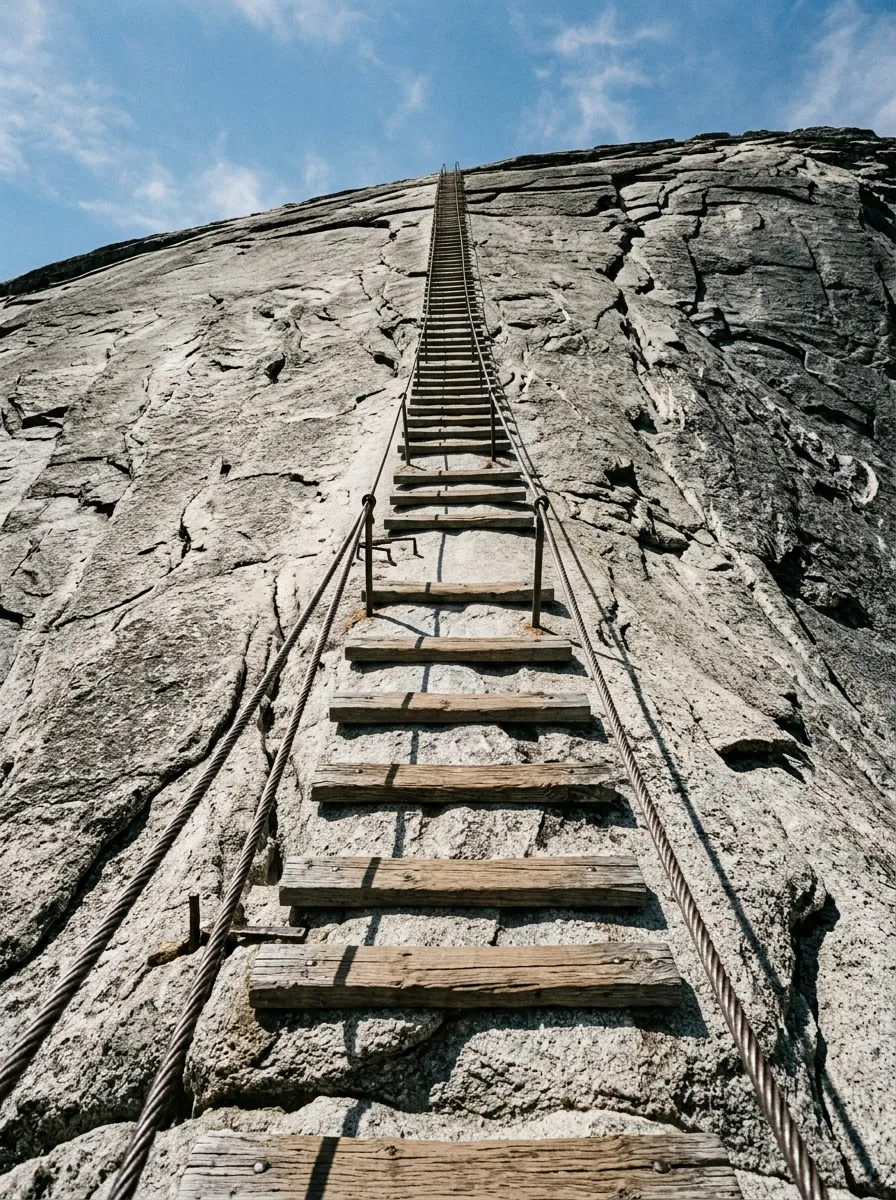
The cables are the section most people are thinking about when they ask this question.
The final cable ascent involves approximately 400 feet of steep granite, with two metal cables providing hand support. The route does not require traditional technical climbing equipment, but the slope is steep enough that a slip can have catastrophic consequences.
The 2018 study identified five fatalities specifically involving falls from the cable handrails among the 31 deaths it documented through 2015. It also found that another five deaths were classified as hiking fatalities elsewhere on Half Dome.
There were then additional cable-related deaths after the study period.
2018 Half Dome cable death
In May 2018, a hiker fell from the Half Dome cables during thunderstorm activity. Yosemite National Park confirmed that the hiker died and described it as the first fatality on the cables since 2011.
2019 Half Dome cable death
In September 2019, 29-year-old Danielle Burnett died after falling more than 500 feet from the cable section. The National Park Service reported that she fell onto steep, rocky terrain.
2024 Half Dome cable death
In July 2024, 20-year-old Grace Rohloff died after slipping while descending the cables during changing weather conditions. Reports said she was approximately three-quarters of the way down the cable section when she lost her footing.
These incidents are important because they show that the historical statistics are not simply ancient Yosemite history. Fatal falls have continued to occur in recent years.
The Most Important Fact About Half Dome Deaths
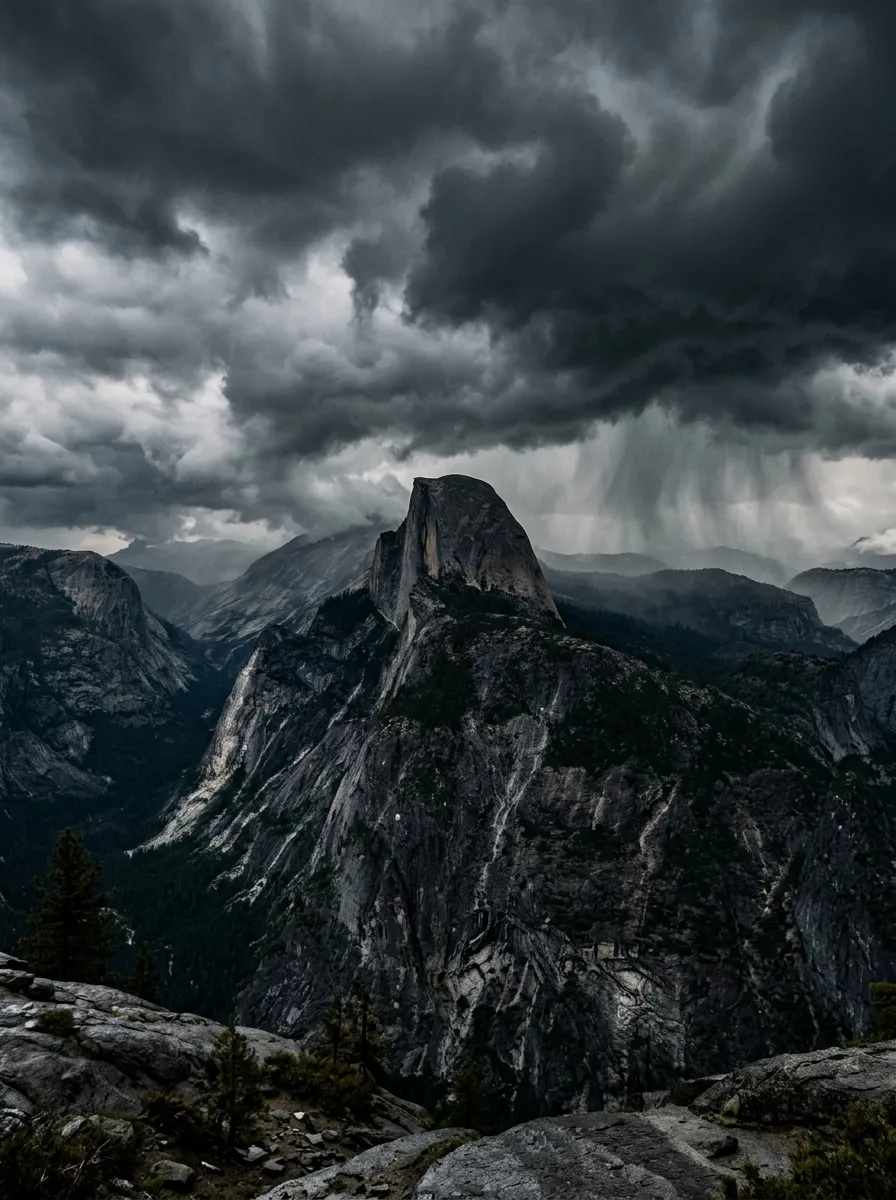
Here is the part that deserves more attention than the raw death count:
Wet conditions are a major danger on the cables.
The National Park Service specifically warns hikers not to attempt the cable ascent when the rock is wet. Its current Half Dome safety guidance says that nearly all fatal falls from the cables have occurred when the rock was wet, making both the granite and cables extremely slick.
That is particularly important because Yosemite’s summer weather can change rapidly.
A morning can begin with blue skies, only for clouds and thunderstorms to develop later in the day. The Half Dome summit is also cooler and more exposed than Yosemite Valley.
The NPS warns hikers to monitor the forecast and avoid continuing toward the summit when storms are nearby. Lightning is another major hazard because the summit is an exposed granite formation.
Have People Died While Descending the Cables?
Yes.
In fact, descending the cables deserves just as much attention as climbing them.
The published fatality research found that five of the cable-related deaths involved falls from the cable handrails, and the researchers noted that descent was an important part of the risk profile.
The 2011 death of Hayley LaFlamme is one example. The National Park Service reported that she had reached the top and was descending when she fell approximately 600 feet from the cables during a severe thunderstorm, lightning, and rain event.
The 2009 death of Manoj Kumar also occurred while descending. Yosemite reported that hail and wet conditions had made the granite slippery and that dozens of hikers became stranded on the summit and cables during the storm.
And Grace Rohloff’s 2024 death occurred during the descent as well.
The lesson is straightforward: reaching the summit does not mean the dangerous part is over.
Why Are the Half Dome Cables Dangerous?
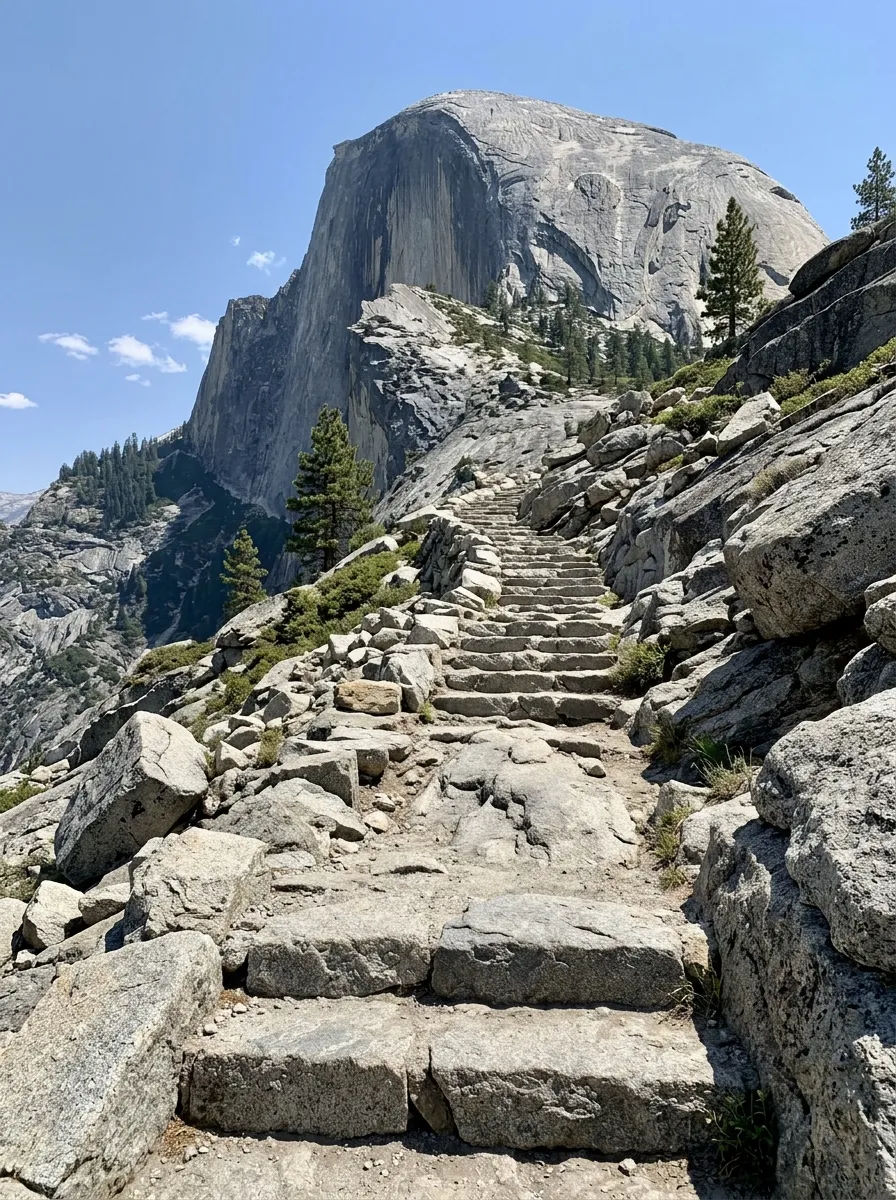
The cables make the final section possible for hikers who are not technical rock climbers, but they do not turn the mountain into an ordinary trail.
The final climb is steep, exposed, and physically demanding.
You are relying on your hands, feet, balance, footwear, and the people around you. If the granite becomes wet, the margin for error becomes much smaller.
Crowding can create another problem.
The National Park Service has previously documented situations where large numbers of hikers on the cables made it harder for people to move at their own pace or respond quickly to approaching storms. Historical observations recorded more than 800 hikers per day on some busy Saturdays and holidays, with peak use reaching roughly 1,100 to 1,200 hikers.
That crowding problem is one reason Yosemite introduced the Half Dome permit system.
Did the Half Dome Permit System Make the Hike Safer?
The permit system was introduced partly to reduce crowding and improve safety.
Today, when the cables are up, a permit is required to hike to the top of Half Dome. The current daily quota allows a maximum of 300 hikers beyond the base of the subdome, with approximately 225 day hikers and 75 backpackers.
The National Park Service says the permit system is intended to protect wilderness character, reduce crowding, protect resources, and improve safety.
Research examining search-and-rescue activity before and after the permitting system found that, from 2005 to 2015, the area above Little Yosemite Valley experienced fewer SAR incidents after permitting, although the study did not find statistically significant differences in every measure.
So the permit system should not be interpreted as making Half Dome risk-free.
It simply limits the number of people using the most exposed part of the route.
How Dangerous Is the Rest of the Half Dome Hike?
The cables attract most of the attention, but the entire hike is demanding.
The National Park Service describes the round trip as approximately 14 to 16 miles, with about 4,800 feet of elevation gain. Most hikers take roughly 10 to 12 hours, although some take longer.
That means fatigue becomes part of the equation.
You are not walking directly from the Yosemite Valley floor to the cables.
The route passes through steep terrain and major landmarks including Vernal Fall and Nevada Fall before continuing toward Little Yosemite Valley, the subdome, and eventually the cables.
By the time you reach the final ascent, you may already have been hiking for several hours.
This is one reason the NPS recommends starting around sunrise or earlier and establishing a non-negotiable turnaround time.
What Other Things Have Caused Deaths on Half Dome?
The historical study found several different categories of fatal incidents.
Technical climbing accidents
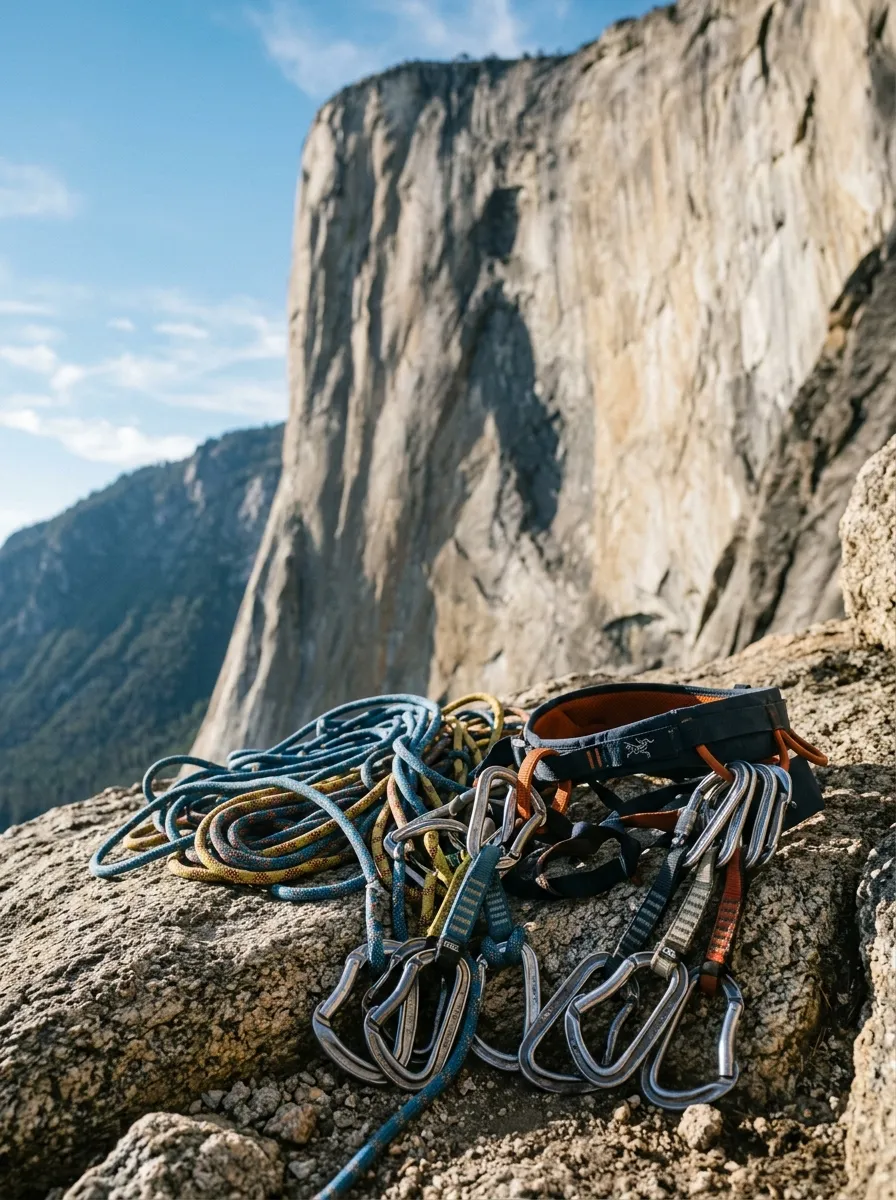
Technical climbing accounted for the largest category in the 31-death study, with 11 deaths.
These incidents are different from the typical day-hiker experience on the cables because they involve technical climbing routes on the formation.
Falls from the cables
Cable-related falls accounted for five deaths in the study through 2015, followed by additional fatalities in 2018, 2019, and 2024.
Weather and lightning
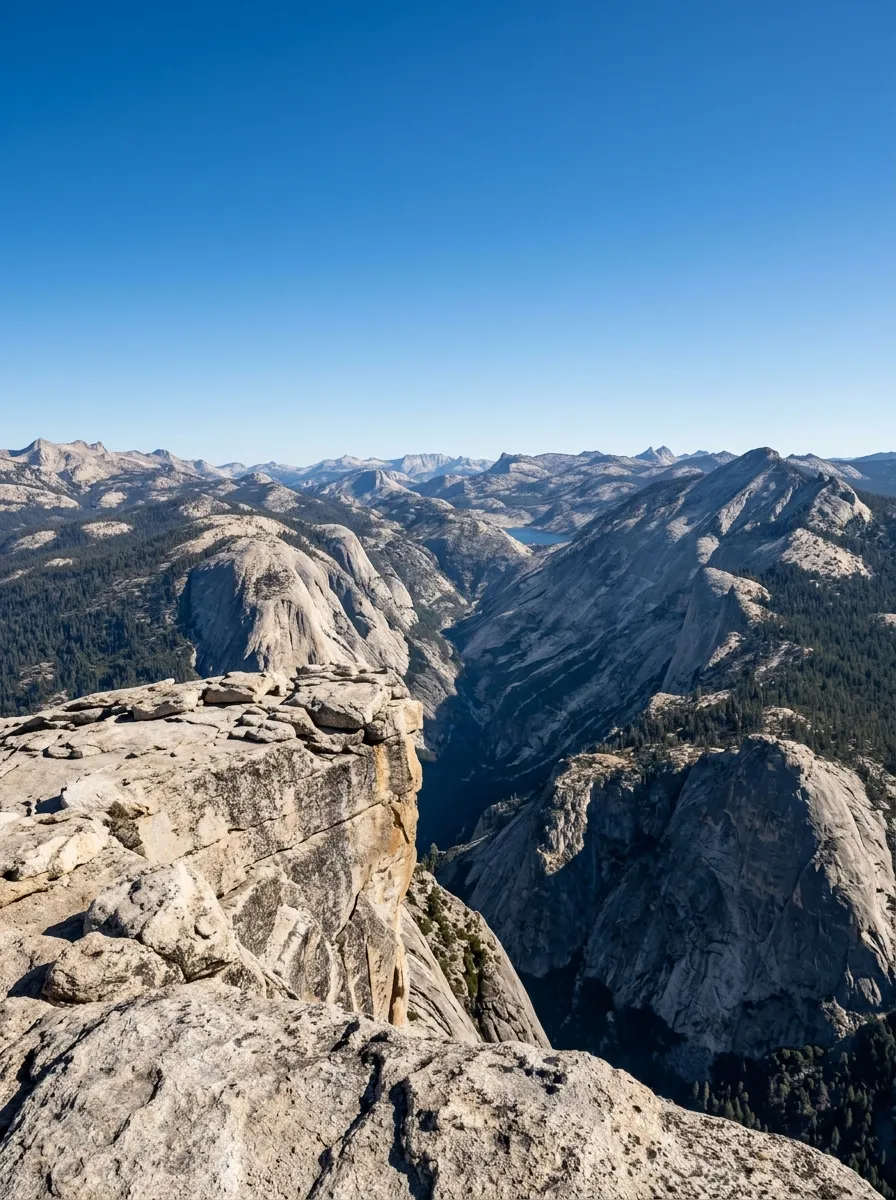
Weather has played a role in several incidents.
The research identified lightning-related deaths, while the NPS repeatedly warns about thunderstorms, hail, rain, wet granite, and lightning around the summit.
Medical emergencies
The historical study also identified deaths related to medical conditions, including cardiac causes and altitude-related illness.
Other activities
The historical record also includes base-jumping fatalities and deaths classified as suicide. These should not be lumped together with accidental hiking deaths when discussing the danger faced by ordinary Half Dome day hikers.
Half Dome Deaths by Decade
The published research also shows that fatalities have not been evenly distributed throughout history.
| Period | Deaths identified |
| 1930–1939 | 1 |
| 1940–1949 | 2 |
| 1950–1959 | 1 |
| 1960–1969 | 2 |
| 1970–1979 | 2 |
| 1980–1989 | 8 |
| 1990–1999 | 2 |
| 2000–2009 | 9 |
| 2010–2018 in study | 4 |
The study’s final total was 31 deaths, including two additional deaths considered likely to have occurred on Half Dome.
The numbers should not be interpreted as an annual probability of dying on Half Dome. The researchers themselves noted that reliable denominators for some activities were difficult to establish.
In other words, a death count is not the same thing as your individual risk of dying.
How Many Half Dome Deaths Have Occurred Since 2015?
This is where online statistics become confusing.
The major peer-reviewed study ended its historical review with deaths through 2015. Since then, documented fatalities include:
- 2018: fatal fall from the cables during thunderstorm activity.
- 2019: Danielle Burnett died after a fall from the cables.
- 2024: Grace Rohloff died after slipping during the cable descent.
That gives a documented historical total of at least 34 Half Dome deaths when these three later fatalities are added to the 31 deaths identified through 2015.
However, this should be presented as a reconstruction from published records, not as an official current NPS cumulative total.
That distinction matters because different sources define “Half Dome death” differently, and some count the broader trail while others count only deaths on the formation itself.
What About Deaths on the Trail Leading to Half Dome?
This is where some online articles produce much larger numbers.
The Half Dome route shares portions of the trail corridor with routes toward Vernal Fall, Nevada Fall, Little Yosemite Valley, and other Yosemite destinations.
A person who dies somewhere along that broader trail network is not automatically a Half Dome fatality.
The peer-reviewed Half Dome study specifically excluded deaths on hiking trails below the subdome when researchers could not determine whether those hikers were actually heading for Half Dome.
That is why you may encounter one source claiming around 30 deaths and another claiming a considerably higher number.
They may simply be counting different geographic areas.
How Can You Reduce the Risk on Half Dome?
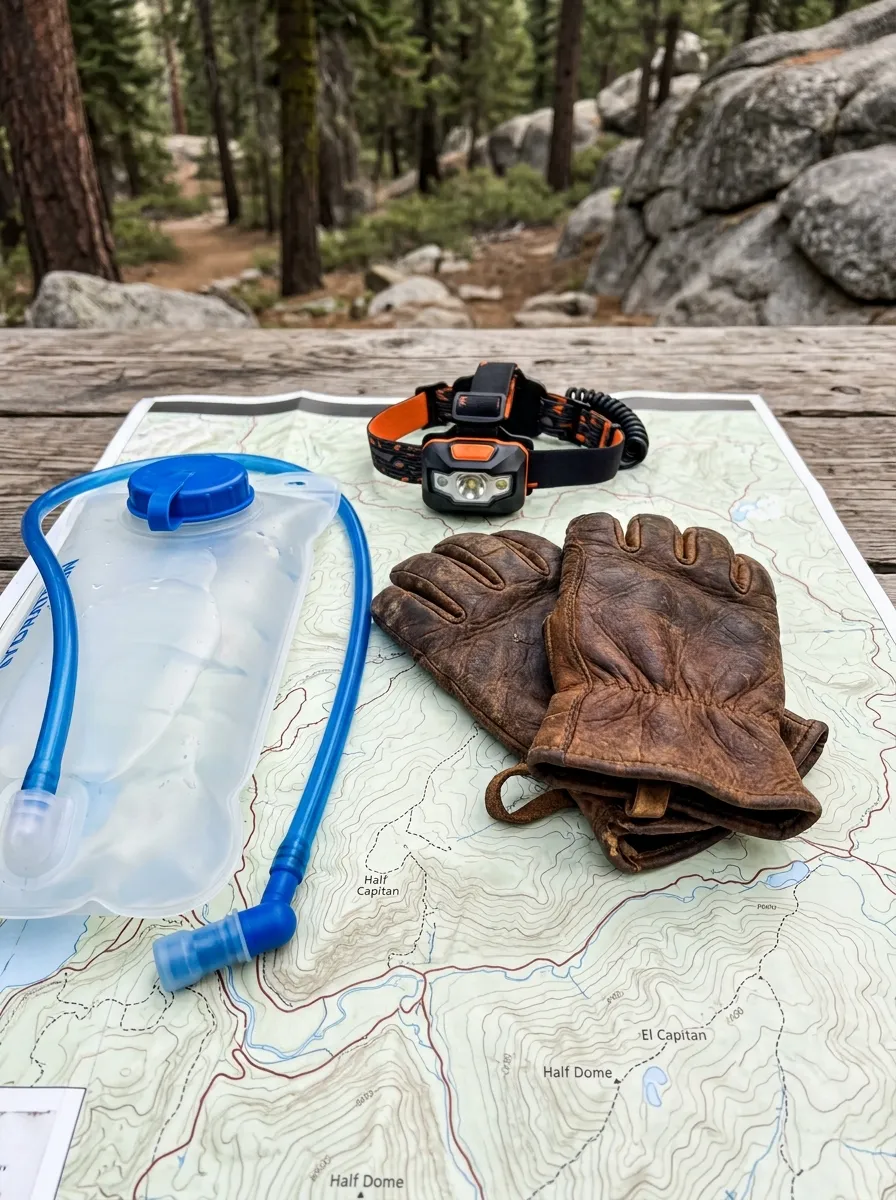
The National Park Service provides unusually direct advice for this hike.
Do not climb the cables when the rock is wet
This is the biggest rule.
If rain has started, the granite is wet, or a storm is approaching, the summit is not worth gambling on.
Start early
Most hikers need 10 to 12 hours for the round trip.
Starting early gives you more daylight and helps you reach the exposed upper sections before afternoon thunderstorms become more likely.
Set a turnaround time
Do not let the summit become a psychological finish line that overrides changing conditions.
The NPS suggests having a firm turnaround time and gives 3:30 p.m. as an example.
Bring enough water
The NPS recommends at least 1 gallon, or about 4 liters, per person for hikers going to the top of Half Dome.
Wear footwear with good traction
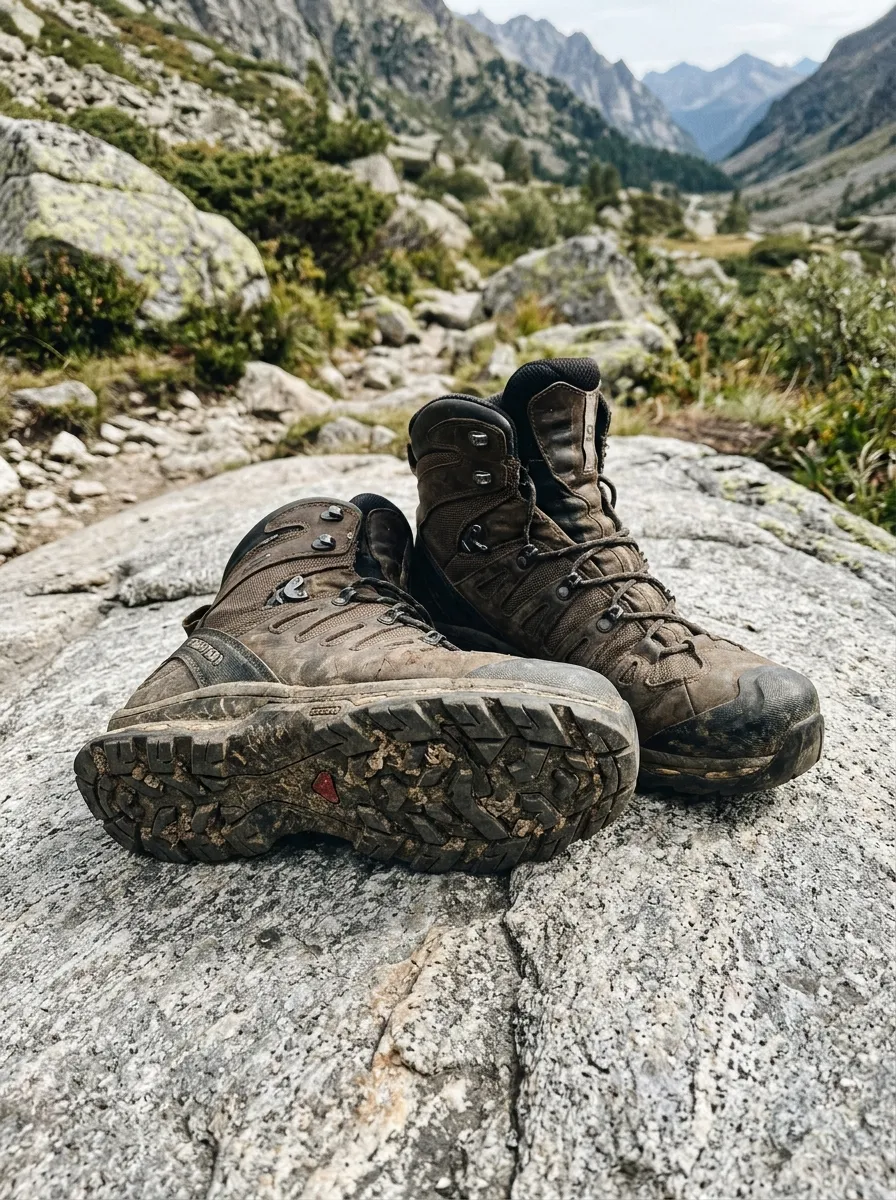
The final granite sections demand secure footing. Broken-in footwear with good traction is particularly important.
Consider gloves for the cables
The NPS says many hikers find sturdy gloves with good grip helpful on the cables. If you bring gloves, pack them out rather than leaving them behind.
Carry a real headlamp
Do not rely on your phone’s flashlight.
The NPS specifically recommends a flashlight or headlamp with extra batteries because hikers can end up returning after dark.
Pay attention to your body
Heat exhaustion, dehydration, low electrolytes, altitude sickness, blisters, and ankle injuries can turn a difficult hike into an emergency.
The mountain does not care how impressive your original itinerary looked.
Is Half Dome Too Dangerous to Hike?
There is no useful yes-or-no answer for everyone.
Half Dome is unquestionably a strenuous wilderness hike with an exposed cable section and a documented history of fatal accidents. At the same time, thousands of people reach the summit, and the National Park Service continues to manage the route through permits, seasonal cable installation, ranger patrols, weather guidance, and visitor-safety measures.
The more useful question is whether the conditions on your particular hiking day are appropriate.
A strong hiker on dry granite with a stable forecast, adequate water, proper footwear, enough daylight, and a permit is facing a very different situation from someone arriving late in the day as thunderstorms roll across the summit.
Weather can change that equation quickly.
Half Dome Compared With Other Adventure Hikes
If Half Dome has made you curious about challenging outdoor destinations, there are plenty of spectacular alternatives.
Our guide to adventure travel spots in the USA covers destinations where hiking is only one part of the adventure.
For international mountain scenery, take a look at these Switzerland hiking trails, which range from dramatic alpine routes to spectacular valley walks.
And if you need a little hiking inspiration before planning your next adventure, our collection of hiking quotes and inspiration is a fun place to browse.
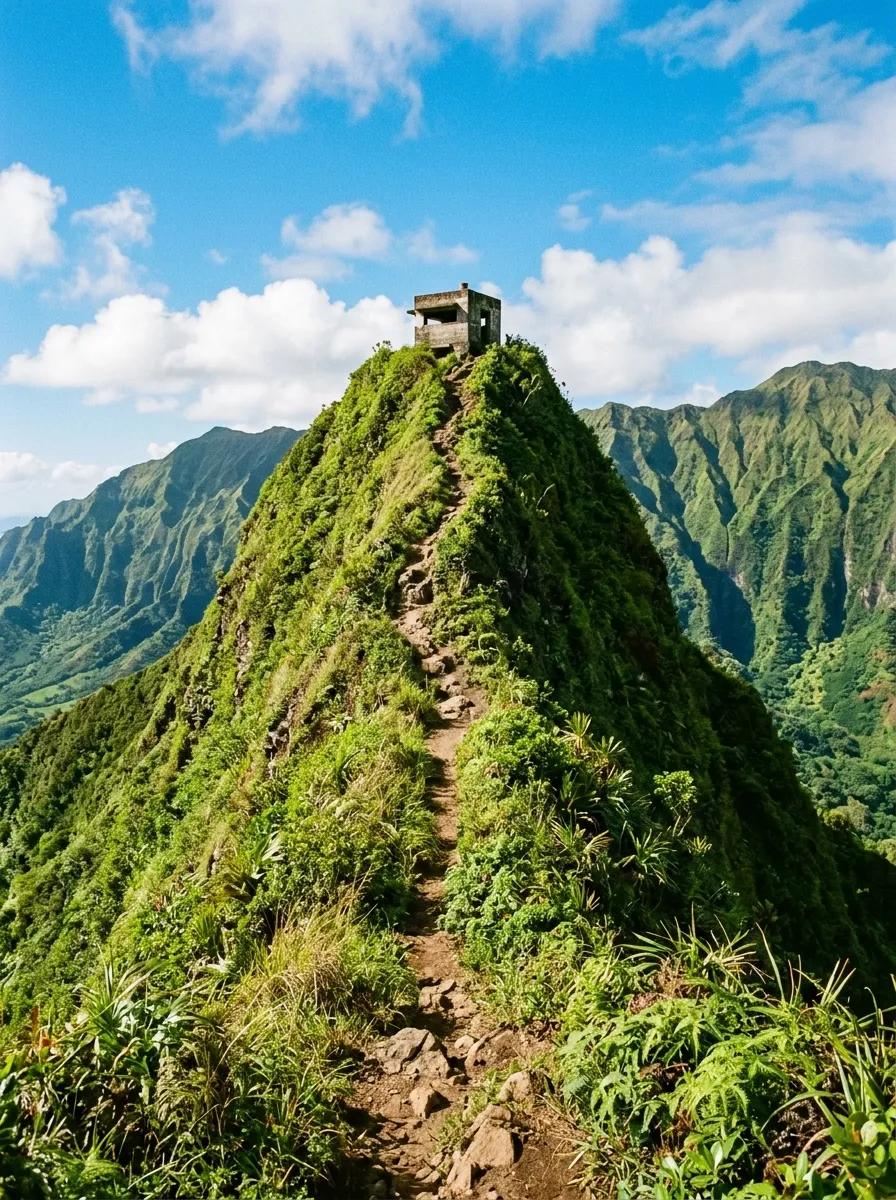
For something completely different, Hawaii’s famous military lookout routes offer steep climbs and big views. Our guide to Oahu pillbox hikes covers several of them.
Frequently Asked Questions About Half Dome Deaths
How many people have died on Half Dome?
A peer-reviewed study documented 31 Half Dome deaths through 2015, including two deaths considered likely to have occurred on Half Dome. Additional documented fatalities occurred in 2018, 2019, and 2024, bringing the identifiable published total to at least 34 through July 2024.
How many hikers have died on the Half Dome cables?
The 2018 study identified five cable-handrail fatalities through 2015. Additional cable-related deaths were reported in 2018, 2019, and 2024.
Has anyone died on the Half Dome cables recently?
Yes. The most recent widely reported fatality identified in the published record was Grace Rohloff’s July 2024 fall during the cable descent.
What is the biggest danger on the Half Dome cables?
Wet granite and wet cables are among the most serious hazards. The National Park Service states that nearly all fatal cable falls have occurred when the rock was wet.
Can you hike Half Dome without a permit?
When the cables are up, a permit is required to hike to the top of Half Dome. The NPS currently distributes permits through a preseason lottery and daily lottery system, with a maximum of 300 hikers allowed beyond the subdome each day.
How long is the Half Dome hike?
The National Park Service describes the round trip as approximately 14 to 16 miles with around 4,800 feet of elevation gain. Most hikers take 10 to 12 hours, although individual times vary.
Is Half Dome dangerous when it rains?
Yes. Rain can make the granite and cables extremely slippery, while thunderstorms create lightning hazards on the exposed summit. The NPS specifically advises against attempting the cables when the rock is wet or storms are nearby.
What happens if a storm approaches while you are on Half Dome?
The safest response is to leave exposed areas and descend carefully while following park guidance. The National Park Service warns that storms can develop quickly and that lightning is particularly dangerous around the summit.
Final Thoughts
Half Dome’s death statistics tell an important story, but the raw number can be misleading without context.
The strongest published historical research identified 31 deaths on Half Dome through 2015. Three additional widely documented fatalities occurred in 2018, 2019, and 2024, giving us at least 34 documented deaths on the formation itself through July 2024 based on the available published record.
But those deaths were not all ordinary hikers falling from the cables.
The historical record includes technical climbers, cable falls, hiking incidents, medical emergencies, base jumping, and other circumstances. That distinction is crucial when judging the actual risks faced by a Half Dome day hiker.
The cables are certainly serious terrain. Yet the biggest takeaway from Yosemite’s own safety guidance is surprisingly simple:
Do not treat changing weather as an inconvenience.
Wet granite, approaching thunderstorms, lightning, fatigue, and poor timing can transform a spectacular hike into an emergency very quickly.
Half Dome is a mountain, not a theme-park staircase with a spectacular view at the top. Respect the conditions, respect your limits, and be willing to turn around.
The summit will still be there another day.