10 Pillbox Hikes in Oahu With Great Views: Scenic Trails Worth the Climb
If you want an Oʻahu hike that delivers a huge view without spending an entire day in the mountains, pillbox hikes are hard to beat.
These short ridge trails lead to old concrete military observation bunkers, many dating from the World War II era. Today, the bunkers are less about military strategy and more about spectacular viewpoints over beaches, mountains, bays, surf breaks, and the Pacific.
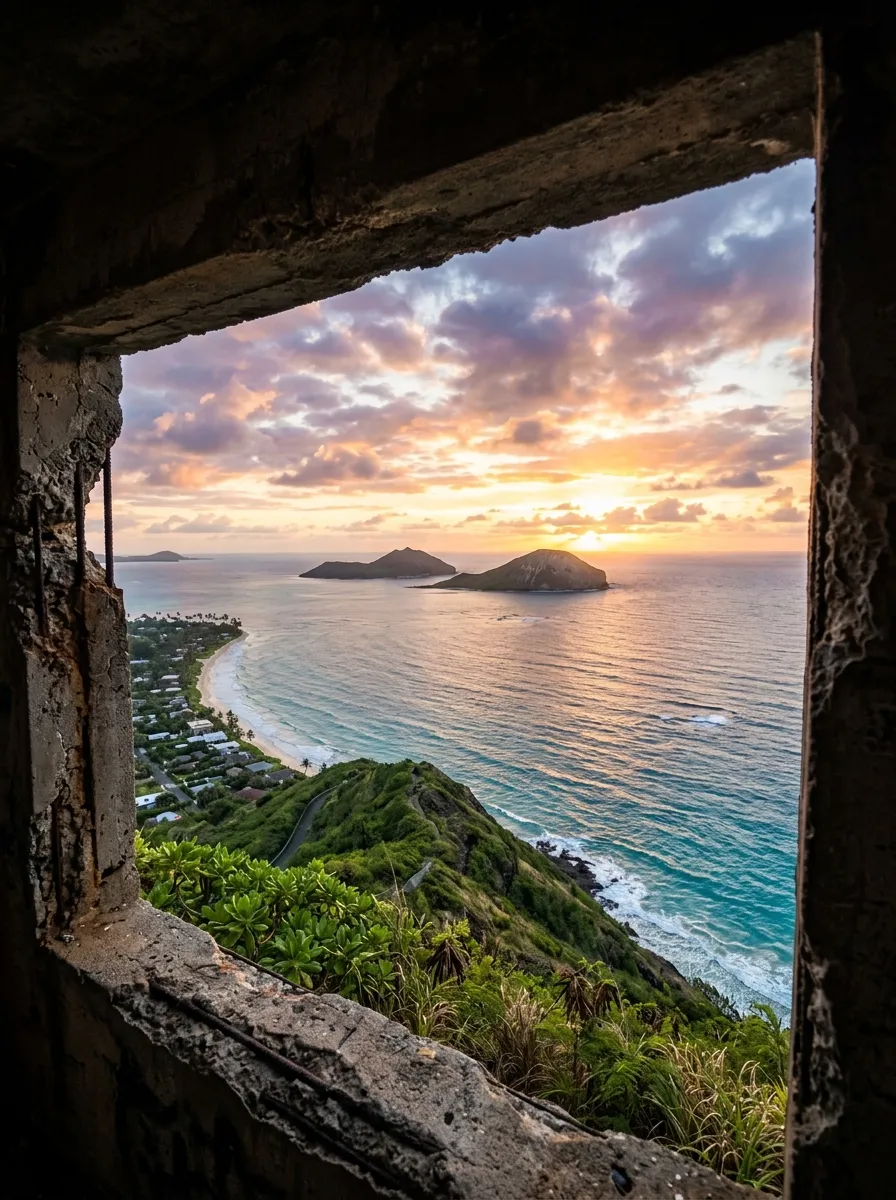
The famous Lanikai Pillbox, for example, gives you a front-row view of the Mokulua Islands and turquoise Lanikai Beach. On the North Shore, Ehukai Pillbox looks toward the Banzai Pipeline, while the Pink Pillbox on Oʻahu’s west side opens onto sweeping views of the Waiʻanae Coast.
But there is a catch.
Not every trail with an old military bunker is officially called a “pillbox hike.” Some are better described as military lookout or historic military trails. I’ve included those here because they offer the same kind of experience: a relatively short climb followed by an incredible Oʻahu panorama and a bit of island history.
Quick Comparison: Oʻahu Pillbox Hikes
| Hike | Area | Best For | Difficulty | Approx. Distance |
| Lanikai Pillbox | Kailua | Sunrise & ocean views | Moderate | 1.5–1.8 mi |
| Ehukai Pillbox | North Shore | Sunset & surf | Easy to moderate | 1.5 mi |
| Pink Pillbox | West Oʻahu | Sunset & coastline | Moderate | 1.3–1.6 mi |
| Puʻu Maʻeliʻeli | Kāneʻohe | Bay & mountain views | Moderate | 2+ mi |
| Diamond Head | Honolulu | Waikīkī & crater views | Moderate | 1.6 mi |
| Koko Crater | Hawaiʻi Kai | Challenge & views | Strenuous | 1.5 mi |
| Makapuʻu Point | Windward Oʻahu | Coastline & lighthouse | Easy to moderate | 2 mi |
| Koko Head Lookout | Hawaiʻi Kai | South-shore panorama | Strenuous | Varies |
| Lanikai Pillbox #1 | Kailua | Short sunrise hike | Moderate | About 0.7 mi |
| Lanikai Pillbox #2 | Kailua | Ridge views | Moderate | About 1 mi+ |
Important: The last several entries overlap with larger routes or are best understood as military-lookout hikes rather than separate, independent pillbox trails. The four commonly recognized dedicated pillbox hikes are Lanikai/Kaʻiwa Ridge, Maili/Puʻu O Hulu, Ehukai, and Puʻu Maʻeliʻeli. Other Oʻahu trails, including Diamond Head, Koko Crater, and Makapuʻu, also contain or connect with military-era structures.
Recommended Travel Items for Your Trip
1. Lanikai Pillbox Hike: The Classic Oʻahu Sunrise Trail
Location: Kailua
Trail: Kaʻiwa Ridge
Difficulty: Moderate
Approximate distance: 1.5–1.8 miles round trip
Best time: Sunrise
If you have seen photographs of an Oʻahu pillbox hike before, there is a good chance you were looking at Lanikai Pillbox.
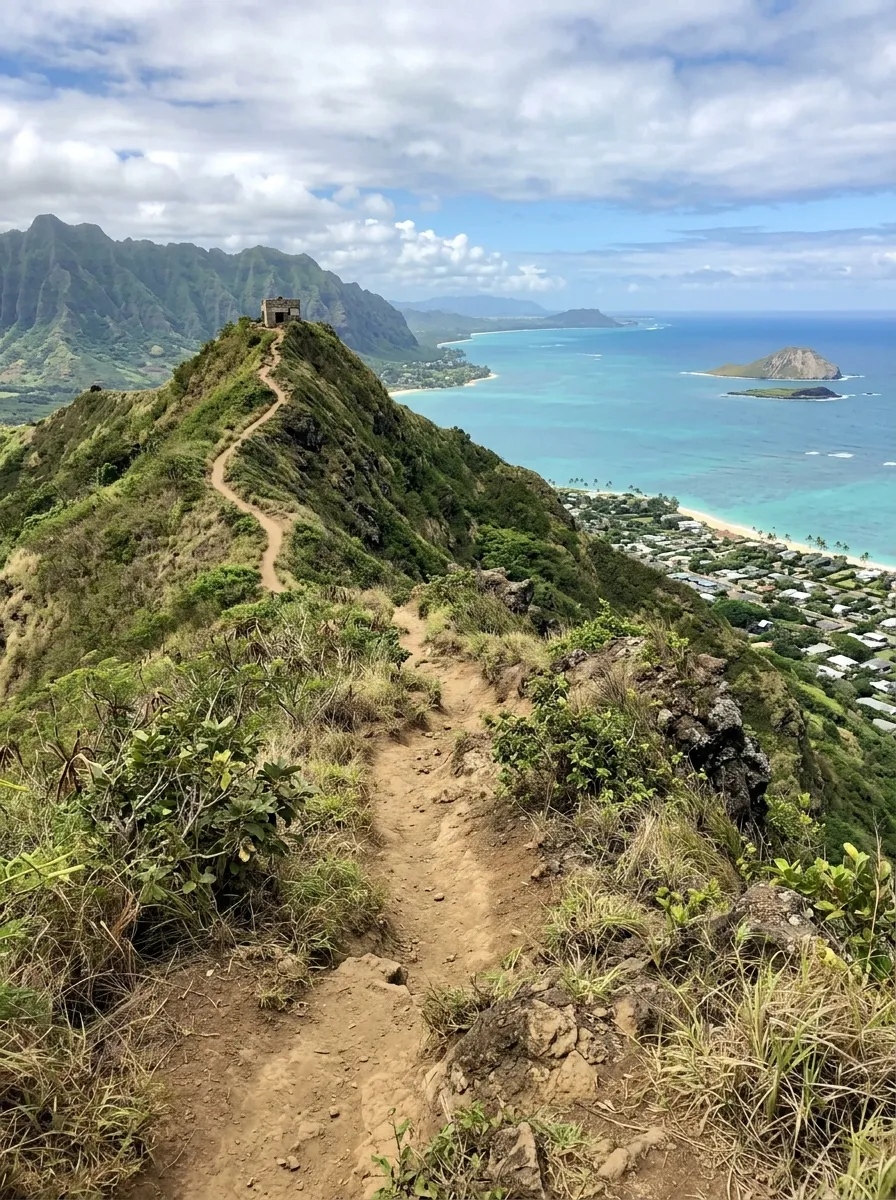
The trail climbs Kaʻiwa Ridge above Lanikai and reaches two historic concrete bunkers. From the ridge, the view opens over turquoise water, Lanikai Beach, Kailua, the Koʻolau Mountains, and the famous Mokulua Islands offshore.
The hike is short, but don’t confuse short with effortless. The opening climb is steep, and parts of the trail have loose dirt and rocks. There is also very little shade.
That is why sunrise is such a popular time to go.
The early light hits the Mokulua Islands and coastline while temperatures are generally more comfortable than later in the day.
What Makes Lanikai Pillbox Special?
The view begins appearing almost immediately as you climb.
You can look back toward Kailua, then turn toward the ocean as the ridge rises. Eventually, the first pillbox appears, followed by another farther along the ridge.
The second bunker gives you a slightly different perspective and is worth continuing to if trail conditions and your comfort level allow.
Lanikai Parking Has Changed
This is one place where old blog posts can give travelers outdated advice.
Parking around the Lanikai residential area is restricted, and current guidance recommends using legal parking options such as Kailua Beach Park and walking to the trailhead rather than assuming you can simply leave your car beside the trail. Recent trail information also notes active parking enforcement.
If you’re planning a sunrise hike, build that walk into your schedule.
Best for: First-time Oʻahu hikers, sunrise lovers, photographers, and anyone wanting the classic pillbox experience.
2. Ehukai Pillbox: The North Shore Sunset Hike
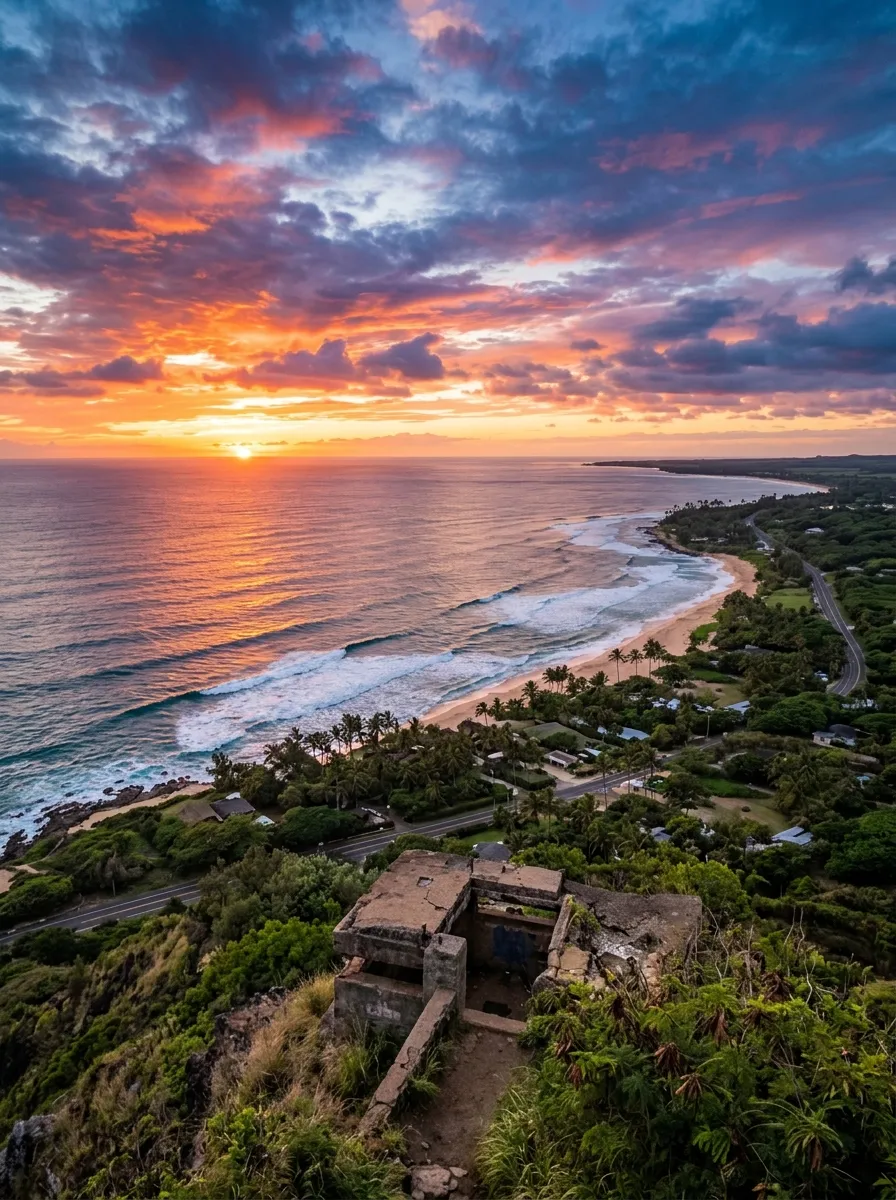
Location: North Shore
Difficulty: Easy to moderate
Approximate distance: 1.5 miles round trip
Best time: Sunset or winter surf season
If Lanikai is the sunrise star, Ehukai Pillbox is its sunset-loving North Shore cousin.
The trail climbs above Pūpūkea and provides views toward the famous Banzai Pipeline, Sunset Beach, and the North Shore coastline. The route reaches WWII-era bunkers perched above the coast.
The trail is relatively short, but it can become muddy after rain. Conditions also change considerably depending on weather.
Why Hike Ehukai?
The answer is simple: surf views.
During the North Shore’s big-wave season, roughly November through February, the coastline below can become a completely different landscape. Large swells roll toward the famous surf breaks, and the pillbox provides an elevated perspective.
In summer, the ocean can look much calmer, giving you a different but equally beautiful view.
The trail also tends to feel less tourist-saturated than Lanikai.
Sunset Tip
If you stay for sunset, bring a headlamp for the descent.
Your phone flashlight is better than nothing, but a proper headlamp keeps both hands available on uneven sections.
Best for: North Shore travelers, sunset hikers, surf photography, and travelers who want a slightly quieter pillbox experience.
3. Puʻu O Hulu: The Famous Pink Pillbox
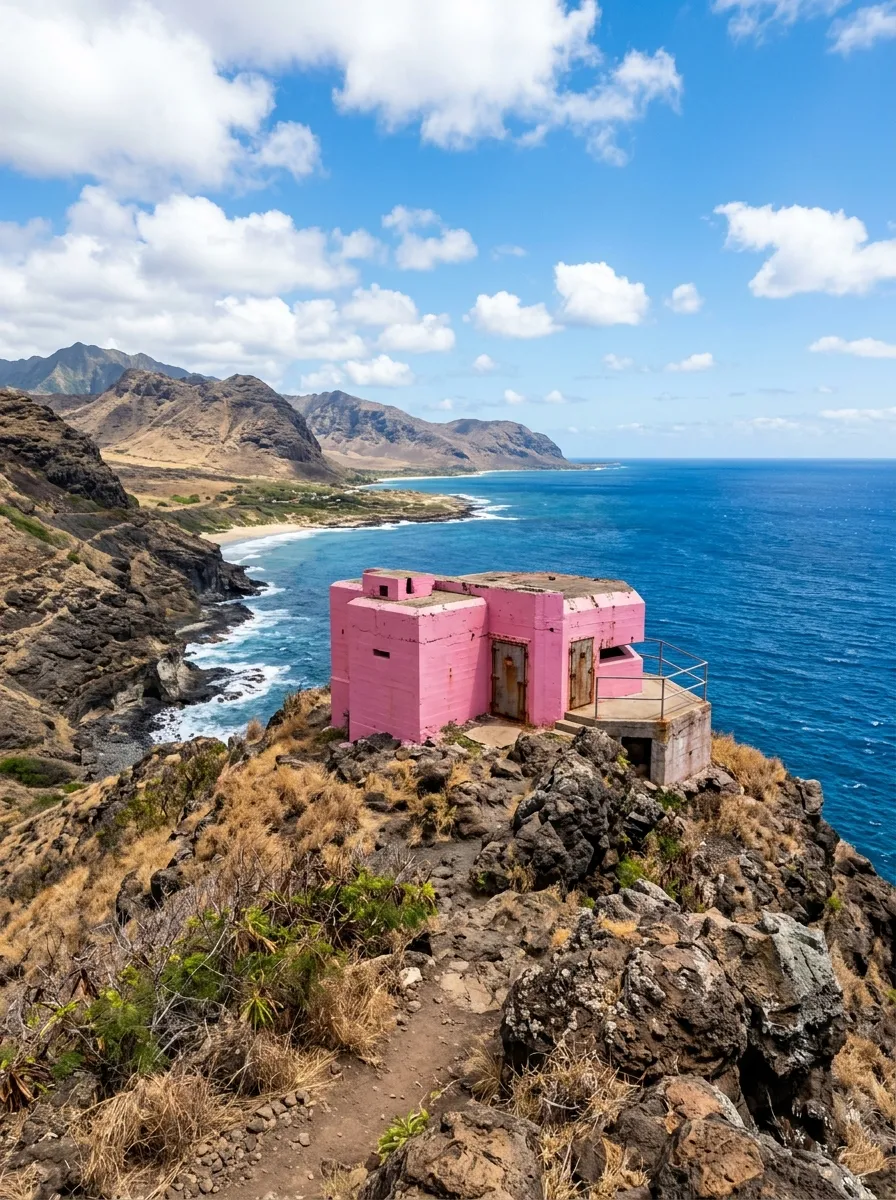
Location: West Oʻahu, near Māʻili
Difficulty: Moderate
Approximate distance: 1.3–1.6 miles round trip
Best time: Sunset or early morning
The Puʻu O Hulu Trail, better known to visitors as the Pink Pillbox, is one of the most recognizable short hikes on Oʻahu.
The bright-pink bunker sits along a ridge overlooking the Waiʻanae Coast, with broad views toward the Pacific, surrounding communities, and the Waiʻanae Mountains.
The route is short, but the sun exposure makes it more demanding than the mileage suggests.
There is little shade, and the west side of Oʻahu can get seriously hot.
Why Is It Called the Pink Pillbox?
One of the bunkers was painted pink as a breast cancer awareness tribute in 2015. It has since become the trail’s recognizable landmark.
The ridge contains several bunkers, so don’t feel that you have to stop at the pink one. If conditions are good and you are comfortable with the terrain, continuing along the ridge provides additional perspectives.
The Big Warning: Heat
This is one of those Oʻahu hikes where a short distance can be misleading.
There is little shade, and the exposed ridge can become hot quickly. Bring plenty of water, wear sun protection, and avoid the hottest part of the day.
The trail also has loose and rocky sections.
Parking and Neighborhood Respect
This trail has ongoing access and neighborhood concerns. Current guidance specifically recommends using only legal parking, never blocking residential access, and leaving if legal parking is unavailable.
That is a small inconvenience compared with creating a major headache for residents.
Best for: Sunset, west-coast scenery, photographers, and travelers who want something different from the Lanikai view.
4. Puʻu Maʻeliʻeli: The Kāneʻohe Bay Pillbox
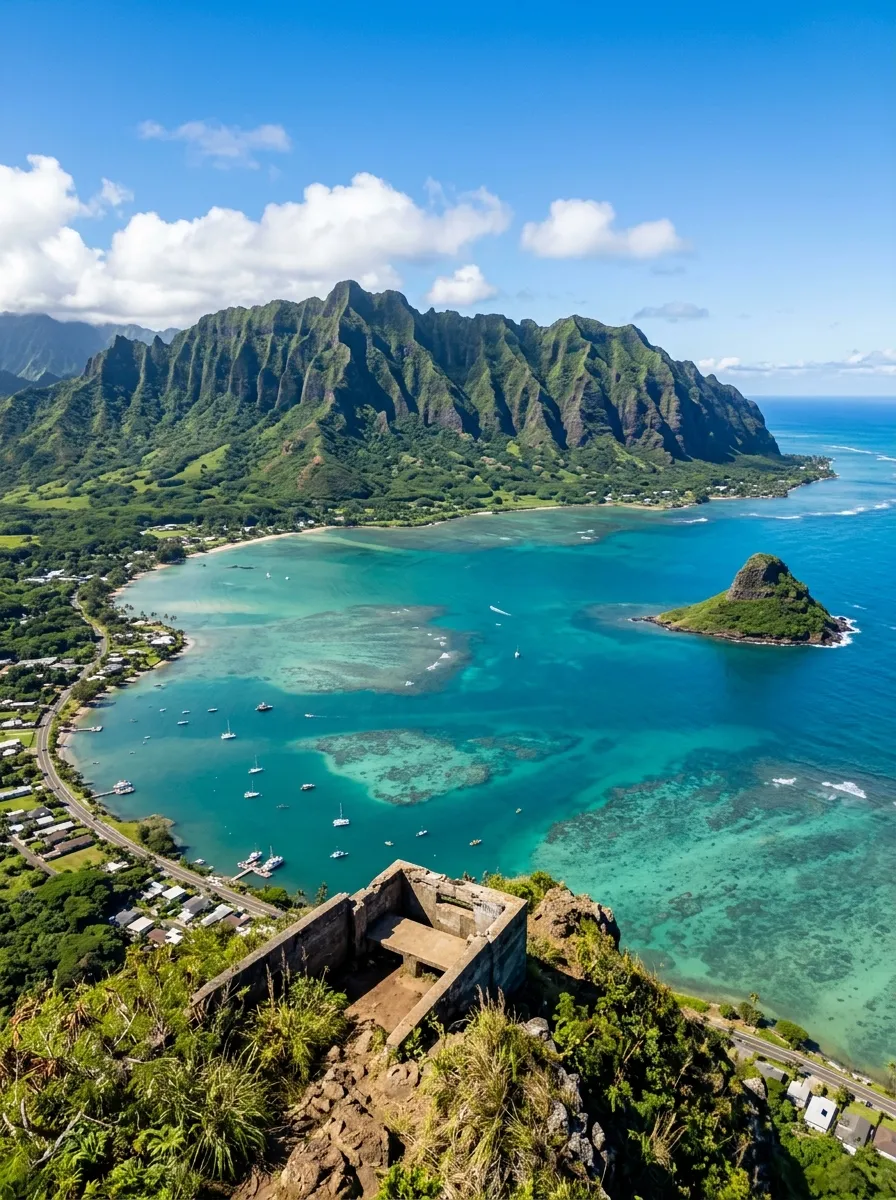
Location: Windward Oʻahu
Difficulty: Moderate
Approximate distance: Around 2+ miles depending on route
Best time: Morning or late afternoon
If your dream Oʻahu view involves an enormous bay rather than a single beach, put Puʻu Maʻeliʻeli on your list.
Also called the Kāneʻohe Bay Pillbox, this trail climbs through a mixture of vegetation and exposed sections before reaching a WWII-era bunker overlooking Kāneʻohe Bay.
The view is excellent.
From the pillbox, you can see:
- Kāneʻohe Bay
- Mokoliʻi Island
- The Koʻolau Mountains
- Coastal neighborhoods
- Sandbars and shallow water
- The Windward Oʻahu landscape
Mokoliʻi, often called Chinaman’s Hat, is especially recognizable from this viewpoint.
What Is the Trail Like?
Unlike Lanikai, the route spends more time in vegetation before opening up at the top.
Some sections can become muddy after rain, and ropes are present in steeper areas. Current trail guidance recommends checking weather and trail conditions before setting out.
This is a good choice when you want the pillbox experience without simply repeating the island’s most famous trail.
Best for: Kāneʻohe Bay views, mountain scenery, and travelers looking for a less iconic but highly scenic pillbox.
5. Diamond Head Summit: A Military History Bonus
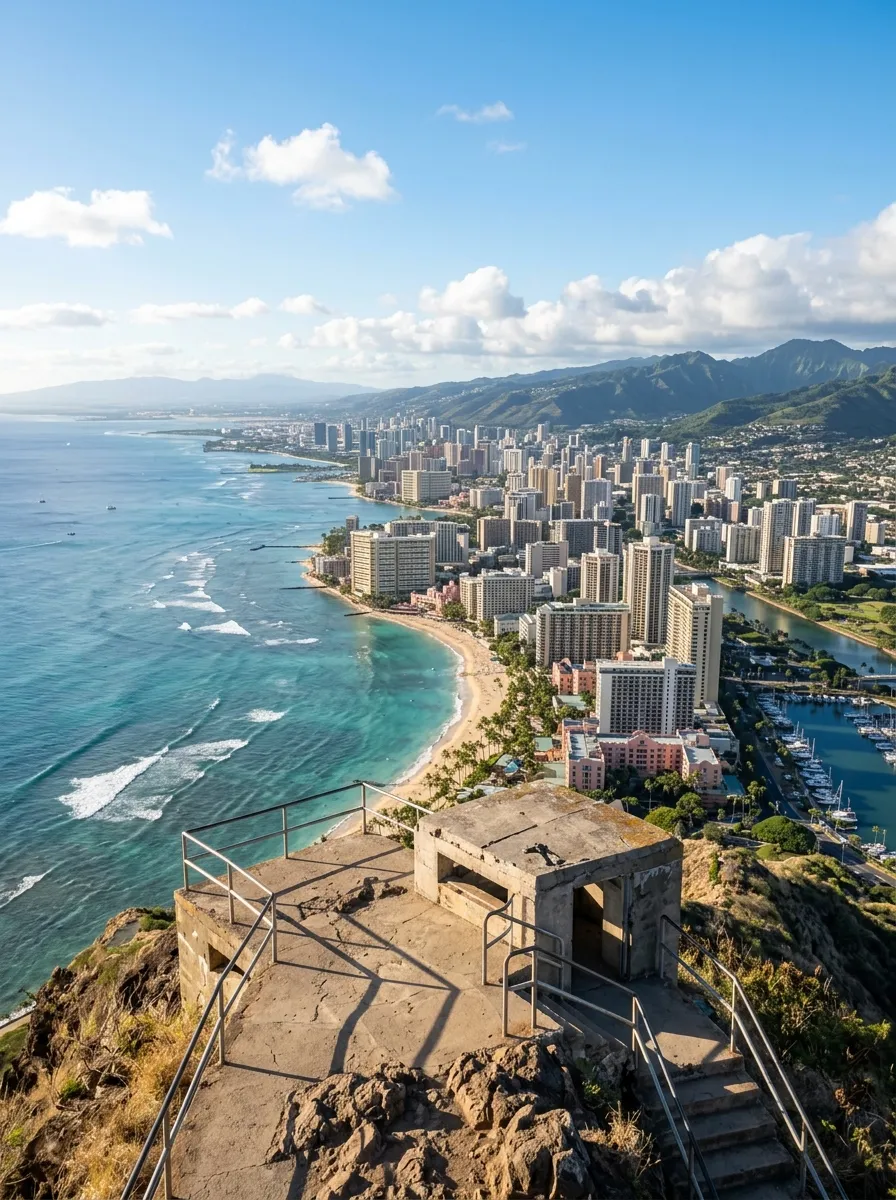
Location: Honolulu
Difficulty: Moderate
Approximate distance: 1.6 miles round trip
Best time: Early morning
Diamond Head is not normally marketed as a “pillbox hike,” but it absolutely belongs in this conversation.
The trail leads through historic military infrastructure, including tunnels and observation areas, before reaching the summit. The summit provides views across Waikīkī, Honolulu, the Pacific, and the interior of the crater.
The military history is one of the things that makes the hike more interesting.
Rather than simply climbing a volcanic crater, you are walking through a landscape that was incorporated into Oʻahu’s coastal defense system.
Why Add Diamond Head?
Because it gives you a different version of the pillbox experience.
Lanikai gives you turquoise water and the Mokulua Islands.
Diamond Head gives you:
- Waikīkī
- Honolulu
- The crater
- Southern Oʻahu
- Historic military installations
The trail is also more developed than the dirt ridge routes, making it a different type of hike.
Check Reservations Before Going
Diamond Head is a managed state monument with entry rules and fees, so don’t treat it like an informal neighborhood trail. Check current reservation and operating information before your visit.
Best for: First-time visitors, history lovers, Waikīkī travelers, and anyone who wants a scenic hike with more developed infrastructure.
6. Koko Crater: The Military Railroad Hike
Location: Hawaiʻi Kai
Difficulty: Strenuous
Approximate distance: 1.5 miles round trip
Best time: Early morning
Koko Crater is not a conventional pillbox hike either, but the connection is fascinating.
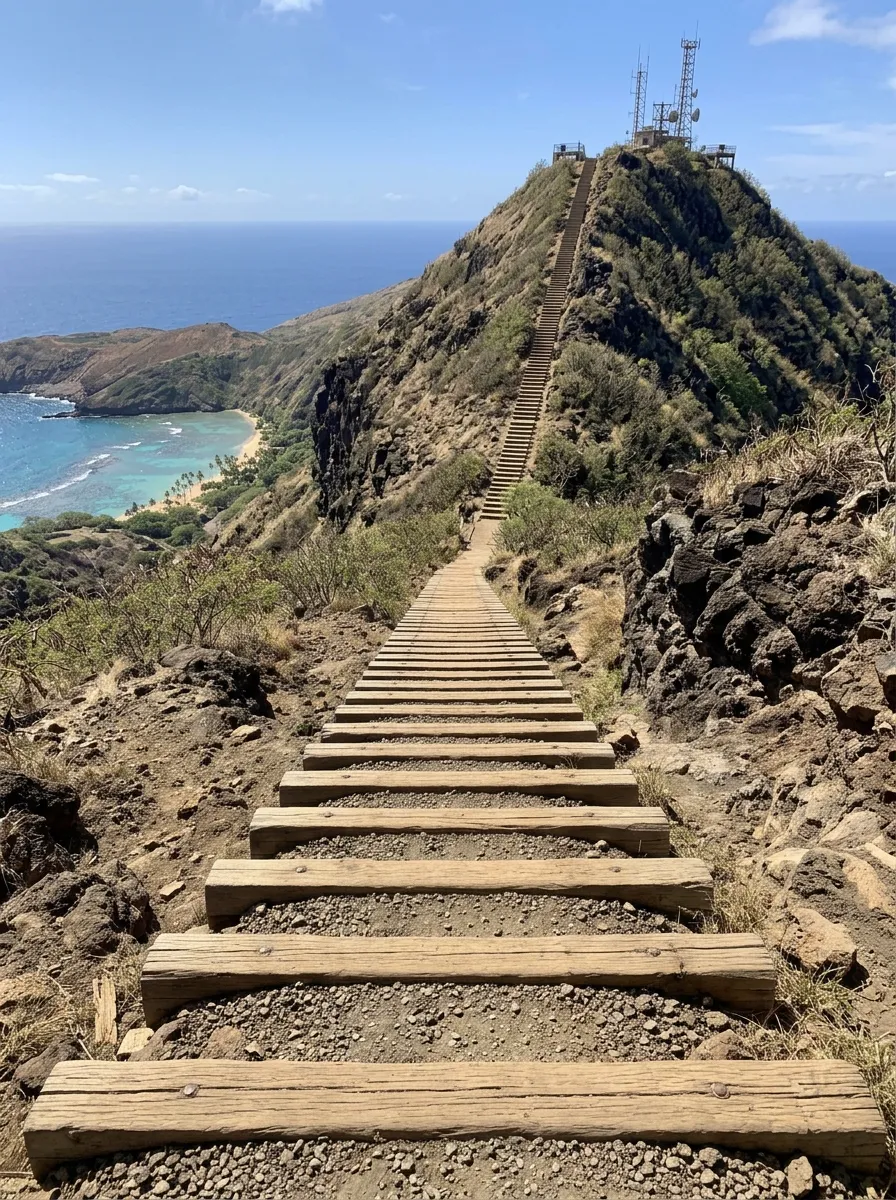
The trail follows 1,048 old railroad-tie steps climbing directly up the volcanic crater. The railway was constructed by the military to transport equipment and supplies toward installations at the summit. Military bunkers were also positioned around the top.
Today, the abandoned railway is one of Oʻahu’s most famous hiking challenges.
And yes, your legs will notice.
Why Hike Koko Crater?
The challenge is part of the appeal.
The staircase climbs relentlessly with almost no shade, but the view expands as you go higher.
At the top, you can look toward:
- Hanauma Bay
- Sandy Beach
- The southeast coastline
- Hawaiʻi Kai
- The Pacific Ocean
Is Koko Head Hard?
For many visitors, yes.
The distance is short, but the elevation gain is concentrated into one steep climb. The old railroad ties are uneven, and there is almost no protection from the sun.
Start early, pace yourself, carry water, and don’t treat the climb like a race.
Best for: Fitness-focused travelers, sunrise hikers, and anyone who wants a serious workout with an ocean view.
7. Makapuʻu Point: Coastal Military Lookouts and Lighthouse Views
Location: Southeast Oʻahu
Difficulty: Easy to moderate
Approximate distance: About 2 miles round trip
Best time: Morning
Makapuʻu Point is better known for its lighthouse and sweeping coastal views than for pillboxes, but the area contains historic military infrastructure and sits within Oʻahu’s broader network of coastal defensive positions.
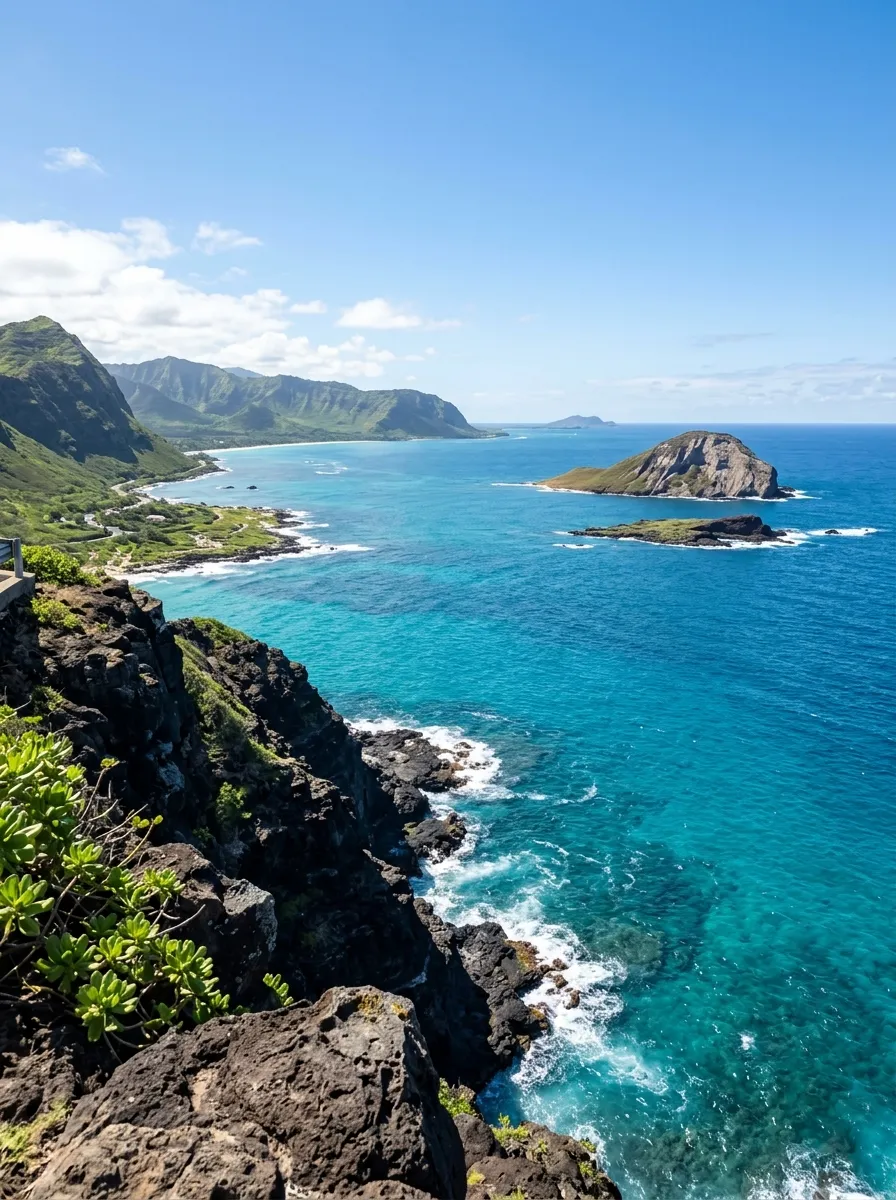
The paved trail climbs gradually toward a lookout overlooking the southeastern tip of the island.
The scenery is the star.
You can see:
- Makapuʻu Beach
- Windward coastline
- Offshore islets
- Dramatic cliffs
- The Pacific Ocean
During whale season, the lookout can also be a good place to watch the ocean for activity offshore, although wildlife sightings are never guaranteed.
Why Include It in a Pillbox Guide?
Because it provides the same basic combination that makes pillbox hikes so appealing:
short climb + military history + huge coastal view.
And unlike some rougher ridge hikes, the paved route makes Makapuʻu accessible to a much wider range of travelers.
Best for: Families, scenic walkers, photographers, and travelers who want big views without loose ridge terrain.
8. Koko Head Lookout and Military Bunker Area
Location: Hawaiʻi Kai
Difficulty: Strenuous if reached via Koko Crater
Best time: Early morning
This is best thought of as a continuation of the Koko Crater experience rather than a completely separate trail.
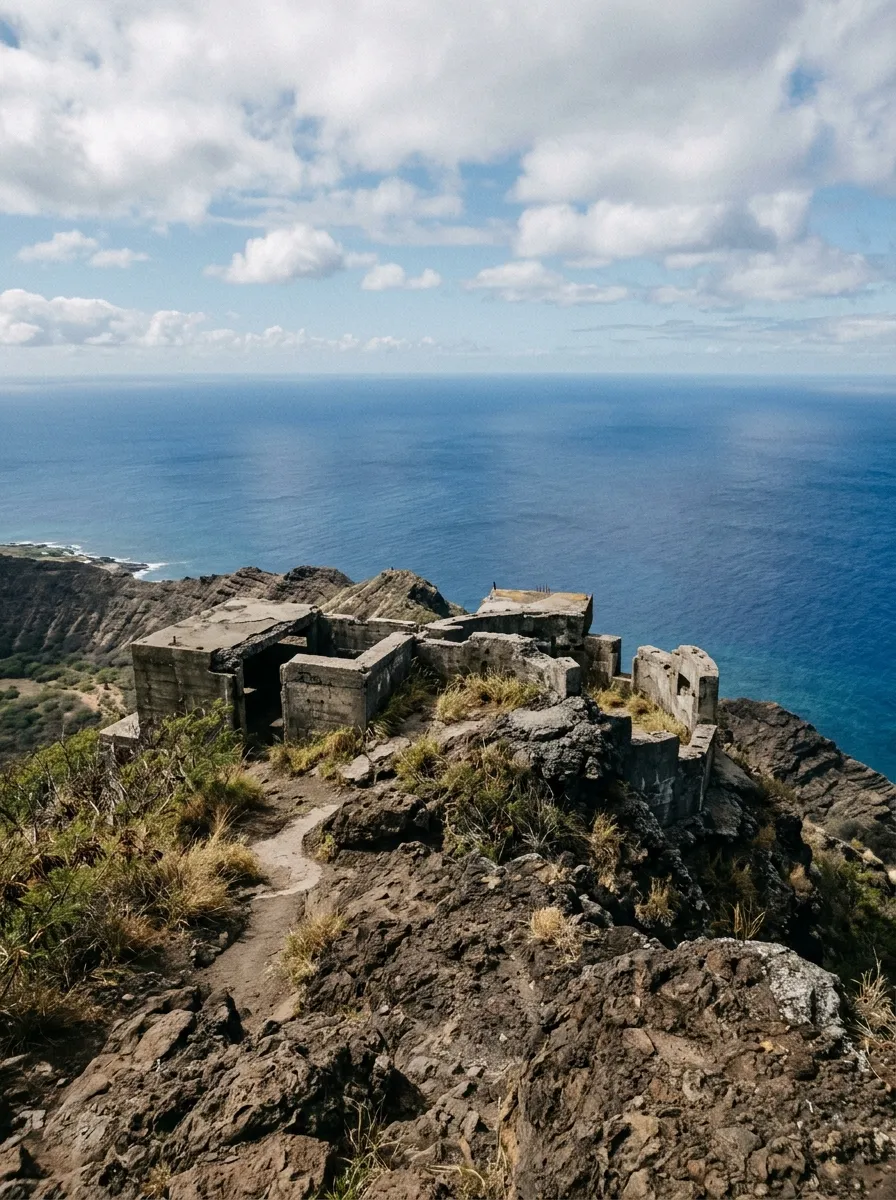
The top of Koko Head contains remnants of the area’s military history, including bunker-style structures that once formed part of Oʻahu’s defensive network. The railroad tracks that now create the famous staircase were originally built for military logistics.
If you make it to the top, don’t immediately turn around.
Take time to look around.
The views extend across the southeastern coast, and the summit gives you a sense of why this high point was strategically useful.
The View Is Your Reward
From up here, the landscape opens dramatically.
You can see the blue Pacific, rugged volcanic terrain, beaches, and developed areas of southeast Oʻahu.
The hike is considerably more demanding than Lanikai or Ehukai, so save this one for a day when your legs are feeling cooperative.
Best for: History buffs, fitness hikers, and anyone who wants to combine military history with a challenging climb.
9. Lanikai Pillbox #1: The Shorter Version
Location: Kailua
Difficulty: Moderate
Best time: Sunrise
Technically, this is part of the same Kaʻiwa Ridge system as the main Lanikai Pillbox hike, but it is useful to understand that you do not necessarily have to walk the entire ridge to experience the first bunker.
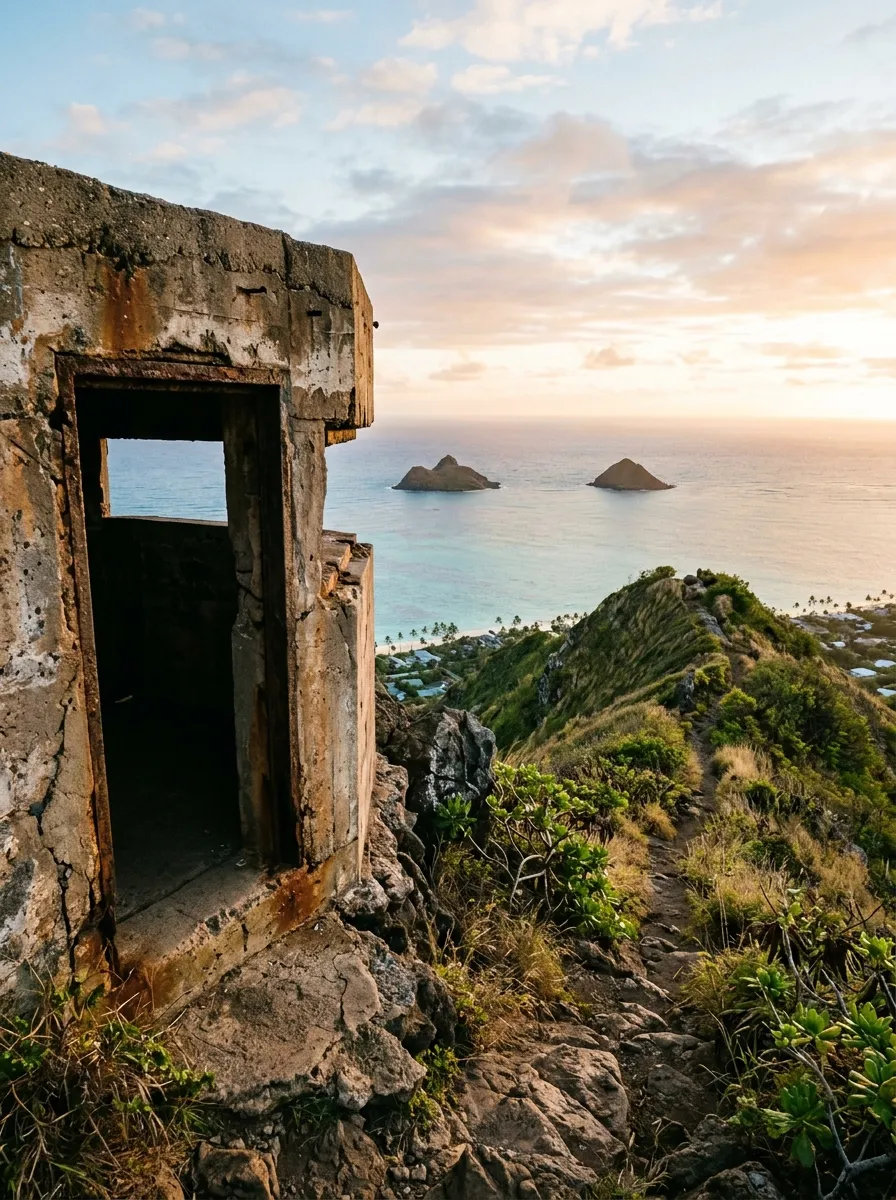
The first pillbox is one of the main attractions of the trail and provides the classic view over Lanikai Beach and the Mokulua Islands. Current trail listings identify the shorter Pillbox #1 route separately.
This can be useful if you are traveling with someone who does not want to continue farther along the ridge.
Why Stop Here?
The first bunker already gives you the postcard view.
You get:
- Lanikai Beach
- The Mokulua Islands
- Kailua
- Ocean views
- Sunrise scenery
There is no prize for continuing when trail conditions, weather, or your own comfort suggest turning around.
One Important Note
Don’t confuse “shorter” with “easy.”
The steep, loose opening section remains part of the challenge, and the ridge has exposed areas. Wear shoes with good traction and be particularly careful after rain.
Best for: Sunrise photographers and travelers who want the famous view without extending the ridge walk.
10. Lanikai Pillbox #2: Continue for the Ridge Experience
Location: Kailua
Difficulty: Moderate
Best time: Sunrise or early morning
The second Lanikai bunker is farther along the ridge and gives you another perspective of the coastline.
The trail beyond the first pillbox continues across the ridge, and the second bunker is a natural stopping point for hikers who want to experience more of Kaʻiwa Ridge.
The scenery changes subtly as you move.
Instead of seeing the same photograph from a slightly different angle, you get more of the surrounding landscape, including the Koʻolau Mountains and Windward Oʻahu.
Should You Continue Past the First Pillbox?
If the weather is good, the trail is dry, and you are comfortable with the exposed terrain, yes, continuing can be worthwhile.
But there is no need to push farther simply to say you completed every bunker.
Oʻahu’s ridges can have real drop-offs, and the combination of wind, loose dirt, and fatigue is where a fun morning can become a bad decision.
Best for: Hikers who want the full Kaʻiwa Ridge experience and photographers looking for multiple angles.
Which Oʻahu Pillbox Hike Has the Best Views?
This really depends on the kind of view you want.
| If you want… | Consider |
| Iconic sunrise | Lanikai Pillbox |
| North Shore surf | Ehukai Pillbox |
| Sunset | Pink Pillbox |
| Kāneʻohe Bay | Puʻu Maʻeliʻeli |
| Waikīkī skyline | Diamond Head |
| A serious workout | Koko Crater |
| A paved scenic walk | Makapuʻu Point |
| Military history | Diamond Head or Koko Crater |
| A short first pillbox hike | Lanikai #1 |
| More ridge scenery | Lanikai #2 |
There isn’t one universal winner because these trails showcase completely different sides of Oʻahu.
That is actually one of the best things about hiking here.
Lanikai vs. Ehukai vs. Pink Pillbox
If you’re trying to decide between the three most recognizable options, use this simple comparison.
Lanikai Pillbox
Choose it for sunrise and turquoise water.
The Mokulua Islands create an instantly recognizable backdrop, and the Windward Oʻahu setting is spectacular.
Ehukai Pillbox
Choose it for North Shore atmosphere and surf.
During winter, the elevated view toward Banzai Pipeline makes it especially interesting.
Pink Pillbox
Choose it for sunset and west-coast scenery.
The exposed ridge gives you huge views over the Waiʻanae Coast, and the pink bunker makes an unmistakable landmark.
Best Time to Hike Oʻahu Pillboxes
For Sunrise
Lanikai is the obvious choice.
Start early enough to reach the ridge before sunrise, especially if you need to walk from a legal parking area.
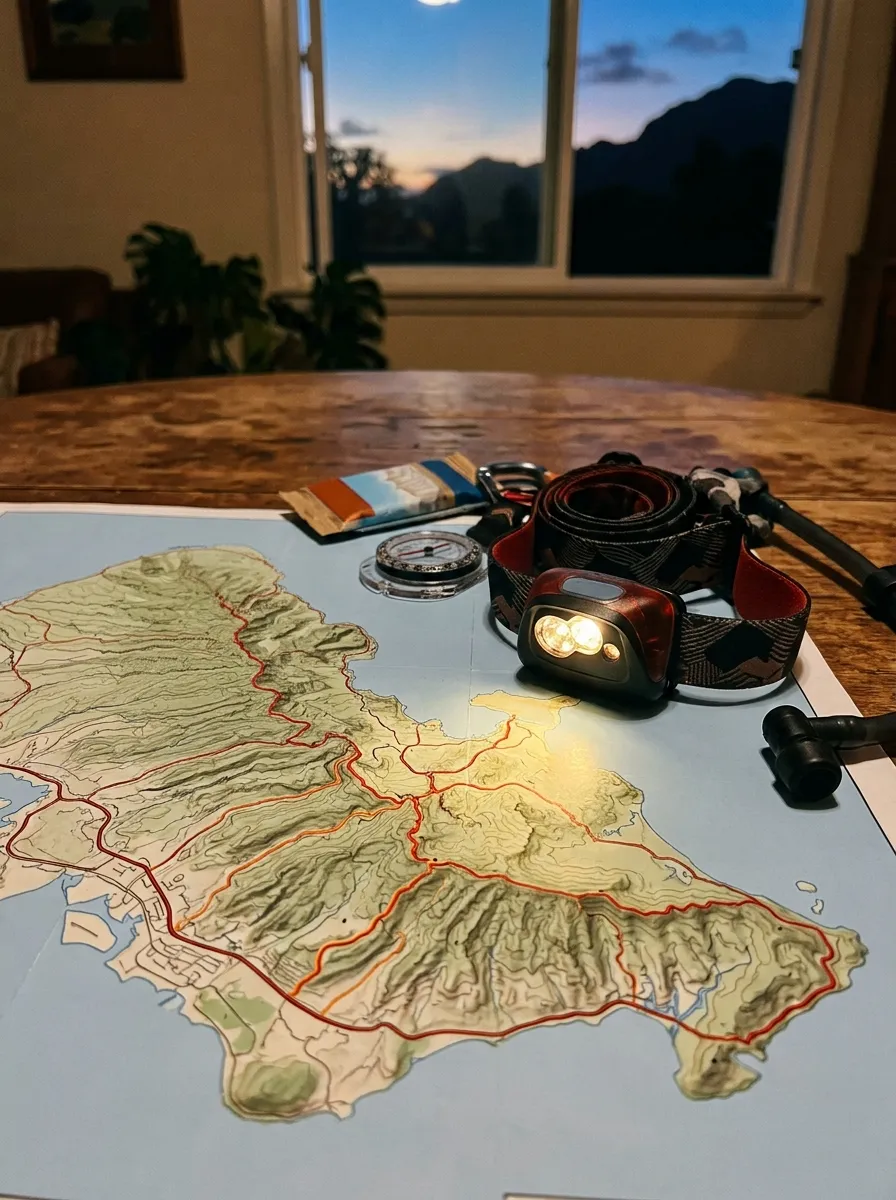
Bring a headlamp.
Do not rely on your phone flashlight alone.
For Sunset
Ehukai and Pink Pillbox are particularly attractive choices.
Just remember that sunset means hiking back in darkness.
A headlamp, not just a phone flashlight, should be part of your gear.
During Winter
Winter can be especially interesting on the North Shore because large surf can transform the coastline around Ehukai and Banzai Pipeline.
For travelers building a seasonal itinerary, you may also enjoy Winter Bucket List Ideas: 25 Magical Things to Do Before Spring Arrives.
During Summer
Early mornings are generally much more comfortable for exposed trails.
By late morning and afternoon, direct sun can make short climbs feel considerably harder.
What to Pack for an Oʻahu Pillbox Hike
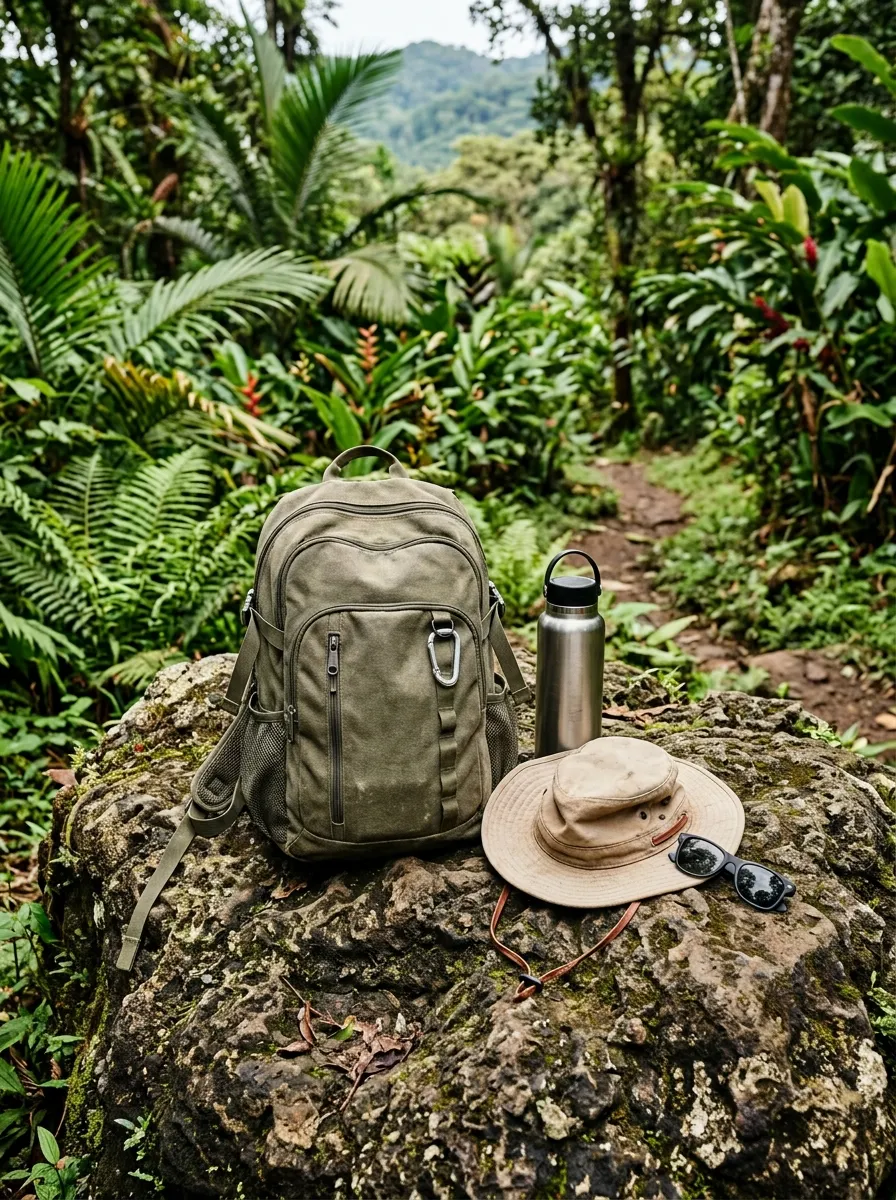
You don’t need a giant hiking backpack.
But you do need the basics.
Bring:
- Water
- Sunscreen
- Hat
- Sunglasses
- Grippy hiking shoes
- Small backpack
- Phone
- Portable battery
- Light snacks
- Headlamp for sunrise or sunset
- Light rain layer if the forecast calls for showers
For exposed trails such as Pink Pillbox and Lanikai, water and sun protection are particularly important.
Some short Oʻahu hikes have very little shade, and the combination of heat, humidity, elevation, and direct sun can catch visitors off guard.
Oʻahu Pillbox Hiking Safety Tips
Wear Real Shoes
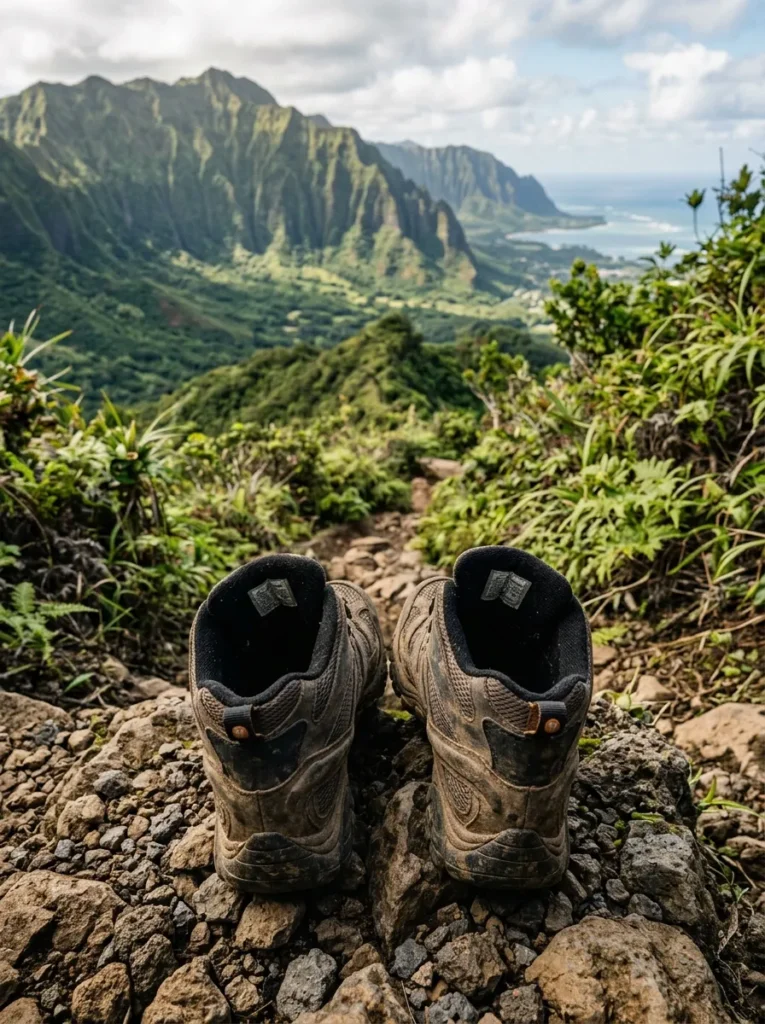
Flip-flops may be perfect for the beach.
They are a different story on loose dirt, steep slopes, and rocky ridges.
Wear shoes with good traction.
Check the Weather
Rain can change trail conditions quickly.
A dry dirt trail can become slippery after rainfall, while exposed ridges can become uncomfortable in strong wind.
Watch the Edge
Some pillbox trails run along exposed ridges.
There may be no railing.
Stay on the established route and don’t walk toward cliff edges simply to get a better photograph.
The photograph is not worth the rescue operation.
Start Early
Early morning gives you cooler temperatures, softer light, and, on popular trails, a better chance of avoiding the busiest periods.
Carry Enough Water
A trail that looks like a 30-minute walk on a map can feel very different when you are climbing in full sun.
Don’t Leave Valuables in Your Car
Some trailhead parking areas have reported vehicle break-ins. Keep valuables out of sight and use legal parking areas. Current guidance for the Pink Pillbox area specifically warns travelers about parking and security concerns.
Respect Residential Neighborhoods
This matters especially around Lanikai and some West Oʻahu trailheads.
Don’t:
- Block driveways
- Park in restricted areas
- Leave trash behind
- Enter private property
- Create noise early in the morning
- Treat residential streets like tourist parking lots
The trail may be your vacation experience, but the neighborhood is somebody’s home.
How to Plan a Pillbox Hiking Day on Oʻahu
You can easily combine a pillbox hike with other sightseeing.
Option 1: Lanikai Morning
Early morning: Lanikai Pillbox
Morning: Lanikai or Kailua Beach
Late morning: Explore Kailua
Afternoon: Kāneʻohe Bay
Evening: Return to Honolulu
This is one of the easiest combinations for first-time visitors.
Option 2: North Shore
Morning: Drive toward the North Shore
Late morning: Beaches and food stops
Afternoon: Explore Pūpūkea
Late afternoon: Ehukai Pillbox
Sunset: Watch the coastline from the ridge
Option 3: West Oʻahu
Morning: Explore the leeward coast
Afternoon: Beach time
Late afternoon: Puʻu O Hulu
Sunset: Watch the Waiʻanae Coast turn golden
Option 4: Honolulu + Diamond Head
Early morning: Diamond Head
Late morning: Waikīkī
Afternoon: Honolulu sightseeing
Evening: Beach sunset
For a broader list of things to add around Honolulu, see Honolulu Bucket List: 15 Epic Things You Absolutely Must Do in Hawaii’s Tropical Paradise.
Are Oʻahu Pillbox Hikes Good for Beginners?
Some are.
But “beginner-friendly” does not mean “walk in flip-flops with no water.”
Ehukai and some sections of Lanikai can be manageable for people who are reasonably active, while Puʻu Maʻeliʻeli adds more distance and varied terrain.
Pink Pillbox is short but exposed and steep.
Koko Crater is a completely different beast because of the continuous staircase.
If you rarely hike, start with a shorter trail and give yourself plenty of time.
There is no reason to turn a vacation into a fitness test.
What Makes Oʻahu’s Pillbox Hikes So Special?
It is the combination.
You are not simply walking to a viewpoint.
You are walking through a piece of Oʻahu’s military history, climbing an old ridge, and then stepping into a landscape that seems almost absurdly beautiful.
The bunkers themselves are simple concrete structures.
The views around them are anything but simple.
One hike might put the Mokulua Islands in front of you. Another looks toward the North Shore surf. Another reveals Kāneʻohe Bay and the Koʻolau Mountains. Another opens onto the long sweep of the Waiʻanae Coast.
That variety makes these short hikes an excellent way to see different sides of the island.
More Scenic Hiking Inspiration
If Oʻahu’s short, high-reward hikes have convinced you that a good view is worth a little sweat, there are plenty of other mountain adventures to add to your travel plans.
For a completely different alpine experience, check out 10 Jaw-Dropping Switzerland Hiking Trails That Belong on Every Adventurer’s Bucket List.
If mountain villages, cable cars, and alpine scenery are more your style, Tirol Bucket List: 12 Fun Things to Do & See is another destination worth exploring.
And if you enjoy combining hiking with historic European scenery, Heidelberg, Germany Bucket List: My 6 Favorite Experiences offers a very different kind of walking adventure.
Frequently Asked Questions
How many pillbox hikes are there on Oʻahu?
There are four commonly recognized dedicated pillbox hikes: Lanikai/Kaʻiwa Ridge, Ehukai, Maili/Puʻu O Hulu, and Puʻu Maʻeliʻeli. Several other Oʻahu trails contain military bunkers or lookout structures, including Diamond Head and Koko Crater, which is why broader lists can contain more than four.
Which Oʻahu pillbox hike is best for sunrise?
Lanikai Pillbox is the classic sunrise choice because the ridge faces the Mokulua Islands and Windward Oʻahu.
Which pillbox hike is best for sunset?
Ehukai and Puʻu O Hulu are particularly well suited to sunset. Ehukai looks over the North Shore, while Puʻu O Hulu provides wide views along the Waiʻanae Coast.
Is the Pink Pillbox hike hard?
It is relatively short but includes a steep, exposed climb. Heat and lack of shade can make it feel considerably harder than its mileage suggests.
Is Lanikai Pillbox suitable for beginners?
It can be manageable for reasonably active beginners, but the trail has steep, loose, and sometimes slippery sections. It should not be treated like a flat walking trail.
Do I need hiking shoes?
You don’t necessarily need heavy boots, but shoes with good traction are strongly preferable to loose sandals or flip-flops because several routes contain steep dirt, gravel, and rocky sections.
Can I hike these trails at night?
Sunrise and sunset hikes are popular, but hiking after dark adds risk. If you start before sunrise or descend after sunset, carry a proper headlamp, check conditions, and avoid unfamiliar or exposed sections in darkness.
Are pillboxes on Oʻahu actually military bunkers?
Many of the concrete structures associated with these hikes are remnants of Oʻahu’s coastal defense network, particularly from the World War II era. They served as observation or defensive positions rather than being built as hiking viewpoints.
Final Thoughts
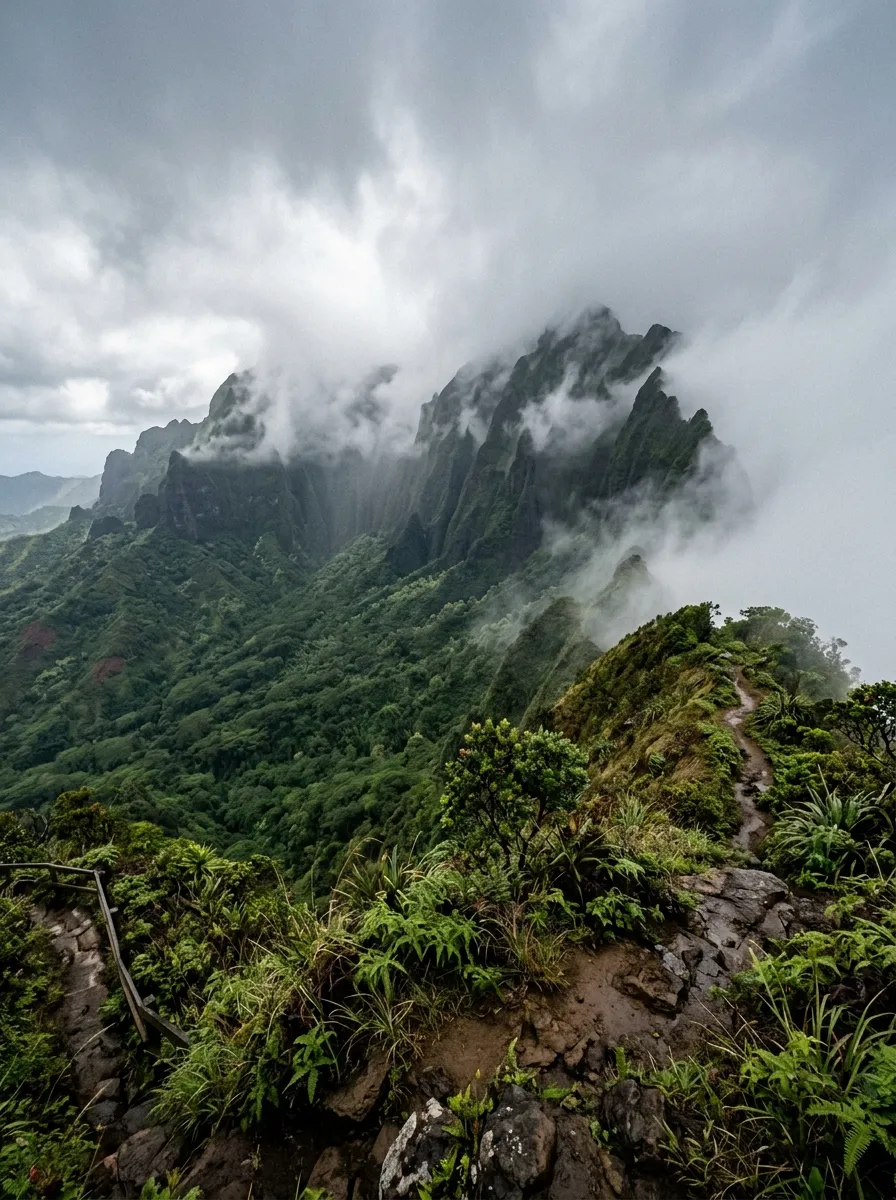
Oʻahu has no shortage of famous viewpoints, but there is something particularly satisfying about earning one on foot.
The island’s pillbox hikes are short enough to fit into a busy vacation itinerary while still giving you a completely different perspective of the landscape.
Choose Lanikai for sunrise.
Choose Ehukai for North Shore surf.
Choose Puʻu O Hulu for sunset.
Choose Puʻu Maʻeliʻeli for Kāneʻohe Bay.
Choose Diamond Head for history and Honolulu views.
Choose Koko Crater when you want your legs to remember the vacation too.
And if you have time, don’t stop at just one.
The beauty of these trails is that each one reveals a different Oʻahu. From turquoise Windward beaches to enormous North Shore surf and the rugged Waiʻanae Coast, the island keeps changing as you climb.
Just bring water, wear shoes that can handle loose terrain, check current trail conditions, park legally, and leave the ridge exactly as you found it.
The views are already doing enough talking.