Misool Travel Guide: Everything You Need to Know Before Visiting Raja Ampat’s Southern Paradise
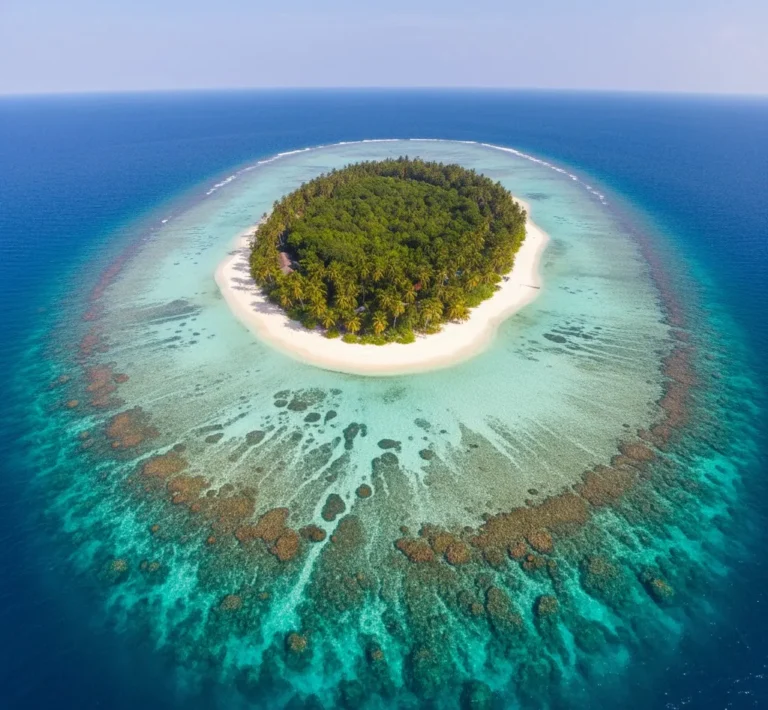
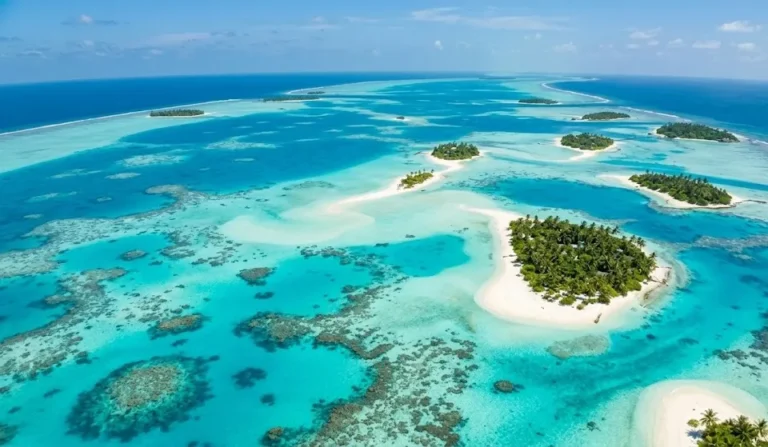
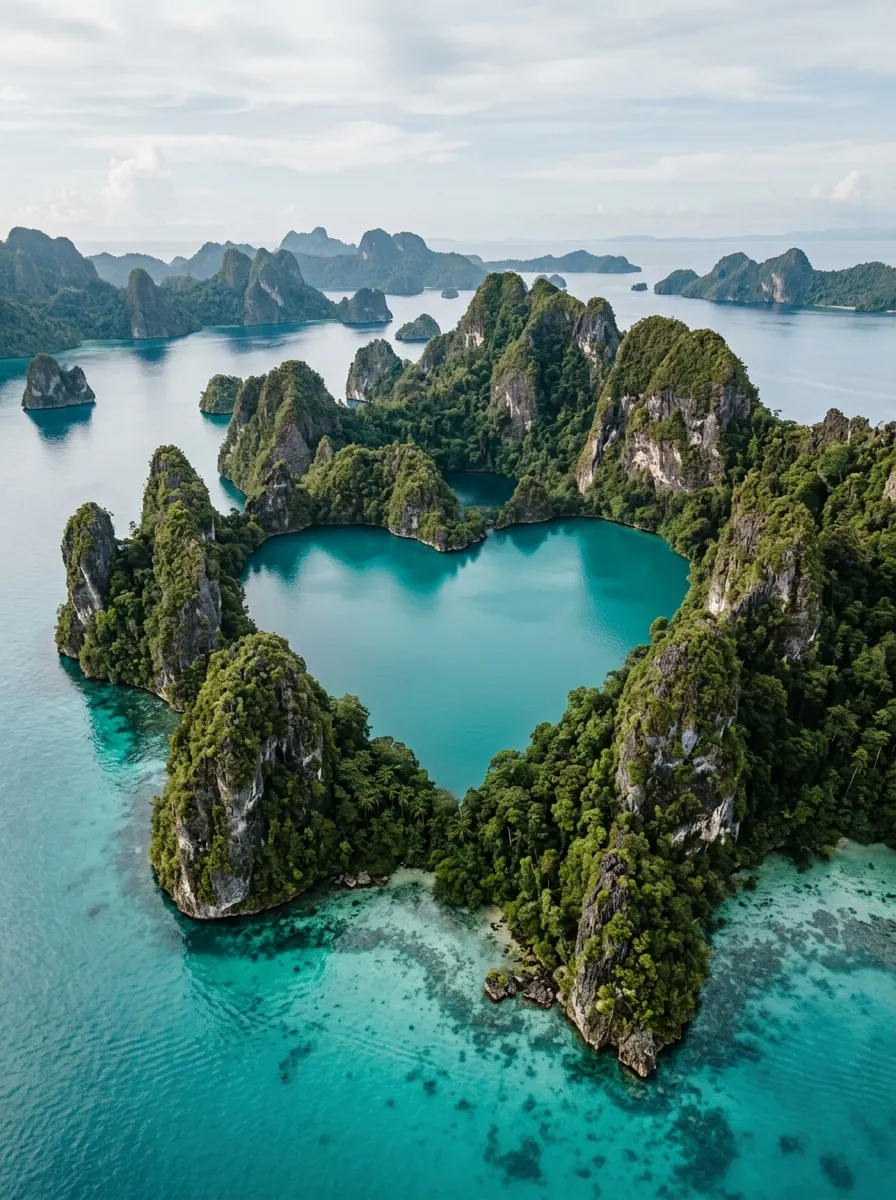
Misool doesn’t look real. Towering limestone karsts rise straight out of turquoise water like a scene from another planet, heart-shaped lagoons hide behind curtains of jungle, and the reefs below the surface are so thick with life that scientists regularly discover new species here. It’s the southernmost of Raja Ampat’s four main island groups, and it’s also the hardest to reach — which is exactly why it has stayed this wild.
This guide covers everything a real traveler needs to actually plan a trip: how to get there, when to go, where to stay on every budget, what it costs, what to pack, and which experiences are worth your limited days. No fluff, no recycled generalities — just the practical details that make the difference between a smooth trip and a frustrating one.
Recommended Travel Items for Your Trip
1. Where Misool Is and Why It’s Different from the Rest of Raja Ampat
Misool sits at the southern edge of the Raja Ampat archipelago in Southwest Papua, Indonesia, roughly between the Seram Sea and the Banda Sea. It’s separated from the more frequently visited northern hubs — Waisai and the Dampier Strait — by open water and a full day of travel, which naturally filters out casual day-trippers.
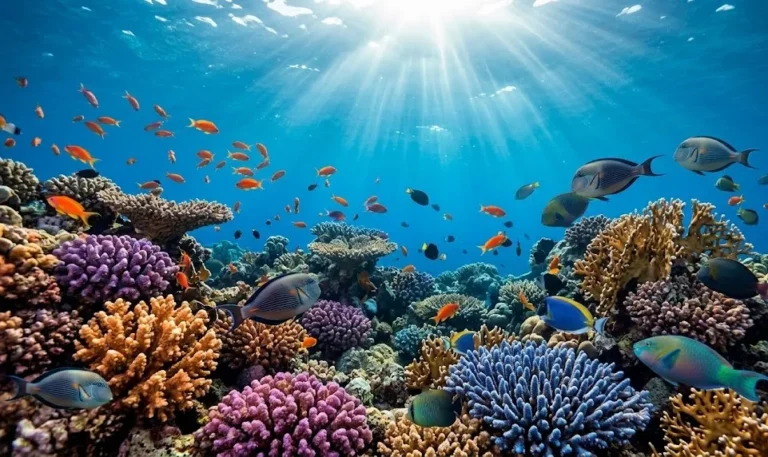
That isolation is the whole point. While Waisai and the central islands have seen a steady rise in homestays, dive boats, and Instagram-driven tourism over the past decade, Misool remains sparsely visited. Much of the area is protected as a strictly enforced no-take zone, one of the most successful marine conservation projects in Southeast Asia, and the difference shows immediately underwater: bigger fish, denser coral, and a level of biomass that’s rare anywhere else on Earth.
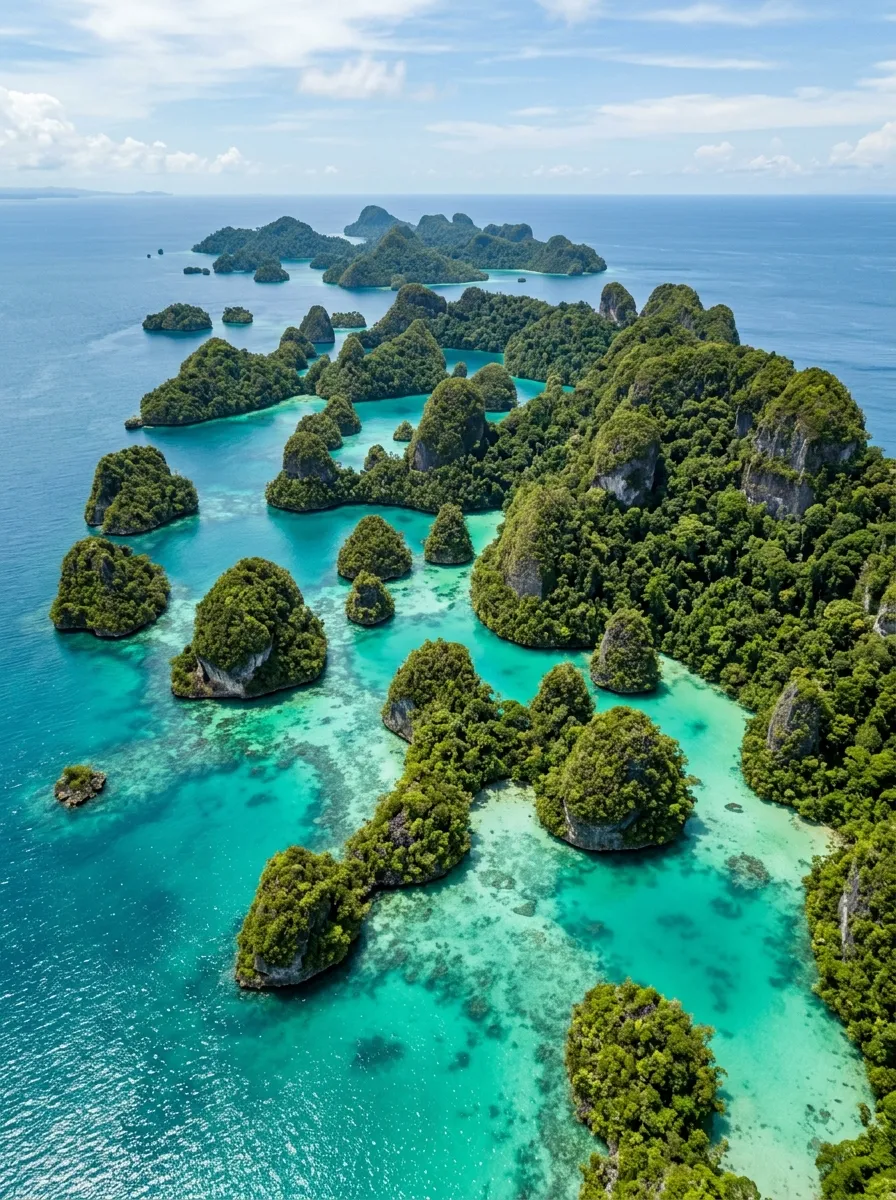
Geographically, Misool isn’t one island but a scattered cluster of limestone islets, lagoons, and channels. Some of it is jungle-covered mainland; much of it is the kind of mushroom-shaped karst scenery Raja Ampat is famous for, just less photographed than Wayag in the north because it’s harder to reach.
2. How to Get to Misool (Step by Step)
There’s no airport on Misool, so every route starts the same way: fly into Sorong.
Step 1: Fly to Sorong (SOQ). Domine Eduard Osok Airport in Sorong, West Papua, is the gateway to all of Raja Ampat. There are no direct international flights, so you’ll connect through a major Indonesian hub — most commonly Jakarta, Bali (Denpasar), or Makassar. Flight schedules to Sorong can change with little notice and delays aren’t unusual, so build in at least one buffer night in your itinerary rather than booking a same-day onward connection. Most travelers fly into Sorong the day before their boat or ferry departs and stay one night near the airport or harbor.
Step 2: Choose your route south to Misool. You have three realistic options:
- Public ferry — the budget option. Ferries run from Sorong (and sometimes via Waisai) toward the Misool area, typically landing at Waigama or nearby jetties, from where homestay boats pick guests up for the final leg. This is the cheapest way in, but schedules are limited (often just a couple of departures per week), the crossing takes several hours, and seas can be rough. It also requires the most flexibility and local knowledge to time correctly — arranging a pickup with your homestay in advance is essential, since phone signal in the area is patchy.
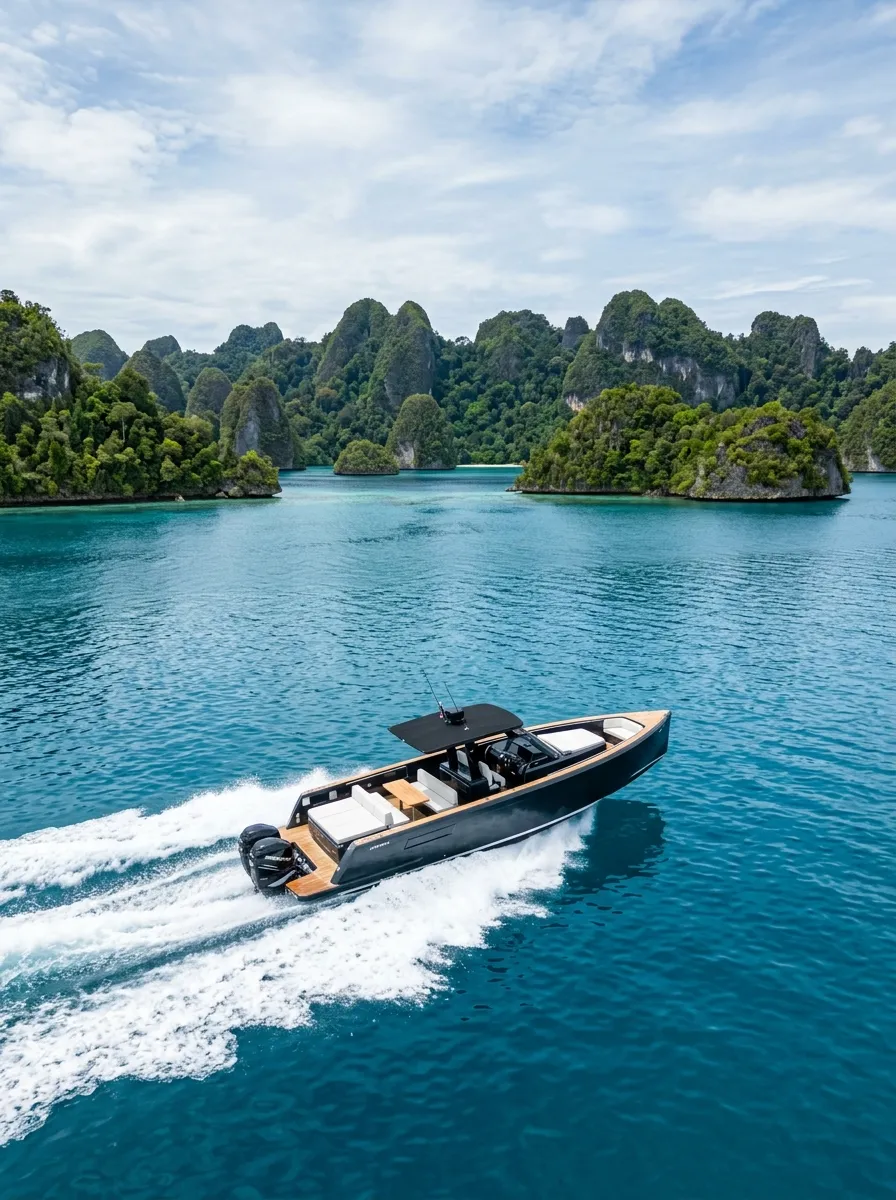
- Private speedboat charter — the most common route for resort guests and travelers who want a set schedule. A private speedboat from Sorong direct to Misool takes roughly 4 to 6 hours depending on the boat and sea conditions, longer in rough weather. This is faster and far more comfortable than the ferry but costs significantly more; most homestays and resorts can arrange this for you, or you can book a charter directly. If you’re staying at Misool Eco Resort or a similar upscale property, transfers are typically pre-arranged as part of your package and depart from Sorong around mid-morning.
- Liveaboard cruise — the most popular way to experience Misool’s diving. Rather than staying in one place, you sleep aboard a boat that moves between dive sites over 7–12 days, often combining Misool with Dampier Strait and other Raja Ampat highlights. Nearly all liveaboards embark and disembark in Sorong, so you still need to fly there first, but once aboard, all the complicated inter-island transport is handled for you.
A practical note on timing: whichever option you choose, do not plan a tight connection on either end of the trip. Boats get delayed by weather, and Sorong’s flight schedule has its own quirks. Give yourself at least one buffer day in Sorong before departure and, ideally, one after your return before an international flight.
3. Entry Permits and Fees You Must Have
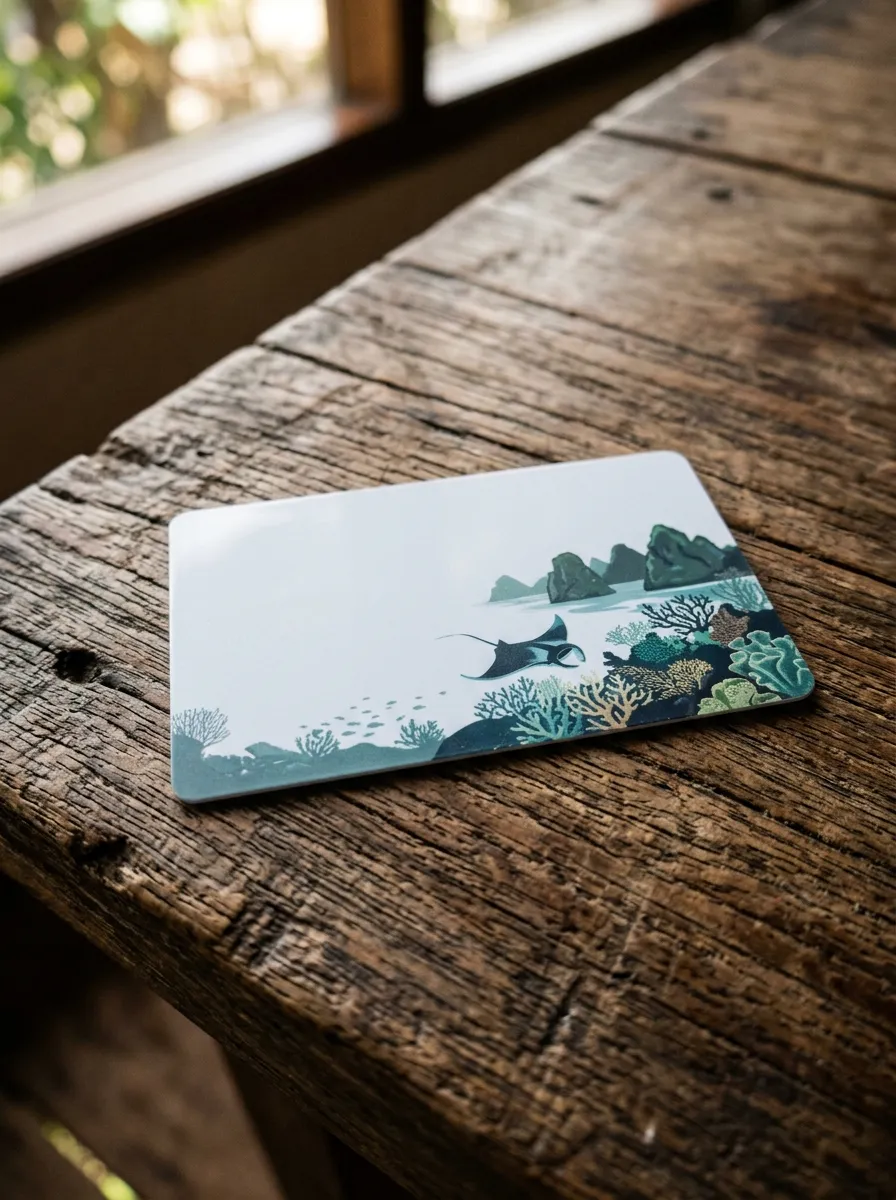
Every visitor to Raja Amat, including Misool, must carry a Raja Ampat Marine Park Entry Permit (locally called the TLPJL card or Marine Park Entry Card). This is not optional, and rangers do conduct spot checks on boats — showing up without it can mean fines or being turned away from dive sites.
As of the most recent fee update, the total mandatory entry costs are:
- Marine Park Entry Permit (conservation fee): IDR 700,000 (~USD 45) for international visitors; IDR 425,000 for Indonesian citizens. Valid for 12 months from the date of issue, so if you’re combining Misool with a second Raja Ampat trip within the year, keep your card.
- Regency Visitor Entry Ticket (local tourism levy): approximately IDR 1,000,000 (~USD 65) for international visitors; IDR 300,000 for domestic visitors. This is a separate fee from the conservation permit and is generally charged per visit rather than annually.
- Combined, that puts the total official entry cost at roughly IDR 1.7 million (around USD 110) for foreign visitors and about IDR 650,000 for Indonesian visitors.
- Children under 12 are exempt from the conservation permit fee.
Permits are typically purchased at the Marine Park Authority counter in Sorong airport or at the harbor master’s office in Waisai, and some can now be arranged online in advance through official channels or through your dive operator/resort. If you’re joining a liveaboard, the operator will almost always handle this for the whole group — confirm this before you fly out so you’re not caught without a card. Fees are subject to periodic increases as the regency reinvests in conservation and community programs, so double-check the current rate before you travel rather than relying on older blog posts (including, ironically, parts of this one a year from now).
4. Best Time to Visit
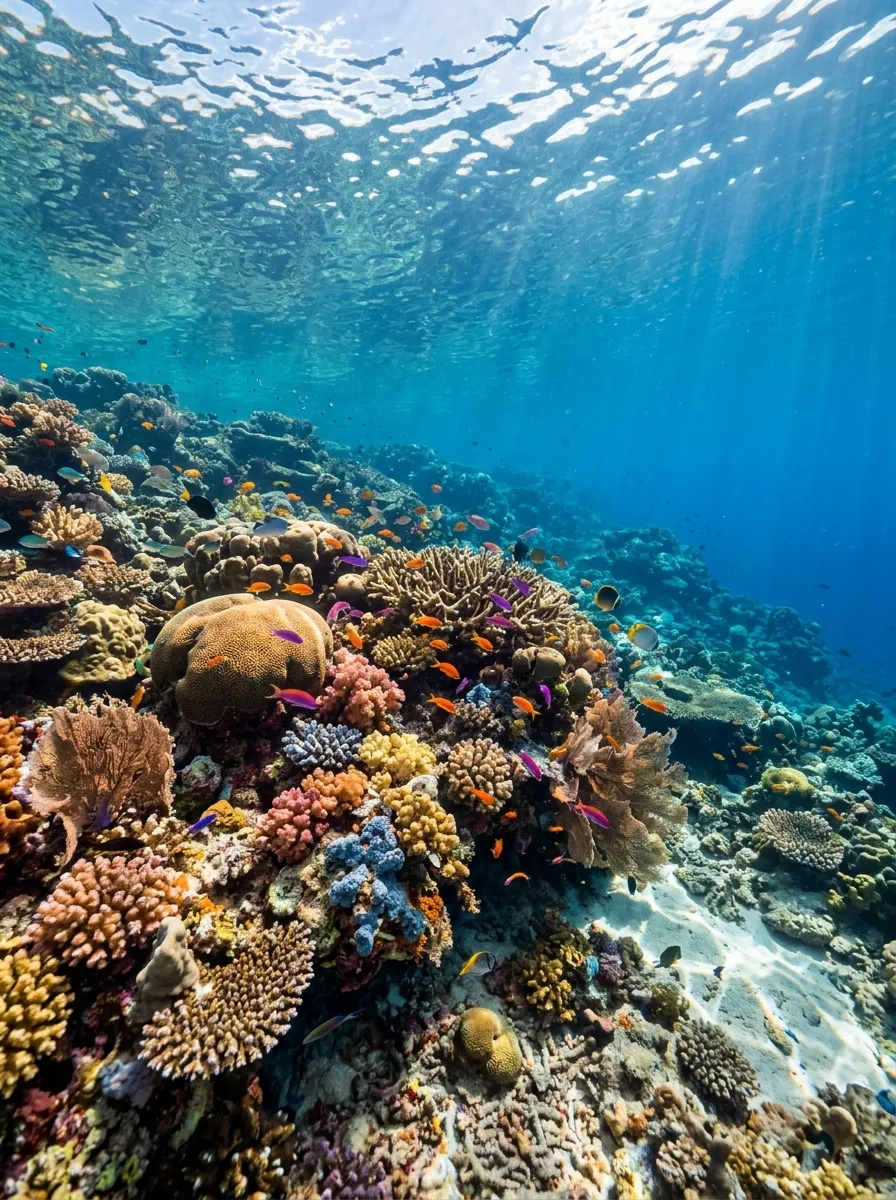
Misool is a year-round destination, but conditions do shift with the seasons:
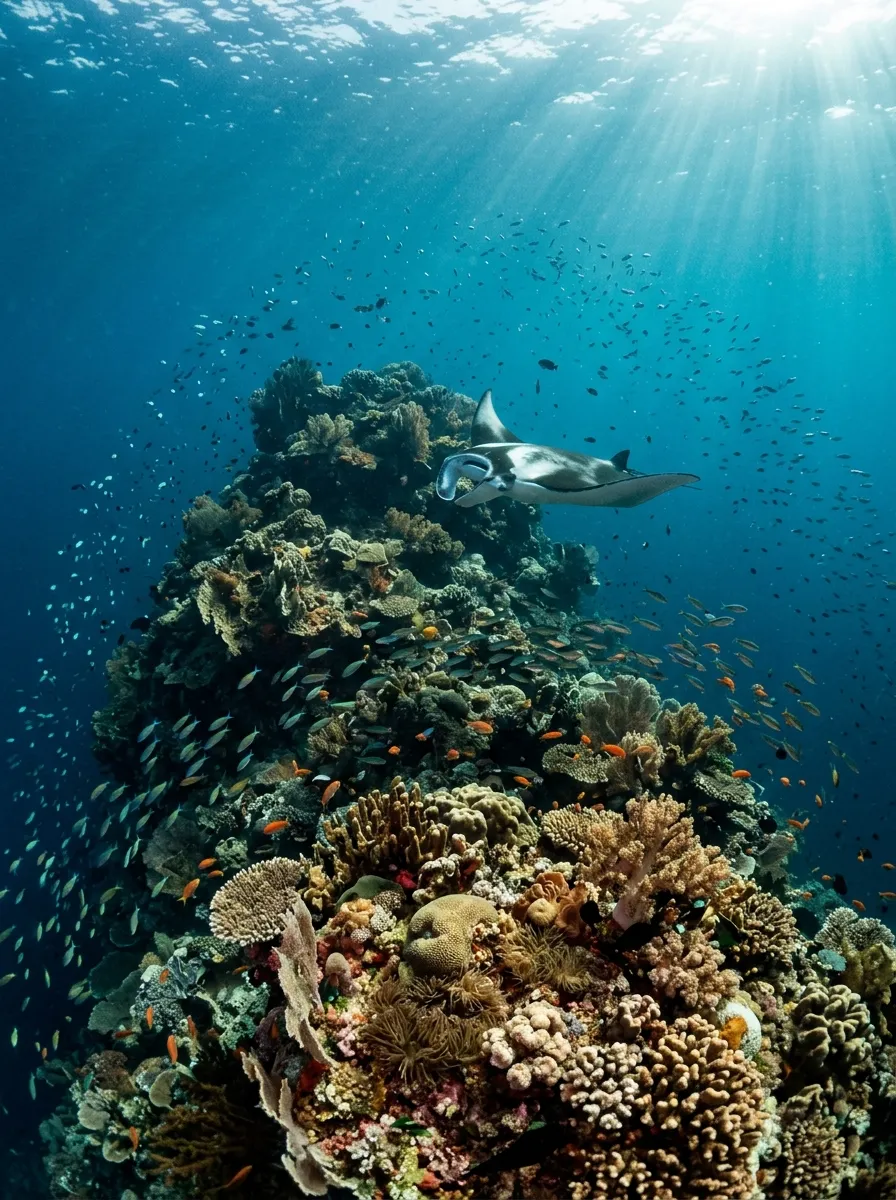
- October to April is generally considered the best window, with calmer seas, better visibility, and the highest chance of encountering manta rays, which are most active in Misool’s cleaning stations between December and March.
- May to September brings the southeast monsoon, which can mean choppier crossings from Sorong and stronger currents at some dive sites, though diving and snorkeling continue year-round and this period has its own advantages — fewer visitors and, at certain sites, stronger nutrient upwellings that concentrate marine life.
- Rain can happen in any month; this is equatorial Papua, not a strictly dry-season destination. Pack for humidity and short downpours regardless of when you go.
- If manta rays are your priority, aim for December through March and specifically request an itinerary that includes Magic Mountain, Misool’s best-known manta cleaning station.
5. Where to Stay: Homestays, Eco-Lodges, and Liveaboards
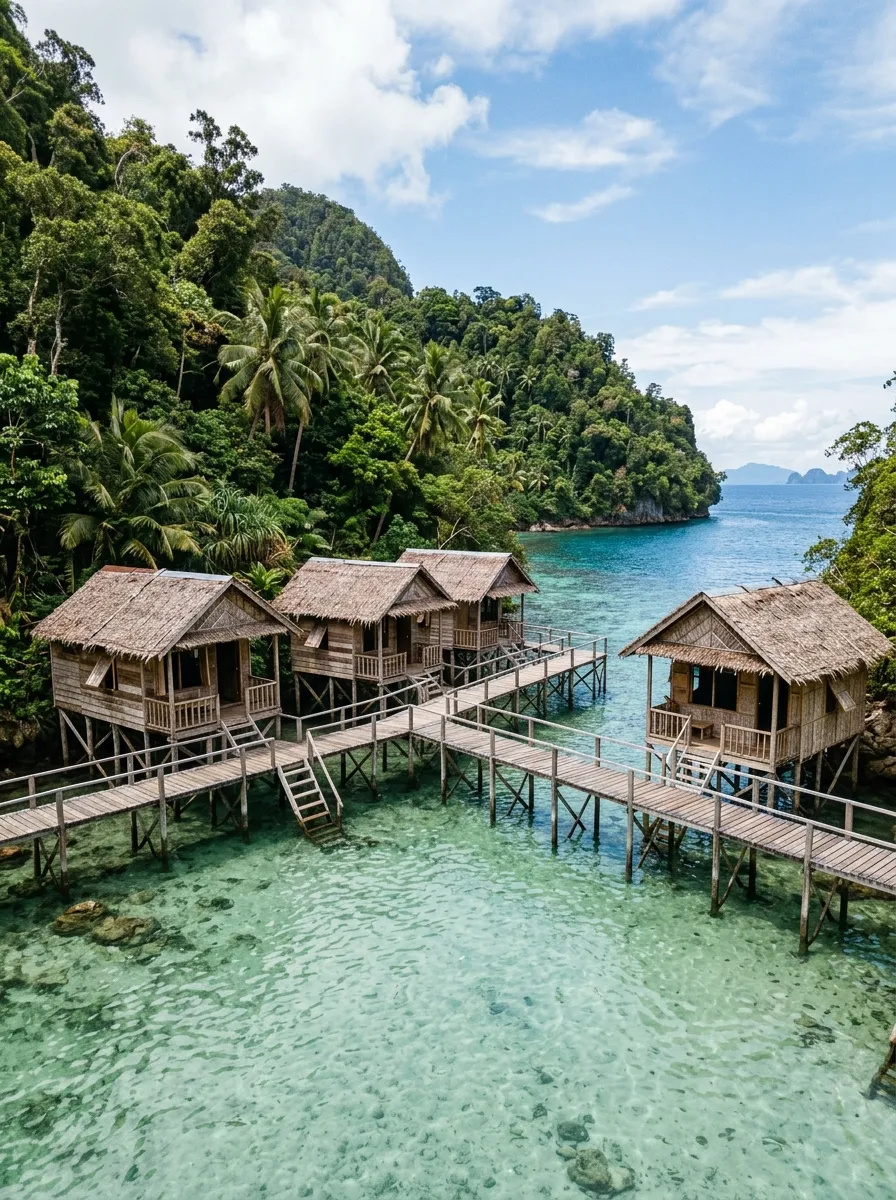
Accommodation in Misool falls into three very different tiers, and picking the right one shapes your entire trip.
Local homestays (budget). Simple, family-run wooden bungalows scattered around villages like the Yapap area, usually on stilts over the water or tucked into a cove. Expect basic rooms, shared or simple bathrooms, solar power that may cut out at night, and meals cooked by the host family — usually rice, fish, and vegetables, three times a day, included in the price. Wi-Fi is rare to nonexistent. This is the most authentic and affordable way to experience Misool, and it directly supports local communities, but go in with realistic expectations about comfort. Hosts typically arrange boat trips to nearby snorkeling spots, the jellyfish lake, and lookout points for an additional fee per trip.
Misool Eco Resort and similar eco-luxury properties (high-end). On the opposite end of the spectrum, Misool Eco Resort occupies its own private island roughly 20km from the nearest village, built on the site of a former shark-finning camp that the resort’s founders converted into a marine conservation success story. Overwater villas and cottages are built from reclaimed timber, the house reef is world-class, and the resort manages its own 1,220 sq km no-take marine reserve with over 25 dive sites within a 15-minute boat ride. Rates run from roughly USD 450–575+ per person per night depending on room category, typically including full board and some activities. This is a splurge, but it’s one of the rare cases where the premium genuinely funds conservation work rather than just luxury amenities.
Liveaboards (best for serious divers). If diving is your main reason for visiting, a liveaboard is usually the most efficient way to see Misool’s best sites without the daily back-and-forth of a land-based stay. Multi-day itineraries (commonly 7–11 nights) combine Misool’s southern sites — Fiabacet, Boo, Yilliet, Daram, Wayilbatan — with a crossing north to Dampier Strait, so you get both regions in one trip. Expect full-board cabins, three to four guided dives a day, and a fixed schedule set well in advance; book liveaboard slots months ahead, especially for the December–March high season.
How to choose: budget travelers who want to snorkel, hike to viewpoints, and swim in the jellyfish lake at their own pace should go the homestay route. Serious divers chasing specific sites and manta encounters should prioritize a liveaboard or Misool Eco Resort. Families or non-divers who still want comfort and guided snorkeling should lean toward the eco-resort tier if budget allows.
6. Top Things to See and Do
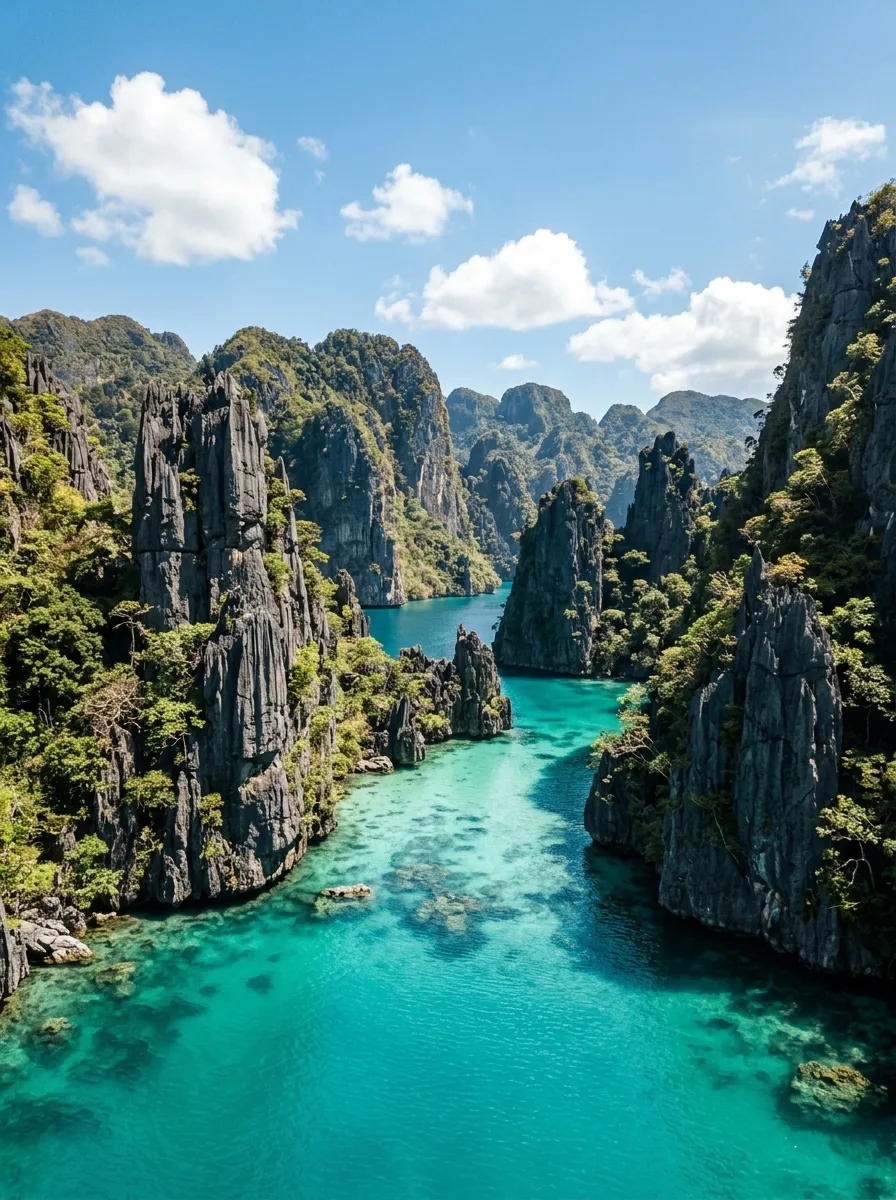
Balbulol Lagoon. Located on the remote eastern edge of the Misool islands, roughly 1.5 hours by boat from the Yapap homestay area, Balbulol is often described as the single most impressive sight in Misool — a turquoise lagoon ringed by dramatic vertical limestone spires. A wooden staircase near the lagoon leads up to a viewpoint in about 10 minutes, giving you an elevated panorama over the whole formation. Budget a half-day for the round trip plus time to swim and climb.
Harfat Peak (Dapunlol) and Love Lagoon (Karawapop) viewpoint. A short trek rewards you with one of Raja Ampat’s most iconic views: a heart-shaped lagoon framed by karst islets, best photographed in the mid-morning light before haze builds up.
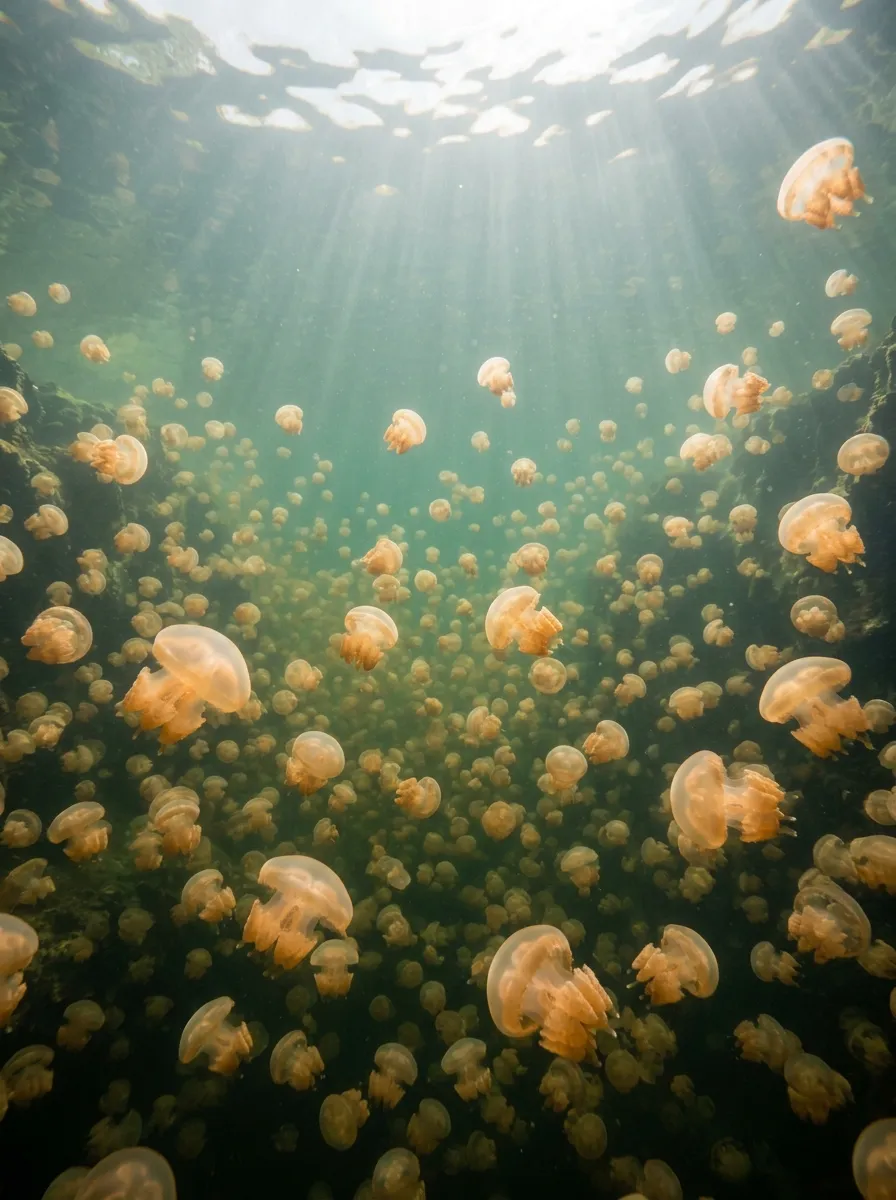
The stingless jellyfish lake. Misool has its own version of Palau’s famous jellyfish lake — a landlocked saltwater lake where millions of years of isolation have left the jellyfish population with no natural predators, so they’ve lost the need for a functioning sting. Swimming among hundreds of harmless jellyfish, often in near-total silence, is one of the strangest and most memorable experiences in the archipelago. Ask your homestay or guide about current lake conditions before visiting, as access and jellyfish numbers can shift with the season.
Limestone cave exploration. Several caves and swim-through tunnels around Farondi and Daram combine geology with marine life — some caves flood at high tide and open into cathedral-like chambers of light. These are usually visited as part of a dive or snorkel day trip rather than a standalone tour.
Village visits. A handful of small Papuan communities dot the Misool coastline. Respectful visits — arranged through your homestay host, never unannounced — offer insight into local life and fishing traditions, and are a meaningful way to put tourism dollars directly into the community.
7. Diving in Misool: Sites, Conditions, and Costs
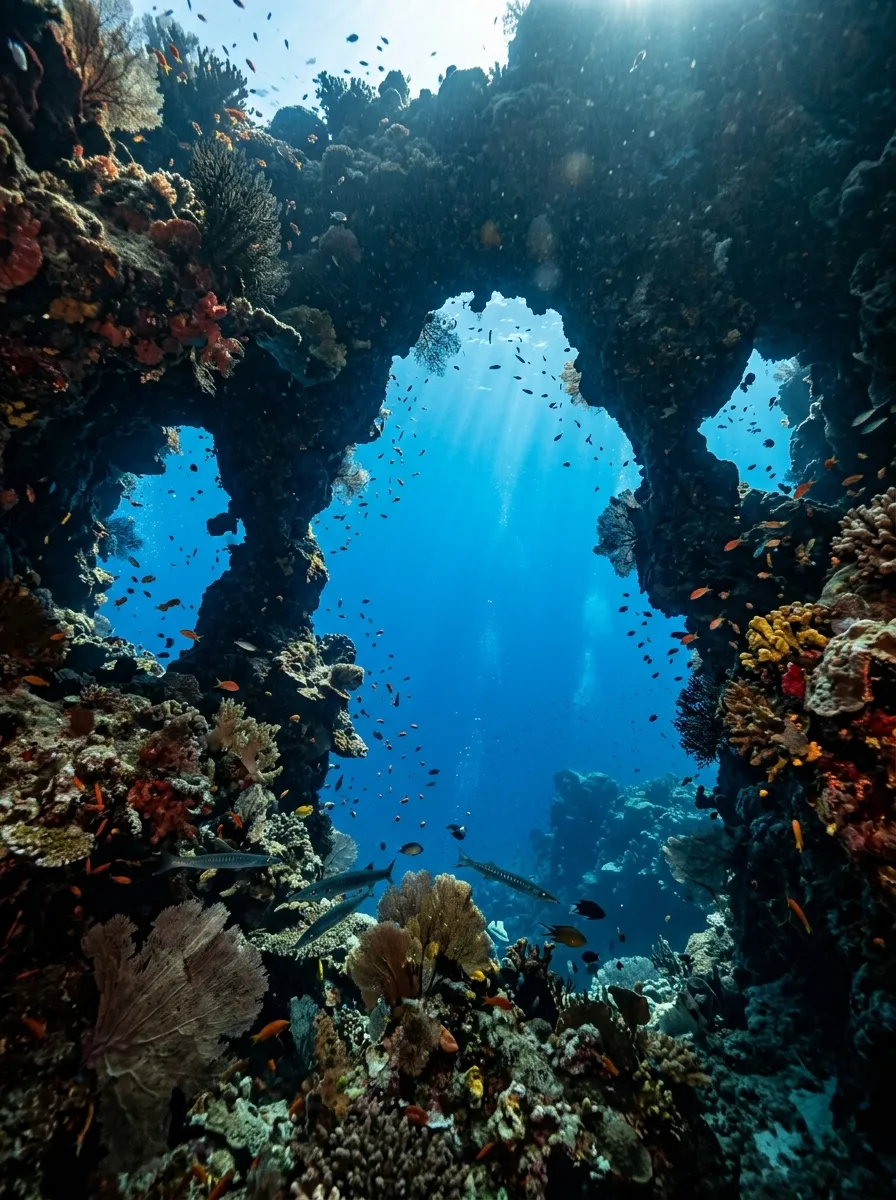
Misool is frequently ranked among the best muck and reef diving destinations on the planet, and the numbers back it up — some operators have mapped more than 60 dive sites within an hour of the main resort area, with over 25 world-class sites within just 15 minutes.
Signature dive sites:
- Magic Mountain (also called Shadow Reef): Misool’s flagship dive, a submerged seamount that functions as a cleaning station for both oceanic and reef manta rays. This is the site to prioritize if manta encounters are your goal.
- Boo Windows: A reef wall carved with natural window-like swim-throughs that frame open blue water — spectacular for wide-angle photography.
- Nudi Rock, Whale Rock, and Tank Rock (the Fiabacet chain): Consistently rated among the best reef dives in the world, known for pygmy seahorses on gorgonian fans, wobbegong sharks resting under table corals, and dense, colorful walls.
- Yilliet and Yilliet Kecil: Reliable for grey and blacktip reef sharks, turtles, and occasional barracuda schools.
- Candy Store (Daram area): Less frequented simply because of its location, but regarded by many divers as one of the finest single dive sites anywhere.
- Farondi Caves (Goa Farondi) and Verena’s Garden: Light-filled cave and tunnel systems, good for a change of pace from open-reef diving.
Conditions: Misool’s reefs sit inside a roughly 1,220 sq km marine reserve, much of it a strict no-take zone, which is why fish densities are so high. Currents vary by site and tide — some, like Magic Mountain, can run strong, so this is not universally a beginner destination; a number of sites are best suited to divers with at least intermediate experience and good buoyancy control. Nitrox is available at most dive operations in the area and is worth using given the multiple-dive-per-day schedules typical here.
Costs: Diving in Misool isn’t cheap, reflecting the remoteness and the conservation levies built into the local economy. Expect liveaboard packages (covering accommodation, meals, guided dives, and often permits) to run from roughly USD 300–500+ per day depending on the boat’s standard, with high-end operators charging more. Land-based dive packages through eco-resorts are typically bundled into nightly rates. Always confirm whether marine park permits, nitrox, and equipment rental are included or extra when comparing quotes — line items vary a lot between operators.
8. Snorkeling Highlights
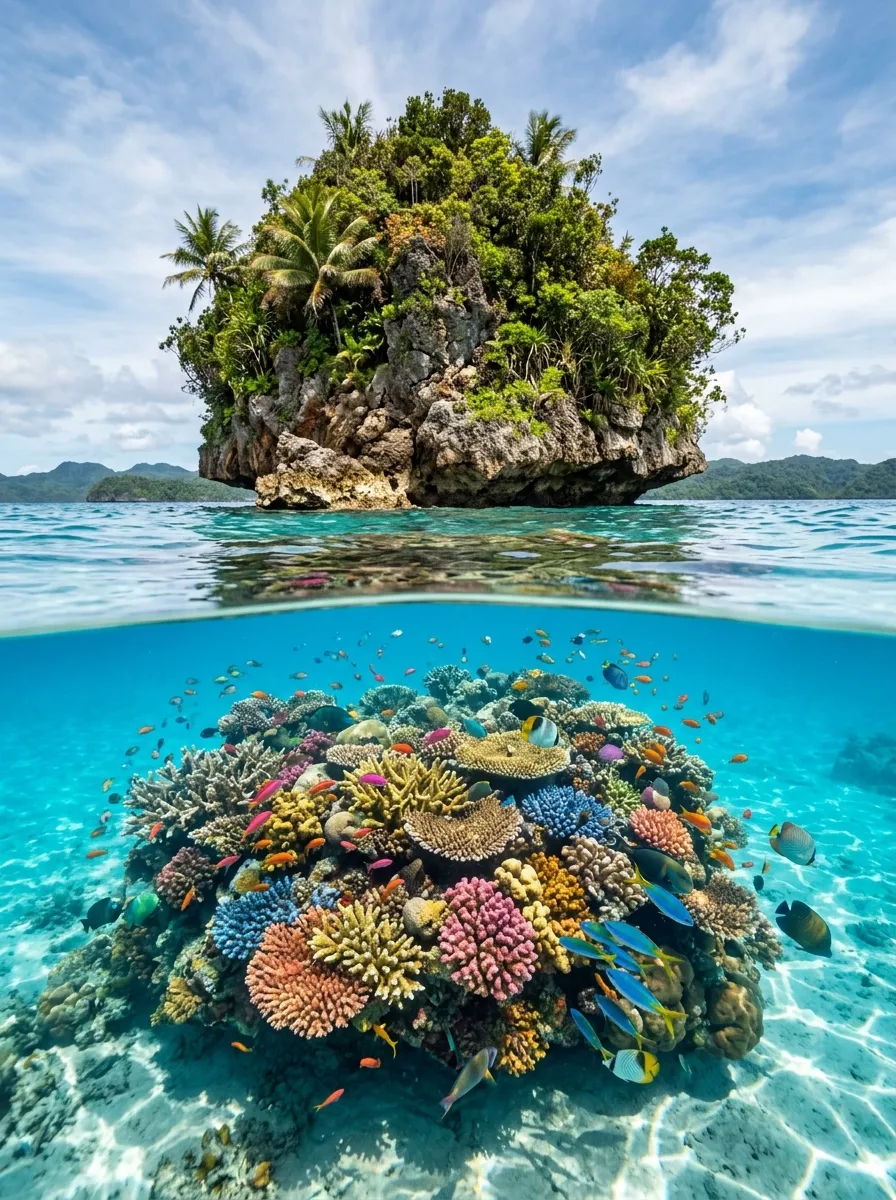
You don’t need to dive to experience Misool’s marine life — a mask and fins get you remarkably far here, since much of the reef life is in shallow water.
- Gamfi is a favorite among snorkelers: strong current, but exceptional coral coverage and a good chance of seeing squid, lobster, pufferfish, stingrays, and baby reef sharks in a single outing.
- The jellyfish lake (see above) is snorkel/swim-only and one of the most unusual experiences in the region.
- Many of the shallow bommies around the homestay areas in the Yapap region offer easy, current-free snorkeling suitable for beginners and kids, right off the jetty or a short boat ride away.
- If you’re staying at a homestay, ask your host which sites are calm enough for the day’s conditions — currents around Misool’s channels can change quickly with the tide, and locals know the safe windows far better than any guidebook.
9. Sample Itineraries
5-Day Homestay & Snorkeling Trip (budget-friendly, non-diver friendly)
- Day 1: Fly into Sorong, overnight near the airport.
- Day 2: Speedboat or ferry to Misool homestay area; afternoon settling in and a short snorkel near the homestay.
- Day 3: Full-day boat trip to Balbulol Lagoon and the viewpoint hike.
- Day 4: Morning at the jellyfish lake; afternoon snorkeling at Gamfi.
- Day 5: Hike to Harfat Peak/Love Lagoon viewpoint at sunrise, then depart back to Sorong.
7-Day Diving-Focused Trip (liveaboard or resort-based)
- Day 1: Arrive Sorong, overnight.
- Day 2: Transfer to Misool by speedboat or embark liveaboard; check-out dive.
- Day 3: Fiabacet chain — Nudi Rock, Whale Rock, Tank Rock.
- Day 4: Boo Windows, Yilliet, optional night dive.
- Day 5: Magic Mountain for mantas, plus a second nearby site.
- Day 6: Farondi Caves, Balbulol pinnacles, afternoon Harfat Peak trek and Love Lagoon viewpoint.
- Day 7: Final dives or snorkeling, then return transfer to Sorong.
Add 2–4 days if you want to combine Misool with Dampier Strait or Wayag in the north — most long liveaboard itineraries do exactly this.
10. What to Pack
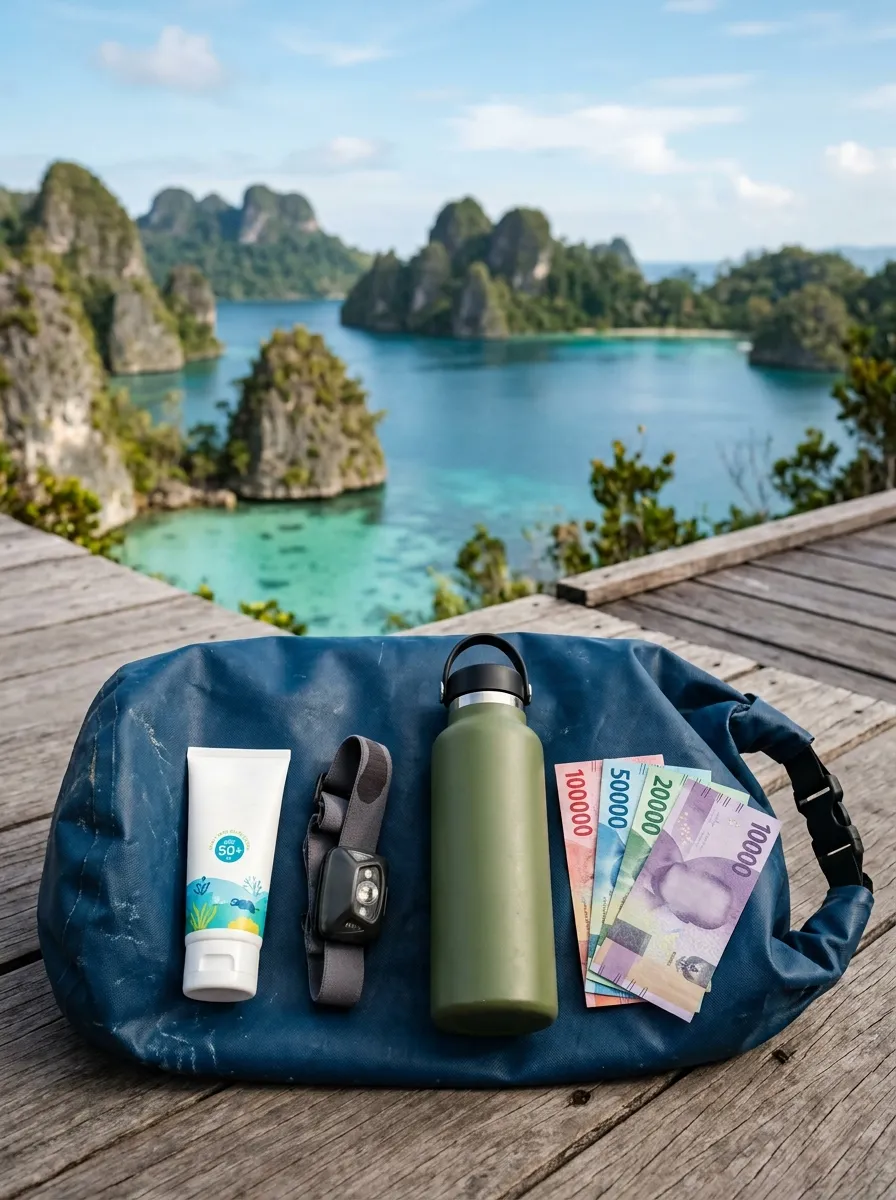
Misool is remote enough that forgetting something essential can genuinely derail your trip — there are no convenience stores nearby.
- Reef-safe sunscreen (mineral/non-nano, no oxybenzone or octinoxate) — this is often mandatory in the marine reserve, not just a suggestion.
- Cash in small Indonesian Rupiah denominations. There are no ATMs in Misool, and most homestays and boat operators do not take cards. Withdraw what you need in Sorong before departing.
- A dry bag for boat transfers — sea spray is a given.
- A basic first-aid kit with rehydration salts, antihistamines, and any personal medication; the nearest proper medical facility is back in Sorong.
- A headlamp or flashlight — power at homestays is often solar or generator-based and may cut out at night.
- Reusable water bottle and a way to purify water if your accommodation doesn’t provide filtered water; plastic waste disposal is extremely limited on remote islands.
- Lightweight, quick-dry clothing plus one warmer layer for boat rides and air-conditioned liveaboard cabins.
- Your own snorkel gear if you have it — rental quality at small homestays can be inconsistent, though most dive resorts and liveaboards provide good equipment.
- A printed or offline copy of your permits, bookings, and emergency contacts — mobile signal is unreliable to nonexistent through much of Misool.
- Motion sickness medication if you’re prone to it; open-water crossings from Sorong can be rough, especially outside the October–April window.
11. Budget Breakdown
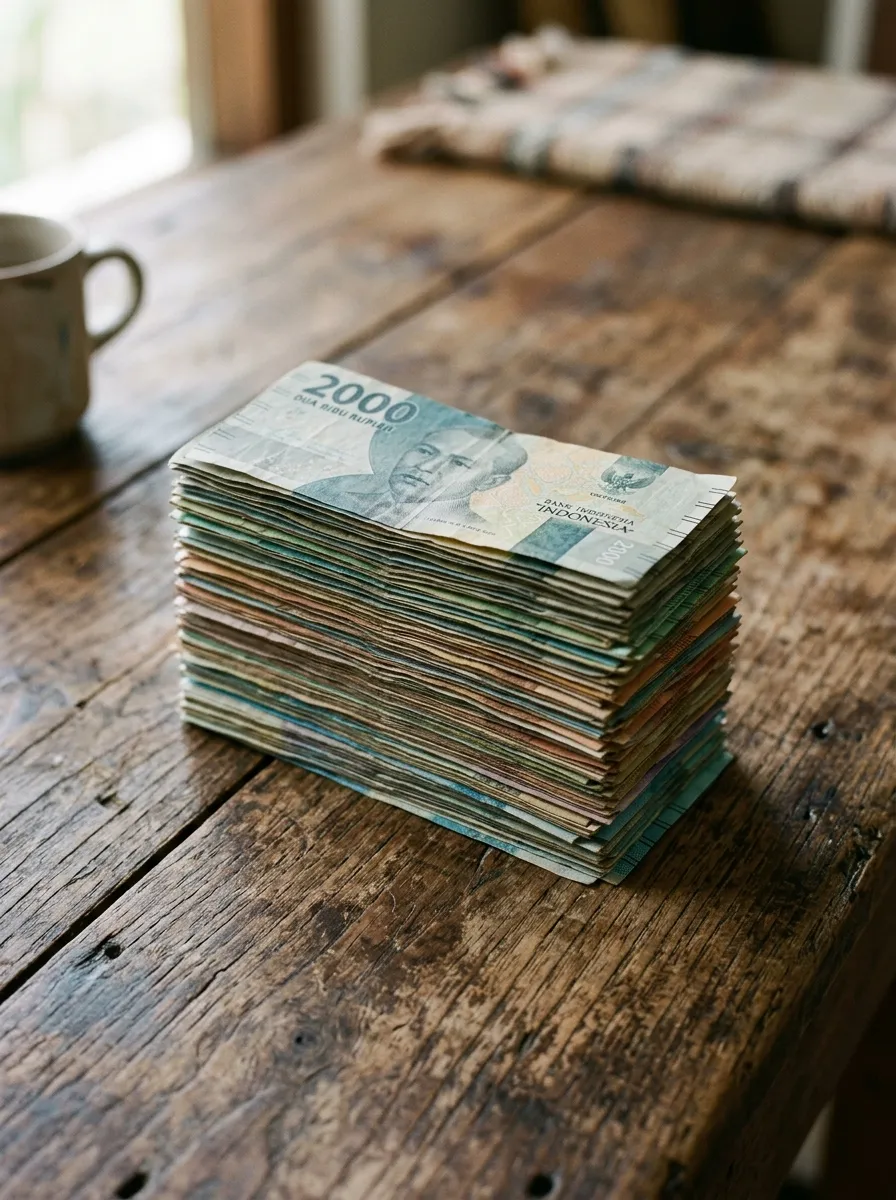
Approximate per-person costs, in USD, excluding international flights:
| Category | Budget (homestay) | Mid-range | High-end (resort/liveaboard) |
| Flights to/from Sorong | $80–200 | $80–200 | $80–200 |
| Entry permits (see Section 3) | ~$110 | ~$110 | ~$110 |
| Transport to Misool (ferry/speedboat) | $20–60 | $100–250 | Included in package |
| Accommodation (per night) | $40–70 all-inclusive | $150–300 | $450–575+ |
| Diving (per day, if applicable) | N/A or local add-on | $80–150/day | Included or $300–500+/day |
| Daily boat trips/activities | $20–40 | $40–80 | Included |
A one-week budget homestay trip focused on snorkeling can realistically be done for $500–800 all-in (excluding international flights), while a week-long liveaboard diving trip will more typically run $2,500–4,500+ depending on the boat and season.
12. Responsible Travel in Misool
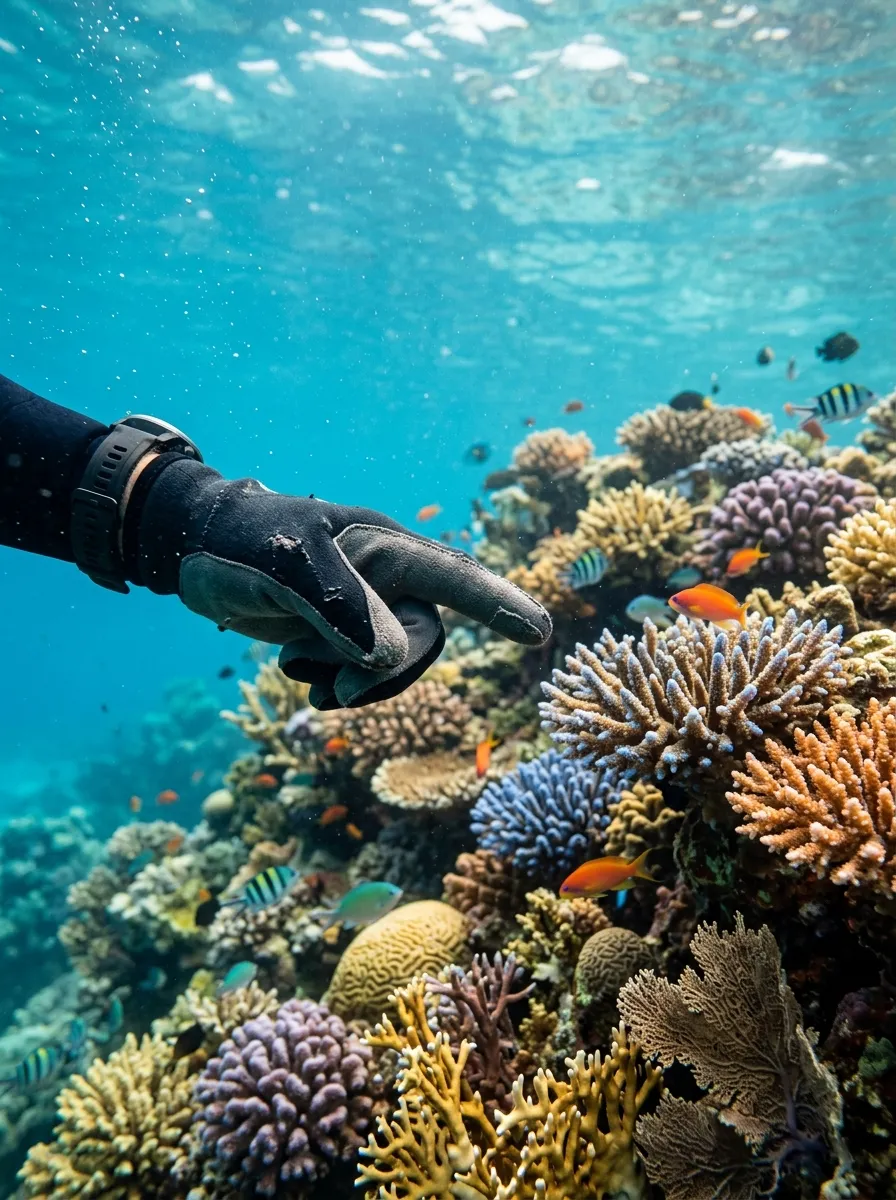
Misool’s reefs are as healthy as they are largely because of strict, actively enforced conservation rules — respecting them isn’t optional etiquette, it’s the reason the place is worth visiting at all.
- Never touch, stand on, or take coral, shells, or marine life.
- Use only reef-safe sunscreen, and consider wearing a rash guard instead of sunscreen for extended water time.
- Don’t request or pay for the feeding of any marine animal, including sharks and mantas.
- Support homestays and local guides directly where possible — a meaningful share of eco-resort revenue also goes into ranger patrols and reef rehabilitation, so either route can support conservation if chosen thoughtfully.
- Carry out everything you carry in, including plastic waste. Recycling and waste infrastructure in these islands is minimal.
- Ask before photographing local residents or entering villages, and dress modestly when visiting communities.
- Keep your permit on you at all times — random ranger checks are real, and the fees fund the patrols that keep the reserve intact.
13. Practical Tips and Common Mistakes to Avoid
- Don’t cut your Sorong connection too close. Flight delays and ferry cancellations are common enough that a same-day international departure after leaving Misool is a real risk. Build in at least one buffer day.
- Book liveaboards and eco-resort stays well in advance, especially for the December–March peak season — availability is limited by design.
- Confirm what’s included before booking any package. Permits, nitrox, equipment rental, and transfers are sometimes bundled and sometimes billed separately; ask explicitly.
- Bring more cash than you think you’ll need. There’s no way to withdraw more once you’re in Misool.
- Don’t expect fast Wi-Fi anywhere, even at higher-end resorts — connectivity is often satellite-based and limited. Treat this as a genuine digital-detox destination.
- Confirm your homestay pickup point and time directly with the host, ideally by phone before you lose signal, since ferry and speedboat drop-off points can vary.
- Check current permit prices before you travel. Fees have increased multiple times in recent years as the regency reinvests in conservation; don’t rely solely on older sources (including this one, a year or two from now).
Frequently Asked Questions
Is Misool suitable for non-divers?
Answer: Yes. Snorkeling, lagoon visits, jellyfish lake swims, and viewpoint hikes are all accessible without a dive certification, and homestays are generally set up for exactly this kind of visitor.
How many days should I spend in Misool?
Answer: A minimum of 4–5 days is recommended once you factor in the travel time from Sorong; most divers spend a week or more, often combined with a liveaboard route through other parts of Raja Ampat.
Do I need to be an experienced diver?
Answer: Not for every site, but several of Misool’s best-known dives have moderate to strong currents and are better suited to divers with at least intermediate experience and solid buoyancy control. Discuss your certification level and dive log with your operator when booking.
Is it safe to travel to Misool independently, without a package?
Answer: It’s possible, particularly via homestay and public ferry, but it requires flexibility, patience with limited communication, and comfort navigating logistics with minimal English spoken in some areas. First-time visitors often find it easier to book through a homestay network coordinator or local operator who can arrange transfers in advance.
What currency should I bring?
Answer Indonesian Rupiah in cash. There are no ATMs on Misool itself, so withdraw everything you’ll need while still in Sorong.
Will I definitely see manta rays?
Answer: No sighting in the wild is guaranteed, but Misool’s Magic Mountain cleaning station has a strong track record, particularly between December and March. Ask your operator about recent sighting frequency before you commit to a specific itinerary.
Bottom line
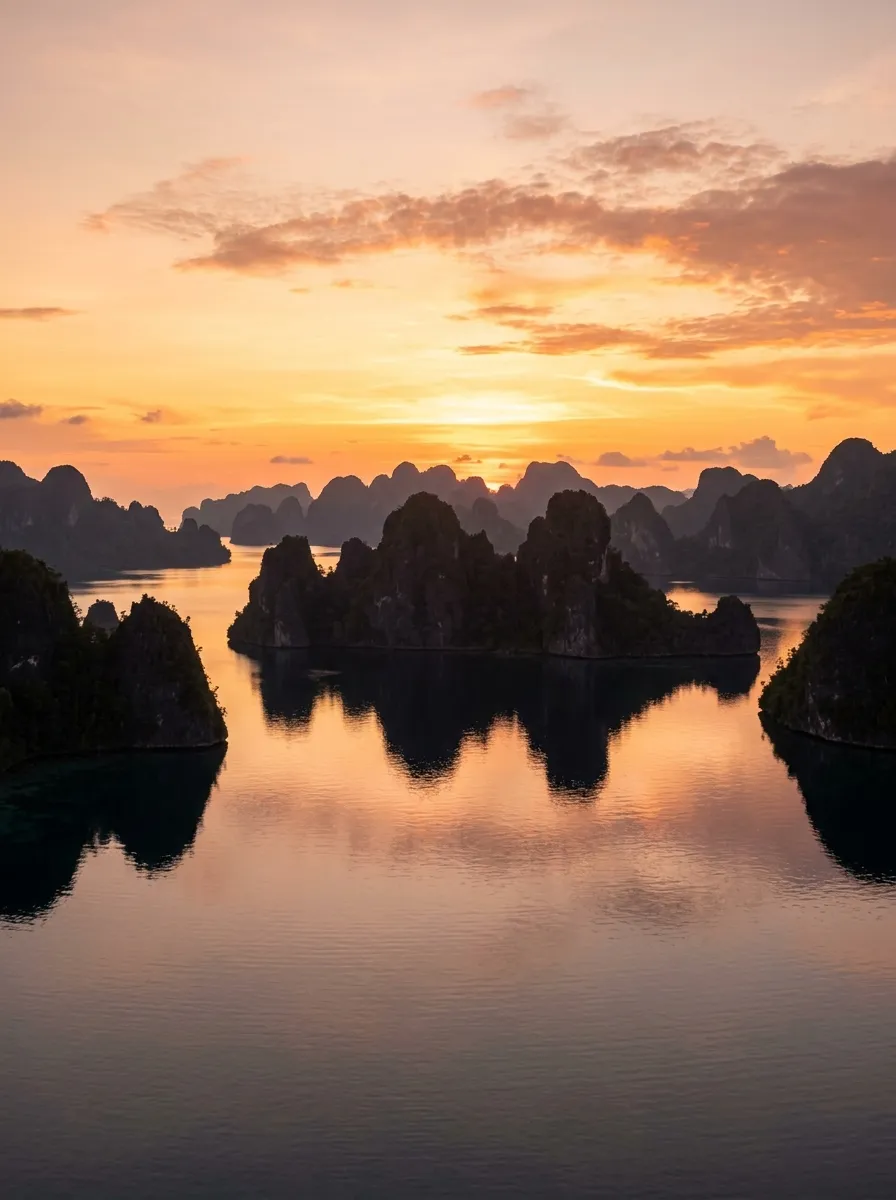
Misool rewards travelers who plan ahead and accept its remoteness as part of the experience rather than an inconvenience. Get the logistics right — the permits, the timing, the buffer days — and what’s left is one of the most extraordinary marine environments left on the planet.