Iguazu Falls Travel Guide: Argentina & Brazil
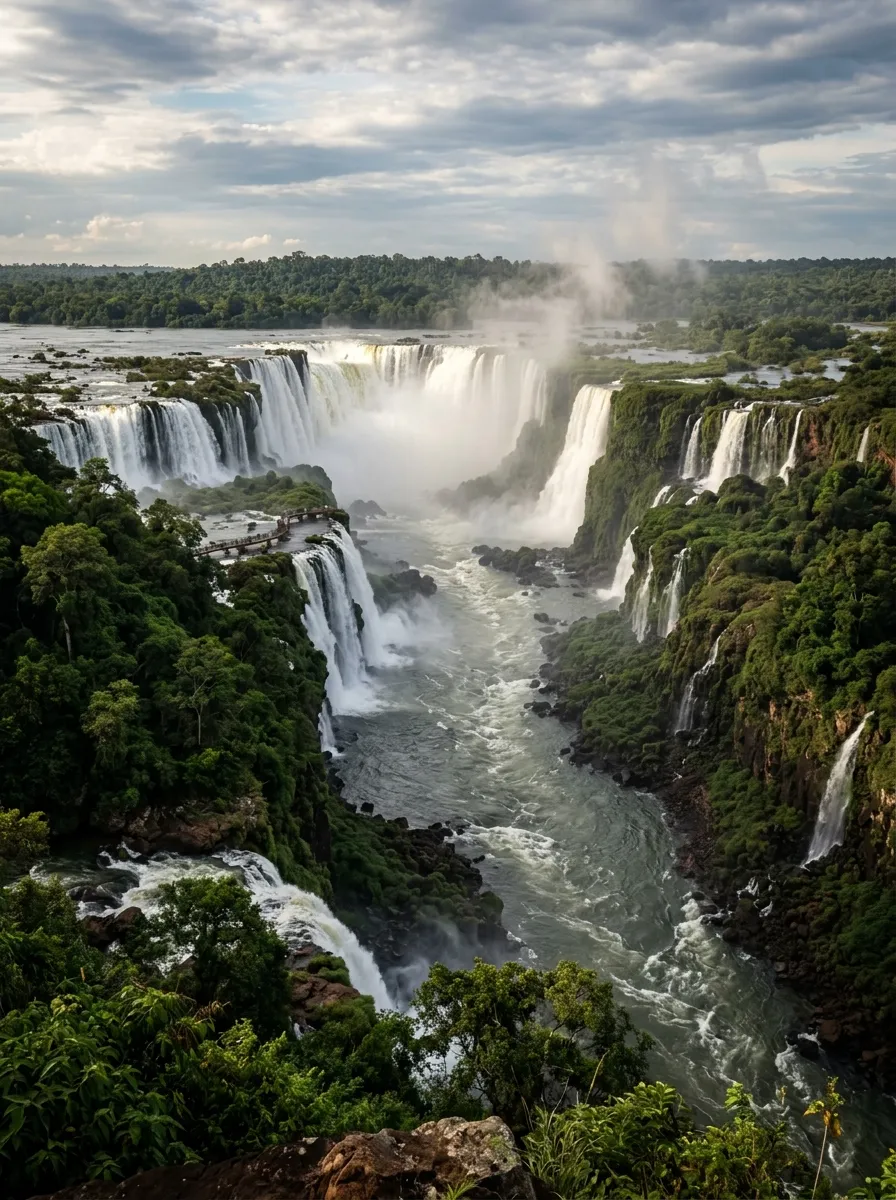
Niagara, meet your humbler cousin. When Eleanor Roosevelt first laid eyes on Iguazu Falls, she is said to have exclaimed “Poor Niagara” — and once you’re standing in the mist of nearly 275 individual cascades thundering across the border of Argentina and Brazil, you’ll understand exactly why. Iguazu isn’t one waterfall; it’s a nearly three-kilometer-wide curtain of them, carved out of dense subtropical jungle where toucans, coatis, and butterflies outnumber the crowds on the quieter trails.
The catch — and the reason so many travelers get this trip slightly wrong — is that Iguazu belongs to two countries at once, and each side offers a completely different experience. This guide breaks down exactly how to visit both sides, what each one costs in 2026, where to stay, and how to build an itinerary that doesn’t waste a single day of your trip.
If Iguazu is one stop on a longer South American itinerary, our Argentina Travel Guide: Everything You Need to Know Before You Go covers the bigger picture — visas, regions, and how to string destinations together — and it’s worth reading before you lock in your dates here.
Recommended Travel Items for Your Trip
1. Argentina Side vs. Brazil Side: Which One Do You Actually Need?
The honest answer is both, if your schedule allows it — they’re not redundant, they’re complementary. But if you only have time or budget for one, here’s the real difference:
The Argentina side puts you inside the falls. Iguazú National Park spreads the experience across the Upper Circuit, Lower Circuit, and the showstopping Devil’s Throat (Garganta del Diablo) walkway, which takes you out over the river to stand directly above the point where the water disappears into spray. You’ll walk an extensive network of catwalks and trails — often 10–17km over a full day — through genuine rainforest, with wildlife sightings along the way. This side occupies roughly two-thirds of the total falls system and rewards a full day, sometimes two.
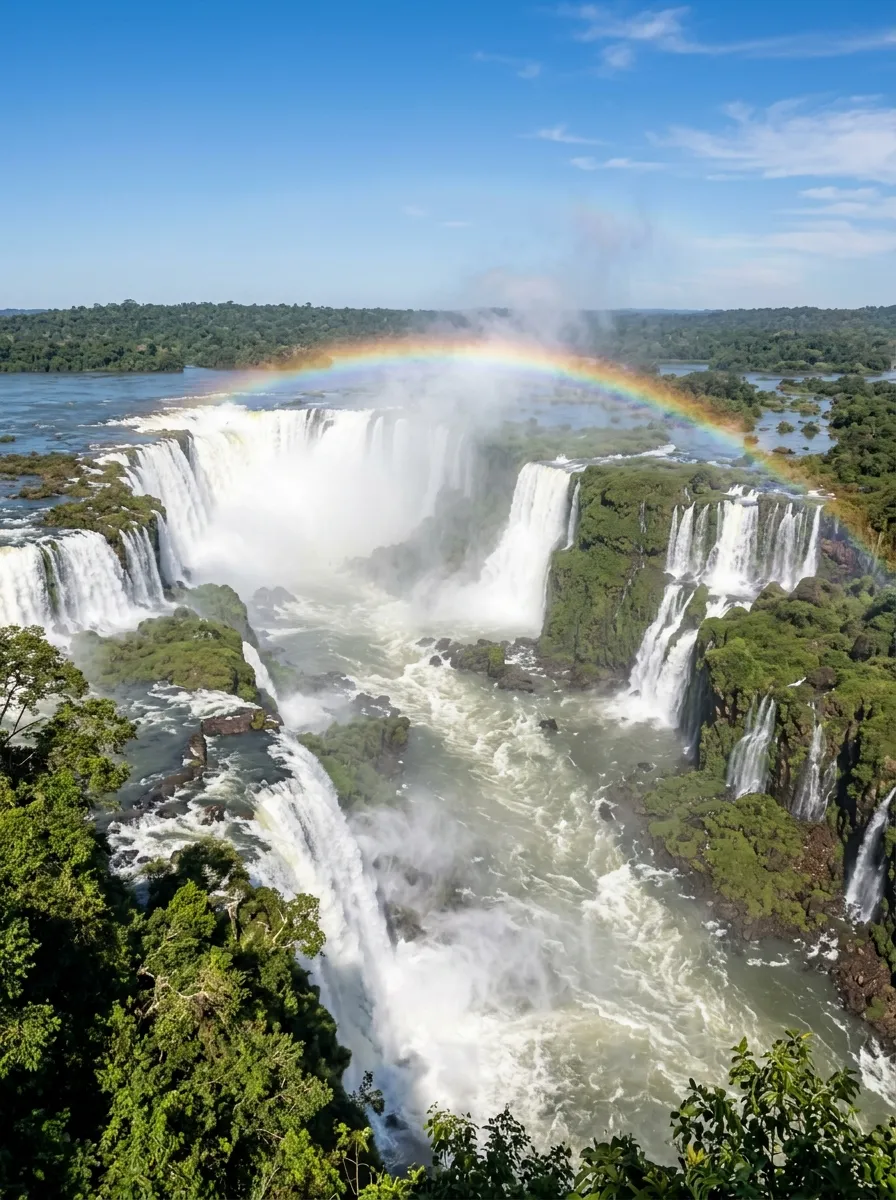
The Brazil side gives you the postcard. Because Brazil’s park sits across the river, its single main trail offers the sweeping, panoramic view — the shot where you can see the full width of the falls at once, rainbows arcing across the spray almost constantly. It’s a shorter visit, easily done in a half-day, and it’s the better choice if your time is limited or you want the big-picture photo before diving into Argentina’s up-close trails the next day.
Most experienced visitors do Brazil first for the overview, then Argentina for the immersive, full-day experience. Note that each country’s entrance fee is separate and non-transferable — visiting both sides means paying twice, and if you’re crossing the border to do so, keep your passport on you at all times.
2. How to Get to Iguazu Falls
By air (the fastest route for most international travelers). There are two airports serving the falls:
- Foz do Iguaçu International Airport (IGU) in Brazil has strong domestic connections, particularly from São Paulo and Rio de Janeiro, plus a growing number of regional international routes.
- Cataratas del Iguazú International Airport (IGR), near Puerto Iguazú in Argentina, connects well with Buenos Aires and other Argentine cities.
Flying into either airport works — a short taxi or transfer gets you into town, and both airports are within reach of both national parks (expect 20–40 minutes to the Brazil park entrance from IGU, and a similar drive from IGR into Puerto Iguazú, with the Argentina park entrance a further 15–20 minutes on).
By land. Long-distance buses connect Puerto Iguazú to Buenos Aires (an overnight journey of around 18 hours) and Foz do Iguaçu to major Brazilian cities. This is a common budget option for travelers already overlanding through the region, but it’s a long ride — factor in a recovery day if you go this route.
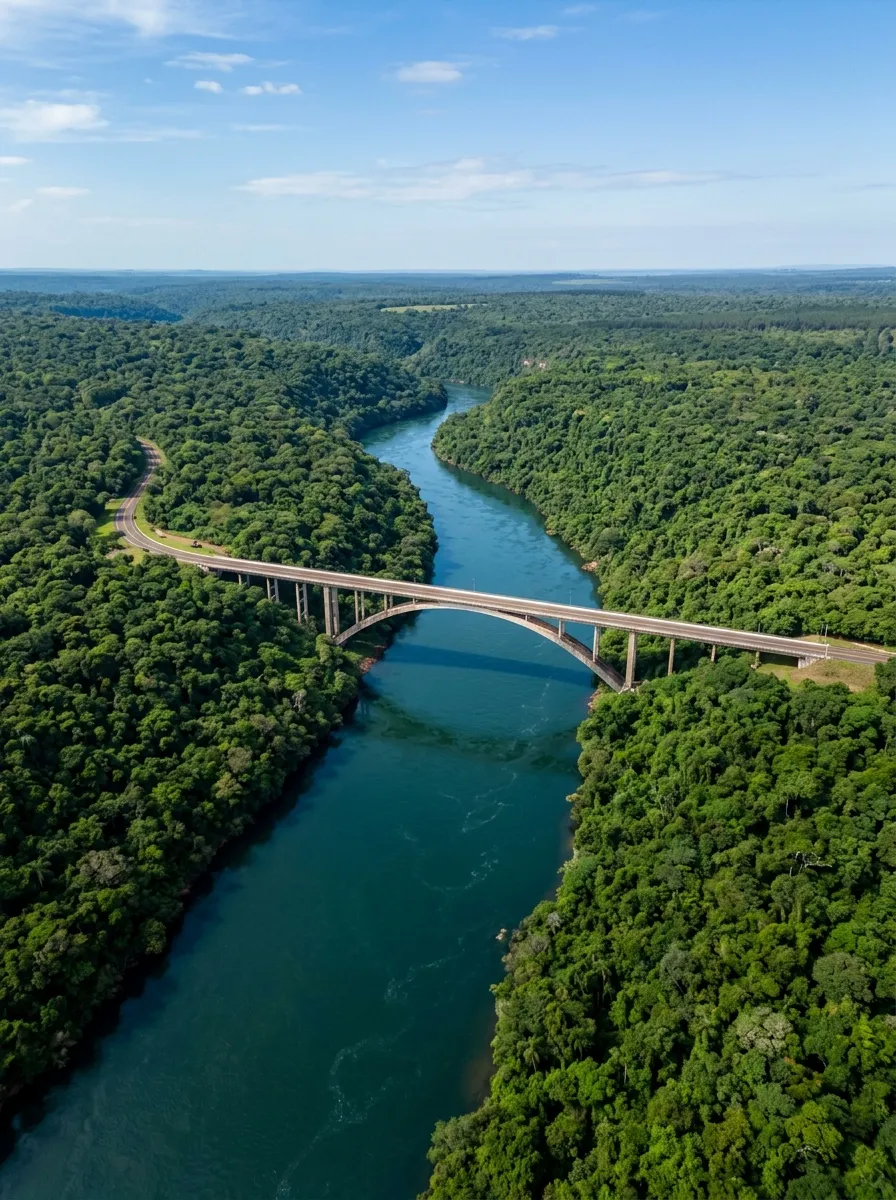
Crossing the border. Regular buses run between Puerto Iguazú and Foz do Iguaçu throughout the day, crossing the Tancredo Neves (Fraternity) Bridge. Immigration checks are typically quick but do happen on both sides, so keep your passport accessible. If you’re American, British, Canadian, or from most EU/Schengen countries, check current visa requirements well ahead of time — Brazil’s entry rules for various passport holders have shifted in recent years, and it’s worth confirming your specific nationality’s requirements before booking flights rather than after.
3. Entrance Fees and Tickets (2026 Prices)
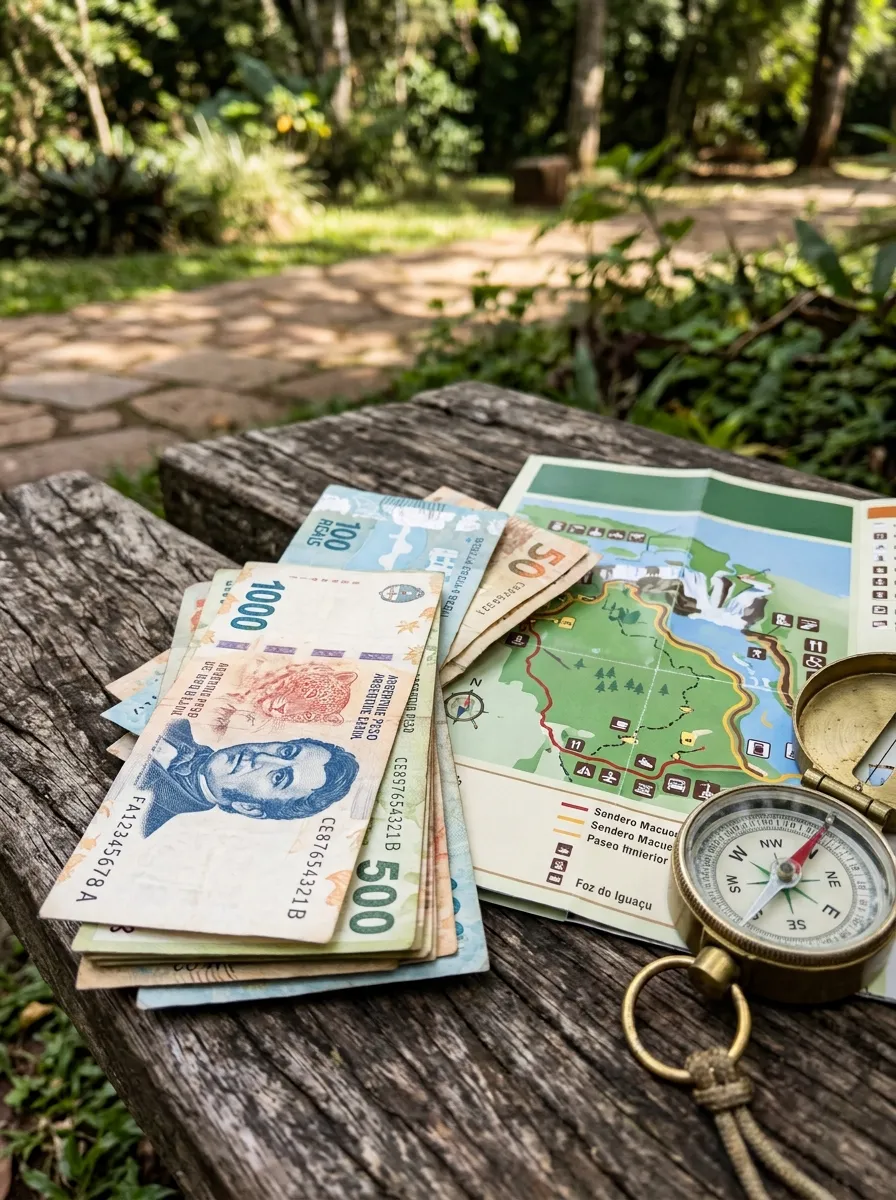
Prices fluctuate with currency swings on both sides, so treat these as a current snapshot rather than a permanent figure, and double-check before you travel.
Argentina (Parque Nacional Iguazú):
- Foreign visitors: approximately USD $25–30 per person as of early 2026 (prices are typically listed in Argentine pesos and adjusted periodically for inflation, so the peso figure moves more than the USD equivalent).
- Tickets can be purchased online in advance through the park’s official reservation system, or in person at the gate.
- Your ticket covers the Upper Circuit, Lower Circuit, Devil’s Throat walkway (via the Rainforest Ecological Train), and the boat to San Martín Island.
- Park hours generally run 8:00am–6:00pm; the last train to Devil’s Throat typically departs mid-afternoon, so arrive early if that’s your priority.
- Multi-day visitors get a discount on their second consecutive day — ask at the ticket counter if you’re planning to return.
Brazil (Parque Nacional do Iguaçu):
- Foreign visitors: approximately R$130 (roughly USD $23–25) for a one-day ticket, with a slightly lower rate for Brazilian and Mercosur citizens.
- As of 2026, tickets are sold exclusively online with a reserved date and time slot — there’s no walk-up ticket counter anymore, so book ahead, especially in high season.
- The Brazil-side visit is shorter and more linear: a single riverside walkway with a viewing platform near the base of the largest falls, typically taking 2–3 hours at an unhurried pace.
Both parks accept cash and card, and both have ATMs near the entrance, but it’s smart to carry some local currency for smaller vendors, parking, or the shuttle bus between town and the gate.
4. Best Time to Visit
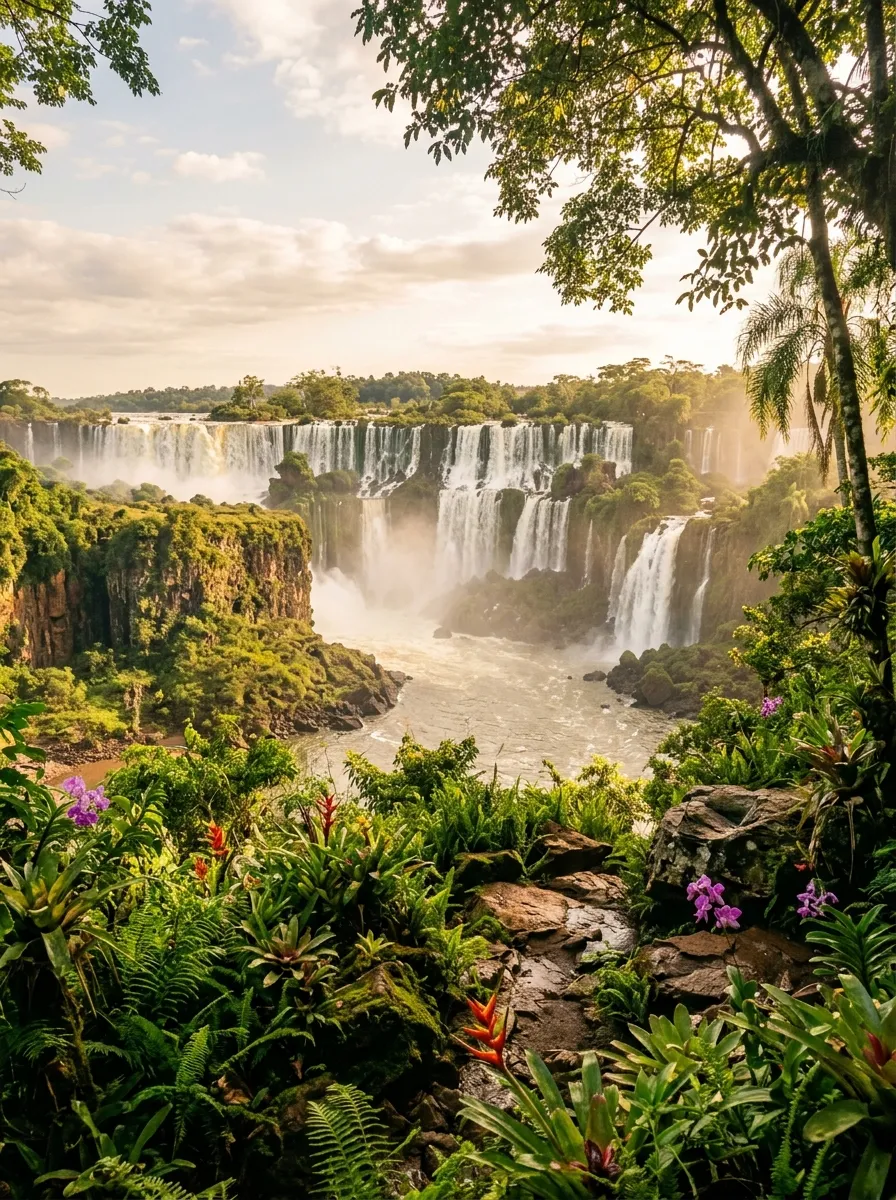
Iguazu is a year-round destination, but conditions shift meaningfully with the seasons:
- March to May and September to November (shoulder seasons) offer the best balance: comfortable temperatures, healthy water flow, and smaller crowds than peak holiday periods.
- December to February (Southern Hemisphere summer) brings intense heat and humidity, plus the busiest crowds due to regional summer holidays — expect long queues at both entrances if you visit during Argentine or Brazilian school breaks.
- June to August (winter) is cooler and drier, with generally lower water volume — still spectacular, but the falls can look less dramatic than after heavy rains.
- Water levels vary independently of season based on recent rainfall upstream; occasional flooding has, in past years, temporarily closed sections like the Devil’s Throat walkway on the Argentina side, so it’s worth checking current park conditions shortly before you travel.
5. Where to Stay: Puerto Iguazú vs. Foz do Iguaçu
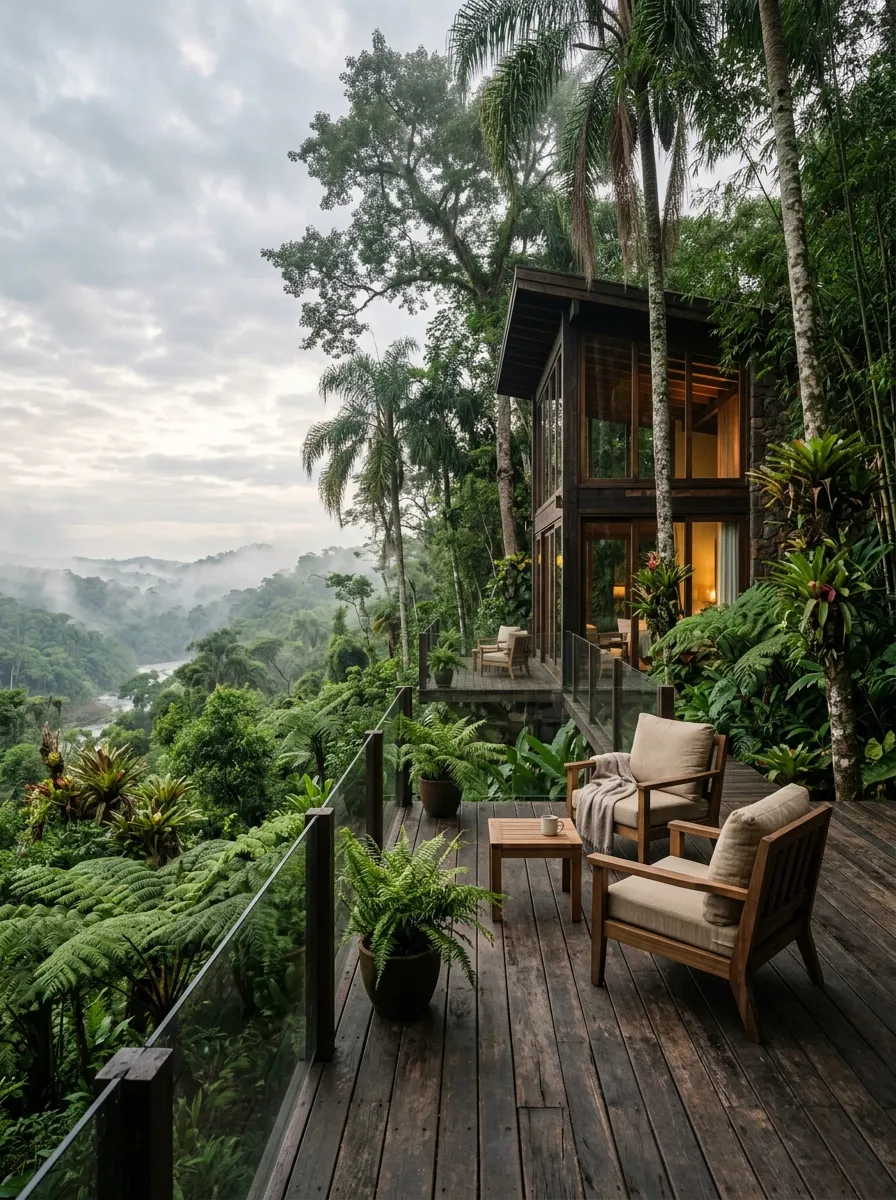
Puerto Iguazú, Argentina is a small, low-key town with a limited but pleasant range of accommodation, from hostels to boutique jungle lodges. It has no airport of its own within town limits (flights land at IGR outside the center), but it’s an easy base for a multi-day visit focused on the Argentina park, and it puts you closer to San Ignacio’s Jesuit ruins if you want to add that day trip.
Foz do Iguaçu, Brazil is the larger of the two towns, with its own international airport, a wider range of hotels, and considerably more restaurant and nightlife options. It’s the more practical base if you’re flying in and out of Brazil, want more accommodation choice, or plan to add Itaipu Dam or Paraguay’s Ciudad del Este to your trip.
If you’re staying more than a night or two and want something more atmospheric than a standard hotel, a handful of jungle-adjacent lodges near both towns lean into the rainforest setting — the kind of stay covered in our roundup of Jungle Houses and Villas: 15 Incredible Jungle Stays for a Wild, Luxurious Escape, which includes options in this part of South America alongside jungle retreats elsewhere. For travelers weighing whether to extend their trip deeper into Brazil afterward, 12 Amazing Places to Live in Brazil for High Vibe Living (2026 Guide) is a useful reference if you’re curious about the country beyond the falls.
Which side should you sleep on? If you’re doing both parks, basing yourself on whichever side you’re flying into and out of usually saves the most hassle — you avoid an extra border crossing with luggage. If you’re overlanding or have flexible dates, Puerto Iguazú tends to be quieter and more walkable, while Foz do Iguaçu offers more comfort and convenience.
6. What to See and Do on the Argentina Side
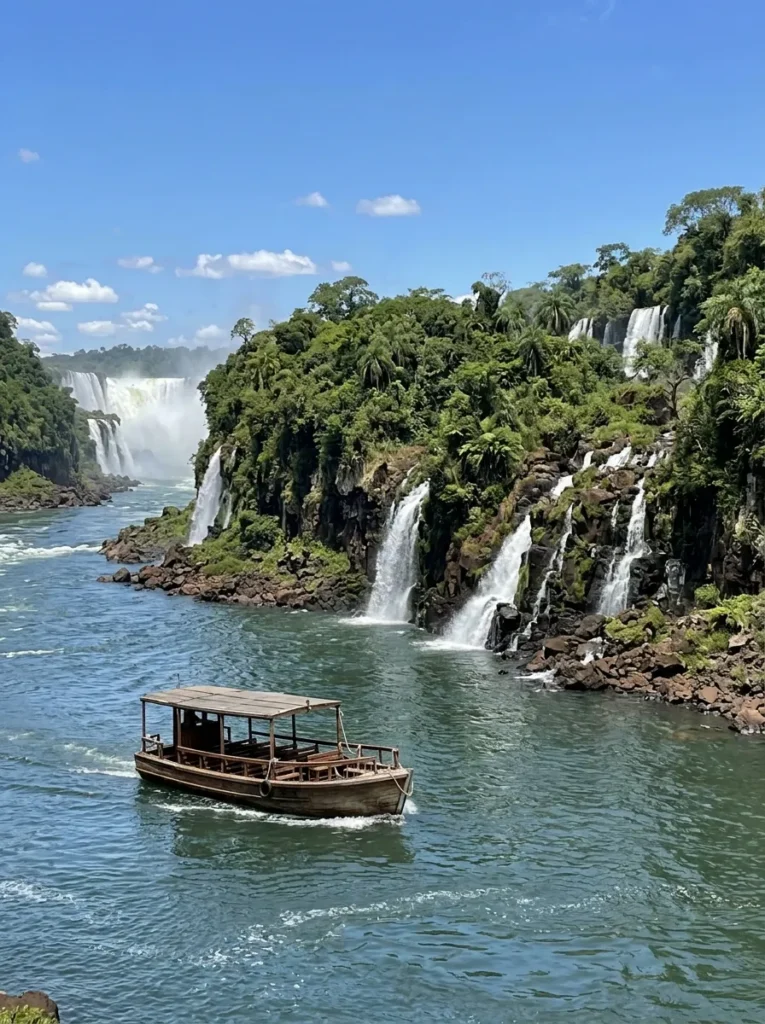
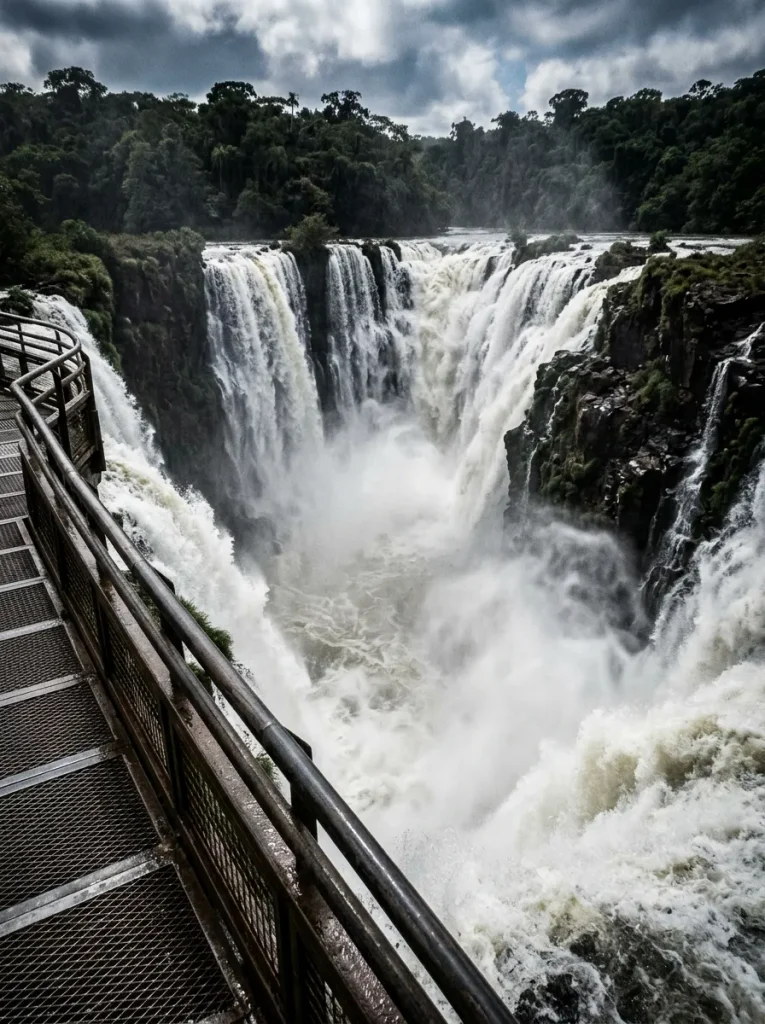
Budget a full day here — this side rewards unhurried exploration.
- Devil’s Throat (Garganta del Diablo). The single most powerful and photogenic section of the falls, a U-shaped chasm 82 meters high and 150 meters wide where multiple cascades converge. Reach it via the Rainforest Ecological Train followed by a walkway suspended over the river — arrive as early as possible, since it’s the park’s most popular stop and gets crowded by mid-morning.
- Upper Circuit (Paseo Superior). A relatively flat, easy walkway along the tops of several falls, giving you a look down onto the cascades from above. Good for anyone with mobility concerns, since there’s minimal elevation change.
- Lower Circuit (Paseo Inferior). A longer, more strenuous trail that winds beneath the falls, offering the closest up-close views and a better chance of spotting wildlife along the descent — this is where most of the “standing in the spray” photos come from.
- Boat ride to the base of the falls. An optional add-on (not included in park admission) that takes you directly beneath several cascades. It’s cold, loud, and completely soaking — pack a dry bag for anything you don’t want ruined.
- San Martín Island. Reachable by a short free ferry included in your ticket, this small island offers its own trails and viewpoints with a different angle on the falls, and tends to be far less crowded than the mainland circuits.
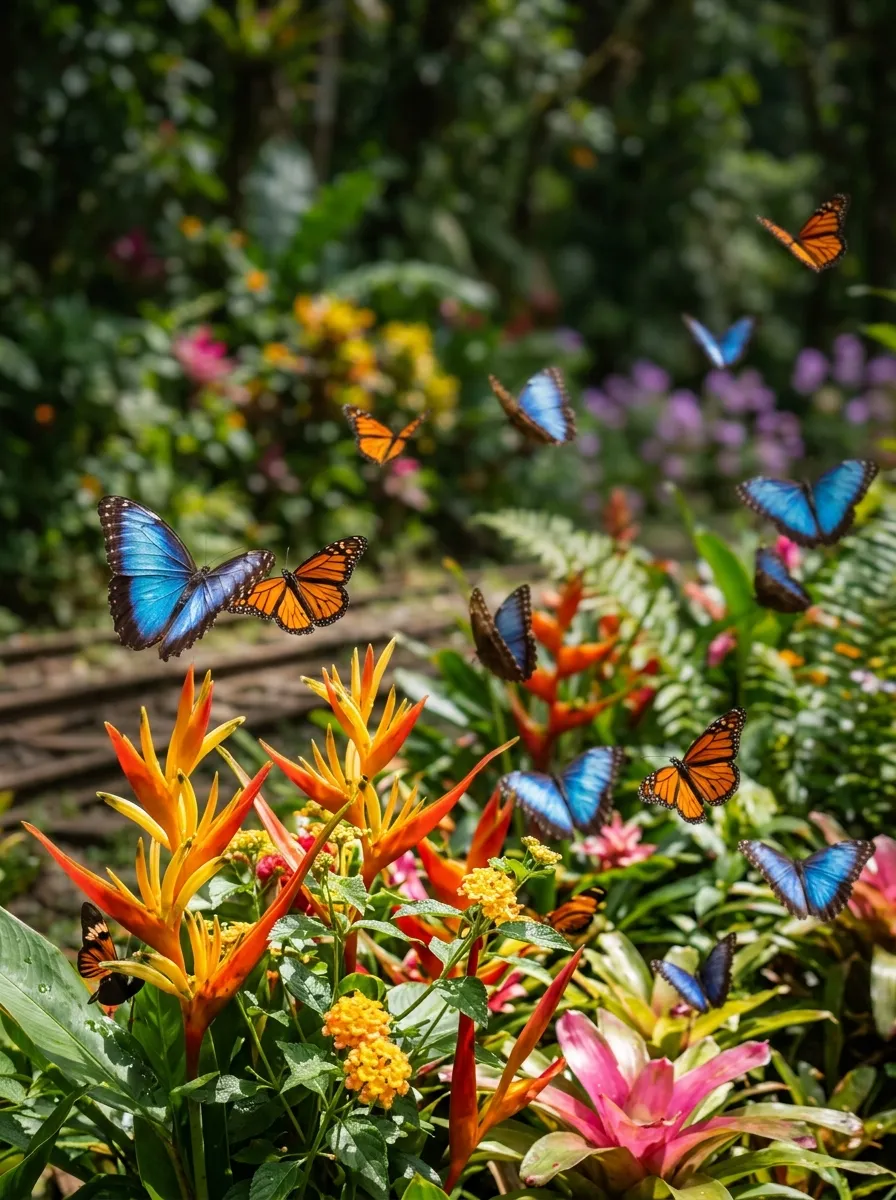
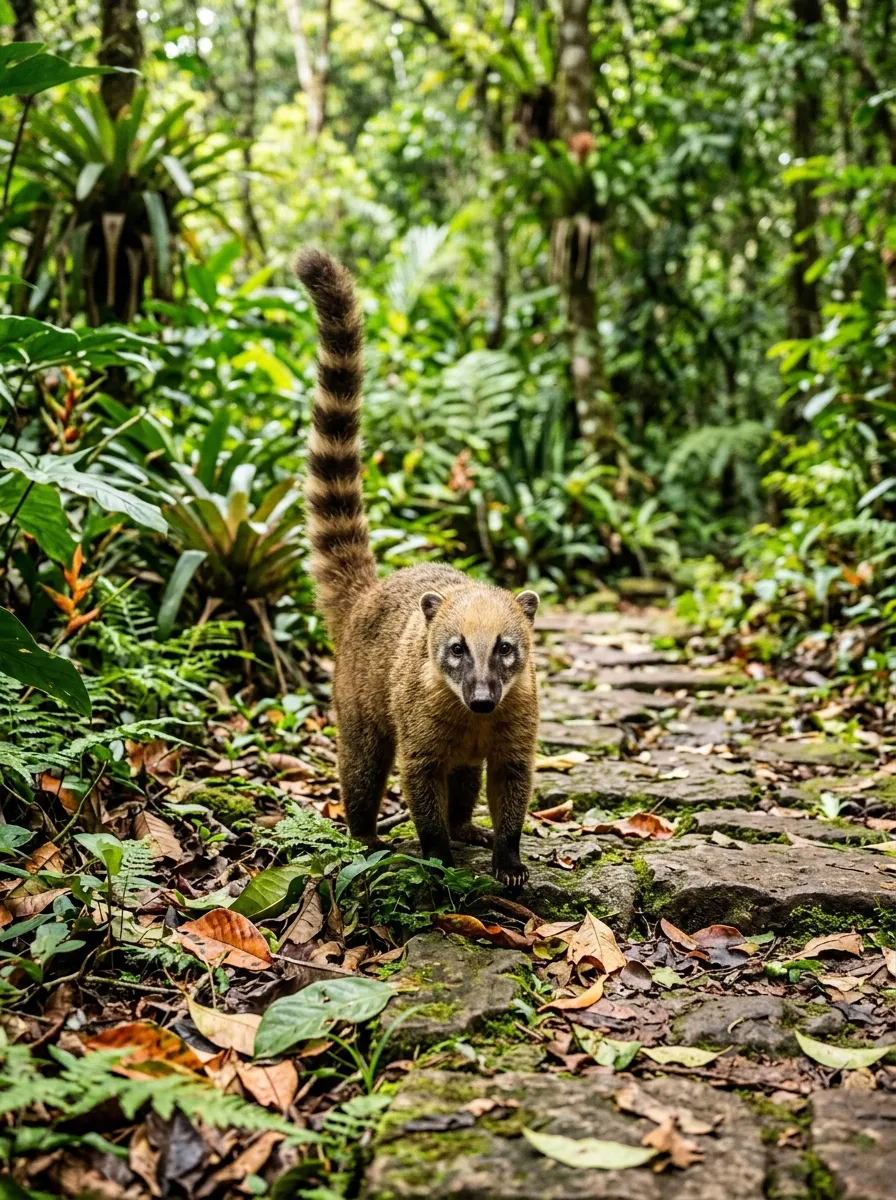
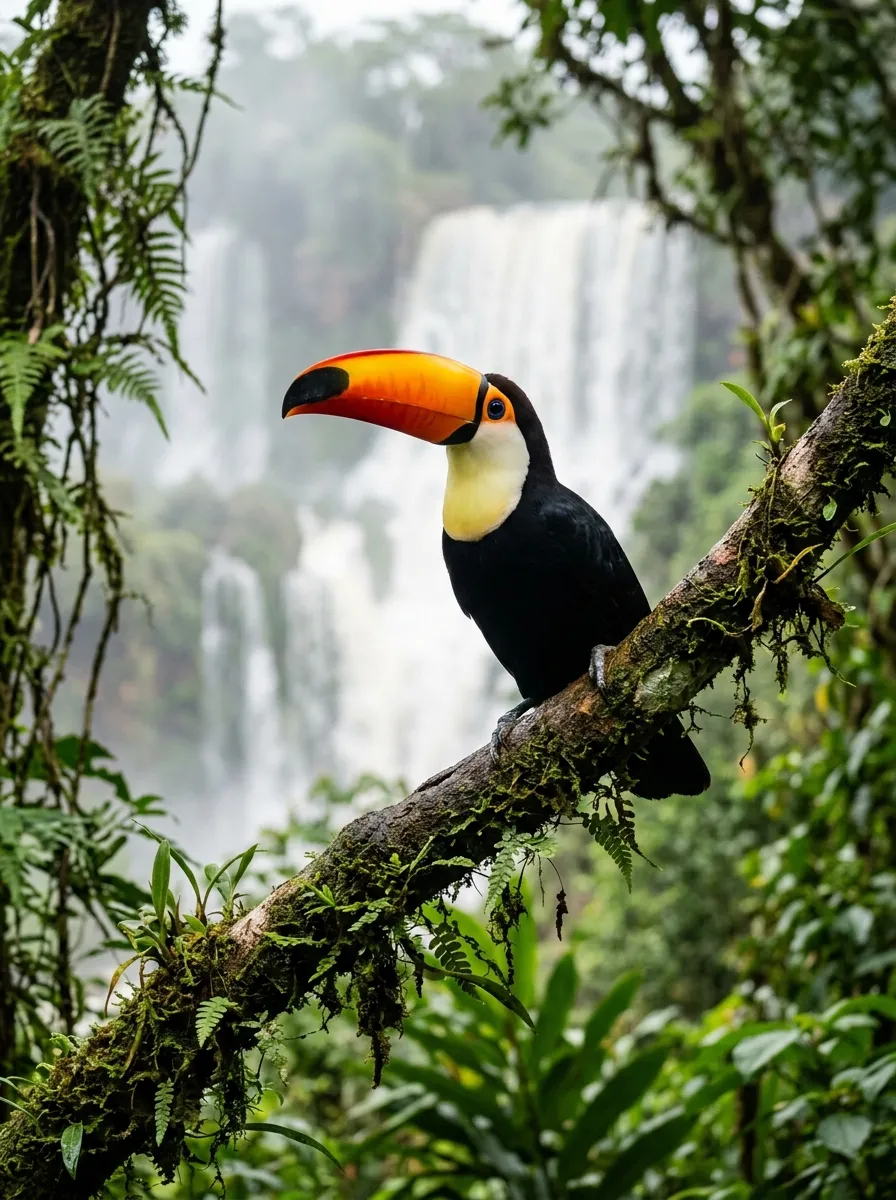
- Wildlife watching. Coatis (raccoon-like animals) roam freely near the food courts and will absolutely try to steal your lunch — don’t feed them, and keep food secured. Keep an eye out for toucans, capybaras, and butterflies throughout the forested sections.
7. What to See and Do on the Brazil Side

This side is built for efficiency — most visitors finish in half a day.
- The main riverside trail. A single, well-maintained walkway that traces the Brazilian bank of the river, delivering a continuous, expanding panorama of the falls as you walk — this is where the classic wide-angle photograph comes from.
- The final viewing platform. Near the end of the trail, a walkway extends out toward the base of the largest falls, putting you close enough to feel the spray without the extended hiking required on the Argentina side.
- Parque das Aves (Bird Park). Located right next to the falls entrance, this isn’t part of the national park but is one of the best add-ons in the area — immersive aviaries let you walk among toucans, macaws, and flamingos at close range. Budget an extra hour or two and a separate ticket.
- Panoramic photo opportunities. If photography is a priority, the Brazil side is generally considered the stronger vantage point for capturing the full scale of the falls system in a single frame, rainbows included on sunny days.
8. Beyond the Falls: Day Trips and the Tri-Border Area
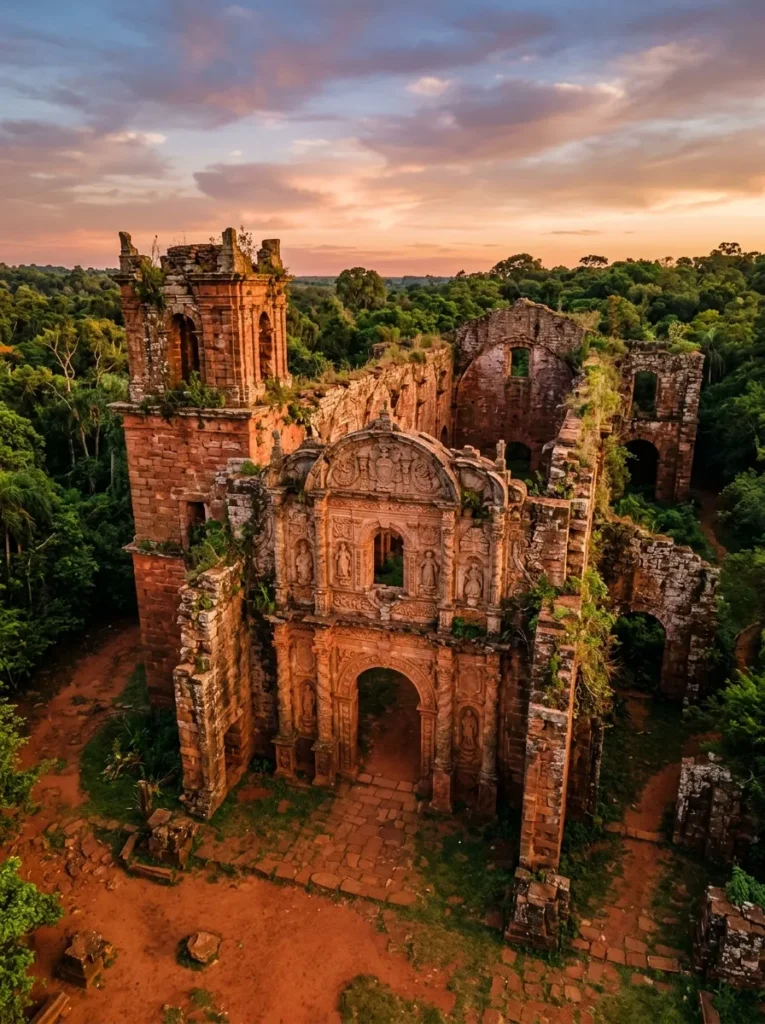
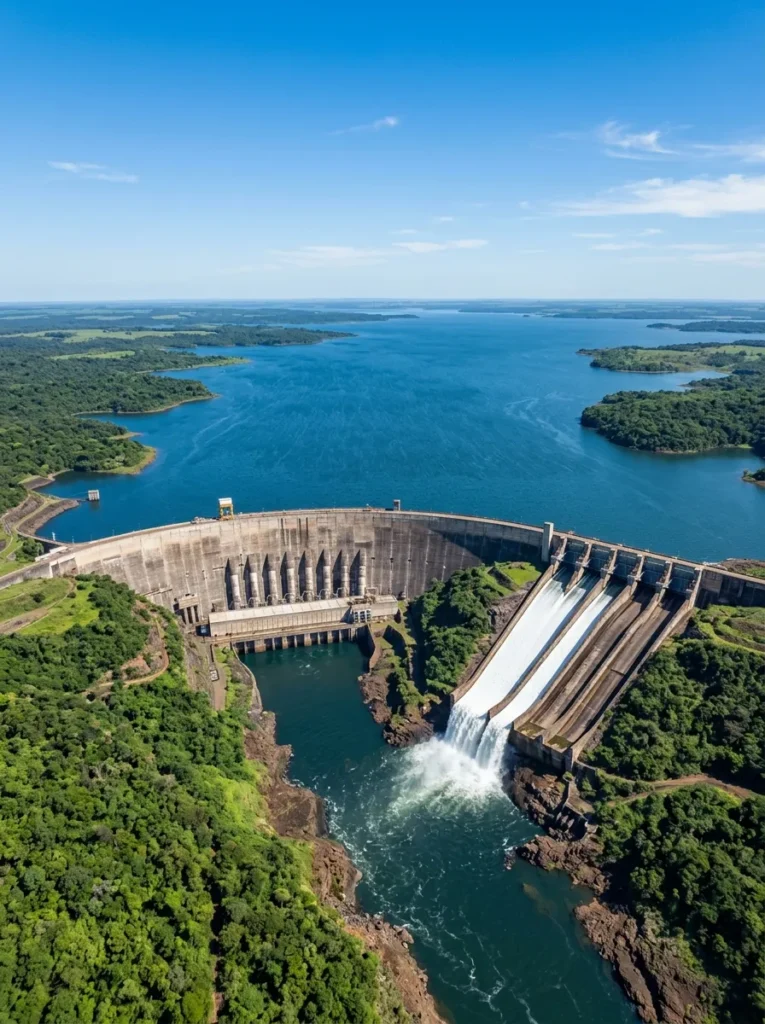
Puerto Iguazú and Foz do Iguaçu sit at the meeting point of Argentina, Brazil, and Paraguay — a genuine tri-border area, and there’s more to do here than the falls alone.
- Itaipu Dam. One of the largest hydroelectric power plants in the world, straddling the Brazil–Paraguay border. Guided tours take you through the control rooms and out onto the dam structure itself — a striking contrast to the natural spectacle of the falls.
- Ciudad del Este, Paraguay. A short crossing from Foz do Iguaçu, this duty-free shopping hub is popular for a quick day trip, particularly for electronics and imported goods. Confirm your visa situation for Paraguay before crossing, since requirements differ from Argentina and Brazil.
- San Ignacio Miní. A UNESCO World Heritage-listed Jesuit mission ruin a couple of hours from Puerto Iguazú, offering a completely different kind of history amid the same red-earth, jungle landscape.
- Wanda Mines. Semi-precious gemstone mines near Puerto Iguazú, often combined with the San Ignacio ruins as a single day-trip itinerary.
- Jardín de los Picaflores (Hummingbird Garden). A small, inexpensive attraction in Puerto Iguazú where dozens of hummingbird species gather at feeders — a nice low-key half-day activity if you have downtime between park visits.
If the falls are just one stop on a broader bucket-list itinerary, they’re the kind of place that belongs on lists like our 7 Beautiful Places to Visit at Least Once — genuinely one of those destinations that looks different in every photo you take and still doesn’t do it justice in person.
9. Suggested Itinerary
3-Day Iguazu Falls Itinerary (both sides, no rush)
- Day 1: Arrive in Foz do Iguaçu (or Puerto Iguazú), settle in, and if time allows, visit the Hummingbird Garden or simply rest after travel.
- Day 2: Full day at the Brazil-side park in the morning (arrive at opening to beat tour buses), followed by Parque das Aves in the afternoon.
- Day 3: Cross the border early and spend the full day at the Argentina-side park — start with Devil’s Throat before the crowds build, then work through the Upper and Lower Circuits, finishing with the boat ride under the falls if you’re up for getting soaked.
Add a 4th day for Itaipu Dam or the San Ignacio ruins if you have the time, or a 5th if you want to build in a genuine rest day between park visits — two consecutive full days of walking in humid heat is tiring, and a buffer day makes the trip far more enjoyable than rushing through.
10. What to Pack
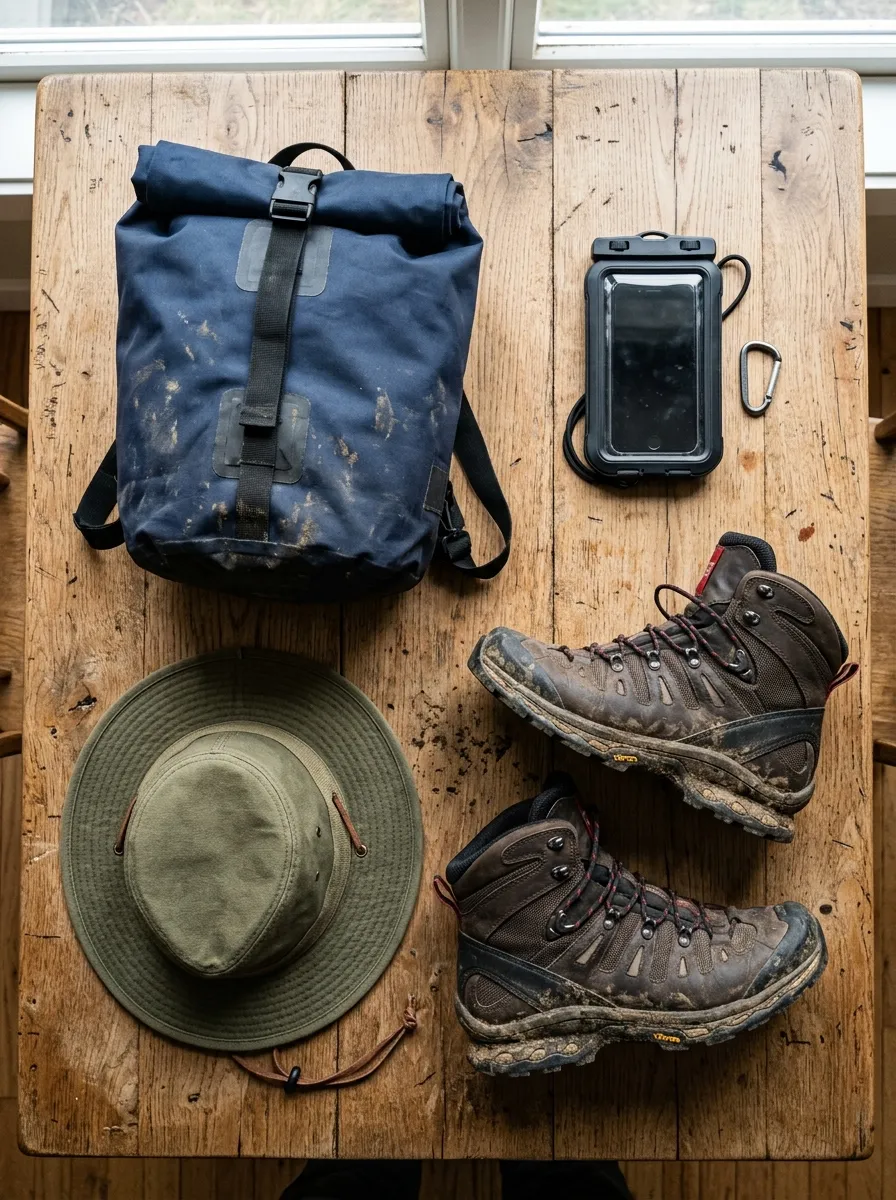
- Waterproof or quick-dry clothing, especially if you’re doing the boat ride under the falls on the Argentina side — you will get completely soaked.
- A dry bag or waterproof phone case for cameras and electronics near the spray zones.
- Comfortable walking shoes with good grip; boardwalks can get slippery from mist.
- Sun protection — hat, sunglasses, and sunscreen — since much of the Brazil-side trail and parts of the Argentina circuits are exposed to direct sun.
- Insect repellent, particularly for the rainier months when mosquito activity picks up.
- A refillable water bottle; both parks have refill points, and the heat and walking distances add up quickly.
- Cash in local currency (pesos for Argentina, reais for Brazil) for small purchases, parking, or local buses, even though cards are widely accepted at main ticket counters.
- Your passport, always, if you’re crossing between the two sides — border checks are routine but non-negotiable.
11. Practical Tips and Common Mistakes
- Don’t try to do both sides in a single day. It’s technically possible if you start early and move fast, but you’ll rush the Argentina side’s best features and arrive exhausted. Two separate days lets you actually enjoy each park.
- Book Brazil-side tickets online in advance. As of 2026, walk-up purchases are no longer available at the Brazilian park — reserve your date and time slot ahead of your visit, especially during peak season.
- Arrive at opening time, particularly for Devil’s Throat on the Argentina side and the main viewpoint on the Brazil side — both get significantly more crowded by mid-morning as tour buses arrive.
- Confirm visa requirements for your nationality well before booking flights. Entry rules for Brazil, Argentina, and Paraguay vary by passport and do change, and getting this wrong at the border can derail your whole itinerary.
- Don’t feed the coatis, no matter how persistent or seemingly harmless they look — they can bite, and feeding wildlife disrupts the park’s ecosystem.
- Check water levels before your trip if you’re visiting after heavy regional rain; sections of walkway have occasionally closed temporarily due to high water.
- Keep some cash on hand for the local shuttle buses between town centers and park entrances — convenient, inexpensive, and often simpler than arranging private transfers for every leg.
12. Frequently Asked Questions
Which side of Iguazu Falls is better, Argentina or Brazil?
They’re different experiences rather than directly comparable: Argentina gets you up close with extensive trails and a full-day itinerary, while Brazil delivers the sweeping panoramic view in a shorter visit. Most travelers who can manage it visit both.
How many days do I need at Iguazu Falls?
Two full days minimum — one for each side of the falls — plus a travel day on either end. Three to four days allows time for a day trip to Itaipu Dam, the San Ignacio ruins, or Paraguay.
Do I need a visa to visit both sides?
It depends entirely on your passport. Requirements for Argentina, Brazil, and Paraguay differ and have changed in recent years for various nationalities — check official government sources for your specific citizenship well before booking flights.
Is it safe to cross the border between Puerto Iguazú and Foz do Iguaçu?
Yes, it’s a routine, well-traveled crossing used daily by tourists and locals alike via regular buses and taxis. Keep your passport accessible and be aware of standard travel safety practices, as with any border town.
Can I see the falls without a guide?
Absolutely! both national parks are well signposted and easy to navigate independently. A guide adds context and can save time, but isn’t necessary for a satisfying visit.
What’s the best time of day for photos?
Morning light tends to favor the Brazil side’s panoramic views, with rainbows more likely to appear in the spray. On the Argentina side, arriving right at opening avoids both crowds and the harsher midday sun at Devil’s Throat.
Conclusion:
Iguazu rewards travelers who give it the time it deserves — rushing through in a single day means missing half of what makes it one of the most genuinely awe-inspiring natural sites on the planet. Plan for both sides, book your Brazil tickets ahead, and get to Devil’s Throat before the crowds do.